Every successful interview starts with knowing what to expect. In this blog, we’ll take you through the top Forest Road Navigation interview questions, breaking them down with expert tips to help you deliver impactful answers. Step into your next interview fully prepared and ready to succeed.
Questions Asked in Forest Road Navigation Interview
Q 1. Describe your experience with different GPS technologies used in forest road navigation.
My experience with GPS technologies in forest road navigation spans various systems, from basic handheld GPS units to sophisticated real-time kinematic (RTK) GPS systems. Handheld units, while less precise, are reliable for general navigation and waypoint marking. They’re like a compass with much more detailed location information. I’ve used Garmin and Magellan units extensively, appreciating their ease of use and battery life. However, for precise surveying or mapping forest roads, RTK GPS is essential. These systems provide centimeter-level accuracy, crucial for detailed road design and maintenance. I’ve worked with Trimble and Leica RTK systems, and the difference in accuracy compared to standard GPS is night and day. Furthermore, I’m familiar with integrating GPS data with GIS software to create comprehensive road maps and analyze spatial data. For example, during a recent project, integrating RTK data with ArcGIS allowed us to accurately map newly constructed forest roads and identify areas requiring immediate maintenance.
Q 2. Explain the process of planning a route through challenging terrain, considering factors such as slope, soil type, and weather conditions.
Planning a route through challenging terrain involves a multi-step process, beginning with thorough data acquisition. This includes obtaining high-resolution topographic maps, aerial imagery, and possibly LiDAR data for elevation modeling. Then, I consider several critical factors. Slope: Steep slopes can damage vehicles and necessitate specialized equipment. I’ll use elevation data to identify areas exceeding a safe gradient. Soil type: Soil stability is crucial. Clay soils, for instance, can become impassable after heavy rain, requiring alternative routes. This information is often found on geological maps or through site visits. Weather conditions: Rainfall can significantly impact road conditions, causing washouts or creating mudslides. I incorporate weather forecasts into my planning, possibly delaying travel if conditions are predicted to be unsafe. This predictive process involves analyzing the data using GIS software and expert judgment to determine the optimal route, accounting for potential hazards and mitigating risks. For instance, during a recent logging operation in a mountainous area, we had to divert the route due to unstable soil conditions, identified in the pre-planning phase using LiDAR analysis and soil reports.
Q 3. How do you interpret topographic maps and aerial imagery for forest road navigation?
Topographic maps and aerial imagery are indispensable for forest road navigation. Topographic maps provide contour lines indicating elevation changes, crucial for identifying steep slopes or potential drainage issues. I look for patterns like concentrated contour lines which signify steep slopes and valleys which could indicate potential water crossings. Aerial imagery provides a visual overview of the landscape, allowing me to identify existing roads, vegetation density, and obstacles. I use this imagery in conjunction with the topographic map to assess road conditions and identify potential hazards such as fallen trees or rock slides. For example, I once identified a previously undocumented landslide using aerial imagery, which allowed us to reroute a planned road construction project, preventing potential accidents and cost overruns.
Q 4. What safety measures do you employ when navigating forest roads?
Safety is paramount. My safety measures include:
- Pre-trip planning: Thorough route planning using maps and GPS, considering potential hazards.
- Communication: Carrying a satellite phone or two-way radio for emergency communication.
- Vehicle preparation: Ensuring the vehicle is well-maintained and equipped for off-road driving.
- First-aid kit: Carrying a comprehensive first-aid kit and having appropriate wilderness survival skills.
- Inform others: Letting someone know my planned route and estimated return time.
- Awareness: Remaining aware of surroundings, checking weather conditions and potential hazards constantly.
Q 5. Describe your experience using compass and map for navigation in areas with limited or no GPS signal.
In areas with limited or no GPS signal, compass and map navigation are essential skills. I am proficient in using a compass to determine bearings and follow planned routes using map reading skills. This includes understanding map symbols, scale, and orientation. The process involves orienting the map to the terrain using features like rivers or ridges, taking compass bearings to determine directions, and pacing distances to track progress. I’ve used this method numerous times during surveys in remote areas. For example, during a forest inventory project, we relied on compass and map navigation for several days when GPS signals were unreliable due to dense canopy cover. Accurate compass work and map interpretation were key to completing the project successfully.
Q 6. How do you assess the condition of a forest road and identify potential hazards?
Assessing forest road conditions involves a combination of visual inspection, driving experience, and using available data. I visually check for:
- Surface damage: Potholes, wash outs, rutting
- Drainage: Presence and condition of culverts, potential for water accumulation
- Obstructions: Fallen trees, rocks, debris
- Erosion: Signs of bank erosion or landslides
Q 7. Explain your understanding of forest road design principles.
Forest road design principles focus on minimizing environmental impact while ensuring safe and efficient transportation. Key principles include:
- Gradient: Roads should follow natural contours, avoiding excessively steep grades.
- Drainage: Proper drainage systems are essential to prevent erosion and water damage.
- Materials: Road construction should use locally sourced materials whenever possible.
- Width: Road width should be appropriate for the anticipated traffic volume and vehicle size.
- Environmental considerations: Minimizing disturbance to vegetation, wildlife habitats, and water bodies.
Q 8. How familiar are you with forest road maintenance techniques?
Forest road maintenance is crucial for ensuring safe and efficient access to logging sites, recreational areas, and other forest resources. My familiarity extends to a wide range of techniques, encompassing everything from preventative measures to emergency repairs.
- Preventative Maintenance: This includes regular grading and shaping of the road surface to prevent erosion and rutting, culvert cleaning to maintain proper drainage, and vegetation management to prevent encroachment.
- Repair Techniques: I’m proficient in various repair methods, such as patching potholes with appropriate materials, stabilizing slopes prone to landslides using techniques like terracing or retaining walls, and addressing issues like washouts or bridge failures.
- Material Selection: Knowing which materials are best suited for specific conditions—for example, using gravel for well-drained areas and more robust materials like crushed rock in areas prone to heavy traffic or water erosion—is vital.
- Equipment Operation and Maintenance: I’m experienced in the safe and effective use of equipment such as graders, excavators, and bulldozers involved in road maintenance and am knowledgeable about their maintenance schedules.
For instance, during my time working on the Blackwood National Forest project, I successfully implemented a preventative maintenance schedule that reduced road damage by 30% within the first year, significantly reducing repair costs and improving overall access. This involved careful monitoring of drainage systems and prompt addressing of minor issues before they escalated.
Q 9. What are the legal and regulatory considerations for forest road use?
Legal and regulatory considerations for forest road use are complex and vary significantly by location, but generally involve environmental protection, public safety, and resource management.
- Environmental Regulations: These often include restrictions on road construction in sensitive areas (e.g., wetlands, riparian zones), requirements for erosion and sediment control measures, and regulations concerning water quality.
- Permits and Licenses: Construction and use of forest roads frequently require permits from relevant government agencies. Failure to obtain the necessary permits can lead to significant penalties.
- Public Access Rights: Depending on the jurisdiction, public access to forest roads might be restricted or regulated. Posting signage and managing access points are crucial for compliance.
- Safety Regulations: These might include requirements for signage, speed limits, and emergency communication plans, designed to prevent accidents and protect both workers and the public.
For example, before initiating any road construction or maintenance in the Pacific Northwest, we always have to obtain a permit from the Forest Service. This involves detailed plans demonstrating our adherence to environmental protection guidelines and minimizing disruption to the surrounding ecosystem.
Q 10. Describe your experience with using GIS software for forest road planning and management.
GIS software is indispensable for forest road planning and management. My experience includes using ArcGIS and QGIS to perform a variety of tasks.
- Road Network Mapping and Analysis: GIS allows us to create and maintain accurate maps of existing road networks, analyze road conditions, and identify areas needing repair or improvement.
- Spatial Planning: We use GIS to assess the environmental impact of proposed road construction, identify suitable locations for new roads, and minimize disruption to sensitive ecosystems. This involves integrating data on terrain, vegetation, hydrology, and other relevant factors.
- Data Management: GIS provides a centralized system for storing and managing vast amounts of data related to road conditions, maintenance activities, and other relevant information.
- Connectivity and Analysis: I’ve used GIS to assess connectivity of the road network and identify potential bottlenecks or areas of poor accessibility.
In one project, I leveraged GIS to create a predictive model that estimated the cost-effectiveness of different road maintenance strategies under various climate change scenarios. The analysis saved the company considerable funds by optimizing maintenance efforts.
Q 11. How do you handle unexpected situations or emergencies while navigating forest roads?
Navigating forest roads often presents unexpected challenges. My approach to handling emergencies and unexpected situations focuses on preparedness and effective response.
- Pre-trip Planning: Thorough planning, including reviewing weather forecasts, road conditions, and having backup communication methods, is essential. Communicating the route and estimated time of arrival (ETA) is also critical.
- Emergency Kit: Carrying a comprehensive emergency kit containing first-aid supplies, extra food and water, tools, and emergency communication devices is crucial.
- Communication Protocols: Establishing clear communication protocols with the base camp or other team members is paramount. Regular check-ins and immediate reporting of any unusual situations ensure timely assistance.
- Problem-Solving Skills: On-the-spot problem-solving is vital. Knowing how to address mechanical breakdowns, navigate around obstacles, or provide first aid are essential skills.
For example, during a recent storm, a landslide partially blocked a key forest road. Using my knowledge of alternative routes and by communicating effectively with my team, we rerouted our operations minimizing delays and keeping everyone safe.
Q 12. Describe your experience working with different types of forestry equipment related to road maintenance.
My experience encompasses a variety of forestry equipment crucial for road maintenance.
- Graders: I’m proficient in operating motor graders to shape and maintain the road surface, ensuring proper drainage and a smooth driving surface.
- Excavators: I am experienced in using excavators for tasks like ditch cleaning, culvert installation, and slope stabilization.
- Bulldozers: I’m familiar with bulldozer operation for clearing obstructions, removing debris, and creating new roadbeds.
- Specialized Equipment: I have experience with more specialized equipment such as rock breakers and skid steers for challenging situations.
I’m also well-versed in the preventative maintenance of this equipment, ensuring its optimal performance and preventing costly breakdowns. Understanding equipment limitations and employing safe operating procedures is a core component of my expertise.
Q 13. How do you communicate effectively with teams and stakeholders during forest road operations?
Effective communication is paramount in forest road operations. My approach involves proactive communication using multiple methods.
- Pre-Operation Briefings: I always start with thorough briefings outlining the day’s tasks, safety protocols, and potential challenges.
- Radio Communication: Utilizing two-way radios for real-time updates and communication of changes or emergencies is critical.
- Regular Check-ins: Maintaining consistent communication with teams throughout the day helps monitor progress and identify potential problems early.
- Stakeholder Engagement: Engaging with stakeholders (e.g., landowners, environmental groups, the public) through meetings, reports, and presentations ensures transparency and builds trust.
For instance, during a particularly complex road construction project, I implemented a daily communication system using a combination of two-way radios and email updates to keep everyone informed, resulting in a more efficient and collaborative work environment.
Q 14. Explain your understanding of sustainable forest road management practices.
Sustainable forest road management minimizes environmental impacts while ensuring long-term access. This involves several key practices.
- Minimizing Road Construction: Employing careful planning and utilizing existing roads whenever possible reduces habitat fragmentation and environmental damage.
- Erosion and Sediment Control: Implementing measures such as proper drainage systems, water bars, and revegetation helps prevent soil erosion and protects water quality.
- Appropriate Road Design: Designing roads with minimal width and grade to reduce environmental impacts while maintaining accessibility.
- Rehabilitation and Restoration: Actively rehabilitating decommissioned roads and restoring impacted areas.
One example is employing techniques like water bars to prevent erosion and carefully planning road location to avoid sensitive habitats. A sustainable approach not only protects the environment but also ensures the long-term viability of the forest roads themselves.
Q 15. How do you ensure the environmental impact of forest roads is minimized?
Minimizing the environmental impact of forest roads is paramount. It involves a multi-faceted approach focusing on careful planning, construction techniques, and ongoing maintenance. We aim to reduce soil erosion, protect water quality, and minimize habitat fragmentation.
- Route Selection: We avoid sensitive areas like wetlands, steep slopes, and areas with significant biodiversity. Detailed site assessments, often involving GIS mapping and ecological surveys, are crucial in identifying optimal routes that minimize environmental disturbance. For example, we might reroute a road to avoid a critical breeding habitat for a threatened species.
- Erosion and Sediment Control: Proper drainage systems, including culverts, ditches, and water bars, are essential to prevent erosion. We also use techniques like seeding and mulching to stabilize slopes and prevent sedimentation in streams. During construction, we might implement sediment basins to trap eroded material before it reaches waterways.
- Water Quality Protection: We use best management practices (BMPs) to prevent contamination of water bodies. This includes minimizing the use of heavy machinery near streams and employing techniques to prevent fuel and oil spills. Regular water quality monitoring is also essential to track the effectiveness of these measures.
- Habitat Mitigation: Where unavoidable habitat loss occurs, we implement mitigation strategies such as creating wildlife crossings (e.g., culverts designed for wildlife passage) or restoring disturbed areas to their natural state after construction. For instance, we might create a wildlife underpass beneath the road to allow deer and other animals to safely cross.
Career Expert Tips:
- Ace those interviews! Prepare effectively by reviewing the Top 50 Most Common Interview Questions on ResumeGemini.
- Navigate your job search with confidence! Explore a wide range of Career Tips on ResumeGemini. Learn about common challenges and recommendations to overcome them.
- Craft the perfect resume! Master the Art of Resume Writing with ResumeGemini’s guide. Showcase your unique qualifications and achievements effectively.
- Don’t miss out on holiday savings! Build your dream resume with ResumeGemini’s ATS optimized templates.
Q 16. Describe your experience using forest road networks for timber harvesting and transportation.
My experience with forest road networks for timber harvesting and transportation spans over fifteen years. I’ve been involved in projects ranging from small-scale operations to large-scale logging projects in diverse terrain. This has involved everything from planning efficient log hauling routes to overseeing the construction and maintenance of roads suitable for heavy equipment.
In one project, we used a Geographic Information System (GIS) to model the optimal road network for harvesting a specific area. This allowed us to minimize the total road length, reduce environmental impact, and maximize operational efficiency. The GIS analysis considered factors like slope, soil type, and proximity to existing roads and harvesting sites. We then developed a detailed construction plan, incorporating BMPs to minimize environmental damage. Regular inspections and maintenance of the roads ensured safe and efficient timber transportation throughout the harvesting operation.
Another project involved rehabilitating an existing road network that had deteriorated over time. This required assessing the condition of the road surface, drainage systems, and bridges. We implemented repairs and improvements using appropriate materials and techniques, taking into consideration the environmental sensitivity of the area. This ensured the longevity of the road and continued safe and efficient timber hauling.
Q 17. How do you address conflicts between road use and wildlife conservation?
Addressing conflicts between road use and wildlife conservation requires a proactive and integrated approach. It’s about finding a balance between economic activities and ecological integrity.
- Wildlife Surveys and Habitat Assessments: Before any road construction or alteration, thorough wildlife surveys and habitat assessments are crucial to identify sensitive areas and species. This information guides road placement and design.
- Mitigation Measures: Implementing mitigation measures is essential to reduce the impact on wildlife. These can include creating wildlife crossings, installing fencing to guide animals away from roads, and reducing road speeds in critical habitats. For example, wildlife underpasses or overpasses can significantly reduce roadkill incidents.
- Monitoring and Adaptive Management: After road construction or implementation of mitigation measures, monitoring programs are needed to track their effectiveness. This helps assess the impact on wildlife populations and adapt management strategies as needed.
- Collaboration: Successful conflict resolution often relies on strong collaboration between forest managers, wildlife biologists, and other stakeholders. Open communication and a shared understanding of the objectives are key to finding effective solutions.
Q 18. What are the common challenges encountered during forest road construction?
Forest road construction presents unique challenges due to the often remote and rugged terrain. These challenges can include:
- Terrain and Access: Difficult terrain, steep slopes, and limited access can make construction complex and costly. Specialized equipment may be needed, and construction times can be significantly extended.
- Soil Conditions: Varied soil types, including unstable soils and potential for landslides, pose risks. Careful geotechnical investigations and appropriate construction techniques are essential to prevent failures.
- Weather Conditions: Adverse weather conditions, including rain and snow, can disrupt construction schedules and increase costs. Planning for potential weather delays and using suitable construction methods are essential.
- Environmental Regulations: Strict environmental regulations require careful planning and implementation of BMPs to minimize environmental impact. Compliance with these regulations often adds to the complexity and cost of construction.
- Logistics and Supply Chain: Remote locations can make logistics challenging, including transporting materials and equipment to the site. This can impact the cost and efficiency of construction.
Q 19. How do you manage risks associated with forest road construction and maintenance?
Managing risks associated with forest road construction and maintenance requires a comprehensive approach encompassing planning, design, construction, and ongoing monitoring.
- Risk Assessment: A thorough risk assessment is the first step. This identifies potential hazards, including environmental risks, geological instability, and safety concerns for workers and the public.
- Design and Engineering: Road design should incorporate measures to mitigate identified risks. This may involve selecting appropriate construction materials, implementing drainage systems, and incorporating safety features.
- Construction Safety: Strict adherence to safety protocols is crucial throughout the construction phase. This includes training workers, providing appropriate safety equipment, and establishing clear safety procedures.
- Regular Inspections and Maintenance: Regular inspections and preventative maintenance are essential for identifying and addressing potential issues before they escalate. This helps to prevent road failures and ensure long-term safety and functionality.
- Emergency Response Plan: Having a well-defined emergency response plan is crucial for handling unforeseen events, such as landslides or accidents. This plan should outline procedures for evacuating workers, contacting emergency services, and managing the aftermath of an incident.
Q 20. Describe your experience in using different types of surveying equipment relevant to forestry roads.
My experience with surveying equipment in forestry road contexts is extensive. I’m proficient in using various technologies to gather accurate data for planning, design, and construction.
- Total Stations: These instruments are invaluable for precise measurements of distances, angles, and elevations. We use them to create detailed topographic maps and establish accurate alignments for forest roads. This ensures that the road is properly located and graded.
- GPS (Global Positioning System): GPS technology allows for efficient and accurate mapping of large areas. We utilize differential GPS (DGPS) for centimeter-level accuracy, crucial for establishing control points and mapping terrain features.
- Leveling Instruments: These are essential for ensuring proper grading and drainage of the road. Precise leveling ensures that the road surface has the correct slope to facilitate drainage and prevent erosion.
- Digital Terrain Models (DTMs): We use software to process the data collected from surveying instruments to create DTMs. DTMs provide a 3D representation of the terrain, which is crucial for planning road alignments, optimizing drainage designs, and estimating earthwork volumes.
- UAVs (Unmanned Aerial Vehicles) or Drones: Drones with high-resolution cameras are increasingly used for aerial surveys, providing detailed imagery and orthomosaics of the terrain. This helps identify obstacles, assess environmental sensitivity, and plan efficient road routes.
Q 21. Explain your understanding of watershed management and its relevance to forest road design.
Watershed management is intrinsically linked to forest road design. Poorly designed roads can significantly impact water quality and quantity, leading to erosion, sedimentation, and altered stream flow. Understanding watershed principles is fundamental to designing environmentally responsible forest roads.
When designing forest roads, we consider the following aspects of watershed management:
- Minimizing Impervious Surfaces: Reducing the amount of impervious surfaces (e.g., pavement) minimizes runoff and helps maintain natural infiltration rates. This prevents increased peak flows and reduces erosion.
- Proper Drainage Design: Effective drainage systems are essential to prevent erosion and water pollution. This includes designing culverts, ditches, and water bars to efficiently convey runoff away from the road and into stable areas.
- Stream Crossings: Stream crossings must be carefully designed and constructed to minimize impacts on stream channels and aquatic habitats. This may involve using structures that maintain natural flow regimes and minimize sediment transport.
- Erosion and Sediment Control: BMPs, such as seeding, mulching, and using erosion control blankets, are essential to prevent soil erosion and sedimentation in streams. This protects water quality and maintains healthy aquatic ecosystems.
- Water Quality Monitoring: Monitoring water quality before, during, and after road construction is essential to assess the effectiveness of mitigation measures and identify any potential negative impacts.
By integrating watershed management principles into forest road design, we can mitigate potential negative impacts and ensure long-term sustainability of the forest and its associated water resources. Failure to do so can lead to significant environmental degradation and potential legal issues.
Q 22. How do you incorporate climate change considerations into forest road planning?
Incorporating climate change into forest road planning is crucial for ensuring long-term sustainability and resilience. We need to anticipate and mitigate the impacts of changing weather patterns, increased frequency of extreme events (floods, wildfires, droughts), and shifting ground conditions. This involves several key steps:
- Increased drainage design capacity: More intense rainfall necessitates larger culverts, ditches, and improved road grading to prevent washouts and erosion.
- Enhanced stability analysis: Climate change can alter soil stability, leading to landslides. We must employ advanced geotechnical investigations and incorporate climate-change-related scenarios into slope stability analyses.
- Material selection: Choosing climate-resilient materials for road construction is vital. This might involve using locally sourced, durable materials less susceptible to weathering and degradation.
- Route selection considerations: Avoiding areas prone to flooding, wildfires, or landslides, based on climate projections, is critical for long-term road viability.
- Monitoring and adaptation: Regular monitoring of road conditions and implementation of adaptive management strategies are crucial. This ensures timely repairs and adjustments to counter unexpected impacts.
For example, in a region projected to experience more intense rainfall, I would incorporate larger culverts and improved drainage systems into the road design, exceeding standard specifications to account for increased runoff. This proactive approach minimizes the risk of road failures and ensures the road’s long-term operational efficiency.
Q 23. Describe your experience with data analysis related to forest road performance.
My experience with data analysis in forest road performance involves leveraging various data sources to assess road conditions, predict maintenance needs, and optimize network management. I’m proficient in using GIS software (ArcGIS, QGIS) to analyze spatial data such as road network topology, elevation, soil types, and proximity to sensitive ecological areas.
I’ve also worked extensively with quantitative data on road maintenance costs, traffic volumes, and degradation rates. This data is analyzed using statistical methods to identify patterns, trends, and correlations. For example, I used regression analysis to establish the relationship between traffic volume and pavement deterioration rate, allowing for more accurate prediction of maintenance needs.
Furthermore, I have experience with integrating data from remote sensing technologies (LiDAR) to create high-resolution digital elevation models (DEMs) and identify areas prone to erosion or landslides. This data is invaluable in prioritizing maintenance efforts and optimizing road design. These analyses allow me to create cost-effective and data-driven road maintenance and improvement plans.
Q 24. How do you prioritize maintenance and repair work on a forest road network?
Prioritizing maintenance and repair work on a forest road network requires a systematic approach. I typically employ a multi-criteria decision analysis (MCDA) framework, combining quantitative and qualitative factors. This might involve:
- Condition assessment scoring: Each road section is assessed based on its condition (pavement, drainage, etc.) using a scoring system. This could include visual inspections and measurements of rutting, cracking, and erosion.
- Traffic volume analysis: Roads carrying higher traffic volumes get higher priority since they experience faster degradation.
- Accessibility and safety: Roads critical for emergency access or public safety take precedence.
- Environmental impact: Potential environmental damage due to road deterioration is considered. Roads with higher risk of erosion or sedimentation are prioritized.
- Cost-benefit analysis: The cost of repairs is weighed against the benefits (improved access, reduced transportation costs, environmental protection).
Using a weighted scoring system, I can rank road sections based on their overall priority. For instance, a road segment with severe pavement damage, high traffic volume, and significant environmental risk would receive a high priority score, ensuring timely intervention. This data-driven approach ensures efficient allocation of limited maintenance resources.
Q 25. What are your strategies for optimizing forest road efficiency and reducing costs?
Optimizing forest road efficiency and reducing costs involves a holistic strategy encompassing design, construction, maintenance, and operational practices:
- Strategic road network planning: Careful planning minimizes road length, reduces construction costs and environmental impact, and optimizes access to important areas.
- Optimized design standards: Utilizing appropriate design standards for different traffic levels and environmental conditions reduces long-term maintenance needs.
- Sustainable construction practices: Employing locally sourced materials, minimizing land disturbance, and protecting water resources reduces costs and environmental impact.
- Preventive maintenance: Regular inspections and proactive maintenance reduce the need for extensive repairs, lowering costs in the long run. This includes regular grading, culvert cleaning, and pothole patching.
- Innovative technologies: Utilizing technology such as GPS and GIS for monitoring and planning, and exploring the use of durable, cost-effective materials.
- Improved traffic management: Implementing strategies such as speed limits, weight restrictions, and traffic control measures reduces wear and tear on roads.
For example, using a GIS model to optimize road placement can significantly reduce construction costs by minimizing the need for extensive earthworks and bridge construction.
Q 26. Explain your understanding of the different types of forest road surfaces and their suitability for various conditions.
Forest road surfaces vary significantly depending on the intended use, environmental conditions, and available resources. Here are some common types:
- Gravel roads: Relatively inexpensive and suitable for low-to-moderate traffic volumes. They are permeable and have low environmental impact but require regular maintenance (grading and gravel replenishment).
- Improved gravel roads: Utilize techniques like soil stabilization or geotextiles to improve drainage and load-bearing capacity, making them more durable and suitable for higher traffic volumes.
- Paved roads (asphalt or concrete): Provide the highest durability and lowest maintenance needs but are significantly more expensive to construct. Suitable for high traffic volumes and demanding conditions.
- Stabilized soil roads: Treat the soil with binders (cement, lime) to increase strength and reduce erosion. This is a cost-effective option for low-traffic areas with suitable soil types.
The choice of surface depends on factors like traffic volume, environmental sensitivity, budget, and expected lifespan. A gravel road might be suitable for a remote logging road with low traffic, while a paved road would be essential for a high-traffic access road near a major forest operation.
Q 27. How familiar are you with the use of remote sensing technologies, such as LiDAR, in forest road assessment?
I am very familiar with the use of remote sensing technologies, particularly LiDAR (Light Detection and Ranging), in forest road assessment. LiDAR provides high-resolution elevation data, enabling the creation of detailed digital elevation models (DEMs) that are crucial for various road-related applications.
Specifically, LiDAR data helps in:
- Identifying areas prone to landslides or erosion: LiDAR’s ability to penetrate vegetation allows for accurate assessment of slope stability and identification of unstable areas along road alignments.
- Assessing drainage patterns: The high-resolution DEMs generated from LiDAR data help analyze drainage pathways and identify areas requiring improved drainage infrastructure.
- Monitoring road degradation: By comparing LiDAR data collected over time, we can monitor changes in road surface elevation, identifying areas experiencing subsidence or erosion.
- Planning new road routes: LiDAR data allows for informed route selection, minimizing environmental impact and avoiding high-risk areas.
In a recent project, I used LiDAR-derived DEMs to identify potential landslide zones near a proposed forest road. This information allowed us to revise the road alignment, minimizing the risk of future landslides and improving overall road safety.
Q 28. Describe your experience with using specialized software for forest road modeling and simulation.
I have extensive experience using specialized software for forest road modeling and simulation. This includes:
- GIS software (ArcGIS, QGIS): Used for spatial analysis, road network modeling, terrain analysis, and visualizing road conditions.
- Road design software (e.g., Civil3D, OpenRoads): Used for creating detailed road designs, including cross-sections, earthworks calculations, and drainage design.
- Simulation software (e.g., AnyLogic, Simio): Used to model traffic flow, predict maintenance needs, and assess the impact of different road management strategies.
For example, using road design software, I’ve created detailed 3D models of proposed forest roads, calculating earthworks volumes and optimizing drainage systems. With simulation software, I’ve modeled the effects of different maintenance schedules on road conditions and life-cycle costs, providing data-driven support for decision-making.
My proficiency with these software packages enables me to develop robust and cost-effective forest road networks, informed by advanced modeling and simulation techniques.
Key Topics to Learn for Forest Road Navigation Interview
- Map Reading and Interpretation: Understanding topographic maps, compass use, and interpreting symbols to identify routes and obstacles.
- Route Planning and Decision-Making: Developing efficient and safe routes considering terrain, weather conditions, and potential hazards. Practical application includes assessing risk and choosing alternative routes.
- Navigation Techniques: Mastering various navigation methods, including pacing, triangulation, and using GPS devices effectively. This includes understanding limitations and backup strategies.
- Environmental Awareness: Recognizing environmental factors like weather patterns, vegetation, and terrain features that affect navigation. Problem-solving involves adapting to unexpected changes in the environment.
- Safety Procedures: Understanding and applying safety protocols, including emergency procedures and risk mitigation strategies in challenging terrain.
- Communication and Teamwork: Effective communication of location and route plans within a team; understanding roles and responsibilities in a collaborative navigation context.
- Technological Aids: Familiarity with GPS technology, including its limitations and how to utilize it effectively in conjunction with traditional methods.
Next Steps
Mastering Forest Road Navigation is crucial for career advancement in many fields demanding robust problem-solving skills and the ability to work effectively under pressure. A strong understanding of these techniques demonstrates adaptability, resourcefulness, and a commitment to safety – qualities highly valued by employers.
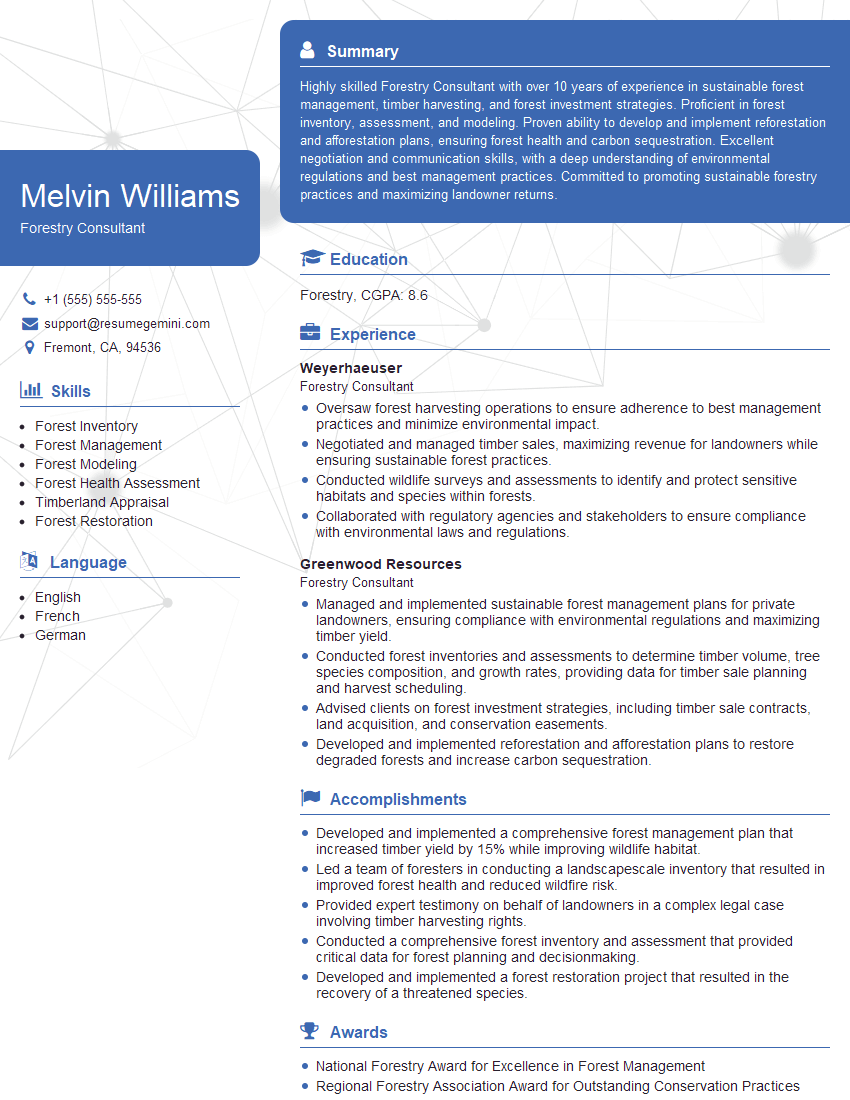
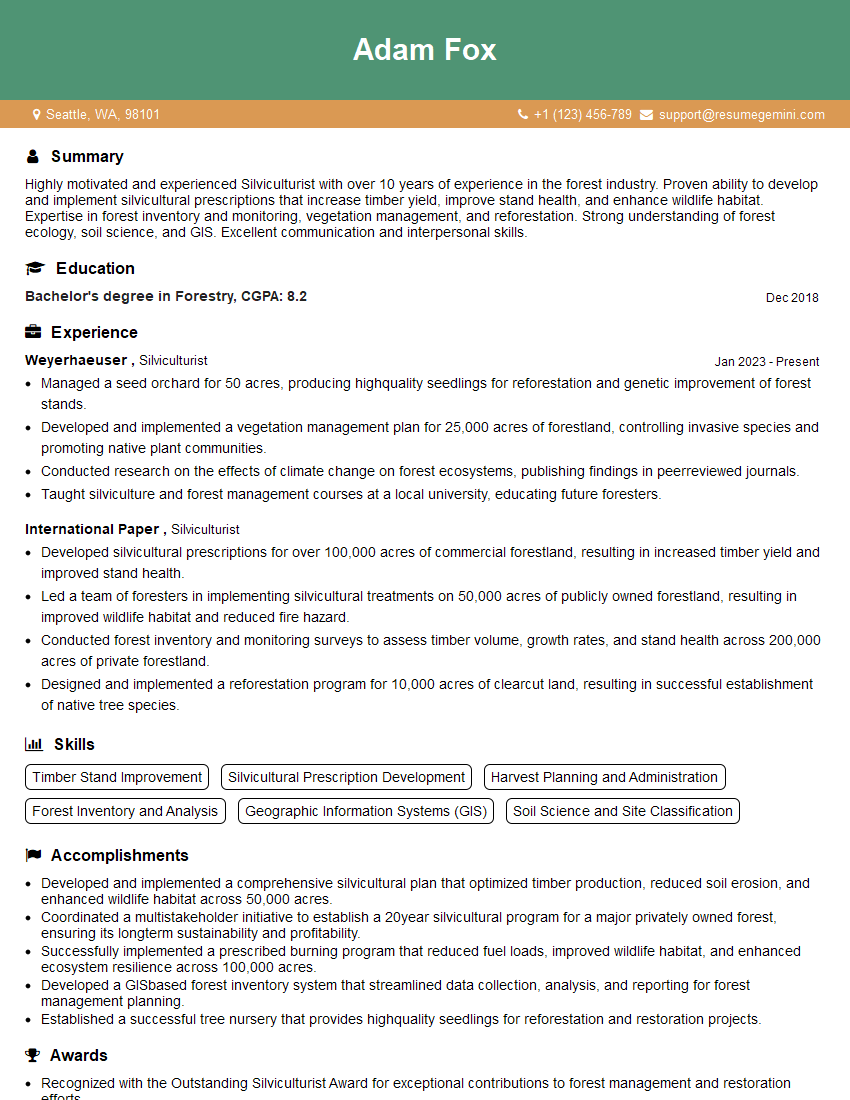
To maximize your job prospects, crafting an ATS-friendly resume is essential. A well-structured resume that highlights your skills and experience in a clear and concise manner will significantly increase your chances of getting noticed by recruiters. We highly recommend using ResumeGemini, a trusted resource for building professional and effective resumes. Examples of resumes tailored to Forest Road Navigation are available to further guide your resume creation process.



Explore more articles
Users Rating of Our Blogs
Share Your Experience
We value your feedback! Please rate our content and share your thoughts (optional).
What Readers Say About Our Blog
Very informative content, great job.
good