Cracking a skill-specific interview, like one for Forklift/Electric Jack Truck Operation, requires understanding the nuances of the role. In this blog, we present the questions you’re most likely to encounter, along with insights into how to answer them effectively. Let’s ensure you’re ready to make a strong impression.
Questions Asked in Forklift/Electric Jack Truck Operation Interview
Q 1. What are the different types of forklifts?
Forklifts come in a variety of types, each designed for specific tasks and environments. The most common classifications are based on power source and mast type.
- Power Source: These include gasoline, propane (LPG), diesel, electric (battery-powered), and even some specialized fuel cells. Gasoline and propane are common for outdoor applications requiring high power and maneuverability. Diesel forklifts are powerful and robust, also often preferred for outdoor use where heavier loads are handled. Electric forklifts are cleaner, quieter, and ideal for indoor environments where emissions are a concern, such as warehouses.
- Mast Type: This refers to the structure that lifts the forks. Common types include:
- Standard Reach Trucks: Offer significant lift heights and reach capabilities, perfect for high-stacking applications.
- Sit-down Rider Forklifts: The operator sits while operating the forklift, providing better ergonomics and stability for extended use. These are very common and used extensively in warehousing.
- Stand-up Rider Forklifts: Operators stand during operation. These are generally smaller and more agile, suitable for tight spaces.
- Order Pickers: These allow for picking items from shelves at varying heights, often utilized in distribution centers.
- Narrow Aisle Forklifts: Specifically designed for narrow aisle operations to maximize warehouse space efficiency. These come in various configurations, such as reach trucks or very narrow aisle (VNA) trucks.
The choice of forklift depends heavily on the specific application – load capacity, environment, and the tasks involved.
Q 2. Describe the pre-operational checklist for a forklift.
A thorough pre-operational checklist is crucial for safe forklift operation. Think of it like a pilot’s pre-flight check – essential for a successful and safe operation. My routine includes:
- Visual Inspection: Check tires for proper inflation and damage, inspect the mast for any bends or cracks, examine the forks for wear and tear, ensure all lights and indicators are functioning correctly, and verify the fuel/battery level is adequate.
- Fluid Levels: Check hydraulic fluid levels (if applicable) and make sure they’re within the acceptable range. Low hydraulic fluid can seriously affect the truck’s ability to lift and maneuver.
- Operational Checks: Test the horn, brakes, steering, lift and tilt mechanisms to ensure they respond smoothly and effectively. Listen for any unusual sounds – squeaks, groans, or rattles that might indicate a problem.
- Safety Features: Verify the seatbelt is in good working order, that the emergency stop is accessible and functional, and that the warning lights are working properly.
- Documentation: Review any relevant operation manuals, log books, or safety guidelines before starting the work.
Failing to perform a proper pre-operational check can lead to accidents and costly repairs. It’s a habit I’ve cultivated and strictly adhere to, prioritizing safety above all else.
Q 3. Explain the proper procedures for loading and unloading goods.
Loading and unloading goods with a forklift demands precision and awareness. Here’s the step-by-step process I follow:
- Assess the Load: Carefully determine the weight and dimensions of the goods to ensure they are within the forklift’s load capacity.
- Position the Forklift: Park the forklift close to the loading dock or designated area, ensuring a stable surface.
- Engage the Forks: Slowly and smoothly engage the forks under the load, ensuring even weight distribution. Avoid damaging the goods.
- Lift the Load: Gently lift the load, checking for stability throughout the lifting process. Always maintain awareness of the load’s center of gravity.
- Transport the Load: Carefully maneuver the forklift, avoiding obstacles and pedestrians. Maintain a safe speed and be mindful of blind spots.
- Unload the Load: Position the forklift over the designated unloading area. Lower the load slowly and carefully to the ground.
- Retract the Forks: Once the load is safely on the ground, retract the forks completely.
Throughout this process, I always prioritize safety, maintaining awareness of my surroundings and operating at a speed that ensures stability and control. A rushed or careless approach can lead to accidents and damages.
Q 4. How do you ensure the safety of pedestrians in a warehouse environment?
Ensuring pedestrian safety in a warehouse is paramount. My approach is multifaceted:
- Designated Pedestrian Zones: Maintaining clear and well-marked pedestrian walkways separated from forklift traffic is crucial. This helps prevent accidental collisions.
- Speed Limits and Traffic Control: Adhering to speed limits and utilizing traffic signals or warning signs greatly reduces the risk of accidents. Slow and steady is always safer.
- Awareness and Communication: Constantly scanning surroundings, using horns appropriately to warn pedestrians, and maintaining clear communication with other workers are all vital. I would always make eye contact and acknowledge pedestrians before moving.
- Training and Education: Ensuring all warehouse staff receives comprehensive training on safe forklift operation and pedestrian safety procedures is essential. Everyone needs to be aware of their responsibilities.
- Safety Devices and Signage: Utilizing speed limiters, mirrors, and other safety features on the forklifts, along with clear signage indicating pedestrian zones and safety rules, creates a safer environment.
Safety isn’t just a set of rules; it’s a culture. By implementing these measures and fostering a culture of safety, we can significantly reduce accidents.
Q 5. What are the load capacity limits of the forklifts you’ve operated?
The load capacity limits of the forklifts I’ve operated have varied depending on the type and model of the machine. I’ve operated forklifts with capacities ranging from 3,000 pounds to 10,000 pounds. It’s critical to always check the load capacity rating plate on each forklift before operation and never exceed this limit. Overloading a forklift significantly increases the risk of tipping, damage to equipment, and injury to personnel.
For example, in my previous role, I regularly used a 5,000-pound capacity sit-down rider forklift for moving palletized goods within a large warehouse. In another role, I operated a smaller 3,000-pound capacity electric forklift for internal transport within a smaller facility. Understanding these limits is fundamental to responsible and safe operation.
Q 6. How do you handle a forklift malfunction?
In the event of a forklift malfunction, my immediate actions are:
- Stop the Forklift: Immediately bring the forklift to a safe stop, engaging the emergency brake if necessary.
- Assess the Situation: Identify the nature of the malfunction and determine the extent of the issue.
- Safety First: Ensure the surrounding area is clear of any obstacles or pedestrians before attempting any diagnostics or repairs.
- Report the Malfunction: Notify my supervisor or designated personnel immediately. Describe the nature of the problem clearly and accurately.
- Do Not Attempt Repairs (unless trained): Unless I have the specific training and authorization to do so, I would absolutely not attempt to repair the malfunction myself. Further damage could result.
- Secure the Forklift: If the malfunction requires the forklift to remain in place (e.g., a hydraulic leak), I will take appropriate steps to secure the area and prevent unauthorized access.
Following these steps ensures the safety of myself and others while allowing for proper handling and repair of the malfunctioning equipment.
Q 7. Describe your experience with different types of attachments (e.g., clamps, forks).
My experience encompasses a range of forklift attachments beyond standard forks. I’m proficient in using:
- Clamp Attachments: These are used for handling various materials such as paper rolls, lumber, and other items that cannot be easily lifted with standard forks. I’ve used these in situations requiring precise placement and handling of unwieldy objects.
- Side Shifters: This attachment allows lateral movement of the forks, facilitating precise positioning of pallets or goods within a confined space. This is incredibly useful when stacking and arranging pallets in a warehouse environment.
- Rotators: This allows for the rotation of the forks, assisting with various tasks such as turning or repositioning loads, which is beneficial for efficient storage or specific loading requirements.
- Carriage Attachments: Some specialty carriages are available for use with specific load types, such as handling long or bulky items. Each attachment has its specific safety guidelines and operational procedures, which I meticulously follow.
Proficiency with different attachments significantly broadens the scope of tasks a forklift can perform, increasing efficiency and flexibility within a warehouse or industrial setting. Safe and proper use is key.
Q 8. How do you maintain a safe operating speed for forklifts?
Maintaining a safe operating speed for forklifts is paramount for preventing accidents. It’s not just about going slow; it’s about adjusting speed to the specific conditions. Think of it like driving a car – you wouldn’t speed on a snowy road, right? The same principle applies to forklifts.
- Assess the environment: Consider the floor conditions (smooth, uneven, wet, icy), the presence of pedestrians or obstacles, visibility (lighting, blind corners), and the load being carried. A heavier load requires a slower speed, as does a more challenging environment.
- Keep a safe following distance: Always maintain a significant distance from other vehicles or pedestrians, allowing ample time to react to unexpected situations. Imagine you’re in a traffic jam – you wouldn’t tailgate!
- Prioritize visibility and control: Reduce speed when approaching intersections, corners, or areas with limited visibility. Smooth acceleration and deceleration prevent sudden movements that could lead to loss of control. This is like driving through a roundabout – you need to be measured and precise.
- Company policies and regulations: Always adhere to your workplace’s speed limits and safety regulations, which are often posted and enforced.
For example, I once worked in a warehouse with narrow aisles and uneven flooring. We had a strict speed limit of 5 mph, and drivers were regularly reminded to slow down significantly when approaching corners or loading docks.
Q 9. What are the common causes of forklift accidents?
Forklift accidents stem from a variety of causes, many of which are preventable with proper training and adherence to safety procedures. They often involve a combination of factors rather than a single cause.
- Operator error: This is the most common cause, including speeding, improper load handling, unsafe maneuvering in tight spaces, failure to use seatbelts, and operating under the influence of drugs or alcohol. Think of it like reckless driving – poor judgment significantly increases the risk of accidents.
- Mechanical failure: Malfunctioning equipment, such as brake failure, steering problems, or hydraulic leaks, can lead to accidents. Regular maintenance and inspections are critical here. Just like a car needs regular servicing, forklifts require careful upkeep.
- Improper load handling: Overloading the forklift, incorrectly stacking loads (unstable center of gravity), or failing to secure loads properly can cause tipping or dropping of materials. A well-balanced load is essential, much like balancing a stack of books.
- Environmental hazards: Poor lighting, wet or slippery floors, obstacles in aisles, and inadequate pedestrian traffic control can increase the risk of accidents. Think of this as driving in bad weather; visibility and control are even more crucial.
- Lack of training and supervision: Inadequate training and insufficient supervision can lead to operators making unsafe decisions or neglecting safety procedures. This is like a driver taking a car onto the road without understanding the rules of the road.
Q 10. Explain your understanding of load stability and center of gravity.
Load stability and center of gravity are fundamental concepts in safe forklift operation. Understanding them is crucial for preventing tipping accidents.
Center of Gravity (CG): This is the point where the weight of an object is evenly distributed. Imagine it’s the point where you could balance the load perfectly on your fingertip. For forklifts, it’s vital to keep the load’s CG as low as possible and within the forklift’s stability triangle (the area formed by the wheels and the mast).
Load Stability: This refers to how securely the load is balanced and positioned on the forks. An unstable load can shift, causing the forklift to tip. Factors affecting stability include load weight, distribution, and height.
Practical Application: Imagine you are lifting a pallet of bricks. If the bricks are unevenly stacked, the center of gravity shifts, making the load unstable. Lifting such a load increases the risk of tipping. Always ensure the load is uniformly distributed, and avoid lifting loads that exceed the forklift’s capacity.
To maintain stability:
- Keep the load low to the ground.
- Distribute weight evenly across the forks.
- Never exceed the forklift’s rated capacity.
- Avoid sudden movements or jerky starts/stops.
Q 11. How do you inspect a forklift for damage before operation?
A pre-operation inspection is crucial for ensuring the forklift’s safety and preventing accidents. This is a routine check, like a pilot’s pre-flight checklist. It should be done before each shift.
- Tires: Check tire pressure and condition for wear and tear or damage.
- Lights and Signals: Verify that headlights, brake lights, turn signals, and backup alarms are functioning correctly.
- Brakes: Test the brakes for responsiveness and effectiveness. A faulty brake is a critical safety risk.
- Steering: Check for smooth and responsive steering. Any unusual play or stiffness needs attention.
- Hydraulics: Inspect fluid levels and look for leaks in the hydraulic system.
- Forks: Check for any damage, bends, or cracks in the forks, ensuring they are securely attached.
- Mast: Examine the mast for any damage or misalignment.
- Safety Features: Ensure seat belts are in good condition and the horn works. Verify that the emergency stop button is accessible and functional.
- Fluid levels: Check engine oil, transmission fluid, and coolant levels as per the operator’s manual.
If any issues are found, report them immediately to your supervisor. Do not operate a forklift with known mechanical problems.
Q 12. What are the regulations regarding forklift operation in your area?
Forklift operation regulations vary by location (state/province, country), but generally involve licensing requirements, safety training certifications (like OSHA in the US, or equivalent certifications in other countries), and strict adherence to safety guidelines. These regulations are designed to protect operators and others in the workplace.
Note: I cannot provide specific regulations for your area. You must consult your local authorities (e.g., OSHA, your country’s equivalent workplace safety agency) for the most up-to-date and accurate information.
Generally, these regulations cover aspects like:
- Operator licensing and training
- Forklift maintenance and inspection schedules
- Safe operating procedures (speed limits, load limits, pedestrian safety)
- Personal protective equipment (PPE) requirements (e.g., safety shoes, high visibility vests)
- Pre-shift and post-shift inspections
Familiarizing yourself with these regulations is critical for responsible and legal forklift operation. Ignoring these guidelines can lead to hefty fines and/or serious consequences.
Q 13. Describe your experience with inventory management using forklifts.
My experience with inventory management using forklifts is extensive. I’ve been involved in various aspects, from receiving and put-away to order picking and stock rotation. Effective inventory management with a forklift relies on efficiency and precision.
- Receiving and Put-Away: I’ve used forklifts to unload incoming shipments, verifying quantities and inspecting goods for damage. Efficiently placing pallets in designated storage locations is crucial for maintaining order and ease of retrieval.
- Order Picking: I’ve used forklifts to retrieve goods from storage based on order requirements, making sure to handle multiple items safely and efficiently. This requires good understanding of the warehouse layout and inventory locations.
- Stock Rotation (FIFO/LIFO): Using forklifts, I’ve implemented First-In, First-Out (FIFO) and Last-In, First-Out (LIFO) strategies to manage inventory expiration dates and minimize waste, particularly with perishable items. This ensures optimal product rotation and reduces potential losses.
- Cycle Counting: Forklifts are essential for accessing higher level inventory locations for cycle counting, a process that verifies the accuracy of inventory records. This helps maintain accuracy in inventory management systems.
Efficient inventory management ensures smooth operations, minimizes storage costs, and improves order fulfillment speed. Accuracy and efficiency are key when using forklifts in this context.
Q 14. How do you use a forklift safely in narrow aisles?
Operating a forklift in narrow aisles requires extra caution and skill. It’s like navigating a crowded street – you need to be aware of your surroundings and make precise movements.
- Slow and Steady: Reduce speed to a crawl. Quick movements are far more likely to result in a collision in a narrow aisle.
- Smooth Maneuvering: Avoid jerky movements. Smooth acceleration, deceleration, and steering are key to preventing accidents.
- Proper Load Positioning: Ensure the load is properly secured and centered to maintain balance. A tilted load will further reduce your maneuverability.
- Assess Visibility: Before moving, carefully check for obstructions, including blind spots. Always be aware of potential collisions.
- Use Mirrors and Spotters: Use mirrors effectively and, if necessary, utilize a spotter to assist with navigation, especially when making turns or moving in high traffic areas.
- Forklift Type: Choosing the right forklift is crucial for narrow aisles. Narrow aisle forklifts are specifically designed for such conditions with compact designs and precise handling.
I’ve worked in facilities with very narrow aisles, and using these strategies was key to avoiding collisions and performing tasks efficiently and safely. Safe, slow movement is paramount.
Q 15. What is your experience with different types of electric jack trucks?
My experience encompasses a wide range of electric jack trucks, from standard pallet jacks to powered pallet trucks with various lifting capacities and features. I’m proficient with both walkie-stackers and rider-type electric jack trucks. Walkie stackers are excellent for maneuvering in tight spaces and handling lighter loads, whereas rider trucks are more efficient for heavier loads and longer distances. I’ve worked with models featuring different control systems, including both tiller-style and handlebar controls. I understand the nuances of each type, including their weight capacities, turning radius, and battery life, which are crucial for selecting the right equipment for specific tasks. For instance, in a warehouse with narrow aisles, a walkie-stacker would be preferred over a larger rider truck. Conversely, for moving heavy pallets across a large warehouse, a rider truck would be much more efficient.
- Walkie Stackers: Experienced in their use for smaller loads and maneuvering in confined areas.
- Rider Pallet Jacks: Proficient in operating these for heavier loads and covering longer distances.
- Various Control Systems: Familiar with tiller-style and handlebar controls, understanding the advantages of each.
Career Expert Tips:
- Ace those interviews! Prepare effectively by reviewing the Top 50 Most Common Interview Questions on ResumeGemini.
- Navigate your job search with confidence! Explore a wide range of Career Tips on ResumeGemini. Learn about common challenges and recommendations to overcome them.
- Craft the perfect resume! Master the Art of Resume Writing with ResumeGemini’s guide. Showcase your unique qualifications and achievements effectively.
- Don’t miss out on holiday savings! Build your dream resume with ResumeGemini’s ATS optimized templates.
Q 16. How do you identify and report unsafe conditions related to forklifts?
Identifying and reporting unsafe conditions is paramount. My approach involves a systematic inspection before, during, and after each shift. I look for things like damaged equipment (e.g., cracked forks, malfunctioning lights, or leaking fluids), obstructed walkways, poor lighting, and improperly stacked materials. Additionally, I observe operator behavior; unsafe practices like speeding, improper load handling, or neglecting safety features are immediately addressed. Reporting follows a clear procedure; I’ll immediately inform my supervisor of any immediate hazards requiring immediate action. For less urgent issues, I’ll use the company’s incident reporting system, documenting the condition, location, and potential risks. A photo or video is included if available for better understanding. For example, if I noticed a pallet stacked precariously high, I’d immediately report it to prevent a potential collapse and injury.
- Pre-shift Inspection: Thorough check of equipment and surroundings before operating.
- Ongoing Monitoring: Continuous observation for developing hazards and unsafe practices.
- Formal Reporting: Using established procedures to document and report all unsafe conditions.
Q 17. Describe your experience with operating a forklift in different environments (e.g., cold storage).
Operating forklifts in various environments requires adaptability and awareness. I’ve worked in standard warehouses, and cold storage facilities. Cold storage presents unique challenges; reduced visibility due to condensation, slippery floors, and the potential for equipment malfunction in extremely low temperatures need extra caution. In cold storage, I prioritize slower speeds, increased vigilance, and extra checks of equipment functionality. In regular warehouse environments, I maintain a focus on safe operating procedures, adjusting to different floor surfaces and potential obstacles. For instance, I would ensure the forklift’s battery is adequately charged before operating in cold storage as lower temperatures affect battery performance, and I’d take extra time to ensure my grip on the controls was firm in the cold.
- Cold Storage: Experience with operating in low temperatures, adapting to reduced visibility and potential equipment limitations.
- Standard Warehouses: Proficient in navigating standard warehouse environments with varying floor conditions and obstacles.
- Adaptive Procedures: Adjusting operating procedures based on the specific environment to maximize safety.
Q 18. What is your experience with using a forklift’s safety features?
Safety features are crucial. My experience includes using forklifts equipped with seatbelts, backup alarms, load backrest extenders, and horn systems. I always utilize the seatbelt, ensuring my safety during operation. The backup alarm is crucial for alerting pedestrians and other operators. I also ensure proper load placement to maintain stability and utilize the load backrest extender to prevent load shifting and potential tipping. The horn is used to alert others to my presence. Regularly checking the functionality of these features before each shift is vital. For instance, a broken backup alarm would require reporting and immediate action so that it can be fixed or the forklift is taken out of service until it’s fixed.
- Seatbelts: Consistent use for enhanced safety.
- Backup Alarms: Understanding and utilizing these for pedestrian safety.
- Load Backrest Extenders: Proper use to prevent load shifting and tipping.
- Regular Checks: Ensuring all safety features are in working order before each shift.
Q 19. How would you handle a situation where a forklift breaks down during operation?
If a forklift breaks down, safety is the top priority. I’d immediately turn off the power and activate the hazard lights, if applicable. Then, I would assess the situation to ensure no immediate danger exists – for instance, making sure the forklift is not obstructing walkways or posing a safety risk. Next, I’d contact my supervisor or maintenance personnel to report the breakdown. If possible, I’d take precautions to secure the area to prevent unauthorized use and wait for instructions on how to proceed. It’s critical to avoid attempting repairs unless authorized and trained to do so; any attempts at self-repair could exacerbate the problem or cause injury. For instance, if the forklift stopped in the middle of a narrow aisle, I would be sure to place warning cones around it and make sure traffic is stopped to prevent accidents.
- Immediate Actions: Turning off power and activating hazard lights.
- Safety Assessment: Checking for immediate dangers and securing the area.
- Reporting: Contacting supervisor or maintenance personnel.
- Awaiting Instructions: Avoiding unauthorized repairs and following established procedures.
Q 20. What is your experience with preventative maintenance for forklifts?
Preventative maintenance is critical for ensuring both safety and operational efficiency. My experience includes performing routine checks such as inspecting tires, checking fluid levels (hydraulic fluid, battery water), and inspecting for leaks and damages. I am also familiar with more advanced preventative maintenance procedures, such as battery care, brake inspections, and mast lubrication. I adhere to the manufacturer’s recommended service intervals. Regular checks can prevent catastrophic failures and ensure that the machine is in good working order. For example, neglecting to check hydraulic fluid levels can lead to a complete hydraulic system failure, resulting in expensive repairs and downtime.
- Routine Checks: Daily inspections of tires, fluids, and overall condition.
- Scheduled Maintenance: Following manufacturer’s recommendations for service intervals.
- Battery Care: Proper maintenance and care of battery systems.
- Advanced Inspections: Familiarity with more advanced maintenance procedures.
Q 21. How do you correctly use the different controls on a forklift?
Proper control usage is fundamental. Forklift controls vary depending on the model, but generally include a steering wheel or tiller, lift/lower levers or pedals, forward/reverse controls, and a horn. Before operation, I familiarize myself with the specific controls on the machine I’ll be using. Smooth and controlled movements are vital; jerky actions can cause instability or damage. I always ensure that the lift and lower controls are used smoothly to prevent load shifting or dropping. The forward/reverse controls are used decisively to control the forklift’s movement. The horn is used appropriately to alert others of my presence. For instance, I would never attempt a sharp turn while carrying a heavy load, as this could lead to instability or tipping. Gradual and controlled movements are crucial for safety.
- Steering Controls: Safe and controlled maneuvering.
- Lift/Lower Controls: Smooth operation to prevent load shifting.
- Forward/Reverse Controls: Decisive control of forklift movement.
- Horn: Appropriate use for warning others.
Q 22. What is your understanding of the different types of warehouse racking systems?
Warehouse racking systems are crucial for efficient storage and retrieval of goods. Different systems cater to various needs and warehouse layouts. Understanding these systems is essential for safe and effective forklift operation.
- Selective Pallet Racking: This is the most common type, featuring individual upright frames with beams to support pallets. It offers excellent accessibility to each pallet.
- Drive-In/Drive-Through Racking: This system allows forklifts to drive directly into the racking structure, ideal for high-volume storage of similar products. However, FIFO (First-In, First-Out) can be a challenge.
- Push-Back Racking: Pallets are stored on rolling carriages, allowing for deep storage and high-density storage. This system is efficient but access is limited to the most recently stored pallet.
- Double-Deep Racking: Two pallets deep, requiring specific forklift maneuverability. It maximizes storage capacity but can impact accessibility.
- Cantilever Racking: Ideal for long or bulky items, this system uses arms extending from vertical supports to hold materials without pallet support.
- Flow Racking: Uses gravity to move pallets down a sloped track, promoting efficient FIFO operation and high throughput.
Knowing the specific racking system in a warehouse is critical for safe forklift operation. For example, understanding the aisle widths in a selective pallet racking system is vital for avoiding collisions, while navigating a drive-in rack requires a different approach to load placement and retrieval.
Q 23. How do you properly secure a load on a forklift to prevent it from falling?
Securing a load is paramount to prevent accidents. The proper method depends on the load’s nature and size. Neglecting this can lead to serious injury or property damage.
- Proper Placement: The load center of gravity should be balanced to prevent tipping. Ensure the load is evenly distributed on the forks.
- Fork Penetration: The forks should be fully inserted into the pallet’s slots. Never rely on partial penetration.
- Load Stabilizers: Using load stabilizers, if available, significantly improves stability, particularly for high or uneven loads.
- Straps/Chains/Nets: Secure oversized or unstable loads using appropriate straps, chains, or nets. Ensure they are properly tensioned and secured to the load and forklift.
- Visual Check: Before lifting, visually inspect the load’s integrity and securement. This check includes proper tie-downs, making sure that no objects can shift during transit.
- Safe Lifting: Lift slowly and smoothly, avoiding jerky movements. Keep the load at a reasonable height for maneuvering and clear view.
For example, transporting a stack of fragile items would necessitate using protective coverings and straps, in addition to careful driving.
Q 24. Describe your experience working with various types of pallet sizes and configurations.
My experience encompasses a wide range of pallet sizes and configurations. I’m comfortable handling standard pallets (48×40 inches), as well as various non-standard sizes. I understand that different commodities need different handling.
- Standard Pallets: These are the most common, but even within this category, weight distribution and load stability can differ greatly based on the contents.
- Non-Standard Pallets: These require extra caution, as dimensions and weight distribution might vary. I always visually inspect and consider the appropriate lift and transport method.
- Oversized Loads: These often require careful planning and the use of additional securing devices like straps or chains, and may involve a team lift. This includes understanding the center of gravity and the potential risks to ensure safe transport.
- Different Load Heights: Experience includes handling pallets of different heights, requiring adjustment of lift height and driving cautiously to avoid striking overhead structures.
For instance, transporting an unusually tall stack of boxes would require a slower speed and greater attention to maintaining stability and clearance of the overhead.
Q 25. What are the common hazards associated with operating a forklift in a warehouse?
Forklift operation in a warehouse presents numerous hazards. Awareness and adherence to safety protocols are crucial to mitigating these risks.
- Collisions: Collisions with other forklifts, racking systems, or pedestrians are a major concern. Maintaining a safe speed and distance is vital.
- Tip-overs: Incorrect load handling, speeding, or uneven surfaces can cause tip-overs. Always assess load stability and ground conditions.
- Falling Loads: Improper load securing and careless maneuvering can lead to loads falling and causing injury or damage. Secure loads correctly and drive smoothly.
- Pedestrian Accidents: Collisions with pedestrians are a significant risk. Maintain awareness of your surroundings and use appropriate warning signals.
- Working at Heights: When placing loads on upper racking levels, be extra cautious. Use the appropriate method to safely reach height and avoid potential falls.
- Environmental Hazards: Spills, uneven flooring, and poor lighting all contribute to hazards.
I always prioritize safety by conducting pre-operational checks on the forklift, following all designated routes, and wearing appropriate safety equipment.
Q 26. How do you communicate with other workers while operating a forklift?
Clear communication is critical for safe warehouse operations. While operating a forklift, I utilize a combination of visual signals and verbal communication.
- Horn/Backup Beeper: Using the horn or backup beeper to alert others of my presence and movements is essential, especially in tight spaces or around corners.
- Hand Signals: For situations where sound isn’t effective, clear hand signals can convey intentions and requests. These should be consistent and understood by all workers.
- Two-Way Radios: Two-way radios or other communication systems enable direct communication with warehouse personnel, particularly for coordinating loading/unloading or resolving immediate issues.
- Visual Contact: Maintaining frequent visual contact with my surroundings ensures safety by observing potential hazards and avoiding accidents.
For example, I would use hand signals to direct a coworker assisting with loading a pallet, while I use the horn to warn pedestrians that I’m approaching a blind corner.
Q 27. Describe a time you had to troubleshoot a forklift issue. What did you do?
During a busy shift, I experienced an issue where a forklift’s hydraulics became unresponsive. I followed a systematic approach to troubleshoot the problem.
- Safety First: I immediately shut down the forklift and secured the area to prevent accidents. I also ensured the load was safely secured.
- Initial Assessment: I visually inspected the hydraulic fluid levels and checked for any obvious leaks.
- Check System Components: I examined the hydraulic pump, hoses, and cylinders for any signs of damage or malfunction.
- Consult Documentation: The forklift’s manual was consulted to examine diagnostics and troubleshooting steps.
- Reporting: I reported the issue to my supervisor, providing them with my assessment and initial findings.
- Professional Help: Since I couldn’t identify the root cause, professional maintenance was called for, and the forklift was repaired.
This experience reinforced the importance of systematic troubleshooting and the need to prioritize safety in all situations.
Q 28. What are your salary expectations for this position?
My salary expectations are commensurate with my experience and skills, and align with the industry standard for experienced forklift operators with a proven safety record in this area. I am open to discussing a competitive compensation package.
Key Topics to Learn for Forklift/Electric Jack Truck Operation Interview
- Safe Operating Procedures: Understanding and adhering to all safety regulations, including pre-operation checks, load capacity limits, and emergency procedures. Practical application: Explain your experience with pre-shift inspections and how you ensure workplace safety.
- Equipment Operation: Mastering the controls and functionalities of both forklifts and electric jack trucks, including maneuvering in tight spaces and handling various load types. Practical application: Describe your proficiency in operating different types of forklifts and electric jack trucks, highlighting any specialized skills.
- Load Handling and Stability: Proper techniques for loading, unloading, stacking, and transporting materials to prevent accidents and damage. Practical application: Explain how you assess load weight and stability, and how you handle uneven or challenging loads.
- Maintenance and Troubleshooting: Basic understanding of routine maintenance checks and common troubleshooting procedures for minor malfunctions. Practical application: Describe your experience performing basic maintenance tasks or identifying and reporting equipment issues.
- Warehouse Logistics and Inventory Management: Familiarity with warehouse layout, inventory control systems, and efficient movement of goods. Practical application: Explain how your skills contribute to efficient warehouse operations and inventory management.
- Communication and Teamwork: Effective communication with supervisors and co-workers, following instructions, and working collaboratively in a team environment. Practical application: Describe a situation where effective communication prevented an accident or improved efficiency.
Next Steps
Mastering Forklift/Electric Jack Truck Operation opens doors to diverse and rewarding career opportunities within logistics, warehousing, and manufacturing. A strong understanding of these skills is highly valued by employers and significantly improves your job prospects. To maximize your chances of landing your dream job, focus on creating a professional and ATS-friendly resume that highlights your key skills and experience. ResumeGemini is a trusted resource to help you build a compelling resume that showcases your abilities effectively. They offer examples of resumes tailored to Forklift/Electric Jack Truck Operation roles to guide you. Invest time in crafting a strong resume—it’s your first impression and a crucial step in your job search.
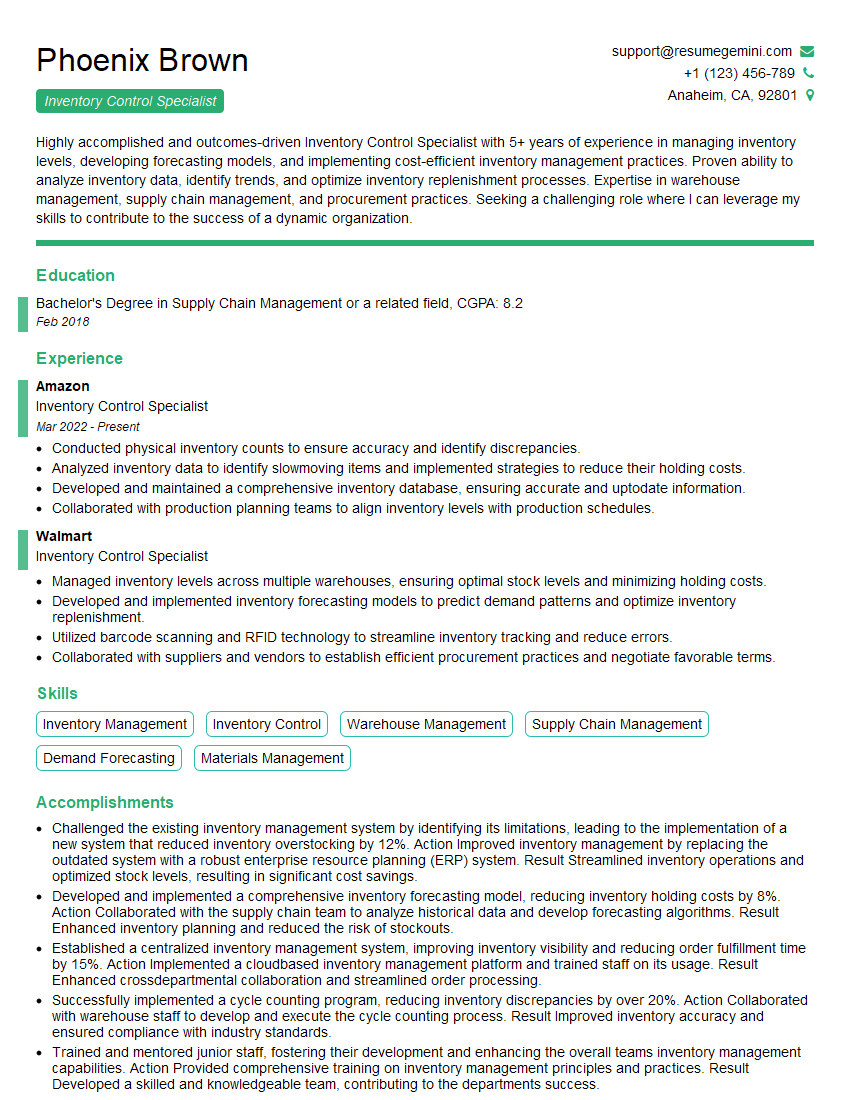
Inventory Control Specialist Resume Sample

Shipping and Receiving Clerk Resume Sample
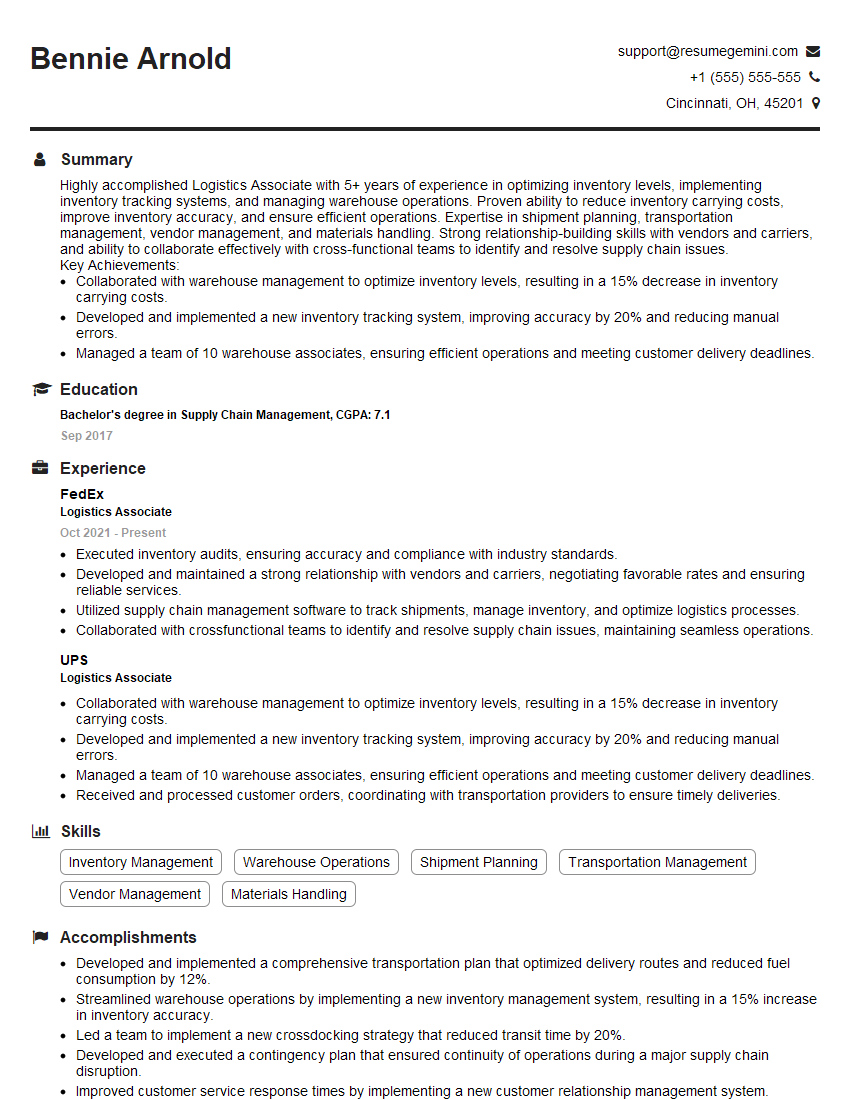
Logistics Associate Resume Sample
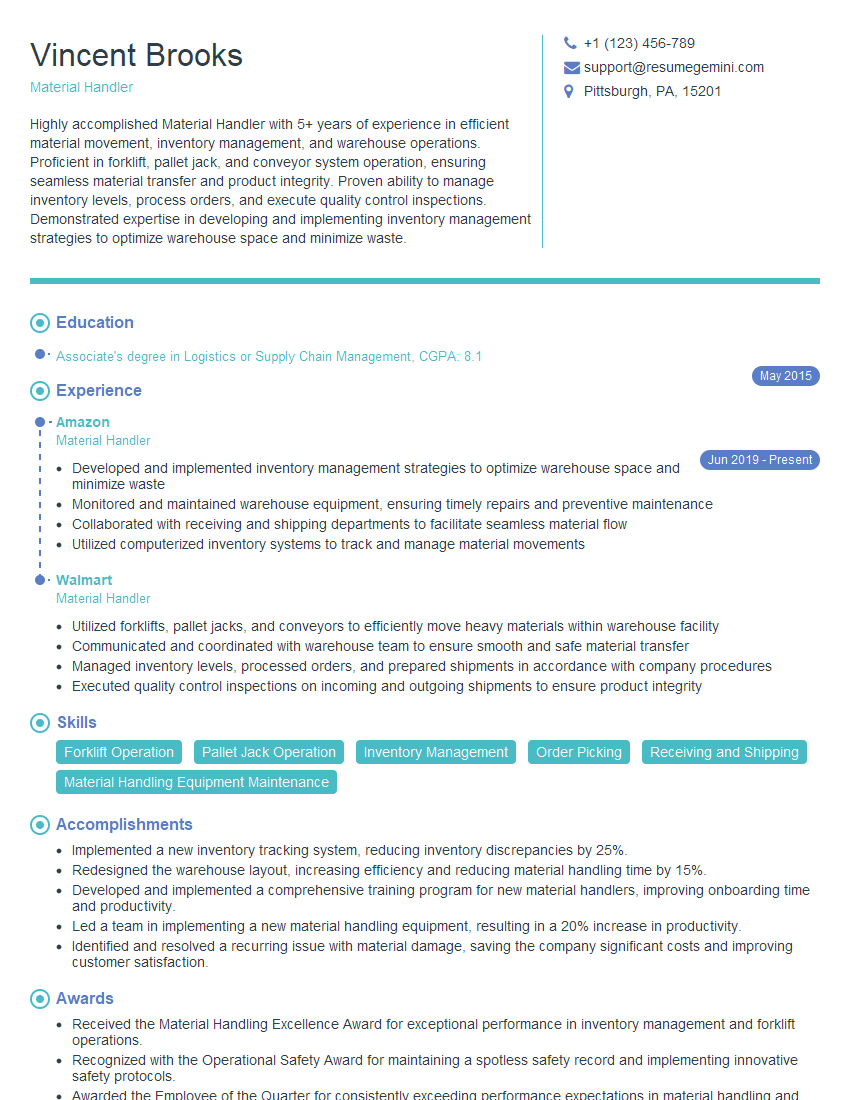
Material Handler Resume Sample

Warehouse Worker Resume Sample
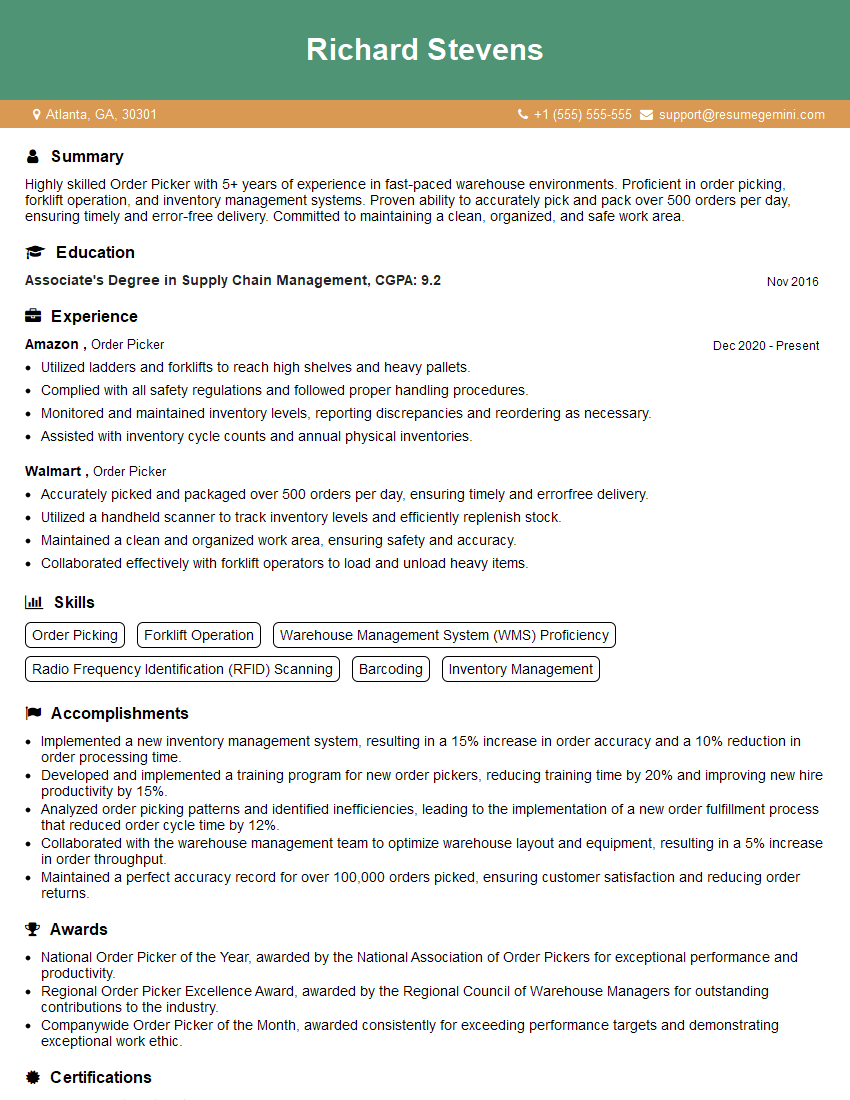
Order Picker Resume Sample

Heavy Equipment Operator Resume Sample
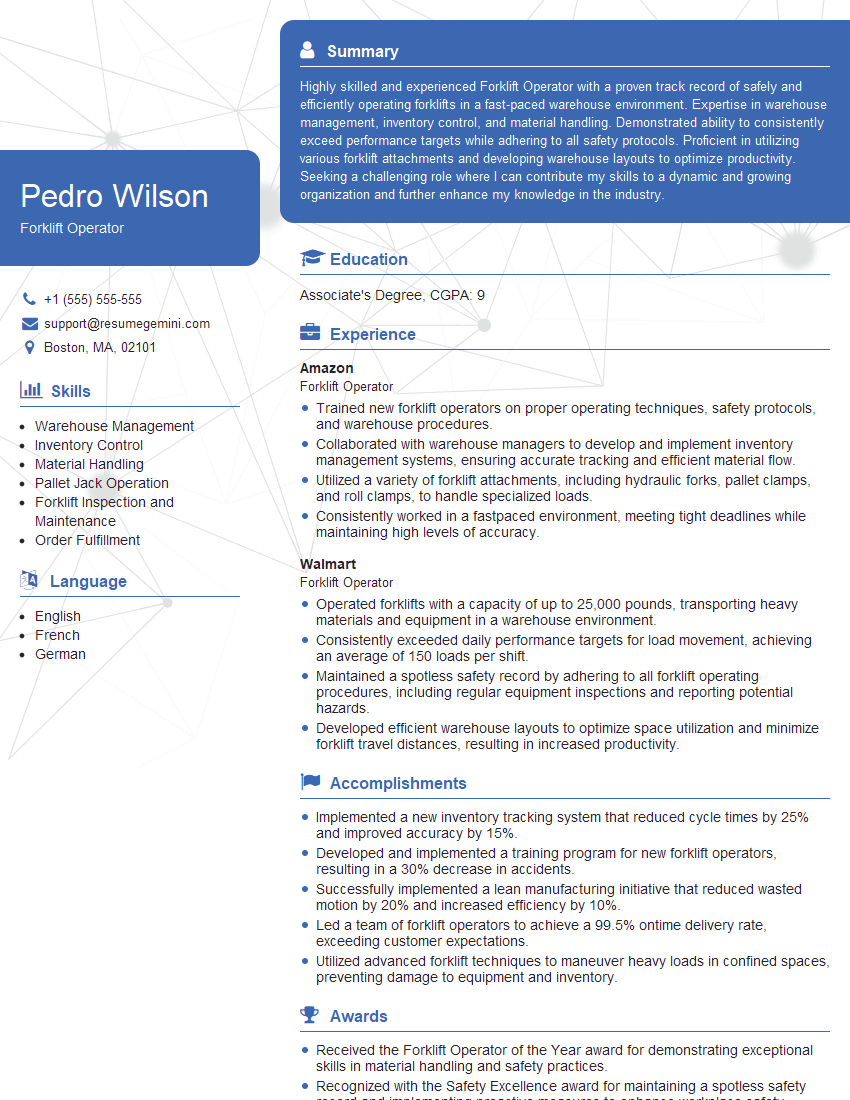
Forklift Operator Resume Sample

Lift Truck Operator Resume Sample
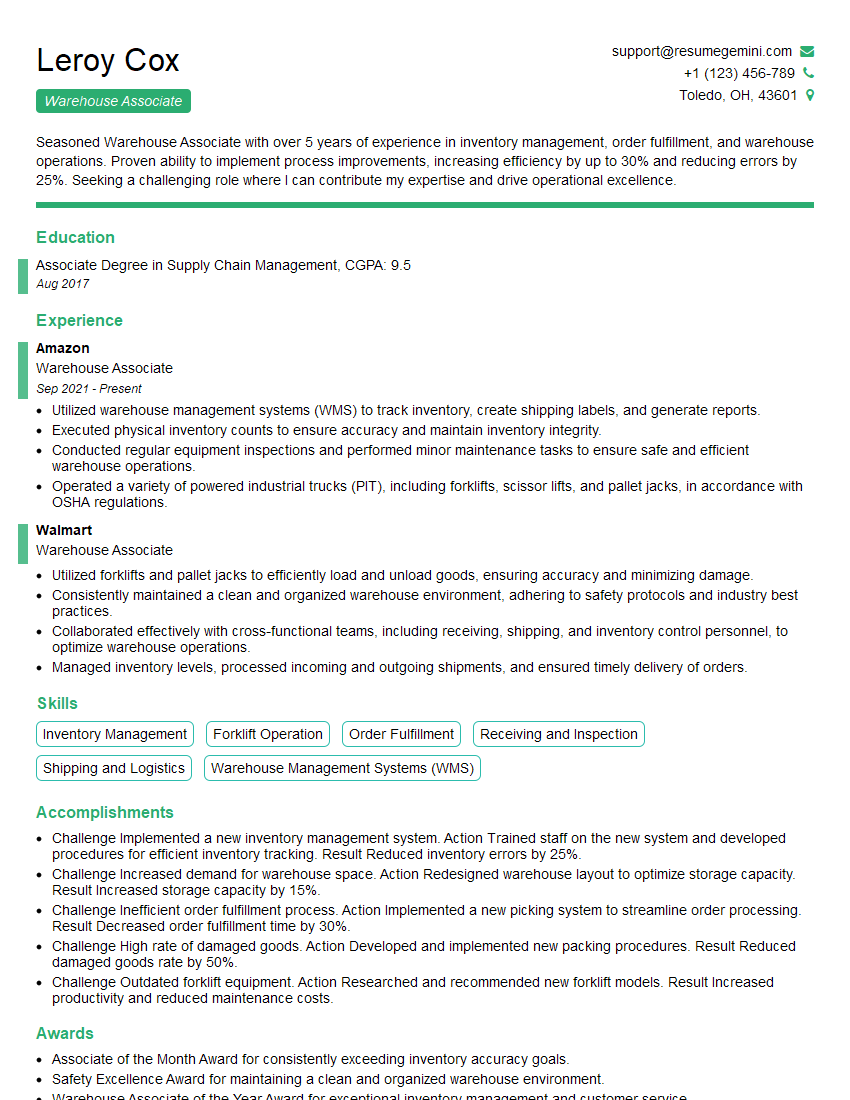
Warehouse Associate Resume Sample
Explore more articles
Users Rating of Our Blogs
Share Your Experience
We value your feedback! Please rate our content and share your thoughts (optional).
What Readers Say About Our Blog
good