Feeling uncertain about what to expect in your upcoming interview? We’ve got you covered! This blog highlights the most important Forklift Load Handling interview questions and provides actionable advice to help you stand out as the ideal candidate. Let’s pave the way for your success.
Questions Asked in Forklift Load Handling Interview
Q 1. What are the different types of forklifts and their applications?
Forklifts come in various types, each designed for specific applications. The choice depends on factors like load capacity, working environment, and the type of goods being handled.
- Counterbalance Forklifts: These are the most common type, using counterweights for stability. They’re versatile and suitable for general material handling in warehouses and factories.
- Reach Trucks: Ideal for narrow aisles, reach trucks extend their forks to access pallets deep within racking systems. Think of them as the forklift for maximizing space utilization in high-density storage facilities.
- Sit-Down Rider Forklifts: Operators sit while operating, offering better comfort and control for longer shifts. They are commonly used for heavier loads and longer distances within a warehouse.
- Stand-Up Rider Forklifts: Operators stand while operating, offering more maneuverability in tight spaces. They are well-suited for smaller warehouses or areas with limited space.
- Electric Forklifts: Powered by batteries, these are quieter and cleaner than their internal combustion engine counterparts, making them ideal for indoor environments and areas sensitive to noise and emissions. Supermarkets are a great example of their use.
- Internal Combustion Engine (ICE) Forklifts: These use gasoline, propane, or diesel fuel, offering greater power and longer operating times than electric forklifts, often preferred for outdoor use and heavier applications like construction sites.
- Rough Terrain Forklifts: Designed for uneven ground, these forklifts have increased ground clearance and specialized tires, making them suitable for construction sites and outdoor storage yards.
The choice of forklift type is crucial for safety and efficiency. Using the wrong type can lead to accidents and reduced productivity. For instance, using a counterbalance forklift in a narrow aisle would be inefficient and potentially dangerous.
Q 2. Explain the pre-operational checklist for a forklift.
A thorough pre-operational checklist is vital for safe forklift operation. Think of it as a pilot performing pre-flight checks before taking off – it’s non-negotiable for safety.
- Check Fluids: Inspect engine oil, hydraulic fluid, coolant, and battery levels (for electric forklifts). Low fluids can lead to mechanical failure.
- Tires: Examine tire pressure and condition. Underinflated or damaged tires can affect stability and handling.
- Lights and Signals: Ensure all lights (headlights, brake lights, turn signals) are functioning correctly. Proper lighting is essential for visibility, especially in low-light conditions.
- Brakes: Test the brakes to ensure they are responsive and effective. Faulty brakes are a major safety hazard.
- Steering: Check the steering mechanism for smooth and responsive operation. Issues with steering can lead to loss of control.
- Horn: Verify the horn is working correctly. This is crucial for warning pedestrians and other equipment operators.
- Safety Features: Inspect seatbelts, safety guards, and other safety features, making sure everything is in good working order.
- Load Capacity: Confirm that the forklift is appropriate for the load’s weight and size. Overloading is a major cause of accidents.
Completing this checklist consistently minimizes the risk of equipment malfunctions and contributes significantly to preventing accidents.
Q 3. Describe the proper procedures for loading and unloading cargo.
Loading and unloading cargo must be done methodically and safely. Think of it like performing a delicate surgery – precision is key.
- Assessment: Assess the weight and dimensions of the cargo and ensure the forklift has the capacity to handle it safely. Check the stability of the load and the surface on which it will be placed.
- Approach: Approach the load slowly and carefully, ensuring a clear path and adequate visibility.
- Positioning: Position the forks under the load’s center of gravity, ensuring even weight distribution. This prevents tipping.
- Lifting: Lift the load smoothly and slowly, avoiding sudden movements that could cause instability or damage.
- Transportation: Keep the load at a safe height during transportation, accounting for ground conditions and obstacles.
- Unloading: Slowly lower the load to the designated area, ensuring it’s positioned correctly and safely. Use appropriate blocking or supports if necessary.
Improper loading and unloading techniques can lead to dropped loads, damage to goods, and serious injuries. Using proper techniques is paramount to safe operation.
Q 4. How do you ensure the stability of loads during transportation?
Maintaining load stability is crucial during transportation to prevent accidents. It’s all about understanding the physics of weight distribution.
- Proper Center of Gravity: Ensure the load’s center of gravity is properly positioned over the forklift’s support base. This minimizes the risk of tipping.
- Secure Load: Use straps, chains, or other securing devices to prevent shifting during transportation, especially with uneven or unstable loads.
- Avoid Sudden Movements: Operate the forklift smoothly and avoid sudden stops or turns. Aggressive maneuvering is a major contributor to unstable loads.
- Appropriate Speed: Adjust speed according to load weight, ground conditions, and the surrounding environment. Slow and steady wins the race in this case.
- Load Weight Distribution: Distribute the load evenly across the forks to avoid an unbalanced load. For example, if carrying two pallets, make sure they are placed centrally across the forks.
- Tilt and Mast Angle: Adjust tilt and mast angle as needed to maintain stability, preventing the load from tilting or falling. This requires experience and an understanding of weight distribution principles.
Remember, a stable load is a safe load. Following these guidelines significantly reduces the risk of accidents caused by shifting or falling loads.
Q 5. What are the common causes of forklift accidents and how can they be prevented?
Forklift accidents stem from various causes, but most are preventable with proper training and safety measures. Let’s examine the main culprits.
- Operator Error: This is the leading cause, including speeding, improper load handling, and failing to follow safety procedures. Regular training and refresher courses are key to address this.
- Unsafe Working Conditions: Poor lighting, cluttered aisles, and inadequate training can contribute to accidents. Creating a clean, organized, and well-lit work environment is crucial.
- Equipment Malfunction: Faulty brakes, steering problems, and other mechanical issues can lead to accidents. Regular maintenance and inspections are paramount.
- Improper Load Handling: Overloading the forklift, improper load securing, and incorrect load centering can result in tipping and accidents. Thorough training in load handling procedures is essential.
- Lack of Training: Inadequate or insufficient training in forklift operation and safety procedures puts operators and others at risk. Investing in robust training programs is a critical step towards accident prevention.
Preventing these accidents requires a multifaceted approach, including comprehensive operator training, regular equipment maintenance, and the creation of a safe work environment.
Q 6. What are the different types of forklift attachments and their uses?
Numerous attachments enhance forklift versatility. Think of them as specialized tools expanding its capabilities.
- Side Shifters: Allow lateral movement of the forks, enabling precise placement of loads in tight spaces. This saves time and effort in arranging and organizing loads.
- Clamp Attachments: Used for handling various materials like lumber, paper rolls, and steel sheets. These provide a secure grip for odd-shaped or heavy materials.
- Rotators: Allow rotation of the forks, useful for turning loads without moving the entire truck. Imagine rotating a long pipe or beam without the need to reposition the forklift.
- Carriage Extensions: Extend the reach of the forks, enabling the handling of longer or wider loads. This is useful for working with oversized materials.
- Push-Pull Attachments: Useful for moving loads that may not be easily lifted with standard forks, like heavy reels or large containers.
- Fork Positioners: Enable adjusting the width of the forks to better fit different pallets or loads. This ensures safety and secure handling of various loads.
Choosing the appropriate attachment is crucial for handling various materials safely and efficiently. The wrong attachment can lead to accidents and damage to the goods.
Q 7. How do you handle different types of loads (e.g., pallets, drums, boxes)?
Handling different types of loads requires understanding their unique characteristics and adapting techniques accordingly.
- Pallets: These are standardized, relatively easy to handle. Ensure forks are properly positioned under the pallet’s support structure, keeping the load centered and stable.
- Drums: These require special care due to their cylindrical shape. Use drum clamps or other suitable attachments to secure and lift them, avoiding tilting or rolling.
- Boxes: Box sizes and weights vary considerably. Always ensure the load is evenly distributed and securely stacked to prevent toppling. Use straps or netting where necessary.
- Other Unstable Loads: For irregular or unstable loads, use appropriate securing devices and consider using specialized attachments for safer handling. Always consider the potential for shifting and ensure adequate stability before moving.
Remember, adapting your technique to the specific load is essential for safety and efficiency. A systematic approach minimizes the risk of accidents and damage to both the equipment and the cargo.
Q 8. Explain the importance of load capacity and weight distribution.
Understanding load capacity and weight distribution is paramount for safe and efficient forklift operation. Load capacity refers to the maximum weight a forklift can lift safely, while weight distribution focuses on how that weight is balanced on the forks. Overloading a forklift, even slightly, dramatically increases the risk of tipping, causing damage to equipment, property, and potentially serious injury or death.
Imagine trying to carry a heavy box – if the weight is unevenly distributed, you’re more likely to lose your balance. Similarly, if a forklift’s load is improperly distributed, the center of gravity shifts, making the forklift unstable. This is especially critical when navigating turns or inclines. Always check the forklift’s data plate for the load capacity and ensure the weight of the load, including any packaging, is within this limit. Properly positioning the load centrally on the forks is essential for maintaining stability.
For example, imagine lifting a pallet of bricks. If the bricks are stacked unevenly, creating a heavier side, the forklift is more likely to tilt. Accurate weight estimation and even distribution are crucial. Using load stabilizers or other load-securing devices can further improve stability, particularly with unstable loads.
Q 9. Describe your experience with different forklift controls and operating systems.
Throughout my career, I’ve operated forklifts with a variety of controls and operating systems. This includes both electric and internal combustion engine models, ranging from sit-down counterbalanced forklifts to reach trucks and order pickers. I’m proficient with both mechanical and electronic controls, including hydraulic levers, electric joysticks, and various pedal configurations. My experience encompasses understanding the nuances of different control systems, including sensitivity adjustments, response times, and safety interlocks.
For instance, I’ve worked extensively with forklifts equipped with advanced operating systems offering features like load weight indicators, stability assist systems, and even onboard cameras for improved visibility. I understand the differences in operating principles between various types of forklifts and can readily adapt to different control schemes. I also have experience with operator presence systems, ensuring the forklift only operates when the operator is properly seated and secured.
Q 10. What safety measures do you take when operating a forklift in confined spaces?
Operating a forklift in confined spaces requires heightened awareness and a meticulous approach to safety. My primary focus is on minimizing the risk of collision and ensuring maximum visibility. Before entering a confined space, I thoroughly assess the area, identifying potential obstacles such as pillars, racking, or other equipment. I always maintain a slow speed, making frequent stops to reassess my surroundings.
I use audible warnings, like a horn, judiciously to alert pedestrians and other workers. I avoid sharp turns, opting for smooth, controlled movements. Spotters are used when visibility is particularly limited. For instance, when working in a narrow aisle, I might position a spotter at the exit to signal any approaching obstacles or personnel. Regularly checking mirrors and utilizing the forklift’s backup camera, where available, significantly enhances situational awareness. Operating within the forklift’s operational parameters – speed and lift height – is critically important.
Q 11. How do you handle emergency situations while operating a forklift?
Emergency situations require immediate, decisive action while maintaining focus on safety. My response protocol begins with immediately assessing the situation and determining the level of danger. In case of a forklift malfunction, such as a hydraulic failure or steering problem, I would immediately engage the emergency brakes and shut off the power. If there’s a risk of collision or tipping, I’d attempt to maneuver the forklift to a safe location, avoiding obstacles and personnel.
If a fire breaks out, I’d immediately evacuate the forklift and activate the nearest fire alarm or extinguisher. In the event of an injury, first aid would be administered, and emergency services would be contacted. My training has equipped me to handle various emergency scenarios, from minor incidents to major equipment failures. Thorough communication with any potential witnesses is crucial to gather information in all scenarios. Detailed documentation of the incident is necessary for investigation and preventative measures.
Q 12. What is your experience with forklift maintenance and troubleshooting?
I have extensive experience performing routine maintenance checks and troubleshooting common forklift issues. This includes checking fluid levels (hydraulic, engine oil, coolant), inspecting tires for wear and damage, examining the battery (for electric models), and verifying the functionality of safety devices such as lights, horns, and brakes. I’m proficient at identifying and rectifying minor issues, such as replacing faulty bulbs or tightening loose connections.
Troubleshooting involves systematically identifying the source of a problem. For example, if the forklift’s lift mechanism fails, I’d check the hydraulic fluid level and pressure, inspect for leaks, and verify the functioning of the hydraulic pump. I understand the importance of not attempting repairs beyond my skill level, and promptly report more complex problems to qualified mechanics. Keeping detailed maintenance logs is vital for tracking repairs and preventing future issues. Proactive maintenance is key to minimizing downtime and preventing potentially dangerous failures.
Q 13. Describe your experience with daily forklift inspections.
Daily forklift inspections are a cornerstone of safe operation. My routine inspection follows a standardized checklist, ensuring a thorough examination of all critical components. This includes visually inspecting the mast, forks, tires, lights, and safety devices. I check fluid levels, confirming they are within the recommended ranges. I verify the functionality of brakes, steering, and lift mechanisms. Additionally, I check for any signs of damage, leaks, or unusual wear and tear.
I document all findings, noting any issues or irregularities, however minor. This information is crucial for preventative maintenance and ensures that problems are addressed promptly before they escalate into more significant and potentially dangerous failures. A pre-shift inspection ensures the forklift is safe and ready for operation; a post-shift inspection helps identify potential problems early and highlights any damage incurred during use. A well-maintained forklift is a safer forklift.
Q 14. How do you identify and report forklift malfunctions?
Identifying and reporting forklift malfunctions is critical for preventing accidents and ensuring the safety of all personnel. I use a combination of visual inspection, functional testing, and listening for unusual sounds to detect potential problems. Any issues, whether related to the hydraulic system, electrical components, or mechanical parts, are documented meticulously, including the date, time, nature of the malfunction, and any observed damage. I follow company protocol for reporting these problems, typically involving immediate notification of a supervisor or maintenance personnel.
For example, if I notice a persistent hydraulic leak or unusual noise from the engine, I would immediately cease operation and report the issue. Pictures or videos documenting the malfunction can be helpful in conveying the problem accurately. The reporting process is crucial, as it allows for prompt repair and prevents further damage or potential hazards. A thorough and timely reporting system protects both the equipment and the people who use it.
Q 15. What are the regulations and safety standards related to forklift operation?
Forklift operation is governed by a complex web of regulations and safety standards designed to minimize accidents and injuries. These vary slightly depending on location (country, state/province), but common threads include adherence to OSHA (Occupational Safety and Health Administration) guidelines in the US, or equivalent regulations elsewhere. Key areas covered include:
- Operator Training and Certification: Operators must undergo comprehensive training and be certified to operate forklifts. This training covers safe operating procedures, pre-operation checks, load handling techniques, and hazard awareness.
- Vehicle Inspection: Before each shift, operators must thoroughly inspect their forklifts, checking for any mechanical faults, fluid leaks, tire condition, and the proper functioning of lights and safety devices. Documentation of these inspections is crucial.
- Load Capacity and Stability: Operating within the forklift’s rated load capacity is paramount. Exceeding this limit significantly increases the risk of tipping. Proper load centering and securing are also essential for stability.
- Workplace Conditions: Maintaining a safe and organized workplace is crucial. Aisles must be wide enough for safe passage, floors must be level and free of obstructions, and adequate lighting is required.
- Personal Protective Equipment (PPE): Operators must wear appropriate PPE, including safety shoes, high-visibility clothing, and sometimes hearing protection and safety glasses depending on the work environment.
- Speed and Maneuvering: Operating forklifts at safe speeds and avoiding sudden maneuvers are critical to preventing accidents. Adjusting speed according to conditions and visibility is a must.
Non-compliance can lead to serious consequences, including fines, injuries, and even fatalities. It is therefore crucial for every operator to be familiar with and adhere to all applicable regulations.
Career Expert Tips:
- Ace those interviews! Prepare effectively by reviewing the Top 50 Most Common Interview Questions on ResumeGemini.
- Navigate your job search with confidence! Explore a wide range of Career Tips on ResumeGemini. Learn about common challenges and recommendations to overcome them.
- Craft the perfect resume! Master the Art of Resume Writing with ResumeGemini’s guide. Showcase your unique qualifications and achievements effectively.
- Don’t miss out on holiday savings! Build your dream resume with ResumeGemini’s ATS optimized templates.
Q 16. How do you ensure compliance with workplace safety rules and regulations?
Ensuring compliance with workplace safety rules and regulations is a multi-faceted process requiring proactive engagement and consistent vigilance. My approach involves:
- Thorough Understanding of Regulations: I begin by fully understanding all applicable regulations, company policies, and safety procedures. This includes keeping abreast of any updates or changes.
- Regular Training and Refresher Courses: I actively participate in regular safety training and refresher courses to stay updated on best practices and new technologies. This ensures my skills and knowledge remain current.
- Pre-shift Inspections and Reporting: As mentioned earlier, meticulous pre-shift inspections are non-negotiable. Any defects or safety concerns are immediately reported to the supervisor for rectification.
- Adherence to Safe Operating Procedures: I strictly adhere to all established operating procedures, including speed limits, load handling techniques, and communication protocols. Safety is my top priority.
- Proactive Hazard Identification and Mitigation: I actively scan my surroundings for potential hazards, such as spills, obstructions, or unsafe practices by others, and report them immediately.
- Teamwork and Communication: Open communication and collaboration with colleagues are essential for maintaining a safe work environment. I actively participate in safety meetings and contribute to creating a culture of safety awareness.
For example, if I observe a colleague operating a forklift unsafely, I would approach them politely and respectfully, reminding them of the correct procedures. If the unsafe behavior continues, I would report it to my supervisor to ensure corrective action.
Q 17. Explain your understanding of load securing techniques.
Load securing is crucial for preventing accidents and damage during transportation. It’s not just about lifting; it’s about ensuring the load remains stable throughout the entire journey. Effective load securing techniques depend heavily on the type of load, but some general principles apply:
- Proper Load Centering: The load’s center of gravity should be as close as possible to the forklift’s center of gravity to maintain stability. Improper centering increases the risk of tipping.
- Using Appropriate Restraints: Various restraining methods exist, including straps, chains, nets, and specialized clamps. The choice depends on the load’s nature and weight. Straps should be properly tensioned and secured to prevent slippage.
- Load Stability and Distribution: For uneven loads, weight distribution must be carefully considered to prevent imbalance. This might require using additional supports or adjusting the load’s position.
- Securement Points: The load should be secured to strong, reliable points on the forklift. Using damaged or inadequate securement points can compromise safety.
- Regular Inspection: Before starting and during transit, I always check load security, ensuring that straps haven’t loosened or shifted.
For instance, when transporting a pallet of fragile items, I would use soft straps to avoid damage, ensuring that they’re criss-crossed for maximum stability. For heavier or bulkier loads, chains or specialized clamps might be necessary, always double-checking their securement.
Q 18. How do you communicate effectively with other warehouse personnel while operating a forklift?
Effective communication is vital in a warehouse setting to prevent accidents and ensure smooth operations. With forklifts, clear communication is particularly critical due to the potential for collisions and injuries. My approach involves:
- Visual Cues: Using hand signals, lights, and horns effectively. I always maintain awareness of my surroundings and make sure my intentions are clear to others. For example, before making a turn, I slow down and use my horn and/or hand signals to alert others.
- Verbal Communication: Using clear and concise verbal communication when necessary. This includes calling out my intentions, such as ‘backing up’ or ‘approaching from the right’.
- Two-Way Radios: Utilizing two-way radios for communicating with colleagues, especially in larger warehouses where visual cues may be limited.
- Establishing a Communication Protocol: Working within a pre-defined communication protocol (if one exists) and ensuring that all personnel are aware of its guidelines.
- Awareness of Blind Spots: Being aware of forklifts’ blind spots and taking extra precautions to avoid collisions. I often use spotters, especially in confined spaces or during reversing maneuvers.
For example, if I need to pass another forklift in a narrow aisle, I would use the two-way radio to inform them of my intention and coordinate our movements to ensure a safe passage.
Q 19. Describe your experience working with different types of warehouse equipment.
My experience extends to a range of warehouse equipment, beyond just forklifts. This includes:
- Various Forklift Types: I’m proficient in operating sit-down counterbalance forklifts, reach trucks, order pickers, and pallet jacks, adapting my technique to the specifics of each machine.
- Conveyors and Stackers: Experience in operating and interacting with conveyor systems to manage the efficient flow of materials. This also includes using stackers to efficiently manage vertical storage.
- Loading Docks and Equipment: Familiar with the safe operation of loading dock equipment, ensuring loads are handled correctly and prevent accidents during loading and unloading.
- Scanning Equipment: Proficient in using barcode scanners and warehouse management system (WMS) interfaces to accurately track and manage inventory.
Understanding the functionalities and limitations of all equipment allows for better coordination and prevents conflicts in the workflow. For instance, knowing the reach capacity of a reach truck allows me to optimize space utilization and prevents potential accidents.
Q 20. How do you prioritize tasks and manage your time effectively in a fast-paced warehouse environment?
Prioritizing tasks and managing time effectively in a fast-paced warehouse is crucial for maintaining productivity and meeting deadlines. I use several strategies:
- Task Prioritization: I identify urgent and critical tasks first, often based on delivery schedules, order deadlines, or stock levels. I use methods like the Eisenhower Matrix (urgent/important) to categorize tasks effectively.
- Planning and Scheduling: I plan my route efficiently to minimize travel time and optimize workflow. This includes considering the location of items and the most efficient travel paths.
- Time Management Techniques: I use time management techniques like the Pomodoro Technique to maintain focus and prevent burnout. Taking short breaks helps maintain efficiency throughout the day.
- Flexibility and Adaptability: Warehouse environments are dynamic. I’m adaptable to changing priorities and unexpected situations, adjusting my plan as needed.
- Efficient Load Planning: Planning routes and load sequences in advance to minimize movements and maximize efficiency.
For example, if an urgent order arrives, I’ll adjust my schedule to prioritize that order, communicating the change to my colleagues to ensure everyone is aware and can help if needed.
Q 21. Explain your experience working in a team environment.
I thrive in team environments, believing that collaborative work enhances safety and efficiency. My approach includes:
- Communication and Collaboration: Open communication is essential. I actively participate in team discussions, share information, and offer assistance to colleagues.
- Respectful Collaboration: I treat all team members with respect and value their contributions, regardless of their roles or experience levels.
- Shared Goals and Objectives: I actively work toward shared team goals, understanding that individual success is linked to the team’s overall success.
- Problem-Solving and Support: I actively participate in problem-solving, offering solutions and supporting colleagues when they need help.
- Proactive Safety Measures: I actively contribute to fostering a safety-conscious team environment by reporting hazards and ensuring everyone adheres to safety procedures.
In one instance, our team was facing a backlog of orders. I volunteered to help a colleague who was struggling, demonstrating teamwork and helping us meet the deadline. This improved overall team morale and efficiency.
Q 22. How do you adapt to changes in workflow or assignments?
Adapting to changes is crucial in a fast-paced warehouse environment. I approach changes by first understanding the new workflow or assignment completely. This involves actively listening to instructions, asking clarifying questions, and reviewing any relevant documentation. For example, if a new inventory management system is implemented, I’d dedicate time to thoroughly understanding the new software and its processes before operating it. Then, I prioritize methodical execution, focusing on accuracy and safety. I also embrace a proactive approach, suggesting improvements or identifying potential bottlenecks if I observe them. I believe continuous learning and a flexible attitude are key to seamless transitions.
Q 23. Describe your problem-solving skills in the context of forklift operation.
Problem-solving in forklift operation often involves quick thinking and safe decision-making. For instance, if I encounter a pallet that’s too high for my forklift’s lift capacity, my immediate response isn’t to attempt the lift. Instead, I’d assess the situation, determine the weight of the pallet (maybe using a scale if available), and if it exceeds capacity, I would find an alternative solution: either using a forklift with a higher lift capacity or splitting the pallet into smaller, manageable loads. Another scenario: if I encounter an obstructed aisle, I wouldn’t just try to force my way through. I’d carefully assess the obstruction, communicate with other operators to coordinate movement, and if necessary, I would report the blockage to my supervisor for resolution. Prioritizing safety is always paramount.
Q 24. What is your experience with warehouse management systems (WMS)?
My experience with Warehouse Management Systems (WMS) includes proficiency in using systems to track inventory, manage orders, and optimize warehouse operations. I’m familiar with utilizing WMS to locate inventory, verify order accuracy, and generate reports. In my previous role, we used a WMS system to direct our picking processes using RF scanners, ensuring that orders were completed accurately and efficiently. I’m comfortable learning new WMS systems quickly, understanding that efficiency relies on seamless integration between the system and warehouse operations. My focus is always on accurate data entry and utilizing system features to maximize productivity.
Q 25. How do you maintain a clean and organized work area?
Maintaining a clean and organized work area is a safety and efficiency priority. After completing each task, I ensure that pallets are properly stacked, aisles are clear of obstructions, and any debris is cleaned up. I regularly inspect my forklift, ensuring it is free of spills or damage. A clean workspace prevents accidents and allows for smooth and efficient operation. Think of it like this: a well-organized workspace is like a well-tuned engine – it runs smoothly and efficiently.
Q 26. Describe your experience with inventory control procedures.
My experience with inventory control procedures involves accurate and efficient handling of goods. This includes verifying quantities against picking lists, ensuring proper placement of stock, and reporting any discrepancies immediately. In my previous role, I participated in cycle counting processes, which helped to maintain accurate inventory records and prevent stock-outs. I understand the importance of precise inventory management for minimizing waste, optimizing storage space, and improving overall warehouse efficiency. Maintaining accurate inventory is not just about numbers; it’s about ensuring the smooth flow of goods throughout the entire supply chain.
Q 27. What are your strengths and weaknesses as a forklift operator?
My strengths as a forklift operator include my meticulous attention to detail, ensuring accuracy in every task. I’m also highly safety-conscious, prioritizing safety regulations above all else. I have excellent spatial awareness and can maneuver a forklift efficiently in tight spaces. A weakness I’ve identified is occasionally being overly cautious, which can slightly reduce speed. I’m actively working to balance caution with efficiency by practicing more in less congested areas, thus building confidence and streamlining my workflow without compromising safety.
Q 28. Where do you see yourself in five years?
In five years, I see myself as a highly skilled and experienced forklift operator, potentially in a supervisory role. I’m keen to develop my leadership capabilities and contribute to the overall efficiency and safety of the warehouse operation. I’m also interested in expanding my knowledge of warehouse management systems and other related technologies to further enhance my contributions to the organization.
Key Topics to Learn for Forklift Load Handling Interview
- Forklift Operation & Safety: Understanding pre-operational checks, safe operating procedures, load capacity limits, and emergency protocols. Practical application includes explaining your experience with daily safety checks and incident prevention.
- Load Stability & Center of Gravity: Mastering the principles of load stability, understanding the impact of center of gravity on safe lifting and transportation. Practical application includes describing scenarios where you’ve adjusted loads to maintain stability.
- Load Handling Techniques: Safe techniques for picking up, transporting, stacking, and placing various types of loads. This includes understanding different attachments and their applications. Practical application involves explaining your experience with diverse load types and handling challenges.
- Warehouse Layout & Logistics: Understanding efficient warehouse navigation, optimized routes, and the impact of load placement on overall warehouse efficiency. Practical application includes describing your experience navigating busy warehouse environments and optimizing your routes.
- Maintenance & Troubleshooting: Basic forklift maintenance, recognizing potential mechanical issues, and reporting malfunctions. Practical application includes explaining your experience identifying and reporting problems to supervisors.
- Regulations & Compliance: Familiarity with relevant safety regulations and industry best practices related to forklift operation. Practical application includes describing how you adhere to safety regulations in your daily work.
- Communication & Teamwork: Effective communication with colleagues and supervisors, collaborative work in a team environment. Practical application includes describing your ability to work safely and effectively with others in a busy warehouse setting.
Next Steps
Mastering forklift load handling opens doors to numerous career advancement opportunities, leading to higher pay, increased responsibility, and specialized roles within logistics and warehousing. To maximize your job prospects, creating a strong, ATS-friendly resume is crucial. ResumeGemini is a trusted resource to help you build a professional resume that highlights your skills and experience effectively. They provide examples of resumes tailored to Forklift Load Handling, ensuring your application stands out from the competition. Take advantage of these resources and showcase your expertise!

Operations Manager Resume Sample
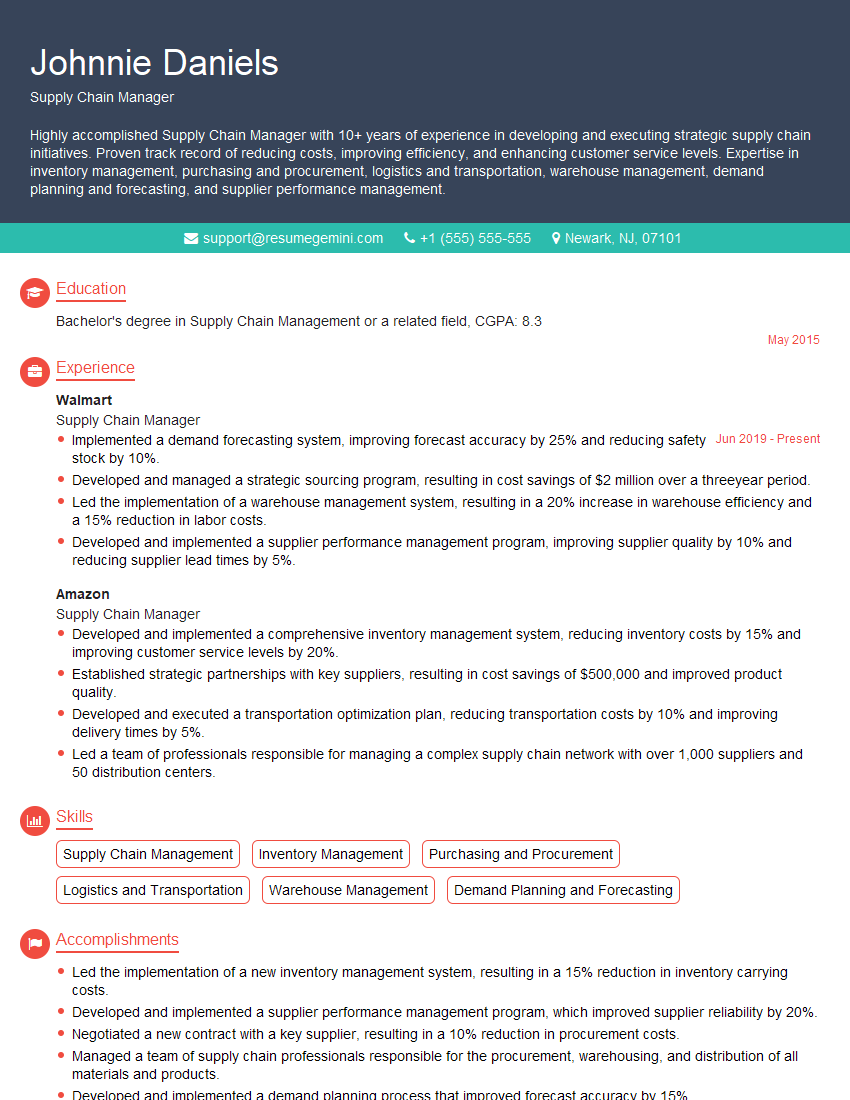
Supply Chain Manager Resume Sample

Logistics Manager Resume Sample
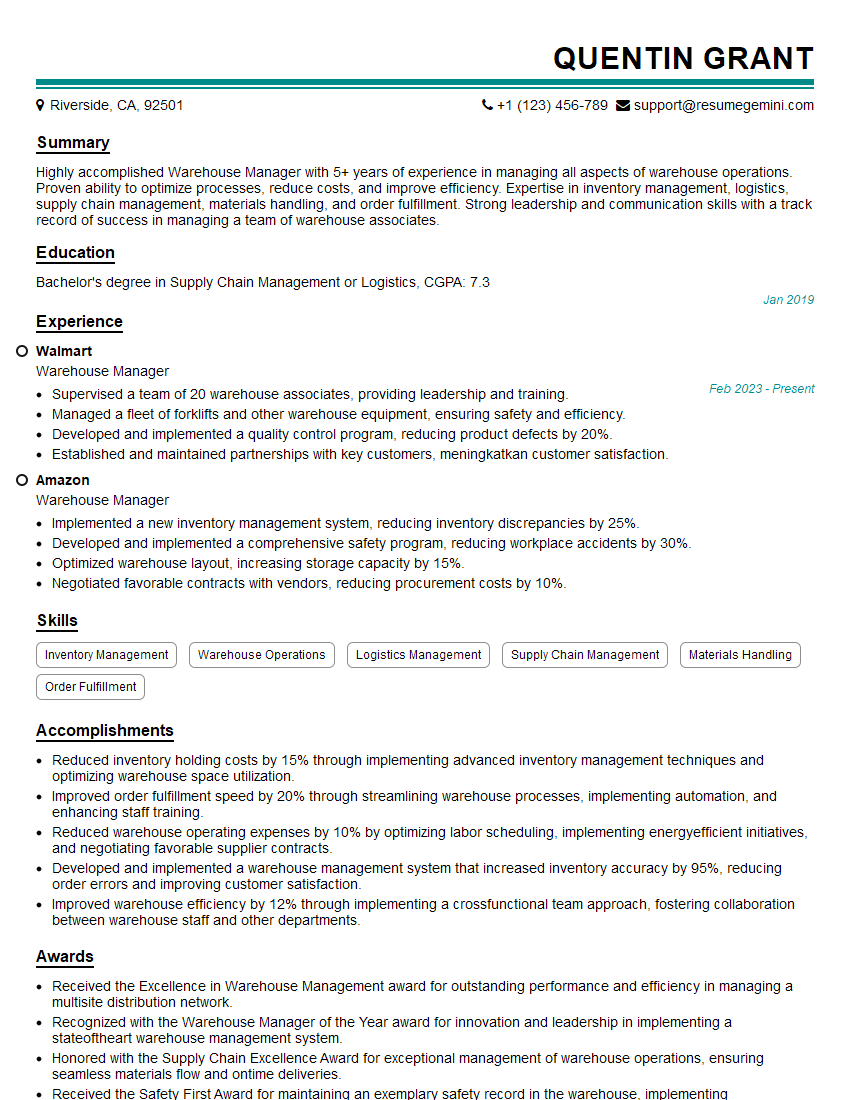
Warehouse Manager Resume Sample
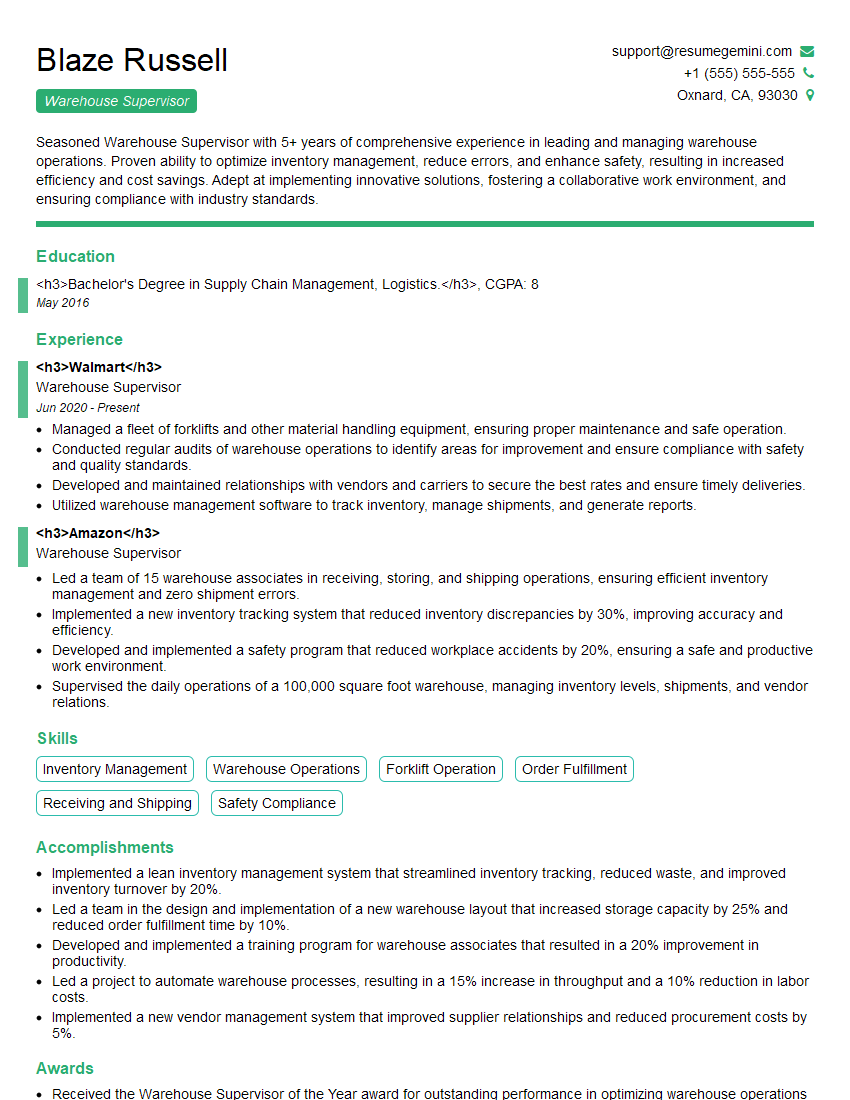
Warehouse Supervisor Resume Sample
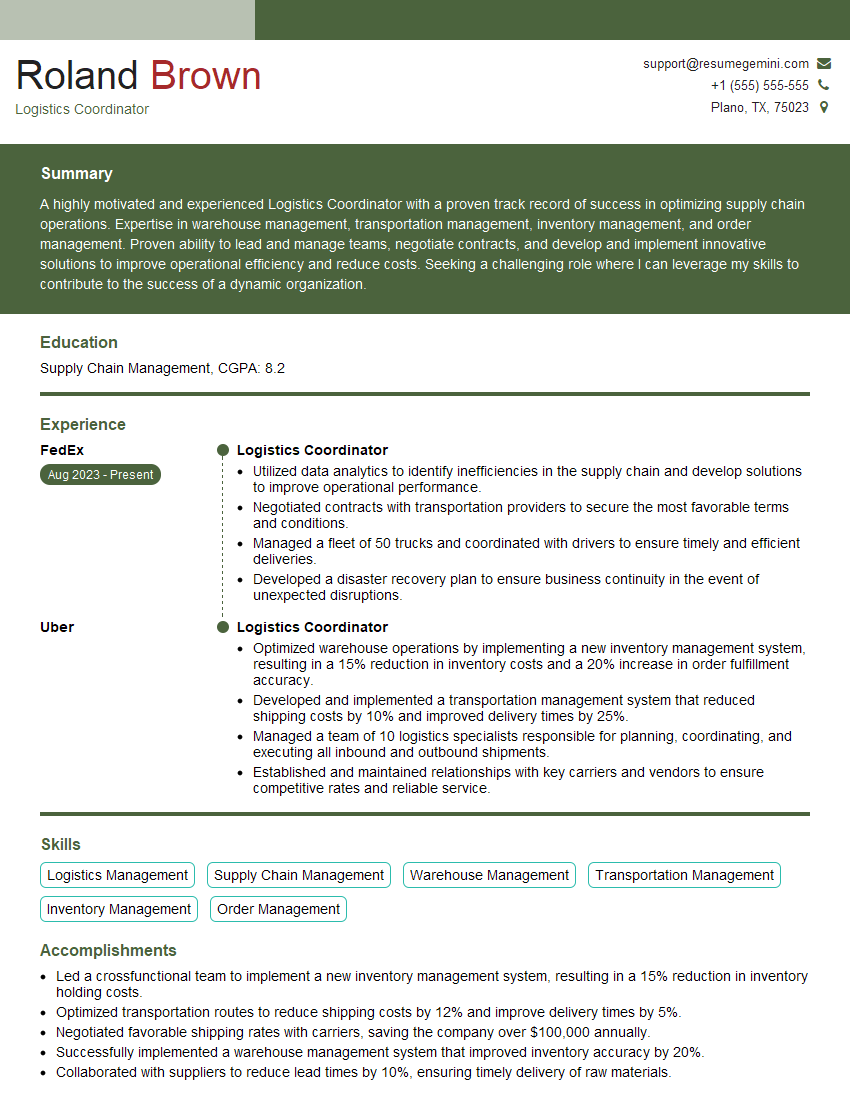
Logistics Coordinator Resume Sample
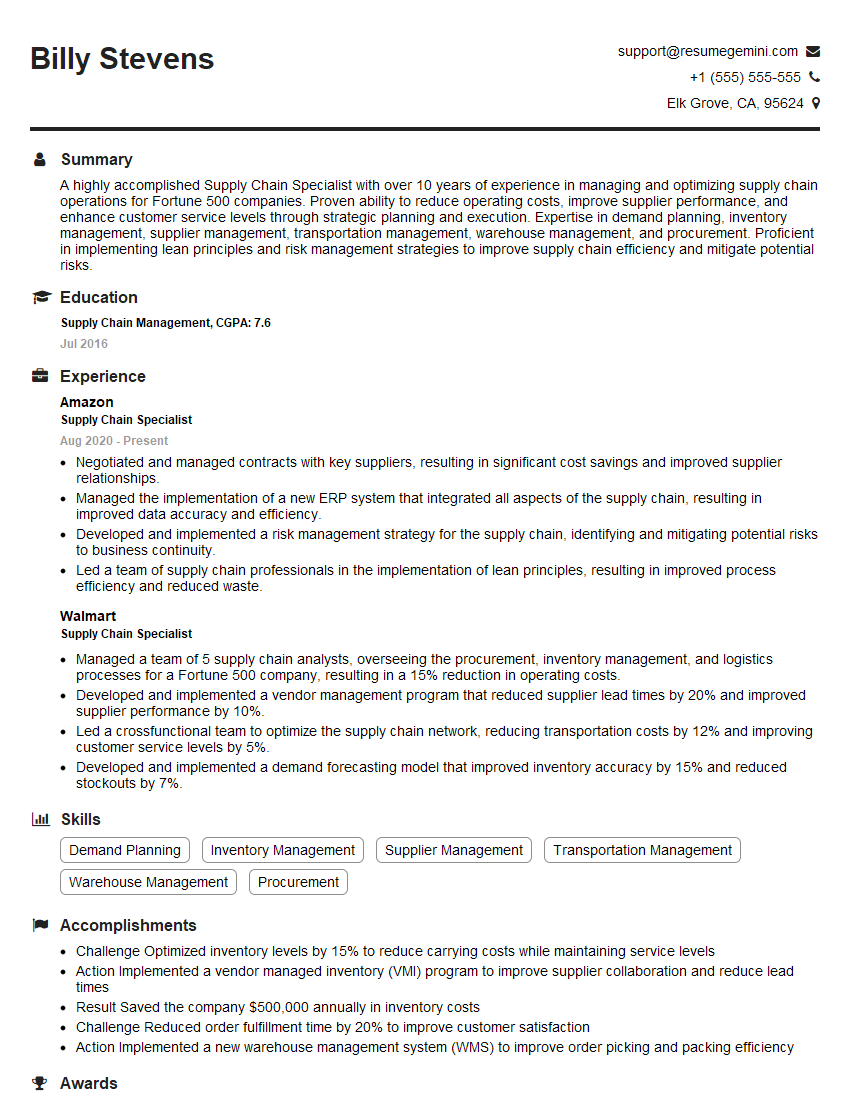
Supply Chain Specialist Resume Sample

Shipping and Receiving Clerk Resume Sample
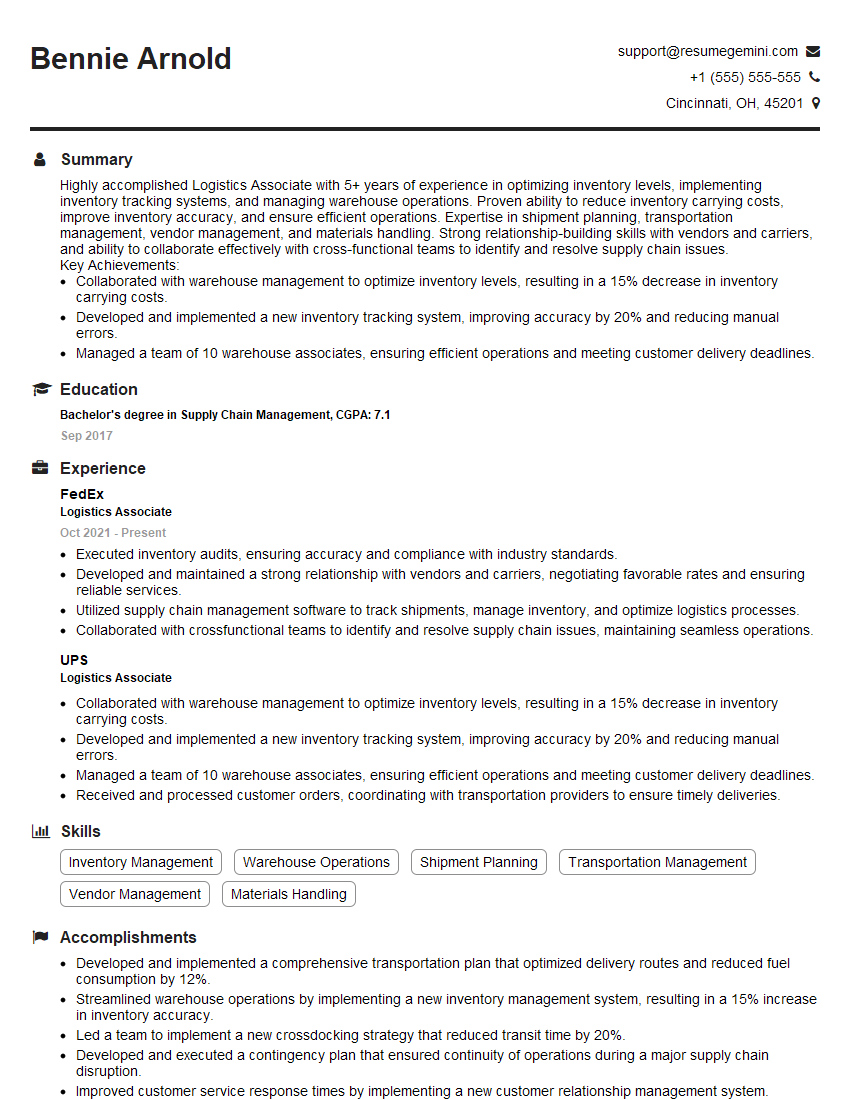
Logistics Associate Resume Sample
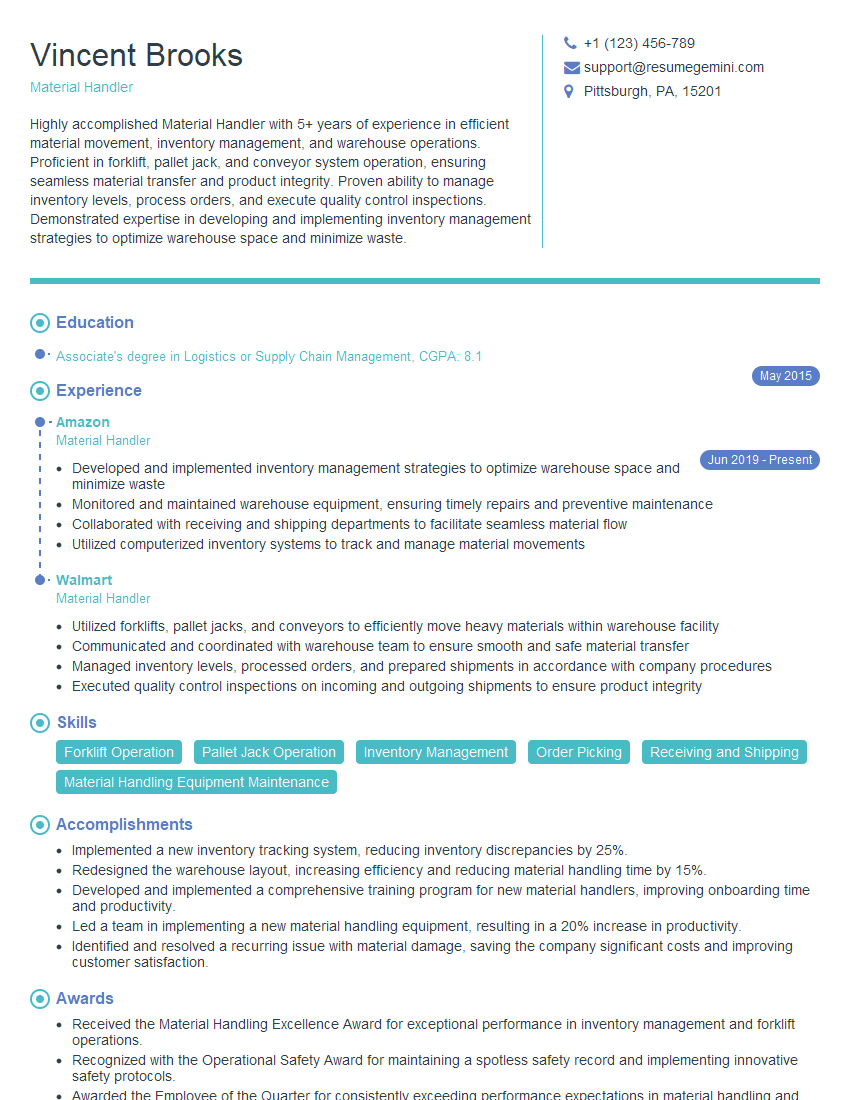
Material Handler Resume Sample
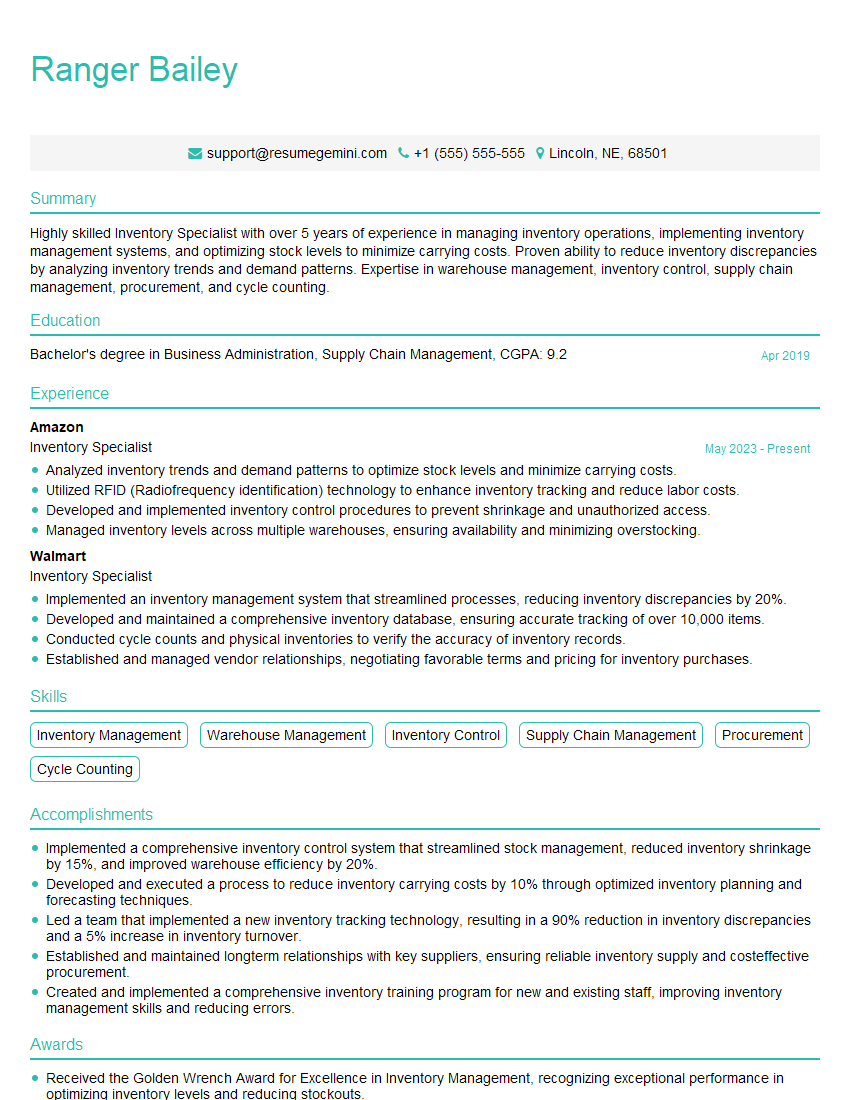
Inventory Specialist Resume Sample
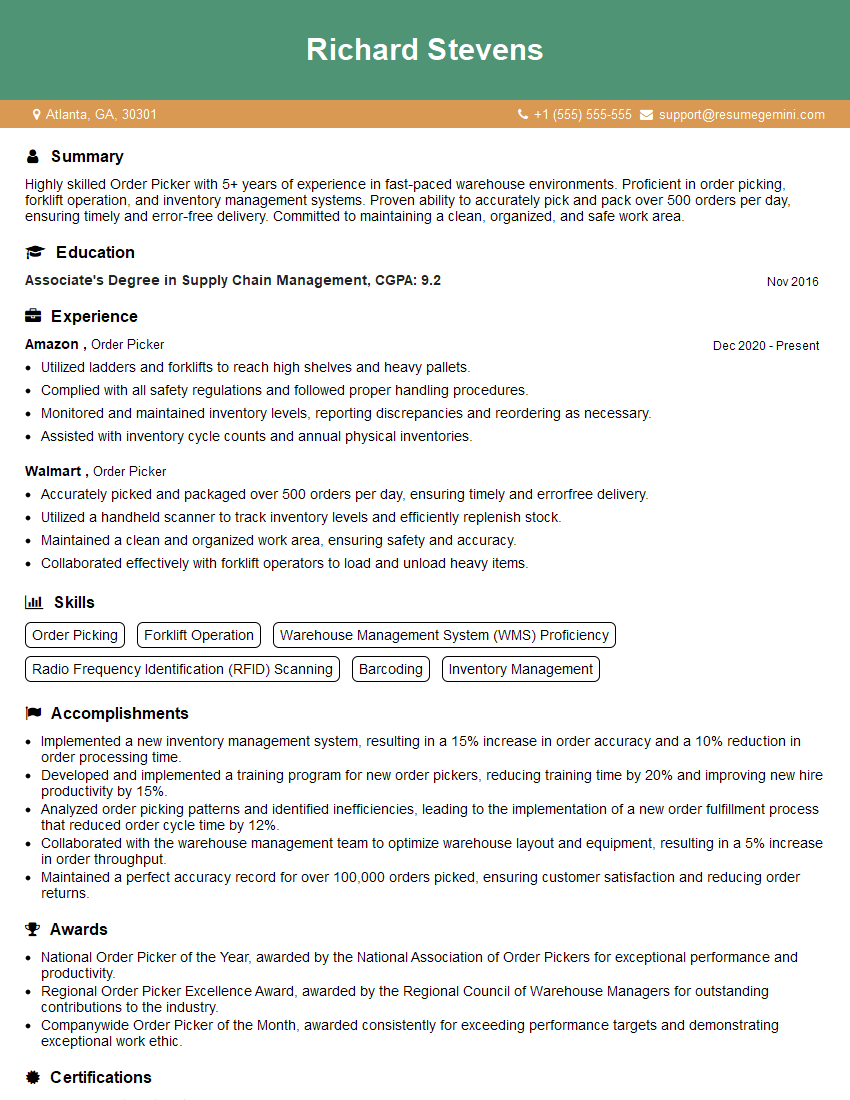
Order Picker Resume Sample
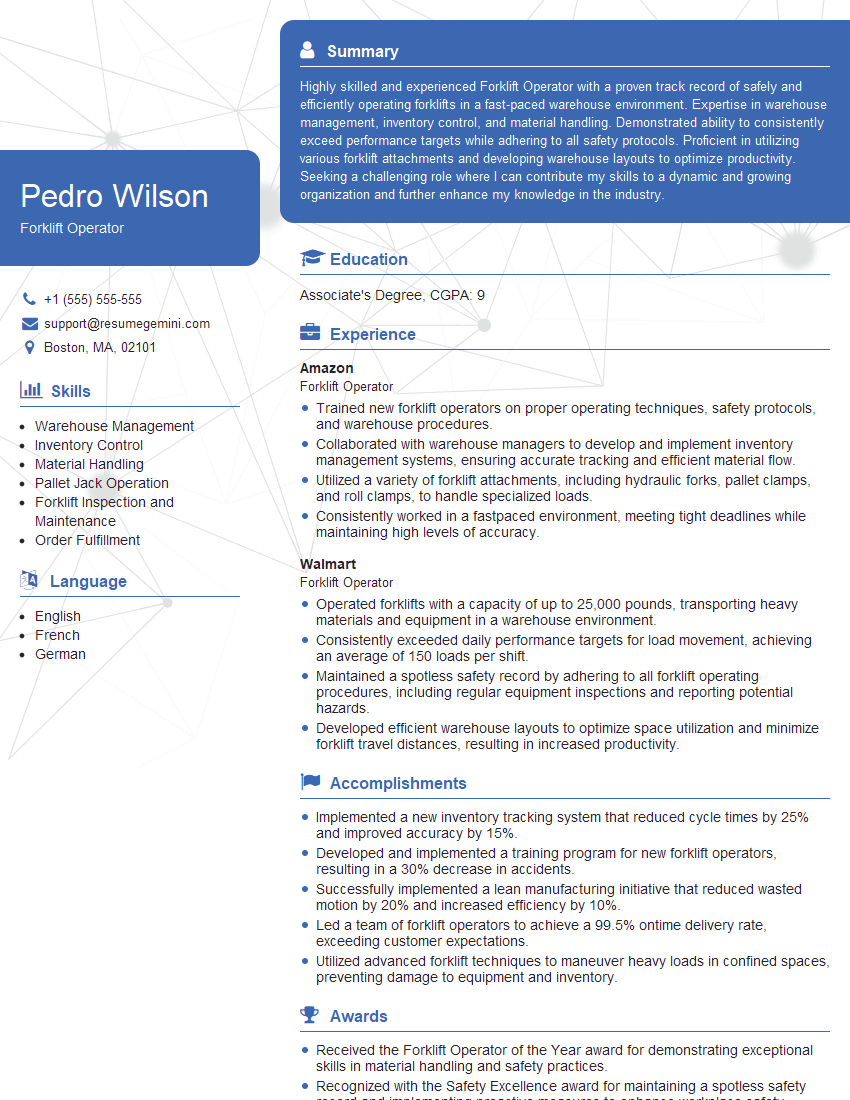
Forklift Operator Resume Sample

Forklift Mechanic Resume Sample
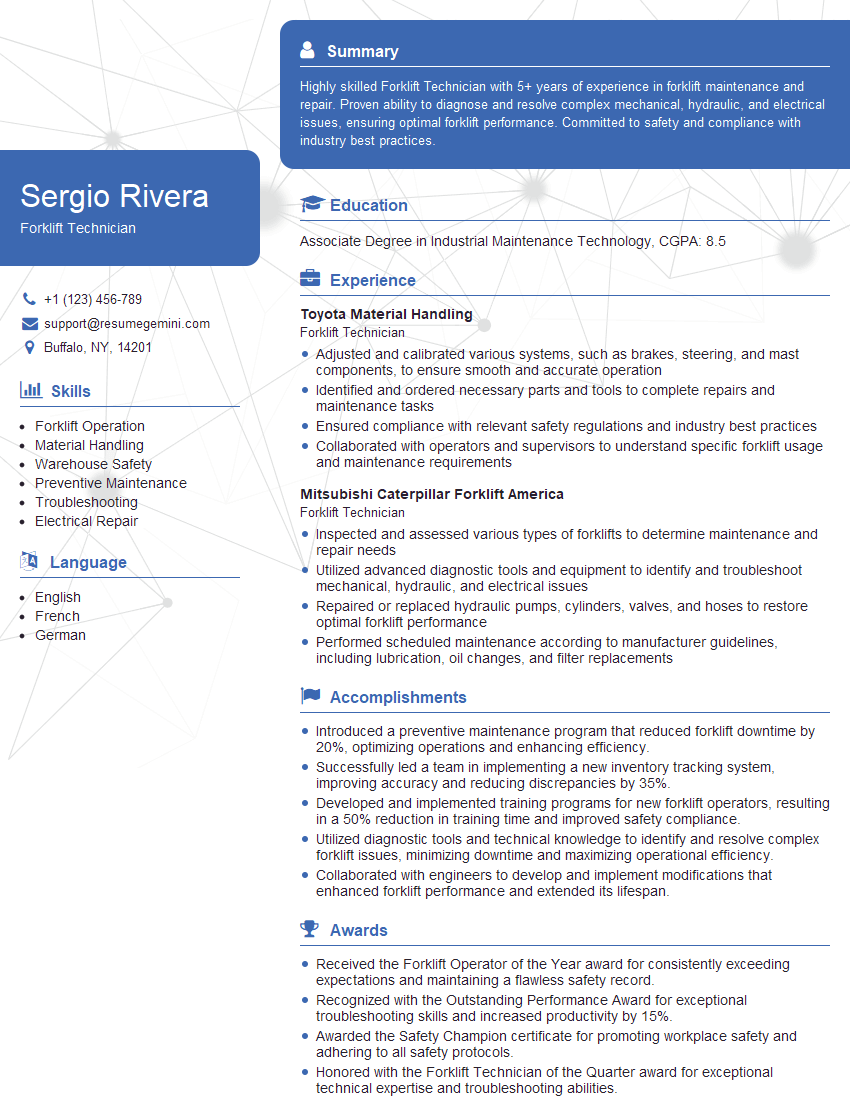
Forklift Technician Resume Sample
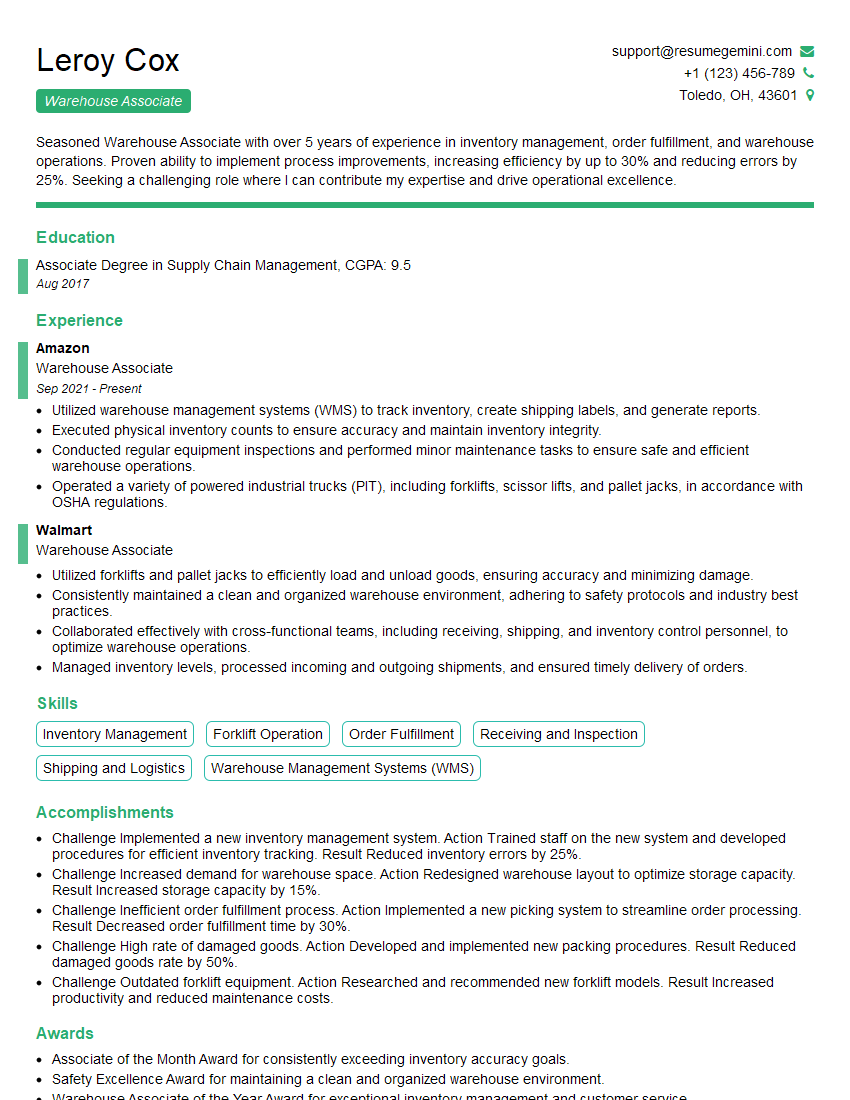
Warehouse Associate Resume Sample
- Operations Manager
- Supply Chain Manager
- Logistics Manager
- Warehouse Manager
- Warehouse Supervisor
- Logistics Coordinator
- Supply Chain Specialist
- Shipping and Receiving Clerk
- Logistics Associate
- Material Handler
- Inventory Specialist
- Order Picker
- Forklift Operator
- Forklift Mechanic
- Forklift Technician
- Warehouse Associate
Explore more articles
Users Rating of Our Blogs
Share Your Experience
We value your feedback! Please rate our content and share your thoughts (optional).
What Readers Say About Our Blog
Very informative content, great job.
good