Feeling uncertain about what to expect in your upcoming interview? We’ve got you covered! This blog highlights the most important Foster a positive and supportive learning environment interview questions and provides actionable advice to help you stand out as the ideal candidate. Let’s pave the way for your success.
Questions Asked in Foster a positive and supportive learning environment Interview
Q 1. Describe your approach to creating a positive and inclusive classroom environment.
Creating a positive and inclusive classroom environment is paramount for effective learning. My approach is multifaceted, focusing on building a sense of belonging, respect, and psychological safety for every student. This involves:
- Establishing clear expectations and classroom norms collaboratively: Students participate in creating rules, fostering ownership and understanding. For example, we might brainstorm and agree on rules regarding respectful communication and active listening.
- Differentiation and personalization: Recognizing that students learn differently, I incorporate diverse learning styles and pace into my teaching. This could involve offering various activities, like group work, individual projects, or online learning modules.
- Celebrating diversity and fostering inclusivity: I actively incorporate diverse perspectives and materials into lessons, creating a space where all students feel valued and represented. This could include showcasing diverse authors, historical figures, and cultural events.
- Building positive relationships: I make an effort to learn about each student’s individual interests and backgrounds, creating a welcoming atmosphere. This involves regular informal check-ins and creating opportunities for social interaction.
- Using positive reinforcement and encouragement: Focusing on students’ strengths and progress rather than solely on shortcomings. I use praise judiciously and celebrate both individual and collective successes.
Q 2. How do you identify and address students’ learning challenges in a supportive manner?
Identifying and addressing learning challenges requires a sensitive and supportive approach. I begin by:
- Regularly assessing student understanding: This involves diverse assessment methods—formative assessments like quizzes and class discussions, and summative assessments like tests and projects—to pinpoint areas where students struggle.
- Observing student behavior and engagement: Paying close attention to student participation, body language, and interactions can reveal underlying learning difficulties or emotional challenges.
- Communicating with parents and guardians: Collaboration with parents provides a holistic view of the student’s learning journey and allows for shared strategies to support their progress.
- Providing individualized support: Once challenges are identified, I offer tailored interventions, such as one-on-one tutoring, extra practice materials, or modified assignments. This might involve differentiating instruction to cater to various learning styles or providing assistive technologies.
- Referring to specialists when necessary: If I suspect a significant learning disability or other underlying issue, I recommend seeking assistance from school counselors, special education teachers, or other relevant professionals.
For example, a student struggling with math might benefit from visual aids, manipulatives, or a different teaching method that emphasizes conceptual understanding rather than rote memorization.
Q 3. What strategies do you employ to build rapport and trust with learners?
Building rapport and trust is essential for creating a safe and productive learning environment. I achieve this through:
- Creating a welcoming and approachable atmosphere: This involves being friendly, accessible, and demonstrating genuine interest in my students’ lives and well-being.
- Open communication and active listening: I actively encourage students to share their thoughts, concerns, and ideas, creating a safe space where they feel comfortable expressing themselves.
- Showing empathy and understanding: Recognizing that students may face challenges outside the classroom, I strive to be understanding and supportive of individual circumstances.
- Being consistent and fair: Maintaining consistent expectations and applying rules fairly helps to establish trust and predictability in the classroom environment.
- Modeling positive behavior: By consistently demonstrating respect, kindness, and responsibility, I set a positive example for students to emulate.
For instance, I might start each class with a quick check-in, asking students about their day or sharing a personal anecdote to build connection. This demonstrates that I care about them as individuals.
Q 4. Explain your method for providing constructive feedback to students.
Providing constructive feedback is crucial for student growth. My approach involves:
- Focusing on specific behaviors and actions: Rather than making general statements, I pinpoint specific aspects of a student’s work that need improvement. For example, instead of saying “this is poorly written,” I might say “Your introduction could be more engaging by including a stronger hook.”
- Balancing positive and negative feedback: I always start by acknowledging the student’s strengths and efforts before addressing areas for improvement. This helps maintain motivation and a positive learning experience.
- Offering actionable suggestions: My feedback includes concrete steps that students can take to improve their work. This might involve linking them to relevant resources or suggesting specific strategies.
- Using a variety of methods: Feedback might involve written comments on assignments, verbal discussions during conferences, or peer feedback activities.
- Providing opportunities for revision: I often give students opportunities to revise their work based on the feedback they received, enhancing learning and promoting self-reflection.
Q 5. How do you encourage collaboration and peer learning within a learning environment?
Encouraging collaboration and peer learning involves creating opportunities for students to work together and learn from each other. My strategies include:
- Structured group activities: Designing activities that require students to collaborate and share their knowledge and skills. This might involve group projects, debates, or peer teaching sessions.
- Think-pair-share activities: These are simple but effective strategies where students think individually, discuss their ideas with a partner, and then share their findings with the larger group.
- Peer assessment and feedback: Providing students with opportunities to assess each other’s work and provide constructive feedback fosters collaboration and enhances learning.
- Cooperative learning structures: Utilizing established cooperative learning structures, like jigsaw activities or expert groups, to ensure that all students participate actively and contribute to the collective learning experience.
- Establishing clear guidelines and roles: Providing clear guidelines and assigning roles within group activities promotes effective collaboration and reduces conflict.
Q 6. Describe a time you had to manage conflict within a learning group. What was your approach?
In one instance, a group project resulted in a conflict between two students with differing work styles and communication preferences. One student preferred a highly structured approach, while the other was more spontaneous. This led to frustration and unproductive arguments.
My approach involved:
- Facilitating a calm and respectful discussion: I brought the students together in a private setting to discuss their concerns in a neutral and supportive environment.
- Active listening and empathy: I listened to both students’ perspectives, validating their feelings and ensuring they felt heard.
- Mediating and finding common ground: I helped them identify the root causes of the conflict and find compromise solutions. This involved discussing alternative approaches to project management and clarifying communication expectations.
- Redefining roles and responsibilities: To address the differing work styles, I redefined the roles within the group, matching responsibilities to individual strengths and preferences.
- Monitoring progress and providing ongoing support: I monitored their progress closely, providing guidance and support as needed to ensure they remained on track and worked effectively as a team.
The conflict was ultimately resolved, and the students learned valuable lessons about effective communication, collaboration, and conflict resolution.
Q 7. How do you adapt your teaching style to meet the diverse needs of learners?
Adapting my teaching style to meet diverse learner needs is a continuous process. I use a variety of strategies, including:
- Differentiated instruction: This involves adjusting the content, process, product, or learning environment to meet individual student needs. This might involve providing various learning materials, activities, and assessment methods.
- Universal Design for Learning (UDL): This framework focuses on creating flexible learning experiences that cater to diverse learning styles and preferences. This includes providing multiple means of representation, action and expression, and engagement.
- Utilizing technology: Incorporating technology tools, such as interactive simulations, online learning platforms, and assistive technologies, to cater to diverse learning needs and preferences.
- Providing personalized learning experiences: Using technology and data to tailor learning pathways to individual student needs and pace. This could involve using adaptive learning platforms or providing individualized learning plans.
- Incorporating multiple intelligences: Recognizing that students possess different types of intelligence (linguistic, logical-mathematical, spatial, bodily-kinesthetic, musical, interpersonal, intrapersonal, naturalistic), I integrate activities that appeal to a wide range of intelligences.
For example, a student who excels in visual learning might benefit from diagrams, charts, and videos, while a student who prefers kinesthetic learning might benefit from hands-on activities and experiments.
Q 8. What techniques do you use to motivate and engage learners?
Motivating and engaging learners requires a multifaceted approach that caters to diverse learning styles and individual needs. I believe in creating a classroom environment where students feel valued, respected, and empowered to learn.
Choice and Autonomy: Offering choices in assignments, projects, or learning activities allows students to tap into their interests and passions, fostering intrinsic motivation. For instance, when studying the American Revolution, students might choose to create a documentary, write a historical fiction piece, or design a museum exhibit.
Collaboration and Teamwork: Collaborative learning projects encourage peer interaction, knowledge sharing, and a sense of community. Group projects, peer teaching, and think-pair-share activities are excellent examples. I structure these activities to ensure each student has a clearly defined role and contributes meaningfully.
Gamification and Challenges: Incorporating game-like elements, challenges, and rewards can significantly boost engagement. This could involve awarding points for participation, using interactive online platforms, or designing classroom competitions with non-competitive prizes. The key is to focus on the learning process, not just the reward.
Real-world Connections: Relating learning to real-world situations makes the content more relevant and meaningful. For example, discussing current events related to the subject matter, inviting guest speakers, or conducting field trips greatly enhances student engagement.
Positive Reinforcement and Feedback: Providing regular, constructive feedback and celebrating successes, both big and small, fosters a positive learning environment and encourages perseverance. I focus on effort and progress, not just grades, emphasizing a growth mindset.
Q 9. How do you assess the effectiveness of your teaching methods?
Assessing the effectiveness of my teaching methods involves a combination of formative and summative assessments. Formative assessment informs my teaching *during* the learning process, while summative assessment evaluates student learning at the *end* of a unit or course.
Formative Assessments: These include observations during class discussions, informal quizzes, exit tickets, quick writes, and student self-assessments. This data helps me identify areas where students are struggling and adjust my instruction accordingly. For example, if many students miss a particular concept on an exit ticket, I know to revisit that topic the next day.
Summative Assessments: These are used to evaluate overall learning and include formal tests, projects, essays, and presentations. Analyzing the results helps me determine the overall effectiveness of my teaching strategies and areas for improvement. I examine not only the grades but also patterns in student responses to understand common misconceptions or gaps in understanding.
Student Feedback: Regularly soliciting student feedback through surveys, focus groups, or informal conversations is crucial. Understanding their perspectives on the clarity of instruction, engagement level, and overall learning experience provides invaluable insights. This can be as simple as asking, “What was the most helpful part of today’s lesson?”
Data Analysis: I meticulously analyze assessment data to identify trends and patterns in student performance. This data informs future lesson planning and helps me refine my teaching strategies to better meet the needs of my students.
Q 10. How do you promote a growth mindset in your learners?
Fostering a growth mindset involves shifting the focus from innate ability to effort, persistence, and learning from mistakes. I emphasize that intelligence is not fixed but rather something that can be developed through hard work and dedication.
Language and Framing: I use language that emphasizes effort and progress rather than inherent talent. For example, instead of saying “You’re so smart,” I might say, “I’m impressed by your hard work and persistence on this project.”
Celebrating Effort and Progress: I acknowledge and praise students’ effort, persistence, and strategies used to overcome challenges. Even small improvements are celebrated, reinforcing the idea that progress is valued.
Embracing Mistakes as Learning Opportunities: Mistakes are framed as valuable learning experiences, providing opportunities for growth and improvement. We discuss what went wrong, what could be done differently, and how to approach similar situations in the future. I avoid using mistakes as a measure of intelligence.
Growth Mindset Activities: I incorporate activities specifically designed to cultivate a growth mindset. This can include reading books and articles about the subject or engaging in discussions about challenges faced and how they were overcome.
Modeling a Growth Mindset: I openly share my own learning journey, demonstrating my commitment to continuous improvement and how I approach challenges in my own life and work.
Q 11. Describe your approach to differentiating instruction to meet individual learning styles.
Differentiation involves adjusting instruction to meet the diverse needs of all learners. This includes considering learning styles, readiness levels, and interests. My approach is flexible and adaptable, focusing on providing a variety of options for students to access and demonstrate their learning.
Tiered Assignments: I often create tiered assignments with varying levels of complexity, allowing students to choose a level that matches their readiness. For example, a writing assignment could have a basic, intermediate, and advanced version, each with different expectations in terms of length, complexity, and research required.
Learning Centers/Stations: Setting up learning centers or stations with different activities allows students to work at their own pace and choose activities that cater to their preferred learning styles. One station might involve hands-on activities, another could focus on collaborative projects, and a third might offer independent reading.
Choice Boards: These provide students with a variety of options for completing assignments, allowing them to choose activities that align with their interests and learning preferences. For example, students could choose to write an essay, create a presentation, or build a model to demonstrate their understanding of a topic.
Flexible Grouping: I use a variety of grouping strategies, including whole-class instruction, small groups, and individual work, to cater to different learning styles and needs. I regularly assess and adjust group compositions based on student performance and needs.
Assistive Technology: I utilize assistive technologies such as text-to-speech software, graphic organizers, and specialized learning platforms to support students with specific learning needs.
Q 12. How do you incorporate technology to enhance learning and engagement?
Technology can be a powerful tool for enhancing learning and engagement, offering diverse opportunities for interaction and personalized learning. I strategically integrate technology to support various aspects of instruction.
Interactive Simulations and Games: Educational simulations and games can make learning fun and engaging, allowing students to actively participate in the learning process and receive immediate feedback. These tools can be particularly effective for subjects that are abstract or difficult to grasp.
Online Learning Platforms: Platforms like Google Classroom, Canvas, or Moodle facilitate communication, assignment submission, and resource sharing. They provide opportunities for personalized learning and feedback.
Digital Content Creation: Students can create digital presentations, videos, podcasts, or interactive websites to showcase their understanding of concepts. This encourages creativity and deep learning.
Collaboration Tools: Tools like Google Docs or collaborative online whiteboards allow for real-time collaboration and knowledge sharing, fostering teamwork and communication skills.
Data Analysis and Assessment Tools: Technology helps track student progress and analyze assessment data to better inform instruction. This allows for data-driven decision-making and personalized feedback.
Q 13. How do you ensure accessibility for all learners in your classroom?
Ensuring accessibility for all learners is paramount. My classroom practices prioritize inclusivity and cater to diverse learning needs and disabilities.
Universal Design for Learning (UDL): I apply UDL principles, providing multiple means of representation, action and expression, and engagement to meet the diverse needs of all learners. This ensures that all students have equal access to learning opportunities.
Assistive Technology: I utilize a range of assistive technologies, such as text-to-speech software, screen readers, and alternative input devices, to support students with disabilities. This ensures they can fully participate in all classroom activities.
Differentiated Instruction: I differentiate instruction to meet individual learning needs, providing varied levels of support and challenge to ensure all students can succeed.
Collaboration with Specialists: I work closely with special education teachers, therapists, and other support staff to develop individualized learning plans and provide appropriate accommodations for students with disabilities.
Accessible Materials: All classroom materials, including handouts, assignments, and assessments, are created in accessible formats, such as large print, digital text, or audio recordings.
Creating an Inclusive Classroom Culture: I foster an inclusive classroom culture where all students feel safe, respected, and valued, regardless of their abilities or disabilities.
Q 14. How do you handle situations where learners are struggling or disengaged?
When learners are struggling or disengaged, I address the situation proactively through a multi-step approach.
Identifying the Root Cause: The first step involves identifying the underlying reasons for the struggle or disengagement. This may involve observing the student’s behavior, talking to the student, reviewing their work, and communicating with parents or guardians.
Providing Support and Intervention: Once the cause is identified, I provide appropriate support and intervention. This may involve offering extra help during class, assigning differentiated tasks, providing tutoring, or modifying assignments. I might also use positive reinforcement strategies to boost their confidence and motivation.
Building Relationships: Building a strong rapport with students is crucial. Creating a supportive and trusting environment makes it easier for students to seek help and open up about their challenges.
Adjusting Instruction: If a significant number of students are struggling with a particular concept, I may need to adjust my teaching methods or revisit the topic using different strategies.
Seeking Collaboration: I may need to collaborate with other teachers, specialists, or parents to develop a comprehensive support plan for the struggling student. This team approach can provide additional resources and perspectives.
Monitoring Progress: I regularly monitor the student’s progress to ensure the intervention strategies are effective. I adjust my approach as needed to ensure the student’s needs are met.
Q 15. What are some effective strategies for managing classroom behavior?
Effective classroom behavior management isn’t about punishment; it’s about proactive strategies that build a positive learning environment. My approach is multifaceted and focuses on prevention, positive reinforcement, and addressing issues constructively.
Establish Clear Expectations: From day one, I collaboratively create classroom rules with students, ensuring they understand expectations for behavior and the consequences of not meeting them. This fosters ownership and reduces misunderstandings.
Positive Reinforcement: I frequently praise positive behaviors, both individually and as a class. This could be through verbal praise, awarding class points, or recognizing effort. For instance, I might say, “I really appreciate how well everyone is focusing during this activity.” or implement a class reward system for reaching collective goals.
Proactive Strategies: I design engaging lessons that keep students actively involved. Movement breaks, varied learning activities, and opportunities for student choice minimize disruptive behaviors stemming from boredom or frustration. For example, I might incorporate kinesthetic learning activities after a period of independent work.
Addressing Misbehavior Constructively: When misbehavior occurs, I address it privately whenever possible, focusing on understanding the root cause rather than solely on punishment. I use restorative practices, encouraging students to take responsibility for their actions and make amends. This approach helps build stronger relationships and fosters a sense of accountability.
Collaboration with Parents/Guardians: Open communication with parents is key. I regularly update them on their child’s progress, both academically and behaviorally, utilizing platforms like email or parent-teacher conferences to maintain consistency between home and school environments.
Career Expert Tips:
- Ace those interviews! Prepare effectively by reviewing the Top 50 Most Common Interview Questions on ResumeGemini.
- Navigate your job search with confidence! Explore a wide range of Career Tips on ResumeGemini. Learn about common challenges and recommendations to overcome them.
- Craft the perfect resume! Master the Art of Resume Writing with ResumeGemini’s guide. Showcase your unique qualifications and achievements effectively.
- Don’t miss out on holiday savings! Build your dream resume with ResumeGemini’s ATS optimized templates.
Q 16. How do you foster a sense of community and belonging in your classroom?
Fostering a sense of community and belonging is crucial for a thriving classroom. I achieve this through various strategies designed to connect students with each other and with the learning process.
Building Relationships: I invest time in getting to know each student individually, understanding their interests and backgrounds. This helps me create a personalized learning experience and build rapport.
Collaborative Learning Activities: Group projects, peer tutoring, and cooperative games provide opportunities for students to interact, learn from each other, and develop teamwork skills. For example, students might collaborate on a science experiment or work together to create a class presentation.
Celebrating Diversity: I create a classroom environment that values and celebrates the diversity of backgrounds, perspectives, and learning styles. We discuss different cultures, traditions, and viewpoints, promoting empathy and understanding.
Classroom Meetings: Regular class meetings offer a safe space for students to discuss concerns, share ideas, and make decisions collectively. This shared governance empowers students and strengthens their sense of ownership.
Creating a Welcoming Environment: The physical classroom layout plays a role. I arrange the classroom to promote interaction and collaboration. Student artwork and projects are displayed, creating a vibrant and personalized space.
Q 17. How do you incorporate feedback from learners to improve your teaching?
Learner feedback is invaluable for improving my teaching. I employ several strategies to gather and utilize this feedback effectively.
Student Surveys: Regular anonymous surveys allow students to share their thoughts on the lessons, teaching methods, and classroom environment. This provides a broad overview of student perceptions.
Individual Conferences: I conduct one-on-one conferences with students to discuss their learning progress and get personalized feedback on their experiences. This allows for more in-depth discussions and personalized insights.
Exit Tickets: At the end of a lesson, I often ask students to answer a quick question or reflect on their learning. This provides immediate feedback on the lesson’s effectiveness.
Observations: I actively observe students during lessons, noting their engagement, understanding, and any challenges they might be facing. This provides real-time feedback on lesson delivery.
Analysis of Assessment Data: Analyzing student performance on assignments and assessments provides insights into areas where my teaching needs improvement. I use this data to adjust my instruction and support student learning.
I use this feedback to refine my lesson plans, adjust teaching strategies, and create a more supportive learning environment. For instance, if students consistently struggle with a particular concept, I will revise my lesson to address the challenge more effectively.
Q 18. Describe a time you had to implement a new teaching strategy. What were the results?
I recently implemented a project-based learning (PBL) approach in my science class. Previously, the curriculum relied heavily on lectures and worksheets, resulting in lower student engagement and comprehension.
The PBL strategy involved students working in groups on a long-term project focused on designing and building a sustainable model ecosystem. This required them to research, plan, execute, and present their findings. The transition involved significant planning: outlining project guidelines, providing scaffolding support, and sourcing materials.
The results were impressive. Student engagement skyrocketed. The collaborative nature of the project fostered teamwork and problem-solving skills. Students demonstrated a deeper understanding of the concepts than with previous lecture-based approaches. Their final presentations showcased creativity and critical thinking, far surpassing what I’d seen before. While initially more time-consuming to plan and implement, the positive impact on student learning outweighed the challenges.
Q 19. How do you use formative assessment to inform your instruction?
Formative assessment is crucial for guiding my instruction. It provides ongoing feedback that allows me to adjust my teaching in real-time to meet the needs of my students.
Quick Checks: I use quick checks, like short quizzes or exit tickets, to assess student understanding of key concepts immediately after teaching. This helps me identify any misconceptions or gaps in understanding before moving on.
Observations: I regularly observe students during lessons, paying attention to their participation, questions, and body language. This provides valuable qualitative data on their learning progress.
Think-Pair-Share: This strategy allows me to gauge student understanding through brief discussions. Students think individually, discuss with a partner, and then share their thoughts with the class.
Class Discussions: I facilitate class discussions that provide opportunities for students to share their understanding, ask questions, and engage with the material. Their contributions provide valuable insights into their level of understanding.
I use this formative assessment data to adjust my lesson plans, provide targeted support to individual students, and clarify concepts that students are struggling with. It’s a continuous feedback loop that enhances the effectiveness of my teaching.
Q 20. How do you create a safe and respectful learning space for all learners?
Creating a safe and respectful learning environment for all learners is paramount. My approach focuses on establishing clear expectations, building positive relationships, and proactively addressing any issues that arise.
Establishing Clear Expectations: I work collaboratively with students to develop classroom rules that promote respect, inclusivity, and safety. These rules are clearly communicated and consistently enforced.
Building Positive Relationships: I take the time to get to know each student individually, showing genuine interest in their lives and experiences. This creates a sense of trust and mutual respect.
Promoting Inclusivity: I actively create a classroom environment that values and celebrates diversity. I use inclusive language, incorporate diverse perspectives in my teaching, and address any instances of bias or discrimination immediately.
Conflict Resolution: I teach students conflict resolution skills and model appropriate strategies for resolving disagreements respectfully. I intervene early to address any conflicts that arise, using restorative practices whenever possible.
Providing Support: I make sure that all students feel supported and have access to the resources they need to succeed. This includes providing extra help to students who are struggling and celebrating the accomplishments of all students.
Q 21. What are your strategies for building strong relationships with parents or guardians?
Building strong relationships with parents/guardians is essential for student success. Open communication and mutual respect form the foundation of this partnership.
Regular Communication: I maintain regular communication with parents through various channels, such as email, newsletters, and parent-teacher conferences. I share updates on student progress, both academic and social-emotional.
Positive Communication: I focus on positive communication, highlighting student strengths and achievements. Even when addressing challenges, I frame it constructively, focusing on solutions and collaboration.
Accessibility: I make myself readily available to parents through various methods—email, phone calls, scheduled meetings—to address their concerns or questions promptly and efficiently.
Collaboration: I view parents/guardians as partners in their child’s education. I actively seek their input and collaborate with them to develop strategies that support their child’s learning and well-being. For example, I might suggest ways parents can support their child’s learning at home.
Transparency: I’m transparent about my teaching methods, classroom expectations, and assessment strategies. This fosters trust and allows parents to understand how I support their child’s learning.
Q 22. Describe your approach to addressing bullying or harassment in the learning environment.
My approach to addressing bullying or harassment is multifaceted and proactive. It begins with establishing clear expectations and consequences from day one, ensuring all learners understand what constitutes unacceptable behavior and the repercussions. This includes a well-defined anti-bullying policy that’s readily accessible and discussed openly.
Beyond policy, I foster a classroom culture of respect and empathy. We actively engage in discussions about kindness, inclusivity, and the impact of words and actions. I teach conflict resolution strategies, empowering students to address issues peacefully and respectfully. Role-playing scenarios can be incredibly effective in this regard.
When incidents occur, my response is swift and consistent. I conduct thorough investigations, listening to all perspectives without judgment. Consequences are applied fairly, based on the severity of the incident, and always involve restorative practices whenever possible. This might include mediation between the involved parties, encouraging apologies and amends, and focusing on repairing harm done. Parent/guardian involvement is crucial, maintaining open communication throughout the process. Finally, I regularly evaluate the effectiveness of my strategies, adapting my approach as needed to ensure a safe and positive learning environment for everyone.
Q 23. How do you promote critical thinking and problem-solving skills in your learners?
Promoting critical thinking and problem-solving skills is a cornerstone of my teaching philosophy. I achieve this through a blend of strategies, focusing on both content and process. I avoid simply presenting information; instead, I encourage questioning, debate, and exploration.
- Open-ended questions: Instead of questions with single right answers, I pose open-ended questions that encourage diverse perspectives and multiple solutions. For instance, instead of asking ‘What caused the American Civil War?’, I might ask, ‘What were the key factors contributing to the outbreak of the American Civil War, and how might those factors have been addressed differently?’
- Inquiry-based learning: I design lessons that allow students to investigate topics independently, formulating their own hypotheses and testing them through research and experimentation. A project where students investigate the impact of pollution on a local ecosystem is an example of this.
- Case studies and simulations: Real-world scenarios and simulations provide opportunities for students to apply their knowledge and problem-solving skills in a meaningful context. This might involve analyzing a historical event or designing a solution to a current societal issue.
- Collaborative projects: Group projects encourage collaboration, communication, and the sharing of ideas, forcing students to consider diverse perspectives and work together to achieve a common goal.
Regular feedback is essential, focusing not only on the correctness of answers but also on the process of thinking and problem-solving. I encourage students to reflect on their approaches, identify areas for improvement, and refine their strategies over time.
Q 24. How do you encourage learners to take ownership of their learning?
Encouraging learner ownership is about empowering students to take control of their learning journey. It’s about shifting from a teacher-centric approach to a student-centric one. This involves several key strategies:
- Goal setting: I work with students to set individual learning goals, ensuring they are specific, measurable, achievable, relevant, and time-bound (SMART goals). This gives them a sense of purpose and direction.
- Choice and autonomy: Whenever possible, I provide students with choices in their learning activities. This might involve selecting projects, choosing research topics, or determining the format of their presentations. This empowers them and increases their engagement.
- Self-assessment and reflection: I incorporate regular self-assessment activities, enabling students to monitor their progress and identify areas needing improvement. Journaling and reflective writing prompts are valuable tools here.
- Student-led conferences: These conferences place students in the driver’s seat, allowing them to present their work, discuss their progress, and set future goals. This fosters a sense of agency and responsibility.
Creating a supportive and collaborative classroom environment is crucial. Students need to feel comfortable taking risks, making mistakes, and learning from them without fear of judgment. A culture of trust and open communication is essential for fostering learner ownership.
Q 25. What resources or support do you utilize to enhance your teaching practice?
I continuously seek out resources and support to enhance my teaching practice. This includes:
- Professional development workshops and conferences: Attending workshops and conferences keeps me abreast of current research and best practices in education. These events often offer valuable insights and new strategies.
- Mentorship and peer observation: Collaborating with experienced colleagues and seeking mentorship provides opportunities for feedback, reflection, and shared learning. Observing others’ teaching styles can spark new ideas and improve my own methods.
- Educational journals and publications: Staying up-to-date on the latest research through journals and publications keeps my teaching informed and relevant. I critically evaluate research and incorporate findings into my practice.
- Online resources and technology: Utilizing online educational platforms, technology tools, and digital resources greatly enhances my ability to deliver engaging and effective lessons.
- Student feedback: Regularly seeking and analyzing student feedback helps me understand what’s working well and what needs improvement. This provides invaluable insights into how to better meet their needs.
This commitment to continuous improvement ensures that my teaching remains engaging, effective, and relevant to the ever-evolving needs of my learners.
Q 26. How do you incorporate active learning strategies into your instruction?
Active learning strategies are essential for creating an engaging and effective learning environment. Passive listening is replaced by active participation and critical thinking. Here are some of the strategies I use:
- Think-Pair-Share: Students ponder a question individually, discuss it with a partner, and then share their thoughts with the larger group. This promotes discussion and collaboration.
- Jigsaw activities: Students become experts on a specific aspect of a topic, then teach their peers. This fosters collaboration and deeper understanding.
- Group projects and presentations: These activities encourage teamwork, communication, and the application of learned concepts.
- Role-playing and simulations: These immersive activities allow students to actively engage with concepts and develop problem-solving skills.
- Interactive games and quizzes: These fun and engaging activities make learning more enjoyable and memorable.
- Debates and discussions: These encourage critical thinking, communication, and the ability to articulate different perspectives.
By integrating these strategies, I create a dynamic and participatory learning environment where students actively construct their knowledge, rather than passively receiving it.
Q 27. Describe a time you successfully resolved a challenge related to creating a positive learning environment.
In a previous class, I faced a challenge with a group of students who consistently disrupted the learning environment. They were very vocal and often sidetracked lessons with off-topic conversations. Initial attempts at redirection were ineffective. Instead of resorting to punitive measures, I took a different approach.
I scheduled a class meeting specifically dedicated to discussing classroom expectations and dynamics. I listened attentively to their perspectives, validating their feelings while clearly outlining the negative impact their behavior had on the learning experience of others. We then collaboratively established new classroom norms, including ways to manage interruptions respectfully and constructively. I empowered them by including their input in crafting solutions. The process itself was a powerful learning experience. The shift to collaborative problem solving, rather than punitive measures, resulted in a significant improvement in classroom behavior. This experience underscored the importance of collaboration, understanding, and empowering students to take ownership of their learning environment.
Q 28. How do you ensure equity and inclusion in your teaching practices?
Ensuring equity and inclusion in my teaching practices is paramount. I strive to create a learning environment where all students feel valued, respected, and have equal opportunities to succeed, regardless of their background, abilities, or learning styles.
- Culturally responsive teaching: I incorporate diverse perspectives and materials into my lessons, reflecting the rich tapestry of cultures and experiences represented in my classroom. This involves using diverse examples and case studies and featuring content that reflects the diverse backgrounds of students.
- Differentiated instruction: I cater to the diverse learning needs of my students by offering varied instructional approaches and materials. This might involve providing different levels of support or using different learning modalities to reach students effectively.
- Universal Design for Learning (UDL): I implement UDL principles to create flexible learning experiences that cater to various learning styles and abilities. This might include providing multiple means of representation, action and expression, and engagement.
- Inclusive language and materials: I carefully choose my language and materials, ensuring they are inclusive and avoid perpetuating stereotypes or biases. I am conscious of the use of gender-neutral language and inclusive imagery.
- Building relationships: Creating a strong rapport with each student allows me to understand their individual needs and challenges, providing tailored support and creating an environment where they feel safe and accepted.
Regular self-reflection and seeking feedback from students and colleagues are vital for continuously evaluating and improving my inclusive teaching practices.
Key Topics to Learn for Foster a positive and supportive learning environment Interview
- Creating a Safe and Inclusive Classroom: Understanding and addressing diverse learning styles, needs, and backgrounds. Practical application: Developing inclusive lesson plans and classroom management strategies.
- Building Positive Relationships: Establishing rapport with students, fostering open communication, and creating a sense of community. Practical application: Employing active listening skills, providing constructive feedback, and addressing conflict effectively.
- Promoting Collaboration and Teamwork: Designing activities that encourage peer learning, shared responsibility, and mutual support. Practical application: Implementing group projects, peer tutoring programs, or collaborative learning strategies.
- Differentiated Instruction: Adapting teaching methods and materials to meet the individual needs of all learners. Practical application: Utilizing varied assessment methods, providing individualized support, and modifying assignments as needed.
- Motivating and Engaging Students: Utilizing effective teaching strategies to keep students interested, focused, and actively involved in the learning process. Practical application: Incorporating interactive activities, real-world examples, and relevant technology.
- Providing Constructive Feedback: Offering specific, actionable, and encouraging feedback to help students improve their understanding and skills. Practical application: Utilizing various feedback methods such as verbal, written, and peer feedback.
- Managing Classroom Behavior: Establishing clear expectations, implementing effective classroom management techniques, and addressing disruptive behavior proactively. Practical application: Developing and consistently enforcing classroom rules, utilizing positive reinforcement strategies.
- Assessing Learning and Providing Support: Utilizing diverse assessment methods to monitor student progress and provide appropriate support. Practical application: Employing formative and summative assessments, providing targeted interventions.
Next Steps
Mastering the art of fostering a positive and supportive learning environment is crucial for career advancement in education. It demonstrates your commitment to student success and showcases essential skills valued by employers. To increase your job prospects, focus on building an ATS-friendly resume that highlights your relevant experiences and skills. ResumeGemini is a trusted resource that can help you craft a compelling and effective resume. Examples of resumes tailored to highlight experience in fostering positive and supportive learning environments are available to guide your resume creation process.
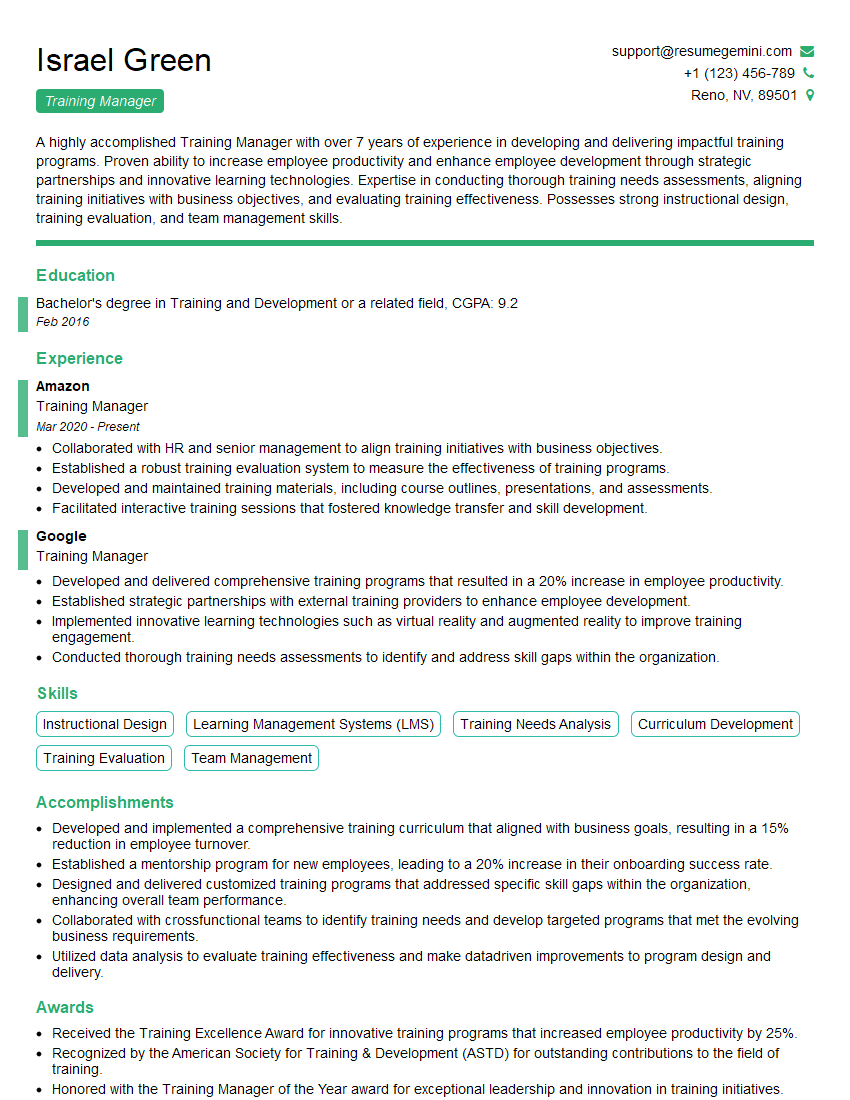
Training Manager Resume Sample
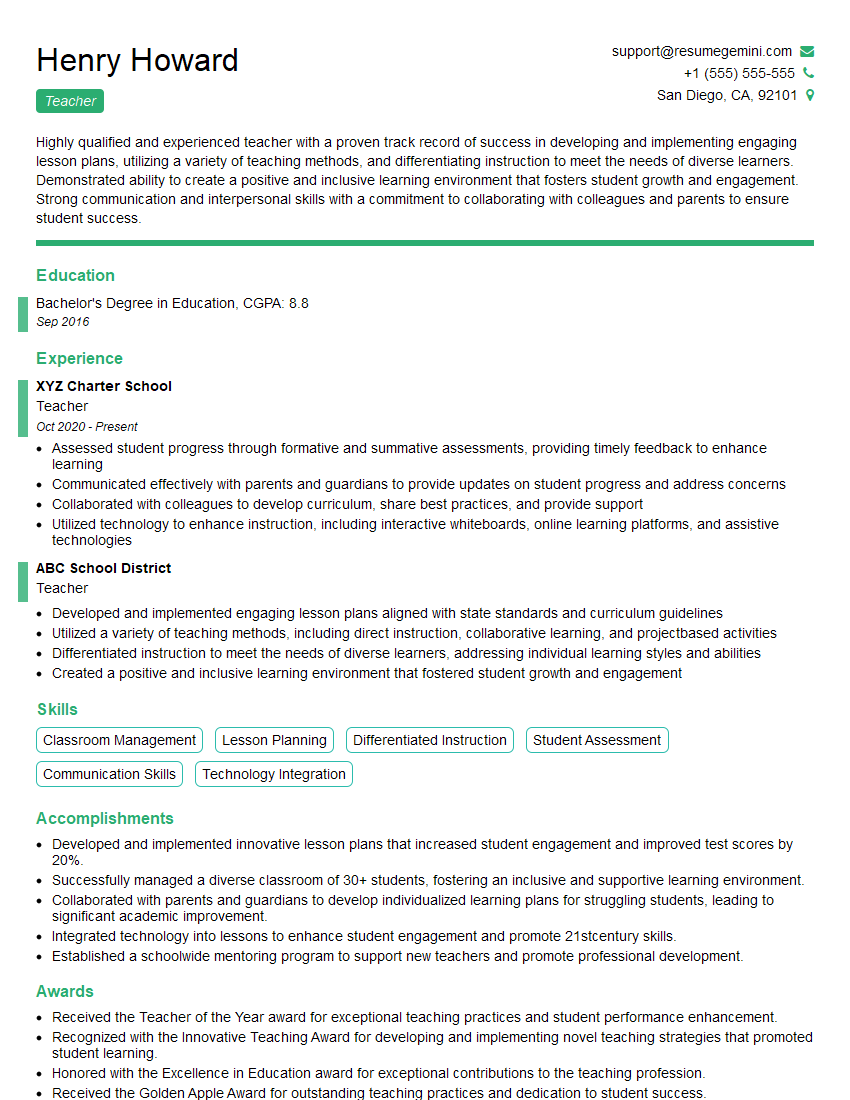
Teacher Resume Sample

Instructor Resume Sample

Professor Resume Sample
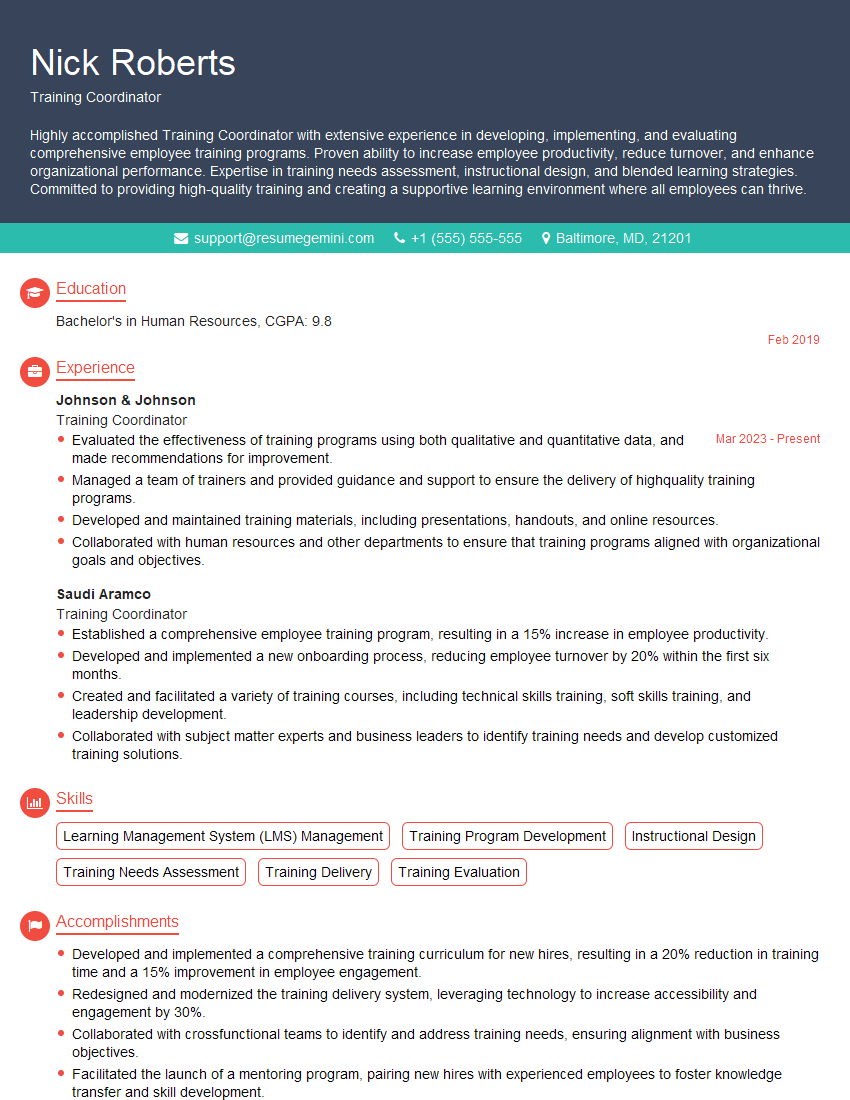
Training Coordinator Resume Sample
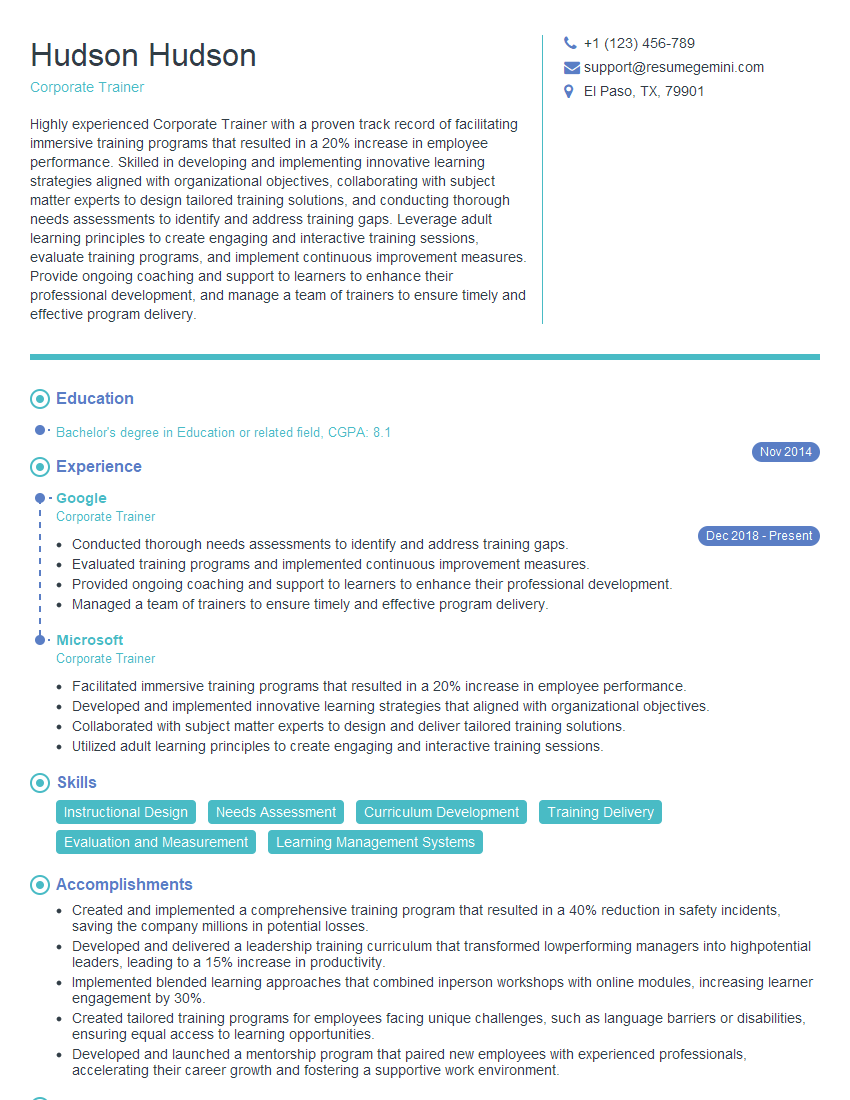
Corporate Trainer Resume Sample

Curriculum Developer Resume Sample

Training Specialist Resume Sample
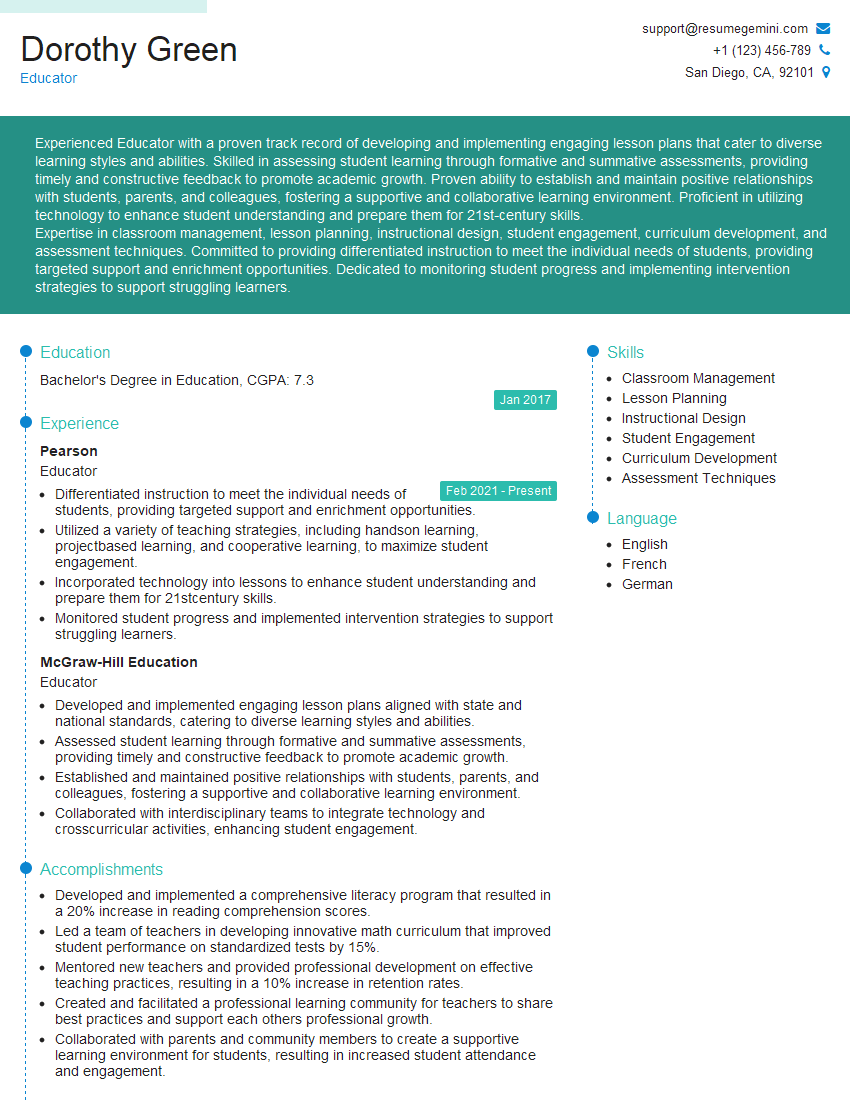
Educator Resume Sample

Tutor Resume Sample
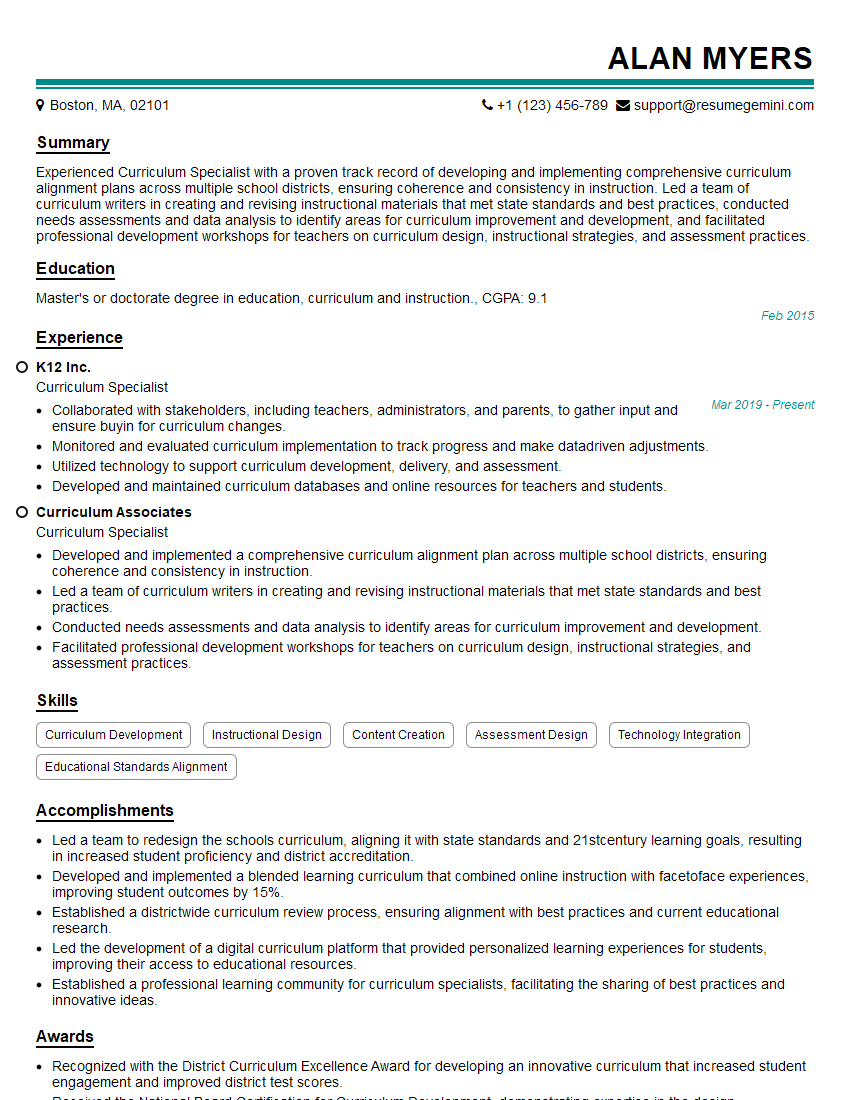
Curriculum Specialist Resume Sample
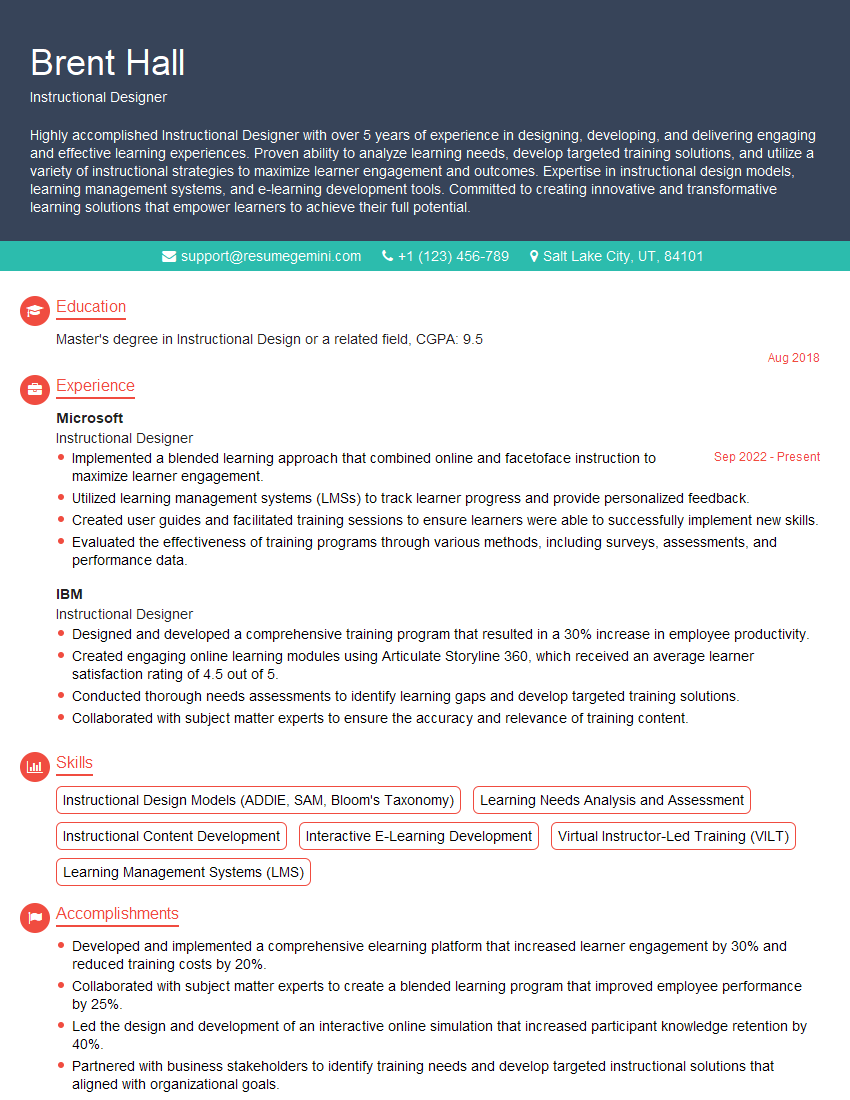
Instructional Designer Resume Sample

Educational Technologist Resume Sample
Explore more articles
Users Rating of Our Blogs
Share Your Experience
We value your feedback! Please rate our content and share your thoughts (optional).
What Readers Say About Our Blog
good