The thought of an interview can be nerve-wracking, but the right preparation can make all the difference. Explore this comprehensive guide to French Folding Machine Operation interview questions and gain the confidence you need to showcase your abilities and secure the role.
Questions Asked in French Folding Machine Operation Interview
Q 1. Describe your experience operating a French folding machine.
My experience with French folding machines spans over eight years, encompassing various models and applications within the print finishing industry. I’ve operated high-speed, automated machines in large-scale commercial printing environments, as well as smaller, more manual machines in smaller print shops. This experience has given me a comprehensive understanding of their mechanics, setup procedures, and troubleshooting techniques. I’m proficient in handling different paper weights, sizes, and finishes, ensuring efficient and consistent folding. For example, I once had to troubleshoot a jam on a high-speed machine during a critical deadline, requiring quick thinking and precise problem-solving to minimize downtime and maintain production. I successfully resolved the issue, preventing significant production delays and financial losses.
Q 2. What are the different types of folds a French folding machine can produce?
French folding machines, also known as half-fold machines, excel in producing a variety of folds. The most common is the simple half-fold, where a sheet is folded in half. However, through clever configuration of the machine’s rollers and blades, they can also create:
- Letter folds: Two parallel folds creating a letter-sized product.
- Double parallel folds: Two parallel folds followed by a perpendicular fold to create a smaller booklet.
- Gate folds (or gate-fold): A series of parallel folds, often used for brochures or maps.
- Z-folds: A series of folds creating a zig-zag pattern.
The specific type of fold achievable depends on the machine’s capabilities and the adjustable settings for roller placement and blade configuration. Each type of fold requires precise adjustments to ensure clean, accurate results.
Q 3. How do you perform routine maintenance on a French folding machine?
Routine maintenance is crucial for ensuring the longevity and efficient operation of a French folding machine. My routine typically includes:
- Daily inspection: Checking for any signs of damage, loose parts, or paper jams. This includes visually inspecting rollers, blades, and the paper path.
- Cleaning: Removing accumulated paper dust and debris from rollers, blades, and the entire paper path using compressed air or a soft brush. This prevents jams and ensures clean folds.
- Lubrication: Applying the manufacturer-recommended lubricant to moving parts, such as rollers and gears, to reduce friction and wear. This helps prolong the machine’s lifespan and maintain smooth operation.
- Belt checks: Inspecting drive belts for wear and tear and replacing them as needed. Worn belts can lead to inconsistent folding and potential damage.
Beyond the daily checks, a more thorough maintenance check, including a deep cleaning and potential component adjustments, should be performed on a weekly or monthly basis depending on usage intensity.
Q 4. What are the common malfunctions of a French folding machine, and how do you troubleshoot them?
Common malfunctions include paper jams, misaligned folds, and problems with the rollers and blades. Troubleshooting involves a systematic approach:
- Paper jams: Carefully remove jammed paper, ensuring no damage is caused to the machine during removal. Check for obstructions in the paper path.
- Misaligned folds: Adjust the roller positions and blade angles according to the manufacturer’s instructions. This often involves precise adjustments to achieve the desired fold.
- Roller and blade issues: Inspect rollers for wear and tear, and replace if necessary. Sharpen or replace blades if they are dull or damaged, as this significantly affects fold quality.
It’s crucial to consult the machine’s manual for detailed troubleshooting steps and safety precautions. For complex issues, contacting a qualified technician is recommended to prevent further damage.
Q 5. Explain the process of setting up a French folding machine for a specific job.
Setting up a French folding machine for a specific job involves several steps:
- Choosing the correct fold type: Determine the desired fold (half-fold, letter fold, etc.) based on job requirements.
- Paper size and weight adjustments: Adjust the machine’s settings for the specific paper dimensions and weight to ensure proper feeding and folding. This often involves adjusting the paper guides and rollers.
- Roller and blade configuration: Position the rollers and blades according to the chosen fold type. This is a crucial step that requires precision and a good understanding of the machine’s mechanics.
- Test run: Perform a small test run to check the accuracy and consistency of the folds. Make necessary adjustments to optimize the folding process.
- Full-scale production: Once the settings are verified, begin full-scale production.
Accurate setup prevents misaligned folds, jams, and ensures efficient production. A well-executed setup saves time, reduces waste and guarantees consistent quality.
Q 6. How do you ensure the quality of folded products?
Ensuring the quality of folded products requires attention to detail throughout the process. Key aspects include:
- Regular inspection: Continuously monitor the folded products during production to detect any inconsistencies immediately.
- Consistent feeding: Maintain a consistent flow of paper to avoid jams and ensure even folding.
- Sharp blades and rollers: Regular maintenance and replacement of worn-out components are crucial for clean, accurate folds.
- Accurate adjustments: Precise adjustments of rollers and blades are essential for achieving the desired fold type and quality.
- Post-production quality control: Conduct a thorough inspection of the finished products to identify and address any defects.
Implementing these measures contributes to producing high-quality, consistent folded products that meet customer requirements.
Q 7. What safety measures do you take while operating a French folding machine?
Safety is paramount when operating a French folding machine. My safety measures include:
- Proper training: Thorough training on machine operation, maintenance, and safety procedures is essential before starting work.
- Personal protective equipment (PPE): Using appropriate PPE, such as safety glasses, to protect against potential hazards like flying debris.
- Machine guards: Ensuring all safety guards are in place and functioning correctly before starting the machine.
- Lockout/Tagout procedures: Following proper lockout/tagout procedures during maintenance or repairs to prevent accidental start-ups.
- Awareness of moving parts: Maintaining awareness of moving parts and keeping hands and clothing clear.
By strictly adhering to these safety protocols, we can minimize the risk of accidents and ensure a safe working environment.
Q 8. How do you handle paper jams on a French folding machine?
Paper jams in French folding machines are a common occurrence, often stemming from issues with paper feeding, folding mechanisms, or incorrect machine settings. Addressing them efficiently requires a systematic approach.
- Safety First: Always turn off and unplug the machine before attempting to clear a jam.
- Identify the Jam Location: Carefully examine the machine to pinpoint where the paper is stuck. This might involve opening access panels (following the machine’s manual, of course!).
- Gentle Removal: Avoid forceful pulling, as this could damage the paper or the machine’s components. Use a clean, soft object like a brush to gently coax the jammed paper free. If the paper is severely crumpled, carefully tear it into smaller sections for easier removal.
- Check for Obstructions: Once the jam is cleared, inspect the paper path for any foreign objects or debris that might have contributed to the jam. Clean as necessary.
- Adjust Settings (if needed): Sometimes, jams occur due to incorrect machine settings. Verify paper size, weight and type settings match the current job. Recheck the registration and folding rollers.
- Repeat the Fold: Once everything is clear, try folding a small test batch to ensure the problem is resolved.
For persistent jamming, consult the machine’s manual or contact a qualified technician.
Q 9. What are the different paper types suitable for a French folding machine?
French folding machines can handle a range of paper types, but the suitability depends on factors like weight, finish, and moisture content. Generally, these machines work best with:
- Offset Printing Papers: These are commonly used for brochures, leaflets, and similar materials. They offer good print quality and foldability.
- Digital Printing Papers: Papers produced by digital printing technologies are also frequently used, though you might need to adapt settings based on the specific paper’s characteristics.
- Coated Papers: Coated papers provide a smooth surface suitable for high-quality printing but can be more prone to jamming if not fed correctly.
- Uncoated Papers: These are more absorbent and generally less prone to jamming, but their finish might not be as suitable for high-end printed material.
However, avoid using excessively thick, thin, or unusually textured papers that could cause jams or damage the machine. Always refer to your machine’s specifications for the exact range of suitable paper types.
Q 10. How do you adjust the machine’s settings for different paper weights and sizes?
Adjusting a French folding machine for different paper weights and sizes is crucial for optimal performance and to prevent jams or misfolds. This typically involves several steps:
- Paper Size Adjustment: This usually involves adjusting the paper guides and rollers. The machine will have markings or indicators to guide proper placement. Incorrect adjustment will lead to misaligned folds or jams.
- Paper Weight Adjustment: Different paper weights require adjustments to the feeding mechanism, pressure rollers and sometimes even the folding knives. Thicker papers need increased pressure to ensure clean folds, while thinner papers require less pressure to prevent creasing or tearing. These adjustments are normally controlled through dials or levers specific to the machine model.
- Testing and Fine-Tuning: After making adjustments, always run a test batch to ensure the settings are correct. Minor adjustments may be necessary for optimal results. You might need to slightly adjust the paper guides, rollers, or folding plates to achieve perfect alignment and prevent misfolds.
Each machine model will have its own specific instructions and control mechanisms. Always refer to the operator’s manual for the correct procedure for your specific machine.
Q 11. Describe your experience with different types of French folding machine models.
My experience encompasses a variety of French folding machine models, from entry-level models suitable for small print shops to high-speed, industrial machines used in large-scale printing operations. I’ve worked with machines from different manufacturers including [mention specific manufacturers, e.g., Bobst, MBO, Stahl].
For instance, I’ve worked extensively with the MBO T-Series, known for its reliability and ease of use in a production environment. I’ve also operated more complex models with integrated feeder systems and automated settings adjustments offering greater throughput. These differences mainly impact speed, automation, and maintenance requirements. High-end models often have advanced diagnostics, minimizing downtime. I’m comfortable with both manual settings and fully automated operation.
Q 12. How do you calculate the production speed of a French folding machine?
Calculating the production speed of a French folding machine depends on several factors:
- Machine Model: Different models have different maximum speeds.
- Paper Size and Weight: Heavier or larger sheets require longer processing times.
- Fold Configuration: Complex folds take longer than simple ones.
- Operator Skill: Experienced operators can maximize efficiency.
- Number of Folding Sections: Machines with multiple folding sections can process sheets faster.
The production speed is usually expressed in pieces per hour (sheets/hour) or thousands of pieces per hour (kph). Manufacturers typically provide speed ratings under ideal conditions. In practice, actual speed may vary. To determine actual production speed, a timed test run under real-world conditions is needed. Measure the number of finished pieces produced in a set period and calculate the rate per hour. This provides a more accurate measure of real-world throughput.
Q 13. Explain the importance of proper paper feeding in French folding machine operation.
Proper paper feeding is paramount to efficient and reliable French folding machine operation. Improper feeding can lead to:
- Paper Jams: Incorrect feeding is the single most common cause of jams.
- Misfeeds: Sheets might not be properly aligned, leading to inaccurate folds.
- Creases and Tears: Poor feeding can damage the paper.
- Reduced Production Speed: Frequent jams significantly slow down the production process.
To ensure proper feeding, several steps are crucial: Using the correct paper tray for the size and weight of paper; Ensuring the paper is correctly aligned and stacked; Maintaining a consistent paper supply; Regularly cleaning the feeding rollers; And correctly setting the paper feeding pressure.
Think of it like a perfectly choreographed dance; each sheet needs to enter the machine smoothly and precisely to avoid collisions and ensure a flawless finish. Regular maintenance and attention to detail here are key to optimizing production and machine lifespan.
Q 14. What is your experience with the knife and roller adjustments?
Knife and roller adjustments are critical for achieving precise and clean folds. These adjustments impact fold quality significantly.
- Knife Adjustment: The knives must be sharp and accurately positioned to create clean, crisp folds. Adjustments often involve precise movements to align the knives with the paper path. Incorrect knife positioning leads to poor fold quality or damage to the paper.
- Roller Adjustment: Rollers are responsible for guiding the paper during folding. Pressure and alignment are essential. Incorrect roller pressure causes inconsistent folds, creasing, or even tearing. Roller alignment ensures the paper follows the desired path.
These adjustments are often machine-specific and require careful attention to detail and precision. Manufacturers’ manuals provide detailed instructions, but I would often fine-tune based on experience and observe the fold quality after each small adjustment, ensuring that each fold is uniform and crisp. If significant issues persist, a qualified technician is needed.
Q 15. How do you perform a daily inspection of the French folding machine?
A daily inspection of a French folding machine is crucial for preventing malfunctions and ensuring consistent, high-quality output. Think of it as a pre-flight check for an airplane – you wouldn’t want to take off without one! My routine involves several key steps:
- Visual Inspection: I carefully examine the machine for any visible damage, loose parts, or signs of wear and tear on rollers, belts, and folding mechanisms. I pay close attention to the paper path, checking for any obstructions.
- Power & Control Panel: I verify that all power connections are secure and the control panel functions correctly. This includes checking displays, buttons, and emergency stops.
- Paper Feed Tray & Delivery System: I check the paper feed tray for proper alignment and ensure there’s sufficient paper. I inspect the delivery tray to make sure it’s clean and ready to receive folded sheets.
- Lubrication Check (if necessary): Depending on the machine model and its usage, I might check the lubrication points for sufficient grease or oil, following the manufacturer’s recommendations.
- Test Run: I run a small test batch of paper through the machine to confirm everything is functioning as expected. This helps identify any minor issues early before a larger production run.
By diligently following this procedure, I can proactively address potential problems and maintain optimal machine performance.
Career Expert Tips:
- Ace those interviews! Prepare effectively by reviewing the Top 50 Most Common Interview Questions on ResumeGemini.
- Navigate your job search with confidence! Explore a wide range of Career Tips on ResumeGemini. Learn about common challenges and recommendations to overcome them.
- Craft the perfect resume! Master the Art of Resume Writing with ResumeGemini’s guide. Showcase your unique qualifications and achievements effectively.
- Don’t miss out on holiday savings! Build your dream resume with ResumeGemini’s ATS optimized templates.
Q 16. What is the role of the delivery system in the French folding machine?
The delivery system in a French folding machine is responsible for accurately and efficiently stacking the folded sheets after they’ve completed the folding process. Imagine it as the final stage of a carefully orchestrated dance – the folded sheets must be neatly presented. This system usually comprises several key components:
- Stacker Trays: These trays collect the folded sheets, often in a sequential manner to prevent jams or misalignment.
- Conveyor Belts or Transfer Mechanisms: These components move the folded sheets from the folding section to the stacker trays, ensuring a smooth and even flow.
- Stacker Control Mechanisms: These may include sensors or other devices that monitor the stack height and signal when the trays are full. This prevents paper overflow.
- Sheet Separators (optional): Some advanced systems use sheet separators to prevent the folded sheets from sticking together, crucial for applications requiring easily separable pages.
A properly functioning delivery system is essential for preventing jams, maintaining sheet integrity, and ensuring a neat finished product. Malfunctions can lead to production delays and potentially damage finished products.
Q 17. How do you handle and resolve issues related to paper misfeeds?
Paper misfeeds are a common issue in French folding machines. They can be caused by several factors, including improper paper alignment, faulty sensors, wrinkles or creases in the paper, or even humidity affecting the paper. My troubleshooting approach involves a systematic process:
- Identify the cause: Is the misfeed happening consistently at the same point in the process? This helps pinpoint the problem area (feed tray, rollers, folding section, etc.).
- Check paper alignment: Ensure the paper is correctly aligned in the feed tray and that the guides are adjusted properly. Sometimes a slight misalignment can cause repeated misfeeds.
- Inspect rollers and sensors: Check for debris, dirt, or damage to the rollers. Clean them thoroughly. Inspect sensors to make sure they are clean and functioning correctly.
- Examine the paper: Look for wrinkles, creases, or tears that might be causing the problem. Use only high-quality paper appropriate for the machine.
- Adjust machine settings: If the problem persists, I might adjust the machine’s settings, such as the paper feed speed or folding pressure, according to the manufacturer’s guidelines. This requires careful attention to detail and experience.
- Seek professional assistance: If I can’t resolve the problem, I’d seek help from a qualified technician to avoid further damage to the machine or loss of production time.
Remember, prevention is better than cure. Regular cleaning and maintenance can significantly reduce the likelihood of misfeeds.
Q 18. What is your understanding of different folding patterns (e.g., half-fold, letter fold)?
Understanding different folding patterns is essential for operating a French folding machine efficiently and producing the desired output. Here are a few common examples:
- Half-fold: A simple fold that divides the sheet in half, often used for brochures or leaflets. Imagine folding a letter in half.
- Letter fold: A more complex fold often used for letters or documents. It involves a series of folds that create a neat, compact package. This is the typical business letter fold.
- Double parallel fold: Creates two parallel folds, commonly used for creating booklets or inserts.
- Z-fold: A three-panel fold resembling the letter ‘Z’. This is used for tri-fold brochures or invitations.
- Gate fold: This is where panels are folded inward toward the center, to create a more visually striking leaflet.
Each fold requires a specific configuration of the folding machine’s plates and rollers. Knowing these configurations is crucial for accurate and efficient folding.
Q 19. How do you identify and correct registration issues on a folded product?
Registration issues refer to misalignment in the folded product, for example, text or images not aligning correctly across panels. This can severely impact the final product’s quality. Correcting this often involves:
- Visual Inspection: Carefully inspect the misaligned areas to understand the nature of the issue. Is it a consistent offset or random variations?
- Check Paper Guides & Rollers: Ensure the paper guides are properly aligned and the rollers are clean and in good condition. Misaligned guides can significantly impact the paper path.
- Examine Folding Plates and Mechanisms: If the misalignment is consistent across multiple sheets, there’s likely an issue with the folding plates or the mechanisms that control their movement. This might require precise adjustments, which usually should only be performed by trained professionals.
- Adjust Machine Settings: Some machines allow fine-tuning of registration settings. I’d carefully consult the machine’s manual and adjust settings incrementally to correct the misalignment. Again, this requires experience and careful execution to avoid making it worse.
- Paper Quality: In some cases, variations in paper thickness or consistency can affect registration. Using consistently high-quality paper can minimize this issue.
Sometimes, complex registration issues necessitate calibration of the entire folding system and may require professional intervention.
Q 20. Describe your experience with machine cleaning and lubrication procedures.
Regular cleaning and lubrication are vital for maintaining the longevity and performance of a French folding machine. Neglecting these procedures can lead to premature wear, malfunctions, and costly repairs. My approach is methodical and follows the manufacturer’s recommendations:
- Safety First: Always disconnect the power before beginning any cleaning or lubrication procedure. Safety should always be paramount.
- Cleaning: I use compressed air to remove dust and debris from the rollers, folding plates, and other accessible areas. I use appropriate cleaning solutions as specified by the manufacturer to avoid damaging sensitive components. I carefully clean the paper path to remove any paper scraps.
- Lubrication: I lubricate designated points using the recommended type and amount of lubricant. Over-lubrication can be just as harmful as under-lubrication. I use a clean cloth to wipe away any excess lubricant.
- Frequency: The frequency of cleaning and lubrication depends on usage and machine type. Some machines may require daily attention, while others might only need weekly or monthly service.
- Documentation: I always maintain a record of cleaning and lubrication procedures, including dates and details. This ensures consistent maintenance and helps troubleshoot problems if any occur.
Proper cleaning and lubrication not only enhance the machine’s lifespan but also contribute to superior output quality and minimize downtime.
Q 21. What are the key performance indicators (KPIs) you monitor while operating a French folding machine?
Monitoring key performance indicators (KPIs) is crucial for efficient and profitable French folding machine operation. This helps in optimizing production, identifying potential problems, and ensuring overall efficiency. I typically monitor:
- Production Speed (sheets per minute): This indicator shows the machine’s overall efficiency. Any significant drop could signal a problem requiring attention.
- Uptime: The percentage of time the machine is running vs. idle or under repair. High uptime indicates efficient operation and minimal downtime.
- Waste Rate: The number of misfolded or damaged sheets. A high waste rate indicates a potential problem with paper quality, machine settings, or maintenance.
- Number of Jams: Tracking the number of jams helps assess the machine’s reliability. An increase could point to maintenance needs or underlying issues.
- Maintenance Costs: Regularly tracking maintenance costs can help identify areas where preventative maintenance might reduce expensive future repairs.
Regularly reviewing these KPIs enables me to take proactive measures to maintain optimal machine performance and prevent costly disruptions.
Q 22. How do you maintain accurate production records?
Maintaining accurate production records on a French folding machine is crucial for efficiency and quality control. I utilize a combination of methods to ensure accuracy. Firstly, I meticulously record the start and end times of each production run, along with the quantity of folded items produced. This data is input into a dedicated production tracking software, which I’ve found to be far more efficient than manual spreadsheets. This software also allows for real-time monitoring of production speeds and potential bottlenecks. Secondly, I conduct regular quality checks at set intervals during a run, noting any defects or discrepancies. This information is documented alongside production quantities, allowing for a complete picture of the production process. Finally, at the end of each day, I review the collected data, checking for any anomalies and correcting any errors before finalizing the day’s report. This layered approach minimizes human error and ensures data integrity.
For example, if I notice a sudden drop in production speed mid-run, I immediately investigate. It could be a simple jam, needing only a quick clear, or it might indicate a more significant issue requiring adjustment of machine settings or even maintenance. Documenting this allows for future analysis to prevent similar slowdowns.
Q 23. What are your strategies for improving machine efficiency?
Improving French folding machine efficiency involves a multi-pronged approach. My strategies focus on optimizing both the machine itself and the workflow surrounding it. First, I regularly perform preventative maintenance, including cleaning, lubrication, and part inspections. This minimizes downtime caused by unexpected breakdowns. Second, I optimize machine settings based on the paper type and fold specifications. Experimentation, guided by the machine’s manual and my experience, helps determine the ideal settings for maximum speed without compromising quality. Third, I continuously analyze production data, looking for trends or bottlenecks. For example, if a particular fold consistently causes jams, I’ll investigate the cause—whether it’s misaligned rollers, incorrect paper feeding, or operator error—and implement corrective actions. Lastly, a well-organized workflow is crucial. Proper paper stacking, smooth material flow, and efficient removal of folded items are key to preventing delays and maximizing production throughput.
For instance, I once noticed a consistent slowdown at the end of each production run. By carefully analyzing the data, I realized the problem stemmed from the way the finished product was being collected. A slight modification to the collection system resolved this issue, resulting in a significant increase in overall efficiency.
Q 24. How do you handle emergency situations during operation?
Emergency situations during French folding machine operation require swift and decisive action. My response is based on a structured approach: First, prioritize safety. Immediately shut down the machine if necessary, ensuring all personnel are clear of the immediate danger zone. Then, assess the situation. Determine the nature of the emergency—jam, malfunction, power outage—and its potential impact. Next, based on the assessment, implement the appropriate corrective action. For example, a paper jam requires careful removal of the obstruction, while a mechanical failure might involve contacting maintenance personnel. Finally, document the event meticulously, including the time, nature of the emergency, actions taken, and outcome. This documentation is essential for future preventative measures and continuous improvement.
In one instance, a power surge caused the machine to abruptly halt. Following my procedure, I first ensured everyone was safe, then contacted maintenance and documented the event. Once power was restored, I performed a thorough machine check before resuming operation.
Q 25. Describe your experience with different folding machine brands and models.
My experience encompasses several leading French folding machine brands and models, including Bobst, Heidelberg, and MBO. I’m proficient in operating various models within these brands, each with its unique features and functionalities. For example, I’ve extensively worked with the Bobst Promatrix 140, renowned for its high-speed capabilities and sophisticated settings, and the Heidelberg Stahlfolder TH 82, known for its versatility and ability to handle a wide range of paper types. I understand the nuances of each model’s controls, maintenance requirements, and potential issues. This breadth of experience allows me to adapt quickly to different machines and troubleshoot problems effectively, regardless of the specific brand or model.
The differences between these models extend to their control systems, maintenance protocols, and capabilities. The Bobst models, for instance, often incorporate more advanced automation features, while the Heidelberg machines are known for their robust construction and reliable performance.
Q 26. How do you interpret machine error codes and messages?
Interpreting machine error codes and messages is a fundamental skill for efficient operation. Each code corresponds to a specific fault within the machine, and understanding their meaning is crucial for effective troubleshooting. I rely on both the machine’s manual and my practical experience to interpret these codes. The manual provides a detailed explanation of each error code, its likely cause, and recommended corrective actions. My experience helps in contextualizing the code within the current operating conditions, allowing for quicker diagnosis. For example, a code indicating a paper jam might be obvious, but a more complex code relating to a sensor malfunction may require a more in-depth investigation. In cases of unfamiliar codes, I consult the manual and, if necessary, seek assistance from technical support.
Error Code 123: Paper Misfeed - Sensor Failure – this code, combined with my knowledge of the machine, would lead me to investigate the paper feed mechanism and check the sensors for any obstruction or malfunction.
Q 27. What is your understanding of the relationship between machine settings and final product quality?
The relationship between machine settings and final product quality is paramount. Machine settings, such as folding pressure, speed, and registration, directly influence the accuracy, neatness, and overall quality of the folded product. Incorrect settings can lead to misaligned folds, creases, or even damage to the paper. For example, excessive folding pressure can cause the paper to tear or create unsightly creases, while insufficient pressure results in poorly defined folds. Similarly, improper registration can cause misalignment of the folded sections. Therefore, careful adjustment of machine settings is critical to achieving consistently high-quality output. My expertise allows me to optimize these settings based on the specific paper type, fold specifications, and desired production speed, ensuring optimal results.
To illustrate, using a heavier stock paper requires adjusting the pressure settings to avoid tears, while a complex multiple-fold design may necessitate a slower speed for precision. The interplay of these factors significantly impacts the quality and efficiency of the folding process.
Q 28. Describe a time you had to troubleshoot a complex problem on a French folding machine.
One time, I encountered a particularly challenging issue with a Bobst Promatrix 140. The machine was intermittently producing folded products with a significant crease in the middle, only on certain batches. Initial checks suggested no obvious mechanical problems. After systematically ruling out common causes like paper inconsistencies and misaligned rollers, I began meticulously analyzing the production data and the machine’s sensor readings. I discovered a pattern: the problem occurred more frequently during periods of higher humidity. Further investigation revealed that humidity fluctuations were affecting the paper’s moisture content, causing it to expand slightly during the folding process, leading to the crease. The solution involved making subtle adjustments to the folding pressure and incorporating a pre-conditioning step for the paper to control its moisture content before feeding it into the machine. This multi-faceted approach, combining thorough investigation, data analysis, and creative problem-solving, ultimately resolved the issue and restored consistent high-quality output.
Key Topics to Learn for French Folding Machine Operation Interview
- Machine Setup and Calibration: Understanding the process of setting up the French folding machine, including adjustments for different paper sizes and types, and ensuring accurate calibration for consistent folds.
- Operational Procedures: Mastering the step-by-step operation of the machine, from feeding materials to final product output, including safe operating practices and emergency procedures.
- Paper Handling and Feeding Techniques: Learning efficient techniques for handling various paper types and weights, preventing jams, and optimizing feeding for maximum productivity.
- Troubleshooting and Maintenance: Identifying common malfunctions, performing basic maintenance tasks (e.g., cleaning, lubrication), and understanding when to seek assistance from maintenance personnel. Knowing how to address paper jams efficiently.
- Quality Control and Inspection: Understanding quality control checks at each stage of the folding process, identifying defects, and ensuring the final product meets quality standards.
- Safety Regulations and Procedures: Familiarity with all relevant safety regulations and procedures for operating the French folding machine, including personal protective equipment (PPE) use.
- Production Optimization: Strategies for maximizing output while maintaining quality, including understanding speed and efficiency adjustments on the machine.
- Understanding Different Folding Patterns: Knowledge of various folding patterns achievable with the machine and how to adjust settings accordingly.
Next Steps
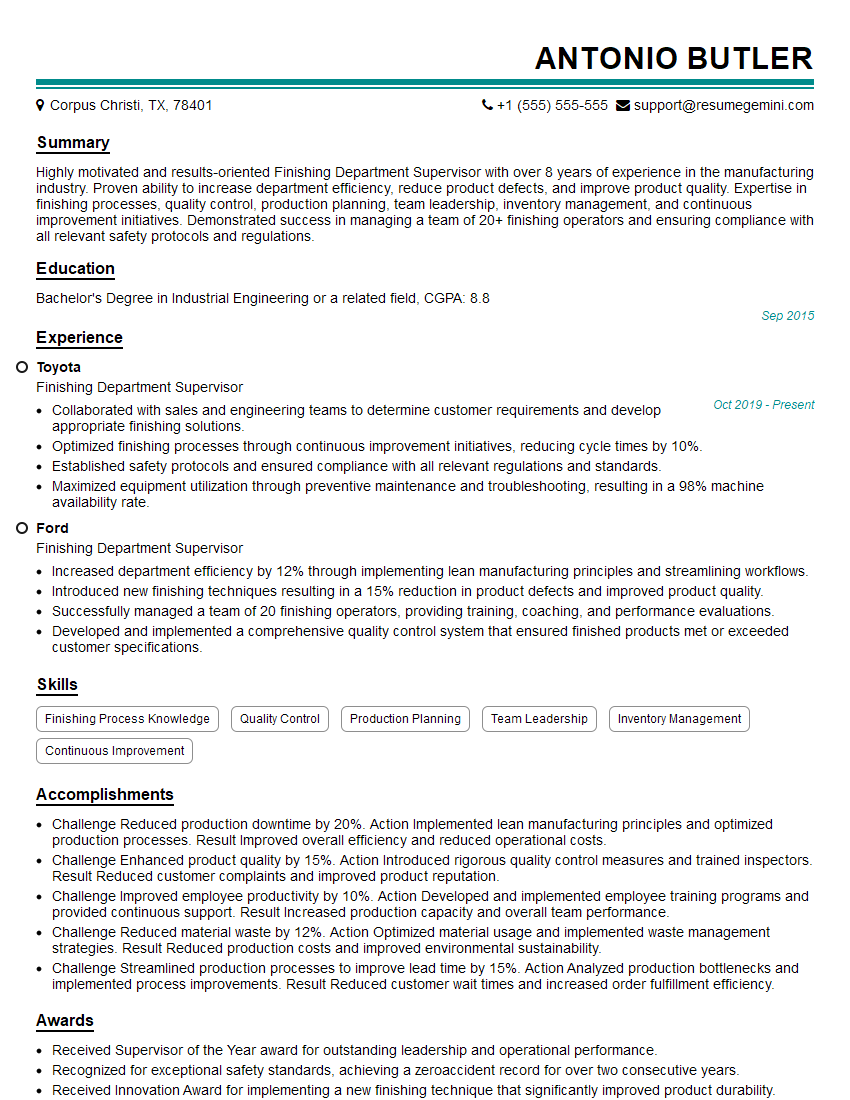
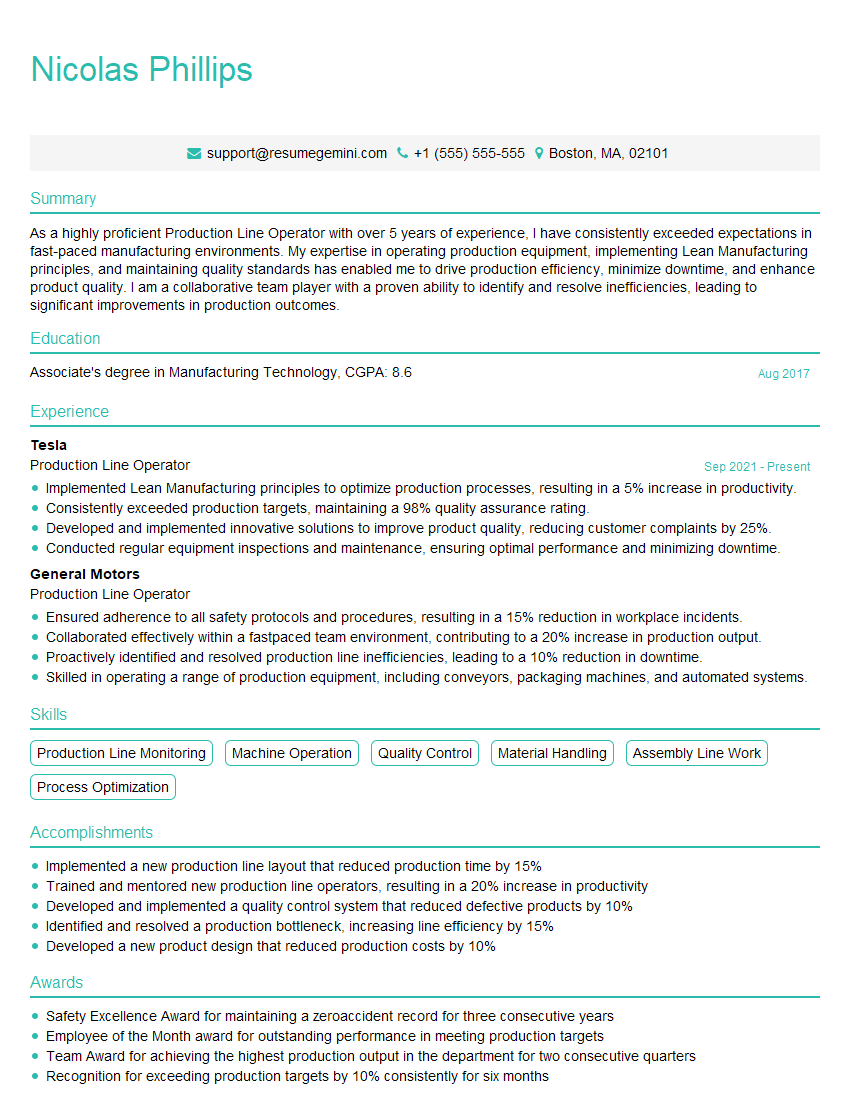
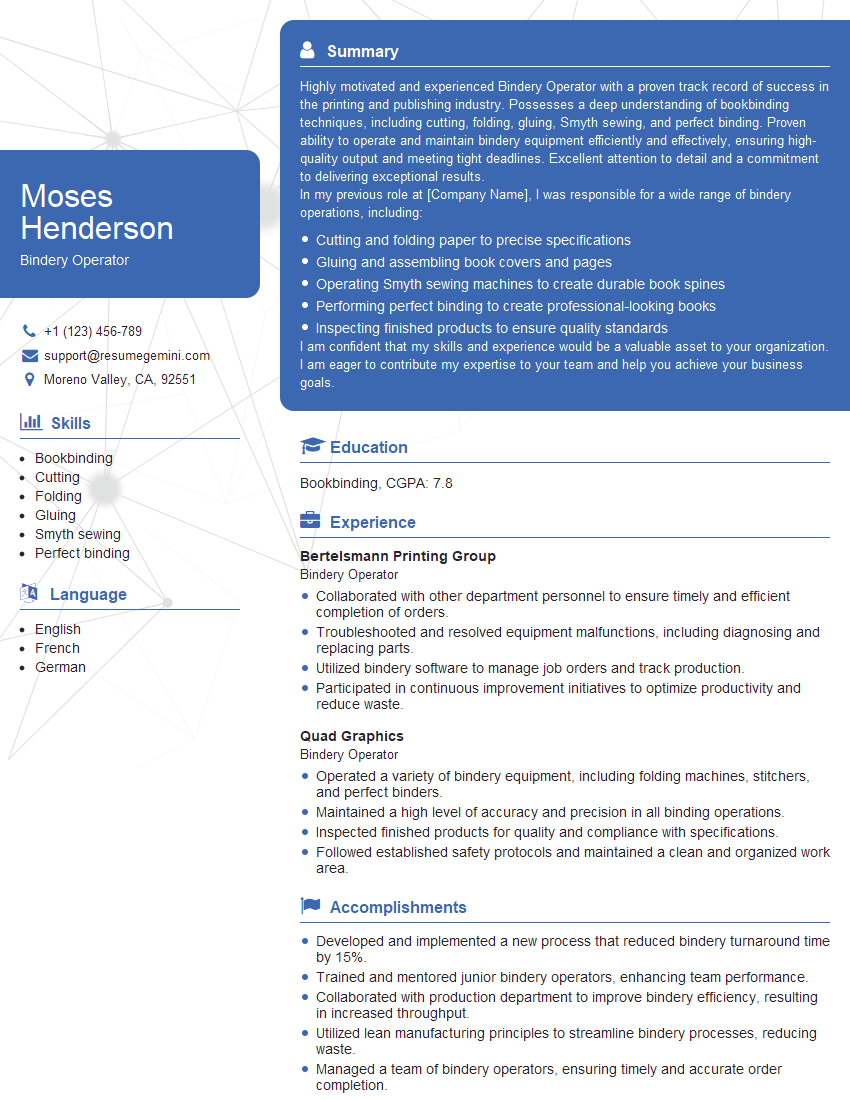
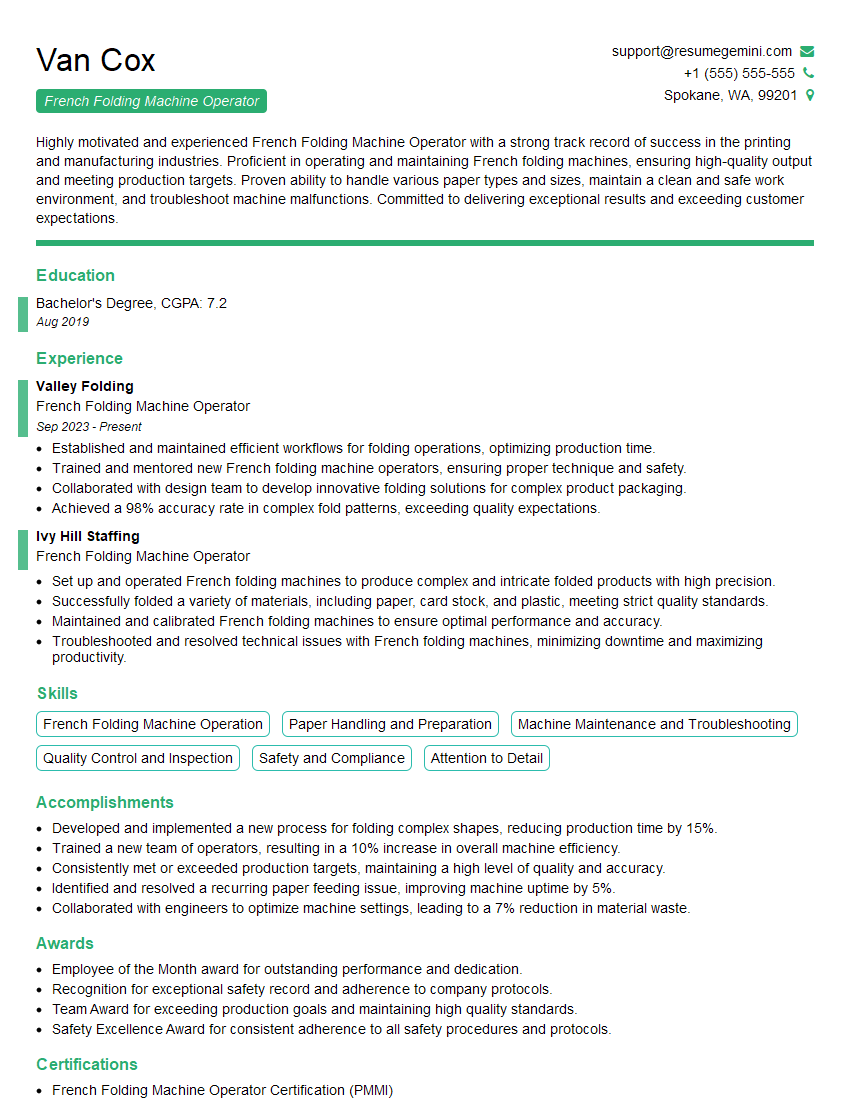
Mastering French Folding Machine Operation opens doors to exciting career opportunities in the printing and packaging industries, offering potential for growth and specialization. A strong resume is key to showcasing your skills and experience effectively. Creating an ATS-friendly resume is crucial for maximizing your job prospects. ResumeGemini is a trusted resource that can help you build a professional and impactful resume. Take advantage of their tools and resources to craft a winning document. Examples of resumes tailored to French Folding Machine Operation are available to guide you. Invest time in crafting a strong application and you’ll significantly increase your chances of success!
Explore more articles
Users Rating of Our Blogs
Share Your Experience
We value your feedback! Please rate our content and share your thoughts (optional).
What Readers Say About Our Blog
Very informative content, great job.
good