Feeling uncertain about what to expect in your upcoming interview? We’ve got you covered! This blog highlights the most important Game Management and Timekeeping interview questions and provides actionable advice to help you stand out as the ideal candidate. Let’s pave the way for your success.
Questions Asked in Game Management and Timekeeping Interview
Q 1. Describe your experience managing game development timelines.
Managing game development timelines requires a multifaceted approach combining meticulous planning, agile adaptation, and proactive communication. I begin by collaborating with the team to establish a clear project scope, defining key milestones and deliverables. This involves breaking down the project into smaller, manageable tasks with assigned owners and realistic deadlines. We then utilize a chosen project management methodology, such as Scrum or Kanban, to visualize progress and track dependencies. Regular progress meetings and sprint reviews ensure we stay on track and address any emerging challenges early on. For instance, in my previous role, we successfully launched a mobile game on schedule by implementing a weekly sprint cycle with daily stand-up meetings to identify and resolve impediments promptly. This iterative approach allowed us to adapt to changing requirements and maintain momentum.
Q 2. How do you prioritize tasks in a fast-paced game development environment?
Prioritization in a fast-paced environment hinges on a clear understanding of project goals and dependencies. I employ a combination of techniques, including MoSCoW analysis (Must have, Should have, Could have, Won’t have) to categorize features based on their importance and feasibility. This ensures we focus on critical functionalities first. We also use a risk-based prioritization framework, addressing tasks that pose the highest risk of delaying the project or impacting quality. For instance, critical bug fixes would always take precedence over less impactful feature enhancements. Using a task management tool with features like priority levels and dependencies helps to keep everyone aligned and focused on the most important tasks at hand. Regularly reviewing and re-prioritizing the backlog ensures we maintain responsiveness to changing circumstances and market demands.
Q 3. Explain your approach to resource allocation in game production.
Resource allocation in game production is a crucial element for on-time and within-budget delivery. This involves a thorough assessment of team skills, expertise, and available time. I begin by creating a detailed resource plan outlining the required personnel and their specific roles in each phase of development. This plan is regularly reviewed and updated based on team performance and project progress. Tools such as Gantt charts help visualize resource utilization and identify potential conflicts or bottlenecks. For example, assigning a senior programmer to a particularly complex coding task while allocating junior developers to less demanding tasks improves efficiency and ensures optimal use of resources. Regular communication and collaboration with team members are vital to understand individual workload and adjust assignments as needed. This proactive approach minimizes resource conflicts and promotes efficient allocation.
Q 4. How do you handle unexpected delays or roadblocks in a project?
Unexpected delays or roadblocks are inevitable in game development. My approach involves a systematic problem-solving process. First, we identify the root cause of the delay, which might involve technical challenges, resource constraints, or external dependencies. Once the cause is identified, we explore solutions collaboratively, involving relevant stakeholders. This could range from re-allocating resources, re-negotiating deadlines, or adjusting the project scope. Transparent communication is crucial, keeping stakeholders informed of the situation and proposed solutions. For instance, when we faced an unexpected engine upgrade in a previous project, we held a team meeting to brainstorm alternatives and created a revised schedule incorporating the extra time required for adaptation. Documenting these issues and their resolutions is equally crucial to learn from past experiences and enhance future project planning.
Q 5. What tools or software do you use for time management and tracking?
Efficient time management and tracking are pivotal to successful game development. I utilize a range of tools, including project management software like Jira or Asana for task assignment, progress tracking, and reporting. These tools offer features like Gantt charts, Kanban boards, and time tracking capabilities. For individual time management, I encourage the team to adopt techniques such as timeboxing (allocating specific time slots to tasks) and the Pomodoro Technique (working in focused intervals with short breaks). We also utilize collaborative calendars to coordinate meetings and avoid scheduling conflicts. Regular reporting and data analysis from these tools provide valuable insights into team performance and project progress, allowing for proactive adjustments and improvements in our time management strategies.
Q 6. How do you communicate project status updates to stakeholders?
Communicating project status updates to stakeholders requires clear, concise, and regular reporting. I utilize various methods tailored to the audience and the information’s urgency. For routine updates, I employ weekly email reports summarizing progress, milestones achieved, and any potential risks or issues. For critical updates or significant changes, I hold meetings or presentations to engage stakeholders directly and ensure transparency. Visual aids like charts and graphs are used to illustrate project progress and highlight key metrics. I always strive to be proactive, anticipating potential concerns and addressing them before they become major problems. Involving stakeholders early and seeking their feedback helps build trust and keeps everyone aligned on the project’s trajectory.
Q 7. Describe a time you had to make a difficult decision regarding project scope or timeline.
In a previous project, we faced a critical decision regarding scope and timeline. We were nearing the release date when a key feature, although highly desirable, was causing significant delays. The initial plan was to include this feature, but it risked compromising the launch date and impacting overall quality. After careful consideration, involving the development team, stakeholders, and marketing, we made the difficult decision to postpone the feature for a future update. This involved explaining the rationale transparently to stakeholders, managing their expectations, and focusing our efforts on delivering a high-quality core game experience on time. While disappointing in the short term, this decision ultimately proved successful, as it allowed for a smoother launch and positive user reception. The postponed feature was later incorporated into a successful post-launch update.
Q 8. How do you ensure team members adhere to deadlines and schedules?
Ensuring team adherence to deadlines and schedules involves a multi-pronged approach that combines proactive planning, clear communication, and consistent monitoring. It’s not just about setting deadlines; it’s about creating a culture of accountability and collaboration.
- Proactive Task Management: We begin with detailed task breakdowns, assigning clear owners and realistic due dates using project management tools like Jira or Asana. This ensures everyone understands their responsibilities and the project’s overall timeline.
- Regular Check-ins and Stand-up Meetings: Daily or weekly stand-up meetings provide a forum for quick updates, identifying potential roadblocks early, and ensuring everyone stays on track. This prevents small problems from escalating into major delays.
- Transparent Communication: Open communication channels are crucial. Using tools like Slack or Microsoft Teams allows for quick questions and updates, avoiding bottlenecks caused by unclear expectations or missing information.
- Risk Mitigation Planning: We anticipate potential delays (e.g., unforeseen bugs, asset creation delays) and create contingency plans. This involves buffer time built into the schedule and alternative solutions for managing unexpected setbacks.
- Performance Monitoring and Feedback: Consistent progress tracking allows for early identification of lagging tasks. Regular feedback sessions provide opportunities for course correction and support for struggling team members.
For example, in one project, we noticed a key artist falling behind schedule. Through one-on-one discussions, we discovered they were overwhelmed and lacked the necessary resources. By reassigning some tasks and providing additional support, we successfully brought them back on track without impacting the overall project timeline.
Q 9. What metrics do you use to track project progress and success?
Tracking project progress and success requires a blend of quantitative and qualitative metrics, tailored to the specific game and development phase. We utilize a variety of metrics to give a holistic view of our progress.
- Quantitative Metrics: These include features completed, bugs fixed, lines of code written, playtesting sessions conducted, and milestones achieved. We track these using spreadsheets or dedicated project management software and visualize progress with burn-down charts or Gantt charts.
- Qualitative Metrics: These assess the game’s quality and player experience. This includes playtesting feedback, user surveys, internal reviews focusing on gameplay balance, polish, and overall fun factor. We use these to identify areas needing improvement, even if the quantitative metrics are on schedule.
- Key Performance Indicators (KPIs): We define specific KPIs, such as player retention rate (for post-launch) or average play session length, which are essential for success and help guide decision-making. For example, a low retention rate could signal problems with the game’s engagement, prompting further investigation and iterative improvements.
These metrics are not just numbers; they inform our decision-making process. If we see a significant drop in a key metric during development, we’ll analyze the cause and make the necessary adjustments. This data-driven approach allows us to be proactive in mitigating risks and delivering a successful game.
Q 10. How do you handle conflicting priorities among team members?
Conflicting priorities are inevitable in game development, especially in the face of tight deadlines and evolving design directions. Effective conflict resolution requires clear communication, prioritization frameworks, and strong leadership.
- Prioritization Matrix: We often use a prioritization matrix (e.g., MoSCoW method – Must have, Should have, Could have, Won’t have) to rank features and tasks based on their importance and impact. This helps to make objective decisions about resource allocation and timelines.
- Open and Honest Communication: Team members are encouraged to express their concerns and disagreements openly in a respectful manner. We create a safe space where honest feedback is valued, and team members feel comfortable voicing their opinions.
- Compromise and Negotiation: Finding a balance requires compromise and negotiation. This might involve re-scoping certain features, adjusting deadlines, or creatively finding alternative solutions that satisfy multiple objectives.
- Mediation (If Necessary): In some cases, a neutral third party may be needed to mediate disagreements and help find mutually acceptable solutions. This is particularly important if the conflict impacts overall team morale or productivity.
For instance, if the art team is facing a backlog while the programmers are ahead of schedule, we can re-allocate resources, perhaps having some programmers assist with asset optimization or providing the artists with additional support.
Q 11. Explain your experience with Agile or Scrum methodologies in game development.
My experience with Agile and Scrum methodologies in game development has been extensive and highly beneficial. I’ve found that iterative development, quick feedback loops, and adaptable planning are essential for navigating the complexities and uncertainties inherent in game creation.
- Scrum Sprints: We typically utilize two-week sprints, breaking down large tasks into smaller, manageable units of work. This allows for regular progress checks, adjustments to plans, and frequent feedback integration.
- Daily Scrum Meetings: Short, focused daily meetings help to identify and address potential issues promptly, maintain team alignment, and ensure everyone’s contribution fits the overall sprint goal.
- Sprint Reviews and Retrospectives: At the end of each sprint, we review our accomplishments, identify areas for improvement, and adjust our process for the next sprint. This continuous feedback loop is crucial for efficiency and adapting to evolving requirements.
- Backlog Refinement: We maintain a prioritized product backlog, regularly refining tasks and adding new items based on playtesting feedback, changing priorities, and emerging features. This ensures the project evolves in response to the latest information.
In one project, using Scrum, we were able to adapt quickly to feedback from early playtests. We identified and fixed critical gameplay issues early on and avoided major redesign costs down the line. This iterative approach significantly improved the final game quality.
Q 12. How do you manage risk in game production?
Risk management in game production is critical for success. It’s about identifying potential problems early, assessing their impact, and developing strategies to mitigate them before they derail the project.
- Risk Identification: We brainstorm potential risks throughout the development lifecycle. This includes technical challenges (engine limitations, unexpected bugs), resource constraints (budget, personnel), and market factors (competition, shifting player preferences).
- Risk Assessment: We assess each identified risk based on its likelihood and potential impact. A risk matrix helps visually represent the severity of each risk.
- Risk Mitigation Strategies: For each identified risk, we develop mitigation strategies. This could involve adding buffer time to the schedule, securing additional resources, developing contingency plans, or implementing rigorous testing procedures.
- Risk Monitoring: We continuously monitor identified risks throughout the project lifecycle, tracking their status and adapting our mitigation strategies as needed.
For instance, if we identify a high risk of a critical technology failing, we would consider alternatives, possibly developing a fallback solution or employing a more robust technology. This proactive approach ensures a smoother development process.
Q 13. How do you balance creative freedom with realistic time constraints?
Balancing creative freedom with realistic time constraints is a constant challenge in game development. The key lies in establishing clear expectations, setting realistic goals, and fostering a collaborative environment where creativity is channeled effectively within the project’s limitations.
- Scope Definition: A well-defined scope and feature list are essential. This ensures that the creative team understands the boundaries within which they need to operate, avoiding feature creep that often leads to missed deadlines.
- Iterative Design and Prototyping: Prototyping allows for early testing of creative ideas, identifying potential issues, and making informed design decisions before significant resources are committed. This reduces the chance of late-stage changes that could significantly impact the timeline.
- Regular Feedback and Communication: Open communication between the creative team and project management ensures that creative ideas are evaluated within the context of the project’s constraints. This helps to identify feasible and efficient approaches to design and implementation.
- Prioritization and Trade-offs: Often, difficult choices need to be made. We prioritize features based on their impact on the core gameplay experience, ensuring that the most important elements are fully realized within the available time.
In one project, we had a brilliant but extremely ambitious level design. We used prototyping to test its feasibility within the allocated timeframe. Through iterative design and some creative compromises, we managed to implement a simplified version that retained the core elements while fitting the schedule.
Q 14. What is your experience with budget management in game development?
Budget management in game development requires careful planning, tracking, and control. It’s about ensuring that resources are allocated effectively and efficiently to deliver the game within the defined financial constraints.
- Detailed Budget Planning: A comprehensive budget is created at the outset, breaking down costs into categories such as salaries, software licenses, marketing, and outsourcing. This helps to identify potential areas of cost overrun and allows for proactive mitigation strategies.
- Regular Budget Tracking: We monitor spending against the budget throughout the development lifecycle, identifying any deviations early on. This ensures we stay within budget and avoid unforeseen financial problems.
- Cost Control Measures: We implement strategies to control costs, such as negotiating favorable deals with vendors, optimizing development processes, and re-evaluating features that are proving too expensive to implement.
- Contingency Funds: A contingency fund is allocated to deal with unforeseen costs. This acts as a buffer to absorb unexpected expenses without disrupting the project’s financial stability.
For example, in a previous project, we carefully tracked our outsourcing expenses. By consistently monitoring the costs associated with external artists, we were able to identify and negotiate more favorable rates, leading to significant cost savings without impacting the quality of the game’s visuals.
Q 15. Describe your process for creating and managing game development schedules.
Creating and managing game development schedules requires a meticulous approach combining project management principles with an understanding of game development’s unique challenges. My process begins with a thorough scope definition, breaking down the game into manageable tasks and milestones. This involves close collaboration with designers, programmers, artists, and sound engineers to establish realistic estimations for each task. I then use a work breakdown structure (WBS) to visually represent the project’s hierarchy, showing the dependencies between tasks and facilitating clearer communication.
I typically employ Agile methodologies like Scrum, utilizing iterative sprints (e.g., 2-week iterations) to track progress and adapt to changing requirements. This includes daily stand-up meetings to monitor progress, identify roadblocks, and ensure everyone remains aligned. Tools like Jira or Trello are essential for task management, tracking progress against the schedule, and visualizing dependencies.
Gantt charts provide a visual representation of the schedule, showing task durations, dependencies, and critical path. Regularly reviewing these charts, alongside burn-down charts that track remaining work, allows for proactive identification and mitigation of potential schedule slips. Finally, risk assessment is crucial; I identify potential delays, like unexpected bugs or resource constraints, and create contingency plans to mitigate their impact. For example, in a recent project, we anticipated potential delays in asset creation, so we built in buffer time in the schedule and prioritized critical path tasks.
Career Expert Tips:
- Ace those interviews! Prepare effectively by reviewing the Top 50 Most Common Interview Questions on ResumeGemini.
- Navigate your job search with confidence! Explore a wide range of Career Tips on ResumeGemini. Learn about common challenges and recommendations to overcome them.
- Craft the perfect resume! Master the Art of Resume Writing with ResumeGemini’s guide. Showcase your unique qualifications and achievements effectively.
- Don’t miss out on holiday savings! Build your dream resume with ResumeGemini’s ATS optimized templates.
Q 16. How do you handle conflict resolution within a game development team?
Conflict resolution within a game development team is crucial for maintaining productivity and morale. My approach is built on proactive communication and creating a safe space for team members to express concerns. I encourage open dialogue, active listening, and respectful disagreement. Early identification of conflicts is key, so I foster an environment where issues are raised promptly rather than festering.
When conflicts arise, I facilitate structured discussions, focusing on the issue, not the individuals involved. I guide the team towards collaborative problem-solving, helping them find mutually acceptable solutions. If the conflict involves a significant disagreement or impasse, I may employ mediation techniques, guiding the parties involved to reach a compromise. Sometimes, involving a neutral third party can be beneficial for an objective perspective.
Documentation is essential for tracking resolutions and preventing similar conflicts from recurring. I ensure that all agreed-upon solutions are documented and communicated clearly to the entire team. For instance, a recent disagreement regarding the design of a character’s abilities was resolved through a collaborative design session, resulting in a solution that satisfied all parties involved. This solution was documented and shared to avoid similar discussions later.
Q 17. How do you measure the success of a game launch?
Measuring the success of a game launch goes beyond simply looking at initial sales figures. A comprehensive approach involves analyzing various Key Performance Indicators (KPIs) across different areas. Pre-launch indicators such as pre-orders, social media engagement, and media reviews can offer an early glimpse of potential success.
Post-launch KPIs are critical, including:
- Daily/Monthly Active Users (DAU/MAU): Measuring player engagement and retention.
- Retention rate: Percentage of players returning after the first session.
- Average Revenue Per User (ARPU): Measuring monetization effectiveness.
- Customer Acquisition Cost (CAC): Cost of acquiring a new player.
- Conversion rate: Percentage of free-to-play players who make in-app purchases.
- Player reviews and feedback: Gauging player satisfaction and identifying areas for improvement.
By tracking these metrics, I can understand how well the game is performing and identify areas needing attention. For example, a low retention rate might indicate problems with gameplay or onboarding, prompting investigations and potential updates. A high CAC compared to ARPU might suggest inefficiencies in marketing or pricing strategies.
Q 18. Explain your experience with post-launch support and updates.
Post-launch support and updates are critical for long-term game success. My experience involves managing bug fixes, balancing gameplay, adding new content, and responding to community feedback. This requires a dedicated team and efficient processes for tracking reported issues, prioritizing fixes, and deploying updates.
I use a bug tracking system to manage reported bugs, categorizing them by severity and assigning them to the appropriate developers. Regular patches are released to address critical bugs and improve stability. This also involves community engagement; actively monitoring online forums, social media, and player feedback channels to identify issues and trends.
Adding new content through updates (e.g., new levels, game modes, characters) is crucial for maintaining player engagement and attracting new players. The success of post-launch support is often measured by improvements in KPIs, such as increased retention, user engagement, and positive player reviews. For instance, we implemented a significant update for a past title based on community feedback, which resulted in a 20% increase in daily active users and a marked improvement in player ratings.
Q 19. How do you motivate and manage a diverse team of developers?
Motivating and managing a diverse team requires understanding individual strengths, weaknesses, and preferences. I foster a collaborative environment where every team member feels valued and respected. Open communication is key, ensuring regular feedback sessions and opportunities for team members to share ideas and concerns. I leverage each individual’s unique skills and perspectives, creating opportunities for growth and skill development.
Clear goals and expectations are set, ensuring that each team member understands their role and how it contributes to the overall project goals. I encourage team building activities to promote camaraderie and collaboration among team members with diverse backgrounds.
I also recognize the importance of work-life balance, promoting a healthy work environment that respects individuals’ personal lives. For example, I actively encourage flexible working arrangements where feasible, and celebrate team achievements to boost morale and maintain motivation. Recognizing and rewarding individual contributions is vital for maintaining motivation and fostering a sense of accomplishment.
Q 20. How do you handle pressure and tight deadlines?
Handling pressure and tight deadlines involves a combination of effective planning, prioritization, and strong team leadership. My strategy starts with realistic scheduling and prioritization of tasks, ensuring that critical path items receive appropriate attention. Proactive risk assessment allows for early identification and mitigation of potential delays.
Clear communication is crucial; ensuring that the team is aware of the pressures and working collaboratively to meet deadlines. I encourage open and honest communication about challenges, allowing the team to address roadblocks proactively. This involves breaking down large tasks into smaller, more manageable steps, allowing the team to make consistent progress and maintain momentum.
Finally, self-care is essential. Maintaining a healthy work-life balance prevents burnout, ensuring I can maintain focus and manage stress effectively. For example, during a particularly intense crunch period, I implemented daily check-ins to monitor team morale and address any emerging concerns, ensuring everyone had the support they needed to meet the deadline successfully.
Q 21. Describe your experience with different game development methodologies.
My experience encompasses various game development methodologies, including Waterfall, Agile (Scrum, Kanban), and Hybrid approaches. Waterfall, with its linear sequential approach, is suitable for smaller, well-defined projects with minimal expected changes. However, for larger, more complex games, Agile methodologies are generally preferred.
Agile methodologies, such as Scrum, are iterative and adaptive, enabling flexibility and response to changing requirements. Scrum utilizes sprints (short, time-boxed iterations) to deliver incremental functionality, allowing for continuous feedback and adaptation. Kanban offers a more flexible approach, focusing on visualizing workflow and limiting work in progress.
In practice, I often utilize a hybrid approach, combining elements of Agile and Waterfall to leverage the strengths of each. For example, I might use a Waterfall structure for the initial planning and pre-production phases, followed by an Agile approach for development, ensuring flexibility while maintaining a structured overall project plan. The choice of methodology depends heavily on the project’s size, complexity, and team dynamics. A clear understanding of each methodology’s strengths and weaknesses is essential for making informed decisions.
Q 22. How do you ensure quality control throughout the game development process?
Ensuring quality control in game development is a multifaceted process that starts from the initial design phase and continues throughout the entire lifecycle. It’s not just about finding bugs; it’s about building a culture of quality.
Regular Code Reviews: We implement peer code reviews to catch potential issues early on. This allows for collaborative problem-solving and ensures adherence to coding standards. For example, a team member might notice a potential memory leak that another might have missed.
Automated Testing: We utilize automated testing frameworks (like Unity’s built-in testing tools or custom solutions) to run repetitive tests efficiently. These can cover everything from unit testing individual functions to integration testing larger systems. This drastically reduces manual effort and catches regressions quickly.
Agile Development Methodology: We adopt an Agile approach, emphasizing iterative development and continuous feedback. Frequent sprints allow for early detection of problems and adjustments to the design, preventing costly rework later. Imagine building a house—regular inspections at each stage are much more efficient than a final inspection at the end.
Playtesting and User Feedback: Extensive playtesting with both internal and external testers provides invaluable insights into the game’s usability, balance, and overall experience. Feedback is carefully analyzed and incorporated into the development process. This helps us spot issues that automated tests might miss, such as unclear instructions or frustrating gameplay mechanics.
By combining these strategies, we can build a robust quality assurance system that actively prevents bugs and ensures the delivery of a high-quality gaming experience.
Q 23. How do you adapt to changing project requirements or priorities?
Adapting to change is crucial in game development. Project requirements and priorities can shift due to various factors, including market trends, technological advancements, or feedback from playtesting. We approach this with flexibility and a well-defined process:
Prioritization Matrix: We use a prioritization matrix to rank features based on their impact on the overall game and their feasibility. This helps us focus our efforts on the most important tasks, even when facing limited time or resources.
Agile Methodology (Reinforced): The iterative nature of Agile makes it easier to incorporate changes. Each sprint provides an opportunity to re-evaluate progress and adjust the plan accordingly. We can quickly adapt to new information or feedback.
Transparent Communication: Open and honest communication among team members, stakeholders, and clients is crucial. This ensures that everyone is aware of changes and their impact, and allows for collaborative problem-solving.
Risk Assessment: We proactively identify potential risks associated with changes and develop mitigation strategies. This helps us prevent disruptions and ensure that the project stays on track.
For example, if market research suggests a specific feature is highly desired, we might shift our priorities to incorporate it, even if it means delaying other less impactful features.
Q 24. What are your strategies for preventing burnout in a demanding work environment?
Preventing burnout in a demanding environment is paramount. It’s not just about individual resilience; it’s about fostering a supportive team culture.
Workload Management: Fair and equitable distribution of tasks, clear deadlines, and avoidance of crunch time are key. We strive for a sustainable pace that allows for a healthy work-life balance.
Regular Breaks and Downtime: Encouraging regular breaks, both short and long, is essential. This includes dedicated time off and opportunities for relaxation and rejuvenation. We actively promote a culture where taking breaks is not seen as a sign of weakness but as a necessity for productivity.
Open Communication and Support: Creating a safe space where team members feel comfortable discussing their workload and any challenges they are facing is vital. Managers play a crucial role in recognizing signs of burnout and offering support.
Team Building Activities: Team building activities, outside of work, help foster camaraderie and reduce stress. They provide a break from the daily grind and strengthen team bonds.
Professional Development Opportunities: Investing in employees’ growth and providing opportunities for skill development enhances job satisfaction and reduces monotony.
Remember, a well-rested and happy team is a productive team.
Q 25. How do you stay organized and manage your own time effectively?
Effective time management and organization are essential for success in game development. My approach combines tools and techniques to maximize productivity.
Task Management Software: I utilize task management software like Jira or Trello to track tasks, deadlines, and progress. This allows for clear visualization of my workload and facilitates prioritization.
Time Blocking: I schedule specific blocks of time for different tasks, minimizing distractions and maximizing focus. For example, I might dedicate two hours in the morning to coding and another hour in the afternoon to design review.
Prioritization Techniques: I use prioritization techniques like the Eisenhower Matrix (urgent/important) to determine which tasks require immediate attention and which can be delegated or scheduled later.
Regular Review and Adjustment: I regularly review my schedule and adjust it as needed based on changing priorities and unexpected events. Flexibility is key to adapting to the dynamic nature of game development.
This systematic approach ensures I stay organized, meet deadlines, and maintain a healthy workflow.
Q 26. How do you use data to inform decision-making in game development?
Data plays a crucial role in informing decision-making throughout the game development process. We leverage data from various sources to gain insights into player behavior, game balance, and overall performance.
Player Analytics: We use analytics tools to track player engagement metrics such as playtime, level completion rates, in-app purchases, and retention rates. This data provides valuable insights into what aspects of the game players enjoy and where improvements are needed.
A/B Testing: We conduct A/B tests to compare different game mechanics, UI elements, or monetization strategies. By analyzing the data from these tests, we can make data-driven decisions to optimize the game for better player experience and revenue generation.
Playtesting Feedback: We combine quantitative data from analytics with qualitative feedback from playtesting to get a comprehensive understanding of the game’s strengths and weaknesses. This allows for a more nuanced and informed decision-making process.
Performance Monitoring: We monitor game performance metrics such as frame rate, loading times, and crash rates. This allows us to identify and address performance bottlenecks to ensure a smooth and enjoyable gaming experience for all players.
For example, if player retention data shows a significant drop-off after level 5, we can investigate the level design, difficulty, or other factors contributing to this and make appropriate changes.
Q 27. What is your experience with different types of game engines?
I have extensive experience with several game engines, including Unity and Unreal Engine. My experience encompasses various aspects of game development within these engines, from scripting and programming to asset integration and optimization.
Unity: I’m proficient in C# scripting within Unity, utilizing its various features for creating 2D and 3D games. I’ve worked on projects involving animation, physics, UI development, and networking within the Unity environment.
Unreal Engine: My experience with Unreal Engine includes using Blueprint visual scripting and C++ for more complex functionalities. I’ve worked on projects that leverage Unreal Engine’s advanced rendering capabilities and its robust physics engine.
My experience with these engines is not limited to individual skills; it also includes an understanding of their strengths and weaknesses, allowing me to choose the most appropriate engine for different project requirements.
Q 28. Describe your experience with QA testing and bug fixing.
QA testing and bug fixing are integral parts of the game development process. My experience covers various aspects of these crucial stages:
Test Case Design: I’m skilled in designing comprehensive test cases that cover various game aspects, including functionality, performance, and usability. This involves identifying potential areas of failure and creating specific tests to evaluate them.
Bug Reporting and Tracking: I’m proficient in using bug tracking systems (like Jira or Bugzilla) to meticulously document bugs, including steps to reproduce, screenshots, and expected behavior. This ensures that bugs are accurately reported and tracked throughout the development process.
Bug Fixing and Debugging: I possess strong debugging skills using various techniques and tools to identify and resolve bugs efficiently. This includes using debuggers, profilers, and log files to analyze code and pinpoint the root cause of the problem.
Regression Testing: After bug fixes, I conduct regression testing to ensure that the fix didn’t introduce new problems or affect other parts of the game. This helps maintain the overall quality and stability of the game.
For example, during a recent project, I discovered a memory leak causing crashes during prolonged gameplay. Using memory profiling tools and debugging techniques, I identified the source of the problem and successfully implemented a fix, subsequently confirming its resolution via regression testing.
Key Topics to Learn for Game Management and Timekeeping Interview
- Game Rules & Regulations: Deep understanding of specific game rules and their implications for gameplay and timekeeping. Consider how variations in rules might affect your approach.
- Timekeeping Procedures: Mastering accurate and efficient timekeeping methods, including the use of specialized equipment and software. Practice scenarios involving unexpected delays or technical issues.
- Scorekeeping & Data Management: Accurate recording and reporting of scores, statistics, and other relevant game data. Explore different data management systems and their advantages.
- Communication & Conflict Resolution: Effective communication with players, coaches, officials, and spectators. Develop strategies for handling disagreements or disputes calmly and professionally.
- Emergency Procedures & Safety Protocols: Knowledge of safety regulations and emergency response plans relevant to the specific game environment. Practice proactive risk assessment.
- Technology & Software Proficiency: Familiarity with relevant software and technology used for timekeeping, scorekeeping, and game management. Be prepared to discuss your experience with various platforms.
- Problem-Solving & Decision-Making: Ability to quickly assess situations, make informed decisions, and resolve issues that may arise during a game. Consider case studies of challenging scenarios.
- Professionalism & Ethics: Maintaining a professional demeanor and adhering to ethical guidelines in all aspects of game management and timekeeping.
Next Steps
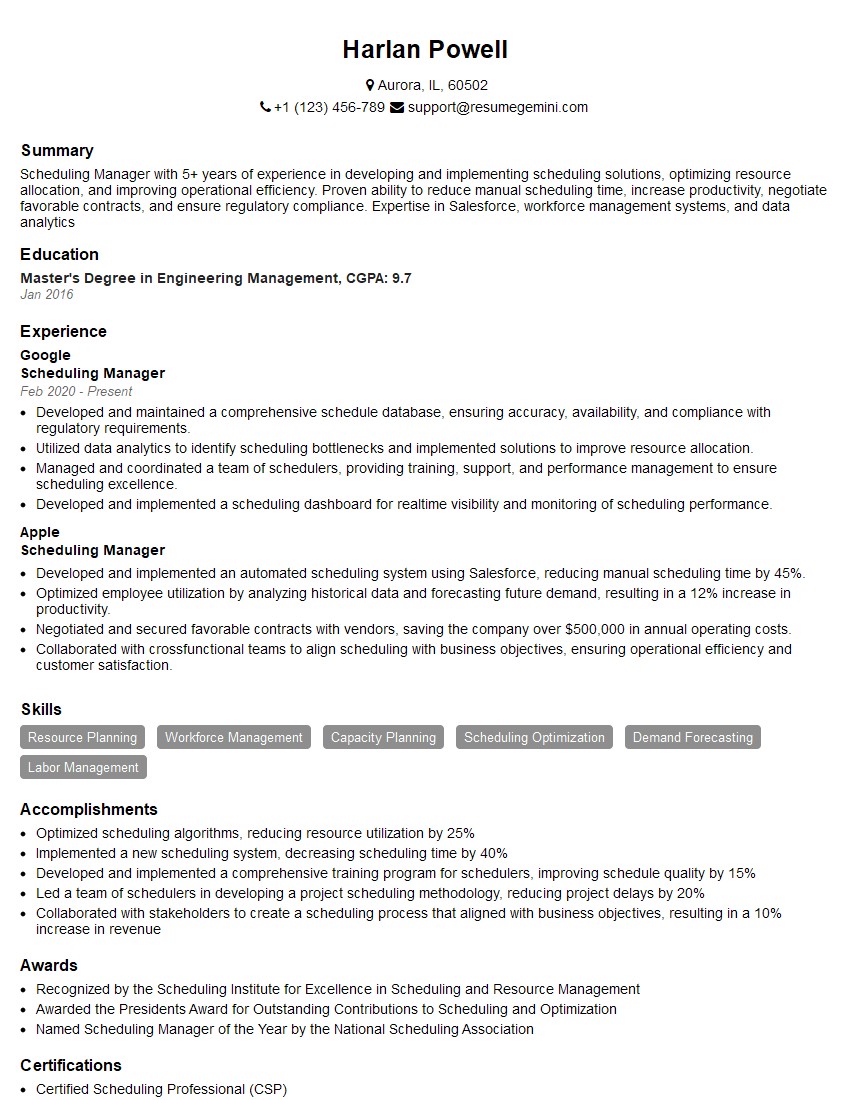
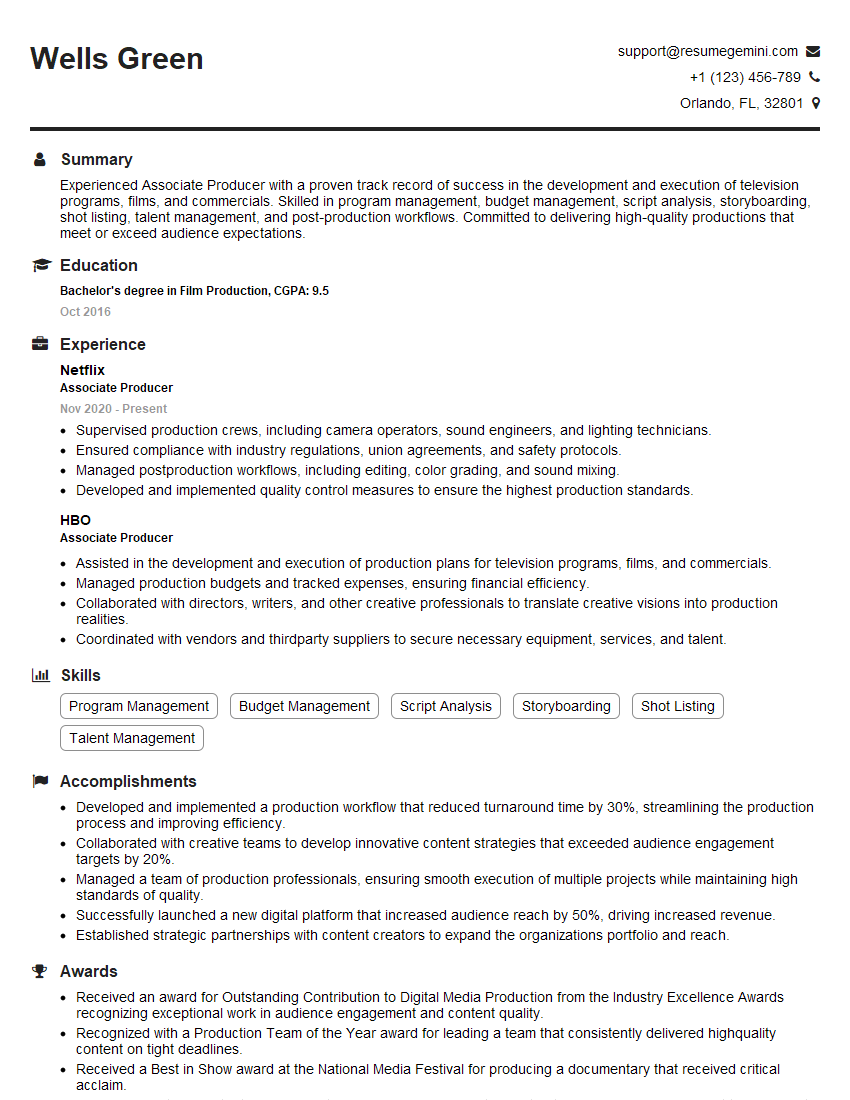
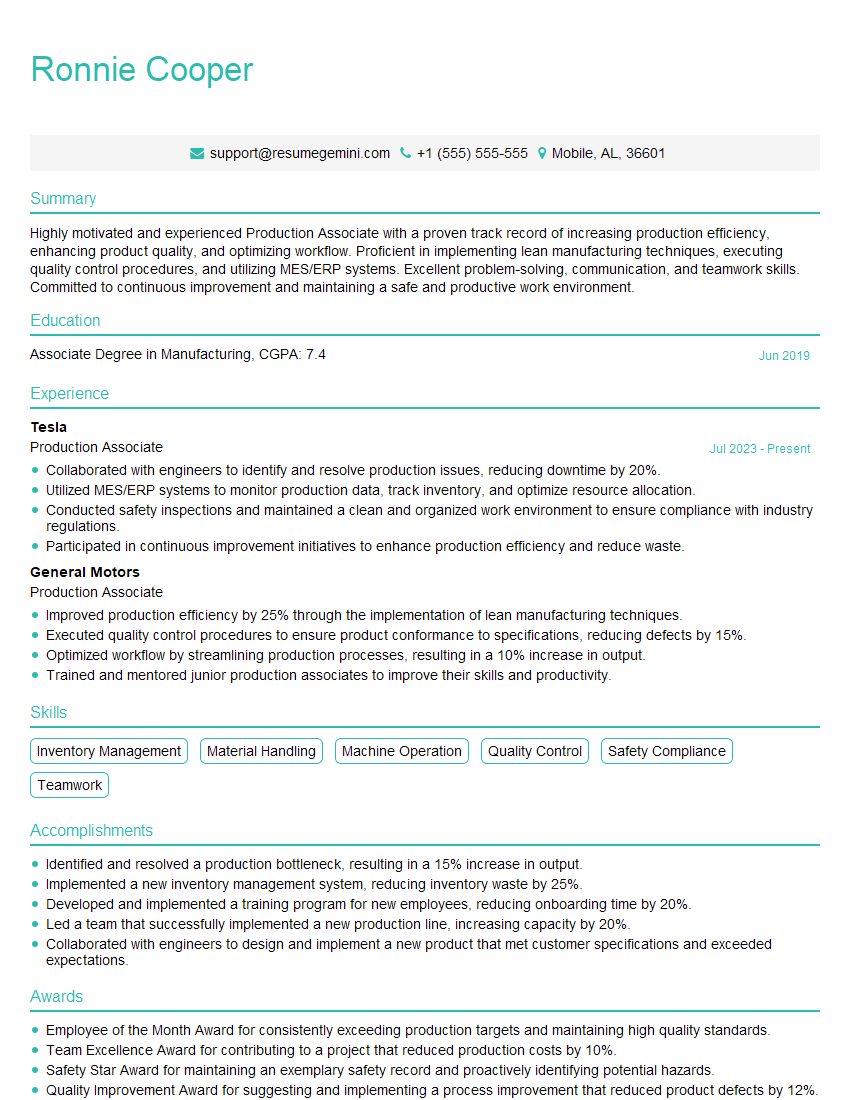
Mastering Game Management and Timekeeping opens doors to exciting career opportunities in sports and recreation, offering diverse roles and significant growth potential. A strong, ATS-friendly resume is crucial for showcasing your skills and experience to potential employers. To enhance your job prospects, consider crafting a compelling resume that highlights your achievements and qualifications. ResumeGemini is a trusted resource to help you build a professional and impactful resume. Examples of resumes tailored to Game Management and Timekeeping are available to guide you through the process.

Explore more articles
Users Rating of Our Blogs
Share Your Experience
We value your feedback! Please rate our content and share your thoughts (optional).
What Readers Say About Our Blog
Very informative content, great job.
good