The thought of an interview can be nerve-wracking, but the right preparation can make all the difference. Explore this comprehensive guide to Garment and Accessory Design interview questions and gain the confidence you need to showcase your abilities and secure the role.
Questions Asked in Garment and Accessory Design Interview
Q 1. Explain your experience with different fabric types and their suitability for various garments.
My experience with fabrics is extensive, encompassing a wide range of natural and synthetic fibers. Understanding a fabric’s properties is crucial for garment design. For instance, lightweight silks like charmeuse are ideal for flowing evening gowns due to their drape and luxurious feel, while heavier weight silks such as dupioni are better suited for structured jackets because of their body and resistance to wrinkling.
- Natural Fibers: Cotton is breathable and comfortable, perfect for everyday wear like t-shirts; linen is strong and durable, suitable for summer clothing; wool provides warmth and insulation, ideal for winter coats; and silk offers luxury and drape, fitting for special occasion wear.
- Synthetic Fibers: Polyester is wrinkle-resistant and durable, often used in sportswear; nylon is strong and elastic, common in swimwear and activewear; rayon offers a soft drape similar to silk, often blended with other fibers; and spandex provides elasticity, frequently used for stretch garments.
Choosing the right fabric directly impacts the garment’s fit, drape, durability, and overall aesthetic. For example, a flimsy fabric used for a structured garment will result in poor fit and shape retention. Conversely, a heavy fabric used for a flowing garment will result in a stiff and uncomfortable piece. My design process always begins with careful fabric selection, considering the garment’s intended use, target market, and desired aesthetic.
Q 2. Describe your proficiency in pattern making techniques.
My pattern-making skills are highly developed, encompassing both flat pattern drafting and draping techniques. Flat pattern drafting, where patterns are created on paper using precise measurements and calculations, allows for accurate and repeatable results, ideal for mass production. Draping, where fabric is manipulated directly on a dress form, provides a more intuitive and sculptural approach, perfect for unique and avant-garde designs.
I’m proficient in various pattern techniques including:
- Basic Block Construction: Creating foundational patterns (bodice, sleeve, skirt) that can be adapted to various styles.
- Grading: Adjusting pattern sizes to create a range of sizes.
- Pattern Alterations: Making adjustments to existing patterns to achieve desired fit and style.
- Draping Techniques: Using fabric on a mannequin to create three-dimensional forms and unique silhouettes.
For instance, I recently created a complex draped bodice for a bridal gown using muslin, refining the pattern through several iterations before finalizing it in the chosen fabric. My experience ensures consistent sizing, precise fitting, and a high degree of accuracy in the finished garment.
Q 3. How do you incorporate sustainability into your design process?
Sustainability is deeply ingrained in my design philosophy. It’s not just a trend; it’s a crucial aspect of responsible garment creation. My approach involves minimizing waste, selecting sustainable materials, and promoting ethical production practices.
- Sustainable Materials: I prioritize using organic cotton, recycled fabrics, and innovative materials like Tencel or hemp, which have a lower environmental impact than conventional options.
- Waste Reduction: I employ zero-waste pattern cutting techniques where possible, minimizing fabric scraps. I also carefully plan my designs to optimize fabric usage and reduce the amount of waste generated during production.
- Ethical Sourcing: I work closely with suppliers who adhere to fair labor practices and environmental regulations, ensuring the entire supply chain is ethical and sustainable.
- Durability and Longevity: I design garments to be durable and long-lasting, reducing the need for frequent replacements. Classic designs and timeless silhouettes contribute to this goal.
For example, in a recent collection, I used recycled polyester sourced from plastic bottles, significantly reducing the environmental impact while achieving a desirable performance fabric. Sustainability is an ongoing process of improvement, and I consistently seek new ways to minimize the environmental footprint of my designs.
Q 4. What CAD software are you proficient in?
I am proficient in several CAD software packages, including CLO 3D, Adobe Illustrator, and Gerber Accumark. CLO 3D is invaluable for its 3D design and simulation capabilities, allowing for realistic visualization of garment drape and fit before production. Adobe Illustrator provides excellent tools for creating technical drawings, flat sketches, and print designs. Gerber Accumark is essential for advanced pattern making and grading, streamlining the production process.
My expertise in these software programs allows for efficient design development, accurate pattern creation, and effective communication with manufacturers. This multi-software approach ensures a smooth and efficient workflow from initial concept to final production.
Q 5. How do you manage deadlines and prioritize tasks in a fast-paced design environment?
Managing deadlines and prioritizing tasks in a fast-paced design environment requires a structured and organized approach. I use project management techniques to ensure timely completion of all tasks.
- Detailed Planning: I meticulously plan each project, breaking it down into manageable tasks with clear deadlines. This includes allocating time for research, design development, sampling, and production.
- Prioritization: I prioritize tasks based on urgency and importance, focusing on critical path activities first. This ensures that essential milestones are met on time.
- Time Management: I utilize time management tools and techniques, such as time blocking and the Pomodoro Technique, to maximize productivity and stay on schedule.
- Communication: Maintaining open and clear communication with clients, manufacturers, and team members is critical in resolving unexpected challenges or delays.
For example, during a particularly demanding project involving multiple garment designs, I created a detailed Gantt chart to visually track progress and adjust schedules as needed, ensuring all deadlines were met without compromising quality.
Q 6. Explain your understanding of the garment production process.
My understanding of the garment production process is comprehensive, spanning from initial design concept to final product delivery. I am familiar with all stages involved:
- Pattern Making and Grading: Creating and adjusting patterns to ensure proper fit and sizing.
- Sampling: Producing prototypes to test the design, fabric, and construction.
- Fabric Sourcing and Selection: Choosing appropriate fabrics that meet the design requirements and quality standards.
- Production Planning: Organizing and managing the production process, including selecting manufacturers, scheduling, and quality control.
- Manufacturing: Overseeing the actual production of garments, ensuring adherence to specifications and timelines.
- Quality Control: Inspecting finished garments to ensure quality and consistency.
- Packaging and Distribution: Preparing garments for shipment and delivery to retailers or consumers.
This detailed knowledge allows me to collaborate effectively with manufacturers, troubleshoot issues, and ensure the final product aligns with the design vision. For example, I’ve successfully managed complex production processes involving overseas manufacturing, ensuring timely delivery of high-quality garments.
Q 7. Describe your experience with sourcing materials and suppliers.
My experience with sourcing materials and suppliers is extensive. I have established strong relationships with a network of reliable suppliers who meet my quality and ethical standards.
- Supplier Research and Selection: I thoroughly research potential suppliers, considering factors such as quality, price, sustainability practices, and production capacity.
- Negotiation: I effectively negotiate prices and terms with suppliers to achieve favorable outcomes.
- Quality Control: I implement strict quality control measures throughout the sourcing process, ensuring that materials meet the required specifications.
- Relationship Management: I maintain strong and ongoing relationships with key suppliers, ensuring a consistent supply of high-quality materials.
For instance, in sourcing silk for a high-end collection, I collaborated closely with a family-run silk farm committed to sustainable practices, ensuring both high-quality fabric and ethical sourcing. This attention to detail guarantees the highest quality materials and reliable supply chains for my designs.
Q 8. How do you translate design concepts into technical specifications?
Translating design concepts into technical specifications is crucial for successful garment production. It’s like providing a detailed recipe for a garment, ensuring everyone understands how to create it consistently. This involves breaking down the design into measurable components.
- Measurements: Precise measurements for each pattern piece, including length, width, and other relevant dimensions. For example, a sleeve might be specified as 24 inches long, 6 inches wide at the cuff, and 8 inches wide at the shoulder.
- Materials: Detailed specifications of fabrics, including fiber content (e.g., 100% cotton), weight (e.g., 5 oz), weave (e.g., twill), and any special finishes (e.g., water-resistant).
- Construction Techniques: Clear instructions on how the garment is assembled. This might include stitch types (e.g., zigzag stitch for seams, blind stitch for hems), seam allowances (e.g., 5/8 inch), and specific construction methods (e.g., French seams, flat-felled seams).
- Trims and Embellishments: Precise details on buttons, zippers, labels, embroidery, or other embellishments, including size, color, and placement.
- Grading: Instructions on how to adjust pattern sizes for different body types.
I use technical drawing software and digital pattern making tools to create precise technical specifications that are easily understood by pattern makers and manufacturers. A well-written tech pack acts as a bridge between the initial design inspiration and the final product.
Q 9. How do you handle design feedback and criticism?
Constructive criticism is vital for growth in design. I approach feedback with an open mind, viewing it as an opportunity to improve. I focus on understanding the why behind the feedback, not just the what.
- Active Listening: I listen carefully to the feedback, asking clarifying questions to ensure I fully grasp the points raised.
- Objective Assessment: I analyze the feedback objectively, separating personal opinions from valid design concerns. Sometimes, feedback might be based on market trends or manufacturing limitations, not necessarily a flaw in the design itself.
- Iterative Refinement: I incorporate constructive feedback iteratively, testing changes and making adjustments as needed. This might involve sketching multiple revisions or creating digital mockups to visualize the effect of different solutions.
- Professional Communication: I maintain a professional and respectful demeanor throughout the feedback process, even if I disagree with certain points.
For example, feedback that my design is ‘too busy’ might lead me to simplify the details or refine the color palette. Learning to separate personal preference from objective design principles is crucial to producing commercially successful designs.
Q 10. Explain your understanding of color theory and its application in design.
Color theory is the foundation of effective visual communication in design. Understanding color relationships allows designers to create harmonious and impactful palettes.
- Color Wheel: The color wheel is a fundamental tool, illustrating primary, secondary, and tertiary colors, as well as complementary, analogous, and triadic relationships. Understanding these relationships helps in choosing colors that complement or contrast each other.
- Color Temperature: Warm colors (reds, oranges, yellows) evoke feelings of energy and warmth, while cool colors (blues, greens, purples) create a sense of calm and serenity. This impacts the overall mood and feeling of a design.
- Color Psychology: Different colors evoke different emotions and associations. For instance, blue might represent trust and tranquility, while red might symbolize passion or danger. This knowledge helps designers select colors that align with the intended message and brand identity.
- Color Value and Saturation: Value refers to the lightness or darkness of a color, and saturation refers to its intensity. Manipulating these elements allows designers to create depth, contrast, and visual interest in a design.
For instance, in designing a collection for a children’s clothing line, I might use bright, saturated analogous colors (like yellows, oranges, and reds) to create a cheerful and playful atmosphere. For a more sophisticated evening gown collection, I might opt for muted, low-saturation tones or complementary color schemes to achieve a sense of elegance.
Q 11. Describe your experience with different types of trims and embellishments.
Trims and embellishments add personality and functionality to a garment. My experience encompasses a wide range of options, chosen to enhance the design concept and meet functional needs.
- Zippers: I’ve worked with various zipper types, including metal, plastic, invisible, and decorative zippers, choosing the appropriate type based on garment style and function.
- Buttons: From simple plastic buttons to handcrafted, bespoke buttons, the choice is dictated by the overall aesthetic. I consider material, size, and shape to ensure they complement the design.
- Lace and Embroidery: These add texture and visual interest. I’ve incorporated different lace types, from delicate chantilly to heavier guipure, selecting based on desired drape, opacity, and aesthetic.
- Ribbons and Braids: These are used for accents or functional purposes, like belt loops or tie closures. I consider color, width, and texture for seamless integration.
- Beading and Sequins: These offer options for creating detailed and eye-catching embellishments. Careful consideration of placement and density is key to avoid overwhelming the design.
For a recent project, I used laser-cut leather appliqués to add a modern touch to a minimalist dress design. The choice of trim is always carefully considered in relation to the overall design and target market.
Q 12. How do you ensure the fit and comfort of your designs?
Fit and comfort are paramount in garment design. I use a multi-pronged approach to ensure both are achieved.
- Draping and Mock-ups: I use draping techniques on dress forms to assess fabric drape and create initial prototypes. This allows for early adjustments to the pattern before cutting multiple samples.
- Pattern Making and Grading: Precise pattern making ensures the correct fit. Grading ensures the pattern can be adapted for different sizes maintaining consistent proportions.
- Fit Sessions: I conduct fit sessions with models or target customers to evaluate the fit and make necessary adjustments. This includes checking ease, length, and overall comfort.
- Fabric Selection: The choice of fabric plays a crucial role in comfort. I consider breathability, drape, stretch, and texture when selecting fabrics.
- Construction Techniques: Appropriate construction techniques, like seam finishes and lining choices, impact comfort. For example, French seams can provide a smoother, more comfortable interior finish.
During a recent project, I used a lightweight stretch fabric and incorporated princess seams for a flattering and comfortable fit in a women’s dress. Feedback from the fit session led to minor adjustments in the shoulder area for improved comfort.
Q 13. What are your preferred methods for presenting your designs?
Presenting designs effectively is key to conveying the design vision and securing approval. My preferred methods include:
- Mood Boards: These visually represent the design concept, using images, fabric swatches, and color palettes to communicate the overall aesthetic.
- Technical Flat Sketches: Detailed, scaled drawings showcasing the garment’s construction and design details. These provide crucial information to manufacturers.
- Digital Renderings: Using software like Adobe Photoshop or Illustrator, I create realistic renderings that showcase the garment in different settings and on various body types.
- 3D Modeling: For more complex designs, I leverage 3D modeling software to create virtual prototypes. This helps visualize the final product and identify potential issues early on.
- Presentations: I create engaging presentations, incorporating images, sketches, and design rationale to clearly convey the design concept to clients and stakeholders.
The choice of presentation method depends on the audience and project specifics. For a client presentation, I might use a combination of mood boards, digital renderings, and a concise presentation explaining the design inspiration and target market.
Q 14. Explain your experience with sketching and illustration techniques.
Sketching and illustration are fundamental skills for a garment designer. My skills encompass both traditional and digital techniques.
- Traditional Sketching: I’m proficient in various sketching techniques, including croquis drawing (drawing a basic figure form), rendering fabrics with shading and texture, and creating detailed illustrations of garment construction.
- Digital Illustration: I utilize software like Adobe Photoshop and Illustrator to create professional-quality illustrations, digital flat sketches, and technical drawings. This allows for easy revisions and collaboration.
- Watercolor and other media: I also use watercolor, markers, and other mediums to create mood boards and express initial design concepts. This allows for quick exploration of color and texture.
- Perspective and Proportion: A strong understanding of perspective and proportion is crucial for creating realistic and accurate illustrations. I pay careful attention to these elements to communicate the design effectively.
For example, while sketching a new jumpsuit design, I’d start with a quick croquis, then add details like the seams, pockets, and any unique design elements. This initial sketch would then be refined digitally, creating a polished visual for presentations and pattern making.
Q 15. How do you stay updated on current fashion trends?
Staying current in the ever-evolving world of fashion requires a multi-pronged approach. It’s not just about fleeting trends, but understanding the underlying shifts in consumer behavior and technological advancements.
- Trend Forecasting Services: I subscribe to several reputable trend forecasting agencies like WGSN and Style.com/AR, which provide in-depth reports on upcoming color palettes, silhouettes, materials, and key themes. These reports often include runway analysis and consumer insights.
- Trade Shows and Fashion Weeks: Attending industry events like Premiere Vision (for textiles) and New York Fashion Week offers a firsthand look at emerging designs and the overall mood of the season. Networking with fellow designers and industry professionals provides invaluable insights.
- Social Media and Digital Platforms: Platforms like Pinterest, Instagram, and TikTok are excellent for observing what’s popular with different demographics. I actively monitor relevant hashtags and influential accounts to identify emerging trends and consumer preferences.
- Magazines and Publications: While traditional print media might be declining, key fashion magazines still offer curated perspectives and in-depth analyses of trends. I carefully review publications like Vogue, Elle, and Harper’s Bazaar for insights.
- Competitor Analysis: Regularly reviewing the work of competitors, both established and emerging brands, helps me understand the market landscape and identify opportunities for innovation.
This combination of methods ensures that my designs are not only fashionable but also relevant and commercially viable.
Career Expert Tips:
- Ace those interviews! Prepare effectively by reviewing the Top 50 Most Common Interview Questions on ResumeGemini.
- Navigate your job search with confidence! Explore a wide range of Career Tips on ResumeGemini. Learn about common challenges and recommendations to overcome them.
- Craft the perfect resume! Master the Art of Resume Writing with ResumeGemini’s guide. Showcase your unique qualifications and achievements effectively.
- Don’t miss out on holiday savings! Build your dream resume with ResumeGemini’s ATS optimized templates.
Q 16. Describe your understanding of ergonomics in accessory design.
Ergonomics in accessory design focuses on creating pieces that are comfortable, safe, and easy to use. It’s about considering the human body and its interaction with the accessory. Ignoring ergonomics can lead to discomfort, injury, or even reduced functionality.
- Weight and Size: An overly heavy handbag, for instance, can strain the shoulders and back. Similarly, a poorly designed belt buckle might be difficult to fasten and uncomfortable to wear. I carefully consider the weight and size of the accessory in relation to its intended use and the wearer’s body type.
- Material Selection: Choosing appropriate materials is crucial. A rough or irritating fabric can cause chafing, while a stiff material might restrict movement. I prioritize comfortable, breathable, and durable materials that are suitable for their intended purpose.
- Shape and Structure: The shape and structure of an accessory influence how it interacts with the body. A poorly designed strap on a bag might dig into the skin, while an ill-fitting hat might be uncomfortable and prone to slipping. I utilize prototyping and wear testing to ensure a proper fit and comfortable experience.
- Accessibility: For example, I design closures on bags and wallets considering users with limited dexterity or motor skills. Easy-to-use zippers, magnetic closures, or simple buckles are vital for inclusive design.
By incorporating ergonomic principles, I aim to create accessories that are not only aesthetically pleasing but also enhance the wearer’s overall comfort and experience.
Q 17. How do you balance aesthetics and functionality in your designs?
Balancing aesthetics and functionality is a constant challenge in design, but it’s essential for creating successful products. It’s about finding that sweet spot where form and function complement each other, not compete.
For instance, designing a minimalist handbag: I might prioritize a clean, sleek aesthetic (form). However, I must also ensure it has enough compartments and pockets to be practical (function). This could involve clever use of internal organization, hidden pockets, or strategically placed zippers. A visually appealing design that’s completely impractical will fail commercially. Conversely, a highly functional but unattractive design won’t appeal to consumers.
I approach this balance through iterative design. I start with initial sketches focusing on the desired aesthetic. Then, I carefully consider the functional requirements. This often involves prototyping and user feedback to refine the design and ensure it performs well in real-world scenarios. Sometimes, I need to make compromises: a slightly less streamlined design might be necessary to achieve optimal functionality. Ultimately, the goal is to create a harmonious union of aesthetics and functionality that enhances the overall user experience.
Q 18. Explain your experience with different construction techniques for garments and accessories.
My experience encompasses a wide range of garment and accessory construction techniques. This includes both traditional hand-crafting methods and modern manufacturing processes.
- Sewing Techniques: I’m proficient in various sewing techniques, including different seam finishes (French seams, serged seams), darts, pleats, and different types of closures (zippers, buttons, hooks and eyes). This knowledge extends to various fabrics, from delicate silks to heavy-duty denim.
- Knitting and Crocheting: For certain accessories like scarves, hats, and sweaters, I utilize knitting and crocheting to achieve specific textures and designs. This involves a good understanding of stitch patterns and yarn properties.
- Pattern Making and Grading: I’m skilled in creating and grading patterns, adapting designs for various sizes and body types. This ensures a proper fit and allows for efficient production.
- Leatherwork: I have experience working with leather, including cutting, stitching, and finishing techniques. This involves using specialized tools and understanding the properties of different types of leather.
- 3D Printing and Digital Fabrication: I’m familiar with using 3D printing and other digital fabrication techniques to prototype and create accessories with complex shapes or customized features.
My understanding of these diverse techniques allows me to select the most appropriate methods for each project, optimizing both the aesthetic outcome and manufacturing efficiency.
Q 19. Describe your experience with quality control in garment and accessory manufacturing.
Quality control is paramount in garment and accessory manufacturing. It’s not just about identifying defects; it’s about preventing them in the first place. My experience involves implementing and overseeing quality control measures at various stages of the production process.
- Material Inspection: This involves checking the quality of the fabrics, leather, and other materials used, ensuring they meet the required standards for color, texture, and durability.
- Pattern and Sample Review: Before mass production begins, I carefully review patterns and samples to identify any potential design flaws or construction issues.
- Production Monitoring: During production, I regularly monitor the manufacturing process to ensure consistency and adherence to quality standards. This might involve spot checks or more comprehensive inspections, depending on the complexity of the product.
- Final Inspection: Once production is complete, a thorough final inspection is carried out to identify and reject any defective items. This ensures that only high-quality products reach the market.
- Feedback and Improvement: Any identified issues are analyzed to understand their root cause. This information is then used to improve the production process and prevent similar problems in the future.
My approach to quality control is proactive and data-driven. It’s about building a culture of quality throughout the entire production process.
Q 20. How do you manage revisions and modifications to your designs?
Managing revisions and modifications is a normal part of the design process. It’s crucial to handle these changes efficiently and effectively to maintain project timelines and budget.
My approach involves:
- Clear Communication: I maintain open communication with clients and stakeholders throughout the design process. This ensures everyone is on the same page regarding any changes.
- Version Control: I use a system for tracking design iterations and modifications, whether it’s a simple naming convention for files or a dedicated design software with version history. This enables easy comparison of different versions and quick rollback if needed.
- Impact Assessment: Before implementing any changes, I assess their impact on the design, cost, and timeline. This allows for informed decision-making.
- Documentation: All revisions and modifications are documented clearly. This includes the reason for the change, the date, and the person responsible.
- Prototyping and Testing: Before finalizing any major changes, I create prototypes and conduct thorough testing to ensure the modifications achieve the desired outcome and do not introduce new issues.
By using a structured approach to revision management, I ensure that changes are implemented efficiently, minimizing disruptions and maintaining high quality.
Q 21. What is your approach to problem-solving in a design context?
Problem-solving is inherent to the design process. Challenges are inevitable, ranging from technical hurdles to aesthetic dilemmas. My approach is systematic and iterative.
- Define the Problem Clearly: The first step is to clearly articulate the problem. What is the specific issue? What are its consequences?
- Brainstorming and Idea Generation: I then brainstorm potential solutions. This often involves sketching, researching alternative approaches, and exploring different materials or techniques. I involve my team if appropriate, as diverse perspectives are valuable.
- Prototyping and Testing: I create prototypes to test the feasibility and effectiveness of each potential solution. This iterative process helps identify and resolve design flaws early on.
- Analysis and Evaluation: Once I’ve generated several prototypes, I analyze each one, considering its effectiveness, cost, and aesthetic appeal. This involves gathering feedback from others.
- Implementation and Refinement: After choosing the optimal solution, I implement it and continue to refine the design based on testing and feedback.
This methodical approach ensures that I address design challenges creatively and effectively, leading to innovative and practical solutions.
Q 22. Describe your understanding of intellectual property rights in fashion design.
Intellectual property rights in fashion design are crucial for protecting the originality and creativity of designers. They primarily encompass copyright, trademarks, and design patents. Copyright protects the design’s expression – the unique arrangement of elements like fabric, cut, and embellishments. It’s automatically granted upon creation but needs registration for full legal protection and to pursue infringement cases effectively. Trademarks protect brand names, logos, and other distinctive brand identifiers used on garments and accessories, preventing others from using similar marks that could confuse consumers. Design patents protect the unique three-dimensional aspects of a design, such as the shape of a handbag or the overall structure of a garment, for a limited time. Successfully navigating these rights often involves registering designs and trademarks strategically and proactively monitoring the market for potential infringements. For example, a unique print design on a dress is protected by copyright, while the brand name associated with it is a trademark. The overall shape and structure of the dress might qualify for a design patent.
Q 23. How do you collaborate effectively with other team members?
Effective collaboration is paramount in fashion design. My approach involves open communication, active listening, and a shared understanding of project goals. I believe in clearly defining roles and responsibilities from the outset, ensuring everyone is aware of their contributions. I use collaborative tools like shared online design platforms and project management software to facilitate seamless information exchange. During brainstorming sessions, I encourage everyone to contribute freely, even seemingly unconventional ideas. Conflict resolution is addressed through respectful dialogue, focusing on finding solutions that benefit the overall project. For instance, in a recent project, I worked with a pattern maker and a sample maker. Through regular feedback sessions and efficient use of online design platforms, we ensured the garment met the exact vision. This open communication eliminated potential errors and delays.
Q 24. Explain your experience working with different manufacturing processes.
My experience encompasses a wide range of manufacturing processes, including both traditional and modern techniques. I’m proficient in various textile manufacturing methods, such as knitting, weaving, and dyeing. I understand the nuances of different stitching techniques, appropriate for various fabrics and garment styles. I’ve worked extensively with both domestic and overseas manufacturers, gaining insights into their capabilities and limitations. I’m comfortable working with CAD (Computer-Aided Design) software for pattern making and grading. I also have experience with 3D printing for prototyping accessories and bespoke garments. For example, I’ve used laser cutting for leather accessories and digital printing for fabric designs, demonstrating adaptability to diverse technological advancements.
Q 25. What is your approach to designing for different body types and sizes?
Designing for diverse body types and sizes is fundamental to creating inclusive and accessible fashion. My approach centers around understanding body proportions and utilizing inclusive sizing charts rather than relying on standardized measurements. This involves creating patterns that accommodate a wider range of body shapes and sizes, rather than relying on a single sample size. I use body scanning technologies and incorporate diverse body models during the design and fitting process. Additionally, I focus on creating designs that are adaptable and versatile, offering options like adjustable straps or elastic waistbands to improve fit and comfort for various body types. In one project, I specifically designed a jumpsuit that could be adapted for various body shapes by using panels of flexible material and strategic draping techniques.
Q 26. Describe your understanding of the retail landscape for garments and accessories.
The retail landscape for garments and accessories is dynamic and competitive. It’s characterized by a shift towards e-commerce, omnichannel retailing, and a growing demand for sustainable and ethically produced products. Consumers are increasingly influenced by social media, brand storytelling, and personalized experiences. Understanding this landscape requires close attention to market trends, consumer preferences, and technological advancements in retail technology. For example, understanding the influence of fast fashion on consumer behaviour is crucial, and designing strategies to stand out in that environment requires insightful market research. This includes analyzing competitor strategies and exploring new retail models like subscription services or pop-up shops.
Q 27. How do you incorporate market research into your design process?
Market research is integrated throughout my design process. It begins with identifying target audiences through surveys, focus groups, and analyzing social media trends. I utilize data analytics to understand purchasing behavior, preferred styles, and current market gaps. This data informs my design decisions, ensuring that the final product resonates with the intended customer. For example, I may conduct thorough trend forecasting, analysing colour palettes, fabric choices, and silhouettes that are predicted to be popular. Following the design phase, this research continues to inform pricing strategies and marketing approaches, ultimately increasing the likelihood of product success.
Q 28. Explain your experience with creating mood boards and design presentations.
Mood boards and design presentations are essential for visually communicating design concepts. My mood boards incorporate images, fabric swatches, color palettes, and sketches to establish a specific aesthetic and evoke the desired mood or feeling for a collection. They are carefully curated to reflect the design’s essence and inspiration. Design presentations often involve a combination of visual aids— sketches, renderings, technical drawings, and prototypes – to explain the design choices and the overall design direction. I use presentation software to showcase my designs in a clear, compelling, and professional manner, making use of high-quality visuals to effectively communicate the final product vision to stakeholders.
Key Topics to Learn for Garment and Accessory Design Interview
- Design Principles & Aesthetics: Understanding color theory, texture, silhouette, and proportion; applying these principles to create visually appealing and functional designs.
- Technical Design & Construction: Knowledge of garment construction techniques, pattern making, draping, and various sewing methods; ability to translate design concepts into technical specifications.
- Material Selection & Sourcing: Familiarity with different fabrics, trims, and embellishments; understanding fabric properties and their suitability for various garments and accessories; sustainable sourcing practices.
- CAD Software Proficiency: Demonstrating expertise in industry-standard CAD software (e.g., Illustrator, Photoshop, CLO3D) for creating technical drawings, flat sketches, and 3D models.
- Trend Forecasting & Market Analysis: Ability to identify emerging trends in fashion and accessories; understanding market demands and consumer preferences; applying this knowledge to design innovative and marketable products.
- Sustainability and Ethical Production: Knowledge of sustainable materials and manufacturing processes; understanding ethical considerations in the garment and accessory industry; ability to design with environmental and social responsibility in mind.
- Problem-Solving & Innovation: Demonstrating the ability to overcome design challenges, adapt to changing requirements, and propose creative solutions to production issues.
- Portfolio Presentation & Communication: Effectively communicating design concepts and rationale; presenting a strong and well-organized portfolio showcasing design skills and accomplishments.
Next Steps
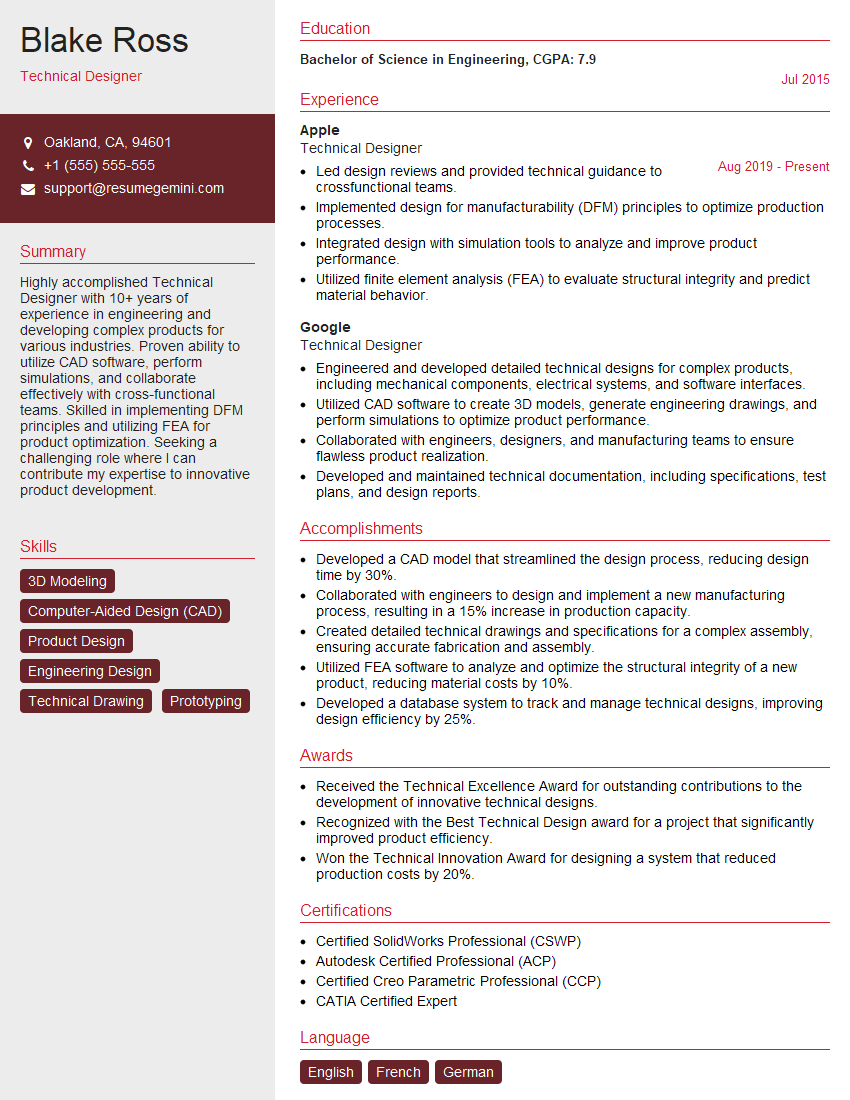
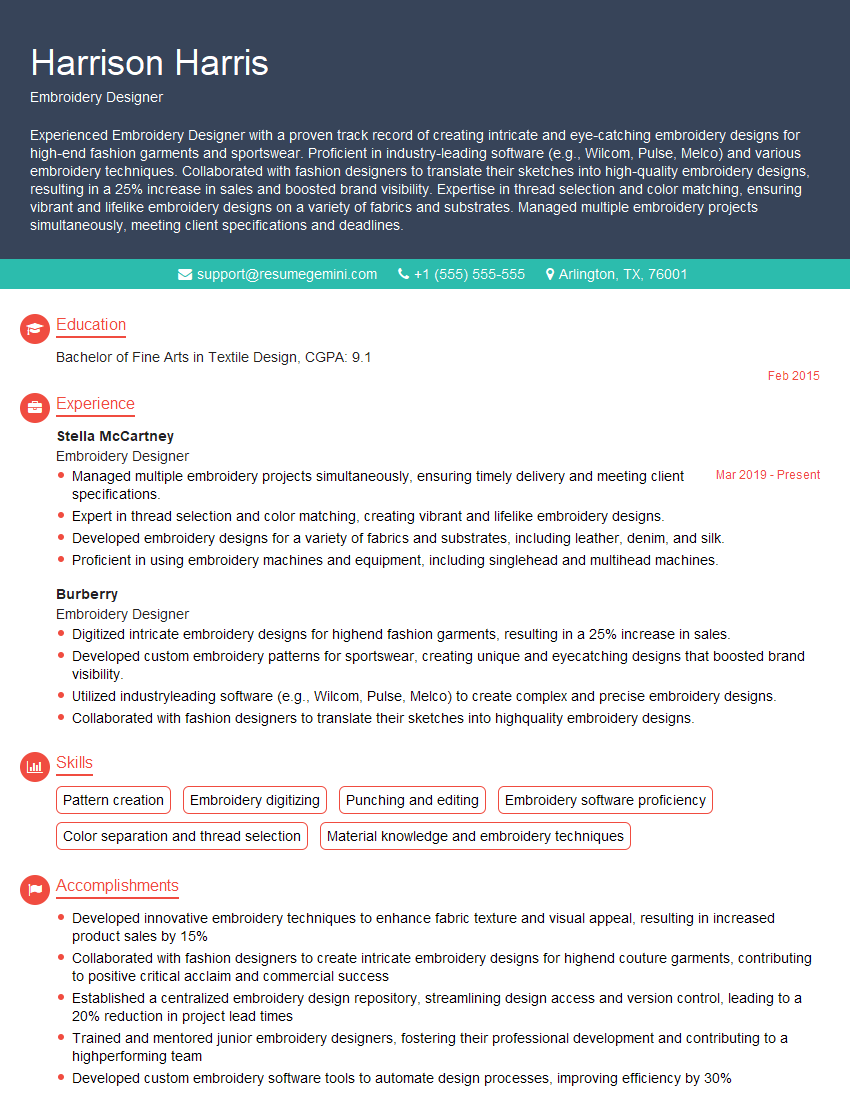
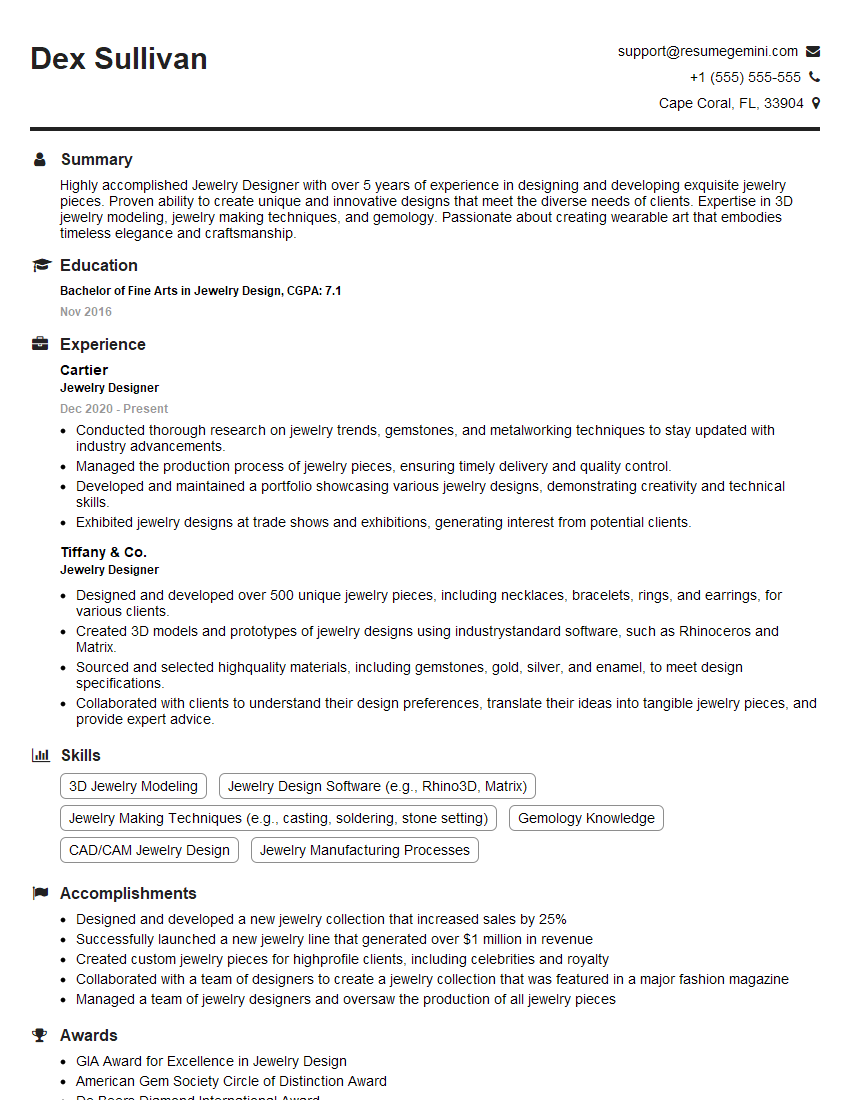
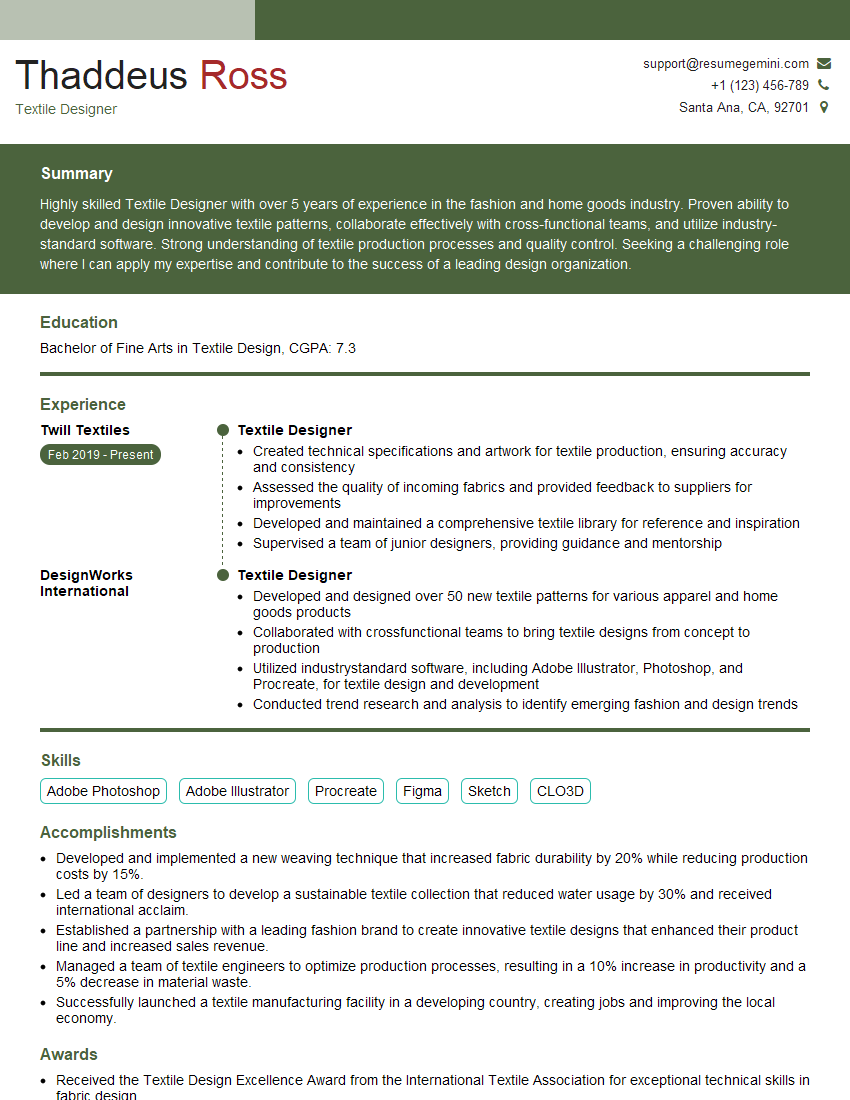
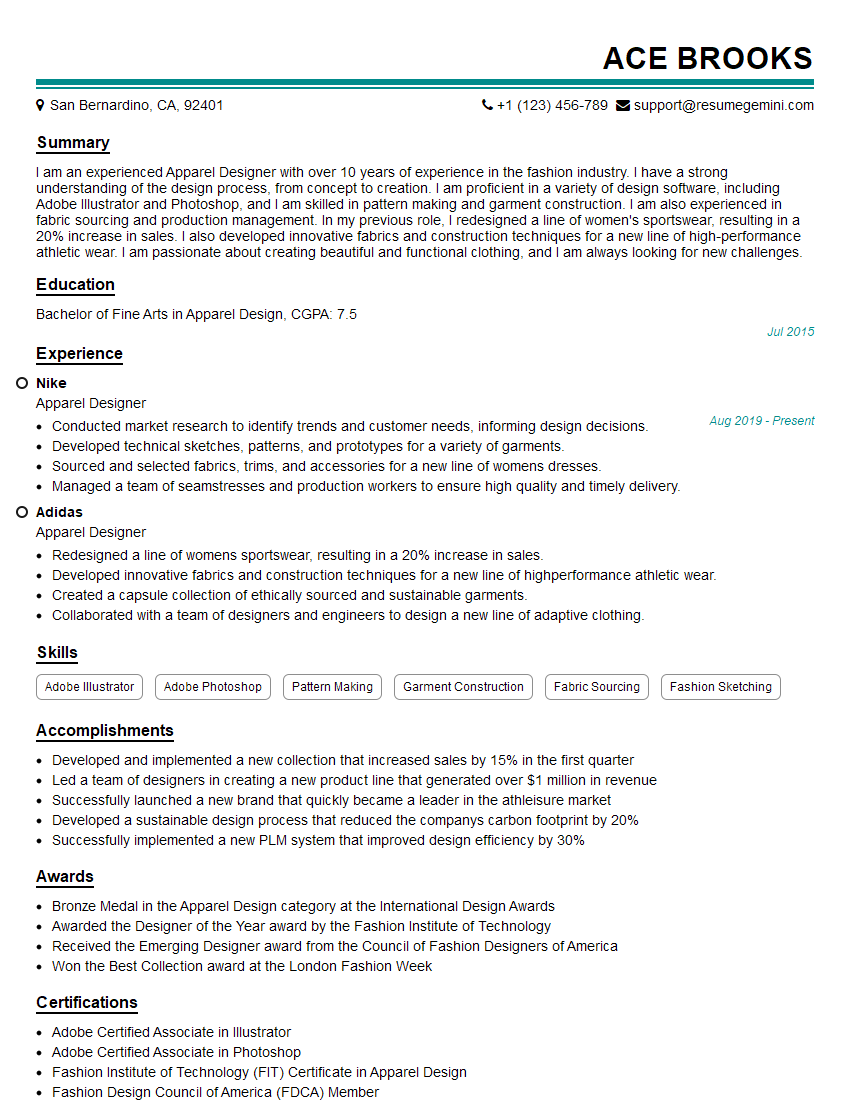
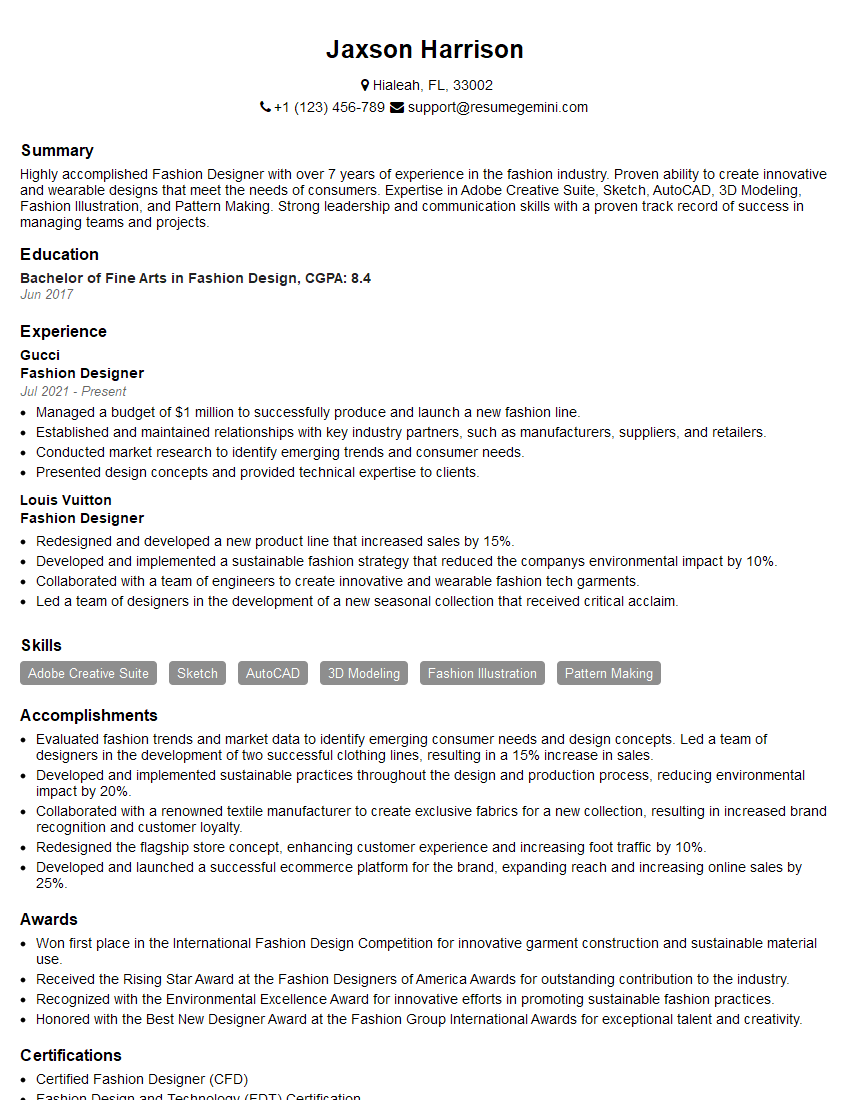
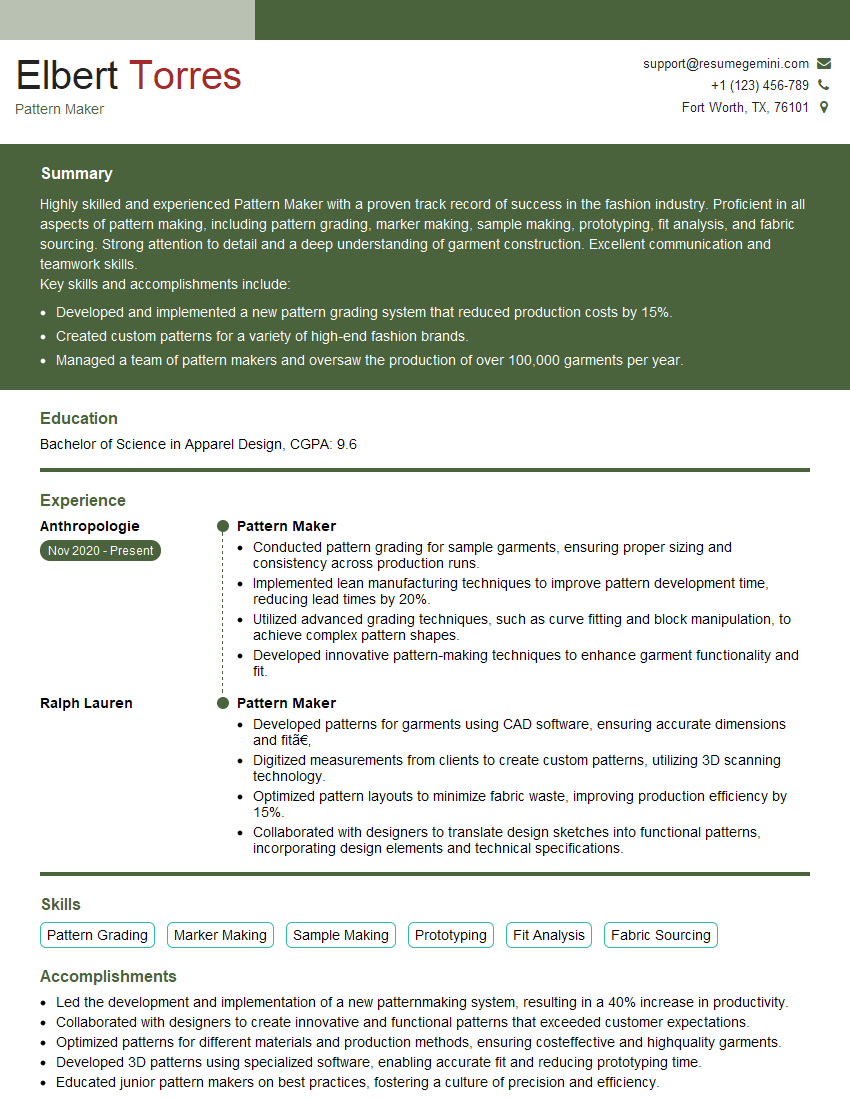
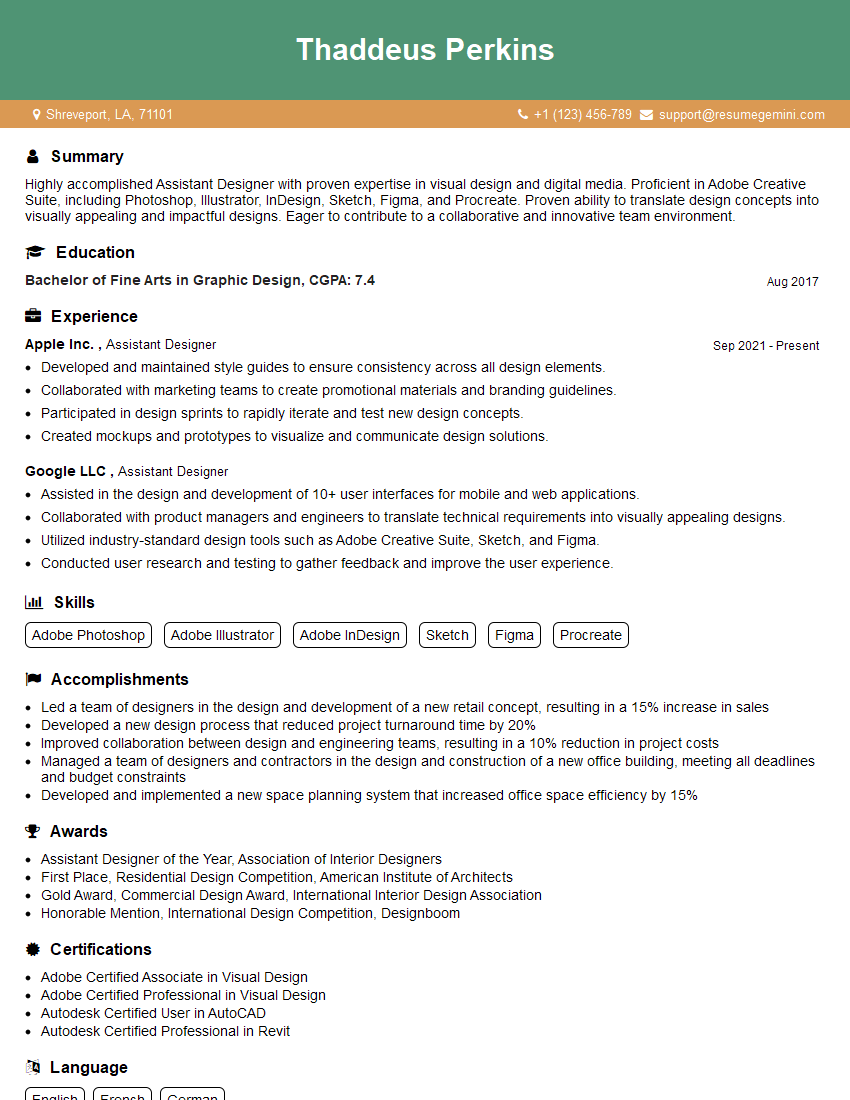
Mastering Garment and Accessory Design opens doors to exciting and fulfilling careers, offering opportunities for creativity, innovation, and professional growth within a dynamic industry. A strong resume is crucial for showcasing your skills and experience to potential employers. To significantly increase your job prospects, it’s essential to create an ATS-friendly resume that highlights your key accomplishments and aligns with the specific requirements of each job application. We recommend using ResumeGemini, a trusted resource, to build a professional and impactful resume. Examples of resumes tailored to Garment and Accessory Design are available to help you get started.
Explore more articles
Users Rating of Our Blogs
Share Your Experience
We value your feedback! Please rate our content and share your thoughts (optional).
What Readers Say About Our Blog
Very informative content, great job.
good