The right preparation can turn an interview into an opportunity to showcase your expertise. This guide to Genetic Evaluation interview questions is your ultimate resource, providing key insights and tips to help you ace your responses and stand out as a top candidate.
Questions Asked in Genetic Evaluation Interview
Q 1. Explain the difference between genotype and phenotype.
Genotype and phenotype are fundamental concepts in genetics. Think of it like this: your genotype is your genetic makeup – the specific sequence of DNA you inherited from your parents. It’s the blueprint. Your phenotype, on the other hand, is the observable characteristics that result from this blueprint, like your eye color, height, or susceptibility to certain diseases. It’s the actual building. The genotype provides the instructions, and the phenotype is the final product, influenced by both the genotype and environmental factors.
For example, someone might have a genotype that predisposes them to blue eyes (let’s say bb), and their phenotype would indeed be blue eyes. However, another individual might have a genotype that *could* lead to blue eyes (Bb) or brown eyes (BB), but other factors could influence the actual eye color they express.
Q 2. Describe various methods used in genetic linkage analysis.
Genetic linkage analysis aims to identify genes located close together on a chromosome. Since closely linked genes tend to be inherited together, we can use this information to map genes and understand disease inheritance patterns. Several methods exist:
- LOD Score Analysis: This is a classic method using statistical calculations to determine the likelihood of linkage between two genes. A high LOD score suggests linkage.
- Haplotype Analysis: This method involves examining groups of alleles (haplotypes) inherited together. Identifying shared haplotypes in affected individuals can pinpoint regions of linkage.
- Association Studies: While not strictly linkage analysis, these studies examine the association between genetic markers and traits. Strong associations can suggest linkage, particularly in population-based studies.
- Genome-Wide Association Studies (GWAS): These powerful studies scan the entire genome for associations with a particular trait, helping identify numerous linked genetic variations that might contribute to complex diseases.
For instance, in a family with a history of a rare disease, linkage analysis could pinpoint a chromosomal region harboring a gene responsible for that disease, facilitating further investigation and potentially the development of genetic tests or therapies.
Q 3. What are the ethical considerations of genetic testing?
Ethical considerations in genetic testing are multifaceted and crucial. Some key aspects include:
- Informed Consent: Individuals must fully understand the implications of testing before undergoing it, including potential benefits and harms, accuracy limitations, and the possibility of uncovering unexpected information (e.g., non-paternity).
- Privacy and Confidentiality: Genetic information is highly sensitive. Robust safeguards are necessary to prevent unauthorized access or disclosure, considering the potential for discrimination based on genetic predispositions.
- Psychological Impact: Receiving genetic test results can have profound psychological effects, especially if they reveal a predisposition to a serious disease. Access to genetic counseling is crucial to help individuals process the information and make informed decisions.
- Genetic Discrimination: There’s a risk of discrimination in employment, insurance, or other areas based on genetic information. Laws and policies are needed to prevent such discrimination.
- Reproductive Decisions: Genetic testing can inform reproductive choices, raising ethical questions about prenatal diagnosis and selective abortion.
For example, a person considering testing for a late-onset disease needs to understand that a positive result might cause anxiety without immediate medical action, while a negative result may offer reassurance but doesn’t guarantee they won’t develop the condition later.
Q 4. How do you interpret a Manhattan plot in Genome-Wide Association Studies (GWAS)?
A Manhattan plot is a visual representation of GWAS results, showing the association between genetic variants (usually SNPs) and a trait. The x-axis represents the genome, and the y-axis represents the strength of the association (typically –log10(p-value)).
Each point represents a SNP, and those that significantly surpass the genome-wide significance threshold (usually p<5x10⁻⁸) stand out as peaks above the ‘skyline’ of other SNPs. These high peaks indicate SNPs strongly associated with the studied trait. The color-coding often represents the chromosome. A Manhattan plot helps researchers quickly identify regions in the genome likely harboring genes influencing the trait of interest. Imagine it like a city skyline – the tallest skyscrapers represent the most significant genetic findings.
Q 5. Explain the concept of Hardy-Weinberg equilibrium.
The Hardy-Weinberg equilibrium principle describes the theoretical genetic makeup of a population that is *not* evolving. It states that allele and genotype frequencies will remain constant from generation to generation in the absence of other evolutionary influences. This equilibrium is maintained under specific conditions:
- No mutation: No new alleles arise.
- Random mating: Individuals mate randomly without any preference for specific genotypes.
- No gene flow: No migration of individuals into or out of the population.
- No genetic drift: The population is large enough to avoid random fluctuations in allele frequencies.
- No natural selection: All genotypes have equal survival and reproductive rates.
The Hardy-Weinberg equation, p² + 2pq + q² = 1, calculates the expected genotype frequencies, where p represents the frequency of one allele and q represents the frequency of the other allele. Deviations from this equilibrium indicate that one or more of these conditions are not met, suggesting evolutionary forces are at play.
Q 6. Describe different types of genetic mutations and their effects.
Genetic mutations are changes in the DNA sequence that can lead to variations in traits. They are classified in several ways:
- Point mutations: Single nucleotide changes. These can be substitutions (one base is replaced with another), insertions (a base is added), or deletions (a base is removed).
- Frameshift mutations: Insertions or deletions that are not multiples of three nucleotides, altering the reading frame of the gene and often leading to non-functional proteins.
- Chromosomal mutations: Larger-scale changes involving entire chromosomes or chromosome segments. These include deletions, duplications, inversions (a segment is flipped), and translocations (a segment is moved to a different chromosome).
The effects of mutations can vary widely. Some are silent (no effect on protein function), some are mildly deleterious, and others can be severely detrimental, leading to genetic diseases or even death. For example, a point mutation in the gene encoding hemoglobin can cause sickle cell anemia, while chromosomal translocations can lead to cancers.
Q 7. What are the limitations of current genetic testing technologies?
Despite remarkable advancements, current genetic testing technologies have limitations:
- Incomplete penetrance: Some genes have variable expressivity or incomplete penetrance, meaning individuals with the same genotype may show different phenotypes. This makes predicting the outcome of a genetic test challenging.
- Limited understanding of gene-environment interactions: Many diseases arise from complex interactions between genes and environmental factors, which are difficult to fully capture in genetic testing.
- Cost and accessibility: Comprehensive genetic testing can be expensive, limiting access for many individuals.
- Interpretation challenges: Analyzing the vast amounts of data generated by genomic sequencing can be complex, and the meaning of many genetic variants is still unknown.
- Ethical considerations: As previously discussed, these considerations pose ongoing challenges in responsible genetic testing.
For instance, a test for a gene linked to heart disease might identify a variant associated with increased risk, but it cannot precisely predict whether or when an individual will develop the condition. The actual risk depends on other genes and lifestyle factors.
Q 8. How do you assess the quality of genetic data?
Assessing the quality of genetic data is crucial for reliable analysis. We look at several key aspects. First, accuracy: This involves checking for errors in genotyping, sequencing, or data entry. We use quality control (QC) metrics like call rates (percentage of successfully genotyped markers) and minor allele frequencies (MAFs) to identify and address errors. Low call rates or MAFs could indicate problematic samples or markers that need to be removed or investigated further. Second, completeness is important. Missing data can bias results, so we need to assess the extent of missingness and consider imputation strategies to fill in gaps if necessary. Third, consistency is vital. Data from different sources or platforms needs to be harmonized to ensure comparability. We use standardization methods to achieve this. Fourth, we evaluate the representation of the data, ensuring it adequately reflects the population being studied. We verify that the chosen samples are free from population stratification or biases that might skew the results. In a recent project analyzing cattle breeding data, we had to remove several samples with exceptionally high rates of missing data to ensure the robustness of our analysis.
Q 9. Explain the principles of quantitative trait loci (QTL) mapping.
Quantitative Trait Loci (QTL) mapping is a powerful technique used to identify genomic regions associated with quantitative traits—traits that show continuous variation, like milk yield in cows or height in humans. The principle relies on linkage analysis: we assess the co-segregation of a marker’s alleles (different versions of a gene) with the trait of interest across a population. If a marker is closely linked to a QTL, we expect to see a statistical association between the marker genotype and the trait phenotype. Think of it like this: Imagine you’re trying to find a specific house on a long street. You have a map (the genome) with landmarks (markers). If your target house (the QTL) is near a particular landmark, the landmark helps you locate the house more precisely. We use statistical methods like interval mapping or composite interval mapping to identify these QTL regions and estimate the effects of the QTLs on the trait. The resolution of QTL mapping depends on the density of markers and the size of the population used. Higher marker density and larger sample size usually lead to more precise QTL localization.
Q 10. Describe your experience with different statistical methods used in genetic analysis.
My experience encompasses a wide range of statistical methods used in genetic analysis. I’m proficient in linear mixed models (LMMs), which are particularly useful for analyzing data with complex pedigree structures, accounting for relatedness between individuals. This is essential for accurate genetic evaluation in livestock breeding or family-based association studies. I frequently use generalized linear models (GLMs) for analyzing discrete traits (e.g., disease resistance), handling non-normal data appropriately. Furthermore, I’m experienced with various association mapping methods like Genome-Wide Association Studies (GWAS) for identifying single nucleotide polymorphisms (SNPs) associated with traits. In several projects, I’ve applied survival analysis techniques to analyze time-to-event data, such as disease onset or lifespan. Finally, I have extensive experience in applying Bayesian methods for estimating breeding values, which allow incorporation of prior knowledge and handle uncertainty in parameter estimation more effectively. For example, in a recent study on disease susceptibility, we used a GLM to model the binary outcome (diseased/healthy), incorporating environmental factors and genetic markers as covariates.
Q 11. How do you interpret a pedigree chart?
A pedigree chart, also called a family tree, visually represents the inheritance of traits across generations within a family. It uses standardized symbols: squares for males, circles for females, shaded symbols for affected individuals, and unshaded symbols for unaffected individuals. Horizontal lines connect parents, and vertical lines connect parents to their offspring. Interpreting a pedigree involves identifying inheritance patterns (dominant, recessive, X-linked, etc.) by observing the segregation of affected and unaffected individuals across generations. For example, if a trait appears in every generation, it suggests dominant inheritance. If it skips generations, recessive inheritance is likely. Careful analysis of a pedigree, combined with knowledge of Mendelian inheritance, can help pinpoint potential disease genes or predict the probability of a future offspring inheriting a specific trait.
Q 12. What are the different types of inheritance patterns?
Inheritance patterns describe how traits are passed from parents to offspring. The primary types are:
- Autosomal Dominant: Only one copy of the mutated gene is needed to cause the trait. Affected individuals are present in every generation.
- Autosomal Recessive: Two copies of the mutated gene are needed for the trait to manifest. Affected individuals often have unaffected parents who are carriers (heterozygotes).
- X-linked Dominant: The mutated gene is on the X chromosome. Affected females can have affected daughters or sons. Affected males will have affected daughters but not sons.
- X-linked Recessive: The mutated gene is on the X chromosome. Mostly affects males because they have only one X chromosome. Affected females are typically rare, and they need two copies of the mutated gene.
- Y-linked: The mutated gene is on the Y chromosome. Only affects males, and the trait is passed from father to son.
Understanding these patterns is crucial for genetic counseling and disease prediction.
Q 13. Explain the concept of genetic drift and its impact on populations.
Genetic drift refers to random fluctuations in allele frequencies within a population, particularly pronounced in small populations. It’s a purely stochastic process, meaning it’s driven by chance rather than natural selection. Imagine a small island population of birds with two color variants: blue and red. Due to random chance, a storm might wipe out more blue birds than red birds, altering the allele frequency for color in the next generation. Over time, genetic drift can lead to the loss of some alleles and the fixation of others, reducing genetic diversity within the population. This reduced diversity can make the population more vulnerable to environmental changes or diseases. Genetic drift can also have a significant role in the differentiation of populations; the random changes in allele frequencies in isolated populations lead to unique genetic compositions over time. This process plays a substantial role in evolutionary biology, explaining the genetic variation we see among different populations.
Q 14. Describe your experience with bioinformatics tools for genetic analysis.
My bioinformatics experience is extensive, encompassing various tools and pipelines for genetic data analysis. I’m proficient in using tools like PLINK for GWAS and population genetic analyses; I routinely use R with packages like ggplot2 for data visualization and statistical analysis, and bimbam for genomic prediction. I’m also familiar with Variant Call Format (VCF) manipulation tools like bcftools and samtools for working with next-generation sequencing (NGS) data. Furthermore, I’ve utilized specialized software packages like GCTA for genome-wide complex trait analysis and BEAGLE for imputation. In a recent project, we used a pipeline involving samtools for alignment, gatk for variant calling, plink for quality control and association testing, and R for downstream analysis of NGS data to identify genetic variants associated with a complex trait.
Q 15. How do you handle missing data in genetic datasets?
Missing data is a common challenge in genetic datasets, impacting the accuracy and reliability of analyses. Several strategies exist to handle this, ranging from simple imputation to more sophisticated model-based approaches. The best method depends on the extent and nature of the missingness, as well as the downstream analysis.
- Deletion: The simplest approach is to remove individuals or SNPs with missing data. This is suitable only when missingness is minimal and random, otherwise it introduces bias.
- Imputation: This involves estimating missing values based on the observed data. Simple methods like mean or mode imputation are straightforward but can distort the data distribution. More sophisticated techniques, like k-Nearest Neighbors (k-NN) or Expectation-Maximization (EM) algorithms, utilize correlations between SNPs or individuals to provide more accurate estimates. For example, if we have a highly correlated SNP with one missing datapoint, the value of the other SNP could effectively ‘predict’ the missing one.
- Multiple Imputation: This generates multiple plausible datasets, each containing imputed values, followed by analysis on each dataset, and final results are combined. This method is computationally expensive but it’s better at handling large amounts of missingness and quantifying uncertainty associated with the missing data.
- Model-Based Approaches: Incorporating missing data directly into the statistical model, such as using mixed-effects models or Bayesian methods, accounts for the uncertainty related to the missing values and provides more robust estimations. This is particularly crucial when dealing with complex genetic traits.
Choosing the right strategy requires careful consideration of the type of missingness (missing completely at random (MCAR), missing at random (MAR), or missing not at random (MNAR)) and the potential impact on the results. For instance, in Genome-Wide Association Studies (GWAS), imputation is often preferred because it maximizes the usage of available data. If the missingness is non-random and systematic, we need to understand why this pattern exists before making any decision on data handling strategies. This might require more detailed investigation of sample processing and data quality control.
Career Expert Tips:
- Ace those interviews! Prepare effectively by reviewing the Top 50 Most Common Interview Questions on ResumeGemini.
- Navigate your job search with confidence! Explore a wide range of Career Tips on ResumeGemini. Learn about common challenges and recommendations to overcome them.
- Craft the perfect resume! Master the Art of Resume Writing with ResumeGemini’s guide. Showcase your unique qualifications and achievements effectively.
- Don’t miss out on holiday savings! Build your dream resume with ResumeGemini’s ATS optimized templates.
Q 16. What are the applications of next-generation sequencing (NGS) in genetic evaluation?
Next-Generation Sequencing (NGS) has revolutionized genetic evaluation by enabling high-throughput, cost-effective sequencing of entire genomes or targeted regions. This provides unprecedented resolution in identifying genetic variations, leading to numerous applications:
- Genome-Wide Association Studies (GWAS): NGS allows for the identification of numerous SNPs and other variations that may be associated with complex traits which are not possible to scan with other technologies such as the older genotyping chips. This leads to more fine-scale mapping of genes controlling important traits.
- Genomic Selection (GS): NGS data can be used to predict the breeding value of individuals more accurately than with traditional marker-assisted selection. By leveraging genomic information across the entire genome, we can better predict the genetic potential of an individual in terms of yield, disease resistance etc. This allows to optimize animal breeding strategies in agriculture and livestock.
- Identification of Rare Variants: NGS is particularly useful in identifying rare variants that may contribute to disease susceptibility or other phenotypic traits. Rare variants may have a high impact, but identifying them requires sequencing capabilities far beyond other methods.
- Personalized Medicine: NGS allows the identification of individual-specific genetic variations that can inform treatment decisions and predict responses to certain drugs. For example, in Oncology, NGS is used for targeted drug treatment based on mutations in the tumor genome.
- Conservation Genetics: NGS can be used to study the genetic diversity of endangered species, which is vital for conservation efforts. This allows to quantify the diversity and track the evolution of populations in real-time.
The increased data volume and complexity generated by NGS necessitate the use of advanced bioinformatics tools and analytical methods. But the benefits vastly outweigh the challenges in data processing, offering unparalleled insights into the genetic architecture of complex traits and diseases.
Q 17. Explain the concept of copy number variation (CNV).
Copy Number Variation (CNV) refers to differences in the number of copies of DNA segments, ranging from kilobases to megabases in size, compared to a reference genome. Instead of having the typical two copies of each chromosome (one from each parent), CNVs represent a duplication or deletion of a particular DNA sequence. This can result in an altered dosage of the genes within those regions.
For example, a duplication might lead to overexpression of genes in the duplicated region, whereas a deletion might result in underexpression or loss of function. CNVs are a common type of structural variation, and they can contribute to phenotypic variation, both normal and pathological. They’re implicated in a wide range of human diseases, including developmental disorders, cancer, and neuropsychiatric conditions.
Detecting CNVs involves various techniques, including array-based comparative genomic hybridization (aCGH), and NGS. Analysis of NGS data for detecting CNVs requires specialized bioinformatics tools that can identify regions with abnormal read depths. We look for deviations from the expected read coverage that is proportional to the number of genome copies. For instance, a duplication will show a higher than expected read depth and a deletion will show lower read depth. The interpretation of CNVs requires careful consideration of the genes located in the affected regions and their potential functional consequences.
Q 18. Describe your experience with different genetic databases.
Throughout my career, I’ve extensively utilized several key genetic databases. My experience encompasses both public and private repositories, each with its strengths and limitations.
- dbSNP: I’ve relied heavily on dbSNP (dbSNP database) for accessing information on single nucleotide polymorphisms (SNPs), their frequencies, and associated genomic annotations. This is invaluable for designing and interpreting GWAS.
- Ensembl: Ensembl provides comprehensive genomic information, including gene annotation, sequence variation, and comparative genomics data across various species. Its utility lies in interpreting the functional consequences of identified genetic variants, which is a critical aspect of my work. For instance, I use the database to understand the implication of a specific mutation near or within a gene.
- UniProt: UniProt is crucial for accessing protein sequence data and functional annotations, which is often important in my work in annotating genes and interpreting the functional consequences of variation.
- 1000 Genomes Project: The data from the 1000 Genomes Project have been immensely valuable for understanding human genetic variation and for conducting population genetics studies. This provides great reference data for studying allele frequency differences between populations.
- ClinVar: When working on human genetics studies with clinical implications, ClinVar is a critical resource for finding information on the clinical significance of identified genetic variations.
My experience with these databases extends beyond simple data retrieval. I’m proficient in using various bioinformatics tools and programming languages (such as R and Python) to efficiently query, analyze, and integrate data from multiple sources for a comprehensive analysis. For example, I’ve written scripts to automatically download and process data from dbSNP to annotate SNPs identified in my GWAS experiments.
Q 19. How do you design and interpret a genetic association study?
Designing and interpreting a genetic association study involves a meticulous process, starting with defining the research question, selecting the study population, and then performing the statistical analyses.
- Study Design: The first step is to clearly define the research question, for example, identifying SNPs associated with a disease or trait. We will define what kind of design it is (case-control, cohort, family-based), which is then followed by selecting a sample population representative of the target population. Sample size is crucial to achieve sufficient statistical power to detect effects.
- Genotyping and Data Quality Control: Genotyping involves determining the genotypes of individuals for a set of SNPs. Rigorous quality control (QC) is essential, involving checks for genotyping errors, minor allele frequency (MAF) filters, Hardy-Weinberg equilibrium (HWE), and linkage disequilibrium (LD). Data cleaning is a very important step, and its neglect would severely impact downstream analyses.
- Statistical Analysis: Association tests such as chi-squared tests or logistic regression for case-control studies, and linear regression for quantitative traits, are used to identify SNPs associated with the trait of interest. Multiple testing correction is crucial to control the false positive rate, for example through Bonferroni correction, which is a common method.
- Interpretation: Identifying significant associations is just the beginning. The interpretation requires functional annotation of the associated SNPs and replication of findings in independent datasets. This is important in identifying potential false positives and to evaluate the reproducibility of the findings. The implications of any associations found need to be considered within the context of existing biological knowledge.
For example, I recently designed a GWAS to identify genetic variants associated with milk yield in dairy cattle. We used a case-control design and included thousands of animals with high and low milk yields. After stringent QC and statistical analysis, we identified several SNPs significantly associated with milk production, and we further validated this by conducting pathway and gene ontology enrichment analysis.
Q 20. Explain the concept of linkage disequilibrium.
Linkage disequilibrium (LD) refers to the non-random association of alleles at different loci (SNPs) on the same chromosome. In simpler terms, it means that certain alleles tend to be inherited together more often than expected by chance. This is due to the physical proximity of these loci, where they are less likely to be separated during recombination during meiosis.
High LD between two loci means that knowing the allele at one locus provides information about the allele at the other locus. This phenomenon is very important in GWAS, as it allows us to identify associations between a trait and a SNP that is not causative itself, but it is in LD with a nearby causal variant. This phenomenon is also called tagging SNP. This ‘tagging’ SNP is therefore associated with the trait of interest. This can greatly influence the design and interpretation of GWAS because we do not need to genotype every single variant across the genome. By using a limited number of SNPs spread across the genome, we are effectively ‘tagging’ the majority of variation in the genome. This is an efficient approach to studying genome wide association.
The extent of LD varies across populations and genomic regions. Factors influencing LD include recombination rates, population history, and selective pressures. Understanding LD patterns is crucial for interpreting GWAS results, designing efficient genotyping strategies, and fine-mapping causal variants.
Q 21. What are the challenges in analyzing complex genetic traits?
Analyzing complex genetic traits presents significant challenges compared to analyzing simple Mendelian traits. These challenges stem from the involvement of multiple genes, environmental factors, and complex gene-environment interactions.
- Polygenicity: Complex traits are typically influenced by many genes, each with small effects. This polygenic architecture makes it difficult to identify individual genes, as the effects are not easily detectable from the noise due to many genes of small effect.
- Gene-Environment Interactions: The interplay between genes and environment is complex and not always additive. The environment may trigger different outcomes depending on the individual’s genotype, resulting in complex interactions.
- Epigenetic Modifications: Heritable changes in gene expression that do not involve alterations in the DNA sequence can significantly impact phenotype, adding another layer of complexity.
- Statistical Power: Detecting genes with small effects requires large sample sizes, which are often expensive and difficult to obtain. As there are many genes with small effect sizes, this significantly increases the number of samples required for robust statistical power.
- Data Heterogeneity: Differences in study designs, populations, and measurement methods can introduce substantial heterogeneity in genetic data, making it difficult to draw robust conclusions across studies.
- Rare Variants: Rare variants with large effects can contribute significantly to the overall genetic variance of complex traits. However, these are more difficult to identify because they are difficult to detect compared to common variants due to low frequency in the population.
Overcoming these challenges requires sophisticated statistical methods, such as mixed models, Bayesian approaches, and machine learning techniques. It also requires careful study design, large sample sizes, and integration of data from multiple sources and omics studies to gain a comprehensive understanding of the genetic and environmental factors governing complex traits.
Q 22. Describe different strategies for gene discovery.
Gene discovery strategies aim to identify genes associated with specific traits or diseases. Several approaches exist, each with its strengths and limitations.
- Candidate gene approach: This traditional method focuses on genes with known or suspected functions related to the trait of interest. For example, if studying obesity, researchers might examine genes involved in appetite regulation or energy metabolism. It’s efficient but relies on pre-existing knowledge, potentially missing novel genes.
- Genome-wide association studies (GWAS): This powerful approach scans the entire genome for single nucleotide polymorphisms (SNPs) associated with a trait. It’s unbiased and can uncover novel genes, but requires large sample sizes and sophisticated statistical analysis.
- Linkage analysis: This method tracks the inheritance of genetic markers alongside a trait within families. It’s particularly useful for identifying genes responsible for rare, highly heritable diseases. However, it’s less effective for common, complex traits.
- Next-generation sequencing (NGS): This technology allows for comprehensive sequencing of an individual’s genome, enabling identification of rare variants and structural changes that may contribute to disease. The high cost and complex data analysis remain challenges.
- Expression quantitative trait loci (eQTL) mapping: This method investigates the genetic basis of gene expression levels. By identifying genetic variants that affect gene expression, we can link genetic variations to downstream phenotypic effects.
The choice of strategy depends on factors such as the trait’s heritability, the availability of resources, and the research question.
Q 23. Explain the principles of genome-wide association studies (GWAS).
Genome-wide association studies (GWAS) are a powerful tool for identifying genetic variations associated with complex traits and diseases. The core principle is to compare the frequency of genetic markers (usually SNPs) between individuals with and without the trait of interest. A statistically significant difference in SNP frequency suggests an association between the SNP and the trait.
Imagine a large group of people, some with diabetes and some without. GWAS would examine millions of SNPs across their genomes to see if any SNPs are more common in the diabetic group. If a particular SNP is significantly more frequent in the diabetic group, it suggests that this SNP might be located near or within a gene influencing diabetes risk.
However, it’s crucial to remember that GWAS identifies associations, not necessarily causation. A significant association simply means that the SNP and the trait are linked; it doesn’t prove that the SNP directly *causes* the trait. Furthermore, GWAS often reveal many SNPs with weak individual effects, highlighting the complexity of genetic architecture for most traits.
The results of a GWAS are usually presented as Manhattan plots, graphically displaying the association strength (p-value) for each SNP across the genome. A significant association is usually indicated by a SNP rising above a pre-defined threshold. Further analysis, including replication studies, is necessary to validate findings.
Q 24. How do you validate findings from a genetic study?
Validating findings from a genetic study is a critical step to ensure the reliability and reproducibility of the results. This process typically involves several approaches:
- Replication in independent cohorts: The most robust validation method involves repeating the study in a new, independent group of individuals. Consistent findings across multiple cohorts significantly strengthen the evidence.
- Functional studies: These experiments investigate the biological mechanism linking the identified genetic variant to the trait of interest. For example, if a GWAS implicates a gene in cholesterol metabolism, functional studies might explore the gene’s role in lipid biosynthesis.
- In silico analyses: Computational analyses can predict the functional impact of genetic variants. For example, tools can evaluate whether a variant alters protein structure or gene expression.
- Meta-analysis: Combining data from multiple studies through meta-analysis increases statistical power and improves the accuracy of effect size estimates.
A multi-pronged validation approach, encompassing different strategies, is essential to establish confidence in genetic findings.
Q 25. Describe your experience with genetic counseling.
My experience in genetic counseling involves providing individuals and families with information about inherited conditions. This includes explaining the results of genetic tests, discussing the implications for family members, and offering psychosocial support. I’ve worked with families facing a variety of situations, from prenatal diagnosis to adult-onset genetic diseases. A key aspect of my work is ensuring individuals understand complex genetic information and can make informed decisions about their healthcare.
I remember one instance where a family received a positive result for a rare genetic disorder. The emotional impact was significant. It was crucial to provide a supportive environment, answer their questions with patience, and connect them with resources. My role involved not only explaining the technical aspects but also addressing their emotional needs and assisting them in developing coping mechanisms. This experience underscores the importance of combining scientific knowledge with empathy and compassion in genetic counseling.
Q 26. What software and tools are you proficient in using for genetic data analysis?
My expertise includes proficiency in a range of software and tools for genetic data analysis. I’m fluent in R, using packages like ggplot2 for visualization, PLINK for GWAS analysis, and limma for microarray data. I also have experience with Python, employing libraries such as scikit-learn for machine learning applications in genetics. Furthermore, I’m familiar with bioinformatics databases such as NCBI’s GenBank and dbSNP, and have experience with variant annotation tools like ANNOVAR and SIFT.
In addition to programming languages and statistical software, I am experienced in utilizing specialized genomic analysis platforms, such as those offered by Illumina and Thermo Fisher, for managing and analyzing next-generation sequencing data.
Q 27. How do you ensure the accuracy and reliability of genetic testing results?
Ensuring the accuracy and reliability of genetic testing results is paramount. This involves a multi-faceted approach:
- Rigorous laboratory procedures: Accreditation and adherence to strict quality control measures in the laboratory are essential to minimize errors during DNA extraction, amplification, and sequencing. Regular internal and external audits are critical.
- Appropriate sample handling: Proper sample collection, storage, and transportation are crucial to maintain DNA integrity and prevent contamination. Detailed documentation of the entire process is vital.
- Data analysis validation: Statistical methods should be appropriately selected and applied to ensure the accuracy of data analysis. Internal validation of bioinformatics pipelines is necessary.
- Pre- and post-test genetic counseling: Counseling helps ensure that individuals understand the purpose, limitations, and implications of the test. Post-test counseling assists in interpreting results and managing the emotional impact.
- Quality assurance measures: Regular quality control checks throughout the entire process, including blind testing and proficiency testing, are essential to identify and correct any deviations from established procedures.
A commitment to quality throughout every stage of genetic testing is necessary to maintain the integrity of results.
Q 28. Explain the concept of heritability and its limitations.
Heritability is a measure of the proportion of variation in a trait within a population that is attributable to genetic factors. It’s expressed as a value between 0 and 1, with higher values indicating a greater genetic influence. For example, a heritability of 0.8 for height suggests that 80% of the variation in height among individuals in a population is due to genetic differences.
However, it’s crucial to understand the limitations of heritability:
- Population-specific: Heritability estimates are specific to a particular population at a particular time. Environmental factors can significantly influence the heritability of a trait.
- Does not apply to individuals: Heritability describes population variation, not individual risk. It doesn’t tell us what proportion of an individual’s trait is due to genes versus environment.
- Doesn’t imply immutability: Even highly heritable traits can be influenced by environmental interventions.
- Influenced by gene-environment interactions: Heritability doesn’t account for complex gene-environment interactions, where genetic predispositions might only manifest under specific environmental conditions.
Therefore, while heritability is a useful concept in population genetics, it should be interpreted cautiously and not oversimplified. It’s important to remember that traits are shaped by a complex interplay of genetic and environmental factors.
Key Topics to Learn for Genetic Evaluation Interview
- Quantitative Genetics: Understanding heritability, breeding values, and genetic correlations. Practical application: Interpreting breeding values for livestock selection.
- Statistical Methods in Genetics: Familiarity with linear mixed models, Bayesian methods, and genomic selection techniques. Practical application: Analyzing genomic data to predict genetic merit.
- Genome-Wide Association Studies (GWAS): Understanding the principles of GWAS and their application in identifying genes associated with traits of interest. Practical application: Interpreting Manhattan plots and identifying significant SNPs.
- Marker-Assisted Selection (MAS): Understanding the use of genetic markers to improve selection efficiency. Practical application: Designing MAS strategies for crop improvement.
- Genomic Prediction: Understanding the principles and methods of genomic prediction, including accuracy and bias. Practical application: Evaluating the performance of different genomic prediction models.
- Genetic Evaluation Software: Familiarity with commonly used software packages for genetic evaluation (e.g., ASReml, BLUPF90). Practical application: Analyzing datasets and interpreting results.
- Ethical Considerations in Genetic Evaluation: Understanding the ethical implications of using genetic information in animal and plant breeding. Practical application: Addressing potential biases and ensuring responsible use of technology.
Next Steps
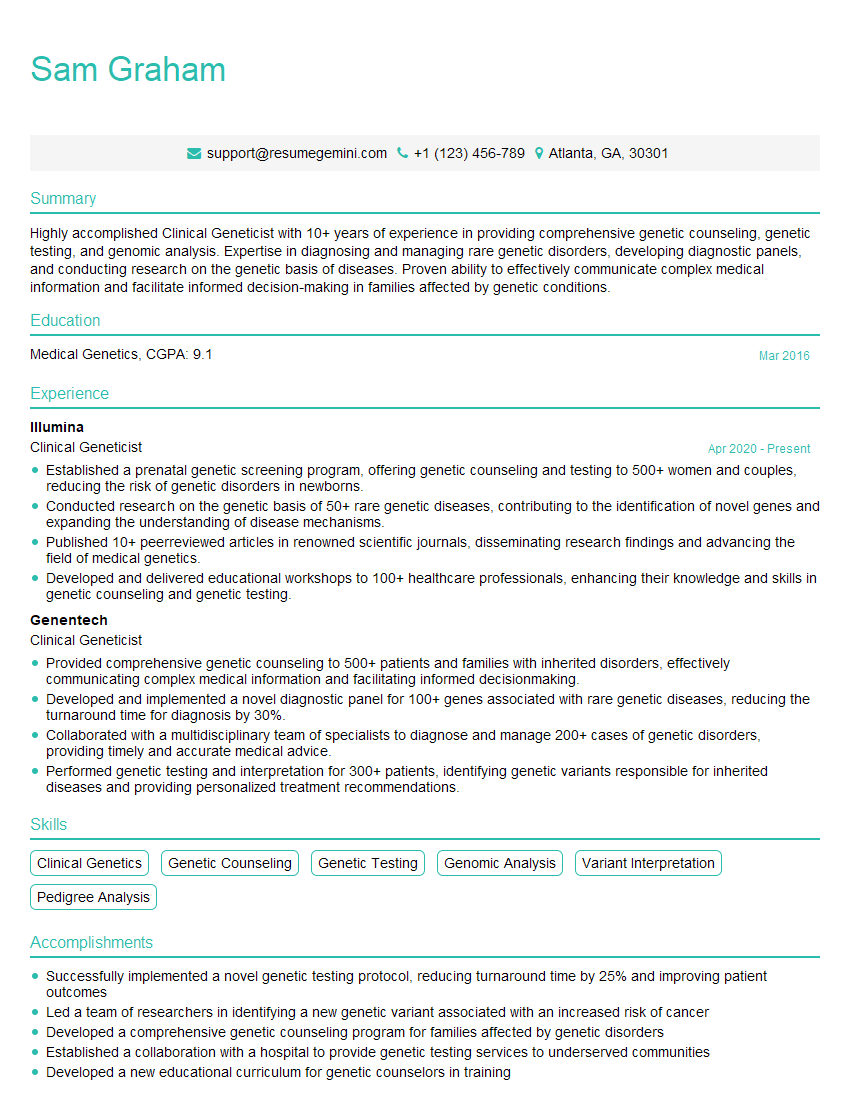
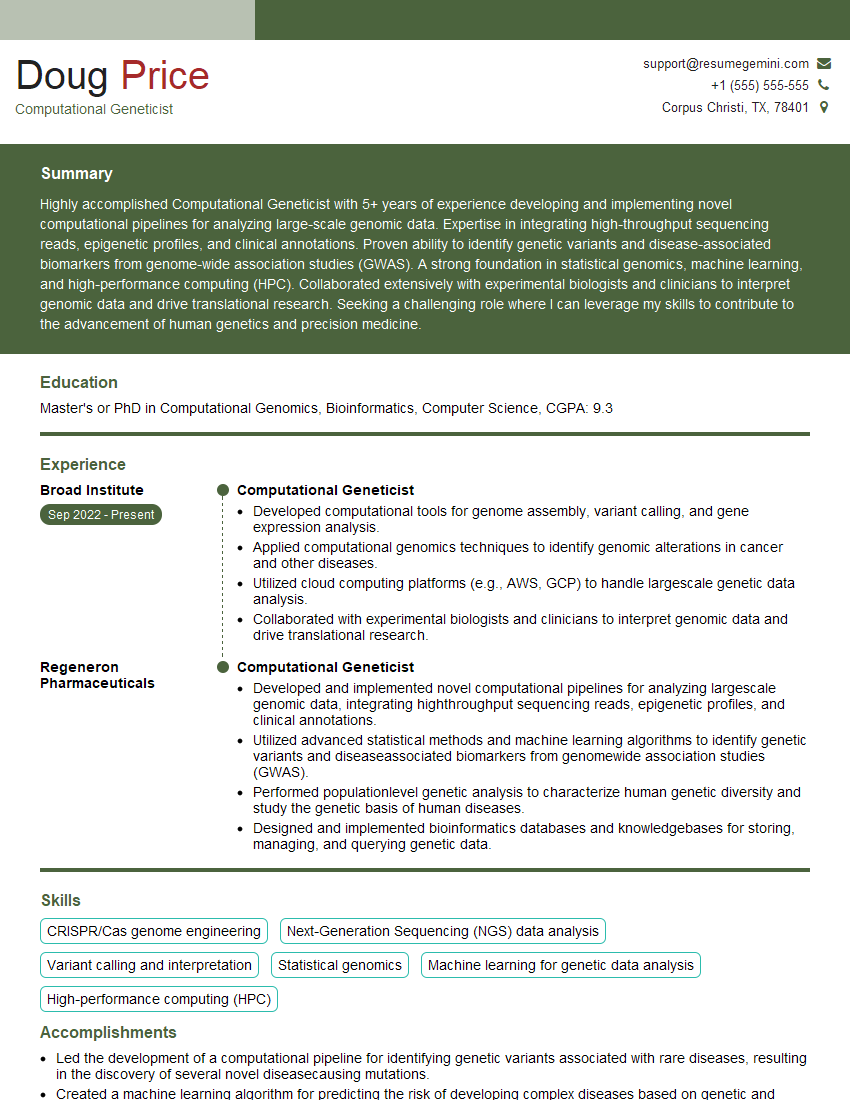
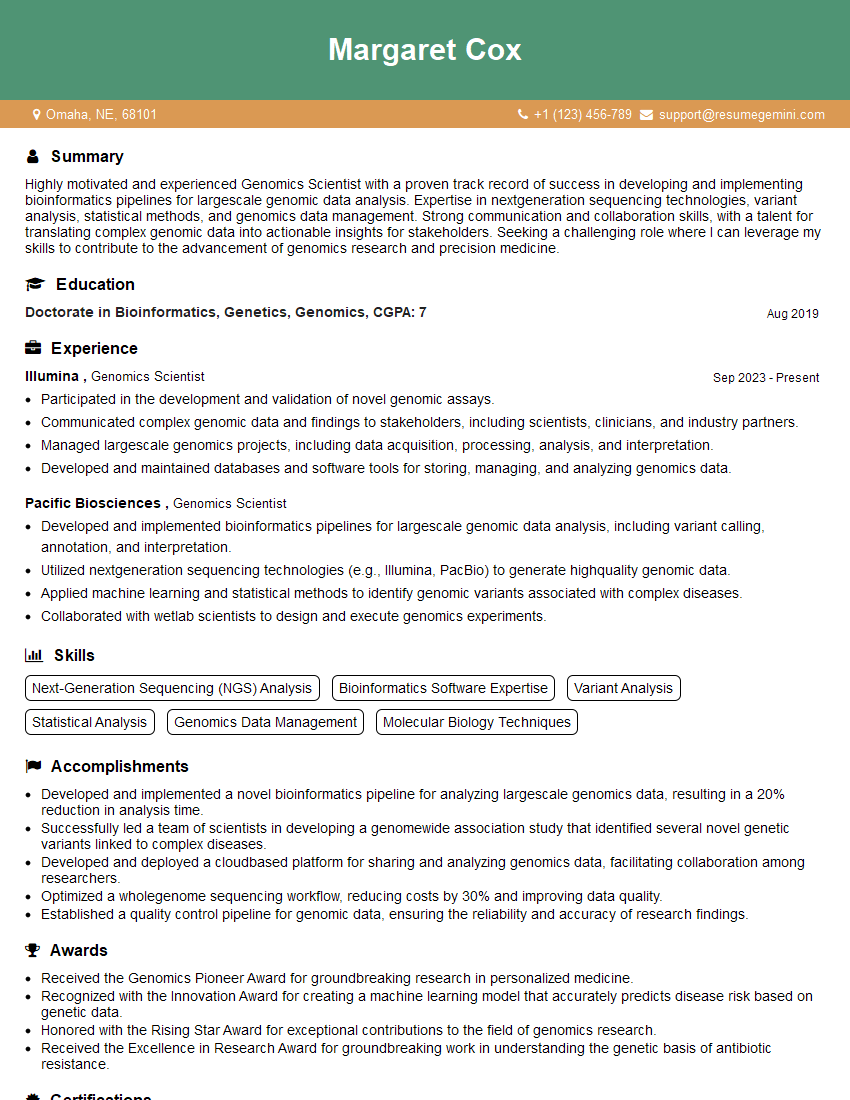
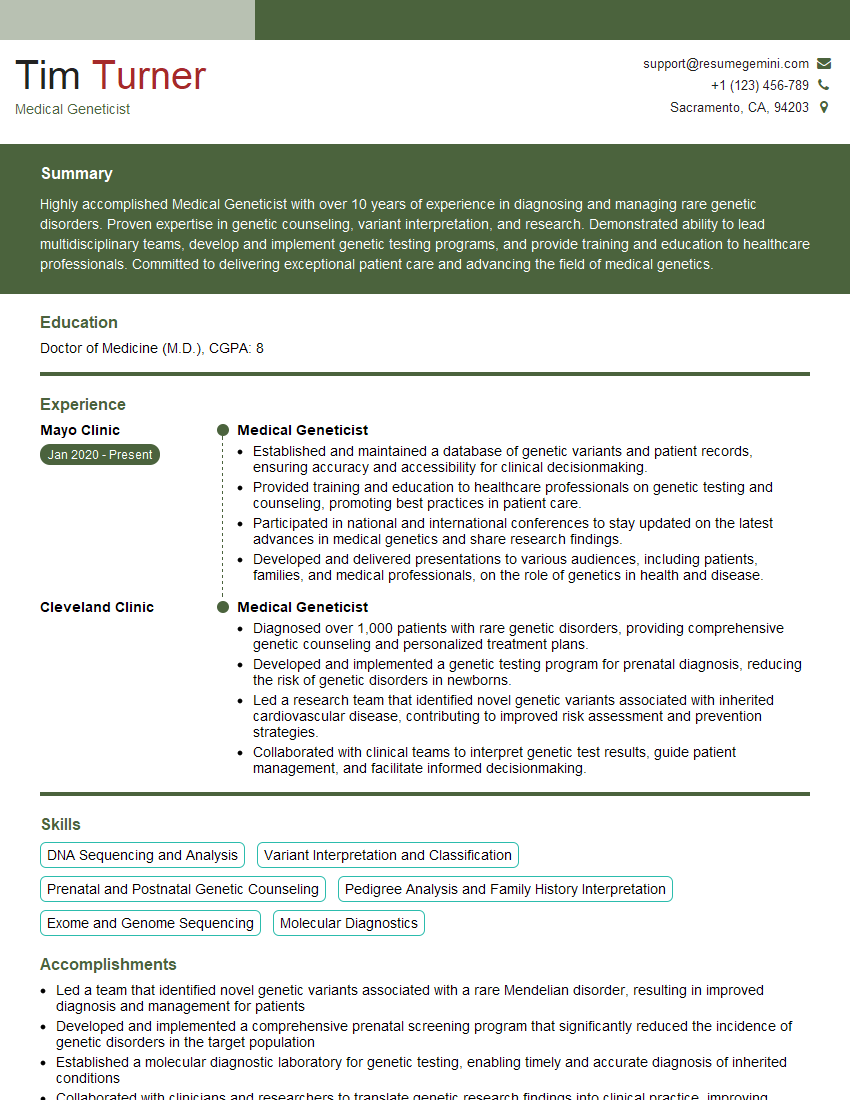
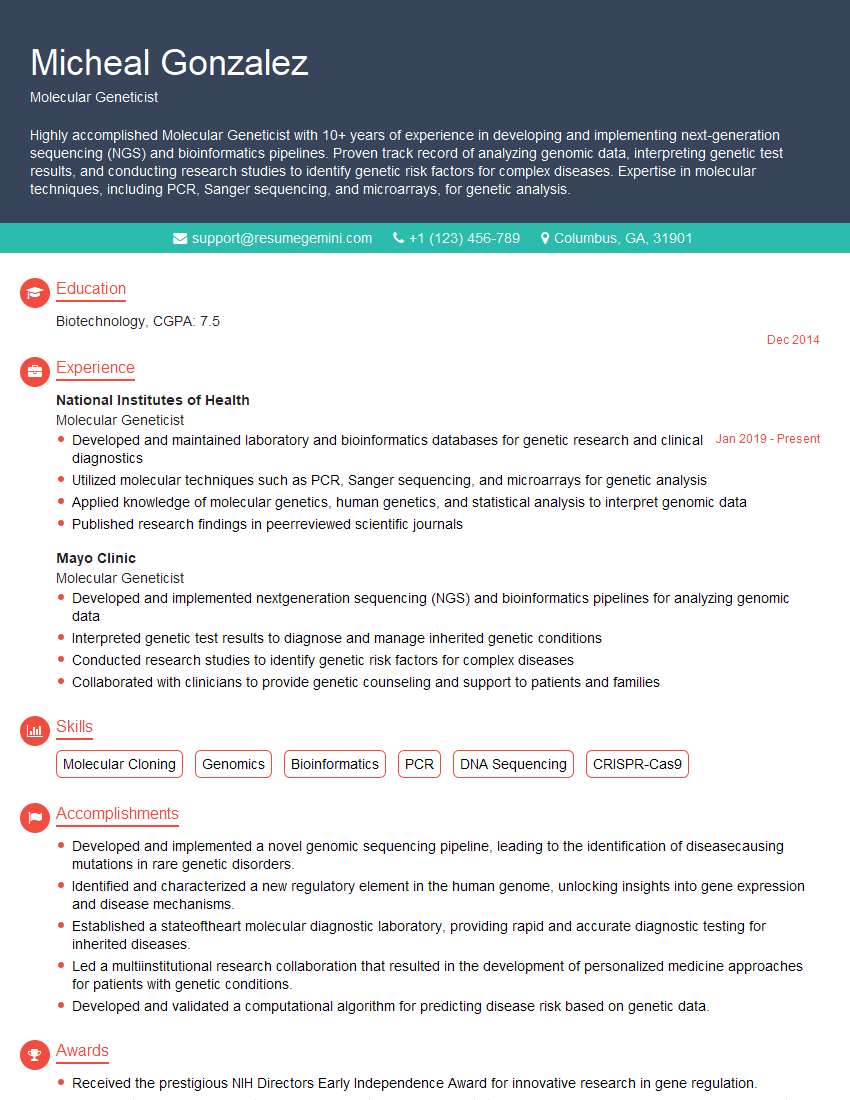
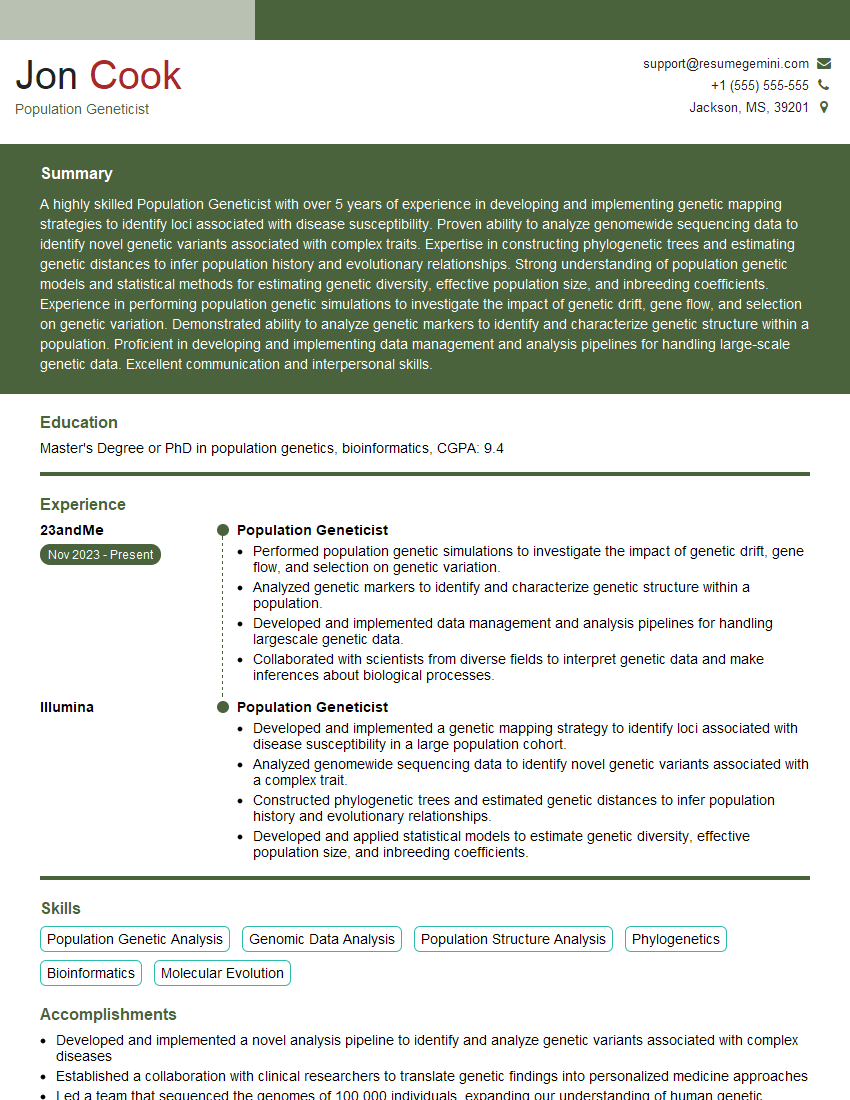
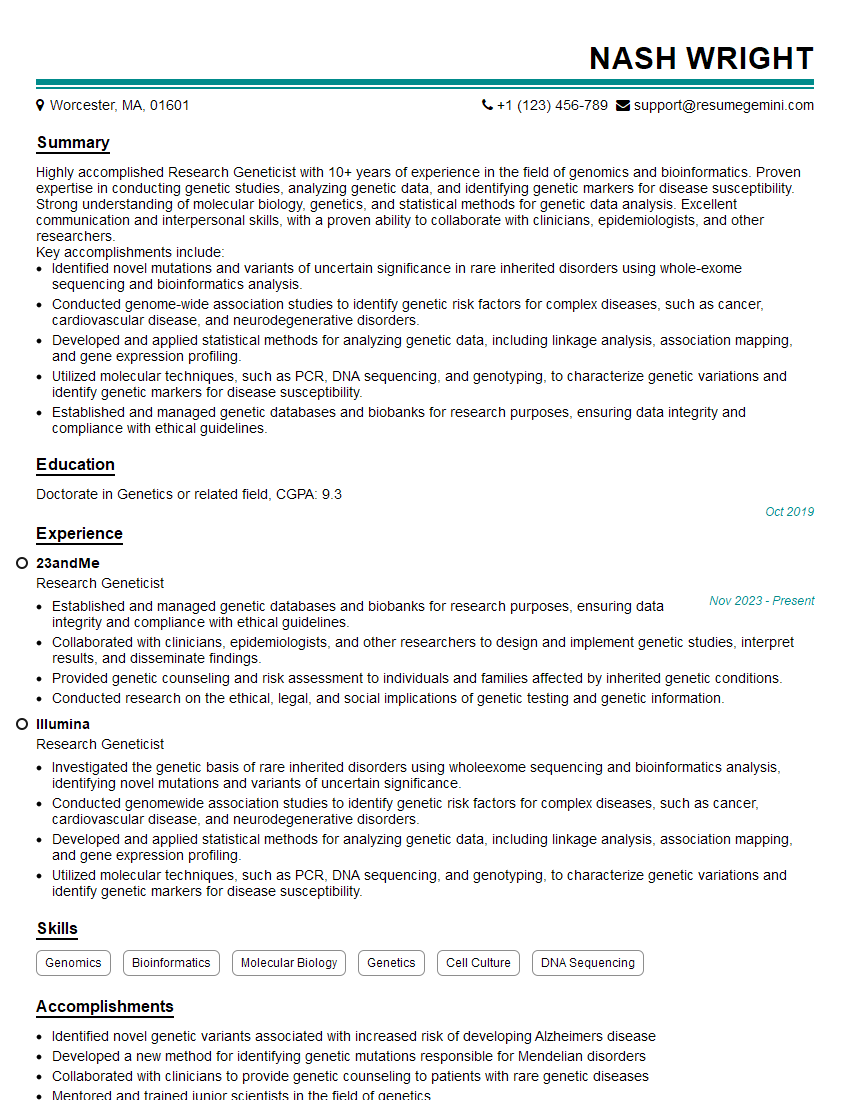
Mastering genetic evaluation opens doors to exciting career opportunities in agriculture, biotechnology, and human genetics. A strong understanding of these principles is highly valued by employers. To significantly boost your job prospects, creating an ATS-friendly resume is crucial. ResumeGemini is a trusted resource that can help you build a professional and impactful resume that gets noticed. We provide examples of resumes tailored to Genetic Evaluation to help you get started. Take the next step towards your dream career today!

Explore more articles
Users Rating of Our Blogs
Share Your Experience
We value your feedback! Please rate our content and share your thoughts (optional).
What Readers Say About Our Blog
Very informative content, great job.
good