The thought of an interview can be nerve-wracking, but the right preparation can make all the difference. Explore this comprehensive guide to Global Product Safety Regulations interview questions and gain the confidence you need to showcase your abilities and secure the role.
Questions Asked in Global Product Safety Regulations Interview
Q 1. Explain the difference between ISO 9001 and ISO 14001.
ISO 9001 and ISO 14001 are both internationally recognized standards, but they focus on different aspects of an organization’s operations. ISO 9001 is a Quality Management System (QMS) standard. It provides a framework for ensuring consistent product quality and customer satisfaction. Think of it as a blueprint for how a company manages its processes to consistently meet customer requirements. ISO 14001, on the other hand, is an Environmental Management System (EMS) standard. It focuses on minimizing the environmental impact of an organization’s activities. It provides a structure for setting environmental goals, managing environmental risks, and complying with relevant environmental regulations.
- ISO 9001: Focuses on quality, customer satisfaction, process efficiency, and continuous improvement. A company certified to ISO 9001 demonstrates its commitment to producing consistent, high-quality products or services.
- ISO 14001: Focuses on environmental protection, pollution prevention, resource efficiency, and regulatory compliance. Certification shows a company’s dedication to minimizing its negative environmental impact.
In essence, ISO 9001 helps companies make things well, while ISO 14001 helps them make things sustainably.
Q 2. Describe your experience with hazard analysis and risk assessment methodologies (e.g., FMEA, FTA).
I have extensive experience in hazard analysis and risk assessment, employing various methodologies including Failure Mode and Effects Analysis (FMEA) and Fault Tree Analysis (FTA). FMEA is a proactive method that identifies potential failure modes in a product or process and assesses their severity, occurrence, and detectability. This allows us to prioritize risk mitigation efforts. I’ve used FMEA extensively in the design phase of numerous products, helping to identify and eliminate potential hazards before they reach the market. For example, in a recent project involving a children’s toy, FMEA highlighted a potential choking hazard due to small parts. This allowed us to redesign the toy to eliminate the risk before production.
FTA, conversely, is a deductive approach. It starts with an undesired event (e.g., a product malfunction) and works backward to identify the underlying causes. This is particularly helpful in investigating incidents and identifying root causes for corrective actions. I used FTA to investigate a product recall situation, effectively identifying the primary causes of failure and implementing robust corrective actions. The data gathered helped determine the most cost-effective solutions to rectify the problem.
Q 3. What is your understanding of the EU’s General Product Safety Directive (GPSD)?
The EU’s General Product Safety Directive (GPSD) is a cornerstone of consumer protection legislation. It sets out the basic safety requirements for all products placed on the EU market, regardless of their origin. The core principle is that products must be safe for their intended purpose and not endanger consumers’ health or safety. This is a broad directive covering nearly all consumer products, implying that manufacturers have a responsibility to ensure their products comply before they are made available to consumers. Non-compliance can lead to significant penalties.
Understanding the GPSD requires familiarity with the concepts of essential safety requirements, market surveillance, and enforcement. Manufacturers must conduct thorough risk assessments and take appropriate steps to mitigate any identified hazards. National market surveillance authorities actively monitor product safety and take action against non-compliant products. The directive also establishes clear reporting obligations for manufacturers in the event of a serious incident or product recall.
Q 4. How familiar are you with the Consumer Product Safety Improvement Act (CPSIA)?
I am very familiar with the Consumer Product Safety Improvement Act (CPSIA) of 2008. This US law significantly impacted the way children’s products are manufactured, imported, and sold. The act strengthened the role of the Consumer Product Safety Commission (CPSC) and introduced stricter testing requirements and labeling standards, particularly for lead and other hazardous substances in children’s products. Key aspects of the CPSIA include the requirement for third-party testing and certification, especially for children’s products. It also established stringent requirements for tracking and reporting incidents involving children’s products.
Understanding the CPSIA is crucial for manufacturers and importers of children’s products. Compliance involves rigorous testing procedures and accurate labeling to ensure products meet the required safety standards. This includes awareness of the restricted substances list (for instance, lead paint), and appropriate safety testing. The consequences of non-compliance can be severe, ranging from fines to product recalls.
Q 5. Explain your experience with developing and implementing product safety testing protocols.
My experience includes developing and implementing numerous product safety testing protocols across diverse product categories. This involves understanding the relevant safety standards and regulations (e.g., UL, IEC, ASTM) and tailoring the testing procedures accordingly. The process typically begins with a thorough hazard analysis to identify potential hazards. Next, we select relevant test methods to evaluate product performance and safety under various conditions, including mechanical testing, flammability testing, electrical safety testing, and chemical analysis. I have direct experience with designing tests for mechanical strength, impact resistance, and flammability, crucial for ensuring a products safety and longevity. For example, we used drop tests and impact tests to ensure that a new smartphone model could withstand daily wear and tear, and would be safe in case of accidental drops.
Beyond the testing itself, I also have expertise in establishing robust data management systems to track test results, ensuring traceability and facilitating compliance audits. A crucial part of this role is effectively documenting the testing procedure, results, and analysis to meet regulatory requirements. This meticulous record-keeping is essential for demonstrating compliance and potentially assisting in product recall investigations.
Q 6. How do you ensure compliance with RoHS directives?
RoHS (Restriction of Hazardous Substances) directives aim to reduce the use of hazardous materials in electrical and electronic equipment. Compliance requires manufacturers to carefully manage the materials used in their products, ensuring that they meet the permitted concentration limits for restricted substances like lead, mercury, cadmium, hexavalent chromium, polybrominated biphenyls (PBBs), and polybrominated diphenyl ethers (PBDEs). This involves reviewing material specifications from suppliers, conducting material testing, and maintaining comprehensive documentation demonstrating compliance. I have experience implementing a robust supply chain management system to manage RoHS compliance, including supplier audits, material traceability, and regular testing to ensure ongoing compliance.
The process starts with specifying RoHS-compliant materials in product designs. Then, we verify material composition through testing and documentation, such as Certificate of Compliance. We also maintain up-to-date information on RoHS regulations and amendments. Any deviations need to be immediately investigated and mitigated.
Q 7. Describe your experience with managing product recalls.
Managing product recalls is a critical aspect of product safety management. My experience involves leading several product recall initiatives, from initial incident investigation through to final resolution. This includes coordinating with internal teams, external regulatory bodies, and affected consumers. The process begins with a thorough root cause analysis to identify the underlying cause of the defect and implement corrective actions to prevent recurrence. This is followed by developing a comprehensive recall plan that outlines communication strategies, product retrieval methods, and customer remediation. A successful recall depends on effective communication to consumers and relevant authorities. This involves quickly informing consumers about the problem and providing clear and concise instructions. For example, in a past recall, we implemented a multi-channel communication strategy, using emails, social media, and a dedicated website to reach affected consumers efficiently.
Critical aspects of managing a recall include transparency, efficient communication, and proactive risk mitigation. Thorough documentation of the entire recall process is essential for future audits and investigations. Beyond immediate consumer remediation, analysis of the recall allows continuous improvement, and enhances future product design and risk management protocols.
Q 8. How do you manage product safety documentation and record-keeping?
Effective product safety documentation and record-keeping are crucial for demonstrating compliance and ensuring traceability throughout a product’s lifecycle. My approach involves a multi-layered system combining digital and physical records, prioritizing accessibility and auditability.
Centralized Digital Database: I utilize a secure, cloud-based system to store all documentation, including design specifications, test results, certifications, and regulatory approvals. This allows for easy access, version control, and streamlined sharing amongst team members and external stakeholders.
Structured File Naming and Organization: A clear, consistent naming convention is implemented to facilitate quick retrieval. For example, documents are named using a system like
[Product Name]_[Document Type]_[Date]_[Revision Number].pdf. This ensures documents are easily located during audits.Physical Archives: Important hard copies of crucial documents, such as original test certificates, are maintained in a secure, climate-controlled location. This acts as a backup in case of digital data loss.
Regular Audits and Reviews: Internal audits are conducted periodically to ensure the integrity and completeness of the documentation system. This includes checking for outdated documents, gaps in information, and compliance with regulatory requirements.
Change Management Process: A documented change management process is in place to ensure that all modifications to designs or processes are properly recorded and updated in the documentation system.
For instance, during a recent project involving a new medical device, our meticulously maintained records played a critical role in a successful FDA audit, showcasing our commitment to compliance.
Q 9. Explain your understanding of REACH regulation.
REACH (Registration, Evaluation, Authorisation and Restriction of Chemicals) is a European Union regulation concerning the registration, evaluation, authorization, and restriction of chemical substances. It aims to improve the protection of human health and the environment through the better and safer use of chemicals.
Registration: Manufacturers and importers of substances manufactured or imported in quantities of one tonne or more per year must register these substances with the European Chemicals Agency (ECHA).
Evaluation: ECHA evaluates the registered substances to determine their potential risks to human health and the environment.
Authorisation: Substances of very high concern (SVHCs) require authorization before they can be placed on the market.
Restriction: The regulation can restrict the manufacture, placing on the market, and use of certain dangerous substances.
Understanding REACH is vital for companies manufacturing or importing products containing chemicals into the EU. Non-compliance can lead to significant penalties. For example, a company I worked with needed to reformulate a product due to the inclusion of a substance added to the Authorisation List. We meticulously documented the reformulation process and submitted all necessary data to ECHA to maintain compliance.
Q 10. What is your experience with international product safety standards (e.g., IEC, UL, CSA)?
I possess extensive experience with international product safety standards such as IEC, UL, and CSA. These standards provide globally recognized requirements for the safety of various products.
IEC (International Electrotechnical Commission): I’ve worked extensively with IEC standards for electrical equipment, ensuring products meet safety requirements for voltage, insulation, and electromagnetic compatibility (EMC). For instance, I’ve overseen the testing and certification of power supplies to IEC 60950-1.
UL (Underwriters Laboratories): My experience includes working with UL standards for various products, including appliances and electronics. I’ve managed the UL certification process for several products, ensuring they meet the necessary safety requirements and receive the UL mark.
CSA (Canadian Standards Association): I’ve also worked with CSA standards, particularly in the areas of electrical safety and fire protection. I helped a client obtain CSA certification for a line of industrial equipment, guaranteeing its compliance with Canadian safety regulations.
Understanding these standards is critical for ensuring product safety and marketability in different regions. Each standard has specific requirements, and failing to meet them can lead to product recalls and legal issues. I’ve successfully navigated the complexities of these standards many times, leading to the successful launch of various products globally.
Q 11. Describe your experience with conducting product safety audits.
Conducting product safety audits is a critical part of my role, allowing proactive identification and mitigation of risks. My approach is systematic and thorough.
Pre-Audit Planning: I meticulously plan the audit scope, selecting appropriate checklists and standards based on the product and applicable regulations. This involves identifying key areas of potential risk and defining the audit objectives.
On-site Inspection: During the audit, I conduct a thorough inspection of the facility, processes, and documentation. This includes reviewing design specifications, manufacturing processes, testing procedures, and quality control systems.
Data Analysis and Reporting: I compile and analyze the collected data, identify areas of non-compliance, and generate a comprehensive audit report. This report includes findings, recommendations, and corrective actions.
Follow-up and Verification: I follow up with the client to ensure that the identified corrective actions are implemented effectively. A follow-up audit is often conducted to verify the effectiveness of these actions.
For example, a recent audit of a toy manufacturer revealed a potential choking hazard due to small parts. My report led to immediate design changes, preventing a potential recall and protecting consumers.
Q 12. How do you identify and mitigate potential product safety risks throughout the product lifecycle?
Identifying and mitigating product safety risks is an ongoing process that needs to be integrated throughout the entire product lifecycle. My approach employs a systematic risk management framework.
Hazard Analysis: Beginning in the design phase, I conduct thorough hazard analyses, such as Failure Mode and Effects Analysis (FMEA), to identify potential hazards and assess their severity, probability, and detectability.
Risk Assessment and Mitigation: Based on the hazard analysis, I develop risk mitigation strategies, implementing design changes, protective measures, and warning labels to reduce or eliminate the risks.
Testing and Verification: Rigorous testing is performed throughout the lifecycle, including design verification testing, prototype testing, and production testing to validate the effectiveness of mitigation strategies.
Post-Market Surveillance: Even after product launch, I actively monitor product performance and customer feedback to identify any emerging safety issues. This enables timely corrective actions to prevent future incidents.
For instance, during the development of a power tool, we identified a potential risk of electrical shock. Through design modifications and rigorous testing, we successfully mitigated this risk before the product reached the market.
Q 13. How do you communicate product safety information to stakeholders?
Effective communication of product safety information is paramount to ensuring consumer safety and regulatory compliance. My approach involves several key strategies.
Safety Data Sheets (SDS): I ensure that accurate and comprehensive SDSs are created for all relevant products, providing detailed information on the potential hazards, safe handling practices, and emergency procedures.
Product Labels and Instructions: Clear and concise warning labels and instructions are developed, emphasizing potential hazards and providing guidance for safe use and disposal.
Stakeholder Communication: I proactively communicate product safety information to all relevant stakeholders, including manufacturers, distributors, retailers, and consumers through various channels such as training sessions, product bulletins, and website updates.
Regulatory Reporting: I work closely with regulatory agencies, promptly reporting any product safety incidents or non-compliance issues, ensuring transparency and accountability.
For example, in a situation where a minor defect was discovered post-launch, I immediately initiated a communication plan, alerting all relevant stakeholders and implementing a recall plan in collaboration with regulatory authorities. This proactive approach helped minimize the potential for injury and maintain our company’s reputation.
Q 14. Explain your experience working with regulatory agencies.
My experience working with regulatory agencies is extensive, encompassing both proactive engagement and reactive responses to compliance issues. I understand the nuances of different regulatory frameworks and prioritize building strong relationships with regulatory personnel.
Proactive Engagement: I participate in industry forums and actively monitor changes in regulations to stay ahead of compliance requirements. This includes attending conferences, workshops, and engaging with regulatory agencies through industry associations.
Regulatory Submissions: I have extensive experience in preparing and submitting regulatory filings, including applications for certifications, notifications of new products, and reports of incidents.
Compliance Audits: I’ve managed numerous compliance audits with various regulatory agencies, successfully navigating the audit process and implementing necessary corrective actions where applicable.
Relationship Building: I believe in fostering strong working relationships with regulatory officials, building trust and ensuring clear communication.
For example, my collaboration with the FDA during the certification process for a medical device ensured a smooth approval process. Our proactive approach and consistent communication minimized delays and maximized efficiency.
Q 15. Describe a time you had to resolve a conflict between product safety and production deadlines.
Balancing product safety and production deadlines is a constant tightrope walk in manufacturing. It requires proactive risk management and clear communication across departments. In one instance, we were nearing the launch of a new children’s toy, and final safety testing revealed a potential choking hazard with a small detachable part. The production line was already running, and the deadline was looming.
Instead of rushing to market, we immediately convened a cross-functional team including engineering, safety, marketing, and production. We explored several options: redesigning the part to eliminate the hazard, developing a clear warning label with parental supervision instructions, or delaying the launch.
We weighed the risks and benefits of each option, considering potential financial losses, legal liabilities, and the impact on customer trust. After detailed analysis, we opted for a redesign, slightly delaying the launch. This involved fast-tracking the redesign process, working overtime and coordinating closely with suppliers. The extra time and cost were ultimately worthwhile, as it ensured the product met safety standards, preventing potential harm to children and protecting the company’s reputation.
Career Expert Tips:
- Ace those interviews! Prepare effectively by reviewing the Top 50 Most Common Interview Questions on ResumeGemini.
- Navigate your job search with confidence! Explore a wide range of Career Tips on ResumeGemini. Learn about common challenges and recommendations to overcome them.
- Craft the perfect resume! Master the Art of Resume Writing with ResumeGemini’s guide. Showcase your unique qualifications and achievements effectively.
- Don’t miss out on holiday savings! Build your dream resume with ResumeGemini’s ATS optimized templates.
Q 16. How familiar are you with the UN Globally Harmonized System of Classification and Labelling of Chemicals (GHS)?
I’m extremely familiar with the UN Globally Harmonized System of Classification and Labelling of Chemicals (GHS). It’s a cornerstone of international chemical safety regulations. I understand the system’s structure, including hazard classification, signal words (danger, warning), hazard statements, precautionary statements, and the standardized pictograms used on labels.
My experience involves practical application of GHS in various contexts. This includes: ensuring our Safety Data Sheets (SDS) are compliant with GHS standards, reviewing supplier SDSs for accuracy and completeness, training employees on proper chemical handling and labeling procedures, and implementing compliant labelling systems throughout our supply chain. We utilize GHS to ensure our products comply with regulations in different countries, avoiding inconsistencies and misunderstandings. For instance, understanding the different hazard categories under GHS allows us to determine the appropriate level of Personal Protective Equipment (PPE) required for handling specific chemicals.
Q 17. Explain your experience with managing product safety incidents and investigations.
Managing product safety incidents and investigations is a critical aspect of my role. It requires a systematic and thorough approach. When an incident occurs, our first priority is to ensure the safety of affected individuals and contain the problem to prevent further harm.
Our investigation process typically involves:
- Immediate Response: Securing the affected product and initiating a thorough investigation.
- Data Collection: Gathering information from various sources, such as incident reports, customer feedback, internal documentation, and testing data.
- Root Cause Analysis: Employing techniques like the Five Whys or fault tree analysis to identify the underlying causes of the incident.
- Corrective Actions: Implementing corrective and preventative actions to address the root causes and prevent future occurrences, which can include design modifications, process improvements, updated training, and improved quality control.
- Reporting and Documentation: Thoroughly documenting the entire process, including the incident details, investigation findings, corrective actions, and follow-up measures.
For example, one incident involved a malfunction in an electrical appliance. Our investigation revealed a flaw in the circuit design. This led to a product recall, redesign, and updated manufacturing procedures to prevent future incidents.
Q 18. How do you ensure continuous improvement of product safety practices?
Continuous improvement of product safety practices is an ongoing commitment. We utilize several strategies:
- Regular Audits: Conducting internal and external audits to assess compliance with safety standards and identify areas for improvement.
- Data Analysis: Tracking safety-related metrics, such as incident rates and near misses, to identify trends and potential issues.
- Benchmarking: Comparing our safety performance to industry best practices to identify areas where we can enhance our procedures.
- Training and Development: Providing regular training to employees on product safety regulations, hazard identification, and incident reporting.
- Technology Integration: Utilizing advanced technologies like predictive analytics and AI to identify potential hazards and improve quality control.
- Feedback Mechanisms: Establishing effective channels for gathering feedback from customers, suppliers, and employees to proactively address safety concerns.
These strategies enable us to maintain a proactive approach to product safety, continually refining our processes and improving product designs.
Q 19. Describe your experience with different types of product safety testing (e.g., mechanical, electrical, chemical).
My experience encompasses a wide range of product safety testing. This includes:
- Mechanical Testing: Evaluating product strength, durability, and resistance to wear and tear. Examples include tensile strength tests, impact tests, and fatigue tests.
- Electrical Testing: Assessing electrical safety features, including insulation resistance, dielectric strength, and grounding. This often involves specialized equipment and procedures to ensure compliance with safety standards like UL and IEC.
- Chemical Testing: Analyzing the chemical composition of materials to identify potential hazards. This includes flammability testing, toxicity testing, and chemical stability testing. We frequently use methods such as chromatography and spectroscopy.
- Environmental Testing: Ensuring products meet environmental regulations regarding materials, emissions, and disposal. This can include things like RoHS compliance testing, and testing for hazardous substances.
For example, when testing a new power tool, we’d conduct mechanical tests to ensure the housing is strong enough to withstand impacts, electrical tests to verify safe operation, and chemical tests to ensure the materials used don’t release harmful substances. This multi-faceted approach guarantees the product’s safety under various conditions.
Q 20. How do you stay updated on changes in global product safety regulations?
Staying updated on changes in global product safety regulations is crucial. I employ a multi-pronged approach:
- Subscription to Regulatory Databases: Utilizing subscription services that provide up-to-date information on regulatory changes worldwide, including those from organizations like the ISO and IEC.
- Industry Associations and Conferences: Actively participating in industry events and conferences to network with other professionals and learn about emerging trends and regulatory updates.
- Government Websites: Regularly reviewing the official websites of regulatory agencies in key markets to stay abreast of new rules and amendments.
- Regulatory Consultants: Engaging with regulatory consultants specializing in product safety to gain expert insights and ensure our products meet the latest standards.
- Internal Monitoring: Maintaining an internal system to track relevant regulations and promptly inform the relevant teams of any updates that may affect our products.
This proactive approach helps us anticipate and adapt to regulatory changes, minimizing disruptions and ensuring our products remain compliant.
Q 21. Describe your experience with different product safety certifications.
I have experience with numerous product safety certifications, including:
- UL (Underwriters Laboratories): A widely recognized safety certification for electrical products in North America.
- CE Marking (Conformité Européenne): Indicating compliance with health, safety, and environmental protection standards in the European Economic Area.
- CSA (Canadian Standards Association): Providing safety certification for products in Canada.
- ISO 9001 (Quality Management Systems): While not exclusively a product safety certification, it demonstrates a commitment to a quality management system that contributes to product safety.
- Specific Industry Certifications: Such as certifications for toys (e.g., ASTM F963), medical devices (e.g., ISO 13485), or automotive parts.
Understanding the specific requirements and testing procedures for these certifications is critical to ensuring our products meet the necessary standards for different markets. For example, obtaining a CE mark necessitates conformity assessment procedures specific to the product category.
Q 22. How familiar are you with the safety regulations for your specific industry?
My familiarity with safety regulations is extensive, particularly within the medical device industry. I possess a deep understanding of regulations like the FDA’s Quality System Regulation (21 CFR Part 820), the EU Medical Device Regulation (MDR), and ISO 13485. This includes not only the general requirements but also the specific standards applicable to different device classes and functionalities. For example, I’m well-versed in the risk management processes mandated by these regulations, including the use of hazard analysis and risk control (HARC) methodologies. I am also intimately familiar with post-market surveillance requirements and reporting obligations, ensuring products remain safe throughout their lifecycle. My experience spans various phases of product development, from design and manufacturing through to distribution and post-market surveillance.
Q 23. Explain your understanding of ethical considerations in product safety.
Ethical considerations in product safety are paramount. They go beyond simply complying with regulations; they encompass a commitment to protecting human health and safety above all else. This means proactively identifying and mitigating risks, even if they are not explicitly mandated by law. Transparency and honesty in communication about potential risks to consumers and regulatory bodies are crucial. For example, if a design flaw is discovered during testing that might cause harm, even if it’s a low probability, ethical considerations demand that the issue is addressed before product launch, even if it involves extra time and cost. A company’s ethical approach influences its reputation and fosters trust with consumers and regulatory agencies. Cutting corners to save time or money at the expense of safety is ethically unacceptable.
Q 24. Describe a situation where you identified a potential product safety hazard and how you addressed it.
During the development of a new surgical instrument, we identified a potential hazard during usability testing. The locking mechanism, designed to secure the instrument’s working end, showed signs of fatigue failure after repeated use simulating a long surgical procedure. Initially, the failure rate was low but the potential for catastrophic consequences (instrument detachment during surgery) was significant. I immediately escalated the issue to the design and engineering teams. We conducted a Failure Mode and Effects Analysis (FMEA) to thoroughly investigate the root cause. We discovered a design flaw in the spring mechanism. The solution involved redesigning the locking mechanism using a more robust material and enhancing the manufacturing process to ensure higher consistency and quality control. The issue was thoroughly documented, and a corrective action report was prepared and submitted to regulatory bodies. The redesign went through rigorous testing, including accelerated life testing, before the instrument was cleared for launch.
Q 25. How do you balance product functionality with product safety?
Balancing product functionality with product safety is a constant challenge but a critical aspect of good product development. It’s not a trade-off; rather, it’s a process of iterative refinement. We use a risk-based approach. Initially, the design incorporates the desired functionality. Then, we perform thorough risk assessments (e.g., FMEA, HAZOP) to identify potential hazards. If a design feature presents a safety concern, we look for ways to mitigate the risk without compromising functionality significantly. This might involve changing materials, adding safety features, modifying the manufacturing process, or even refining the user interface and instructions for use. Each design iteration involves carefully weighing the benefits of functionality against the potential risks. This iterative process ensures a product that is both functional and safe.
Q 26. How would you approach identifying and managing safety risks for a new product launch?
Identifying and managing safety risks for a new product launch starts with a comprehensive hazard analysis and risk assessment right from the concept phase. We utilize methodologies like HAZOP (Hazard and Operability Study) and FMEA to systematically identify potential hazards associated with the product’s design, manufacture, use, and disposal. This includes considering potential user errors and misuse. Then, we prioritize risks based on their severity and likelihood using a risk matrix. For high-risk hazards, we implement control measures, such as design modifications, warning labels, or safety instructions. We document all risk assessments and control measures in a thorough risk management file. Throughout the development process, regular risk reviews are conducted to account for changes or new information. Post-market surveillance is critical; we establish mechanisms for collecting and analyzing data on product performance and safety incidents to proactively identify and address potential issues.
Q 27. Explain your experience collaborating with cross-functional teams on product safety matters.
My experience collaborating with cross-functional teams on product safety matters has been extensive. I’ve worked closely with design engineers, manufacturing engineers, quality assurance specialists, regulatory affairs professionals, and marketing teams. Effective communication and a shared commitment to safety are essential for success. I’ve found that a collaborative approach, using tools like shared risk registers and regular team meetings, facilitates efficient risk management. My role often involves translating complex technical information into understandable terms for non-technical team members and ensuring that safety considerations are integrated into every stage of the product lifecycle. For example, I’ve facilitated workshops to train design engineers on risk assessment methodologies and to review design specifications for potential safety issues. Open communication and transparency are key to build consensus and ensure that product safety is prioritized throughout the organization.
Q 28. How do you prioritize product safety risks based on likelihood and severity?
Prioritizing product safety risks involves a risk matrix that considers both the likelihood and severity of potential hazards. Likelihood is the probability of the hazard occurring, while severity represents the potential harm if the hazard does occur. Each is usually assigned a numerical value (e.g., 1-5 scale), and the risk priority number (RPN) is calculated by multiplying the likelihood and severity scores. Hazards with a high RPN (high likelihood and high severity) are prioritized for immediate attention and mitigation. For example, a hazard with a likelihood of 4 (likely) and a severity of 5 (catastrophic) would have an RPN of 20, indicating a high priority. This RPN is then used to guide risk mitigation efforts, resource allocation, and to inform decision making for the product’s safety profile. Regular review and updates of the risk matrix are crucial to ensure that risk mitigation is effective.
Key Topics to Learn for Global Product Safety Regulations Interview
- International Standards Organizations (ISO): Understanding the role of ISO standards (e.g., ISO 9001, ISO 14001) in product safety and quality management systems. Practical application: Analyzing a company’s adherence to relevant ISO standards during a product audit.
- Hazard Identification and Risk Assessment: Mastering techniques for identifying potential hazards associated with products and conducting thorough risk assessments to mitigate those hazards. Practical application: Developing a safety plan for a new product launch, considering potential risks across different geographic regions.
- Regulatory Frameworks: Familiarizing yourself with key global regulations such as those from the EU (CE Marking), the US (CPSC), and other relevant regional bodies. Practical application: Determining the compliance requirements for a product intended for sale in multiple countries.
- Product Testing and Certification: Understanding the various testing procedures and certification processes required for different product categories and regions. Practical application: Interpreting test results and determining whether a product meets regulatory requirements.
- Recall Management: Developing strategies for managing product recalls, including communication with regulatory bodies and consumers. Practical application: Designing a proactive recall plan to minimize negative impact.
- Supply Chain Management: Understanding how to ensure product safety throughout the entire supply chain, from raw materials to final product delivery. Practical application: Implementing quality control measures at each stage of the supply chain.
- Documentation and Traceability: Maintaining comprehensive documentation to demonstrate compliance with regulations and track product history. Practical application: Creating and maintaining accurate records for audits and investigations.
Next Steps
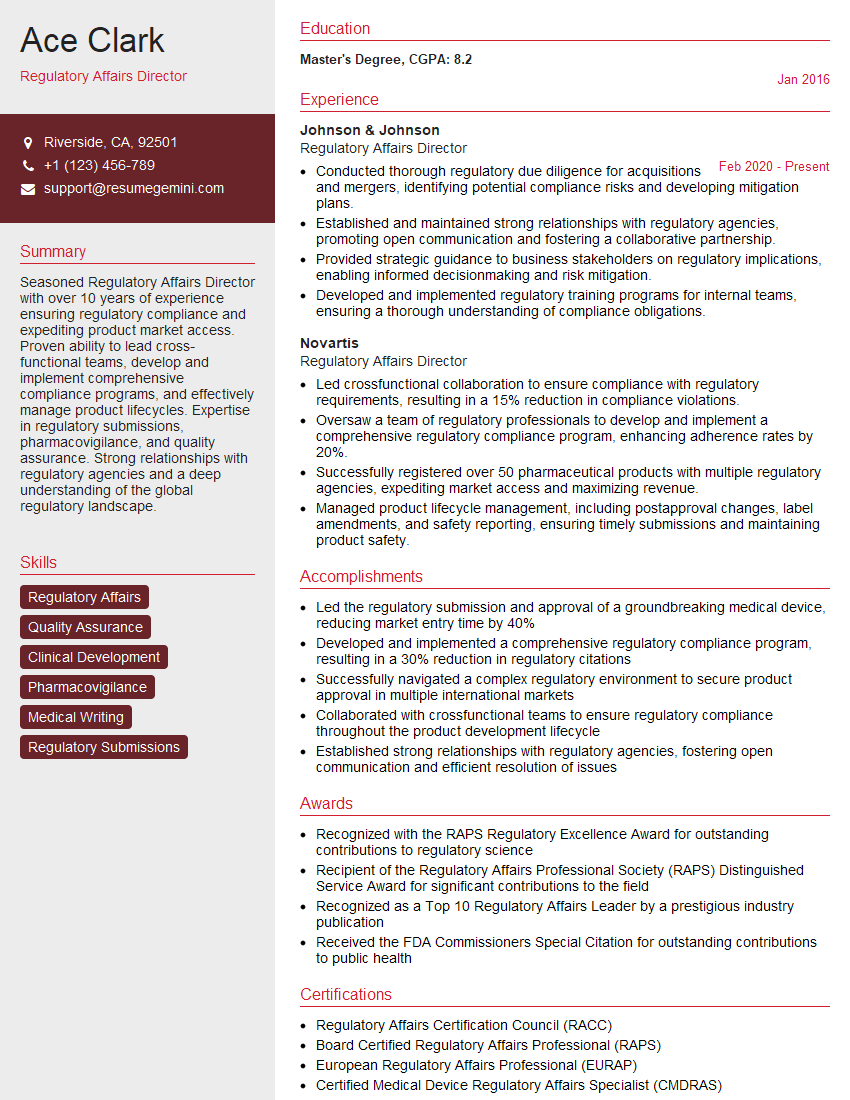
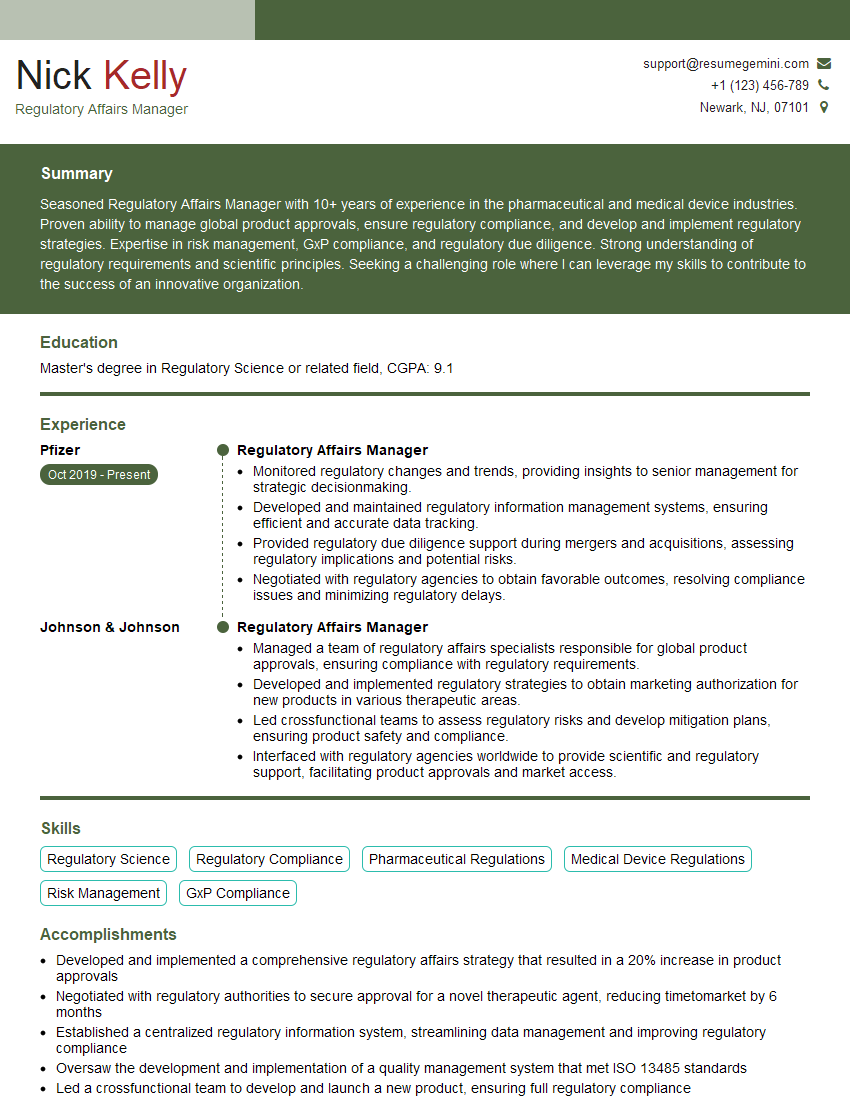
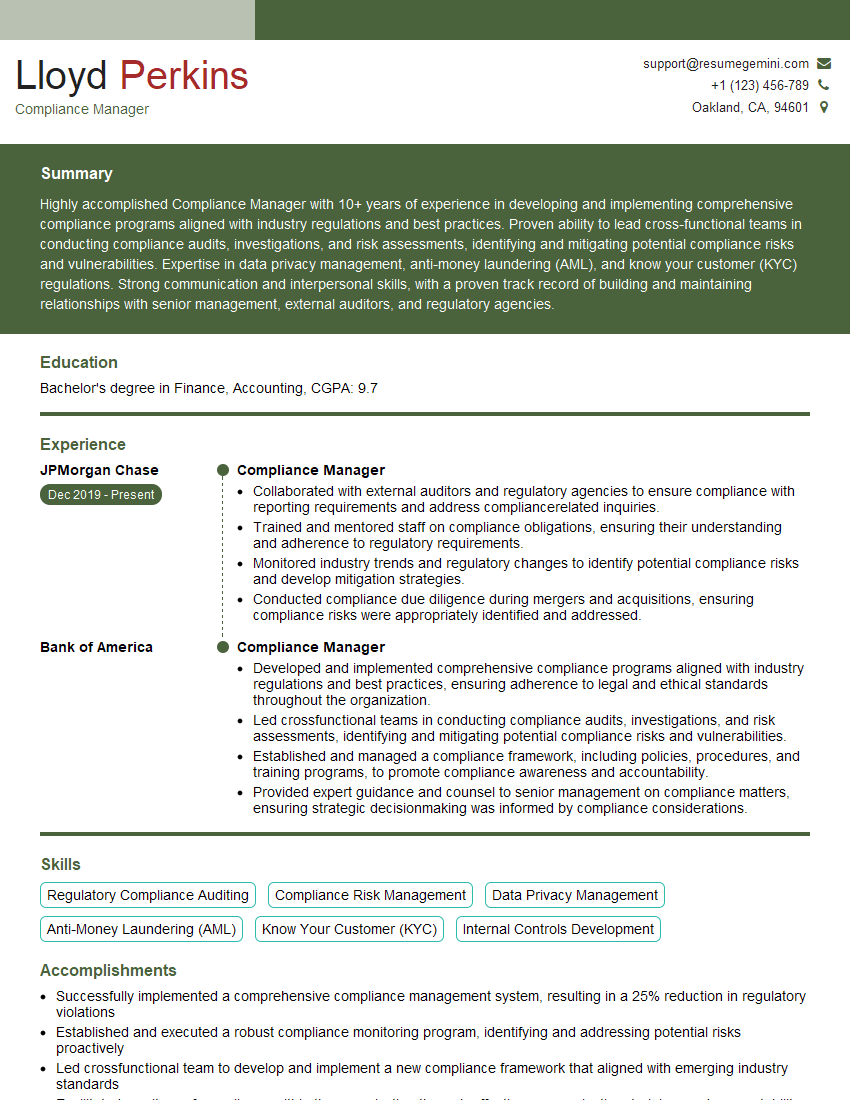
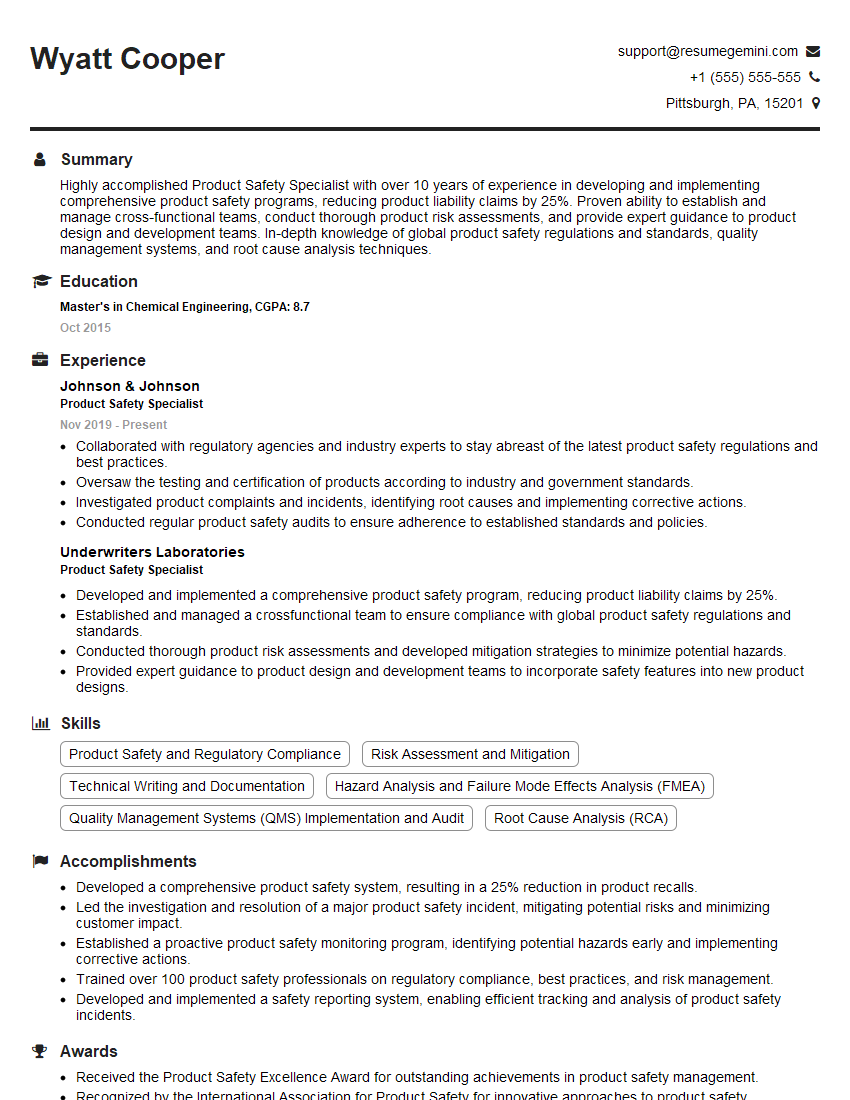
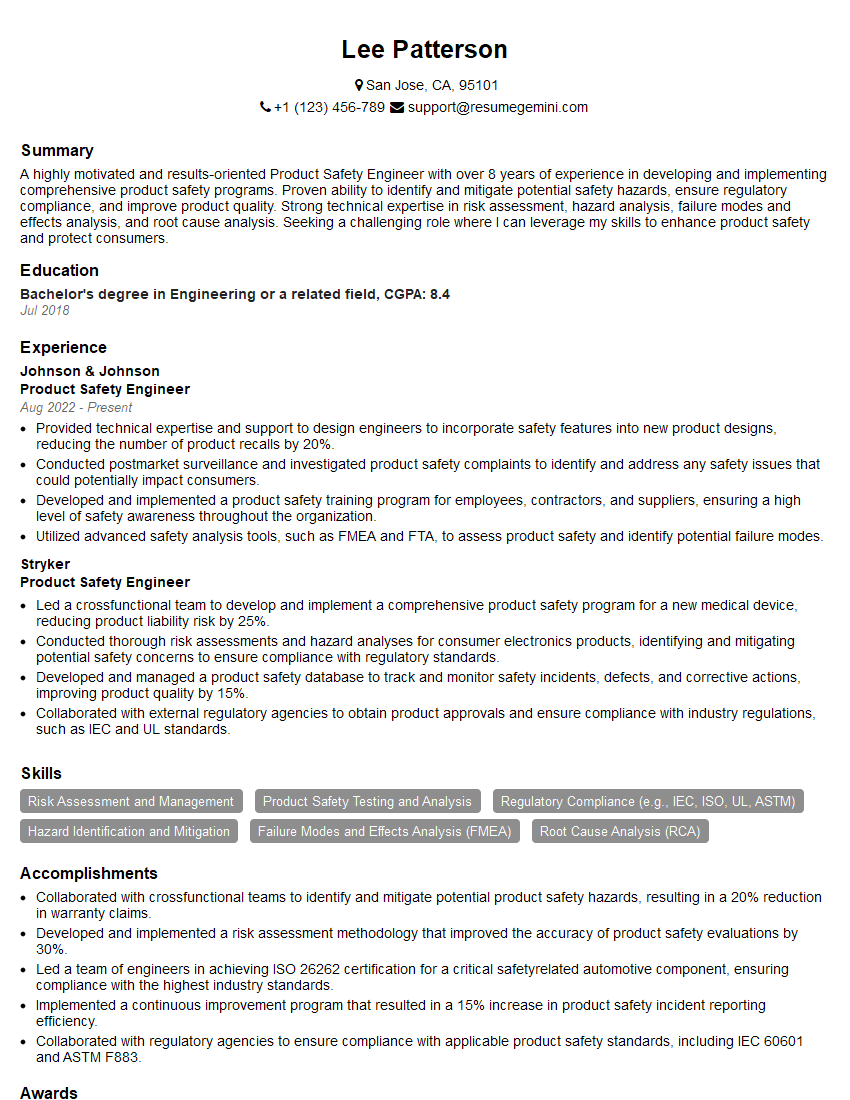
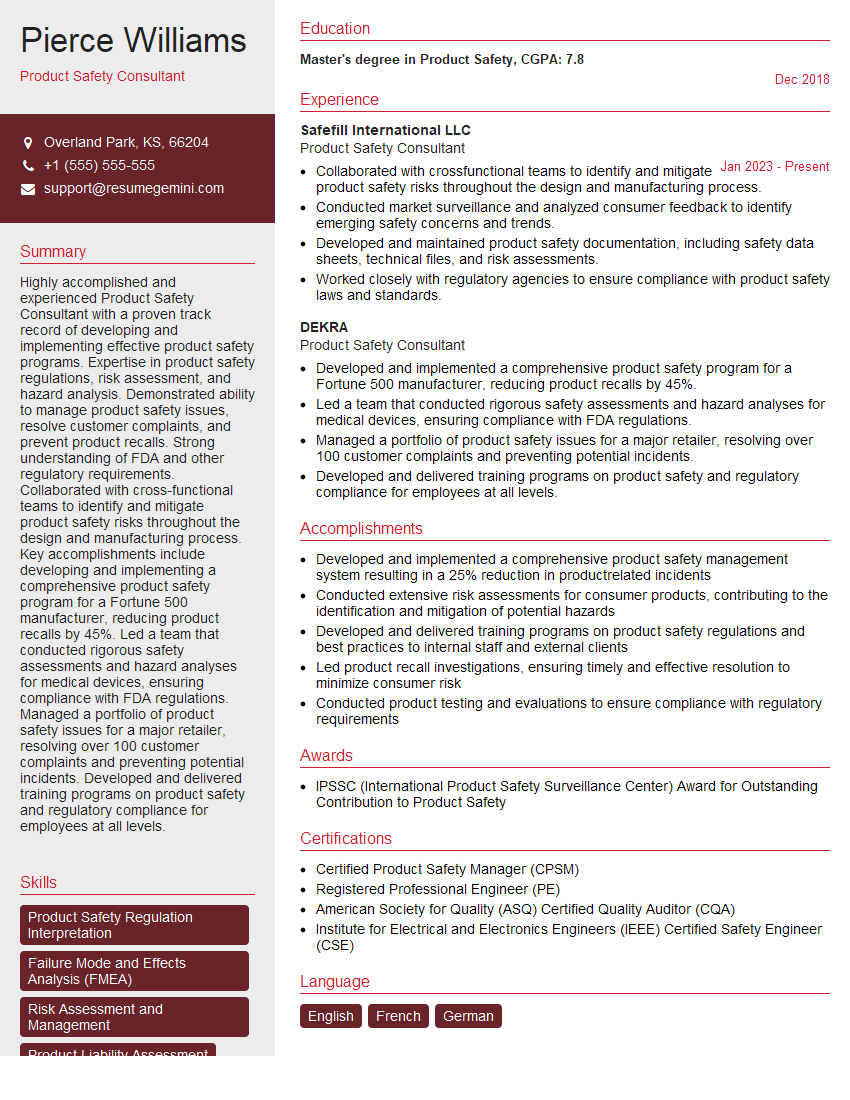
Mastering Global Product Safety Regulations is crucial for career advancement in this critical field. A strong understanding of these regulations demonstrates your commitment to safety and quality, opening doors to exciting opportunities in product development, compliance, and quality assurance. To maximize your job prospects, crafting an ATS-friendly resume is vital. ResumeGemini is a trusted resource that can help you build a professional and effective resume tailored to the specific requirements of the Global Product Safety Regulations field. Examples of resumes tailored to this area are available, showcasing successful resume structures and impactful language. Invest in your future; invest in a well-crafted resume with ResumeGemini.
Explore more articles
Users Rating of Our Blogs
Share Your Experience
We value your feedback! Please rate our content and share your thoughts (optional).
What Readers Say About Our Blog
Very informative content, great job.
good