The right preparation can turn an interview into an opportunity to showcase your expertise. This guide to Glove Regulatory Compliance interview questions is your ultimate resource, providing key insights and tips to help you ace your responses and stand out as a top candidate.
Questions Asked in Glove Regulatory Compliance Interview
Q 1. Explain the differences between FDA, CE, and other relevant global regulatory requirements for medical gloves.
Medical glove regulations vary significantly depending on the target market. The FDA (Food and Drug Administration) in the United States, and the CE mark (Conformité Européenne) in the European Union, represent two major regulatory frameworks. The FDA focuses on premarket approval or clearance, emphasizing safety and efficacy through rigorous testing and documentation. The CE mark, on the other hand, operates under a system of self-certification with notified bodies performing audits. This means manufacturers are largely responsible for demonstrating compliance to harmonized standards. Other global regulatory bodies, like Health Canada (Canada), TGA (Australia), and various regional authorities in Asia and South America, each have their specific requirements, often mirroring or adapting aspects of FDA and CE standards, but with nuanced differences in documentation, testing protocols, and post-market surveillance.
For example, while both FDA and CE regulations mandate sterility testing for surgical gloves, the specific methods and acceptance criteria may differ slightly. A glove manufacturer aiming for global reach must meticulously navigate this complex landscape, ensuring their product and documentation meet each region’s precise standards.
- FDA: Primarily focuses on premarket approval (PMA) or 510(k) clearance, requiring extensive testing and submission of detailed data.
- CE Mark: Based on self-certification against harmonized standards, with audits by Notified Bodies.
- Other Global Authorities: Often adapt or combine elements from FDA and CE regulations, but with unique local requirements.
Q 2. Describe your experience with ISO 13485 and its impact on glove manufacturing.
ISO 13485 is the internationally recognized quality management system standard for medical devices. In glove manufacturing, it’s pivotal. My experience involved implementing and maintaining an ISO 13485 compliant system across all facets of production, from raw material sourcing to finished product distribution. This included developing and documenting procedures, conducting internal audits, managing corrective and preventative actions (CAPAs), and ensuring traceability throughout the entire manufacturing process. The impact is transformative. ISO 13485 ensures consistent product quality, enhances regulatory compliance (easier to meet FDA and CE requirements), strengthens customer confidence, and ultimately minimizes risks associated with product defects or recalls.
For example, implementing ISO 13485 helped us track and resolve an issue with inconsistent glove thickness. By meticulously documenting each step in our manufacturing process, we were able to pinpoint the source of the problem—a slight fluctuation in the latex dipping machine’s temperature—and implement corrective measures. This proactive approach prevented a potential quality issue from escalating and avoided a costly product recall.
Q 3. How do you ensure compliance with labeling and packaging regulations for medical gloves?
Compliance with labeling and packaging regulations is crucial for medical gloves. It involves ensuring that all information required by relevant authorities (FDA, CE, etc.) is clearly and accurately presented on both the primary packaging (individual glove packaging) and secondary packaging (box, case). This includes information like:
- Manufacturer’s name and address
- Product name and description
- Size and quantity
- Sterility information (if applicable)
- Material composition
- Expiration date
- Lot number/batch number for traceability
- Any warnings or precautions
- Regulatory markings (e.g., CE mark, FDA clearance number)
We maintain a comprehensive labeling and packaging validation process, verifying that all information meets regulatory requirements and is easily legible. Any changes to labeling require a thorough review and approval process. This ensures accuracy and prevents potential errors that could lead to non-compliance and market withdrawal.
Q 4. What are the key elements of a successful glove regulatory compliance program?
A successful glove regulatory compliance program hinges on several key elements. It needs a strong foundation built upon:
- Dedicated Compliance Team: A team with expertise in relevant regulations and standards is essential.
- Comprehensive Documentation System: Detailed procedures, records, and reports are crucial for audits and traceability.
- Robust Quality Management System (QMS): A system like ISO 13485 ensures consistency and improves compliance.
- Effective Supplier Management: Suppliers must also meet stringent quality standards.
- Regular Internal Audits and Corrective Actions: Continuous monitoring and improvement are key to preventing problems.
- Proactive Regulatory Monitoring: Staying abreast of evolving regulations is critical.
- Employee Training: All personnel must be trained on regulatory requirements and GMP.
Imagine a system that resembles a well-oiled machine, where every part plays a crucial role. Without one part working correctly, the whole system can fall apart. This analogy highlights how each element is essential for a successful glove regulatory compliance program.
Q 5. How do you handle a non-compliance issue related to glove manufacturing?
Handling non-compliance requires a systematic approach. Upon discovery of a non-compliance issue (e.g., a batch of gloves failing a sterility test), we immediately initiate a thorough investigation. This includes identifying the root cause of the non-compliance, determining the scope of the problem (which batches are affected), and assessing the potential risks. We then implement corrective and preventative actions (CAPAs) to address the root cause and prevent recurrence. Depending on the severity, this might involve a product recall, notification to relevant regulatory authorities, and implementation of new procedures or quality control checks. We maintain meticulous documentation of the entire process, including the investigation, CAPAs, and any remedial actions taken. Transparency with regulatory bodies is critical in maintaining a positive relationship and ensuring swift resolution.
For example, if a packaging issue resulted in some gloves being mislabeled, a recall would be initiated. Affected batches would be quarantined, detailed records kept, and notification sent to regulators and customers. Root cause analysis may reveal flaws in the packaging line process, requiring equipment upgrades or staff retraining.
Q 6. Describe your experience with quality control processes within glove manufacturing.
Quality control (QC) in glove manufacturing is an ongoing, multi-faceted process. It begins with raw material inspection, ensuring that the latex, powder (if used), and other components meet specified standards. Throughout the manufacturing process—dipping, drying, curing, inspection, packaging—we conduct rigorous QC checks at each stage. This involves visual inspection, physical testing (thickness, tensile strength, elongation), and microbiological testing (sterility, bioburden). Statistical Process Control (SPC) charts are used to monitor key process parameters and identify potential deviations early on. We have a dedicated QC team that meticulously records all test results, providing crucial data for ongoing process improvement and ensuring consistently high product quality. Any non-conformances are documented, investigated, and corrected via CAPAs.
A real-world example would be monitoring the tensile strength of gloves throughout production. If data shows a trend towards weaker gloves, we would investigate the cause (e.g., change in raw material, machine malfunction) and implement corrective measures before the issue escalates.
Q 7. Explain your understanding of Good Manufacturing Practices (GMP) as it relates to glove production.
Good Manufacturing Practices (GMP) are a set of guidelines that ensure the consistent production of high-quality medical products, minimizing risks of contamination and ensuring safety. In glove manufacturing, GMP principles are fundamental. They cover every aspect, from facility design and cleanliness to equipment maintenance and personnel hygiene. Specific GMP aspects relevant to glove production include:
- Cleanroom Environment: Maintaining a controlled environment to minimize contamination.
- Equipment Calibration and Maintenance: Ensuring all machinery is properly calibrated and maintained to produce consistent results.
- Personnel Hygiene and Training: Implementing strict hygiene protocols for all personnel involved in production.
- Material Control and Traceability: Maintaining detailed records of all materials used, ensuring traceability.
- Sterilization Processes (if applicable): Validating sterilization methods to ensure complete sterility.
- Change Control Management: A documented process for managing any changes to the manufacturing process.
Imagine a kitchen—GMP principles are like following a recipe meticulously. If you don’t follow the instructions precisely (GMP guidelines), the outcome (the quality of your gloves) may not be what you intended. Adherence to GMPs minimizes risks, maximizes efficiency, and ensures the final product meets the required quality standards.
Q 8. How do you stay updated on changes and new regulations related to medical gloves?
Staying current in the dynamic world of medical glove regulations requires a multi-pronged approach. Think of it like constantly updating your navigation system – you need multiple sources to ensure you’re on the right route.
- Subscription to Regulatory Agencies’ Updates: I subscribe to newsletters and alerts from agencies like the FDA (Food and Drug Administration) in the US, the EU’s Medical Device Regulation (MDR), and equivalent bodies in other regions. This ensures I receive immediate notifications of any changes or new rules.
- Industry Publications and Conferences: I actively follow industry-specific journals, publications, and attend conferences and webinars. These events often feature presentations on the latest regulatory developments and best practices, offering a chance for networking and insight sharing.
- Professional Networks and Associations: Membership in professional organizations allows for access to expert knowledge, shared experiences, and early warnings of regulatory shifts. It’s like having a team of experienced navigators guiding you.
- Regular Internal Reviews: Finally, I regularly review internal procedures and documentation to ensure alignment with the current regulatory landscape. This proactive approach is crucial for maintaining compliance and minimizing risk.
Q 9. What are the key risks associated with non-compliance in glove manufacturing?
Non-compliance in glove manufacturing carries significant risks, impacting a company’s reputation, financial stability, and even patient safety. Imagine building a house without following building codes – the consequences could be catastrophic.
- Product Recalls and Withdrawals: Non-compliant gloves may need to be recalled, leading to substantial financial losses and reputational damage. This recall process is costly and time-consuming.
- Legal and Regulatory Penalties: Regulatory bodies can impose hefty fines and sanctions on companies failing to meet compliance standards. These penalties can cripple a business.
- Loss of Market Access: Non-compliance can lead to the loss of market access in certain regions, severely limiting sales and revenue.
- Damage to Brand Reputation: News of non-compliance can severely damage a company’s reputation and erode consumer trust, impacting future sales. This is a long-term issue that’s hard to recover from.
- Patient Safety Risks: Perhaps most critically, non-compliant gloves can pose risks to patient safety. Defective gloves could lead to infection, injury, or other medical complications, with potentially dire consequences.
Q 10. Describe your experience with audits and inspections related to glove regulatory compliance.
I have extensive experience in navigating audits and inspections for glove regulatory compliance. It’s a rigorous process, but with proper preparation, it can be managed effectively.
In my previous role, we underwent both announced and unannounced audits by the FDA and other international regulatory bodies. My responsibilities included:
- Preparing for Audits: This involved meticulous documentation review, ensuring all records are up-to-date and readily accessible. We also conducted mock audits to identify and address potential gaps.
- Managing the Audit Process: I coordinated with auditors, providing clear and concise answers to their questions, and facilitating access to necessary documentation and facilities.
- Addressing Audit Findings: Following each audit, I collaborated with cross-functional teams to address any identified non-conformances, developing and implementing corrective and preventative actions (CAPA).
- Maintaining Compliance: After the audit, I ensured that implemented CAPAs were effective and maintained a robust compliance system to prevent future issues.
I’ve found that thorough preparation and proactive management are key to successfully navigating audits. It’s like a well-rehearsed play – the more practice, the smoother the performance.
Q 11. Explain the process of obtaining and maintaining necessary certifications for glove manufacturing.
Obtaining and maintaining certifications for glove manufacturing is a complex but crucial process. Think of it as earning a prestigious accreditation – it demonstrates your commitment to quality and compliance.
The process typically involves:
- Identifying Applicable Standards: First, we identify the relevant standards and regulations (e.g., ISO 13485, FDA’s 21 CFR Part 820). This ensures compliance with the specific requirements for medical glove manufacturing.
- Developing a Quality Management System (QMS): A robust QMS is essential. It details all procedures, processes, and documentation to ensure consistent product quality and regulatory compliance.
- Internal Audits: Regular internal audits are crucial for identifying potential weaknesses and ensuring the QMS is functioning effectively.
- Certification Body Selection and Application: A reputable certification body is chosen, and a formal application, including detailed documentation, is submitted. This is a significant step and requires thorough preparation.
- On-site Audit and Certification: The certification body conducts an on-site audit to verify the QMS’s effectiveness. Upon successful completion, the certification is granted.
- Ongoing Surveillance Audits: Maintaining certification requires regular surveillance audits to ensure continuous compliance.
This is an ongoing commitment to quality and regulatory compliance, reflecting positively on a company’s reputation.
Q 12. How do you manage documentation and records related to glove regulatory compliance?
Effective documentation management is the cornerstone of glove regulatory compliance. It’s like keeping a meticulous record of your financial transactions – essential for accountability and traceability.
My approach involves:
- Document Control System: We utilize a robust document control system, ensuring all documents are version-controlled, readily accessible, and easily searchable. A digital system is ideal for efficiency and audit trail purposes.
- Record Retention Policy: A clear and comprehensive record retention policy is vital, defining how long various records must be kept to comply with regulatory requirements. This ensures we maintain sufficient documentation for future audits and investigations.
- Electronic Document Management System (EDMS): An EDMS ensures secure storage, version control, and easy retrieval of documents, simplifying audit preparation and improving efficiency.
- Training and Procedures: All personnel receive thorough training on document control procedures, reinforcing the importance of proper documentation and record-keeping.
- Regular Audits and Reviews: We conduct regular audits and reviews to ensure the effectiveness of our documentation and record-keeping processes. This helps prevent issues and maintain compliance.
Q 13. What is your understanding of different glove materials and their regulatory implications?
Understanding the different glove materials and their regulatory implications is paramount. Each material has unique properties affecting its performance, safety, and regulatory classification.
- Natural Rubber Latex (NRL): NRL gloves are widely used but present challenges due to latex allergy risks. Regulations often require labeling and warnings for NRL gloves to mitigate allergy-related issues. Specific testing and documentation are required to demonstrate the safety of NRL gloves.
- Nitrile: Nitrile gloves are a popular synthetic alternative to NRL, generally considered hypoallergenic. Regulations for nitrile gloves typically focus on performance characteristics, such as puncture resistance and barrier properties. Again, appropriate testing and documentation are essential.
- Neoprene: Neoprene gloves offer good chemical resistance. Regulations may include specific requirements related to chemical compatibility and performance in different environments.
- Vinyl: Vinyl gloves are typically less expensive, but their barrier properties might be inferior to nitrile or NRL. Regulations may focus on the performance characteristics relevant to their intended use.
Each material has specific regulatory considerations, emphasizing the importance of choosing appropriate materials based on intended use and compliance requirements.
Q 14. How do you conduct a risk assessment related to the safety and efficacy of medical gloves?
Conducting a risk assessment for medical gloves is critical to ensuring both safety and efficacy. It’s like a pre-flight checklist for an airplane – essential for a safe and successful operation.
My approach involves a structured process:
- Hazard Identification: We identify potential hazards associated with the glove manufacturing process and the glove itself. This includes raw materials, manufacturing processes, intended use, and potential end-user risks.
- Risk Analysis: We assess the likelihood and severity of each identified hazard, considering factors such as the probability of occurrence and the potential consequences.
- Risk Evaluation: We evaluate the overall risk level for each hazard, prioritizing those posing the highest risk to patient safety and product quality. A risk matrix is often used to visually represent this.
- Risk Control Measures: We develop and implement appropriate risk control measures to mitigate identified hazards. These measures may involve changes to the manufacturing process, material selection, quality control procedures, or product design.
- Risk Monitoring and Review: The effectiveness of risk control measures is continuously monitored and reviewed, ensuring their continued efficacy and updating them as needed. This is an iterative process, not a one-time exercise.
This systematic approach ensures a comprehensive risk assessment, leading to safer and more effective medical gloves.
Q 15. Explain your experience with different types of glove testing and validation.
My experience encompasses a wide range of glove testing and validation methods, crucial for ensuring product safety and regulatory compliance. This includes physical testing, such as assessing the integrity of the glove (e.g., burst strength, tensile strength), checking for defects (holes, pinholes), and evaluating dimensions. Chemical testing is equally vital, encompassing tests for extractable and leachable substances to ensure they don’t compromise patient or healthcare worker safety. We also conduct biological testing to ensure the gloves are free from biological contaminants. Validation involves demonstrating that our testing methods and processes are accurate, reliable, and consistent over time. For instance, we might use a validated method to ensure our burst pressure testing equipment consistently produces accurate results. Finally, we also conduct sterility testing according to the relevant pharmacopoeia standards, like USP <71>. Each of these methods is meticulously documented and audited to maintain compliance.
- Physical Testing: This verifies the structural integrity of the glove, including things like thickness, elongation, and resistance to punctures.
- Chemical Testing: This ensures that no harmful chemicals leach into substances handled by the gloves.
- Biological Testing: This guarantees the absence of bacteria, fungi, or viruses.
- Sterility Testing: This confirms that the manufacturing process has successfully rendered the gloves sterile.
Career Expert Tips:
- Ace those interviews! Prepare effectively by reviewing the Top 50 Most Common Interview Questions on ResumeGemini.
- Navigate your job search with confidence! Explore a wide range of Career Tips on ResumeGemini. Learn about common challenges and recommendations to overcome them.
- Craft the perfect resume! Master the Art of Resume Writing with ResumeGemini’s guide. Showcase your unique qualifications and achievements effectively.
- Don’t miss out on holiday savings! Build your dream resume with ResumeGemini’s ATS optimized templates.
Q 16. How do you effectively communicate regulatory information to different stakeholders?
Effective communication of regulatory information requires tailoring the message to the audience. For example, when speaking with senior management, I focus on the high-level risks and business implications of non-compliance. I might present data illustrating the potential financial penalties or reputational damage associated with regulatory infractions. With production staff, I focus on the practical aspects, such as specific procedures and best practices for maintaining compliance. Visual aids, such as flowcharts and infographics, are particularly effective for this group. When interacting with regulatory bodies, precise and unambiguous language is paramount. All communications are meticulously documented. I frequently utilize presentations and formal reports, ensuring that the information is clear, concise, and accessible. I’ve also found that proactive, open communication builds trust and facilitates smoother regulatory interactions. Regular updates and prompt responses to queries are essential.
Q 17. Describe your experience with adverse event reporting related to medical gloves.
Adverse event reporting for medical gloves is a critical aspect of post-market surveillance. My experience involves implementing and maintaining a robust system for collecting, investigating, and reporting adverse events, such as glove perforations leading to contamination or allergic reactions. This includes establishing clear reporting procedures, training staff on proper reporting protocols, and collaborating with healthcare providers to gather complete and accurate information. Each report is thoroughly investigated to determine the root cause, if possible. We maintain detailed records of all adverse events, and this data informs our continuous improvement efforts to enhance glove safety and design. Serious adverse events are reported to the appropriate regulatory authorities within the specified timelines, following all relevant guidelines and regulations.
Q 18. What is your understanding of the recall process for non-compliant medical gloves?
The recall process for non-compliant medical gloves is a structured, multi-stage process designed to mitigate risks to patients and healthcare workers. It typically begins with an internal investigation to confirm the non-compliance, often triggered by failed quality control testing or adverse event reports. Once non-compliance is verified, a thorough risk assessment is conducted to determine the severity of the issue and the potential harm. Based on this assessment, the company decides on the appropriate recall strategy, which can range from a voluntary recall to a mandated recall by regulatory authorities. The recall itself involves notifying distributors, healthcare facilities, and consumers about the affected products. A detailed plan outlines how to retrieve the non-compliant gloves and replace them with compliant ones. Post-recall activities include analyzing the root cause of the non-compliance and implementing corrective actions to prevent recurrence. Throughout the process, maintaining open communication with regulatory bodies is crucial.
Q 19. How do you ensure the integrity of the supply chain for medical gloves?
Ensuring the integrity of the medical glove supply chain is vital for patient safety. This involves rigorous supplier audits to verify their compliance with GMP (Good Manufacturing Practices) and regulatory requirements. We conduct regular assessments of supplier capabilities, including their quality control systems, and their adherence to ethical sourcing practices. We track materials from raw materials to finished product, implementing traceability systems to identify and address any potential issues quickly. We also employ robust quality control measures throughout the supply chain, performing inspections at key stages of the manufacturing process. This often includes third-party audits and the implementation of robust documentation processes. Finally, we maintain close communication with our suppliers to ensure consistent quality and compliance with all relevant regulations.
Q 20. What is your experience with working with external regulatory bodies?
I have extensive experience working with various external regulatory bodies, including the FDA (Food and Drug Administration) in the US and equivalent agencies internationally. This includes submitting regulatory filings, responding to inquiries, and participating in inspections. I am proficient in navigating the complexities of international regulations, ensuring our products meet the specific requirements of each market. Building strong relationships with these agencies is key to ensuring smooth regulatory interactions. This is achieved by transparent and timely communication and a proactive approach to addressing any concerns they might raise. Understanding the nuances of different regulatory frameworks is critical in this role.
Q 21. Describe a time you had to deal with a complex regulatory challenge.
One challenging situation involved a batch of gloves that failed a critical sterility test just before shipment. This triggered an immediate investigation to identify the root cause. We implemented a rigorous analysis of our manufacturing process, involving review of all batch records, environmental monitoring data, and equipment logs. We discovered a minor lapse in aseptic processing technique. This was a critical finding because even a small deviation can compromise sterility. We promptly alerted the regulatory agency, initiated a recall of the affected batch, and implemented corrective and preventive actions (CAPA) to prevent similar occurrences. This involved retraining staff, updating our standard operating procedures (SOPs), and upgrading our equipment. The situation highlighted the critical role of diligent quality control and the importance of rapid response in maintaining regulatory compliance and patient safety. The entire process was meticulously documented and reviewed by regulatory agencies, demonstrating our commitment to transparency and corrective action.
Q 22. How do you balance regulatory compliance with production efficiency?
Balancing regulatory compliance with production efficiency in glove manufacturing is a delicate act. It’s not about choosing one over the other; it’s about integrating compliance into every stage of production. Think of it like building a house – you can’t rush the foundation (compliance) without compromising the entire structure (efficiency).
- Proactive Planning: Implementing a robust quality management system (QMS) from the outset, including documented procedures for every step, minimizes rework and delays later on. This allows for streamlined processes while ensuring compliance.
- Employee Training: Well-trained employees understand the regulations and procedures, reducing errors and the need for corrective actions. This improves both compliance and productivity.
- Technology Integration: Automation and data management systems can significantly improve efficiency while also providing a detailed audit trail for compliance purposes. Real-time monitoring of production parameters ensures consistency and adherence to standards.
- Continuous Improvement: Regular audits and internal reviews identify areas for improvement in both compliance and efficiency. This cycle of continuous improvement ensures the organization remains agile and effective.
For example, integrating automated inspection systems into the manufacturing line can significantly reduce manual inspection time while improving the accuracy and consistency of quality control, leading to higher throughput and fewer rejected gloves.
Q 23. How do you identify and mitigate potential risks related to glove regulatory compliance?
Identifying and mitigating risks related to glove regulatory compliance requires a systematic approach. It’s about anticipating problems before they occur, not just reacting to them.
- Hazard Analysis and Critical Control Points (HACCP): This approach systematically identifies potential hazards at each stage of production and establishes controls to mitigate these risks. For gloves, this could involve identifying risks related to material contamination, sterilization failures, or defects in manufacturing processes.
- Supplier Audits: Ensuring that suppliers of raw materials and components adhere to the relevant quality and regulatory standards is crucial. Regular audits of suppliers help maintain control over the supply chain and prevent the introduction of non-compliant materials.
- Regular Testing and Monitoring: Consistent testing of raw materials, in-process materials, and finished products ensures that gloves meet the required specifications and performance criteria. This includes physical and chemical testing, as well as biological testing for sterility.
- Incident Reporting and Investigation: Establishing a robust system for reporting and investigating incidents, deviations, or non-conformances is critical for identifying root causes and implementing corrective actions. This helps prevent similar issues from recurring.
- Record Keeping: Meticulous record-keeping is essential. Detailed records of all testing results, production processes, and quality control checks serve as evidence of compliance.
For instance, if a batch of gloves fails a sterility test, a thorough investigation would be conducted to pinpoint the cause – whether it’s a malfunction in the sterilization equipment, inadequate cleaning procedures, or a problem with raw materials – and corrective actions implemented to prevent future failures.
Q 24. Explain your understanding of the different types of medical gloves and their respective regulations.
Medical gloves are categorized based on their intended use and materials. Each type has specific regulatory requirements.
- Sterile Gloves: Used for surgical procedures and other sterile applications, these gloves must undergo rigorous sterilization processes and meet stringent sterility assurance levels. Regulations for these are particularly strict, focusing on ensuring the absence of viable microorganisms.
- Non-Sterile Gloves: Used for examinations and other non-sterile procedures, these gloves have less stringent sterility requirements. However, they still need to meet quality standards regarding material integrity and freedom from defects.
- Surgical Gloves: These are sterile gloves designed for use during surgical procedures. They are subjected to more rigorous testing and quality control measures than non-surgical gloves.
- Examination Gloves: Primarily used for non-invasive medical examinations, these gloves are typically non-sterile and are regulated to ensure their safety and functionality.
- Material Types: Gloves can be made from various materials, including natural rubber latex, nitrile, neoprene, and vinyl. Each material has its own set of regulatory considerations related to potential allergies, biocompatibility, and physical properties.
Regulations vary by country but generally involve standards addressing biocompatibility, physical properties (e.g., tensile strength, elongation), and sterility assurance. For example, the FDA in the US sets specific requirements for medical gloves sold in the country.
Q 25. Describe your familiarity with the relevant sections of the FDA’s Quality System Regulation (QSR).
The FDA’s Quality System Regulation (QSR), 21 CFR Part 820, is a cornerstone of medical device manufacturing compliance, including glove production. My familiarity extends to all its key sections, including:
- 21 CFR 820.20: Quality system requirements. This section establishes the foundation for a robust QMS, covering aspects like management responsibility, quality audit, and corrective and preventive actions (CAPA).
- 21 CFR 820.30: Design controls. This section focuses on ensuring the proper design and development of medical gloves, verifying that they meet intended use, performance, and safety requirements.
- 21 CFR 820.70: Production and process controls. This addresses controlling the manufacturing process to ensure consistent product quality, including material specifications, production parameters, and environmental controls.
- 21 CFR 820.80: Acceptance criteria. This outlines the criteria for accepting or rejecting finished products based on predetermined specifications and test results.
- 21 CFR 820.198: Corrective and Preventive Action. This crucial section details the process for identifying, investigating, and correcting quality system deficiencies to prevent recurrence.
Understanding these sections is vital for ensuring that glove manufacturing complies with all applicable FDA requirements. For example, a thorough understanding of design controls ensures that gloves are designed to meet their intended use and perform consistently under expected conditions.
Q 26. How do you ensure the accuracy and reliability of testing data related to glove performance?
Ensuring the accuracy and reliability of glove performance testing data is paramount. It involves a multi-faceted approach:
- Calibration and Validation: All testing equipment must be regularly calibrated and validated to ensure accuracy and precision. This includes instruments used for measuring physical properties (e.g., tensile strength, elongation) and sterility testing equipment.
- Standard Operating Procedures (SOPs): Detailed SOPs must be developed and followed for all testing procedures. This ensures consistency and reduces variability in testing results.
- Qualified Personnel: Testing should be performed by qualified and trained personnel who understand the testing methods and procedures. Proper training reduces errors and ensures data integrity.
- Sample Selection: Samples must be selected using appropriate statistical methods to ensure that the test results are representative of the entire production batch. Random sampling is commonly used to prevent bias.
- Data Integrity: Maintaining the integrity of the testing data is crucial. This includes using electronic data management systems, proper data logging, and implementing chain-of-custody procedures to maintain traceability.
- Statistical Analysis: Using statistical methods to analyze testing data helps identify trends, outliers, and potential problems. This allows for prompt corrective actions.
For example, if inconsistencies are observed in the tensile strength test data, an investigation would be launched to determine if the problem lies with the equipment, the testing procedure, or the raw materials.
Q 27. How do you use technology and software to improve glove regulatory compliance?
Technology and software play a vital role in improving glove regulatory compliance. They enhance efficiency and improve data management.
- Electronic Data Management Systems (EDMS): These systems provide a centralized repository for all regulatory documents, test data, and quality records. This improves traceability and simplifies audits.
- Manufacturing Execution Systems (MES): MES software integrates production data, facilitating real-time monitoring of production parameters and enhancing process control. This leads to improved consistency and reduced deviations.
- Quality Management Software (QMS): QMS software helps manage various aspects of the QMS, including document control, audit management, CAPA management, and non-conformance tracking. This streamlines compliance processes and enhances efficiency.
- Statistical Process Control (SPC) Software: SPC software helps analyze production data and identify potential problems before they escalate. This is crucial for maintaining consistent quality and compliance.
- Laboratory Information Management Systems (LIMS): LIMS manages laboratory data, including test results, instrument calibration data, and sample information. This ensures data integrity and simplifies data analysis.
Imagine using an EDMS to track all changes made to a production process. This complete history allows for easier investigation and verification during audits, streamlining the compliance process.
Q 28. Explain your understanding of the lifecycle management of medical gloves, from design to disposal.
The lifecycle management of medical gloves encompasses all stages, from design and development to disposal. Each stage has its own regulatory considerations.
- Design and Development: This stage involves defining specifications, conducting risk assessments, and establishing design controls to ensure the gloves meet performance and safety requirements.
- Manufacturing: This involves the actual production of gloves, including sourcing materials, executing the manufacturing process, and implementing quality control measures at each stage.
- Sterilization (if applicable): Sterile gloves must undergo a validated sterilization process to ensure sterility assurance. This is a critical step with stringent regulatory requirements.
- Packaging and Labeling: Appropriate packaging and labeling are essential to ensure product safety and traceability. Regulations define specific requirements for labeling information, including lot numbers, expiry dates, and warnings.
- Distribution and Storage: Proper storage and distribution channels are necessary to maintain product integrity and prevent degradation. This often includes temperature and humidity controls.
- Disposal: Gloves must be disposed of properly after use, typically according to local regulations and guidelines for medical waste disposal.
Throughout the entire lifecycle, robust documentation is crucial for demonstrating compliance with relevant regulations. A complete history of the glove’s journey, from raw material sourcing to final disposal, is essential for tracing and addressing any issues that may arise.
Key Topics to Learn for Glove Regulatory Compliance Interview
- Glove Manufacturing Processes and Regulations: Understanding the entire manufacturing process, from raw material sourcing to sterilization, and the relevant regulations (e.g., FDA, ISO) governing each stage.
- Quality Systems and GMP (Good Manufacturing Practices): Practical application of GMP principles in glove manufacturing, including documentation, quality control procedures, and deviation management. This includes understanding and applying quality management systems like ISO 13485.
- Regulatory Requirements for Medical Gloves: Deep dive into specific regulations pertaining to medical glove materials, testing, labeling, and packaging, including understanding the differences between various glove types and their intended uses.
- Hazard Analysis and Risk Management: Applying risk assessment methodologies to identify and mitigate potential hazards throughout the glove manufacturing process. This includes understanding and implementing control measures.
- Compliance Auditing and Inspections: Understanding the audit process, preparing for regulatory inspections, and effectively addressing any identified non-conformances. This includes familiarity with common audit methodologies.
- Supply Chain Compliance: Ensuring compliance throughout the entire supply chain, from raw material suppliers to distributors, understanding traceability and verification processes.
- Documentation and Record Keeping: The critical role of accurate and complete documentation in demonstrating compliance. This includes understanding different types of records and their retention requirements.
- Emerging Regulatory Trends: Staying abreast of evolving regulations and industry best practices in glove manufacturing and compliance.
Next Steps
Mastering Glove Regulatory Compliance significantly enhances your career prospects in the medical device industry, opening doors to specialized roles and increased earning potential. A strong understanding of these regulations demonstrates your commitment to patient safety and quality assurance, making you a highly sought-after candidate. To maximize your job search success, focus on building an ATS-friendly resume that clearly showcases your skills and experience. ResumeGemini is a trusted resource to help you craft a compelling and effective resume. Use ResumeGemini to build a professional resume that highlights your expertise; examples of resumes tailored to Glove Regulatory Compliance are available to guide you.
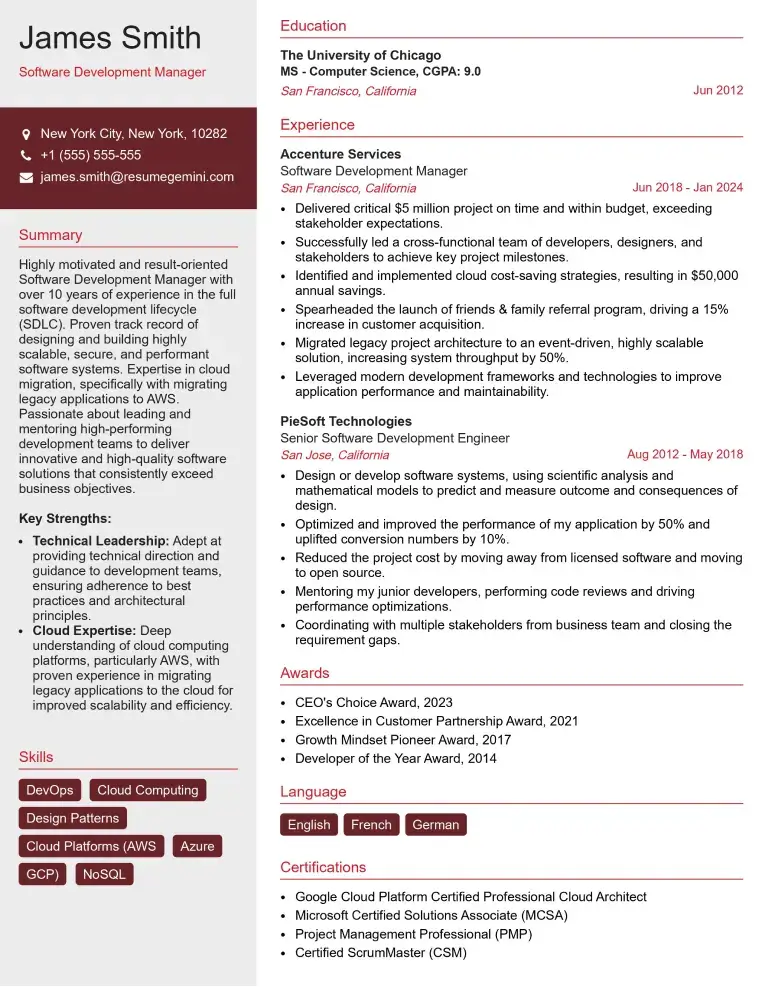
Check Out Resume Samples at ResumeGemini

Check Out Resume Samples at ResumeGemini

Check Out Resume Samples at ResumeGemini

Check Out Resume Samples at ResumeGemini

Check Out Resume Samples at ResumeGemini

Check Out Resume Samples at ResumeGemini
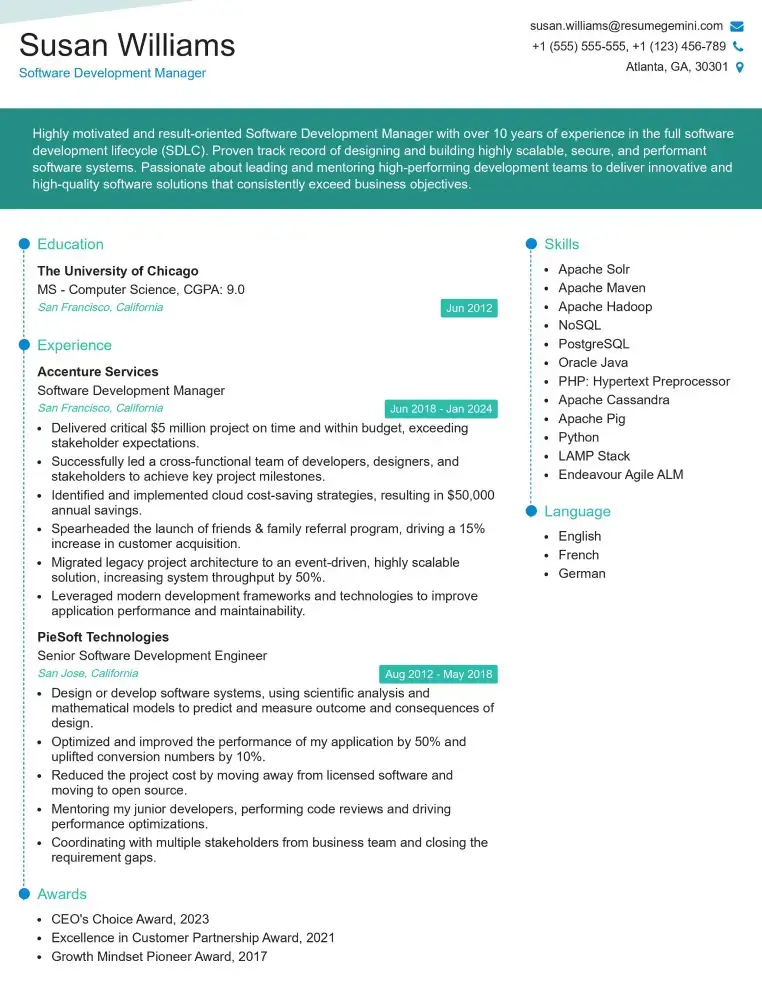
Check Out Resume Samples at ResumeGemini
Explore more articles
Users Rating of Our Blogs
Share Your Experience
We value your feedback! Please rate our content and share your thoughts (optional).
What Readers Say About Our Blog
Very informative content, great job.
good