Cracking a skill-specific interview, like one for GMP and Regulatory Compliance, requires understanding the nuances of the role. In this blog, we present the questions you’re most likely to encounter, along with insights into how to answer them effectively. Let’s ensure you’re ready to make a strong impression.
Questions Asked in GMP and Regulatory Compliance Interview
Q 1. Describe your experience with GMP principles and their application in a pharmaceutical setting.
Good Manufacturing Practices (GMP) are a set of guidelines that ensure the consistent quality of manufactured products. In a pharmaceutical setting, GMP principles cover every aspect of drug production, from raw material sourcing to final product release. My experience spans over [Number] years, encompassing various roles including [List roles, e.g., Quality Control Analyst, Quality Assurance Manager, Production Supervisor]. I’ve been directly involved in implementing and maintaining GMP standards across different pharmaceutical manufacturing facilities, focusing on areas like:
- Raw Material Management: Ensuring proper identification, storage, and testing of raw materials to meet specified quality attributes.
- Manufacturing Processes: Developing and validating manufacturing processes to ensure consistent product quality and minimizing contamination risk. This includes meticulous documentation and adherence to Standard Operating Procedures (SOPs).
- Quality Control Testing: Implementing and overseeing comprehensive quality control testing at various stages of production, ensuring products meet predefined specifications and quality standards. For instance, I was involved in the validation of a new HPLC method for the assay of a key active pharmaceutical ingredient.
- Documentation and Record Keeping: Maintaining accurate and complete records throughout the entire manufacturing process, crucial for traceability and regulatory compliance. This includes batch records, deviation reports, and change controls.
- Facility Maintenance and Cleaning: Implementing and monitoring cleaning validation protocols and ensuring proper maintenance of equipment and facilities to prevent cross-contamination and maintain a sterile environment.
For example, in my previous role, we successfully implemented a new automated system for filling vials, significantly reducing the risk of human error and improving the consistency of the filling process. This involved thorough validation according to GMP guidelines and training of personnel on the new system. I have consistently demonstrated my commitment to GMP principles, resulting in [mention positive outcomes, e.g., successful regulatory inspections, reduced product defects, improved efficiency].
Q 2. Explain the difference between GMP and GLP.
While both GMP and GLP aim to ensure the quality and reliability of data, they apply to different stages and aspects of the product lifecycle.
- Good Manufacturing Practices (GMP) focus on the manufacturing process of pharmaceutical products, ensuring they are consistently produced to the required quality, purity, and safety standards. It covers all aspects of production, from raw material handling to packaging and distribution.
- Good Laboratory Practices (GLP), on the other hand, govern the conduct of non-clinical laboratory studies that support the safety evaluation of chemicals and pharmaceutical products. It emphasizes the quality and integrity of data generated in these studies, ensuring they are reliable and can be used to support regulatory submissions.
Think of it this way: GMP ensures the product is safe and effective, while GLP ensures the testing that supports the product’s safety and efficacy is reliable. They are distinct but complementary systems, both crucial for regulatory compliance within the pharmaceutical industry.
Q 3. How do you ensure compliance with current Good Manufacturing Practices (cGMP)?
Ensuring compliance with current Good Manufacturing Practices (cGMP) is an ongoing, multifaceted process requiring a proactive and systematic approach. Key strategies include:
- Comprehensive Training: Providing regular and thorough training to all personnel on cGMP principles, relevant SOPs, and regulatory requirements. This ensures everyone understands their responsibilities and how their actions impact product quality and compliance.
- Robust SOPs: Developing and maintaining clear, concise, and well-documented Standard Operating Procedures (SOPs) for all processes. SOPs provide step-by-step guidance, ensuring consistency and minimizing deviations.
- Effective Quality Control: Implementing a rigorous quality control program, including in-process testing and final product testing, to ensure products meet specified quality attributes. This also involves regular calibration and maintenance of testing equipment.
- Regular Audits and Inspections: Conducting internal audits regularly to identify and address potential compliance gaps before external inspections. This proactive approach minimizes the risk of non-compliance and demonstrates a commitment to quality.
- Deviation Management System: Establishing a robust system for identifying, investigating, and documenting deviations from established procedures. This includes root cause analysis and implementation of corrective and preventive actions (CAPA).
- Change Control System: Implementing a change control process to manage and approve any changes to processes, equipment, or materials, ensuring the changes do not negatively impact product quality or compliance.
For instance, in one instance, we implemented a new software system for tracking equipment calibration, significantly improving our ability to manage equipment maintenance and ensure calibration records were always accurate and readily available for audit purposes.
Q 4. What is a deviation, and how should it be handled according to GMP guidelines?
In GMP, a deviation is any unplanned or unexpected event that occurs during the manufacturing process and deviates from established procedures or specifications. It could be anything from a minor equipment malfunction to a significant contamination event. Handling deviations is critical for maintaining product quality and regulatory compliance. The process typically involves:
- Immediate Investigation: Promptly investigating the deviation to determine the root cause and its potential impact on product quality and patient safety.
- Documentation: Meticulously documenting all aspects of the deviation, including the date, time, location, nature of the deviation, and any corrective actions taken. This documentation forms part of the deviation report.
- Impact Assessment: Assessing the impact of the deviation on the affected batch(es) and determining whether the products are still suitable for release.
- Corrective Actions: Implementing immediate corrective actions to mitigate the immediate impact of the deviation and prevent its recurrence.
- Preventive Actions: Identifying and implementing preventive actions to eliminate the root cause of the deviation and prevent similar deviations from occurring in the future.
- Deviation Report Review: Reviewing the deviation report to ensure that appropriate actions have been taken and the effectiveness of the corrective and preventive actions is assessed.
For example, if a temperature excursion occurs during storage of a drug product, a deviation would be documented. The investigation would determine the cause (e.g., malfunctioning refrigerator), its impact on product stability, and the necessary corrective actions (e.g., repair the refrigerator, quarantine the affected batches, conduct stability testing). Preventive actions might include installing a temperature monitoring system with alerts.
Q 5. Describe your experience with CAPA (Corrective and Preventive Actions).
Corrective and Preventive Actions (CAPA) is a systematic process for addressing deviations, non-conformances, and other quality issues. My experience in CAPA encompasses all stages, from identifying the root cause of a problem to implementing effective preventive measures. I’ve been involved in investigating numerous CAPAs, ranging from minor procedural errors to significant equipment failures. This includes:
- Investigating the root cause: Utilizing various tools such as 5 Whys analysis, fishbone diagrams, and fault tree analysis to identify the underlying reasons for quality issues.
- Developing and implementing corrective actions: Designing and implementing corrective actions to address the immediate issue, such as quarantining affected materials or adjusting procedures.
- Developing and implementing preventive actions: Identifying and implementing measures to prevent similar issues from recurring in the future. This might include changes to processes, equipment upgrades, or improved training.
- Effectiveness verification: Verifying the effectiveness of the implemented CAPA through monitoring and data analysis to ensure the issue has been resolved and will not recur.
- Documentation: Maintaining comprehensive documentation throughout the entire CAPA process, including the investigation report, corrective and preventive actions, and effectiveness verification data.
For example, I led a CAPA investigation following a series of minor deviations related to the labeling process. Through root cause analysis, we identified a deficiency in employee training. The CAPA included revised training materials, refresher training for all personnel, and the implementation of a new verification step in the labeling process. Following implementation, we observed a significant reduction in labeling errors.
Q 6. How do you conduct a GMP audit?
Conducting a GMP audit involves a systematic and objective examination of a facility’s manufacturing processes and systems to assess compliance with GMP regulations. The process generally involves:
- Planning and Scope Definition: Defining the scope of the audit, including the specific areas to be reviewed and the relevant regulations and guidelines.
- Audit Execution: Conducting the audit on-site, reviewing documentation, observing processes, interviewing personnel, and collecting evidence.
- Documentation Review: Thoroughly reviewing relevant documentation, including SOPs, batch records, training records, calibration records, deviation reports, and CAPA records.
- Observation and Interviews: Observing manufacturing processes and interviewing personnel to assess their understanding of GMP principles and their adherence to procedures.
- Evidence Collection: Collecting evidence to support audit findings, including photographs, samples, and copies of documents.
- Report Generation: Preparing a comprehensive audit report summarizing the findings, including observations of both strengths and weaknesses, and recommendations for improvements.
- Follow-up: Following up on corrective actions to ensure that identified deficiencies are addressed and compliance is achieved.
The audit process should be objective, unbiased, and thoroughly documented. The auditor should possess a strong understanding of GMP regulations and audit methodologies. During the audit, I prioritize a collaborative approach, focusing on identifying areas for improvement rather than simply pointing out deficiencies. This ensures a constructive outcome and fosters a culture of continuous improvement.
Q 7. What are the key elements of a quality management system (QMS)?
A Quality Management System (QMS) is a formalized system that documents processes, procedures, and responsibilities for achieving quality policies and objectives. Key elements of a robust QMS include:
- Quality Policy: A formal statement of the organization’s commitment to quality, outlining its quality objectives and principles.
- Management Responsibility: Clearly defined roles and responsibilities for quality management within the organization, ensuring accountability at all levels.
- Resource Management: Ensuring the availability of adequate resources (personnel, equipment, materials, etc.) to support quality objectives.
- Product Realization: Defining and controlling all aspects of the product lifecycle, from design and development to production, distribution, and post-market surveillance.
- Measurement, Analysis, and Improvement: Implementing processes for monitoring and measuring product quality, analyzing the data to identify areas for improvement, and implementing corrective and preventive actions.
- Internal Audits: Regularly auditing the QMS to ensure its effectiveness and identify areas for improvement.
- Management Review: Regularly reviewing the QMS’s performance and effectiveness to ensure it remains relevant and effective in achieving quality objectives.
A well-designed QMS provides a framework for consistently producing high-quality products, meeting regulatory requirements, and ensuring customer satisfaction. Its success hinges on effective communication, clear responsibilities, and a culture of continuous improvement.
Q 8. Explain the importance of documentation in maintaining GMP compliance.
Documentation is the backbone of GMP compliance. Think of it as the audit trail – a comprehensive record of every step taken in the manufacturing process. Without meticulous documentation, it’s impossible to prove that your processes consistently meet quality standards and regulatory requirements. A complete and accurate documentation system allows for traceability, facilitating investigations into deviations and supporting continuous improvement efforts.
- Batch Records: These detail every step involved in manufacturing a specific batch, including raw material usage, equipment used, personnel involved, and testing results. Any deviation from the standard operating procedure (SOP) is documented here.
- Standard Operating Procedures (SOPs): These are written instructions defining how tasks should be performed consistently. They ensure uniformity and reduce human error. Regularly reviewing and updating SOPs is crucial.
- Calibration Records: Detailed records of equipment calibrations ensure accuracy and reliability of test results. These records must be available upon request by regulatory authorities.
- Training Records: Demonstrate that personnel have received appropriate training on GMP principles and their specific roles. This is essential for maintaining a competent workforce.
For example, if a regulatory audit reveals a quality issue, the detailed batch records will allow you to quickly trace the root cause and implement corrective and preventative actions (CAPAs). A poorly documented system would make such an investigation incredibly challenging and potentially lead to regulatory sanctions.
Q 9. How do you handle discrepancies found during a quality control inspection?
Handling discrepancies during a quality control inspection requires a systematic and transparent approach. My strategy focuses on immediate investigation, thorough documentation, and corrective actions.
- Immediate Investigation: The discrepancy is immediately investigated to determine the root cause. This involves reviewing all relevant documentation, interviewing personnel, and examining the physical evidence.
- Documentation: The findings of the investigation, including root cause analysis and any corrective actions taken, are thoroughly documented in a deviation report or similar format.
- Corrective and Preventative Actions (CAPAs): Appropriate corrective actions are implemented to address the immediate issue, and preventative actions are developed to prevent recurrence. These CAPAs are documented, implemented, and verified.
- Management Review: The deviation and the implemented CAPAs are reviewed by management to ensure effectiveness and to identify any systemic issues that may need to be addressed.
- Follow-up: After implementing CAPAs, a follow-up is conducted to verify their effectiveness and to monitor for recurrence. This might involve re-inspection or re-testing.
For instance, if a discrepancy is found in a batch of medication concerning the purity of a key ingredient, we would meticulously trace the ingredient back to its source, examine production and testing records, and identify the point of failure. The investigation results, implemented CAPAs, and verification steps would then be comprehensively documented.
Q 10. What are your strategies for preventing deviations and maintaining GMP compliance?
Preventing deviations and maintaining GMP compliance is a proactive, multi-faceted approach. It’s about establishing a culture of quality and continuous improvement.
- Robust SOPs: Clearly written and easily understood SOPs are fundamental. Regular reviews and updates ensure they remain relevant and effective.
- Effective Training: Comprehensive training programs ensure that all personnel understand GMP principles and their individual responsibilities. Regular refresher training is important to maintain knowledge and awareness.
- Preventive Maintenance: A robust preventive maintenance program for equipment minimizes equipment failures and ensures consistent performance. This includes regular calibration and validation activities.
- Quality by Design (QbD): A proactive approach that incorporates quality into every aspect of the product lifecycle, from initial design to final product release. This focuses on understanding process parameters and their impact on product quality.
- Regular Audits: Internal and external audits provide an objective assessment of GMP compliance, identifying areas for improvement.
- Risk Management: Proactive identification and assessment of potential risks to quality, allowing for preventative measures to be put in place.
For example, implementing a regular equipment calibration schedule prevents unexpected failures during manufacturing, ensuring data integrity and product quality. Similarly, a well-defined change control process minimizes the risk of unintended consequences when changes to the manufacturing process are made.
Q 11. Describe your experience with validation of equipment and processes.
Validation is the process of demonstrating that equipment and processes consistently perform as intended. My experience encompasses both equipment and process validation, which are integral to GMP compliance.
- Equipment Qualification: This involves a series of tests to confirm that equipment is suitable for its intended purpose. It includes installation qualification (IQ), operational qualification (OQ), and performance qualification (PQ).
- Process Validation: This demonstrates that the manufacturing process consistently produces a product that meets pre-defined quality attributes. It often involves conducting multiple batches under various conditions to demonstrate process robustness.
- Computer System Validation: This is crucial for systems involved in GMP activities, ensuring data integrity and system reliability. This requires demonstrating that the system performs as intended, complies with 21 CFR Part 11 requirements, and meets other relevant regulations.
In a previous role, I was involved in the validation of a new high-performance liquid chromatography (HPLC) system. This involved meticulous documentation of each stage, from IQ, demonstrating correct installation and calibration, through OQ, demonstrating the system’s functionality across its operational range, to PQ, proving its consistent performance in analyzing specific drug samples. This validation ensured the accuracy and reliability of all subsequent analytical results.
Q 12. Explain your understanding of change control procedures within a GMP environment.
Change control is a formal procedure used to manage any proposed changes to processes, equipment, or documentation within a GMP environment. It’s designed to ensure that changes don’t negatively impact product quality, safety, or regulatory compliance.
- Change Request: Any proposed change is submitted formally as a change request, outlining the proposed change, its rationale, and potential impact.
- Review and Approval: The change request is reviewed by relevant personnel, including subject matter experts, to assess its impact on various aspects, such as GMP compliance, product quality, and safety. Approval is typically required from designated management levels.
- Implementation: Once approved, the change is implemented according to a documented plan. This may involve training, updating SOPs, and equipment modifications.
- Verification: After implementation, verification activities are performed to ensure that the change was implemented correctly and has the intended effect. This may include re-validation or re-testing.
- Documentation: The entire change control process is meticulously documented, creating a complete audit trail.
Imagine a scenario where a new supplier is proposed for a critical raw material. The change control process ensures a thorough evaluation of the new supplier’s quality systems, qualification of the material, and updated testing protocols before the switch is made. This process prevents unforeseen quality issues stemming from the change.
Q 13. How do you ensure the accuracy and integrity of data generated in a GMP regulated facility?
Ensuring data accuracy and integrity in a GMP environment is paramount. This involves a combination of technical and procedural controls.
- Data Integrity Policies and Procedures: Clearly defined policies and procedures should govern data handling, ensuring appropriate authentication, authorization, and audit trails.
- Use of Validated Systems: Using validated computer systems, with appropriate access controls and audit trails, helps prevent unauthorized changes and data corruption.
- Data Backup and Archiving: Robust data backup and archiving strategies ensure data security and recovery in case of system failures or data loss.
- Regular Data Audits: Regular audits of data integrity help identify weaknesses and ensure compliance with data integrity standards. This includes both automated checks and manual reviews.
- Training: Personnel must be trained on proper data handling procedures, ensuring data integrity is integrated into daily practices.
For example, using an electronic batch record (EBR) system with appropriate user authentication, electronic signatures, and audit trails, ensures complete traceability and reduces the risk of data manipulation or accidental errors, compared to manual paper-based records.
Q 14. What is your experience with 21 CFR Part 11 compliance?
21 CFR Part 11 is a set of regulations from the US Food and Drug Administration (FDA) that addresses the use of electronic records and electronic signatures in GMP-regulated industries. My experience includes implementing and maintaining systems that comply with these regulations.
- Electronic Signatures: Implementing systems that provide secure and auditable electronic signatures, ensuring the identity and authenticity of individuals making entries.
- Access Control: Establishing robust access control mechanisms to restrict access to systems and data based on user roles and responsibilities.
- Audit Trails: Implementing systems that generate detailed audit trails, providing a complete history of all system activities and changes.
- Data Integrity: Ensuring that the electronic systems used meet data integrity requirements, providing accurate, complete, consistent, and reliable data.
- System Validation: Ensuring that the electronic systems used are validated to confirm that they meet the requirements and operate as intended.
In a past project, I was involved in the implementation of a new LIMS (Laboratory Information Management System) that needed to comply with 21 CFR Part 11. This involved a detailed validation process, including establishing appropriate access controls, implementing electronic signature functionality, and designing a robust audit trail system. Successful implementation ensured compliance and maintained the accuracy and integrity of all laboratory data.
Q 15. Describe your experience with investigation of out-of-specification (OOS) results.
Investigating out-of-specification (OOS) results is a critical aspect of GMP compliance. An OOS result is any test result that falls outside the pre-defined acceptance criteria. A thorough investigation is crucial to determine the root cause and prevent recurrence. My approach follows a structured methodology:
- Immediate Actions: Secure the batch, review the testing methodology, and verify equipment calibration.
- Investigation Team: Assemble a multidisciplinary team involving quality control, production, and potentially other relevant departments.
- Root Cause Analysis: Utilize tools like Fishbone diagrams (Ishikawa diagrams) and 5 Whys to identify the underlying cause of the OOS result. This might involve reviewing Standard Operating Procedures (SOPs), examining raw materials, investigating equipment malfunction, or analyzing personnel training and competency.
- Corrective and Preventive Actions (CAPA): Implement corrective actions to address the immediate problem (e.g., re-testing a sample, discarding a batch) and preventive actions to prevent future occurrences (e.g., revised SOPs, improved equipment maintenance schedules, additional operator training).
- Documentation: Meticulous documentation throughout the entire process, including the investigation report, CAPA plan, and any implemented changes, is crucial for audit trails and regulatory compliance.
For example, I once investigated an OOS result for a potency assay. Through a thorough investigation, we discovered a faulty pipetting technique used by one technician. Retraining and implementation of a more robust pipetting procedure, along with added visual checks, successfully prevented further issues.
Career Expert Tips:
- Ace those interviews! Prepare effectively by reviewing the Top 50 Most Common Interview Questions on ResumeGemini.
- Navigate your job search with confidence! Explore a wide range of Career Tips on ResumeGemini. Learn about common challenges and recommendations to overcome them.
- Craft the perfect resume! Master the Art of Resume Writing with ResumeGemini’s guide. Showcase your unique qualifications and achievements effectively.
- Don’t miss out on holiday savings! Build your dream resume with ResumeGemini’s ATS optimized templates.
Q 16. How do you manage supplier quality in accordance with GMP guidelines?
Managing supplier quality is paramount to GMP compliance. It begins with a robust supplier selection process, focusing on their capabilities, quality systems, and compliance history. Key aspects of my approach include:
- Supplier Qualification: A comprehensive assessment of potential suppliers, including audits of their facilities and quality systems. This ensures they meet our stringent GMP requirements.
- Incoming Material Inspection: Rigorous testing and inspection of all incoming materials to verify their conformity to specifications. This might involve visual inspection, identity testing, and other relevant assays.
- Supplier Performance Monitoring: Continuous monitoring of supplier performance through key performance indicators (KPIs) such as on-time delivery, quality of materials, and responsiveness to issues. This involves regular communication and performance reviews.
- Supplier Corrective Actions: Collaborating with suppliers to investigate and resolve any quality issues promptly and effectively. This might involve working with the supplier on CAPA plans.
- Documentation: Maintaining detailed records of supplier qualifications, inspections, and performance, ensuring traceability throughout the supply chain.
Imagine a situation where a key raw material fails incoming inspection. My approach would involve immediate communication with the supplier, a thorough investigation to ascertain the root cause (e.g., raw material change, faulty equipment), and a collaborative effort to establish CAPA and ensure the supply of compliant material.
Q 17. What is your experience with self-inspections and internal audits?
Self-inspections and internal audits are crucial for proactively identifying and correcting GMP deficiencies before regulatory inspections. My experience encompasses planning, executing, and following up on both:
- Self-Inspections: These are more frequent, less formal reviews, focusing on specific areas or processes. They are used to identify potential issues quickly and allow for immediate corrective actions. I use checklists and SOPs to guide the process.
- Internal Audits: These are more formal, comprehensive assessments that evaluate the effectiveness of the GMP system. They follow a structured audit plan, including documented procedures, review of records, and interviews with personnel. I am experienced in leading and participating in these audits, ensuring objectivity and thoroughness.
- Corrective and Preventive Actions (CAPA): Based on findings from both self-inspections and internal audits, I develop and implement CAPA plans to address any identified deviations from GMP guidelines. This includes establishing root causes and preventive actions to prevent reoccurrence.
- Management Review: Presentation of audit findings and CAPA plans to upper management for review and approval, ensuring commitment to continuous improvement.
For instance, during an internal audit, we identified a gap in training records for a specific process. The CAPA plan involved immediate training for all affected personnel, updated training records, and review of the training program itself for improvement.
Q 18. Describe your experience with the implementation and maintenance of a GMP-compliant quality system.
Implementing and maintaining a GMP-compliant quality system is a continuous process requiring a comprehensive approach. My experience includes:
- Quality System Development: Establishing documented procedures and work instructions covering all aspects of GMP, such as manufacturing, quality control, documentation, and deviation management. This might include the creation of SOPs and work instructions.
- Training and Competency: Ensuring that all personnel involved in GMP-related activities receive adequate training and are competent to perform their duties.
- Change Control: Establishing a robust change control system to manage and approve any changes to processes, procedures, or equipment that could affect product quality. This may include documented change control forms and approval processes.
- Deviation Management: Developing and maintaining a system for investigating and managing deviations from established procedures or specifications. This includes documented deviation reports and investigation procedures.
- Continuous Improvement: Regularly evaluating and improving the quality system based on audit findings, performance data, and best practices. This often involves regular reviews and updates of procedures and processes.
In one instance, we implemented a new software system for managing batch records. The process involved thorough planning, validation, training, and change control to ensure a seamless transition with no disruption to GMP compliance.
Q 19. How do you stay current with changes in GMP regulations and industry best practices?
Staying current with GMP regulations and industry best practices is crucial for maintaining compliance. My strategies include:
- Regulatory Updates: Actively monitoring regulatory agencies such as the FDA (in the US) or EMA (in Europe) for updates, guidance documents, and new regulations. This may involve subscribing to newsletters, attending webinars, or reviewing agency websites regularly.
- Industry Publications and Conferences: Reading relevant industry journals, attending conferences and workshops, and networking with other professionals to stay informed about evolving best practices and emerging technologies.
- Professional Development: Participating in continuing education courses and training programs to enhance knowledge and skills in GMP and related areas. This may include pursuing certifications or advanced degrees.
- Internal Knowledge Sharing: Sharing knowledge and best practices within the organization to ensure that everyone is up-to-date on the latest regulations and guidelines.
For example, I recently attended a conference on data integrity, which highlighted the importance of electronic recordkeeping in GMP. This enabled me to implement changes in our systems to ensure our data integrity remains compliant with current guidance.
Q 20. Explain your understanding of risk assessment and its role in GMP compliance.
Risk assessment is a systematic process for identifying, analyzing, and evaluating potential hazards that could affect product quality, safety, or compliance. It is an integral part of GMP compliance because it allows proactive mitigation of potential problems rather than reacting to them. My understanding incorporates:
- Hazard Identification: Identifying potential hazards that could compromise GMP compliance, such as equipment failures, deviations from SOPs, or supplier quality issues.
- Risk Analysis: Determining the likelihood and severity of each hazard occurring and the potential impact on product quality and patient safety. This may involve using risk matrices to quantify risk levels.
- Risk Evaluation: Evaluating the level of risk based on the analysis and determining whether the level of risk is acceptable. This may involve implementing risk mitigation strategies if risk is considered unacceptable.
- Risk Control: Implementing control measures to mitigate identified risks. This could involve revising SOPs, implementing new controls, or improving training and competency.
- Risk Monitoring: Regularly reviewing and updating the risk assessment to ensure its ongoing effectiveness.
For example, a risk assessment might reveal a high risk associated with a particular piece of equipment prone to frequent failures. The risk control might involve implementing a preventive maintenance program, having a backup system available, and enhancing operator training on the equipment.
Q 21. How do you handle conflicts between production needs and GMP compliance?
Conflicts between production needs and GMP compliance should always be resolved in favor of GMP compliance. Production pressures should never compromise product quality, safety, or regulatory compliance. My approach involves:
- Prioritization: Clearly communicating that GMP compliance is paramount and non-negotiable. Production goals must align with GMP requirements, not the other way around.
- Problem Solving: Working collaboratively with production to find solutions that meet both production targets and GMP compliance. This might involve optimizing processes, improving efficiency, or investing in new technologies.
- Escalation: If a conflict cannot be resolved at the operational level, escalating the issue to management for decision-making and resource allocation. This ensures that appropriate resources are available to address the issue effectively.
- Documentation: Maintaining complete documentation of any conflicts, proposed solutions, and decisions made to ensure transparency and traceability.
For instance, if a production line is running behind schedule and there’s pressure to expedite the process, compromising quality control testing, I would advocate for maintaining the testing schedule and explain the potential consequences of cutting corners. We would then explore alternative solutions, such as adjusting production schedules or adding resources, rather than sacrificing GMP compliance.
Q 22. Describe a situation where you had to resolve a compliance issue. What was your approach?
During my time at PharmaCorp, we encountered an issue with our batch record review process. We discovered inconsistencies between the recorded data and the actual production activities, a potential deviation from GMP. My approach involved a structured, multi-step process. First, I initiated a thorough investigation to identify the root cause. This involved interviewing production staff, reviewing relevant documentation (including batch records, Standard Operating Procedures (SOPs), and training records), and analyzing the data discrepancies. We found the issue stemmed from a lack of clarity in our SOPs regarding data entry procedures, coupled with inadequate training. Next, I developed a corrective action plan (CAPA) which included revising the SOPs to improve clarity and adding detailed, step-by-step instructions for data entry. We implemented additional training for all personnel involved in the batch record process, emphasizing the importance of accurate data recording and adherence to GMP guidelines. Finally, I established a system for regular audits and monitoring to prevent similar occurrences in the future. This involved creating a checklist for data entry procedures and incorporating it into our quality control process. This comprehensive approach ensured not only the resolution of the immediate issue but also a preventative measure against future similar non-conformances.
Q 23. How would you handle a situation where a GMP violation occurs?
Handling a GMP violation requires a prompt and systematic response. Imagine a situation where a deviation from the established SOP is detected during the manufacturing process. My first step would be to immediately halt the process to prevent further issues. Then, a thorough investigation needs to be launched to determine the root cause of the deviation. This might involve reviewing raw materials, examining equipment logs, and interviewing personnel involved. Once the root cause is identified, a formal deviation report is created, detailing the issue, the impact, and the corrective actions. A comprehensive CAPA is developed to prevent recurrence. This might include equipment modifications, changes to SOPs, retraining of staff, or improved quality control procedures. Depending on the severity of the violation, regulatory authorities may need to be notified. Throughout this process, meticulous documentation is crucial, including all steps of the investigation, the CAPA, and any communication with regulatory bodies. The goal is not only to rectify the immediate problem but also to implement effective measures to prevent future deviations, ultimately maintaining the integrity of the manufacturing process and protecting patient safety.
Q 24. What are the key differences between FDA and EMA regulations?
While both the FDA (Food and Drug Administration) and the EMA (European Medicines Agency) aim to ensure the safety and efficacy of pharmaceuticals, their regulatory approaches differ slightly. The FDA, governing the US market, typically emphasizes a risk-based approach, focusing on evaluating the safety and efficacy of a product through rigorous clinical trials and post-market surveillance. The EMA, overseeing the European market, adopts a more comprehensive approach, placing significant importance on the entire drug development lifecycle, from research and development to post-marketing monitoring. For example, the FDA’s guidelines on Good Manufacturing Practices (GMP) and data integrity might have a slightly different emphasis compared to EMA’s guidelines. The FDA may focus more on the specific details of manufacturing processes, whereas the EMA could emphasize a more holistic quality management system. Both agencies require detailed documentation, but the specific requirements and level of detail might vary. Understanding these nuances is vital for effective global regulatory compliance.
Q 25. How familiar are you with ICH guidelines?
I am very familiar with ICH (International Council for Harmonisation) guidelines. These guidelines aim to harmonize technical requirements for the registration of pharmaceuticals across different regions, reducing duplicative efforts. My experience includes working with guidelines such as ICH Q6A (Specifications: Test procedures and acceptance criteria for new drug substances and new drug products: chemical substances), ICH Q7A (Good Manufacturing Practice Guidance for Active Pharmaceutical Ingredients) and ICH Q10 (Pharmaceutical Quality System). I understand their importance in providing a consistent framework for quality assurance and control across the pharmaceutical industry. The application of these guidelines is fundamental to ensuring that our products meet the highest quality standards and meet regulatory requirements globally. My understanding extends beyond simply reading the guidelines; I can apply their principles effectively to various aspects of pharmaceutical development and manufacturing.
Q 26. Explain your understanding of data integrity in GMP.
Data integrity in GMP is paramount, referring to the completeness, consistency, and accuracy of data throughout the entire product lifecycle. It’s not merely about having data; it’s about ensuring that the data truly reflects what happened. Think of it like a detailed and accurate record of a complex recipe. A single error in the recipe could ruin the entire dish. Similarly, flawed data in pharmaceutical manufacturing can compromise product quality, safety, and regulatory compliance. Key aspects of data integrity include: ALCOA+ principles (Attributable, Legible, Contemporaneous, Original, Accurate + complete, consistent, enduring, available). This means data should be clearly attributed to its source, easily readable, recorded at the time of the event, the original data should be preserved, and it should be accurate, complete, consistent, readily available and enduring over time. Maintaining this level of data integrity requires robust systems, well-trained personnel, and a culture of quality and compliance. This includes using validated electronic systems, employing appropriate controls to prevent data manipulation, and regularly auditing data to ensure its reliability and accuracy. A lack of data integrity can lead to significant regulatory actions, product recalls, and reputational damage.
Q 27. How would you approach training employees on GMP compliance?
Training employees on GMP compliance is not a one-time event; it’s an ongoing process. My approach involves a multi-faceted strategy. First, I would conduct a needs assessment to identify knowledge gaps among employees. This involves reviewing their current understanding of GMP principles and identifying areas needing improvement. Then, I develop a training program tailored to the specific roles and responsibilities of each employee. The training would incorporate a variety of methods including interactive presentations, hands-on exercises, case studies, and role-playing scenarios to engage employees and ensure effective knowledge transfer. Regular refresher training, and specific training on any new procedures or updated regulations are essential for maintaining GMP compliance. I would also implement regular testing and assessments to evaluate employees’ understanding and ensure compliance with GMP standards. I believe feedback is crucial, so I would encourage employees to participate actively in the training and provide feedback on the effectiveness of the program. Documentation of training is essential, creating a comprehensive trail of all training activities. Finally, creating a culture of compliance, where adherence to GMP is seen as a shared responsibility, is crucial for long-term success.
Key Topics to Learn for GMP and Regulatory Compliance Interview
- Good Manufacturing Practices (GMP) Principles: Understanding the core principles of GMP, including documentation, quality control, and deviation management. Consider the variations between different GMP guidelines (e.g., cGMP, EUGMP).
- Regulatory Agencies and Compliance: Familiarize yourself with key regulatory agencies (e.g., FDA, EMA) and their roles in enforcing GMP regulations. Understand the process of inspections and responding to findings.
- Quality Systems and Documentation: Learn about the implementation and maintenance of quality systems, including change control, CAPA (Corrective and Preventive Action), and document control. Practice explaining your experience with these systems.
- Data Integrity and Audit Trails: Understand the critical importance of data integrity within GMP environments. Be prepared to discuss your experience with maintaining accurate, complete, and consistent data.
- Validation and Qualification: Learn about the validation of processes and equipment, as well as the qualification of facilities and utilities. Be prepared to discuss different validation approaches.
- Risk Management and Assessment: Understand the application of risk management principles within GMP compliance, including hazard analysis and critical control points (HACCP).
- Specific Regulatory Frameworks: Depending on your industry (pharmaceuticals, medical devices, etc.), delve deeper into the specific regulations that apply. Consider researching relevant guidelines and case studies.
- Problem-Solving and Root Cause Analysis: Practice applying problem-solving methodologies to scenarios related to GMP deviations or non-conformances. Be prepared to discuss your approach to root cause analysis.
Next Steps
Mastering GMP and Regulatory Compliance is crucial for career advancement in highly regulated industries. A strong understanding of these principles opens doors to exciting opportunities and demonstrates your commitment to quality and safety. To significantly enhance your job prospects, crafting an ATS-friendly resume is essential. ResumeGemini is a trusted resource that can help you build a professional and impactful resume, maximizing your chances of landing your dream role. Examples of resumes tailored to GMP and Regulatory Compliance are available within ResumeGemini to guide your resume creation process. Invest time in creating a strong resume—it’s your first impression on potential employers.
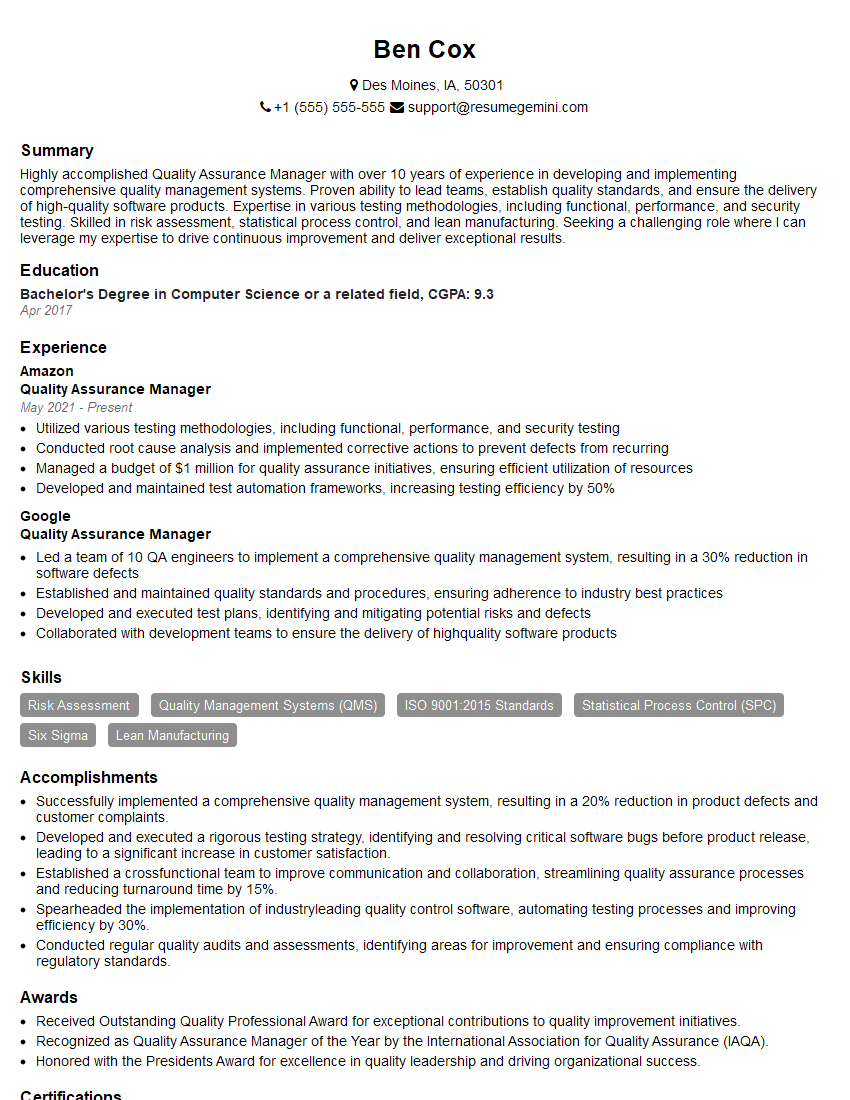
Quality Assurance Manager Resume Sample
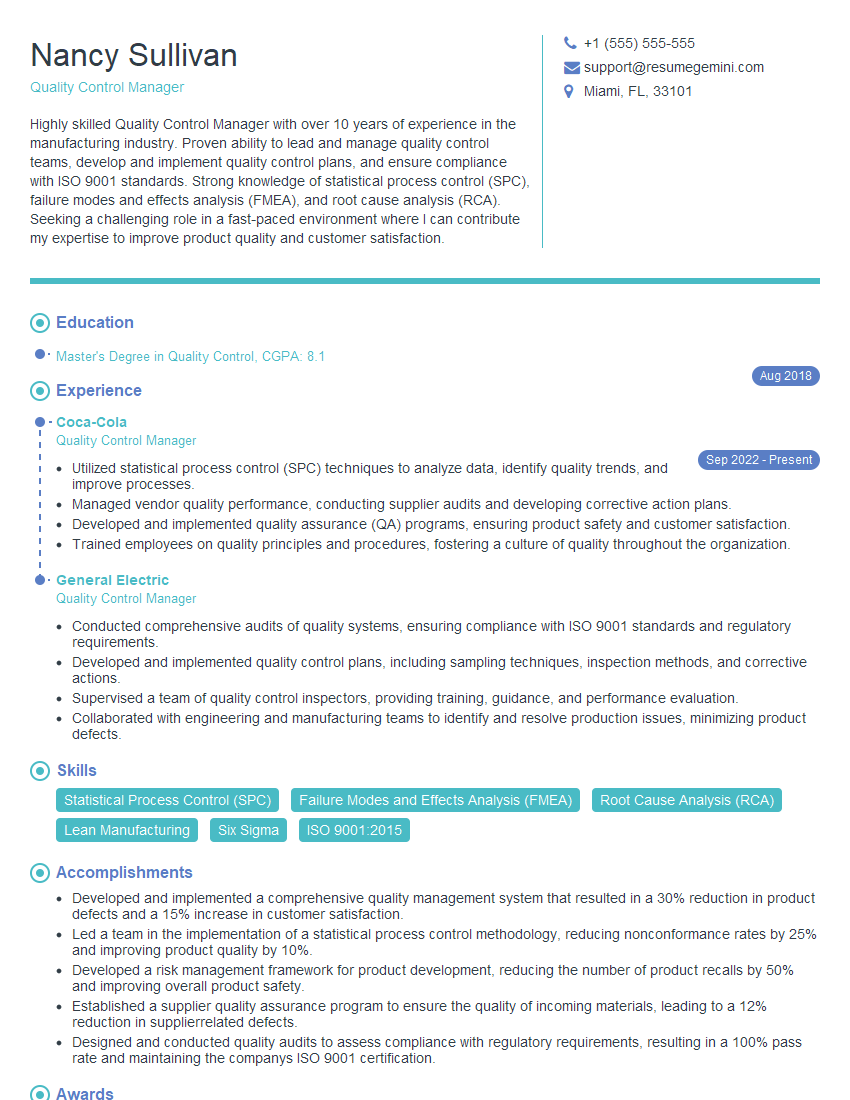
Quality Control Manager Resume Sample

Compliance Officer Resume Sample
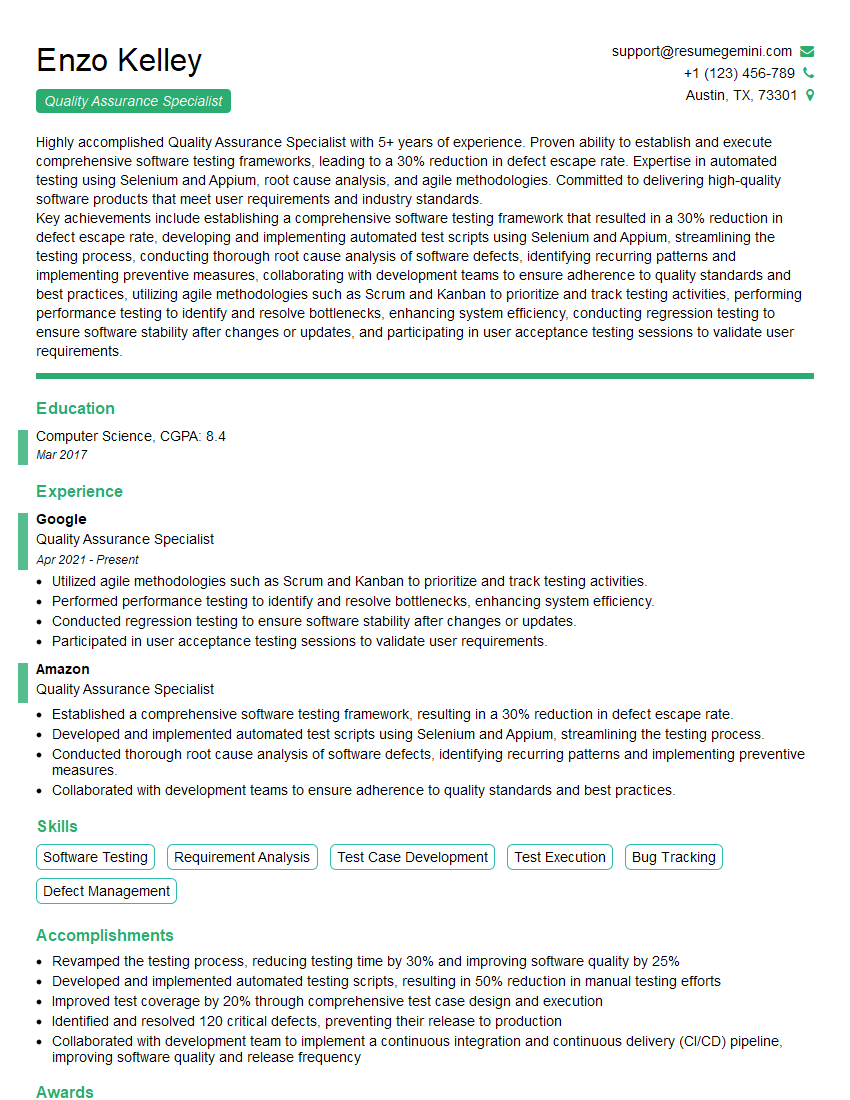
Quality Assurance Specialist Resume Sample
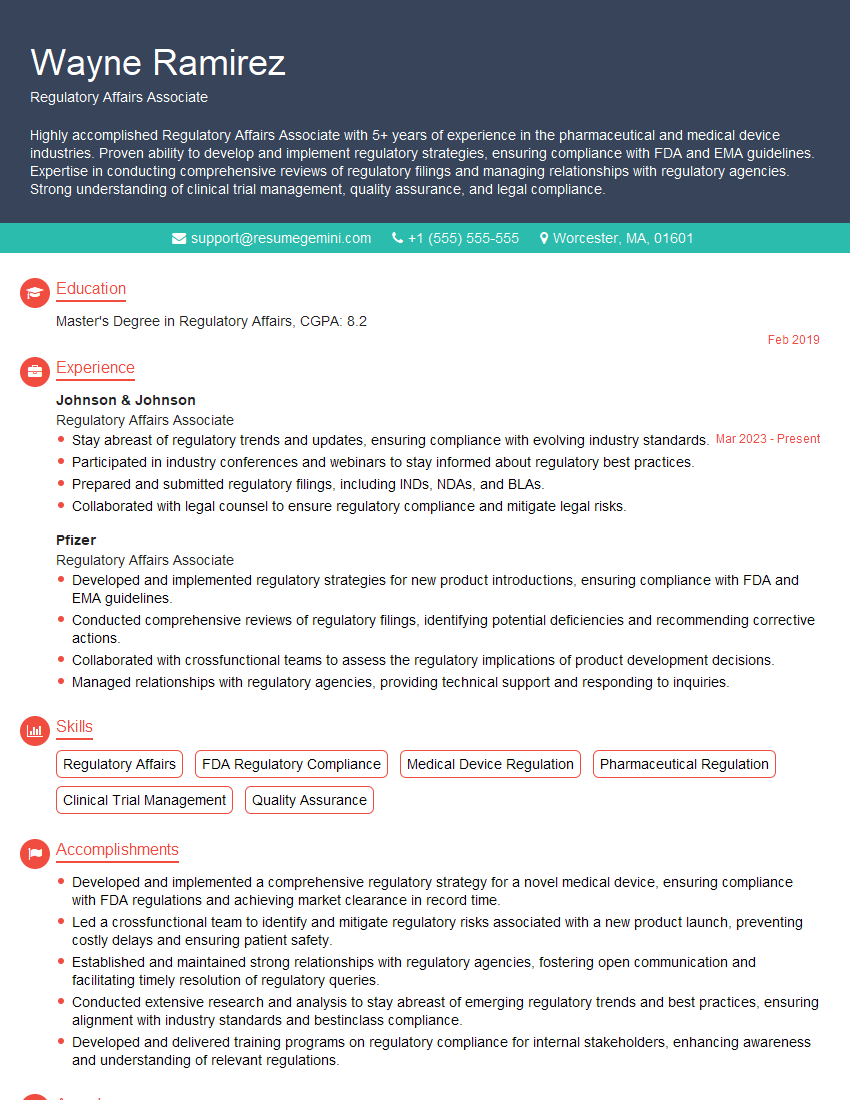
Regulatory Affairs Associate Resume Sample
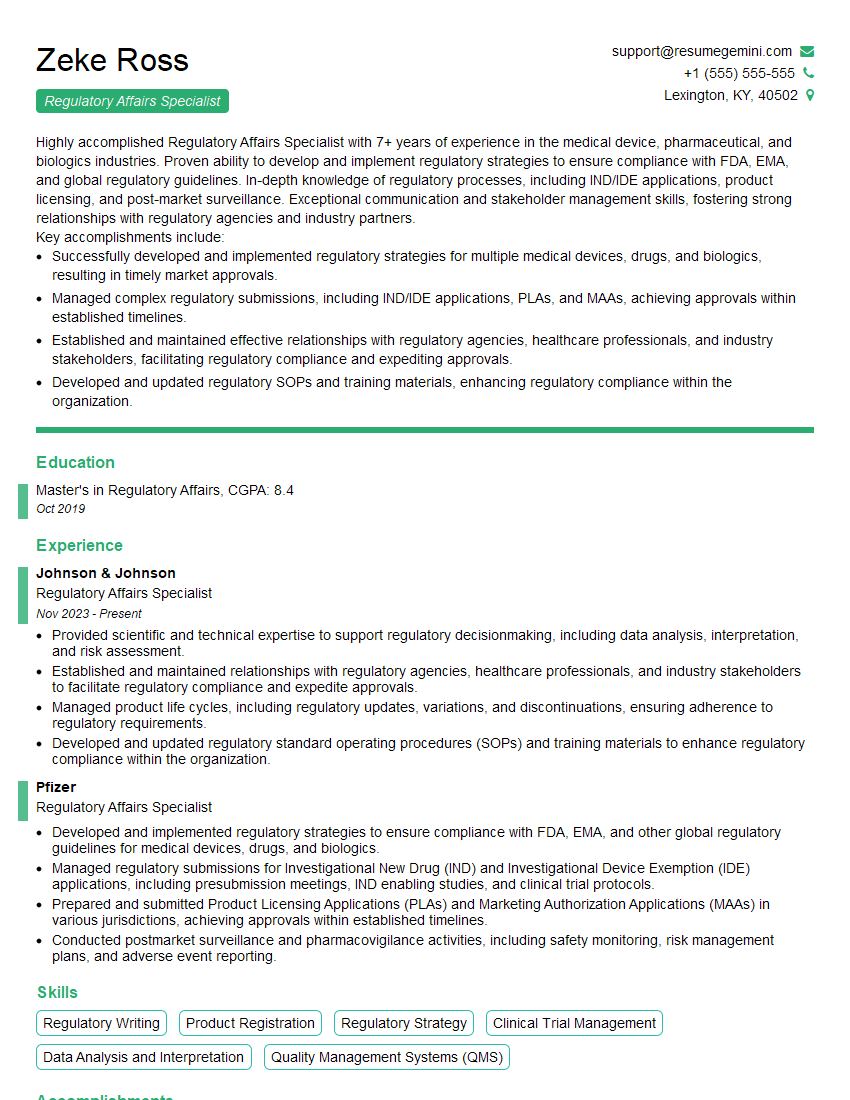
Regulatory Affairs Specialist Resume Sample
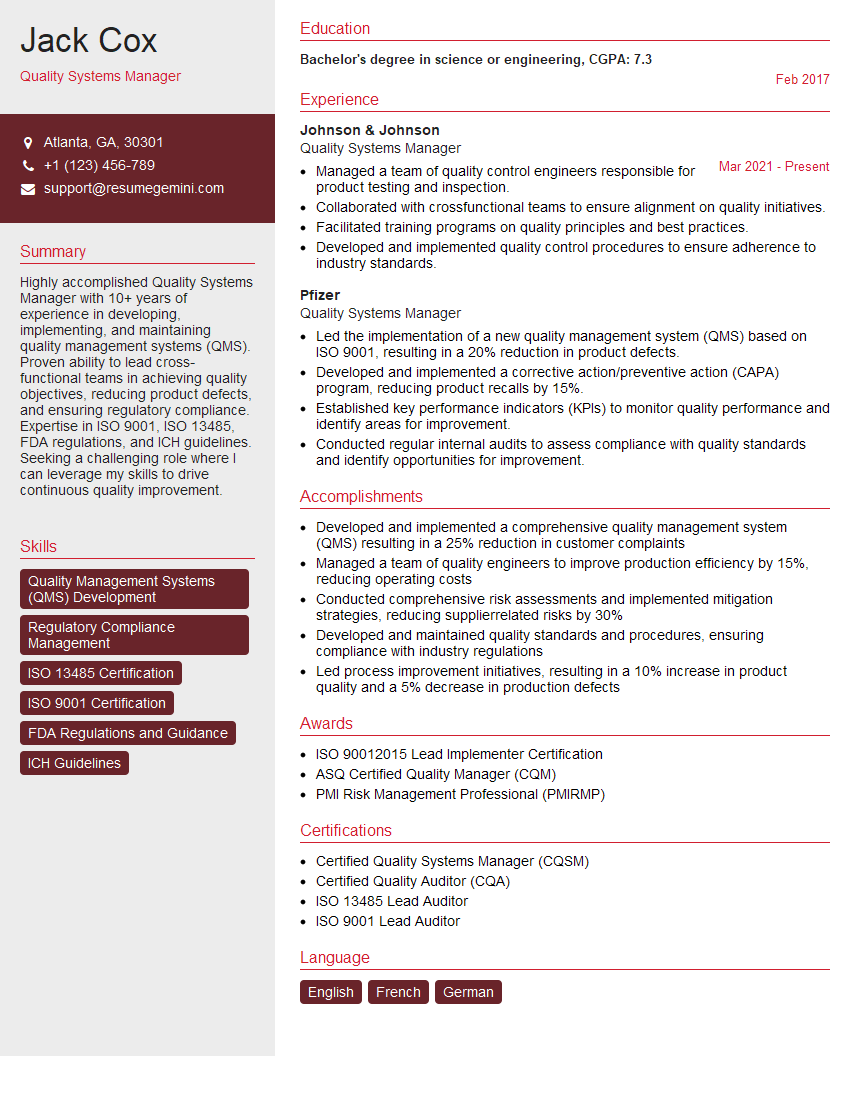
Quality Systems Manager Resume Sample
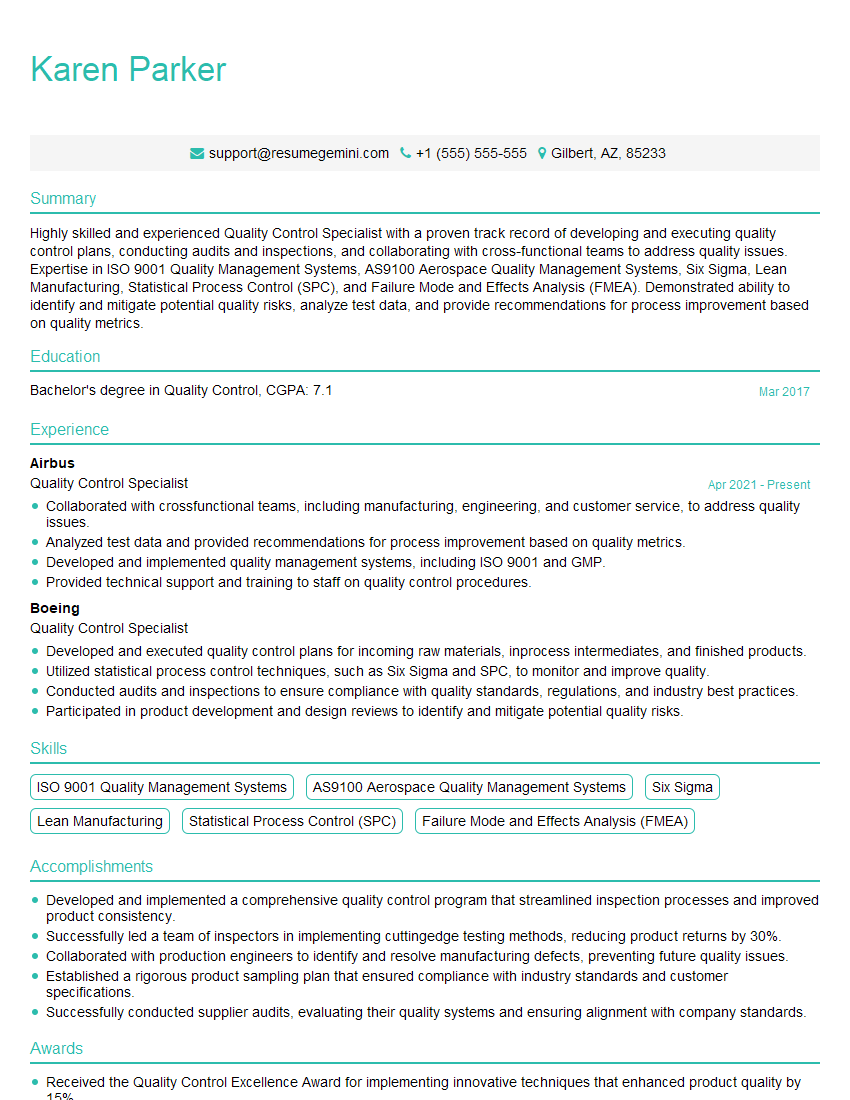
Quality Control Specialist Resume Sample
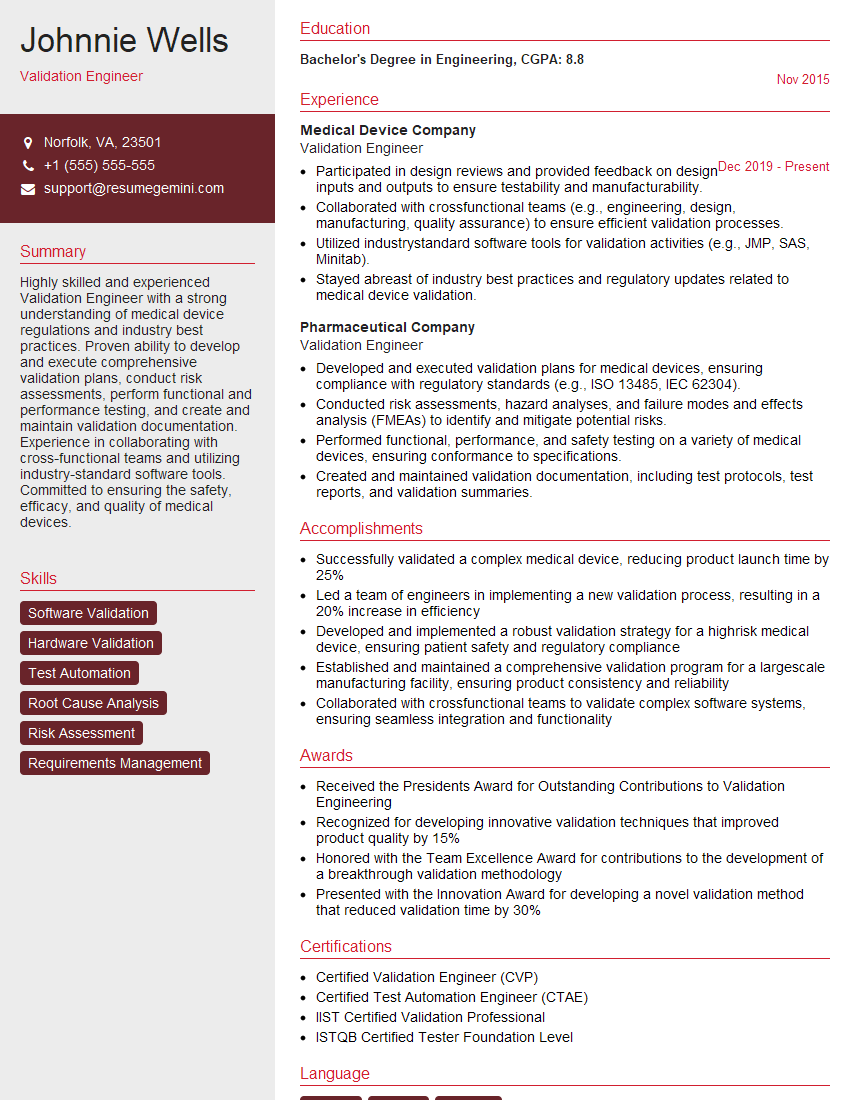
Validation Engineer Resume Sample
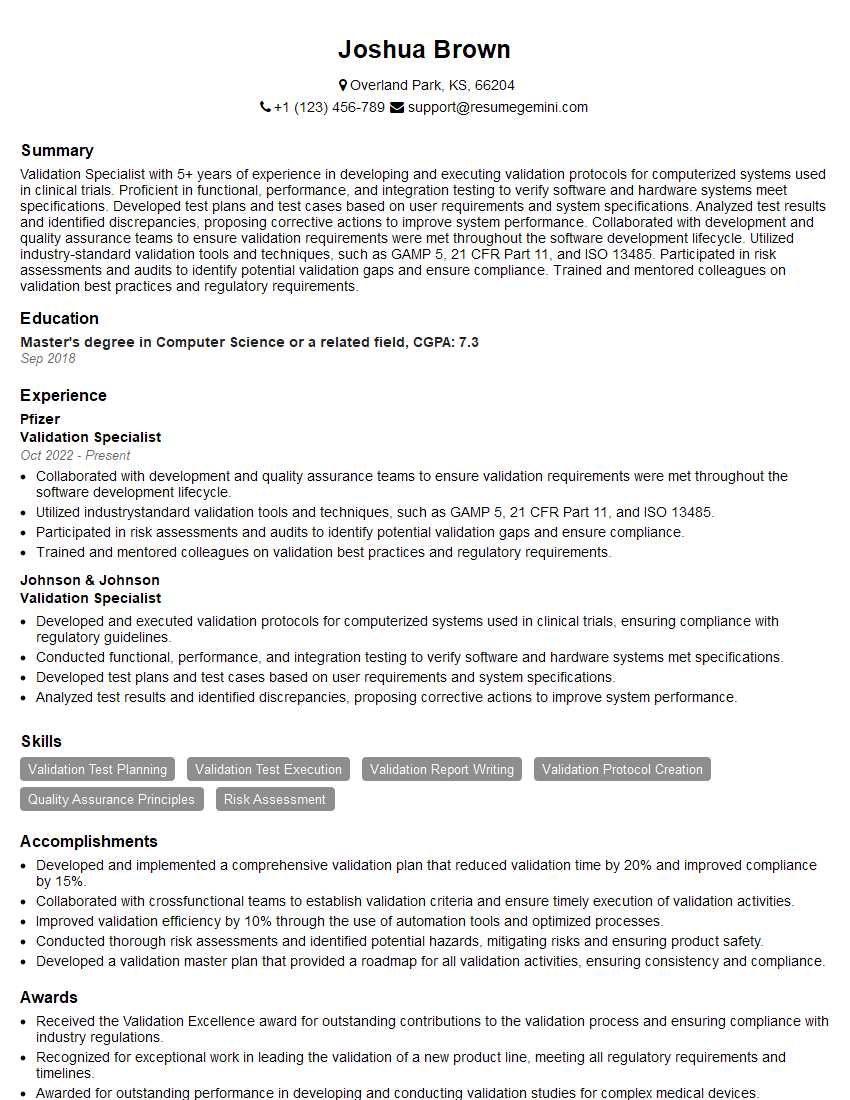
Validation Specialist Resume Sample
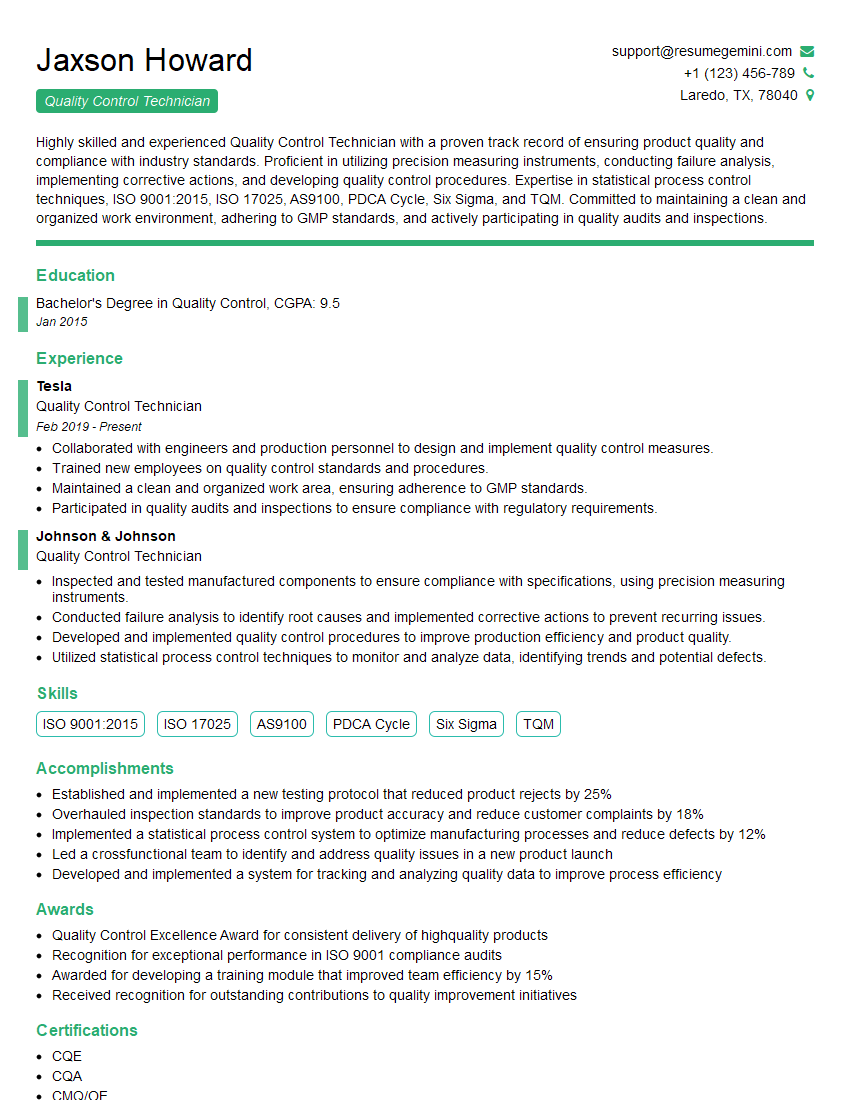
Quality Control Technician Resume Sample
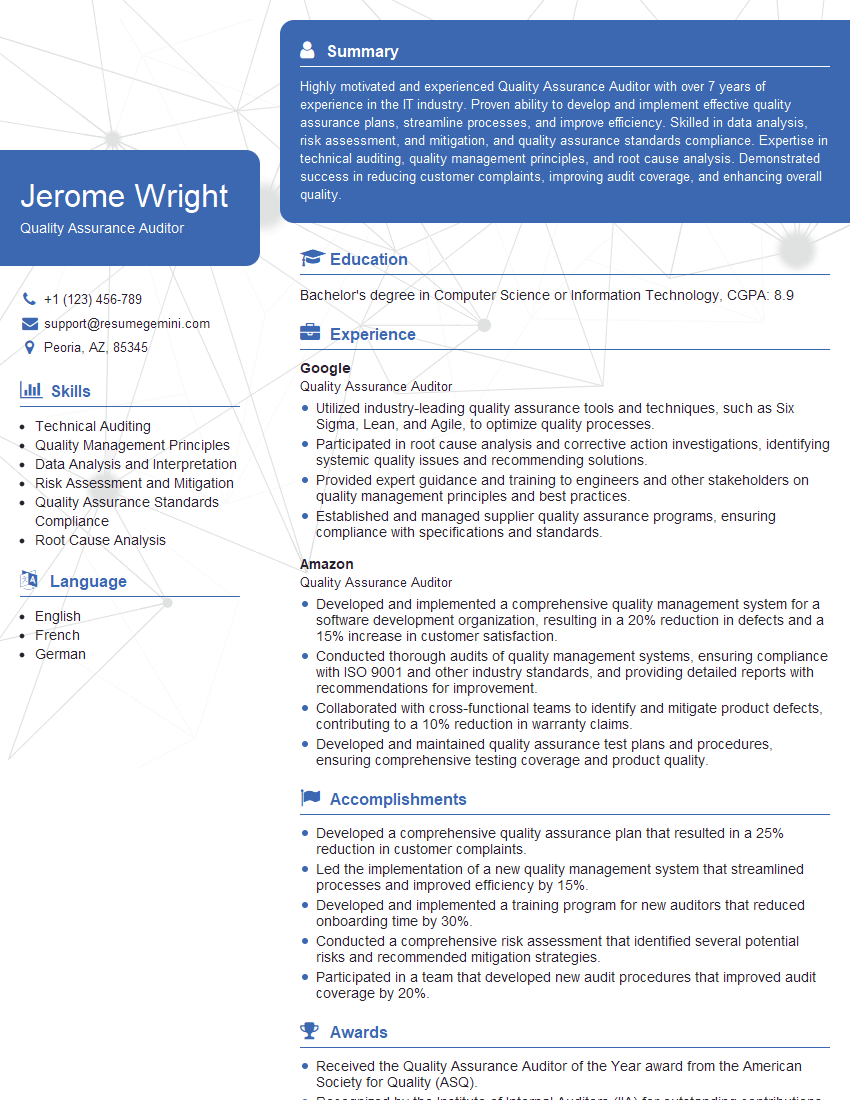
Quality Assurance Auditor Resume Sample
- Quality Assurance Manager
- Quality Control Manager
- Compliance Officer
- Quality Assurance Specialist
- Regulatory Affairs Associate
- Regulatory Affairs Specialist
- Quality Systems Manager
- Quality Control Specialist
- Validation Engineer
- Validation Specialist
- Quality Control Technician
- Quality Assurance Auditor
Explore more articles
Users Rating of Our Blogs
Share Your Experience
We value your feedback! Please rate our content and share your thoughts (optional).
What Readers Say About Our Blog
Very informative content, great job.
good