The right preparation can turn an interview into an opportunity to showcase your expertise. This guide to Goal Setting Skills interview questions is your ultimate resource, providing key insights and tips to help you ace your responses and stand out as a top candidate.
Questions Asked in Goal Setting Skills Interview
Q 1. Describe your process for setting SMART goals.
Setting SMART goals is a cornerstone of effective goal setting. SMART stands for Specific, Measurable, Achievable, Relevant, and Time-bound. My process involves a systematic approach ensuring each goal meets these criteria.
- Specific: I ensure the goal is clearly defined, leaving no room for ambiguity. Instead of ‘improve sales,’ a specific goal would be ‘increase sales of product X by 15% in the next quarter’.
- Measurable: I identify quantifiable metrics to track progress. This could involve numerical targets, percentages, or other objective measures. For the sales example, the 15% increase is measurable.
- Achievable: The goal must be realistic and attainable given available resources and time constraints. An achievable goal considers potential challenges and limitations.
- Relevant: The goal should align with broader objectives, both personal and professional. It should contribute meaningfully to a larger purpose.
- Time-bound: A deadline is crucial. This creates a sense of urgency and helps maintain focus. The ‘next quarter’ timeframe provides a clear deadline for the sales goal.
I typically document my SMART goals, regularly reviewing and adjusting them as needed. This iterative approach helps ensure I stay on track and adapt to changing circumstances.
Q 2. How do you prioritize competing goals?
Prioritizing competing goals requires a structured approach. I often utilize methods like the Eisenhower Matrix (Urgent/Important) or a weighted scoring system.
The Eisenhower Matrix categorizes tasks based on urgency and importance, allowing me to focus on high-impact, urgent tasks first. Less urgent but important tasks are scheduled, while unimportant tasks are delegated or eliminated.
A weighted scoring system involves assigning weights to different goals based on their strategic importance and potential impact. I then prioritize goals with the highest weighted scores. For example, a goal crucial for company growth might receive a higher weight than a less impactful goal.
Regardless of the method, clear communication and transparency are key. If multiple stakeholders are involved, collaborative prioritization ensures alignment and avoids conflict.
Q 3. What strategies do you use to overcome obstacles in achieving goals?
Obstacles are inevitable. My strategies focus on proactive planning and adaptable problem-solving.
- Proactive Planning: I anticipate potential roadblocks during the goal-setting phase and develop contingency plans. This includes identifying potential risks and resources needed to overcome them.
- Breaking Down Tasks: Large, daunting goals can be overwhelming. I break them down into smaller, manageable steps. This makes progress more visible and less intimidating.
- Seeking Support: I leverage my network for advice, mentorship, or collaboration when facing challenges. This could involve seeking guidance from colleagues, mentors, or industry experts.
- Adaptability: I am flexible and willing to adjust my strategies when necessary. Sometimes, the best solution involves pivoting or refining the approach rather than rigidly sticking to the original plan.
- Resilience: Setbacks are opportunities for learning and growth. I maintain a positive mindset, learn from failures, and adjust my approach accordingly.
Q 4. Explain a time you failed to achieve a goal. What did you learn?
In a previous role, I aimed to launch a new product line within a very tight timeframe. Despite meticulous planning, unforeseen manufacturing delays significantly impacted the timeline. We ultimately missed the initial launch date.
The key learning was the importance of building in buffer time for unexpected delays. While thorough planning is essential, unforeseen circumstances are inevitable. Incorporating contingency plans and realistic timelines, acknowledging the potential for delays, is vital for future project management.
Q 5. How do you measure the success of your goals?
Measuring success involves establishing clear, measurable metrics aligned with the SMART goal criteria. The methods vary depending on the goal.
- Quantitative Metrics: For sales goals, I track revenue, units sold, or conversion rates. For project goals, I monitor completion rates, budget adherence, and time management.
- Qualitative Metrics: Sometimes, success is measured by qualitative factors like customer satisfaction, team morale, or skill development. This might involve surveys, feedback sessions, or performance reviews.
- Regular Monitoring and Reporting: I track progress regularly, using dashboards or progress reports to identify areas needing attention. This ensures timely adjustments if the goal trajectory deviates.
By combining quantitative and qualitative measures, I get a holistic view of success, going beyond simple numbers to understand the overall impact of achieving the goal.
Q 6. How do you adapt your goals in response to changing circumstances?
Adaptability is crucial. When circumstances change, I review my goals to determine whether adjustments are necessary. This might involve:
- Re-evaluating the goal: Is the goal still relevant and achievable given the new circumstances? If not, it may need to be modified or replaced altogether.
- Adjusting the timeline: Unexpected delays or new opportunities might require extending or shortening the timeframe.
- Modifying strategies: The initial plan might need to be revised based on the changed circumstances. This could involve adopting new approaches or allocating resources differently.
- Communicating changes: If adjustments affect others, I ensure transparency and open communication to ensure everyone is informed and aligned.
Regular review and flexibility are essential for navigating dynamic environments and ensuring goals remain relevant and attainable.
Q 7. How do you ensure your goals align with organizational objectives?
Aligning personal goals with organizational objectives is vital for overall effectiveness. I ensure this alignment by:
- Understanding organizational strategy: I thoroughly research and understand the company’s mission, vision, and strategic priorities. This provides the context for setting my goals.
- Connecting individual goals to departmental and organizational objectives: I ensure my goals directly contribute to team and company objectives. This means actively seeking opportunities to support broader strategic initiatives.
- Collaborating with management: I regularly discuss my goals with my manager, seeking feedback and ensuring alignment with organizational priorities. This ensures my work is valued and contributes effectively to the bigger picture.
- Regularly reviewing alignment: As organizational priorities evolve, I regularly revisit my goals to ensure continued alignment. This iterative approach keeps me focused on contributing to company success.
Q 8. Describe your experience using goal-setting frameworks (e.g., OKRs, KPIs).
My experience with goal-setting frameworks is extensive, encompassing both individual and team settings. I’ve successfully implemented OKRs (Objectives and Key Results) in several projects, using them to define ambitious, measurable goals and track progress effectively. OKRs provide a clear hierarchy, starting with a high-level objective and breaking it down into specific, measurable key results. For example, an objective might be “Increase market share.” The key results could be “Increase website traffic by 20%”, “Improve conversion rates by 15%”, and “Secure 5 new key partnerships.” I’ve also worked with KPIs (Key Performance Indicators), focusing on quantifiable metrics that directly reflect the success of a project or strategy. This could include metrics like customer satisfaction scores, sales figures, or project completion rates. The choice between OKRs and KPIs often depends on the context; OKRs are best for setting aspirational goals, while KPIs are more suitable for monitoring performance and identifying areas for improvement.
In a recent project, we used OKRs to launch a new product. The objective was to achieve a successful product launch within budget and timeline. The key results included securing pre-orders, achieving specific sales targets within the first quarter, and maintaining a positive customer feedback rating. We tracked these KPIs weekly and adjusted our strategy as needed. The framework allowed us to align the entire team around clear goals, fostering collaboration and accountability.
Q 9. How do you motivate yourself and others to achieve ambitious goals?
Motivating myself and others to achieve ambitious goals requires a multi-faceted approach. For myself, I utilize a combination of intrinsic and extrinsic motivation. Intrinsically, I focus on the impact and meaning of the work – the satisfaction of achieving something significant. Extrinsically, I use reward systems, setting personal milestones and celebrating achievements along the way.
When motivating others, I prioritize creating a collaborative and supportive environment. This involves:
- Clear Communication: Ensuring everyone understands the goals, their role, and the ‘why’ behind the effort.
- Recognition and Appreciation: Publicly acknowledging contributions and successes, both big and small.
- Empowerment and Autonomy: Giving team members ownership over their tasks and providing them with the tools and support they need to succeed.
- Setting Challenging but Achievable Goals: Ambitious goals are motivating, but they should be realistic and broken down into smaller, manageable steps.
- Regular Feedback and Coaching: Providing constructive criticism, guidance, and encouragement.
For example, during a particularly challenging project, I implemented a weekly team meeting dedicated to celebrating progress and addressing challenges. This open communication fostered a sense of camaraderie and boosted morale, ultimately contributing to exceeding our ambitious goals.
Q 10. How do you delegate tasks effectively to achieve team goals?
Effective delegation is crucial for achieving team goals. It’s not just about assigning tasks; it’s about empowering individuals to own their work and contribute their unique skills. My approach involves:
- Assessing Team Members’ Skills and Strengths: Matching tasks to individuals’ capabilities and interests maximizes productivity and engagement.
- Providing Clear Instructions and Expectations: Defining deliverables, deadlines, and the desired outcomes ensures everyone is on the same page.
- Granting Autonomy and Trust: Allowing team members to manage their tasks independently fosters ownership and responsibility.
- Offering Support and Guidance: Being available for questions, providing feedback, and offering assistance when needed promotes success and prevents bottlenecks.
- Regular Check-ins and Communication: Monitoring progress, addressing concerns, and providing updates keeps the team aligned and on track.
In a recent project, I delegated various tasks based on team members’ expertise. For example, the data analyst focused on analyzing key metrics, the designer worked on the user interface, and the marketing specialist spearheaded the launch campaign. This division of labor, coupled with regular check-ins, ensured we completed the project efficiently and effectively.
Q 11. How do you track progress towards your goals?
Tracking progress effectively involves using a combination of quantitative and qualitative methods. I regularly utilize project management software to track deadlines and milestones. These tools provide a visual representation of progress, allowing for quick identification of potential delays or roadblocks. For example, using tools like Jira or Asana allows for the creation of Kanban boards which visually represent task progression.
Beyond software, I also incorporate regular check-ins with team members, conducting progress reviews and discussing challenges faced. This qualitative feedback helps to ensure that the project is on track from a holistic perspective, capturing aspects not readily quantifiable. I believe that a balanced approach, blending quantitative data with qualitative insights, ensures a comprehensive understanding of progress and potential areas needing attention. This data then informs necessary adjustments to strategies or timelines.
Q 12. What tools or techniques do you use for goal management?
My goal management toolkit is diverse and adaptable to different contexts. I regularly use project management software like Asana and Jira for task assignment, progress tracking, and collaboration. These tools allow for centralized task management, facilitating team communication and ensuring accountability.
In addition to project management software, I use spreadsheets and dashboards to visualize progress towards key performance indicators (KPIs). These visual aids offer a clear and concise representation of our progress and help identify potential issues early on. For personal goal setting, I use simple to-do lists and habit trackers to maintain focus and momentum. The key is choosing the right tool for the specific goal and context. Flexibility and adaptability are paramount for effective goal management.
Q 13. How do you handle setbacks or unexpected challenges when pursuing goals?
Handling setbacks and unexpected challenges is an inevitable part of pursuing ambitious goals. My approach involves a structured process:
- Acknowledge and Analyze: The first step is to honestly assess the situation, understanding the nature and extent of the setback.
- Problem-Solving: Brainstorm potential solutions, exploring different approaches and perspectives.
- Adaptability and Adjustment: Being willing to modify strategies or even goals as needed to navigate the obstacle.
- Learn and Grow: Analyzing what went wrong, identifying lessons learned, and incorporating these insights into future planning.
- Maintain Perspective and Motivation: Focusing on progress made, celebrating small wins, and maintaining a positive outlook.
For example, in a previous project, we faced an unexpected delay due to a technical issue. We quickly assembled a task force to address the problem, identifying and implementing a workaround. This experience taught us the importance of having contingency plans and anticipating potential risks in future projects.
Q 14. Describe a time you had to adjust your goals due to resource constraints.
In a previous project aimed at developing a new software application, we faced significant resource constraints, specifically in terms of budget and time. Initially, our goal was to launch a feature-rich application within six months. However, due to budget limitations and the complexity of the project, we realized that we wouldn’t be able to achieve this ambitious goal without compromising quality.
To address the resource constraints, we prioritized features based on user needs and business impact, using a MoSCoW method (Must have, Should have, Could have, Won’t have). We streamlined the development process by optimizing our workflow and leveraging available tools more effectively. We also adjusted our launch timeline, extending it by three months to ensure a successful and high-quality product launch. This decision, while difficult, ultimately led to a more sustainable and successful project outcome. This experience underscored the importance of flexibility and adaptability in goal setting, particularly when faced with unexpected limitations.
Q 15. How do you foster a culture of goal-setting within a team?
Fostering a culture of goal-setting isn’t about imposing goals; it’s about cultivating a shared understanding of their importance and empowering the team to participate actively. I begin by clearly communicating the overall team vision and connecting individual goals to this larger picture. This helps team members understand how their work contributes to something bigger than themselves.
Next, I facilitate regular goal-setting workshops. These aren’t top-down directives but collaborative sessions where team members actively participate in defining their objectives and outlining strategies to achieve them. This participatory approach increases buy-in and ownership. We use brainstorming techniques, openly discuss potential challenges, and collectively agree on realistic and ambitious goals. Finally, consistent recognition and celebration of successes – both big and small – are essential. This positive reinforcement strengthens the culture of goal-orientation and motivates continued effort.
For example, in a previous marketing team, we used a collaborative Kanban board to visualize our quarterly goals and individual tasks. This fostered transparency and allowed everyone to track progress and offer support to one another. Celebrating hitting milestones with small team celebrations further reinforced the positive impact of goal attainment.
Career Expert Tips:
- Ace those interviews! Prepare effectively by reviewing the Top 50 Most Common Interview Questions on ResumeGemini.
- Navigate your job search with confidence! Explore a wide range of Career Tips on ResumeGemini. Learn about common challenges and recommendations to overcome them.
- Craft the perfect resume! Master the Art of Resume Writing with ResumeGemini’s guide. Showcase your unique qualifications and achievements effectively.
- Don’t miss out on holiday savings! Build your dream resume with ResumeGemini’s ATS optimized templates.
Q 16. How do you provide constructive feedback to team members regarding their goal progress?
Constructive feedback is crucial for goal progress. I avoid judgmental language and focus on specific behaviors and outcomes. My approach is based on the GROW model: Goal, Reality, Options, Will. We start by reviewing the established goal (Goal), then discuss the current reality – where the team member is in relation to the goal (Reality). Then, together, we brainstorm potential solutions and options to overcome challenges (Options). Finally, we collaborate to create an action plan and ensure the team member is committed to implementing it (Will).
For example, instead of saying “Your performance is subpar,” I might say, “I’ve noticed you’ve had challenges meeting the deadline for the X report. Let’s explore what’s causing this and see how we can address it together.” This allows for a more open and productive conversation focused on solutions rather than blame.
Q 17. How do you identify and address potential roadblocks before starting a project with specific goals?
Identifying and addressing potential roadblocks is proactive risk management. Before starting a project, I utilize a risk assessment process. This involves a collaborative brainstorming session with the team to identify potential obstacles. We consider factors such as resource availability, technical challenges, dependencies on other teams, and potential market shifts. For each identified risk, we discuss its likelihood and potential impact. Then, we collaboratively develop mitigation strategies. This might involve securing additional resources, developing contingency plans, or establishing clear communication channels with relevant stakeholders.
For instance, if a project depends on external data from a third-party vendor, we would establish a clear communication plan and define contingency plans if the data delivery is delayed. This proactive approach reduces the likelihood of encountering unexpected roadblocks and ensures a smoother project execution.
Q 18. What is your preferred method for breaking down large, complex goals into smaller, manageable tasks?
My preferred method for breaking down large goals is using a Work Breakdown Structure (WBS). This is a hierarchical decomposition of a project into smaller, manageable tasks. It visually represents the project scope and defines the relationships between different tasks. I typically start with the main goal at the top level and then progressively break it down into smaller sub-goals and tasks until each is clearly defined and achievable within a specific timeframe. This provides a clear roadmap and allows for better tracking of progress.
For example, if the main goal is “Launch a new product by the end of the year,” the WBS might include sub-goals like “Market research,” “Product development,” “Marketing campaign,” and “Sales training.” Each of these would further be broken down into specific, actionable tasks with assigned owners and deadlines.
Q 19. How do you balance short-term and long-term goals?
Balancing short-term and long-term goals is essential for sustained progress. I use a framework where long-term goals provide direction, while short-term goals act as stepping stones. Long-term goals are the overarching objectives, providing the vision and context for our work. Short-term goals are smaller, more immediate objectives that contribute directly to the achievement of long-term goals. Regular review and adjustment are crucial. I make sure the short-term goals are both challenging and attainable, keeping the long-term vision in mind. We regularly assess progress and make adjustments to short-term goals as needed without losing sight of the bigger picture.
Think of climbing a mountain: the summit is your long-term goal, and each base camp you establish along the way represents a short-term goal. Celebrating reaching each base camp keeps morale high and fuels motivation for the next leg of the journey.
Q 20. Explain your understanding of the SMART goals framework (Specific, Measurable, Achievable, Relevant, Time-bound).
The SMART goals framework is a powerful tool for effective goal setting. Specific means the goal is clearly defined and leaves no room for ambiguity. Measurable means the goal includes quantifiable metrics to track progress. Achievable means the goal is realistic and attainable given the available resources and time constraints. Relevant means the goal aligns with the overall objectives and priorities. Time-bound means the goal has a clear deadline. A SMART goal is actionable and allows for effective monitoring and evaluation. For example, instead of setting a goal like “Improve sales,” a SMART goal would be “Increase sales revenue by 15% in the next quarter by implementing a new marketing campaign focused on social media.”
Q 21. How do you ensure that your goals are realistic and achievable?
Ensuring goals are realistic and achievable requires careful consideration of several factors. I start by conducting a thorough assessment of available resources, including budget, personnel, and technology. I also factor in historical data and past performance to establish a benchmark. I then involve the team in the goal-setting process to leverage their expertise and knowledge. We use data-driven insights to validate assumptions and refine goals. Finally, we regularly monitor progress and make adjustments as needed. This iterative approach allows us to adapt to changing circumstances and maintain realistic expectations while striving for ambitious outcomes.
For example, before setting a sales goal, we’d analyze historical sales data, market trends, and competitor activities. We’d also consider the sales team’s capacity and available resources. This data-driven approach ensures that the goal is both challenging and realistically attainable.
Q 22. Describe a time you set a challenging goal and successfully achieved it.
Setting challenging goals is crucial for growth. One particularly demanding goal I set was to lead the implementation of a new CRM system across three geographically dispersed offices within six months. This was challenging due to varying levels of technical proficiency, differing time zones, and potential resistance to change. My success stemmed from a meticulously planned approach.
- Detailed Planning: I broke down the project into smaller, manageable tasks, assigning specific responsibilities and deadlines. This created a clear roadmap.
- Stakeholder Engagement: I held regular meetings with team members from each office to address concerns, solicit feedback, and foster buy-in. This transparent approach mitigated resistance.
- Consistent Monitoring & Adjustment: I used project management software to track progress, identify roadblocks, and adjust timelines as needed. This flexibility was critical to the success.
- Celebration of Milestones: Recognizing and celebrating smaller achievements along the way kept the team motivated and engaged, preventing burnout.
The outcome? We successfully implemented the CRM system on time and under budget, resulting in a significant increase in sales efficiency and improved customer relationship management. This experience reinforced the importance of meticulous planning, effective communication, and adaptable project management.
Q 23. How do you use data and analytics to inform your goal setting and progress tracking?
Data and analytics are indispensable for effective goal setting. Instead of relying on gut feelings, I leverage data to establish realistic, measurable goals and to track progress objectively.
- Baseline Data: Before setting goals, I gather relevant data to establish a baseline. For example, if the goal is to increase sales, I’d analyze past sales figures, market trends, and competitor performance.
- Key Performance Indicators (KPIs): I identify KPIs that directly reflect progress towards the goal. These could include website traffic, conversion rates, customer satisfaction scores, or project completion rates.
- Data Visualization: I use dashboards and charts to visualize data and track progress over time. This provides a clear picture of our performance and allows for timely intervention if needed.
- A/B Testing: When appropriate, I implement A/B testing to compare different strategies and identify what works best. This data-driven approach refines our approach and maximizes results.
For instance, in a recent marketing campaign, I used Google Analytics to track website traffic and conversion rates. By analyzing this data, I identified underperforming areas and adjusted our strategies, resulting in a 20% increase in leads. Data-driven goal setting ensures that our efforts are focused and effective.
Q 24. How do you involve stakeholders in the goal-setting process?
Involving stakeholders is paramount for achieving collective buy-in and successful goal attainment. My approach involves a collaborative and inclusive process.
- Brainstorming Sessions: I conduct brainstorming sessions with key stakeholders to identify shared goals and priorities. This collaborative approach ensures everyone feels heard and valued.
- Open Communication: I maintain open and transparent communication throughout the goal-setting and implementation process. This ensures everyone is informed and aligned.
- Feedback Mechanisms: I implement feedback mechanisms to gather input and adjust strategies as needed. This ensures the goals remain relevant and achievable.
- Shared Ownership: By involving stakeholders in the process, I foster a sense of shared ownership and accountability, leading to greater commitment and success.
For example, when setting team goals, I conduct team meetings to gather input on the team’s capacity, identify potential roadblocks, and ensure that the goals are realistic and achievable. This collaborative approach makes everyone feel a part of the process, leading to increased engagement and shared responsibility.
Q 25. Describe your experience with using project management software for goal tracking.
Project management software is essential for effective goal tracking and project management. I’ve extensively used tools like Asana, Trello, and Jira, each offering unique features suited to different project needs.
- Task Management: These platforms allow me to break down large goals into smaller, manageable tasks, assign them to team members, and set deadlines.
- Progress Tracking: I utilize built-in progress tracking features to monitor task completion rates and overall project advancement.
- Collaboration Features: The communication and collaboration features facilitate seamless information sharing and feedback loops among team members.
- Reporting & Analytics: The reporting functionalities provide valuable insights into project performance, allowing for proactive identification and mitigation of potential issues.
For example, in a recent project, I used Asana to manage tasks, track deadlines, and facilitate communication. The platform’s Kanban board allowed for visual representation of project progress and quick identification of bottlenecks. This resulted in streamlined workflow and timely project completion.
Q 26. How do you remain accountable for your goals?
Accountability is the cornerstone of goal achievement. I employ several strategies to remain accountable.
- Public Commitment: Sharing my goals with others – whether it’s my team, manager, or even a close friend – creates a sense of external pressure and increases my commitment to follow through.
- Regular Check-ins: I schedule regular check-ins with myself or a mentor to review my progress, identify obstacles, and adjust strategies as needed.
- SMART Goals: I ensure my goals are SMART (Specific, Measurable, Achievable, Relevant, Time-bound) which makes tracking progress straightforward and avoids ambiguity.
- Reward System: I establish a reward system for myself to celebrate milestones and maintain motivation. This could be anything from a small treat to a larger reward upon completing the goal.
For instance, I publicly committed to running a marathon by posting my training schedule on social media. This external pressure, combined with regular check-ins with my running partner, kept me motivated and accountable throughout my training.
Q 27. How do you handle conflicting priorities when setting goals?
Conflicting priorities are inevitable. Effective prioritization is crucial. My approach uses a combination of techniques.
- Prioritization Matrix: I employ the Eisenhower Matrix (Urgent/Important) to categorize tasks based on urgency and importance, allowing me to focus on high-impact activities first.
- Value Assessment: I assess the value of each goal in relation to the overall objectives, focusing on those that contribute most significantly to long-term success.
- Time Blocking: I allocate specific time blocks for working on different tasks to ensure sufficient time for each priority.
- Delegation: When possible, I delegate tasks to others to free up my time for higher-priority activities.
For example, if faced with a deadline for a critical project and a less urgent meeting, I would use the Eisenhower Matrix to prioritize the project, potentially rescheduling the meeting or delegating some aspects to a team member. This ensures that my time is allocated efficiently to achieve the most impactful results.
Key Topics to Learn for Goal Setting Skills Interview
- SMART Goals Framework: Understanding and applying the SMART (Specific, Measurable, Achievable, Relevant, Time-bound) criteria for effective goal setting. Practical application: Analyzing existing goals and reframing them using the SMART framework.
- Goal Prioritization Techniques: Mastering methods like Eisenhower Matrix (urgent/important) and MoSCoW (Must have, Should have, Could have, Won’t have) to effectively manage competing priorities. Practical application: Demonstrating the ability to prioritize tasks based on impact and urgency in a hypothetical scenario.
- Obstacles & Contingency Planning: Identifying potential roadblocks to achieving goals and proactively developing strategies to overcome them. Practical application: Developing a contingency plan for a specific project goal, considering potential risks and mitigation strategies.
- Performance Monitoring & Adjustment: Regularly tracking progress, analyzing results, and adapting goals as needed. Practical application: Describing a situation where you had to adjust your goals based on performance data or unexpected circumstances.
- Goal Alignment & Communication: Aligning personal goals with organizational objectives and effectively communicating goals and progress to stakeholders. Practical application: Explaining how you would ensure alignment between your individual goals and a team’s overall objectives.
- Motivation & Self-Discipline: Strategies for maintaining motivation and discipline throughout the goal pursuit process. Practical application: Discussing techniques for overcoming procrastination and staying focused on long-term goals.
Next Steps
Mastering goal-setting skills is crucial for career advancement. It demonstrates your ability to plan, execute, and adapt – highly valued qualities in any professional environment. To further enhance your job prospects, focus on building an ATS-friendly resume that showcases your accomplishments and skills effectively. ResumeGemini is a trusted resource that can help you craft a compelling resume that highlights your expertise in goal setting. Examples of resumes tailored to Goal Setting Skills are available within ResumeGemini to guide your creation process. Investing time in a strong resume increases your chances of landing your dream job.
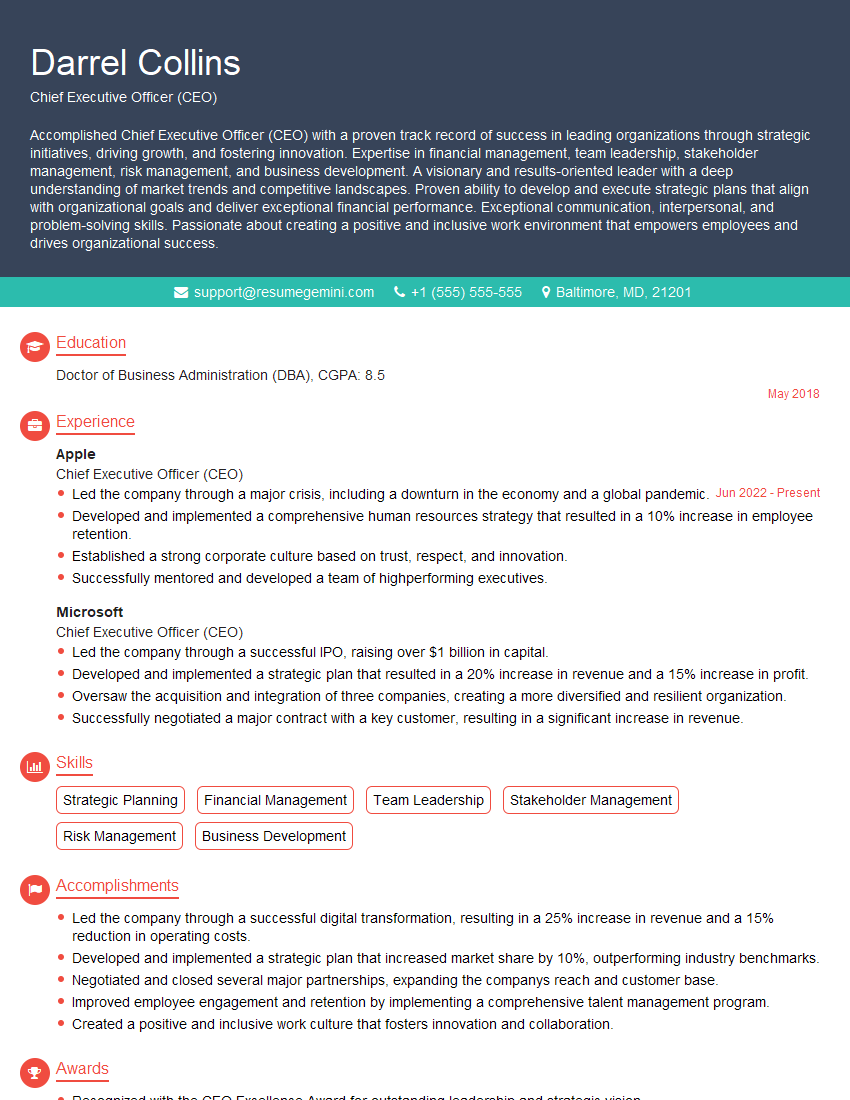
Chief Executive Officer (CEO) Resume Sample
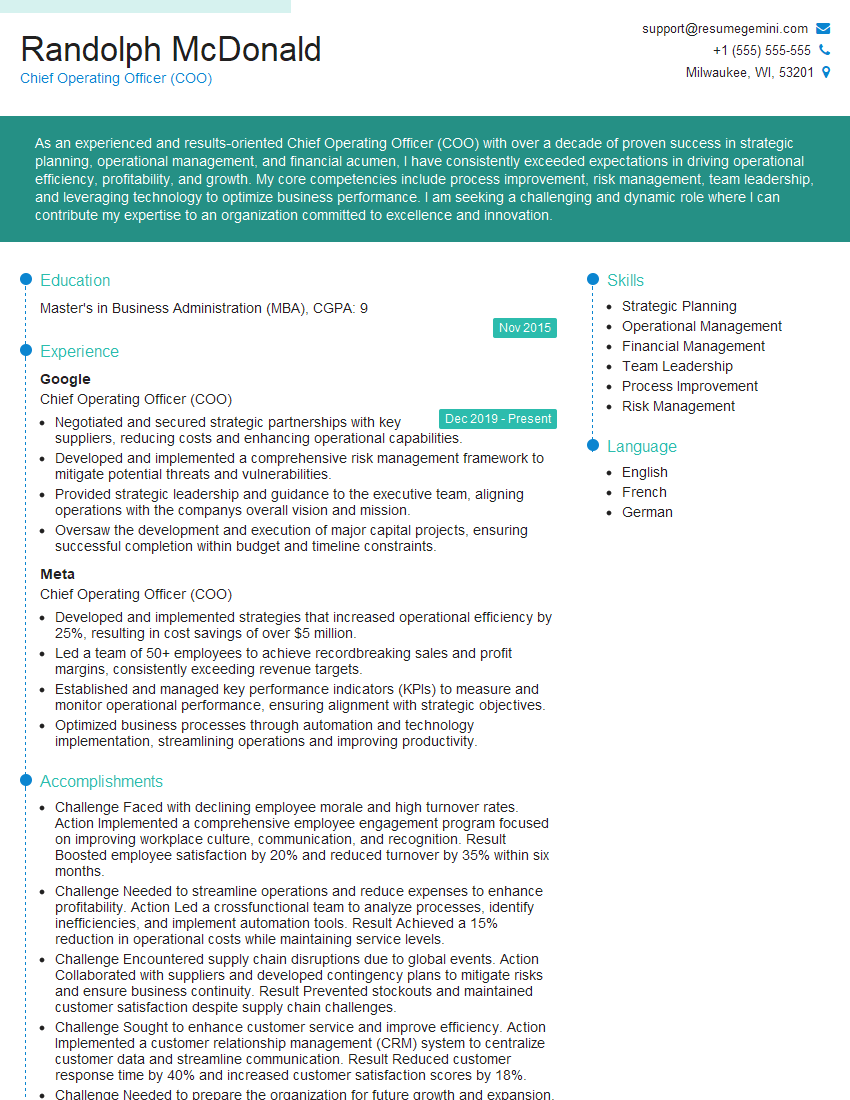
Chief Operating Officer (COO) Resume Sample
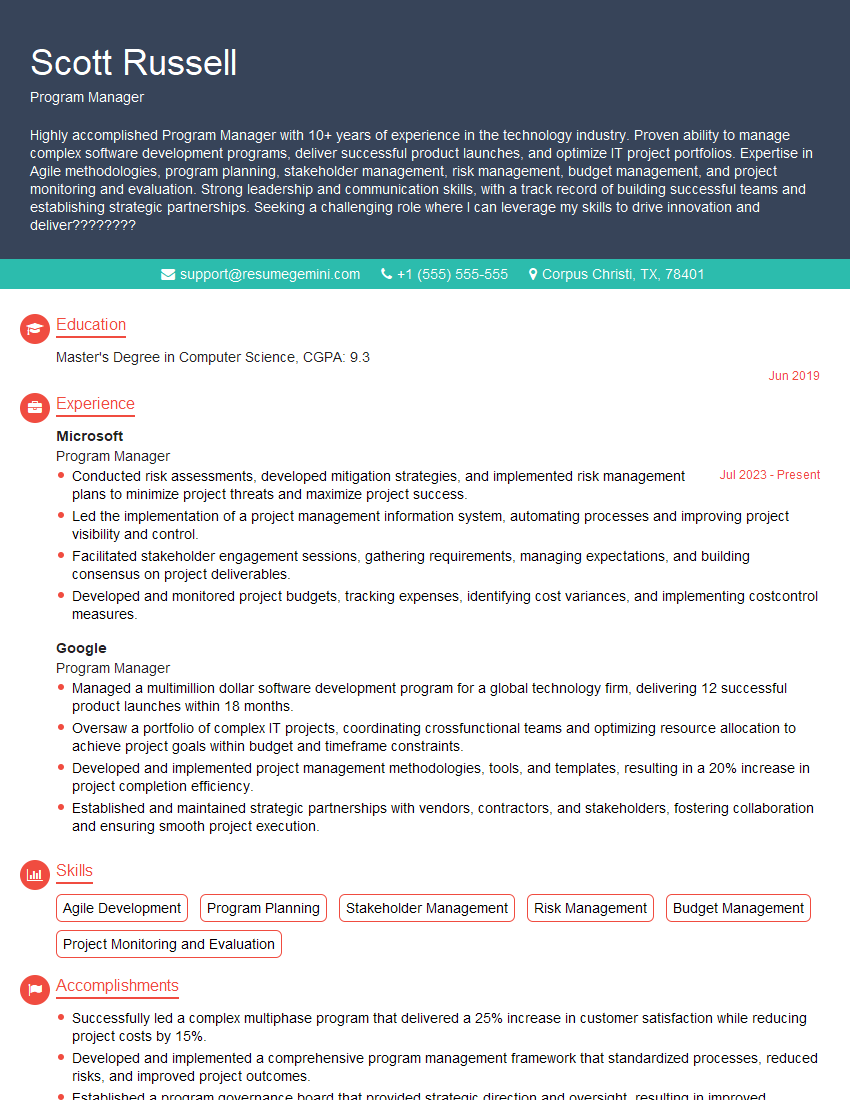
Program Manager Resume Sample
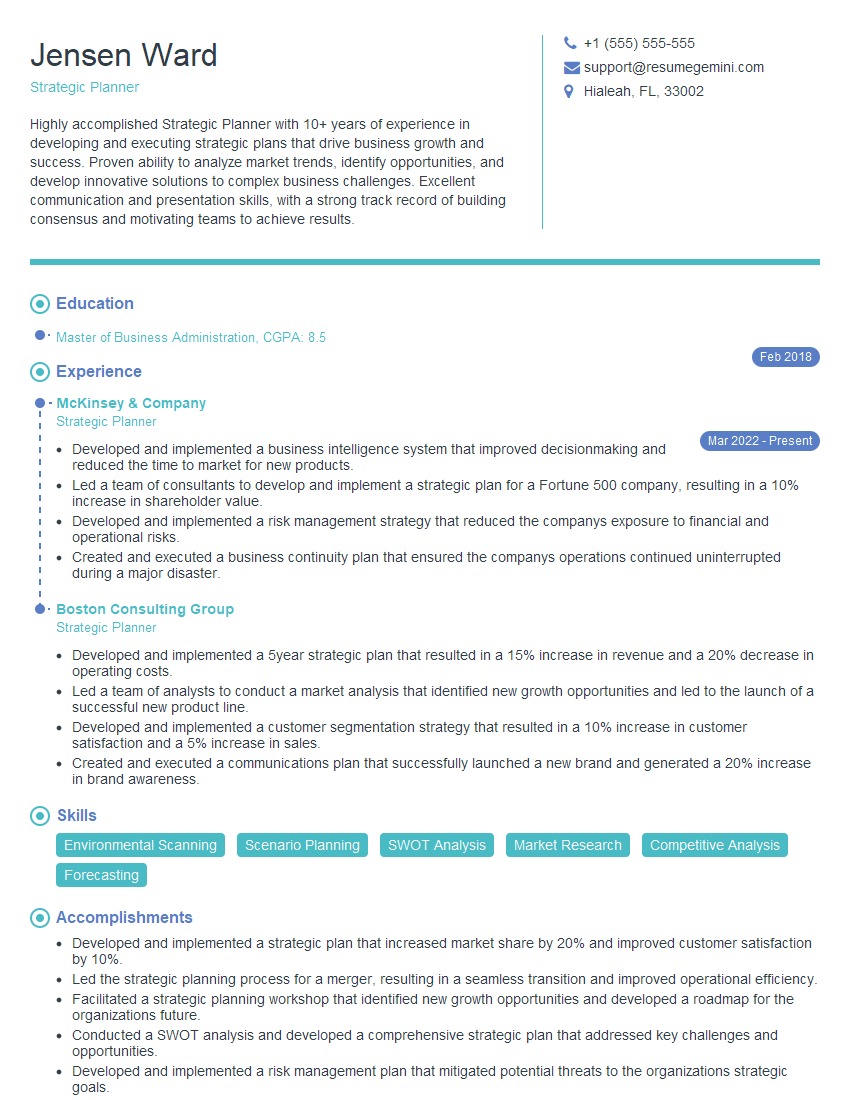
Strategic Planner Resume Sample

Operations Manager Resume Sample
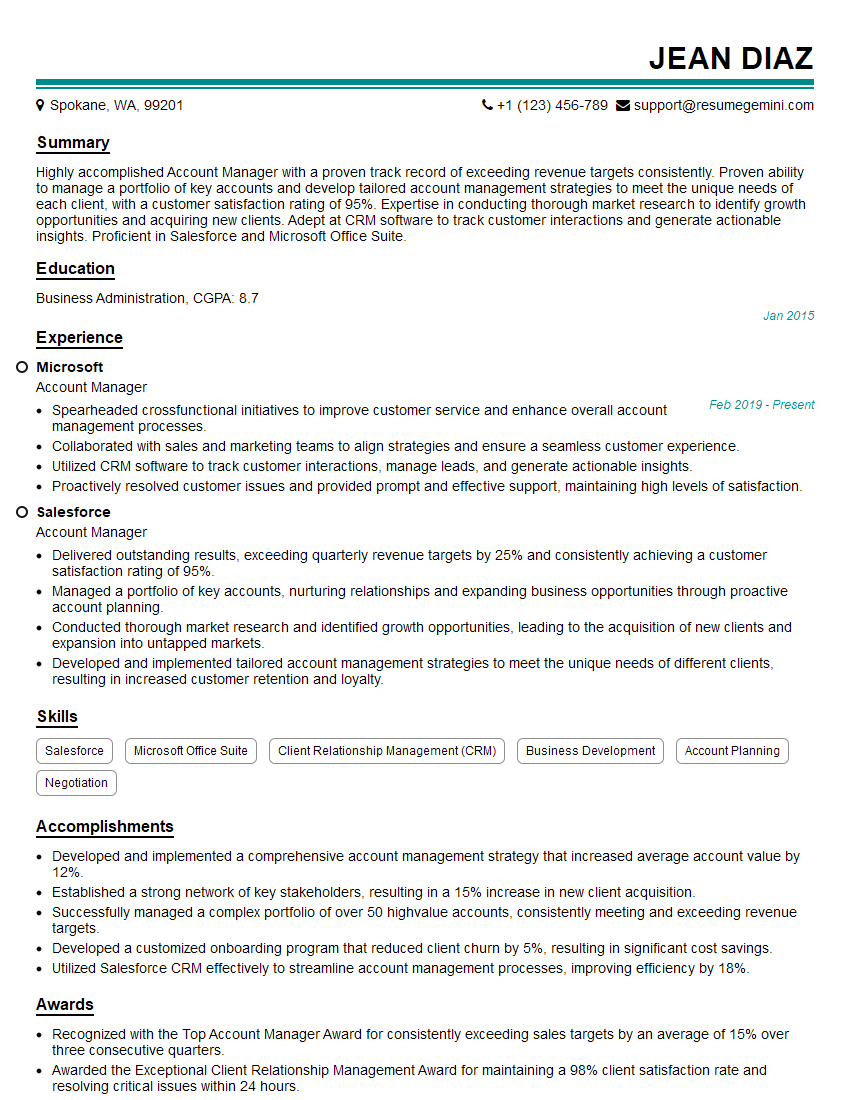
Account Manager Resume Sample
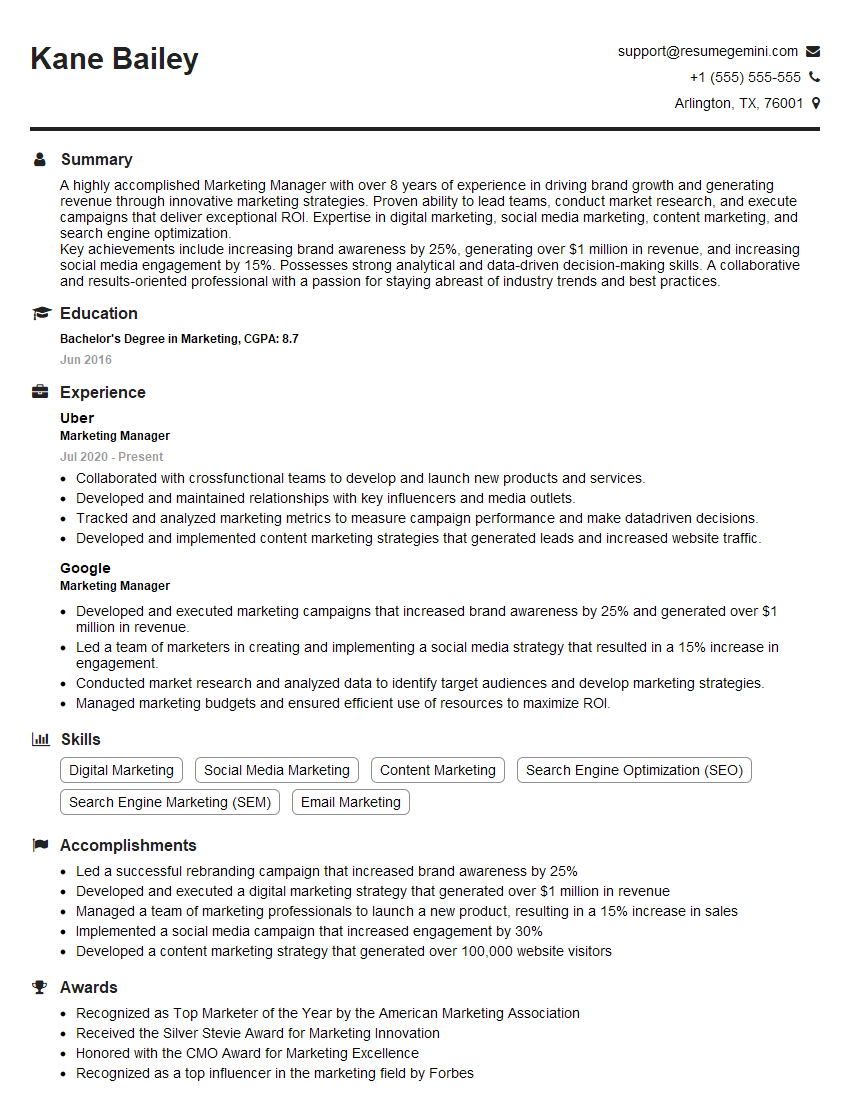
Marketing Manager Resume Sample
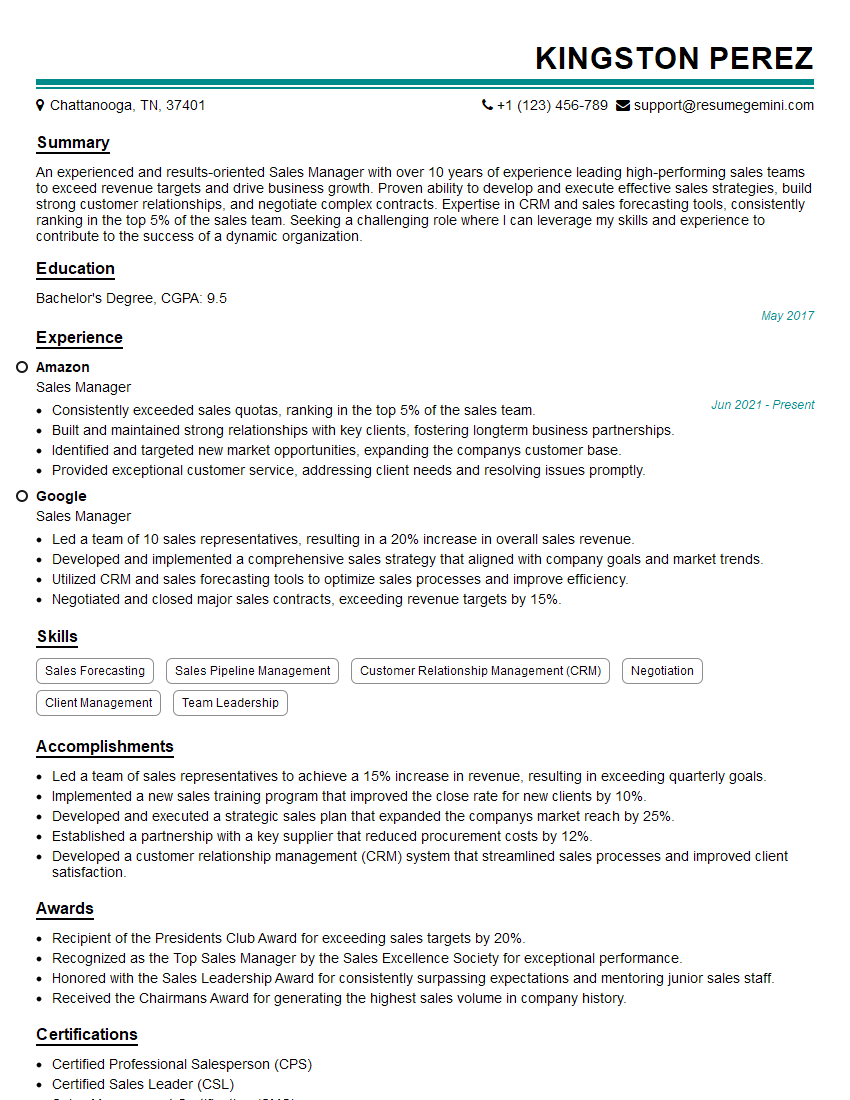
Sales Manager Resume Sample
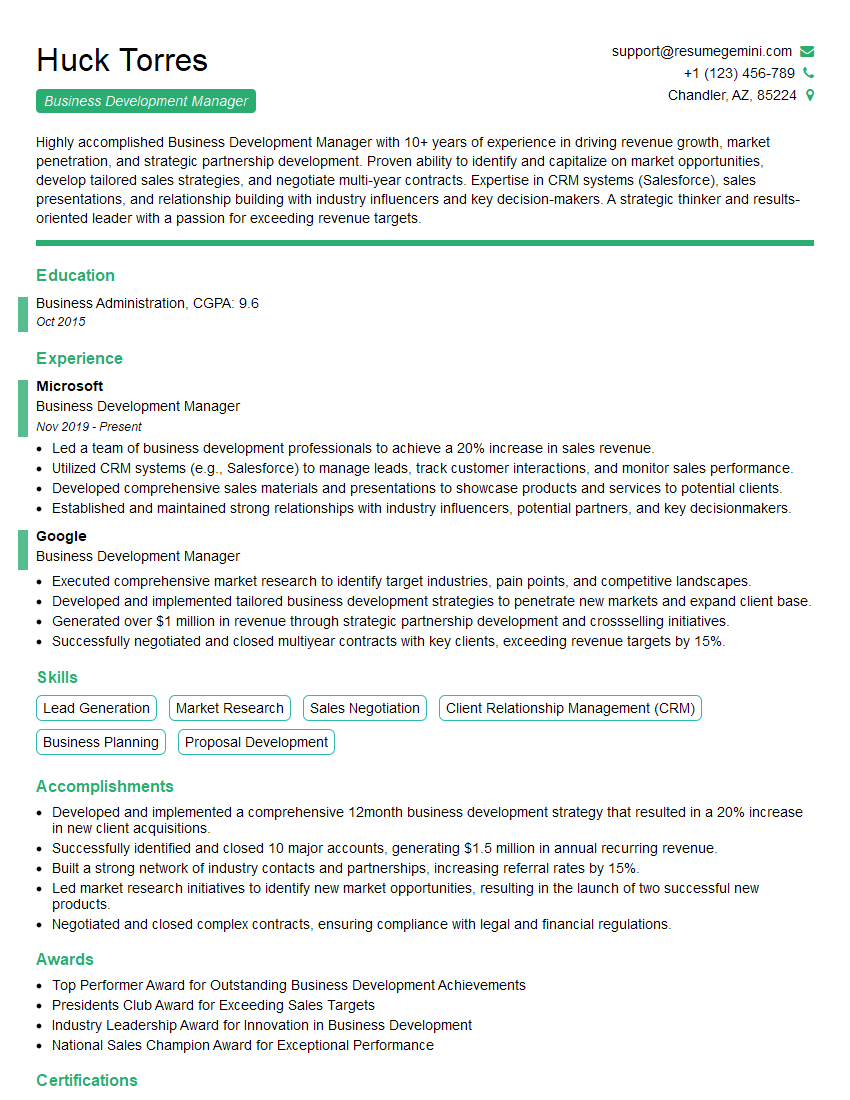
Business Development Manager Resume Sample
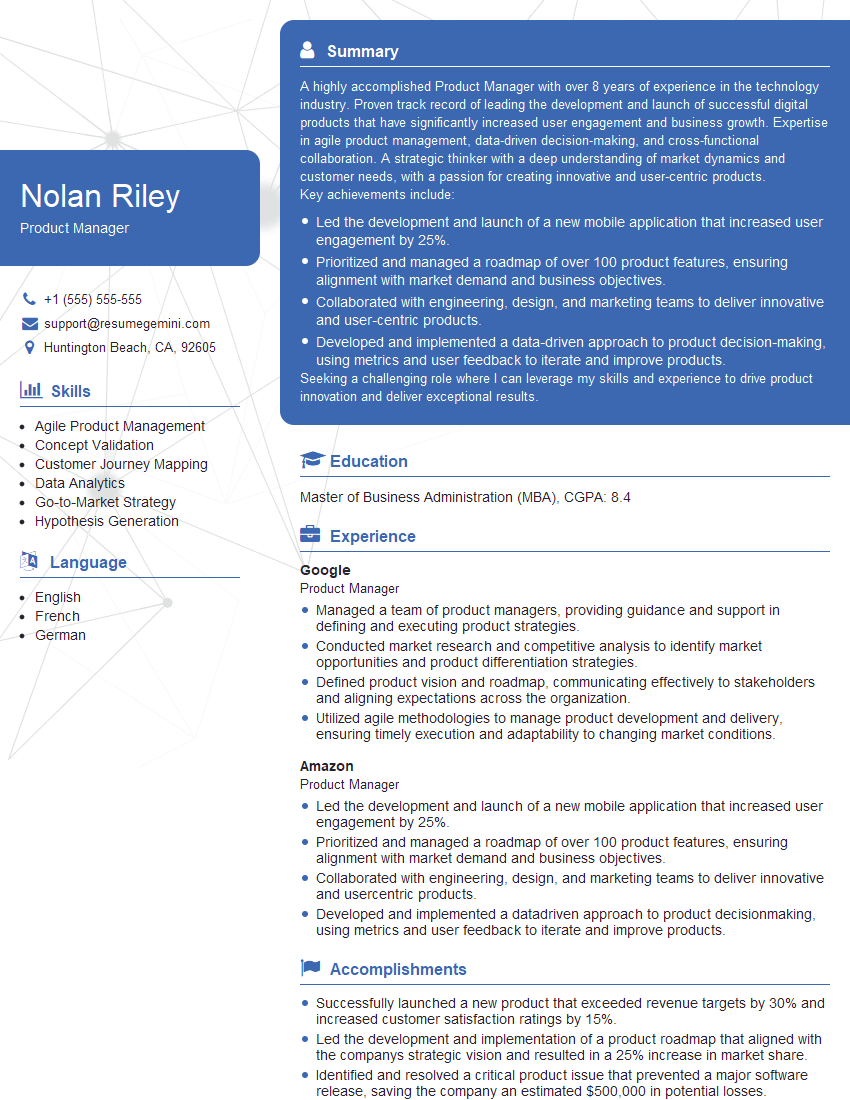
Product Manager Resume Sample
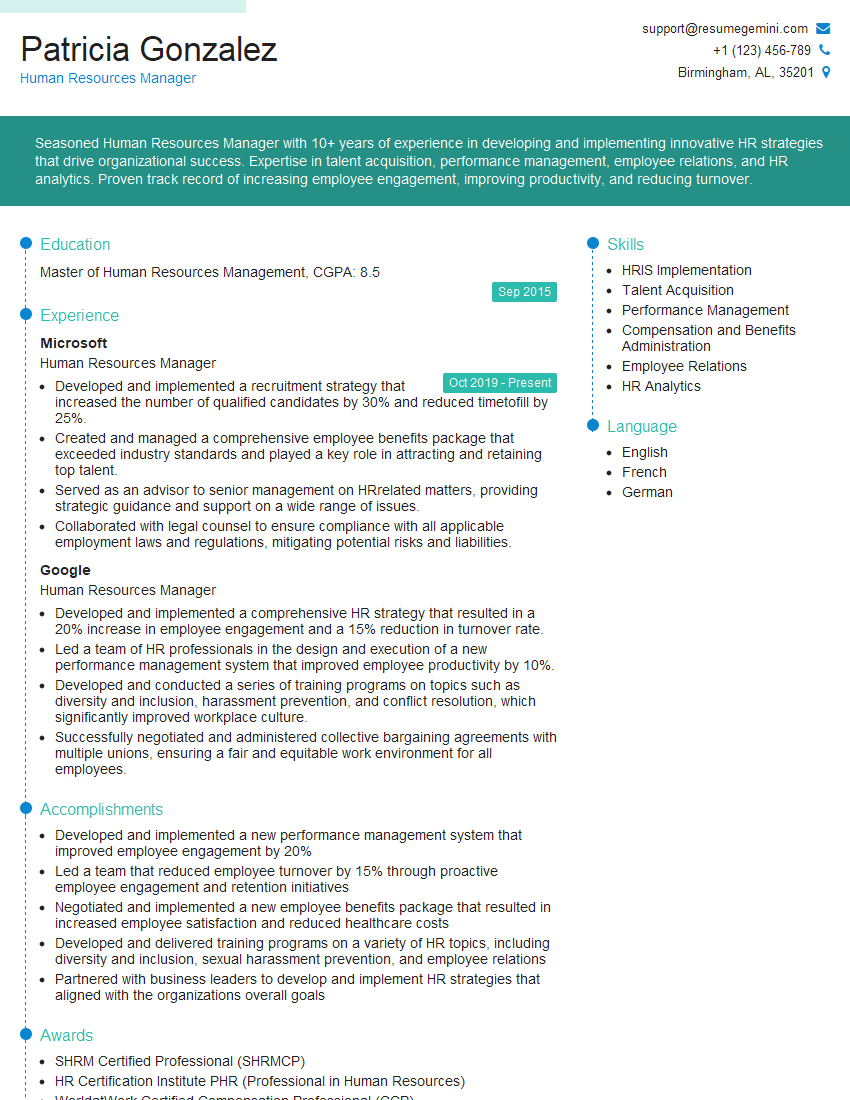
Human Resources Manager Resume Sample

Project Manager Resume Sample
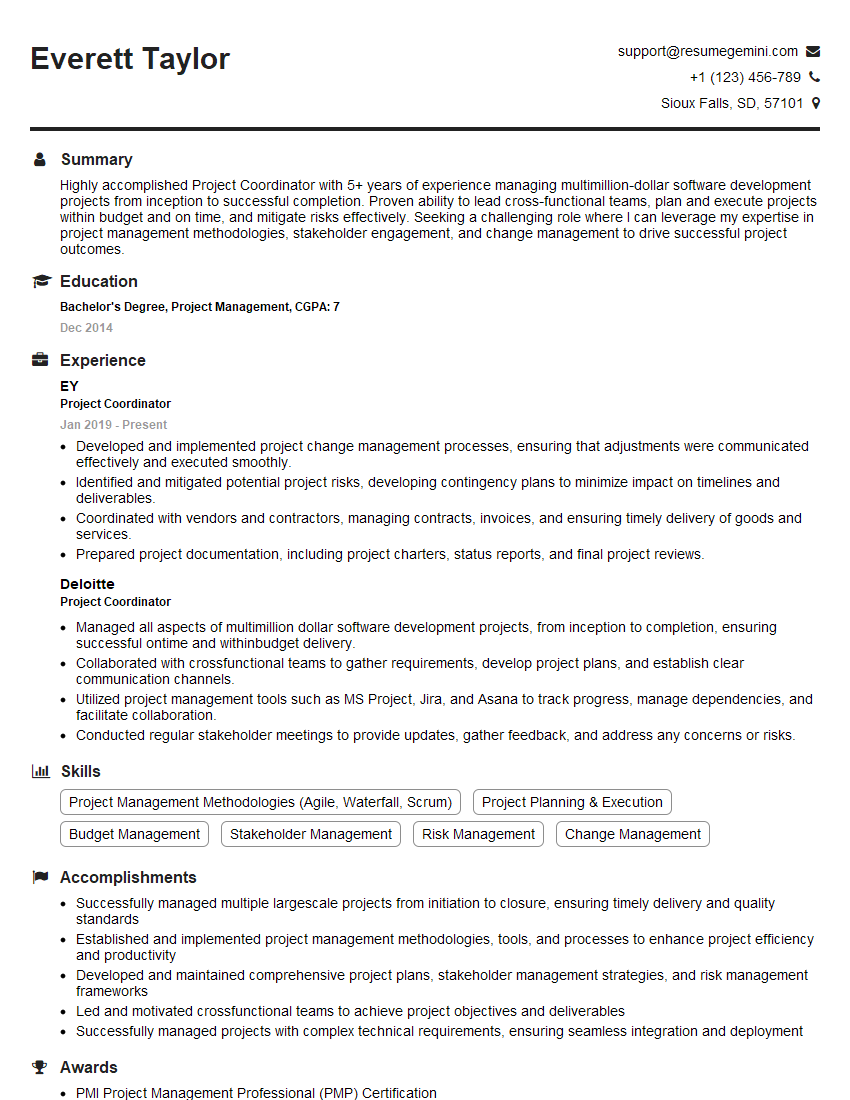
Project Coordinator Resume Sample
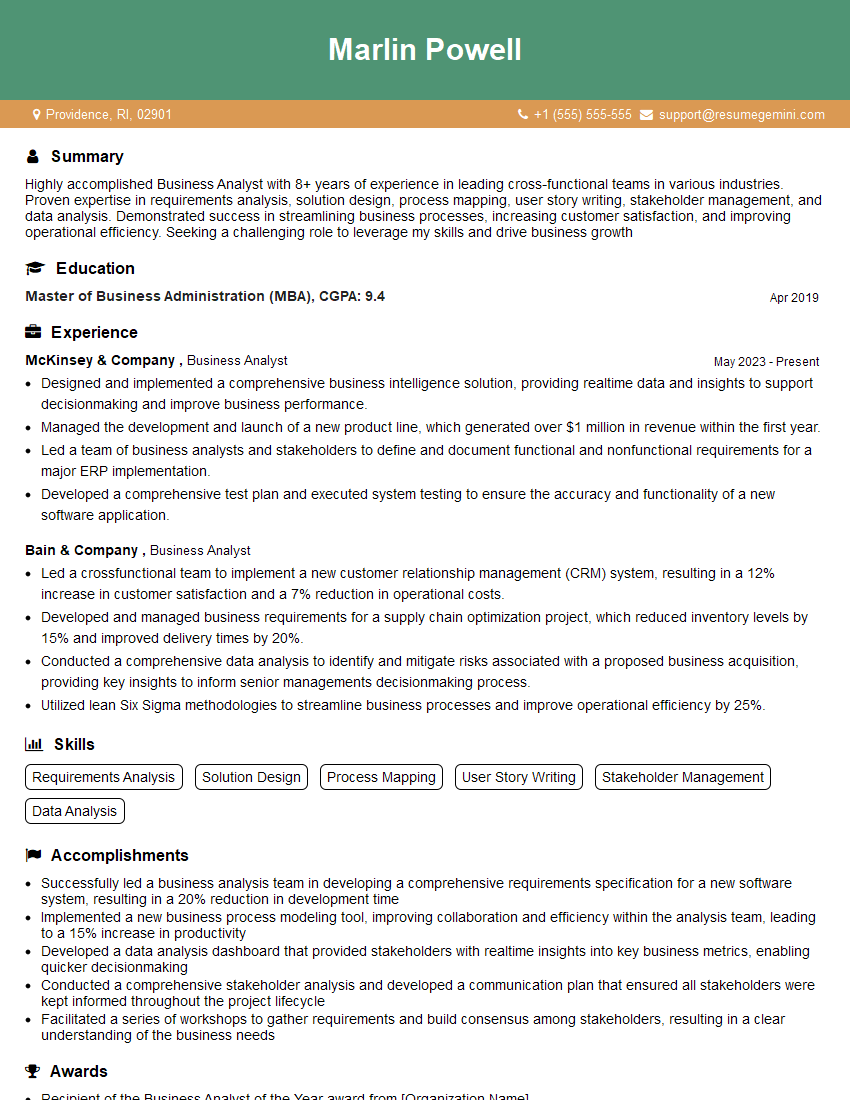
Business Analyst Resume Sample
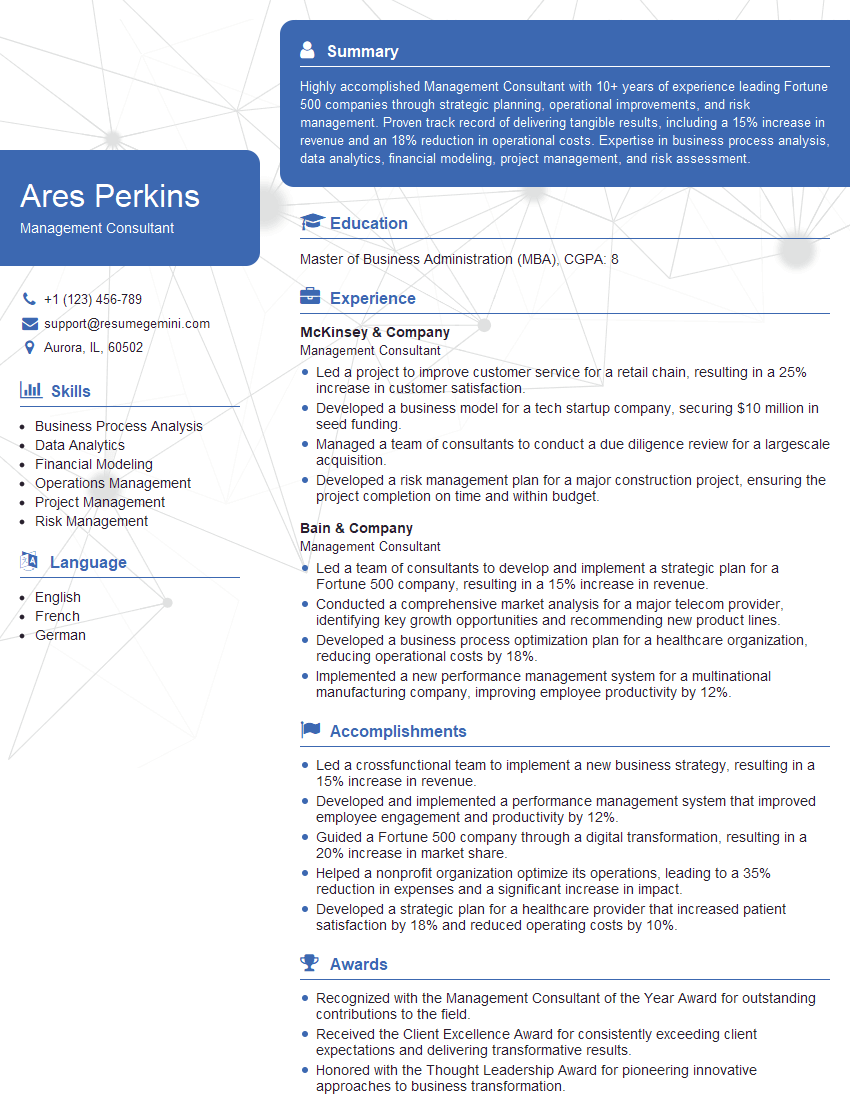
Management Consultant Resume Sample
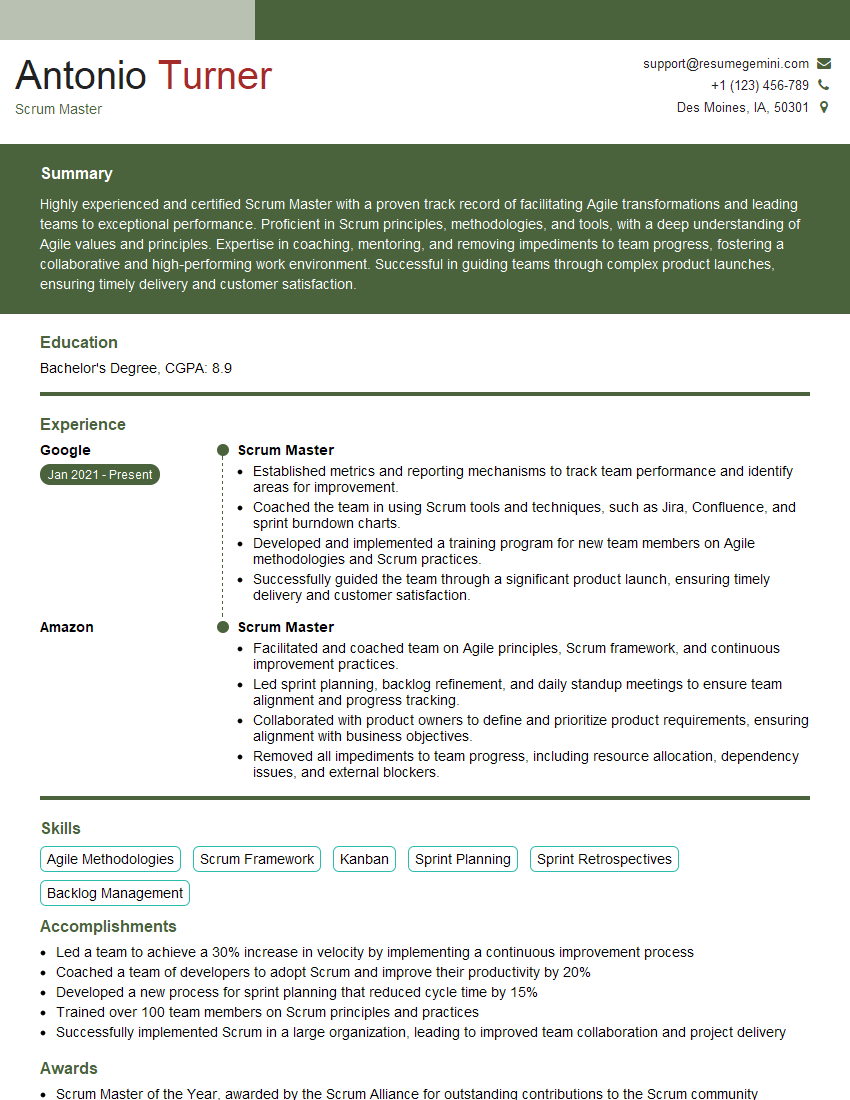
Scrum Master Resume Sample
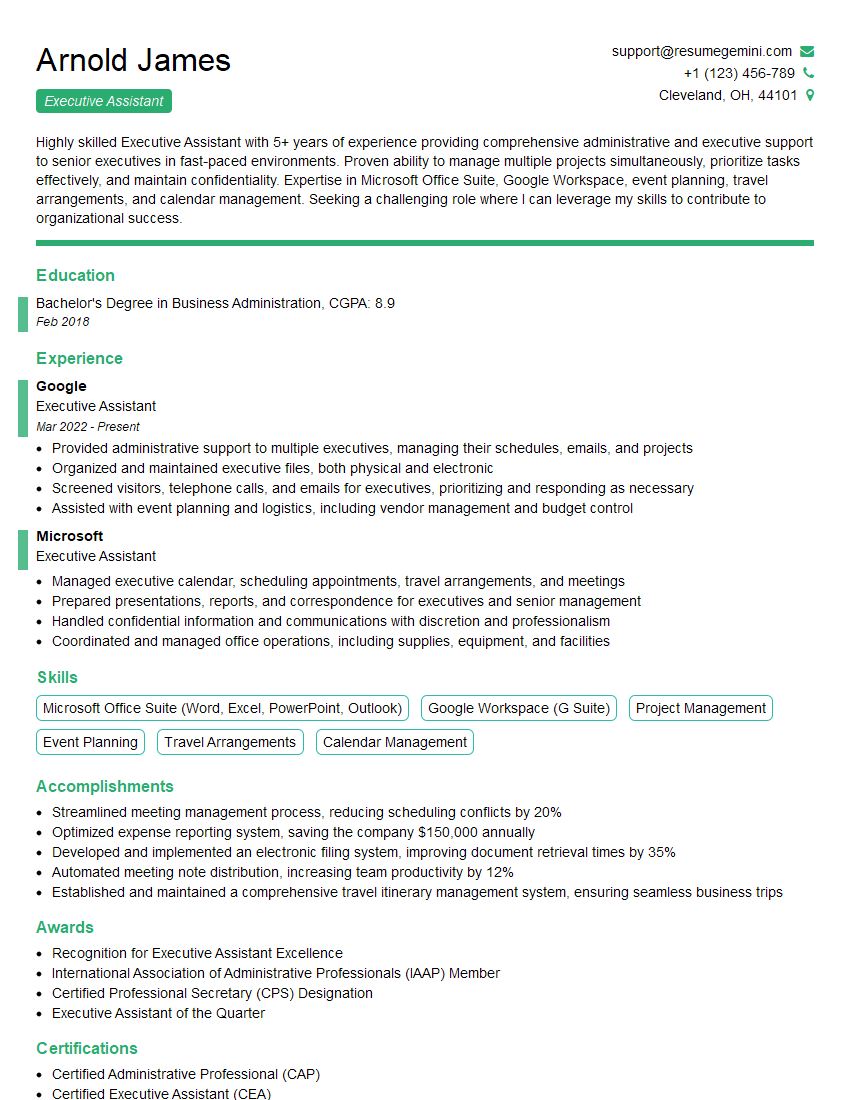
Executive Assistant Resume Sample
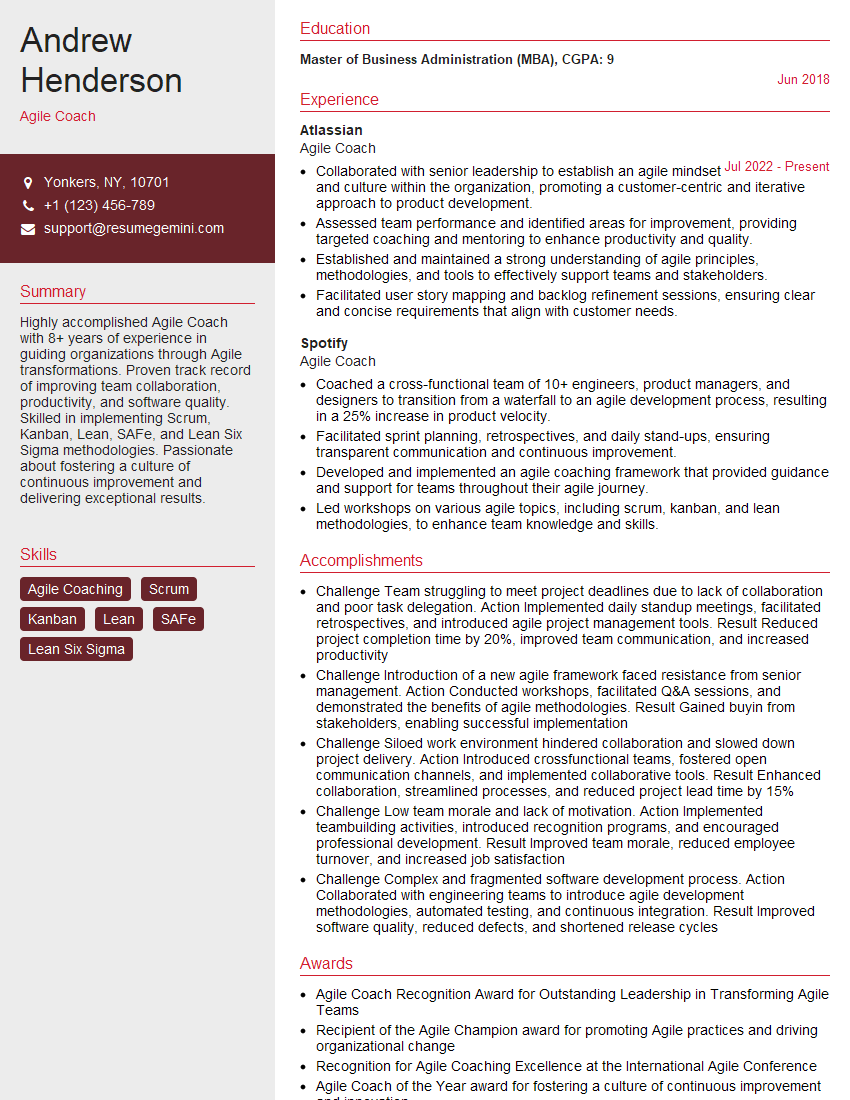
Agile Coach Resume Sample
- Chief Executive Officer (CEO)
- Chief Operating Officer (COO)
- Program Manager
- Strategic Planner
- Operations Manager
- Account Manager
- Marketing Manager
- Sales Manager
- Business Development Manager
- Product Manager
- Human Resources Manager
- Project Manager
- Project Coordinator
- Business Analyst
- Management Consultant
- Scrum Master
- Executive Assistant
- Agile Coach
Explore more articles
Users Rating of Our Blogs
Share Your Experience
We value your feedback! Please rate our content and share your thoughts (optional).
What Readers Say About Our Blog
Very informative content, great job.
good