The right preparation can turn an interview into an opportunity to showcase your expertise. This guide to Gold Smithing interview questions is your ultimate resource, providing key insights and tips to help you ace your responses and stand out as a top candidate.
Questions Asked in Gold Smithing Interview
Q 1. Describe your experience with various soldering techniques.
Soldering is a fundamental skill in goldsmithing, joining two pieces of metal using a lower-melting-point filler metal. Over the years, I’ve mastered several techniques, each suited to different applications.
- Hard Soldering (Harder): This uses a higher-temperature solder, resulting in a stronger, more durable joint. Ideal for structural components where strength is paramount, such as the joining of larger parts in a bracelet or the connection points of a ring shank.
- Easy Soldering (Easy): This involves lower-temperature solders and is perfect for delicate work and repairs where excessive heat could damage the piece. I frequently use it when setting small stones or repairing intricate filigree.
- Laser Soldering: A more modern technique allowing for incredibly precise and localized heating, minimizing heat damage to surrounding areas. This is invaluable for intricate repairs or working with delicate materials.
- Torch Soldering: The classic method, using a torch to melt the solder. I’m proficient in controlling the flame to achieve consistent, even heating, crucial for avoiding warping or damage to the workpiece.
Choosing the right soldering technique depends on the metal’s karat, the piece’s design, and the desired strength of the joint. For example, hard soldering a platinum band necessitates a different approach and higher skill level than easy soldering a silver charm.
Q 2. Explain the process of creating a bezel setting for a gemstone.
Creating a bezel setting is a precise process of securing a gemstone within a metal frame. It’s all about achieving a snug, secure fit that protects the stone while showcasing its beauty.
- Prepare the Bezel: First, I carefully cut and shape the metal bezel to match the gemstone’s dimensions, leaving a slightly oversized opening.
- Secure the Gemstone: Next, I place the gemstone within the bezel and use a burnisher to carefully push the bezel’s edges downwards, creating a tight and secure fit. It’s crucial to maintain even pressure to avoid cracking the stone.
- Final Adjustments: Once the bezel is snug, I continue burnishing to create a perfectly smooth, flush finish. Careful attention is paid to ensure the bezel is completely flush against the stone, offering protection against loss or damage.
- Polishing and Cleaning: Finally, I use different grades of polishing compounds to achieve a mirror-like finish, and carefully clean the finished piece.
Precision is crucial in this process. A poorly executed bezel setting can result in a loose stone, potential damage to the gemstone, or an aesthetically unappealing result. Think of it like perfectly fitting a puzzle piece – it has to be just right.
Q 3. What are the different karats of gold and their properties?
Karat is a measurement of gold’s purity, expressed as parts per 24. For example, 24-karat gold is pure gold (100%), while lower karats indicate the presence of other metals like copper, silver, or zinc.
- 24K (99.9% gold): Very soft and malleable, susceptible to scratches and dents. Its exceptional purity is prized for its color and luster, but unsuitable for most jewelry due to its lack of durability.
- 18K (75% gold): A popular choice for jewelry, offering a good balance between durability and the characteristic yellow gold color. The alloying metals increase hardness and strength.
- 14K (58.3% gold): Even more durable than 18K, offering excellent strength and wear resistance. Less expensive than 18K, it’s a practical choice for everyday wear.
- 10K (41.7% gold): The most durable of the common gold karats, but its lower gold content results in a less intense color. Suitable for high-wear items.
The choice of karat depends on the desired properties. For instance, a delicate pendant might use 18K for its softer appeal, while a robust men’s ring might favor the strength of 10K.
Q 4. How do you identify different types of precious metals?
Identifying precious metals requires a combination of techniques, including visual inspection, density testing, and acid testing.
- Visual Inspection: Color, luster, and markings (hallmarks) provide initial clues. Platinum, for example, has a naturally whiter color than white gold.
- Density Testing: This involves measuring the metal’s density using water displacement. Each metal possesses a unique density, offering a reliable method for identification.
- Acid Testing: A small, inconspicuous area of the metal is touched with various acids. The reaction (or lack thereof) with specific acids allows for the identification of the metal. It’s crucial to perform this test with caution and knowledge of proper safety procedures.
Experienced goldsmiths develop a keen eye for subtle differences in color and texture, further aiding in identification. Combining several methods ensures accurate results. For instance, hallmarks on jewelry items often provide the karat or purity mark and sometimes the maker’s mark. I always prioritize confirming identifications using multiple methods.
Q 5. Describe your experience with casting techniques, such as lost-wax casting.
Lost-wax casting is a centuries-old technique for creating intricate metal forms. I’ve used it extensively throughout my career to create unique and detailed pieces.
- Wax Model Creation: First, a precise wax model of the desired piece is crafted. This can be done by hand-carving or with CAD-CAM technology.
- Investment Molding: The wax model is then carefully placed within a ceramic investment material. The investment acts like a mold that traps the wax.
- Wax Removal: The investment is heated to remove the wax, leaving behind a cavity in the exact shape of the original wax model.
- Metal Pouring: Molten metal (gold alloy in this case) is carefully poured into the cavity.
- Cooling and Cleaning: Once the metal has cooled and solidified, the investment is carefully removed to reveal the finished metal casting. It may require cleaning, finishing, and polishing.
The precision and detail attainable through lost-wax casting are unparalleled. I’ve used this technique to create everything from intricate pendants to highly detailed sculptures.
Q 6. How do you ensure the accuracy and precision of your measurements?
Accuracy and precision are paramount in goldsmithing. I use a combination of tools and techniques to ensure precise measurements.
- Caliper: This tool allows for extremely precise measurements of dimensions, thickness, and diameter.
- Ruler: Essential for obtaining larger-scale measurements.
- Microscope: Used for incredibly fine detail work, especially when dealing with intricate settings or repairs.
- Digital Scales: Weighing precious metals accurately is crucial for controlling costs and ensuring accurate metal ratios for alloys.
Double-checking measurements is a habit I’ve developed over years. It’s better to take the time to ensure accuracy initially than to discover an error after significant work has been completed. For instance, a 0.1mm error in a ring size can greatly affect the fit and comfort.
Q 7. Explain your process for polishing and finishing jewelry pieces.
Polishing and finishing are the final stages, transforming a raw piece into a gleaming masterpiece. It’s a multi-step process that involves various tools and materials.
- Preliminary Cleaning: First, I thoroughly clean the piece to remove any investment residue, filings, or other debris.
- Sanding: Using progressively finer grades of sandpaper, I smooth the surfaces of the piece, removing any imperfections or tool marks.
- Polishing: I utilize various polishing compounds and tools (e.g., polishing wheels, buffs) to achieve a high luster. The choice of compound depends on the metal and the desired finish.
- Buffing: Buffing further enhances the shine and creates a smooth, reflective surface. Often a final polish with a soft cloth gives the piece a brilliant shine.
- Inspection: I meticulously examine the finished piece for any remaining imperfections before final cleaning.
The end result should be a piece that is not only beautiful but also feels smooth and comfortable to wear. The polishing process transforms a potentially rough piece into a luxurious and wearable item.
Q 8. How do you handle intricate designs and delicate work?
Handling intricate designs and delicate work in goldsmithing requires a blend of precision, patience, and the right tools. It’s akin to sculpting with metal, demanding a steady hand and meticulous attention to detail.
For instance, when working on a filigree piece – delicate lace-like metalwork – I use magnification loupes to ensure accuracy. I might employ specialized tools like micro-tweezers and very fine files to manipulate the metal without damaging it. Smaller projects often involve using smaller, more controlled tools and slower, more deliberate movements. A crucial aspect is using the appropriate gauge of wire and selecting the right soldering technique for minimal heat distortion. For example, for very fine filigree, I often use laser soldering to control the heat zone precisely. The process is slow, but the results are stunningly intricate.
Another example is setting tiny gemstones. I might use a graver (a type of engraving tool) to create precise seats for the stones, ensuring a secure and aesthetically pleasing setting without compromising their delicate facets. Each project demands thoughtful preparation and a deep understanding of the materials’ properties and limitations.
Q 9. What are the common challenges in goldsmithing, and how do you overcome them?
Goldsmithing presents several challenges. One major hurdle is achieving consistent quality and precision across different projects. Variations in metal purity, gemstone quality, and even the ambient temperature can affect the outcome. Another challenge is the high cost of materials; mistakes can be expensive. Time management is critical as some pieces can be extremely labor-intensive.
To overcome these challenges, I follow a rigorous process, starting with detailed sketches and 3D models (using CAD software – more on that later). Thorough planning helps minimize errors and material waste. I meticulously inspect every stage of the process, from initial metal preparation to final polishing. Precise measurement and careful consideration of design limitations are key. Quality control is not just a final step, but an integral part of every step. For example, I regularly calibrate my tools and maintain a clean and organized workspace to reduce the possibility of errors and accidents.
Additionally, staying updated with the latest techniques and technologies is crucial to solve many of the common problems that are encountered in the field. Continuous learning and adaptation are invaluable.
Q 10. Describe your experience with different types of gemstones and their settings.
My experience encompasses a wide range of gemstones, from classic diamonds and sapphires to more contemporary choices like morganite and tanzanite. Understanding the properties of each stone – its hardness, refractive index, and potential for cleavage – is crucial for selecting the appropriate setting.
For instance, a harder stone like a diamond can withstand the pressure of a bezel setting (where the metal surrounds the stone), while a more delicate stone, like an opal, requires a more protective setting such as a channel or a claw setting. I also consider the overall design aesthetics; a simple solitaire diamond might benefit from a four-prong setting that emphasizes the stone’s brilliance, whereas a cluster of smaller gemstones could look great in a pave setting, where tiny metal beads secure the stones. The setting should complement the stone and the overall design to create a harmonious and visually stunning piece.
I’ve worked extensively with various setting styles – including prong, bezel, channel, pave, and flush settings – each demanding unique skills and techniques. This requires considerable experience and a deep understanding of gemmology.
Q 11. How do you maintain quality control throughout the jewelry making process?
Maintaining quality control is paramount in goldsmithing. It’s a multi-faceted approach that begins with selecting high-quality materials. I always source my gold and gemstones from reputable suppliers, verifying their authenticity and specifications.
Throughout the process, I meticulously inspect each step. After each stage (e.g., sawing, filing, soldering), I check for flaws, ensuring dimensions are accurate, and the piece is structurally sound. I use calibrated tools and maintain detailed records of each process and the materials used. A digital caliper is my constant companion, ensuring accuracy to fractions of a millimeter.
Final quality checks involve assessing the finish, ensuring it’s polished to the highest standards. I employ magnification to spot any imperfections that might have been missed, before cleaning and packaging the piece. This rigorous approach minimizes defects and maximizes customer satisfaction. It’s a commitment to excellence that reflects in every piece I create.
Q 12. Explain your experience with using CAD software for jewelry design.
CAD (Computer-Aided Design) software is indispensable in modern goldsmithing. I’m proficient in using industry-standard software, allowing me to create highly detailed, three-dimensional models of jewelry designs. This allows clients to visualize the final product before any metal is even touched.
The process begins with sketching concepts; these are then translated into digital models, allowing for experimentation with different designs, materials, and settings. CAD enables precise measurements and calculations, minimizing material waste and ensuring accurate production. I can also simulate various lighting conditions to visualize how the finished piece will look. The software then outputs the design data, which can be used to create wax models for casting, or used to directly control CNC milling machines for more intricate designs.
For example, when designing a complex ring with intertwined patterns, CAD allows me to precisely control the curves, angles, and thicknesses of each element, ensuring a seamless and intricate final product that would be incredibly difficult to achieve manually.
Q 13. How do you repair damaged jewelry?
Repairing damaged jewelry requires a keen eye for detail and a thorough understanding of the construction techniques used in the original piece. The process typically involves assessing the damage, determining the best repair method, and then executing the repair using appropriate tools and materials.
For instance, if a prong is broken on a ring, I’ll carefully remove the damaged prong, create a new one from the same or compatible material, and then solder it back into place, ensuring it’s securely attached and aesthetically aligned with the other prongs. This is a delicate process requiring precise soldering skills to avoid damaging the gemstone or surrounding metal.
Other repairs might involve reshaping bent metal, repairing broken chains, or resetting loose gemstones. Each repair is unique and demands a thoughtful approach, ensuring both functionality and the aesthetic integrity of the piece. The goal is always to make the repair virtually invisible while maintaining the structural integrity and beauty of the jewelry.
Q 14. What safety precautions do you follow when working with precious metals and tools?
Safety is paramount in goldsmithing. Working with precious metals and specialized tools necessitates adherence to strict safety protocols. This includes using appropriate personal protective equipment (PPE), such as safety glasses, gloves, and a dust mask to protect from metal dust and fumes. I also use a well-ventilated workspace to reduce the risk of inhaling harmful fumes, especially during soldering.
I always handle tools carefully, using the correct tool for the job, to prevent injuries. For example, when using a jeweler’s saw, I keep my fingers clear of the blade. I employ appropriate safety measures when using chemicals, such as acids for cleaning, following proper storage and disposal procedures. Regular maintenance and inspection of my tools and equipment are crucial to identify and prevent potential hazards before they cause harm.
Proper ergonomics are also important; maintaining good posture and taking breaks helps prevent musculoskeletal injuries associated with repetitive movements.
Q 15. How do you handle customer requests and alterations?
Handling customer requests and alterations is a crucial aspect of goldsmithing. It involves careful listening, precise communication, and a meticulous approach to execution. I begin by scheduling a consultation to understand the client’s vision completely. This includes discussing their desired design, preferred materials (karat of gold, type of gemstones), and any specific alterations they require. I then create detailed sketches and renderings to ensure we’re both on the same page before starting any work. For alterations, I carefully assess the existing piece, identifying potential challenges and discussing feasible solutions with the client. Pricing is transparently outlined beforehand, including costs for materials and labor. Throughout the process, I maintain open communication, providing regular updates and addressing any concerns promptly. I consider myself a collaborative partner in bringing the client’s jewelry vision to life.
For example, a client recently requested a resizing of a family heirloom ring. I carefully examined the ring, determining the best method for resizing without compromising its integrity. We discussed the potential risks and benefits of different techniques, and I selected the most suitable approach based on the ring’s design and material. The result was a perfectly resized ring that maintained its original charm.
Career Expert Tips:
- Ace those interviews! Prepare effectively by reviewing the Top 50 Most Common Interview Questions on ResumeGemini.
- Navigate your job search with confidence! Explore a wide range of Career Tips on ResumeGemini. Learn about common challenges and recommendations to overcome them.
- Craft the perfect resume! Master the Art of Resume Writing with ResumeGemini’s guide. Showcase your unique qualifications and achievements effectively.
- Don’t miss out on holiday savings! Build your dream resume with ResumeGemini’s ATS optimized templates.
Q 16. Describe your knowledge of different finishing techniques (e.g., rhodium plating).
Finishing techniques are vital for enhancing the beauty and durability of gold jewelry. Rhodium plating, for instance, is a common finishing technique applied to white gold or platinum jewelry. Rhodium is a precious metal known for its exceptional hardness, bright white luster, and resistance to tarnish. The plating process involves immersing the jewelry in an electrolytic solution containing rhodium salts. This creates a thin, protective layer that enhances shine and protects the underlying metal from scratches and discoloration.
Other finishing techniques include polishing (buffing the piece to a high shine), satin finishing (creating a soft, matte finish), and antiqued finishing (creating a darker, aged look using chemical treatments or texturing). Each technique offers unique aesthetic qualities and is chosen based on the design and desired look of the piece. I have extensive experience across these various finishing methods and select the optimal technique to meet the specific needs of each design.
Q 17. How do you estimate the cost of materials and labor for a custom piece?
Estimating the cost of a custom piece involves a detailed breakdown of both material and labor costs. For materials, I accurately calculate the weight of the gold or other precious metals using a calibrated scale. I then multiply this weight by the current market price of the metal per karat. Gemstones are priced individually based on their type, size, quality (clarity, color, cut), and source, often using reputable industry price guides.
Labor costs are determined by the complexity of the design and the time required for each stage of the process – from design and fabrication to finishing and polishing. My hourly rate reflects my experience and expertise. I maintain detailed records to track my labor hours accurately, ensuring fair compensation for my time and skills. Transparent cost breakdowns are provided to the client before commencing any work, allowing them to make informed decisions.
Q 18. How do you manage your time effectively when working on multiple projects?
Managing multiple projects effectively requires careful planning and organization. I utilize a project management system that allows me to track deadlines, allocate resources, and monitor progress for each project simultaneously. I prioritize tasks based on deadlines and urgency, ensuring that time-sensitive projects receive the necessary attention. I also break down complex projects into smaller, manageable tasks, making the overall workload less daunting.
For example, I might prioritize stone setting for one project while simultaneously working on the fabrication of another. This approach helps me maintain momentum and avoid delays. Regularly reviewing my schedule and making adjustments as needed are essential for preventing bottlenecks and ensuring timely project completion. Effective communication with clients regarding potential delays and any changes is paramount.
Q 19. What is your experience with using different types of jewelry tools and equipment?
My experience with jewelry tools and equipment is extensive. I am proficient in using a wide array of tools, including various types of torches (for soldering and melting metals), rolling mills (for shaping and flattening metal), files and saws (for shaping and cutting), different types of hammers (for shaping and texturing), and various polishing and finishing tools. I’m also skilled in using precision measuring instruments such as calipers and scales to ensure accuracy in all aspects of the crafting process.
I am also comfortable operating modern CAD/CAM software for jewelry design and manufacturing, greatly increasing efficiency and precision in creating custom pieces. I regularly maintain and update my knowledge of new technologies and tools to keep my skills at the forefront of the goldsmithing profession.
Q 20. Describe your experience with stone setting techniques (e.g., prong, bezel, channel).
Stone setting is a specialized skill that requires precision, patience, and a keen eye for detail. I’m experienced in various setting techniques, including prong, bezel, channel, and pave settings.
Prong setting involves securing the gemstone with metal prongs, allowing maximum light to pass through. Bezel setting encases the stone in a metal frame, providing excellent protection. Channel setting involves placing stones in a groove or channel, creating a continuous line of gems. Pave setting involves closely setting many small stones together to create a sparkling surface. The choice of setting depends on the type and size of the gemstone, the overall design of the piece, and the desired level of security and visual effect. Safety is always paramount when handling precious stones, and I ensure all stones are securely set using appropriate techniques and tools.
Q 21. Explain your understanding of metal alloys and their properties.
Understanding metal alloys and their properties is fundamental to goldsmithing. Gold is rarely used in its pure (24 karat) form due to its softness. Therefore, alloys are created by combining gold with other metals, such as silver, copper, nickel, or zinc. The proportion of gold determines the karat, with 18 karat gold being 75% gold, 14 karat being 58.3% gold, and so on.
Different alloys have varying properties. For instance, adding copper increases the hardness and durability of the gold, making it suitable for rings and other frequently worn jewelry. Adding silver and palladium can create a whiter gold alloy. I carefully choose alloys based on their desired properties for the piece. Understanding the properties of different metal alloys allows me to create durable and beautiful jewelry that will withstand the test of time.
Q 22. How do you maintain a clean and organized workspace?
Maintaining a clean and organized workspace is paramount in goldsmithing. It’s not just about aesthetics; it’s about safety and efficiency. A cluttered bench is a dangerous bench. My approach is threefold:
- Dedicated Zones: I have designated areas for different tasks: one for sawing and filing, another for soldering, one for polishing, and a separate area for storing materials and tools. This prevents cross-contamination and ensures I have everything I need within easy reach.
- Regular Cleaning: After each project, I thoroughly clean my workspace, sweeping up filings (which are valuable and must be saved!), wiping down surfaces with a lint-free cloth, and organizing tools. I use a small vacuum with a fine nozzle to collect dust from hard-to-reach places. Regular cleaning prevents build-up and reduces the risk of accidents.
- Inventory Management: I maintain a well-organized inventory of materials and tools, utilizing labeled containers and drawers. This allows for quick access to the necessary items and prevents wasted time searching for specific tools or metals. I also regularly check stock levels to anticipate potential shortages.
Think of it like a chef’s kitchen – a clean, organized space allows for a smoother, more efficient, and safer workflow. The precision of goldsmithing demands nothing less.
Q 23. How do you troubleshoot common problems during the manufacturing process?
Troubleshooting is an integral part of goldsmithing. Unexpected issues are inevitable. My approach involves systematic problem-solving:
- Identify the Problem: First, I carefully examine the piece to pinpoint the exact issue. Is it a flaw in the metal (like a crack), a problem with the design (a weak point), or an issue with the technique (e.g., uneven soldering)?
- Analyze the Cause: Once identified, I determine the root cause. Did I use the wrong type of solder? Was the metal not properly annealed? Was there insufficient pressure while setting a stone? Experience helps significantly in this stage.
- Develop a Solution: Based on the cause, I devise a solution. Sometimes it’s as simple as re-soldering a joint; other times, it might involve refining the design or employing a different technique. I might need to rework parts of the piece or even start again, depending on the severity of the problem.
- Test and Refine: I carefully test the solution, checking for any further issues. This iterative process ensures a robust and high-quality final product.
For example, if a soldered joint breaks, I’ll check the cleanliness of the surfaces before resoldering, ensuring proper flux application and temperature control. It’s crucial to understand the underlying reasons for failure to avoid repeating the mistake.
Q 24. What is your experience working with different types of files and saws?
Working with various files and saws is fundamental to goldsmithing. Different tools are needed for different tasks, and selecting the right one is crucial for precision and efficiency. My experience encompasses a wide range:
- Files: I’m proficient in using various types of files – flat, half-round, square, and round – each designed for specific shaping and smoothing tasks. Choosing the right file for the curvature of the piece and the desired level of detail is key. I’m equally comfortable with both traditional hand files and power-driven rotary files.
- Saws: I utilize different saws depending on the metal’s thickness and the cut’s intricacy. This includes jeweler’s saws with various blades (e.g., fine, medium, and coarse) for intricate work, and larger saws for cutting thicker pieces. I understand the importance of maintaining saw blades sharpness for clean, precise cuts.
For instance, I use fine jeweler’s saw blades for cutting intricate designs in thin sheet gold, while thicker blades are reserved for more substantial pieces. Experience allows for intuitive selection of the appropriate tool for any task.
Q 25. Describe your experience with annealing and its purpose in goldsmithing.
Annealing is a crucial process in goldsmithing. It involves heating the metal to a specific temperature, then slowly cooling it. This process softens the metal, making it more pliable and less prone to cracking or breaking during shaping and forming.
Purpose: Annealing relieves the stress built up in the metal during hammering, shaping, or other processes. Without annealing, the gold becomes work-hardened, becoming brittle and difficult to manipulate further. It’s like taking a break during a strenuous activity – it allows the material to recover its strength and resilience.
My Experience: I carefully control the annealing temperature using a torch or a kiln, depending on the project’s needs. The annealing temperature varies depending on the gold’s karat (purity). I use proper safety precautions, such as using protective eyewear and tongs. After annealing, I allow the metal to cool slowly, usually at room temperature, to avoid sudden temperature changes that might cause warping or cracking. I’ve learned to recognize the signs of properly annealed metal (ductile and easy to work with) versus work-hardened metal (springy and resistant).
Q 26. How do you ensure the durability and longevity of your creations?
Ensuring the durability and longevity of my creations involves several key practices:
- High-Quality Materials: I exclusively use high-quality, ethically sourced precious metals. The purity and composition of the metal directly impact the piece’s durability.
- Precise Construction: I pay meticulous attention to detail during construction, ensuring all joints are securely soldered, stones are properly set, and the overall design is structurally sound. This prevents weaknesses that might lead to damage over time.
- Appropriate Finishing Techniques: I employ appropriate finishing techniques – polishing, rhodium plating (for white gold), or other protective coatings – to protect the surface from wear and tear and enhance its shine and resistance to tarnishing.
- Proper Care Instructions: I always provide clients with comprehensive care instructions to help them maintain their jewelry. This includes guidance on cleaning, storage, and avoiding harsh chemicals.
For example, ensuring proper solder joints are crucial. Weak joints can cause breakage, so I always double-check my soldering technique. Similarly, I use appropriate settings for gemstones to minimize the risk of them falling out.
Q 27. What are your strategies for dealing with unexpected challenges during a project?
Unexpected challenges are part and parcel of goldsmithing. My strategy focuses on adaptability and problem-solving:
- Assess the Situation: I remain calm and carefully assess the nature and scope of the unexpected challenge. This helps prevent panic and allows for a rational approach.
- Seek Information: If the problem is beyond my immediate expertise, I research solutions, consult with colleagues, or seek help from more experienced goldsmiths. It’s crucial to learn from others’ experience.
- Explore Alternatives: I explore alternative solutions and adapt my approach to overcome the challenge. Sometimes, a slight modification to the design or technique can solve the problem.
- Document the Process: I meticulously document my experiences with unexpected challenges, including the root cause, the solutions adopted, and any lessons learned. This allows me to avoid similar mistakes in the future.
For example, if I run into a material shortage, I might have to explore alternative materials that meet the required quality standards while adapting my design to use them effectively. Adaptability and creativity are key to managing unexpected events.
Q 28. Describe your understanding of ethical sourcing of precious metals.
Ethical sourcing of precious metals is of paramount importance. It’s not just about the quality of the materials; it’s about ensuring that their acquisition does not contribute to human rights abuses, environmental damage, or conflict.
My understanding encompasses several aspects:
- Traceability: I prioritize suppliers who can provide clear documentation of the metal’s origin, ensuring it’s not sourced from conflict zones or areas with poor labor practices. Chain of custody documentation is crucial.
- Certification: I actively seek metals certified by reputable organizations that guarantee ethical sourcing and environmental sustainability. This includes certifications like the Responsible Jewellery Council (RJC) certification.
- Recycling: I actively incorporate recycled gold into my work whenever possible. This reduces the demand for newly mined gold, minimizing environmental impact and supporting sustainable practices.
- Transparency: I’m transparent with my clients about my sourcing practices, providing information about the origin and ethical status of the metals used in their jewelry.
Ethical sourcing is not just a trend; it’s a responsibility. By supporting ethical suppliers, I contribute to a more just and sustainable jewelry industry.
Key Topics to Learn for Your Gold Smithing Interview
- Metals and Alloys: Understanding the properties of gold, its alloys (e.g., karat), and other precious metals used in goldsmithing. Practical application: Knowing which alloy is best suited for a specific design or technique.
- Jewelry Design Principles: Mastering fundamental design elements like proportion, balance, and harmony. Practical application: Sketching and creating design concepts that are both aesthetically pleasing and structurally sound.
- Casting Techniques: Familiarize yourself with various casting methods, including lost-wax casting and centrifugal casting. Practical application: Troubleshooting potential problems during the casting process and understanding the limitations of each technique.
- Soldering and Joining: Understanding different soldering techniques and the importance of proper flux application. Practical application: Creating strong and aesthetically pleasing joints in your pieces.
- Finishing and Polishing: Mastering techniques for polishing, buffing, and finishing gold jewelry to a high standard. Practical application: Achieving a desired surface finish and maintaining the integrity of the piece.
- Gem Setting: Familiarize yourself with various gem-setting techniques, such as bezel setting, prong setting, and channel setting. Practical application: Securely setting gemstones without damaging them.
- Safety Procedures and Regulations: Understanding and adhering to relevant safety protocols and industry regulations in a goldsmithing workshop. Practical application: Working safely and responsibly in a professional setting.
- Tool and Equipment Knowledge: Familiarity with common tools and equipment used in goldsmithing, including torches, hammers, and various specialized hand tools. Practical application: Selecting and using the appropriate tools for a given task.
- Troubleshooting and Problem-Solving: Developing the ability to identify and solve problems that may arise during the goldsmithing process. Practical application: Adapting your techniques to overcome challenges and achieve desired outcomes.
Next Steps
Mastering goldsmithing opens doors to a rewarding and creative career, offering opportunities for specialization and growth within the jewelry industry. To maximize your job prospects, invest time in creating a strong, ATS-friendly resume that highlights your skills and experience. ResumeGemini is a trusted resource that can help you build a professional and impactful resume. Examples of resumes tailored to the goldsmithing field are available to guide you. Take the next step towards your dream career – build a resume that showcases your talent!
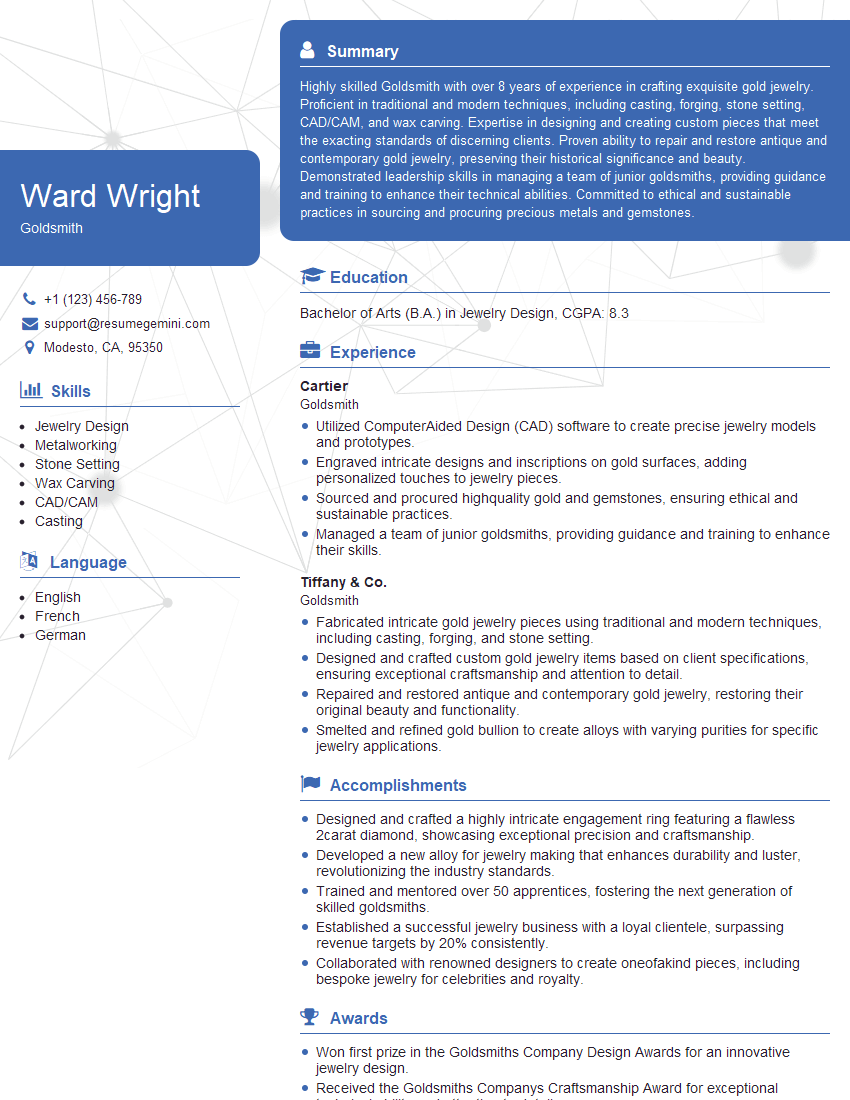
Goldsmith Resume Sample
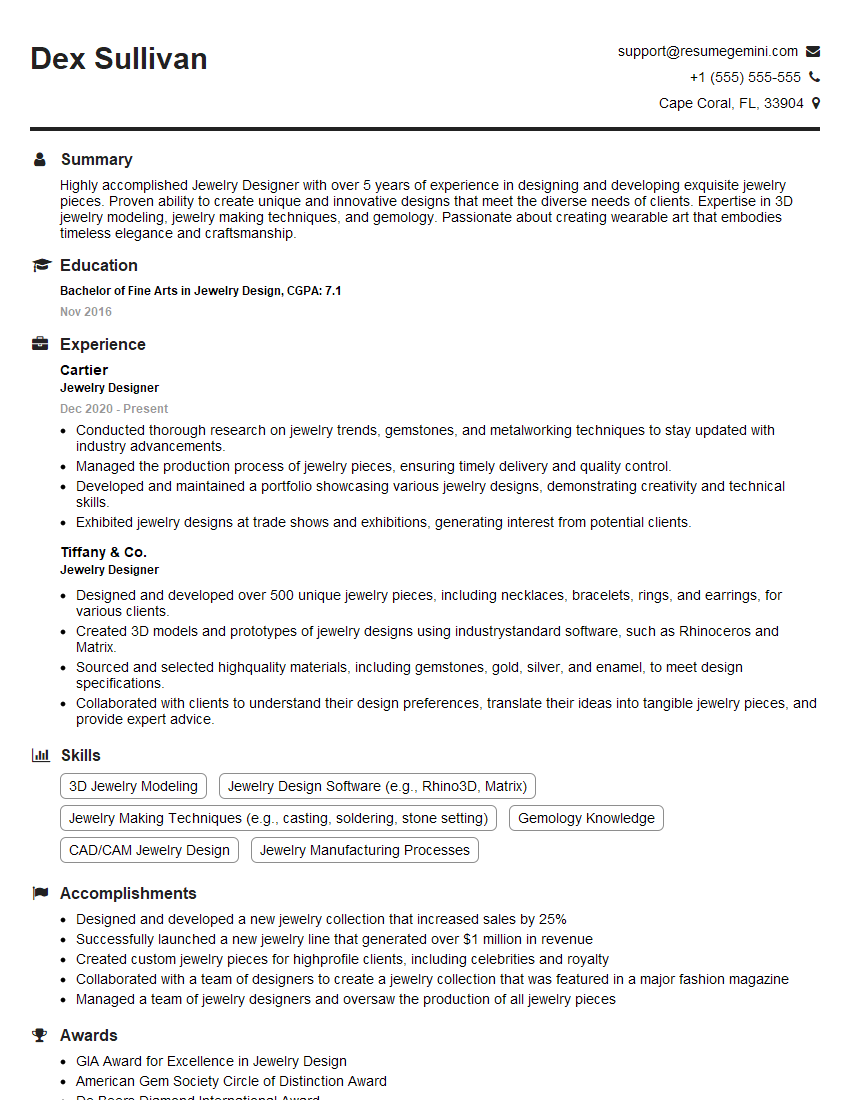
Jewelry Designer Resume Sample
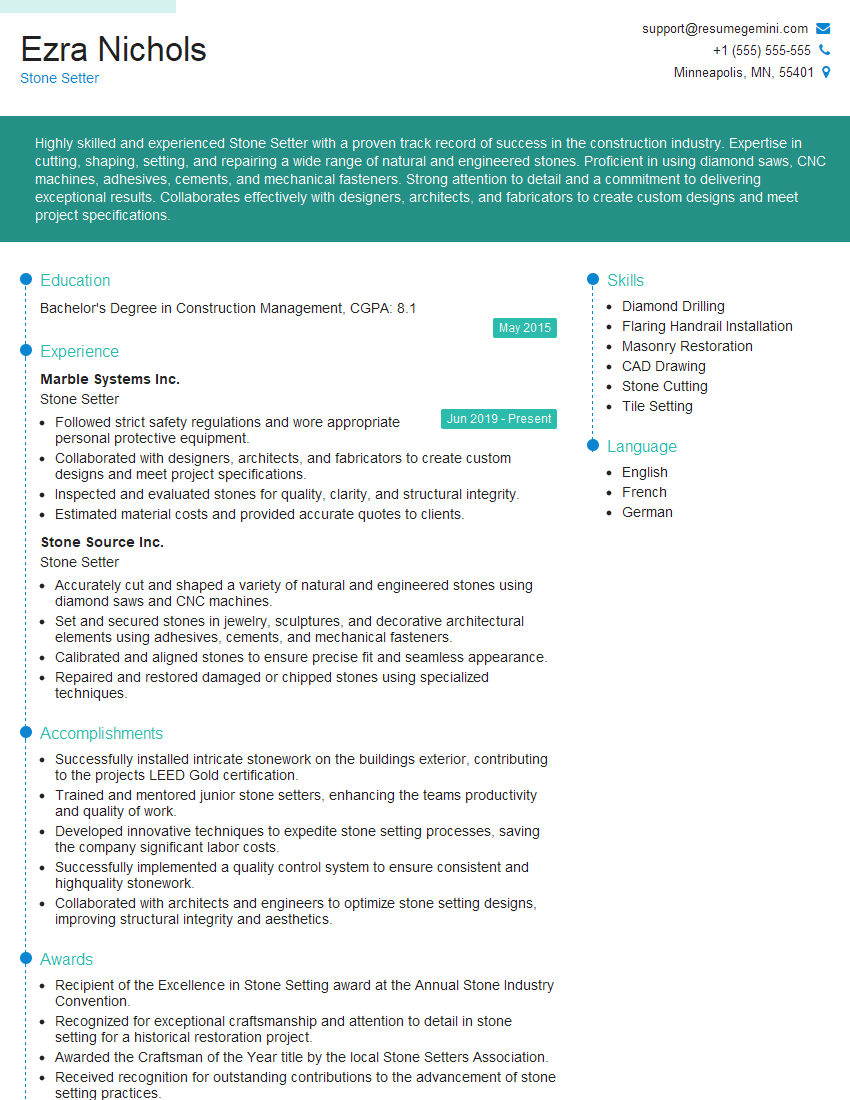
Stone Setter Resume Sample
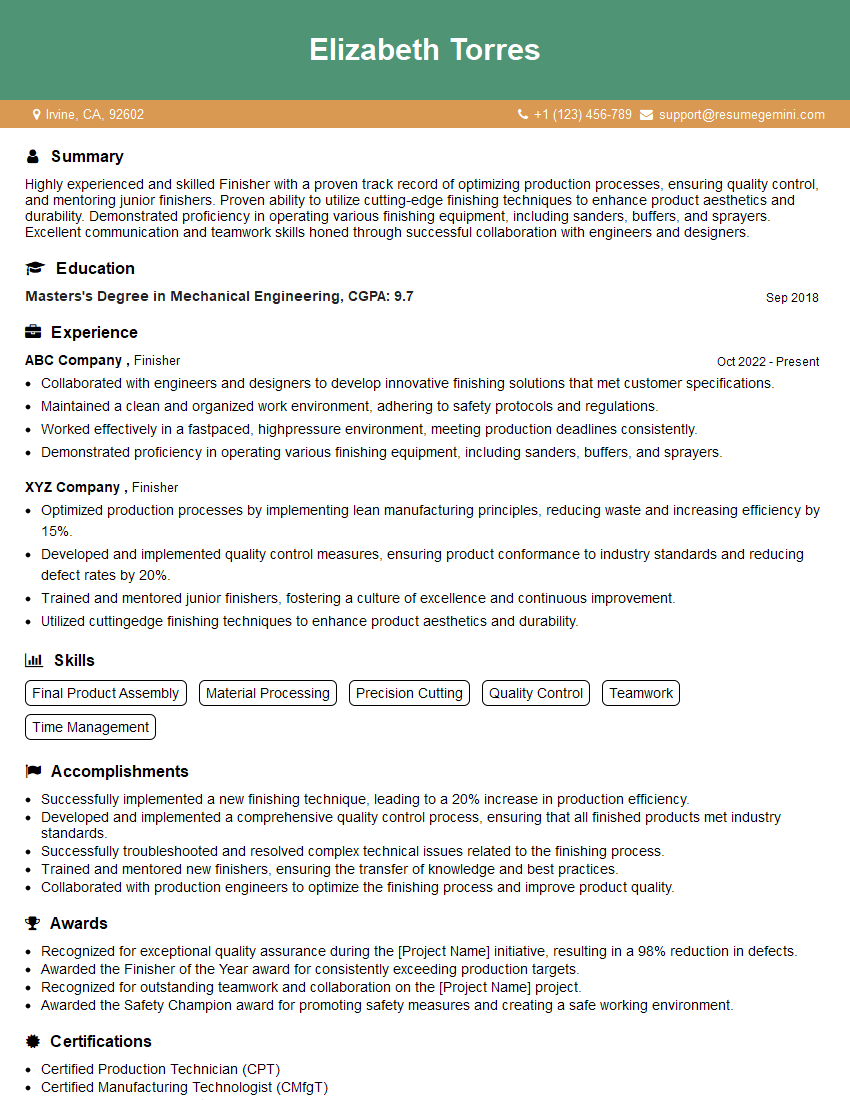
Finisher Resume Sample
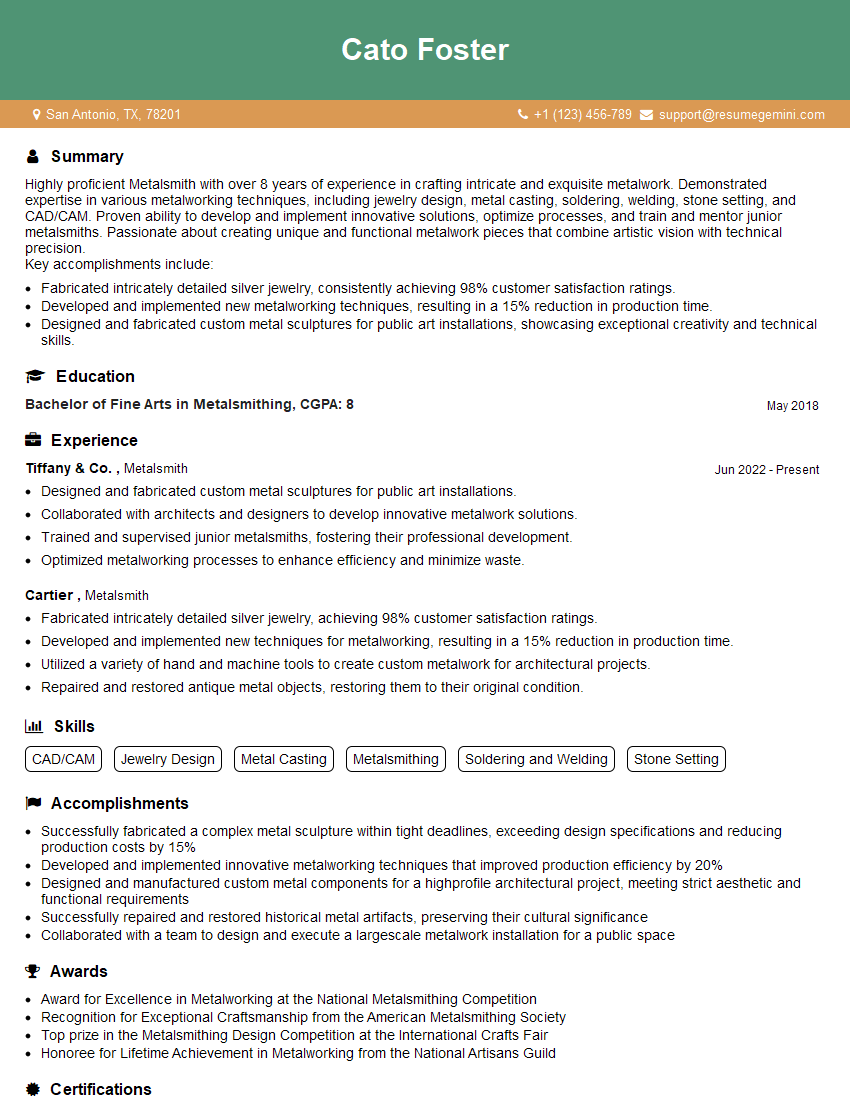
Metalsmith Resume Sample
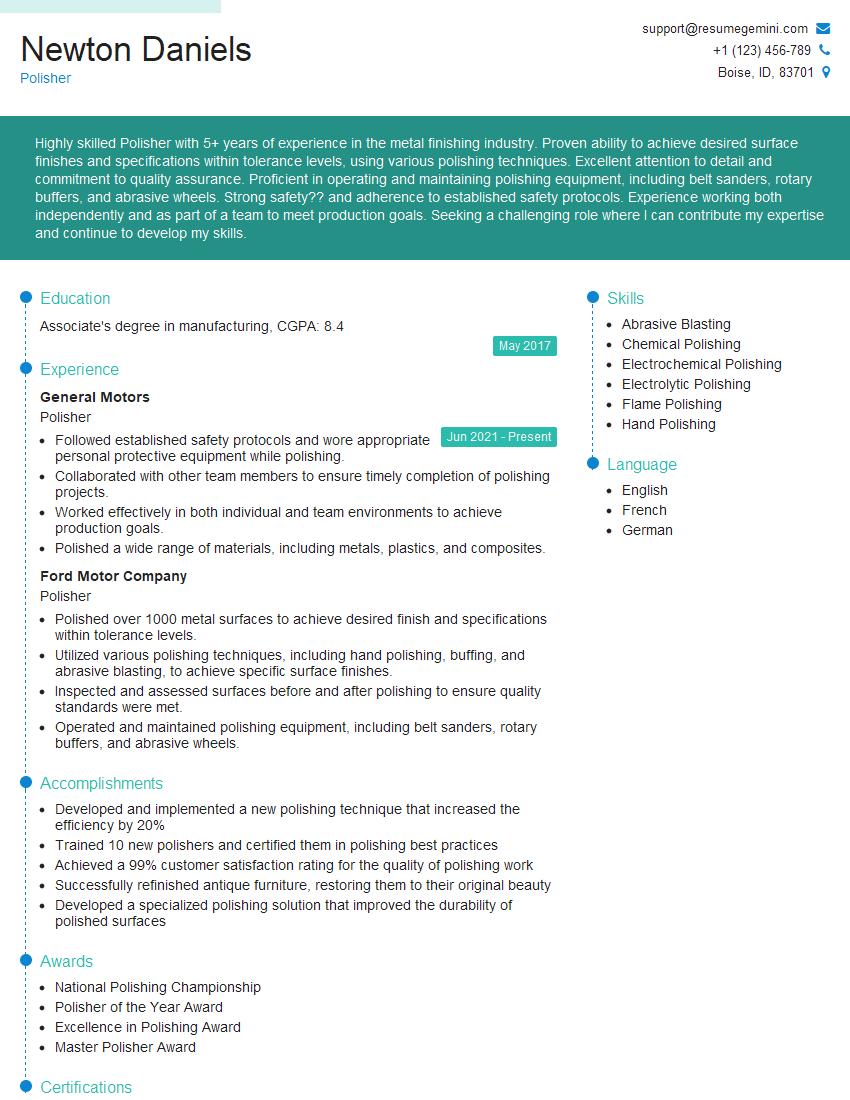
Polisher Resume Sample
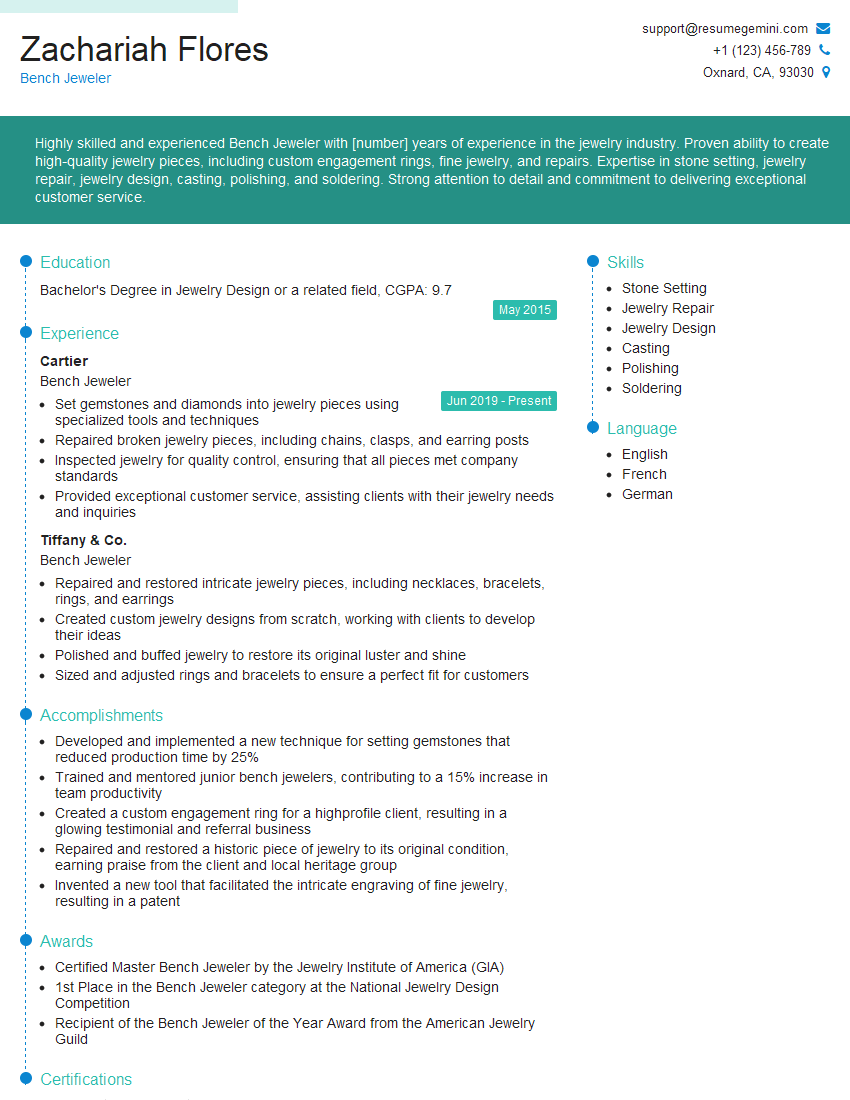
Bench Jeweler Resume Sample
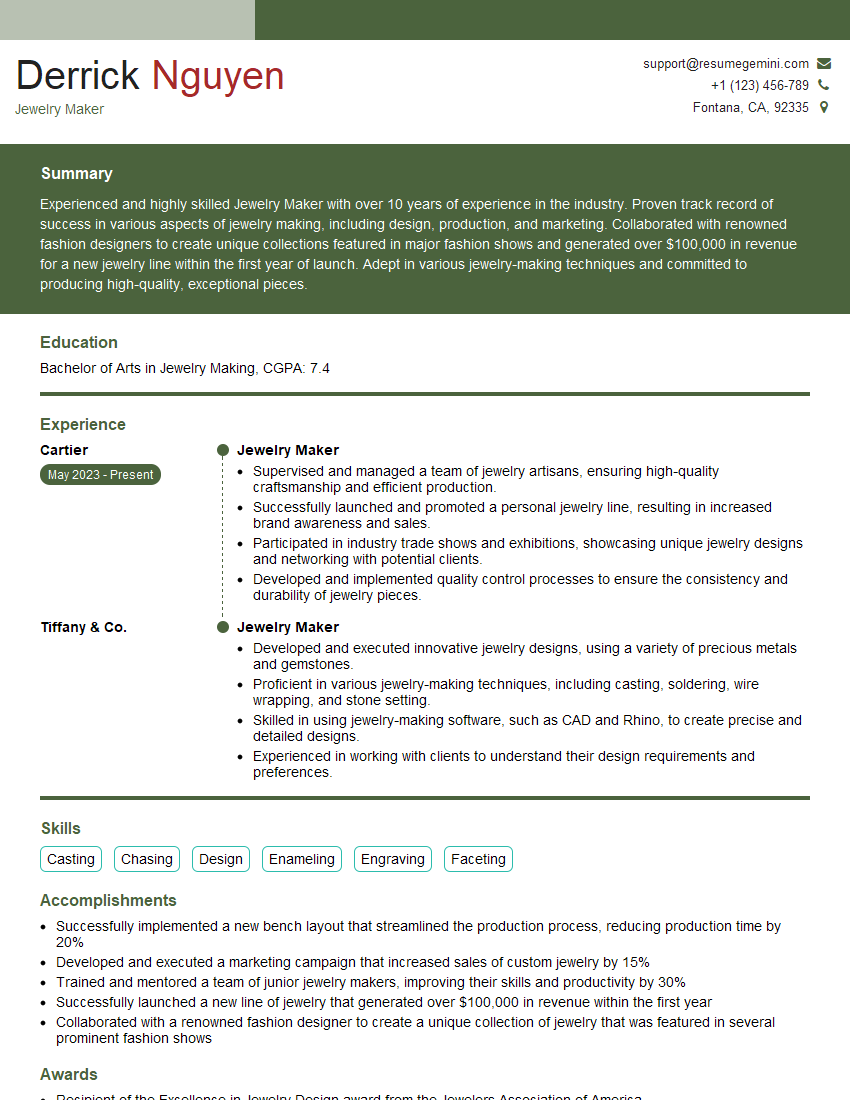
Jewelry Maker Resume Sample
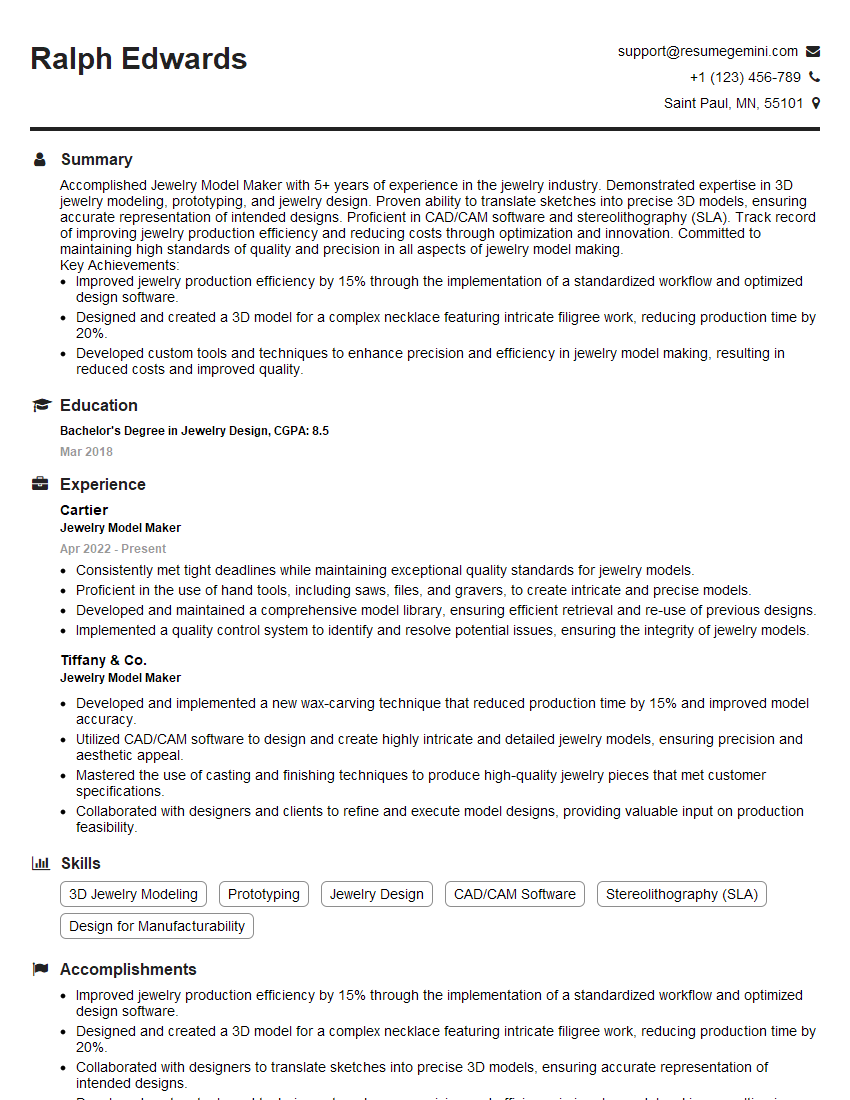
Jewelry Model Maker Resume Sample
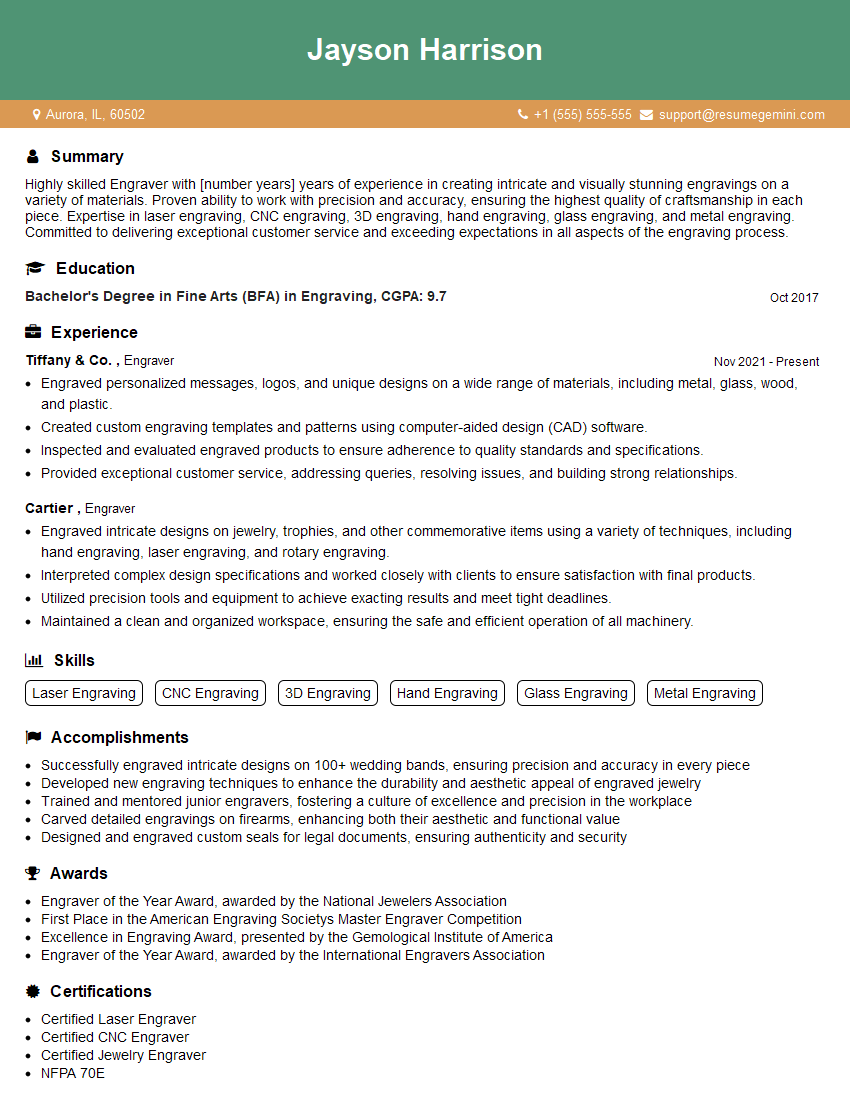
Engraver Resume Sample
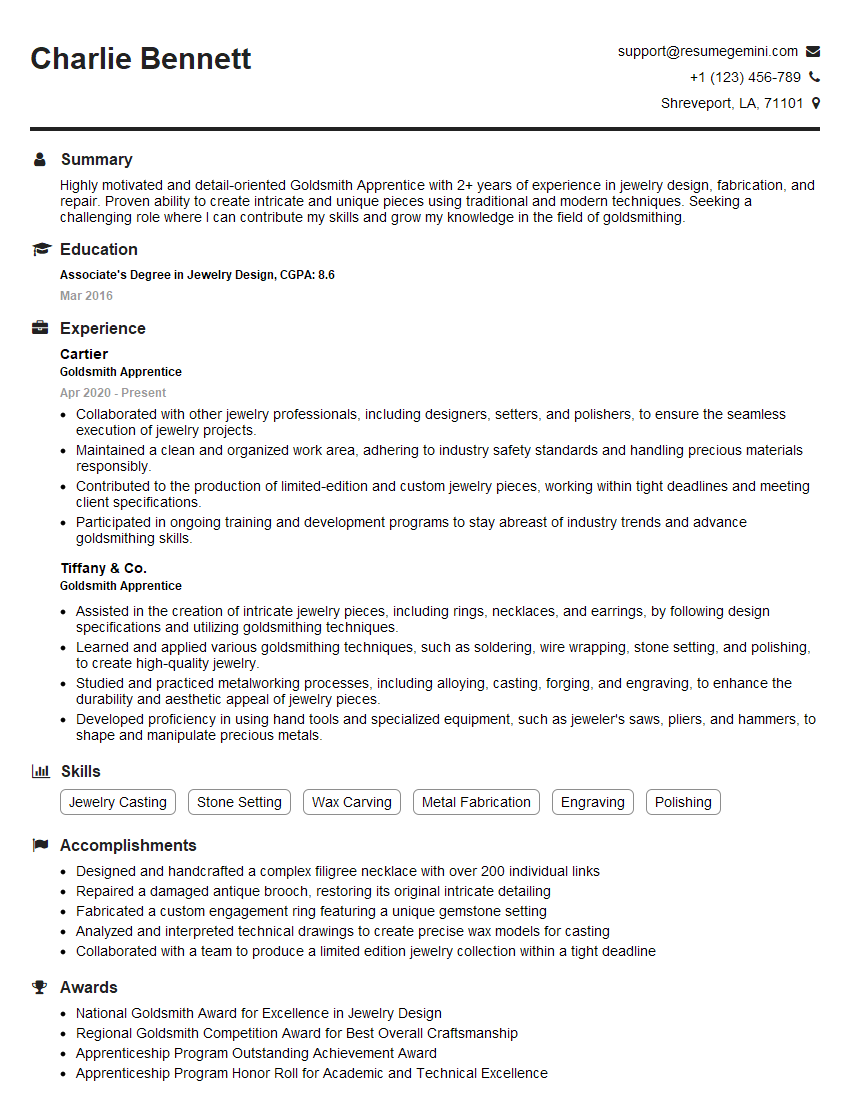
Goldsmith Apprentice Resume Sample
Explore more articles
Users Rating of Our Blogs
Share Your Experience
We value your feedback! Please rate our content and share your thoughts (optional).
What Readers Say About Our Blog
Very informative content, great job.
good