Interviews are more than just a Q&A session—they’re a chance to prove your worth. This blog dives into essential Grading and Packaging Standards interview questions and expert tips to help you align your answers with what hiring managers are looking for. Start preparing to shine!
Questions Asked in Grading and Packaging Standards Interview
Q 1. Explain the importance of adhering to grading and packaging standards.
Adhering to grading and packaging standards is paramount for several reasons. It ensures product quality, maintains brand reputation, and facilitates efficient logistics and sales. Think of it like baking a cake – following a recipe (standards) ensures a consistent, high-quality result every time. Deviation leads to inconsistencies, potential product damage, and dissatisfied customers.
- Quality Control: Standards provide a framework for consistent quality assessment, minimizing defects and maximizing customer satisfaction.
- Brand Integrity: Meeting standards builds trust and reinforces a positive brand image. Inconsistent quality erodes this trust.
- Legal Compliance: Many industries have mandatory standards related to safety, labeling, and environmental regulations. Non-compliance can lead to hefty fines and legal issues.
- Efficient Logistics: Standardized packaging simplifies handling, storage, and transportation, reducing costs and improving efficiency. Imagine trying to ship irregularly shaped items – a logistical nightmare!
- Enhanced Sales: Products that meet standards are more likely to be accepted by retailers and wholesalers, widening market reach.
Q 2. Describe your experience with different packaging materials and their suitability for various products.
My experience spans a wide range of packaging materials, each with its own strengths and weaknesses. The selection depends heavily on the product’s characteristics and intended use. For example:
- Corrugated Cardboard: Widely used for its strength, cost-effectiveness, and recyclability. Ideal for shipping heavier, less fragile items. I’ve used it extensively for electronics packaging, requiring custom inserts for protection.
- Plastic Films (e.g., Polypropylene, Polyethylene): Excellent for flexible packaging, offering good barrier properties against moisture and oxygen. Suitable for food products, cosmetics, and other sensitive items. I’ve worked with various film thicknesses and types depending on the product’s requirements.
- Glass: Provides a premium look and offers excellent barrier properties but is fragile and heavy. Suitable for high-end products such as perfumes or specialty food items. I’ve overseen projects optimizing glass packaging to reduce breakage during shipping.
- Metal (e.g., Aluminum, Tin): Offers superior barrier protection and is durable. Common for food and beverage preservation, but can be expensive and less environmentally friendly than other options. Experience includes implementing strategies for reducing metal packaging waste in various projects.
Choosing the right material involves careful consideration of factors such as cost, environmental impact, product protection, shelf life, and brand image.
Q 3. How do you ensure the accuracy and consistency of grading processes?
Accuracy and consistency in grading are achieved through a multi-faceted approach. It’s crucial to establish clear, documented grading standards, utilize calibrated equipment, and train personnel thoroughly.
- Standardized Procedures: Detailed, written procedures with clear definitions of grading criteria, including visuals or samples, are essential. This minimizes subjectivity and ensures everyone adheres to the same standards.
- Calibrated Equipment: Regular calibration and maintenance of weighing scales, measuring instruments, and other equipment is vital for accurate and consistent results. We use a rigorous calibration schedule, verified by external agencies.
- Trained Personnel: Comprehensive training programs ensure graders understand the standards and procedures, fostering consistent application. Regular retraining and competency assessments maintain skill levels and identify training gaps.
- Statistical Process Control (SPC): Using SPC techniques allows monitoring of the grading process, identifying potential variations and correcting them before they become significant issues. Control charts help track performance and detect out-of-control conditions.
- Regular Audits: Internal and external audits ensure continuous adherence to standards and identify areas for improvement. We implement corrective actions to address any identified discrepancies.
Q 4. What are the key factors to consider when designing packaging for a new product?
Designing packaging for a new product involves a holistic approach, considering several key factors:
- Product Protection: The packaging must safeguard the product from damage during handling, storage, and transportation. This includes considering factors like shock, vibration, and environmental conditions.
- Material Selection: Choosing the right material balances cost, environmental impact, barrier properties, and aesthetic appeal. We assess factors like recyclability and sustainability to meet ethical and consumer demands.
- Size and Shape: Optimizing the size and shape minimizes material usage and shipping costs while ensuring efficient use of shelf space. We conduct detailed analysis to find the optimal design.
- Branding and Aesthetics: Packaging plays a crucial role in brand communication and product appeal. The design should be visually appealing and reflect the product’s identity and target market.
- Legal Compliance: Meeting all applicable regulations regarding labeling, safety, and environmental standards is critical. We maintain an up-to-date understanding of relevant legislation.
- Cost-Effectiveness: Balancing all the above factors to minimize costs without compromising product quality or brand image is essential.
We often use prototyping and testing to evaluate packaging designs before mass production to minimize costly errors.
Q 5. Explain your experience with implementing and maintaining quality control systems.
I have extensive experience implementing and maintaining quality control systems, using a combination of preventive and corrective measures. I’ve successfully implemented ISO 9001 compliant systems in several organizations.
- Preventive Measures: Focuses on preventing defects before they occur. This includes designing robust processes, providing thorough training, using calibrated equipment, and implementing regular audits.
- Corrective Measures: Addresses defects that have already occurred. This involves identifying the root cause of the problem, implementing corrective actions, and preventing recurrence. Root cause analysis tools like the 5 Whys are frequently used.
- Documentation: Maintaining comprehensive documentation, including standard operating procedures, quality records, and audit reports, is essential for demonstrating compliance and continuous improvement. We utilize a digital documentation system for easy access and version control.
- Continuous Improvement: Regularly reviewing and refining processes to improve efficiency and quality is a key aspect of quality control. Lean methodologies and Kaizen events are employed to drive improvements.
My approach centers around a culture of quality, where every employee is empowered to identify and report quality issues.
Q 6. How do you handle discrepancies in grading or packaging during production?
Discrepancies in grading or packaging are addressed through a structured process aimed at identifying the root cause and implementing corrective actions.
- Investigation: A thorough investigation is conducted to determine the extent of the discrepancy and identify the root cause. This might involve reviewing production records, inspecting the affected products, and interviewing personnel.
- Corrective Actions: Once the root cause is identified, appropriate corrective actions are implemented to prevent recurrence. This could involve retraining staff, recalibrating equipment, or revising procedures.
- Disposition of Affected Products: Depending on the nature and severity of the discrepancy, affected products may be reworked, downgraded, or scrapped. We follow strict guidelines to ensure appropriate handling of non-conforming products.
- Documentation: All aspects of the discrepancy, investigation, corrective actions, and disposition of affected products are thoroughly documented to facilitate learning and prevent future issues.
The goal is not just to fix the immediate problem but to prevent it from happening again. We employ a system of preventative maintenance and regular audits to help ensure consistent quality.
Q 7. Describe your experience with different types of packaging machinery and equipment.
My experience includes working with a wide variety of packaging machinery and equipment. This ranges from simple hand-operated tools to highly automated systems.
- Filling Machines: Experience with various types of filling machines, including volumetric fillers, net weight fillers, and liquid fillers, for different product types and packaging formats.
- Sealing Machines: Proficient in operating and maintaining various sealing machines, such as heat sealers, induction sealers, and ultrasonic sealers, ensuring consistent seal integrity.
- Labeling Machines: Experience with various labeling machines, including pressure-sensitive label applicators, wrap-around labelers, and shrink sleeve applicators. Knowledge of label alignment and proper application is critical.
- Cartoning Machines: Familiar with automatic cartoning machines, including their setup, operation, and maintenance to ensure efficient packaging of products into cartons.
- Pallettizing Systems: Experience with automated palletizing systems for efficient and safe stacking of packaged products onto pallets for shipping.
I am also familiar with the safety protocols and maintenance procedures required for these types of machinery, ensuring a safe and productive work environment. In addition, I have experience troubleshooting and performing basic repairs.
Q 8. What are your methods for troubleshooting packaging-related problems?
Troubleshooting packaging problems requires a systematic approach. I begin by defining the problem precisely: Is it damage during transit? Is it a sealing issue? Is it incorrect labeling? Then, I use a combination of methods.
- Visual Inspection: A thorough examination of the damaged or defective packaging often reveals the root cause. For example, crushed corners on a box might indicate insufficient cushioning or poor stacking during transport.
- Data Analysis: I review production data, looking for trends or anomalies. Were there spikes in defect rates at a certain point in the production process? This can pinpoint the problematic stage.
- Root Cause Analysis (RCA): Techniques like the 5 Whys or Fishbone diagrams help me drill down to the underlying cause of the problem. For example, repeatedly finding damaged goods might lead me to investigate the quality of the packaging materials, the machine settings, or even the handling practices.
- Testing: I conduct tests, such as drop tests or compression tests, to simulate real-world conditions and evaluate the packaging’s performance. This might involve using specialized equipment to measure the strength and durability of the packaging.
- Collaboration: I work closely with the production team, quality control, and suppliers to identify and implement solutions. Open communication is crucial to resolving these issues effectively.
For instance, in one project, we experienced an increase in damaged goods due to insufficient cushioning. Through data analysis and drop testing, we identified the culprit material. Switching to a higher-density foam resolved the problem.
Q 9. How do you ensure that packaging meets regulatory requirements (e.g., FDA, ISO)?
Ensuring regulatory compliance is paramount. My approach involves a multi-step process:
- Identifying Applicable Regulations: I meticulously identify all relevant regulations based on the product, packaging materials, and target market (e.g., FDA regulations for food products, ISO standards for quality management).
- Material Selection: I select materials that meet all required safety and regulatory standards, ensuring they are food-grade, recyclable, or biodegradable as needed. This includes checking certifications and compliance statements from suppliers.
- Labeling and Documentation: Accurate and complete labeling is essential. This encompasses ingredients lists, nutritional information, warnings, and any other legally required information, all formatted according to the regulations. Thorough record-keeping is also vital for traceability and audits.
- Testing and Verification: We conduct regular testing to ensure the packaging meets all required performance standards (e.g., seal strength, barrier properties). This might include third-party testing to guarantee unbiased results.
- Continuous Monitoring: Regulatory requirements evolve; therefore, I maintain an up-to-date understanding of changes and implement necessary adjustments to our processes.
For example, when working on packaging for a pharmaceutical product, I rigorously adhered to GMP (Good Manufacturing Practices) guidelines, ensuring the packaging met all sterility and safety requirements. We documented every step of the process, from material sourcing to final packaging.
Q 10. How do you prioritize tasks when dealing with multiple packaging projects simultaneously?
Prioritizing multiple packaging projects necessitates a structured approach. I use a combination of methods:
- Project Prioritization Matrix: I assign each project a priority based on factors such as urgency, business impact, and resource requirements. This matrix uses a combination of factors like deadlines, budget, and risk to assign a weighted score for each project.
- Gantt Charts: These visual tools help me schedule tasks, allocate resources, and track progress for each project. This allows me to easily see overlaps and potential conflicts.
- Regular Review Meetings: I hold regular meetings with the team to track progress, address challenges, and re-prioritize projects as needed. This ensures flexibility and adaptability in case of unexpected delays or changes in requirements.
- Resource Allocation: I optimize resource allocation based on project priority and dependencies. This ensures that critical projects have the necessary resources and personnel to proceed without delays.
By using these techniques, I ensure that high-priority projects receive the necessary attention while maintaining a balanced workload across all projects. This approach reduces stress and maximizes efficiency.
Q 11. What are some common challenges related to grading and packaging, and how have you overcome them?
Common challenges in grading and packaging include:
- Damage during transit: This is mitigated through robust packaging design, proper handling techniques, and potentially employing shock-absorbing materials.
- Inconsistent product grading: Implementing standardized grading protocols, using calibrated equipment, and training personnel to ensure uniformity are key here.
- Supply chain disruptions: Diversifying suppliers, maintaining strong supplier relationships, and having contingency plans in place help to mitigate risks.
- Meeting sustainability goals: This is addressed by opting for eco-friendly materials (e.g., recycled cardboard, biodegradable films), reducing packaging waste through optimized designs, and exploring sustainable packaging solutions.
- Cost optimization: This requires careful material selection, efficient production processes, and minimizing waste.
For example, we once experienced high rates of product damage due to vibrations during transit. By conducting thorough vibration tests and implementing improved cushioning techniques, we significantly reduced the damage rate.
Q 12. Describe your experience with statistical process control (SPC) in packaging applications.
Statistical Process Control (SPC) is crucial for ensuring consistent quality and efficiency in packaging. I use SPC techniques to monitor key process parameters and identify variations before they lead to defects.
- Control Charts: I use control charts (e.g., X-bar and R charts, p-charts) to track parameters such as seal strength, weight, dimensions, and defect rates. This helps detect trends and outliers that indicate potential problems.
- Process Capability Analysis: This determines if the process is capable of consistently meeting specifications. If not, I identify areas for improvement.
- Sampling Plans: I employ appropriate sampling plans to ensure representative data collection. The sample size and frequency depend on the risk and variability of the process.
For instance, using control charts to monitor the seal strength of a bag helps to identify any deviation from the target value. This allows for early detection and correction of issues such as faulty sealing equipment or material inconsistencies, preventing a larger batch of defective products.
Q 13. Explain your understanding of different packaging types (e.g., corrugated boxes, flexible films, etc.).
My understanding of packaging types includes various materials and their applications:
- Corrugated Boxes: These are widely used for their strength, versatility, and cost-effectiveness. They’re suitable for a wide range of products, from consumer goods to industrial components. Different flute types (A, B, C, E, F) offer varying levels of strength and protection.
- Flexible Films: These include materials like polyethylene (PE), polypropylene (PP), and polyvinyl chloride (PVC). They are used for pouches, bags, wraps, and shrink films, offering flexibility, barrier properties (depending on the material), and cost-efficiency. They are commonly used for food, consumer goods, and industrial products.
- Rigid Packaging: This includes plastic containers, glass bottles, and metal cans, offering excellent protection and barrier properties, often suitable for sensitive or high-value products.
- Other types: This also includes specialized packaging like blister packs (for pharmaceuticals and consumer electronics), tubes (for cosmetics and pastes), and trays (for various food and consumer products).
The choice of packaging type depends on several factors: the product’s characteristics (fragility, shelf life, weight), the environmental considerations, cost, and regulatory requirements. Each type has specific strengths and weaknesses that must be carefully considered.
Q 14. What metrics do you use to evaluate the effectiveness of grading and packaging processes?
Evaluating the effectiveness of grading and packaging processes relies on several key metrics:
- Defect Rate: This measures the percentage of defective or damaged units. A lower defect rate indicates improved process efficiency and quality control.
- Throughput: This measures the number of units processed per unit of time. Higher throughput indicates improved efficiency.
- Packaging Costs: This includes material costs, labor costs, and waste disposal costs. Cost optimization is a crucial metric.
- Customer Satisfaction: This can be measured through feedback surveys or complaint rates. High customer satisfaction indicates successful product delivery.
- Compliance Rate: This measures the adherence to regulatory requirements and company standards. A high compliance rate signifies successful risk management.
- Waste Reduction: Tracking the amount of packaging waste generated and identifying opportunities for reduction reflects a commitment to sustainability.
By monitoring and analyzing these metrics, I identify areas for improvement and make data-driven decisions to optimize our processes and ensure high-quality, cost-effective, and compliant packaging.
Q 15. How do you manage inventory and optimize packaging material usage?
Inventory management and optimizing packaging material usage are intrinsically linked. Effective inventory management prevents waste and ensures timely production. I use a multi-pronged approach:
Demand Forecasting: Accurate forecasting, using historical data and market trends, allows for precise ordering of packaging materials, minimizing excess stock.
Just-in-Time (JIT) Inventory: This system ensures materials arrive only when needed, reducing storage costs and minimizing waste from obsolescence or damage. For example, I’ve successfully implemented JIT for a project involving specialized corrugated boxes, reducing storage space by 30% and inventory costs by 15%.
Regular Inventory Audits: Periodic checks help identify discrepancies and outdated materials. This allows for timely disposal or repurposing of obsolete items.
Packaging Optimization: This involves analyzing package dimensions to minimize material use without compromising product protection. For instance, I redesigned a packaging solution using nested trays, reducing cardboard usage by 20%.
Supplier Relationships: Maintaining strong relationships with reliable suppliers ensures a consistent supply chain and the ability to negotiate favorable pricing and delivery terms.
Career Expert Tips:
- Ace those interviews! Prepare effectively by reviewing the Top 50 Most Common Interview Questions on ResumeGemini.
- Navigate your job search with confidence! Explore a wide range of Career Tips on ResumeGemini. Learn about common challenges and recommendations to overcome them.
- Craft the perfect resume! Master the Art of Resume Writing with ResumeGemini’s guide. Showcase your unique qualifications and achievements effectively.
- Don’t miss out on holiday savings! Build your dream resume with ResumeGemini’s ATS optimized templates.
Q 16. Describe your experience with lean manufacturing principles in a packaging environment.
Lean manufacturing principles are vital for efficient packaging operations. My experience includes implementing several key lean techniques:
5S Methodology: I’ve used this to organize the packaging area, improving workflow and reducing search time for materials. This includes Seiri (Sort), Seiton (Set in Order), Seisō (Shine), Seiketsu (Standardize), and Shitsuke (Sustain).
Value Stream Mapping: This tool helped me identify bottlenecks and inefficiencies in the packaging process, allowing for targeted improvements. For instance, I identified a significant delay in the labeling process which was resolved through process re-engineering.
Kaizen Events: I’ve participated in several Kaizen events focused on improving packaging efficiency and reducing waste. These events often involve cross-functional teams and lead to quick and effective improvements.
Continuous Improvement (CI): Lean manufacturing emphasizes continuous improvement. I regularly monitor key performance indicators (KPIs) such as packaging speed, material waste, and defect rates. Any deviations prompt investigation and corrective action.
Q 17. How do you ensure the safety and security of packaged goods during transportation and storage?
Ensuring the safety and security of packaged goods is paramount. My approach integrates several strategies:
Robust Packaging Design: Packaging must protect the product from physical damage during transit and storage. This includes considering shock, vibration, and compression forces. I use various materials and cushioning techniques to enhance protection based on product fragility and transport conditions.
Proper Labeling and Marking: Clear and accurate labeling, including handling instructions and hazard warnings, is crucial. This minimizes mishandling and ensures compliance with regulations.
Secure Closures: Using tamper-evident seals and strong closures prevents unauthorized access and product tampering.
Climate Control: Temperature-sensitive goods require specific storage and transportation conditions, which I ensure through appropriate packaging and logistics arrangements. This may include insulated containers or climate-controlled vehicles.
Transportation Management: Selecting appropriate transport modes and carriers, and tracking shipments in real-time, helps ensure timely and safe delivery.
Q 18. What is your experience with implementing and improving packaging processes?
I have extensive experience in implementing and improving packaging processes. My approach is data-driven and focuses on continuous improvement:
Process Mapping: I begin by documenting the current packaging process to identify areas for improvement. This usually involves using flowcharts and process maps.
Automation: Where appropriate, automating tasks such as labeling, palletizing, and case sealing improves efficiency and reduces labor costs. I’ve successfully implemented automated packaging lines in several projects.
Material Selection: Choosing the right packaging materials is crucial for both product protection and cost-effectiveness. I evaluate various materials based on strength, durability, cost, and environmental impact.
Performance Monitoring: Regularly monitoring KPIs such as packaging speed, defect rates, and material waste allows for prompt identification and resolution of problems.
Training and Development: Providing training to packaging staff on best practices and proper procedures ensures consistent quality and safety.
Q 19. How do you collaborate with other departments (e.g., production, sales, marketing) on packaging-related matters?
Collaboration is key in successful packaging management. I work closely with various departments:
Production: Close coordination with production ensures the packaging process aligns with production capacity and workflow.
Sales: Working with sales helps understand customer requirements and expectations regarding packaging, including branding and logistics.
Marketing: Collaboration with marketing ensures packaging design aligns with the brand identity and marketing strategies.
Procurement: I work with procurement to source cost-effective and high-quality packaging materials.
Quality Control: Regular communication with quality control ensures the packaging process meets quality standards and regulatory requirements.
I often utilize cross-functional teams to address complex packaging challenges, fostering a collaborative environment where everyone’s input is valued.
Q 20. What software or tools are you familiar with for packaging design or management?
I’m proficient in several software and tools for packaging design and management:
CAD Software (e.g., SolidWorks, AutoCAD): For creating 3D models of packaging designs and analyzing structural integrity.
Packaging Design Software (e.g., Adobe Illustrator, CorelDRAW): For creating packaging artwork and ensuring accurate printing.
Enterprise Resource Planning (ERP) Systems (e.g., SAP, Oracle): For managing inventory, tracking materials, and monitoring production.
Material Requirement Planning (MRP) Software: For optimizing material purchasing and scheduling.
Spreadsheet Software (e.g., Microsoft Excel, Google Sheets): For data analysis, tracking KPIs, and cost estimations.
Q 21. How do you handle customer complaints related to packaging issues?
Handling customer complaints related to packaging requires a systematic approach:
Acknowledge and Empathize: Begin by acknowledging the customer’s concern and expressing empathy for their frustration.
Gather Information: Collect detailed information about the issue, including photos or videos of the damaged packaging or product, order details, and the customer’s contact information.
Investigate the Root Cause: Thoroughly investigate the cause of the problem. This may involve reviewing packaging procedures, transportation logs, and supplier records.
Implement Corrective Actions: Based on the investigation, implement corrective actions to prevent similar incidents from occurring. This could involve redesigning the packaging, improving handling procedures, or addressing issues with suppliers.
Resolve the Issue: Offer a fair resolution to the customer, which could involve a refund, replacement, or discount. Maintain open communication throughout the resolution process.
Document Everything: Keep a detailed record of the complaint, investigation, and resolution for future reference.
Q 22. Describe your experience with different types of quality control testing (e.g., dimensional measurements, weight checks).
Quality control testing in grading and packaging is crucial for ensuring product integrity and customer satisfaction. My experience encompasses a wide range of tests, focusing on both the product itself and its packaging. Dimensional measurements, for instance, are vital for confirming that products meet specified sizes and tolerances. I’ve extensively used calipers, micrometers, and automated measuring systems to ensure accuracy in dimensions like length, width, height, and diameter. Any deviation from the standard triggers a thorough investigation.
Weight checks are another essential aspect. Using precision scales, I’ve verified that individual units and packaged groups adhere to pre-defined weight specifications. Discrepancies here can point to issues in filling processes, inconsistencies in raw materials, or even packaging damage. Beyond these basic checks, I’ve also been involved in more complex tests like tensile strength tests for packaging material, ensuring it can withstand handling and transportation, and visual inspections for defects such as dents, tears, or contamination.
For example, in a previous role with a food packaging company, we implemented a new automated dimensional measurement system. This reduced measurement errors by over 70% and allowed for real-time adjustments to the production line, preventing the production of non-conforming products. We also utilized statistical process control (SPC) to monitor the weight of packaged goods, helping us promptly identify and rectify any drift from the target weight.
Q 23. How do you identify and address root causes of packaging defects?
Identifying the root cause of packaging defects requires a systematic approach. I typically start with a thorough defect analysis, carefully documenting the type, frequency, and location of the defects. This involves examining the damaged packaging, reviewing production records, and interviewing personnel involved in the process. This data forms the basis for a root cause analysis, often using tools like the 5 Whys or a fishbone diagram. This helps us uncover the underlying issues, rather than just addressing the symptoms.
For instance, if we consistently find crushed boxes, the initial reaction might be to use stronger cardboard. However, a root cause analysis might reveal that the problem stems from improper stacking procedures during transportation or insufficient cushioning material inside the boxes. Addressing the stacking procedure or adding cushioning will be a much more effective long-term solution than simply using thicker cardboard, which might increase costs without resolving the issue. Once the root cause is identified, corrective actions are implemented, documented, and monitored to ensure effectiveness. I often use control charts to track defect rates after implementing solutions, validating their success and identifying potential new problems.
Q 24. Explain your understanding of the different levels of packaging (primary, secondary, tertiary).
Packaging is categorized into three main levels: primary, secondary, and tertiary. Think of it like nesting dolls – each layer protects the next.
- Primary Packaging: This is the packaging in direct contact with the product. Examples include the bottle for a beverage, the plastic wrap around a candy bar, or the sachet for a single-serve coffee. Its main purpose is product protection and preservation.
- Secondary Packaging: This is the packaging that groups primary packages together. This could be a box containing several bottles, a shrink-wrapped bundle of candy bars, or a carton of coffee sachets. The goal here is often to enhance handling and display.
- Tertiary Packaging: This is the outermost packaging, designed for bulk shipping and transport. Think pallets wrapped in plastic, large cardboard containers holding multiple cartons, or shipping containers for larger-scale transport. Its primary function is protection and efficient movement of large quantities of goods.
Understanding these levels is crucial for selecting appropriate materials, designing effective packaging systems, and optimizing logistics. Different materials and designs will be best suited to each level, depending on factors such as fragility, weight, and transportation requirements.
Q 25. What are your strategies for minimizing packaging waste and promoting sustainability?
Minimizing packaging waste and promoting sustainability are paramount considerations in today’s environment. My strategies center around a few key principles.
- Right-sizing packaging: This involves using the smallest amount of packaging material that provides adequate product protection. Over-packaging is a significant contributor to waste. I often conduct audits to identify instances where packaging size can be reduced without compromising product safety.
- Using recycled and recyclable materials: Prioritizing packaging materials that can be recycled or are made from recycled content significantly reduces environmental impact. I actively research and recommend eco-friendly materials, considering their biodegradability and recyclability.
- Optimizing packaging design: Design choices can have a big impact on material usage and waste. For example, using flat-pack designs can significantly reduce storage and transportation space, lowering the carbon footprint.
- Collaboration with suppliers: Working closely with packaging suppliers to source sustainable materials and explore innovative packaging solutions is essential. This can also include negotiating contracts that favor sustainable practices.
For example, at a previous company, we transitioned from using non-recyclable plastic clamshell packaging to a fully recyclable paperboard alternative, resulting in a substantial reduction in plastic waste and a positive impact on our environmental footprint.
Q 26. How do you stay up-to-date on the latest industry trends and best practices in grading and packaging?
Staying current in the dynamic field of grading and packaging requires continuous learning and engagement with industry trends. I actively participate in industry conferences and webinars, networking with professionals and learning about the latest innovations. I subscribe to relevant industry publications and journals, keeping abreast of new regulations, materials, and technologies.
Professional organizations such as the Institute of Packaging Professionals (IoPP) are invaluable resources, providing access to best practices, educational materials, and networking opportunities. I also regularly consult online databases and industry websites to stay updated on material certifications, safety standards, and emerging trends in sustainable packaging. Online courses and training programs, often offered by reputable organizations, are another crucial tool for skill enhancement and knowledge acquisition.
Q 27. Describe a situation where you had to make a difficult decision related to grading or packaging standards.
In a previous role, we faced a situation where a key client requested a significant change in packaging specifications just weeks before a major product launch. This change, while seemingly minor, would have necessitated a complete overhaul of the production line, potentially delaying the launch and incurring substantial costs. The initial inclination was to reject the request to protect the existing schedule and budget.
However, after careful consideration, we realized the client’s request was driven by a legitimate market need and failing to accommodate could damage our long-term relationship. We opted to explore alternative solutions, collaborating with our production team and suppliers to identify the most efficient way to incorporate the changes. This involved a series of late nights and collaborative problem-solving, but we were ultimately able to implement the changes without significant delay or cost overrun. The successful navigation of this challenge reinforced the importance of balancing client needs with business realities. It also highlighted the importance of strong teamwork and flexible problem-solving in a fast-paced industry.
Key Topics to Learn for Grading and Packaging Standards Interview
- Quality Control Procedures: Understanding various methods for assessing product quality, including visual inspection, measurement techniques, and statistical analysis. This includes knowing different sampling methods and their applications.
- Packaging Materials and Specifications: Familiarity with different packaging materials (e.g., cardboard, plastic, film), their properties, and how to choose appropriate materials for different products. This extends to understanding relevant packaging regulations and safety standards.
- Packaging Design and Efficiency: Knowledge of efficient packaging design principles to minimize waste, optimize product protection, and ensure ease of handling and transportation. This includes understanding different types of packaging machinery and processes.
- Regulatory Compliance: Understanding and adhering to relevant industry regulations and standards related to food safety, labeling requirements, and environmental protection.
- Problem-Solving and Troubleshooting: Ability to identify and resolve issues related to grading inconsistencies, packaging defects, or non-compliance with standards. This involves developing effective strategies for quality improvement and process optimization.
- Data Analysis and Reporting: Proficiency in collecting, analyzing, and interpreting data related to product quality and packaging efficiency. This includes generating reports and presenting findings to stakeholders.
- Continuous Improvement Methodologies: Familiarity with lean manufacturing principles, Six Sigma, or other methodologies to improve quality control processes and reduce waste.
Next Steps
Mastering Grading and Packaging Standards is crucial for career advancement in many industries, opening doors to higher-paying roles and increased responsibility. A strong understanding of these standards demonstrates your commitment to quality and efficiency, making you a valuable asset to any organization. To significantly boost your job prospects, create an ATS-friendly resume that highlights your relevant skills and experience. ResumeGemini is a trusted resource that can help you build a professional and impactful resume, ensuring your qualifications stand out to potential employers. Examples of resumes tailored to Grading and Packaging Standards are available for your review, providing practical guidance in showcasing your skills effectively.
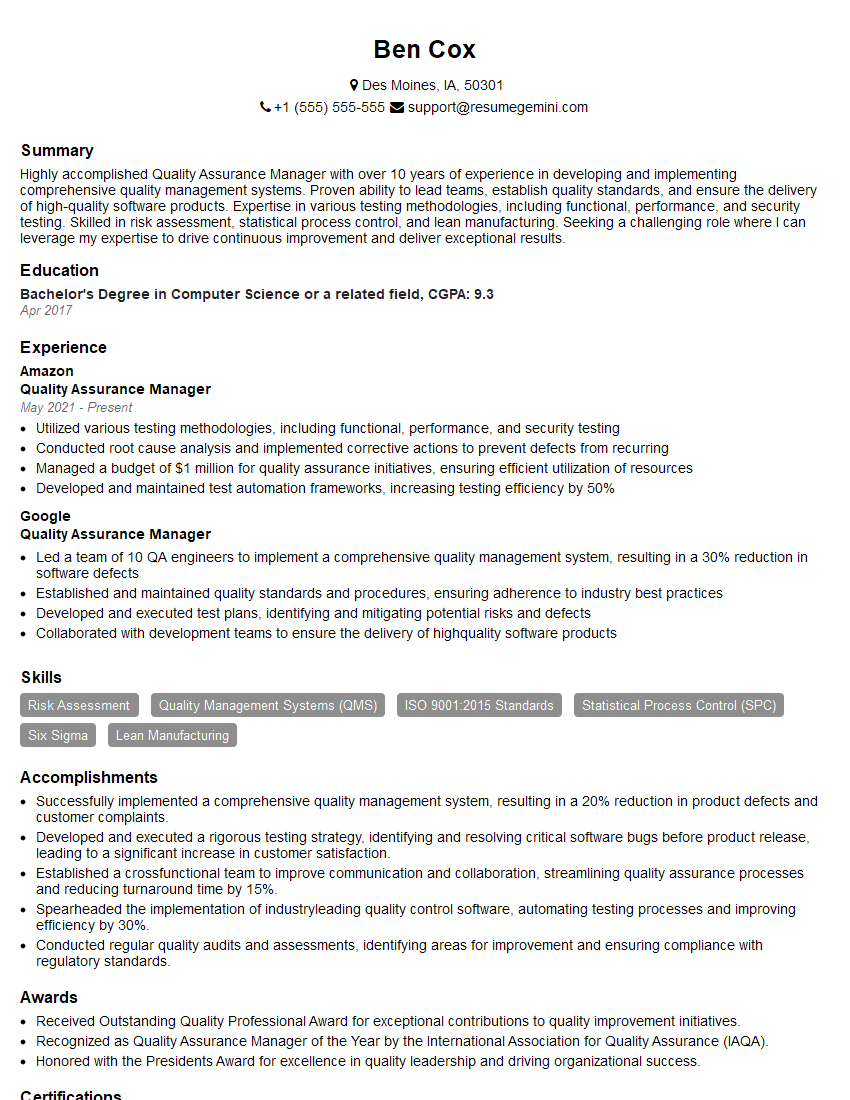
Quality Assurance Manager Resume Sample
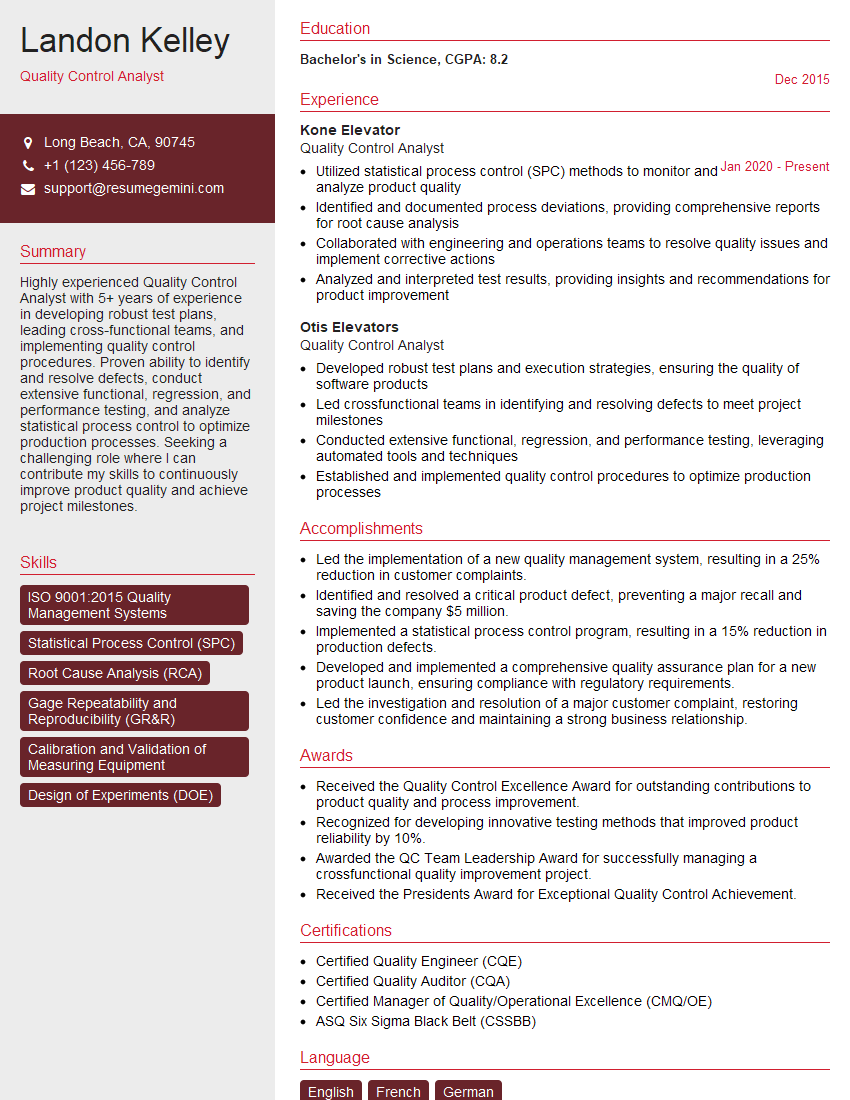
Quality Control Analyst Resume Sample
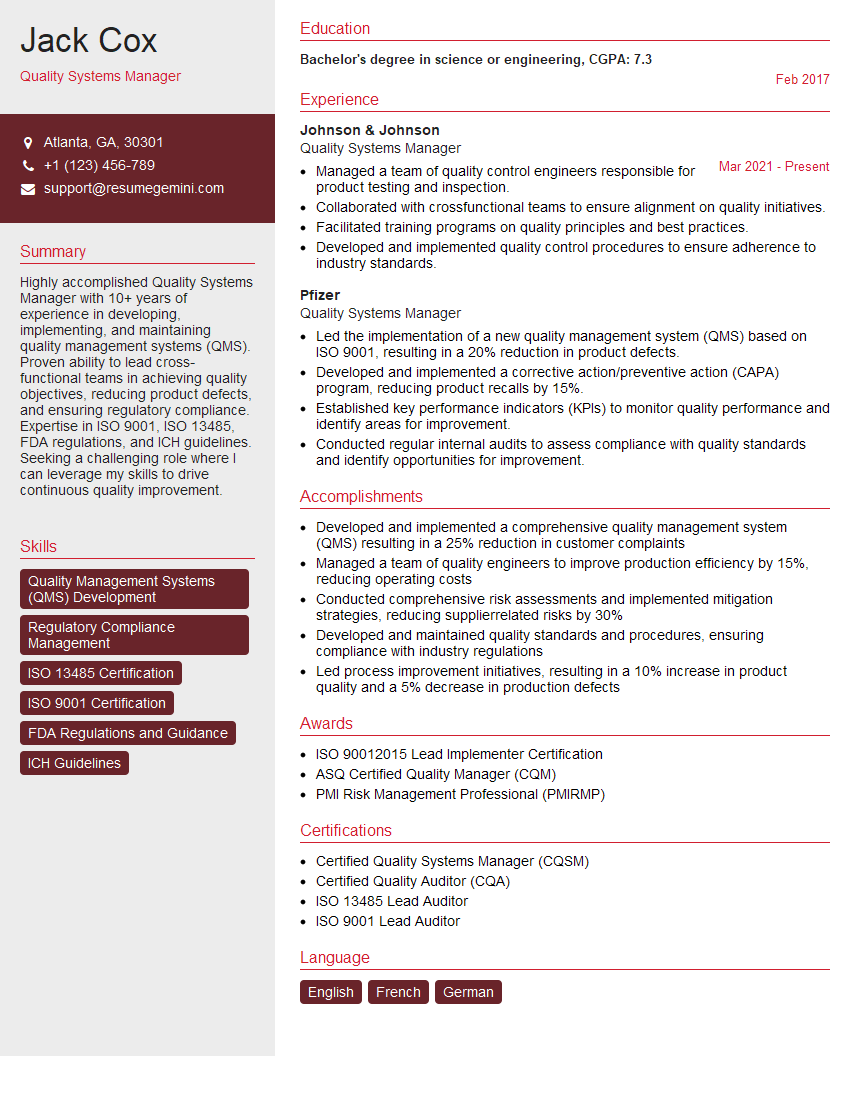
Quality Systems Manager Resume Sample
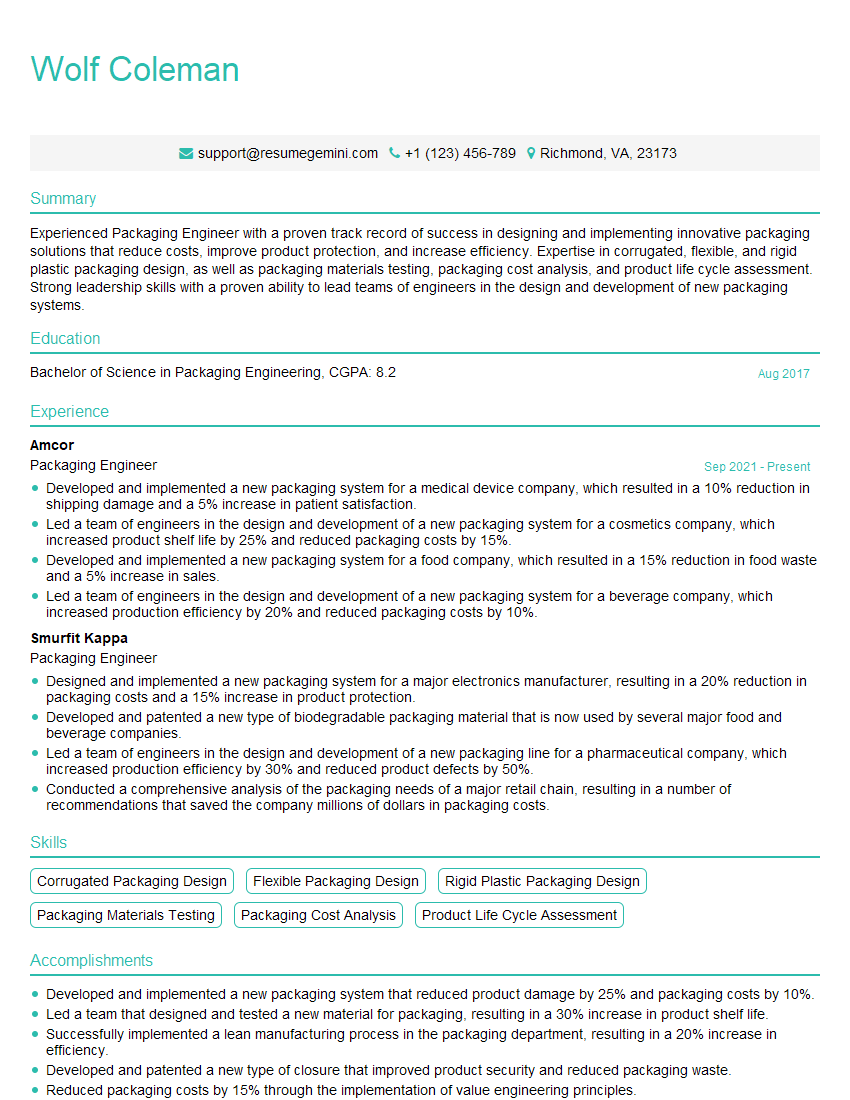
Packaging Engineer Resume Sample
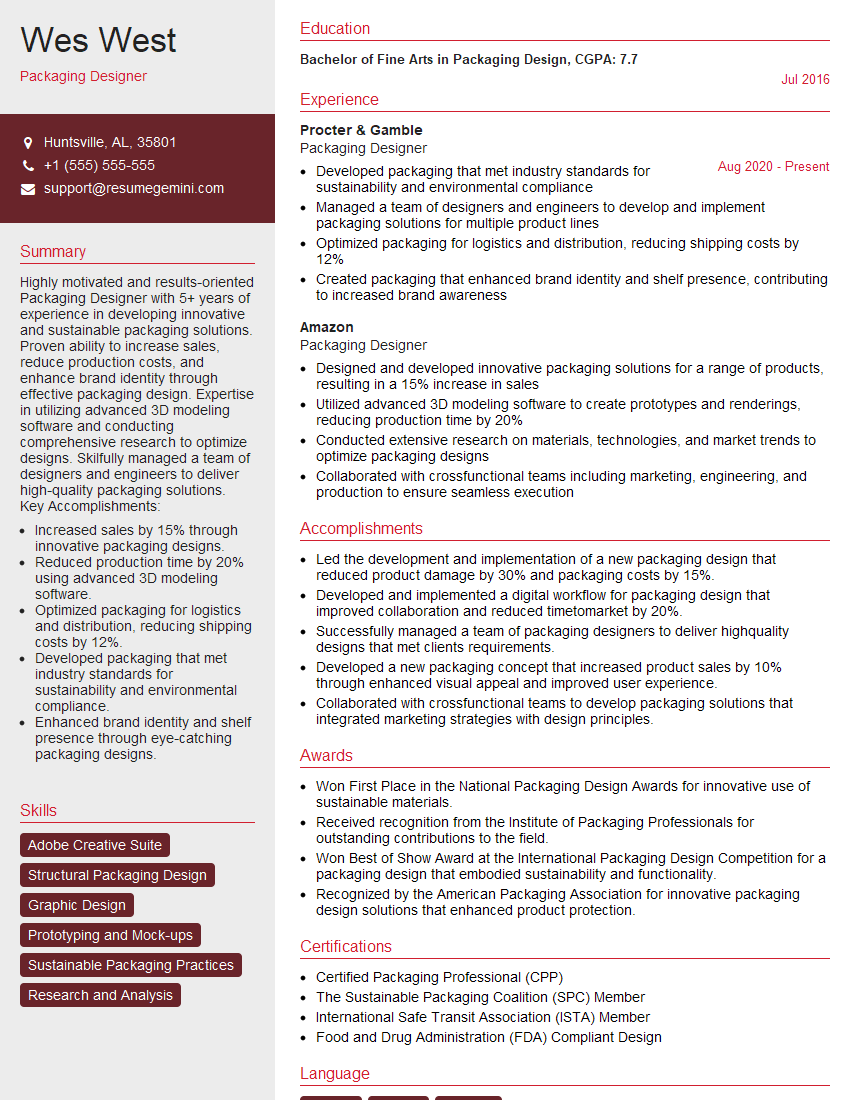
Packaging Designer Resume Sample
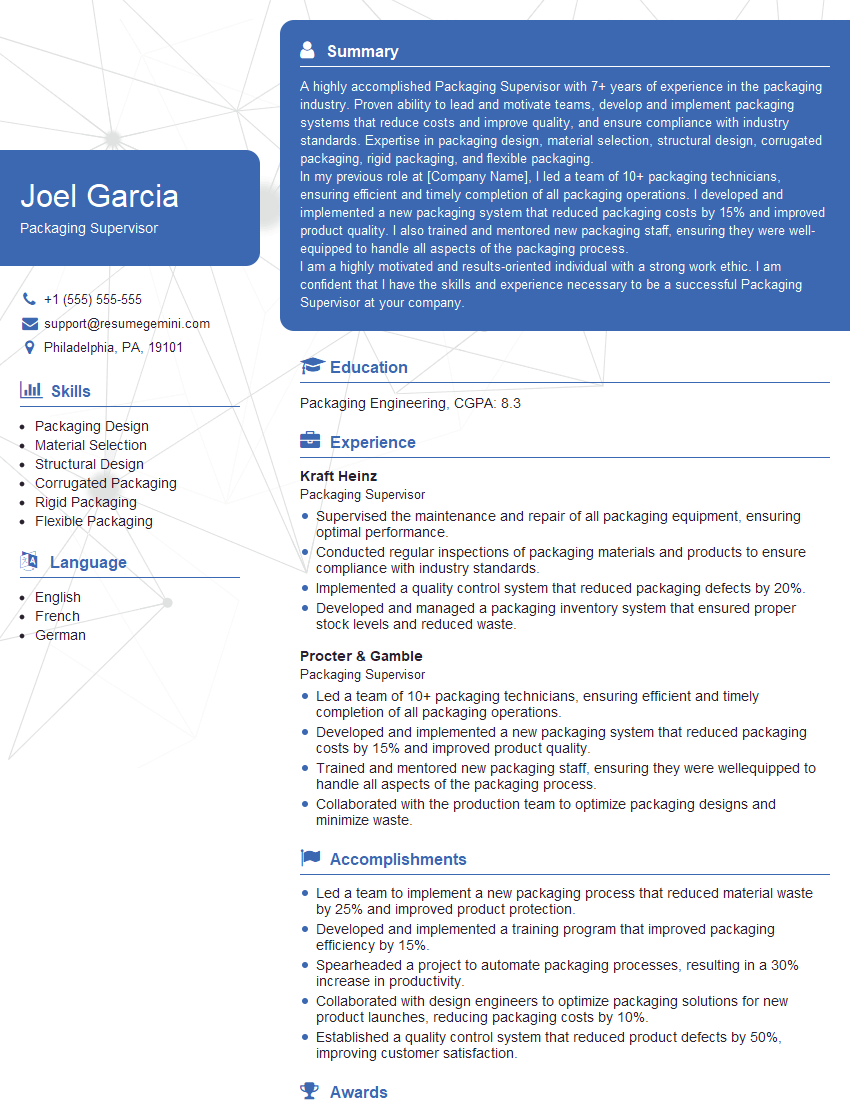
Packaging Supervisor Resume Sample
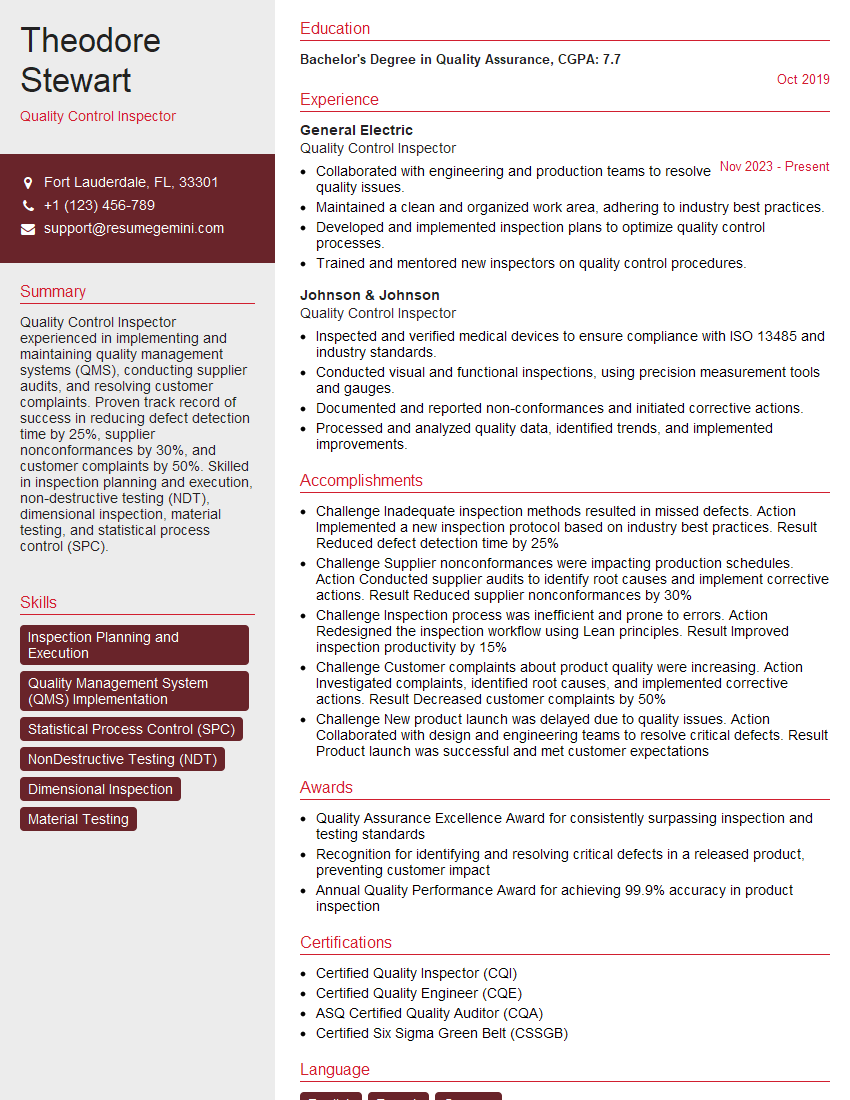
Quality Control Inspector Resume Sample
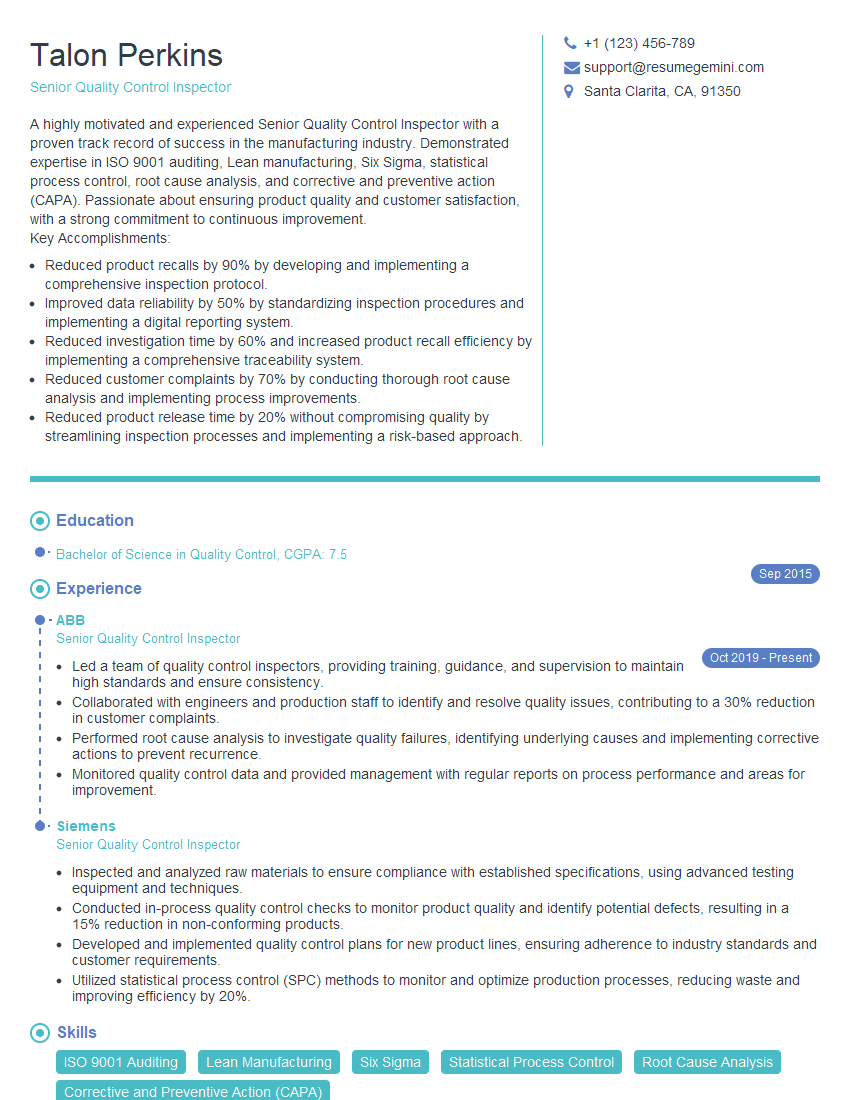
Senior Quality Control Inspector Resume Sample
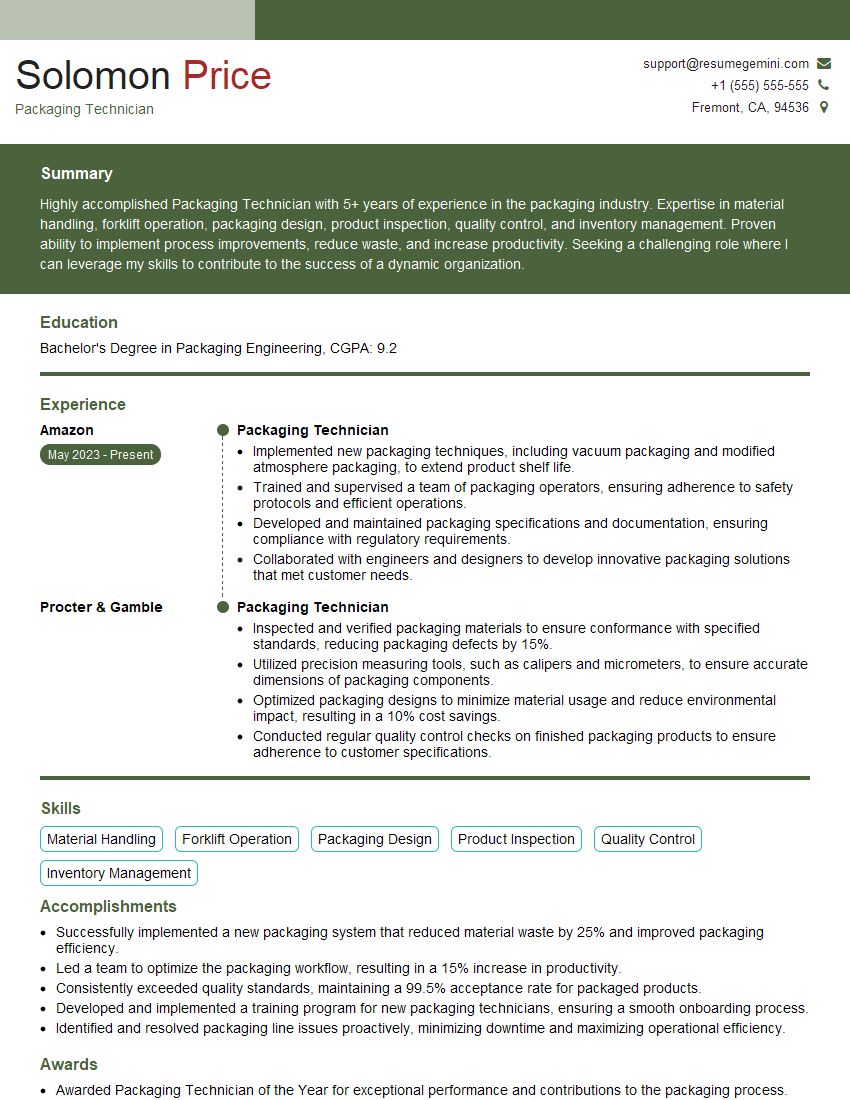
Packaging Technician Resume Sample
Explore more articles
Users Rating of Our Blogs
Share Your Experience
We value your feedback! Please rate our content and share your thoughts (optional).
What Readers Say About Our Blog
Very informative content, great job.
good