Preparation is the key to success in any interview. In this post, we’ll explore crucial Grading and Sorting Produce interview questions and equip you with strategies to craft impactful answers. Whether you’re a beginner or a pro, these tips will elevate your preparation.
Questions Asked in Grading and Sorting Produce Interview
Q 1. Describe the different grades of apples.
Apple grading is complex, varying by country and specific market demands. However, common grading systems often categorize apples based on size, color, shape, and defects. A simplified example might include:
- U.S. Extra Fancy: Apples are very large, well-shaped, and have excellent color. Few or no blemishes are allowed.
- U.S. Fancy: These apples are large, well-shaped, with good color. Minor blemishes are acceptable.
- U.S. No. 1: Apples are of commercial size and shape. Blemishes are more permissible, affecting less than a set percentage of the surface area.
- U.S. Utility: This grade encompasses apples that may have more significant defects impacting their appearance but are still suitable for processing (juices, sauces etc.).
The specific standards and grading scales used can differ depending on the variety of apple (e.g., Gala, Fuji, Red Delicious) and the intended market.
Q 2. Explain the process of sorting oranges by size and quality.
Sorting oranges involves a multi-stage process focusing on size and quality. First, the oranges are typically washed and inspected for any obvious defects like mold or significant damage. Then, size grading is achieved using automated rollers or sorters. These machines measure the diameter of each orange, categorizing them into various size ranges, like small, medium, large, and extra-large. Often this is referred to by count sizes – the number of oranges that fit within a certain container.
Quality sorting involves visual inspection, sometimes aided by automated systems that scan for blemishes, discoloration, or softness. Oranges are usually categorized into grades based on factors like:
- Color: Deep orange is generally preferred.
- Shape: Round and symmetrical oranges are more desirable.
- Surface defects: Scars, bruises, and insect damage influence grade classification.
- Firmness: Oranges are tested for firmness to gauge their ripeness and prevent selling those which are overly soft.
Finally, the oranges are packaged according to their size and quality grade for distribution.
Q 3. What are the common defects found in bananas and how are they graded?
Bananas are graded based on appearance and physical condition. Common defects include:
- Bruising: Dark spots or discoloration indicate damage to the fruit’s flesh.
- Chilling injury: Exposure to cold temperatures causes discoloration, browning, and surface damage.
- Pests and diseases: Insect damage, fungal spots, and other diseases reduce quality.
- Mechanical damage: Scratches, cuts, and broken peels reduce market value.
- Overripe fruit: Bananas that are too ripe, with brown spots or soft texture, are downgraded.
Grading systems often categorize bananas as Grade A (excellent quality, minimal defects), Grade B (acceptable quality, some minor defects), and Grade C (lower quality, unsuitable for fresh sale but suitable for processing).
Inspectors visually assess bananas for these defects, often using electronic scanning systems in large-scale operations. The number and severity of defects influence the final grade assigned.
Q 4. How do you identify and handle bruised or damaged produce?
Identifying bruised or damaged produce requires careful visual inspection. Look for:
- Discoloration: Bruises often appear as dark spots or discoloration.
- Softness: Gently pressing the produce can reveal soft areas.
- Broken skin: Cuts, punctures, and tears are clear signs of damage.
Handling bruised produce depends on the severity of the damage.
- Slightly bruised: These items can be sold at a reduced price, perhaps labeled ‘seconds’ or ‘damaged’ if allowable by the appropriate regulation or standard.
- Severely bruised: Severely damaged produce isn’t suitable for sale and should be removed from the line for processing or disposal, preventing contamination of other products.
Proper sanitation and hygiene protocols are essential to prevent the spread of contamination from damaged produce. This may include dedicated equipment or immediate removal from the line, according to established procedures.
Q 5. What are the key quality characteristics for grading tomatoes?
Tomato grading prioritizes several key characteristics:
- Color: Deep red color is generally preferred, though the desired color depends on the variety (e.g., yellow or orange tomatoes).
- Shape and size: Uniform shape and size are crucial for efficient packaging and consumer appeal. Specific sizes are often classified as small, medium, or large depending on the market.
- Firmness: Tomatoes should be firm and free from blemishes. Soft or overripe tomatoes are often downgraded.
- Freedom from defects: Blemishes such as cracks, cuts, or insect damage negatively affect the grade.
- Maturity: Tomatoes should be fully mature and have the appropriate color for their variety.
Grading standards often employ a scale that assigns numerical values to different qualities. The final grade is determined based on overall quality and conformance to these standards.
Q 6. Explain the importance of proper temperature control during produce handling.
Temperature control is paramount in produce handling, as it significantly impacts quality and shelf life. Produce is highly perishable and susceptible to spoilage caused by enzymatic activity, microbial growth, and physiological deterioration.
Maintaining the appropriate temperature throughout the supply chain—from harvest to retail—slows down these processes. Keeping produce in its optimal temperature range can extend its shelf life by days or even weeks. Different types of produce require different optimal temperature conditions. For example, bananas might optimally be kept between 13-15°C (55-59°F), while tomatoes might be stored between 10-13°C (50-55°F).
Improper temperature management can lead to:
- Faster ripening: High temperatures accelerate ripening, which might cause overripeness before reaching the consumer
- Chilling injury: Low temperatures can cause chilling damage, resulting in discoloration, texture changes, and decay.
- Spoilage: Extreme temperatures promote microbial growth and spoilage, leading to significant losses.
Thus, refrigerated transportation and storage are critical for maintaining product quality and minimizing waste.
Q 7. How do you ensure accurate weight measurements during the sorting process?
Accurate weight measurements are crucial for fair pricing, inventory management, and efficient packaging. Several methods ensure accuracy:
- Calibrated scales: Using regularly calibrated electronic scales is essential. Calibration should be conducted frequently according to a schedule and documented for traceability.
- Tare weight deduction: When weighing produce in containers, the weight of the container (tare weight) must be subtracted from the gross weight to obtain the net weight of the produce.
- Quality control checks: Regular checks of the scales using certified weights ensure accuracy and identify any potential issues.
- Multiple weighings: In cases of doubt, conducting multiple weighings for the same sample and taking the average improves accuracy and identifies inconsistencies.
- Automated weighing systems: Advanced sorting facilities might incorporate automated weighing systems that provide precise measurements and data logging for quality control and traceability.
Proper documentation of weight measurements throughout the sorting process helps maintain transparency and traceability, and is often a requirement for audits or quality control certifications.
Q 8. What are the common methods used for sorting potatoes by size?
Potato sizing is crucial for efficient processing and market appeal. Common methods leverage automated machinery for speed and accuracy, but manual sorting still plays a role, particularly for smaller operations or specialized grading.
Roller Sorters: These machines use a series of rollers of varying sizes to separate potatoes based on diameter. Smaller potatoes fall through gaps between rollers, while larger ones continue along the conveyor.
Optical Sorters: Advanced systems use cameras and sensors to analyze potatoes’ size, shape, and even defects. They are exceptionally precise and can sort potatoes into numerous size categories simultaneously, minimizing waste.
Vibratory Conveyors: These conveyors gently shake potatoes, allowing for size separation based on the potato’s size and rolling behavior. This method works well in conjunction with other methods to further refine sorting.
Manual Sizing: For smaller batches or specialized grades, potatoes might be sized manually using measuring tools and grading templates. This method is slower but allows for more detailed assessment of individual potatoes.
Imagine a potato processing plant: a roller sorter first removes very small or extremely large potatoes, followed by an optical sorter to further refine the remaining into specific size classes (e.g., baking potatoes vs. boiling potatoes) ready for packaging.
Q 9. Describe your experience with using grading equipment (e.g., scales, sorters).
My experience spans over a decade, working with various grading equipment, from basic platform scales to sophisticated optical sorters. I’m proficient in operating and maintaining these machines, troubleshooting malfunctions, and ensuring optimal performance. For instance, with platform scales, I meticulously calibrate them regularly using certified weights to maintain accuracy and prevent misclassifications.
With optical sorters, my expertise includes configuring the software to meet specific client requirements, such as defining size ranges, detecting defects (bruises, blemishes), and identifying different varieties. I understand the importance of regular cleaning and preventative maintenance to prevent sensor contamination and ensure the continuous and reliable operation of the equipment.
Troubleshooting is a key part of my role. I’ve effectively addressed issues ranging from clogged rollers and sensor misalignments to software glitches, always aiming for minimal downtime. My experience equips me with a deep understanding of how to extract maximum efficiency and accuracy from grading equipment, translating to reduced waste and increased profitability.
Q 10. How do you maintain accurate records of produce grading and sorting?
Maintaining accurate records is vital for traceability, quality control, and regulatory compliance. We utilize a combination of manual logging and automated systems. Manual records include detailed batch logs that document the date, time, quantity of produce received, grading parameters (size ranges, quality standards), and the quantity of produce in each grade.
Automated systems often integrate with grading equipment, automatically recording the volume of produce sorted into each category. This data is stored in a database, allowing for detailed analysis of grading performance, identification of trends, and quick access to historical data. This integration minimizes manual data entry errors, increases efficiency, and ensures comprehensive and accurate record-keeping. The data collected can be used to fine-tune the grading process or to monitor yields and efficiency over time. Regular audits and reconciliation between manual and automated records are crucial to ensure data integrity.
Q 11. What are the food safety regulations relevant to produce handling?
Food safety regulations concerning produce handling are stringent and vary slightly depending on location (e.g., FDA in the US, EFSA in Europe). Key aspects include:
Hygiene: Maintaining clean and sanitized equipment and facilities. Regular handwashing and appropriate personal protective equipment (PPE) are mandatory to prevent contamination.
Temperature Control: Proper refrigeration to maintain produce quality and prevent microbial growth is crucial, especially for perishable items. Monitoring and recording temperatures are essential for compliance.
Pest Control: Implementing measures to prevent pest infestation. This includes regular inspections, sanitation practices, and possibly using pest control measures in accordance with regulations.
Traceability: Maintaining detailed records to track produce from the farm to the consumer, allowing for quick identification of the source in case of contamination outbreaks.
Allergen Management: Following strict protocols to avoid cross-contamination between different produce, especially when dealing with allergens.
Non-compliance can lead to significant fines, product recalls, and damage to reputation.
Q 12. How do you handle produce that doesn’t meet quality standards?
Produce failing to meet quality standards is handled according to its condition and applicable regulations. Options include:
Down-grading: Produce with minor defects might be downgraded to a lower grade and sold at a reduced price. This minimizes waste and recovers some value.
Processing: Defective produce can be processed into other products, such as juices, purees, or frozen products. This repurposing transforms lower-quality produce into valuable products, extending its shelf life.
Animal Feed: Produce unsuitable for human consumption can be sold as animal feed. This prevents waste and provides a beneficial use for the discarded produce.
Composting: Organic waste that is not suitable for even animal feed can be composted, returning nutrients to the soil. This reduces landfill waste and promotes sustainable practices.
Disposal: In cases of severe spoilage or contamination, disposal through approved methods may be necessary to prevent the spread of pathogens.
The choice depends on factors like the extent of the defect, the type of produce, and existing market demand for by-products.
Q 13. What are the different types of packaging used for different produce?
Packaging choice depends heavily on the type of produce, its shelf life, and the intended distribution channel. Common packaging types include:
Bags (plastic, paper, mesh): Cost-effective for many fruits and vegetables, offering varying levels of breathability and protection.
Boxes (cardboard, plastic): Provide structural support and protection for fragile produce. They can be customized with ventilation to control airflow.
Crates (wood, plastic): Primarily used for bulk transportation and storage, offering robust protection during handling.
Punnets (plastic, cardboard): Small containers, ideal for berries, mushrooms, and other delicate produce. They often feature ventilation holes to improve airflow.
Modified Atmosphere Packaging (MAP): Involves altering the gas composition within a package to extend shelf life, often used for fresh-cut produce or highly perishable items.
For example, delicate berries might be packaged in small plastic punnets lined with cushioning material, while sturdy root vegetables might be shipped in bulk in cardboard boxes or plastic crates.
Q 14. Describe your experience with different produce varieties and their specific grading requirements.
My experience encompasses a wide range of produce, from root vegetables to leafy greens and delicate fruits. Each variety presents unique grading challenges and requirements. For instance, potatoes are primarily graded by size and visual quality (checking for bruises, blemishes), while apples are assessed for size, color, firmness, and absence of defects. Leafy greens like lettuce are graded on factors such as color, texture, and absence of blemishes or wilting.
Specific grading requirements might include industry standards, customer specifications, or even specific regulatory guidelines. For example, organic produce often requires stricter grading standards regarding the use of pesticides and handling practices. Understanding these requirements is crucial for ensuring quality and consistency throughout the supply chain. My knowledge allows me to adapt the grading process to different varieties, meeting the demands of various markets and customers.
I have a deep understanding of the characteristics that define the quality of specific produce varieties. This understanding allows me to make informed decisions about grading and sorting to optimize the value of the crop while minimizing waste.
Q 15. How do you ensure the efficiency and productivity of the grading and sorting process?
Efficiency and productivity in produce grading and sorting hinge on a combination of optimized processes, skilled personnel, and appropriate technology. Think of it like a well-oiled machine – each part needs to function smoothly for maximum output.
Streamlined Workflow: We implement standardized grading protocols, clear communication channels, and efficient material handling systems. For instance, we might use conveyor belts to move produce between different sorting stages, reducing manual labor and improving speed.
Training and Skill Development: Regular training for graders ensures consistency in applying quality standards. We use visual aids, practice sessions, and regular assessments to maintain high accuracy. Imagine a team of expert wine tasters – their consistent evaluation ensures the quality of the product.
Technology Integration: Automated sorting machines, equipped with optical sensors and AI-powered image recognition, significantly boost efficiency by accurately identifying defects and sorting produce at a much faster rate than manual methods. This is like having a highly trained assistant who works tirelessly and accurately.
Data-Driven Optimization: Tracking key metrics, such as throughput, defect rates, and grading time, allows us to identify bottlenecks and implement improvements. For example, if we notice a particular stage is slowing down the process, we can adjust the workflow or invest in new technology.
Career Expert Tips:
- Ace those interviews! Prepare effectively by reviewing the Top 50 Most Common Interview Questions on ResumeGemini.
- Navigate your job search with confidence! Explore a wide range of Career Tips on ResumeGemini. Learn about common challenges and recommendations to overcome them.
- Craft the perfect resume! Master the Art of Resume Writing with ResumeGemini’s guide. Showcase your unique qualifications and achievements effectively.
- Don’t miss out on holiday savings! Build your dream resume with ResumeGemini’s ATS optimized templates.
Q 16. What are some common challenges faced in produce grading and sorting?
Produce grading and sorting present several challenges. The inherent variability in natural products makes consistency a constant battle.
Subjectivity in Grading: Even with strict standards, some aspects of grading can be subjective, leading to inconsistencies between graders. For example, the ripeness of a tomato might be judged slightly differently by two people.
Produce Variability: Factors like weather conditions, growing practices, and post-harvest handling can significantly impact the quality and uniformity of the produce, making consistent grading difficult.
Technological Limitations: While automated systems are improving, they still struggle with subtle defects that a human grader might easily spot. Imagine an automated system struggling to identify a tiny bruise hidden under a leaf.
High Throughput Demands: Meeting high-volume demands while maintaining quality standards can be extremely challenging, especially during peak seasons.
Food Safety Concerns: Maintaining hygiene and preventing contamination throughout the process is crucial to ensuring food safety.
Q 17. How do you deal with disagreements on produce grading with colleagues?
Disagreements on grading are inevitable, but a collaborative approach is key. We address these through open communication and established protocols.
Referencing Standards: We always refer back to the established grading standards and guidelines. A clear, written guideline helps to resolve conflicting opinions.
Second Opinion: In cases of significant disagreement, a senior grader or supervisor reviews the produce. Having a neutral party helps reach a consensus.
Calibration Sessions: We conduct regular calibration sessions to ensure graders are interpreting the standards consistently. This is like a team of musicians tuning their instruments before a performance.
Documentation and Feedback: We meticulously document all grading decisions and provide constructive feedback to improve consistency and accuracy. This creates a learning environment and helps improve the team’s ability to grade similar products in the future.
Q 18. What is your experience with different sorting techniques (manual, automated)?
My experience encompasses both manual and automated sorting techniques. Each has its strengths and weaknesses.
Manual Sorting: Manual sorting is labor-intensive but allows for greater precision in identifying subtle defects that automated systems might miss. It’s great for smaller-scale operations or high-value products.
Automated Sorting: Automated systems are significantly faster and handle larger volumes. Optical sorting machines, using sensors and computer vision, identify color, size, and shape variations, improving efficiency and consistency. These machines have revolutionized the grading process, although they do have a higher initial investment cost.
Combined Approach: Often, a combination of both approaches is most effective. Automated systems handle the bulk sorting, while manual graders handle the final inspection and grading of products that require more specialized attention.
Q 19. How do you adapt to changes in produce quality and market demands?
Adaptability is crucial in this field. Changes in produce quality and market demands require flexibility and continuous learning.
Market Research: We closely monitor market trends and consumer preferences. This helps us anticipate changes in demand and adjust our grading criteria accordingly.
Continuous Improvement: We regularly review our grading procedures and identify areas for improvement. This might involve updating our standards, adopting new technologies, or improving our training programs.
Supplier Relationships: Maintaining strong relationships with our suppliers allows us to better understand the factors affecting produce quality and collaboratively address any challenges.
Flexibility in Grading Standards: While maintaining core quality standards, we are sometimes able to adjust the grading parameters based on market demands (e.g., slightly lower quality standards for a high-volume, low-cost product).
Q 20. Explain your understanding of traceability in the produce supply chain.
Traceability is paramount in the produce supply chain, ensuring we can track a product from its origin to the consumer. This is crucial for food safety, quality control, and responding to potential outbreaks.
Lot Tracking: Each batch of produce is assigned a unique identification number, which is recorded at each stage of the process. This allows us to trace any problems back to the source.
Data Management: We use sophisticated software systems to manage and track this data effectively. This information is often stored in a database.
Barcodes and RFID: Barcodes and Radio-Frequency Identification (RFID) tags are often used to automate tracking and data collection, making the process more efficient and accurate.
Record Keeping: Meticulous record-keeping, including harvest dates, growing locations, handling procedures, and transportation details, is crucial for complete traceability.
Q 21. How do you maintain a safe and clean work environment during produce handling?
Maintaining a safe and clean work environment is non-negotiable. It’s about protecting both the produce and the workers.
Hygiene Protocols: Strict hygiene protocols, including handwashing stations, protective clothing, and regular cleaning and sanitization of equipment, are enforced.
Temperature Control: Maintaining appropriate temperatures throughout the process is vital to preserving produce quality and preventing spoilage. Refrigerated storage and transportation are essential.
Pest Control: Implementing effective pest control measures protects both the produce and workers from harmful insects and rodents. Regular inspections and professional pest control services are vital.
Safety Training: Regular safety training for all employees ensures they understand and follow safe handling procedures, reducing the risk of accidents and injuries.
Equipment Maintenance: Regular maintenance of equipment, including conveyor belts and sorting machines, minimizes the risk of malfunctions and ensures smooth operations.
Q 22. Describe your experience with inventory management in a produce environment.
Effective inventory management in a produce environment is crucial for minimizing waste and maximizing profitability. It involves a multi-faceted approach encompassing accurate tracking, forecasting, and efficient storage. In my previous role at Green Valley Farms, I implemented a system using a combination of barcode scanners and a customized inventory management software. This allowed us to track each shipment from arrival to sale, monitoring quantities, identifying slow-moving items, and predicting demand based on historical data and seasonal trends. For example, we were able to accurately forecast a surge in demand for strawberries during the summer months, preventing stockouts and maximizing sales opportunities. We also used the system to manage our cold storage capacity, ensuring optimal product rotation (FIFO – First In, First Out) and minimizing spoilage. This improved our overall efficiency and reduced our waste by 15% within six months.
Q 23. What is your understanding of different produce storage methods and their impact on quality?
Produce storage methods significantly impact quality and shelf life. Different produce have varying needs. For instance, highly perishable items like leafy greens require refrigerated storage at specific temperature and humidity levels to maintain freshness and prevent wilting. Root vegetables, on the other hand, are often stored in cool, dark, and well-ventilated areas to prevent sprouting. Improper storage can lead to rapid deterioration, affecting texture, appearance, and nutritional value. Think of storing bananas in the refrigerator – they’ll turn brown and mushy much faster than at room temperature. We use a variety of methods at my previous company: controlled atmosphere storage (CAS) for extending the shelf life of fruits like apples, modified atmosphere packaging (MAP) for extending shelf life of ready-to-eat salads, and proper cold chain management to maintain the temperature throughout the supply chain. Each method’s success depends on careful monitoring and adherence to specific parameters, which I’ve consistently monitored and documented throughout my career.
Q 24. How do you identify and prevent cross-contamination during the produce sorting process?
Cross-contamination is a major concern in produce handling. It can occur through contact with contaminated surfaces, equipment, or personnel. To prevent this, we follow strict hygiene protocols. This includes thorough handwashing between handling different products, using separate cutting boards and tools for different produce types, and regularly sanitizing all surfaces and equipment. We also employ color-coded cutting boards and knives to visually reinforce segregation. Imagine using a red board for tomatoes and a green board for leafy greens – a simple visual aid that effectively reduces the risk of accidental mixing. We also implement robust training programs to educate employees on safe handling practices, including proper cleaning techniques and the importance of reporting any potential contamination incidents immediately. For instance, any damaged produce is immediately separated and disposed of to minimize contamination risk.
Q 25. What are your preferred methods for communicating quality issues to supervisors?
Effective communication is paramount. When I identify a quality issue – like excessive bruising on a batch of apples or discoloration on a shipment of lettuce – I immediately document the problem with detailed descriptions, photographs, and the affected lot numbers. Then, I report it directly to my supervisor using a combination of methods. For urgent issues, I’ll make a phone call or use an instant messaging service for immediate attention. For less urgent issues, I’ll follow up with a detailed email with all the supporting documentation. This structured approach ensures clear, concise, and easily traceable communication, facilitating prompt action and preventing escalation.
Q 26. Describe your experience with using technology in produce grading and sorting (e.g., scanners, software).
Technology plays a vital role in modern produce grading and sorting. In my experience, I’ve used optical sorters that use cameras and sensors to identify defects like bruises, discoloration, and size inconsistencies. This automated process dramatically increases efficiency and accuracy compared to manual inspection. We also utilize software that integrates with our inventory management system, providing real-time data on product quality, quantity, and location. This allows us to make informed decisions about pricing, allocation, and overall inventory management. For instance, a software system I previously used could generate reports showing the percentage of rejected produce per lot and identify any patterns. This kind of data has proved invaluable in optimizing our processes and identifying areas for improvement.
Q 27. How do you ensure that the graded produce meets the customer’s specifications?
Meeting customer specifications is crucial for maintaining business relationships. Before grading, I thoroughly review the customer’s requirements, focusing on size, quality standards, and any specific cosmetic preferences. We utilize specific grading scales and standards (e.g., USDA grades) to ensure consistency. I conduct regular quality checks throughout the sorting process, using both visual inspection and technological aids (scanners, software) to verify that the produce meets the predefined criteria. Any produce that doesn’t meet the customer’s specifications is immediately segregated and handled according to established protocols. This could involve downgrading the produce to a lower grade or diverting it to a different market segment. Accurate documentation is maintained at every stage to ensure traceability and transparency.
Q 28. What are your strategies for continuous improvement in produce grading and sorting?
Continuous improvement is an ongoing process. I use several strategies to enhance our grading and sorting procedures. Regular performance reviews help identify bottlenecks and areas needing optimization. This data is analyzed to find trends and potential areas for improvement. For example, if we consistently find a high rejection rate for a particular type of produce, we may investigate the root cause – is it a problem with sourcing, handling, or storage? We also actively seek out training and professional development opportunities to keep up with the latest technologies and best practices in the industry. Attending industry conferences and workshops help us stay ahead of the curve and adopt new strategies. Finally, by actively soliciting feedback from our team members and customers, we proactively identify challenges and develop innovative solutions to consistently improve our operations.
Key Topics to Learn for Grading and Sorting Produce Interview
- Produce Quality Standards: Understanding different grading systems (e.g., USDA grades), quality parameters (size, color, shape, ripeness, blemishes), and their implications for pricing and marketability.
- Sorting Techniques and Equipment: Familiarity with various sorting methods (manual, automated, optical sorters), their applications in different produce types, and the advantages and limitations of each.
- Hygiene and Food Safety: Knowledge of proper sanitation practices, handling procedures, and food safety regulations to prevent contamination and maintain product quality throughout the grading and sorting process.
- Post-Harvest Handling: Understanding the impact of proper handling techniques on produce quality, shelf life, and reducing waste. This includes aspects like temperature control and storage conditions.
- Efficiency and Productivity: Demonstrating knowledge of optimizing workflow, improving sorting speed and accuracy, and minimizing labor costs through effective resource management.
- Waste Reduction Strategies: Understanding methods to minimize produce loss during grading and sorting, identifying potential causes of waste, and implementing solutions to improve efficiency and sustainability.
- Technological Advancements: Awareness of emerging technologies in automated sorting, quality detection, and data analysis for improved efficiency and quality control.
- Problem-Solving and Decision-Making: Ability to troubleshoot equipment malfunctions, identify quality issues, and make informed decisions regarding produce handling and sorting based on practical experience.
Next Steps
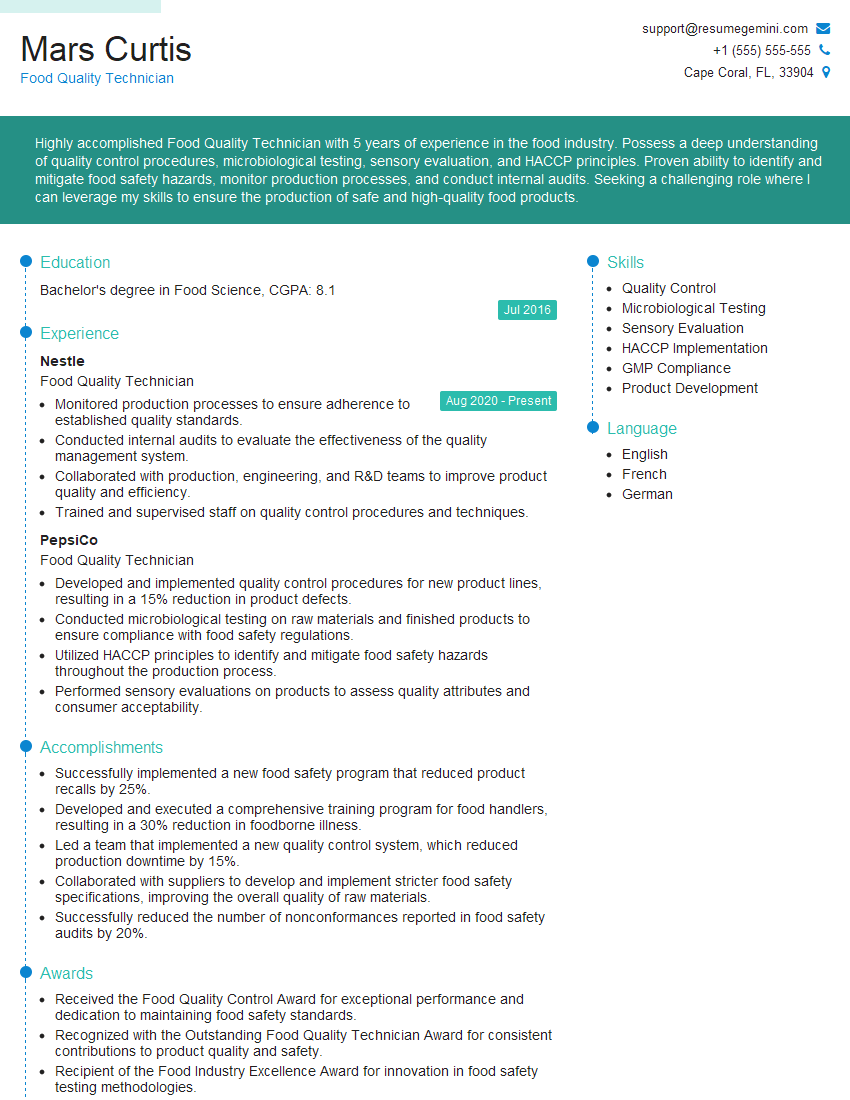
Mastering the skills of grading and sorting produce opens doors to a rewarding career with opportunities for growth within the agricultural and food processing industries. A strong resume is crucial for showcasing your expertise and securing your desired role. Creating an ATS-friendly resume significantly increases your chances of getting noticed by potential employers. We highly recommend using ResumeGemini to craft a professional and impactful resume tailored to your specific experience in grading and sorting produce. ResumeGemini provides valuable tools and resources, including examples of resumes designed for this field, to help you present your qualifications effectively and land your dream job.

Explore more articles
Users Rating of Our Blogs
Share Your Experience
We value your feedback! Please rate our content and share your thoughts (optional).
What Readers Say About Our Blog
Very informative content, great job.
good