Every successful interview starts with knowing what to expect. In this blog, we’ll take you through the top Grading Standards and Regulations interview questions, breaking them down with expert tips to help you deliver impactful answers. Step into your next interview fully prepared and ready to succeed.
Questions Asked in Grading Standards and Regulations Interview
Q 1. Explain the importance of standardized grading procedures.
Standardized grading procedures are crucial for ensuring fairness, consistency, and objectivity in evaluating products, services, or performance. Think of it like a recipe – without a standardized recipe, every cook would produce something different. Standardization provides a common framework, eliminating bias and ensuring everyone is judged by the same criteria. This leads to better decision-making, increased trust, and improved overall quality.
- Fairness: All individuals or entities are assessed using the same rules, preventing unfair advantage or disadvantage.
- Consistency: Results are repeatable and reliable, regardless of who performs the assessment or when it’s conducted.
- Objectivity: The process minimizes subjective interpretations, reducing the influence of personal opinions or biases.
- Comparability: Allows for meaningful comparison of results across different assessors, time periods, or locations.
For example, in a university setting, standardized grading rubrics ensure that all students are assessed equally across different sections of the same course, leading to fairer grading outcomes. Similarly, in manufacturing, standardized quality control procedures are essential for maintaining consistent product quality and meeting customer expectations.
Q 2. Describe your experience with ISO 9001 or other relevant quality management systems.
I have extensive experience working within ISO 9001 compliant quality management systems, specifically in the context of grading and assessment processes. My role involved implementing and maintaining the quality management system, including developing and documenting grading procedures, conducting internal audits to ensure compliance, and participating in management reviews. This included ensuring traceability of grading decisions, managing non-conformances, and actively participating in continuous improvement initiatives. The rigorous documentation and systematic approach required by ISO 9001 instilled a deep appreciation for the importance of detailed procedures and data analysis in ensuring consistent and reliable grading.
For example, in a recent project involving the grading of manufactured components, we used ISO 9001 principles to establish clear grading criteria, document the inspection process step-by-step, and maintain detailed records of each assessment. This allowed us to identify trends, make improvements to our processes, and significantly reduce discrepancies between assessors.
Q 3. How do you ensure consistency in grading across different assessors?
Consistency in grading across different assessors is paramount. This is achieved through a multi-faceted approach that combines rigorous training, standardized grading tools, and regular calibration exercises. Imagine a team of judges at a figure skating competition – each judge needs to understand the scoring criteria precisely to deliver consistent results.
- Comprehensive Training: Assessors receive thorough training on the grading standards, procedures, and the use of any assessment tools. This ensures everyone is on the same page.
- Standardized Grading Tools: Clear, unambiguous grading rubrics, checklists, or software applications ensure uniformity in the application of criteria.
- Calibration Exercises: Regularly, assessors grade the same set of items or cases independently. This reveals discrepancies and facilitates discussion to clarify any misunderstandings or inconsistencies in interpretation.
- Blind Assessments: In some cases, introducing blind assessments, where the assessor is unaware of the identity of the individual or product being assessed, can minimize potential biases.
For instance, in a project grading student essays, we used a standardized rubric with detailed criteria for each element (argumentation, clarity, grammar). Regular calibration sessions allowed us to identify and resolve discrepancies in how assessors interpreted criteria, leading to increased grading consistency across the board.
Q 4. What methods do you use to identify and resolve grading discrepancies?
Identifying and resolving grading discrepancies is an iterative process involving data analysis and collaborative discussion. When discrepancies arise, they aren’t necessarily viewed as errors but as opportunities for improvement.
- Data Analysis: Statistical methods, such as control charts (part of SPC), are used to track grading patterns and identify areas of inconsistency. This allows for the early detection of potential problems.
- Root Cause Analysis: Discrepancies are investigated to identify their underlying causes. This might involve reviewing the training materials, the grading tools, or the assessment procedures themselves.
- Collaborative Discussion: Assessors involved in the discrepancy are brought together to discuss their interpretations and reach a consensus. This provides a valuable opportunity for learning and clarifying any misunderstandings.
- Retraining/Refinement: Based on the root cause analysis, appropriate corrective actions are taken, such as providing additional training, revising grading tools, or clarifying procedures.
For example, if statistical analysis reveals a high degree of variability in grading scores for a specific criterion, we might revisit the rubric’s definition of that criterion, conduct a retraining session, or introduce additional examples to enhance understanding and ensure consistent application.
Q 5. Explain your understanding of statistical process control (SPC) in grading.
Statistical Process Control (SPC) in grading provides a powerful framework for monitoring and improving the consistency and accuracy of the grading process. It involves applying statistical techniques to identify and control variations in grading results.
- Control Charts: These are used to visually monitor the variability of grading scores over time. Patterns in the chart can indicate the presence of assignable causes (e.g., a poorly worded grading rubric) or common causes (e.g., normal human variability).
- Process Capability Analysis: This helps determine the ability of the grading process to meet predefined specifications. It helps determine whether the process is capable of producing consistent and accurate results.
- Data Analysis Techniques: Statistical methods such as ANOVA (Analysis of Variance) can be employed to compare the performance of different assessors or to analyze the impact of different grading methods.
In practice, SPC helps identify trends and patterns that suggest a potential problem with the grading process, allowing for proactive intervention and continuous improvement. For example, if a control chart shows a significant shift in the average grading scores, this would trigger an investigation to identify the cause and implement corrective actions.
Q 6. Describe your experience with developing or revising grading standards.
My experience in developing and revising grading standards involves a collaborative, iterative process grounded in best practices and stakeholder input. It’s similar to building a house – careful planning, multiple drafts, and feedback from all involved parties ensure a solid structure.
- Needs Assessment: The process begins with identifying the need for new or revised standards, considering the purpose of the grading, the stakeholders involved, and existing best practices.
- Stakeholder Consultation: Input is gathered from relevant stakeholders, such as assessors, supervisors, and those affected by the grading outcome. This ensures buy-in and addresses potential concerns.
- Standard Development: Clear, concise, and unambiguous standards are developed based on the needs assessment and stakeholder input. This typically involves defining criteria, weighting different aspects, and providing examples.
- Pilot Testing and Revision: The developed standards are pilot tested to identify any ambiguities or inconsistencies. Feedback from the pilot test informs necessary revisions.
- Documentation and Training: Once finalized, the standards are thoroughly documented and assessors receive comprehensive training to ensure consistent implementation.
For example, in a recent project, we revised the grading criteria for a technical certification exam by conducting a comprehensive review of existing literature, surveying past examiners, and then implementing a revised rubric with clearer definitions and examples. This led to a significantly improved consistency in the exam results.
Q 7. How do you handle grading appeals or disputes?
Handling grading appeals or disputes requires a fair, transparent, and well-defined process. The key is to ensure consistency with established standards and to provide an opportunity for redress while maintaining the integrity of the grading system.
- Formal Appeal Process: A clear and documented appeal process must be established and made readily available. This usually involves a specific timeframe for submitting appeals and a defined procedure for reviewing them.
- Review by Higher Authority: Appeals are reviewed by a higher authority, usually someone independent of the initial assessment. This ensures objectivity and fairness.
- Documentation and Justification: All aspects of the appeal and the review process are meticulously documented, including the initial grading, the grounds for the appeal, and the final decision. The rationale for the decision must be clearly articulated.
- Feedback Loop: The appeal process should also provide a valuable feedback loop, allowing for improvements to the grading system and preventing similar disputes in the future.
For example, in instances of grading disputes, we initiate a thorough review of the assessment against the established standards, providing the appellant with a detailed explanation of the decision. This process ensures fairness and maintains the integrity of the grading system while providing opportunities for learning and improvement.
Q 8. How do you stay current with changes in grading standards and regulations?
Staying current in the dynamic field of grading standards and regulations requires a multi-pronged approach. It’s not a one-time effort but an ongoing commitment.
- Professional Organizations: I actively participate in and follow the publications of relevant professional organizations such as the American Society for Testing and Materials (ASTM) and industry-specific groups. These organizations often publish updates, best practices, and new standards.
- Industry Publications and Journals: I regularly read industry-specific journals and publications to stay informed about new technologies, changes in regulatory requirements, and emerging best practices. This ensures I am aware of any evolving standards.
- Conferences and Workshops: Attending conferences and workshops is crucial for networking and learning about the latest advancements in grading techniques and regulatory updates directly from experts. This provides valuable insights not always available in written materials.
- Regulatory Websites: I diligently monitor the websites of relevant governmental agencies responsible for grading regulations in my field. This ensures I’m up-to-date on any legal changes or updates impacting grading practices.
- Training and Certifications: I pursue continuous professional development through training courses and certifications to maintain my expertise and ensure compliance with the latest standards. These courses often cover the most recent developments and best practices.
This holistic approach ensures I’m not only aware of changes but also understand their implications and how to adapt my practices accordingly.
Q 9. Explain your experience with documenting grading processes and procedures.
Documenting grading processes and procedures is paramount for maintaining consistency, accuracy, and traceability. My experience encompasses developing and maintaining detailed, step-by-step documentation for a range of grading scenarios.
- Standard Operating Procedures (SOPs): I have created numerous SOPs that clearly outline each step of the grading process, including equipment calibration procedures, sample preparation methods, grading criteria, data recording protocols, and quality control checks. These are regularly reviewed and updated.
- Flowcharts and Diagrams: I utilize flowcharts and diagrams to visually represent the workflow, making the process easily understandable for all personnel involved. This enhances training and consistency.
- Training Materials: Based on the documentation, I’ve developed comprehensive training materials including manuals, presentations, and hands-on exercises to ensure all graders are properly trained and understand the procedures thoroughly.
- Version Control: All documents are maintained under a version control system, enabling the tracking of modifications and ensuring everyone works with the latest approved version. This helps maintain audit trails.
- Data Management Systems: I’m proficient in using data management systems to record, store, and retrieve grading data efficiently, ensuring data integrity and easy access for audits and reporting.
My documentation emphasizes clarity, precision, and ease of use, ensuring that the grading process is not only well-defined but also easily understood and followed by everyone.
Q 10. How do you ensure the accuracy and reliability of grading equipment?
Ensuring the accuracy and reliability of grading equipment is critical for obtaining valid and reliable results. This involves a combination of preventative maintenance, calibration, and verification procedures.
- Regular Calibration: I adhere to strict calibration schedules using traceable standards. Calibration certificates are maintained and filed for each instrument, demonstrating compliance.
- Preventative Maintenance: Regular preventative maintenance, following manufacturer’s recommendations, minimizes the risk of equipment malfunction and extends its lifespan. This includes cleaning, lubrication, and inspections.
- Verification Tests: Before and after each batch of grading, I perform verification tests using certified reference materials. This helps identify potential deviations and ensures the equipment is functioning correctly.
- Record Keeping: Detailed records of all calibrations, maintenance, and verification tests are meticulously kept. These records provide an audit trail and demonstrate compliance with regulations.
- Equipment Qualification: I participate in the qualification process of new grading equipment, verifying that it meets the necessary specifications and standards before it is put into service. This includes performance qualification and operational qualification.
By implementing these procedures, we minimize errors and ensure the consistency and reliability of the grading process. Think of it like regularly servicing your car—it prevents major problems and ensures optimal performance.
Q 11. Describe a time you had to troubleshoot a grading problem.
During a large-scale grading project, we experienced inconsistencies in the results obtained from a particular piece of automated grading equipment. The initial readings were significantly different from the expected values, raising concerns about data integrity.
My troubleshooting process followed these steps:
- Data Review: I thoroughly reviewed the data, looking for patterns or anomalies that could pinpoint the source of the problem. I compared the results with previous batches and checked the calibration records.
- Equipment Inspection: I visually inspected the equipment for any signs of damage, wear and tear, or malfunctions. This included checking for loose connections, debris, and sensor alignment.
- Calibration Check: I re-calibrated the equipment using certified reference materials, documenting the process meticulously. This ruled out calibration as the primary issue.
- Software Check: I checked the software for any error messages, bugs, or recent updates that might have caused unexpected results. I also investigated whether the software parameters were set correctly.
- Environmental Factors: I considered environmental factors, such as temperature and humidity fluctuations, which might have affected the equipment’s performance. We determined that temperature instability was a significant contributor.
- Resolution: Once identified, we addressed the temperature instability issue by installing a better temperature control system. We also reviewed and updated the SOPs to include additional checks for environmental conditions.
Through a systematic approach, we identified the root cause of the problem, implemented the necessary corrections, and restored the accuracy and reliability of the grading process. This experience reinforced the importance of thorough documentation and a systematic troubleshooting methodology.
Q 12. How do you balance the need for accuracy with efficiency in grading?
Balancing accuracy and efficiency in grading is a constant challenge. It’s about finding the optimal point where both are adequately addressed without compromising the integrity of the results. Think of it like baking a cake – you need precision in the ingredients (accuracy) but also need to be efficient in your methods (efficiency).
- Automation: Utilizing automated grading equipment and software wherever appropriate can significantly improve efficiency without sacrificing accuracy. However, regular calibration and quality control checks are crucial.
- Standardized Procedures: Clear, concise, and standardized procedures minimize errors and improve consistency, which boosts efficiency. Well-defined SOPs make sure everyone performs the process similarly.
- Training and Skill Development: Well-trained graders are more efficient and accurate. Investing in training and skill development programs is crucial to reducing errors and improving productivity.
- Quality Control Checks: Implementing rigorous quality control checks at various stages of the grading process identifies and rectifies errors early, preventing larger issues later on and ensuring accuracy. This prevents large-scale corrections and rework.
- Process Optimization: Regularly reviewing and optimizing the grading process identifies areas for improvement, increasing efficiency without affecting accuracy. Continuous improvement is vital.
It’s about striking a balance. We shouldn’t sacrifice accuracy for speed, nor should we let meticulousness hinder productivity. A well-designed system addresses both aspects effectively.
Q 13. Explain your understanding of different grading scales and their applications.
Different grading scales cater to various needs and applications. The choice of scale depends on the specific context and the level of detail required.
- Numerical Scales: These scales use numerical values (e.g., 0-100, 0-10, 1-5) to represent the quality or grade of an item. They are common in academic settings and for assessing performance. A simple example is a 0-100% grade on a test.
- Letter Grades: Letter grades (e.g., A, B, C, D, F) are frequently used in education and provide a summary assessment of performance. Letter grades provide a quick understanding of overall performance but may lack the detail of numerical scores.
- Descriptive Scales: These scales use descriptive terms (e.g., excellent, good, fair, poor) to assess quality or performance. They offer flexibility and can be tailored to specific needs, but consistency in interpretation is critical.
- Categorical Scales: Categorical scales group items into distinct categories based on predefined criteria. For example, in food safety, ingredients might be categorized as ‘acceptable’, ‘rejectable’, or ‘needs review’.
The application of each scale varies. For instance, a numerical scale provides precise quantitative data, suitable for statistical analysis, while descriptive scales offer qualitative assessments, prioritizing clear descriptions of attributes.
Q 14. What are the key elements of a robust quality control program for grading?
A robust quality control program for grading is essential for maintaining accuracy, reliability, and consistency. It’s not just about checking the final results; it’s about monitoring the entire process.
- Sampling Plans: Well-defined sampling plans are crucial to ensure the selected samples accurately represent the entire lot or population being graded. This helps in ensuring the representativeness of the findings.
- Calibration and Verification Procedures: Regular calibration and verification of grading equipment and methods guarantee the accuracy and reliability of the measurements. This is a cornerstone of quality control.
- Internal Audits: Regular internal audits assess compliance with established procedures and identify areas for improvement. This proactive approach helps to continually improve the grading process.
- Inter-rater Reliability Checks: Periodic checks of inter-rater reliability ensure that different graders achieve consistent results when assessing the same items. This addresses potential subjectivity.
- Data Analysis and Reporting: Detailed data analysis and reporting mechanisms track trends, identify potential problems, and demonstrate the effectiveness of the quality control program. This helps to continuously monitor and improve the system.
- Corrective and Preventive Actions (CAPA): A clear CAPA system ensures that any identified deviations or non-conformities are investigated, corrected, and preventative measures are implemented to prevent recurrence. This is crucial for system improvement.
Implementing these elements creates a comprehensive quality control program that instills confidence in the accuracy and integrity of the grading process, akin to a well-oiled machine running smoothly and producing reliable outputs.
Q 15. How do you ensure that grading processes comply with relevant regulations?
Ensuring grading processes comply with regulations is paramount for maintaining fairness, accuracy, and legal standing. This involves a multi-faceted approach. First, we must thoroughly understand all applicable regulations, which can vary widely depending on the context (e.g., educational institution policies, government mandates, accreditation standards, etc.). This involves regularly reviewing and updating our understanding of these regulations.
Second, we develop and meticulously document Standard Operating Procedures (SOPs) that explicitly align with these regulations. These SOPs cover every stage of the grading process, from initial assignment design to final grade submission, including clear guidelines on grading rubrics, assessment methods, appeals processes, and data security. Regular training for all graders ensures everyone understands and adheres to the SOPs.
Third, we implement robust quality control mechanisms, including regular internal audits and spot checks to verify compliance. Discrepancies are documented, investigated, and corrective actions are implemented and tracked to prevent recurrence. Finally, we maintain meticulous records of all grading activities, including justifications for grades and any deviations from standard procedures. This documentation serves as evidence of compliance and provides a valuable trail for audits and appeals.
Career Expert Tips:
- Ace those interviews! Prepare effectively by reviewing the Top 50 Most Common Interview Questions on ResumeGemini.
- Navigate your job search with confidence! Explore a wide range of Career Tips on ResumeGemini. Learn about common challenges and recommendations to overcome them.
- Craft the perfect resume! Master the Art of Resume Writing with ResumeGemini’s guide. Showcase your unique qualifications and achievements effectively.
- Don’t miss out on holiday savings! Build your dream resume with ResumeGemini’s ATS optimized templates.
Q 16. Describe your experience with internal audits of grading processes.
I have extensive experience conducting and participating in internal audits of grading processes. My role has typically involved both planning and executing these audits, examining the entire grading workflow for adherence to SOPs and regulatory compliance. This involves reviewing grading rubrics for clarity and objectivity, assessing the consistency of grading across different assessors, and verifying the accuracy and security of grade data storage.
For example, in a recent audit of a large-scale online assessment platform, I identified a minor discrepancy in the automated grading script that led to a small, systematic error in calculating scores. This was quickly corrected, and a re-grading of the affected assessments was undertaken, preventing potential issues with student grades. Audit findings are always documented and shared with relevant stakeholders, leading to continuous improvement of the grading processes.
Q 17. How do you identify and mitigate potential risks related to grading?
Identifying and mitigating risks in grading involves a proactive approach. Potential risks include grader bias, procedural errors, data breaches, and inconsistencies in grading rubrics. We use a risk assessment framework to identify potential vulnerabilities. This involves brainstorming potential problems, evaluating their likelihood and impact, and prioritizing mitigation strategies.
For instance, to mitigate grader bias, we implement blind grading techniques whenever possible, and provide graders with extensive training on fairness and objectivity. To reduce procedural errors, we use clear and concise SOPs, provide comprehensive training, and implement multiple checks and balances throughout the grading process. Data breaches are addressed through secure data storage and access controls. Regular data backups further ensure data integrity. Finally, regular review and updates of grading rubrics ensure consistency across assessors.
Q 18. Describe your experience with training others on proper grading procedures.
I have a proven track record of training others on proper grading procedures. My approach emphasizes both theoretical knowledge and practical application. I begin by clearly explaining the relevant regulations and SOPs, using clear and concise language, avoiding jargon whenever possible. Training materials include presentations, detailed guides, and practical exercises that simulate real-world grading scenarios.
For example, I recently trained a group of new graders on a complex rubric for assessing essays. The training involved a detailed explanation of the rubric criteria, followed by a group exercise where participants graded sample essays and then compared their scores and justifications. This collaborative approach fosters understanding and helps identify areas requiring further clarification. Post-training assessments and ongoing mentorship ensure graders maintain consistent performance and compliance.
Q 19. How do you utilize data analysis to improve grading processes?
Data analysis is crucial for improving grading processes. We collect data on various aspects of the grading process, including grading times, grade distributions, and appeals rates. This data is then analyzed to identify trends and patterns. For example, unusually high or low grade distributions in a particular course might signal a problem with the assessment or the grading rubric, warranting further investigation. Similarly, high appeal rates can suggest areas for improvement in the clarity of instructions or the consistency of grading.
Example: Analyzing grade distribution data might reveal that one grader consistently gives higher grades than others, prompting a review of that grader’s work and additional training. This data-driven approach allows for continuous refinement of the grading process, ensuring fairness, consistency, and accuracy.
Q 20. Explain your experience with implementing new grading technologies or methods.
I have been involved in the successful implementation of several new grading technologies and methods. This includes the introduction of automated essay scoring software and online gradebook systems. The implementation process always involves careful planning, thorough testing, and comprehensive training for all stakeholders. For example, before implementing an automated essay scoring system, we conducted rigorous evaluations of different software options, carefully considering factors like accuracy, fairness, and user-friendliness.
We also created detailed training materials for both instructors and students, addressing any concerns about the software’s capabilities and limitations. Post-implementation monitoring and evaluation were crucial in identifying and addressing any unforeseen issues. The transition to these new technologies has significantly improved the efficiency and consistency of the grading process, while providing valuable data for further analysis and improvement.
Q 21. Describe a time you had to deal with a non-compliant grading result.
In one instance, a non-compliant grading result was discovered during an internal audit. A grader had inadvertently deviated from the established rubric, leading to inconsistent grading across a set of student assignments. The discrepancy was identified through a cross-check of grades and a review of the grader’s justifications.
Our response followed a clear protocol. First, the affected grades were reviewed and corrected. Second, the grader received additional training on the correct application of the rubric. Third, the incident was documented, and further quality control measures were put in place to prevent similar occurrences. Finally, an explanation was provided to the affected students and appropriate steps were taken to ensure transparency and fairness. The experience highlighted the importance of comprehensive training, robust quality control procedures and a clear process for handling non-compliant results.
Q 22. How do you ensure the traceability of grading results?
Ensuring traceability in grading is paramount for maintaining fairness, accountability, and the integrity of the entire process. It’s like leaving a clear breadcrumb trail so anyone can follow the journey of a grade from its inception to its final recording.
- Detailed Record Keeping: This involves meticulously documenting every step. For example, maintaining a detailed rubric with specific scoring criteria, logging grading decisions with justifications (especially for subjective assessments), and using version control for grading software or documents. We need to know who graded what, when it was graded, and why a particular grade was assigned.
- Auditable Systems: The grading system itself needs to be auditable. This could mean using a secure, centralized platform where grading actions are time-stamped and logged. Imagine an online system that shows the grading history of each assignment, including any modifications or comments.
- Chain of Custody: In cases with high stakes (like standardized testing), a strict chain of custody is necessary, ensuring the graded material’s integrity and preventing tampering. This often involves secure storage and transportation.
- Regular Audits: Periodic audits help ensure the system is functioning correctly and adhering to established protocols. They help identify any weaknesses or inconsistencies in the process.
In my previous role, we implemented a custom database that tracked every grading decision, including the grader’s ID, the time stamp, and any notes explaining the reasoning. This proved invaluable when we needed to review specific grades or investigate anomalies.
Q 23. Explain your experience with root cause analysis in grading related issues.
Root cause analysis (RCA) in grading is crucial for addressing recurring issues or unexpected trends in grades. Think of it as detective work to find the ‘why’ behind grading problems, not just the ‘what’.
My approach usually involves a structured methodology like the ‘5 Whys’ technique or the ‘Fishbone’ diagram. For example, if we see a significant drop in average grades across a particular class, we wouldn’t just accept that as fact. We’d systematically investigate.
- Data Analysis: Examining grade distributions, student performance across different assessment types, and identifying patterns.
- Feedback Collection: Gathering input from students and graders about the assessment process, identifying any misunderstandings or difficulties.
- Process Review: Examining the assessment design, grading rubric, instructions, and any other procedural factors.
- Implementation of Corrective Actions: Once the root cause is identified, we implement changes to address it. This might involve revising the rubric, providing clearer instructions, offering additional support to students, or adjusting the assessment design itself.
In one instance, an RCA revealed that inconsistent grading stemmed from a poorly defined rubric. By clarifying the criteria and providing additional training to graders, we significantly improved consistency and reduced grade discrepancies.
Q 24. How do you measure the effectiveness of your grading processes?
Measuring the effectiveness of grading processes is about ensuring fairness, consistency, and accuracy. It’s not just about the grades themselves but the entire system behind them.
- Inter-rater Reliability: This measures the consistency between graders. A high inter-rater reliability score suggests graders are applying the rubric uniformly. We can use statistical measures like Cohen’s Kappa to quantify this.
- Grade Distribution Analysis: Analyzing the distribution of grades can reveal potential issues. An unexpectedly skewed distribution might suggest problems with the assessment’s difficulty or grading process.
- Student Performance Tracking: Monitoring student progress over time can help us identify areas where the grading process might need improvement, e.g., if a specific concept consistently causes difficulty.
- Feedback Analysis: Regularly collecting and analyzing student feedback about the assessments and grading can help identify areas for improvement.
- Time Efficiency: Measuring the time spent on grading allows us to evaluate efficiency and identify areas for automation or streamlining.
For example, we might use a statistical software package to calculate Cohen’s Kappa for a set of graded essays, thus assessing grader consistency. A low Kappa value would signal a need for improved rubric clarification or grader training.
Q 25. What are some common challenges in maintaining consistent grading standards?
Maintaining consistent grading standards is challenging, much like trying to keep a flock of birds flying in perfect formation. Several factors contribute to inconsistencies:
- Subjectivity in Assessment: Essays, presentations, and projects often involve subjective judgment, making it difficult to achieve complete consistency between graders.
- Grader Bias: Unconscious biases can influence grading decisions, leading to inconsistencies. For instance, graders might unconsciously favor certain writing styles or presentation methods.
- Lack of Clear Rubrics: Vague or poorly defined rubrics can result in inconsistent application of grading criteria. Graders need clear, specific, and measurable criteria.
- Grader Training and Experience: Differences in training and experience among graders can lead to variations in grading standards.
- Workload and Time Constraints: High workloads and tight deadlines can lead to rushed grading, increasing the likelihood of errors and inconsistencies.
Addressing these challenges requires careful rubric design, comprehensive grader training, regular calibration sessions where graders review and discuss examples together, and using technology to aid in standardization.
Q 26. How do you manage and resolve conflicts related to grading interpretations?
Grading disputes are inevitable, but a well-defined process for resolution is crucial. It’s like having a clear referee in a game to settle disagreements.
- Formal Appeal Process: Establishing a clear and accessible process for students to appeal grades, outlining the steps and timelines involved.
- Second Opinion/Review: Providing a mechanism for a second grader (preferably someone not involved in the initial grading) to review the disputed work and provide an independent assessment.
- Mediation/Facilitation: In some cases, mediation may be helpful to facilitate communication and understanding between students and graders.
- Documentation: Thorough documentation of all interactions and decisions related to grade disputes is crucial for accountability and transparency.
- Clear Guidelines for Resolution: Having clear guidelines on how grade disputes will be handled, outlining the criteria for accepting or rejecting appeals.
In practice, we use a three-step process: student appeal, second grading by a senior colleague, and a final decision made by the department chair. This ensured fairness and accountability while preventing protracted disputes.
Q 27. Explain your understanding of the legal implications of inaccurate grading.
Inaccurate grading has serious legal implications, potentially leading to lawsuits and reputational damage for institutions. The consequences vary depending on the context but can include:
- Breach of Contract: If a student can demonstrate that inaccurate grading resulted in a denial of benefits (e.g., scholarships, admission to a program), it could be considered a breach of contract.
- Negligence: If an institution demonstrates a failure to maintain reasonable standards of care in its grading practices, leading to demonstrable harm to a student, it could be liable for negligence.
- Discrimination Claims: If evidence shows that grading practices were discriminatory (e.g., systematically favoring certain groups of students), it could lead to claims of discrimination under relevant laws.
- Reputational Damage: Inaccurate grading can damage the reputation of an institution, affecting its credibility and attracting negative publicity.
Therefore, maintaining accurate and fair grading practices is not only ethically essential but also legally crucial for institutions. This requires clear standards, appropriate training for graders, and robust quality control mechanisms.
Q 28. Describe your experience with using statistical methods to validate grading accuracy.
Statistical methods play a crucial role in validating grading accuracy, particularly in large-scale assessments. These methods help us quantify the reliability and consistency of the grading process, moving beyond subjective impressions.
- Inter-rater Reliability: Using statistical measures like Cohen’s Kappa or Fleiss’ Kappa to quantify the agreement between graders. A higher Kappa indicates greater consistency.
- Item Analysis: Examining the performance of individual assessment items (questions or tasks) to identify any that are poorly designed, ambiguous, or too difficult or easy. This helps improve future assessments.
- Standard Error of Measurement: Determining the degree of error associated with individual grades. This helps understand the level of uncertainty inherent in the assessment.
- Factor Analysis: Identifying underlying factors contributing to overall assessment scores. This is helpful for understanding the dimensions being measured and ensuring they align with the assessment goals.
In my experience, we used SPSS (Statistical Package for the Social Sciences) to perform item analysis and calculate inter-rater reliability for large-scale examinations. This allowed us to identify areas needing improvement in the assessment design and ensure the accuracy and fairness of the grading process.
Key Topics to Learn for Grading Standards and Regulations Interview
- Understanding Grading Rubrics: Learn to interpret and apply various grading rubrics, including their strengths and limitations. Consider different rubric designs and their suitability for various assessment contexts.
- Fairness and Equity in Grading: Explore strategies to ensure fairness and mitigate bias in grading practices. Understand the impact of cultural differences and diverse learning styles on assessment and grading.
- Regulatory Compliance: Familiarize yourself with relevant regulations and guidelines concerning grading, data privacy, and record-keeping within your specific field (e.g., education, accreditation).
- Statistical Analysis of Grades: Understand how to analyze grade distributions to identify trends and potential issues. This includes recognizing and addressing outliers and potential grading inconsistencies.
- Practical Application: Case Studies: Practice applying your knowledge through hypothetical scenarios and case studies. Consider situations involving challenging student work, disputed grades, or ambiguous rubric criteria.
- Communication and Feedback: Develop effective strategies for providing constructive feedback to students based on established grading criteria. Understand the importance of clear and timely communication about grading processes.
- Grade Appeals and Disputes: Understand the procedures for handling grade appeals and disputes, ensuring consistent and fair resolution of conflicts.
- Technological Tools for Grading: Explore various technologies used for grading, including learning management systems (LMS) and automated grading tools. Understand their limitations and potential biases.
Next Steps
Mastering Grading Standards and Regulations is crucial for career advancement in many fields. A strong understanding of these concepts demonstrates professionalism, competence, and a commitment to fair and equitable assessment practices. This will significantly enhance your appeal to potential employers. To increase your chances of landing your dream role, it’s essential to create an ATS-friendly resume that highlights your relevant skills and experience. ResumeGemini is a trusted resource that can help you build a professional and effective resume, ensuring your qualifications are clearly presented to potential employers. Examples of resumes tailored to Grading Standards and Regulations are available within ResumeGemini to guide your resume creation process. Take the next step towards your career goals today!

Quality Assurance Manager Resume Sample
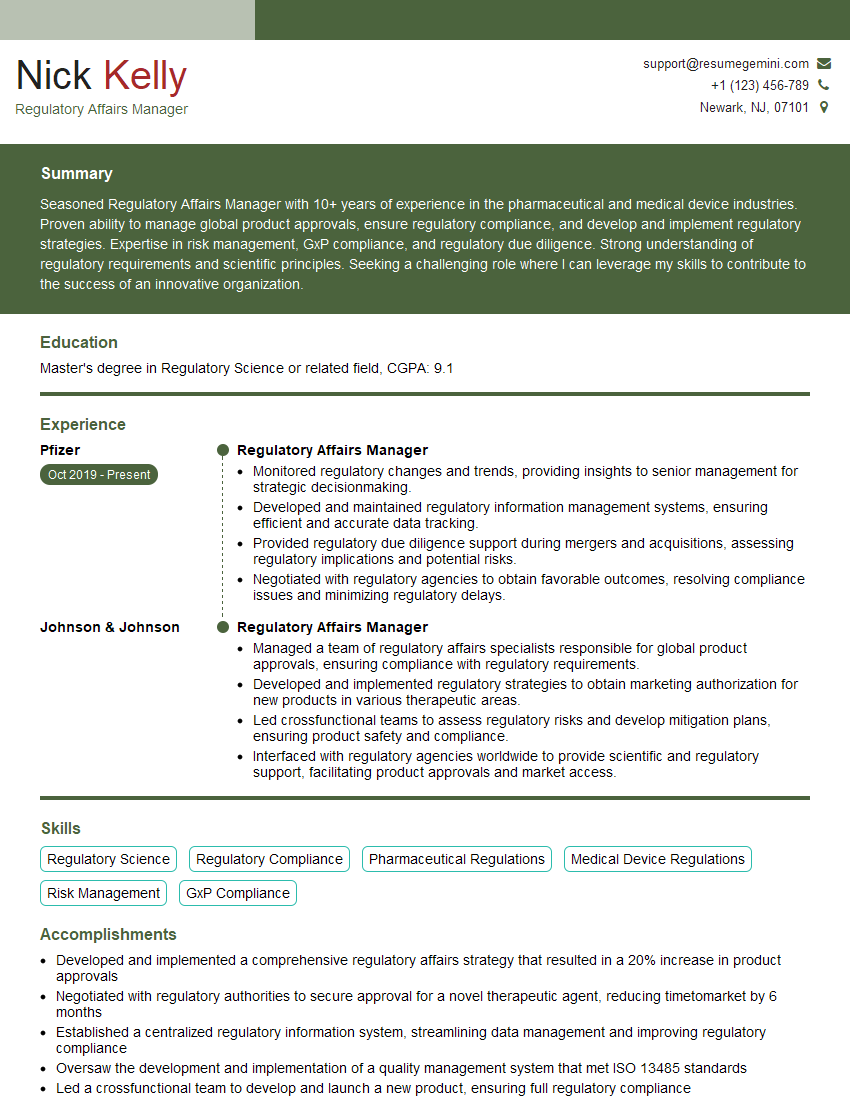
Regulatory Affairs Manager Resume Sample
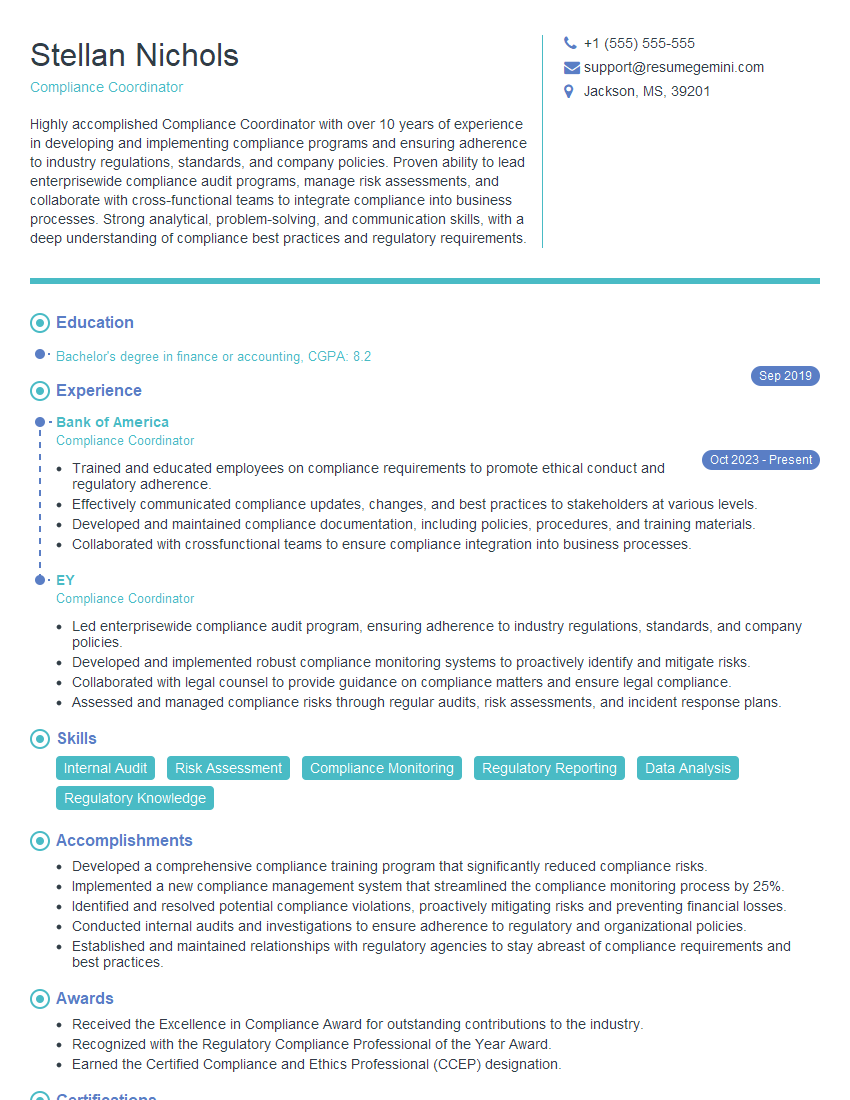
Compliance Coordinator Resume Sample

Compliance Manager Resume Sample
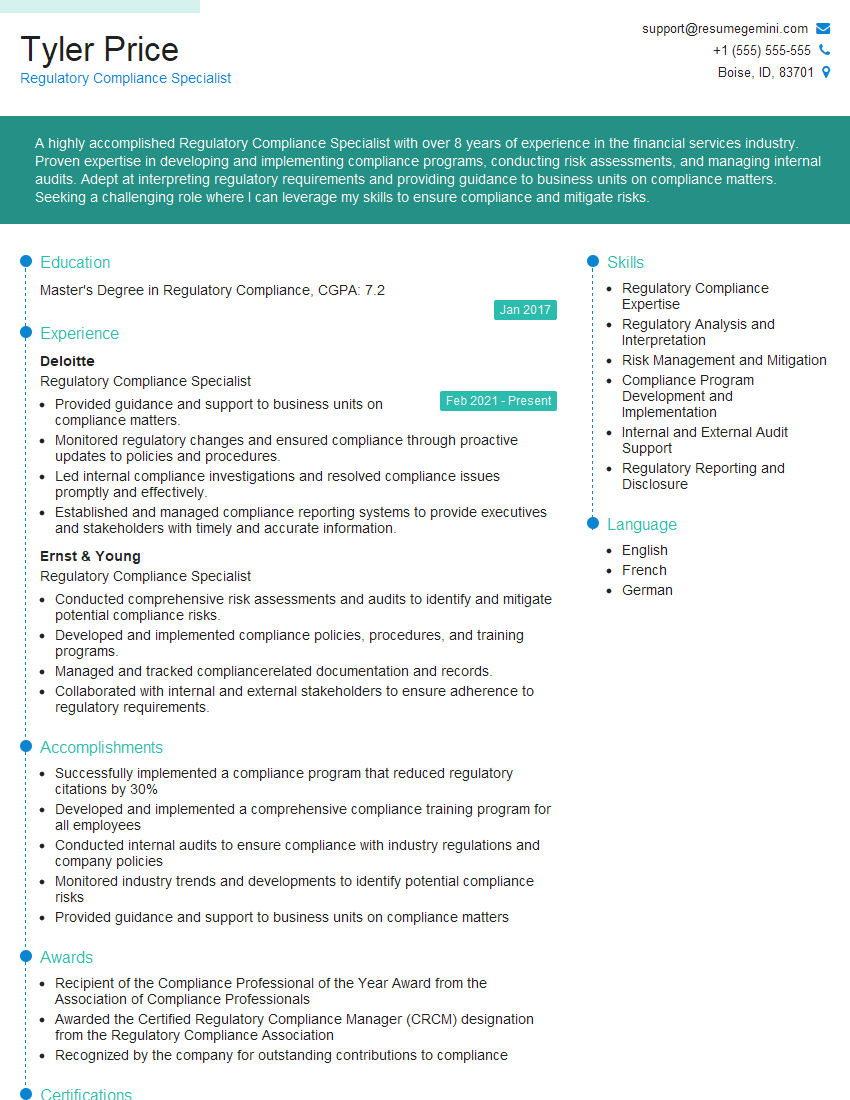
Regulatory Compliance Specialist Resume Sample
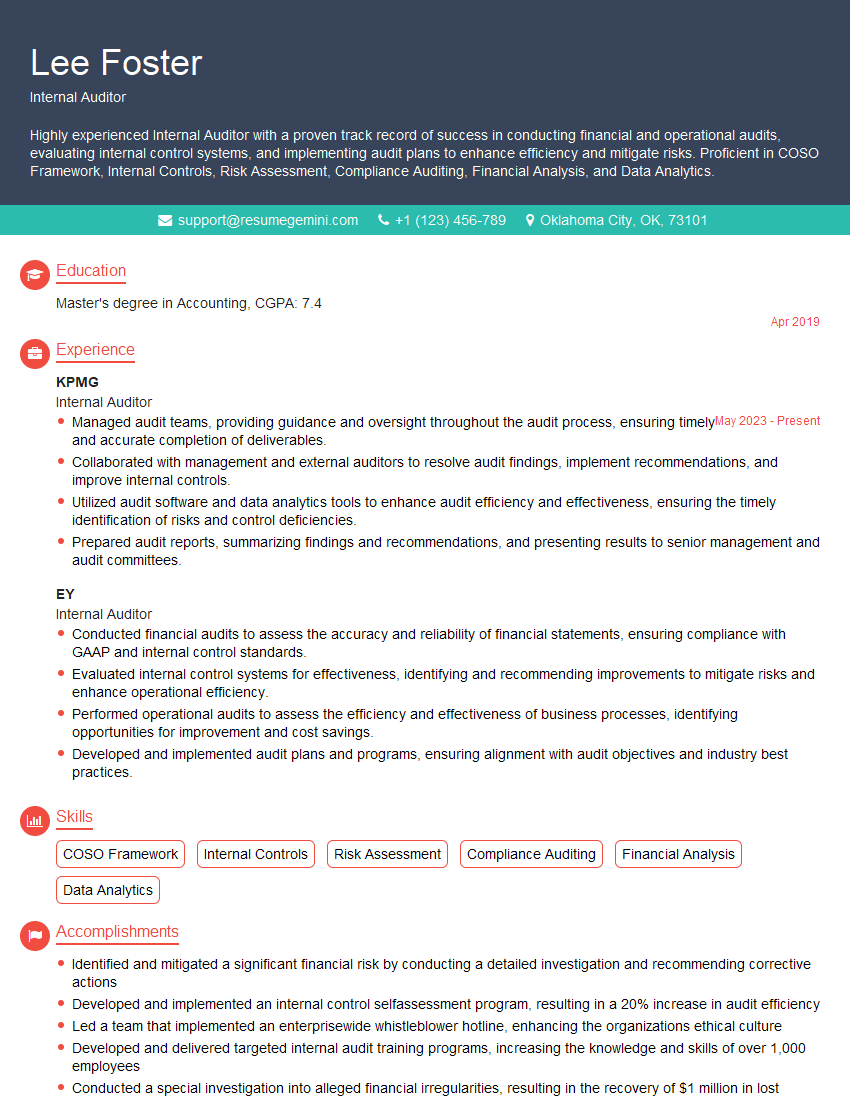
Internal Auditor Resume Sample

Quality Systems Manager Resume Sample

Quality Control Specialist Resume Sample
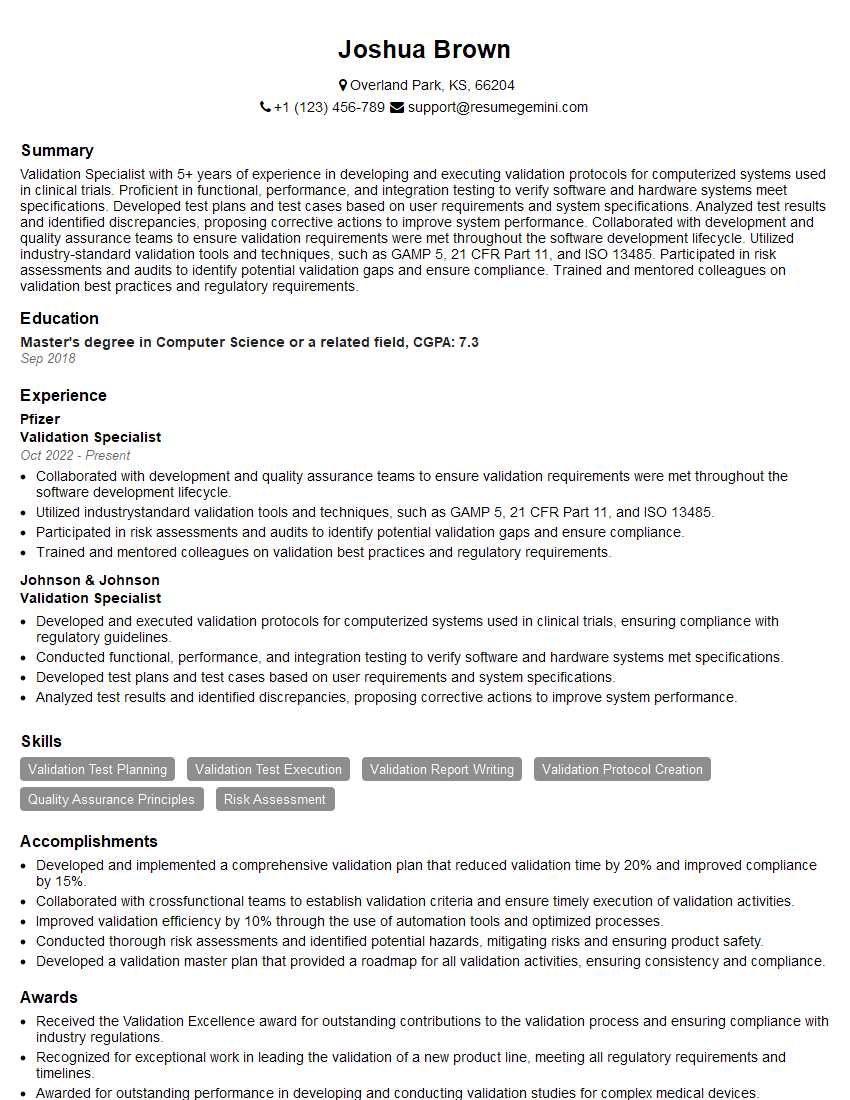
Validation Specialist Resume Sample
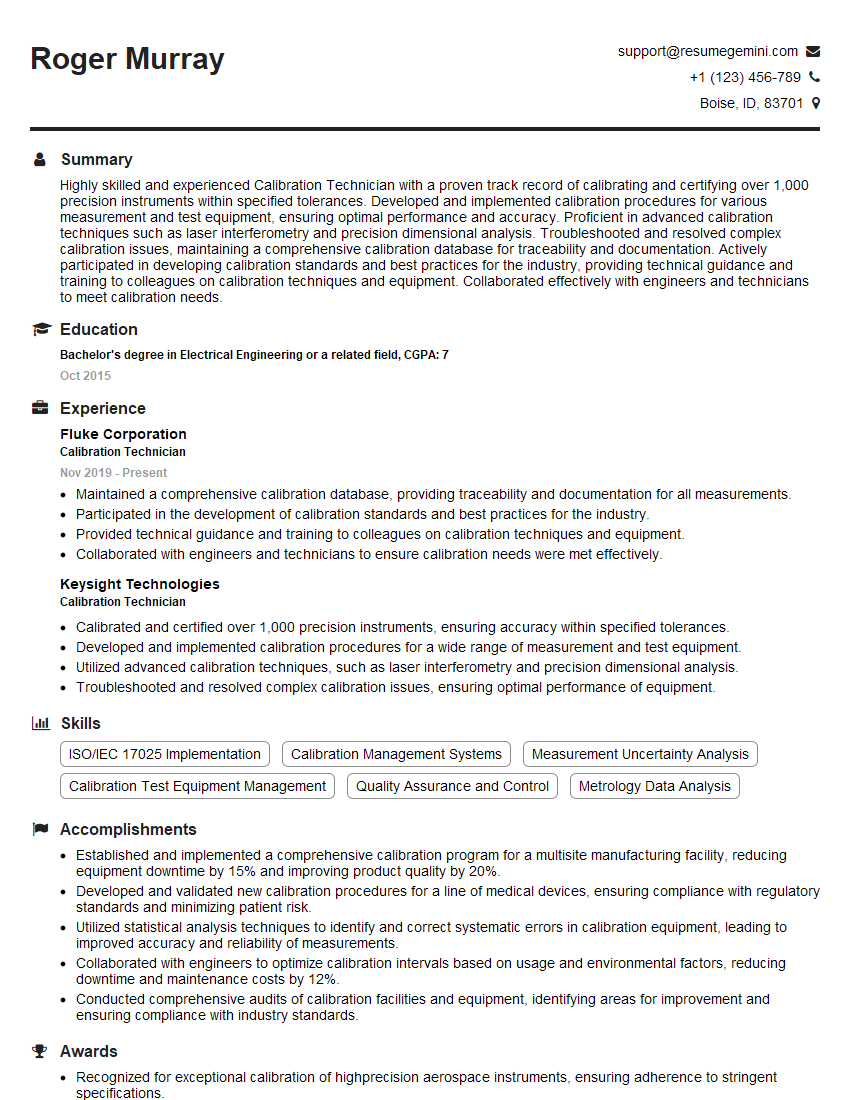
Calibration Technician Resume Sample
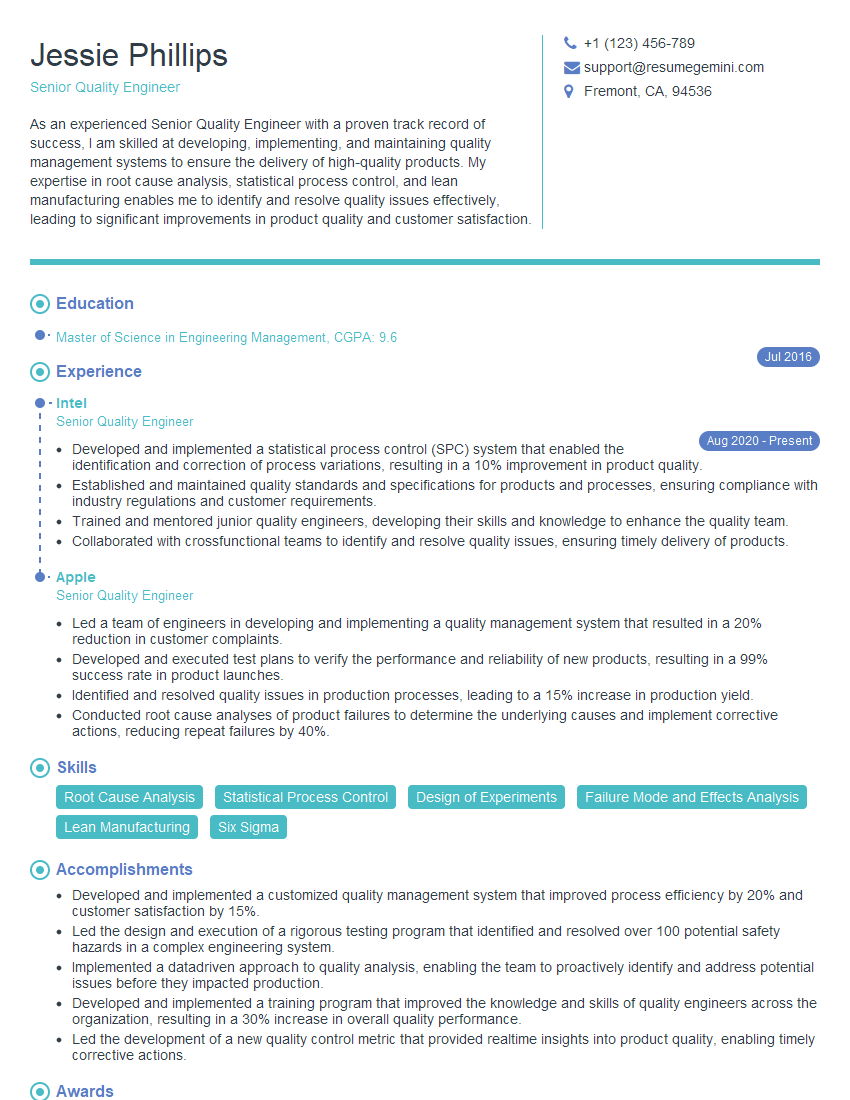
Senior Quality Engineer Resume Sample

Quality Assurance Auditor Resume Sample

Quality Control Inspector Resume Sample
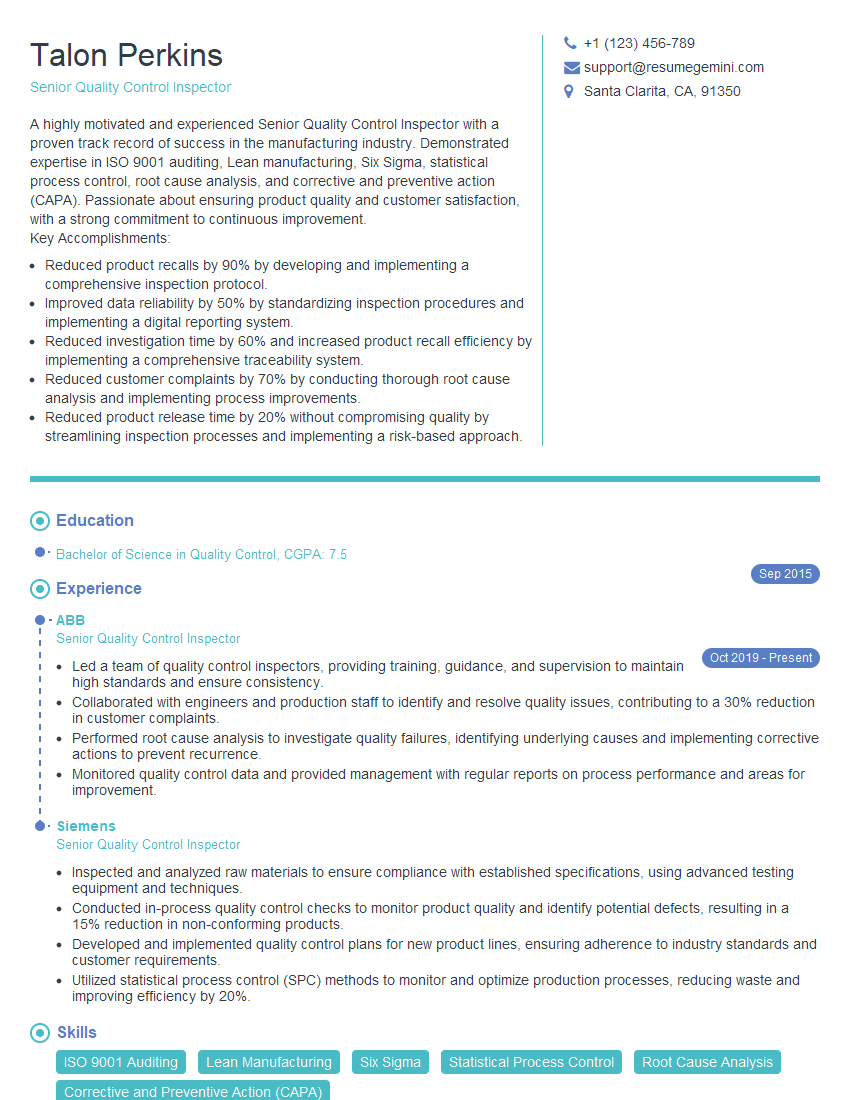
Senior Quality Control Inspector Resume Sample
- Quality Assurance Manager
- Regulatory Affairs Manager
- Compliance Coordinator
- Compliance Manager
- Regulatory Compliance Specialist
- Internal Auditor
- Quality Systems Manager
- Quality Control Specialist
- Validation Specialist
- Calibration Technician
- Senior Quality Engineer
- Quality Assurance Auditor
- Quality Control Inspector
- Senior Quality Control Inspector
Explore more articles
Users Rating of Our Blogs
Share Your Experience
We value your feedback! Please rate our content and share your thoughts (optional).
What Readers Say About Our Blog
good