Unlock your full potential by mastering the most common Green Building Practices Knowledge interview questions. This blog offers a deep dive into the critical topics, ensuring you’re not only prepared to answer but to excel. With these insights, you’ll approach your interview with clarity and confidence.
Questions Asked in Green Building Practices Knowledge Interview
Q 1. What are the key principles of sustainable building design?
Sustainable building design rests on several core principles, all aiming to minimize the environmental impact of the built environment throughout its lifecycle. These principles are interconnected and often work synergistically.
- Minimizing Environmental Impact: This involves reducing the use of energy, water, and materials; choosing sustainable building materials with low embodied carbon; and minimizing waste generation during construction and operation.
- Protecting and Enhancing Ecosystems: This includes siting buildings to minimize disturbance of natural habitats, utilizing native landscaping to support local biodiversity, and managing stormwater runoff effectively.
- Improving Human Health and Well-being: This emphasizes creating healthy indoor environments with good air quality, adequate daylighting, and thermal comfort. It also considers the psychological impact of the design on occupants.
- Promoting Resource Efficiency: This involves optimizing the use of resources throughout the building’s lifecycle, from material selection to energy consumption and waste management. This often involves strategies like water harvesting and greywater recycling.
- Lifecycle Thinking: This requires considering the environmental impact of a building from its initial design and construction through its operation and eventual demolition and deconstruction. This helps in making informed decisions regarding material selection, construction methods and end-of-life planning.
For example, a sustainable design might prioritize using locally sourced timber to reduce transportation emissions, incorporate passive solar design for heating, and implement a rainwater harvesting system to reduce reliance on municipal water supplies. It’s a holistic approach, not just about individual elements.
Q 2. Explain the LEED rating system and its various levels.
LEED (Leadership in Energy and Environmental Design) is a widely recognized green building certification program that provides a framework for designing and constructing sustainable buildings. It assesses buildings across various categories to award different levels of certification.
- Certified: Meets the basic requirements of the LEED rating system. It demonstrates a commitment to sustainability.
- Silver: Exceeds the requirements of Certified, indicating a higher level of performance in various areas like energy efficiency, water conservation, and material selection.
- Gold: Shows a significant commitment to sustainability, exceeding Silver in performance and innovation.
- Platinum: Represents the highest level of achievement, demonstrating exceptional performance in all aspects of green building.
The levels are determined by points earned across various credit categories, including sustainable sites, water efficiency, energy and atmosphere, materials and resources, indoor environmental quality, innovation, and regional priority credits. Each credit category focuses on specific aspects of sustainable building design and construction. The more points a project earns, the higher the level of certification it achieves.
Q 3. Describe your experience with life-cycle assessment (LCA) of building materials.
Life Cycle Assessment (LCA) is a crucial tool for evaluating the environmental impacts of building materials from cradle to grave. My experience involves conducting LCAs using software tools like SimaPro or Gabi, where we analyze different stages: material extraction, manufacturing, transportation, installation, use, and end-of-life. We look at energy consumption, greenhouse gas emissions, water usage, and waste generation at each stage.
For instance, in a recent project, we compared the LCA of concrete made with traditional Portland cement versus a concrete alternative incorporating recycled fly ash. The LCA revealed that the fly ash concrete had a significantly lower carbon footprint due to reduced cement production emissions and the use of recycled material. This information directly influenced our material selection, leading to a more sustainable outcome for the project. The results are presented in a report detailing potential environmental impacts and allowing for informed decision making.
Q 4. How do you incorporate passive design strategies into a building project?
Passive design strategies focus on harnessing natural elements to reduce a building’s energy needs. They are implemented during the design phase, minimizing the need for mechanical systems.
- Orientation and Shading: Optimizing building orientation to maximize solar gain in winter and minimize it in summer using overhangs, awnings, or strategically placed trees.
- Natural Ventilation: Designing for cross-ventilation to minimize reliance on mechanical cooling.
- Thermal Mass: Using materials with high thermal mass (like concrete or brick) to store heat during the day and release it at night, moderating temperature fluctuations.
- Insulation: Implementing high levels of insulation in walls, roofs, and floors to minimize heat transfer.
- Daylighting: Designing to maximize natural daylighting, reducing reliance on artificial lighting.
In a recent project, we incorporated passive design strategies by orienting the building to maximize southern exposure for winter sun, using deep overhangs to shade windows during summer, and incorporating high-performance insulation. This significantly reduced the heating and cooling loads, resulting in lower energy consumption and operational costs. This also contributed to better indoor environmental quality by providing natural light and ventilation.
Q 5. What are the different types of renewable energy sources used in green buildings?
Green buildings increasingly utilize renewable energy sources to minimize reliance on fossil fuels. Some common examples include:
- Photovoltaic (PV) Solar Panels: Convert sunlight directly into electricity.
- Solar Thermal Collectors: Capture solar energy for heating water or space heating.
- Wind Turbines: Harness wind energy to generate electricity, particularly suitable for larger buildings or building complexes.
- Geothermal Energy: Uses the earth’s constant temperature to heat or cool buildings. This involves ground source heat pumps.
- Biomass Energy: Uses organic matter (like wood pellets) for heating. However, sustainability considerations are critical to ensure responsible sourcing of biomass.
The choice of renewable energy source depends on factors like site conditions, climate, available resources, and project budget. For instance, a building with significant roof space might be ideal for solar PV, while a location with consistent winds could benefit from a wind turbine. A holistic approach often involves integrating multiple renewable energy sources for increased energy independence.
Q 6. Explain your understanding of building energy modeling software.
Building energy modeling software is essential for simulating and analyzing a building’s energy performance before construction. Programs like EnergyPlus, IESVE, and TRNSYS allow us to predict energy consumption, identify energy-saving opportunities, and optimize building designs. These programs use complex algorithms to simulate building systems, including heating, cooling, lighting, and ventilation.
For example, we can use these tools to model different insulation levels, window types, and HVAC systems to determine their impact on energy use. The results allow for informed decision-making regarding energy efficiency measures and help us to compare the performance of different design alternatives. This avoids costly mistakes and helps meet sustainability targets by optimizing energy efficiency from the outset.
Beyond energy consumption, the modeling software can also help analyze daylighting, indoor air quality, and thermal comfort, providing comprehensive insights into the building’s overall performance.
Q 7. How do you assess and improve the indoor environmental quality of a building?
Assessing and improving indoor environmental quality (IEQ) is crucial for occupant health and well-being. This involves a multi-faceted approach:
- Air Quality: Monitoring and controlling pollutants like VOCs (volatile organic compounds), carbon dioxide, and particulate matter. This can involve specifying low-emitting materials, implementing adequate ventilation systems, and using air purifiers.
- Thermal Comfort: Ensuring comfortable temperature and humidity levels through proper insulation, shading, natural ventilation, and efficient HVAC systems. This may include modeling and analysis to optimize building performance.
- Lighting: Providing adequate daylighting and using energy-efficient lighting systems to reduce glare and improve visual comfort. This could involve using daylight sensors and lighting controls.
- Acoustics: Managing noise levels to minimize distractions and create a peaceful environment using sound-absorbing materials and proper building design.
- Water Quality: Ensuring safe and potable water is available through regular testing and maintenance of plumbing systems.
For example, in one project, we addressed poor air quality by specifying low-VOC paints and adhesives, installing a high-efficiency ventilation system with heat recovery, and implementing a green cleaning protocol. Post-occupancy evaluation helps to validate IEQ performance and identify any needed improvements.
Q 8. Describe your experience with green building certification processes.
My experience with green building certification processes spans several leading systems, including LEED (Leadership in Energy and Environmental Design), BREEAM (Building Research Establishment Environmental Assessment Method), and Green Globes. I’ve been involved in projects from pre-design stages, assisting in the selection of strategies to maximize points, through construction and final certification. This includes documentation management, ensuring compliance with stringent criteria, and coordinating with third-party certification bodies. For instance, on a recent LEED project, I spearheaded the implementation of water-efficient fixtures, resulting in a significant reduction in water consumption and a higher LEED rating. My role also involved managing the commissioning process to verify the building systems performed as designed, a crucial element for achieving energy efficiency targets and overall certification.
I’m familiar with the intricacies of each rating system, understanding their specific requirements and how to leverage them for optimal environmental and economic performance. This holistic approach ensures that sustainability isn’t just a checklist, but an integral part of the design and construction process.
Q 9. What are the challenges associated with implementing green building practices?
Implementing green building practices presents several challenges. One significant hurdle is the often higher upfront costs associated with sustainable materials and technologies. For example, using reclaimed wood might be more expensive than newly manufactured lumber. However, these initial costs are often offset by long-term savings on energy and water bills. Another challenge involves the complexity of navigating diverse green building standards and codes, requiring specialized knowledge and meticulous documentation. The availability of skilled labor trained in sustainable construction techniques can also be limited, potentially impacting project timelines and budgets.
Furthermore, the supply chain for sustainable materials can sometimes be less reliable than conventional options, and sourcing locally might be difficult depending on the project location and the availability of suitable materials. Finally, educating clients and stakeholders about the long-term benefits and value of green building is crucial for securing buy-in and avoiding conflicts. Successfully addressing these challenges requires careful planning, a robust budget, and strong communication throughout the project lifecycle.
Q 10. How do you manage and reduce construction waste on a project?
Managing and reducing construction waste involves a multifaceted approach starting well before the first shovel hits the ground. This begins with meticulous planning and design, employing Building Information Modeling (BIM) to optimize material quantities and minimize waste generation. Prior to construction, we conduct thorough waste audits to identify potential sources of waste and develop strategies for their mitigation. On-site, we implement robust waste management plans, separating materials for recycling and disposal. This involves clearly designated waste bins for different materials such as wood, metal, plastics, and concrete. Regular waste audits during the construction phase help monitor progress and identify areas for improvement. We also prioritize using prefabricated components to reduce on-site waste generation. Finally, we collaborate closely with subcontractors to ensure proper waste handling procedures are followed.
For example, on a recent project, we diverted over 80% of construction waste from landfills through a combination of these strategies. This not only minimizes environmental impact but also contributes to cost savings by reducing disposal fees and potentially generating revenue from the sale of recyclable materials.
Q 11. Explain your knowledge of sustainable building materials and their properties.
My knowledge of sustainable building materials encompasses a wide range, including rapidly renewable materials like bamboo and straw bale, recycled content materials such as recycled steel and aluminum, and locally sourced materials which minimize transportation emissions. Each material possesses unique properties and considerations. For instance, bamboo offers high strength-to-weight ratio and rapid growth, making it an environmentally friendly alternative to traditional lumber. However, its susceptibility to moisture damage requires careful design and construction techniques.
Recycled content materials, while environmentally beneficial, may require verification of their recycled content percentage and potential presence of contaminants. Locally sourced materials reduce embodied carbon, but their availability might be limited, and their sourcing needs to consider transportation distances and environmental impact. Understanding these properties is critical for selecting materials that meet both performance and sustainability goals. For example, I’ve specified cross-laminated timber (CLT) in several projects, leveraging its high strength, aesthetic appeal, and significant carbon sequestration potential.
Q 12. What are the benefits of using reclaimed or recycled building materials?
Using reclaimed or recycled building materials offers several key benefits. Environmentally, it significantly reduces the demand for virgin materials, thereby conserving natural resources and minimizing the environmental impact of extraction and manufacturing. Reclaimed wood, for example, saves trees and reduces the energy consumption associated with producing new lumber. Economically, using recycled materials can often lead to cost savings compared to new materials, especially when considering transportation and material sourcing costs. Furthermore, using reclaimed materials often adds unique character and aesthetic value to a building, enhancing its overall appeal. Finally, employing reclaimed materials contributes to a circular economy by keeping materials in use and reducing waste, promoting a more sustainable building industry.
For example, incorporating reclaimed bricks in a project reduces the need to manufacture new bricks, saving energy and lowering carbon emissions. The unique patina of reclaimed materials can also add significant character to the project.
Q 13. How do you ensure compliance with green building codes and regulations?
Ensuring compliance with green building codes and regulations requires a proactive and meticulous approach, beginning in the pre-design phase. This involves thoroughly researching and understanding all applicable codes and regulations at the local, state, and national levels. We leverage online resources, consult with regulatory bodies, and work with specialized consultants to ensure our designs meet or exceed these requirements. Throughout the design and construction phases, meticulous documentation is crucial, including material selection documentation, energy modeling results, and waste management plans. Regular inspections and audits are conducted to ensure ongoing compliance. We maintain detailed records of all materials used, their recycled content, and their source. This meticulous record-keeping facilitates easy auditing and verification of compliance with various green building standards.
Utilizing specialized software to model building performance and demonstrate compliance with energy efficiency standards is another essential component of ensuring compliance. By proactively addressing compliance from the outset, we avoid potential delays and cost overruns associated with non-compliance.
Q 14. Describe your experience with water conservation strategies in building design.
My experience with water conservation strategies in building design incorporates a variety of techniques aimed at minimizing water consumption throughout the building’s lifecycle. This starts with selecting water-efficient fixtures, such as low-flow toilets, showerheads, and faucets. We utilize water-efficient landscaping designs, incorporating drought-tolerant plants and rainwater harvesting systems. Greywater recycling systems, which reuse non-potable water for irrigation, are also considered where feasible and code-compliant. Incorporating smart irrigation systems with soil moisture sensors helps optimize water usage for landscaping. The design also includes strategies for minimizing water infiltration, preventing potential water damage and associated repair costs.
For example, on a recent project, we implemented a rainwater harvesting system to irrigate the landscaping, reducing potable water consumption by over 50%. The selection of water-efficient fixtures further reduced indoor water usage. These strategies not only contribute to environmental sustainability but also result in significant cost savings for building owners in the long term.
Q 15. How do you measure the energy performance of a building?
Measuring a building’s energy performance involves a multifaceted approach, combining simulation, monitoring, and analysis. We begin with energy modeling using software like EnergyPlus or eQuest to predict the building’s energy consumption under various operational scenarios. This helps identify potential energy-saving opportunities during the design phase. Post-construction, we employ building automation systems (BAS) to monitor real-time energy use, tracking parameters like electricity, heating, cooling, and water consumption. This data is then analyzed to identify areas for improvement and verify the accuracy of the initial energy model. Key metrics include Energy Use Intensity (EUI), which represents energy consumption per square foot, and the building’s overall carbon footprint. For example, a building with a low EUI indicates high energy efficiency. Regular performance analysis allows for ongoing optimization and ensures the building meets its intended energy targets.
Beyond software, we use tools like infrared cameras to detect thermal losses and air leakage, providing visual confirmation of areas requiring attention. This combination of predictive modeling and real-time monitoring provides a comprehensive understanding of a building’s energy performance.
Career Expert Tips:
- Ace those interviews! Prepare effectively by reviewing the Top 50 Most Common Interview Questions on ResumeGemini.
- Navigate your job search with confidence! Explore a wide range of Career Tips on ResumeGemini. Learn about common challenges and recommendations to overcome them.
- Craft the perfect resume! Master the Art of Resume Writing with ResumeGemini’s guide. Showcase your unique qualifications and achievements effectively.
- Don’t miss out on holiday savings! Build your dream resume with ResumeGemini’s ATS optimized templates.
Q 16. What are the key considerations for designing a net-zero energy building?
Designing a net-zero energy building requires a holistic approach, focusing on minimizing energy demand and maximizing renewable energy generation. Key considerations include:
- Passive design strategies: Optimizing building orientation, shape, and shading to minimize heating and cooling loads. This might involve utilizing natural ventilation, strategically placed windows for maximizing daylighting, and high-performance insulation.
- High-performance building envelope: Employing advanced insulation materials, high-performance windows, and airtight construction to minimize heat transfer. Think triple-pane windows and continuous insulation.
- Efficient HVAC systems: Implementing highly efficient heating, ventilation, and air conditioning systems, possibly incorporating heat recovery ventilation to recapture waste heat.
- Renewable energy integration: Integrating on-site renewable energy sources, such as solar photovoltaic (PV) panels or geothermal systems, to offset energy consumption. The goal is to generate as much or more energy as the building consumes annually.
- Energy-efficient lighting and appliances: Using LED lighting and energy-efficient appliances to further reduce energy demand.
- Building management systems (BMS): Implementing intelligent building management systems to monitor and control energy consumption in real-time. This allows for optimization based on occupancy and weather conditions.
For instance, a recent project involved integrating a large rooftop solar array with a highly insulated building envelope and a sophisticated BMS to achieve net-zero energy performance. The system monitors real-time energy consumption and adjusts operations based on solar output and occupancy to ensure energy balance.
Q 17. Explain your understanding of embodied carbon in buildings and its impact.
Embodied carbon refers to the greenhouse gas emissions associated with the manufacturing, transportation, installation, and end-of-life disposal of building materials. It represents a significant portion of a building’s overall carbon footprint, often exceeding operational carbon emissions over a building’s lifespan. The impact includes contributing to climate change through the release of greenhouse gases like CO2, methane, and nitrous oxide.
Materials with high embodied carbon include steel, concrete, and some types of bricks. To mitigate this, we utilize strategies like using low-embodied carbon materials (e.g., recycled content materials, sustainably harvested timber), optimizing material quantities to minimize waste, and specifying materials with long lifespans to reduce the frequency of replacement. Life Cycle Assessment (LCA) is a crucial tool to evaluate the embodied carbon of different materials and construction methods, providing a comparative basis for decision-making. For example, choosing locally sourced timber over imported steel can significantly reduce embodied carbon due to reduced transportation emissions.
Q 18. Describe your experience working with building commissioning authorities.
I have extensive experience collaborating with building commissioning authorities (BCAs). My role typically involves providing documentation related to the building’s design and construction that demonstrates compliance with energy efficiency standards and codes. This includes providing energy models, system performance data, and test results to the BCA for review and approval.
A successful collaboration requires open communication and proactive engagement. I ensure that all required documentation is submitted promptly and that any questions or concerns raised by the BCA are addressed swiftly and thoroughly. For example, in one project, the BCA raised concerns about the air sealing strategy of the building envelope. We responded by providing detailed air leakage test results and adjusted our construction methodology to address the concerns, ensuring complete satisfaction and compliance. Regular meetings and communication with the BCA help maintain transparency and prevent unforeseen issues during the commissioning process.
Q 19. How do you address the issues of thermal bridging and air leakage in building design?
Thermal bridging and air leakage are significant contributors to energy loss in buildings. Thermal bridging occurs when heat flows more readily through certain parts of the building envelope, such as steel studs or concrete beams, bypassing the insulation. Air leakage represents uncontrolled air movement through cracks and gaps in the building envelope, leading to heat loss in winter and heat gain in summer.
To address thermal bridging, we utilize continuous insulation systems, ensuring that no thermal breaks exist within the building envelope. This is achieved by installing insulation on the exterior of the structure, wrapping around any structural elements. We also choose building materials with low thermal conductivity, minimizing the impact of potential thermal bridges.
To minimize air leakage, we employ airtight construction techniques, focusing on sealing all cracks and gaps in the building envelope. This often involves using airtight membranes, tapes, and sealants. We conduct blower door tests to measure the building’s air tightness and identify areas for improvement. A well-sealed building envelope significantly improves energy performance and indoor air quality.
Q 20. Explain your understanding of daylighting and its role in energy efficiency.
Daylighting, the use of natural light to illuminate interior spaces, plays a crucial role in energy efficiency. By reducing the reliance on electric lighting, daylighting significantly lowers energy consumption and reduces operational costs. It also contributes to occupant well-being and productivity.
Effective daylighting strategies include maximizing window area, using light shelves to reflect natural light deeper into the space, and incorporating light wells to bring natural light into interior spaces. The design should consider the sun’s path and building orientation to maximize daylight penetration and minimize glare. Computer simulations are often used to model daylighting performance and optimize window placement and size. For example, in a recent office building, the strategic placement of light shelves and the use of high-performance glazing reduced reliance on artificial lighting by 40%, leading to significant energy savings.
Q 21. What strategies do you use to reduce stormwater runoff from building sites?
Reducing stormwater runoff from building sites requires implementing strategies that mimic natural hydrological processes. The goal is to manage rainwater on-site, minimizing the volume and velocity of runoff reaching the storm sewer system.
Key strategies include:
- Rain gardens: Depressed areas planted with native vegetation that capture and filter stormwater.
- Green roofs: Rooftops covered with vegetation that absorb rainwater and reduce runoff volume.
- Permeable pavements: Paving materials that allow rainwater to infiltrate the ground, replenishing groundwater supplies.
- Bioswales: Vegetated channels that convey stormwater while filtering pollutants.
- Cistern systems: Collecting rainwater for non-potable uses, such as irrigation.
Implementing these strategies not only reduces stormwater runoff but also mitigates flooding, improves water quality, and enhances the aesthetics of the building site. For example, in a recent project, we incorporated a rain garden and permeable paving to reduce stormwater runoff by 70%, minimizing the load on the municipal drainage system and improving the site’s ecological footprint.
Q 22. How do you communicate effectively with stakeholders about green building practices?
Effective communication about green building practices hinges on tailoring the message to the specific audience. For clients, I focus on the return on investment (ROI), highlighting cost savings through energy efficiency, reduced water consumption, and potentially increased property value. For contractors, I emphasize the practical aspects—the specifications, the available materials, and the construction methodologies. With engineers, I discuss the technical specifications and innovative solutions for sustainable design. For the general public, I use simple, engaging language, focusing on the environmental and health benefits.
I always start by understanding their priorities and concerns. I use visuals like infographics and 3D models to illustrate complex concepts and provide clear, concise reports and presentations. Active listening and open dialogue are key to building trust and ensuring everyone is on the same page. For example, when presenting to a group of investors, I would lead with a financial analysis showcasing the long-term cost benefits of a green building, while a presentation to a community group would emphasize the positive environmental impact and improved quality of life.
Q 23. Describe your experience with different green building rating systems (besides LEED).
Beyond LEED, I have extensive experience with several other green building rating systems. I’ve worked on projects utilizing the Living Building Challenge, a rigorous standard focusing on net-positive impact. This involves deep considerations of water, energy, materials, and even the building’s impact on the surrounding ecosystem. I’ve also utilized BREEAM (Building Research Establishment Environmental Assessment Method), a widely used system in Europe and other regions, which offers a comprehensive assessment across various environmental and social aspects. Finally, I’ve worked with Passive House certification, emphasizing energy efficiency through rigorous design and construction techniques. Each system presents unique challenges and opportunities; understanding their specific criteria and priorities is vital for successful project implementation. For example, the Living Building Challenge’s strict material requirements necessitate a deep dive into sourcing sustainable and locally produced materials, whereas Passive House prioritizes airtight construction and high-performance insulation.
Q 24. How do you manage project costs while incorporating green building features?
Managing project costs while incorporating green building features requires a strategic approach. It’s not about adding costs but about making smart investments that yield long-term savings. We start by integrating green strategies from the initial design phase, optimizing building orientation, selecting energy-efficient materials, and implementing passive design techniques to reduce the need for mechanical systems. Life-cycle cost analysis (LCCA) is crucial; it helps compare the initial costs of green features with their long-term operational savings. For example, investing in high-performance windows may have a higher upfront cost but reduces energy bills significantly over the building’s lifespan. We also explore financing options like green bonds or tax incentives to offset initial investment costs. Finally, careful selection of materials and efficient construction techniques help minimize waste and labor costs.
Q 25. What is your understanding of the relationship between green building and human health?
Green building and human health are intrinsically linked. Green buildings prioritize indoor air quality, using low-VOC (volatile organic compound) materials and ensuring proper ventilation to minimize exposure to harmful pollutants. Natural light and access to outdoor spaces are incorporated to improve occupant well-being and productivity. Thermal comfort is ensured through efficient insulation and heating/cooling systems, minimizing health issues associated with temperature extremes. The use of sustainable and non-toxic materials reduces exposure to allergens and other irritants. For example, the use of reclaimed wood reduces the demand for newly harvested timber, while simultaneously reducing the carbon footprint and minimizing the environmental and health risks associated with harvesting and processing new materials. Research consistently shows that occupants of green buildings experience improved cognitive function, reduced stress, and fewer health complaints.
Q 26. Describe a time you faced a challenge related to green building practices. How did you overcome it?
On a recent project aiming for Living Building Challenge certification, we faced a significant hurdle sourcing locally produced, non-toxic flooring materials that met the stringent requirements. The initial options were either prohibitively expensive or didn’t meet the chemical restrictions. To overcome this, I collaborated with local manufacturers and designers, exploring alternative materials and developing custom solutions. We investigated the use of locally harvested bamboo, exploring appropriate treatments to meet the certification’s toxicity standards. Through this collaborative effort, we not only found a viable solution but also established a relationship that resulted in new sustainable building material options within the region. This experience highlighted the importance of proactive problem-solving, collaboration, and adaptability in achieving ambitious green building goals.
Q 27. How do you stay up-to-date with the latest trends and technologies in green building?
Staying current in the rapidly evolving field of green building requires a multi-faceted approach. I regularly attend industry conferences and workshops, networking with leading experts and learning about the latest innovations. I actively follow reputable industry publications, journals, and online resources, such as the USGBC’s website and other relevant professional organizations. I participate in continuing education courses to maintain my credentials and stay informed about new standards, technologies, and best practices. Furthermore, engaging with online communities and participating in professional development opportunities keeps me abreast of emerging trends and advancements in sustainable building materials and design methodologies.
Q 28. What are your career aspirations related to green building?
My career aspirations center on advancing the adoption of sustainable building practices on a larger scale. I aim to contribute to the development and implementation of policies and regulations that incentivize green building and reduce the environmental footprint of the construction industry. I envision myself mentoring future generations of green building professionals, fostering innovation, and driving positive change in the field. Specifically, I’m interested in leading research and development efforts focused on developing new, highly sustainable building materials and construction techniques, making green building accessible and affordable for a wider range of projects.
Key Topics to Learn for Green Building Practices Knowledge Interview
- Sustainable Site Planning & Development: Understanding concepts like brownfield redevelopment, minimizing land disturbance, and incorporating permeable paving for stormwater management.
- Water Efficiency: Practical application of low-flow fixtures, rainwater harvesting systems, and greywater recycling to reduce water consumption. Problem-solving: Analyzing water usage data to identify areas for improvement.
- Energy Efficiency: Theoretical understanding of building envelope performance, passive solar design, and the role of high-performance windows. Practical application: Specifying energy-efficient HVAC systems and lighting technologies.
- Materials & Resources: Exploring sustainable material selection criteria, including embodied carbon, recycled content, and locally sourced materials. Problem-solving: Evaluating the environmental impact of different building materials.
- Indoor Environmental Quality (IEQ): Understanding the importance of ventilation, daylighting, and the selection of low-VOC materials to enhance occupant health and well-being. Practical application: Designing for improved air quality and thermal comfort.
- LEED and other Green Building Rating Systems: Familiarity with LEED certification process, requirements, and the benefits of achieving green building certifications. Problem-solving: Addressing challenges in meeting specific LEED credits.
- Building Commissioning: Understanding the process of verifying and documenting that building systems operate as intended and meet design specifications. Practical application: Participating in commissioning meetings and reviewing commissioning reports.
- Life-Cycle Assessment (LCA): Theoretical understanding of LCA methodology and its application in evaluating the environmental impacts of building materials and systems throughout their entire lifecycle.
Next Steps
Mastering Green Building Practices Knowledge is crucial for career advancement in a rapidly growing and environmentally conscious industry. A strong understanding of these principles will significantly enhance your job prospects and demonstrate your commitment to sustainable development. To further strengthen your application, focus on creating an ATS-friendly resume that effectively highlights your skills and experience. ResumeGemini is a trusted resource that can help you build a professional and impactful resume. We provide examples of resumes tailored to Green Building Practices Knowledge to guide you through the process.
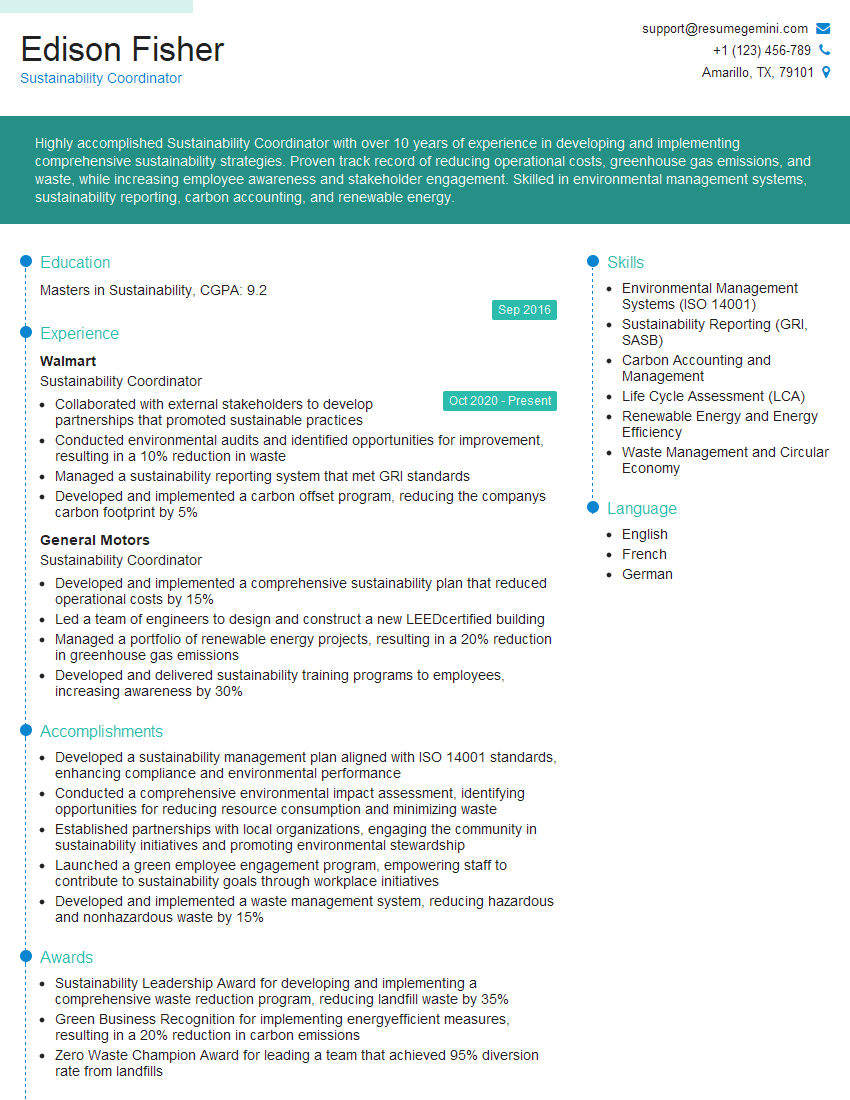
Sustainability Coordinator Resume Sample
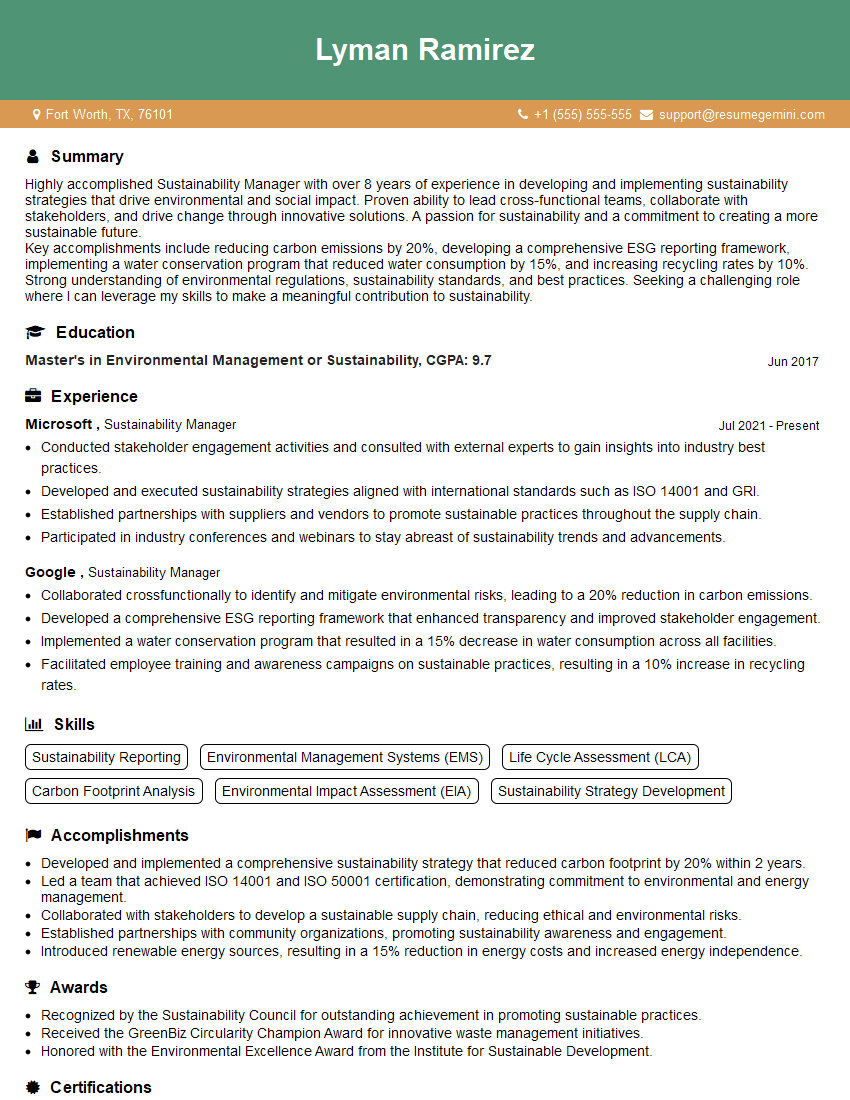
Sustainability Manager Resume Sample
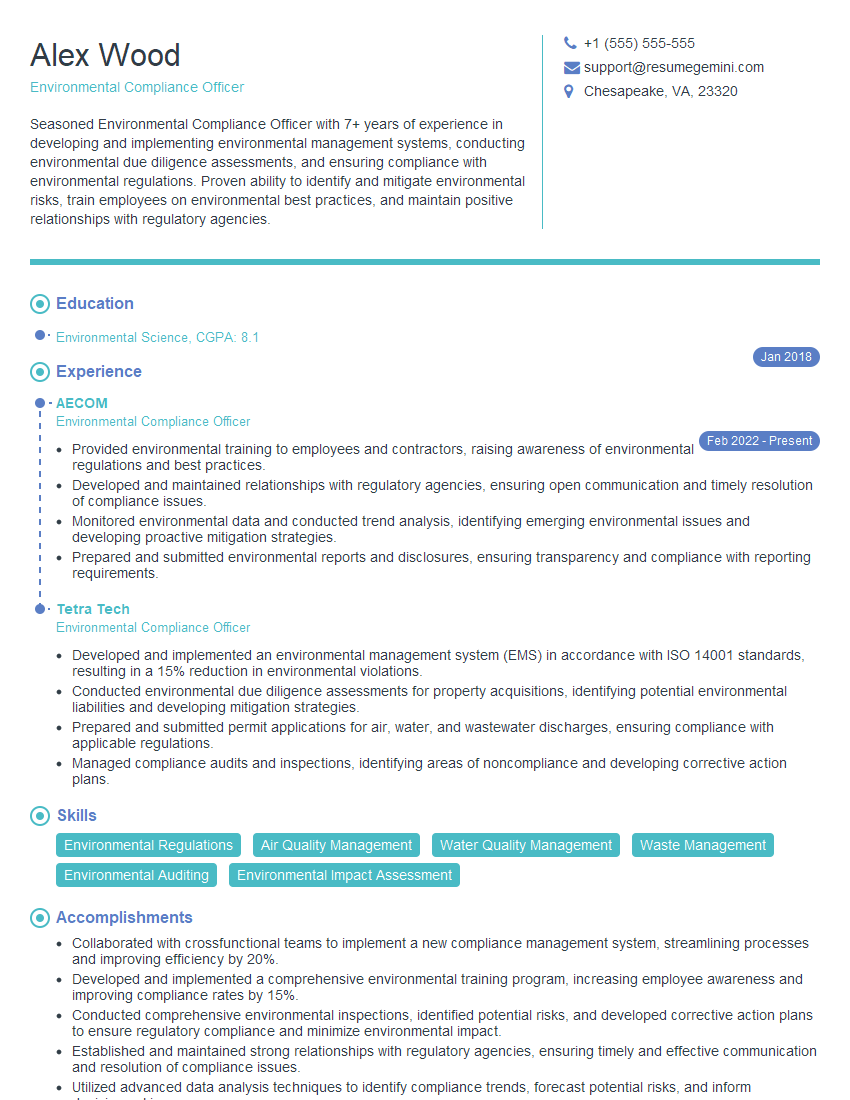
Environmental Compliance Officer Resume Sample
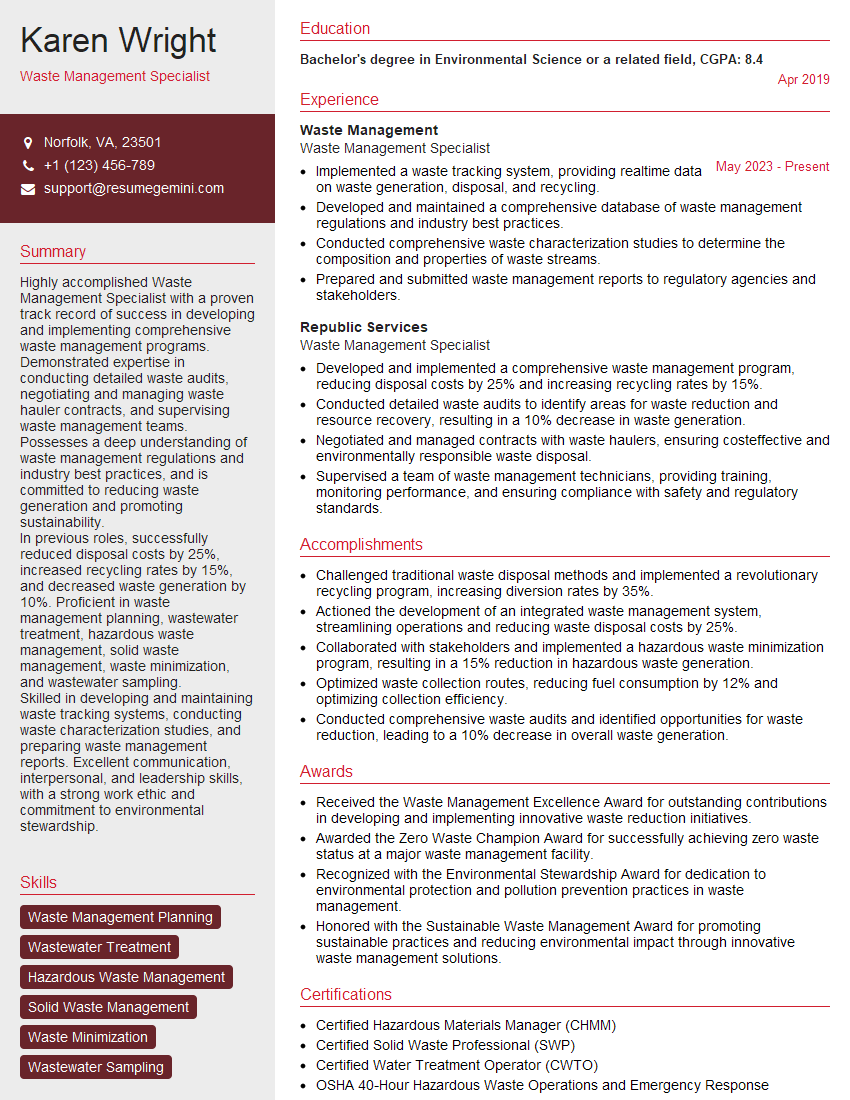
Waste Management Specialist Resume Sample
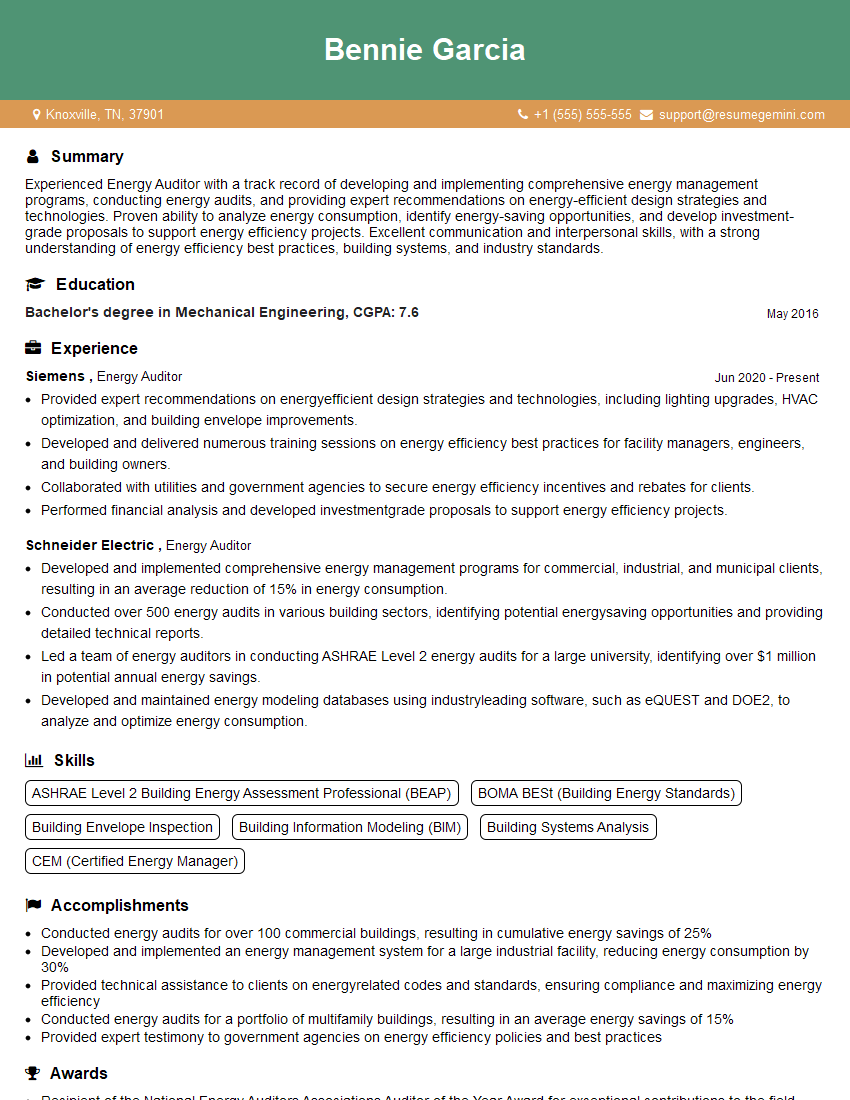
Energy Auditor Resume Sample
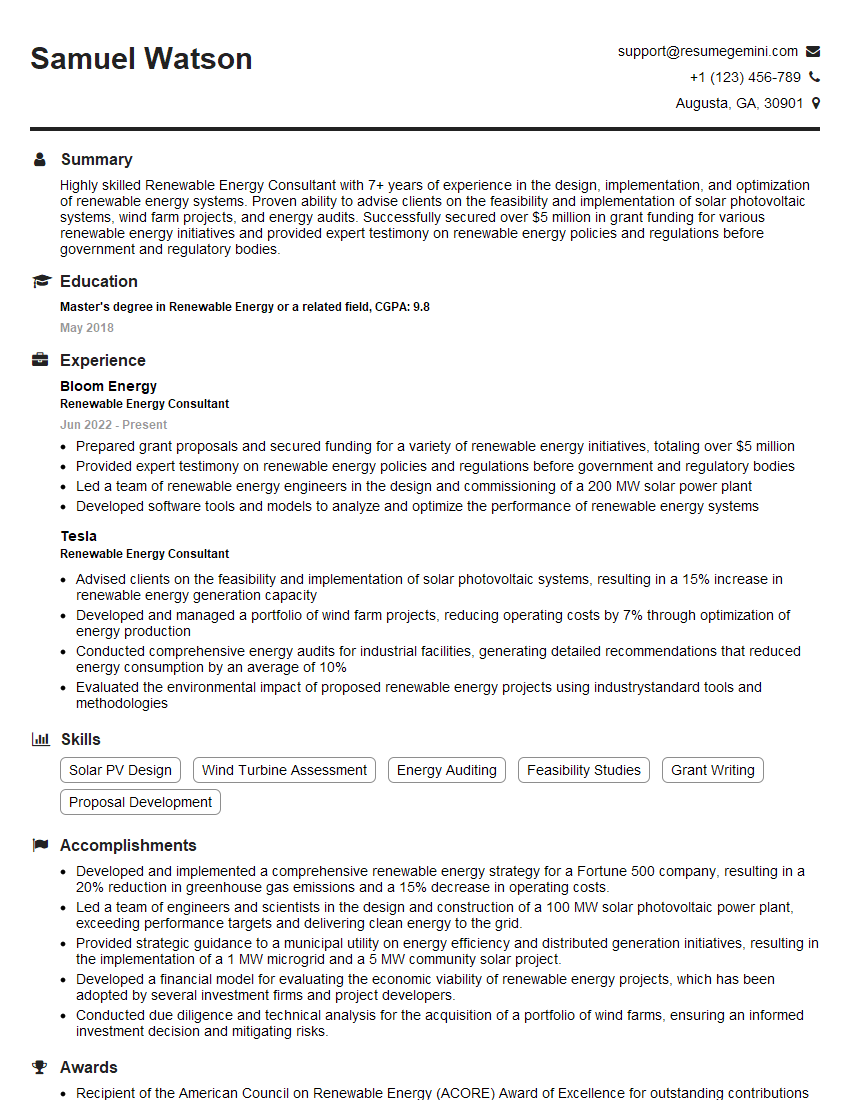
Renewable Energy Consultant Resume Sample
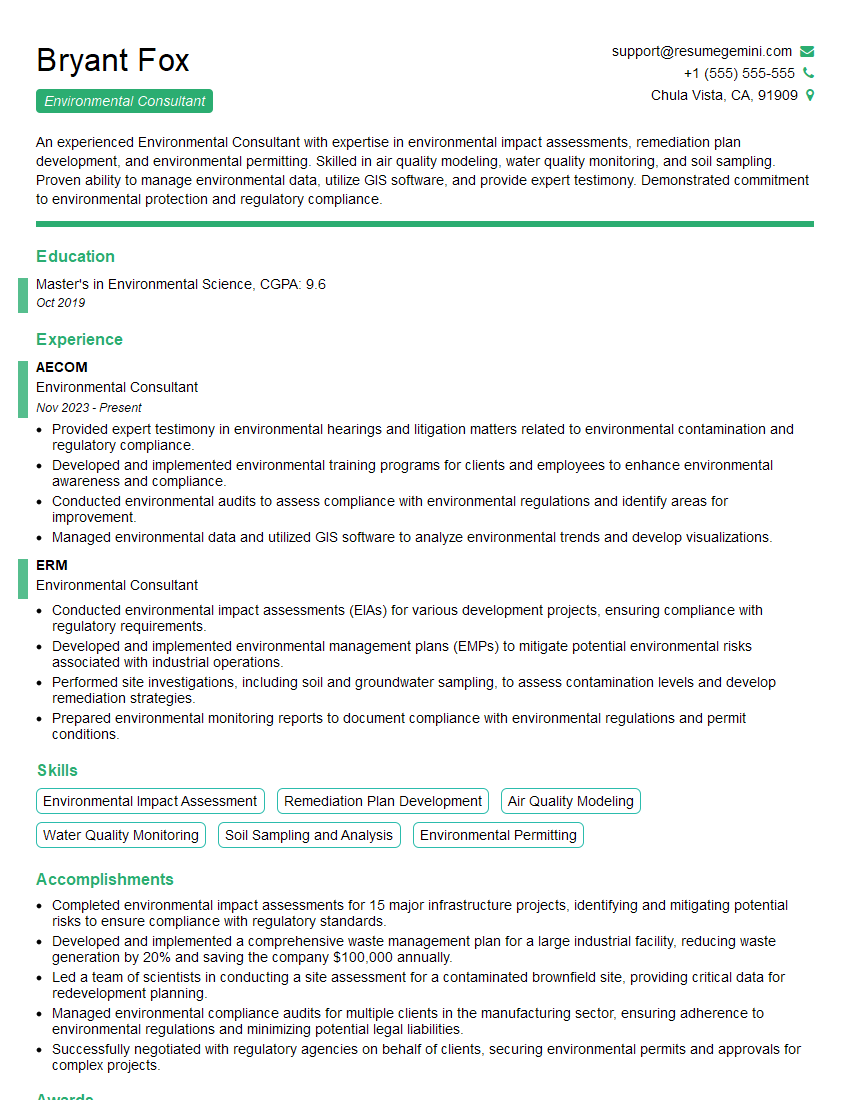
Environmental Consultant Resume Sample
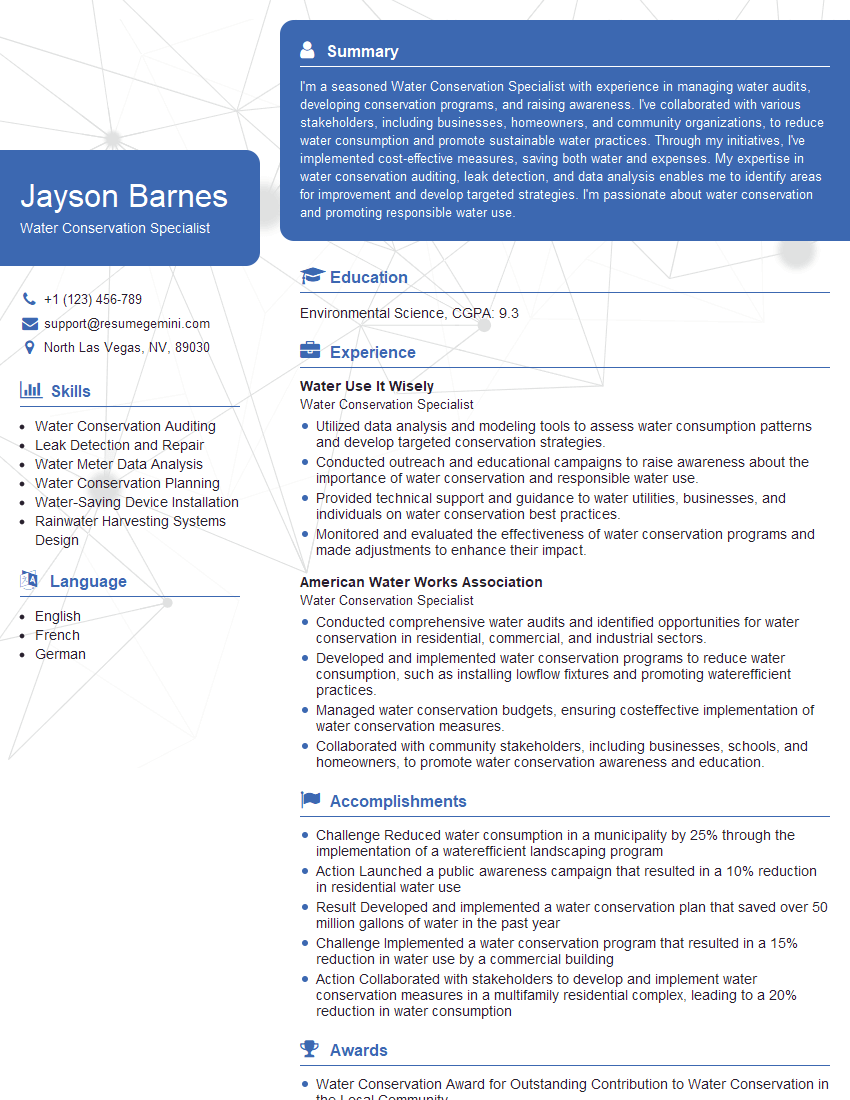
Water Conservation Specialist Resume Sample
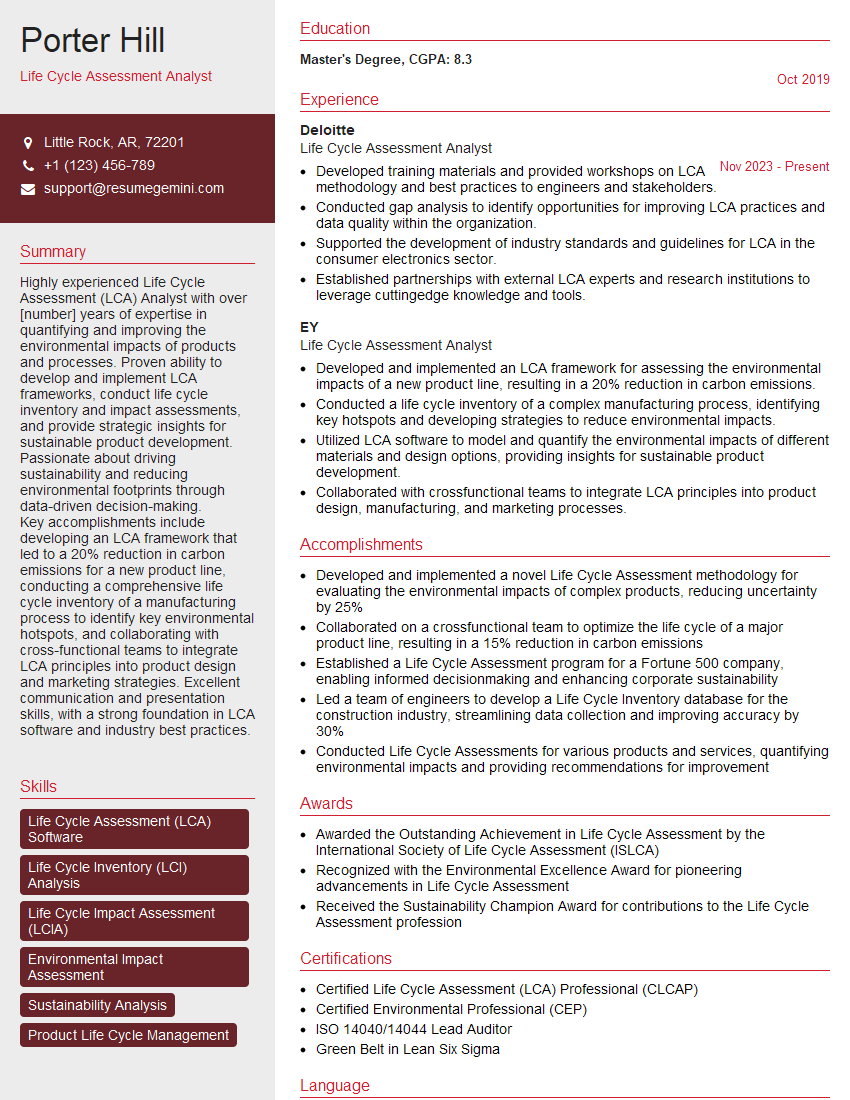
Life Cycle Assessment Analyst Resume Sample
Explore more articles
Users Rating of Our Blogs
Share Your Experience
We value your feedback! Please rate our content and share your thoughts (optional).
What Readers Say About Our Blog
Hello,
we currently offer a complimentary backlink and URL indexing test for search engine optimization professionals.
You can get complimentary indexing credits to test how link discovery works in practice.
No credit card is required and there is no recurring fee.
You can find details here:
https://wikipedia-backlinks.com/indexing/
Regards
NICE RESPONSE TO Q & A
hi
The aim of this message is regarding an unclaimed deposit of a deceased nationale that bears the same name as you. You are not relate to him as there are millions of people answering the names across around the world. But i will use my position to influence the release of the deposit to you for our mutual benefit.
Respond for full details and how to claim the deposit. This is 100% risk free. Send hello to my email id: [email protected]
Luka Chachibaialuka
Hey interviewgemini.com, just wanted to follow up on my last email.
We just launched Call the Monster, an parenting app that lets you summon friendly ‘monsters’ kids actually listen to.
We’re also running a giveaway for everyone who downloads the app. Since it’s brand new, there aren’t many users yet, which means you’ve got a much better chance of winning some great prizes.
You can check it out here: https://bit.ly/callamonsterapp
Or follow us on Instagram: https://www.instagram.com/callamonsterapp
Thanks,
Ryan
CEO – Call the Monster App
Hey interviewgemini.com, I saw your website and love your approach.
I just want this to look like spam email, but want to share something important to you. We just launched Call the Monster, a parenting app that lets you summon friendly ‘monsters’ kids actually listen to.
Parents are loving it for calming chaos before bedtime. Thought you might want to try it: https://bit.ly/callamonsterapp or just follow our fun monster lore on Instagram: https://www.instagram.com/callamonsterapp
Thanks,
Ryan
CEO – Call A Monster APP
To the interviewgemini.com Owner.
Dear interviewgemini.com Webmaster!
Hi interviewgemini.com Webmaster!
Dear interviewgemini.com Webmaster!
excellent
Hello,
We found issues with your domain’s email setup that may be sending your messages to spam or blocking them completely. InboxShield Mini shows you how to fix it in minutes — no tech skills required.
Scan your domain now for details: https://inboxshield-mini.com/
— Adam @ InboxShield Mini
Reply STOP to unsubscribe
Hi, are you owner of interviewgemini.com? What if I told you I could help you find extra time in your schedule, reconnect with leads you didn’t even realize you missed, and bring in more “I want to work with you” conversations, without increasing your ad spend or hiring a full-time employee?
All with a flexible, budget-friendly service that could easily pay for itself. Sounds good?
Would it be nice to jump on a quick 10-minute call so I can show you exactly how we make this work?
Best,
Hapei
Marketing Director
Hey, I know you’re the owner of interviewgemini.com. I’ll be quick.
Fundraising for your business is tough and time-consuming. We make it easier by guaranteeing two private investor meetings each month, for six months. No demos, no pitch events – just direct introductions to active investors matched to your startup.
If youR17;re raising, this could help you build real momentum. Want me to send more info?
Hi, I represent an SEO company that specialises in getting you AI citations and higher rankings on Google. I’d like to offer you a 100% free SEO audit for your website. Would you be interested?
Hi, I represent an SEO company that specialises in getting you AI citations and higher rankings on Google. I’d like to offer you a 100% free SEO audit for your website. Would you be interested?
good