Are you ready to stand out in your next interview? Understanding and preparing for Green Thumb interview questions is a game-changer. In this blog, we’ve compiled key questions and expert advice to help you showcase your skills with confidence and precision. Let’s get started on your journey to acing the interview.
Questions Asked in Green Thumb Interview
Q 1. Describe your experience with different soil types and their impact on plant growth.
Understanding soil types is fundamental to successful gardening. Different soils offer varying levels of drainage, nutrient content, and structure, all impacting plant health. For instance, sandy soil drains quickly, leading to frequent watering needs and potential nutrient deficiencies, while clay soil retains water, potentially causing root rot if drainage is poor. Loamy soil, a mixture of sand, silt, and clay, is often considered ideal as it offers good drainage and water retention.
- Sandy Soil: Excellent drainage but poor water retention and nutrient holding capacity. Best for plants tolerant of drought. Example: Cacti and succulents.
- Clay Soil: Poor drainage, retains water and nutrients, but can become compacted, hindering root growth. Requires amendment with organic matter to improve drainage and aeration. Example: Plants that tolerate wet conditions, like water lilies (if in a pond setting).
- Silty Soil: Holds water and nutrients better than sandy soil, but can become compacted. A good balance but needs attention to drainage. Example: Many vegetables and herbs thrive in silty soil.
- Loamy Soil: Ideal balance of sand, silt, and clay, offering good drainage, aeration, and nutrient retention. Many plants thrive in loamy soil. Example: Most vegetables, flowers, and shrubs.
In my experience, I always test the soil pH and conduct a soil test to understand its nutrient profile before planting. This informs my decisions regarding soil amendments, such as adding compost to improve clay soils or organic matter to sandy soils. Understanding soil texture and composition is key to choosing the right plants and managing their needs effectively.
Q 2. Explain your approach to pest and disease management in a garden setting.
My approach to pest and disease management emphasizes prevention and integrated pest management (IPM). IPM prioritizes minimizing pesticide use, focusing on cultural, biological, and mechanical controls before resorting to chemical intervention.
- Cultural Controls: These involve practices like crop rotation, selecting disease-resistant varieties, proper spacing of plants for good air circulation, and maintaining soil health.
- Biological Controls: Introducing beneficial insects like ladybugs (to control aphids) or nematodes (to control certain soil pests) can naturally reduce pest populations.
- Mechanical Controls: This involves physically removing pests, such as handpicking insects or using traps.
- Chemical Controls: Only used as a last resort, and only with products specifically targeted to the pest or disease, and applied according to label instructions. I prioritize organic and least-toxic options whenever possible.
For example, I once had an aphid infestation on my roses. Instead of immediately spraying insecticide, I first tried removing aphids by hand and introduced ladybugs to the garden. The ladybugs effectively controlled the aphid population, eliminating the need for chemical intervention. Regular monitoring for pests and diseases is crucial for early detection and intervention, preventing widespread damage.
Q 3. What irrigation techniques are you familiar with, and which do you prefer and why?
I’m familiar with several irrigation techniques, each with its own advantages and disadvantages.
- Drip Irrigation: Delivers water directly to the plant roots, minimizing water waste and evaporation. It’s highly efficient and ideal for established gardens.
- Soaker Hoses: Similar to drip irrigation, but simpler and less expensive. Good for smaller areas or rows of plants.
- Overhead Sprinklers: Efficient for watering large areas, but can lead to water waste through evaporation and can encourage fungal diseases if leaves stay wet for too long.
- Hand Watering: Provides the most control but is labor-intensive and not ideal for large gardens.
My preferred method is drip irrigation for its efficiency and targeted water delivery. It conserves water, reduces weed growth, and minimizes the risk of fungal diseases. However, I often combine drip irrigation with hand watering for young seedlings or plants in containers that require more precise watering.
Q 4. How do you determine the appropriate amount of fertilizer for different plants?
Determining the right amount of fertilizer depends on several factors: the plant’s needs, the soil’s nutrient levels, and the type of fertilizer used. Always follow the instructions on the fertilizer packaging, as these are tailored to the specific product. However, it’s often better to err on the side of caution and under-fertilize rather than over-fertilize, as excess fertilizer can damage plants and harm the environment.
I always conduct a soil test to determine nutrient deficiencies before fertilizing. This helps me choose the right fertilizer blend and avoid unnecessary application. For example, if the soil lacks nitrogen, I might use a fertilizer higher in nitrogen. I prefer slow-release fertilizers because they provide nutrients gradually, reducing the risk of nutrient burn and improving efficiency. Different plants have different nutrient requirements; for instance, heavy feeders like tomatoes require more fertilizer than low-feeders such as herbs. It is also important to consider the time of year, reducing or stopping fertilizer applications during the dormant period.
Q 5. Describe your experience with propagating plants from cuttings or seeds.
Propagating plants from cuttings or seeds is a rewarding way to expand a garden and preserve favorite varieties.
- Cuttings: This involves taking a stem cutting from a healthy plant, treating it with rooting hormone (optional), and planting it in a suitable growing medium to encourage root development. Many herbs and shrubs can be easily propagated from cuttings.
- Seeds: Seed propagation involves sowing seeds in appropriate soil, providing adequate light, moisture, and temperature. The success rate varies depending on the plant species; some seeds germinate easily, while others require specific conditions.
I’ve successfully propagated many plants using both methods. For instance, I’ve propagated lavender and rosemary from cuttings, achieving a high success rate by using rooting hormone and maintaining a consistently moist environment. With seeds, I’ve had success with starting tomatoes and peppers indoors before transplanting them outside. Careful attention to detail, including appropriate growing media, temperature, and moisture, is crucial for successful propagation.
Q 6. What are some common plant diseases, and how would you identify and treat them?
Many common plant diseases can affect gardens. Early identification and proper treatment are crucial.
- Powdery Mildew: A fungal disease that appears as a white powdery coating on leaves. Treatment involves improving air circulation, removing affected leaves, and using a fungicide (organic options are available).
- Root Rot: Caused by excessive moisture and poor drainage, leading to decaying roots. Treatment involves improving drainage, reducing watering, and possibly using a fungicide.
- Leaf Spot: Characterized by spots on leaves, often caused by fungal or bacterial pathogens. Treatment involves removing affected leaves, improving air circulation, and using appropriate fungicides or bactericides.
- Blight: Can affect various plant parts, causing wilting, discoloration, and death. Treatment can involve removing affected plants, improving sanitation, and possibly using fungicides.
Identifying plant diseases requires careful observation of symptoms. Consulting reliable resources, such as gardening books or local agricultural extensions, can help in diagnosis. Always start with cultural practices to improve plant health before resorting to chemical treatments. A picture of the affected plant can be very useful for identification.
Q 7. Explain your understanding of plant life cycles and how they influence gardening practices.
Understanding plant life cycles is vital for successful gardening. Different plants have different life cycles, influencing planting times, care requirements, and harvesting schedules.
- Annuals: Complete their life cycle in one growing season (e.g., zinnias, marigolds). These are often sown directly into the ground or started indoors and transplanted.
- Biennials: Complete their life cycle in two growing seasons (e.g., carrots, parsley). They usually produce foliage the first year and flowers/seeds the second.
- Perennials: Live for more than two years (e.g., roses, lavender). They typically require less frequent replanting and often need winter protection.
Knowing a plant’s life cycle guides planting decisions. For example, annuals are planted in spring for summer blooms, while biennials are planted in the first year to flower the next. Perennials need appropriate pruning and winter care. Understanding the life cycle of specific plants allows for accurate predictions on harvest times, allowing for a well planned garden and better resource management.
Q 8. How do you handle weed control in your gardening or landscaping projects?
Weed control is crucial for healthy plant growth. My approach is multifaceted, prioritizing preventative measures and employing various control methods as needed. I begin by understanding the specific weeds present, as different weeds require different strategies.
Prevention: This involves creating a healthy growing environment where desirable plants thrive and outcompete weeds. This includes proper soil preparation, mulching (using organic materials like wood chips or straw), and ensuring appropriate plant spacing to minimize weed establishment.
Cultural Control: This focuses on gardening practices that discourage weed growth. Regular weeding, especially before weeds seed, is critical. Techniques like hand weeding, hoeing, and cultivating are effective, particularly for early-stage weeds.
Biological Control: Utilizing beneficial insects or introducing cover crops can help control weed populations. For example, ladybugs can effectively control aphids, which can sometimes attract weeds.
Chemical Control (Used Sparingly): As a last resort, and only when absolutely necessary, I may utilize selective herbicides, always following label instructions carefully and prioritizing environmentally friendly options. I prioritize organic and integrated pest management strategies first.
For example, in a recent project with a client struggling with aggressive bindweed, we implemented a combination of mulching, regular hand weeding, and targeted herbicide application to significantly reduce weed pressure without harming the desired plants.
Q 9. What is your experience with organic gardening methods?
I have extensive experience with organic gardening methods, focusing on building healthy soil and creating a balanced ecosystem. This approach avoids synthetic pesticides, herbicides, and fertilizers, instead relying on natural processes.
Composting: I regularly compost kitchen scraps and yard waste to create nutrient-rich soil amendments. This improves soil structure, water retention, and nutrient availability.
Cover Cropping: I often use cover crops (like legumes or rye) to improve soil health, suppress weeds, and add organic matter. Legumes, in particular, fix nitrogen in the soil, reducing the need for nitrogen fertilizers.
Crop Rotation: Rotating crops each year helps to prevent pest and disease buildup and maintain soil fertility. This is a fundamental principle of organic gardening.
Beneficial Insects and Natural Pest Control: Instead of chemical pesticides, I encourage the presence of beneficial insects (ladybugs, lacewings, etc.) to control pests naturally. I also use companion planting techniques, where certain plants repel pests from others.
For instance, I once helped a client transition their entire garden to organic methods, resulting in healthier plants, improved soil structure, and a significant reduction in pest problems. The client noted a marked increase in the flavor and quality of their vegetables.
Q 10. Describe your experience with different pruning techniques for various plants.
Pruning is a vital technique for maintaining plant health and shape. Different plants require different approaches, and timing is crucial.
Heading Back: This involves cutting back the tips of stems to promote bushier growth. This technique is ideal for shrubs and flowering plants to encourage more blooms. It’s important not to cut back too severely, potentially damaging the plant.
Thinning Out: This involves removing entire branches back to their origin point. This improves air circulation and light penetration within the plant, reducing disease risk. It’s often used for fruit trees to improve fruit size and quality.
Renewal Pruning: This method involves cutting back older branches to encourage new growth. It’s common for rejuvenating overgrown shrubs or older plants. It should be done gradually over several years to avoid shocking the plant.
Pinch Pruning: Pinching out the growing tips of young plants encourages bushier growth. It’s commonly used for herbs and many flowering annuals.
For example, I recently pruned a client’s overgrown hydrangea using a combination of thinning out and renewal pruning, restoring its shape and improving its flowering potential for the following year. The specific technique and timing were crucial for success.
Q 11. How do you plan and design a garden layout, considering factors like sunlight, soil type, and plant compatibility?
Garden design is a careful balancing act, considering numerous factors to create a thriving and aesthetically pleasing space.
Sunlight Analysis: I begin by assessing the sunlight conditions throughout the day. Different plants have varying sun requirements (full sun, partial shade, full shade). This dictates plant placement.
Soil Testing: Soil testing is crucial to determine pH and nutrient levels. This informs the selection of appropriate plants and any necessary soil amendments (e.g., compost, lime). Different plants have different soil preferences.
Plant Compatibility: Considering plant compatibility is essential to avoid competition for resources. For instance, some plants are allelopathic, meaning they release chemicals that inhibit the growth of other plants.
Water Requirements: Grouping plants with similar water needs simplifies irrigation. Efficient water management is key to successful gardening.
Aesthetics: The design also considers visual appeal, incorporating color, texture, height, and form for a harmonious look.
A recent project involved designing a drought-tolerant garden for a client in a sunny, arid climate. By carefully selecting plants adapted to the conditions, using water-wise irrigation, and including drought-tolerant ground cover, we created a beautiful and sustainable garden.
Q 12. Explain your understanding of plant nutrition and the role of essential nutrients.
Plant nutrition is fundamental to plant health and growth. Essential nutrients are elements that plants require in significant quantities for various metabolic functions.
Macronutrients: These are needed in larger amounts, including nitrogen (N), phosphorus (P), and potassium (K) – often represented as NPK on fertilizer labels. Nitrogen promotes leaf growth, phosphorus root development and flowering, and potassium overall plant health and disease resistance.
Micronutrients: These are needed in smaller quantities but are equally essential, including iron, manganese, zinc, copper, boron, molybdenum, and chlorine. Deficiencies can cause various symptoms, like chlorosis (yellowing of leaves).
Nutrient Uptake: Plants absorb nutrients through their roots from the soil solution. Soil pH plays a vital role in nutrient availability. Improper pH can lock up nutrients, making them unavailable to the plants.
For example, understanding nutrient deficiencies is crucial for diagnosis and treatment. A plant exhibiting yellowing leaves might have an iron deficiency, necessitating application of iron chelate. Regular soil testing helps in monitoring nutrient levels and providing tailored fertilization.
Q 13. Describe your experience with hydroponics or other soilless growing methods.
I have experience with hydroponics, a soilless growing method where plants are grown in nutrient-rich water solutions. It offers several advantages, but also requires careful management.
Hydroponic Systems: I’m familiar with various hydroponic systems, including deep water culture (DWC), nutrient film technique (NFT), and aeroponics. Each system has its own strengths and weaknesses.
Nutrient Solutions: Precise nutrient solutions are crucial in hydroponics. The precise balance of macronutrients and micronutrients needs to be carefully controlled. Regular monitoring of pH and nutrient levels is vital.
Environmental Control: Hydroponic systems require careful control of environmental factors like temperature, humidity, and light intensity. These are optimized for optimal plant growth.
In a past project, I implemented a DWC system for a client who wanted to grow lettuce indoors year-round. We carefully monitored nutrient solutions, adjusted environmental parameters, and achieved high yields of high-quality lettuce.
Q 14. What is your experience with the use of technology in horticulture, such as sensors or automated systems?
Technology is transforming horticulture, improving efficiency and precision. I have experience using various technological tools.
Sensors: Soil moisture sensors, temperature sensors, and light sensors provide real-time data about growing conditions, optimizing irrigation and environmental control. This allows for precise adjustments based on real-time needs.
Automated Systems: Automated irrigation systems, climate control systems, and nutrient dispensing systems enhance efficiency and consistency. This reduces labor and ensures optimal growing conditions.
Data Analysis: Data collected from sensors and automated systems can be analyzed to improve growing practices and optimize yields. Identifying trends and patterns helps in optimizing resource use.
For example, in a recent project we used a network of sensors to monitor soil moisture levels in a large landscape project. This allowed us to implement a highly efficient irrigation schedule, minimizing water waste and maximizing water usage efficiency.
Q 15. How do you stay updated on the latest advancements and best practices in horticulture?
Staying current in horticulture requires a multi-pronged approach. It’s a dynamic field constantly evolving with new research and techniques. I utilize several strategies to ensure I’m always up-to-date.
- Professional Journals and Publications: I regularly subscribe to and read journals like the American Journal of Botany and HortScience, which publish cutting-edge research on plant science and horticultural practices.
- Industry Conferences and Workshops: Attending conferences like those offered by the American Horticultural Society allows for networking and learning from leading experts through presentations and workshops. This provides a chance to see the latest innovations firsthand.
- Online Resources and Courses: I actively engage with reputable online platforms, such as university extension programs offering horticulture courses and webinars. These offer practical applications and insights into the latest trends.
- Networking with Colleagues: Participating in professional organizations and engaging with other horticulturalists through online forums and local gardening groups facilitates knowledge sharing and provides opportunities to learn from others’ experiences.
This combination of formal learning and professional networking allows me to seamlessly integrate the latest advancements into my work and remain at the forefront of my field.
Career Expert Tips:
- Ace those interviews! Prepare effectively by reviewing the Top 50 Most Common Interview Questions on ResumeGemini.
- Navigate your job search with confidence! Explore a wide range of Career Tips on ResumeGemini. Learn about common challenges and recommendations to overcome them.
- Craft the perfect resume! Master the Art of Resume Writing with ResumeGemini’s guide. Showcase your unique qualifications and achievements effectively.
- Don’t miss out on holiday savings! Build your dream resume with ResumeGemini’s ATS optimized templates.
Q 16. Describe a time you faced a challenge in a gardening or landscaping project. How did you overcome it?
During a large landscaping project involving a drought-tolerant garden, we encountered unexpected challenges with soil drainage. The initial soil assessment had underestimated the clay content, leading to poor water drainage and subsequent root rot in several plants.
To overcome this, we implemented a multi-step solution. First, we conducted a more thorough soil analysis to accurately determine the composition and amend the soil. This involved incorporating organic matter like compost to improve structure and drainage. Second, we installed a subsurface drainage system using perforated pipes to help remove excess water. Finally, we replaced the affected plants with species better suited to poorly draining soil, ensuring their long-term health and the success of the project. The project ultimately exceeded expectations, demonstrating the importance of thorough planning and proactive problem-solving.
Q 17. What is your experience with different types of plant propagation techniques?
I have extensive experience with various plant propagation techniques, each suited to different species and situations.
- Seed Propagation: This is a common and cost-effective method for many plants, though germination rates and times can vary greatly. I’m proficient in seed starting techniques, including choosing appropriate seed starting mixes, maintaining optimal temperature and moisture levels, and preventing damping-off disease.
- Cuttings: This involves taking stem, leaf, or root cuttings from existing plants and rooting them to produce new plants. I’m skilled in various cutting methods, such as herbaceous stem cuttings, hardwood cuttings, and leaf-bud cuttings, and understand the importance of proper rooting hormone application and environmental conditions.
- Layering: This technique involves encouraging roots to form on a stem while it’s still attached to the parent plant. I’m familiar with various layering methods, including simple layering, air layering, and trench layering, and can apply them depending on the species.
- Division: This is a simple method for propagating plants that form clumps, like perennials. I carefully divide the root systems to create separate plants, ensuring each division has healthy roots and shoots.
- Grafting and Budding: These advanced techniques involve joining parts of different plants to create a new plant with desirable characteristics. I have experience grafting fruit trees and other woody plants, understanding the nuances of compatibility between different plant species.
My proficiency in these techniques allows me to successfully propagate a wide range of plants and adapt to various project requirements.
Q 18. How do you ensure the health and safety of plants under your care?
Ensuring plant health and safety requires a holistic approach that integrates several key practices.
- Regular Monitoring: This involves closely observing plants for signs of disease, pests, or nutrient deficiencies. Early detection is crucial for effective intervention. I use a combination of visual inspection and diagnostic tools to identify any problems.
- Preventive Measures: This includes selecting disease-resistant varieties, employing proper sanitation practices, and implementing integrated pest management (IPM) strategies. IPM focuses on reducing pest populations through non-toxic methods like beneficial insects and targeted pesticide use only as a last resort.
- Proper Watering and Fertilization: Providing adequate water and nutrients is crucial for plant health. I customize watering and fertilization schedules based on the species’ needs and environmental conditions to avoid over- or under-watering and nutrient imbalances.
- Protection from Environmental Stress: This includes protecting plants from extreme weather conditions like frost or intense sunlight, as well as providing appropriate support for climbing or sprawling plants.
- Disease and Pest Management: When issues arise, I use appropriate and environmentally sound methods to control them, ranging from manual removal of pests to using organic pesticides only when absolutely necessary.
By implementing these practices, I ensure the long-term health and safety of all plants under my care.
Q 19. What is your understanding of sustainable gardening practices?
Sustainable gardening practices prioritize environmental responsibility and long-term ecological health. It goes beyond simply growing plants; it’s about creating a healthy ecosystem that supports biodiversity and minimizes environmental impact.
- Water Conservation: Implementing efficient irrigation systems like drip irrigation, using rainwater harvesting techniques, and selecting drought-tolerant plants.
- Soil Health: Building healthy soil through composting, mulching, and cover cropping to improve soil structure, fertility, and water retention, reducing the need for synthetic fertilizers.
- Pest and Disease Management: Utilizing integrated pest management strategies and biological controls instead of relying on harmful synthetic pesticides.
- Biodiversity: Incorporating a diversity of plant species to support beneficial insects and pollinators, creating a more resilient and self-sustaining ecosystem.
- Reduced Chemical Inputs: Minimizing or eliminating the use of synthetic fertilizers, pesticides, and herbicides, opting for organic alternatives whenever possible.
- Waste Reduction: Composting green waste, reusing materials, and minimizing packaging.
Sustainable gardening is not just a trend; it’s a vital approach to ensure the long-term viability of our landscapes and the health of our planet. It’s about creating beautiful and productive gardens while minimizing our environmental footprint.
Q 20. How do you manage the workload and prioritize tasks in a busy gardening or landscaping setting?
Managing workload effectively in a busy gardening/landscaping setting demands a structured approach. I use a combination of planning and prioritization techniques.
- Detailed Planning: I start with a comprehensive project plan, outlining all tasks, deadlines, and resource requirements. This provides a clear overview of the work involved.
- Prioritization: I prioritize tasks based on urgency and importance, focusing on the most critical aspects first. This ensures that time-sensitive tasks are completed on time, while less urgent ones are addressed as resources allow.
- Time Management: I utilize time-management tools and techniques like time blocking and the Pomodoro Technique to stay focused and productive. This helps to avoid procrastination and maintain a consistent pace.
- Delegation: When feasible, I delegate tasks to team members or subcontractors, leveraging their expertise and freeing up my time to focus on higher-level tasks.
- Regular Evaluation and Adjustment: I regularly review my progress, identify bottlenecks, and make adjustments to the plan as needed. This ensures that the project stays on track and any unforeseen challenges are addressed promptly.
This combination of proactive planning, effective prioritization, and flexible adaptation allows me to efficiently manage workload and deliver high-quality results even under pressure.
Q 21. Explain your understanding of plant physiology.
Plant physiology is the study of how plants function, encompassing all the internal processes that allow them to grow, reproduce, and respond to their environment. It’s a fundamental aspect of horticulture, providing the basis for understanding plant growth, development, and responses to various factors.
- Photosynthesis: The process by which plants convert light energy into chemical energy in the form of sugars. Understanding this process is crucial for optimizing light exposure and nutrient availability for optimal growth.
- Respiration: The process by which plants release energy from stored sugars, providing the energy for growth and other metabolic processes. This is critical for understanding how plants use energy and how environmental factors influence their metabolic rate.
- Transpiration: The process by which plants lose water through their leaves. Understanding transpiration is crucial for determining proper watering schedules and managing water stress in plants.
- Nutrient Uptake and Transport: Plants absorb nutrients from the soil through their roots, and these nutrients are then transported throughout the plant. This understanding allows for informed decisions on fertilization and soil management practices.
- Hormonal Regulation: Plant hormones (auxins, gibberellins, cytokinins, abscisic acid, ethylene) control various aspects of plant growth, development, and responses to environmental stress. Understanding these hormones allows for manipulating plant growth and development for desired outcomes.
A solid understanding of plant physiology allows me to make informed decisions on plant care, diagnose problems effectively, and optimize plant growth and productivity. It’s the foundation of my horticultural expertise.
Q 22. How familiar are you with different grafting techniques?
Grafting is a horticultural technique where tissues from one plant are joined to those of another, allowing them to grow together. This is incredibly useful for propagating desirable traits, such as disease resistance or superior fruit production, onto a robust rootstock. I’m familiar with several grafting techniques, each suited to different plant species and circumstances.
- Whip and Tongue Grafting: This method involves making angled cuts on both the scion (the desired plant part) and the rootstock, then interlocking them like puzzle pieces. It’s commonly used for fruit trees.
- Cleft Grafting: A vertical split is made in the rootstock, and the scion, shaped like a wedge, is inserted into the split. This is often used for larger rootstocks.
- Bud Grafting (T-budding): A T-shaped incision is made in the bark of the rootstock, and a bud from the scion is inserted under the bark. This is efficient for large-scale propagation.
- Approach Grafting: Two plants are grown separately until their stems are close enough to be joined. Once the union is complete, the plants are severed above and below the graft. This is useful for joining difficult-to-graft species.
My experience includes successfully grafting apple, pear, and rose varieties, adapting techniques based on the specific plant and environmental factors. I’ve also troubleshot issues like graft incompatibility and provided training to others in these methods.
Q 23. What are some common plant pests, and how would you control them using integrated pest management techniques?
Integrated Pest Management (IPM) is a sustainable approach to controlling pests that prioritizes prevention and minimizes the use of pesticides. It combines various strategies to achieve long-term pest control. Some common plant pests include aphids, spider mites, whiteflies, and various caterpillars.
- Aphids: These sap-sucking insects can be controlled by introducing ladybugs (their natural predator), using insecticidal soap, or strong water jets to dislodge them.
- Spider Mites: These tiny pests can be controlled with horticultural oils or by increasing humidity around plants.
- Whiteflies: Sticky traps can help monitor populations and reduce their numbers. Beneficial insects like lacewings can also be introduced.
- Caterpillars: Handpicking, Bacillus thuringiensis (Bt) – a naturally occurring bacterium toxic to caterpillars – or using row covers can protect plants.
IPM emphasizes monitoring pest populations, understanding their life cycles, and using a combination of methods rather than relying on a single, potentially harmful, pesticide. For instance, using companion planting, like planting marigolds near susceptible plants, can deter some pests naturally.
Q 24. Describe your experience with creating and maintaining a compost pile.
Composting is the natural process of decomposing organic matter into nutrient-rich humus, a valuable soil amendment. I have extensive experience building and managing compost piles, utilizing both hot and cold composting methods. A hot compost pile requires active management and creates heat through microbial activity, breaking down materials much faster, whereas a cold compost pile is a passive method, which takes longer but still produces valuable compost.
My process typically involves layering ‘browns’ (carbon-rich materials like dried leaves and twigs) and ‘greens’ (nitrogen-rich materials like grass clippings and kitchen scraps) in a roughly 1:1 ratio. Maintaining the right moisture level is crucial; the pile should be as damp as a wrung-out sponge. Regular turning aerates the pile, accelerating decomposition and preventing anaerobic conditions (lack of oxygen), which can lead to foul odors and slow decomposition. I regularly monitor temperature using a compost thermometer to ensure the pile is actively decomposing. Finally, the end product is a rich dark soil-like material, perfect for enriching garden beds. I’ve successfully composted a wide range of organic materials, including yard waste, food scraps, and even coffee grounds.
Q 25. How would you design a garden to attract beneficial insects and pollinators?
Designing a garden to attract beneficial insects and pollinators involves selecting plants that provide food and shelter. The key is diversity!
- Nectar and Pollen Sources: Plant a variety of flowering plants with different bloom times to provide a continuous food source throughout the growing season. Consider including native wildflowers, herbs like lavender and mint, and fruit trees and shrubs.
- Shelter and Habitat: Include structures like rock piles, dead wood, and leaf litter to provide overwintering sites and refuge for beneficial insects. Avoid using pesticides that could harm these beneficial creatures.
- Water Source: Provide a shallow dish of water with pebbles or stones for insects to land on and avoid drowning.
- Plant Selection: Choose plants known to attract specific beneficial insects. For example, dill and fennel attract lacewings, which prey on aphids.
By carefully selecting plants and providing suitable habitat, you can create a thriving ecosystem that benefits both your garden and the environment. A well-designed garden can reduce the need for pesticides by encouraging natural pest control.
Q 26. What software or tools are you proficient in for garden planning or design?
I’m proficient in several software and tools for garden planning and design. My experience includes using:
- SketchUp: For creating 3D models of garden layouts, visualizing plant placement and structures.
- Garden Planner Software (various): Many excellent garden design software programs are available, and I’m familiar with the various features for planning bed sizes, plant selection, and visualizing the final product. I can easily adapt to different platforms.
- Spreadsheet Software (Excel, Google Sheets): For tracking plant inventories, planning planting schedules, and managing gardening data. I regularly utilize this for accurate record keeping.
- GIS software (basic): Useful for analyzing site characteristics such as sunlight exposure, soil type, and microclimates. This improves planning efficiency.
In addition to software, I am adept at using traditional tools such as measuring tapes, pencils, and graph paper for detailed garden plans. I understand the importance of selecting tools best suited for each project.
Q 27. Explain your understanding of soil pH and its influence on plant growth.
Soil pH refers to the acidity or alkalinity of the soil, measured on a scale from 0 to 14, with 7 being neutral. Soil pH significantly impacts plant growth because it affects the availability of nutrients. Different plants have different pH preferences; some thrive in acidic conditions, while others prefer alkaline environments.
For example, azaleas and blueberries prefer acidic soil (pH 4.5-5.5), while many vegetables, such as tomatoes and peppers, prefer slightly acidic to neutral soil (pH 6.0-7.0). When soil pH is too acidic or alkaline, it can hinder a plant’s ability to absorb essential nutrients, leading to nutrient deficiencies and poor growth. Soil testing kits are readily available to measure soil pH and help make amendments for better growing conditions. If pH is too low (acidic), lime can be added to raise it, whereas sulfur can lower a high pH (alkaline). Understanding soil pH is fundamental to successful gardening.
Q 28. Describe your experience with winterizing plants and protecting them from extreme weather conditions.
Winterizing plants is crucial to protect them from damage caused by freezing temperatures, strong winds, and heavy snow. My experience encompasses a range of techniques depending on the plant type and the severity of the climate.
- Mulching: Applying a layer of mulch around the base of plants helps insulate the soil and protect roots from freezing. Materials like straw, shredded bark, or leaf mold are effective.
- Covering: Using frost cloths, burlap, or even simple cardboard boxes can protect sensitive plants from cold temperatures.
- Pruning: Removing dead or damaged stems and branches before winter can help prevent disease and improve the plant’s ability to withstand cold temperatures.
- Moving Plants Indoors: Tender plants that are not winter-hardy should be moved to a sheltered location, such as a greenhouse or indoors, before freezing temperatures arrive.
- Protecting from Wind: Windbreaks, such as screens or hedges, can minimize damage caused by wind burn.
I adapt my approach based on specific plant needs and local weather conditions. For instance, I’ve successfully winterized citrus trees by wrapping them in burlap and providing wind protection. Careful planning and execution help ensure that plants survive even the harshest winter conditions.
Key Topics to Learn for Green Thumb Interview
- Sustainable Gardening Practices: Understanding organic methods, composting, water conservation, and pest control without harmful chemicals.
- Plant Biology & Horticulture: Knowledge of plant life cycles, soil types, nutrient requirements, and common plant diseases and their treatment.
- Landscape Design Principles: Familiarity with design elements like balance, proportion, and color theory, as well as different landscaping styles.
- Practical Application: Be prepared to discuss experiences (volunteer work, personal projects, etc.) showcasing your application of these principles. Consider scenarios involving problem-solving, such as dealing with unexpected plant issues or adapting designs to challenging site conditions.
- Tools and Equipment: Demonstrate knowledge of common gardening tools and equipment, their proper use, and maintenance.
- Customer Service & Communication: Discuss your ability to effectively communicate with clients, understand their needs, and provide excellent customer service in a landscaping or gardening context.
- Business Acumen (if applicable): For managerial roles, understanding of budgeting, scheduling, project management, and client relations will be crucial.
Next Steps
Mastering Green Thumb principles significantly enhances your career prospects in the vibrant field of horticulture and landscaping. A strong understanding of sustainable practices and design principles sets you apart from other candidates. To maximize your chances, create an ATS-friendly resume that highlights your relevant skills and experience. We strongly recommend using ResumeGemini, a trusted resource, to build a professional and impactful resume. Examples of resumes tailored to Green Thumb positions are available below to help guide you.
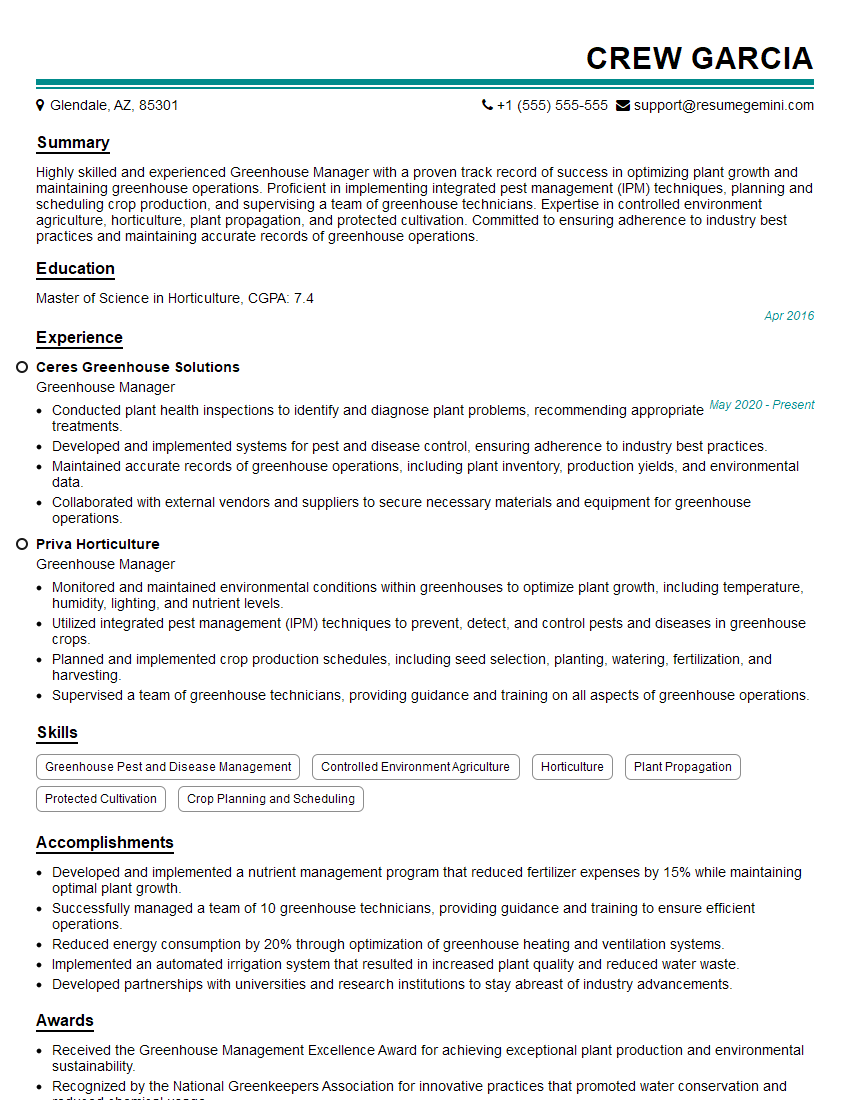
Greenhouse Manager Resume Sample

Nursery Manager Resume Sample

Landscape Architect Resume Sample
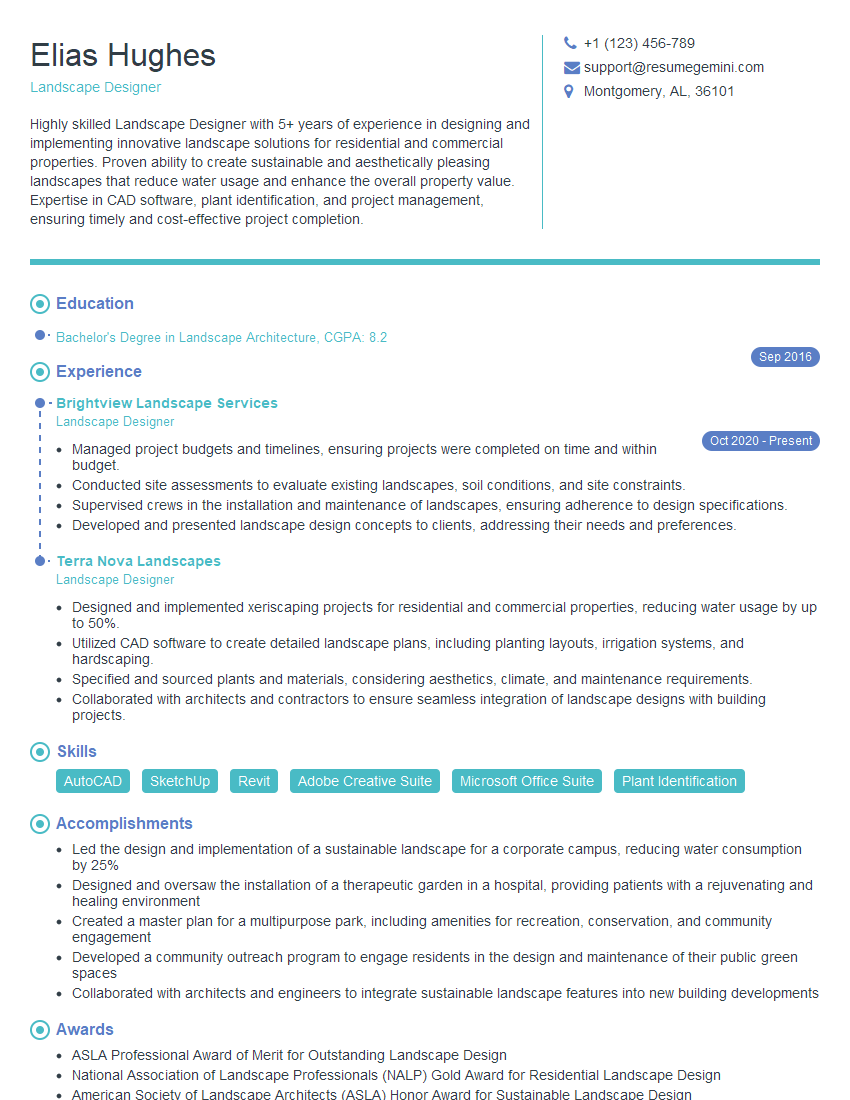
Landscape Designer Resume Sample
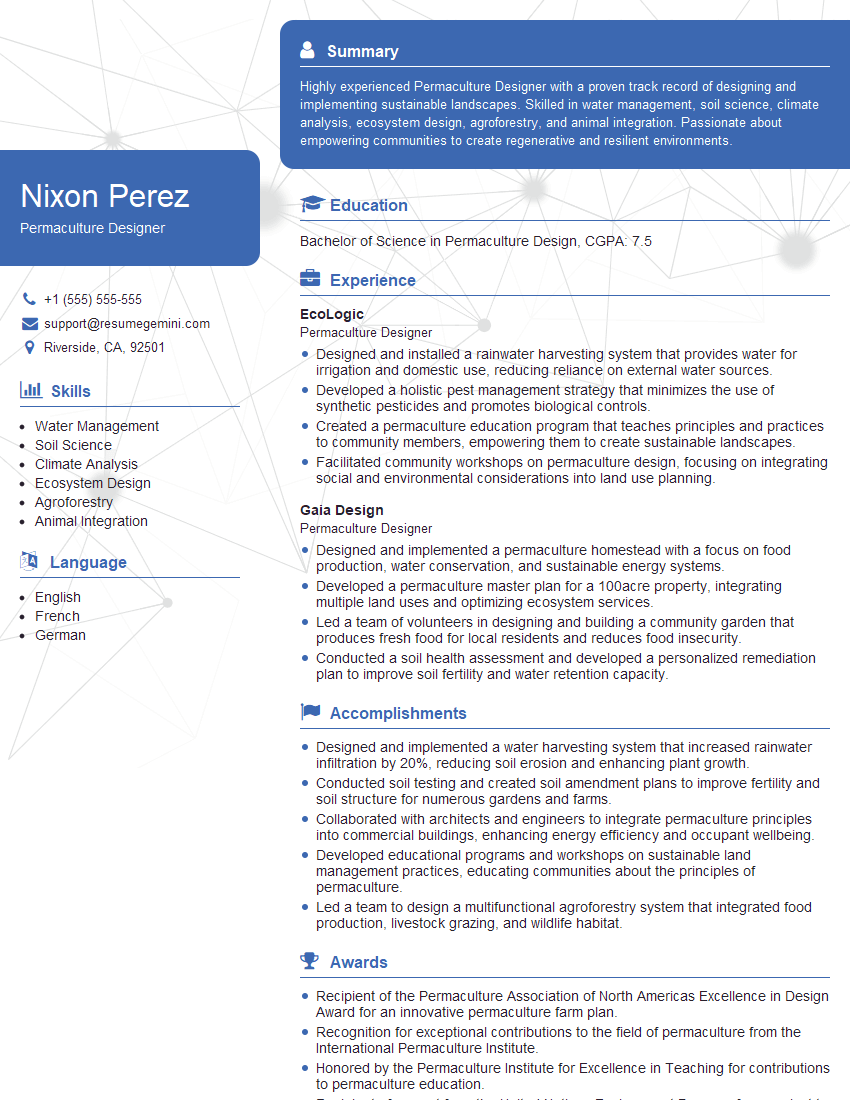
Permaculture Designer Resume Sample

Arborist Resume Sample
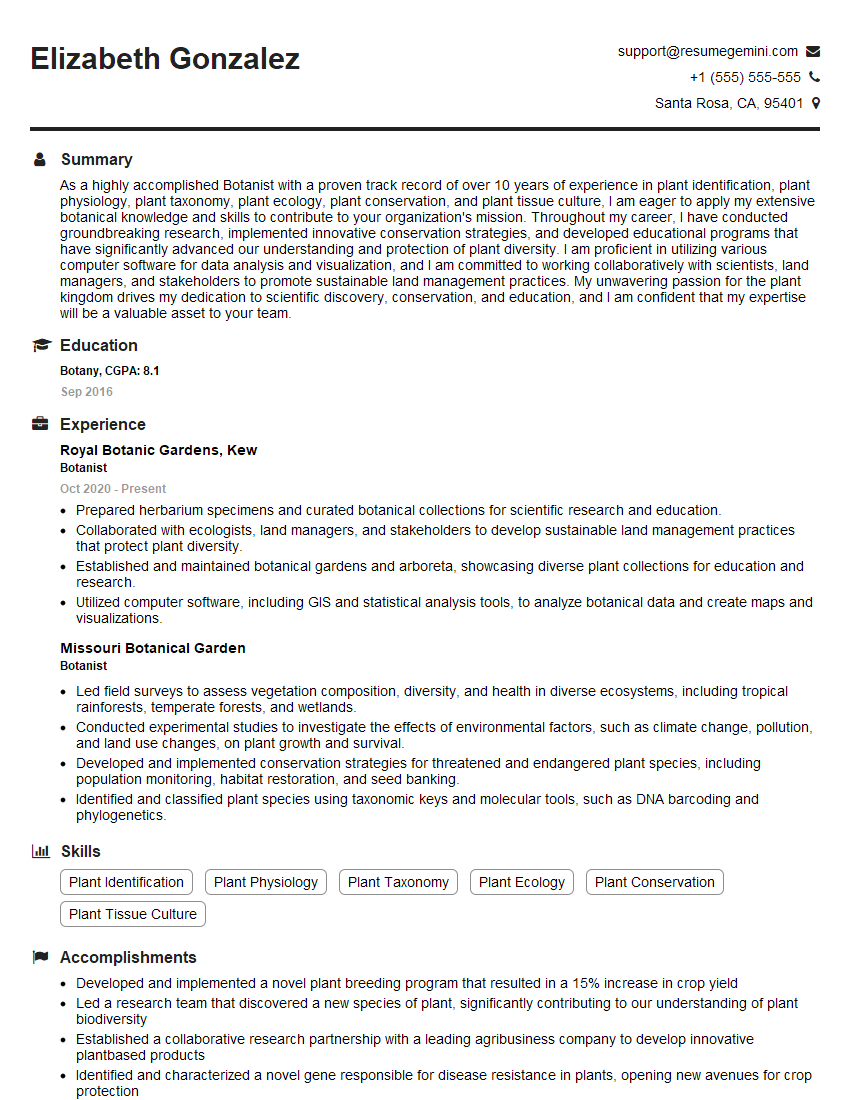
Botanist Resume Sample
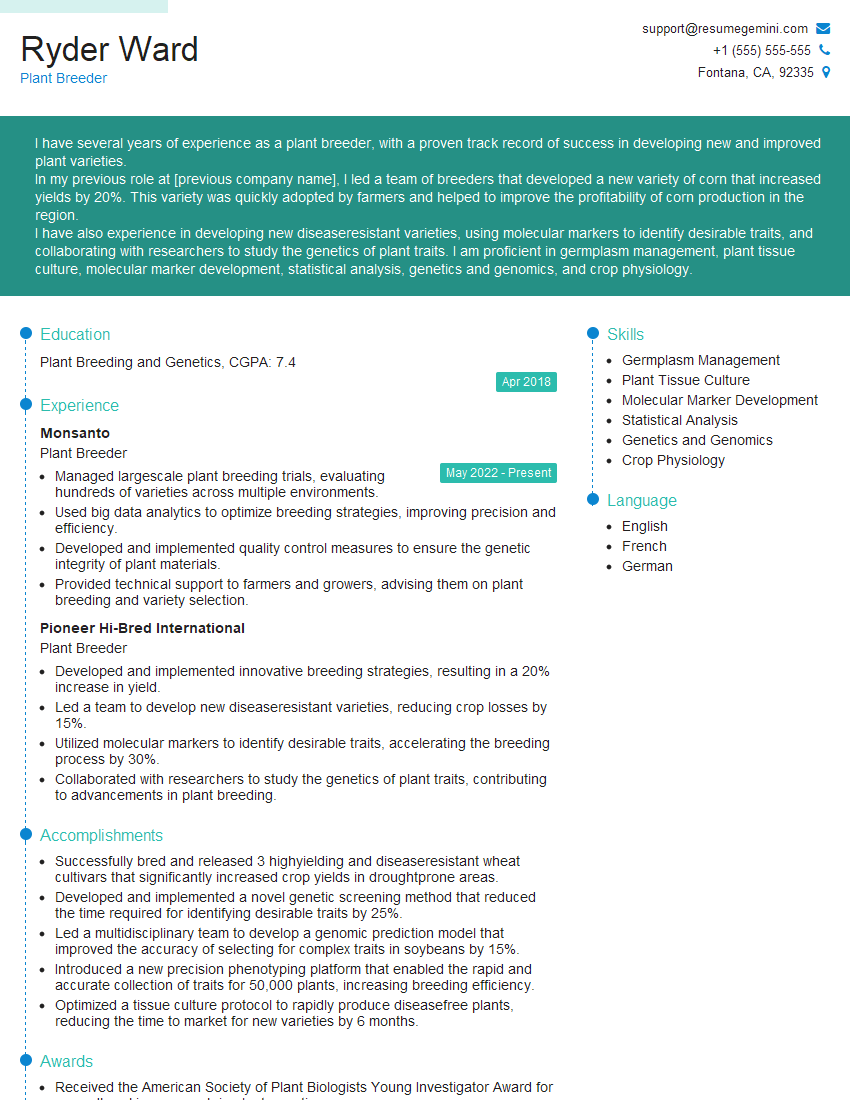
Plant Breeder Resume Sample

Plant Pathologist Resume Sample
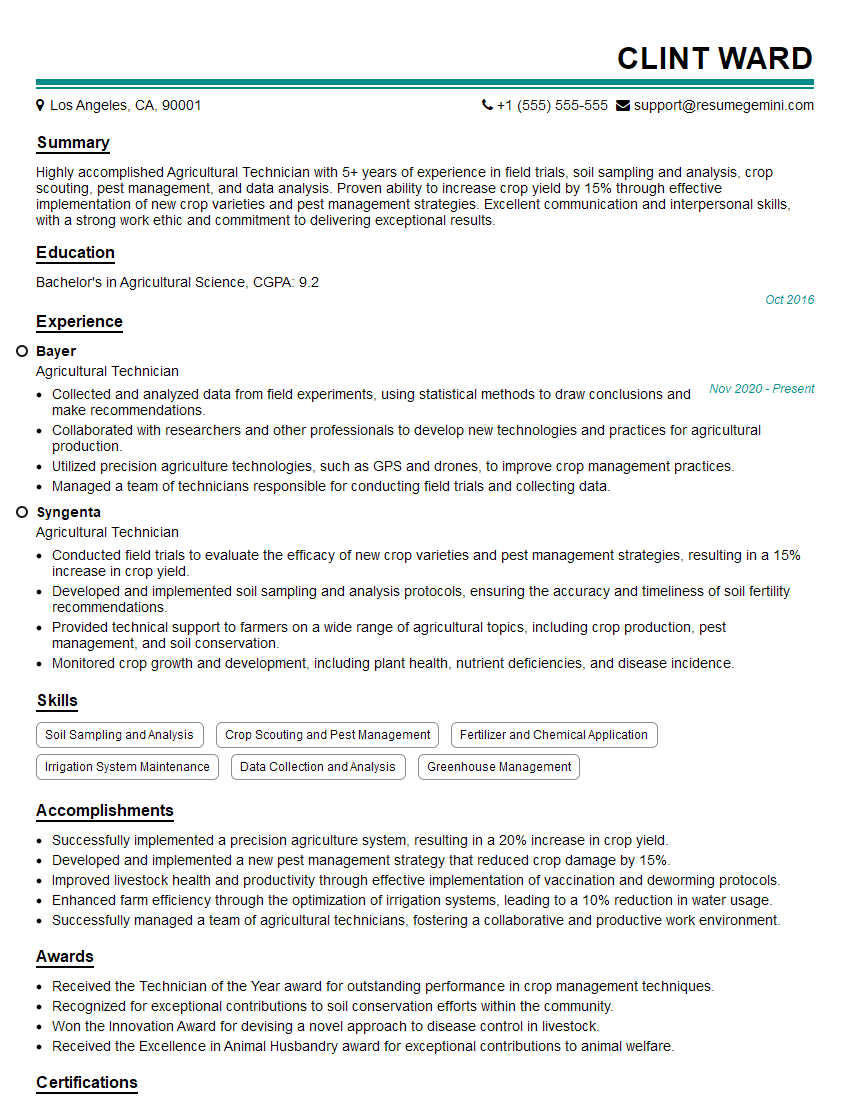
Agricultural Technician Resume Sample
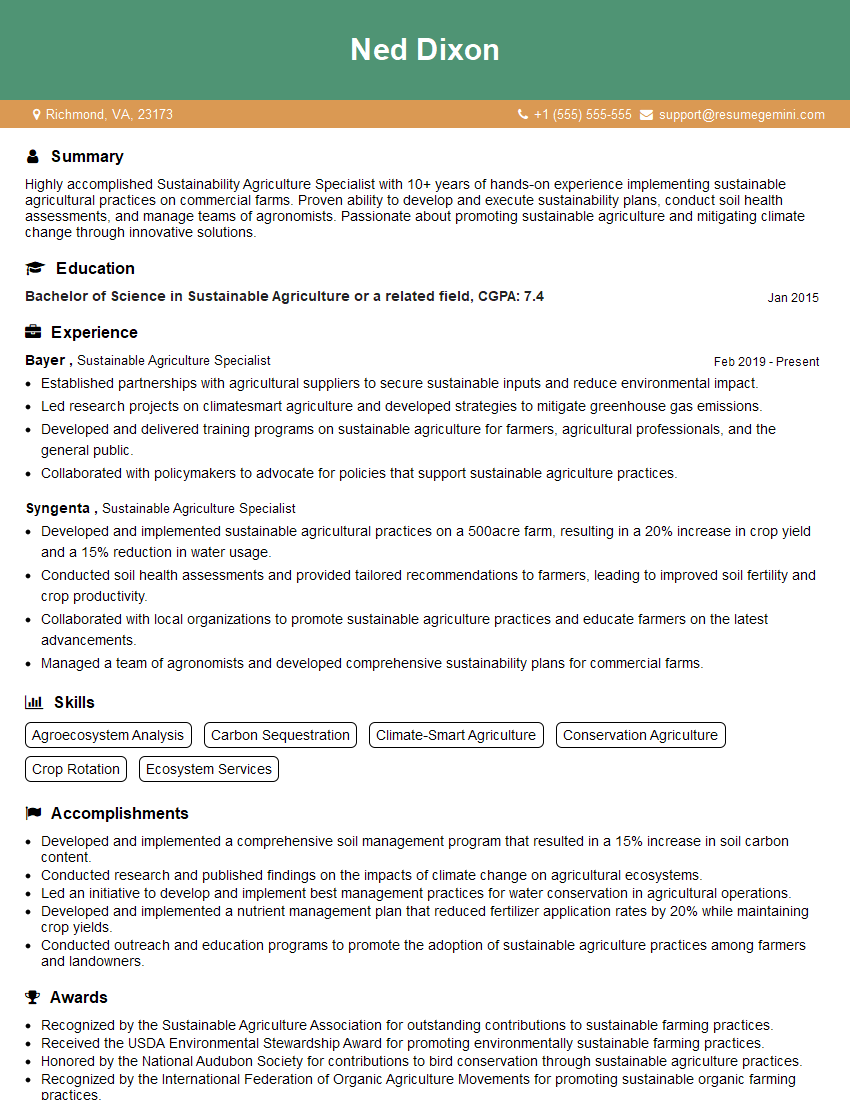
Sustainable Agriculture Specialist Resume Sample
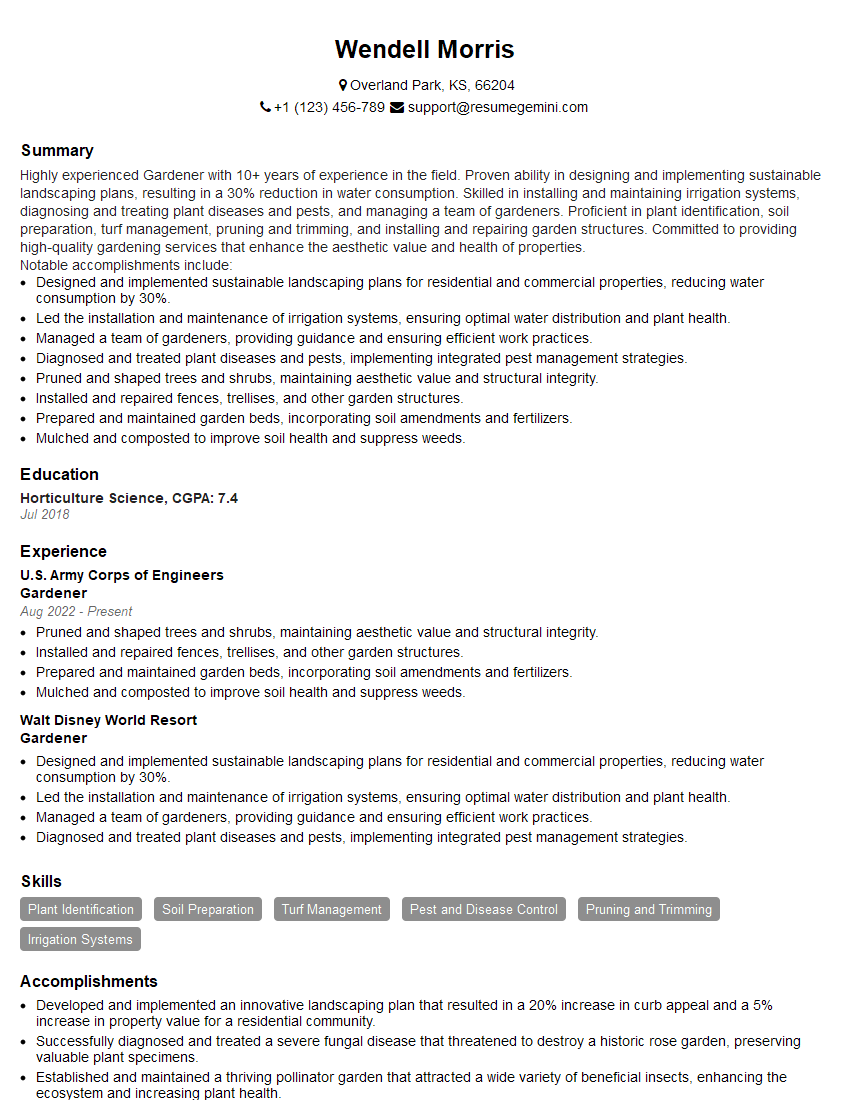
Gardener Resume Sample

Groundskeeper Resume Sample
Explore more articles
Users Rating of Our Blogs
Share Your Experience
We value your feedback! Please rate our content and share your thoughts (optional).
What Readers Say About Our Blog
Very informative content, great job.
good