The thought of an interview can be nerve-wracking, but the right preparation can make all the difference. Explore this comprehensive guide to Grief Counseling and Bereavement Support interview questions and gain the confidence you need to showcase your abilities and secure the role.
Questions Asked in Grief Counseling and Bereavement Support Interview
Q 1. Describe your approach to working with individuals experiencing complicated grief.
My approach to working with individuals experiencing complicated grief is deeply individualized and trauma-informed. It recognizes that grief is not a linear process and that there’s no ‘right’ way to grieve. Instead of focusing solely on symptom reduction, I aim to help clients understand and process their unique grief experience. This involves creating a safe and validating therapeutic space where they feel empowered to explore their emotions without judgment. I use a combination of techniques, tailoring my approach based on the individual’s needs and preferences. This might include cognitive behavioral therapy (CBT) to challenge unhelpful thought patterns, mindfulness practices to manage overwhelming emotions, and narrative therapy to help clients reframe their stories surrounding their loss. For instance, a client struggling with intense guilt might use CBT to identify and challenge those thoughts, while someone overwhelmed by sadness might benefit from mindfulness techniques to ground themselves in the present. The core principle is to support them in building resilience and finding meaning in their lives, even amidst profound loss.
Q 2. What theoretical models of grief do you utilize in your practice?
My practice integrates several theoretical models of grief, recognizing that no single model perfectly captures the complexity of human experience. I draw heavily from attachment theory, which examines the impact of early relationships on our ability to cope with loss. Understanding a client’s attachment style helps me tailor interventions to meet their specific needs. For example, someone with an anxious attachment style might require more reassurance and validation. I also utilize the dual process model, recognizing that grieving involves oscillating between loss-oriented coping (dealing with the emotional pain of loss) and restoration-oriented coping (adapting to life without the deceased). Finally, I incorporate elements of narrative therapy, recognizing the importance of helping clients make sense of their loss by constructing a coherent narrative around it. This process empowers them to find meaning and integrate their grief experience into their ongoing life story.
Q 3. How do you assess the needs of grieving individuals during the initial session?
The initial session is crucial for building rapport and establishing a collaborative therapeutic relationship. My assessment focuses on understanding the client’s individual experience of grief, rather than fitting them into a pre-defined model. I begin by actively listening to their narrative of the loss, paying close attention to both the factual details and the emotional impact. This involves exploring their relationship with the deceased, the circumstances of the death, and their current emotional, physical, and social functioning. I use open-ended questions to encourage them to share their experience in their own words. For example, I might ask, “Can you tell me about your relationship with [deceased]?”, “How are you coping with your loss?”, and “What are your biggest challenges right now?” I also assess for risk factors, such as suicidal ideation or substance abuse, and develop a safety plan if necessary. This comprehensive approach enables me to tailor a treatment plan that addresses their unique needs and preferences.
Q 4. Explain your understanding of the Kubler-Ross model of grief.
The Kübler-Ross model, while widely known, is often misunderstood. It proposes five stages of grief – denial, anger, bargaining, depression, and acceptance – but it’s important to emphasize that these stages are not linear. Individuals may not experience all stages, nor will they necessarily experience them in this order. The model’s main contribution is highlighting the emotional complexity of grief, but it’s crucial to avoid using it as a rigid framework. Instead, I view it as a potential lens for understanding some aspects of a client’s experience, but always prioritize their individual experience and avoid forcing them into predetermined stages. For instance, a client might primarily experience anger, while another might focus on bargaining for a longer time. The focus should always be on validating their emotional responses rather than adhering to a specific sequential order. Understanding the limitations of this model is key to providing effective and compassionate grief counseling.
Q 5. How do you differentiate between normal grief and complicated grief?
Differentiating between normal grief and complicated grief hinges on the duration, intensity, and impact of the grief response. Normal grief, while intensely painful, is generally characterized by a gradual lessening of intensity over time. The individual eventually adapts to their loss and is able to resume their life, albeit in a changed form. Complicated grief, on the other hand, is characterized by persistent and debilitating symptoms that significantly impair functioning. This might include intense longing for the deceased, intrusive thoughts, avoidance of reminders of the loss, feelings of numbness, and difficulty functioning in daily life. Complicated grief often involves ongoing trauma, unresolved conflict, or pre-existing mental health conditions that exacerbate the grief process. In essence, normal grief is a natural process of adaptation, while complicated grief represents a significant disruption to mental and physical well-being that requires professional intervention.
Q 6. What are the ethical considerations in providing grief counseling?
Ethical considerations in grief counseling are paramount. Maintaining confidentiality is crucial, with exceptions only for mandated reporting, such as if a client expresses a serious intent to harm themselves or others. It is also essential to establish clear boundaries and manage dual relationships to prevent conflicts of interest. Cultural sensitivity is vital, recognizing that grief expressions vary widely across cultures and that imposing one’s own worldview can be harmful. Informed consent must be obtained, ensuring clients understand the therapeutic process, its limitations, and their rights. Continuing education is essential to maintain competence and awareness of best practices in the field, staying current with research and developing skills to work with diverse populations. Self-care is equally crucial; therapists working with grieving individuals must attend to their own emotional well-being to avoid burnout and maintain the ability to provide effective support.
Q 7. Describe your experience working with diverse populations experiencing grief.
My experience working with diverse populations experiencing grief has highlighted the critical role of cultural competence. I’ve worked with individuals from various cultural backgrounds, each with unique expressions and understandings of grief. For instance, working with a client from a collectivist culture might involve considering the impact of the loss on their family and community, as grief is often shared and processed collectively. In contrast, clients from individualistic cultures may prioritize more individual coping mechanisms. Understanding the specific cultural context is key to providing culturally sensitive support that respects the individual’s beliefs and practices. Furthermore, I’ve worked with individuals of varying socioeconomic backgrounds, recognizing that access to resources and support systems significantly impacts coping with loss. Addressing these factors is crucial in developing a holistic and effective treatment plan.
Q 8. How do you address the spiritual or religious beliefs of clients in grief counseling?
Addressing a client’s spiritual or religious beliefs in grief counseling is crucial for providing culturally sensitive and effective care. It’s not about imposing my own beliefs, but rather understanding how their faith informs their understanding of death, loss, and the afterlife. I begin by gently exploring their spiritual practices and beliefs through open-ended questions. For example, I might ask, “Is there a particular spiritual or religious tradition that provides comfort during this time?” or “Are there any specific rituals or practices that you find helpful or meaningful?”
My approach involves active listening and validating their experiences within their faith framework. If their beliefs offer comfort and meaning, I’ll support their engagement in those practices. If their faith is challenged by their grief, I’ll create a safe space for them to explore these conflicts without judgment. I might use metaphors or stories from their faith tradition to illustrate concepts of healing and hope. If their beliefs are not explicitly religious but are rooted in a strong spiritual connection to nature or something else, I fully respect that and incorporate those values into our therapeutic work.
For instance, a client who finds solace in daily prayer might be encouraged to continue this practice, while another whose faith is shaken may benefit from exploring their evolving beliefs in a supportive environment. Ultimately, my goal is to help them find meaning and purpose within their existing framework or adapt it if needed, ensuring that their spiritual needs are respected and integrated into their healing journey.
Q 9. How do you support clients who are struggling with guilt or self-blame after a loss?
Guilt and self-blame are common after a loss, often stemming from unresolved conflicts or unmet expectations. Addressing these feelings requires a compassionate and validating approach. I begin by actively listening to the client’s expressions of guilt, acknowledging the pain they’re experiencing without judgment. I help them identify the specific sources of their guilt; for example, it might relate to something they said or didn’t say, an action they took or didn’t take, or even just general feelings of inadequacy.
Next, I help them challenge the validity of their self-blame by exploring the situation realistically. We’ll examine the events leading to the loss, differentiating between things they could have realistically controlled and those beyond their influence. Cognitive restructuring techniques are often useful. For example, if a client blames themselves for not noticing warning signs of a loved one’s illness, we would work to reframe the thought from “I should have known” to a more balanced “I did the best I could with the information I had at the time.”
I also explore the underlying emotional needs that contribute to guilt. Perhaps they are struggling with unmet needs for control, connection, or forgiveness. Addressing these underlying issues can help alleviate the self-blame. It’s important to remember that grieving is a process, and overcoming these feelings takes time and patience. Throughout the process, I emphasize self-compassion and encourage clients to be kind to themselves during this challenging time.
Q 10. What strategies do you use to help clients cope with traumatic grief?
Traumatic grief follows a loss that involves violence, suddenness, or a perceived lack of closure. It often presents with more intense and prolonged symptoms than typical grief. My approach combines evidence-based therapies tailored to address the specific trauma-related challenges.
Trauma-focused Cognitive Behavioral Therapy (CBT) helps identify and challenge negative thought patterns and beliefs related to the traumatic event. Eye Movement Desensitization and Reprocessing (EMDR) may be used to help process the traumatic memories and reduce their emotional impact. Somatic Experiencing (SE) focuses on the body’s physical response to trauma, helping the client regain a sense of safety and regulation.
A key element is creating a safe and trusting therapeutic relationship. Clients need to feel understood and validated before they can begin to process their traumatic experiences. The therapeutic process often involves gradually exposing the client to memories and emotions related to the loss, supporting them to manage intense emotional responses. Support groups specifically designed for traumatic grief can be beneficial, fostering connection with others who understand their experiences.
For instance, a client grieving the sudden loss of a loved one in a car accident might benefit from EMDR to process the vivid and distressing images associated with the accident, along with CBT to challenge the self-blame they may carry. Throughout, creating a secure and empathetic therapeutic relationship is paramount.
Q 11. How do you handle cases where clients are experiencing suicidal ideation related to grief?
Suicidal ideation in the context of grief is a serious concern that requires immediate attention. My first priority is ensuring the client’s safety. If there’s an immediate risk of self-harm, I will directly address this. This involves a frank and open discussion about their suicidal thoughts, assessing the level of risk and developing a safety plan. This plan might include contact numbers for crisis hotlines, family members, or friends who can provide immediate support. Hospitalization might be necessary in high-risk situations.
Collaboration with other healthcare professionals, such as psychiatrists or psychologists, is vital to ensure comprehensive care. Medication may be considered to help manage intense emotional distress. Once the immediate risk is mitigated, we can address the underlying causes of their suicidal thoughts, exploring the relationship between their grief and their desire to end their life. Therapy focuses on processing their grief, developing coping mechanisms, and restoring hope for the future. This could involve exploring their sense of meaning and purpose, connecting them with support systems, and helping them rediscover their reasons for living.
Open communication and collaboration with the client, their family, and other healthcare professionals are key throughout this process. Regular check-ins and close monitoring are crucial to prevent relapse. The approach is always tailored to the individual client’s needs, recognizing the unique complexities of each situation.
Q 12. What resources do you recommend to clients for ongoing support after therapy concludes?
Continuing support beyond therapy is essential for long-term healing. I provide clients with a personalized list of resources based on their individual needs and preferences. This could include:
- Support groups: Connecting with others who understand their experience can be incredibly beneficial.
- Online communities: Several online platforms offer support and resources for those grieving.
- Grief counseling hotlines: Providing 24/7 access to support when needed.
- Spiritual or religious organizations: Offering comfort and guidance through faith-based practices.
- Mental health professionals: Recommending therapists specializing in grief or trauma.
- Books and other educational materials: Providing additional information and insights on the grieving process.
It is also beneficial to offer continued check-ins, as needed, even after the formal therapy has concluded to support their long-term well-being and assist in navigating potential challenges that may arise in the future. The goal is to empower clients with the tools and resources they need to manage their grief effectively and move towards healing over time.
Q 13. How do you tailor your therapeutic approach to the age and developmental stage of the client?
Adapting my approach to a client’s age and developmental stage is vital for effective grief counseling. Children, adolescents, and adults all grieve differently, requiring unique strategies and communication styles.
Children: I use play therapy, art, and storytelling to help them express their emotions and understand their loss. The language used is age-appropriate and avoids complex terminology. Parental involvement is key to providing consistent support and managing the child’s grief.
Adolescents: Their grief can be complicated by developmental changes, peer pressures, and potential identity crises. I create a safe space for open communication, acknowledging their unique emotional experiences. Cognitive behavioral techniques can be helpful in managing overwhelming emotions and developing coping strategies.
Adults: My approach focuses on exploring the impact of the loss on their identity, relationships, and life goals. I incorporate techniques such as cognitive processing, emotional regulation, and meaning-making to help them navigate their grief and rebuild their lives.
Throughout, maintaining a developmentally appropriate therapeutic relationship, utilizing activities suitable for their age and cognitive level and ensuring a safe and supportive atmosphere are essential for positive outcomes. Each approach considers the unique emotional and cognitive capabilities of each age group to optimize healing and coping mechanisms.
Q 14. Describe your experience facilitating grief support groups.
I have extensive experience facilitating grief support groups, both in individual and group settings. These groups provide a unique opportunity for shared healing and mutual support. My role as facilitator involves creating a safe and non-judgmental environment where members can openly share their experiences without pressure. I carefully select members with similar grief experiences, to foster a sense of community and shared understanding.
The structure of my groups typically involves a combination of structured activities and open discussion. Structured activities might include mindfulness exercises, creative arts, or reflective journaling prompts. The open discussion allows members to share their experiences, offer support to each other, and explore common themes related to grief. I use active listening and gentle guidance to manage the group dynamic, ensuring that everyone has a chance to participate and feel heard. When conflict arises, which is sometimes expected, I act as a mediator to resolve issues constructively and keep the group focused on its primary purpose of support and empathy.
My approach emphasizes normalizing grief, validating individual experiences, and fostering hope and resilience. I often see transformations within the group setting, with members finding comfort, strength, and connection through shared experience. The benefits of support groups are significant for many and often lead to a faster adjustment to the grieving process.
Q 15. How do you manage difficult emotions or behaviors displayed by clients in grief sessions?
Managing difficult emotions and behaviors in grief counseling requires a multifaceted approach rooted in empathy, safety, and validation. It’s crucial to remember that these behaviors are often manifestations of profound pain and loss.
My approach begins with creating a safe and non-judgmental therapeutic space. This involves actively listening, validating the client’s feelings without minimizing their experience, and acknowledging the intensity of their emotions. For example, if a client is expressing anger, I might say something like, “It sounds like you’re feeling incredibly angry right now, and that’s completely understandable given your loss.” This validates their feelings without condoning potentially harmful actions.
Next, I utilize techniques like grounding exercises to help the client regulate their physiological response to intense emotions. Deep breathing, focusing on physical sensations, and mindfulness practices can help them regain a sense of control. If behaviors become disruptive or pose a safety concern, I have clear boundaries and safety protocols in place, which may include contacting family or seeking further support if needed.
Finally, I work collaboratively with the client to identify coping mechanisms and develop strategies for managing difficult emotions in the future. This might involve exploring their support network, suggesting professional resources, or introducing techniques like journaling or expressive arts therapy. The goal is not to eliminate the pain but to help the client learn to navigate it more effectively.
Career Expert Tips:
- Ace those interviews! Prepare effectively by reviewing the Top 50 Most Common Interview Questions on ResumeGemini.
- Navigate your job search with confidence! Explore a wide range of Career Tips on ResumeGemini. Learn about common challenges and recommendations to overcome them.
- Craft the perfect resume! Master the Art of Resume Writing with ResumeGemini’s guide. Showcase your unique qualifications and achievements effectively.
- Don’t miss out on holiday savings! Build your dream resume with ResumeGemini’s ATS optimized templates.
Q 16. How do you maintain your own emotional well-being while working with grieving individuals?
Maintaining my own emotional well-being is paramount in this profession. Compassion fatigue and burnout are real risks, and self-care is not a luxury, but a necessity.
I prioritize regular self-reflection, journaling, and engaging in activities that bring me joy and replenish my energy. This might include spending time in nature, practicing yoga, engaging in creative pursuits, or simply connecting with loved ones. I also utilize strategies like maintaining healthy boundaries, setting realistic expectations for my caseload, and seeking peer supervision or consultation when needed.
Furthermore, I recognize the importance of utilizing professional support. This might involve attending workshops on self-care for therapists or engaging in regular therapy myself. It’s crucial to have a strong support network of colleagues and friends who understand the challenges of this work. Recognizing the signs of burnout – emotional exhaustion, cynicism, and feelings of reduced personal accomplishment – and taking proactive steps to address them are critical components of self-care.
Q 17. What is your approach to working with families grieving the loss of a child?
Working with families grieving the loss of a child requires a uniquely sensitive and compassionate approach. This is arguably the most devastating loss a family can experience.
My approach centers on creating a safe space for each family member to express their grief in their own way and at their own pace. I recognize that each individual will experience the loss differently, and there’s no ‘right’ or ‘wrong’ way to grieve. I emphasize active listening and validation, acknowledging the immense pain and the profound disruption this loss causes to the family’s structure and dynamics.
I use therapeutic techniques tailored to the age and developmental stage of each family member, acknowledging that children, adolescents, and adults will process their grief in vastly different ways. I might incorporate play therapy for younger children, creative expression for adolescents, or family therapy to facilitate communication and support among family members.
Long-term support is often crucial, and I focus on helping the family develop healthy coping mechanisms and rituals to honor their child’s memory. This might involve creating a memorial space, establishing traditions, or engaging in charitable activities in their child’s name. The focus is on helping them navigate their grief, rebuild their lives, and find ways to cherish the memories they have.
Q 18. How do you involve significant others or family members in the therapy process?
Involving significant others and family members in the therapy process is often crucial, as grief is rarely an isolated experience.
My approach depends on the client’s preferences and the family dynamics. Sometimes, family members participate in joint sessions, providing a space for shared grief and support. In other instances, individual sessions with family members may be more appropriate, especially when addressing specific concerns or dynamics within the family. I might offer guidance on how to communicate effectively and support each other during this difficult time.
It’s crucial to maintain client confidentiality, ensuring that information is shared only with the client’s consent. I always emphasize the importance of respect for individual experiences and feelings, even within the context of a family system. Clear communication and collaborative decision-making are paramount to ensuring a positive therapeutic experience for all involved.
Q 19. What are some common misconceptions about grief that you encounter?
Several common misconceptions surrounding grief often hinder the healing process.
- The Myth of Stages: Many believe grief follows a linear progression through distinct stages (denial, anger, bargaining, depression, acceptance). However, grief is far more complex and individualized; people may experience these emotions in any order, or not at all.
- The “Time Heals All Wounds” Fallacy: While time allows for adjustment, it doesn’t necessarily erase the pain. Expecting to “get over” grief quickly can lead to feelings of inadequacy and guilt.
- The Pressure to Be “Strong”: Societal pressure to suppress emotions can prevent healthy grieving. It’s crucial to acknowledge and validate all feelings, even those considered socially inappropriate.
- Comparing Grief Experiences: Every loss is unique. Comparing one person’s grief to another’s is unhelpful and invalidating.
Addressing these misconceptions is a vital part of my work. I strive to educate clients about the complexities of grief, normalize their experience, and validate their feelings without judgment.
Q 20. Describe your experience documenting client progress and treatment plans.
Accurate and thorough documentation is essential for providing effective and ethical care.
My documentation practices adhere to strict confidentiality standards and legal requirements. I maintain detailed clinical records, including session summaries, treatment plans, progress notes, and any relevant assessments or test results. Session summaries typically include a description of the client’s presentation, key topics discussed, therapeutic interventions used, and any relevant observations. Treatment plans outline specific goals, interventions, and a timeline for achieving those goals. Progress notes track the client’s progress toward those goals, changes in their emotional state, and any significant events or challenges encountered.
I utilize electronic health record (EHR) systems that ensure data security and comply with HIPAA regulations. My documentation is concise, accurate, and objective, avoiding subjective language or personal opinions. The goal is to provide a clear and comprehensive record of the client’s journey through therapy, which allows for continuity of care, facilitates communication with other professionals, and protects both the client and the therapist.
Q 21. How do you navigate cultural differences in grief expression and mourning practices?
Cultural sensitivity is paramount in grief counseling. Grief expression and mourning practices vary widely across cultures, and a culturally competent approach is essential to providing effective support.
My approach involves educating myself on diverse cultural norms and traditions surrounding death and bereavement. This involves consulting relevant literature, engaging in continuing education, and seeking out consultation from colleagues with expertise in specific cultural groups. I actively engage in conversations with clients to understand their unique cultural background and preferences. This might involve exploring their family’s mourning rituals, religious beliefs, and expectations related to grief expression.
In practice, I actively avoid imposing my own cultural norms or assumptions on the client. I strive to create a culturally safe space where clients feel comfortable expressing their grief in ways that align with their cultural background. For example, I would adapt my approach if a client’s culture emphasizes communal mourning or discourages public displays of emotion. Ultimately, the goal is to provide culturally sensitive and respectful care tailored to the unique needs and beliefs of each individual client.
Q 22. How do you handle situations where a client’s grief is impacting their physical health?
When a client’s grief manifests physically – through insomnia, appetite changes, weakened immunity, or even psychosomatic illnesses – it’s crucial to address both the emotional and physical dimensions. This isn’t simply about referring them to a physician; it’s about integrating physical health into the grief counseling process.
My approach involves a collaborative effort. First, I’d conduct a thorough assessment, exploring the connection between their grief and physical symptoms. Then, I’d encourage them to consult their doctor for a medical evaluation to rule out any underlying conditions. Simultaneously, within our counseling sessions, we’d work on stress management techniques like mindfulness, deep breathing exercises, or progressive muscle relaxation to mitigate the physical impact of their grief. We might also explore healthy lifestyle choices – regular exercise, balanced nutrition, and sufficient sleep – as these significantly influence physical well-being during emotional distress.
For example, a client experiencing chronic fatigue due to the recent loss of a spouse might benefit from gentle yoga sessions alongside grief therapy. The yoga provides physical release, while the therapy helps process the emotional pain driving the exhaustion. This holistic approach ensures that the physical and emotional aspects of their healing journey are addressed concurrently.
Q 23. How would you address the needs of a client experiencing anticipatory grief?
Anticipatory grief, the sorrow experienced before a loss occurs (such as with a terminal illness), presents unique challenges. It’s a complex emotional state often characterized by a blend of anxiety, fear, and sadness. My approach focuses on validating their feelings, creating space for them to express their emotions without judgment, and empowering them to prepare for the impending loss.
I would start by actively listening to their concerns and fears. Then, I’d help them explore their feelings about the impending loss and the impact it might have on their life. This process often involves facilitating difficult conversations, perhaps with family members or loved ones. Practical planning, such as creating advance directives or discussing funeral arrangements, can provide a sense of control amidst uncertainty. I’d also focus on building resilience, teaching coping mechanisms to manage their emotional distress and find moments of peace and joy even in the face of sadness. Remember, anticipatory grief is not about preparing to *not* grieve, but about equipping them to navigate it with greater strength and support.
For instance, if a client is dealing with a parent’s terminal illness, we might work together to create a memory book, write letters to express unspoken feelings, or plan a meaningful farewell gathering. These actions offer a sense of agency and allow them to honor their relationship while preparing for the inevitable loss.
Q 24. Explain your understanding of the impact of grief on different aspects of a person’s life (e.g., social, occupational, physical).
Grief’s impact is multifaceted, permeating various aspects of a person’s life. The social sphere often suffers, leading to isolation and strained relationships as individuals struggle to connect with others. Occupations can be affected by decreased concentration, absenteeism, and difficulty performing tasks, especially if the loss was deeply personal or involved a colleague. Physically, grief can manifest through exhaustion, sleep disturbances, appetite changes, and a weakened immune system.
- Social Impact: Withdrawal, difficulty maintaining relationships, feeling misunderstood by others who haven’t experienced similar loss.
- Occupational Impact: Reduced productivity, difficulty concentrating, absenteeism, changes in career goals or aspirations.
- Physical Impact: Insomnia, changes in appetite (either increased or decreased), fatigue, weakened immune response, increased risk of cardiovascular problems.
It’s essential to recognize that these impacts are intertwined. Social isolation can worsen emotional distress, leading to further physical symptoms. Occupational difficulties can exacerbate feelings of helplessness and isolation. My approach addresses these interconnected effects by providing a safe space for emotional processing, developing coping strategies, and encouraging gradual re-engagement in social and occupational activities. This often involves collaborating with other professionals like physicians or occupational therapists when necessary.
Q 25. What are your strategies for assisting clients in developing healthy coping mechanisms?
Developing healthy coping mechanisms is central to grief counseling. I guide clients toward strategies that promote emotional regulation, self-care, and a gradual return to normalcy. These mechanisms are tailored to the individual’s needs and preferences, ensuring practical applicability and long-term sustainability.
- Mindfulness and Meditation: Learning to be present in the moment helps reduce anxiety and manage overwhelming emotions.
- Journaling: Provides a safe space to process thoughts and feelings, fostering self-reflection and understanding.
- Physical Activity: Exercise releases endorphins, improves mood, and reduces stress.
- Social Support: Connecting with supportive friends, family, or support groups facilitates a sense of belonging and shared experience.
- Creative Expression: Activities like art, music, or writing offer outlets for emotional expression.
For instance, a client struggling with anger might find solace in physical activities like running or boxing, while another might prefer journaling or engaging in creative projects to channel their emotions. The key is to help them identify what works best for *them* and gradually integrate these practices into their daily routines.
Q 26. How do you assess the effectiveness of your interventions in grief counseling?
Assessing the effectiveness of my interventions involves a multi-pronged approach that goes beyond simply relying on client self-reports. I use a combination of methods to gauge progress and adapt my strategies accordingly.
- Regular Check-ins: Frequent sessions allow for ongoing monitoring of emotional states, coping skills, and overall well-being.
- Symptom Tracking: Using standardized measures or self-reported questionnaires to track the frequency and intensity of grief-related symptoms.
- Behavioral Observations: Noticing changes in client demeanor, engagement level, and overall functioning.
- Goal Setting and Review: Collaboratively setting realistic and achievable goals, reviewing progress regularly, and adjusting strategies as needed.
- Feedback Mechanisms: Encouraging clients to provide feedback on the helpfulness of sessions and interventions.
By employing these methods, I can obtain a comprehensive understanding of the client’s progress and make necessary adjustments to the therapeutic approach to ensure optimal outcomes.
Q 27. Describe a situation where you had to adapt your approach to meet the unique needs of a client.
I once worked with a client who had experienced a sudden and unexpected loss. Their grief manifested primarily through intense anger and rage, which was initially difficult to manage within a traditional therapeutic framework. They expressed considerable frustration with the lack of control they felt over the situation.
Recognizing that my usual approach wasn’t fully addressing their needs, I adapted my strategy by incorporating elements of anger management techniques into our sessions. We explored the roots of their anger, practiced relaxation exercises to manage outbursts, and engaged in activities that promoted a sense of control, such as planning a memorial service that reflected their wishes. This involved a shift from solely focusing on emotional processing to also addressing their need for control and action.
This experience highlighted the importance of flexibility and adaptability in grief counseling. Effective practice demands a willingness to modify strategies based on the unique circumstances and individual needs of each client.
Q 28. What continuing education or professional development activities have you undertaken in the field of grief counseling?
Continuing education is paramount in this field. The understanding of grief and bereavement is constantly evolving. I regularly participate in workshops and conferences focused on advancements in grief therapy, trauma-informed care, and working with diverse populations experiencing loss.
Recently, I completed a certification program in trauma-informed grief counseling, which significantly enhanced my ability to work with clients who have experienced complex trauma alongside their grief. I also actively engage in peer supervision groups to discuss challenging cases and refine my therapeutic approaches. Staying abreast of the latest research and best practices ensures I’m providing the most effective and compassionate care possible.
Key Topics to Learn for Grief Counseling and Bereavement Support Interview
- Understanding Grief: Explore the various stages and models of grief (Kubler-Ross, etc.), recognizing that grief is a highly individual and non-linear process. Consider cultural and spiritual influences on grief expression.
- Therapeutic Approaches: Familiarize yourself with different therapeutic interventions used in grief counseling, such as cognitive behavioral therapy (CBT), psychodynamic therapy, and person-centered therapy. Understand their application in bereavement support.
- Assessment and Diagnosis: Learn to effectively assess clients’ grief reactions, identify potential complicating factors (trauma, substance abuse, etc.), and recognize signs of complicated grief or other mental health concerns.
- Practical Application: Develop skills in active listening, empathy, and building rapport with grieving individuals. Practice techniques for managing difficult emotions and providing effective support without judgment.
- Ethical Considerations: Understand the ethical guidelines and boundaries relevant to grief counseling, including confidentiality, dual relationships, and cultural sensitivity.
- Group Facilitation: Explore the benefits and challenges of facilitating grief support groups, understanding group dynamics and the unique needs of participants in a group setting.
- Crisis Intervention: Develop skills in responding to clients experiencing acute grief reactions or suicidal ideation, knowing when and how to refer to appropriate crisis services.
- Case Management and Collaboration: Understand the importance of collaborating with other professionals (physicians, social workers, clergy) and coordinating care for clients with complex needs.
- Self-Care and Compassion Fatigue: Recognize the importance of self-care strategies for professionals working in this field and understand the concept of compassion fatigue and burnout.
Next Steps
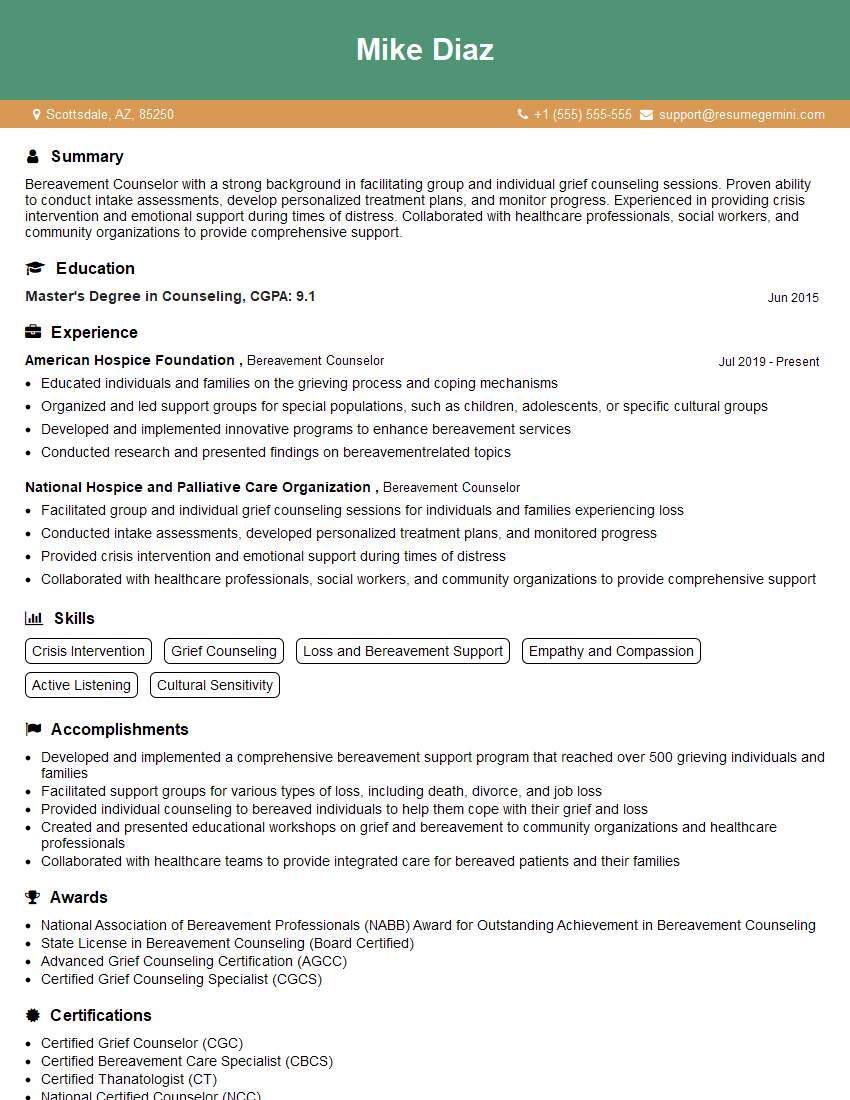
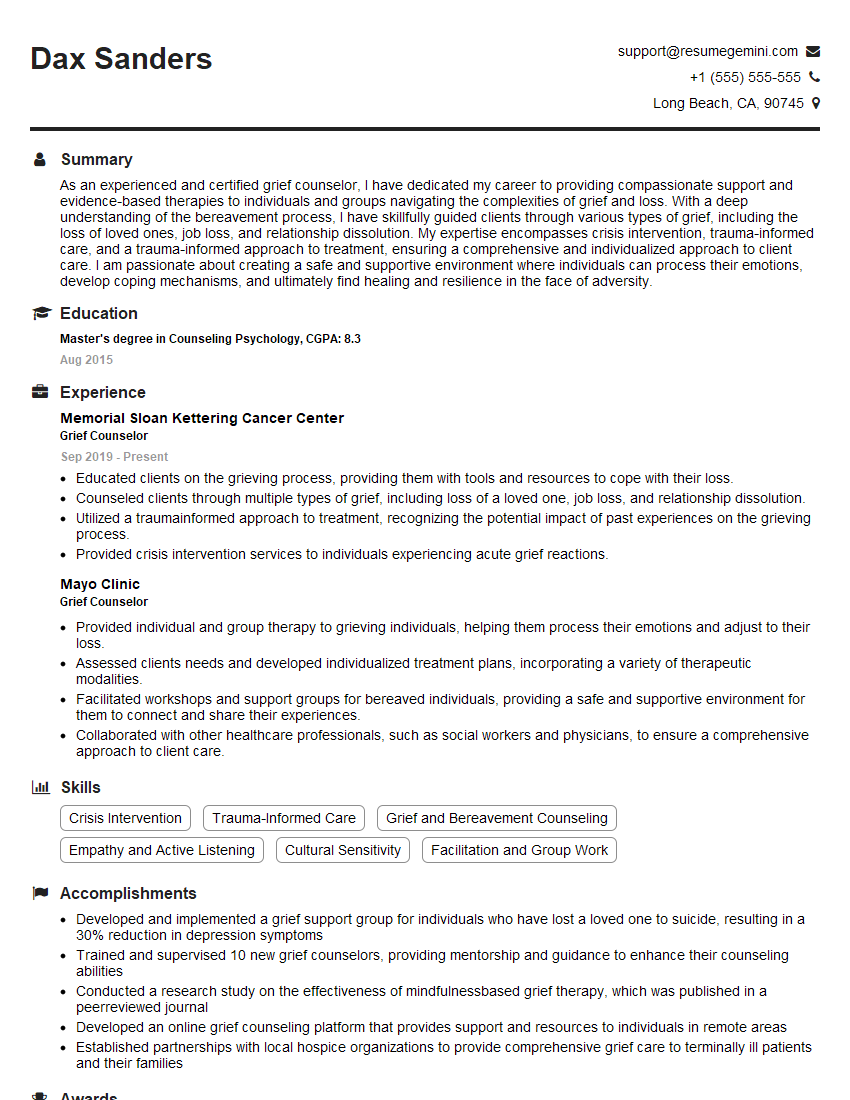
Mastering Grief Counseling and Bereavement Support opens doors to a fulfilling and impactful career, allowing you to make a profound difference in the lives of others during their most vulnerable times. Building a strong resume is crucial for showcasing your skills and experience to potential employers. An ATS-friendly resume is essential for navigating applicant tracking systems, ensuring your application is seen by hiring managers. ResumeGemini is a trusted resource to help you craft a compelling and effective resume tailored to the specific requirements of Grief Counseling and Bereavement Support positions. Examples of resumes tailored to this field are available to guide you in creating a document that highlights your unique qualifications. Invest the time to create a powerful resume—it’s your key to unlocking exciting career opportunities.
Explore more articles
Users Rating of Our Blogs
Share Your Experience
We value your feedback! Please rate our content and share your thoughts (optional).
What Readers Say About Our Blog
Very informative content, great job.
good