Interviews are more than just a Q&A session—they’re a chance to prove your worth. This blog dives into essential Ground Disturbance Notification (GDN) Certification interview questions and expert tips to help you align your answers with what hiring managers are looking for. Start preparing to shine!
Questions Asked in Ground Disturbance Notification (GDN) Certification Interview
Q 1. Explain the process of submitting a locate request.
Submitting a locate request is the crucial first step in any excavation project to prevent damage to underground utilities. Think of it like ordering a pizza – you need to provide the correct information to get the right delivery. The process usually involves contacting your local One-Call center (the specific name varies by region; examples include 811 in the US and similar services in other countries). You’ll need to provide details about your project: the location (precise address and coordinates are ideal), the type of work (e.g., digging a trench, installing a fence post), the proposed start date, and contact information. The One-Call center then notifies the relevant utility companies, who are responsible for marking the location of their underground lines.
For example, if you’re planning to install a new mailbox, you’ll submit a locate request specifying the location and the small area needing excavation. Conversely, a large construction project would require a more extensive locate request covering the entire project area. Failure to submit a locate request before excavation can lead to severe penalties, including fines and potential damage to underground infrastructure.
Q 2. Describe the different types of underground utilities.
Underground utilities are diverse and critical to our daily lives. They include:
- Electric Power Lines: High-voltage transmission lines and lower-voltage distribution lines supplying electricity to homes and businesses.
- Gas Lines: Natural gas pipelines delivering fuel for heating and cooking.
- Water Lines: Pipes carrying potable water to homes and businesses.
- Sewer Lines: Pipes carrying wastewater away from homes and businesses.
- Telecommunication Lines: Cables carrying telephone, internet, and cable television signals.
- Fiber Optic Cables: High-bandwidth cables used for communication networks.
- Oil Pipelines: Pipes transporting crude oil or refined petroleum products.
- Storm Drains: Pipes and channels designed to handle stormwater runoff.
It’s essential for excavators to be aware of the potential presence of all these utility types, even seemingly innocuous ones, to ensure safe excavation practices.
Q 3. What are the legal requirements for excavation work concerning GDN?
Legal requirements for excavation work concerning Ground Disturbance Notification (GDN) are strict and vary slightly by jurisdiction, but the core principle remains consistent: excavation must not begin before a locate request is submitted and the utilities have been marked. Failure to comply can result in significant legal consequences, including:
- Fines: Substantial penalties imposed on contractors or individuals for violating GDN regulations.
- Criminal Charges: In cases of serious negligence or willful disregard for safety regulations, criminal charges may be filed.
- Civil Liability: Responsibility for damages to utilities and potential injury or property damage resulting from accidental excavation damage.
- Project Delays: Excavation work may be halted until compliance with GDN procedures is achieved, leading to significant cost overruns.
These legal implications underscore the importance of adhering to all GDN regulations.
Q 4. How do you identify conflicting locates?
Conflicting locates occur when different utility companies mark their underground lines in overlapping or inconsistent locations. This creates ambiguity and increases the risk of accidental damage. Identifying these conflicts requires careful on-site assessment.
Strategies for Identifying Conflicting Locates:
- Visual Inspection: Carefully examine all markings to identify any overlaps or inconsistencies.
- Contacting Utility Companies: If conflicts arise, contacting the respective utility companies directly is crucial to clarify the location of their lines. They may possess more detailed information or on-site experts to assist.
- Using Advanced Technologies: Technologies such as ground-penetrating radar (GPR) can help verify the presence and location of underground utilities, particularly when markings are unclear or conflicting.
- Maintaining Detailed Records: Keep meticulous records of all locates, including any conflicts and the steps taken to resolve them. This documentation is crucial if any issues arise.
Remember, when in doubt, it’s always best to err on the side of caution and employ additional verification methods.
Q 5. Explain the concept of positive response and its importance.
A ‘positive response’ in the context of GDN refers to confirmation from a utility company that they have marked the location of their underground facilities in response to a locate request. It is not simply the absence of a conflict, but explicit confirmation from the utility confirming their lines are marked.
Importance of Positive Response:
- Proof of Compliance: Demonstrates compliance with GDN regulations and serves as legal protection for excavators.
- Enhanced Safety: Confirms that all relevant utilities have been accurately located and marked, reducing the risk of accidental damage.
- Reduced Liability: Provides evidence that all necessary steps have been taken to prevent damage, mitigating potential liability in case of accidents.
Think of it as a receipt – you need it to prove you followed the correct procedure. Without a positive response for all involved utilities, the excavation work should not begin.
Q 6. What are the different marking colors used for underground utilities?
Standard marking colors for underground utilities are internationally recognized to aid in quick and accurate identification. These colors help avoid costly mistakes and accidents:
- Red: Electric power lines
- Yellow: Natural gas, other flammable gas, oil, or petroleum
- Orange: Telecommunication, fiber optics
- Blue: Potable water
- Green: Sewers and drain lines
- Purple: Reclaimed water
- Pink: Temporary markings
These color codes are crucial for maintaining safety and ensuring that excavators can easily identify the types of utilities present in an excavation area.
Q 7. Describe the different types of damage prevention technologies.
Damage prevention technologies go beyond simply marking lines; they encompass several proactive measures:
- Ground Penetrating Radar (GPR): Uses radar pulses to create images of underground structures, allowing precise location of utilities.
- Vacuum Excavation: A non-destructive method using high-powered vacuum to remove soil around underground utilities, minimizing the risk of damage.
- One-Call Systems: The central notification systems that streamline locate requests and facilitate communication between excavators and utility companies.
- Electronic Locating Equipment: Sophisticated devices that detect the presence of metallic utilities through electromagnetic signals.
- Global Positioning Systems (GPS): Used for precise location mapping of both the excavation site and utility markings.
- Potholing: Carefully digging a small hole near the suspected utility location to visually confirm its presence and depth.
Employing these technologies significantly minimizes the risk of damage to underground utilities during excavation projects, ensuring both safety and minimizing costly repairs.
Q 8. How do you handle a situation where locates are incomplete or inaccurate?
Incomplete or inaccurate locates are a serious safety concern. When this happens, my first step is to immediately halt excavation activities in the affected area. I would then contact the One-Call Center (or equivalent in your region) and the utility companies directly to clarify the discrepancies.
This often involves providing detailed information about the location of the uncertainty – GPS coordinates, landmarks, etc. – and potentially requesting additional locates from multiple utility companies to cross-reference. I might also consider using non-destructive methods like ground penetrating radar (GPR) to independently verify the location of utilities before proceeding, but only if I am trained and certified in its use. The goal is to obtain a clear picture of the underground infrastructure before any further digging occurs. If it remains ambiguous despite all efforts, I would err on the side of caution and widen the excavation clearance zone considerably.
For example, if a gas line’s location is uncertain, I wouldn’t risk excavation until we have confirmation. The potential consequences of damage far outweigh the inconvenience of a delay.
Q 9. What safety measures should be taken before starting excavation work?
Safety is paramount before starting any excavation work. This begins with obtaining complete and accurate locates through the appropriate One-Call system (like 811 in the US). Once locates are confirmed, a thorough site survey is essential. This involves visually inspecting the area for any visible utility markings, and confirming their accuracy. Before using any machinery, I would establish a safe work zone, clearly marked by signage and barriers, which keeps personnel and equipment away from the located utilities.
Further safety measures include:
- Using hand tools initially around the marked areas to carefully expose the utilities.
- Implementing spotter programs, where a dedicated person monitors the excavator’s operation and continuously scans the area for potential hazards.
- Ensuring all personnel involved understand and adhere to the site-specific safety plan.
- Having appropriate personal protective equipment (PPE), such as safety glasses, gloves, and hard hats readily available and in use.
- Conducting daily pre-job safety meetings to reinforce these measures.
Think of it like this: You wouldn’t build a house without blueprints; similarly, excavation without accurate locates and a safety plan is a recipe for disaster.
Q 10. What are the consequences of damaging underground utilities?
The consequences of damaging underground utilities can be severe, encompassing safety hazards, environmental damage, financial penalties, and legal ramifications.
- Safety hazards: Gas leaks can cause explosions and fires, while severed power lines can electrocute workers. Water main breaks can flood areas and cause significant disruptions.
- Environmental damage: Spills of hazardous materials can contaminate soil and groundwater, leading to costly remediation efforts and long-term environmental impact.
- Financial penalties: Damage to utilities often results in substantial repair costs, which are typically borne by the responsible party (the excavator). These costs can include emergency response fees, repairs, and potentially compensation for disruption to services.
- Legal ramifications: Depending on the severity of the damage and the involved jurisdictions, legal action including fines and even imprisonment can be involved.
A single incident could ruin a company’s reputation and financial stability.
Q 11. Explain the role of the excavator in the damage prevention process.
The excavator plays a crucial role in damage prevention. They are the ones operating the equipment that has the potential for causing damage, making their responsibility significant. They must be fully aware of the marked utility locations and adhere strictly to the locate information.
The excavator’s responsibilities include:
- Careful excavation: Using hand tools near marked utilities and employing specialized equipment such as vacuum excavation for high-risk areas.
- Maintaining awareness: Constantly monitoring the area for any unforeseen utilities that may not have been initially located.
- Communicating effectively: Maintaining clear communication with spotters and other personnel on site, alerting them immediately of any concerns.
- Following instructions: Adhering to all instructions from the site supervisor, safety officers, and utility representatives.
Essentially, the excavator acts as the last line of defense in preventing utility damage. Their competence and vigilance are paramount.
Q 12. How do you maintain accurate records of locate requests and responses?
Maintaining accurate records is crucial for accountability and regulatory compliance. We use a combination of digital and paper-based systems. For digital records, we utilize dedicated software designed for tracking locate requests, responses, and associated documents. This allows for easy searching, filtering, and reporting.
Each locate request is logged with details including:
- Project details (location, date, etc.)
- Utility companies contacted
- Dates and times of requests and responses
- Markings received and their verification
- Any discrepancies encountered
- Copies of all communication
Paper records, including site maps with locate markings, serve as a physical backup and are stored according to company policy. This dual-system approach ensures that records are accessible, secure and auditable in case of any incident or audit.
Q 13. What are the best practices for using ground penetrating radar (GPR)?
Ground Penetrating Radar (GPR) is a valuable tool but requires skilled operation. Only trained and certified personnel should use it. Best practices involve understanding the limitations of the technology and using it in conjunction with other locate methods.
Key best practices:
- Proper calibration: GPR equipment must be calibrated before each use according to manufacturer instructions to ensure accurate readings.
- Appropriate antenna selection: Different antennas are needed to detect different types of utilities and at various depths.
- Data interpretation: Interpreting GPR data requires specialized training and experience, as reflections can be complex. It’s crucial to know how soil type and other ground conditions affect the readings.
- Ground conditions assessment: Understanding the soil type and other ground conditions (e.g., moisture content, rocks) is essential for accurate data interpretation.
- Integration with other methods: GPR should be used in conjunction with other locating methods, not as a standalone solution. It’s a tool to help verify and clarify, not to replace other standard practices.
Imagine trying to read an X-ray without proper training – you could easily misinterpret the results. Similarly, GPR requires skilled interpretation.
Q 14. What are some common challenges faced in utility locating?
Utility locating presents several challenges.
- Inaccurate or incomplete locates: As discussed earlier, this remains a significant issue leading to potential damage.
- Conflicting locates: Sometimes multiple utility companies may provide conflicting information about the location of a utility.
- Deep or shallow utilities: Locating utilities buried very deep or very shallow can be difficult with conventional methods.
- Obstructions: Interference from objects like rocks, debris, or other underground structures can complicate the locating process.
- Unmarked utilities: Utilities installed before modern locating standards may lack proper marking.
- Difficult terrain: Rocky or heavily vegetated areas can make locating difficult.
- Weather conditions: Heavy rain or snow can affect the accuracy of certain locating methods.
Overcoming these challenges requires a combination of careful planning, advanced technologies (like GPR), strong communication, and a commitment to safety.
Q 15. How do you ensure the safety of both workers and the public during excavation?
Ensuring safety during excavation hinges on a multi-faceted approach that prioritizes proactive planning and diligent execution. It begins long before any digging starts. We must always initiate a Ground Disturbance Notification (GDN) with the appropriate one-call center well in advance of the project. This allows utility companies ample time to mark the locations of their underground facilities.
Once the utility locates are marked, a thorough visual inspection of the marked area is crucial. We need to verify the accuracy and completeness of the markings and ensure there are no discrepancies. It’s vital to understand that markings may not be perfectly precise, and a safety margin (typically 2 feet) must be maintained. Any uncertainty should be clarified with the utility company before excavation begins.
During excavation, we employ a variety of safety measures, including hand digging near marked locations, using non-damaging excavation techniques like vacuum excavation in sensitive areas, and maintaining constant vigilance. Spotters can assist the excavator operator, adding an extra layer of protection. Finally, robust communication between all personnel on-site is crucial. Everyone needs to be aware of the location of underground utilities and the progress of excavation activities.
Failure to follow these procedures can have severe consequences, including damage to underground infrastructure, worker injuries, and environmental harm. This highlights the crucial importance of meticulous planning and adherence to safety regulations.
Career Expert Tips:
- Ace those interviews! Prepare effectively by reviewing the Top 50 Most Common Interview Questions on ResumeGemini.
- Navigate your job search with confidence! Explore a wide range of Career Tips on ResumeGemini. Learn about common challenges and recommendations to overcome them.
- Craft the perfect resume! Master the Art of Resume Writing with ResumeGemini’s guide. Showcase your unique qualifications and achievements effectively.
- Don’t miss out on holiday savings! Build your dream resume with ResumeGemini’s ATS optimized templates.
Q 16. Describe your experience with different types of locating equipment.
My experience encompasses a range of locating equipment, from traditional methods to sophisticated technologies. I’m proficient with using various types of locators, including:
- Electromagnetic locators (EM locators): These are commonly used to detect metallic underground utilities by transmitting an electromagnetic field. The strength and direction of the signal indicate the presence and depth of the utility.
- Ground-penetrating radar (GPR): GPR uses radar pulses to image the subsurface. It’s useful for locating non-metallic utilities like plastic pipes and conduits that wouldn’t be detected by EM locators. Interpreting GPR data requires specialized training and experience.
- Utility marking tools: Beyond locating, I’m familiar with using various tools to clearly mark the locations of utilities, adhering to standardized markings.
I’ve also worked with more advanced technologies like 3D subsurface scanning in complex projects, where the layout is intricate and underground infrastructure dense. The choice of equipment always depends on the specific job site conditions and the nature of the utilities being located.
Q 17. How do you interpret and communicate locate information to excavators?
Interpreting locate information requires careful attention to detail and an understanding of the markings’ conventions. Each utility company typically uses a standardized color-coding system to represent different types of utilities. For instance, red often indicates electric lines, while yellow usually denotes gas lines. Beyond colors, accurate depth information is crucial. The markings themselves may indicate depth ranges or require additional probing.
Communicating this information to excavators is paramount. I utilize clear, concise language, avoiding jargon. I prefer a visual aid such as a site-specific map highlighting the location of all utilities, their depths, and the safety margins that must be maintained. Verbal communication should also be thorough, ensuring that the excavator understands the limits of their work zone and the potential consequences of hitting a utility. Documentation is crucial, ensuring a record of all the communication and confirmations.
Q 18. Explain your understanding of the different excavation methods.
Different excavation methods pose varying degrees of risk to underground utilities. Understanding these methods is crucial for safety planning. Here are a few common methods:
- Hand digging: The safest method, especially near marked utilities. It allows for careful excavation and immediate detection of any unexpected utilities.
- Mechanical trenching: Faster than hand digging but requires more caution and careful monitoring, particularly near marked utilities. Operators must be highly skilled and alert.
- Vacuum excavation: A non-damaging method that uses suction to remove soil. Ideal for working close to utilities as it minimizes the risk of damage.
- Potholing: This involves digging a small hole to expose a utility for inspection. It’s often used to verify the location and depth of a utility before major excavation begins.
The appropriate excavation method should always be selected based on the risk assessment, soil conditions, and proximity to marked utilities. Prioritizing safety ensures that the best method is chosen to prevent damage to utilities and protect workers.
Q 19. What are the key elements of a successful damage prevention program?
A successful damage prevention program relies on a combination of elements. These include:
- Comprehensive planning: Careful planning ensures proper GDN, site-specific risk assessment, and selection of appropriate excavation techniques.
- Effective communication: Clear and consistent communication between all stakeholders – excavators, utility companies, and regulatory bodies – is crucial.
- Robust training programs: Training for excavators and locate personnel on safe digging practices, damage prevention procedures, and interpretation of locate markings is vital.
- Regular inspections: On-site inspections ensure adherence to safety protocols and the accuracy of utility markings.
- Incident response plan: A clear and defined plan to handle utility strikes and minimize any damage or harm.
- Record keeping: Maintaining accurate records of all GDN submissions, locate information, and excavation activities is essential for accountability and improvement.
A successful program is a culture of safety, emphasizing proactive measures, and making damage prevention a priority across the entire organization.
Q 20. How do you stay updated on changes to GDN regulations and best practices?
Staying updated on GDN regulations and best practices is an ongoing process, crucial for maintaining competency in this field. I actively engage in several strategies:
- Professional organizations: Membership in organizations like the Common Ground Alliance (CGA) provides access to the latest industry information, training opportunities, and best practices.
- Regulatory agency websites: Regularly reviewing the websites of relevant regulatory agencies, such as state public utility commissions, ensures familiarity with any updated regulations or changes in policy.
- Industry publications and conferences: Attending industry conferences and reading professional journals helps me stay abreast of new technologies and safety innovations.
- Continuing education: I actively participate in ongoing training courses and workshops that cover new techniques, equipment, and regulatory updates.
Continuous learning is integral to my professional practice, ensuring that I consistently apply the most current and effective safety protocols.
Q 21. Describe a time you had to resolve a conflict regarding locate information.
In one instance, there was a discrepancy between the utility company’s locate markings and the actual location of an underground gas line. The excavator had interpreted the markings differently than my interpretation and was ready to begin digging in the area. This situation required immediate intervention.
My approach was systematic. First, I immediately halted the excavation work to prevent any potential damage. Next, I contacted the utility company and clarified the discrepancy. We used the utility company’s mapping data and the site’s survey to verify the actual location. Through collaboration, we pinpointed the gas line’s precise location and corrected the initial markings.
Following this, I provided the revised location information to the excavator and thoroughly explained the correct work zone boundaries. This involved a detailed discussion highlighting the implications of proceeding without proper confirmation. The situation was resolved through thorough communication and a collaborative effort to ensure the safety of both workers and the public.
Q 22. How do you handle emergency situations during excavation?
Emergency situations during excavation require immediate and decisive action. My first priority is always safety. I would immediately halt all excavation activities in the affected area. This involves clearly communicating the emergency to all personnel on-site and ensuring everyone moves to a safe distance.
Next, I would carefully assess the situation. If a utility line is exposed or damaged, I’d immediately contact the appropriate utility company using their emergency contact number – this is crucial to preventing further damage and potential hazards like gas leaks or power outages. Depending on the severity, I may also need to contact emergency services (fire, police, etc.).
Once the emergency is under control, a thorough investigation into the cause of the incident will follow, including reviewing the locate tickets, excavation plans, and any other relevant documentation. This helps in identifying any failures in the process and implementing corrective measures to prevent similar incidents in the future. Detailed documentation of the entire event is vital for future reference and potential investigations.
Q 23. What is your experience with GIS mapping and its use in damage prevention?
GIS (Geographic Information System) mapping is an integral part of modern damage prevention. My experience includes using GIS software to visualize underground utility infrastructure, including pipelines, cables, and other buried assets. This allows for a comprehensive understanding of the underground environment before excavation begins.
I’ve used GIS to create and interpret locate requests, overlaying proposed excavation plans with utility data to identify potential conflicts. This significantly reduces the risk of accidental damage. For example, I’ve used GIS to identify a previously unknown gas line that was not accurately depicted on older utility maps, thus preventing a potentially catastrophic accident. Furthermore, GIS allows for the analysis of historical damage data, helping identify areas with higher risk of strikes and informing preventative strategies.
Q 24. How familiar are you with the different types of damage prevention software?
My familiarity with damage prevention software extends across various platforms. I’m proficient with several industry-standard software packages, including those that manage locate requests, track excavation activities, and integrate with GIS systems. This includes experience with software offering features such as automated ticket creation, electronic communication with utility companies, and real-time tracking of excavation activities.
For instance, I have practical experience with software that integrates directly with the One-Call center databases, streamlining the ticket submission and response process. I understand the benefits and limitations of different platforms, and I can select the most appropriate software based on project needs and budget constraints. My knowledge also includes understanding data migration between different systems – a valuable skill ensuring data integrity across platforms.
Q 25. What are the limitations of non-invasive locating technologies?
Non-invasive locating technologies, such as ground-penetrating radar (GPR) and electromagnetic locators, offer valuable tools but have their limitations. While they can detect the presence of buried utilities, they don’t always provide precise location data, especially in complex or cluttered underground environments. The accuracy of these methods is significantly impacted by factors like soil type, depth of the utility, and the presence of interfering objects.
For example, GPR signals can be distorted by variations in soil density, making it difficult to distinguish between different utilities or accurately pinpoint their location. Electromagnetic locators rely on the utility’s own electromagnetic field, which may be weak or absent in certain cases. Therefore, these technologies should be considered supplementary to traditional locate requests rather than replacements. They are best used to verify the location identified through traditional methods or to provide additional information in challenging scenarios.
Q 26. How do you manage multiple locate requests simultaneously?
Managing multiple locate requests simultaneously requires a systematic approach. I utilize project management techniques to prioritize requests based on urgency and potential risk. This involves creating a schedule that accounts for response deadlines from utilities and the timing of excavation activities.
I maintain a detailed log of all locate requests, including ticket numbers, utility companies contacted, response times, and any relevant notes. Using software designed for this purpose enhances efficiency and ensures no requests are overlooked. Clear communication with excavation crews and other stakeholders is vital, ensuring everyone is aware of the status of each locate request and any potential delays.
For example, I might prioritize requests for large-scale excavations or those involving high-risk utilities (like gas lines) over smaller projects with less risk. Proactive communication with utility companies to confirm locate times and resolve any ambiguities prevents delays and potential conflicts on-site.
Q 27. Describe your understanding of the roles and responsibilities of each stakeholder in the GDN process.
The GDN process involves several key stakeholders, each with distinct roles and responsibilities. The excavator is responsible for initiating the locate request, providing accurate excavation details, and ensuring that all locate markings are respected. The One-Call center acts as a central point of contact, routing locate requests to the appropriate utility companies.
Utility companies are responsible for responding to locate requests, marking the approximate location of their underground facilities, and confirming the accuracy of their markings. Locators, employed by utility companies, physically locate and mark underground utilities. Finally, the regulatory body (e.g., state public utility commission) sets the standards and enforces compliance with GDN regulations.
Effective communication and collaboration between all stakeholders are essential for preventing damage to underground utilities. Each party plays a vital role in a successful GDN process, ensuring a safe and efficient excavation. Failure of one stakeholder can have cascading effects, potentially resulting in damage, injury, or environmental harm.
Q 28. What is your approach to continuous improvement in damage prevention?
Continuous improvement in damage prevention is a process of ongoing evaluation and refinement. My approach involves regular review of incident reports to identify trends and patterns in damage occurrences. This allows us to pinpoint weaknesses in the current processes and implement improvements to address them.
For instance, if we consistently experience delays from a particular utility company, we will investigate the cause and work to improve communication and coordination. We might implement new technologies or training programs to enhance the accuracy of locate information or the effectiveness of excavation techniques. This also involves staying up-to-date with industry best practices and emerging technologies to optimize our damage prevention strategies and stay ahead of potential risks. Regular training and education for all stakeholders plays a crucial role in achieving continuous improvement within the damage prevention process.
Key Topics to Learn for Ground Disturbance Notification (GDN) Certification Interview
- Understanding GDN Regulations and Procedures: Thoroughly grasp the legal framework and mandated procedures for safe excavation practices. This includes understanding the ‘Call Before You Dig’ principles and the consequences of non-compliance.
- One-Call Center Operations: Familiarize yourself with the practical aspects of interacting with One-Call centers, including ticket submission, accurate location mapping, and effective communication regarding project details.
- Damage Prevention Techniques: Understand and be able to explain various damage prevention methods, including hand digging, potholing, and the use of appropriate detection equipment. Be prepared to discuss risk assessment and mitigation strategies.
- Utility Line Identification and Marking: Master the ability to accurately identify and interpret different utility markings. Understand the color-coding system and the importance of verifying markings before commencing any excavation activities.
- Safety Protocols and Emergency Procedures: Be familiar with all relevant safety procedures and emergency response plans. This includes understanding personal protective equipment (PPE) requirements and emergency contact procedures.
- Record Keeping and Documentation: Understand the importance of meticulous record-keeping, including accurate documentation of all excavation activities, communication with utility companies, and any incidents or near misses.
- Practical Application: Be prepared to discuss real-world scenarios and how you would apply your knowledge of GDN procedures to solve problems related to excavation safety.
Next Steps
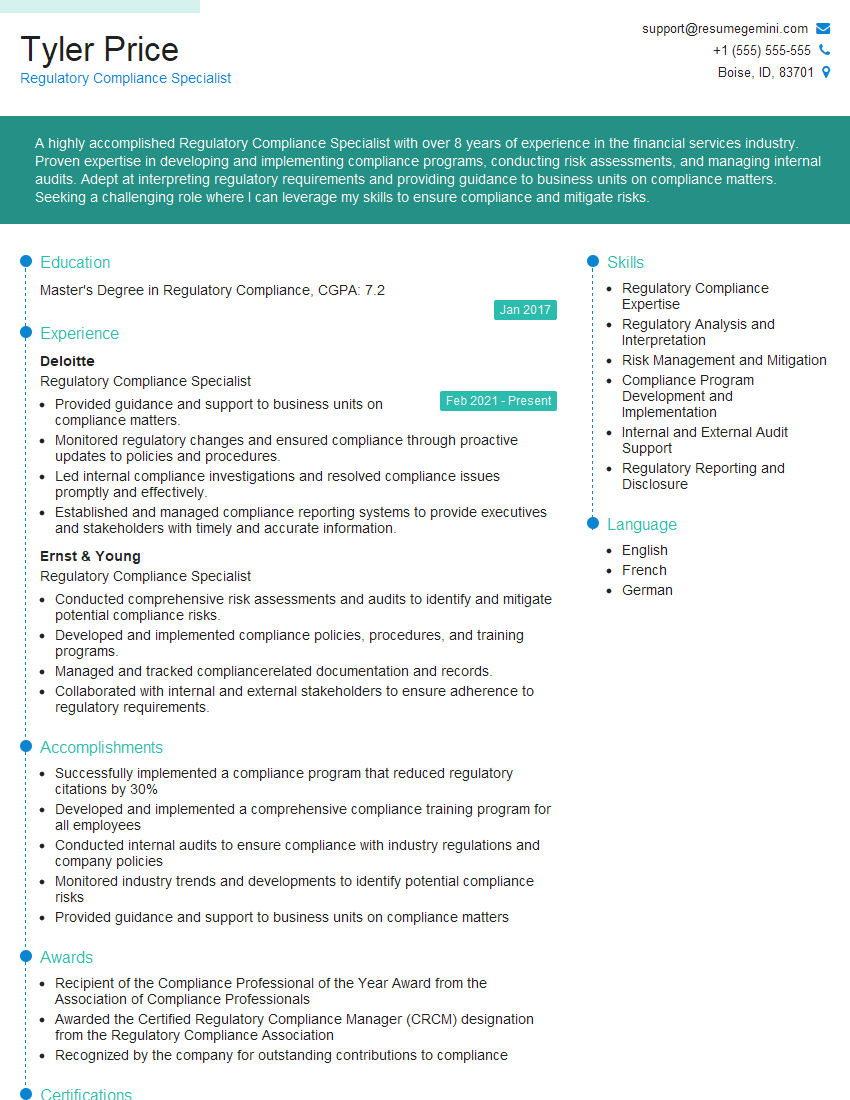
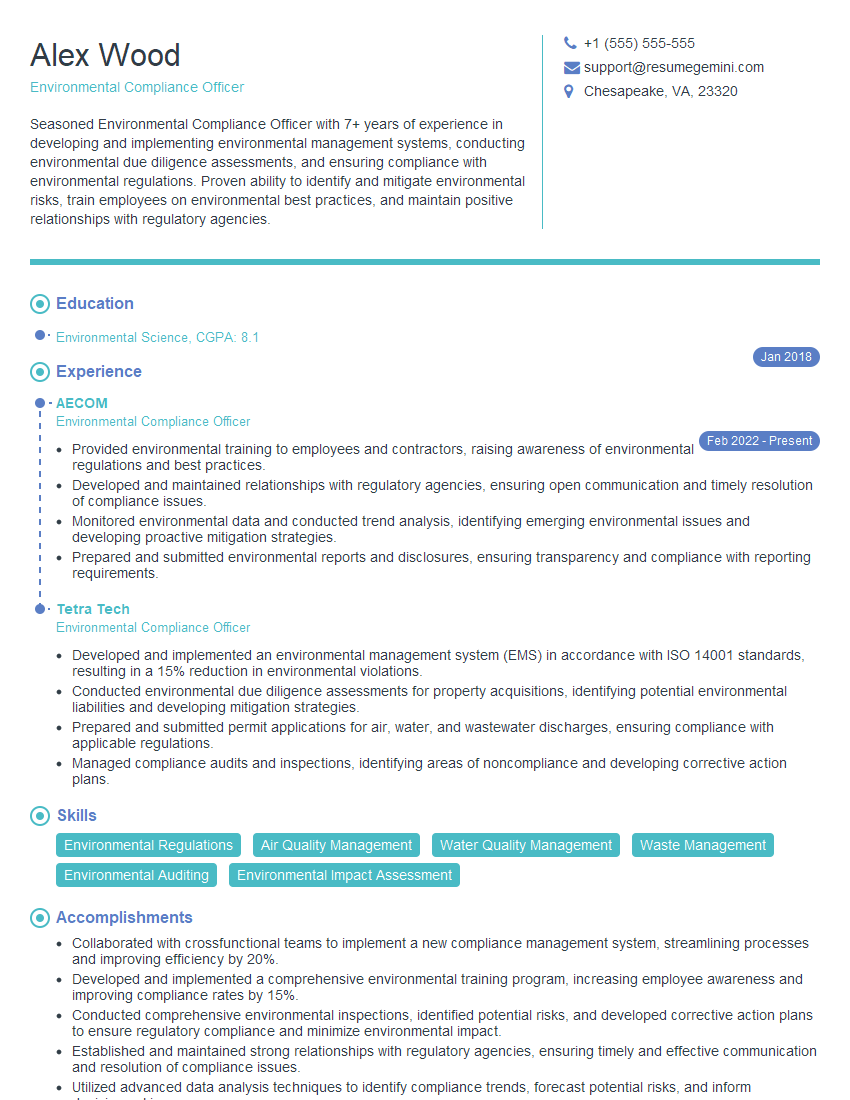
Mastering Ground Disturbance Notification (GDN) Certification significantly enhances your career prospects in the construction and utility industries, demonstrating your commitment to safety and professionalism. A strong resume is crucial for showcasing these skills to potential employers. To maximize your job search success, build an ATS-friendly resume that highlights your GDN expertise. ResumeGemini is a trusted resource that can help you create a professional and impactful resume. We provide examples of resumes tailored to Ground Disturbance Notification (GDN) Certification to help guide you.
Explore more articles
Users Rating of Our Blogs
Share Your Experience
We value your feedback! Please rate our content and share your thoughts (optional).
What Readers Say About Our Blog
Very informative content, great job.
good