Cracking a skill-specific interview, like one for Growth Monitoring and Record Keeping, requires understanding the nuances of the role. In this blog, we present the questions you’re most likely to encounter, along with insights into how to answer them effectively. Let’s ensure you’re ready to make a strong impression.
Questions Asked in Growth Monitoring and Record Keeping Interview
Q 1. Explain your experience with different growth monitoring tools and techniques.
My experience with growth monitoring tools and techniques spans a wide range, from basic spreadsheet tracking to sophisticated analytics platforms. I’ve extensively used Google Analytics for website traffic analysis, including demographic breakdowns, user behavior, and conversion funnels. For social media monitoring, I’m proficient with tools like Hootsuite and Sprout Social, tracking engagement, reach, and sentiment. I’ve also leveraged CRM systems like Salesforce to monitor customer acquisition, retention, and lifetime value. Beyond these, I’ve worked with specialized tools like Mixpanel for event tracking and user segmentation, and Amplitude for product usage analysis. Each tool offers a unique perspective on growth, and my approach is to select the right tool for the specific question we’re trying to answer. For instance, while Google Analytics is excellent for overall website performance, Mixpanel shines when analyzing specific user flows within an application.
In addition to software tools, I employ various qualitative techniques. This includes regularly reviewing customer feedback surveys, conducting user interviews, and analyzing competitor activities to identify opportunities for growth and improvement. A combination of quantitative data and qualitative insights provides a holistic understanding of our progress.
Q 2. Describe your process for identifying key performance indicators (KPIs) for growth.
Identifying key performance indicators (KPIs) for growth is crucial, and my process begins with aligning them to overarching business objectives. It’s not just about choosing popular metrics; it’s about selecting the metrics that genuinely reflect our progress towards our goals. For example, if the objective is to increase customer acquisition, relevant KPIs might include website traffic, conversion rates, cost per acquisition (CPA), and customer acquisition cost (CAC). If the goal is to boost customer engagement, KPIs could encompass daily/monthly active users, session duration, customer lifetime value (CLTV), and customer churn rate. I also consider the specific stage of growth the company is in; early-stage companies may focus on user acquisition, while more mature companies might prioritize retention and revenue.
Once the objectives are clear, I use a data-driven approach to select the KPIs. I analyze historical data to identify trends and patterns, and I consider external factors that may influence the metrics. This data-driven approach ensures the KPIs are relevant, measurable, achievable, relevant, and time-bound (SMART). Regularly reviewing and adjusting KPIs is essential, as business objectives and market conditions evolve.
Q 3. How do you track and analyze website traffic data to identify areas for improvement?
Tracking and analyzing website traffic data requires a systematic approach. I start by leveraging Google Analytics’ powerful reporting features. I analyze key metrics like traffic sources (organic search, social media, paid advertising), bounce rates, page views, time on site, and conversion rates. I segment the data by various dimensions, such as geographic location, device type, and user demographics, to identify patterns and understand user behavior. For example, a high bounce rate on a specific landing page might indicate a problem with the page’s design or content, while a low conversion rate suggests issues with the call-to-action or overall user experience.
Beyond Google Analytics, I use heatmaps and session recordings to visualize user interactions and identify areas for improvement. Heatmaps show which areas of a webpage receive the most attention, while session recordings provide a visual representation of user behavior. By combining these qualitative and quantitative data points, I can pinpoint specific areas needing optimization, whether it’s improving website navigation, enhancing content clarity, or optimizing the checkout process.
Q 4. What methods do you use to measure the effectiveness of marketing campaigns?
Measuring the effectiveness of marketing campaigns involves a multi-faceted approach, combining both quantitative and qualitative data. For quantitative analysis, I look at key metrics like reach, engagement, conversion rates, return on investment (ROI), and cost per acquisition (CPA). Each campaign should have clearly defined goals and measurable KPIs. For example, an email marketing campaign might aim to increase click-through rates and lead generation, while a social media campaign could focus on brand awareness and engagement. I track these metrics closely to assess performance and identify areas for improvement.
Qualitative data, such as customer feedback and surveys, provides a deeper understanding of campaign effectiveness. This helps us understand *why* a campaign is performing well or poorly. For instance, positive customer feedback can help identify what resonated with the audience, while negative feedback can highlight areas needing adjustment. A combination of quantitative and qualitative data provides a complete picture of campaign success, allowing us to make data-driven decisions for future campaigns.
Q 5. How do you handle inconsistencies or inaccuracies in growth data?
Inconsistencies or inaccuracies in growth data are inevitable, but addressing them promptly is crucial. My approach involves a multi-step process: First, I identify the source of the inconsistency. This could involve reviewing data collection methods, checking for errors in data entry, or investigating integration issues between different platforms. For instance, if data from Google Analytics doesn’t align with data from a CRM, I’d investigate the integration process to ensure data is accurately transferred between systems.
Once identified, I prioritize fixing the root cause. This may involve implementing better data validation checks, correcting data entry errors, or adjusting data collection processes. If the inconsistency is due to a system error, I’ll work with the IT team to resolve it. Finally, I document the issue and the resolution to prevent similar problems in the future. Transparency is key; I always communicate inconsistencies to stakeholders, explaining the process for addressing them and the implications for our overall understanding of growth.
Q 6. Describe your experience with A/B testing and its role in growth monitoring.
A/B testing is an indispensable tool in growth monitoring, allowing us to test different versions of website elements, marketing messages, or product features to determine which performs better. I’ve extensively used A/B testing platforms like Optimizely and VWO to test various hypotheses. For example, we might test different headlines on a landing page, compare different call-to-action buttons, or evaluate the impact of various image variations. The goal is to identify the version that achieves the desired outcome, whether it’s higher conversion rates, increased engagement, or improved user experience.
A/B testing provides a data-driven approach to optimization. Instead of relying on assumptions, we use data to make informed decisions. This iterative testing process helps us continuously improve our website, marketing campaigns, and product offerings, leading to sustained growth. The results from A/B tests are directly incorporated into our growth strategies, driving informed decisions and iterative improvements.
Q 7. Explain how you use data visualization to communicate growth insights to stakeholders.
Data visualization is crucial for effectively communicating growth insights to stakeholders. I use a variety of tools, including dashboards created with tools like Tableau and Power BI, to present data in a clear, concise, and compelling manner. Instead of presenting raw data, I focus on creating visualizations that tell a story, highlighting key trends and patterns. This might involve using charts, graphs, and maps to show the growth trajectory, identify areas of strength and weakness, and illustrate the impact of various initiatives.
I tailor my visualizations to the audience. For executive-level stakeholders, I focus on high-level summaries and key takeaways, emphasizing the overall performance and strategic implications. For more technical audiences, I provide more detailed visualizations, allowing them to delve into specific aspects of the data. The ultimate goal is to ensure everyone understands the data and can use it to inform decision-making. Effective communication is key to securing buy-in and driving action based on the insights gathered.
Q 8. How do you prioritize different growth initiatives based on data analysis?
Prioritizing growth initiatives effectively relies on a data-driven approach. I start by analyzing key performance indicators (KPIs) across various channels and campaigns. This involves identifying which initiatives are yielding the highest return on investment (ROI) and which are underperforming. For instance, if email marketing shows a significantly higher conversion rate than social media advertising, I’d prioritize resource allocation towards optimizing and expanding email campaigns.
I use a framework combining quantitative and qualitative data. Quantitative data, such as website traffic, conversion rates, and customer acquisition cost (CAC), provides a numerical basis for comparison. Qualitative data, from user surveys or feedback analysis, helps understand the *why* behind the numbers, offering insights into customer behavior and preferences. This combined approach helps me identify not just *what* is working, but *why*, allowing for more strategic decision-making. For example, a high CAC from a specific ad campaign might indicate targeting issues, leading to adjustments in audience segmentation or ad copy.
Finally, I employ a prioritization matrix, often a weighted scoring system, that assigns weights to different KPIs based on their strategic importance to the overall business goals. This ensures that initiatives aligned with the highest-priority objectives receive the most attention and resources.
Q 9. What are some common challenges in growth monitoring and how have you overcome them?
Common challenges in growth monitoring include inaccurate data, inconsistent reporting, and difficulties in attributing growth to specific initiatives. Inaccurate data can stem from various sources – faulty tracking, data entry errors, or incompatible data systems. To combat this, I implement rigorous data validation processes, ensuring data consistency across all platforms. I often use data cleaning techniques and regularly audit data sources to identify and rectify errors.
Inconsistent reporting is another hurdle. To overcome this, I create standardized reporting templates and dashboards, ensuring all teams utilize the same metrics and reporting formats. This ensures consistency and simplifies cross-team data analysis. For example, using a common dashboard showing key metrics like website traffic, conversion rates, and customer lifetime value (CLTV) from various channels provides a unified view of progress.
Attribution is a complex challenge. To tackle this, I leverage various attribution models (like multi-touch attribution) to understand the contribution of different touchpoints in the customer journey, ensuring a more holistic view of growth drivers. This allows for a more accurate allocation of credit to various marketing efforts.
Q 10. How do you maintain accurate and reliable records of growth data?
Maintaining accurate and reliable growth data records necessitates a systematic approach. This starts with choosing the right tools and platforms. I typically use a combination of CRM systems (like Salesforce), marketing automation platforms (like HubSpot), and analytics tools (like Google Analytics) to capture and centralize data. The choice of tools depends on specific requirements and the scale of the operation.
Data governance is critical. This involves establishing clear data definitions, standardized naming conventions, and data validation rules to ensure data consistency and integrity. Regular data audits are also crucial, identifying and resolving any discrepancies or inconsistencies.
Version control is important. Tracking changes made to data, documenting the reasons behind these changes, and ensuring data provenance is vital for maintaining auditability and ensuring data integrity. This might involve using version control systems for data or detailed documentation of data transformations.
Finally, data security measures are essential. Access control, encryption, and regular security audits are vital to protect sensitive data from unauthorized access or breaches.
Q 11. Describe your experience with data warehousing and reporting.
My experience with data warehousing and reporting involves designing and implementing data warehouses to store and manage large volumes of growth data from various sources. I utilize technologies like cloud-based data warehouses (like Snowflake or Google BigQuery) for scalability and ease of management. This allows me to integrate data from disparate systems – CRM, marketing automation, analytics, and more – into a unified view.
I design and build reports and dashboards using business intelligence (BI) tools, such as Tableau or Power BI. These tools enable interactive data visualization and exploration, allowing stakeholders to easily understand trends and insights. I focus on designing intuitive dashboards that present key metrics in a clear and concise manner, avoiding data overload. For instance, a dashboard might highlight key growth metrics like monthly recurring revenue (MRR), customer churn rate, and customer acquisition cost (CAC) with interactive drill-downs to explore underlying details.
I also develop custom reports based on specific business requirements. For instance, a custom report might analyze the performance of specific marketing campaigns or segment customer cohorts based on specific criteria.
Q 12. How do you ensure data security and privacy in your work with growth metrics?
Data security and privacy are paramount. I adhere to strict data governance policies and regulations, such as GDPR and CCPA. This involves implementing robust security measures to protect sensitive customer data. These measures include encryption at rest and in transit, access control lists (ACLs) to restrict access to authorized personnel, and regular security audits to identify and address vulnerabilities.
Data anonymization and pseudonymization techniques are used to protect individual identities while still allowing for valuable analysis. For example, replacing personally identifiable information (PII) with unique identifiers prevents direct identification of individuals. I also ensure that all data processing activities comply with relevant privacy regulations and that clear consent mechanisms are in place where necessary.
Regular security training for all personnel involved in handling growth data is crucial to raise awareness of potential risks and best practices. This includes training on secure coding practices, password management, and phishing awareness.
Q 13. Explain your understanding of different attribution models and their applications.
Attribution models help us understand which marketing channels and campaigns are contributing most effectively to customer acquisition and revenue generation. Different models assign credit differently. For instance, a last-click attribution model assigns 100% of the credit to the last interaction a customer had before converting. This is simple but potentially misleading, as it ignores the role of earlier touchpoints.
A multi-touch attribution model, on the other hand, distributes credit across multiple touchpoints in the customer journey, providing a more holistic view. This model can use different algorithms to allocate credit, like linear, time decay, or position-based models. For example, a time decay model assigns more credit to touchpoints closer to the conversion.
The choice of attribution model depends on the specific business context and objectives. A last-click model might be sufficient for simple campaigns, while a multi-touch model provides a more nuanced understanding for complex customer journeys involving multiple interactions across several channels. I often use a combination of models to get a well-rounded view of attribution.
Q 14. How do you segment your audience for more effective growth monitoring?
Audience segmentation is crucial for effective growth monitoring. It allows us to tailor our strategies and messaging to specific customer groups, maximizing the impact of our efforts. I use various segmentation techniques, including demographic segmentation (age, gender, location), behavioral segmentation (website activity, purchase history), and psychographic segmentation (interests, values). This allows for targeted campaigns and improved resource allocation.
For example, segmenting customers based on their purchase history might reveal that high-value customers respond better to personalized email campaigns offering exclusive discounts or early access to new products, while low-value customers might be more responsive to broader promotional offers. This approach enhances the effectiveness of our marketing efforts, improving both conversion rates and ROI.
The data used for segmentation is drawn from various sources, including CRM systems, analytics platforms, and marketing automation tools. The segmentation itself often involves using statistical methods and machine learning techniques to identify hidden patterns and relationships between different customer attributes, allowing for more precise and impactful targeting.
Q 15. How do you use predictive analytics to anticipate future growth trends?
Predictive analytics uses historical data and statistical modeling to forecast future growth. Think of it like predicting the weather – we use past weather patterns to predict tomorrow’s conditions. In growth monitoring, we analyze past performance data, such as website traffic, sales figures, marketing campaign results, and customer acquisition costs to identify trends and patterns.
These trends can then be extrapolated using various techniques, such as time series analysis, regression modeling, or machine learning algorithms. For example, if we see a consistent 10% monthly growth in new customer acquisition for the past six months, a simple predictive model might suggest a similar growth rate for the next few months. More sophisticated models account for seasonality and other external factors. The output is a forecast that allows for proactive resource allocation and strategic planning.
For example, if our predictive model indicates a slowdown in growth during the upcoming quarter, we might adjust our marketing budget, explore new customer segments, or enhance our product offerings to mitigate the potential decline.
Career Expert Tips:
- Ace those interviews! Prepare effectively by reviewing the Top 50 Most Common Interview Questions on ResumeGemini.
- Navigate your job search with confidence! Explore a wide range of Career Tips on ResumeGemini. Learn about common challenges and recommendations to overcome them.
- Craft the perfect resume! Master the Art of Resume Writing with ResumeGemini’s guide. Showcase your unique qualifications and achievements effectively.
- Don’t miss out on holiday savings! Build your dream resume with ResumeGemini’s ATS optimized templates.
Q 16. What is your experience with cohort analysis?
Cohort analysis is a powerful technique for understanding how different groups of customers (cohorts) behave over time. A cohort is a group of users who share a common characteristic, such as the date they joined, the marketing campaign they responded to, or their demographic profile. By tracking these cohorts, we can identify patterns and trends in their engagement, retention, and revenue generation.
My experience with cohort analysis includes using it to identify which acquisition channels deliver the most valuable customers (highest CLTV), pinpoint when customers are most likely to churn, and optimize our onboarding process to improve early engagement. For instance, I’ve analyzed cohorts based on acquisition source – comparing users from paid advertising to organic social media – to determine which channel provides a more sustainable and profitable customer base. This allows for strategic allocation of marketing resources.
Q 17. Describe your approach to identifying and quantifying the return on investment (ROI) of growth initiatives.
Measuring the ROI of growth initiatives is crucial for demonstrating the value of our work and securing further investment. My approach is multifaceted and combines quantitative and qualitative data. It begins with clearly defining the objectives of each initiative, assigning quantifiable metrics for success (e.g., increase in website traffic by 20%, conversion rate by 15%), and establishing a baseline measurement before implementation.
After the initiative, we meticulously track the defined metrics and compare the post-initiative results to the baseline. This allows us to directly quantify the impact of the initiative. For example, if a new email marketing campaign resulted in a 15% increase in conversion rate and generated $50,000 in additional revenue, while costing only $5,000 to run, we can calculate a significant positive ROI.
Furthermore, we also consider qualitative data, such as customer feedback and satisfaction surveys, to gain a holistic understanding of the initiative’s impact. A high ROI might be offset by negative customer experiences, requiring us to refine future strategies.
Q 18. How do you measure customer lifetime value (CLTV) and its impact on growth?
Customer Lifetime Value (CLTV) is a crucial metric that predicts the total revenue a business expects to generate from a single customer throughout their entire relationship. Accurately measuring CLTV helps in making strategic decisions regarding customer acquisition, retention, and personalized marketing efforts.
I use various models to calculate CLTV, incorporating factors like average purchase value, purchase frequency, customer lifespan, and churn rate. A simple model might be: CLTV = Average Purchase Value * Average Purchase Frequency * Average Customer Lifespan. More sophisticated models use statistical methods and incorporate customer segmentation for greater accuracy.
Understanding CLTV allows us to prioritize higher-value customers, tailor our engagement strategies to improve retention, and optimize our acquisition efforts to target those most likely to become high-value customers. A higher CLTV directly translates to increased overall business profitability and sustainable growth.
Q 19. What experience do you have with implementing and managing CRM systems?
I have extensive experience implementing and managing CRM (Customer Relationship Management) systems, including Salesforce, HubSpot, and Zoho CRM. My responsibilities have ranged from initial system selection and configuration to data migration, user training, and ongoing system optimization.
For example, in a previous role, I led the implementation of Salesforce to centralize customer data, automate sales processes, and improve team collaboration. This involved working closely with stakeholders to define requirements, customize the system to meet our specific needs, and develop robust data management processes. The result was improved sales efficiency, a more accurate view of our customer base, and increased revenue.
Beyond implementation, I have experience in ongoing system management, including data cleansing, report generation, and integrating the CRM with other business systems, such as marketing automation platforms and analytics dashboards.
Q 20. How do you integrate data from different sources to create a holistic view of growth?
Integrating data from different sources is essential for obtaining a holistic view of growth. This often involves data from marketing automation platforms (e.g., Marketo, Pardot), CRM systems, website analytics (e.g., Google Analytics), sales data, and potentially external sources such as market research reports.
My approach utilizes a combination of techniques, including data warehousing, ETL (Extract, Transform, Load) processes, and API integrations. Data warehousing involves creating a central repository to store and manage the consolidated data, while ETL processes clean, transform, and load data from various sources into the warehouse. APIs allow for automated and real-time data transfer between systems.
For example, I’ve integrated data from Google Analytics (website traffic data), Salesforce (customer interactions and sales data), and a marketing automation platform to create a unified view of the customer journey, enabling a deeper understanding of user behavior and conversion paths, leading to more effective targeted marketing campaigns and improved sales strategies.
Q 21. Describe your process for building dashboards and reports to visualize growth data.
Building effective dashboards and reports is critical for visualizing growth data and communicating key insights to stakeholders. My process begins with understanding the audience and their needs. What information are they most interested in? What are the key performance indicators (KPIs) that need to be tracked?
I use data visualization tools such as Tableau, Power BI, and Google Data Studio to create interactive dashboards and reports that effectively communicate complex data in a clear and concise manner. I typically focus on highlighting key trends, identifying areas for improvement, and providing actionable insights. These dashboards and reports include various chart types such as line graphs for tracking trends over time, bar charts for comparing different metrics, and geographical maps for visualizing data by location.
For example, I might create a dashboard that shows key growth metrics such as website traffic, conversion rates, customer acquisition cost, and CLTV, segmented by various factors like marketing channel and customer segment. This provides a comprehensive overview of growth performance, allowing for rapid identification of areas needing attention and informed decision-making.
Q 22. How do you identify and address data biases that may affect growth insights?
Identifying and addressing data biases is crucial for accurate growth insights. Bias can creep in from various sources, leading to skewed interpretations and flawed decisions. Think of it like looking through a dirty window – you see a distorted view of reality. To mitigate this, I employ a multi-pronged approach:
- Data Source Assessment: I meticulously evaluate the source of my data. Is it representative of the target population? For example, relying solely on website analytics might overrepresent online users and underestimate those who prefer offline interactions.
- Sampling Methods: Understanding the sampling techniques used is vital. A biased sampling method can inherently skew the data. For instance, using a convenience sample (e.g., surveying only friends and family) will likely not reflect the broader population.
- Outlier Detection and Handling: Extreme values, or outliers, can significantly distort trends. I use statistical methods to identify them, investigate the reasons behind them (are they errors or genuine anomalies?), and decide on the best approach for handling them, which might involve removal, transformation, or further investigation.
- Visualization and Exploratory Data Analysis (EDA): EDA is crucial for visually detecting patterns and potential biases. Histograms, box plots, and scatter plots can reveal unexpected distributions or relationships that point to biases.
- Statistical Tests: Applying statistical tests like Chi-square tests or t-tests helps formally assess the presence of bias and its statistical significance.
- Regular Audits: Data bias isn’t a one-time fix. Regular audits of data sources and collection methods help ensure ongoing accuracy.
For instance, in a project analyzing customer acquisition costs, I discovered a bias towards lower costs from a specific marketing channel due to underreporting of certain expenses related to that channel. Addressing this involved revising the cost allocation methodology and implementing stricter reporting procedures.
Q 23. What experience do you have with using SQL or other database query languages?
I have extensive experience using SQL for data extraction, transformation, and loading (ETL) processes. I’m proficient in writing complex queries to extract relevant growth metrics from large datasets. I’m comfortable working with various database management systems like PostgreSQL, MySQL, and SQL Server.
For example, to analyze website user engagement, I might use a query like this:
SELECT COUNT(DISTINCT user_id) AS unique_users, SUM(session_duration) AS total_session_duration, AVG(session_duration) AS average_session_duration FROM website_sessions WHERE DATE(session_start_time) BETWEEN '2023-10-26' AND '2023-11-25';This query calculates the number of unique users, total session duration, and average session duration within a specific time range. Beyond SQL, I’ve also worked with NoSQL databases like MongoDB for certain projects where the data structure was more flexible and less relational.
Q 24. Describe your experience with statistical analysis techniques used in growth monitoring.
My experience encompasses a wide range of statistical analysis techniques, all tailored to the specific growth metrics being analyzed. I regularly use:
- Descriptive Statistics: Calculating means, medians, standard deviations, and percentiles to summarize key growth indicators.
- Regression Analysis: Identifying relationships between different variables, such as the impact of marketing spend on customer acquisition. For example, using linear regression to model the relationship between ad spend and conversion rates.
- Time Series Analysis: Analyzing trends and seasonality in growth data to predict future performance. I use techniques like ARIMA modeling or exponential smoothing to forecast growth.
- Hypothesis Testing: Formally testing hypotheses about the impact of interventions or changes. For instance, A/B testing using t-tests to compare the performance of two different website designs.
- Cohort Analysis: Analyzing the behavior of specific groups of users over time to identify patterns and improve retention strategies.
In a recent project, I used time series analysis to forecast customer churn, allowing the company to proactively address potential issues and improve customer retention strategies. The accuracy of these forecasts directly impacted the company’s resource allocation.
Q 25. How do you stay up-to-date on the latest trends and technologies in growth monitoring and record keeping?
Staying updated in this rapidly evolving field requires a multifaceted approach:
- Industry Publications and Blogs: I regularly read publications like the Harvard Business Review, McKinsey Quarterly, and industry-specific blogs focused on data analytics and growth marketing.
- Conferences and Webinars: Attending industry conferences and participating in webinars exposes me to the latest research and best practices.
- Online Courses and Certifications: Platforms like Coursera, edX, and Udacity offer excellent courses on advanced analytics and data science techniques.
- Professional Networks: Engaging with online communities and attending meetups allows for the exchange of ideas and knowledge with other professionals in the field.
- Following Key Thought Leaders: Following prominent researchers and practitioners on social media (e.g., Twitter, LinkedIn) provides real-time updates on the latest trends.
This continuous learning ensures that I remain at the forefront of advancements in growth monitoring and effectively apply the most relevant methodologies to my work.
Q 26. Explain your experience with different data modeling techniques.
My experience with data modeling spans several techniques, chosen based on the specific context and nature of the data:
- Relational Databases: I frequently use relational models (like those supported by SQL databases) for structured data where relationships between different entities are well-defined. This is common for transactional data or CRM systems.
- Star Schema: This is a popular dimensional modeling technique used in data warehousing and business intelligence. It’s beneficial for efficient querying and reporting of aggregated data, often used for analyzing business performance metrics.
- NoSQL Databases: For unstructured or semi-structured data (e.g., social media data, sensor data), I leverage NoSQL databases and their flexible schemas. Document databases like MongoDB are well-suited to handle such datasets.
- Graph Databases: For analyzing relationships between entities, especially in complex networks (e.g., social networks, recommendation systems), graph databases are valuable. Neo4j is an example of a popular graph database.
The choice of modeling technique significantly impacts the efficiency and effectiveness of data analysis. In a project analyzing customer journey maps, we found that a graph database provided superior insight into customer interactions compared to a relational model, enabling more effective identification of friction points and areas for improvement.
Q 27. How do you communicate complex growth data to non-technical audiences?
Communicating complex growth data to non-technical audiences requires a thoughtful approach focused on clarity and visualization. I avoid jargon and technical terms whenever possible.
- Visualizations: I leverage charts, graphs, and dashboards to present key findings in an easily digestible format. Simple bar charts, line graphs, and pie charts are very effective.
- Storytelling: I frame the data within a narrative, focusing on the key insights and their implications for the business. This creates engagement and makes the data more relatable.
- Analogies and Metaphors: Simplifying complex concepts through relatable analogies and metaphors makes them easier to understand.
- Focus on Key Metrics: Instead of overwhelming the audience with numerous data points, I focus on the most important metrics that drive business decisions.
- Interactive Presentations: Using interactive dashboards or presentations allows the audience to explore the data at their own pace.
For instance, when presenting growth data to the executive team, I used a simple dashboard showing key metrics like revenue growth, customer acquisition cost, and customer lifetime value, all presented visually with clear explanations of their significance.
Q 28. What is your experience with using data to inform strategic decision-making?
Data-driven decision making is central to my approach. I have a strong track record of using data insights to influence strategic choices in various settings:
- Identifying Growth Opportunities: I’ve used data analysis to pinpoint areas for improvement and new revenue streams. For instance, by identifying underperforming product segments or untapped market segments.
- Measuring Marketing ROI: I’ve tracked the effectiveness of different marketing campaigns, providing data-backed recommendations to optimize spending and improve return on investment.
- Improving Customer Experience: Analyzing customer feedback and behavior data to identify pain points and opportunities to enhance customer satisfaction and loyalty.
- Resource Allocation: I’ve helped companies allocate resources effectively based on data-driven predictions of future performance and growth potential.
- Risk Management: Identifying potential risks and opportunities based on data analysis and providing evidence-based mitigation strategies.
In one case, I analyzed customer acquisition data to identify a correlation between website bounce rate and certain user segments. This led to changes in the website design, improving conversion rates and resulting in a significant increase in revenue.
Key Topics to Learn for Growth Monitoring and Record Keeping Interview
- Data Collection Methods: Understanding various methods for collecting growth data (e.g., surveys, observations, assessments) and their respective strengths and weaknesses. Practical application: Analyzing the effectiveness of different data collection methods in a specific growth context.
- Metric Selection and Analysis: Identifying key performance indicators (KPIs) relevant to growth and applying appropriate statistical methods for analysis. Practical application: Interpreting growth trends from data visualizations and reports, and identifying areas for improvement.
- Record Keeping Systems and Best Practices: Familiarity with different record-keeping systems (e.g., databases, spreadsheets) and understanding best practices for data integrity, accuracy, and security. Practical application: Designing a robust and efficient system for tracking and managing growth data.
- Growth Models and Forecasting: Understanding common growth models and applying them to forecast future growth. Practical application: Using forecasting techniques to predict future performance and inform strategic decision-making.
- Reporting and Communication: Effectively communicating growth data and insights to stakeholders through clear and concise reports and presentations. Practical application: Creating visually appealing and informative dashboards to showcase growth progress.
- Data Privacy and Compliance: Understanding data privacy regulations and best practices for ensuring data security and compliance. Practical application: Implementing protocols to protect sensitive growth data.
- Technological Tools and Software: Proficiency in using relevant software and tools for data analysis, visualization, and reporting (e.g., Excel, data visualization software). Practical application: Demonstrating expertise in utilizing specific tools to analyze and present growth data.
Next Steps
Mastering Growth Monitoring and Record Keeping is crucial for career advancement in many fields. Strong analytical skills and the ability to translate data into actionable insights are highly sought after. To significantly boost your job prospects, crafting a compelling and ATS-friendly resume is essential. ResumeGemini is a trusted resource that can help you build a professional and effective resume tailored to your skills and experience. Examples of resumes specifically tailored to Growth Monitoring and Record Keeping are available to help guide you. Invest the time to create a strong resume – it’s your first impression on potential employers.
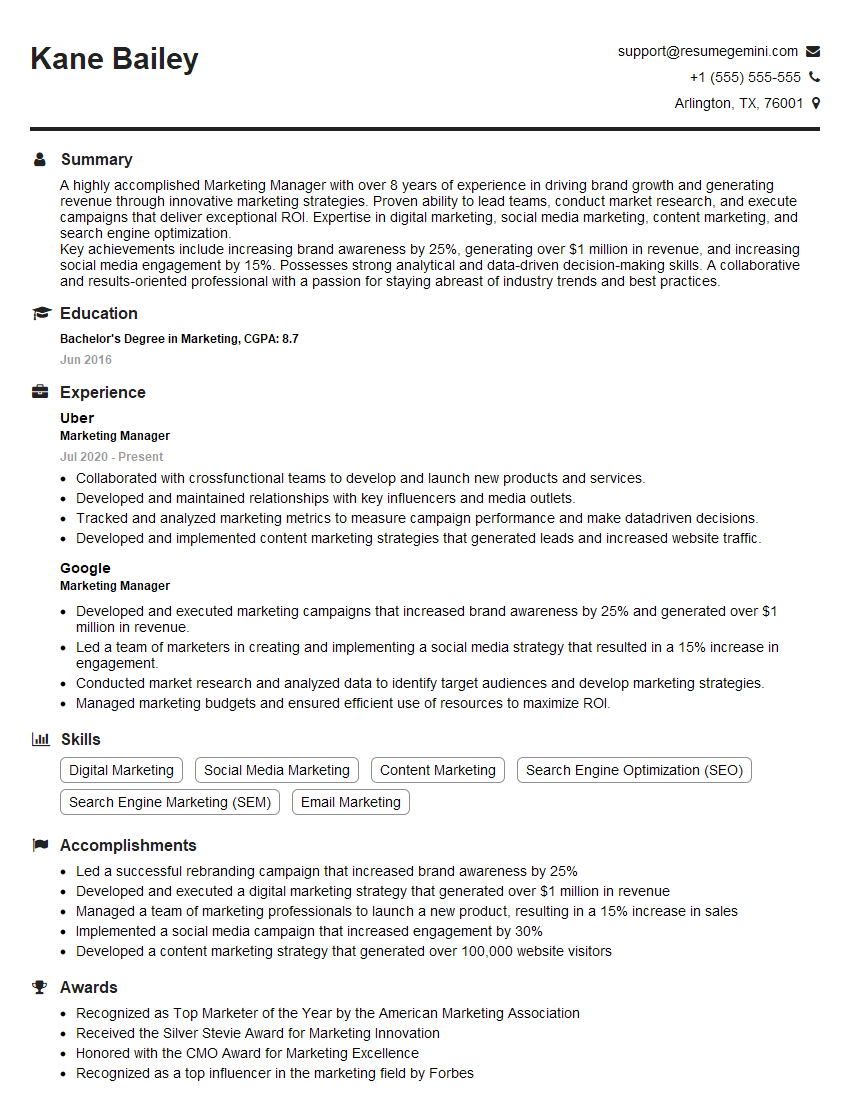
Marketing Manager Resume Sample
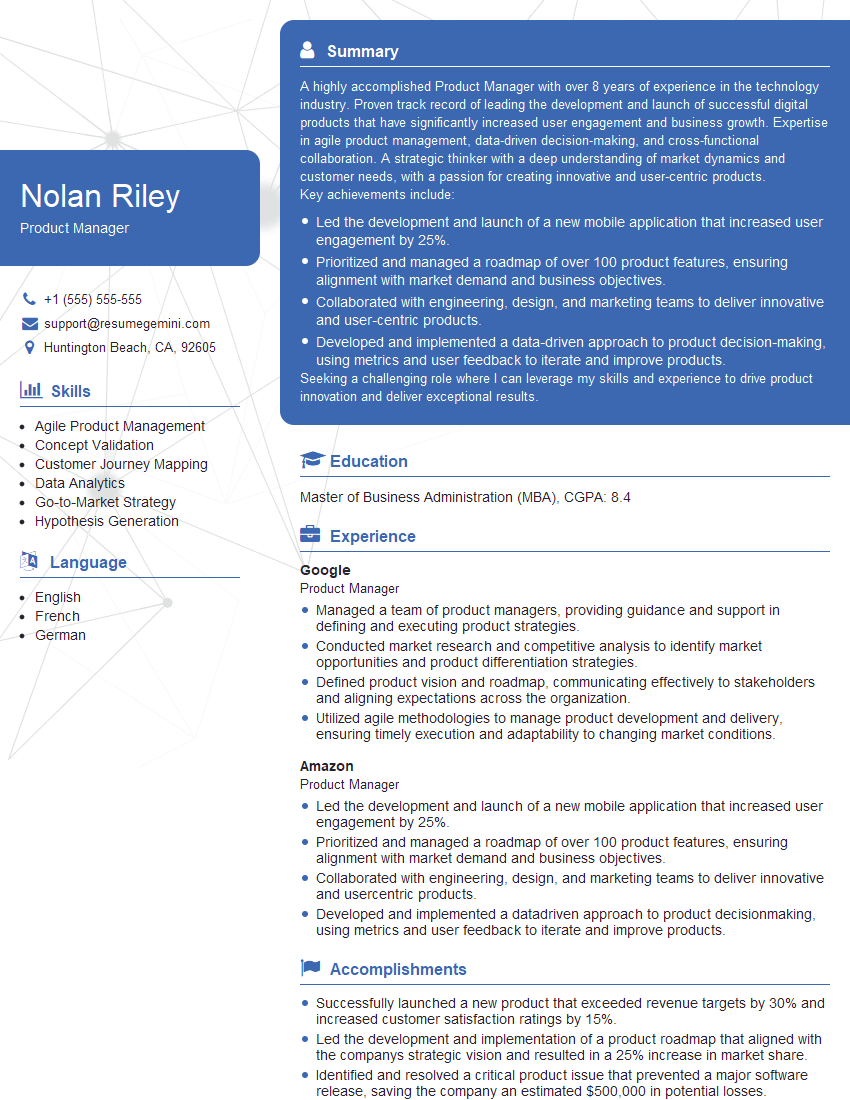
Product Manager Resume Sample
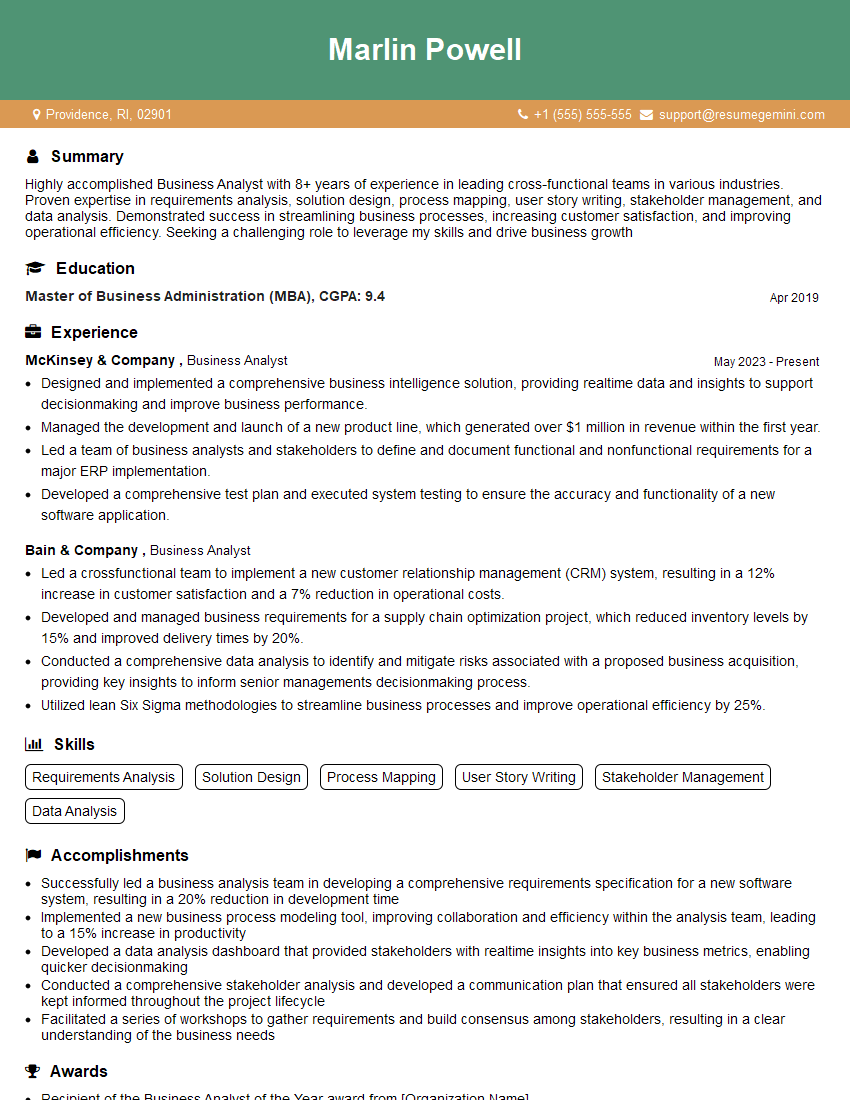
Business Analyst Resume Sample
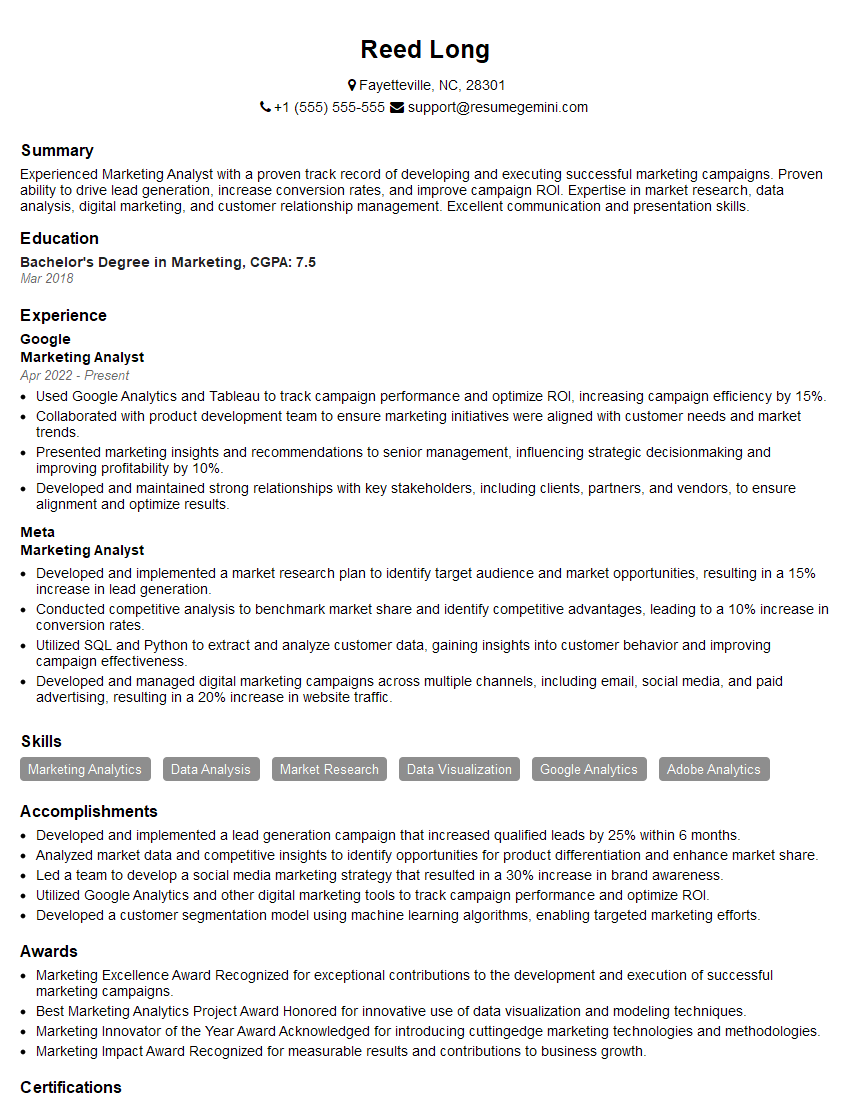
Marketing Analyst Resume Sample
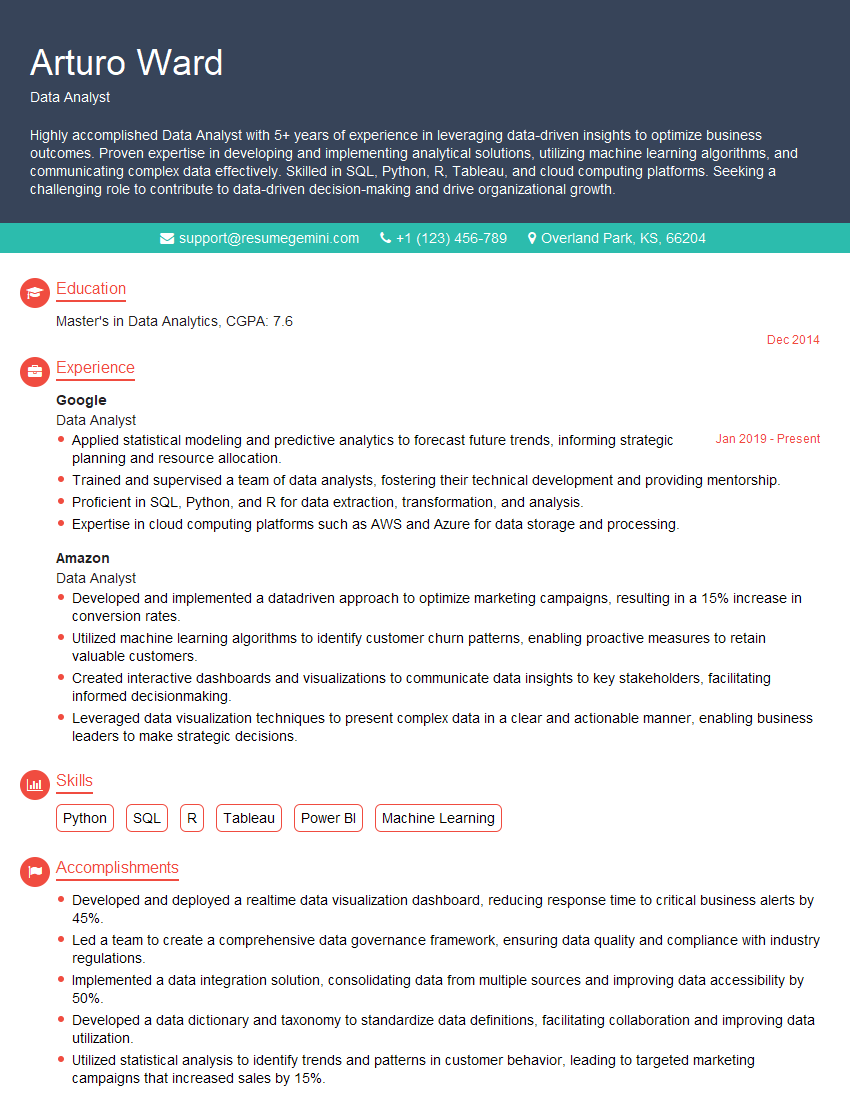
Data Analyst Resume Sample
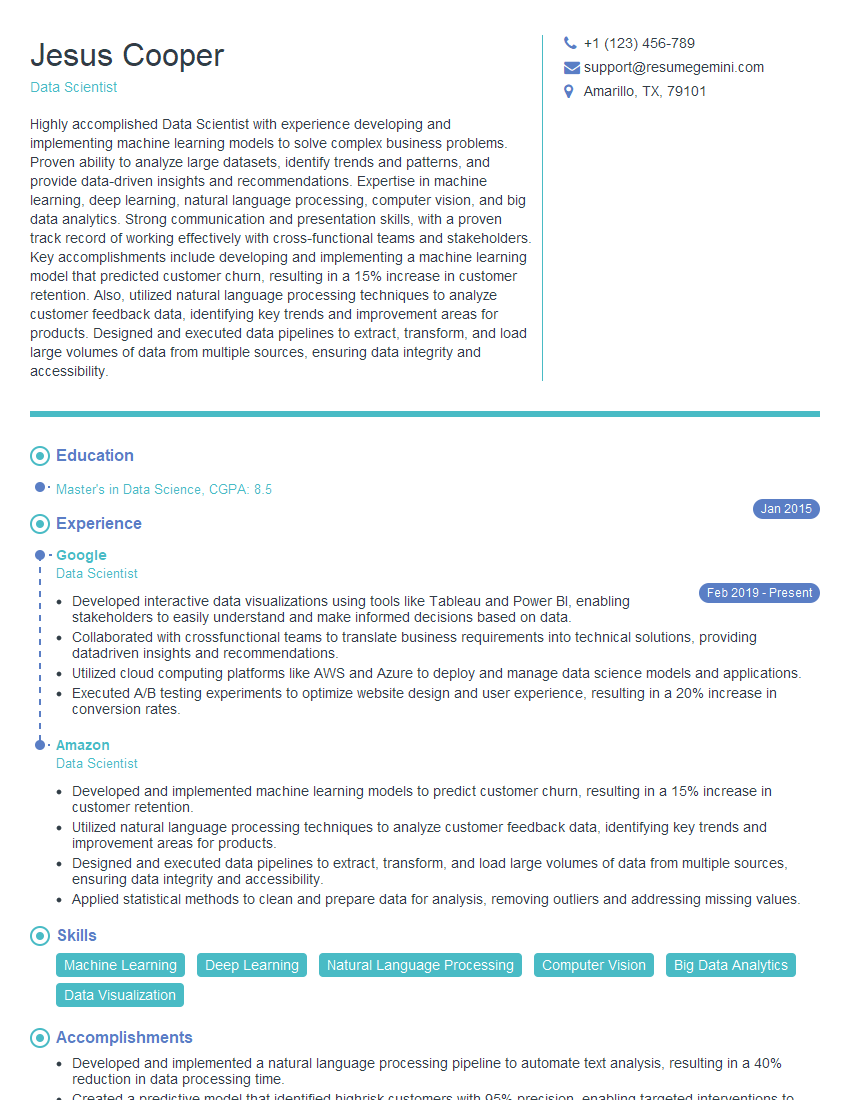
Data Scientist Resume Sample
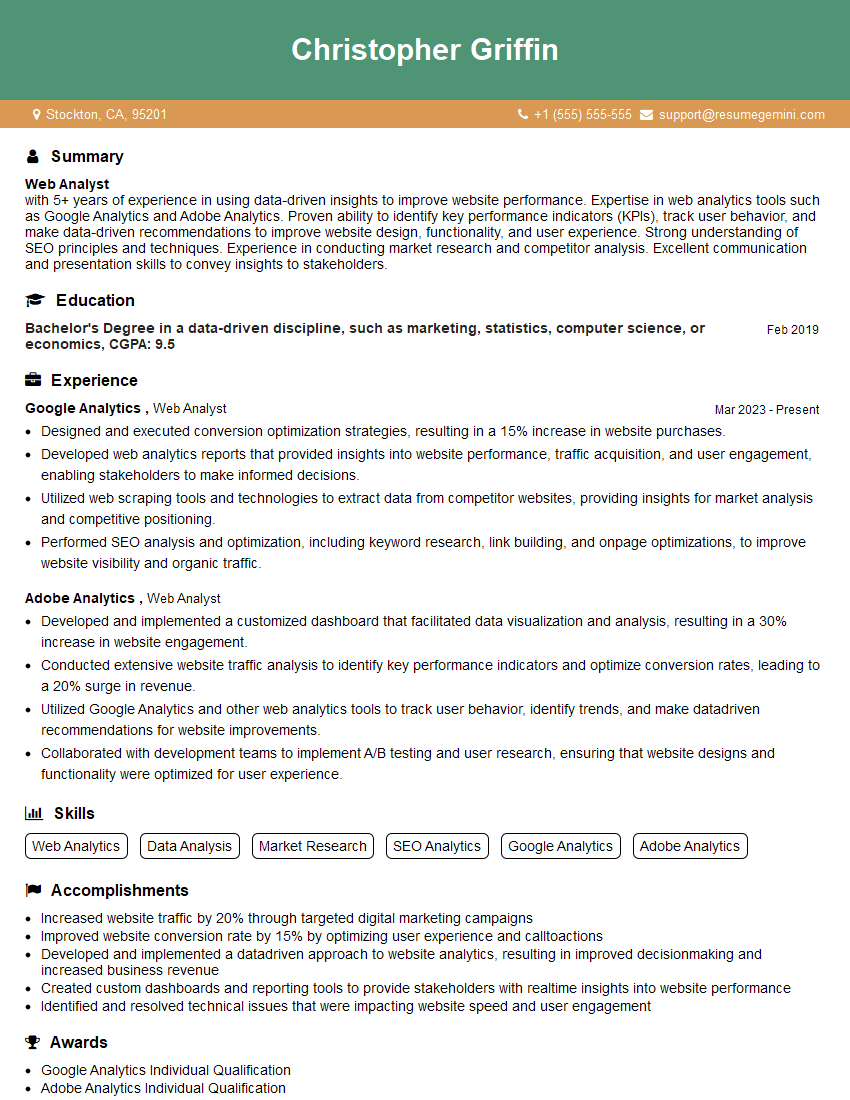
Web Analyst Resume Sample

Growth Hacker Resume Sample
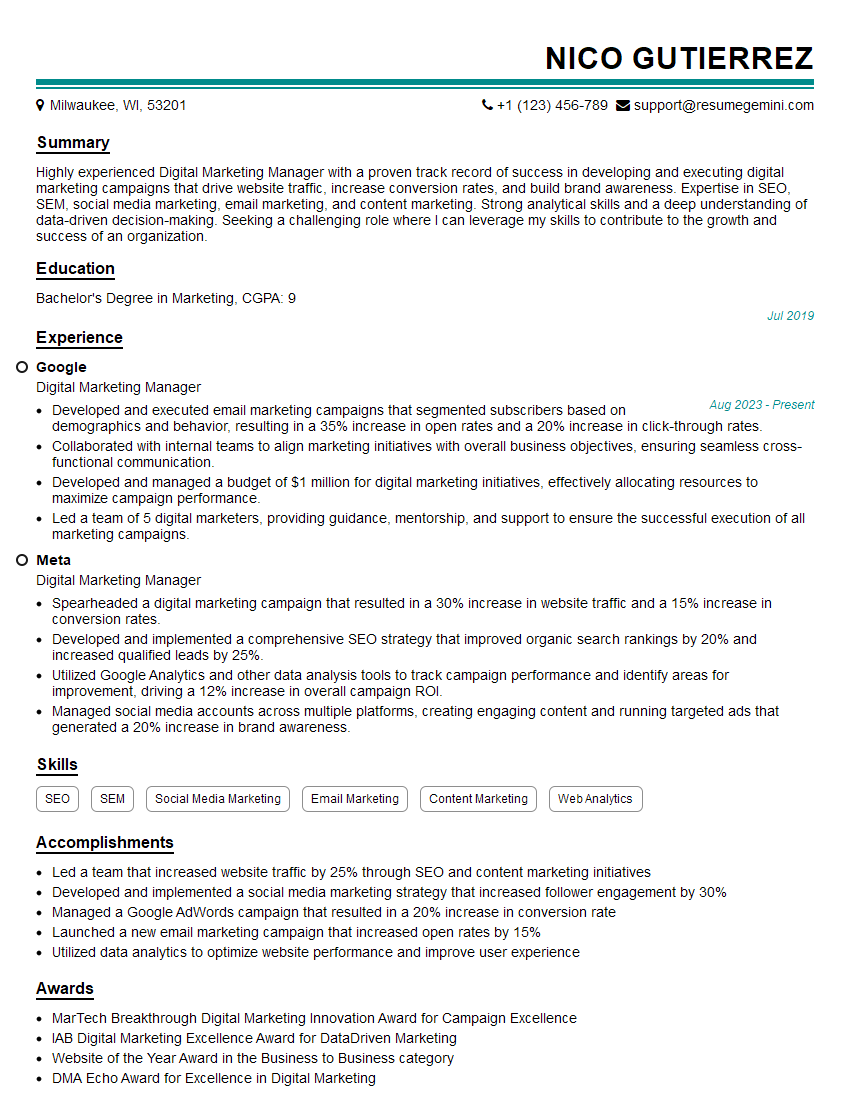
Digital Marketing Manager Resume Sample
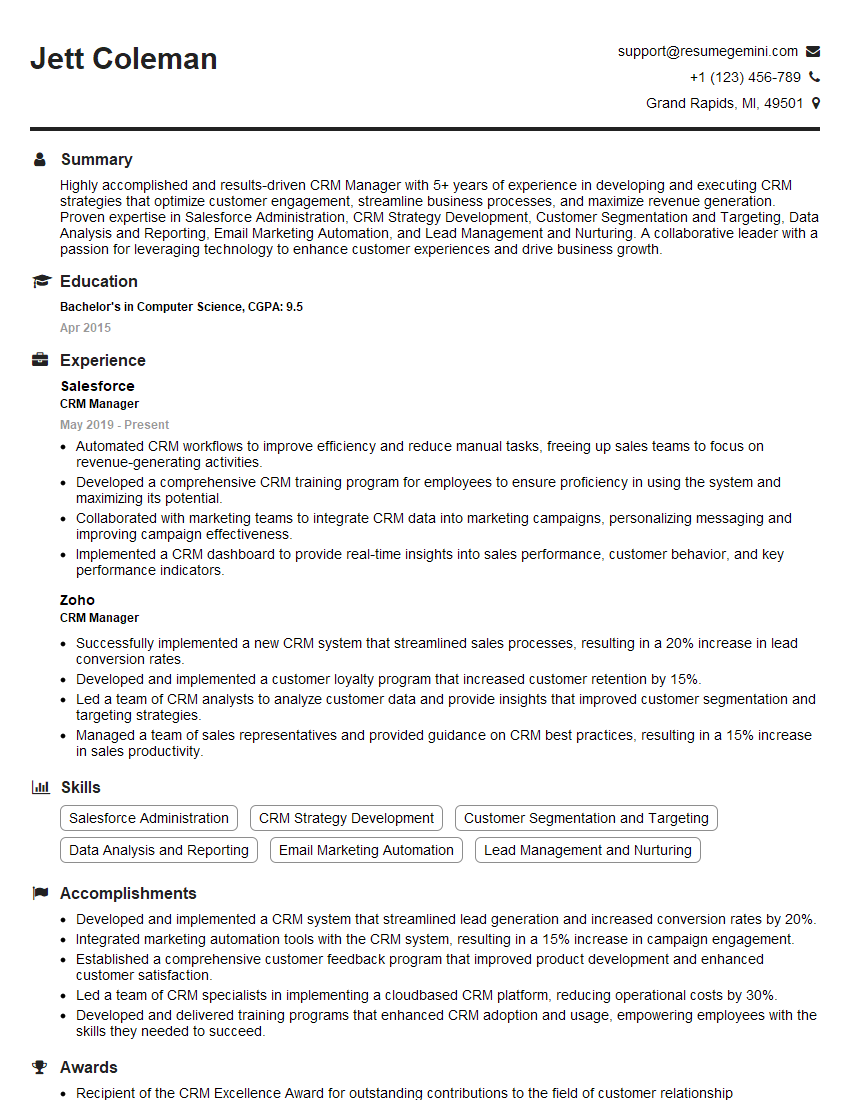
CRM Manager Resume Sample
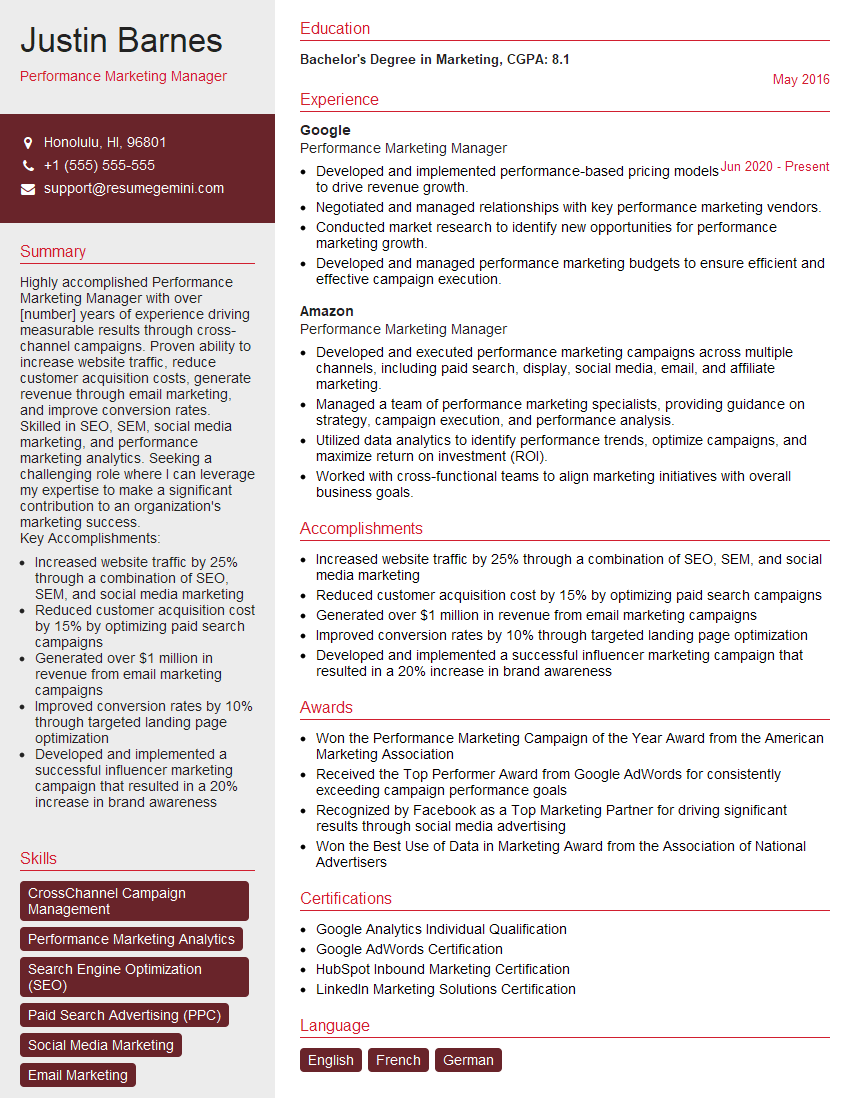
Performance Marketing Manager Resume Sample
Explore more articles
Users Rating of Our Blogs
Share Your Experience
We value your feedback! Please rate our content and share your thoughts (optional).
What Readers Say About Our Blog
Very informative content, great job.
good