Interviews are opportunities to demonstrate your expertise, and this guide is here to help you shine. Explore the essential Handling Currency interview questions that employers frequently ask, paired with strategies for crafting responses that set you apart from the competition.
Questions Asked in Handling Currency Interview
Q 1. Explain the process of balancing a cash drawer at the end of a shift.
Balancing a cash drawer is a crucial end-of-shift procedure ensuring accountability for all transactions. It’s like a financial inventory, confirming that the money you started with, plus what you received, equals what you have left, plus what you paid out.
The process typically involves these steps:
- Starting Count: Begin by recording the initial cash count in the drawer at the start of your shift. This is usually documented on a cash register tape or a designated form.
- Transaction Verification: Throughout the shift, ensure that each transaction is accurately recorded on the cash register or POS system. This involves verifying amounts, payment methods (cash, card, etc.), and any discounts applied.
- Counting the Cash: At the end of your shift, count all the cash in the drawer, separating bills and coins by denomination. It’s best to use a systematic approach, counting each denomination individually and then totaling them.
- Reconciliation: Compare the total cash count to the register’s total sales. The difference between your counted cash and the system’s total should ideally be zero. If there’s a discrepancy, investigate and correct the error before proceeding.
- Documentation: Document the final cash count, any discrepancies found, and the steps taken to resolve them. This is crucial for auditing purposes and helps trace any potential issues.
Example: If you start with $100 in your drawer, make $500 in sales, and have $50 in expenses paid for from the drawer, your ending cash should be $550 ($100 + $500 – $50).
Q 2. Describe your experience handling large sums of cash.
I have extensive experience handling large sums of cash, particularly during my time as a bank teller and later managing a high-volume retail store. In these roles, I regularly processed deposits and withdrawals exceeding several thousand dollars daily. This involved not only counting and verifying large amounts of currency but also adhering to strict security protocols.
My experience includes managing cash shipments, ensuring accurate recording of transactions, and following security procedures to minimize risks associated with handling significant sums of money. I am familiar with procedures for cash drop-offs, using armored vehicles, and implementing inventory control systems to track currency movements.
For example, at the retail store, we utilized a multi-person counting process for large deposits to mitigate errors and potential theft. We also used advanced cash counting machines to ensure speed and accuracy.
Q 3. How do you ensure the accuracy of currency transactions?
Accuracy in currency transactions is paramount. It requires a combination of meticulous attention to detail, effective technology, and established procedures.
- Double-checking: Always double-check the amount of cash received and provided to customers. It’s especially crucial when dealing with larger denominations.
- Using Counting Machines: Employing currency counting machines significantly reduces errors. They quickly and accurately count large volumes of cash.
- Systematic Counting: Adopting a structured counting method ensures all bills and coins are accounted for, minimizing the risk of overlooking currency.
- Regular Audits: Frequent audits of cash transactions detect and correct discrepancies before they become significant issues. This ensures accountability and enhances the overall accuracy of currency handling.
- Technological solutions: POS systems, with their integrated cash register functionalities, provides a digital trail and enhances the accuracy of tracking transactions.
Example: When handling a customer’s payment, I would always verbally confirm the amount with the customer before finalizing the transaction. After receiving payment, I’d use the counting machine and independently double check the total.
Q 4. What are the common security measures used when handling currency?
Security when handling currency is crucial to prevent theft and loss. Several measures are implemented:
- Surveillance Systems: CCTV cameras strategically placed within the work area deter theft and provide visual records of all transactions.
- Secure Storage: Cash is stored in secured safes or vaults outside of business hours and in designated locked areas during operational hours.
- Access Control: Limiting access to cash handling areas and the cash itself prevents unauthorized access.
- Two-Person Control: For significant cash transactions, especially large deposits or withdrawals, a two-person verification system adds a layer of security and prevents fraud.
- Cash Handling Policies: Clear and detailed policies govern all aspects of cash handling, addressing procedures, security protocols, and accountability.
- Armored Transport: For high-value cash transfers, utilizing armored vehicles significantly reduces the risk of robbery during transportation.
Example: During my time as a bank teller, we always used two-person verification when handling large sums of money. One person counted the cash while the other independently verified the count before processing the transaction.
Q 5. What are some common errors in currency handling and how do you prevent them?
Common errors in currency handling include miscounting, incorrect recording of transactions, and simple arithmetic mistakes. These can lead to significant financial discrepancies.
- Miscounting: This can stem from fatigue, distraction, or lack of a systematic counting method. To prevent this, use a structured approach, count slowly and carefully, and ideally utilize counting machines.
- Incorrect Recording: Failing to correctly record transactions in the system can lead to discrepancies between physical cash and recorded amounts. Double-checking every entry and using a point-of-sale system helps avoid this.
- Arithmetic Errors: Simple errors in adding or subtracting cash amounts can snowball into larger problems. Use calculators when appropriate and double-check all calculations.
Prevention Strategies: To prevent these errors, emphasize training on accurate counting techniques, using reliable technology like cash counting machines, and promoting a culture of attention to detail and verification. Regular audits and reconciliation procedures help catch errors before they escalate.
Q 6. Explain your experience with currency reconciliation procedures.
Currency reconciliation procedures are essential for ensuring the accuracy of financial records. It’s the process of comparing recorded cash transactions with the physical count of cash on hand. This involves matching deposit slips, receipts, and other documentation to the physical currency present.
My experience includes performing daily and monthly reconciliations, involving thorough examination of cash registers, bank statements, and other related documents. I am proficient in identifying discrepancies, investigating their causes, and taking appropriate corrective actions. Reconciliation reports are carefully documented and submitted to supervisors for review. This ensures the accuracy of financial statements and facilitates effective financial management.
Example: In my previous retail role, we reconciled the cash drawer daily. We compared the cash register’s closing balance against the physical cash count. Any discrepancy was investigated, with the source noted and documented in a reconciliation report.
Q 7. How do you handle discrepancies in currency counts?
Discrepancies in currency counts require careful investigation. It’s a systematic process to identify the root cause and ensure accurate accounting.
- Review Transactions: Re-examine all transactions from the start of the shift, looking for errors in recording or processing.
- Double-count Cash: Recount the cash with a different person to ensure accuracy and eliminate any counting errors.
- Check for Damaged Currency: Inspect for torn or damaged bills that might have been overlooked during the initial count.
- Verify Deposit Slips: Compare the deposit slips to the cash register’s records to ensure all deposits are correctly reflected.
- Investigate Potential Theft: If the discrepancy is substantial and cannot be explained, investigate the possibility of theft or fraud.
- Documentation: Thoroughly document the discrepancy, the investigation steps, and the resolution in a formal report.
Example: If a discrepancy is found, I would thoroughly review the daily transactions for any inconsistencies. If no error is found in the records, the cash would be recounted, and the possibility of damaged currency would be considered before investigating further.
Q 8. What measures do you take to prevent currency theft or fraud?
Preventing currency theft and fraud requires a multi-layered approach encompassing physical security, procedural controls, and technological safeguards. Think of it like protecting a valuable jewel – you need multiple layers of protection.
Physical Security: This includes secure storage facilities with restricted access, surveillance systems (CCTV), and alarm systems. For example, in a bank, this might involve vaults with biometric access and armed guards.
Procedural Controls: Strict protocols for handling cash, including regular counting and reconciliation, dual custody (two people handling cash together), and clear authorization procedures for transactions. Imagine a restaurant – two staff members counting the till at the end of the night ensures accuracy and minimizes individual risk.
Technological Safeguards: This involves using cash counting machines to ensure accuracy and speed, and implementing anti-counterfeiting measures like UV lamps and counterfeit detection pens to check the authenticity of banknotes. Many businesses today utilize point-of-sale systems that track cash transactions digitally, creating an audit trail.
Employee Training: Educating staff on security protocols, fraud detection, and best practices is crucial. Regularly updated training ensures everyone stays aware of evolving threats and procedures.
Q 9. Describe your experience with different types of currency (paper, coin, foreign).
My experience encompasses handling various currency types, each presenting unique challenges.
Paper Currency: I’m proficient in identifying different denominations, recognizing subtle variations between genuine and counterfeit notes (e.g., watermarks, security threads), and managing the wear and tear of banknotes over time. I understand the importance of proper storage to avoid damage.
Coin Currency: This involves handling different coin sizes and weights, ensuring accurate counting, and being aware of potential issues like coin jams in counting machines. Managing large volumes of coins requires specific procedures and equipment.
Foreign Currency: This requires understanding exchange rates, foreign currency regulations (including those related to anti-money laundering), and being familiar with the physical characteristics of different currencies from around the world. I have experience managing the risks associated with fluctuating exchange rates and the complexities of international transactions.
Q 10. How do you verify the authenticity of currency?
Verifying currency authenticity involves a combination of techniques. It’s not just about looking at it; you need a systematic approach.
Visual Inspection: Checking for watermarks, security threads, and the overall feel and texture of the note. Counterfeit notes often have inconsistencies in printing quality or feel noticeably different.
UV Light: Exposing the note to ultraviolet light reveals hidden security features that are difficult to replicate. This is a standard procedure in many financial institutions.
Counterfeit Detection Pens: These pens contain a chemical solution that reacts differently with counterfeit banknotes. This provides a quick and simple verification step.
Machine Verification: High-volume currency handling often relies on specialized machines that can detect counterfeit banknotes using advanced technologies such as magnetic ink recognition and infrared scanning.
Q 11. How familiar are you with currency exchange rates and their fluctuations?
I have a strong understanding of currency exchange rates and their volatility. I regularly track major exchange rates and understand the factors influencing their fluctuation, such as interest rates, inflation, political stability, and global economic events.
For example, I know that the exchange rate between the US dollar and the Euro can shift dramatically due to economic news or policy changes in either the US or Europe. I am also familiar with using different sources to obtain real-time exchange rates and understanding the implications of bid-ask spreads.
Q 12. Explain your experience with currency conversion calculations.
Currency conversion calculations are a core part of my expertise. I’m proficient in performing these calculations manually and using various software tools. The process is straightforward but requires precision.
For instance, converting $100 USD to Euros at an exchange rate of 0.92 EUR/USD would be calculated as: 100 USD * 0.92 EUR/USD = 92 EUR. I also understand the significance of including any applicable fees or commissions charged by exchange services.
In situations involving multiple currencies, I would apply the same principles sequentially. For example, converting USD to GBP then to JPY would involve two separate conversion steps.
Q 13. What are the risks associated with handling large amounts of currency?
Handling large amounts of currency presents significant risks, including:
Theft: The higher the amount of cash, the greater the target for theft. This risk is heightened in unsecured environments.
Loss: Cash can be easily lost or mislaid. Robust tracking and reconciliation procedures are crucial.
Damage: Physical damage to banknotes can render them unusable. Proper handling and storage are essential to avoid this.
Counterfeiting: The volume increases the likelihood of encountering counterfeit currency, emphasizing the need for careful verification.
Regulatory Compliance: Regulations around handling large amounts of cash (Anti-Money Laundering/Combating the Financing of Terrorism regulations, for example) are stringent and must be strictly adhered to.
Q 14. How do you maintain accurate records of currency transactions?
Maintaining accurate records of currency transactions is paramount. This usually involves a combination of physical and digital methods.
Physical Records: Detailed receipts, transaction logs, and bank deposit slips provide a physical audit trail. These should be securely stored.
Digital Records: Using accounting software to input transaction data, generating reports, and maintaining a digital ledger facilitates accurate tracking and analysis. This allows for easy reconciliation with physical records.
Reconciliation: Regularly comparing physical and digital records ensures accuracy and identifies discrepancies promptly. This could involve daily reconciliation for high-volume transactions.
A well-maintained system ensures financial transparency, aids in auditing, and reduces the risk of errors and disputes.
Q 15. Describe your experience with using currency counting machines.
My experience with currency counting machines spans several years, encompassing various models and functionalities. I’m proficient in operating high-speed bill counters, validating their accuracy through regular testing and calibration, and troubleshooting common malfunctions. This includes identifying issues like jams, miscounts, or incorrect denomination recognition. I understand the importance of maintaining these machines to ensure efficient and accurate currency processing, including regular cleaning and preventative maintenance schedules. For instance, in my previous role, we used a Glory V500 counter. I was responsible for its daily operation, including ensuring that the machine was properly calibrated using test batches of known denominations before processing large sums of cash. I also became adept at quickly identifying and resolving minor jams, minimizing downtime.
Career Expert Tips:
- Ace those interviews! Prepare effectively by reviewing the Top 50 Most Common Interview Questions on ResumeGemini.
- Navigate your job search with confidence! Explore a wide range of Career Tips on ResumeGemini. Learn about common challenges and recommendations to overcome them.
- Craft the perfect resume! Master the Art of Resume Writing with ResumeGemini’s guide. Showcase your unique qualifications and achievements effectively.
- Don’t miss out on holiday savings! Build your dream resume with ResumeGemini’s ATS optimized templates.
Q 16. What is your experience with anti-money laundering (AML) regulations related to currency handling?
My understanding of Anti-Money Laundering (AML) regulations concerning currency handling is comprehensive. I’m familiar with the Bank Secrecy Act (BSA) and its associated regulations, including Currency Transaction Reports (CTRs) and Suspicious Activity Reports (SARs). I know the thresholds for reporting large cash transactions and the procedures for identifying potentially suspicious activity. This includes recognizing patterns indicative of money laundering, such as structuring transactions to avoid reporting requirements or the use of unusual or high-risk customers. In a previous role, I was directly involved in developing and implementing AML compliance programs, including employee training, transaction monitoring, and record-keeping procedures. We used a sophisticated transaction monitoring system that flagged potential suspicious activities based on pre-defined rules and thresholds. I was responsible for investigating these flags and filing SARs when necessary, in strict adherence to regulatory requirements.
Q 17. How do you handle situations where customers dispute currency transactions?
Handling customer disputes regarding currency transactions requires a calm and systematic approach. I begin by carefully reviewing all available documentation, including transaction records, security camera footage, and witness statements. I engage the customer in a professional and empathetic conversation, actively listening to their concerns and seeking to understand their perspective. I clearly explain the process for resolving the dispute, outlining the evidence we have and the steps involved in verifying the accuracy of the transaction. If the discrepancy is minor, I may offer a solution that ensures customer satisfaction, while maintaining adherence to company policy. However, for significant disputes, a more formal investigation may be necessary, including potentially involving internal audit or law enforcement if fraud is suspected. For example, if a customer claimed a short-count in a deposit, I’d first meticulously recount the money, cross-referencing with the machine’s record. If the discrepancy persisted, I’d review security footage and compare it with the customer’s deposit slip. This methodical approach ensured fairness and minimized potential losses.
Q 18. What is your understanding of currency regulations and compliance?
My understanding of currency regulations and compliance is extensive. I’m knowledgeable about international and national regulations governing currency exchange, import/export, and anti-money laundering (AML) compliance. This includes understanding regulations surrounding different currencies, including their exchange rates, restrictions on certain transactions, and reporting requirements. I am familiar with various regulatory bodies like the Financial Crimes Enforcement Network (FinCEN) in the US, and similar regulatory bodies in other jurisdictions. I understand the importance of maintaining detailed and accurate records of all currency transactions to ensure compliance and facilitate audits. Staying updated on regulatory changes is crucial, and I actively participate in professional development programs to maintain my knowledge in this dynamic field. This ensures we always operate within legal parameters and minimize any compliance risk.
Q 19. How do you prioritize tasks when dealing with multiple currency transactions simultaneously?
Prioritizing multiple currency transactions simultaneously requires a structured approach. I utilize a system that prioritizes transactions based on urgency, value, and risk. Time-sensitive transactions, such as those with strict deadlines or involving significant sums, receive top priority. High-value transactions, which carry greater financial risk, are also prioritized to minimize potential losses. Transactions with associated AML/KYC (Know Your Customer) concerns are given immediate attention due to their compliance sensitivity. I utilize project management techniques, such as task lists and time management tools, to maintain organization and ensure efficient task completion. This involves identifying dependencies between transactions and allocating resources effectively. Using a Kanban board for visualizing my workflow has been particularly effective.
Q 20. Describe a time you had to deal with a problem related to currency handling. What was the issue, and how did you resolve it?
In one instance, we experienced a significant discrepancy in our daily cash reconciliation. A substantial amount of currency was missing from our vault. I initiated a thorough investigation, reviewing all transactions, security footage, and staff logs. We discovered a procedural error in our reconciliation process where a specific denomination was consistently misclassified. This led to an inaccurate count over several days. The solution was a combination of implementing a new, more robust reconciliation system and retraining staff on the correct procedures. We also implemented additional security measures to further safeguard the vault. The issue was quickly resolved by identifying the root cause through methodical data analysis and adjusting our processes. This experience underscored the importance of rigorous procedures and staff training in preventing future errors.
Q 21. Explain your experience with different types of payment systems that involve currency.
My experience with various payment systems involving currency is broad. I’m familiar with traditional cash transactions, electronic funds transfers (EFTs), wire transfers, and online payment gateways. I understand the different security protocols, fees, and processing times associated with each system. I’ve worked with various EFT systems, including ACH transfers and wire transfer services like SWIFT, processing both domestic and international payments. I’m proficient in using online payment platforms and have experience reconciling transactions across different systems. For example, I’ve worked extensively with payment processors like Stripe and PayPal to integrate with our accounting systems, ensuring accurate reporting and minimizing discrepancies. My understanding encompasses the technical and compliance aspects of each payment system, ensuring secure and efficient processing while maintaining regulatory compliance.
Q 22. How familiar are you with international currency transfer regulations?
International currency transfer regulations are a complex web of laws and guidelines governing the movement of funds across borders. My familiarity extends to understanding key regulations like the Bank Secrecy Act (BSA) in the US, the Know Your Customer (KYC) and Anti-Money Laundering (AML) principles globally, and specific regulations within jurisdictions like the European Union (EU) and the UK. I understand the importance of compliance with sanctions regulations, foreign exchange controls, and reporting requirements for large transactions. For example, I’m aware of the thresholds triggering reporting requirements in various countries and the potential penalties for non-compliance. I have practical experience navigating these regulations, including understanding the nuances of correspondent banking relationships and the implications of different payment methods on compliance.
My knowledge encompasses understanding the differences between regulations for personal transfers and business transfers, and the added complexities involved in transferring funds between high-risk countries.
Q 23. How do you maintain confidentiality when handling sensitive financial information related to currency?
Maintaining confidentiality when handling sensitive financial information is paramount. My approach involves a multi-layered strategy. Firstly, I strictly adhere to data protection policies, including encryption of data both in transit and at rest. Secondly, access to sensitive information is limited to authorized personnel on a need-to-know basis. Role-based access controls ensure that only those who require access for specific tasks can view or modify the data. Thirdly, I employ secure data storage and disposal practices, ensuring that sensitive documents and electronic data are properly protected and securely destroyed when no longer needed. Finally, I always follow best practices to prevent phishing and other security threats, regularly participating in cybersecurity training.
For example, I would never leave sensitive financial documents unattended, and I always use secure communication channels when discussing currency transactions. Think of it like guarding a vault – multiple layers of security are necessary to prevent unauthorized access.
Q 24. What software or systems are you familiar with for managing currency transactions?
I’m proficient in several software and systems used for managing currency transactions. My experience includes using specialized banking software like SWIFT for international wire transfers, payment processing platforms like Worldpay or Stripe for online transactions, and ERP systems that integrate financial management with other business functions. I’m also familiar with accounting software such as SAP and Oracle Financials which handle multi-currency accounting. I have experience with treasury management systems that optimize currency hedging strategies. I understand the importance of data validation and reconciliation across these systems to ensure accuracy and prevent errors. My skills extend to using these systems to generate reports, track transactions, and manage foreign exchange risk.
For instance, I’ve used SWIFT to initiate and track international wire transfers, ensuring accurate details are provided to minimize delays and potential errors. My understanding of these systems extends to both the front-end user interface and the underlying database structures.
Q 25. Describe your experience with reporting currency transactions to regulatory bodies.
Reporting currency transactions to regulatory bodies is a crucial aspect of my role. I have experience preparing and filing Suspicious Activity Reports (SARs) and Currency Transaction Reports (CTRs) according to the relevant regulations and timelines. This includes accurately documenting all the necessary information for each transaction, ensuring compliance with all reporting requirements. I’m also experienced in working with internal audit teams to ensure that all processes are compliant with relevant legislation and internal policies. My understanding extends to different reporting requirements across various jurisdictions. I understand the importance of maintaining thorough documentation and record keeping to enable quick and accurate responses to any regulatory inquiries.
For example, I have personally prepared and filed CTRs for transactions exceeding the reporting threshold and have worked with compliance officers to ensure all necessary steps were followed correctly. Accuracy and timeliness are paramount in this area.
Q 26. How do you stay updated on changes in currency regulations and best practices?
Staying updated on changes in currency regulations and best practices is an ongoing process. I regularly monitor publications from relevant regulatory bodies such as the Financial Action Task Force (FATF), national central banks, and international financial institutions. I subscribe to industry newsletters and journals and actively participate in professional development opportunities, including conferences and webinars. I also leverage online resources and legal databases to stay informed about changes in legislation and interpretations of existing rules. Building a strong professional network within the field also helps to share knowledge and insights.
Think of it like following a moving target; currency regulations are constantly evolving, so proactive monitoring and continuous learning are key.
Q 27. What are your strengths and weaknesses in handling currency?
My strengths lie in my meticulous attention to detail, my ability to navigate complex regulations, and my experience in handling large-scale currency transactions. I am adept at risk assessment and mitigation, ensuring compliance across different jurisdictions. My analytical skills allow me to identify potential issues and proactively address them before they become problems. I also possess excellent communication skills to explain complex financial matters clearly and concisely to both technical and non-technical audiences.
One area for development is expanding my knowledge of emerging technologies in the FinTech space related to currency exchange and payment systems. While I am familiar with current systems, staying at the forefront of innovation is always a goal.
Key Topics to Learn for Handling Currency Interview
- Foreign Exchange (FX) Rates and Conversions: Understanding different FX rate types (spot, forward, etc.), calculating conversions, and interpreting market data.
- Currency Risk Management: Identifying and mitigating risks associated with fluctuations in exchange rates, including hedging strategies and risk assessment techniques.
- Accounting for Currency Transactions: Applying appropriate accounting standards (e.g., IFRS, GAAP) for recording and reporting transactions in multiple currencies, including translation and transaction adjustments.
- International Payments and Settlements: Understanding the process of making and receiving international payments, including SWIFT, correspondent banking, and various payment methods.
- Regulatory Compliance: Familiarity with relevant regulations and laws related to currency handling, anti-money laundering (AML) and know your customer (KYC) procedures.
- Practical Application: Analyzing real-world scenarios involving currency transactions, such as import/export operations, international investments, or multi-national company finance.
- Problem-Solving: Developing strong analytical skills to resolve complex issues related to currency discrepancies, exchange rate volatility, and regulatory compliance.
- Technology in Currency Handling: Familiarity with relevant software and systems used for currency management, such as ERP systems and specialized FX trading platforms.
Next Steps
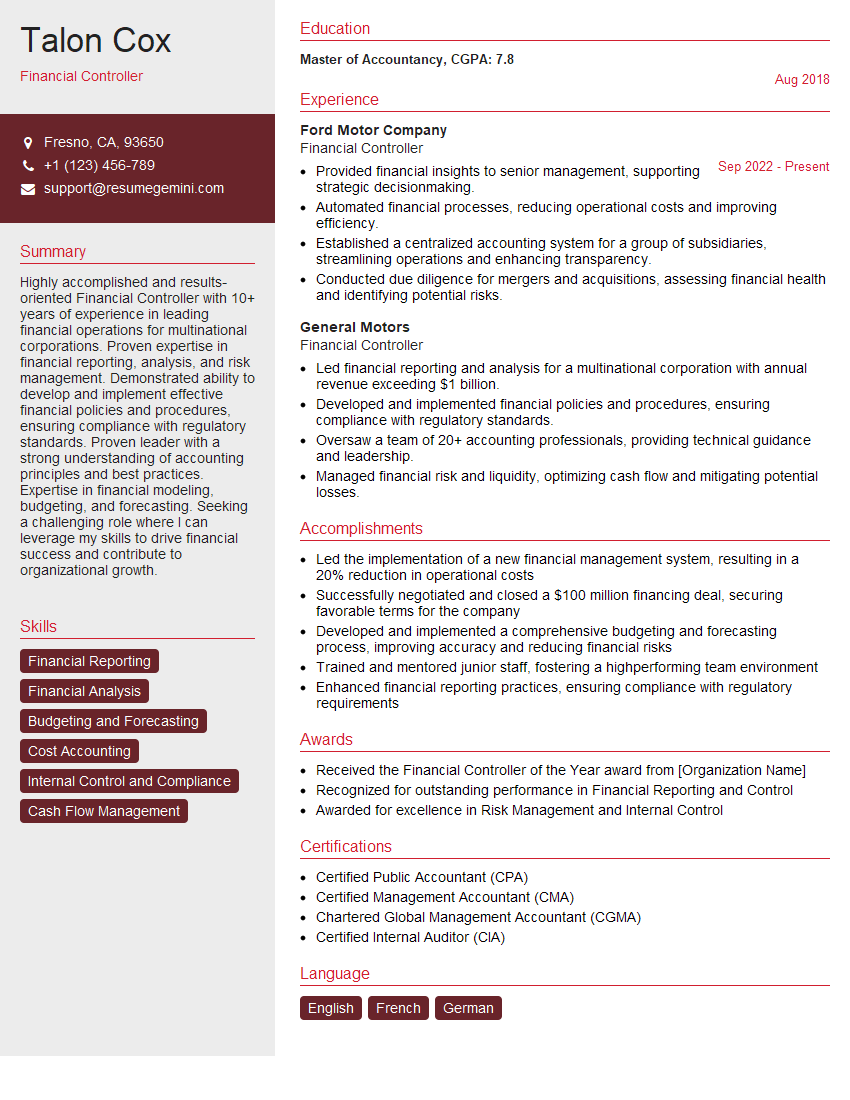
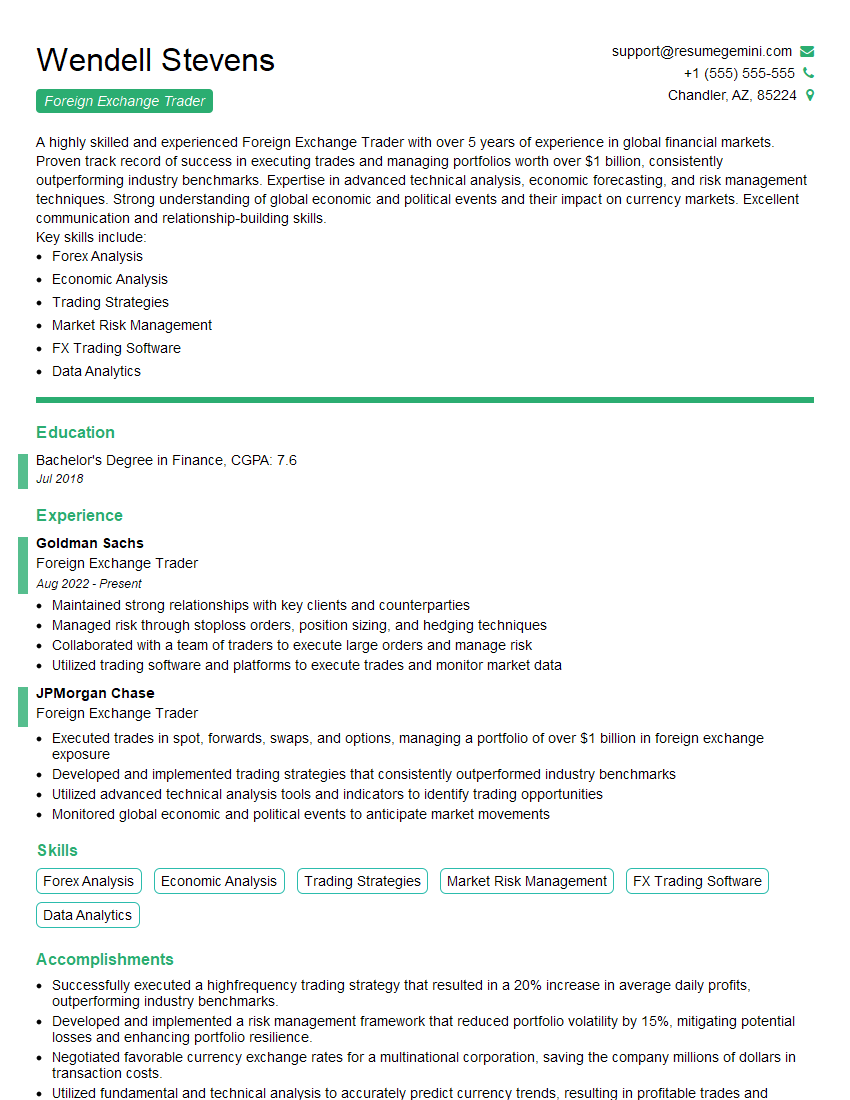
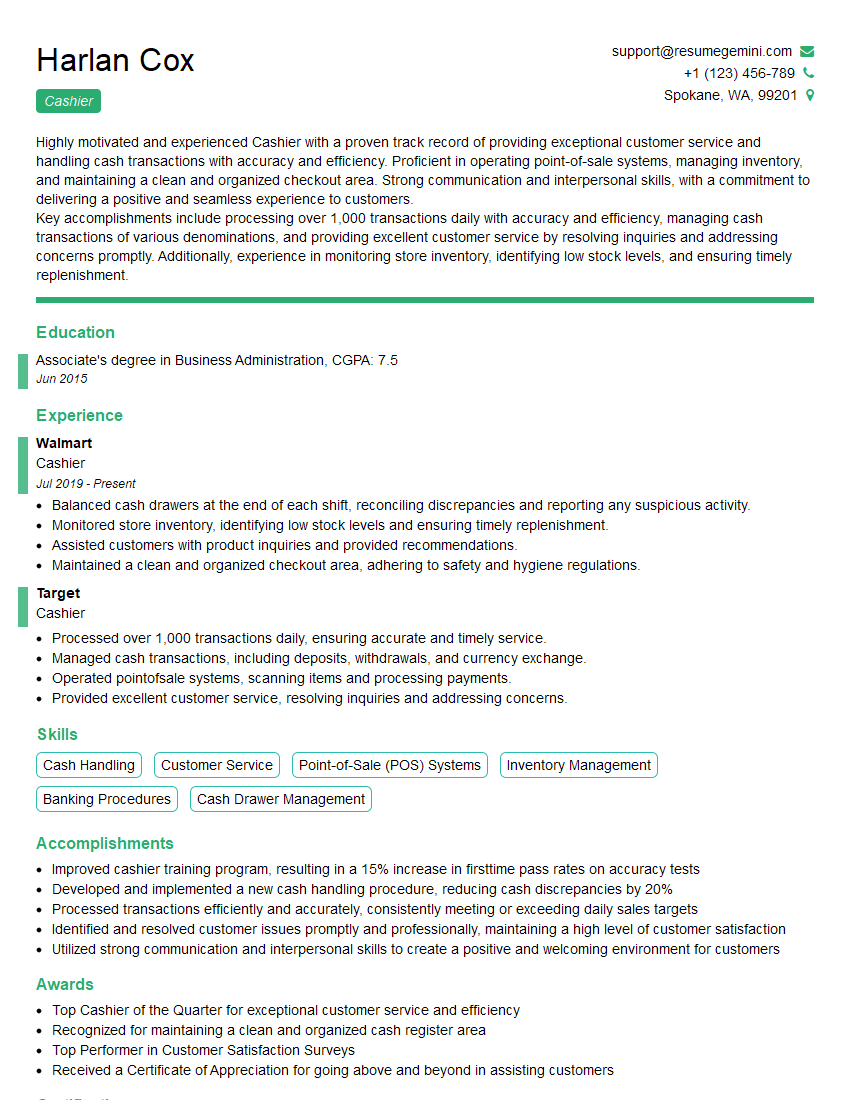
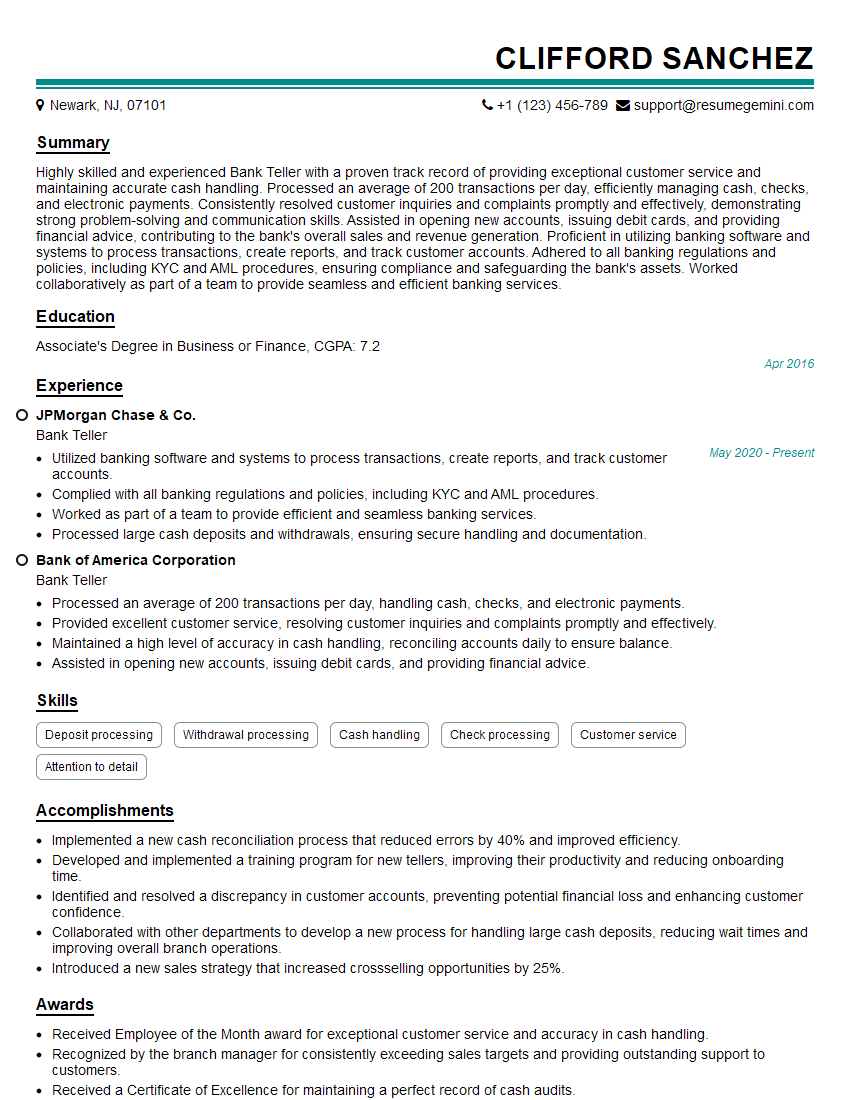
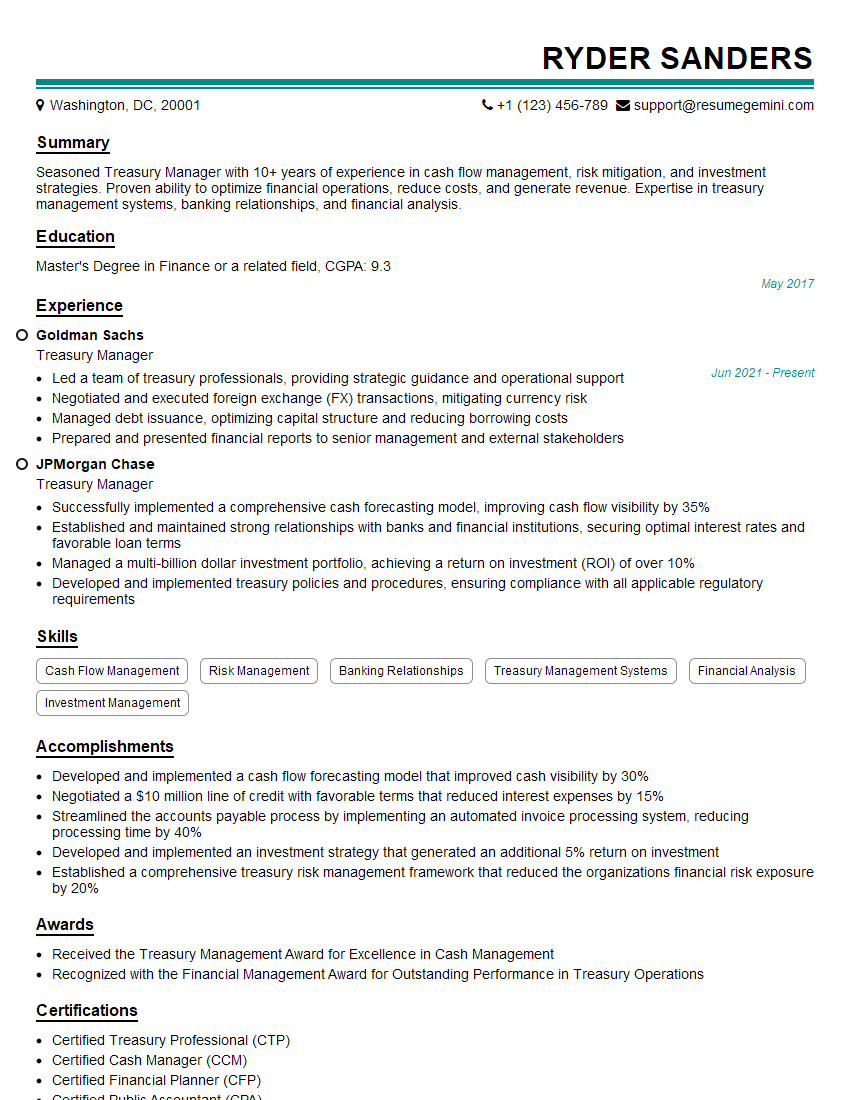
Mastering currency handling is crucial for career advancement in finance, accounting, and international business. A strong understanding of these concepts will significantly enhance your job prospects and open doors to exciting opportunities. To maximize your chances, creating an ATS-friendly resume is essential. ResumeGemini can help you build a compelling and effective resume that highlights your skills and experience in handling currency. We provide examples of resumes tailored to this field to guide you. Use ResumeGemini to craft a resume that showcases your expertise and gets you noticed.
Explore more articles
Users Rating of Our Blogs
Share Your Experience
We value your feedback! Please rate our content and share your thoughts (optional).
What Readers Say About Our Blog
Very informative content, great job.
good