Are you ready to stand out in your next interview? Understanding and preparing for Hard working interview questions is a game-changer. In this blog, we’ve compiled key questions and expert advice to help you showcase your skills with confidence and precision. Let’s get started on your journey to acing the interview.
Questions Asked in Hard working Interview
Q 1. Describe a time you went above and beyond to complete a task.
Going above and beyond isn’t just about doing extra work; it’s about proactively identifying needs and exceeding expectations. It’s about seeing the bigger picture and contributing beyond your assigned tasks.
For example, during a critical product launch, our team faced a last-minute bug in the user interface. While my role was primarily focused on backend development, I recognized the urgency and the potential impact on the launch. I volunteered to help the front-end team debug the issue, even though it fell outside my immediate responsibilities. By leveraging my understanding of the system architecture, I was able to pinpoint the root cause and help implement a quick fix, ensuring a successful launch.
This wasn’t just about completing an extra task; it demonstrated my commitment to the project’s overall success and my willingness to collaborate effectively, even outside my comfort zone. It reinforced my dedication to the team and the project’s objectives.
Q 2. How do you prioritize tasks when facing multiple deadlines?
Prioritizing tasks effectively under pressure involves a structured approach. I use a combination of techniques, primarily the Eisenhower Matrix (urgent/important), to categorize my tasks. This helps me identify which tasks require immediate attention, which are important but can be scheduled, and which can be delegated or eliminated altogether.
I also consider dependencies. If Task A needs to be completed before Task B, that dictates the order. I utilize project management tools like Trello or Asana to visually track deadlines, dependencies, and progress, ensuring a clear overview of my workload and priorities.
Finally, effective communication is crucial. If I foresee potential delays or conflicts, I proactively communicate with stakeholders to manage expectations and seek support if necessary.
Q 3. Give an example of a time you overcame a significant challenge through persistent effort.
One significant challenge I faced involved migrating a legacy system to a cloud-based platform. The initial timeline was ambitious, and the system was complex, with poorly documented code and numerous unforeseen dependencies. We encountered unexpected errors and compatibility issues throughout the process.
I overcame this through persistent effort, employing a systematic approach. We broke down the migration into smaller, manageable modules, allowing us to address issues individually and track our progress effectively. We held regular team meetings to troubleshoot, share insights, and maintain morale. We utilized version control rigorously to track changes and revert to previous states if needed.
The successful migration, despite the significant obstacles, highlighted the power of perseverance, collaboration, and a structured problem-solving approach. It taught me the importance of adapting to changing circumstances and maintaining a positive attitude even when facing setbacks.
Q 4. How do you manage your time effectively to ensure project completion?
Effective time management is crucial for completing projects on time and within budget. My approach involves a combination of planning, prioritization, and execution.
Firstly, I create a detailed project plan, breaking down large tasks into smaller, manageable steps. This plan includes realistic timelines and milestones. I then utilize time-blocking techniques, allocating specific time slots for focused work on particular tasks. This minimizes distractions and promotes deep work. Regular review and adjustment of the plan are also vital to accommodate unforeseen changes.
I also utilize productivity tools and techniques like the Pomodoro Technique (working in focused bursts with short breaks) to maintain concentration and prevent burnout.
Q 5. Describe your approach to handling unexpected workload increases.
Unexpected workload increases are a common challenge. My approach involves a calm and methodical response. I first assess the situation, identifying the nature and urgency of the additional workload. Then, I prioritize the tasks based on their impact and deadlines, using the same methods mentioned earlier.
I communicate openly with my manager and team to discuss the increased workload and explore potential solutions, such as re-allocating tasks or requesting additional resources if necessary. This collaborative approach ensures everyone is aligned and working efficiently towards resolving the situation.
If it’s a significant increase, I may need to adjust my project plan, potentially renegotiating deadlines to manage expectations effectively.
Q 6. Have you ever worked on a project that required more time than initially anticipated? How did you handle it?
Yes, I’ve worked on several projects that required more time than initially anticipated. This often happens due to unforeseen complexities or scope creep. My approach in such situations is transparency and proactive communication.
When it became clear a project was exceeding the original timeline, I meticulously documented the reasons for the delay. This included outlining the unforeseen challenges, any extra work required, and the impact on other tasks. I then communicated this transparently to stakeholders, suggesting revised timelines and highlighting any potential risks or adjustments required.
Proactive communication, careful documentation, and a collaborative approach to finding solutions are key to successfully navigating such situations while maintaining trust and open communication with all stakeholders.
Q 7. How do you maintain motivation and focus on long-term projects?
Maintaining motivation and focus on long-term projects requires a strategic approach. I break down large projects into smaller, manageable milestones, celebrating successes along the way. This creates a sense of accomplishment and provides motivation to continue.
Regular reflection on the project’s overall goals and purpose is also essential. I make sure to remind myself of the impact of my work and the value it brings. I also leverage the power of collaboration – discussing progress and challenges with teammates keeps me engaged and accountable.
Finally, incorporating regular breaks and self-care activities prevents burnout and sustains my energy levels, ensuring long-term focus and productivity.
Q 8. How do you handle setbacks or obstacles that arise during a project?
When setbacks occur, I approach them systematically. First, I take a deep breath and avoid impulsive reactions. Then, I perform a thorough analysis of the situation, identifying the root cause of the problem. This often involves breaking down the issue into smaller, manageable components. Next, I brainstorm potential solutions, evaluating each one for its feasibility and potential impact. I prioritize solutions based on their effectiveness and resource requirements. Finally, I implement the chosen solution, carefully monitoring its progress and making adjustments as needed. For instance, during a recent project where a critical software component failed, I didn’t panic. Instead, I systematically investigated the logs, identified a coding error, implemented a fix, and rigorously tested the solution before redeploying, thus preventing further delays.
Q 9. Describe a time you had to work with limited resources to achieve a goal.
In a previous role, we were tasked with developing a marketing campaign on a severely limited budget. To overcome this, we prioritized the most impactful strategies. We focused on leveraging free or low-cost channels such as social media marketing and content creation. We also fostered strong collaborations with other departments, leveraging their resources and expertise to supplement our own. We meticulously tracked our progress against key performance indicators (KPIs) to ensure we were maximizing the impact of our limited resources. This resulted in a successful campaign that exceeded expectations, despite the budget constraints. It taught me the importance of strategic planning and resourcefulness.
Q 10. How do you stay organized and manage your workload effectively?
I utilize a combination of techniques to stay organized and manage my workload. I employ project management tools like Trello or Asana to visualize tasks, deadlines, and dependencies. I break down large projects into smaller, more manageable tasks, prioritizing them based on urgency and importance using methods like the Eisenhower Matrix (urgent/important). I allocate specific time blocks for focused work, minimizing distractions through techniques like the Pomodoro Technique. Regularly reviewing my to-do list and adjusting priorities as needed ensures I remain on track and avoid feeling overwhelmed. This organized approach allows me to consistently deliver high-quality work within deadlines.
Q 11. Describe your experience working in a high-pressure environment.
I thrive in high-pressure environments. My experience includes launching a new product under a tight deadline. The pressure was immense, requiring long hours and quick decision-making. However, my ability to stay calm under pressure, prioritize tasks efficiently, and communicate effectively with the team allowed us to successfully meet the launch date. I found that clear communication and proactive problem-solving were essential in navigating the challenges. I also learned the importance of delegating tasks appropriately and relying on the strengths of my team members. This experience strengthened my resilience and honed my ability to perform under intense pressure.
Q 12. How do you handle criticism or feedback regarding your work?
I welcome constructive criticism as an opportunity for growth. I actively listen to feedback, seeking to understand the perspective of the person providing it. I focus on the specific points raised, separating the feedback from any personal opinion. I then analyze the criticism, determining whether it’s valid and applicable to my work. If it is, I work to implement changes and improvements. I document the feedback and track my progress in addressing it. For instance, if a client points out a design flaw, I wouldn’t take it personally; instead, I would analyze the feedback, revise the design, and present the improved version. This approach not only improves the quality of my work but also strengthens my relationships with colleagues and clients.
Q 13. Describe a time you learned a new skill to improve your performance.
To enhance my performance, I recently learned Python programming. I recognized that a basic understanding of scripting would significantly improve my efficiency in automating repetitive tasks. I used online resources like Codecademy and dedicated time each week to learning the fundamentals of syntax, data structures, and algorithms. I then applied this new skill to automate a data processing task that previously consumed significant time. This not only saved me considerable time but also reduced the risk of human error. This experience highlighted the value of continuous learning and the impact it can have on productivity and efficiency.
Q 14. How do you measure your own success and productivity?
I measure my success and productivity based on several factors. Firstly, I track the completion of tasks against deadlines. Secondly, I assess the quality of my work through client feedback, self-review, and performance metrics. Thirdly, I evaluate my efficiency by measuring the time taken to complete tasks and identifying areas for improvement. Finally, I consider the overall impact of my work on the team’s goals and the organization’s objectives. Using a combination of these metrics gives me a holistic view of my performance, allowing for continuous improvement and growth.
Q 15. What strategies do you use to avoid procrastination?
Procrastination is a common challenge, but I’ve developed several strategies to overcome it. My approach is multifaceted, focusing on both proactive prevention and reactive mitigation.
Time Blocking: I schedule specific time blocks for tasks, treating them like important appointments. This prevents tasks from getting lost in the shuffle and provides a structured approach to my day.
The Pomodoro Technique: I work in focused bursts (e.g., 25 minutes) followed by short breaks. This helps maintain concentration and prevents burnout, making longer tasks feel less daunting.
Prioritization: Using methods like Eisenhower Matrix (Urgent/Important), I prioritize tasks, tackling the most crucial ones first. This ensures I focus my energy where it matters most.
Breaking Down Tasks: Large, overwhelming tasks are broken into smaller, manageable steps. This makes progress more visible and less intimidating, fostering a sense of accomplishment along the way.
Eliminating Distractions: I minimize distractions by turning off notifications, creating a dedicated workspace, and using website blockers if necessary. A quiet and focused environment is key.
Career Expert Tips:
- Ace those interviews! Prepare effectively by reviewing the Top 50 Most Common Interview Questions on ResumeGemini.
- Navigate your job search with confidence! Explore a wide range of Career Tips on ResumeGemini. Learn about common challenges and recommendations to overcome them.
- Craft the perfect resume! Master the Art of Resume Writing with ResumeGemini’s guide. Showcase your unique qualifications and achievements effectively.
- Don’t miss out on holiday savings! Build your dream resume with ResumeGemini’s ATS optimized templates.
Q 16. How do you balance multiple tasks and projects simultaneously?
Balancing multiple tasks requires a structured approach and effective prioritization. My strategy involves:
Task Management Tools: I utilize project management software (like Asana or Trello) to visually organize tasks, deadlines, and dependencies. This provides a clear overview of all active projects.
Time Management Techniques: Employing techniques like time blocking and the Pomodoro Technique helps allocate time effectively across different projects.
Prioritization Matrices: I use tools like the Eisenhower Matrix to determine the urgency and importance of tasks, ensuring that critical tasks receive immediate attention.
Regular Review and Adjustment: I regularly review my task list and adjust priorities as needed, based on changing circumstances and deadlines. This flexibility is essential for effective multitasking.
Delegation (where applicable): If possible, I delegate tasks to others to leverage team expertise and free up my time for higher-priority responsibilities.
Q 17. Describe a time you had to adapt to changing priorities or deadlines.
In a previous project, we were developing a new software feature with a tight deadline. A week before launch, a critical design change was requested by a key stakeholder. This required a significant shift in our priorities and a compressed timeline.
My response involved:
Immediate Assessment: I assessed the impact of the change on the existing schedule and identified tasks that could be streamlined or postponed.
Communication & Collaboration: I immediately communicated the change to the team, emphasizing the urgency and seeking their input on efficient solutions.
Reprioritization & Rescheduling: We collectively replanned our sprints, focusing on the most critical elements of the design change while minimizing disruption to other features.
Resource Allocation: I ensured adequate resources were allocated to the revised tasks, including extending working hours and assigning additional team members where necessary.
Despite the unexpected change, we successfully launched the feature on time, demonstrating adaptability and effective problem-solving under pressure.
Q 18. How do you collaborate effectively with colleagues to achieve shared goals?
Effective collaboration is crucial for achieving shared goals. My approach emphasizes:
Open Communication: Maintaining transparent and open communication channels is paramount. This includes regular meetings, updates, and feedback sessions.
Active Listening: I actively listen to my colleagues’ perspectives, considering their ideas and contributions before making decisions.
Respectful Collaboration: I foster a collaborative environment where everyone feels valued and respected, encouraging the free exchange of ideas.
Shared Goals and Responsibilities: Clearly defined roles, responsibilities, and shared goals provide a framework for effective team work.
Conflict Resolution: I proactively address potential conflicts, focusing on finding solutions that benefit the team as a whole.
Q 19. Describe your approach to problem-solving when faced with a complex challenge.
My problem-solving approach is systematic and data-driven. I follow a structured process:
Problem Definition: Clearly define the problem, gathering all relevant information and context.
Brainstorming: Generate multiple potential solutions through brainstorming sessions, considering different perspectives.
Analysis and Evaluation: Analyze each potential solution, evaluating its feasibility, cost, and potential risks.
Solution Implementation: Implement the chosen solution, monitoring its effectiveness and making adjustments as needed.
Review and Improvement: After implementation, review the results and identify areas for improvement in future problem-solving efforts.
Q 20. How do you identify and address potential risks or issues in your work?
Identifying and addressing potential risks is a proactive part of my workflow. I employ several strategies:
Risk Assessment: I proactively identify potential risks throughout a project, considering both internal and external factors.
Mitigation Planning: I develop contingency plans to address potential risks, outlining steps to minimize their impact.
Monitoring and Control: I regularly monitor the project for any signs of potential issues, taking corrective action promptly.
Communication and Transparency: I communicate potential risks and mitigation strategies transparently with stakeholders, keeping them informed of any potential challenges.
Lessons Learned: After completing a project, I review the encountered risks and develop strategies to prevent similar issues in the future.
Q 21. How do you stay updated on industry trends and best practices?
Staying updated on industry trends is vital for maintaining my professional edge. My approach involves:
Industry Publications: I subscribe to relevant industry publications, journals, and newsletters.
Conferences and Workshops: I attend industry conferences and workshops to network and learn about the latest innovations.
Online Courses and Webinars: I actively participate in online courses and webinars to enhance my knowledge and skills.
Professional Networks: I engage with professional networks (LinkedIn, etc.) to participate in discussions and connect with industry leaders.
Mentorship: Seeking mentorship from experienced professionals provides invaluable insights and guidance.
Q 22. How do you handle conflicting priorities or competing demands on your time?
Conflicting priorities are a common challenge, especially in fast-paced environments. My approach is multifaceted and relies on prioritization, planning, and effective communication. First, I use a prioritization matrix, often a simple Eisenhower Matrix (Urgent/Important), to categorize tasks. This helps me focus on the most critical items first. Then, I break down larger tasks into smaller, manageable chunks, creating a realistic timeline. Finally, I proactively communicate with stakeholders about potential delays or adjustments needed due to competing demands. For example, if I have a tight deadline for a report and a colleague needs my input on a separate project, I’ll communicate the report deadline and propose a specific time to collaborate on the other project, ensuring both tasks are addressed efficiently.
Q 23. Describe a time you successfully delegated tasks to others.
During a particularly busy project launch, I needed to ensure all marketing materials were ready on time. I had a strong team, but I realized I couldn’t handle all the graphic design, copywriting, and social media posts alone. I delegated tasks based on individual strengths. For example, I assigned the strongest writer the primary copywriting responsibilities, the most creative designer the lead role on the brochures, and our social media expert handled the campaign’s online presence. This was successful because I clearly defined expectations, provided necessary resources, and scheduled regular check-ins. The result was that the project launched on time and exceeded expectations, proving the effectiveness of delegation and clear communication.
Q 24. How do you ensure accuracy and attention to detail in your work?
Accuracy and attention to detail are paramount to my work ethic. I employ several strategies to ensure this. First, I meticulously review all my work, often using checklists to identify potential errors. Second, I utilize various tools to aid accuracy, such as grammar and spell checkers for written material, and double-checking calculations in spreadsheets. Third, I implement a peer review system where possible, having a colleague review my work for errors and inconsistencies before submission. Finally, I actively seek feedback to continually refine my processes and catch potential oversights. This multi-layered approach minimizes errors and enhances the reliability of my work. For instance, before sending a crucial email to clients, I always proofread it twice and ask a colleague to look over it. This additional step has consistently avoided misunderstandings and maintained my reputation for high-quality work.
Q 25. How do you maintain a positive attitude and work ethic even during challenging times?
Maintaining a positive attitude and strong work ethic, even when faced with challenges, is crucial. I achieve this through several techniques. First, I focus on what I *can* control, rather than dwelling on factors outside my influence. Second, I actively look for opportunities for learning and growth within challenges. Third, I prioritize self-care activities such as exercise, sufficient sleep, and healthy eating. Fourth, I celebrate small victories along the way to maintain momentum and motivation. For example, during a period of intense pressure on a project with tight deadlines, I scheduled brief exercise breaks each day to clear my head and maintain focus. Small acts of self-care, combined with a problem-solving approach, consistently help me maintain a positive outlook and resilience.
Q 26. Describe a time you demonstrated initiative and took ownership of a project.
In a previous role, I noticed our team’s project management system was outdated and inefficient. This was impacting project timelines and team morale. Without being explicitly asked, I took the initiative to research and propose a new system, creating a detailed presentation outlining the benefits and cost-effectiveness of the new solution. I then presented this proposal to my manager and secured their approval, leading the implementation process and training the team on the new system. The results were significantly improved project timelines, better collaboration, and a boost in team morale. This experience highlighted the importance of proactive problem-solving and the positive impact of taking ownership.
Q 27. How do you manage your stress levels when faced with heavy workloads?
Managing stress during heavy workloads requires a proactive approach. I prioritize time management techniques, like time blocking and the Pomodoro Technique, to maintain focus and prevent burnout. I also make sure to incorporate breaks throughout my day, stepping away from my work to rest and recharge. Additionally, I find healthy coping mechanisms beneficial, such as regular exercise, mindfulness practices, and spending time with loved ones. By actively managing my workload and prioritizing self-care, I can handle demanding periods without sacrificing my well-being or productivity. If stress becomes overwhelming, I always seek support from trusted colleagues or professionals.
Q 28. How do you contribute to a positive and productive work environment?
I contribute to a positive and productive work environment by actively fostering collaboration, open communication, and mutual support. I actively listen to my colleagues’ ideas and concerns, offering constructive feedback and assistance when needed. I celebrate team successes and offer encouragement during challenging times. I also proactively seek ways to improve team processes and efficiency, always aiming to create an inclusive and supportive atmosphere where everyone feels valued and respected. For instance, I frequently organize team-building activities, facilitating informal gatherings to build camaraderie and collaboration outside of formal work tasks. This strengthens team dynamics and contributes to a more cohesive and productive environment.
Key Topics to Learn for a “Hard Working” Interview
Demonstrating a strong work ethic is crucial in any interview. This isn’t just about saying you’re hard-working; it’s about showcasing it through specific examples and a consistent narrative throughout your responses.
- Defining “Hard Working” for Your Field: Consider what “hard-working” means in the specific context of the job you’re applying for. Is it about consistently meeting deadlines, exceeding expectations, or proactively seeking challenges? Tailor your understanding to the role’s demands.
- Quantifiable Achievements: Prepare examples of past projects or experiences where your hard work resulted in tangible positive outcomes. Use numbers and data to illustrate your impact. Focus on results, not just effort.
- Resilience and Problem-Solving: Highlight instances where you faced obstacles and how your dedication and persistence helped you overcome them. This showcases your ability to handle pressure and maintain productivity in challenging situations.
- Teamwork and Collaboration: Even as a hard worker, teamwork is often essential. Be ready to discuss how you contribute effectively within a team while maintaining your high work standards.
- Time Management and Prioritization: Describe your approach to managing multiple tasks and priorities. Explain how you effectively allocate your time and resources to achieve maximum efficiency.
- Continuous Learning and Improvement: Showcase your commitment to professional development and your proactive approach to learning new skills and improving existing ones. This demonstrates your long-term dedication to your career.
Next Steps
Mastering the art of showcasing your strong work ethic is vital for career advancement. A well-crafted resume is your first impression – make it count! An ATS-friendly resume significantly increases your chances of getting noticed by recruiters. Use ResumeGemini to create a professional resume that highlights your accomplishments and effectively communicates your dedication and hard work. Examples of resumes tailored to emphasizing a strong work ethic are available within ResumeGemini to guide you.

Operations Manager Resume Sample
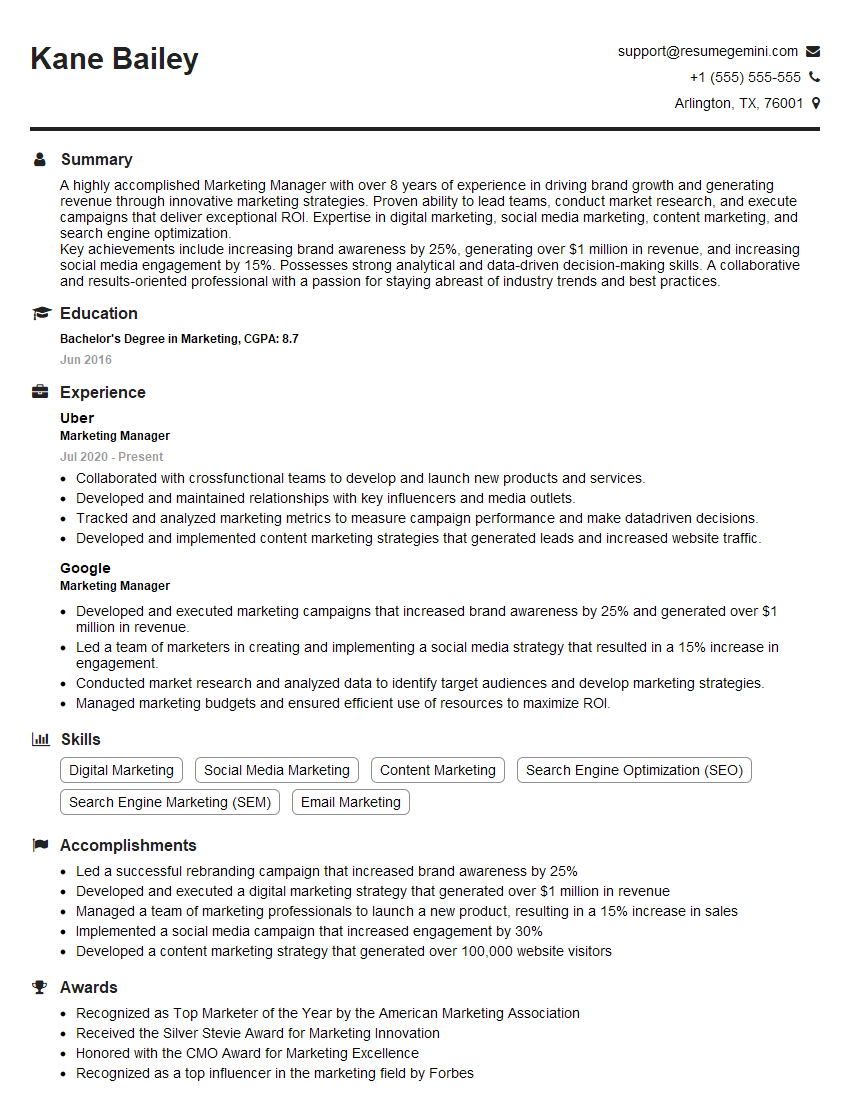
Marketing Manager Resume Sample
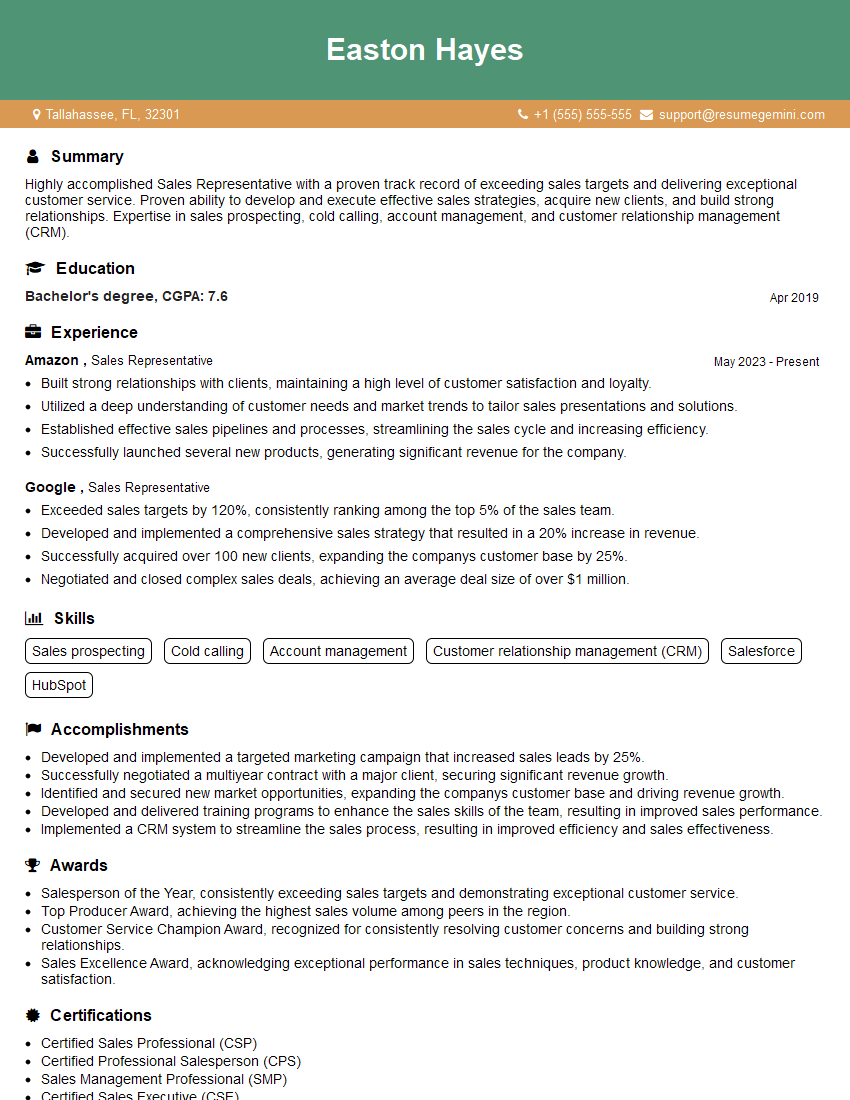
Sales Representative Resume Sample
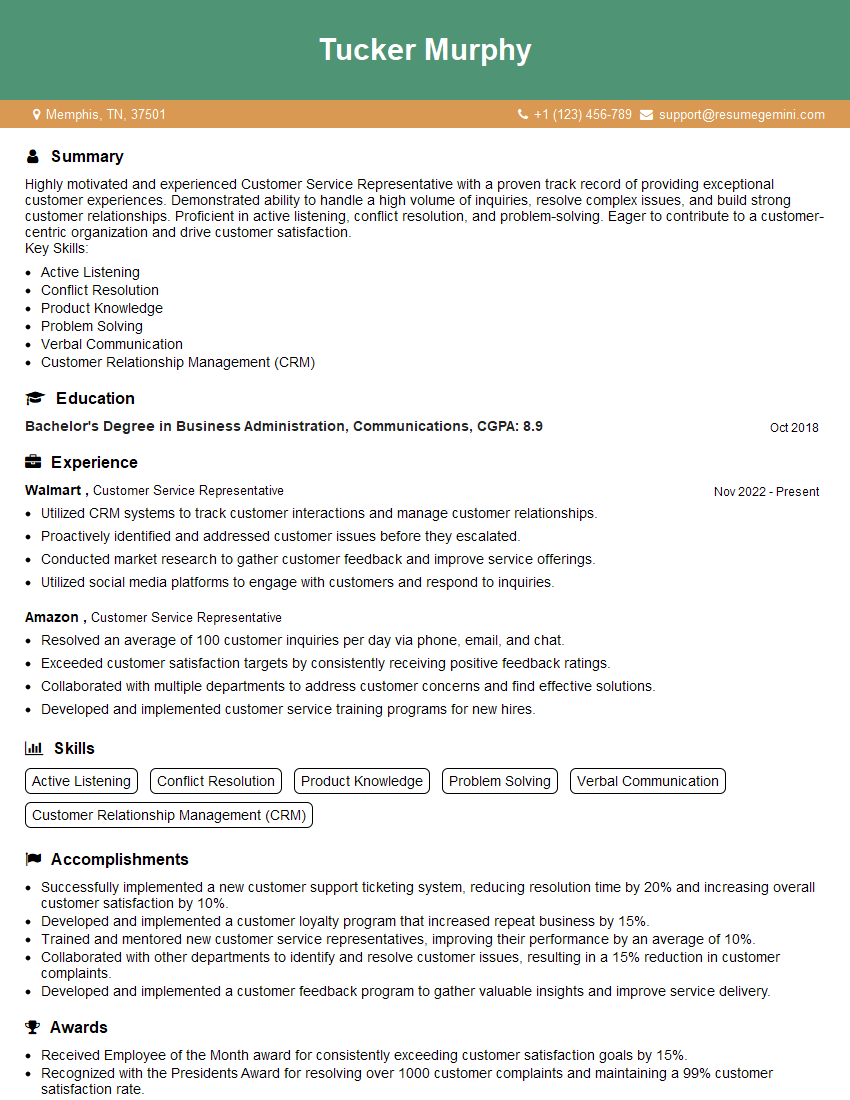
Customer Service Representative Resume Sample
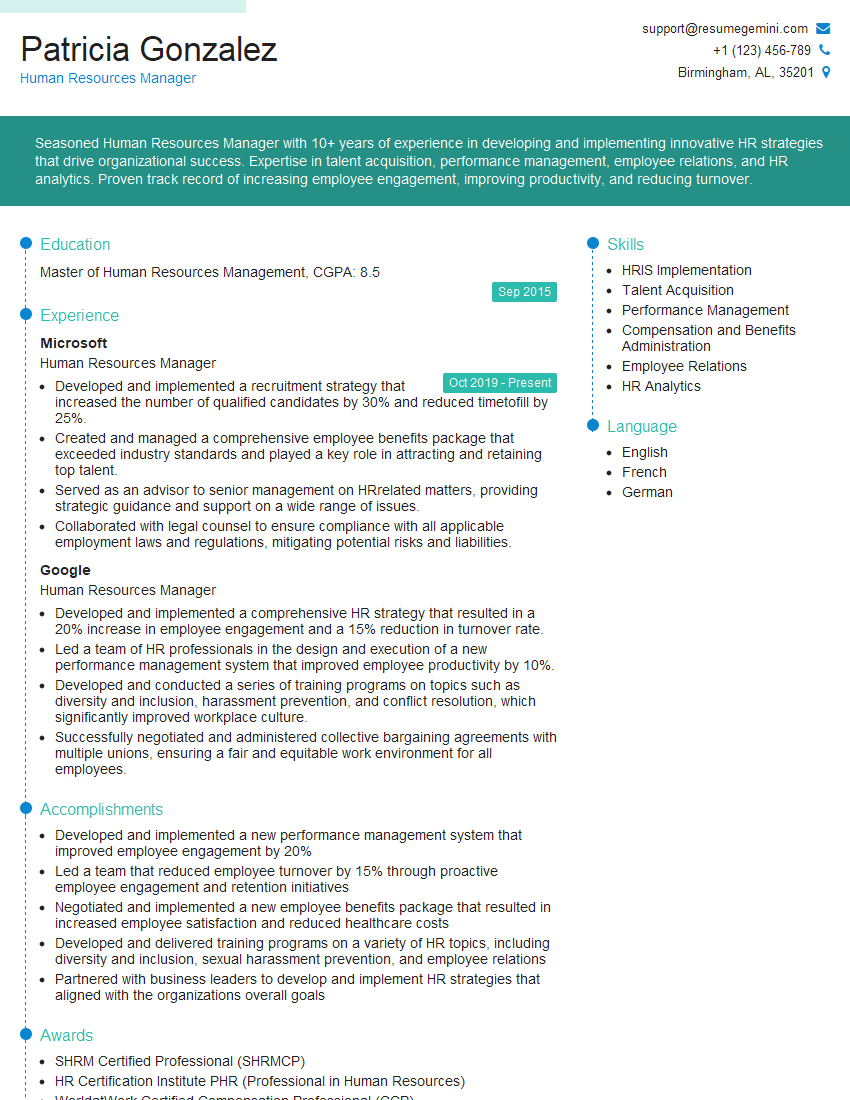
Human Resources Manager Resume Sample

Project Manager Resume Sample
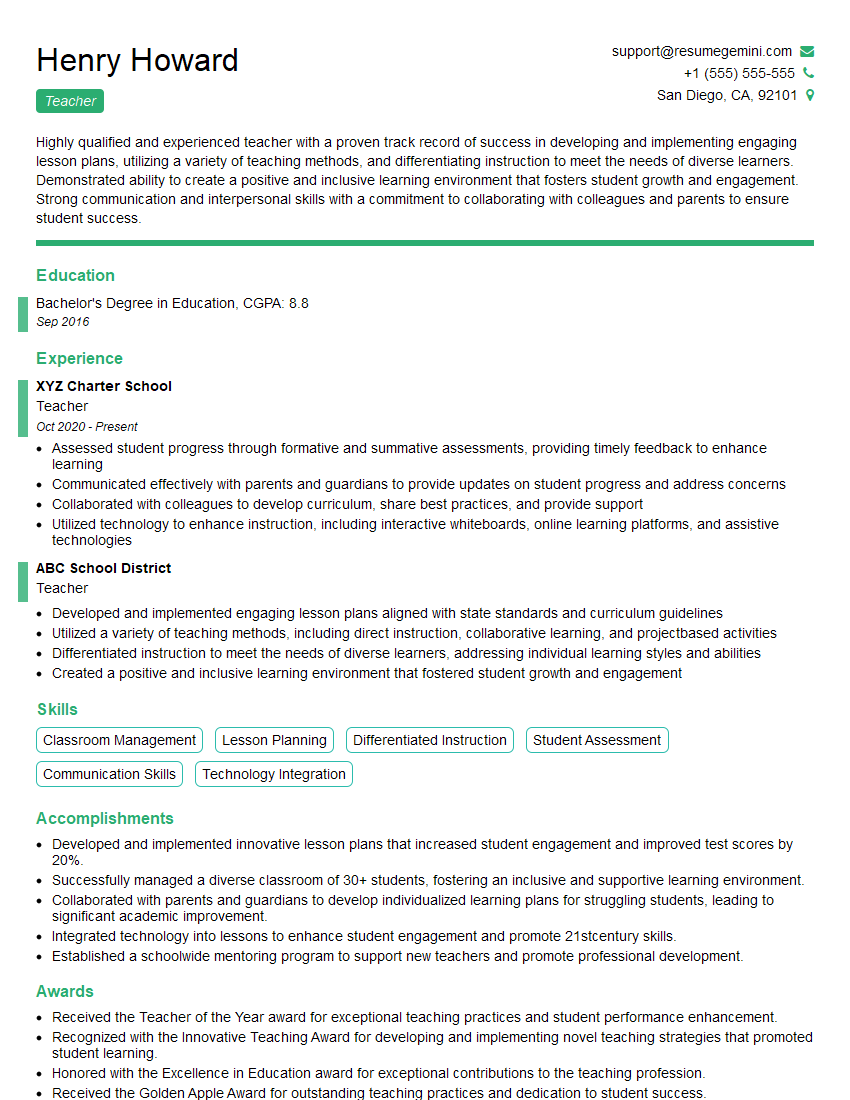
Teacher Resume Sample
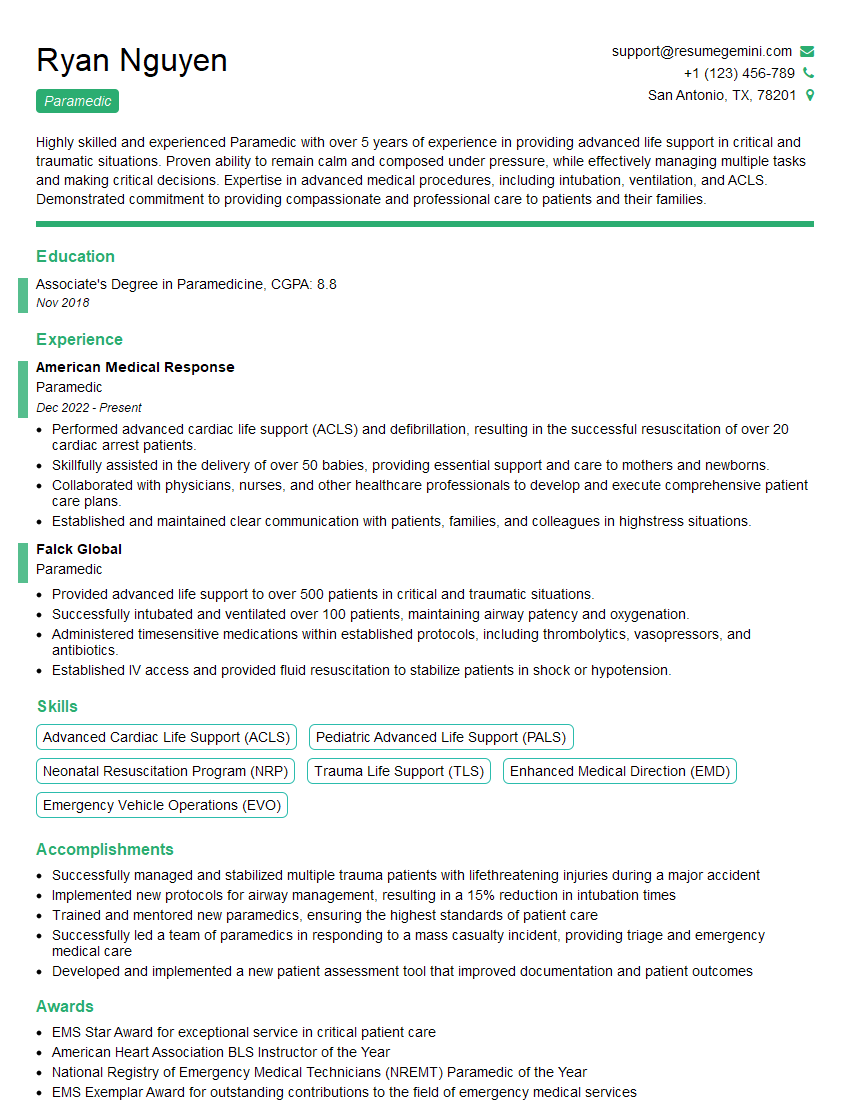
Paramedic Resume Sample
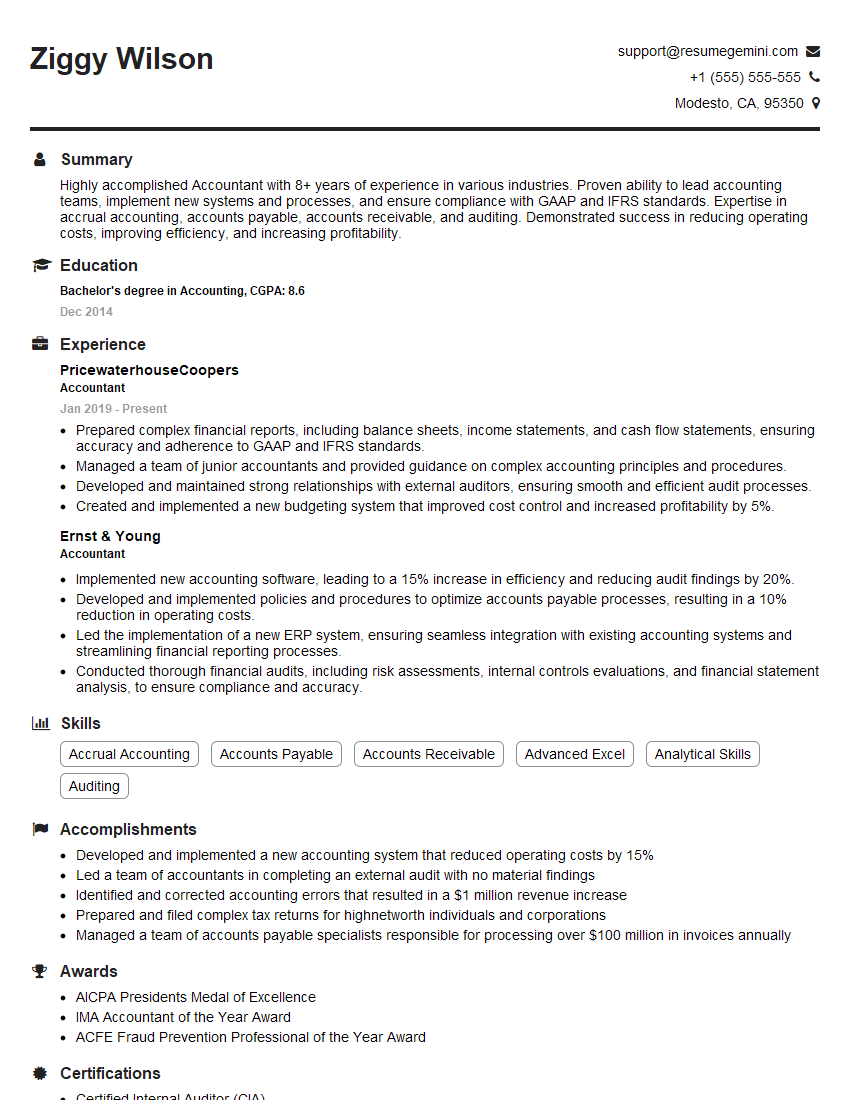
Accountant Resume Sample
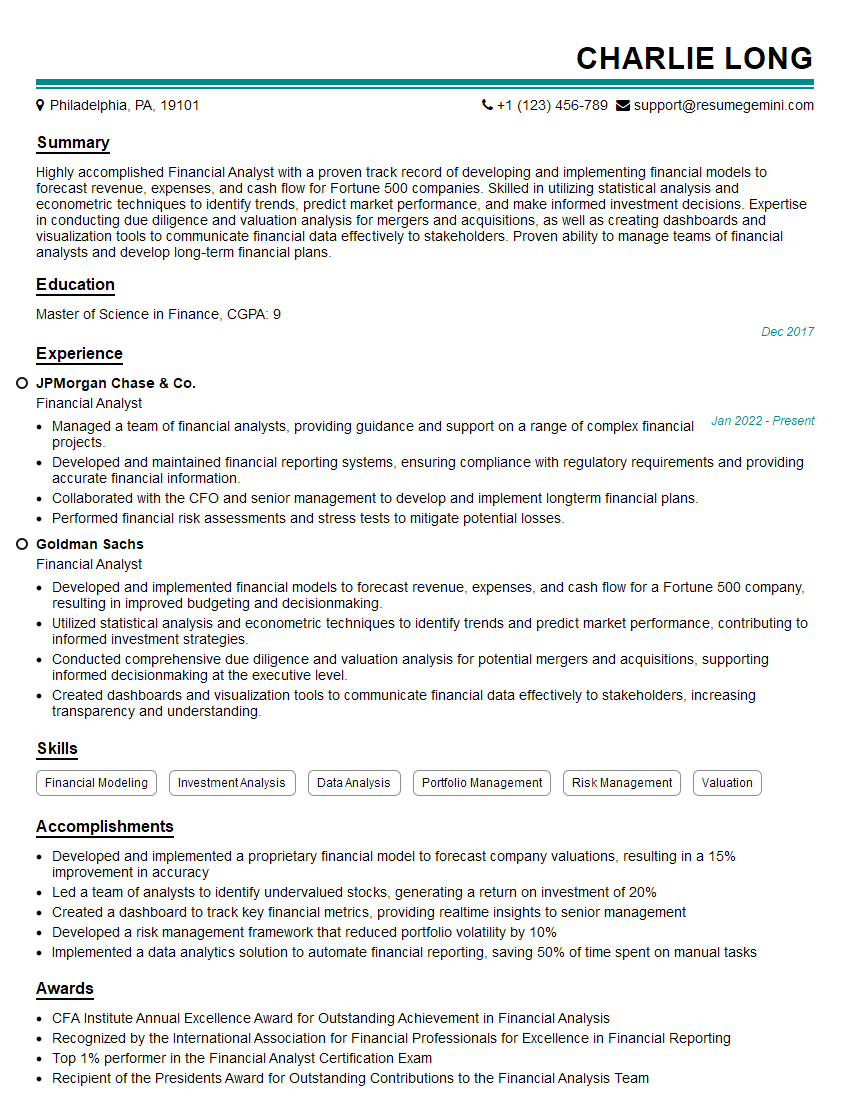
Financial Analyst Resume Sample
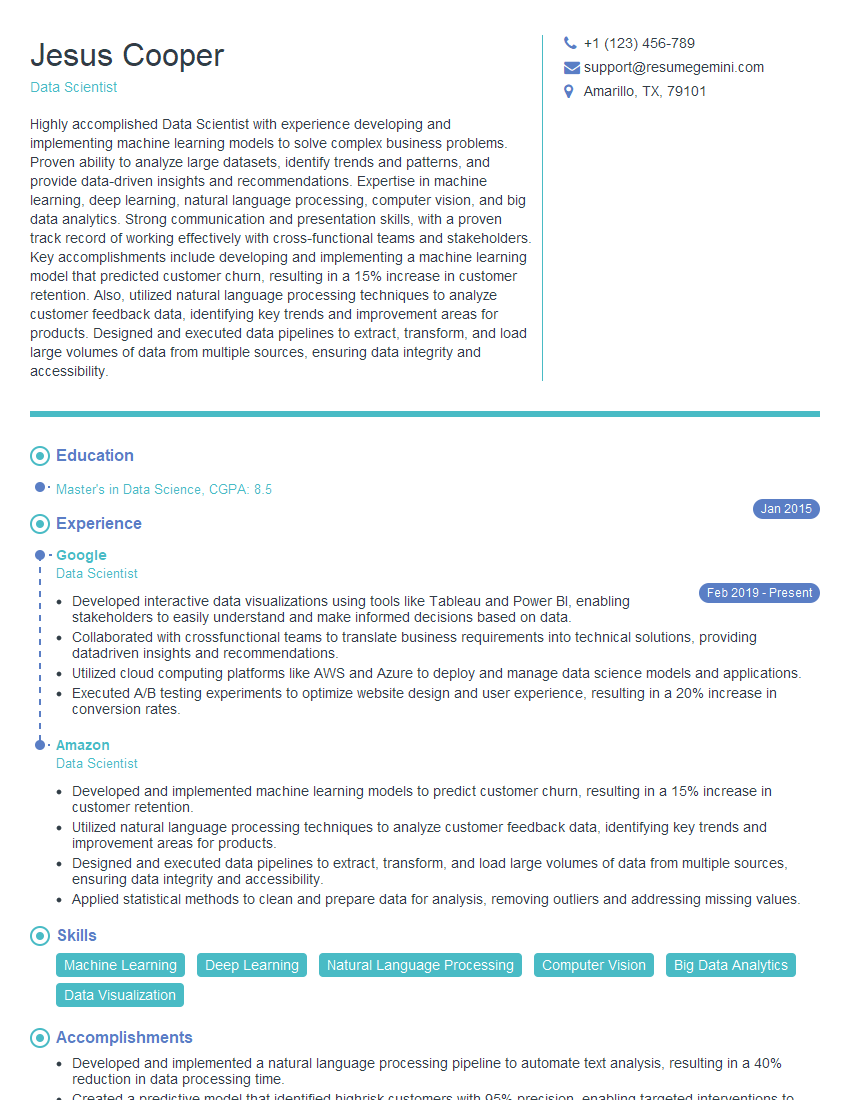
Data Scientist Resume Sample
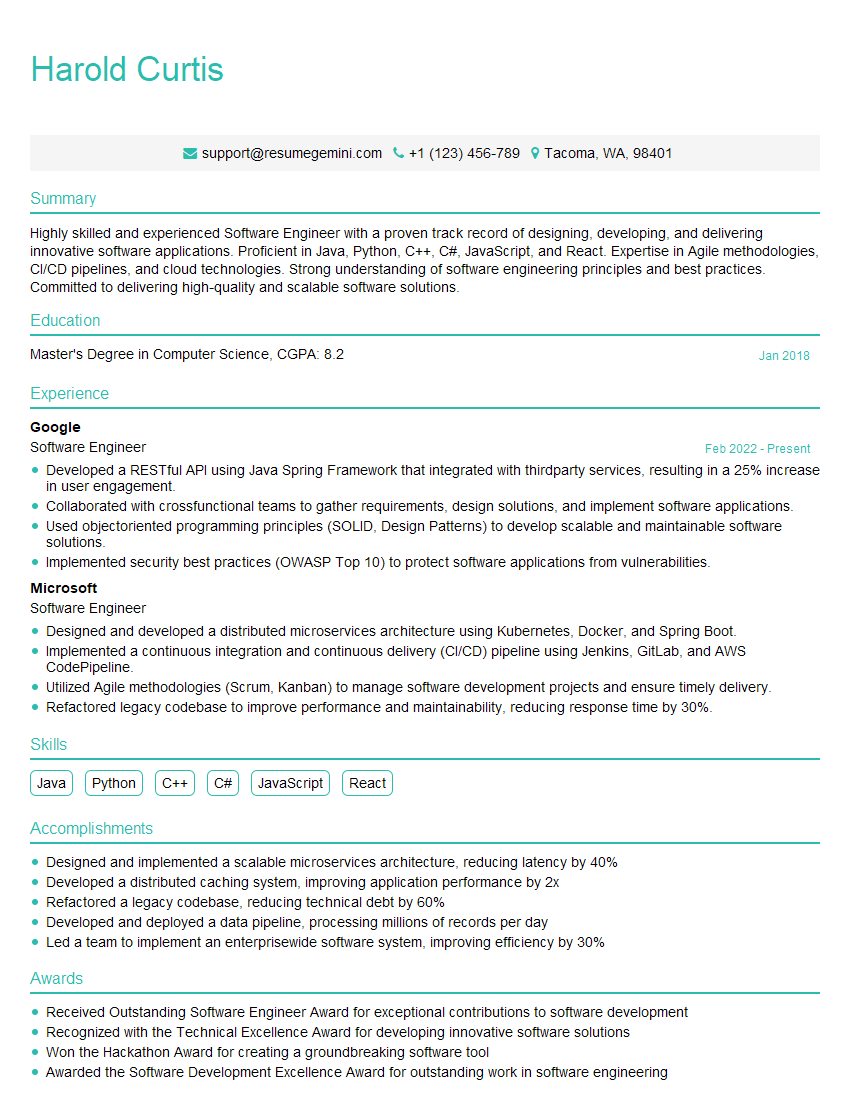
Software Engineer Resume Sample
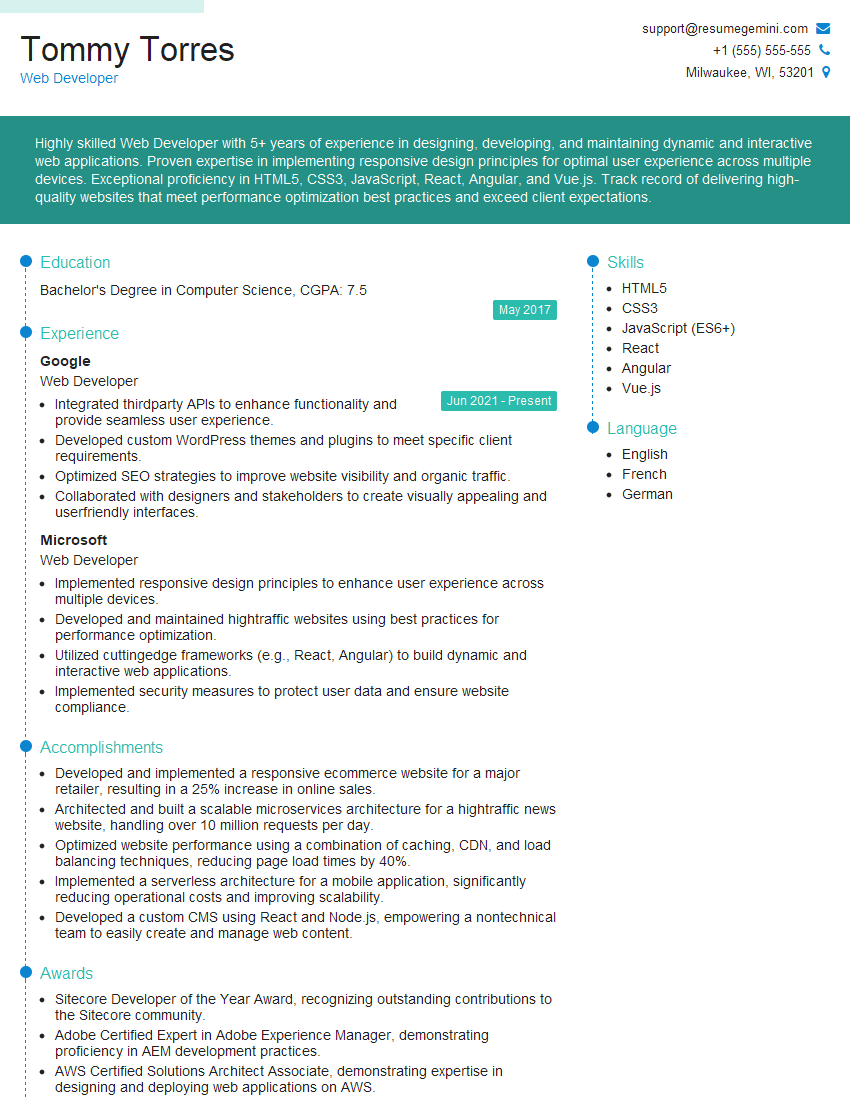
Web Developer Resume Sample
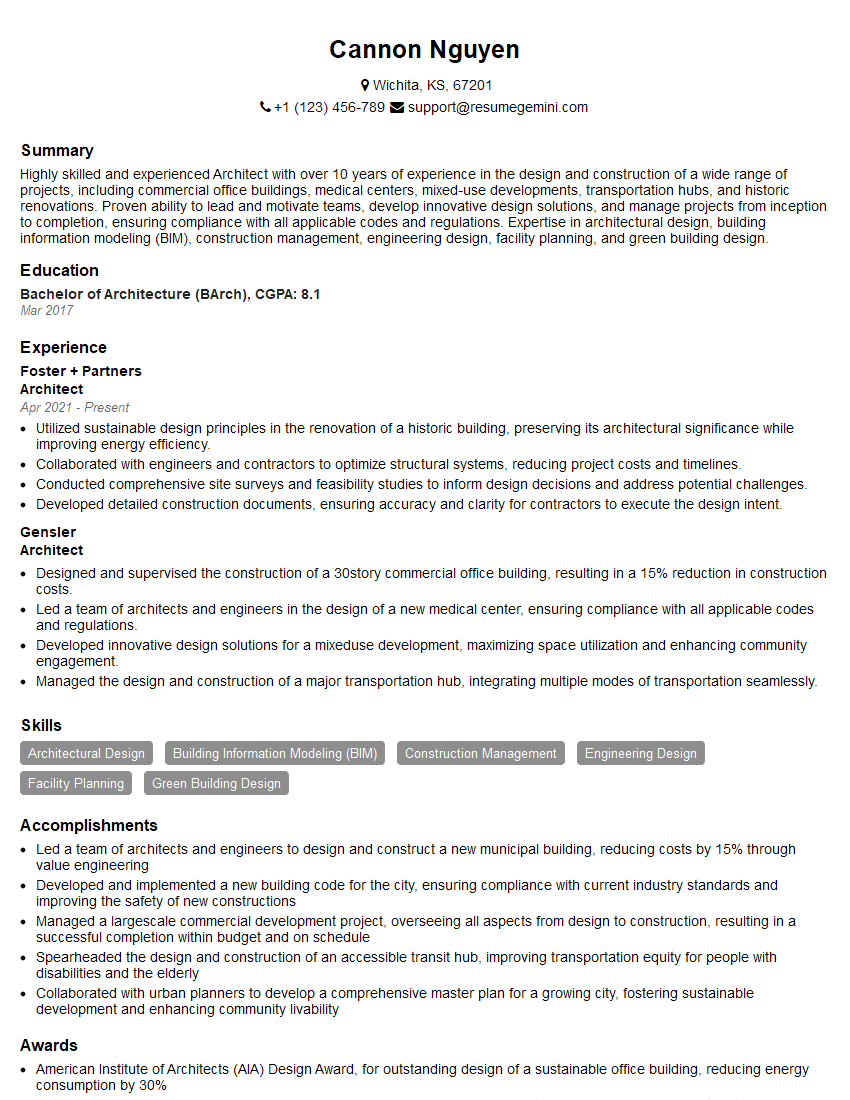
Architect Resume Sample
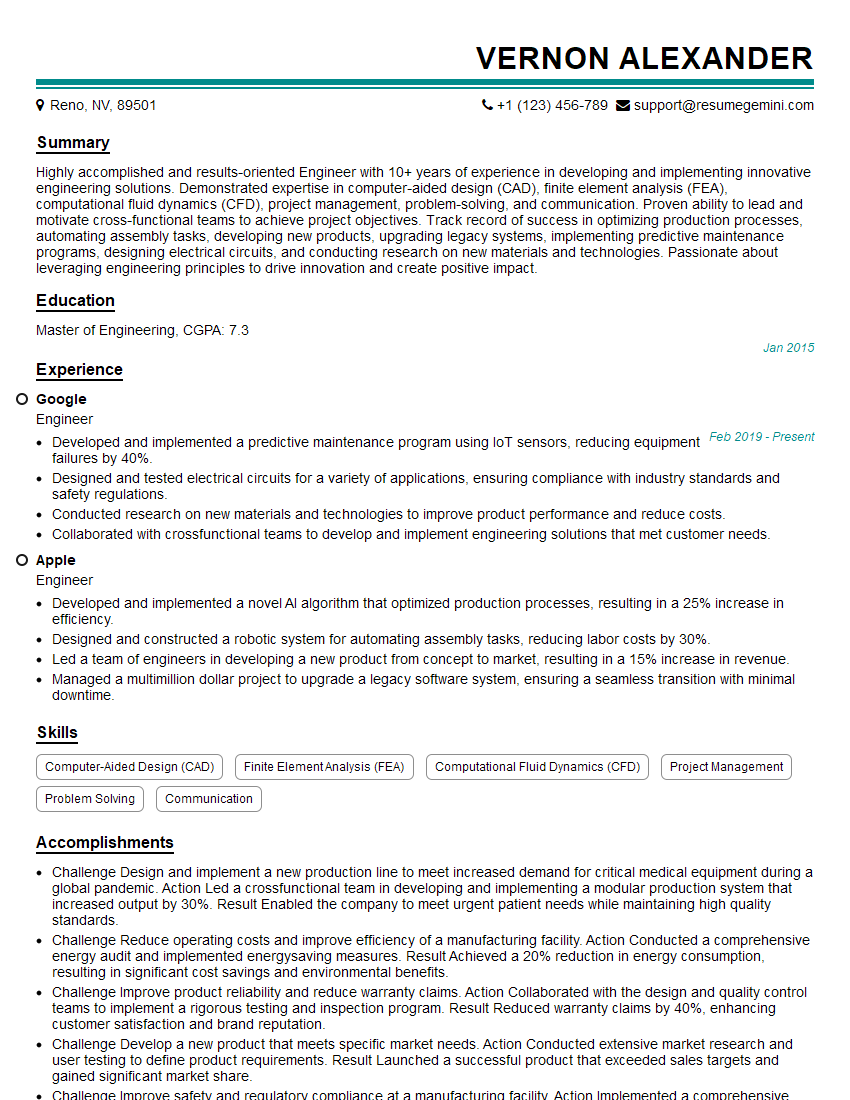
Engineer Resume Sample
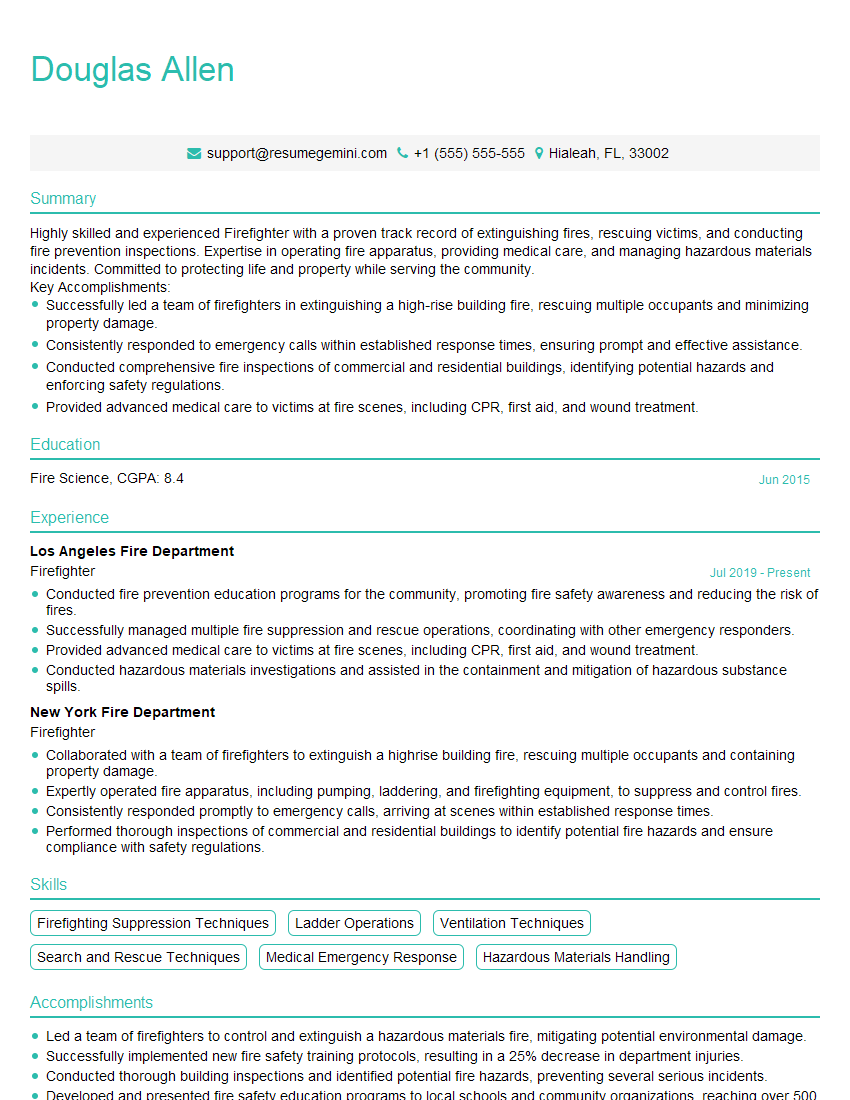
Firefighter Resume Sample
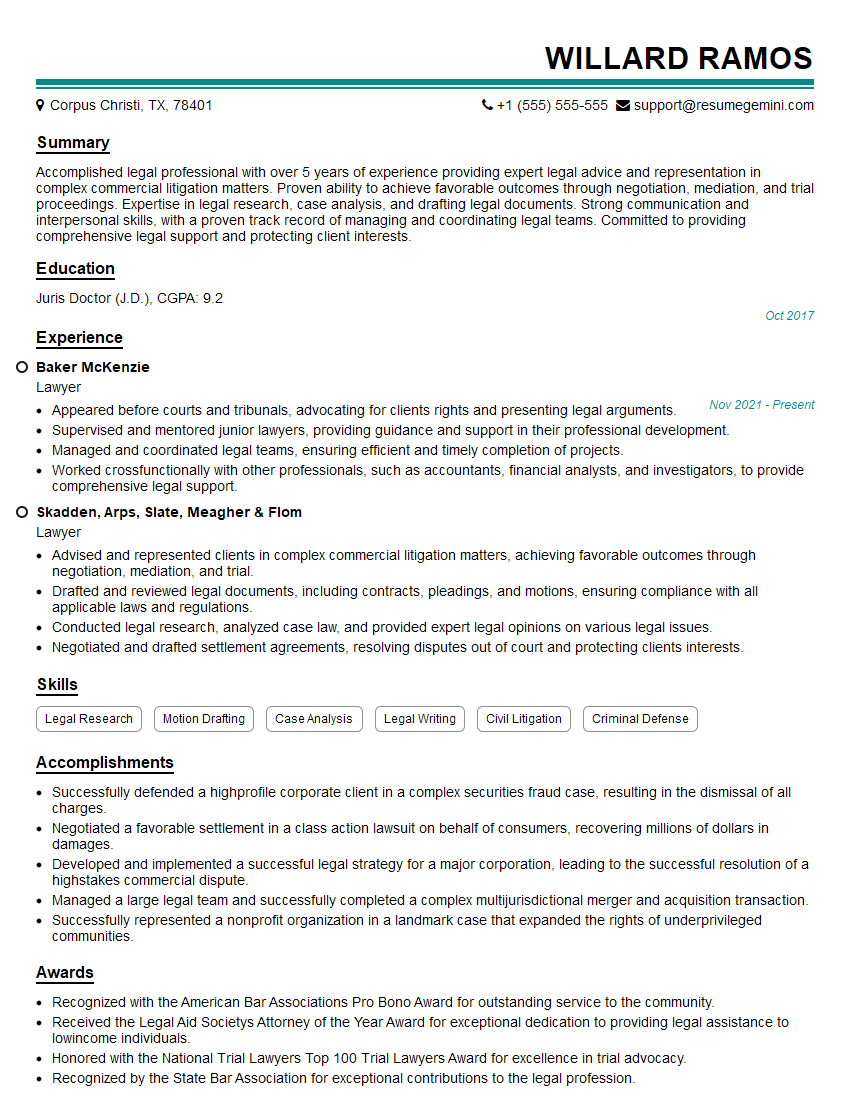
Lawyer Resume Sample
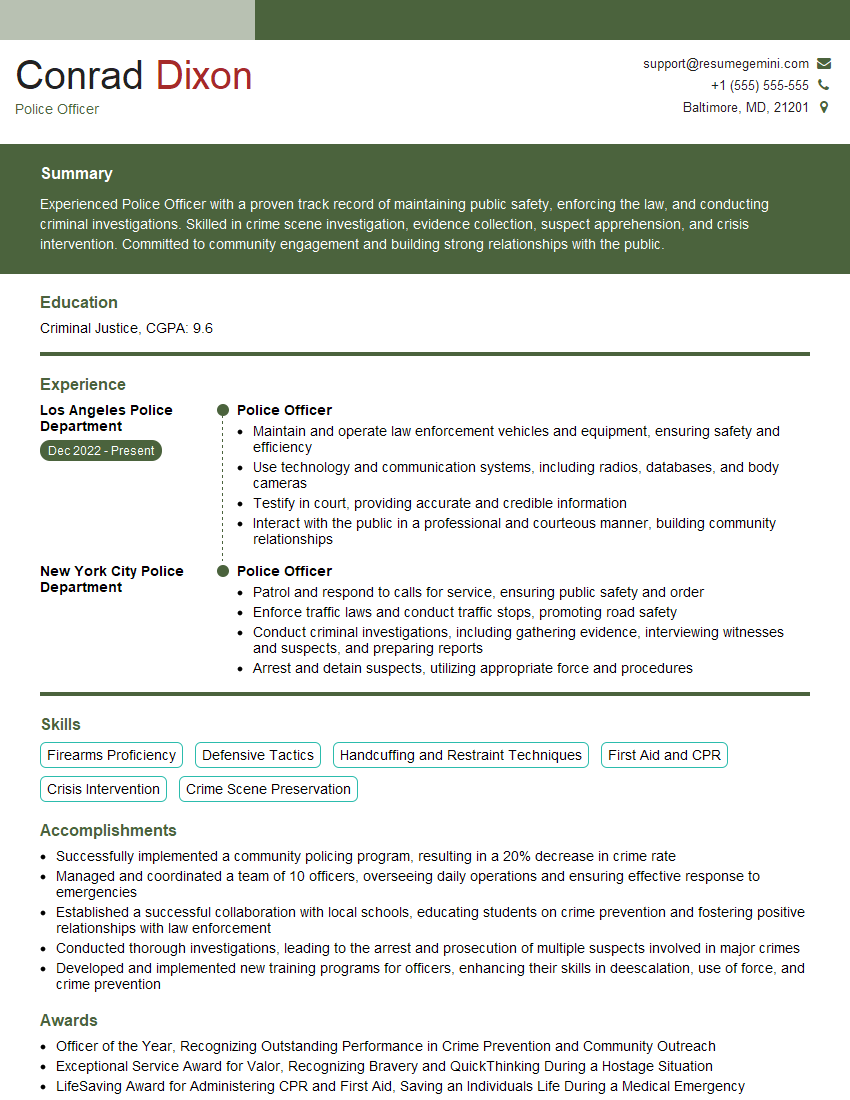
Police Officer Resume Sample
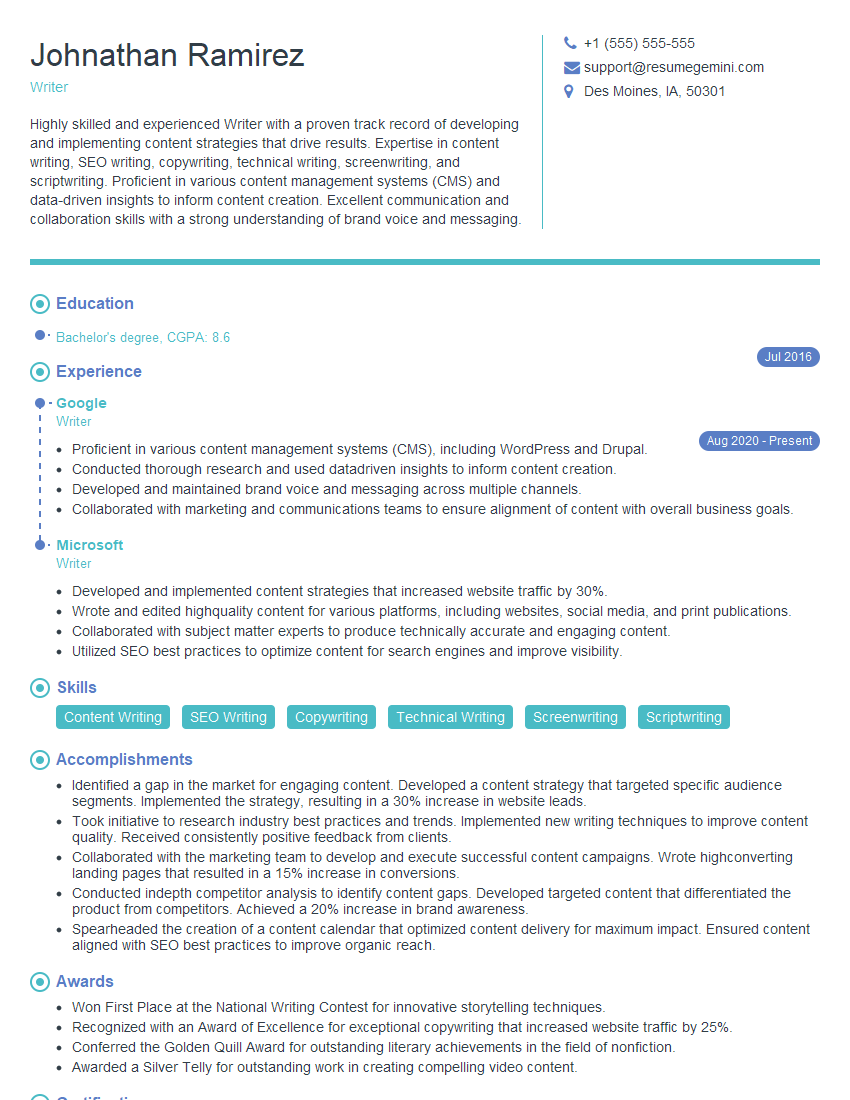
Writer Resume Sample
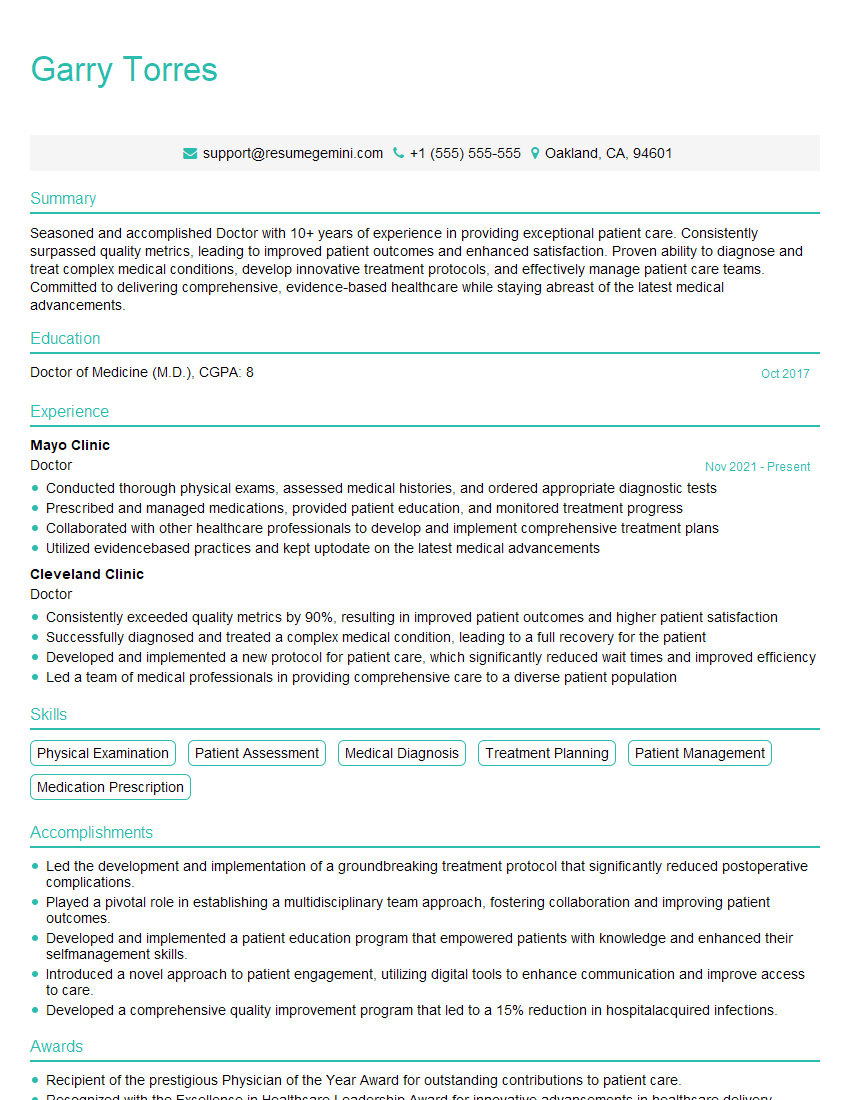
Doctor Resume Sample
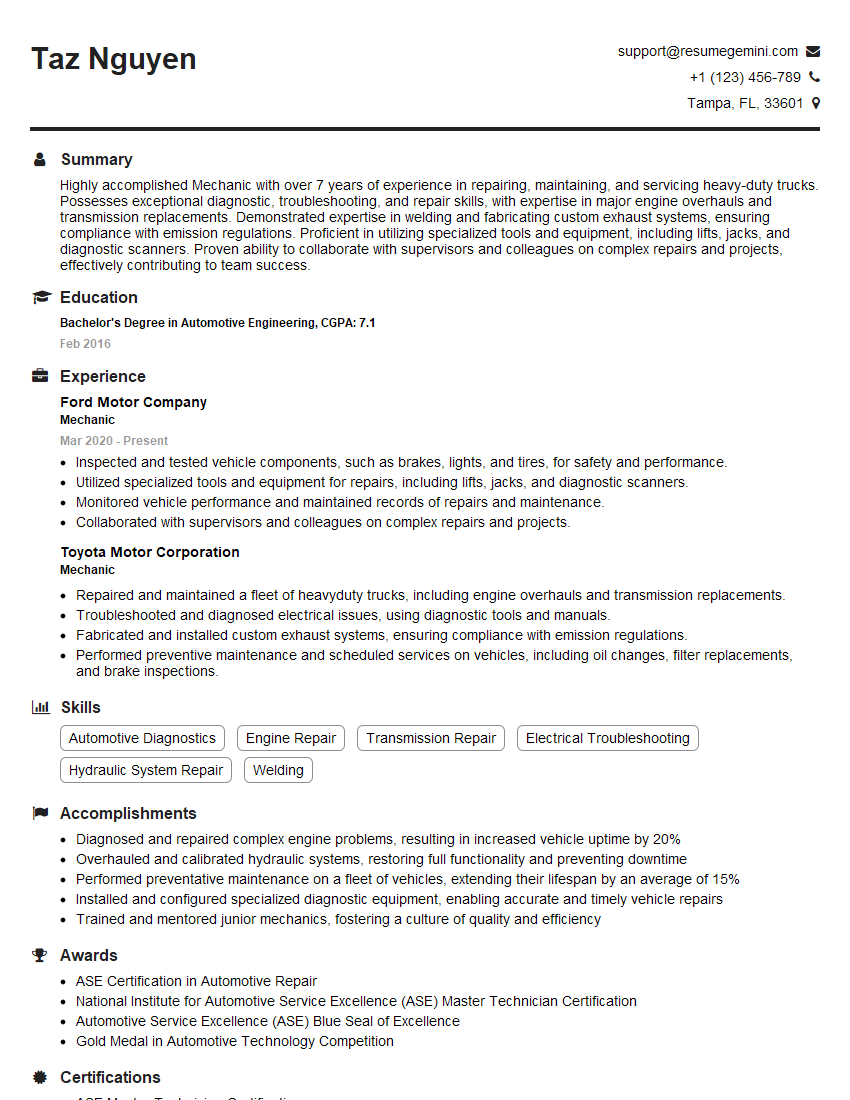
Mechanic Resume Sample
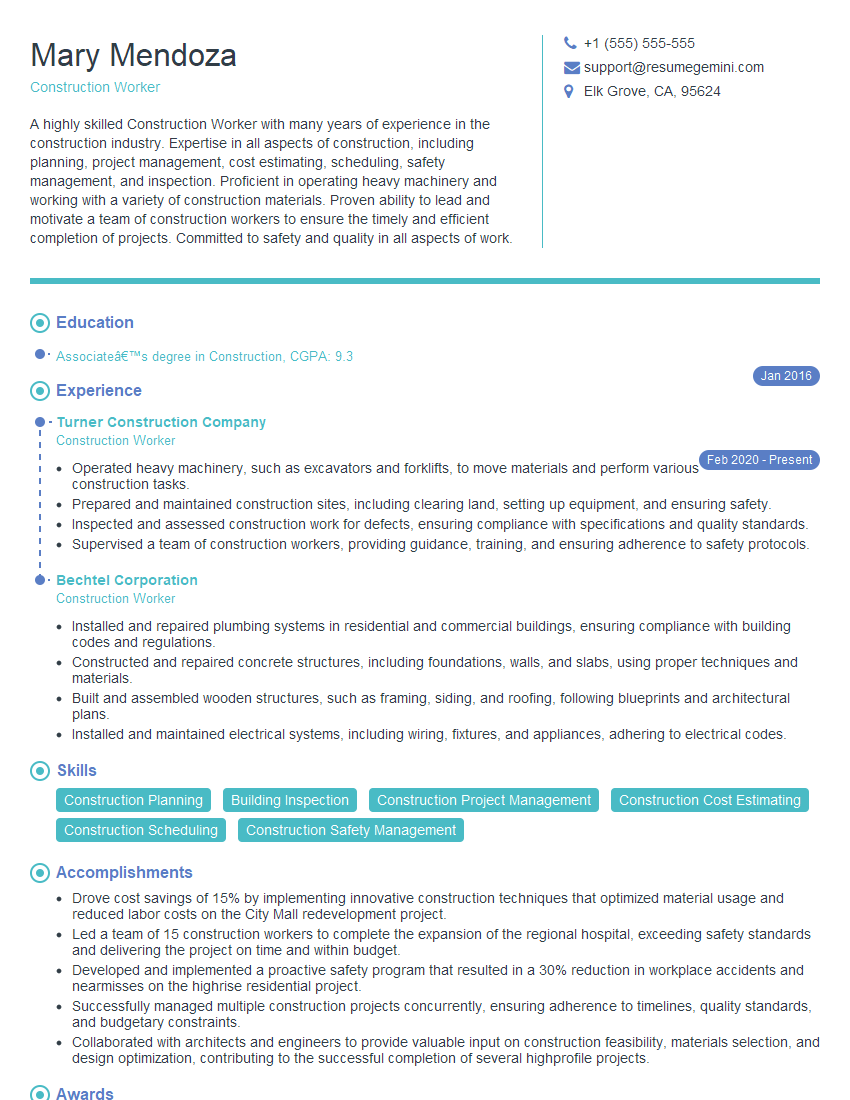
Construction Worker Resume Sample
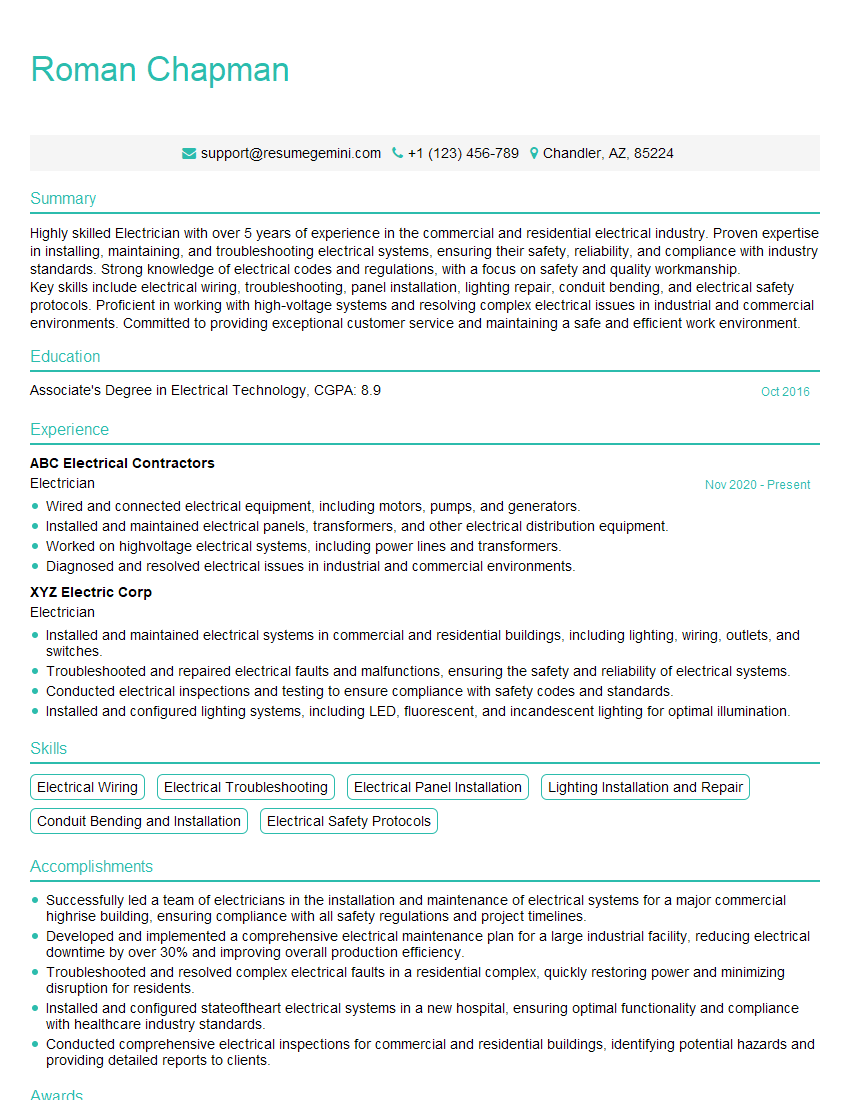
Electrician Resume Sample
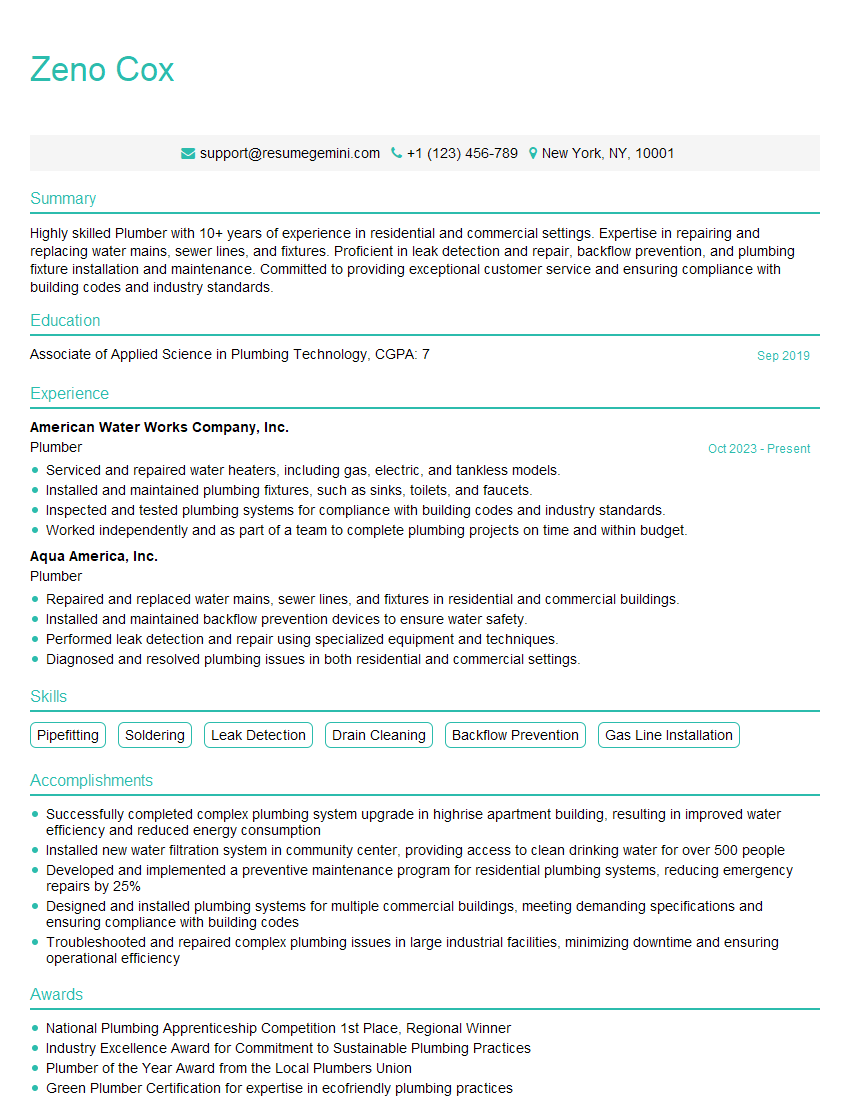
Plumber Resume Sample
- Operations Manager
- Marketing Manager
- Sales Representative
- Customer Service Representative
- Human Resources Manager
- Project Manager
- Teacher
- Paramedic
- Accountant
- Financial Analyst
- Data Scientist
- Software Engineer
- Web Developer
- Architect
- Engineer
- Firefighter
- Lawyer
- Police Officer
- Writer
- Doctor
- Mechanic
- Construction Worker
- Electrician
- Plumber
Explore more articles
Users Rating of Our Blogs
Share Your Experience
We value your feedback! Please rate our content and share your thoughts (optional).
What Readers Say About Our Blog
Hello,
we currently offer a complimentary backlink and URL indexing test for search engine optimization professionals.
You can get complimentary indexing credits to test how link discovery works in practice.
No credit card is required and there is no recurring fee.
You can find details here:
https://wikipedia-backlinks.com/indexing/
Regards
NICE RESPONSE TO Q & A
hi
The aim of this message is regarding an unclaimed deposit of a deceased nationale that bears the same name as you. You are not relate to him as there are millions of people answering the names across around the world. But i will use my position to influence the release of the deposit to you for our mutual benefit.
Respond for full details and how to claim the deposit. This is 100% risk free. Send hello to my email id: [email protected]
Luka Chachibaialuka
Hey interviewgemini.com, just wanted to follow up on my last email.
We just launched Call the Monster, an parenting app that lets you summon friendly ‘monsters’ kids actually listen to.
We’re also running a giveaway for everyone who downloads the app. Since it’s brand new, there aren’t many users yet, which means you’ve got a much better chance of winning some great prizes.
You can check it out here: https://bit.ly/callamonsterapp
Or follow us on Instagram: https://www.instagram.com/callamonsterapp
Thanks,
Ryan
CEO – Call the Monster App
Hey interviewgemini.com, I saw your website and love your approach.
I just want this to look like spam email, but want to share something important to you. We just launched Call the Monster, a parenting app that lets you summon friendly ‘monsters’ kids actually listen to.
Parents are loving it for calming chaos before bedtime. Thought you might want to try it: https://bit.ly/callamonsterapp or just follow our fun monster lore on Instagram: https://www.instagram.com/callamonsterapp
Thanks,
Ryan
CEO – Call A Monster APP
To the interviewgemini.com Owner.
Dear interviewgemini.com Webmaster!
Hi interviewgemini.com Webmaster!
Dear interviewgemini.com Webmaster!
excellent
Hello,
We found issues with your domain’s email setup that may be sending your messages to spam or blocking them completely. InboxShield Mini shows you how to fix it in minutes — no tech skills required.
Scan your domain now for details: https://inboxshield-mini.com/
— Adam @ InboxShield Mini
Reply STOP to unsubscribe
Hi, are you owner of interviewgemini.com? What if I told you I could help you find extra time in your schedule, reconnect with leads you didn’t even realize you missed, and bring in more “I want to work with you” conversations, without increasing your ad spend or hiring a full-time employee?
All with a flexible, budget-friendly service that could easily pay for itself. Sounds good?
Would it be nice to jump on a quick 10-minute call so I can show you exactly how we make this work?
Best,
Hapei
Marketing Director
Hey, I know you’re the owner of interviewgemini.com. I’ll be quick.
Fundraising for your business is tough and time-consuming. We make it easier by guaranteeing two private investor meetings each month, for six months. No demos, no pitch events – just direct introductions to active investors matched to your startup.
If youR17;re raising, this could help you build real momentum. Want me to send more info?
Hi, I represent an SEO company that specialises in getting you AI citations and higher rankings on Google. I’d like to offer you a 100% free SEO audit for your website. Would you be interested?
Hi, I represent an SEO company that specialises in getting you AI citations and higher rankings on Google. I’d like to offer you a 100% free SEO audit for your website. Would you be interested?
good