Feeling uncertain about what to expect in your upcoming interview? We’ve got you covered! This blog highlights the most important Hardware and Software Integration interview questions and provides actionable advice to help you stand out as the ideal candidate. Let’s pave the way for your success.
Questions Asked in Hardware and Software Integration Interview
Q 1. Explain the difference between hardware and software.
Hardware and software are the two fundamental components of any computing system, but they differ significantly in their nature and function. Hardware refers to the physical components of a computer system—the tangible parts you can see and touch, such as the CPU, memory (RAM), hard drive, motherboard, keyboard, and monitor. It’s the ‘stuff’ the computer is made of. Software, on the other hand, is the set of instructions, or programs, that tell the hardware what to do. It’s intangible; it exists as code and data stored on the hardware. Think of hardware as the body and software as the brain – the hardware provides the structure and capabilities, while the software directs its actions and functionality.
A simple analogy: Imagine a car. The engine, wheels, steering wheel, and body are the hardware. The software would be the instructions that control the engine speed, steering, braking, and other functions. Without the hardware, the software has no physical manifestation; without the software, the hardware is just a collection of inert parts.
Q 2. Describe your experience with different communication protocols (e.g., I2C, SPI, UART).
I have extensive experience with various communication protocols, crucial for efficient hardware-software integration. I2C (Inter-Integrated Circuit) is a two-wire serial bus commonly used for short-distance communication, ideal for connecting multiple peripherals to a microcontroller. Its simplicity and low hardware overhead make it perfect for applications where power consumption is a concern, such as sensor networks. I’ve used I2C extensively in projects involving integrating sensors and actuators, like temperature sensors and LEDs.
SPI (Serial Peripheral Interface) is another serial communication protocol known for its speed and flexibility. It uses multiple lines (MOSI, MISO, SCK, and SS) enabling faster data transfer rates compared to I2C. I’ve utilized SPI in projects requiring high bandwidth, such as interfacing with high-resolution displays and flash memory. The ability to easily manage multiple devices simultaneously using chip selects (SS) is a key advantage.
UART (Universal Asynchronous Receiver/Transmitter) is a widely used asynchronous serial communication protocol for simpler point-to-point communication. Its ease of implementation and robust error-checking mechanisms make it popular for debugging and low-bandwidth data transmission. I’ve frequently used UART for debugging, communicating with a PC terminal for monitoring system status, and for basic data logging.
My experience spans selecting the most appropriate protocol based on project requirements, including considerations of speed, distance, complexity, and power consumption. I’m also proficient in troubleshooting communication issues arising from clock synchronization, data framing, and line noise.
Q 3. How do you debug hardware/software integration issues?
Debugging hardware/software integration issues requires a systematic and multi-faceted approach. My process typically starts with a thorough understanding of the system architecture and expected behavior. Then, I employ a combination of techniques:
- Systematic Isolation: I begin by isolating the problem—is it hardware, software, or a combination of both? This may involve testing individual components and modules.
- Logic Analyzers and Oscilloscopes: For hardware-related problems, I use logic analyzers to capture and analyze digital signals, revealing timing issues, glitches, or incorrect data transmission. Oscilloscopes are essential for observing analog signals and verifying signal integrity.
- Debuggers and Logging: Software debugging involves using debuggers to step through code, set breakpoints, inspect variables, and identify errors. I extensively use print statements and logging mechanisms to track program flow and data values.
- Traceability: Maintaining clear documentation and version control helps to retrace steps and understand system changes.
- Simulation: Simulating parts of the system, especially if it involves complex timing-sensitive interactions, helps isolate problems and test different scenarios before deploying to physical hardware.
The process is often iterative, involving repeated testing, analysis, and code/hardware modifications. A critical part of effective debugging is careful documentation of findings and solutions to prevent recurrence and facilitate collaboration.
Q 4. What are common challenges in integrating hardware and software?
Common challenges in hardware/software integration stem from the inherent differences between the two domains. Some frequent challenges include:
- Timing Issues: Hardware and software operate at different speeds and require careful synchronization to avoid timing-related errors. This can lead to data corruption, missed interrupts, or system instability.
- Resource Conflicts: Hardware resources such as memory addresses, interrupts, and peripherals must be carefully managed to avoid conflicts between different software components or between software and hardware.
- Hardware Limitations: Software may make assumptions about hardware capabilities that are not met, leading to unexpected behavior or crashes. Understanding hardware specifications and constraints is paramount.
- Debugging Complexity: Debugging integration issues often involves both hardware and software tools and techniques, which can be time-consuming and challenging.
- Real-Time Constraints: In real-time systems, deadlines must be met, making the integration process more demanding and requiring careful scheduling and optimization.
- Interoperability: Ensuring that different hardware and software components work together seamlessly, particularly when using third-party modules, can be complex.
Overcoming these challenges requires a deep understanding of both hardware and software principles, strong debugging skills, and a systematic approach to problem-solving.
Q 5. Explain your experience with real-time operating systems (RTOS).
My experience with Real-Time Operating Systems (RTOS) is extensive. RTOS are crucial when dealing with systems requiring strict timing constraints, like embedded systems controlling industrial machinery, robotics, or automotive applications. I’ve worked with various RTOS, including FreeRTOS and Zephyr, understanding their task scheduling algorithms (like Round Robin and Priority-Based scheduling), interrupt handling mechanisms, and memory management strategies.
Working with an RTOS involves careful consideration of task priorities, resource allocation, and inter-process communication (IPC) mechanisms such as semaphores, mutexes, and message queues. One project involved designing a control system for a robotic arm using FreeRTOS. The system needed to precisely control multiple motors in real-time, requiring careful task scheduling to ensure responsive and synchronized movements. Understanding RTOS concepts like context switching and task synchronization was critical for successful implementation. I also have experience with profiling RTOS applications to identify bottlenecks and optimize performance. This often involves using real-time analysis tools and carefully analyzing scheduling algorithms.
Q 6. Describe your experience with version control systems (e.g., Git) in a hardware/software context.
Version control systems (VCS), primarily Git, are indispensable in hardware/software integration projects. Git allows for collaborative development, tracking changes, managing different versions of code and hardware design files, and facilitating efficient rollback in case of errors. In a hardware/software context, I use Git to manage not only software code but also hardware designs (schematics, PCB layouts, etc.) using tools like KiCad that support Git integration. This allows for easy tracking of hardware revisions alongside software updates.
I employ branching strategies, like Gitflow, to manage feature development, bug fixes, and releases. This ensures that different features or bug fixes can be developed concurrently without interfering with the main codebase or hardware design. Clear commit messages are crucial for maintaining a traceable history and facilitating understanding of changes. Pull requests and code reviews are integral to our workflow, ensuring code quality and collaboration.
Furthermore, I utilize Git to manage firmware and driver versions, maintaining a complete and consistent history of both hardware and software revisions. This becomes invaluable during debugging and troubleshooting, allowing us to easily revert to previous known working versions if needed.
Q 7. How do you ensure data integrity during hardware/software integration?
Ensuring data integrity during hardware/software integration requires a multi-layered approach, addressing potential errors at various stages. Key strategies include:
- Error Detection and Correction Codes: Implementing checksums, CRC (Cyclic Redundancy Check), or other error detection codes in the communication protocols safeguards data transmission against corruption caused by noise or hardware issues.
- Data Validation: Implementing data validation checks within the software ensures that data received from the hardware meets expected ranges, types, and consistency. This can involve range checks, data type checks, and plausibility checks.
- Redundancy and Fault Tolerance: Using redundant hardware components (sensors, actuators) allows the system to continue operating even if one component fails. Redundancy can also be implemented in software through techniques like software watchdog timers, which monitor the system for potential errors or stalls.
- Secure Communication Protocols: When dealing with sensitive data, employing secure communication protocols, such as encrypted communication channels (e.g., using TLS/SSL), helps prevent unauthorized access and data tampering.
- Thorough Testing: Rigorous testing, including unit tests, integration tests, and system tests, helps uncover potential data integrity issues early in the development cycle.
A holistic approach that combines various techniques provides a robust safeguard against data corruption and ensures the reliability of the integrated system.
Q 8. Explain your understanding of different memory types (e.g., RAM, ROM, Flash).
Memory types in hardware are crucial for storing and retrieving data. They differ primarily in their volatility (whether data persists when power is off), access speed, and cost.
- RAM (Random Access Memory): This is volatile memory; data is lost when power is removed. It’s fast and used for actively running programs and data. Think of RAM as your computer’s short-term memory – it’s where everything you’re currently working on resides. There are several types of RAM, such as DDR4 and DDR5, each offering different speeds and capacities.
- ROM (Read-Only Memory): This is non-volatile memory; data persists even without power. It’s typically used to store firmware – the essential instructions for the device to boot up. Imagine ROM as a device’s instruction manual, permanently etched into its circuitry. Examples include the BIOS in a computer or the boot loader in an embedded system.
- Flash Memory: This is a non-volatile memory type that allows for both reading and writing data, although it’s slower than RAM. It’s commonly used in SSDs, USB drives, and embedded systems for storing data that needs to be persistent, like configuration settings or software updates. Flash memory is like a more flexible, rewritable version of ROM, allowing updates without changing the physical hardware.
Understanding these differences is key to efficient system design. For instance, we choose fast RAM for active processing and persistent flash memory for storing configuration settings that need to survive power cycles.
Q 9. Describe your experience with embedded system design.
I have extensive experience in embedded system design, spanning various projects from industrial control systems to consumer electronics. My expertise covers the entire lifecycle, from requirements gathering and architecture design to implementation, testing, and deployment. I’m proficient in using microcontrollers like ARM Cortex-M and MSP430, and I’m familiar with real-time operating systems (RTOS) like FreeRTOS and Zephyr.
In one project, I developed a smart irrigation system using a low-power microcontroller. This involved designing the hardware circuitry, writing the firmware to control water pumps and sensors, and developing a user interface for remote monitoring and control. I successfully integrated various sensors (soil moisture, temperature, humidity) and managed power consumption to ensure long battery life. This experience involved rigorous testing to ensure reliability and fault tolerance in a field environment.
Q 10. How do you handle timing constraints in embedded systems?
Timing constraints are critical in embedded systems, especially real-time systems where events must be processed within specific deadlines. Failing to meet these deadlines can lead to system malfunction or instability.
My approach involves several strategies:
- Careful Scheduling: I employ techniques like rate monotonic scheduling or earliest deadline first scheduling to ensure that tasks are executed within their timing budgets.
- Profiling and Optimization: I utilize profiling tools to identify bottlenecks and optimize code for performance. This might involve using assembly language for time-critical sections or employing efficient data structures and algorithms.
- Hardware Support: Leveraging hardware features like DMA (Direct Memory Access) can offload data transfers from the CPU, reducing timing overhead. Using hardware timers and interrupts is essential for precise timing control.
- Interrupt Handling: Efficient and well-structured interrupt service routines (ISRs) are crucial. Keeping ISRs short and avoiding potentially blocking operations ensures minimal impact on overall system timing.
For example, in a motor control application, I would use a hardware timer to generate precise PWM signals for motor speed control and ensure that the interrupt handling for sensor readings doesn’t interfere with the motor control loop.
Q 11. What are your preferred debugging tools and techniques?
Effective debugging is crucial in hardware/software integration. My preferred tools and techniques include:
- Hardware Debuggers (e.g., JTAG): These provide low-level access to the microcontroller, allowing me to examine registers, memory, and program flow in real-time. This is essential for tracking down hardware-related issues or low-level software bugs.
- Logic Analyzers: These are invaluable for capturing and analyzing digital signals, helping identify timing violations or glitches in the hardware.
- Oscilloscope: Used to examine analog signals and ensure proper signal integrity. This can be crucial when debugging issues with analog sensors or communication interfaces.
- Software Debuggers (e.g., GDB): These are essential for stepping through code, setting breakpoints, and inspecting variables during software execution. Integrated Development Environments (IDEs) provide a user-friendly interface to these debuggers.
- Print Statements (printf debugging): Although a simpler approach, strategically placed print statements can provide valuable insights into program behavior. However, this technique should be used judiciously in embedded systems due to potential performance impact.
I combine these tools and methods depending on the complexity of the issue. For example, if I suspect a timing problem, I might use a logic analyzer to check signals, while if I’m dealing with a software crash, I might leverage a software debugger to step through code and pinpoint the exact location of the error.
Q 12. Explain your experience with hardware abstraction layers (HALs).
Hardware Abstraction Layers (HALs) are critical for promoting portability and maintainability in embedded systems. They provide a software interface that hides the underlying hardware details, allowing developers to write code that is largely independent of the specific microcontroller or peripheral being used.
My experience with HALs involves designing and utilizing them in several projects. I understand the importance of designing HALs that are well-structured, efficient, and easy to understand. A well-designed HAL should clearly define functions and data structures for interacting with various hardware components, making the code more modular and reusable.
For example, in a project involving multiple sensor types, I created a generic sensor HAL with functions for reading data, configuring settings, and handling errors. This allowed me to easily swap out different sensor implementations without modifying the core application code. This reduces development time and increases code maintainability.
Q 13. How do you manage hardware and software dependencies?
Managing hardware and software dependencies effectively is key to successful embedded system development. I typically use a combination of techniques:
- Version Control (e.g., Git): This is essential for tracking changes to both hardware designs (schematics, PCB layouts) and software code. This allows for easy rollback to previous versions if necessary.
- Dependency Management Tools (e.g., CMake): These help to manage external libraries and dependencies required by the software. This ensures that the correct versions are used and helps to resolve conflicts between different libraries.
- Build Systems (e.g., Make, CMake): These automate the process of compiling and linking the software code, ensuring that all dependencies are correctly handled.
- Documentation: Maintaining clear and up-to-date documentation for both hardware and software is essential. This makes it easier for team members to understand the system and reduces the risk of errors during integration.
- Modular Design: Designing the system with well-defined modules reduces the complexity of managing interdependencies. Each module should have clear interfaces, making it easier to integrate and test.
In a recent project, we used CMake to manage our dependencies and a robust Git workflow to track changes. This helped us to successfully integrate various components from different vendors and ensure a smooth development process.
Q 14. Describe a time you had to troubleshoot a complex hardware/software integration issue.
During the development of a wireless sensor network, we encountered a baffling issue where sensor nodes would intermittently lose communication. Initial debugging with software tools didn’t reveal any obvious problems. We suspected a hardware issue, possibly related to the RF communication module.
Our troubleshooting steps were:
- Systematic Isolation: We isolated the problem by systematically removing and replacing components on the sensor node. This helped us pinpoint the issue to the RF module.
- Signal Analysis: Using an oscilloscope, we examined the RF signals, discovering intermittent signal dropouts. This pointed towards a hardware problem with the module itself.
- Component Testing: We tested the RF module on a separate test board to confirm that the problem wasn’t related to the rest of the sensor node hardware.
- Vendor Support: We contacted the RF module vendor for support and provided them with our test data. They confirmed a potential batch defect and sent us replacement modules.
- Retesting and Validation: Upon replacing the modules, the sensor network functioned correctly, proving our diagnosis and the effectiveness of our troubleshooting.
This experience highlighted the importance of methodical troubleshooting, a combination of hardware and software debugging tools, and effective communication with vendors when dealing with complex issues.
Q 15. Explain your understanding of interrupt handling in embedded systems.
Interrupt handling is a crucial mechanism in embedded systems that allows peripheral devices or external events to interrupt the normal flow of the processor’s execution. Imagine you’re reading a book (main program) when the phone rings (interrupt). You stop reading, answer the phone, and then return to your book. Similarly, an interrupt causes the processor to temporarily suspend its current task to handle the interrupting event, and then resume its original task.
The process involves several key steps:
- Interrupt Request (IRQ): A peripheral device signals an interrupt by sending an IRQ signal to the processor.
- Interrupt Recognition: The processor detects the IRQ and identifies the source of the interrupt.
- Interrupt Service Routine (ISR): The processor saves its current state (registers, program counter) and jumps to a dedicated subroutine (ISR) to handle the interrupt.
- Interrupt Handling: The ISR performs the necessary actions based on the interrupt’s source, such as reading data from a sensor or responding to a button press.
- Interrupt Return: After handling the interrupt, the ISR restores the processor’s saved state and returns control to the interrupted program.
Different interrupt priorities can be assigned to handle critical events faster. For instance, a sensor detecting a critical fault might have higher priority than a low-priority data logging task. Effective interrupt handling is vital for responsiveness and real-time performance in embedded systems. Poorly designed interrupt handling can lead to data loss, system instability, or timing issues. I have extensive experience in designing efficient and robust interrupt handling mechanisms for various embedded applications, including those involving complex real-time communication protocols.
Career Expert Tips:
- Ace those interviews! Prepare effectively by reviewing the Top 50 Most Common Interview Questions on ResumeGemini.
- Navigate your job search with confidence! Explore a wide range of Career Tips on ResumeGemini. Learn about common challenges and recommendations to overcome them.
- Craft the perfect resume! Master the Art of Resume Writing with ResumeGemini’s guide. Showcase your unique qualifications and achievements effectively.
- Don’t miss out on holiday savings! Build your dream resume with ResumeGemini’s ATS optimized templates.
Q 16. How do you perform unit testing for hardware/software components?
Unit testing for hardware/software components requires a structured approach that isolates individual units for thorough verification. For software components, I typically use unit testing frameworks like Unity or Google Test, writing test cases to cover various scenarios and edge cases. This often involves mocking hardware interactions using simulated interfaces.
For hardware components, testing can be more challenging and might involve:
- Functional Verification: Using test equipment like oscilloscopes and logic analyzers to verify the hardware’s behavior under different stimulus conditions. For instance, I might use an oscilloscope to check for proper signal timing or a logic analyzer to trace the data flow within the hardware.
- Boundary Condition Testing: Testing the hardware’s response at its operational limits (voltage, temperature, frequency). This is crucial for reliability.
- Stress Testing: Continuously operating the hardware under heavy load to identify vulnerabilities or weak points.
I often employ a combination of automated tests and manual testing, especially for hardware. For example, in a recent project involving a motor control system, I used a combination of simulated motor loads and real-world tests to verify the system’s performance and safety under various conditions.
A crucial aspect of unit testing is ensuring good test coverage to reduce the risk of unexpected issues later on. Using code coverage tools alongside unit tests helps us to identify gaps in testing.
Q 17. What are your experiences with different development methodologies (e.g., Agile, Waterfall)?
I’ve worked extensively with both Agile and Waterfall methodologies, adapting my approach based on the project’s specific needs and constraints. Waterfall is suitable for projects with well-defined requirements and minimal expected changes, allowing for a structured and predictable development process. I have used this methodology on projects with strict regulatory compliance where a highly documented and controlled process is necessary.
However, Agile methodologies like Scrum have proven more effective for projects involving complex requirements or where flexibility and quick iterations are crucial. The iterative nature of Agile facilitates early feedback and adaptation, improving the likelihood of achieving a successful outcome, particularly in projects involving hardware-software co-design. I’ve personally led teams using Scrum, focusing on sprint planning, daily stand-ups, sprint reviews, and retrospectives to ensure transparency and accountability. My experience includes working with tools like Jira and Confluence for project management and collaboration within Agile frameworks.
The choice between Agile and Waterfall is not an either/or proposition. In practice, I often find that a hybrid approach, incorporating elements from both, can be the most efficient and effective strategy, especially for embedded systems projects, where the hardware development timeline can influence the software development.
Q 18. Describe your experience with using oscilloscopes and logic analyzers.
Oscilloscopes and logic analyzers are indispensable tools in my hardware/software integration workflow. Oscilloscopes are primarily used to analyze analog and digital signals, providing visual representations of voltage levels over time. This allows me to investigate signal integrity, timing issues, and noise. For example, I used an oscilloscope to troubleshoot a communication link where signal reflections were causing data corruption. By analyzing the signal waveform, I was able to pinpoint the location of the reflection and implement appropriate mitigation strategies.
Logic analyzers, on the other hand, capture and display digital signals in binary form, allowing me to analyze data patterns, bus protocols, and control signals. They are invaluable for debugging complex digital circuits and verifying the functionality of protocols. In a recent project involving a CAN bus communication system, I used a logic analyzer to decode the CAN messages, identify timing errors, and resolve communication problems. I am proficient in using both instruments to perform advanced measurements and analyze complex signals.
Q 19. How do you ensure the security of your hardware and software integration?
Ensuring the security of hardware and software integration is paramount, especially in applications where data integrity and confidentiality are critical. My approach involves a multi-layered security strategy that includes:
- Secure Boot: Implementing a secure boot process to prevent unauthorized code execution. This involves verifying the authenticity of the firmware before execution.
- Secure Memory: Using tamper-resistant memory to protect sensitive data and cryptographic keys.
- Cryptographic Techniques: Employing strong encryption algorithms to protect data in transit and at rest. This might involve using hardware security modules (HSMs) for enhanced security.
- Secure Communication Protocols: Utilizing secure communication protocols such as TLS/SSL or IPsec for secure data transmission.
- Regular Security Audits and Penetration Testing: Conducting regular security audits and penetration testing to identify and mitigate vulnerabilities.
Secure coding practices are also essential, such as avoiding buffer overflows and input validation vulnerabilities. I always adhere to industry best practices and guidelines when designing and implementing security measures. The specific security measures will vary depending on the system’s security requirements and the threat landscape.
Q 20. Explain your experience with power management in embedded systems.
Power management is a critical aspect of embedded system design, especially in battery-powered applications. Efficient power management can significantly extend the battery life and reduce the overall power consumption. My approach usually involves a combination of hardware and software techniques.
Hardware Techniques:
- Low-power components: Selecting low-power microcontrollers, sensors, and other components.
- Power switching: Employing power switching techniques to turn off unused peripherals or components when they are not needed.
- Power management ICs (PMICs): Utilizing PMICs to efficiently manage the power supply and distribute power to different components.
Software Techniques:
- Low-power modes: Utilizing low-power sleep modes or idle states of the microcontroller to reduce power consumption during periods of inactivity.
- Clock gating: Disabling clocks for unused peripherals to reduce power consumption.
- Dynamic voltage scaling (DVS): Adjusting the processor’s voltage based on the processing load to minimize power consumption.
- Power profiling and optimization: Measuring and analyzing the power consumption of the system and optimizing it to minimize energy usage.
I have experience using various power management techniques in several embedded systems. For example, in one project involving a wearable device, I implemented a combination of hardware and software techniques to extend the battery life by over 50%.
Q 21. What are your experiences with different microcontrollers and microprocessors?
My experience encompasses a wide range of microcontrollers and microprocessors from various manufacturers, including ARM Cortex-M, STM32, ESP32, AVR, and PIC microcontrollers, as well as more powerful processors like the Intel x86 architecture and ARM processors found in SoCs. My selection of a specific microcontroller or microprocessor depends heavily on the specific project requirements, such as performance, power consumption, memory requirements, cost, and peripherals availability.
For example:
- ARM Cortex-M: I’ve used ARM Cortex-M based microcontrollers extensively for resource-constrained applications requiring low power consumption and real-time capabilities. These are ideal for projects in the IoT space.
- STM32: The STM32 family offers a wide selection of microcontrollers suitable for various applications. Their rich peripheral sets and extensive support make them very versatile.
- ESP32: The ESP32 with its integrated Wi-Fi and Bluetooth capabilities is excellent for wireless applications.
- x86 architecture: I have experience working with the x86 architecture in embedded systems where more processing power is needed, perhaps in an industrial control system or a complex data acquisition system.
My experience extends beyond simply using these processors; it includes deep understanding of their architectures, memory management, peripheral interfaces, and real-time operating system (RTOS) integration. This allows me to make informed decisions when selecting the optimal hardware for each project.
Q 22. Explain your understanding of different bus architectures (e.g., PCI, USB).
Bus architectures are the communication pathways that allow different components within a computer system or embedded device to exchange data. Think of them as the roads connecting different parts of a city. PCI and USB are two prominent examples, each with distinct characteristics.
- PCI (Peripheral Component Interconnect): PCI buses are high-speed, parallel buses primarily used for connecting high-bandwidth peripherals like graphics cards and network adapters. They offer relatively high throughput and are typically found in desktop computers and servers. Different generations of PCI (PCI, PCI-X, PCI Express) have offered improvements in speed and capabilities. PCI Express, for example, uses a serial communication method, improving scalability and performance.
- USB (Universal Serial Bus): USB is a serial bus designed for connecting a wide range of peripherals such as keyboards, mice, printers, and external storage devices. Its strength lies in its versatility, ease of use, and hot-swap capability (the ability to connect and disconnect devices without powering down the system). USB has evolved through several generations, each offering higher data transfer rates and power delivery capabilities.
The key differences lie in their speed, bandwidth, application, and physical interface. PCI is generally faster and better suited for high-performance components, while USB prioritizes simplicity, versatility, and low-power consumption.
Q 23. How do you handle concurrency and synchronization in embedded systems?
Handling concurrency and synchronization in embedded systems is crucial for ensuring reliable and predictable operation. Embedded systems often have multiple tasks running simultaneously, and improper management of these tasks can lead to race conditions, deadlocks, and system crashes. Imagine a robotic arm needing to simultaneously move and sense its environment; coordinating these tasks is key to prevent collisions or errors.
Common approaches include:
- Real-time operating systems (RTOS): RTOSes provide features like task scheduling, interrupt handling, and inter-process communication (IPC) mechanisms to manage concurrent tasks effectively. They prioritize tasks based on their deadlines, ensuring critical operations are completed on time. Examples include FreeRTOS and VxWorks.
- Mutexes and semaphores: These synchronization primitives prevent race conditions by allowing only one task to access a shared resource at a time. A mutex (mutual exclusion) protects a critical section of code, while a semaphore can manage access for a limited number of tasks. Proper use of these primitives is vital to prevent deadlocks (situations where two or more tasks are blocked indefinitely, waiting for each other to release resources).
- Message queues: Tasks can communicate indirectly through message queues, reducing the need for shared memory and simplifying synchronization. This provides decoupling and enhances robustness.
Careful consideration of task priorities, resource allocation, and synchronization mechanisms is critical to the design of a robust and reliable embedded system.
Q 24. Explain your experience with software defined radio (SDR).
Software Defined Radio (SDR) allows for flexible and programmable radio systems. Instead of using fixed hardware for specific radio functionalities, SDR uses software to define and control the radio’s characteristics, such as frequency, modulation scheme, and signal processing. Think of it like having a single radio device that can be reprogrammed to operate as a mobile phone, a GPS receiver, or a weather radio – all through software.
My experience with SDR involves:
- Developing and implementing signal processing algorithms: This includes tasks such as modulation/demodulation, filtering, and channel equalization using software packages like GNU Radio or MATLAB.
- Working with SDR hardware platforms: Experience with various SDR hardware platforms like USRP (Universal Software Radio Peripheral) and Ettus Research devices, understanding their capabilities and limitations.
- Integration with communication protocols: Implementing communication protocols such as WiFi, Bluetooth or custom protocols within the SDR architecture.
I’ve used SDR in projects involving spectrum monitoring, cognitive radio development, and wireless sensor networks, showcasing its power for adaptability and cost-effectiveness compared to traditional hardware-defined radios.
Q 25. How do you ensure the reliability and robustness of your integration?
Ensuring reliability and robustness in hardware and software integration requires a multifaceted approach. It’s not enough to simply have the system working – it needs to work reliably under various conditions and handle unexpected events gracefully.
My strategies include:
- Redundancy and fault tolerance: Incorporating redundant components and implementing fault-tolerance mechanisms (such as watchdog timers, error detection codes, and graceful degradation) to prevent single points of failure and ensure continued operation even in the presence of errors.
- Rigorous testing: Employing comprehensive testing methodologies, including unit testing, integration testing, and system testing, to identify and address potential issues early in the development cycle. This also involves stress testing and edge-case analysis to push the system to its limits.
- Software quality assurance: Implementing robust coding practices (e.g., following coding standards, performing code reviews), static code analysis tools, and using version control systems to track changes and manage the software lifecycle efficiently.
- Hardware diagnostics: Implementing self-testing mechanisms in the hardware and performing regular diagnostics to detect and address potential hardware failures promptly.
- Documentation: Comprehensive documentation of the system architecture, design choices, and testing procedures is vital for maintainability and troubleshooting.
By focusing on preventative measures and rigorous testing throughout the development lifecycle, I strive to build reliable and robust integrated systems capable of operating consistently and safely.
Q 26. Describe your experience with system-on-a-chip (SoC) architectures.
System-on-a-chip (SoC) architectures integrate multiple components, such as processors, memory, and peripherals, onto a single chip. This approach offers advantages in terms of size, power consumption, and cost-effectiveness. Think of it as a miniature computer built on a single chip, which is crucial in many applications.
My experience with SoCs includes:
- Working with various SoC architectures: Experience with different processor architectures (ARM, RISC-V, etc.), bus systems, and peripheral interfaces.
- Hardware abstraction layers (HALs): Developing and utilizing HALs to abstract away the hardware specifics, making the software more portable and less dependent on the specific SoC implementation.
- Real-time operating system (RTOS) porting: Porting and optimizing RTOSes for specific SoC platforms to meet the performance and timing requirements of the application.
- Power management: Implementing power-saving techniques to optimize the energy efficiency of the SoC.
SoCs are a critical aspect of modern embedded systems design, and understanding their architecture and capabilities is essential for developing efficient and effective solutions.
Q 27. How do you approach the integration of legacy hardware with modern software?
Integrating legacy hardware with modern software presents unique challenges. Legacy hardware may have limited processing power, outdated communication protocols, and lack proper documentation. However, many times, these systems must be integrated with newer technologies or cloud based systems.
My approach involves:
- Reverse engineering: If documentation is scarce or unavailable, reverse engineering the legacy hardware to understand its functionality and communication protocols may be necessary. This often involves analyzing hardware schematics and communication signals.
- Interface development: Developing appropriate interfaces to bridge the gap between the legacy hardware and the modern software. This might involve designing custom hardware interfaces or creating software wrappers.
- Protocol conversion: Converting communication protocols between the legacy hardware and the modern software might be necessary.
- Emulation: Creating an emulation layer for the legacy hardware to allow testing and debugging without directly interacting with the physical hardware.
- Incremental updates: Instead of a complete overhaul, consider a staged approach with incremental upgrades of the system to reduce risk and ensure smooth transitions.
Careful planning, thorough analysis, and a phased approach are essential for successful integration of legacy hardware with modern software, ensuring backward compatibility and minimizing disruptions to existing operations.
Q 28. Explain your understanding of different testing methodologies (e.g., black-box, white-box).
Testing methodologies are crucial for ensuring the quality and reliability of a hardware and software integration. Black-box and white-box testing represent two fundamental approaches.
- Black-box testing: This focuses on the external behavior of the system without considering its internal workings. It’s like testing a car by driving it without knowing anything about its engine or transmission. Test cases are designed based on the system’s specifications and functionality, and the internal structure is not examined during testing. This includes functional testing, performance testing, and usability testing.
- White-box testing: This examines the internal structure and logic of the system. It’s like understanding how a car engine works to diagnose potential problems. This involves examining the code, analyzing the data flow, and checking the logic paths. Methods like unit testing, integration testing, and code coverage analysis fall under this category.
In addition to black-box and white-box testing, other methodologies like gray-box testing (a combination of both), and system integration testing are often used to provide a comprehensive approach. The selection of testing methodologies depends on the specific needs of the project and the risk involved.
Key Topics to Learn for Hardware and Software Integration Interview
- Embedded Systems: Understanding real-time operating systems (RTOS), microcontroller architectures (ARM, AVR, etc.), and peripheral interfacing (SPI, I2C, UART).
- Communication Protocols: Proficiency in various communication protocols like CAN bus, Ethernet, USB, and their practical application in hardware-software integration projects. Consider exploring debugging techniques for communication failures.
- Device Drivers: Developing and understanding device drivers for different hardware components. This includes understanding interrupt handling, DMA, and memory-mapped I/O.
- Firmware Development: Familiarity with firmware development lifecycle, including requirements gathering, design, implementation, testing, and debugging. Consider the impact of different programming languages (C, C++) on performance and resource utilization.
- Hardware Description Languages (HDLs): Basic understanding of VHDL or Verilog for describing digital circuits and their interaction with software. This is particularly important for roles involving FPGA or ASIC design.
- Software Defined Radio (SDR): If applicable to the role, understanding SDR principles and the interaction between hardware (RF transceivers) and software (signal processing algorithms).
- Testing and Debugging: Mastering debugging techniques across both hardware and software layers, including the use of oscilloscopes, logic analyzers, and debuggers.
- Real-time Systems Design: Understanding the challenges and techniques involved in designing and implementing real-time systems with strict timing constraints.
Next Steps
Mastering hardware and software integration opens doors to exciting and high-demand roles in various industries. To stand out, a strong resume is crucial. An ATS-friendly resume ensures your qualifications are effectively communicated to potential employers. ResumeGemini is a trusted resource that can help you craft a professional and impactful resume, highlighting your skills and experience in hardware and software integration. Examples of resumes tailored to this field are available to guide your process.
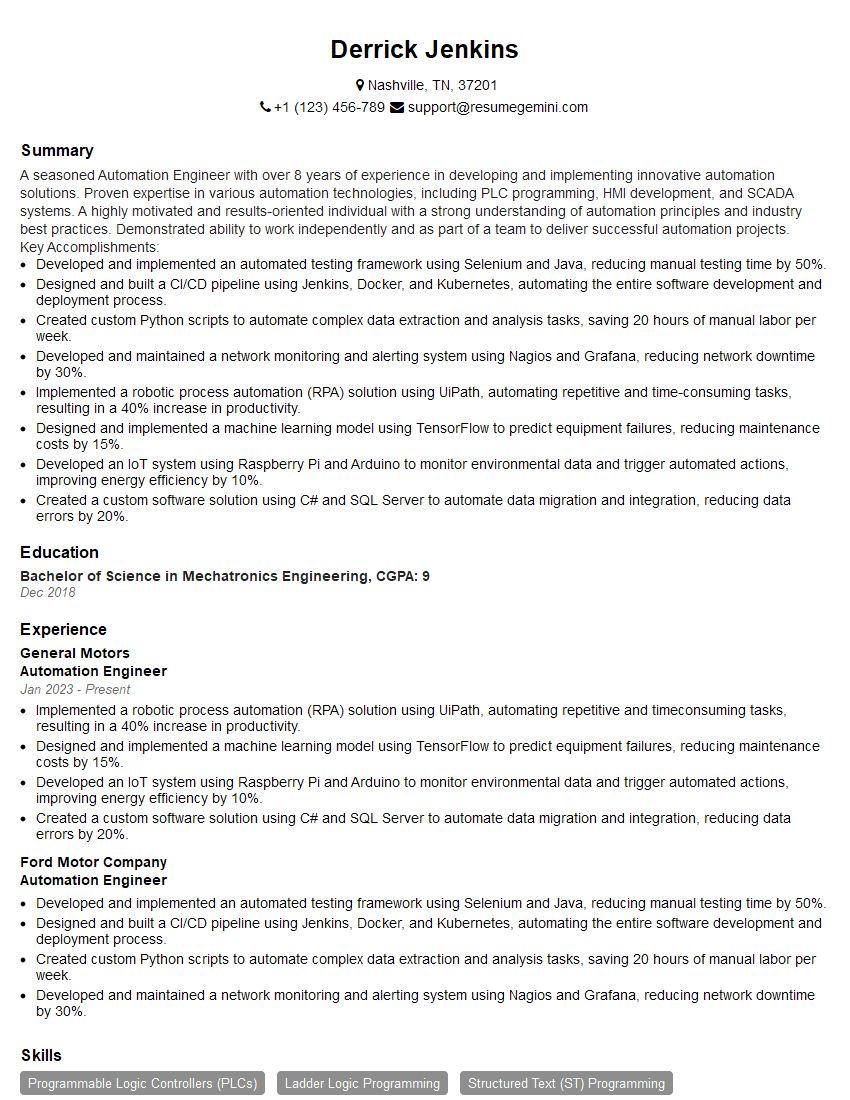
Automation Engineer Resume Sample
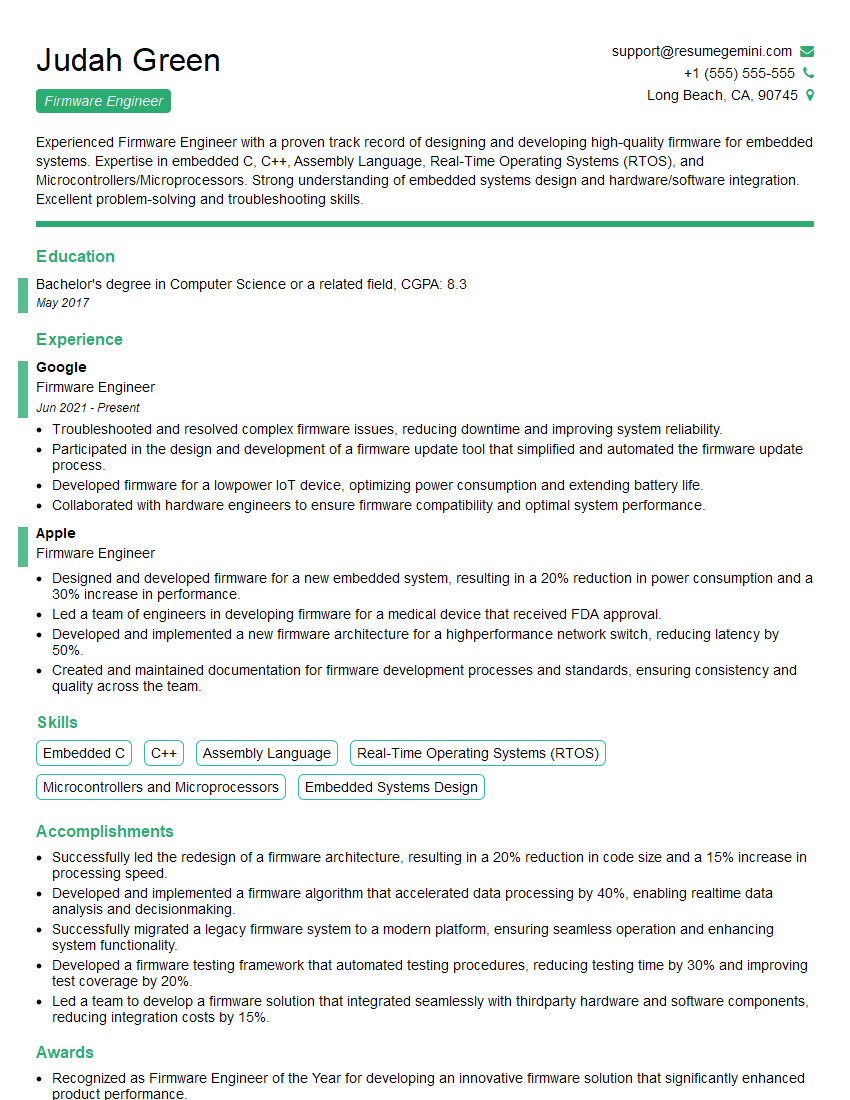
Firmware Engineer Resume Sample
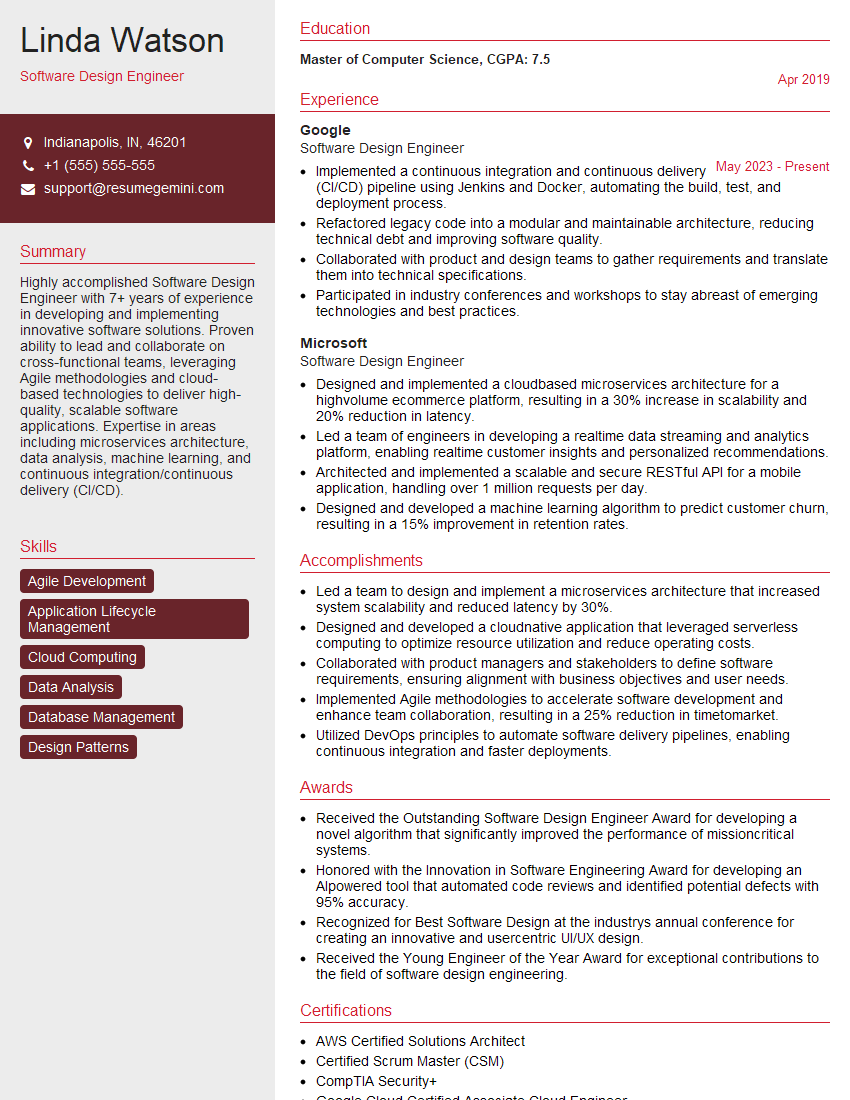
Software Design Engineer Resume Sample
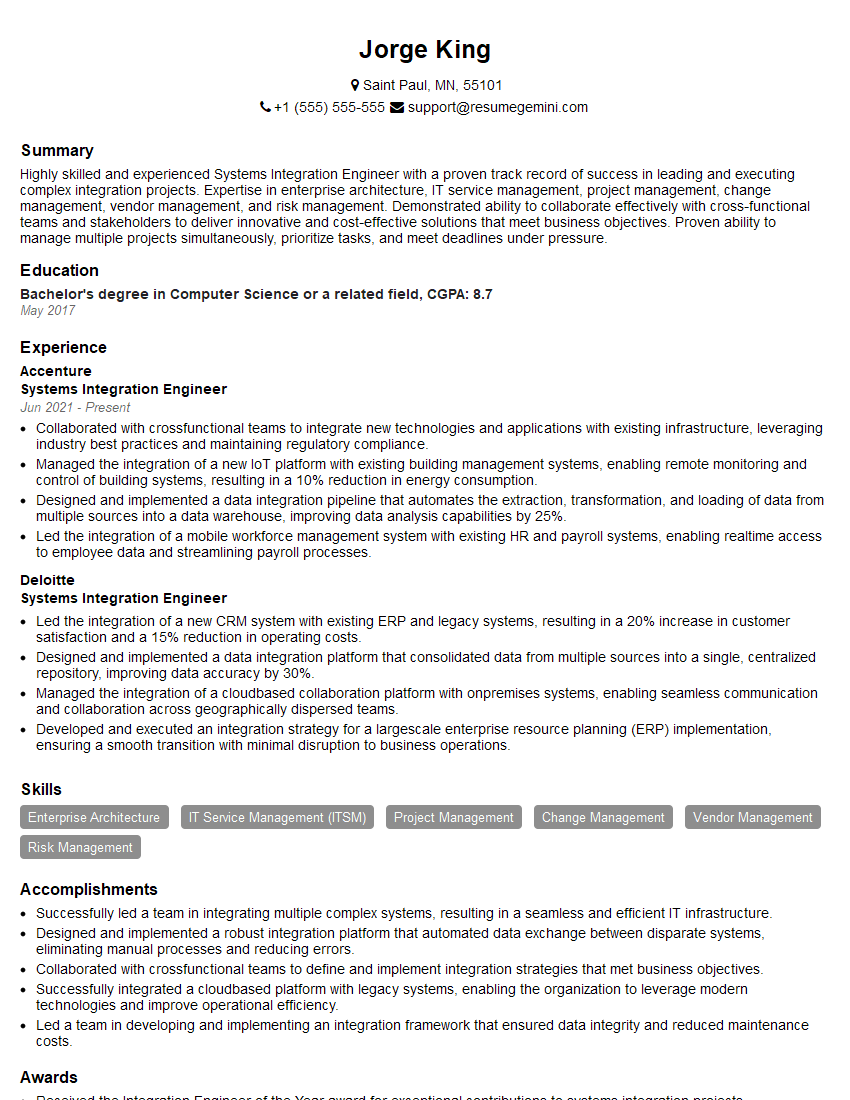
Systems Integration Engineer Resume Sample
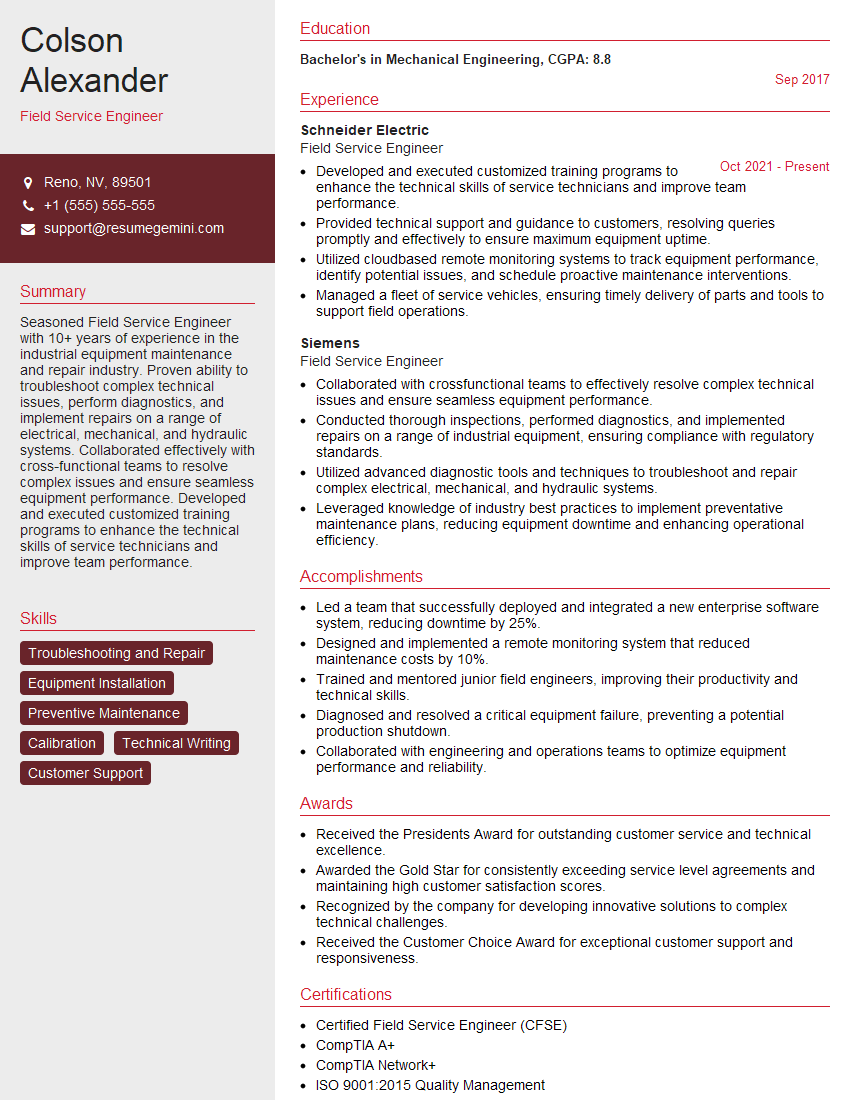
Field Service Engineer Resume Sample
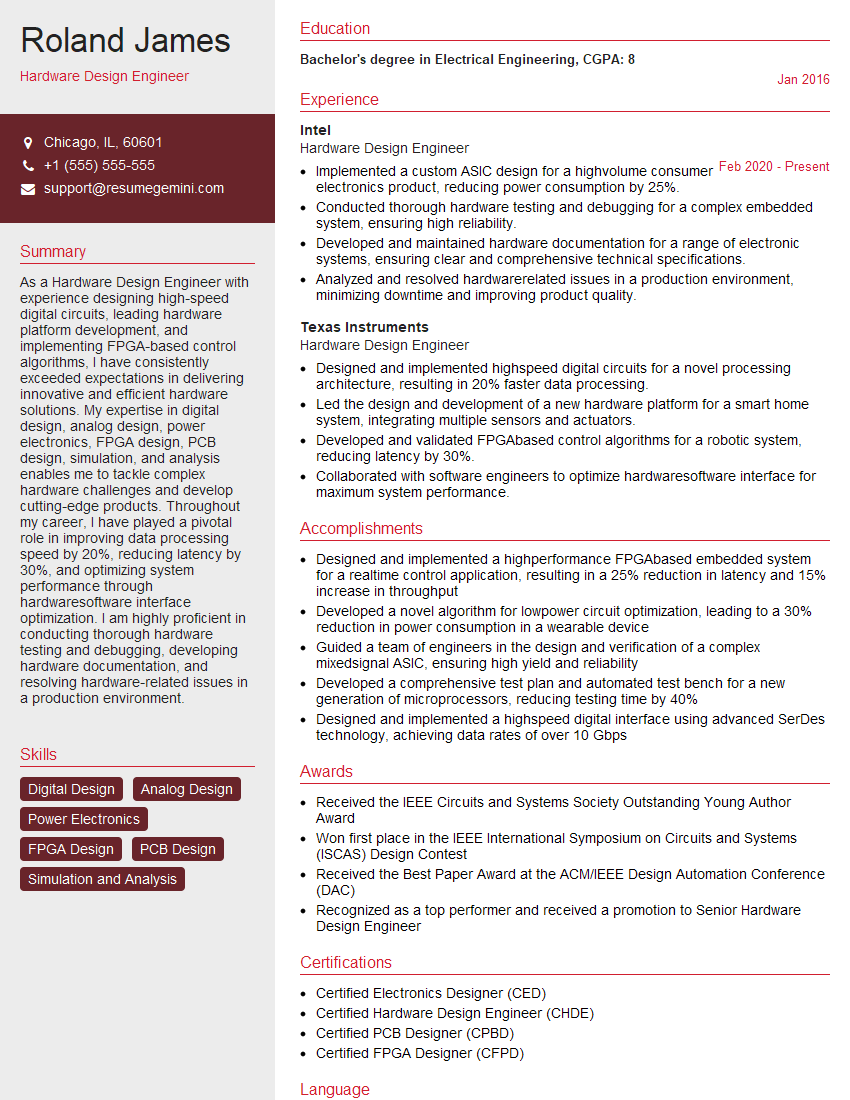
Hardware Design Engineer Resume Sample
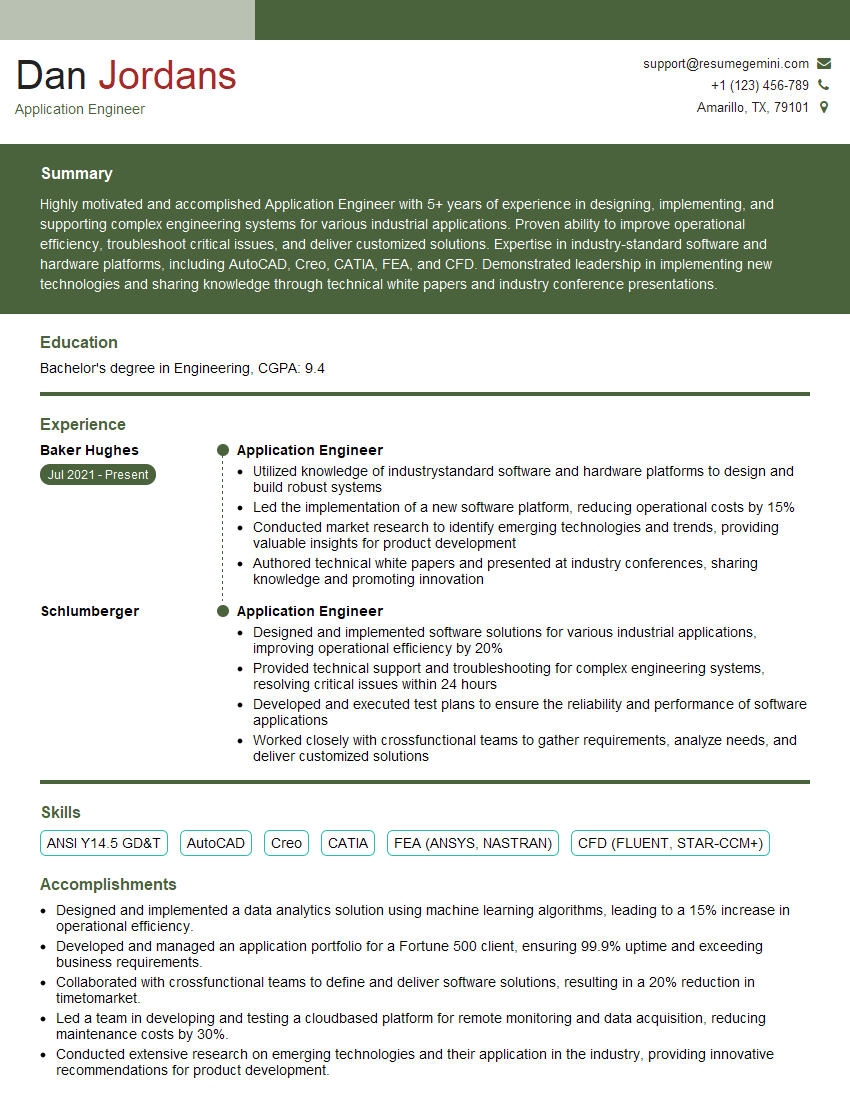
Application Engineer Resume Sample
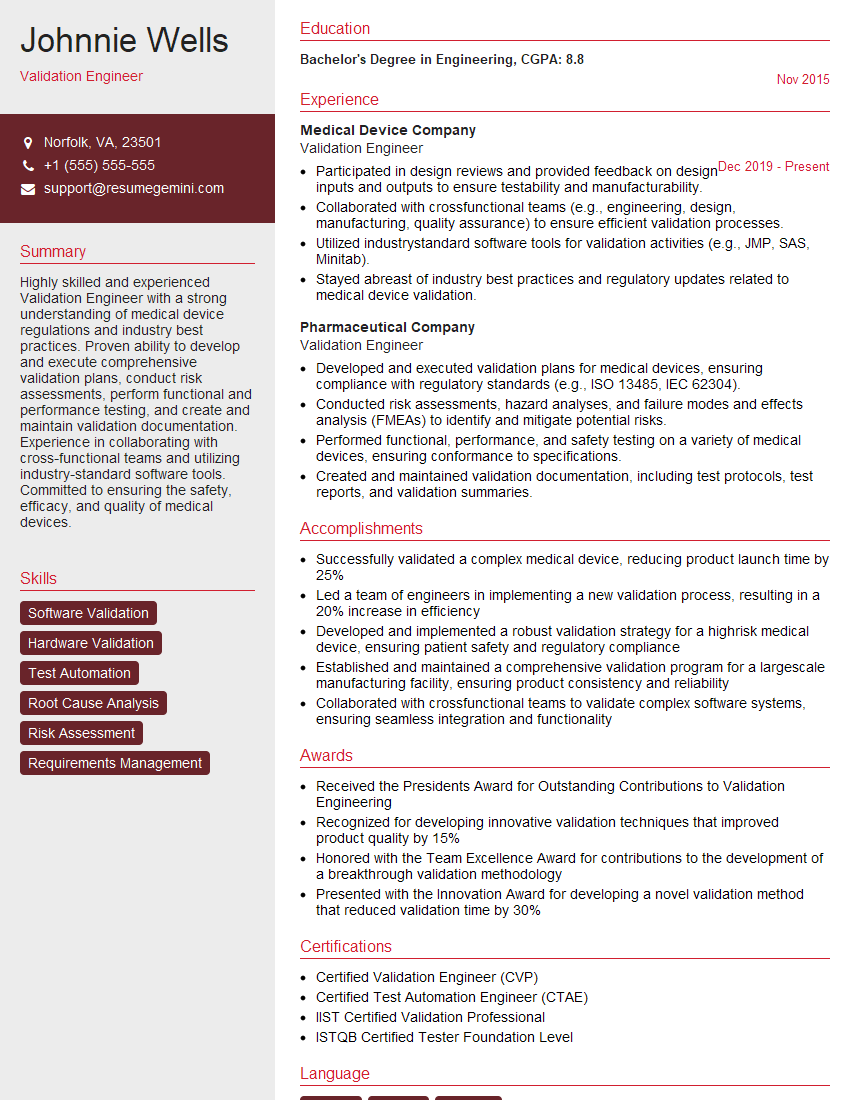
Validation Engineer Resume Sample
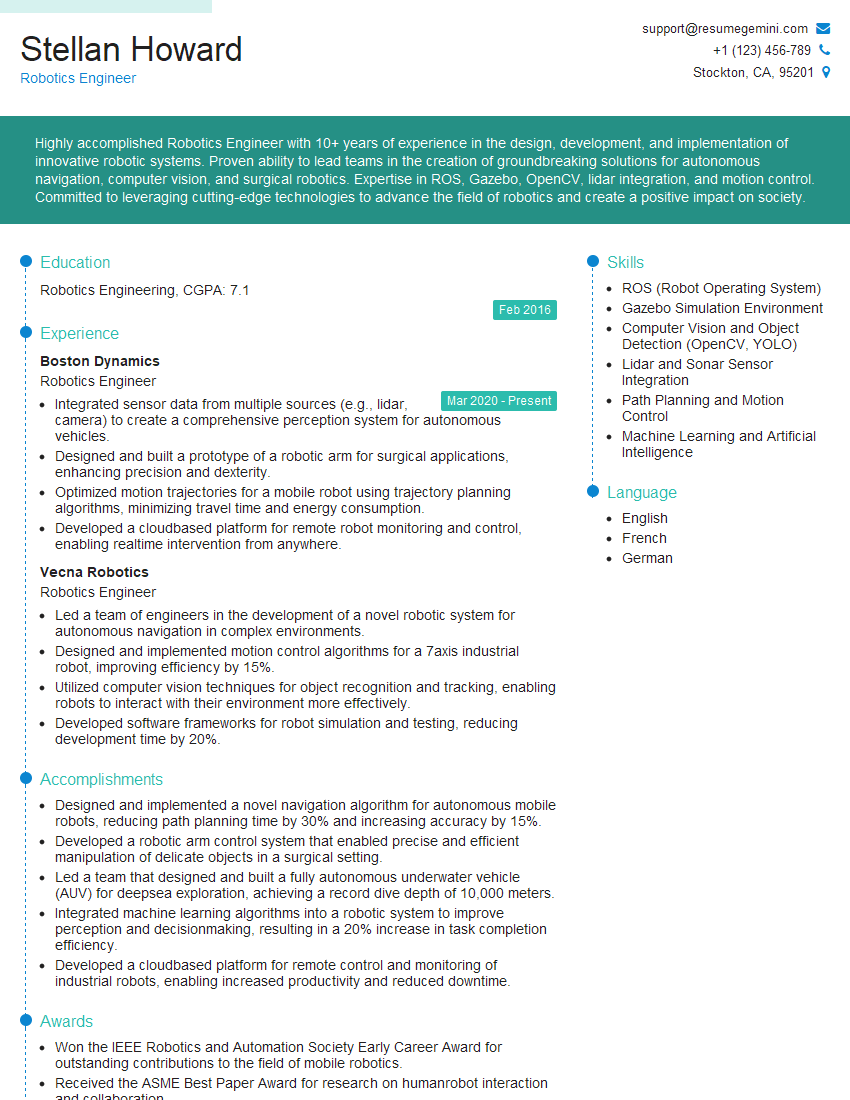
Robotics Engineer Resume Sample
Explore more articles
Users Rating of Our Blogs
Share Your Experience
We value your feedback! Please rate our content and share your thoughts (optional).
What Readers Say About Our Blog
Very informative content, great job.
good