Feeling uncertain about what to expect in your upcoming interview? We’ve got you covered! This blog highlights the most important Harvesting and Seeding Techniques interview questions and provides actionable advice to help you stand out as the ideal candidate. Let’s pave the way for your success.
Questions Asked in Harvesting and Seeding Techniques Interview
Q 1. Describe the different types of harvesting equipment and their applications.
Harvesting equipment varies greatly depending on the crop and scale of operation. Think of it like choosing the right tool for the job – a small hand trowel for delicate herbs versus a massive combine harvester for a wheat field.
Combines: These are all-in-one machines used for harvesting grains like wheat, barley, and soybeans. They cut, thresh (separate grain from stalk), and clean the grain in a single pass. Imagine a highly efficient mobile processing plant.
Forage Harvesters: These machines chop up crops like corn silage or hay for animal feed. They’re powerful and efficient, reducing the time and effort needed to prepare feedstock.
Cotton Pickers: These specialized machines efficiently harvest cotton bolls. They gently remove the cotton from the plants, minimizing damage and maximizing yield.
Potato Harvesters: These machines dig up potatoes, separate them from soil and debris, and often clean them as well. They’re designed to minimize damage to the delicate tubers.
Fruit and Vegetable Harvesters: These range from simple hand tools to automated systems depending on the crop and its fragility. Some use shaking mechanisms to gently remove fruits from trees or bushes, others have conveyor belts for delicate vegetables.
The choice of equipment depends on factors like crop type, field size, labor availability, and budget. A small farm might use hand tools or smaller machinery, while a large commercial operation would utilize large-scale equipment for maximum efficiency.
Q 2. Explain the process of seed selection and its impact on crop yield.
Seed selection is crucial for maximizing crop yield and quality. Think of it as choosing the best athletes for your team – you wouldn’t put just anyone on the field.
The process typically involves:
Purity: Ensuring the seed lot contains only the desired species and variety, with minimal weed seeds or other contaminants.
Germination: Testing the seed’s ability to sprout and grow under optimal conditions. A high germination rate is essential for a successful crop.
Vigor: Assessing the seed’s overall health and ability to establish strong seedlings. Vigorous seedlings are more likely to withstand stress and disease.
Disease Resistance: Choosing seeds with resistance to common diseases in the region can significantly reduce crop losses.
Variety Selection: Choosing a variety suited to the local climate, soil type, and intended use. For example, selecting a drought-tolerant variety for arid regions.
Using high-quality seeds with superior genetics can dramatically increase yields, improve crop quality, and lead to greater overall profitability. Poor seed quality can result in poor germination, uneven stands, reduced yields, and increased susceptibility to disease.
Q 3. What are the key factors to consider when determining optimal seeding depth?
Optimal seeding depth is critical for successful germination and seedling establishment. It’s like planting a seed at just the right depth for a flower to bloom perfectly – too deep and it won’t reach the surface, too shallow and it might dry out.
Key factors to consider include:
Seed Size: Larger seeds generally require a deeper planting depth than smaller seeds. Think of a bean versus a poppy seed.
Soil Type: Well-drained sandy soils may allow for slightly shallower planting, while heavier clay soils may require deeper planting to ensure adequate moisture and oxygen.
Soil Moisture: Dry soil conditions may require slightly deeper planting to place the seed in contact with moisture, while excessively wet soil may necessitate shallower planting to prevent rot.
Crop Type: Different crops have varying optimal planting depths due to their specific germination requirements and root systems. This information is readily available in seed catalogs or agricultural guides.
Equipment: The type of planter used also influences the planting depth. Planters can be adjusted to accommodate different seed sizes and soil conditions.
Incorrect seeding depth can lead to poor germination, uneven emergence, reduced seedling vigor, and ultimately, lower yields. Accurate depth control is crucial for maximizing crop success.
Q 4. How do you assess soil conditions before planting?
Assessing soil conditions before planting is crucial for a successful harvest. It’s like checking the foundation of a house before building – if the soil is unstable, the structure will suffer.
This involves several steps:
Visual Inspection: Observing the soil’s color, texture, and drainage. Compacted soils might need tillage, while waterlogged soils might need drainage improvements.
Soil Testing: Analyzing a soil sample to determine its pH, nutrient levels (nitrogen, phosphorus, potassium), organic matter content, and potential toxicities. This helps tailor fertilization strategies for optimal crop growth.
Moisture Content: Checking the soil moisture level using a soil moisture meter or by feeling the soil. Adequate moisture is essential for germination and seedling establishment.
Structure and Compaction: Assessing the soil’s structure (clumpiness) and compaction. Compacted soil can hinder root growth, requiring tillage or other soil improvement techniques.
Weed Presence: Identifying and assessing the presence of weeds and other pests. This helps in designing weed management strategies before planting.
By thoroughly assessing soil conditions, farmers can make informed decisions about soil amendments, fertilizer application, and overall planting strategy, leading to improved crop yields and reduced production costs.
Q 5. Explain the principles of precision seeding and its benefits.
Precision seeding involves placing seeds at precise locations and depths in the soil, ensuring optimal spacing and depth for each seed. Think of it like creating perfectly spaced seedlings in a nursery bed – each plant gets its share of sunlight and nutrients.
Principles of precision seeding include:
Accurate Seed Placement: Using technology to ensure seeds are placed at the correct spacing and depth, reducing overlaps and gaps.
Variable Rate Seeding: Adjusting seeding rates based on variations in soil conditions or other factors, optimizing seed usage and maximizing yield.
Seed Metering: Utilizing precise seed metering mechanisms to ensure the accurate placement of individual seeds.
GPS Guidance: Using GPS technology for accurate guidance and row tracking, ensuring consistent seed placement across the field.
Benefits of precision seeding include:
Increased Yield: Optimal spacing and depth lead to improved seedling establishment, reducing competition and maximizing yield.
Reduced Seed Costs: Precise seed placement minimizes waste by reducing overlaps and gaps.
Improved Crop Uniformity: Consistent seeding ensures a uniform crop canopy, improving overall growth and yield.
Enhanced Weed Management: Precise seed placement facilitates more efficient weed management strategies.
Precision seeding technologies are rapidly advancing, leading to more efficient and sustainable agricultural practices.
Q 6. Describe different methods for harvesting various crops (e.g., grains, fruits, vegetables).
Harvesting methods differ significantly based on the crop type. Imagine the different ways you’d collect berries versus harvesting wheat – completely different approaches!
Grains (wheat, barley, oats): Primarily harvested using combine harvesters, which cut, thresh, and clean the grain in one operation. For smaller fields or specialized situations, other methods such as a header mounted on a tractor with a separate thresher might be used.
Fruits (apples, oranges, berries): Harvesting methods vary greatly from manual hand-picking for delicate fruits to mechanical harvesters for larger orchards. Automated systems utilizing shaking mechanisms and collection belts are common for certain fruits.
Vegetables (tomatoes, potatoes, lettuce): Harvesting ranges from manual picking for delicate vegetables to specialized machinery like potato harvesters, which dig, clean, and sort potatoes. Mechanical harvesters are becoming increasingly sophisticated for high-volume vegetable production.
The choice of method depends on factors like crop type, fragility, scale of operation, labor costs, and available technology. Many operations utilize a combination of manual and mechanical harvesting to maximize efficiency and minimize crop damage.
Q 7. How do you manage harvesting losses and minimize waste?
Harvesting losses represent a significant economic concern for farmers. Minimizing waste is crucial for profitability and sustainability.
Strategies for managing harvesting losses and minimizing waste include:
Proper Equipment Maintenance: Regular maintenance of harvesting machinery ensures optimal performance and reduces losses due to equipment malfunction.
Optimal Harvesting Conditions: Harvesting crops at the ideal maturity stage minimizes losses due to pre-harvest spoilage and mechanical damage.
Careful Handling: Gentle handling of crops during harvest minimizes damage and reduces losses. This is especially crucial for delicate fruits and vegetables.
Efficient Post-Harvest Handling: Proper cleaning, sorting, and storage of harvested crops reduce losses due to spoilage and decay.
Technology Adoption: Using precision harvesting equipment and technologies can help reduce losses by improving accuracy and efficiency.
Training and Skill Development: Proper training of harvesting personnel is crucial for minimizing losses due to human error.
By implementing these strategies, farmers can significantly reduce harvesting losses, improve overall yield, and enhance the profitability and sustainability of their operations.
Q 8. What are the common challenges associated with seed germination and how do you address them?
Seed germination, the process of a seed sprouting and growing into a seedling, faces several hurdles. These challenges can be broadly categorized as environmental and seed-related.
- Environmental Factors: Insufficient moisture, extreme temperatures (too hot or too cold), lack of oxygen, and improper light exposure can all hinder germination. For example, planting seeds too deep can deprive them of oxygen, preventing successful germination. Conversely, surface planting might lead to desiccation in hot, dry conditions.
- Seed-Related Factors: Seed quality, including seed viability (the ability to germinate), dormancy (a state of suspended growth), and the presence of seed-borne diseases, plays a crucial role. Old or damaged seeds are less likely to germinate. Some seeds have inherent dormancy mechanisms that need to be overcome through specific pre-treatment methods (e.g., scarification or stratification).
Addressing these challenges involves a multi-pronged approach: Selecting high-quality seeds from reputable suppliers is paramount. Appropriate soil preparation, including proper moisture content and aeration, is vital. We also consider the optimal planting depth and time, ensuring seeds are planted at the right depth for their specific oxygen needs and the prevailing environmental conditions. Pre-sowing treatments, such as seed priming or stratification, can help overcome dormancy issues. Finally, regular monitoring of soil moisture and temperature allows for timely interventions to maintain optimal germination conditions.
Q 9. Explain the importance of seed treatment and its impact on disease resistance.
Seed treatment is a crucial pre-sowing step that significantly enhances the success rate of planting and boosts crop resistance to diseases. It involves applying various substances to the seeds to protect them from pathogens, pests, and environmental stresses.
The impact on disease resistance is significant. Seed treatments can effectively prevent seed-borne diseases – diseases transmitted directly through the seed itself. For instance, fungicides can prevent fungal infections, while insecticides combat insect infestations. These treatments protect seedlings during their most vulnerable stage, when they’re most susceptible to diseases. A healthy start translates to a healthier, more robust plant, leading to improved yields and a reduction in the need for chemical interventions later in the growing season.
Think of it like giving your seedlings a strong immune boost from the very start. By minimizing early disease infections, we lay the groundwork for a successful harvest.
Q 10. How do you calibrate seeding equipment to ensure accurate seed spacing?
Calibrating seeding equipment ensures uniform seed spacing, a key factor in achieving optimal plant density and maximizing yield. Inaccurate spacing can lead to uneven growth, increased competition for resources, and reduced overall productivity.
Calibration typically involves several steps: First, measure the ground speed of the planting equipment using a GPS or other suitable method. Then, collect samples of seeds from the seeder’s output and count the number of seeds per unit length (e.g., per meter). Compare this count to the desired seed population. Adjustments to the seeder’s settings (e.g., seed metering mechanism, ground wheel diameter) are then made until the actual seed spacing closely matches the desired spacing. Regular checks during planting are vital to ensure consistent seed placement.
For example, if the desired spacing is 10 seeds per meter, but the calibration shows only 8 seeds per meter, we’d need to adjust the seeder’s settings to increase the seed flow rate. This process might involve changing the seed plate or adjusting the metering roller speed, depending on the seeder’s design. This step-by-step calibration ensures that the desired plant density is achieved, optimizing yield.
Q 11. Describe your experience with different types of planting equipment.
My experience encompasses a wide range of planting equipment, from conventional seed drills to precision planting systems.
- Conventional Seed Drills: These are versatile and relatively simple machines suitable for various crops and field conditions. I’ve used both air-seed drills and mechanical seed drills, appreciating their adaptability but acknowledging their limitations in terms of precise seed placement.
- Precision Planting Systems: These systems use advanced technologies such as GPS and sensors to achieve accurate seed placement, depth control, and fertilizer application. My experience with these includes using systems with individual seed metering units that enable variable rate planting, optimizing seed spacing based on soil conditions or other factors. These are expensive, but the benefit in terms of efficiency and yield is often considerable.
- Direct Drilling Machines: These machines minimize soil disturbance, directly depositing seeds into the soil without extensive ploughing. This method promotes soil health and is particularly effective for conservation tillage practices. I have experience in optimizing their use for specific soil types and minimizing seed-soil contact issues which can impact germination.
The choice of planting equipment depends on factors such as field size, crop type, soil conditions, and budget. Understanding the strengths and limitations of each type is crucial for selecting the most appropriate system for a given situation.
Q 12. Discuss the impact of weather conditions on harvesting and seeding operations.
Weather plays a critical role in both harvesting and seeding operations. Unfavorable conditions can significantly impact yields and the overall success of these activities.
- Harvesting: Excessive rain can lead to delays and potential crop losses due to lodging (plants falling over) and disease development. Conversely, prolonged periods of drought can result in reduced yields due to stress on the crops. Wind can cause challenges during harvesting, affecting machinery operation and causing losses.
- Seeding: Optimal seeding requires suitable soil moisture; too wet and the seedbed will be too compacted; too dry and germination is compromised. Strong winds can hinder the proper distribution of seeds and lead to uneven planting. Freezing temperatures can damage seeds or newly emerged seedlings. Heavy rain immediately after seeding can wash away seeds or cause them to rot.
Effective weather monitoring and forecasting are essential to optimize these operations. This enables us to plan activities around favorable weather windows and take preventative measures to mitigate adverse impacts. Techniques such as delayed sowing, improved drainage systems, and the use of cover crops can reduce the negative effects of extreme weather events on crops and operational efficiency.
Q 13. How do you ensure the quality and purity of seeds used for planting?
Ensuring seed quality and purity is paramount for successful planting. This involves a multi-step approach focusing on seed source selection, testing, and storage.
- Seed Source: Sourcing seeds from reputable suppliers who offer germination rate and purity testing results is critical. These suppliers typically follow strict quality control measures to ensure the quality of their seeds.
- Seed Testing: Before planting, we conduct germination tests to determine the viability of the seeds. This ensures that we only use seeds with high germination rates. Purity testing helps identify the presence of weed seeds or other contaminants that could affect crop yield and quality.
- Seed Storage: Proper storage is vital to maintain seed quality. Seeds should be stored in a cool, dry, and dark environment to prevent deterioration and maintain viability. Conditions such as temperature, humidity, and air circulation are carefully monitored and controlled during storage.
Investing in high-quality seeds and employing proper testing and storage techniques is a significant investment in yield. It ensures our crops have the best possible start, resulting in healthier plants and higher productivity.
Q 14. What are the best practices for storing harvested crops to maintain quality?
Post-harvest crop storage is crucial for maintaining quality and preventing losses. The goal is to preserve the harvested crops’ nutritional value, appearance, and marketability.
Best practices include selecting appropriate storage facilities with proper temperature and humidity control. For example, grains are often stored in silos or warehouses with controlled environmental conditions to prevent spoilage due to moisture or pest infestation. Fruits and vegetables require specific temperature and humidity levels, often necessitating refrigerated storage. Proper ventilation is essential to maintain air circulation and prevent mold growth. In some cases, modified atmosphere packaging (MAP) or controlled atmosphere storage (CAS) is used to extend shelf life by altering the gaseous composition within the storage area. Regular inspections are also critical to detect and address any potential issues, like pest infestation or spoilage, early on.
Effective post-harvest storage ensures the crops remain in top condition for processing, transportation, or sale, maximizing their value and minimizing losses.
Q 15. Describe your experience with GPS-guided planting and harvesting systems.
GPS-guided planting and harvesting systems have revolutionized agriculture, offering significant improvements in efficiency and precision. These systems utilize GPS technology to precisely control the placement of seeds during planting and the path of harvesting equipment. Imagine trying to plant seeds perfectly spaced across a large field – a nearly impossible task manually. GPS systems automate this, ensuring optimal spacing and reducing wasted seeds or overlapping passes.
My experience involves utilizing various GPS-guided machinery, from precision planters with variable rate seeding capabilities (adjusting seed density based on soil conditions) to combine harvesters with automatic steering and yield monitoring. I’ve worked with both RTK (Real-Time Kinematic) GPS for centimeter-level accuracy and less precise systems. The difference is stark; RTK allows for much tighter spacing and reduces overlaps, maximizing yield and minimizing inputs.
For example, in one project, we used a GPS-guided planter to plant corn seeds in variable-rate mode. Soil sensors detected variations in soil fertility across the field. The planter adjusted the seeding rate accordingly, planting more seeds in fertile areas and fewer in less fertile areas. This optimized seed usage and resulted in a more uniform crop.
Career Expert Tips:
- Ace those interviews! Prepare effectively by reviewing the Top 50 Most Common Interview Questions on ResumeGemini.
- Navigate your job search with confidence! Explore a wide range of Career Tips on ResumeGemini. Learn about common challenges and recommendations to overcome them.
- Craft the perfect resume! Master the Art of Resume Writing with ResumeGemini’s guide. Showcase your unique qualifications and achievements effectively.
- Don’t miss out on holiday savings! Build your dream resume with ResumeGemini’s ATS optimized templates.
Q 16. How do you monitor crop growth and make adjustments to seeding or harvesting strategies as needed?
Monitoring crop growth is crucial for adjusting seeding and harvesting strategies. We use a combination of methods, including:
- Remote Sensing: Drones equipped with multispectral cameras provide high-resolution imagery, allowing us to assess crop health, identify stressed areas, and detect disease or pest infestations early. This data helps us target specific areas for interventions.
- In-field Observation: Regular visual inspections of the crops are essential to assess plant height, density, and overall health. I look for signs of stress, nutrient deficiencies, or pest damage.
- Soil Testing: Regular soil sampling reveals nutrient levels, pH, and other key parameters, allowing us to make informed decisions regarding fertilization and irrigation strategies.
- Yield Monitoring: During harvesting, yield monitors on combines provide real-time data on crop yields across different areas of the field. This helps us identify areas where yields were lower and pinpoint factors that contributed to the lower output. We can then adjust seeding densities or practices in those areas for future harvests.
For instance, if drone imagery reveals a section of the field with nutrient deficiency, we can apply targeted fertilization to that area rather than treating the entire field. This saves money and reduces environmental impact.
Q 17. What are the key factors that influence seed viability?
Seed viability refers to a seed’s ability to germinate and develop into a healthy plant. Several key factors influence it:
- Seed Maturity: Seeds must be fully mature before harvest to ensure maximum viability. Harvesting too early can lead to lower germination rates.
- Moisture Content: Proper moisture content is vital. Too much moisture can lead to fungal growth and decay, while too little moisture can lead to seed dormancy.
- Storage Conditions: Proper storage conditions, such as cool, dry, and dark environments, are crucial for maintaining seed viability. High temperatures and humidity accelerate seed aging and reduce viability.
- Seed Quality: Genetic factors, diseases, and physical damage during harvesting and handling can also affect seed viability. Seeds damaged during harvesting, for example, may not germinate or will produce weak plants.
- Seed Treatment: Seed treatments with fungicides or insecticides can protect seeds from diseases and pests, thus improving viability.
Imagine storing seeds in a humid, hot barn – they would likely lose viability quickly. Conversely, carefully dried and stored seeds in an appropriate environment maintain viability for several years.
Q 18. Explain different methods for weed control during harvesting and seeding.
Weed control is crucial for maximizing crop yields. Methods used during seeding and harvesting include:
- Pre-emergent Herbicides: These are applied before the weeds germinate, preventing them from establishing. Timing is crucial for effectiveness.
- Post-emergent Herbicides: These are applied after weed emergence, targeting specific weeds. Careful selection is crucial to avoid harming the crop.
- Mechanical Weed Control: Cultivation or hoeing can remove weeds before they compete with crops. This is more labor-intensive but effective.
- Crop Rotation: Rotating crops can help suppress weed populations by disrupting their life cycles. Certain crops can suppress certain weed species.
- Cover Cropping: Planting cover crops between main crops can help suppress weeds by competing for resources.
For instance, a pre-emergent herbicide might be applied before planting soybeans to control early-season weeds, followed by post-emergent herbicides for weeds that emerge later in the growing season. A cover crop, like rye, might be planted over the winter to smother weeds in the soil and then turned under as fertilizer.
Q 19. How do you manage pests and diseases that affect crops during planting and harvesting?
Pest and disease management during planting and harvesting is essential for crop protection. Strategies include:
- Integrated Pest Management (IPM): This holistic approach combines various methods to minimize pest and disease problems while minimizing environmental impact. It prioritizes preventative measures and only uses pesticides when necessary.
- Crop Rotation: Rotating crops can help break pest and disease cycles, as pathogens and pests often specialize in specific host plants.
- Resistant Varieties: Planting disease- and pest-resistant crop varieties is a crucial preventative measure.
- Biological Control: Introducing natural enemies of pests, such as beneficial insects, can effectively control pest populations.
- Chemical Control: Pesticides are used only as a last resort when other methods prove ineffective. Careful selection and application are crucial to minimize environmental impact and potential harm to beneficial organisms.
For example, in managing corn borers, we might start with monitoring their population, then consider using resistant varieties and/or deploying beneficial insects, only resorting to insecticides if the infestation is severe.
Q 20. What safety procedures do you follow during harvesting and seeding operations?
Safety is paramount in harvesting and seeding operations. Procedures I strictly follow include:
- Pre-operational Checks: Thoroughly inspecting all machinery before operation to ensure it is in good working order, with all safety features functional.
- Personal Protective Equipment (PPE): Always wearing appropriate PPE, including safety glasses, hearing protection, and sturdy work boots. Additional PPE, such as respirators or gloves, may be needed for specific tasks.
- Safe Operating Practices: Adhering to all manufacturer’s instructions and safety guidelines when operating equipment.
- Emergency Procedures: Knowing and practicing emergency procedures for various scenarios, including equipment malfunctions, injuries, and weather events.
- Training and Communication: Ensuring all personnel involved are properly trained on safe operating practices and effective communication during operations.
For example, before operating a combine, I ensure all guards are in place, safety switches are functioning, and I have a clear understanding of emergency shutoff procedures. I also communicate with my team to coordinate movements and ensure clear sightlines around the machinery.
Q 21. Explain your understanding of crop rotation and its impact on soil health.
Crop rotation is the practice of planting different types of crops in a planned sequence on the same piece of land over several growing seasons. It significantly impacts soil health in several ways:
- Nutrient Management: Different crops have different nutrient requirements. Rotating crops helps balance nutrient depletion and prevents the build-up of specific nutrients in the soil.
- Weed Control: Rotating crops can disrupt the life cycles of weeds, reducing their populations and the need for herbicides.
- Pest and Disease Management: Crop rotation helps break pest and disease cycles, reducing their impact on subsequent crops.
- Soil Structure Improvement: Different crops have different rooting systems. Rotating crops with diverse root systems helps improve soil structure, aeration, and water infiltration.
- Organic Matter Enhancement: Leguminous crops (like beans and peas) fix nitrogen in the soil, enriching it with organic matter.
For instance, a common rotation might involve corn (heavy feeder), soybeans (nitrogen fixer), and wheat (moderate feeder). This sequence helps to maintain soil fertility and reduces the reliance on synthetic fertilizers and pesticides.
Q 22. How do you calculate seeding rates for different crops and soil types?
Calculating seeding rates is crucial for maximizing crop yield and minimizing seed waste. It’s not a one-size-fits-all calculation; it depends heavily on the specific crop, soil type, and desired plant density. We use a multi-faceted approach:
- Crop-Specific Requirements: Each crop has an optimal plant population per unit area (e.g., plants per acre or hectare). This information is usually available from seed companies or agricultural extension services. For example, corn often needs a higher plant density than soybeans.
- Seed Size and Germination Rate: Larger seeds typically require a higher seeding rate to achieve the same plant population because fewer seeds fit into a given volume. We also consider germination rates; if germination is only 80%, we need to adjust the seeding rate upwards to compensate for seeds that won’t sprout.
- Soil Conditions: Soil type significantly impacts seeding rate. Well-drained, fertile soils can support higher plant densities compared to compacted or infertile soils. For example, in sandy soils, where water retention is poor, we might slightly increase the seeding rate to account for potential losses.
- Planting Method: The method of planting (e.g., broadcasting, drilling, precision seeding) affects the uniformity of seed distribution and therefore the required seeding rate. Precision seeding allows for lower seeding rates because of more accurate placement.
Example: Let’s say we’re planting corn. The recommended plant population is 30,000 plants per acre, the germination rate is 90%, and the seed size is medium. We might start with a base seeding rate based on the desired plant population and then adjust for germination rate and soil conditions. Poor soil might require a 10-15% increase in the base rate.
Q 23. Describe your experience with data analysis techniques used in precision agriculture.
Precision agriculture leverages data analysis to optimize farming practices. My experience involves using various techniques, including:
- Yield Mapping: Analyzing yield data from previous harvests to identify areas of high and low productivity, informing seeding rates and fertilizer application in subsequent seasons. We use GIS software to create visual representations of yield variability across the field.
- Soil Sampling and Analysis: Integrating soil data (pH, nutrient levels, organic matter content) with yield maps to understand the relationship between soil properties and crop performance. This informs targeted fertilizer application and helps optimize seeding rates for different soil zones.
- Remote Sensing: Utilizing satellite or drone imagery to monitor crop health and growth throughout the season. NDVI (Normalized Difference Vegetation Index) analysis helps assess plant vigor and identify stress areas, guiding decisions regarding irrigation and potential reseeding.
- Variable Rate Technology (VRT): Employing VRT for seeding, allowing for precise control of seeding rate based on the variability within a field. This ensures optimal plant population across the field while minimizing seed waste.
For example, using yield maps from the previous year, we identified a section of the field with consistently lower yields. Soil analysis revealed low phosphorus levels in that area. By adjusting phosphorus application and seeding rate in this specific zone, we significantly improved the yield in the following season.
Q 24. Explain the importance of soil testing and its role in optimizing seeding practices.
Soil testing is fundamental to effective seeding practices. It provides critical information about the soil’s physical and chemical properties, directly impacting seed germination, seedling establishment, and overall crop growth.
- Nutrient Levels: Soil tests reveal the availability of essential nutrients like nitrogen, phosphorus, and potassium. Knowing these levels allows for precise fertilizer application, ensuring optimal conditions for seed germination and seedling growth. Lack of key nutrients can severely limit plant growth even if the seeding rate is correct.
- pH Levels: Soil pH affects nutrient availability. An inappropriate pH can lock up essential nutrients, hindering plant growth. Soil testing helps identify pH imbalances and guides lime or sulfur applications to create optimal conditions.
- Soil Texture and Structure: Understanding soil texture (sand, silt, clay content) and structure influences seedbed preparation and seeding depth. Heavy clay soils require different preparation than lighter sandy soils. Incorrect seeding depth can lead to poor germination.
- Organic Matter Content: High organic matter improves soil structure, water retention, and nutrient availability. Soil testing helps assess the organic matter content and guides management practices aimed at improving soil health, impacting seeding success.
In practice, I always recommend soil testing before each planting season. The results directly inform decisions about seed selection, seeding rate, fertilizer application, and overall field management practices.
Q 25. How do you ensure compliance with relevant regulations regarding harvesting and seeding practices?
Compliance with regulations is paramount. My approach involves:
- Staying Updated: Regularly reviewing and staying informed about all relevant federal, state, and local regulations related to seed handling, planting, and harvesting. This includes regulations on seed quality, pesticide use, and water management.
- Record Keeping: Maintaining meticulous records of all seeding and harvesting activities, including seed variety, planting date, seeding rate, fertilizer application, pesticide use, and harvest yields. These records are essential for audits and demonstrating compliance.
- Proper Labeling and Handling: Ensuring that all seeds and pesticides are properly labeled and handled according to regulations. This includes proper storage to maintain seed viability and prevent contamination.
- Employee Training: Providing regular training to all staff on relevant regulations and best practices to ensure everyone understands and follows the rules.
- Collaboration with Regulatory Agencies: Maintaining open communication and proactive collaboration with relevant regulatory agencies to address any compliance questions or concerns.
We conduct regular internal audits to ensure we are adhering to all regulations and make necessary adjustments to our processes as needed.
Q 26. Describe your experience with different types of irrigation systems and their application in crop production.
Irrigation is crucial for consistent crop yields, especially in areas with unpredictable rainfall. My experience encompasses several irrigation systems:
- Surface Irrigation: This includes furrow, border, and basin irrigation methods. These are cost-effective but less efficient than other systems, leading to higher water use and potential for uneven distribution.
- Sprinkler Irrigation: This involves overhead sprinklers, providing more uniform water distribution than surface methods. Different sprinkler types (e.g., impact, rotary) offer varying levels of precision and efficiency.
- Drip Irrigation: The most water-efficient system, delivering water directly to plant roots through a network of tubes and emitters. It minimizes water waste and maximizes water use efficiency, especially beneficial in drought-prone regions.
- Subsurface Irrigation: Water is applied below the soil surface through buried pipes. This method minimizes evaporation losses and is particularly suitable for sandy soils.
The choice of irrigation system depends on factors such as soil type, crop requirements, water availability, and cost considerations. We carefully assess these factors to select the most appropriate and efficient irrigation system for each specific field and crop.
Q 27. What is your experience with using farm management software to track and analyze harvesting and seeding data?
Farm management software is indispensable for tracking and analyzing harvesting and seeding data. My experience includes using various software platforms that allow us to:
- Record Keeping: Digitally track all aspects of seeding and harvesting, including field maps, planting dates, seeding rates, fertilizer and pesticide applications, and yield data. This eliminates manual record-keeping errors and facilitates data analysis.
- Data Analysis: Use the software’s analytical tools to identify trends, patterns, and areas for improvement in seeding and harvesting practices. This includes generating reports on yield variability, input costs, and overall farm profitability.
- Decision Support: Leverage data-driven insights to make informed decisions regarding seeding rates, fertilizer application, irrigation scheduling, and other aspects of crop production. The software can even suggest optimal planting dates based on historical weather data.
- Integration with Other Systems: Integrate farm management software with other technologies, such as GPS guidance systems and precision equipment, for enhanced data collection and analysis. This helps streamline operations and improve decision-making.
For instance, by analyzing historical data on seeding rates and yields using farm management software, we were able to optimize our seeding practices, resulting in a 10% increase in yield in the following season. This software helps us translate data into actionable improvements.
Key Topics to Learn for Harvesting and Seeding Techniques Interview
- Soil Preparation: Understanding different soil types, tillage methods (conventional vs. no-till), and their impact on seed germination and crop yield. Consider the practical application of soil testing and amendment strategies.
- Seed Selection and Treatment: Choosing appropriate seed varieties based on climate, soil conditions, and desired yield. Explore seed treatment techniques for disease and pest control, and their impact on germination rates.
- Planting Techniques: Mastering various planting methods (direct seeding, transplanting), equipment operation, and precision planting technologies. Analyze the practical implications of different planting depths and spacing.
- Harvesting Techniques: Understanding different harvesting methods for various crops (combining, hand harvesting). Explore the importance of timely harvesting for optimal yield and quality, and the role of post-harvest handling.
- Equipment Maintenance and Repair: Familiarity with common harvesting and seeding equipment, their maintenance schedules, and troubleshooting basic mechanical issues. Consider the economic impact of downtime and preventative maintenance.
- Yield Monitoring and Data Analysis: Utilizing technology for yield monitoring and data analysis to optimize future planting and harvesting strategies. Explore the use of GPS technology and precision agriculture techniques.
- Sustainable Practices: Understanding and applying sustainable agricultural practices to minimize environmental impact and improve resource efficiency. Consider the role of cover cropping and crop rotation.
- Crop Management and Pest Control: Implementing integrated pest management strategies to minimize crop losses and maximize yields. Consider both chemical and biological control methods.
Next Steps
Mastering Harvesting and Seeding Techniques is crucial for career advancement in the agricultural sector, opening doors to specialized roles and higher earning potential. A strong resume is your key to unlocking these opportunities. Crafting an ATS-friendly resume is essential for getting your application noticed by recruiters. To ensure your resume shines, we highly recommend using ResumeGemini, a trusted resource for building professional and impactful resumes. Examples of resumes tailored to Harvesting and Seeding Techniques are available to help you create a winning application.
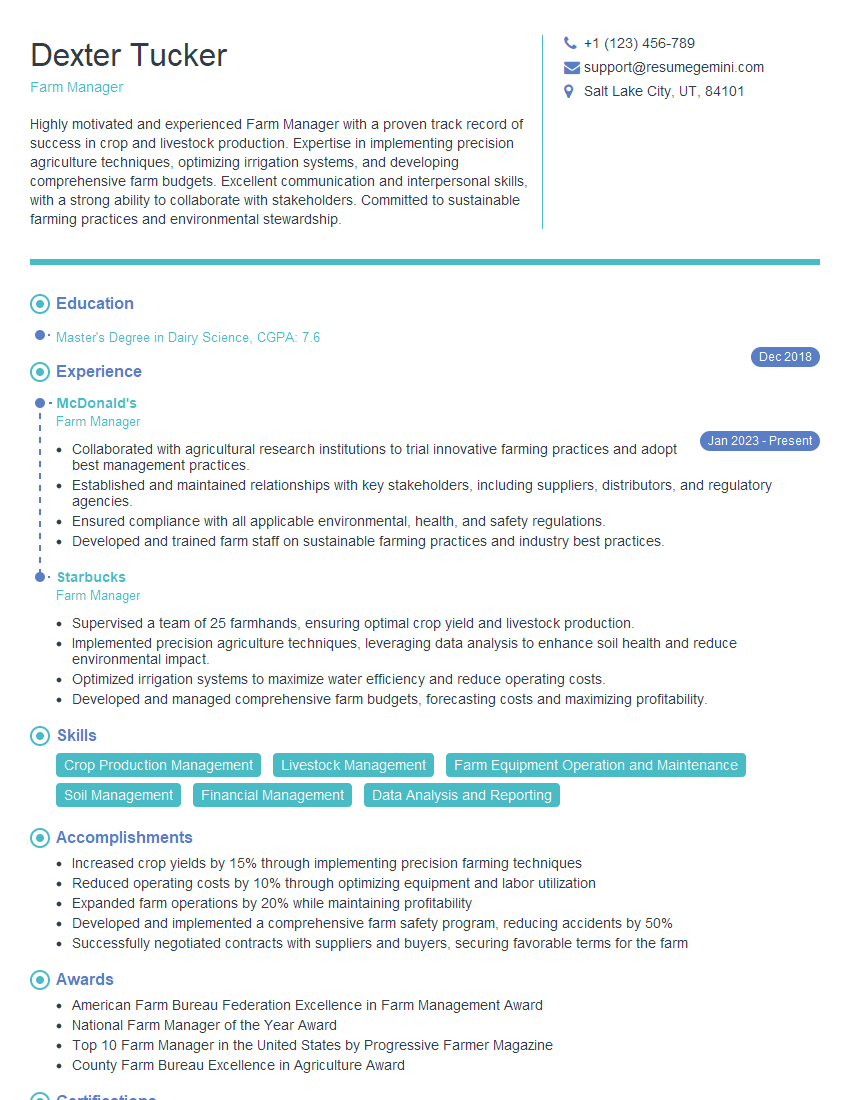
Farm Manager Resume Sample

Harvesting Manager Resume Sample
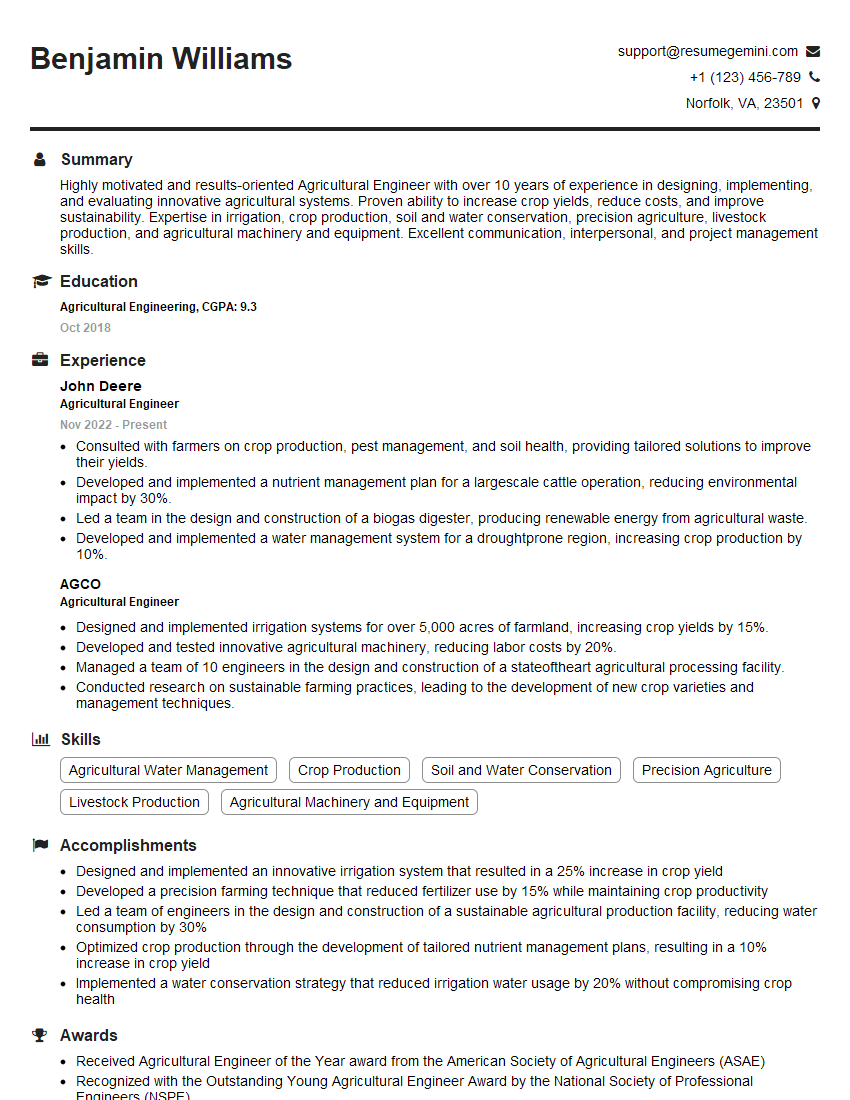
Agricultural Engineer Resume Sample

Agronomist Resume Sample

Soil Scientist Resume Sample

Seed Analyst Resume Sample
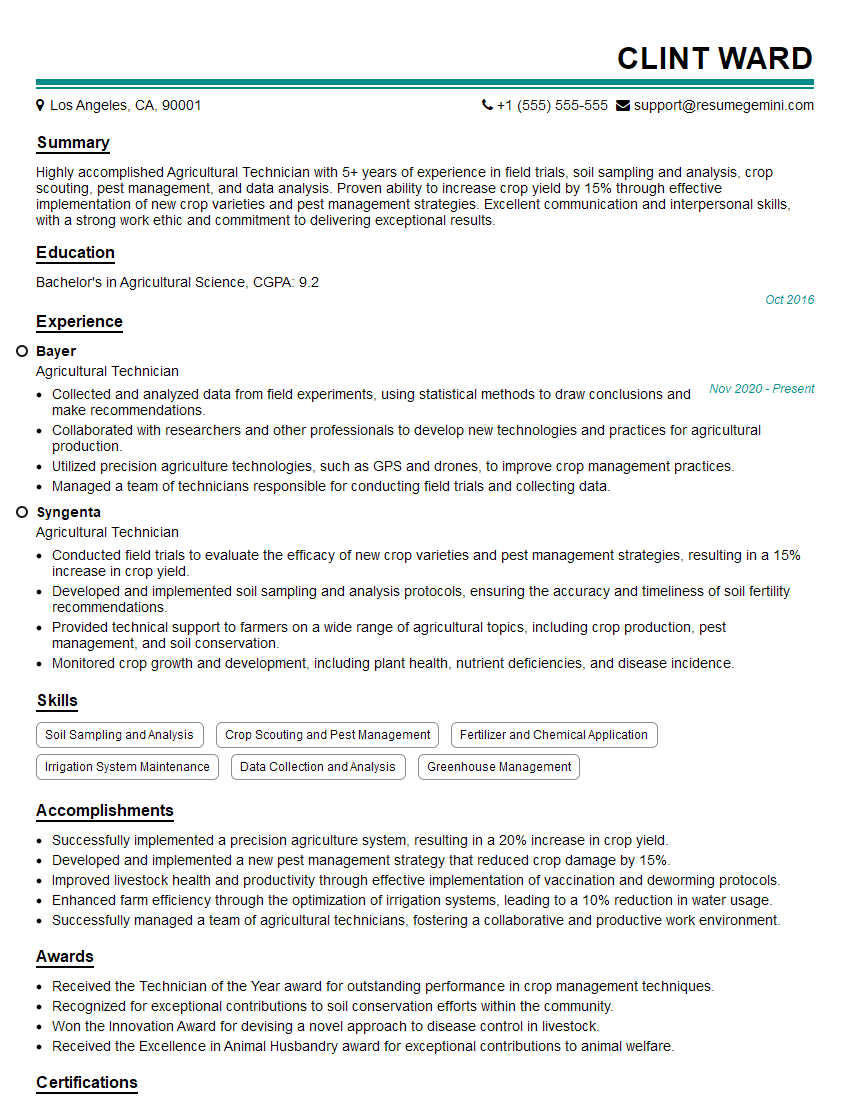
Agricultural Technician Resume Sample
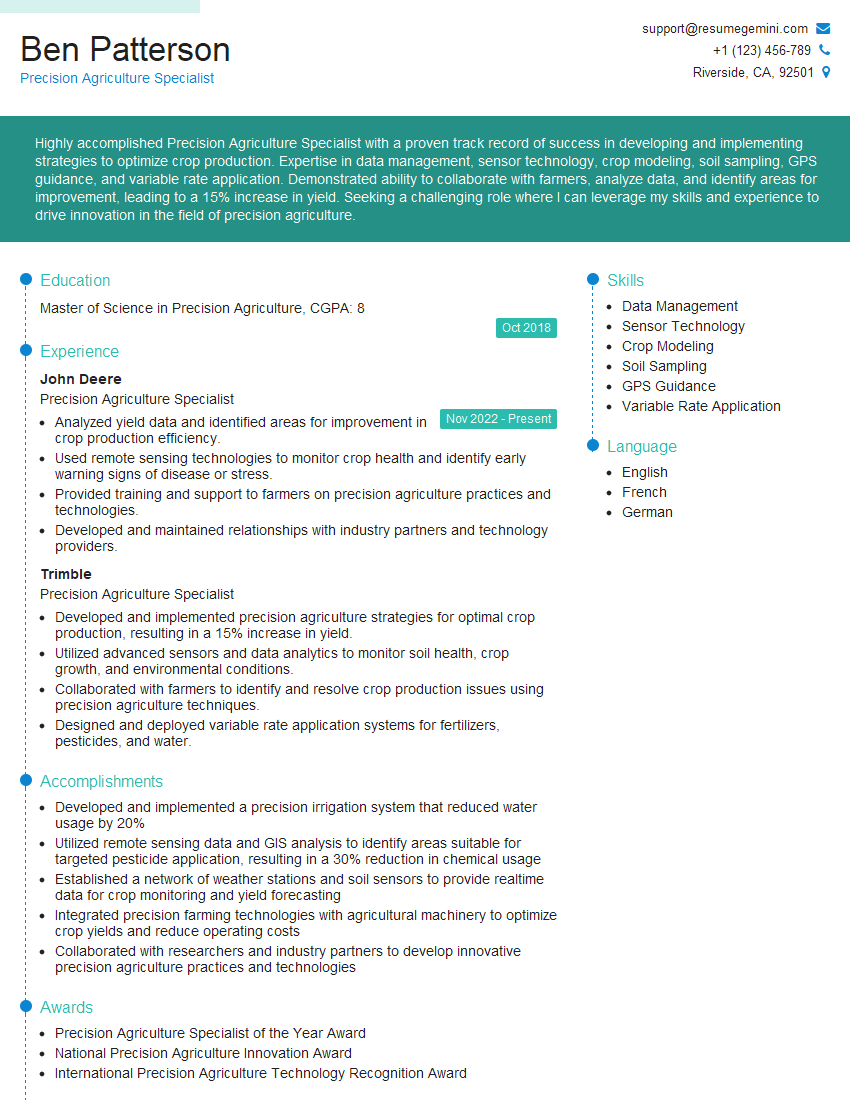
Precision Agriculture Specialist Resume Sample

Crop Scout Resume Sample
Explore more articles
Users Rating of Our Blogs
Share Your Experience
We value your feedback! Please rate our content and share your thoughts (optional).
What Readers Say About Our Blog
Very informative content, great job.
good