Interviews are opportunities to demonstrate your expertise, and this guide is here to help you shine. Explore the essential Hatchery Layout and Design interview questions that employers frequently ask, paired with strategies for crafting responses that set you apart from the competition.
Questions Asked in Hatchery Layout and Design Interview
Q 1. Explain the key considerations for designing a hatchery’s water system.
Designing a hatchery’s water system is paramount to success. It needs to provide a continuous supply of high-quality water, while managing waste efficiently and minimizing environmental impact. Key considerations include:
- Water Source: The source must be reliable and consistently provide sufficient volume and quality (low levels of pathogens, ammonia, nitrates, etc.). Options include wells, rivers, or municipal supplies, each requiring appropriate pre-treatment.
- Water Treatment: Treatment is crucial. This might involve filtration (sand, gravel, or specialized media), UV sterilization to kill pathogens, and potentially dechlorination if using municipal water. The specific needs depend on the source water quality.
- Water Distribution: A well-designed distribution network ensures even water flow to all tanks, preventing stagnation and promoting uniform conditions. This involves a system of pipes, valves, and potentially pumps for pressure regulation.
- Wastewater Management: Efficiently removing waste water is essential. This might involve settling tanks, biofilters to reduce organic load, and ultimately a safe discharge system that complies with environmental regulations.
- Water Temperature Control: Maintaining the correct water temperature is vital for fish health. This can involve chillers or heaters, depending on the climate and species being raised.
For example, a hatchery located near a river might utilize a gravity-fed system, simplifying distribution, but requiring more stringent filtration to remove sediment and potential pollutants. In contrast, a hatchery relying on municipal water may focus on dechlorination and ensuring adequate pressure for optimal water flow.
Q 2. Describe different types of hatchery tanks and their applications.
Hatchery tanks vary widely depending on the species and stage of development. Common types include:
- Circular Tanks: Ideal for early larval stages, promoting even water flow and minimizing settling. They are easy to clean and maintain.
- Rectangular Tanks: Suited for larger fish, offering more space and facilitating better water quality management through effective flow patterns. They are common in grow-out stages.
- Raceways: Long, narrow channels with a continuous water flow. Excellent for larger numbers of fish, but require careful design to maintain even oxygen levels and water quality across the entire raceway.
- Flow-through Tanks: Water constantly flows through the tank, providing excellent oxygenation but requiring a high water volume and more robust filtration systems.
- Recirculating Tanks: Water is continuously filtered and reused, reducing water consumption but requiring careful monitoring of water parameters and efficient filtration.
Choosing the right tank type depends on factors like species, rearing density, available space, and budget. A large-scale salmon hatchery might use raceways for smolts, while a smaller trout hatchery might opt for circular tanks for egg incubation and early larval stages.
Q 3. What are the essential biosecurity measures in a hatchery layout?
Biosecurity is paramount in hatcheries to prevent disease outbreaks that can devastate production. Essential measures include:
- Isolation and Quarantine: Newly acquired fish should always be quarantined to monitor for diseases before introducing them to the main population. This involves separate facilities and rigorous observation.
- Hygiene Protocols: Strict hygiene practices are crucial, including regular disinfection of equipment and facilities using appropriate disinfectants. Personnel should adhere to strict cleaning and disinfection procedures before and after entering hatchery areas.
- Pest Control: Control of insects, rodents, and birds is necessary to prevent the introduction and spread of pathogens. Regular inspections and appropriate pest management strategies are needed.
- Footbaths and Change Rooms: Footbaths containing disinfectant solutions should be placed at entrances to prevent the spread of pathogens on footwear. Change rooms allow personnel to change into clean clothing.
- Water Treatment: Effective water treatment, including filtration and UV sterilization, is crucial to remove potential pathogens from the water supply.
- Visitor Control: Limiting access to the hatchery and implementing visitor protocols helps minimize the risk of introducing diseases.
A well-implemented biosecurity plan, including regular monitoring and staff training, is essential for protecting the health of the fish and the economic viability of the hatchery.
Q 4. How do you ensure optimal water quality in a hatchery?
Optimal water quality is the cornerstone of a successful hatchery. This involves monitoring and controlling several key parameters:
- Dissolved Oxygen (DO): Sufficient oxygen is crucial. Regular monitoring and aeration (through air pumps or water flow) ensure adequate levels. Low DO can lead to fish stress and mortality.
- Temperature: Maintaining the species-specific temperature range is vital. This often involves using chillers or heaters to regulate water temperature.
- pH: The pH should remain within the optimal range for the species. Fluctuations can stress fish and affect their health.
- Ammonia and Nitrite: These are toxic waste products. Regular monitoring and appropriate filtration (biological filtration using nitrifying bacteria) is crucial to keep them at safe levels.
- Nitrate: While less toxic than ammonia and nitrite, high nitrate levels can still indicate a problem and should be monitored. Regular water changes or partial water exchange can help maintain ideal nitrate levels.
- Total Suspended Solids (TSS): High TSS can cloud the water, affecting fish health and visibility. Filtration helps control TSS levels.
Regular water testing using reliable methods and equipment, coupled with prompt adjustments to water treatment or management practices, is essential for maintaining optimal water quality.
Q 5. What are the critical factors influencing hatchery location selection?
Choosing a suitable hatchery location is a critical decision with long-term consequences. Key factors include:
- Water Source: Access to a reliable, high-quality water source with sufficient volume is paramount. This could involve proximity to a river, lake, well, or municipal water supply.
- Climate: The climate should be suitable for the species being raised. Extreme temperatures can increase operational costs and stress fish.
- Accessibility: The location should be easily accessible for transportation of fish, equipment, and personnel. Good road access is essential.
- Infrastructure: Availability of essential infrastructure like electricity, sewage systems, and communication networks is vital for smooth operations.
- Environmental Regulations: Compliance with local environmental regulations regarding water discharge and waste management is crucial.
- Land Availability and Cost: Sufficient land should be available at a reasonable cost to accommodate the hatchery facilities and potential future expansion.
For example, a hatchery producing cold-water species might be located in a mountainous region with access to clean, cold river water, while a warm-water species hatchery might be situated in a warmer climate with access to a suitable water supply.
Q 6. Explain the design principles for efficient hatchery workflow.
Efficient hatchery workflow is crucial for optimizing production and minimizing stress on the fish. Design principles include:
- Linear Flow: The layout should encourage a linear flow of fish through different stages of development (incubation, larval rearing, grow-out) to minimize backtracking and cross-contamination.
- Zoning: Different areas should be designated for specific activities, such as egg incubation, larval rearing, and grow-out, to maintain biosecurity and prevent cross-contamination.
- Ergonomics: The design should be ergonomic, minimizing the physical strain on hatchery personnel. This includes considerations like ease of access to equipment, proper lighting, and adequate workspaces.
- Equipment Placement: Equipment like water treatment systems and pumps should be strategically located to optimize efficiency and minimize the distance water needs to travel.
- Waste Management System: A well-designed waste management system ensures efficient removal and treatment of waste water.
- Flexibility: The design should be adaptable to changes in production needs and species.
Imagine a hatchery with a clearly defined path from egg incubation to final harvest, with each stage located strategically to minimize handling and movement of fish, improving efficiency and minimizing stress on the fish.
Q 7. How would you design a hatchery to minimize environmental impact?
Minimizing a hatchery’s environmental impact requires careful planning and implementation of sustainable practices:
- Water Conservation: Employing recirculating aquaculture systems (RAS) significantly reduces water consumption compared to flow-through systems.
- Wastewater Treatment: Implementing advanced wastewater treatment systems that effectively remove pollutants before discharge is crucial. This might involve biofilters, settling tanks, and UV sterilization.
- Energy Efficiency: Using energy-efficient equipment (pumps, heaters, chillers) and implementing strategies such as optimized lighting can reduce energy consumption.
- Renewable Energy: Utilizing renewable energy sources, like solar or wind power, can significantly decrease the hatchery’s carbon footprint.
- Sustainable Materials: Using eco-friendly building materials and construction methods during hatchery construction reduces environmental impact.
- Closed-loop Systems: Implementing closed-loop systems for waste management, potentially recovering nutrients for fertilizer or other uses, further minimizes environmental impact.
A well-designed hatchery can integrate various sustainable strategies, setting a standard for environmentally responsible aquaculture. For example, using a RAS system with integrated wastewater treatment and renewable energy sources minimizes both water and energy consumption and reduces the environmental footprint.
Q 8. Describe your experience with hatchery automation systems.
My experience with hatchery automation systems spans over 15 years, encompassing design, implementation, and troubleshooting across various scales of operations. I’ve worked with systems ranging from simple automated egg setters and hatchers to fully integrated, computerized systems managing environmental control, egg handling, chick processing, and data logging. For example, in one project, we integrated a system that automatically adjusted incubator temperature and humidity based on real-time sensor data, leading to a significant improvement in hatch rates and chick uniformity. Another project involved implementing robotic egg turning and transfer systems, significantly reducing labor costs and improving efficiency. My expertise covers various brands and technologies, including but not limited to Pas Reform, Petersime, and Chore-Time systems. I’m proficient in troubleshooting system malfunctions, conducting preventative maintenance, and optimizing system performance for maximum efficiency and minimal downtime.
I understand the importance of choosing the right automation level depending on the hatchery’s size, budget, and specific needs. Over-automation can be costly and complex, while under-automation can limit potential for growth and efficiency. Therefore, a thorough needs assessment and a phased implementation approach are crucial.
Q 9. Discuss the importance of egg incubation and hatching protocols.
Egg incubation and hatching protocols are paramount to achieving high-quality chick production. They encompass the entire process, from egg storage and selection to chick processing and disposal of waste. The most critical factors are maintaining optimal temperature, humidity, and ventilation throughout incubation. Deviations from these parameters can significantly impact embryonic development, leading to reduced hatchability, chick quality, and increased mortality. For instance, inconsistent temperature can lead to developmental abnormalities, while inadequate ventilation can cause hypoxia (lack of oxygen) in the developing embryos.
Effective protocols also include regular egg turning (to prevent yolk adhesion), sanitization procedures to prevent bacterial contamination, and careful monitoring of embryonic development using candling techniques. We must also carefully choose the incubation period which depends on the type of bird. Proper chick processing after hatching—including proper drying and handling to minimize stress—is crucial for survival and growth. Documentation and record-keeping of every step are essential for identifying and resolving problems and improving future batches.
Q 10. How do you manage waste and effluent in a hatchery?
Waste management in a hatchery is critical for maintaining hygiene, environmental compliance, and preventing disease outbreaks. It involves a multi-faceted approach that includes handling various waste streams, such as broken eggs, dead embryos, chick waste (litter), and used water.
- Broken Eggs and Dead Embryos: These are typically collected and disposed of through rendering or composting, following strict biosecurity protocols to prevent disease transmission.
- Chick Waste: Proper litter management involves regular removal and disposal, ideally through composting or anaerobic digestion. This minimizes odor, reduces the risk of pathogen build-up, and produces useful compost.
- Effluent: Wastewater generated from cleaning and washing processes needs proper treatment before discharge. This often involves filtration, sedimentation, and disinfection to meet environmental regulations. Efficient water usage throughout the facility is also key to reducing the overall effluent volume.
Implementing a well-designed waste management system is crucial for environmental responsibility and operational sustainability. A well-managed system enhances hygiene, minimizes environmental impact, and improves the overall hatchery’s reputation.
Q 11. Explain the different types of hatchery heating and cooling systems.
Hatchery heating and cooling systems are crucial for maintaining the precise temperature and humidity levels required for optimal embryonic development. Different systems exist depending on the scale and resources of the facility.
- Conventional Systems: These utilize boilers or furnaces for heating and chillers or evaporative coolers for cooling. This approach is common in larger hatcheries and allows for precise temperature control. However, it can be energy-intensive.
- Heat Pumps: These systems are more energy-efficient than conventional systems, using electricity to move heat rather than generating it directly. They can provide both heating and cooling.
- Radiant Heating Systems: These offer efficient heating by directly warming the floor or ceiling, creating a more uniform temperature distribution within the incubator.
- Solar-Powered Systems: These offer a sustainable approach to heating and cooling. They often involve using solar thermal collectors for heating water or using photovoltaic panels to power heat pumps. However, initial costs can be high and the system is dependent on available solar radiation.
The choice of the system depends on the climate, available resources, budget, and the hatchery’s size. A detailed energy audit can assist in selecting the most suitable and cost-effective option.
Q 12. How do you integrate energy efficiency into hatchery design?
Integrating energy efficiency into hatchery design is crucial for minimizing operational costs and reducing the environmental footprint. This can be achieved through various strategies:
- Insulation: Proper insulation minimizes heat loss and reduces the energy required for heating and cooling.
- High-Efficiency Equipment: Selecting energy-efficient incubators, ventilation systems, and lighting fixtures is essential. Look for equipment with high energy efficiency ratings (e.g., Energy Star).
- Optimized Ventilation: Implementing an efficient ventilation system reduces the amount of energy needed to maintain proper air quality and temperature.
- Renewable Energy Sources: Utilizing solar power, wind power, or geothermal energy can significantly reduce reliance on fossil fuels.
- Automated Controls: Implementing automation systems with smart controls allows for precise adjustments to temperature, humidity, and ventilation, minimizing energy waste.
- Water Conservation: Implementing water-efficient cleaning and sanitation practices is crucial to minimize water usage and associated energy costs.
A comprehensive energy audit can highlight areas for improvement and identify cost-effective upgrades, leading to substantial savings over the hatchery’s lifespan.
Q 13. Describe your experience with hatchery construction and project management.
My experience in hatchery construction and project management encompasses all phases, from initial design and planning to commissioning and handover. I have managed projects ranging from small-scale renovations to the construction of large, state-of-the-art hatcheries. This includes managing budgets, timelines, and teams of contractors and specialists. For example, in a recent project, we successfully delivered a new hatchery on time and within budget by employing a detailed project schedule, utilizing effective communication, and proactively addressing potential risks. I am proficient in working with architectural drawings, engineering specifications, and construction contracts. My approach emphasizes proactive risk management, rigorous quality control, and close collaboration with stakeholders to ensure that the final product meets the client’s needs and regulatory requirements.
I also have a deep understanding of biosecurity measures that must be integrated into the hatchery design and construction to prevent disease spread, ensuring a clean, hygienic, and efficient facility.
Q 14. What are the common challenges faced in hatchery design and how do you overcome them?
Several common challenges arise in hatchery design, including:
- Biosecurity: Maintaining a high level of biosecurity to prevent disease outbreaks is crucial. This requires careful consideration of building design, ventilation systems, and waste management strategies.
- Climate Control: Achieving and maintaining precise temperature and humidity levels within the incubators and hatchers can be challenging, especially in regions with extreme climates. This needs a robust and reliable HVAC system.
- Energy Efficiency: Balancing the need for precise climate control with energy efficiency is crucial. This requires careful selection of equipment and the implementation of energy-saving strategies.
- Space Optimization: Maximizing space utilization while ensuring efficient workflow and ease of maintenance is crucial, especially in smaller hatcheries.
- Budget Constraints: Hatcheries can be expensive to construct and operate. Managing costs effectively, without compromising quality or functionality, is essential.
I overcome these challenges through careful planning, proactive risk management, collaboration with specialists (HVAC engineers, biosecurity experts, etc.), and leveraging my experience to optimize designs and processes. Employing Building Information Modeling (BIM) and employing design reviews help to identify and mitigate potential problems before they occur. It’s about developing robust, efficient, and cost-effective solutions tailored to the specific context and needs of the project.
Q 15. How do you ensure the safety of hatchery staff?
Hatchery staff safety is paramount. My approach is multifaceted, starting with a thorough risk assessment identifying potential hazards, from machinery to biological risks. This assessment informs the design of the facility itself, incorporating features like well-lit walkways, easy access to emergency exits, and clearly marked hazard zones. We also implement robust safety protocols, including mandatory personal protective equipment (PPE) such as waterproof boots, gloves, and eye protection, along with regular training on safe handling procedures for equipment and chemicals. For example, I’ve implemented a color-coded system for chemical storage, making identification immediate and preventing accidental misuse. Regular safety inspections and drills further reinforce these measures. Finally, a strong safety culture is fostered through open communication, where staff feel comfortable reporting near misses or safety concerns without fear of reprisal. This proactive, multi-layered strategy ensures a safe working environment.
Career Expert Tips:
- Ace those interviews! Prepare effectively by reviewing the Top 50 Most Common Interview Questions on ResumeGemini.
- Navigate your job search with confidence! Explore a wide range of Career Tips on ResumeGemini. Learn about common challenges and recommendations to overcome them.
- Craft the perfect resume! Master the Art of Resume Writing with ResumeGemini’s guide. Showcase your unique qualifications and achievements effectively.
- Don’t miss out on holiday savings! Build your dream resume with ResumeGemini’s ATS optimized templates.
Q 16. How do you incorporate disease prevention strategies in hatchery design?
Disease prevention is built into every aspect of hatchery design. This begins with a strategic site selection, choosing a location with minimal risk of contamination from external sources. The design itself prioritizes biosecurity, using features like separate entry and exit points for staff and equipment, airlocks, and effective disinfection systems for walkways and vehicles. Water systems are crucial, requiring rigorous filtration and UV sterilization to remove pathogens. Each stage of the production process—from egg incubation to rearing tanks— is carefully designed to minimize cross-contamination. For instance, I’ve designed hatcheries with dedicated equipment and pathways for different life stages of fish, preventing the spread of diseases between age groups. Regular disinfection and cleaning protocols are meticulously implemented, including the use of appropriate disinfectants and a strict schedule. Additionally, a robust quarantine system for new fish or equipment ensures that any potential pathogens are identified and contained before entering the main production area. Imagine it like a highly secure building—multiple layers of defense to prevent any unwanted intruders, in this case, diseases.
Q 17. Explain your understanding of different hatchery rearing techniques.
Hatchery rearing techniques vary based on species, space, and available resources. One common method is flow-through systems, where water constantly flows through the tanks, providing fresh oxygen and removing waste. This method mimics natural environments but requires substantial water resources. Recirculating aquaculture systems (RAS) offer a more sustainable alternative by reusing water after filtration and treatment. This reduces water usage and waste discharge but demands more complex technical expertise and equipment maintenance. Another approach is batch rearing, where fish of the same age group are reared together in a single tank, offering better management control but potentially increasing the risk of disease outbreaks if not managed effectively. Static systems, while simpler, are less efficient and suitable only for smaller operations. The choice depends on factors like the species being reared, available budget, environmental regulations, and the hatchery’s overall sustainability goals. For instance, a large-scale salmon hatchery might opt for a RAS to conserve water while a small-scale trout hatchery might favor a flow-through system.
Q 18. Describe your experience with different fish species and their specific requirements in a hatchery.
My experience spans various fish species, each presenting unique challenges. For example, salmonids like trout and salmon require cool, well-oxygenated water, and specific water quality parameters must be tightly controlled. Their feeding regimes differ across developmental stages, requiring meticulous monitoring to ensure optimal growth and health. Conversely, tilapia, a warm-water species, thrives in warmer temperatures and higher stocking densities. Understanding the specific requirements of each species—from water quality to diet and handling—is crucial for successful hatchery operations. In one project, I tailored the hatchery design to accommodate the specific needs of a sensitive species of sturgeon, incorporating specialized filtration systems and temperature control to meet its unique requirements. Each species necessitates a bespoke approach, incorporating species-specific knowledge into every stage of the hatchery design and operation.
Q 19. What are the key performance indicators (KPIs) you would track in a hatchery?
Key Performance Indicators (KPIs) in a hatchery are crucial for monitoring efficiency and identifying areas for improvement. These include:
- Survival rate: Percentage of eggs that hatch and survive to a specific age.
- Growth rate: Rate of weight gain in fish, measured regularly.
- Feed conversion ratio (FCR): Amount of feed required to produce a unit of fish biomass. A lower FCR is more efficient.
- Water quality parameters: Monitoring dissolved oxygen, temperature, ammonia, nitrite, and pH.
- Disease incidence: Number of disease outbreaks and their impact on survival and growth.
- Production cost per unit: Cost of producing each unit of fish, factoring in feed, labor, and utilities.
Q 20. How do you ensure traceability in hatchery operations?
Traceability is essential for maintaining quality control, meeting regulatory requirements, and ensuring product safety. This involves a comprehensive system for tracking fish from egg to market. This is achieved through detailed record-keeping, using unique batch identifiers for each group of eggs and maintaining complete records of all production stages, including water quality data, feed usage, and treatment information. Barcoding or RFID tagging can enhance traceability, allowing for individual fish identification or batch tracking. Comprehensive record-keeping software and data management systems are critical components. In practice, I’ve implemented systems where each batch is assigned a unique code that follows the fish throughout the entire process, creating an unbroken chain of custody and readily available information in case of recalls or quality concerns. This helps not just in preventing issues, but also in promptly responding to any unforeseen challenges and ensuring customer and regulatory confidence.
Q 21. Explain your experience with hatchery maintenance and repair.
Hatchery maintenance and repair are ongoing processes, vital for ensuring smooth operation. This involves regular inspections of equipment, including water pumps, filtration systems, aeration systems, and heating/cooling units. Preventive maintenance schedules are essential to minimize downtime and costly repairs. A proactive approach, involving regular cleaning, lubrication, and parts replacements, extends the lifespan of equipment. Having a skilled maintenance team and readily available spare parts is also crucial. My approach emphasizes training staff on routine maintenance tasks and creating a detailed maintenance log to track all activities and identify recurring issues. Having a contingency plan for emergency repairs is essential. For example, I’ve implemented a system where critical equipment components are kept in stock, reducing downtime in case of failure. This ensures minimal disruption to hatchery operations and reduces the risk of catastrophic losses.
Q 22. Describe the importance of record-keeping and data management in a hatchery.
Record-keeping and data management are the backbone of efficient and profitable hatchery operations. Think of it like a doctor’s meticulous notes on a patient – without them, effective treatment is impossible. In a hatchery, detailed records provide crucial insights into every stage of the production process, from egg quality and incubation parameters to chick quality and disease outbreaks. This data allows for informed decision-making, continuous improvement, and traceability.
Egg Quality Tracking: Meticulous records on egg source, weight, shape, and shell quality allow for the identification of superior breeding stock and early detection of potential issues.
Incubation Data: Monitoring temperature, humidity, and turning frequency ensures optimal embryonic development. Deviations from ideal parameters are quickly identified and addressed, minimizing losses.
Hatching Results: Tracking hatch rates, chick quality (weight, viability, uniformity), and mortality rates helps identify bottlenecks and areas for improvement in the hatchery process.
Data management systems, whether simple spreadsheets or sophisticated software packages, are crucial for organizing and analyzing this information. This allows for trend identification, predictive modeling, and proactive management of the hatchery.
Q 23. How do you stay up-to-date with the latest advancements in hatchery technology?
Staying current in the dynamic field of hatchery technology requires a multi-pronged approach. It’s not just about reading journals; it’s about actively engaging with the industry.
Industry Publications and Journals: I regularly read publications like Poultry Science and industry-specific magazines to stay informed on the latest research and advancements.
Conferences and Workshops: Attending industry conferences and workshops allows for direct interaction with leading experts and the opportunity to see new technologies in action. This is where you often learn about innovations before they hit the mainstream.
Networking: Building relationships with other hatchery professionals through industry associations and online forums provides invaluable opportunities for knowledge sharing and staying abreast of emerging trends.
Manufacturer Websites and Trade Shows: Keeping up with the latest equipment and software offerings from major manufacturers is essential. Trade shows provide hands-on experience with the newest technologies.
For example, recently I’ve been focusing on advancements in automated egg handling systems and the application of precision climate control technologies for improved chick quality.
Q 24. Describe your experience with hatchery budgeting and cost management.
Hatchery budgeting and cost management are critical for profitability. My experience involves a detailed, multi-stage approach.
Detailed Cost Analysis: This includes assessing all operating costs, from utilities and labor to feed and equipment maintenance. I meticulously track expenses to identify areas for potential savings.
Budget Forecasting: I develop detailed budget forecasts based on historical data, anticipated production levels, and market conditions. This involves incorporating potential fluctuations in input costs.
Inventory Management: Efficient inventory management is key to minimizing waste and storage costs. This includes precise ordering of supplies and efficient storage practices.
Performance Monitoring and Variance Analysis: Regular monitoring of actual versus budgeted costs is crucial for early detection of discrepancies. I use variance analysis to identify the root causes of deviations and implement corrective actions.
Investment Appraisal: When considering new equipment or technologies, I utilize investment appraisal techniques (e.g., Net Present Value, Internal Rate of Return) to assess their long-term financial viability.
For example, in a previous role, I successfully implemented a new automated egg-turning system that resulted in a significant reduction in labor costs and an increase in hatch rates, demonstrating the importance of strategic investment in cost-effective technologies.
Q 25. Explain the regulatory requirements for hatchery operation in your region.
(Note: This answer will vary depending on the specific region. The following is a generalized example and should be replaced with details relevant to the actual region.)
Regulatory requirements for hatchery operations vary by region but generally focus on biosecurity, animal welfare, and environmental protection. In my region, key regulations include:
Biosecurity protocols: Strict protocols are in place to prevent the spread of avian diseases, including strict sanitation procedures, visitor restrictions, and disease surveillance programs. This often involves regular testing and reporting to regulatory authorities.
Animal welfare regulations: Specific guidelines exist to ensure proper handling of eggs and chicks, minimizing stress and injury. This includes regulations on stocking density, ventilation, and environmental conditions during incubation.
Environmental regulations: Regulations addressing waste management (e.g., disposal of dead embryos and chicks), water usage, and energy consumption are in place to ensure environmentally responsible operation.
Record-keeping and reporting: Detailed records of hatchery operations, including disease outbreaks, mortality rates, and chemical usage, must be maintained and reported to the appropriate agencies.
Compliance with these regulations is crucial not only to avoid penalties but also to ensure the production of healthy and safe poultry products.
Q 26. How would you approach the design of a sustainable and scalable hatchery?
Designing a sustainable and scalable hatchery requires careful consideration of several factors.
Sustainable Practices: This includes minimizing energy consumption through energy-efficient equipment and renewable energy sources (e.g., solar panels), reducing water usage through water recycling systems, and implementing responsible waste management strategies (e.g., composting of organic waste).
Scalability: The design should allow for future expansion without significant disruption to operations. This involves modular design principles, allowing for easy addition of incubation and chick processing units as production needs grow.
Biosecurity: A robust biosecurity system is paramount, incorporating features like airlocks, controlled access points, and effective sanitation protocols to prevent the introduction and spread of diseases.
Automation: Strategic automation of various processes, such as egg handling, incubation, and chick processing, enhances efficiency, reduces labor costs, and improves consistency.
Technology Integration: Implementing smart technologies like sensor-based monitoring systems and data analytics platforms allows for real-time monitoring and optimization of hatchery parameters, minimizing losses and enhancing overall efficiency.
For example, I’ve worked on a project where we integrated a closed-loop water recycling system coupled with automated cleaning and disinfection protocols, significantly reducing water consumption and maintaining high biosecurity standards.
Q 27. How do you handle emergencies and unexpected events in a hatchery?
Emergency preparedness is crucial in hatchery operations. A well-defined emergency response plan is essential to mitigate losses and ensure the well-being of both personnel and birds.
Emergency Response Plan: This plan should detail procedures for various emergencies, such as power outages, equipment malfunctions, disease outbreaks, and natural disasters. Regular drills are necessary to ensure staff proficiency.
Backup Systems: Redundant systems for critical functions like power supply, ventilation, and water supply are essential to maintain operational continuity during unexpected events. This includes backup generators and emergency water sources.
Communication Protocols: Clear communication channels should be established to facilitate rapid response during emergencies. This includes contact lists for key personnel, emergency services, and regulatory authorities.
Disease Surveillance: A proactive disease surveillance program allows for the early detection and management of potential outbreaks. This involves regular monitoring of chick health, environmental samples, and strict quarantine protocols.
Risk Assessment: Regular risk assessments are needed to identify potential hazards and vulnerabilities in the hatchery’s operations, allowing for proactive mitigation strategies.
For example, during a severe storm that caused a power outage, our hatchery’s backup generator seamlessly took over, preventing significant losses due to incubator temperature fluctuations. This highlights the importance of having robust backup systems.
Q 28. Describe your experience with different hatchery aeration systems.
Aeration is vital in hatcheries to ensure adequate oxygen supply to developing embryos and to remove carbon dioxide and other metabolic byproducts. Different aeration systems offer varying levels of efficiency and control.
Natural Ventilation: This relies on natural airflow through strategically placed openings. Simple and low-cost, but less effective in controlling airflow and maintaining consistent environmental conditions. Suitable for smaller hatcheries with good climate control.
Mechanical Ventilation: This utilizes fans to force air circulation, providing greater control over airflow and environmental parameters. More energy-intensive but necessary for larger hatcheries and those in climates with less predictable weather.
Air Circulation Systems: These systems focus on distributing air evenly throughout the incubator, ensuring uniform temperature and oxygen levels. They can be combined with both natural and mechanical ventilation to maximize efficiency.
Oxygen Enrichment Systems: These systems supplement the air supply with pure oxygen, crucial in high-density incubations or during periods of high metabolic activity in the embryos. They significantly improve hatch rates.
My experience includes working with both mechanical ventilation and oxygen enrichment systems. I find that a combination of both, tailored to the hatchery’s specific needs and scale, provides optimal results. For example, in a large-scale hatchery, I implemented a system that combined mechanical ventilation with an oxygen enrichment system, which resulted in a notable increase in hatch rates and improved chick uniformity.
Key Topics to Learn for Hatchery Layout and Design Interview
- Space Optimization and Flow: Understanding the principles of efficient space utilization within a hatchery, considering factors like bird density, equipment placement, and waste management.
- Environmental Control Systems: Detailed knowledge of climate control (temperature, humidity, ventilation), its impact on chick development, and troubleshooting common issues.
- Biosecurity Protocols: Implementing and maintaining biosecurity measures to prevent disease outbreaks, including hygiene practices, disinfection procedures, and pest control strategies.
- Equipment Selection and Maintenance: Understanding the various types of hatchery equipment (incubators, hatchers, setters), their operational principles, maintenance schedules, and troubleshooting techniques.
- Incubation and Hatching Processes: A thorough grasp of the incubation process, including egg turning, temperature and humidity management, and the factors influencing hatching rates and chick quality.
- Data Analysis and Record Keeping: Analyzing hatchery data (hatching rates, chick quality, mortality rates) to identify areas for improvement and optimizing hatchery performance. Understanding the importance of accurate and comprehensive record-keeping.
- Health and Welfare: Prioritizing chick health and welfare throughout the incubation and hatching process. Understanding the impact of various factors on chick quality and viability.
- Automation and Technology: Familiarity with automated hatchery systems, data acquisition and monitoring technologies, and their role in improving efficiency and consistency.
- Sustainability and Efficiency: Exploring ways to minimize environmental impact and maximize resource utilization within the hatchery, considering energy consumption, waste management, and water usage.
- Regulatory Compliance: Understanding and adhering to relevant industry regulations and standards related to animal welfare, biosecurity, and environmental protection.
Next Steps
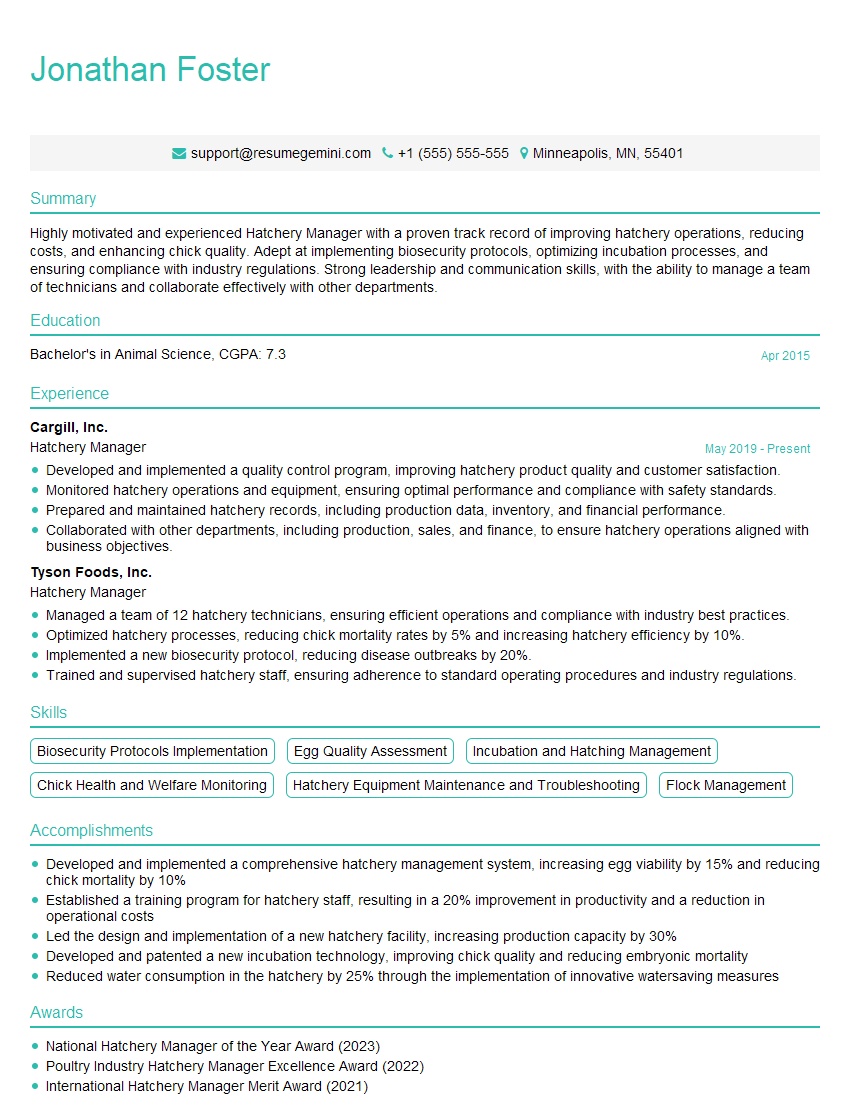
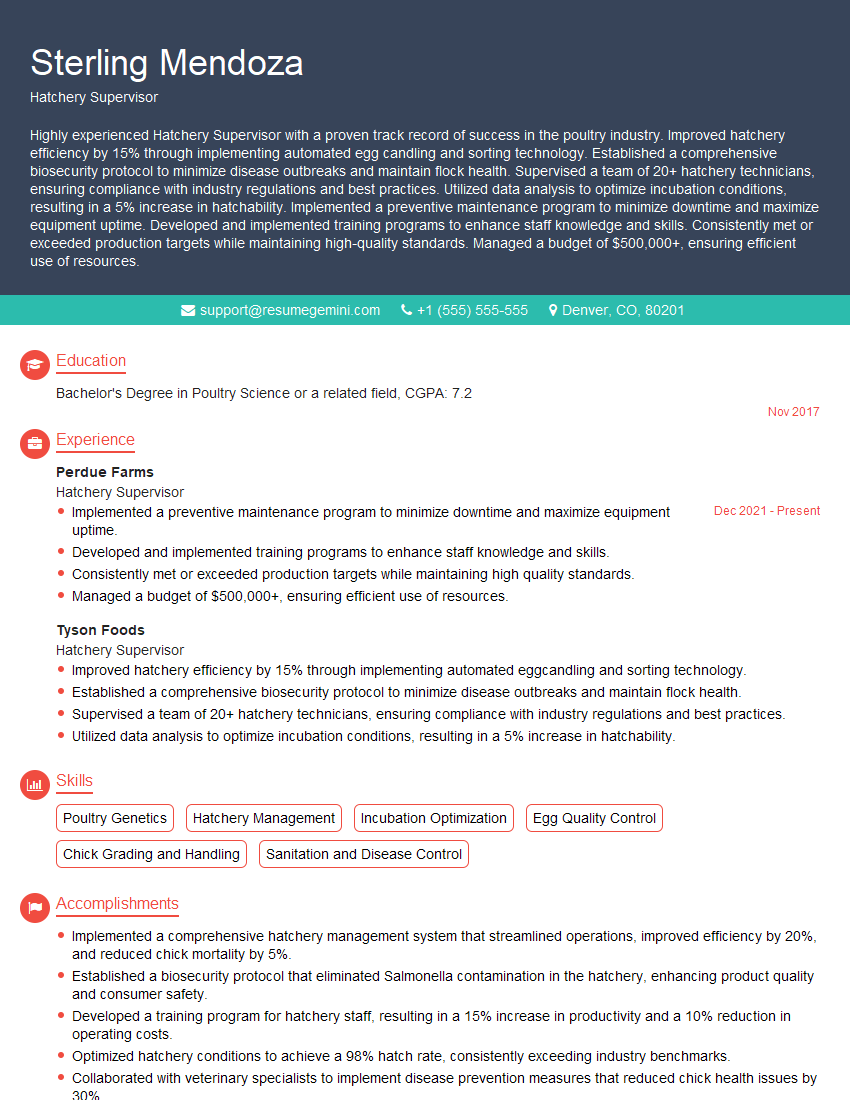
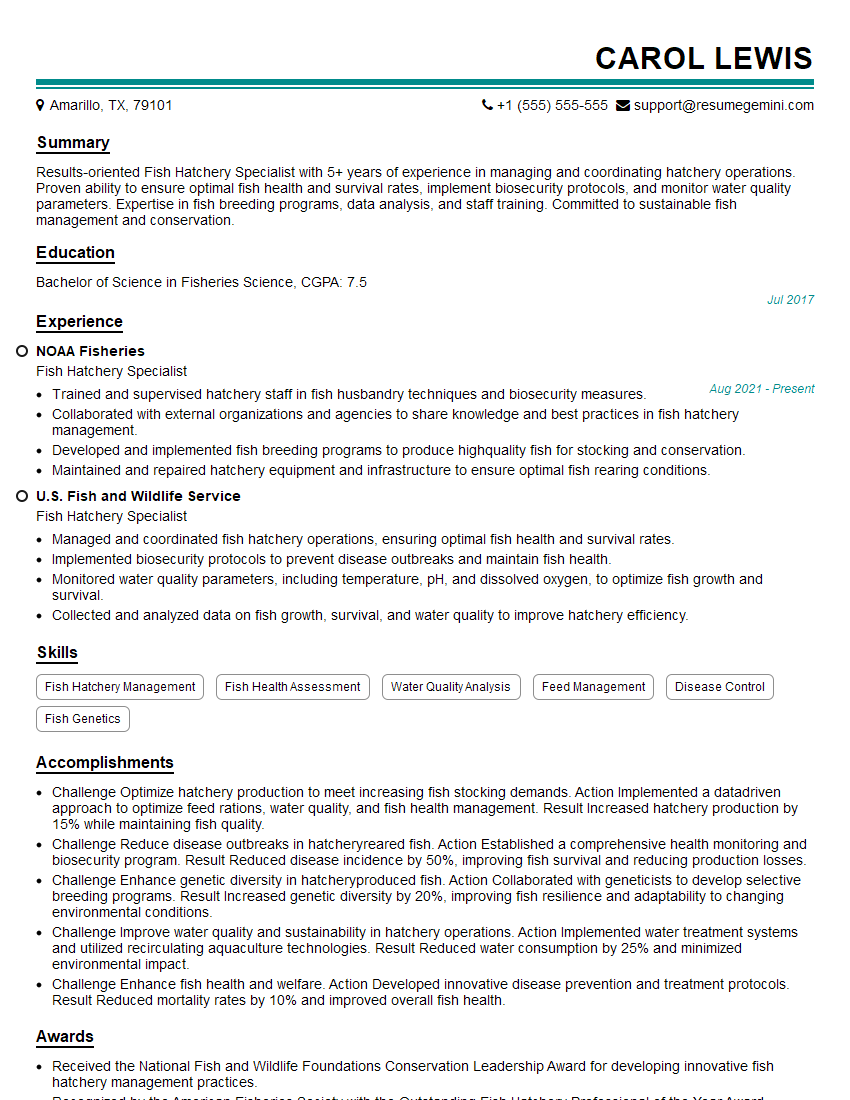
Mastering Hatchery Layout and Design is crucial for advancing your career in poultry production and related fields. A strong understanding of these principles demonstrates your commitment to efficiency, animal welfare, and sustainable practices. To significantly boost your job prospects, create an ATS-friendly resume that highlights your skills and experience effectively. We strongly recommend using ResumeGemini, a trusted resource, to build a professional and compelling resume. Examples of resumes tailored to Hatchery Layout and Design are available to guide you.
Explore more articles
Users Rating of Our Blogs
Share Your Experience
We value your feedback! Please rate our content and share your thoughts (optional).
What Readers Say About Our Blog
Very informative content, great job.
good