Preparation is the key to success in any interview. In this post, we’ll explore crucial Hay Baler Operation interview questions and equip you with strategies to craft impactful answers. Whether you’re a beginner or a pro, these tips will elevate your preparation.
Questions Asked in Hay Baler Operation Interview
Q 1. Describe the different types of hay balers.
Hay balers are categorized primarily by the type of bale they produce: round or square. Within these categories, further distinctions exist based on size and mechanisms.
- Round Balers: These create large, cylindrical bales. They can be further divided into variable-chamber balers (bale size adjusts based on crop density) and fixed-chamber balers (consistent bale size). Variable chamber balers are highly efficient in handling inconsistent crop growth, creating denser bales when the crop is thick and larger bales when it’s sparse. Fixed-chamber balers are simpler and often less expensive but may struggle with variable crop conditions.
- Square Balers: These produce rectangular bales, typically smaller and easier to handle than round bales. They’re often preferred for smaller farms or those focusing on specific bale dimensions for storage and feeding. Small square balers are common for smaller operations, while large square balers are popular for larger-scale hay production.
- Small Square Balers: These produce small, manageable bales, ideal for feeding livestock or use in smaller operations.
- Large Square Balers: These machines produce large rectangular bales and are suitable for high-volume hay production. They are often used in conjunction with bale wrappers for preservation.
The choice of baler depends greatly on factors like farm size, crop type, intended bale use, and budget. For instance, a large dairy farm might prefer large square balers for efficiency, while a small hobby farm might opt for a smaller square baler.
Q 2. Explain the process of preparing a field for hay baling.
Preparing a field for hay baling involves a series of steps to ensure optimal bale quality and efficient operation. This process directly impacts the quality and yield of your hay.
- Mowing: Cut the hay at the appropriate stage of growth. This ensures the hay is at its most nutritious and will cure properly. Timing is crucial, and it is dependent on the type of hay.
- Conditioning: Use a mower-conditioner to crimp or shatter the stems, speeding up the drying process. This increases the surface area for quicker and more uniform drying which leads to better quality hay.
- Tedding (optional): This involves spreading out the swaths of cut hay to increase air circulation and expedite drying. It’s particularly helpful in humid conditions. However, it is crucial to check the weather forecast as too much exposure to the sun can impact hay quality.
- Raking: Once the hay is adequately dried (typically 15-20% moisture content), rake it into windrows for easier baling. Windrows are neat rows of hay that make it easy for the baler to pick up the hay.
- Field Inspection: Before you begin baling, carefully inspect the field for foreign objects like rocks or debris that can damage the baler. Removing these prevents costly repairs and injuries.
Careful attention to each step is vital for producing high-quality, well-cured hay bales.
Q 3. What are the key safety precautions when operating a hay baler?
Safety is paramount when operating hay balers. These powerful machines present several hazards if not handled correctly.
- PTO Shield: Always ensure the PTO (power take-off) shield is in place and properly secured to prevent entanglement. A disengaged PTO shaft is not a guarantee of safety; there is still a possibility of wrapping the shaft into the clothing.
- Personal Protective Equipment (PPE): Wear appropriate PPE, including sturdy boots, gloves, and eye protection. Hearing protection is also strongly recommended.
- Clear the Area: Keep bystanders a safe distance from the baler’s operating area. This includes children and pets; many accidents occur as a result of the carelessness of nearby individuals.
- Regular Inspections: Before operation, inspect the baler for any damage or loose parts. A broken belt can lead to serious injuries.
- Avoid Distractions: Never operate the baler while fatigued or under the influence of drugs or alcohol.
- Emergency Shutdown: Familiarize yourself with the baler’s emergency shutdown procedures and always have a clear escape route in mind. A well-rehearsed plan is beneficial during emergencies.
Remember, a moment’s lapse in safety can lead to serious consequences. Treat the baler with the respect it deserves, always prioritising safety above all else.
Q 4. How do you identify and address common hay baler malfunctions?
Diagnosing and resolving hay baler malfunctions requires a methodical approach. Begin by identifying the symptom, then proceed systematically to pinpoint the cause.
- Bale Size/Density Issues: Inconsistent bale size or density might indicate problems with the pickup, knotters, or bale chamber mechanisms. Check for blockages and adjust settings accordingly.
- Belt Slippage: If the belts slip, it’s usually due to wear, misalignment, or insufficient tension. Check belt condition, alignment, and tighten as needed.
- Knotter Problems: Malfunctioning knotters lead to loose or unbound bales. Examine the needles, billhooks, and twine supply for any issues.
- Pickup Problems: If the pickup is not collecting hay efficiently, check the tine condition and ensure proper height adjustment.
- Hydraulic Issues: Problems with the hydraulic system may result in inconsistent bale formation. Check fluid levels and look for leaks.
Troubleshooting involves careful observation, a good understanding of the baler’s mechanics, and potentially consulting a repair manual. Keeping a log of maintenance and repairs helps anticipate future issues.
Q 5. What are the signs of a baler needing maintenance?
Several signs indicate a baler needs maintenance. Regular inspections are crucial for preventing major breakdowns.
- Excessive Wear and Tear: Check belts, chains, and other components for wear. Excessive wear might indicate a need for replacement.
- Unusual Noises: Grinding, squeaking, or unusual clicking sounds may signal problems with bearings, gears, or other moving parts.
- Leaks: Check for hydraulic fluid leaks, oil leaks, or grease leaks. These can indicate damage to seals or components.
- Inconsistent Bale Quality: Changes in bale size, shape, or density indicate potential mechanical issues.
- Decreased Performance: Noticeable reduction in baling speed or efficiency often means the machine requires attention.
Ignoring these signs can lead to costly repairs and downtime. A proactive maintenance schedule is essential for maintaining the baler’s performance and longevity.
Q 6. Explain the importance of proper twine tension in hay baling.
Proper twine tension is crucial for creating well-formed, secure bales that hold their shape during handling and storage. Inadequate tension results in loose bales that easily unravel, while excessive tension can lead to knotter problems or breakage.
Appropriate twine tension ensures the knots are tightly formed, preventing the bale from coming apart. Too little tension results in weak knots that fail to hold, leading to losses and wasted hay. Too much tension puts unnecessary stress on the knotter mechanism, potentially causing damage. Many modern balers have adjustable tension settings; however, the recommended tension is often specified in the baler’s manual.
The importance of proper twine tension cannot be overstated; it’s a key factor in ensuring the efficiency and profitability of hay production. This directly impacts the quality and usability of the harvested hay.
Q 7. How do you adjust the bale size and density?
Adjusting bale size and density varies depending on the type of baler but generally involves adjusting settings on the machine. These adjustments often impact the quality, density, and weight of the bale, thus affecting storage and handling.
- Round Balers: Variable chamber balers allow adjustments to bale size and density via control levers or electronic settings. The size increases as more hay is fed into the chamber, resulting in larger bales in the areas with higher crop density.
- Square Balers: Bale size adjustments on square balers might involve changing the bale chamber size (if adjustable) or adjusting the density through controls that regulate the bale-forming process. These settings are usually found on a control panel in the cab.
The adjustments are usually made by consulting the operator’s manual, where specific guidelines will be given based on the make and model of the baler. The appropriate settings will depend on the type and condition of the crop.
Q 8. Describe the process of unloading bales from a hay baler.
Unloading hay bales depends heavily on the type of baler used. Most modern balers utilize an automatic ejection system. For round balers, this often involves a mechanism that rolls the bale off the bale chamber and onto a conveyor belt or directly onto the ground. For square balers, the bale is ejected via a hydraulic ram, pushing the bale out of the chamber and onto a waiting trailer or the ground. Safety is paramount! Always ensure the baler is completely stopped and the power is off before approaching to unload. Never attempt to manually remove a bale while the baler is running.
Consider this scenario: You’re baling in a field with uneven terrain. In this case, you would need to adjust your unloading method to accommodate the slope. You might need to use a ramp or a different method to move the bale safely from the baler to a suitable collection point to avoid the risk of damage to the bale or tipping over. Always prioritize safety during unloading, whether you’re using automated ejection or manual handling.
Q 9. What are the different types of twine used in hay balers?
Hay balers primarily use two types of twine: natural twine and synthetic twine. Natural twine, often made from sisal or hemp, is biodegradable but can be less consistent in strength and more susceptible to moisture damage. Synthetic twines, usually made from polypropylene or polyethylene, offer greater tensile strength, are more resistant to moisture, and are generally more cost-effective. The choice of twine depends on factors like the type of hay, the baler’s specifications, and budgetary considerations. Using the wrong type of twine can lead to bale breakage and decreased efficiency.
For example, in a region with high humidity, synthetic twine is preferred for its moisture resistance to prevent premature bale degradation. Conversely, if environmental considerations are a priority, natural twine might be the more suitable option. It’s always crucial to use twine that’s compatible with your specific baler model to prevent issues with the twine knotting system.
Q 10. How do you maintain the knives and pick-up mechanism?
Maintaining the knives and pick-up mechanism is crucial for optimal baler performance and bale quality. The knives should be sharpened regularly, usually after a certain number of bales, depending on the hay condition. Dull knives lead to uneven cutting, resulting in poor bale formation and decreased efficiency. Regular inspection of the pick-up tines is also essential; bent or broken tines should be replaced promptly. A build-up of material can hinder pickup performance. Cleaning the mechanism after each use is vital to prevent issues like blockages or damage.
Think of it like this: dull knives are like using a blunt butter knife to spread butter – it’s messy and inefficient. Sharpening the knives ensures clean, precise cuts, leading to a neatly formed bale. Similarly, maintaining the pick-up mechanism ensures efficient gathering of the hay crop, mirroring a well-organized team smoothly performing their task to optimize efficiency. Regular cleaning prevents blockages which would cause downtime and further maintenance issues.
Q 11. Explain the role of the bale chamber in the baling process.
The bale chamber is the heart of the hay baler. Its primary role is to compact the hay into a dense, uniform bale. This is achieved through a combination of moving parts that compress the hay, such as plungers or rollers. The shape and size of the bale chamber determine the final bale dimensions (round or square). It’s designed to contain the hay until the bale reaches the desired density and size, at which point the tying mechanism engages to secure the bale.
Imagine it like a giant, adjustable vise. The hay enters the chamber and gets squeezed until it’s tightly packed. The bale chamber needs to be correctly sized for the type of baler and bale size desired. For example, a large bale chamber would be needed for a large round baler, capable of handling higher volumes of hay. Incorrect bale chamber size, or other issues, can cause problems like inefficient baling and bale breakage.
Q 12. How do you troubleshoot a jammed bale chamber?
A jammed bale chamber is a common problem that often requires careful troubleshooting. The first step is to turn off the baler and ensure it is safe to approach. Common causes include: excessively wet or heavy hay, foreign objects in the chamber, or mechanical failure. Start by visually inspecting the chamber. If a foreign object is identified, carefully remove it. For wet hay, you may need to clear the chamber manually, taking extra precaution. If the problem persists, you may need to consult a service manual to diagnose and resolve more complex mechanical issues. Never attempt repairs if you are not qualified.
Let’s say the baler stops unexpectedly. First, I would do a visual inspection of the chamber for any obvious problems like a buildup of wet hay. If I find that it’s blocked, I’d carefully remove the blockage before starting the baler again. If the problem persists, or if I cannot identify the problem visually, I would always consult the service manual or call a qualified technician for help.
Q 13. Describe the proper procedure for cleaning and lubricating a hay baler.
Cleaning and lubricating a hay baler is crucial for its longevity and efficient operation. After each use, remove any accumulated hay and debris from the baler, paying close attention to the pickup mechanism, bale chamber, and knotters. Lubricate moving parts according to the manufacturer’s recommendations, using appropriate lubricants. This prevents premature wear and tear, keeping the machine in optimum condition. Regular, thorough cleaning also helps identify potential problems early on. A well-maintained machine is a more efficient and reliable machine.
Think of it like regular car maintenance. You wouldn’t drive your car for years without changing the oil, would you? Similarly, regular cleaning and lubrication of your hay baler is essential for its smooth operation and extended lifespan. Neglecting regular maintenance can lead to costly repairs down the road.
Q 14. What are the common causes of bale breakage?
Bale breakage can stem from several factors. Using incorrect twine tension is a common culprit, resulting in weak ties that easily break under stress. Another factor could be the condition of the hay itself—excessively wet or dry hay can lead to inconsistent bale formation and increased susceptibility to breakage. Finally, mechanical issues within the baler, such as worn-out components or misalignment of moving parts, can significantly contribute to bale breakage. Regular inspection and preventative maintenance are critical to reduce such occurrences.
Imagine a poorly tied package; it’s easily torn apart and loses its contents. Similarly, a bale tied incorrectly will fall apart, leading to significant wastage. Regular maintenance to ensure proper twine tension and efficient function prevents this outcome. Addressing mechanical issues proactively prevents failures during operation.
Q 15. How do you determine if a hay bale is properly formed?
A properly formed hay bale is crucial for efficient storage, transportation, and feeding. You determine this by assessing several key factors:
- Shape and Density: A well-formed bale is rectangular and uniformly dense, with minimal loose hay sticking out. Think of it like a neatly stacked brick – consistent and solid.
- Size and Weight: The bale should meet the specifications of your baler and the intended use. Too small and you waste time; too large and it’s difficult to handle. Bale size will depend on baler settings and hay type.
- Binding: The twine or netting should be securely wrapped around the bale, preventing unraveling during transport or storage. Check for any loose ends or broken strands which could compromise bale integrity.
- Moisture Content: While not directly visible in the bale’s formation, the moisture content is key. Properly dried hay is crucial to prevent spoilage and molding. A bale that’s too wet will be heavier and show evidence of discoloration or mold.
For example, if you notice a bale with a significantly uneven shape, loose hay protruding, or weak binding, it indicates improper formation. This could lead to problems later on, from damage during handling to spoilage.
Career Expert Tips:
- Ace those interviews! Prepare effectively by reviewing the Top 50 Most Common Interview Questions on ResumeGemini.
- Navigate your job search with confidence! Explore a wide range of Career Tips on ResumeGemini. Learn about common challenges and recommendations to overcome them.
- Craft the perfect resume! Master the Art of Resume Writing with ResumeGemini’s guide. Showcase your unique qualifications and achievements effectively.
- Don’t miss out on holiday savings! Build your dream resume with ResumeGemini’s ATS optimized templates.
Q 16. What are the environmental factors that affect hay baling efficiency?
Environmental factors significantly impact hay baling efficiency. They can affect both the quantity and quality of the hay you harvest.
- Moisture Content: High humidity or rain delays baling as wet hay is prone to spoilage and difficult to bale. Ideally, hay should be harvested at a moisture content of 15-20%.
- Temperature: Extreme heat can stress the hay plants, reducing yield and potentially leading to leaf loss. Conversely, cold temperatures can slow down the drying process, delaying baling.
- Wind: Wind aids in the drying process and allows for quicker baling as the hay dries faster. However, very strong winds can scatter the hay and make efficient operation difficult.
- Sunlight: Ample sunlight accelerates drying, enabling more efficient baling. Cloudy conditions will prolong drying time.
For instance, a rainy week can significantly delay baling operations, impacting the overall hay harvest yield. Conversely, sunny and windy days are ideal, allowing for high-volume baling with minimal losses.
Q 17. How do you handle wet or damp hay during baling?
Baling wet or damp hay should be avoided as it significantly increases the risk of mold and spoilage, decreasing the hay’s nutritional value and potentially creating safety issues. However, if caught in an unexpected rain shower, consider these steps:
- Delay Baling: If possible, postpone baling until the hay dries sufficiently. Even a few hours of drying can make a significant difference.
- Adjust Baler Settings: Some balers allow for adjustments to handle higher moisture levels, but these settings should be used judiciously as they may impact bale density and shape.
- Smaller, Lighter Bales: You might need to create smaller bales to improve air circulation and facilitate faster drying after baling.
- Proper Storage: If you have to bale wet hay, ensure it’s stored in a well-ventilated area to allow air circulation and expedite the drying process.
Remember, moldy hay poses health risks to livestock, and it will be costly to dispose of. It’s always better to err on the side of caution and wait for optimal drying conditions.
Q 18. Explain the importance of regular preventative maintenance.
Regular preventative maintenance is vital for ensuring the longevity and efficient operation of your hay baler. Neglecting maintenance can lead to costly repairs, downtime, and even complete equipment failure. Think of it like regular check-ups for your car; it prevents larger problems down the road.
- Before each use: Inspect belts, chains, and components for wear and tear. Check fluid levels and ensure proper lubrication.
- Regular Service: Follow the manufacturer’s recommended service schedule for tasks like blade sharpening, knotter adjustments, and component replacements. This ensures peak performance and safety.
- Cleanliness: Regularly clean the baler, removing built-up hay and debris. This prevents blockages and damage to internal components.
- Storage: Store the baler in a dry place, protected from the elements, when not in use. This protects against rust and corrosion.
For example, a worn-out belt can lead to a sudden baler shutdown in the field, resulting in lost time and production. Regular maintenance minimizes the risk of these costly disruptions.
Q 19. What is the significance of proper bale storage?
Proper bale storage is essential to maintain the hay’s quality and prevent losses. Improper storage can lead to spoilage, pest infestation, and reduced nutritional value.
- Dry and Well-Ventilated Area: Store bales in a dry, well-ventilated location to prevent mold and mildew growth. A covered area is better, protecting from rain and snow.
- Elevated Storage: Raise bales off the ground using pallets or other supports to promote airflow underneath and prevent moisture absorption from the ground.
- Protection from the Elements: Shield bales from direct sunlight, rain, and snow, using tarps or similar covers.
- Pest Control: Take measures to prevent rodent and insect infestations, as pests can contaminate and damage the hay.
Think of it like preserving food. Proper storage ensures the hay retains its quality and nutritional value for feeding livestock throughout the year. Bales exposed to the elements can become moldy and unusable, resulting in significant losses.
Q 20. Describe different methods of bale transportation.
Various methods are available for transporting hay bales, each with its own advantages and disadvantages.
- Tractor with Bale Spear: A common and versatile method, suitable for smaller operations and uneven terrain. It allows for easy handling and placement of individual bales.
- Bale Wagon: A specialized trailer designed to carry numerous bales simultaneously, ideal for large-scale operations. It’s efficient but requires a suitable tractor and potentially wide-access roads.
- Forklift: Suitable for loading and unloading bales in barns or storage facilities, offering efficiency in controlled environments. It’s less useful for transporting over longer distances.
- Large Trucks and Trailers: For long-distance transport, large trucks and specially designed trailers can carry a large volume of bales at once. This is essential for commercial operations.
The best method depends on the scale of the operation, the distance to transport, and the terrain. Smaller farms may use a tractor, while large commercial operations might rely on specialized trucking services.
Q 21. How do you identify different types of hay and adjust accordingly?
Identifying different types of hay and adjusting baling accordingly is crucial for optimal hay quality and bale formation. Different grasses and legumes have varying characteristics that influence baling parameters.
- Visual Inspection: Examine the hay’s color, leafiness, and stem thickness. For example, alfalfa typically has more leaves than grass hay.
- Moisture Content Testing: Use a moisture meter to check the hay’s moisture content, which directly influences baling density and the risk of spoilage.
- Baler Adjustments: Adjust the baler’s density setting according to the hay type. Denser hays like alfalfa often require tighter settings compared to loose grasses.
- Twine or Netting: Choose appropriate twine or netting based on hay type and density, ensuring secure bale formation.
For instance, a very leafy alfalfa requires a tighter bale density setting and robust twine to avoid unraveling. Conversely, a coarse grass hay may require looser settings and potentially less twine. Adjusting to each hay type ensures optimal bale quality, minimizing losses and maintaining high feeding value.
Q 22. How would you handle a sudden equipment failure in the field?
Equipment failure in the field is a serious concern, but with a methodical approach, downtime can be minimized. My first step is always safety – ensuring the baler is completely shut down and secured to prevent further damage or injury. Then, I perform a visual inspection, looking for obvious problems like broken belts, jammed components, or leaking hydraulic lines.
If the issue is minor, like a clogged chute, I’ll address it immediately using the appropriate tools. For more complex problems, I’ll consult the baler’s manual for troubleshooting steps. This often involves checking fluid levels (hydraulic oil, grease), inspecting electrical connections, and listening for unusual noises. For example, a grinding sound might indicate a bearing problem.
If I can’t pinpoint the problem or the repair is beyond my capabilities, I’ll contact a qualified mechanic or the equipment dealer for assistance. A critical step is documenting the failure – taking photos, noting the circumstances and any error codes displayed. This information is vital for repairs and preventative maintenance. I believe in proactive maintenance to reduce the likelihood of sudden failures. A well-maintained baler is far less likely to cause unexpected downtime.
Q 23. What are the best practices for working safely with other farm equipment?
Safety is paramount when operating farm equipment, especially in close proximity to others. Clear communication is key – I always make sure everyone involved understands the baler’s operating area and potential hazards. We establish designated safe zones and use hand signals to communicate effectively, especially in noisy environments.
Visibility is crucial; making sure the baler is equipped with appropriate lights and reflectors for safe operation in low-light conditions. Before starting, I perform a thorough pre-operational check of the baler and surrounding area, ensuring the path is clear of obstructions and personnel.
Following established traffic patterns and speed limits within the field is also vital. For instance, when working with a tractor and wagon, we maintain a safe distance to prevent collisions. Regular safety training and refresher courses help ensure everyone remains aware of safe operating procedures.
Q 24. Describe your experience with different types of baler designs.
My experience encompasses both round and square balers, each with its own advantages and disadvantages. Round balers are efficient for large-scale operations, creating large, easily handled bales. However, they might not be ideal for all types of hay or terrain. I’ve worked extensively with variable-chamber round balers, which adjust bale size based on the hay’s density, leading to improved efficiency and bale quality.
Square balers, on the other hand, are often preferred for smaller operations or when specific bale sizes are required. They produce denser, more uniform bales, ideal for certain storage and feeding scenarios. I’ve operated both fixed-chamber and large square balers, gaining experience with their distinct mechanical features and maintenance requirements. Understanding the strengths and weaknesses of each design helps me select the most appropriate baler for a specific job and maximize productivity.
Q 25. How familiar are you with relevant safety regulations and standards?
I’m very familiar with the relevant safety regulations and standards for hay baler operation, including OSHA (Occupational Safety and Health Administration) guidelines and any applicable state or local regulations. This includes understanding and adhering to requirements concerning personal protective equipment (PPE), machine guarding, and emergency procedures.
I’m particularly aware of regulations surrounding PTO (power take-off) shaft safety, including the use of shields and guards to prevent entanglement. Furthermore, I understand the importance of regular inspections, maintenance, and training to ensure compliance. I actively participate in safety training and stay updated on changes in regulations to maintain a safe work environment.
Q 26. How do you ensure the efficient use of fuel and resources?
Efficient fuel and resource use is a critical aspect of cost-effective hay baling. I focus on optimizing baler settings based on hay conditions. For example, adjusting the bale density can significantly impact fuel consumption. A properly adjusted baler reduces the number of times the baler needs to re-engage to form a bale.
Regular maintenance, including proper lubrication and timely servicing, also contributes to fuel efficiency. A well-maintained engine operates more efficiently and requires less fuel. Furthermore, planning efficient field routes and minimizing unnecessary travel time reduces fuel usage. Choosing the right baler for the job and the appropriate size of baler to match the field and harvest is also key to efficiency and fuel savings. For example, using a smaller baler on a small field is more efficient and uses less fuel than a larger baler would.
Q 27. What is your experience with troubleshooting electrical issues in a hay baler?
Troubleshooting electrical issues requires a systematic approach. I begin by visually inspecting all wiring harnesses and connections for loose wires, damage, or corrosion. A multimeter is invaluable for testing voltage, continuity, and current flow in circuits. For example, I might test the power supply to the bale ejector motor or check the wiring to sensors.
I’m familiar with common electrical problems in hay balers, such as faulty switches, shorted wires, or malfunctioning control modules. Understanding basic electrical schematics is crucial for diagnosing and repairing these problems. Sometimes, replacing a faulty component, like a relay or a circuit breaker is necessary. Safety is paramount during electrical troubleshooting; always disconnect the power supply before working on any electrical components.
Q 28. Describe your experience with hydraulic systems within hay balers.
Hydraulic systems are essential for many baler functions, including bale formation and ejection. My experience includes identifying and resolving hydraulic leaks, checking fluid levels, and understanding the function of hydraulic cylinders and valves. I’m proficient in using hydraulic gauges to measure pressure and flow rates.
For example, a slow bale ejection might indicate a problem with the hydraulic cylinder or a leak in the hydraulic lines. I can diagnose such issues by checking the hydraulic fluid level, inspecting lines for leaks, and testing the pressure at various points in the system. Regular maintenance, such as changing hydraulic fluid and inspecting seals and lines, is crucial for preventing hydraulic system failures. Regular maintenance and a keen eye for detail keep the hydraulic systems in top shape.
Key Topics to Learn for Hay Baler Operation Interview
- Hay Baler Mechanics: Understanding the inner workings of various hay baler types (round, square, etc.), including the roles of components like the pickup, feed system, bale chamber, and knotter.
- Operation and Adjustment: Mastering the practical skills of operating a hay baler safely and efficiently, including adjusting settings for different crop types and field conditions. This includes understanding the impact of twine tension, bale density, and speed on the final product.
- Maintenance and Troubleshooting: Knowing how to perform routine maintenance checks, identify common malfunctions (e.g., twine issues, belt problems), and perform basic repairs or know when to seek professional assistance. This demonstrates responsibility and problem-solving skills.
- Safety Procedures: Thorough knowledge of safety protocols and best practices for operating hay balers, including personal protective equipment (PPE) usage and hazard identification. This is crucial for demonstrating a commitment to safe working practices.
- Crop Handling and Field Conditions: Understanding how different crop types and varying field conditions (moisture, terrain) impact baler operation and efficiency. This demonstrates adaptability and a practical understanding of the work environment.
- Yield Optimization and Efficiency: Strategies for maximizing hay bale yield and minimizing downtime through effective operation and preventative maintenance. This demonstrates a focus on productivity and cost-effectiveness.
Next Steps
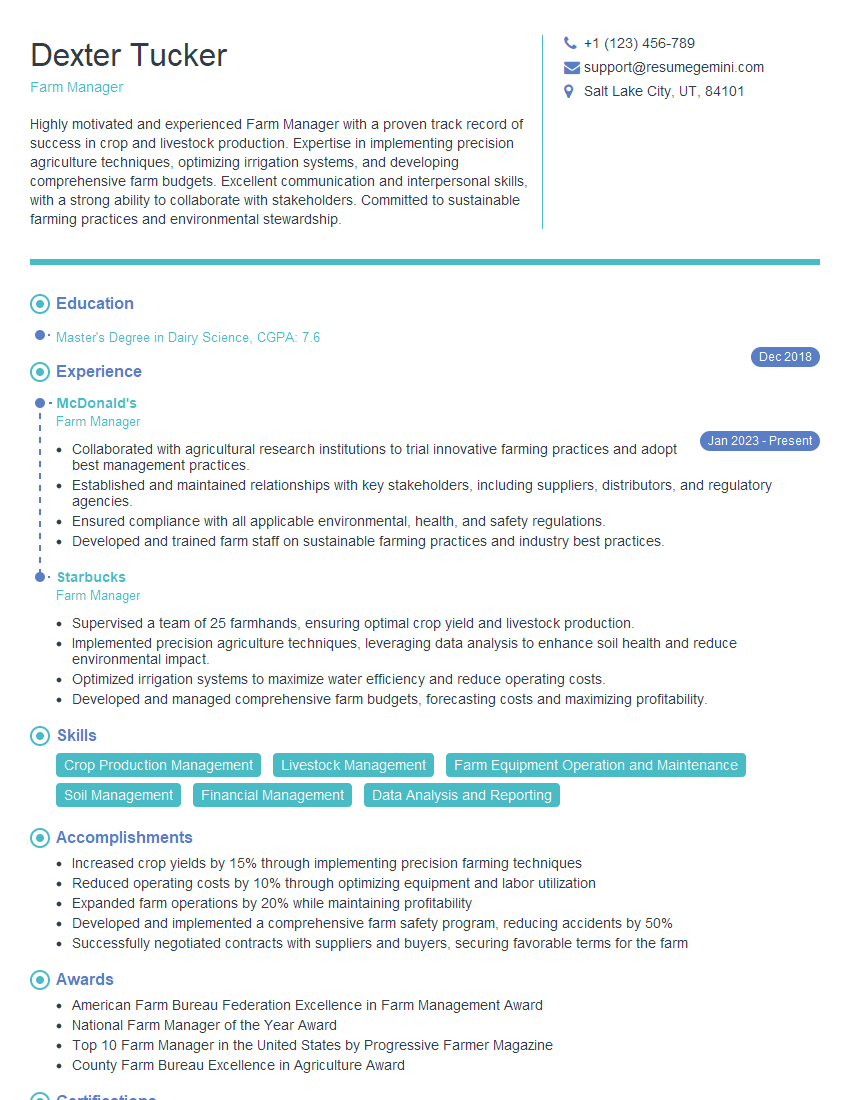
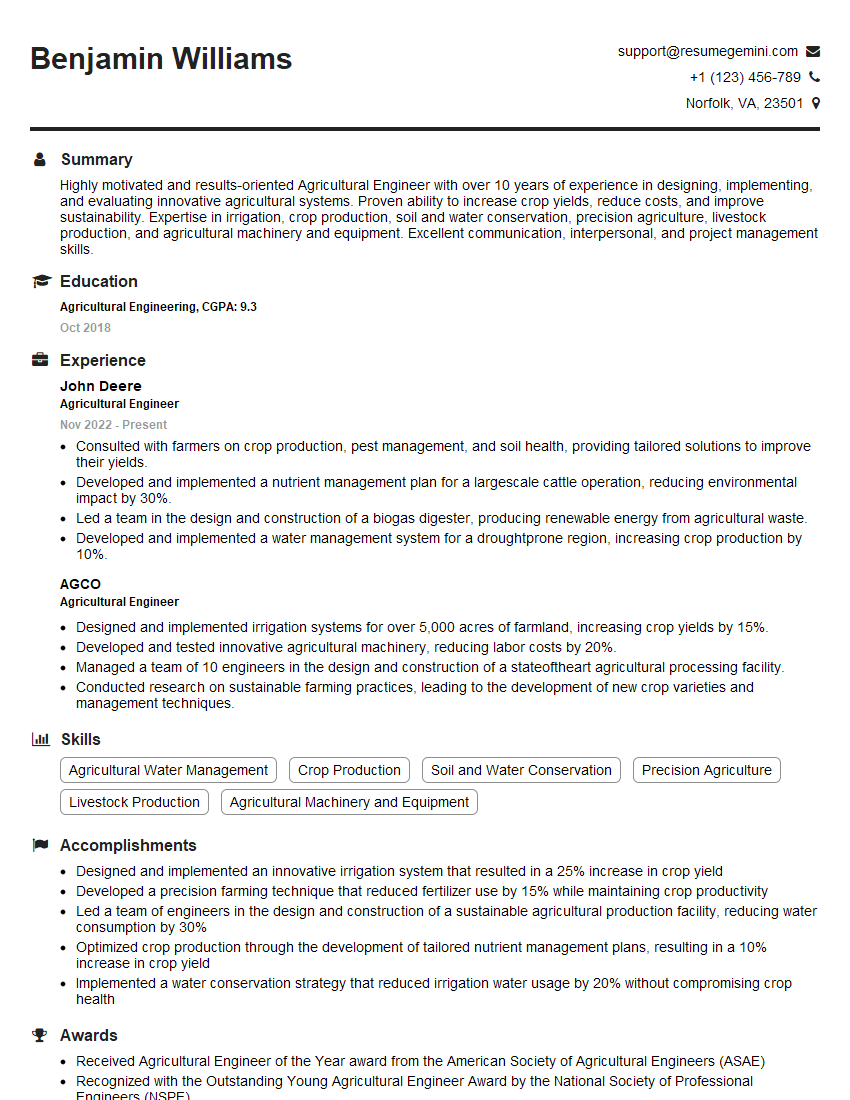
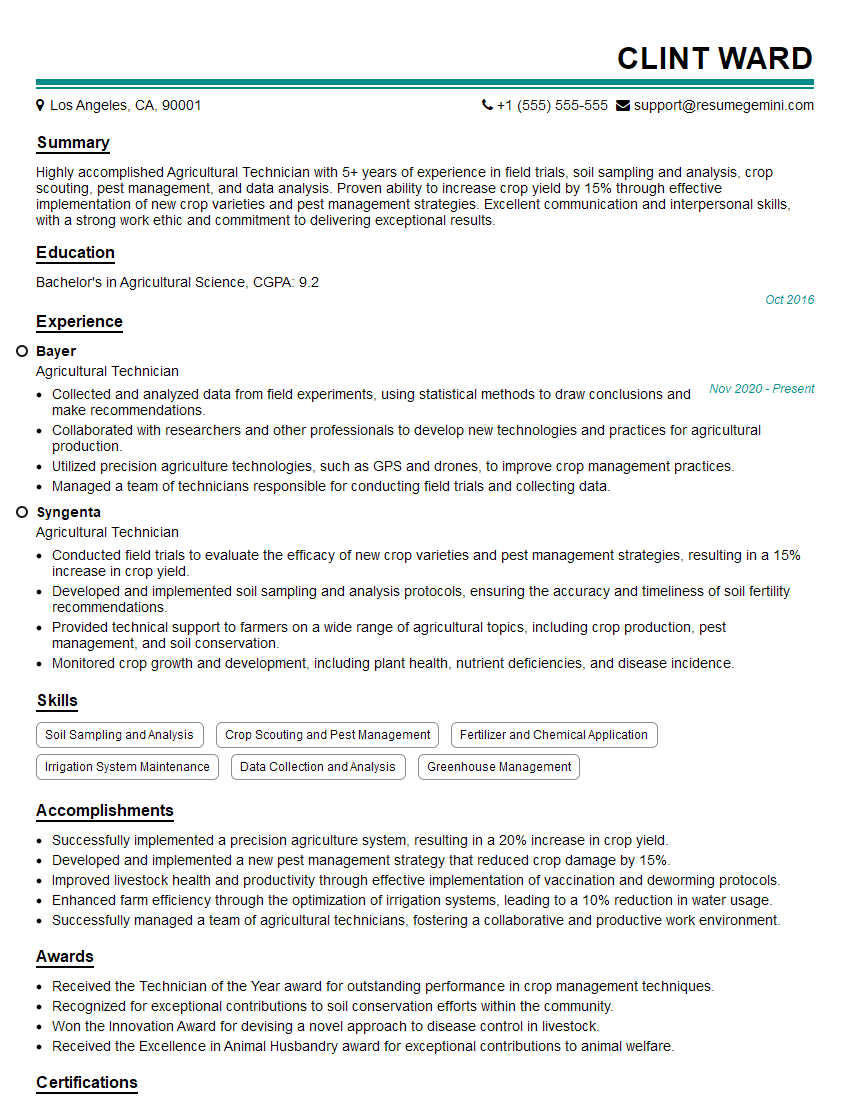
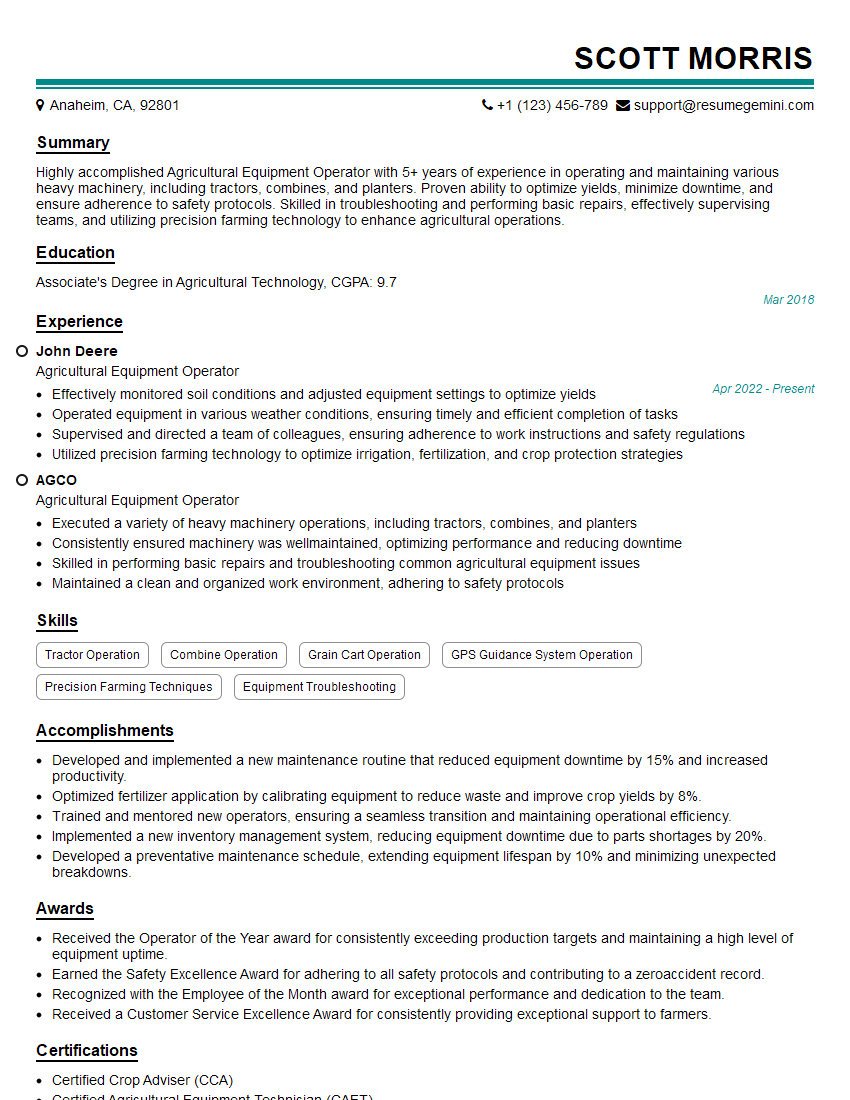
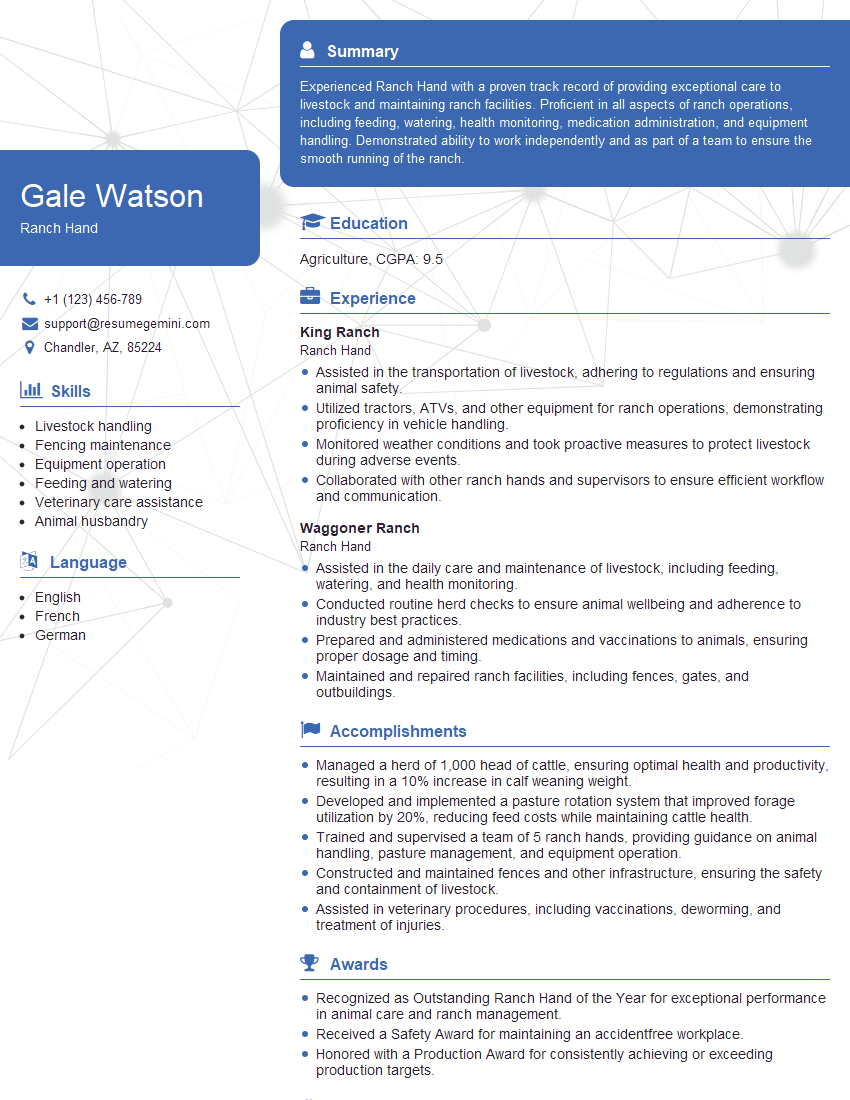
Mastering Hay Baler Operation opens doors to rewarding careers in agriculture, offering opportunities for advancement and specialization. A strong understanding of this crucial skill will set you apart from other candidates. To maximize your job prospects, crafting a professional and ATS-friendly resume is essential. ResumeGemini is a trusted resource that can help you build a compelling resume highlighting your skills and experience. We provide examples of resumes tailored to Hay Baler Operation to help guide you. Invest in your future; build a resume that gets noticed.

Explore more articles
Users Rating of Our Blogs
Share Your Experience
We value your feedback! Please rate our content and share your thoughts (optional).
What Readers Say About Our Blog
Very informative content, great job.
good