Feeling uncertain about what to expect in your upcoming interview? We’ve got you covered! This blog highlights the most important Hazard Communication and Right-to-Know interview questions and provides actionable advice to help you stand out as the ideal candidate. Let’s pave the way for your success.
Questions Asked in Hazard Communication and Right-to-Know Interview
Q 1. What are the key components of a comprehensive Hazard Communication Program?
A comprehensive Hazard Communication Program (HCP) is the cornerstone of a safe workplace. It’s not just a document; it’s a living system that ensures all employees understand and can manage the risks associated with hazardous chemicals. Key components include:
- Written Program: A formal document outlining the procedures for handling hazardous chemicals, including training, labeling, SDS access, and emergency response.
- Inventory of Hazardous Chemicals: A detailed list of all hazardous chemicals present in the workplace, including their locations and quantities. Think of this as a chemical inventory for your facility.
- Safety Data Sheets (SDS): Easily accessible SDSs for every hazardous chemical. These provide detailed information on hazards, safe handling, and emergency procedures (discussed further in the next answer).
- Container Labeling: All containers of hazardous chemicals must be clearly labeled with the hazard pictograms, signal words, hazard statements, and precautionary statements, as mandated by OSHA.
- Employee Training: Regular and effective training on hazard communication, ensuring employees understand the hazards, how to handle chemicals safely, and what to do in emergencies. Imagine this as your company’s hazard communication ‘driver’s ed’ program.
- Hazard Communication Training: Comprehensive training for all employees on the HCP, including recognizing hazards, using PPE, and responding to spills or emergencies. Think of a fire drill, but for chemical hazards.
- Methods for Communicating Information: Clear communication channels to ensure information about hazardous chemicals is readily available to all employees. This could involve regular meetings, email updates, or a dedicated bulletin board.
A well-structured HCP isn’t just about compliance; it’s a proactive approach to protecting employee health and safety. Imagine a construction site – the HCP ensures workers know how to handle solvents, concrete dust, and other potential hazards safely.
Q 2. Explain the role of Safety Data Sheets (SDS) in hazard communication.
Safety Data Sheets (SDSs), formerly known as Material Safety Data Sheets (MSDSs), are the essential reference documents for hazard communication. They provide comprehensive information about a hazardous chemical, acting as a detailed instruction manual for safe handling, storage, and emergency response.
Each SDS contains 16 sections, providing information on:
- Identification: Product name, manufacturer, contact information.
- Hazard Identification: Hazard classifications, pictograms, signal words, hazard and precautionary statements.
- Composition/Information on Ingredients: Chemical composition and concentrations.
- First-aid measures: Immediate steps in case of exposure.
- Fire-fighting measures: Suitable extinguishing agents, special hazards.
- Accidental release measures: Containment and cleanup procedures.
- Handling and storage: Safe handling and storage practices.
- Exposure controls/personal protection: PPE recommendations.
- Physical and chemical properties: Physical characteristics of the chemical.
- Stability and reactivity: Potential for hazardous reactions.
- Toxicological information: Health effects from exposure.
- Ecological information: Environmental impact.
- Disposal considerations: Proper disposal methods.
- Transport information: Transportation regulations.
- Regulatory information: Relevant regulations and labeling requirements.
- Other information: Additional relevant information.
Imagine a scenario where a worker accidentally spills a chemical. The SDS provides the crucial information – what PPE to wear, how to clean up the spill safely, and what to do if someone is exposed. It’s the lifeline for safe chemical handling.
Q 3. How do you ensure compliance with OSHA’s Hazard Communication Standard (HCS)?
Compliance with OSHA’s Hazard Communication Standard (HCS) requires a multi-pronged approach. It’s not a one-time task, but an ongoing process of implementation and monitoring. Key steps include:
- Develop a Written HCP: This program should be readily available to all employees and detail all aspects of your chemical hazard communication procedures.
- Inventory Hazardous Chemicals: Maintain an accurate, up-to-date inventory of all hazardous chemicals in your workplace. This might involve a database or a physical inventory log.
- Obtain and Maintain SDSs: Ensure you have a current SDS for every hazardous chemical used, and establish a system to manage and update them.
- Properly Label Containers: All containers must carry the appropriate hazard labels that comply with the HCS pictograms and labeling requirements. Think clear, concise, and easily visible.
- Provide Employee Training: Comprehensive training covering all aspects of the HCP, including the identification of hazards, safe handling practices, and emergency response procedures, must be given to all employees and documented.
- Regularly Review and Update the HCP: This should be an ongoing process. Any changes in chemicals, processes, or regulations require updates to the program and employee retraining as needed.
- Keep Records: Maintain comprehensive records of training sessions, SDS updates, and other relevant documentation. These records are crucial for demonstrating compliance during audits.
Regular audits and inspections are vital to ensure the HCP remains effective and up-to-date. Consider it a continuous improvement process, adapting to changes in your workplace and new regulatory requirements.
Q 4. Describe the different hazard classes and their corresponding pictograms.
The HCS uses a standardized system of hazard classes and pictograms to communicate chemical hazards effectively. These pictograms are visually prominent symbols that quickly convey the type of danger associated with a chemical. Here are some examples:
- Health Hazards: (e.g., Carcinogen, Toxic, Irritant) Pictogram: A symbol of a person with an exclamation mark.
- Flammability Hazards: (e.g., Flammable, Extremely Flammable) Pictogram: A flame.
- Physical Hazards: (e.g., Explosives, Oxidizers, Gases under pressure) Pictogram: A symbol showing an explosion or similar hazard.
- Environmental Hazards: (e.g., Aquatic Toxicity) Pictogram: A symbol of a tree within a drop of water.
- Corrosion Hazards: (e.g., Corrosive to Metals) Pictogram: A symbol of a test tube with a corrosive liquid.
Each pictogram is accompanied by signal words (Danger or Warning) and hazard and precautionary statements to provide more detail. Think of them as visual cues that immediately alert you to potential dangers. A brightly colored skull and crossbones pictogram, for example, instantly conveys the extreme toxicity of a chemical.
Q 5. What are the requirements for labeling hazardous chemicals?
Labeling hazardous chemicals is critical for ensuring worker safety. OSHA’s HCS mandates specific information on labels:
- Product Identifier: The chemical’s name.
- Signal Word: ‘Danger’ (for severe hazards) or ‘Warning’ (for less severe hazards).
- Hazard Pictograms: Standardized symbols indicating the type of hazard.
- Hazard Statements: Descriptions of the chemical’s hazards.
- Precautionary Statements: Instructions for safe handling and use.
- Supplier Identification: Manufacturer’s name and contact information.
Labels must be durable, legible, and affixed directly to the container. Imagine a bottle of cleaning solution; the label needs to be clear enough to be understood even if the bottle is wet or dirty. Incorrect or missing labels can lead to serious accidents.
Q 6. How do you train employees on hazard communication?
Effective employee training is fundamental to a successful HCP. Training must be:
- Comprehensive: Covering all aspects of the HCP, including the written program, SDSs, labeling, and hazard recognition.
- Relevant: Tailored to the specific hazards present in the workplace. A chemical plant will require different training than an office environment.
- Interactive: Using methods that engage employees, such as hands-on exercises, videos, or group discussions. Think of interactive training modules instead of dry lectures.
- Regular: Provided initially and repeated periodically, especially when changes occur (new chemicals, updated SDSs, or revised procedures). Think annual refresher training or even more frequent updates if situations change.
- Documented: Maintain records of training sessions, including attendees, dates, and topics covered. This is crucial for demonstrating compliance.
Effective training can be the difference between a safe workplace and a hazardous one. Imagine employees knowing how to respond to a chemical spill – this is life-saving knowledge imparted through proper training.
Q 7. How do you handle updates and changes to SDSs?
Managing updates and changes to SDSs is a crucial aspect of maintaining a compliant HCP. When a manufacturer updates an SDS, you must:
- Obtain the Updated SDS: Contact the supplier to receive the revised SDS. This can be done via email, their website, or direct communication.
- Replace the Old SDS: Replace the outdated SDS with the new version, ensuring all previous copies are removed. Consider using a version control system to track changes.
- Retrain Employees: If the changes are significant enough (e.g., new hazards identified, new safety precautions needed), employees must receive updated training.
- Update the Chemical Inventory: Ensure your chemical inventory reflects any changes in the chemical’s composition, classification, or other properties.
- Communicate the Changes: Inform employees about the changes and where to find the updated SDS. This might involve email, postings, or team meetings.
Imagine a situation where a chemical’s toxicity rating is increased. This requires immediate action: updating the SDS, retraining employees, and reviewing safety procedures to reflect the increased hazard. Failure to do so can have severe consequences.
Q 8. What is the importance of employee right-to-know regarding workplace hazards?
Employee right-to-know is paramount for a safe and healthy workplace. It’s the fundamental principle that workers have a legal right to be informed about any potential hazards present in their work environment. This knowledge empowers them to protect themselves, leading to reduced workplace accidents and illnesses. Without this knowledge, employees are essentially working blind, increasing the risk of injury or exposure to harmful substances.
Think of it like this: you wouldn’t drive a car without knowing how to operate it safely, right? Similarly, employees need to understand the potential dangers of their jobs to perform their duties safely and effectively.
Q 9. Explain the process for identifying and evaluating workplace hazards.
Identifying and evaluating workplace hazards is a systematic process. It typically involves a multi-step approach. First, we conduct a thorough walk-through of the worksite, observing tasks, materials used, and the overall environment. We interview employees at all levels to gain firsthand perspectives on potential risks. This is crucial because employees often identify hazards that management might overlook.
- Hazard Identification: This involves systematically listing potential hazards. This could include anything from chemical spills to ergonomic issues to machine-related dangers.
- Hazard Analysis: Once hazards are identified, we assess the likelihood of an incident occurring and the severity of the potential consequences. This helps prioritize hazards.
- Hazard Control: Based on the risk assessment, we develop and implement control measures. This might involve engineering controls (e.g., machine guards), administrative controls (e.g., work procedures), or personal protective equipment (PPE).
- Documentation: All findings and control measures should be meticulously documented. This documentation serves as a record of the assessment and forms the basis for ongoing improvement.
For example, in a manufacturing facility, we might identify the risk of chemical burns from a particular cleaning solution. We would then assess the likelihood of a spill and the potential severity of the burn. Control measures could include proper storage, training on safe handling, and providing protective gloves.
Q 10. How do you conduct a hazard assessment for a specific chemical?
Conducting a hazard assessment for a specific chemical begins with obtaining the Safety Data Sheet (SDS). The SDS is the primary source of information about a chemical’s hazards. We will carefully review sections detailing:
- Health Hazards: Acute and chronic effects, including potential for skin irritation, respiratory problems, or carcinogenicity.
- Physical Hazards: Flammability, explosiveness, reactivity, and other physical properties that pose risks.
- Environmental Hazards: Potential impact on the environment if the chemical is released.
Once we understand the inherent hazards, we assess the exposure pathways in the workplace. This involves considering how employees might come into contact with the chemical, whether through inhalation, skin contact, or ingestion. We then identify the control measures needed to minimize exposure, such as proper ventilation, engineering controls, or PPE. For example, if the chemical is highly flammable, we might need explosion-proof equipment and specific storage procedures. The entire process is documented, and any changes or updates to the chemical’s use will trigger a reassessment.
Q 11. Describe your experience with implementing and maintaining a hazard communication program.
Throughout my career, I’ve been involved in developing and maintaining comprehensive hazard communication programs in various industries. This includes everything from creating and distributing SDSs and training materials to conducting regular hazard assessments and emergency response planning. A key element is ensuring that the program is not a static document but rather an evolving system that adapts to changes in the workplace.
In one instance, I worked with a chemical processing plant to update their hazard communication program to reflect newly identified risks associated with a specific process change. This involved revising the SDSs, conducting retraining, updating emergency procedures, and implementing new engineering controls. Successful implementation required strong collaboration with employees at all levels, emphasizing the importance of their participation in the process.
Maintaining a program requires regular audits and employee feedback. This ensures the program remains effective and reflects the ongoing changes in the workplace and our understanding of potential hazards. The goal is a proactive, not reactive, approach to safety.
Q 12. How do you manage and store SDSs effectively?
Effective SDS management involves both physical and digital strategies. Physically, SDSs should be stored in a readily accessible, organized location that is clearly labeled and free from hazards. A centralized filing system is ideal. Digitally, a well-maintained electronic database is invaluable. This allows for easy searching, updating, and distribution of SDSs.
It’s crucial to maintain version control and ensure everyone accesses the most current version. Outdated SDSs pose significant risks. A system for alerting employees of updated SDSs, possibly through email or a company intranet, is highly recommended. Regular audits and cleanup of outdated or obsolete SDSs are also essential. A good analogy would be a library: you need a system to locate books easily and quickly. Similarly, you need a system to ensure the safety data sheets are easily accessible and up to date.
Q 13. What are the different methods for communicating hazard information to employees?
Communicating hazard information effectively requires a multi-pronged approach. We use a combination of methods to reach all employees effectively.
- Training: Regular training sessions provide employees with hands-on instruction and the opportunity to ask questions. This may include demonstrations of proper procedures.
- SDS Access: Easily accessible physical and digital copies of SDSs are crucial.
- Labeling: Clear and concise labels on containers, equipment, and work areas are critical for immediate hazard identification.
- Signage: Warning signs and safety posters act as visual reminders.
- Toolbox Talks: Short, regular safety talks address specific hazards and reinforce key safety messages.
- Written Materials: These can provide more detailed explanations of procedures and hazards than other methods.
The best method is often a combination of approaches. For example, a toolbox talk might be followed up with a written safety bulletin and access to relevant SDSs.
Q 14. How do you ensure that non-English speaking employees understand hazard information?
Ensuring non-English-speaking employees understand hazard information is crucial and legally mandated in many jurisdictions. This involves translating all critical safety information into the employees’ native languages. This includes SDSs, labels, training materials, and any signage.
We typically utilize professional translation services to guarantee accuracy and clarity. Visual aids, such as pictograms and demonstrations, can also greatly enhance understanding. If necessary, we arrange for training sessions to be conducted in the employees’ native languages by qualified bilingual trainers. It is also important to confirm understanding by actively involving employees and asking clarifying questions.
Simply providing a translated document isn’t enough; we must confirm comprehension. This can be done through verbal confirmation, demonstrations, and observation of employees’ practices.
Q 15. What are your strategies for ensuring compliance with Globally Harmonized System of Classification and Labelling of Chemicals (GHS)?
Ensuring GHS compliance requires a multi-faceted approach. It’s not just about slapping labels on containers; it’s about a comprehensive system impacting every stage of a chemical’s lifecycle, from procurement to disposal. My strategy centers around these key areas:
Hazard Identification and Classification: We meticulously classify all chemicals in our workplace according to GHS criteria. This includes assessing physical hazards (flammability, explosivity), health hazards (toxicity, carcinogenicity), and environmental hazards. We rely on Safety Data Sheets (SDS) as our primary source of information, supplementing with professional judgment where needed.
Labeling and SDS Management: All containers must bear labels that clearly communicate the identified hazards using pictograms, signal words (Danger, Warning), hazard statements, and precautionary statements. SDSs are readily available to all employees and updated as needed. We use a centralized database to manage SDSs, ensuring versions are current and easily accessible.
Training and Education: Thorough training programs are critical. Employees are taught to understand hazard labels, consult SDSs, and handle chemicals safely. Training is tailored to specific roles and chemical exposures, with regular refresher courses and updates for changes in regulations or processes. We use engaging methods, including interactive modules and hands-on demonstrations.
Record Keeping: Meticulous record keeping is crucial for demonstrating compliance. We maintain records of SDSs, training records, incident reports, and any changes to our chemical inventory. This ensures accountability and facilitates audits.
Continuous Improvement: Compliance isn’t a one-time event; it’s an ongoing process. We regularly review our processes, assess emerging risks, and update our programs to stay current with best practices and regulatory changes. This includes participating in industry forums and attending relevant conferences.
For example, we recently transitioned to a new chemical inventory management system, which integrates with our SDS database, automatically generating labels and tracking chemical usage. This streamlined our processes and significantly reduced the risk of errors.
Career Expert Tips:
- Ace those interviews! Prepare effectively by reviewing the Top 50 Most Common Interview Questions on ResumeGemini.
- Navigate your job search with confidence! Explore a wide range of Career Tips on ResumeGemini. Learn about common challenges and recommendations to overcome them.
- Craft the perfect resume! Master the Art of Resume Writing with ResumeGemini’s guide. Showcase your unique qualifications and achievements effectively.
- Don’t miss out on holiday savings! Build your dream resume with ResumeGemini’s ATS optimized templates.
Q 16. How do you address employee concerns or questions regarding workplace hazards?
Addressing employee concerns is paramount. Open communication is key. My approach involves several strategies:
Open Door Policy: I foster an environment where employees feel comfortable raising safety concerns without fear of reprisal. Regular safety meetings provide a formal platform for discussion.
Interactive Training: Training isn’t a lecture; it’s a dialogue. I encourage questions and tailor training to address specific employee concerns, using relatable examples to reinforce concepts.
Regular Communication: We use various channels – safety newsletters, posters, and toolbox talks – to regularly update employees about safety-related information. This helps keep the subject top-of-mind.
Anonymous Reporting System: We offer an anonymous system for reporting hazards or concerns, ensuring employees feel safe expressing themselves even if they are apprehensive about direct confrontation.
Prompt Response: Once a concern is raised, I ensure a timely and appropriate response, following up with the employee to confirm resolution. Ignoring concerns can be disastrous; addressing them demonstrates that employee safety is a priority.
For instance, an employee recently expressed concern about the clarity of a chemical label. We investigated, revised the labeling, and re-trained employees on the new format. This proactive approach minimized potential risks.
Q 17. Explain the process for investigating and reporting workplace chemical incidents.
Investigating and reporting workplace chemical incidents is a crucial aspect of hazard communication. My approach follows a structured process:
Immediate Response: The first step involves securing the scene to prevent further injury or damage. First aid is administered as needed, and emergency services are contacted if necessary.
Incident Investigation: A thorough investigation is conducted to determine the root cause of the incident. This involves interviewing witnesses, examining the scene, reviewing SDSs and related documentation, and analyzing any available data. We use a structured investigation form to ensure all critical information is collected.
Corrective Actions: Based on the investigation findings, corrective actions are implemented to prevent recurrence. This may involve changes to procedures, equipment upgrades, additional training, or modifications to the work environment.
Reporting and Documentation: The incident is formally reported, including a comprehensive summary of the event, investigation findings, and corrective actions taken. This report is stored in a centralized database and may be submitted to regulatory authorities as required.
Follow-up: We monitor the effectiveness of the corrective actions implemented to ensure the problem is truly resolved. Regular safety audits help track and maintain safety standards.
For example, a recent spill incident led to the identification of a weakness in our secondary containment system. The investigation prompted upgrades to our containment systems and reinforced training on spill response procedures.
Q 18. Describe your experience with different types of Personal Protective Equipment (PPE).
My experience encompasses a wide range of PPE, including:
Respiratory Protection: I’m familiar with various respirator types, including N95 masks, half-face respirators, and full-face respirators, understanding their limitations and appropriate applications. Proper fit testing and training are crucial aspects of this.
Eye and Face Protection: This includes safety glasses, goggles, face shields, and specialized eye protection for specific hazards such as lasers or chemicals. Choosing the right level of protection is vital.
Hand Protection: Different gloves offer protection against various hazards – chemical-resistant gloves, cut-resistant gloves, heat-resistant gloves. Selecting the appropriate glove material for the specific chemical and task is crucial, and proper glove maintenance and disposal are important too.
Body Protection: This ranges from lab coats and aprons to full-body suits, depending on the level of hazard. Proper selection depends on the nature of the chemicals and the potential for splashes, spills, or other exposures.
Hearing Protection: Ear plugs and ear muffs provide hearing protection from noise hazards. These are essential in noisy industrial settings.
I understand the importance of proper PPE selection, use, maintenance, and disposal. I’ve overseen programs where we conducted thorough hazard assessments to determine appropriate PPE and ensured employees were properly trained in their use.
Q 19. How do you determine the appropriate PPE for a specific hazard?
Determining appropriate PPE is a systematic process based on a thorough hazard assessment. This involves:
Hazard Identification: Identify all potential hazards associated with the task, including the specific chemicals involved, their physical and health hazards, and the potential routes of exposure (inhalation, skin contact, ingestion).
Risk Assessment: Evaluate the likelihood and severity of exposure to these hazards. This helps determine the level of risk associated with the task.
PPE Selection: Choose PPE that provides adequate protection against the identified hazards. Consult SDSs and relevant standards to select the appropriate type and level of protection.
Fit Testing and Training: Ensure the selected PPE fits properly and employees are trained on how to use and maintain it correctly. Regular inspections are also important.
Documentation: Maintain detailed records of the hazard assessment, PPE selection, and training provided. This helps demonstrate compliance and ensures accountability.
For example, if working with a highly corrosive chemical, you would select chemical-resistant gloves with high breakthrough resistance. The selection is not just about the chemical but also about the task. A task requiring dexterity might necessitate a different glove choice compared to one involving heavy-duty handling.
Q 20. What are your strategies for improving employee awareness and participation in safety programs?
Improving employee awareness and participation requires a multifaceted approach focused on engagement and empowerment. My strategies include:
Interactive Training Programs: Moving beyond lectures to engaging training, including scenarios, games, and simulations, helps boost participation and knowledge retention.
Incentive Programs: Rewarding safe behavior and active participation in safety programs motivates employees and shows the company’s commitment to safety.
Communication and Feedback: Maintaining open communication channels, soliciting feedback, and addressing concerns proactively demonstrate that employee safety is a shared responsibility.
Leadership Involvement: Having leaders actively participate in safety programs sets a positive example, emphasizing the importance of safety to the entire workforce.
Employee Involvement in Safety Programs: Forming safety committees or involving employees in safety audits fosters ownership and strengthens the safety culture.
For example, we recently implemented a safety suggestion box and rewarded employees with gift cards for valuable suggestions. This initiative increased employee engagement and led to some significant safety improvements.
Q 21. Describe your experience with using various hazard communication software or tools.
I have experience using several hazard communication software tools, including:
SDS Management Software: These systems help us organize, manage, and distribute SDSs electronically, ensuring we have the latest versions available to all employees. This eliminates paper clutter and streamlines access.
Chemical Inventory Management Software: This type of software helps track chemicals, manage storage, and ensure compliance with inventory control regulations. It also aids in generating reports necessary for audits.
Training Management Systems: We use these to schedule and track employee training, ensuring everyone receives the necessary safety training and that records are maintained for compliance purposes.
Incident Reporting Software: This software helps streamline the process of reporting, investigating, and analyzing incidents, assisting with identifying trends and preventing future occurrences.
My experience with these tools has shown that proper software implementation can significantly improve efficiency and enhance compliance, reducing administrative burdens and risks.
For example, our SDS management software integrates directly with our chemical inventory system, generating labels automatically whenever a new chemical is added to the inventory. This integration minimizes errors and saves significant time.
Q 22. How do you ensure the accuracy and completeness of hazard information?
Ensuring the accuracy and completeness of hazard information is paramount in a successful Hazard Communication program. It’s like building a house – a solid foundation is crucial. We achieve this through a multi-pronged approach:
Sourcing from Reliable Manufacturers’ Safety Data Sheets (SDSs): SDSs are the primary source of truth. We meticulously verify that the information aligns with the current version from the manufacturer, checking for updates and revisions. Any discrepancies are immediately investigated and resolved.
Internal Review and Verification: Before disseminating information, we conduct internal reviews by multiple team members, ensuring consistency, accuracy, and completeness. This is like having a second pair of eyes (or more!) to catch any potential oversights. We often use checklists to guide this process.
Regular Updates and Training: We implement a system for regularly updating our hazard communication materials, reflecting changes in chemical use, SDS updates, and regulatory changes. Furthermore, we provide ongoing training to ensure everyone understands how to access and interpret this critical information.
Using a Centralized System: We maintain a centralized database for SDSs and other hazard communication materials, preventing duplication and ensuring that everyone accesses the most recent, accurate version. This prevents confusion and ensures consistency.
This rigorous approach guarantees our employees and contractors receive accurate and complete hazard information, which is vital for their safety and well-being.
Q 23. What is your approach to staying current with changes in regulations and best practices related to Hazard Communication?
Staying current is a continuous process, not a one-time event. Think of it like regularly updating your phone’s software – it’s essential for optimal performance and security. We employ several strategies:
Subscription to Regulatory Updates: We subscribe to reputable services and organizations that provide updates on changes in OSHA regulations, ANSI standards, and other relevant guidelines. This keeps us proactively informed about changes in legislation and best practices.
Professional Development: We actively participate in professional development programs and attend conferences and workshops related to hazard communication. This enables us to learn about new techniques and best practices from industry experts. This includes attending webinars and online training sessions that are frequently offered by regulatory bodies.
Networking with Other Professionals: We engage in networking with other safety professionals, sharing knowledge, and discussing challenges and solutions. This fosters a sense of community and allows for the quick exchange of critical updates and emerging trends.
Internal Knowledge Sharing: We establish internal mechanisms for disseminating updates within our team, so that everyone is informed in a timely manner. Regular team meetings and internal communications are vital.
By combining these methods, we ensure that our hazard communication program remains up-to-date and compliant, protecting our workers from evolving hazards.
Q 24. Explain how you would handle a situation where a hazardous chemical is improperly labeled.
Discovering an improperly labeled hazardous chemical is a serious issue requiring immediate action. It’s like finding a faulty wire in your house’s electrical system – you need to address it quickly and safely.
Isolate the Chemical: Immediately isolate the improperly labeled chemical, restricting access to prevent accidental exposure. This is the first priority – preventing accidents.
Assess the Hazard: Determine the nature of the hazard posed by the chemical. Is it corrosive, flammable, toxic, etc.? This assessment helps determine the level of urgency and appropriate safety measures.
Investigate the Cause: Investigate why the label is incorrect. Was there a labeling error, damage to the label, or intentional mislabeling? Understanding the cause is critical in preventing future incidents.
Correct the Labeling: Correct the label using the information from the Safety Data Sheet (SDS). If you cannot determine the identity of the chemical, treat it as an unknown hazardous substance and take appropriate precautions.
Notify Relevant Personnel: Report the incident to your supervisor and/or safety officer. In some cases, regulatory agencies may need to be notified.
Document the Incident: Document the incident, including the chemical name, location, the nature of the improper labeling, corrective actions taken, and any other relevant information. This is crucial for future investigations and regulatory compliance.
Following these steps ensures a prompt and effective response, preventing potential accidents and maintaining compliance.
Q 25. How do you ensure that contractors working on-site are properly informed about workplace hazards?
Ensuring contractors are informed about workplace hazards is just as important as informing our own employees. It’s about shared responsibility and fostering a culture of safety. We do this by:
Pre-work Safety Meetings: Before starting any work, we conduct comprehensive safety meetings. These meetings cover specific hazards associated with the contractor’s work, the location of safety equipment, emergency procedures, and relevant safety rules.
Providing Relevant SDSs: We provide contractors with the relevant SDSs for any hazardous chemicals they will be handling or working near. We ensure they understand how to interpret and use this information.
Site-Specific Safety Plans: We develop site-specific safety plans that detail potential hazards, control measures, and emergency procedures. Contractors are required to review and acknowledge these plans before starting their work.
On-site Supervision: We provide on-site supervision and mentoring to contractors to ensure they are following safety protocols. This includes regular check-ins and addressing any concerns or questions they might have.
Training and Certification: We may require contractors to demonstrate specific training and certification relevant to the tasks they will perform and the hazards involved, particularly in specialized areas such as confined spaces or working at heights.
These steps guarantee that all personnel on-site, regardless of employment status, are aware of and adequately protected from potential hazards.
Q 26. Describe your experience with conducting safety audits related to Hazard Communication.
Conducting safety audits related to hazard communication is a systematic process to identify weaknesses and ensure compliance. It’s akin to a medical checkup – it helps to identify and address potential problems before they escalate. My experience involves:
Developing Checklists: I develop comprehensive checklists based on OSHA standards and best practices to ensure a thorough audit. These checklists cover all aspects of the hazard communication program, from labeling and SDS management to employee training and emergency response procedures.
On-Site Inspections: I conduct thorough on-site inspections, examining chemical storage areas, work areas, and labeling practices. This involves physically checking labels, reviewing SDS availability, and observing employee practices.
Document Review: I review relevant documentation, such as SDSs, training records, and incident reports. This helps to assess the completeness and accuracy of the hazard communication program.
Employee Interviews: I conduct interviews with employees to assess their understanding of hazard communication procedures and their comfort level in reporting hazards. This is valuable for gaining insights into practical application.
Report Generation: I generate detailed reports summarizing findings, identifying areas of non-compliance or improvement opportunities, and recommending corrective actions. These reports provide a comprehensive overview and guide for remediation.
Through these audits, I have been able to identify and rectify various issues, improving the overall effectiveness of the hazard communication program and enhancing worker safety.
Q 27. How do you measure the effectiveness of your hazard communication program?
Measuring the effectiveness of a hazard communication program is crucial for continuous improvement. It’s like monitoring your fitness progress – you need metrics to understand if your efforts are paying off. We use a variety of methods:
Employee Knowledge Assessments: We regularly assess employee understanding of hazard communication procedures through quizzes, tests, or other evaluation methods. This provides a direct measure of knowledge retention.
Incident Reporting Rates: We track the number and nature of chemical-related incidents. A decrease in such incidents demonstrates the effectiveness of the program in preventing accidents.
Observation of Work Practices: We observe employee work practices to assess whether they are correctly handling chemicals and following safety procedures. This provides qualitative data on program implementation.
Employee Feedback: We solicit employee feedback through surveys, interviews, or suggestion boxes to gauge their satisfaction and identify areas needing improvement. This crucial for identifying hidden issues.
Compliance Audits: Regular compliance audits, both internal and external, ensure our program aligns with relevant regulations and best practices.
By combining these measures, we gain a comprehensive understanding of the effectiveness of our hazard communication program, which allows for data-driven improvement and optimization.
Q 28. Explain your understanding of the legal responsibilities related to Hazard Communication and Right-to-Know.
Understanding the legal responsibilities related to Hazard Communication and Right-to-Know is fundamental. Non-compliance can lead to significant penalties and, more importantly, worker injury. These responsibilities stem primarily from OSHA’s Hazard Communication Standard (HCS):
Develop a Written Hazard Communication Program: Employers must develop and implement a written hazard communication program that outlines procedures for managing hazardous chemicals, including labeling, SDS access, employee training, and recordkeeping.
Provide Access to SDSs: Employers are required to obtain and provide access to SDSs for all hazardous chemicals used in the workplace. This information must be readily available to employees.
Label Hazardous Chemicals: Employers must ensure that all containers of hazardous chemicals are properly labeled with hazard warnings and other necessary information.
Train Employees: Employers must provide comprehensive training to employees on the hazards of chemicals they work with, proper handling procedures, and emergency response protocols.
Maintain Records: Employers must maintain records related to hazard communication, including SDSs, training records, and incident reports.
Compliance with Updates: Staying up-to-date with changes in OSHA regulations and best practices is a crucial legal responsibility, as the HCS is regularly updated.
Failure to comply with these responsibilities can result in significant fines, legal action, and, most tragically, worker injury or death. A robust and well-implemented hazard communication program is not just ethically sound but also legally required.
Key Topics to Learn for Hazard Communication and Right-to-Know Interview
- Hazard Identification and Classification: Understanding different hazard classes (physical, health, environmental), using Globally Harmonized System of Classification and Labelling of Chemicals (GHS) criteria, and accurately assessing workplace hazards.
- Safety Data Sheets (SDS): Interpreting SDS information, understanding section content (e.g., hazards, handling precautions, first aid measures), and applying this knowledge to practical workplace scenarios.
- Labeling and Signage: Recognizing and interpreting hazard labels and pictograms according to GHS standards, ensuring proper workplace signage for hazard communication, and understanding legal requirements.
- Employee Training and Communication: Developing and delivering effective training programs on hazard communication, ensuring employee understanding of risks and safety procedures, and documenting training completion.
- Emergency Response Procedures: Understanding emergency procedures for various hazardous materials incidents, knowing the location and use of emergency equipment, and participating in emergency drills.
- Regulatory Compliance: Staying current with OSHA’s Hazard Communication Standard (HCS) and other relevant regulations, understanding record-keeping requirements, and ensuring compliance within the workplace.
- Practical Application: Developing and implementing a comprehensive hazard communication plan for a specific workplace scenario, including identifying hazards, selecting appropriate controls, and communicating risks to employees.
- Problem-Solving: Analyzing a workplace incident involving hazardous materials, identifying contributing factors, and recommending preventative measures to avoid future occurrences.
Next Steps
Mastering Hazard Communication and Right-to-Know demonstrates a crucial commitment to workplace safety and regulatory compliance – highly valued skills that significantly boost your career prospects in numerous industries. To maximize your chances of landing your dream role, crafting a strong, ATS-friendly resume is vital. ResumeGemini is a trusted resource to help you build a professional and impactful resume that highlights your relevant skills and experience. Examples of resumes tailored to Hazard Communication and Right-to-Know roles are available to guide you through the process, showcasing how to present your qualifications effectively. Take advantage of these resources to present yourself as the ideal candidate.
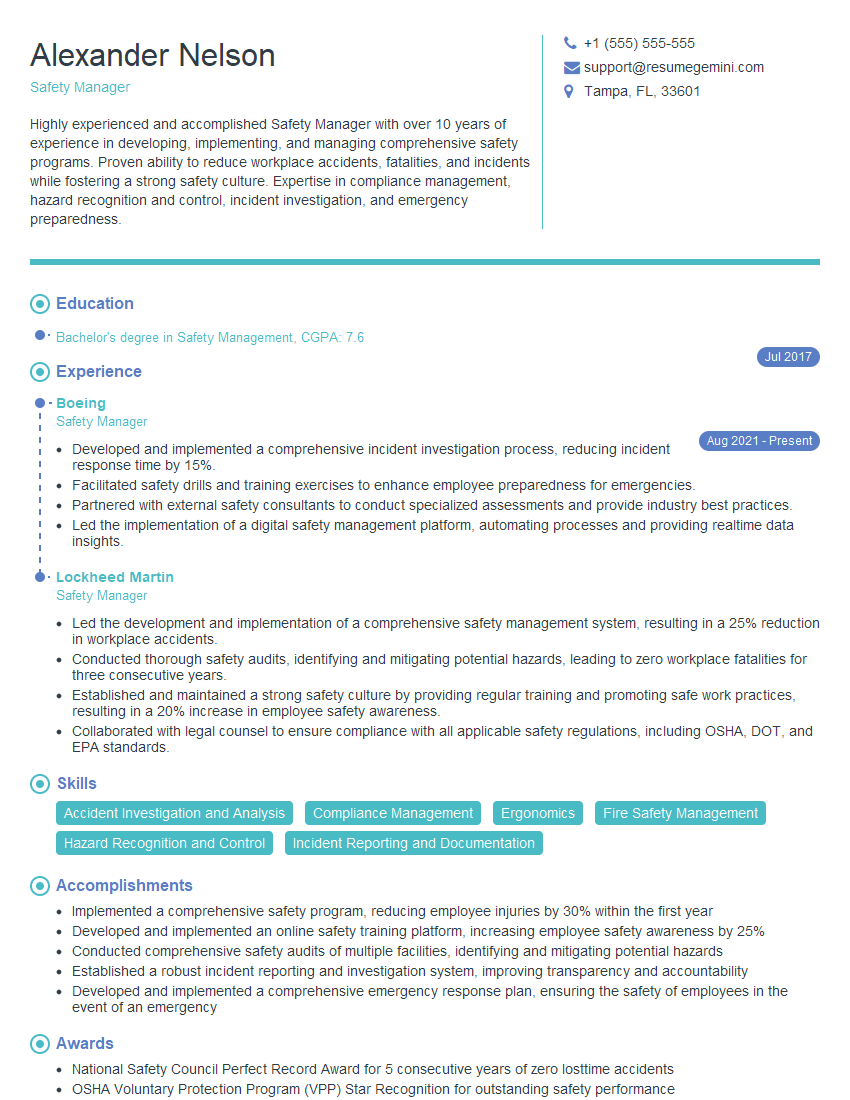
Safety Manager Resume Sample
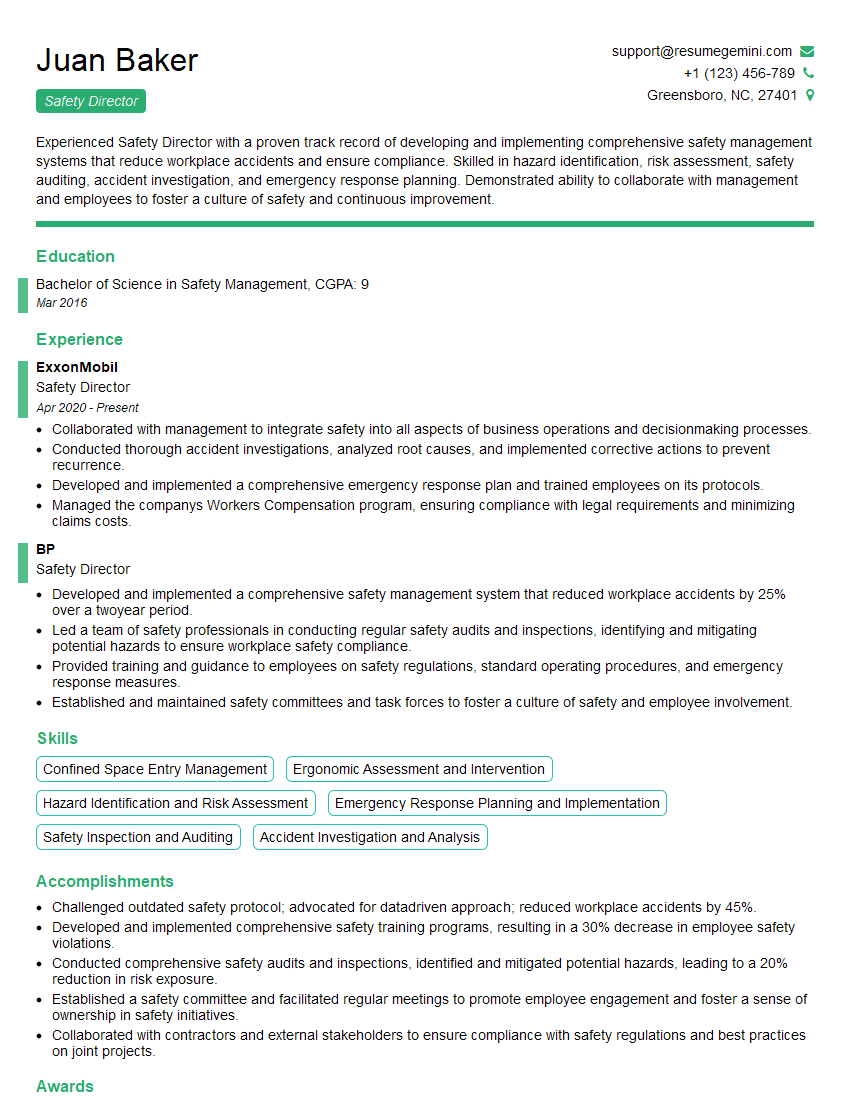
Safety Director Resume Sample
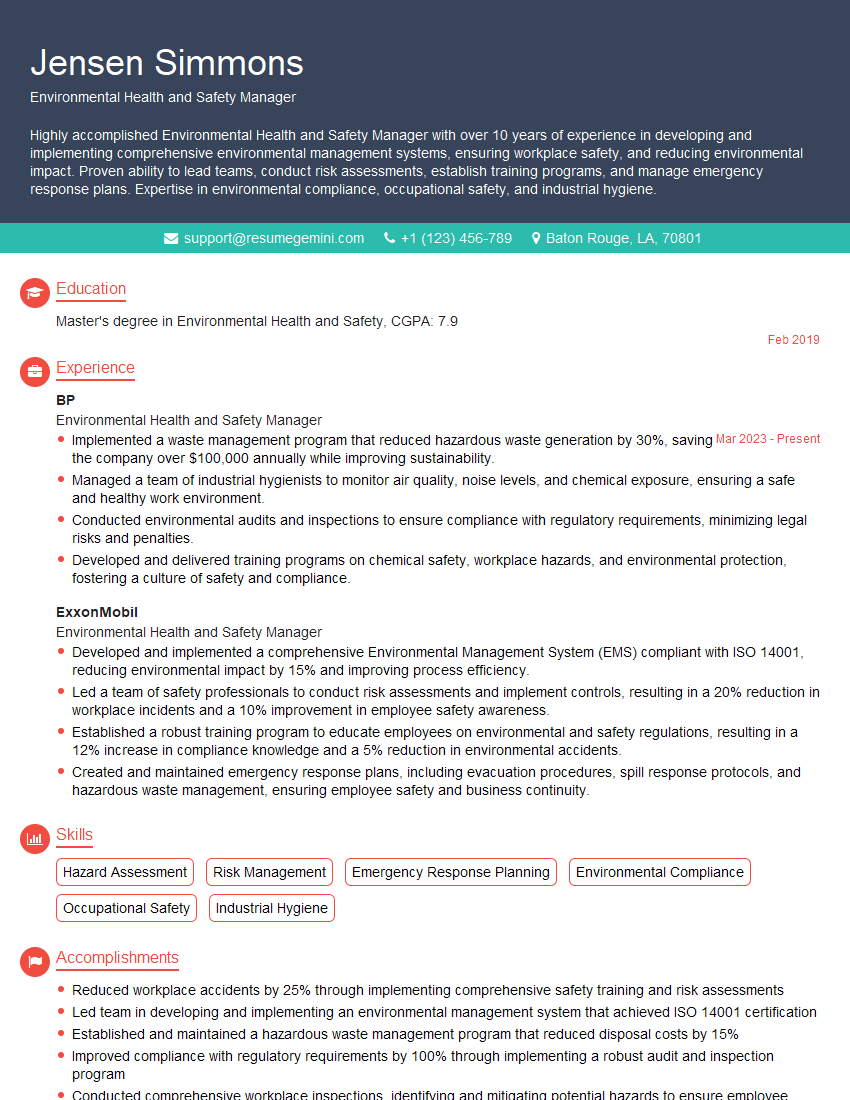
Environmental Health and Safety Manager Resume Sample
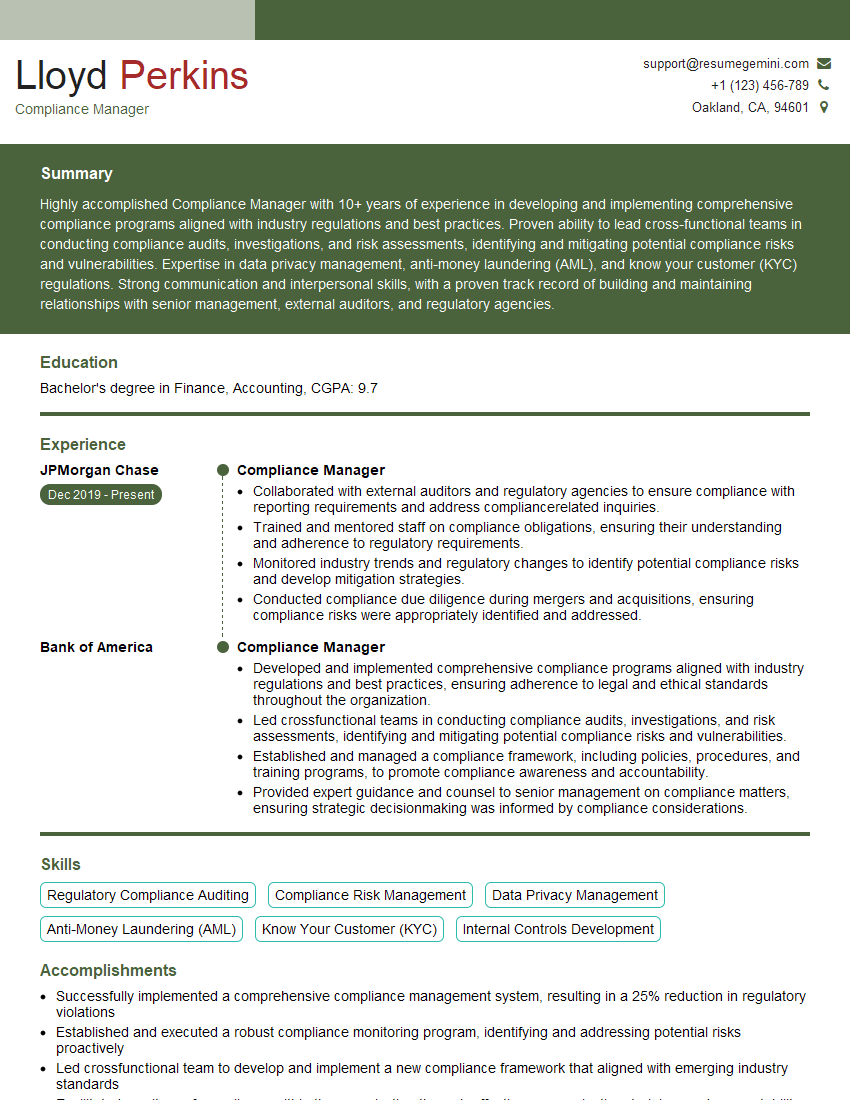
Compliance Manager Resume Sample

Compliance Officer Resume Sample
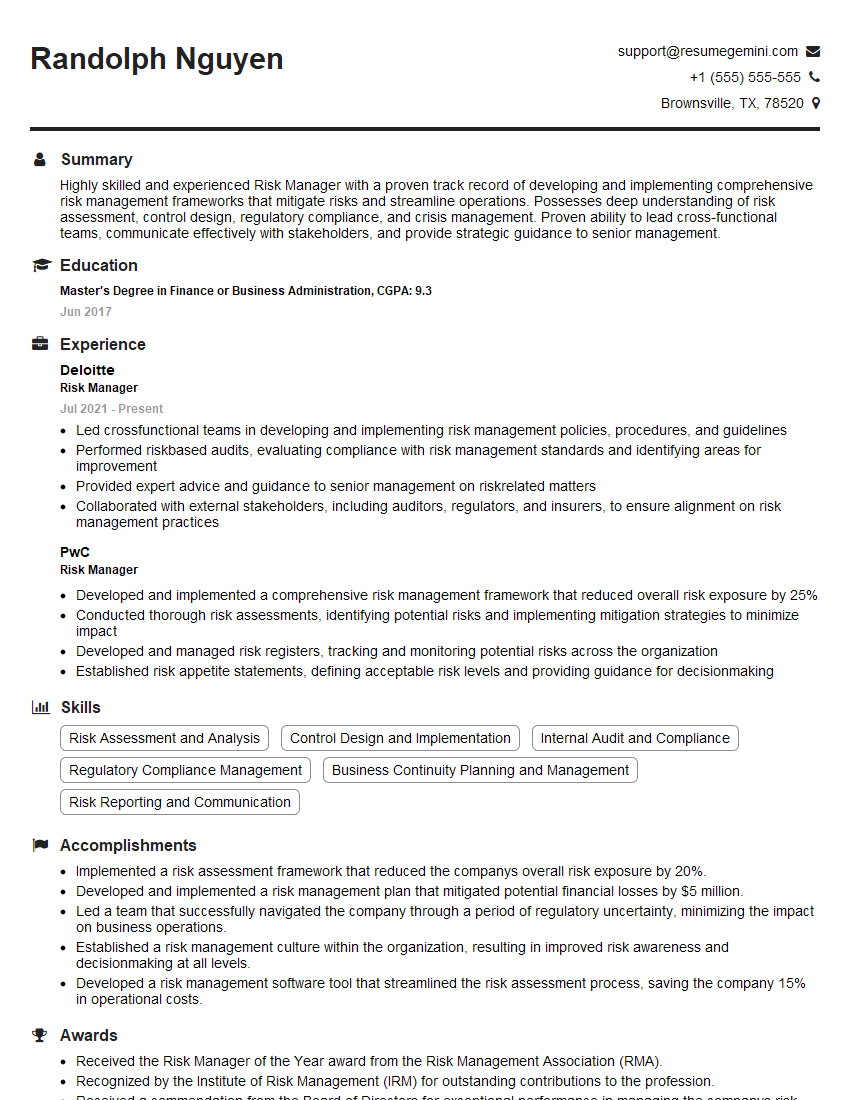
Risk Manager Resume Sample
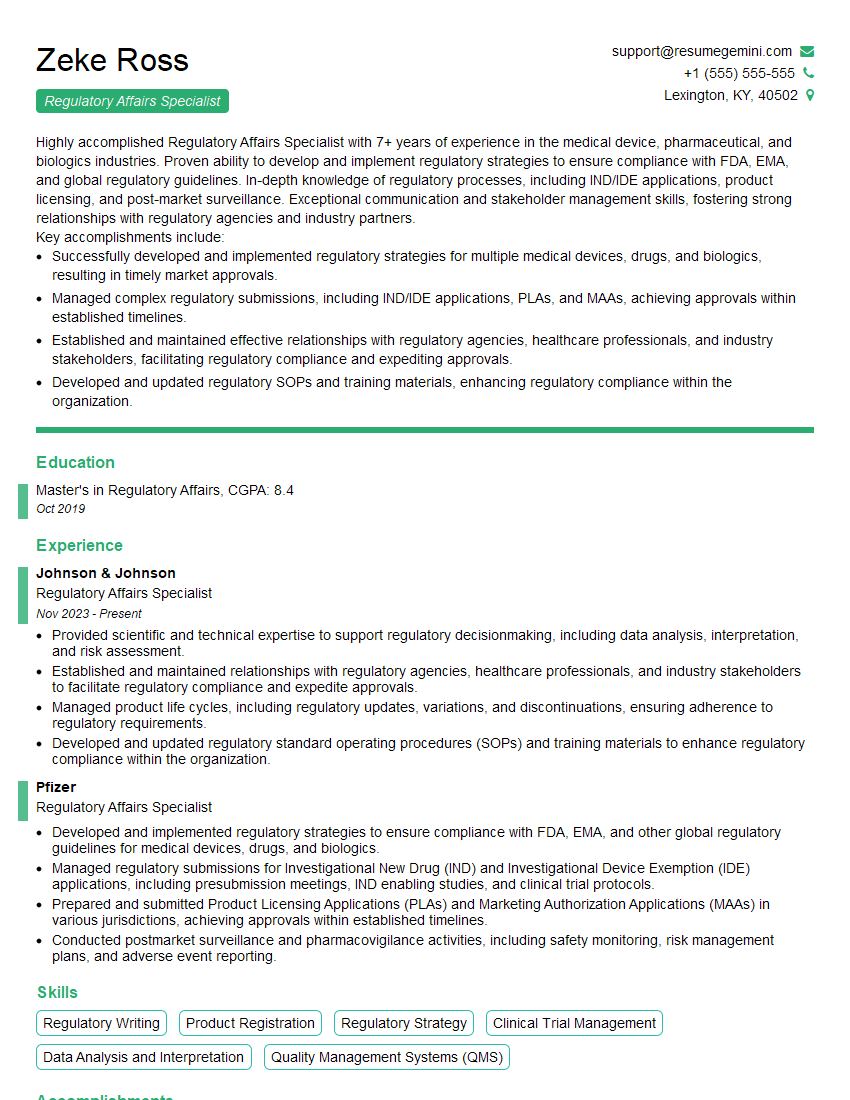
Regulatory Affairs Specialist Resume Sample
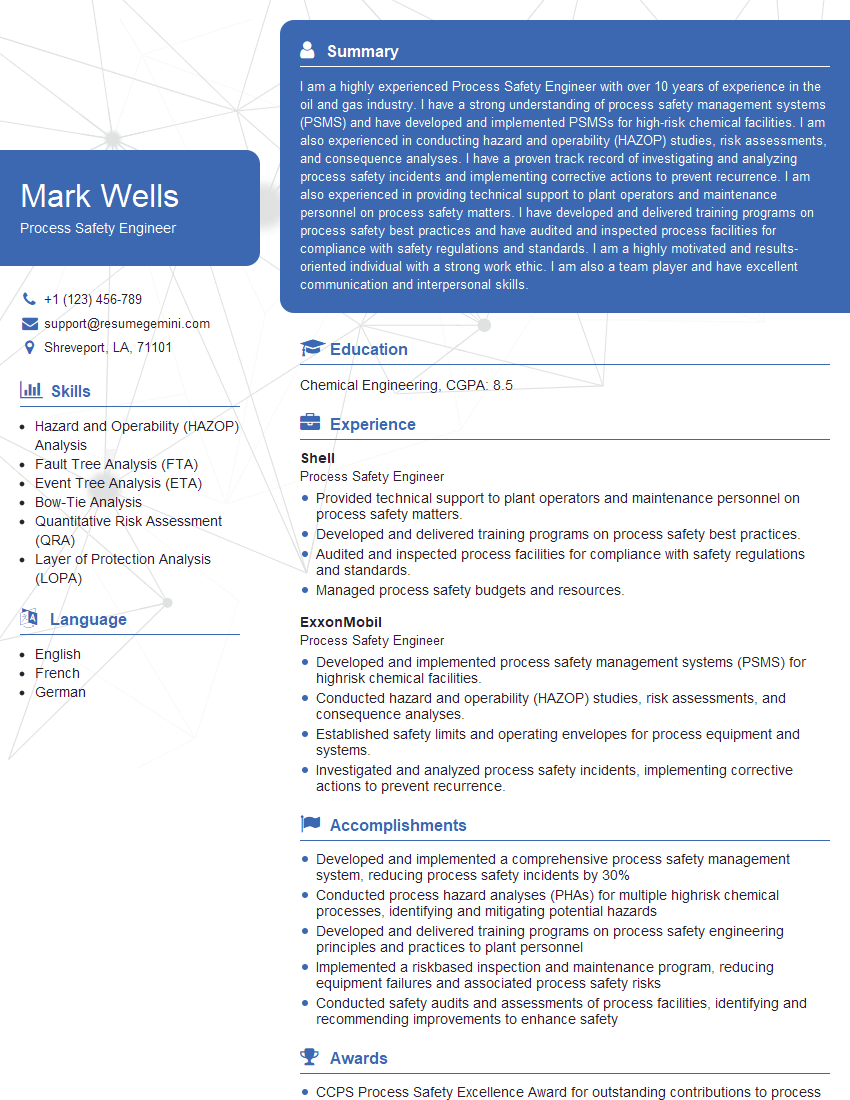
Process Safety Engineer Resume Sample
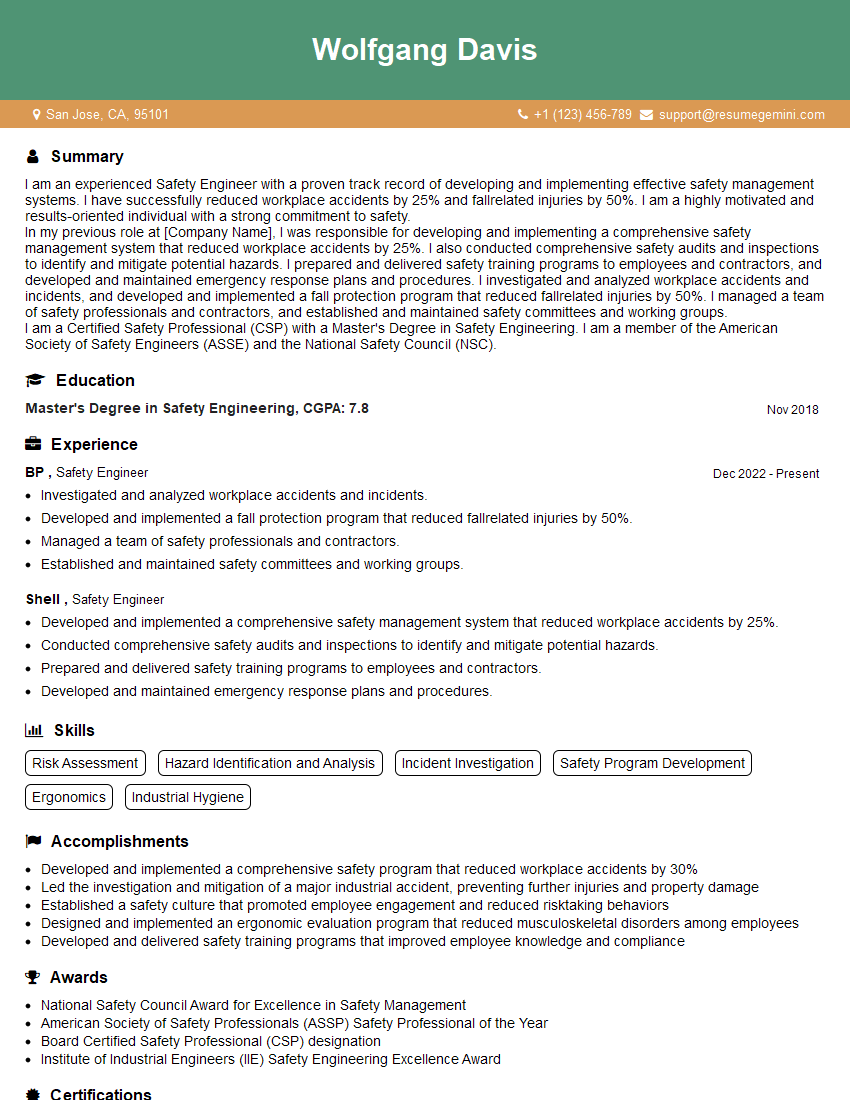
Safety Engineer Resume Sample
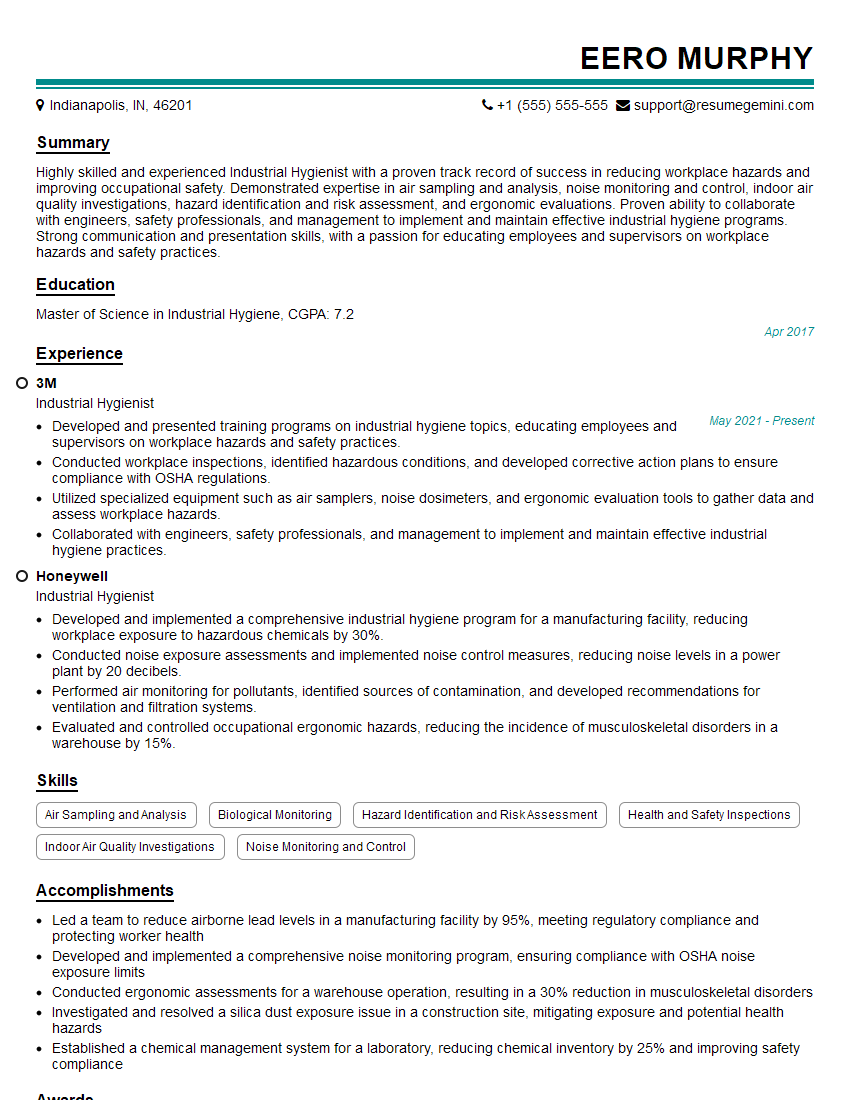
Industrial Hygienist Resume Sample
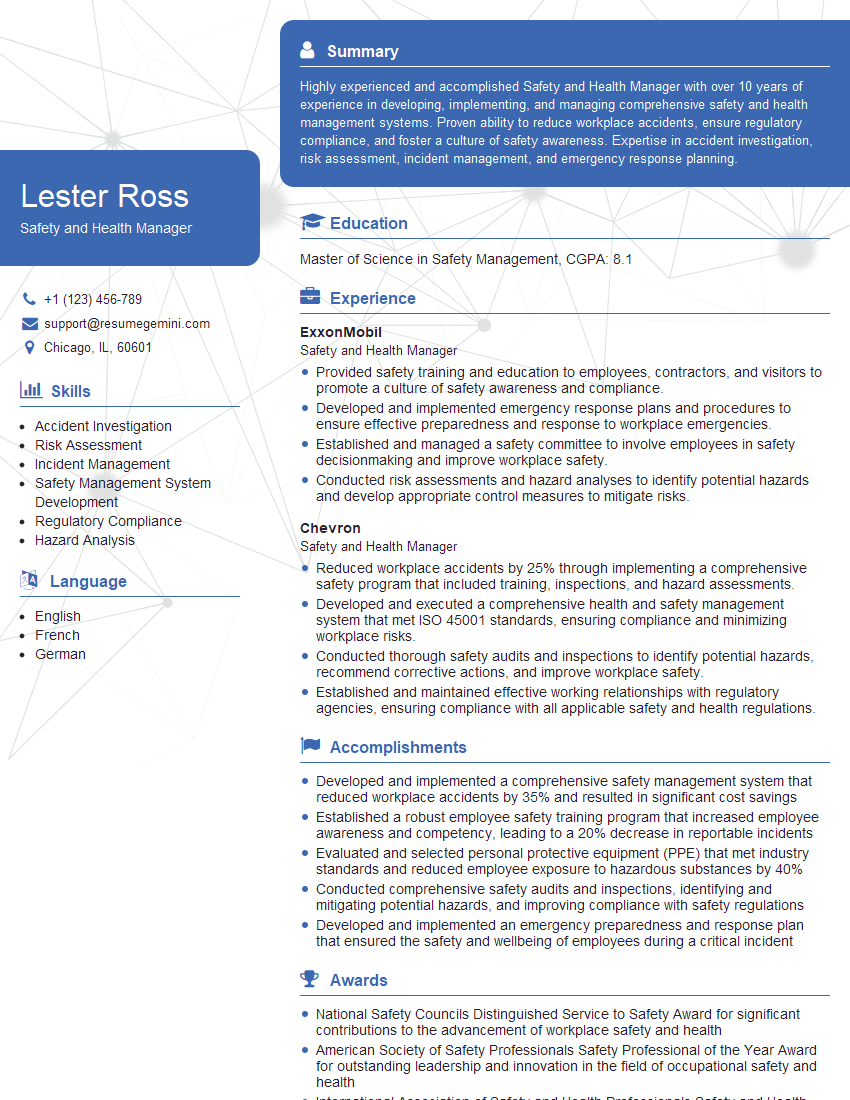
Safety and Health Manager Resume Sample
Explore more articles
Users Rating of Our Blogs
Share Your Experience
We value your feedback! Please rate our content and share your thoughts (optional).
What Readers Say About Our Blog
Very informative content, great job.
good