Interviews are more than just a Q&A session—they’re a chance to prove your worth. This blog dives into essential Hazard Communication Standard (HCS) interview questions and expert tips to help you align your answers with what hiring managers are looking for. Start preparing to shine!
Questions Asked in Hazard Communication Standard (HCS) Interview
Q 1. Explain the purpose and scope of the Hazard Communication Standard (HCS).
The Hazard Communication Standard (HCS) is a crucial workplace safety regulation designed to ensure that employees are informed about the potential hazards associated with the chemicals they handle. Its purpose is to protect workers by providing them with the necessary information to handle chemicals safely, ultimately preventing injuries and illnesses. The scope of HCS is incredibly broad, encompassing virtually every workplace that uses chemicals, from manufacturing plants to hospitals and laboratories. This includes the creation and implementation of a comprehensive hazard communication program, covering everything from labeling and Safety Data Sheets (SDSs) to employee training and emergency response procedures.
Think of it like this: imagine you’re baking a cake. HCS is like the recipe that tells you about all the ingredients (chemicals), their potential dangers (hazards), and how to use them safely (safe handling procedures). Without it, you could easily make mistakes resulting in a subpar cake or, in the case of workplace chemicals, a serious accident.
Q 2. Describe the key elements of a Safety Data Sheet (SDS).
A Safety Data Sheet (SDS) is a comprehensive document that provides detailed information about a hazardous chemical. It’s the central hub for all hazard information, acting as the cornerstone of a robust hazard communication program. Key elements include:
- Identification: Product name, manufacturer contact information, and emergency contact details.
- Hazard Identification: Describes the potential hazards, including health effects (e.g., carcinogenicity, toxicity), physical hazards (e.g., flammability, explosivity), and environmental hazards.
- Composition/Information on Ingredients: Lists the chemical components and their concentrations.
- First-aid measures: Instructions on how to handle exposure incidents.
- Fire-fighting measures: Guidance on extinguishing fires involving the chemical.
- Accidental release measures: Steps to take in case of spills or leaks.
- Handling and storage: Safe handling and storage practices to minimize risks.
- Exposure controls/personal protection: Recommended personal protective equipment (PPE) and engineering controls.
- Physical and chemical properties: Physical characteristics like boiling point, melting point, and reactivity.
- Stability and reactivity: Information on chemical stability and potential reactions.
- Toxicological information: Health effects data.
- Ecological information: Environmental impact.
- Disposal considerations: Safe disposal methods.
- Transport information: Regulations for transportation.
- Regulatory information: Compliance requirements.
- Other information: Additional relevant information.
Think of the SDS as a chemical’s comprehensive medical record, providing all the information necessary for safe handling and use.
Q 3. What are the different hazard classes defined by HCS?
The HCS defines numerous hazard classes, categorized to effectively communicate the specific types of hazards a chemical poses. These are grouped into physical hazards and health hazards, with several sub-categories within each. Some key examples include:
- Physical Hazards: Explosives, flammables, oxidizers, gases under pressure, self-reactive substances, pyrophorics, self-heating substances, water-reactive substances, corrosive substances.
- Health Hazards: Acute toxicity (oral, dermal, inhalation), skin corrosion/irritation, serious eye damage/eye irritation, respiratory sensitization, skin sensitization, germ cell mutagenicity, carcinogenicity, reproductive toxicity, specific target organ toxicity (single exposure), specific target organ toxicity (repeated exposure), aspiration hazard.
Each hazard class has specific criteria for classification, determined by testing and evaluation of the chemical’s properties. The more hazard classes a chemical falls under, the more stringent the safety precautions.
Q 4. How are pictograms used in HCS labeling?
Pictograms are standardized symbols used on HCS labels to quickly communicate the major hazards associated with a chemical. They are easily recognizable and internationally understood, contributing significantly to immediate hazard identification. Each pictogram represents a specific hazard class (e.g., flammability, toxicity, corrosion). For example:
- A flame represents flammability.
- A skull and crossbones indicates acute toxicity.
- A corrosive symbol depicts corrosive properties.
- An exclamation mark signals less serious health hazards.
- A gas cylinder signifies gases under pressure.
- An exploding bomb image shows explosives.
- An environmental hazard symbol indicates environmental harm.
- A health hazard symbol shows a health risk.
These pictograms provide a universal visual language for hazard communication, making it simpler and faster for workers to understand potential dangers.
Q 5. Explain the role of the Globally Harmonized System of Classification and Labelling of Chemicals (GHS) in HCS.
The Globally Harmonized System of Classification and Labelling of Chemicals (GHS) is the international framework upon which the HCS is built. It provides a globally consistent approach to classifying chemicals based on their hazards and creating standardized labels and SDSs. The adoption of GHS ensures that hazard information is consistent across countries, preventing confusion and improving workplace safety worldwide. Think of GHS as the underlying global language upon which the HCS builds its specific national interpretations. Without GHS, each country might have its own unique labeling and classification system, making it difficult for companies operating internationally to comply with various regulations.
Q 6. What are the employer’s responsibilities under HCS?
Employers have significant responsibilities under HCS to ensure a safe working environment. These include:
- Develop and implement a written Hazard Communication Program: This program must outline procedures for identifying, evaluating, and communicating chemical hazards.
- Provide employees with access to SDSs: SDSs must be readily available in a location easily accessible to workers.
- Ensure proper labeling of containers: Containers of hazardous chemicals must be clearly labeled with hazard pictograms, signal words, hazard statements, and precautionary statements.
- Train employees: Employees must receive training on the hazards of the chemicals they handle, safe handling procedures, and emergency response plans.
- Maintain records: Employers must maintain records of their hazard communication program, including SDSs, employee training records, and chemical inventories.
Failing to comply with these responsibilities can result in significant penalties, injuries, and even fatalities.
Q 7. How does HCS address training requirements for employees?
HCS mandates that employers provide comprehensive training to all employees who handle hazardous chemicals. This training must be readily available and easily accessible. This training should cover:
- Hazard identification: How to identify hazardous chemicals through labels and SDSs.
- Safe handling and use procedures: Proper techniques for handling, storing, and using chemicals.
- Emergency procedures: Steps to take in case of spills, leaks, or exposures.
- PPE use: Appropriate personal protective equipment for specific chemicals.
- Information sources: Where to find SDSs and other hazard information.
Training should be provided initially and then updated regularly, particularly when new chemicals are introduced or existing procedures change. Think of it like a driver’s education program; you don’t just learn to drive once; you need ongoing education and updates to stay safe and informed.
Q 8. What are the requirements for labeling hazardous chemicals under HCS?
The Hazard Communication Standard (HCS) mandates specific labeling requirements for hazardous chemicals to ensure worker safety. Every container must display a label with key information readily visible. Think of it like a warning system for chemicals. This includes:
- Product Identifier: A unique name or number to identify the chemical (e.g., CAS number).
- Signal Word: Indicates the severity of the hazard – either ‘Danger’ (more severe) or ‘Warning’ (less severe).
- Hazard Pictograms: Standardized symbols representing specific hazard classes (e.g., flame for flammability, skull and crossbones for toxicity).
- Hazard Statements: Concise statements describing the nature of the hazard (e.g., ‘Causes serious eye irritation’).
- Precautionary Statements: Instructions on how to minimize the risk, including preventative measures and response actions (e.g., ‘Wear protective gloves/eye protection’).
- Supplier Identifier: The name, address, and contact information of the chemical supplier.
For example, a bottle of concentrated sulfuric acid would have a ‘Danger’ signal word, a corrosive pictogram, and hazard statements indicating its corrosive and severe eye damage potential. The label would also advise on appropriate PPE (Personal Protective Equipment).
Q 9. Describe the proper methods for handling and storing hazardous chemicals.
Safe handling and storage of hazardous chemicals are paramount to prevent accidents. Think of it as treating these chemicals with the respect they deserve. Key aspects include:
- Compatibility: Store incompatible chemicals separately to prevent reactions. For example, never store oxidizers near flammable materials.
- Proper Containment: Use appropriate containers that are leak-proof and properly sealed. Damaged containers should be immediately replaced.
- Ventilation: Ensure adequate ventilation in storage areas to prevent the buildup of hazardous vapors.
- Organization: Maintain an organized storage area with clear labeling and proper segregation of chemicals based on hazard class.
- Spill Control: Have spill kits readily available and employees trained on proper spill response procedures.
- Temperature Control: Store chemicals according to their temperature requirements. Some chemicals are unstable at high temperatures.
- Security: Restrict access to storage areas to authorized personnel only.
Imagine a scenario where flammable liquids are stored near a source of ignition. A spark could trigger a devastating fire. Proper storage prevents such catastrophes.
Q 10. Explain the importance of maintaining accurate chemical inventories.
Accurate chemical inventories are crucial for effective hazard communication and emergency response. It’s like keeping a detailed record of everything potentially dangerous in your workplace. Maintaining an accurate inventory allows:
- Tracking Chemical Usage: Monitor the consumption of hazardous chemicals to identify trends and potential waste reduction opportunities.
- Emergency Response: Provides first responders with crucial information during emergencies such as spills or leaks.
- Compliance Audits: Facilitates compliance with regulatory requirements, such as OSHA inspections.
- Waste Management: Helps track chemical waste and ensure proper disposal in accordance with regulations.
- Inventory Control: Prevents the purchase of unnecessary chemicals and minimizes storage space requirements.
Think of a scenario where a chemical spill occurs. Without an accurate inventory, emergency responders may not know what chemicals are involved, delaying appropriate cleanup and increasing risks.
Q 11. How are SDSs accessed and used in the workplace?
Safety Data Sheets (SDSs) are comprehensive documents providing detailed information on hazardous chemicals. They are like the chemical’s ‘instruction manual.’ Access and use involve:
- Accessibility: SDSs must be readily accessible to all employees who work with hazardous chemicals. This can be through a central location, online database, or individual chemical storage areas.
- Training: Employees must be trained on how to locate, access, and interpret the information contained within an SDS.
- Review: SDSs should be regularly reviewed for updates and changes.
- Understanding Sections: Employees should understand the key sections of an SDS, particularly those related to hazards, handling, storage, and emergency procedures.
Imagine an employee handling a new chemical. The SDS provides crucial information about potential hazards, enabling them to work safely and use appropriate PPE.
Q 12. What are the consequences of non-compliance with HCS?
Non-compliance with HCS can lead to serious consequences, impacting both the employer and employees. It’s a serious matter with significant penalties.
- Fines and Penalties: OSHA can issue significant fines for violations, potentially impacting profitability and company reputation.
- Legal Liability: Employers can be held legally liable for injuries or illnesses resulting from non-compliance.
- Employee Injuries and Illnesses: Non-compliance can lead to workplace accidents, injuries, and illnesses, resulting in lost productivity, increased healthcare costs, and potential lawsuits.
- Reputational Damage: Non-compliance can damage a company’s reputation and make it harder to attract and retain employees.
A simple oversight can lead to significant financial and reputational losses, emphasizing the importance of stringent compliance.
Q 13. How would you handle a spill of a hazardous chemical?
Handling a hazardous chemical spill requires a calm and methodical approach. Safety is the utmost priority. The steps are:
- Evacuation: Immediately evacuate the affected area, ensuring the safety of all personnel.
- Containment: Contain the spill to prevent its spread. Use absorbent materials like spill pads or kitty litter.
- PPE: Don appropriate personal protective equipment (PPE) before attempting any cleanup, as per the SDS instructions.
- Cleanup: Carefully clean up the spill following the procedures outlined in the SDS. Never mix chemicals during cleanup.
- Disposal: Dispose of the contaminated materials and cleanup materials according to applicable regulations.
- Reporting: Report the spill to your supervisor and follow the company’s established spill response procedures.
A well-rehearsed spill response plan can minimize the impact of such incidents. Proper training and preparedness are vital.
Q 14. Describe the process for communicating chemical hazards to employees.
Communicating chemical hazards effectively to employees is essential for a safe work environment. It’s about creating a culture of safety. This includes:
- Training: Provide comprehensive training on chemical hazards, safe handling procedures, and emergency response.
- Labeling and SDS Access: Ensure that all containers are properly labeled and SDSs are readily accessible.
- Regular Communication: Regularly communicate updates on chemical hazards, safety procedures, and any changes in regulations.
- Employee Involvement: Encourage employee feedback and participation in safety initiatives.
- Language Accessibility: Ensure that all training materials and communication are easily understood by all employees, regardless of language or literacy level.
Think of it as building a strong safety net. Effective communication empowers employees to work safely and proactively.
Q 15. What are the different methods of hazard communication?
Hazard communication relies on multiple methods to ensure employee safety. It’s not just about slapping a label on a container; it’s a multifaceted approach.
- Safety Data Sheets (SDSs): These comprehensive documents provide detailed information about hazardous chemicals, including their properties, hazards, safe handling procedures, and emergency response information. Think of them as the chemical’s resume, detailing everything you need to know.
- Labels: These are the quick, at-a-glance warnings on chemical containers. They highlight key hazards using pictograms, signal words (Danger or Warning), hazard statements, and precautionary statements. It’s like a quick summary of the SDS.
- Training Programs: Effective training is crucial. Employees must understand how to interpret SDSs and labels, recognize hazards, and use appropriate safety precautions. Regular refresher courses keep information current and skills sharp.
- Other Communication Methods: This could include things like safety meetings, posters, toolbox talks, or even short videos demonstrating safe handling procedures. It’s about reinforcing the message through multiple channels.
For example, imagine a construction site. Workers need to understand the hazards of working with concrete (alkaline burns, respiratory issues if dry). This knowledge is communicated through SDSs for specific cement mixes, warning labels on the bags, training on proper personal protective equipment (PPE) use, and regular safety meetings stressing the importance of hand washing and respiratory protection.
Career Expert Tips:
- Ace those interviews! Prepare effectively by reviewing the Top 50 Most Common Interview Questions on ResumeGemini.
- Navigate your job search with confidence! Explore a wide range of Career Tips on ResumeGemini. Learn about common challenges and recommendations to overcome them.
- Craft the perfect resume! Master the Art of Resume Writing with ResumeGemini’s guide. Showcase your unique qualifications and achievements effectively.
- Don’t miss out on holiday savings! Build your dream resume with ResumeGemini’s ATS optimized templates.
Q 16. How do you ensure employees understand HCS requirements?
Ensuring employee understanding is paramount. It’s not enough to just provide the information; you need to confirm comprehension. We use a multi-pronged approach:
- Interactive Training: Instead of passive lectures, we incorporate quizzes, case studies, and hands-on simulations. This helps employees actively engage with the material.
- Demonstrations and Practical Exercises: Showing employees how to properly handle chemicals and use PPE is crucial. This ensures that theoretical knowledge translates into practical skills.
- Regular Refresher Courses: Regulations change, and workers need updated information. Regular refresher courses keep everyone current and help prevent complacency.
- Testing and Feedback: We administer written and practical tests to assess employee comprehension. Feedback helps identify areas needing improvement and reinforces learning.
- Documentation: Maintaining thorough records of training sessions, test results, and employee certifications is crucial for demonstrating compliance.
Imagine a lab setting where employees handle various chemicals. We wouldn’t just hand them a SDS and expect them to know what to do. We would offer interactive training, demonstrate proper pipetting techniques, and have them practice using safety showers and eyewash stations. Testing confirms their understanding of safe practices.
Q 17. How often should SDSs be reviewed and updated?
SDSs should be reviewed and updated regularly, at minimum, whenever there’s a change in the chemical’s composition, hazards, or safe handling procedures.
There isn’t a fixed time frame, but it’s best practice to review them annually or more frequently if necessary. Changes in regulations, new scientific findings, or even incident reports could trigger an SDS update. For instance, if a new health hazard is discovered concerning a chemical, the SDS must be updated to reflect that. Changes to the manufacturer’s processes that alter the product or its hazards also demand an update. Always refer to the SDS’s revision date to ensure you have the most current version.
Q 18. How do you handle changes in chemical regulations that impact HCS compliance?
Staying compliant with evolving chemical regulations requires proactive monitoring and a structured response.
- Regular Updates: We subscribe to regulatory updates from OSHA and other relevant agencies. This allows us to anticipate changes and plan accordingly.
- Internal Reviews: We conduct periodic internal reviews of our HCS program, comparing our practices against current regulations. This helps us to identify areas for improvement.
- SDS Review and Updates: Any changes in regulations will necessitate reviewing and updating SDSs to reflect the new requirements.
- Employee Retraining: If regulations change significantly, employee retraining may be necessary to ensure everyone is up-to-date on new procedures and safety measures.
- Collaboration with Suppliers: We maintain open communication with chemical suppliers to ensure that we receive updated SDSs and are informed of any changes affecting their products.
For instance, if a new regulation limits the use of a particular chemical, we need to identify a safer alternative, update the SDSs, retrain the employees using that chemical, and update any related safety procedures and signage.
Q 19. Explain the role of a chemical hygiene plan in HCS compliance.
A Chemical Hygiene Plan (CHP) is a crucial component of HCS compliance, particularly in research or laboratory settings. It outlines the procedures and safety measures to protect workers from chemical hazards. Think of it as a detailed roadmap for handling chemicals safely.
A comprehensive CHP will include aspects like:
- Standard Operating Procedures (SOPs): Specific instructions on handling, storing, and disposing of various chemicals.
- Personal Protective Equipment (PPE): Detailed information on what PPE is required when handling different chemicals.
- Emergency Procedures: Protocols for handling spills, exposures, and other emergencies.
- Medical Surveillance: Guidelines on medical monitoring and health checks for workers exposed to chemicals.
- Training Program: Comprehensive training for workers on the safe handling of chemicals and the procedures outlined in the CHP.
Essentially, the CHP ensures that the HCS requirements are applied consistently and effectively in a specific workplace setting, providing a systematic approach to chemical safety.
Q 20. What is the importance of conducting regular safety inspections to ensure HCS compliance?
Regular safety inspections are essential for proactive HCS compliance. They identify potential hazards *before* they cause an incident.
Inspections should focus on:
- Proper Labeling: Verifying that all chemical containers are correctly labeled and that labels are legible and up-to-date.
- SDS Availability: Ensuring that current SDSs are readily accessible to all employees who handle hazardous chemicals.
- Proper Storage: Checking that chemicals are stored according to manufacturer recommendations and in accordance with safety guidelines (e.g., flammables stored away from ignition sources).
- PPE Availability and Use: Confirming that proper PPE is available and being used correctly.
- Emergency Equipment: Verifying the functionality of safety showers, eyewash stations, and other emergency equipment.
- Spill Procedures: Assessing the workplace’s preparedness for handling chemical spills and ensuring appropriate spill kits are available.
Regular inspections, coupled with documentation of findings and corrective actions, demonstrate a commitment to safety and greatly reduce the likelihood of accidents. It’s much easier (and cheaper) to address a minor issue during an inspection than to deal with the aftermath of a significant incident.
Q 21. Describe a situation where you had to address a workplace hazard related to HCS.
In a previous role, we discovered that several containers of a highly reactive chemical were improperly labeled. The labels were old, faded, and lacked crucial hazard information. This posed a serious risk to employees who might not fully understand the chemical’s hazards.
My immediate actions were:
- Isolate the hazard: I immediately removed the improperly labeled containers from the active work area and placed them in a secure location, limiting access.
- Obtain updated SDSs: I contacted the chemical supplier to obtain the most current SDSs for the chemical in question.
- Correct labeling: We correctly relabeled the containers using the information from the updated SDSs, ensuring all hazard pictograms, signal words, hazard statements, and precautionary statements were clearly visible.
- Employee training: We conducted a brief retraining session with the employees who handled this chemical to emphasize the hazards and safe handling procedures detailed in the updated SDSs.
- Documentation: I documented the entire incident, including corrective actions, and reported it to management.
This incident highlighted the importance of regular safety inspections and the need for vigilant attention to detail in maintaining accurate and up-to-date hazard communication throughout the workplace.
Q 22. How do you ensure proper disposal of hazardous waste in accordance with HCS?
Proper hazardous waste disposal under HCS hinges on meticulous adherence to federal, state, and local regulations. It’s not a one-size-fits-all approach; the process varies depending on the type and quantity of waste. First, we must accurately identify the waste’s hazardous properties, referring to the Safety Data Sheet (SDS) for each chemical. This identifies the waste’s classification (e.g., ignitable, corrosive, reactive, toxic).
Next, segregation is crucial. Incompatible wastes must be kept separate to prevent dangerous reactions. For example, acids and bases should never be mixed. Once segregated, the waste is packaged appropriately in containers designed for hazardous materials, clearly labeled with the contents and hazard warnings. The containers should be leak-proof and properly sealed.
Finally, disposal requires contacting a licensed hazardous waste disposal company. They’ll handle transportation, treatment, and disposal in accordance with all regulations. Keeping detailed records of waste generation, packaging, transport, and disposal is vital for demonstrating compliance and traceability. This documentation is often subject to audits.
For example, in a laboratory setting, we’d handle small quantities of chemical waste by using designated waste containers and following a strict segregation protocol. Larger-scale industrial settings may have an on-site waste treatment facility or utilize specialized waste haulers for larger volumes of waste.
Q 23. How would you develop and implement a comprehensive HCS training program?
A comprehensive HCS training program must be tailored to the specific hazards present in a workplace and the employees’ roles. It shouldn’t be a one-time event but rather an ongoing process. I’d start by conducting a thorough hazard assessment to pinpoint the chemicals used and their associated risks.
The training program would include several modules: Introduction to HCS, proper interpretation of SDSs, hazard identification and risk assessment, safe handling procedures, emergency response protocols, and waste disposal practices. Interactive elements such as quizzes, hands-on demonstrations, and case studies would make the learning experience more engaging and memorable. The training should be offered in the employees’ native language.
For example, for a manufacturing facility, the training would emphasize machine safety procedures involving hazardous chemicals. For a laboratory setting, it would focus on proper handling of chemicals, specialized equipment, and spill response procedures. Following the training, we’d conduct regular refresher courses and incorporate new information with any changes to the HCS.
Finally, documented proof of completion and competency is essential. This ensures everyone understands their responsibilities.
Q 24. What are some common challenges in maintaining HCS compliance and how would you address them?
Maintaining HCS compliance presents numerous challenges. One major hurdle is keeping up with evolving regulations. Another is ensuring consistent implementation of safety protocols across all levels of the organization. Lack of employee training or inadequate supervision can lead to non-compliance. Language barriers and a lack of accessible safety information in different languages can cause issues.
To address these, I’d implement a robust system for tracking updates and distributing information promptly, for example by subscribing to relevant agencies’ newsletters and attending safety conferences. This ensures everyone stays informed. Regular audits and inspections will highlight areas needing improvement. A strong safety culture fostered through consistent reinforcement and positive reinforcement for safe practices can encourage compliance. Providing training materials in multiple languages and at various literacy levels makes information more accessible.
For instance, if an audit reveals insufficient SDS availability, we’d immediately address it by providing readily accessible SDSs in a central location or digitally.
Q 25. How do you stay current with changes and updates in HCS regulations?
Staying current with HCS changes involves active participation in the professional community and monitoring regulatory updates. I regularly check the OSHA website for any revisions or amendments to the HCS. I also subscribe to relevant newsletters and attend professional development courses and conferences focusing on occupational safety and health. Networking with other safety professionals is incredibly valuable for sharing best practices and insights.
For example, attending an OSHA-sponsored webinar on recent changes to hazard classification will help me understand practical implementation challenges, and sharing this knowledge with my team ensures everyone is compliant.
Q 26. Describe your experience using SDSs to identify hazards and implement control measures.
SDSs (Safety Data Sheets) are my primary tool for identifying hazards and implementing control measures. I’ve extensively used them in various settings to determine the physical, health, and environmental hazards associated with chemicals. The SDS provides crucial information such as the chemical’s composition, its potential health effects, safe handling procedures, emergency response measures, and proper disposal methods.
For instance, an SDS might indicate that a chemical is corrosive and requires the use of personal protective equipment like gloves and eye protection during handling. Based on this information, I’d develop control measures such as engineering controls (ventilation systems), administrative controls (work practices), and personal protective equipment (PPE) to mitigate the risk of exposure. This ensures worker safety.
I also use SDS information to develop emergency response plans, ensuring that appropriate actions are taken in case of spills or accidents involving hazardous chemicals. This includes training personnel on the proper use of spill kits and the evacuation procedures.
Q 27. How familiar are you with OSHA’s recordkeeping requirements related to hazardous chemicals?
I’m very familiar with OSHA’s recordkeeping requirements related to hazardous chemicals. OSHA requires employers to maintain detailed records of hazardous chemical inventory, employee exposures, and any incidents involving hazardous chemicals. This information is vital for tracking exposure levels, identifying potential hazards, and demonstrating compliance with regulations. These records must be readily accessible to OSHA inspectors upon request.
These records often include inventory lists, SDSs, employee training records, and incident reports. The specific requirements may vary depending on the industry and the types of hazardous chemicals used. The records must be maintained for specified periods, as stipulated by OSHA.
For example, a company using a significant amount of a hazardous chemical would need meticulous records of employee exposures to ensure compliance and to monitor worker health.
Q 28. What is your experience with conducting hazard assessments and developing control measures?
I have extensive experience conducting hazard assessments and developing control measures. A hazard assessment systematically identifies hazards associated with hazardous chemicals and evaluates the potential for exposure and the severity of the associated health effects. This involves reviewing the SDSs, conducting workplace inspections, and interviewing workers to understand work practices. The aim is to identify risks and propose solutions to mitigate these.
Once hazards are identified, control measures are implemented in a hierarchy of controls. The first priority is elimination of the hazard. If elimination is not feasible, substitution with a less hazardous material is considered. Engineering controls such as ventilation and enclosure of the hazard source are implemented next, followed by administrative controls such as work practices and training. Finally, Personal Protective Equipment (PPE) is utilized as a last resort.
For example, in a scenario involving the handling of a highly toxic chemical, we might first explore replacing it with a less toxic alternative. If that’s not possible, we’d implement a local exhaust ventilation system to control airborne concentrations and provide employees with appropriate respiratory protection. Regular monitoring and review of the effectiveness of the control measures ensure ongoing worker protection.
Key Topics to Learn for Hazard Communication Standard (HCS) Interview
- Hazard Identification and Classification: Understanding the criteria for classifying chemicals as hazardous according to GHS (Globally Harmonized System) and its impact on labeling and SDS creation.
- Safety Data Sheets (SDS): Knowing how to interpret and utilize information contained within an SDS, including hazards, handling precautions, and emergency procedures. Practical application: Scenario-based questions on how to respond to specific SDS information.
- Labeling Requirements: Familiarity with the elements of a compliant HCS label, including pictograms, signal words, hazard statements, and precautionary statements. Practical application: Identifying correctly and incorrectly labeled containers.
- Employee Training and Communication: Understanding the employer’s responsibilities in training employees on hazard communication, including the methods used to effectively convey critical safety information. Practical application: Developing a training plan for a specific workplace scenario.
- Written Hazard Communication Program: Knowing the components of a comprehensive written hazard communication program and how it ensures compliance with OSHA regulations. Practical application: Identifying gaps in a provided written program.
- Recordkeeping and Documentation: Understanding the importance of maintaining accurate records related to chemical inventory, employee training, and incident reporting. Practical application: Explaining the necessity of detailed documentation for compliance audits.
- Emergency Response Procedures: Knowing appropriate actions to take in case of chemical spills or exposures, including understanding the role of personal protective equipment (PPE). Practical application: Describing proper response steps for different types of chemical incidents.
- Changes and Updates to HCS: Staying current with any revisions or updates to the HCS and their impact on workplace safety procedures. Practical application: Discussing the implications of a recent change to the standard.
Next Steps
Mastering the Hazard Communication Standard is crucial for advancing your career in safety-sensitive industries. A strong understanding of HCS demonstrates your commitment to workplace safety and your ability to contribute effectively to a safe and compliant work environment. To maximize your job prospects, create an ATS-friendly resume that highlights your HCS expertise. ResumeGemini is a trusted resource that can help you build a professional and impactful resume. Examples of resumes tailored to Hazard Communication Standard (HCS) roles are available to guide you.
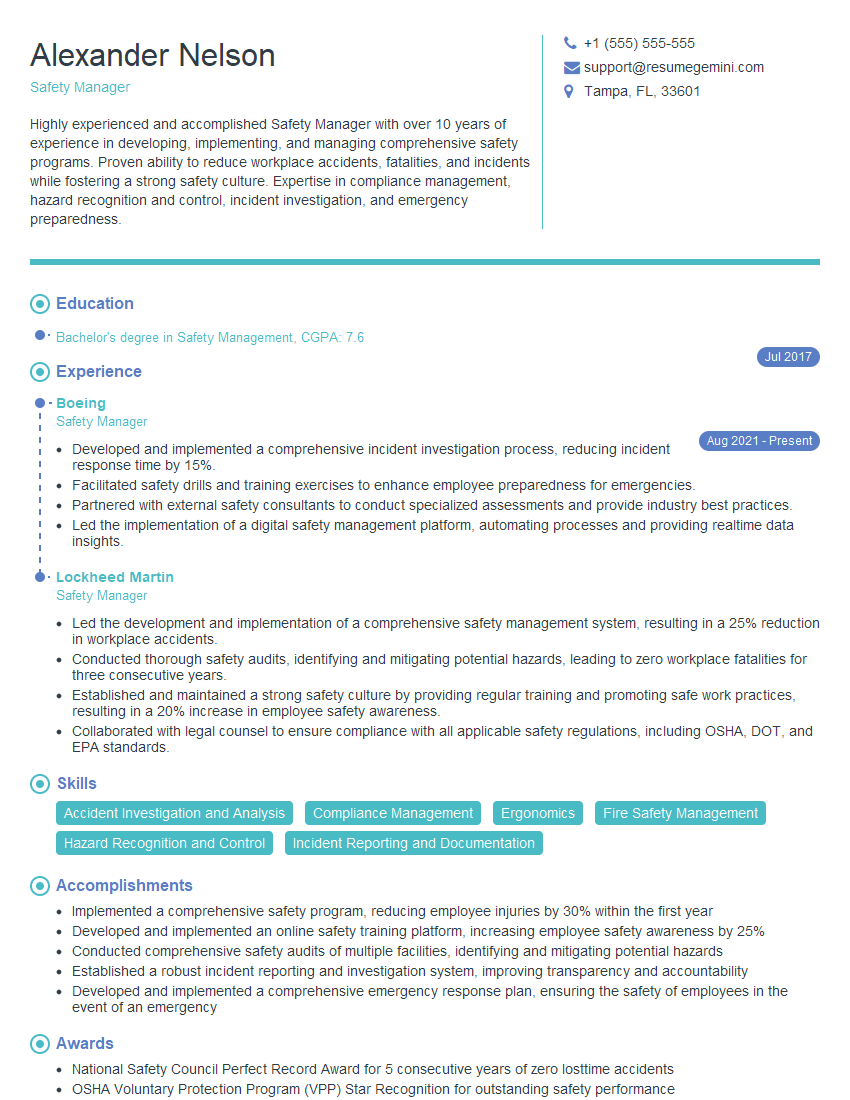
Safety Manager Resume Sample
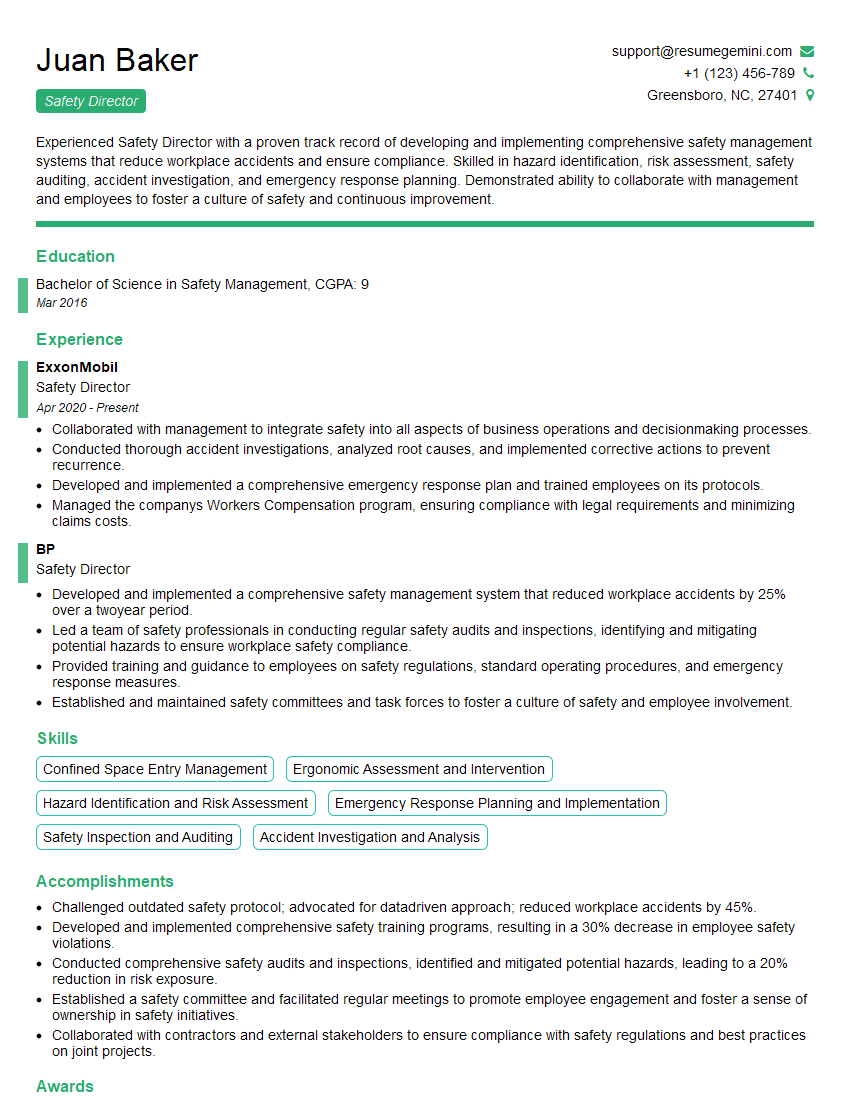
Safety Director Resume Sample
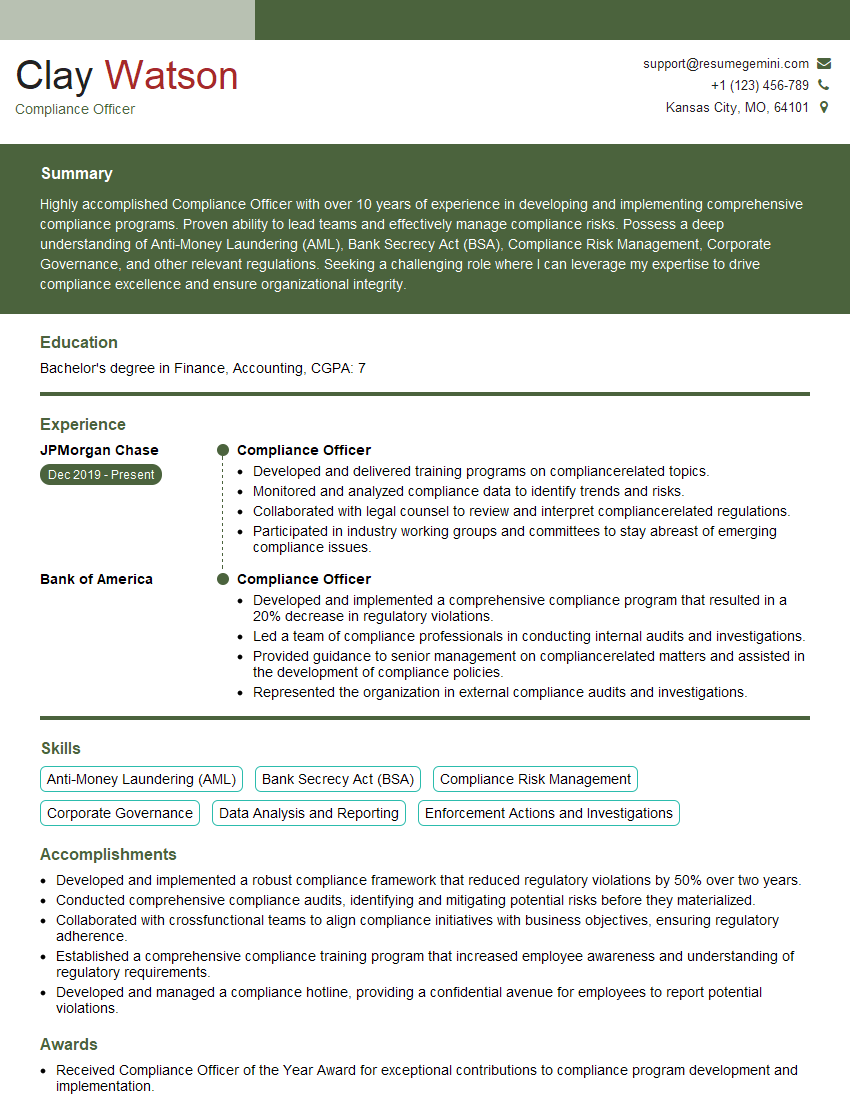
Compliance Officer Resume Sample
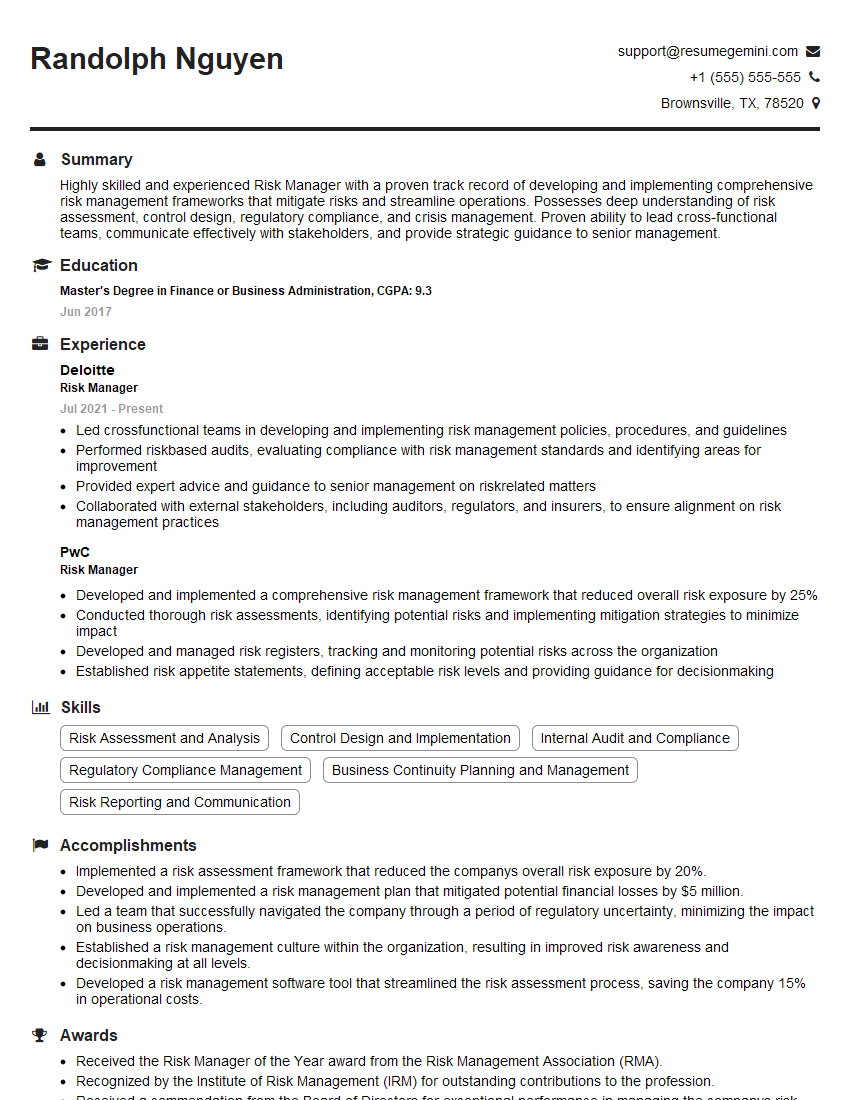
Risk Manager Resume Sample
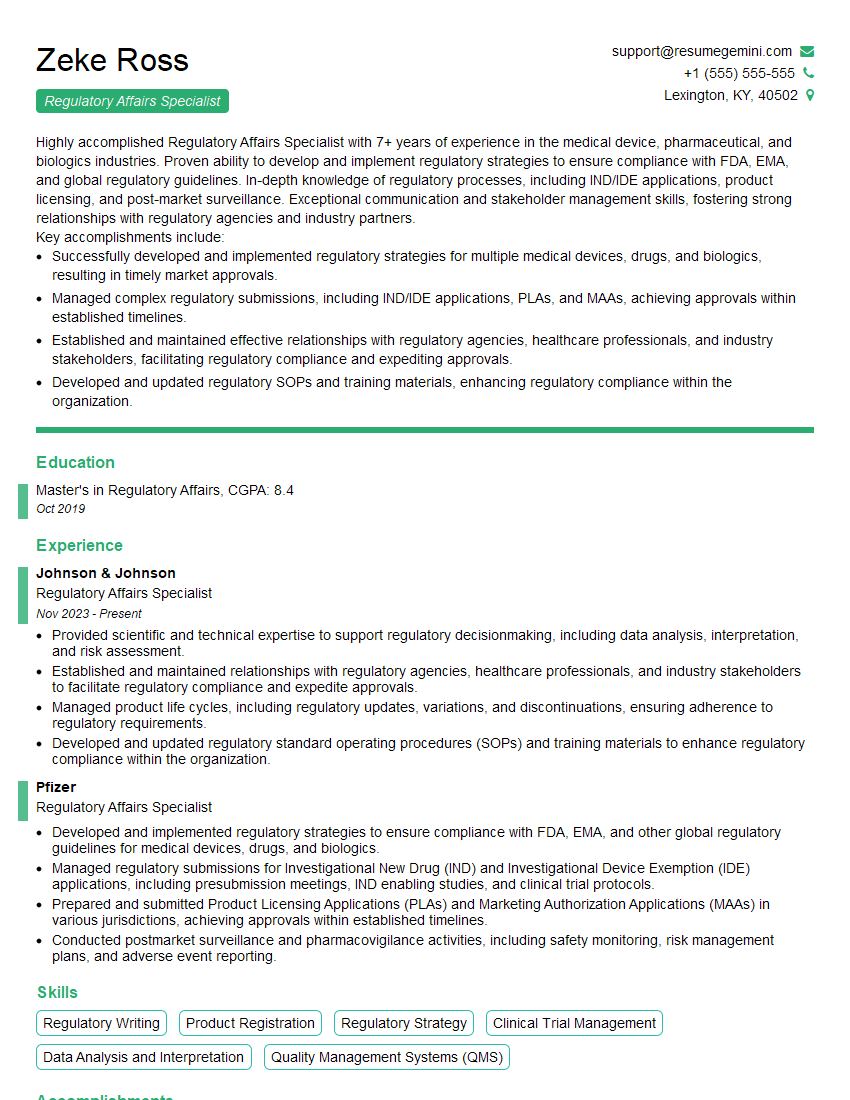
Regulatory Affairs Specialist Resume Sample
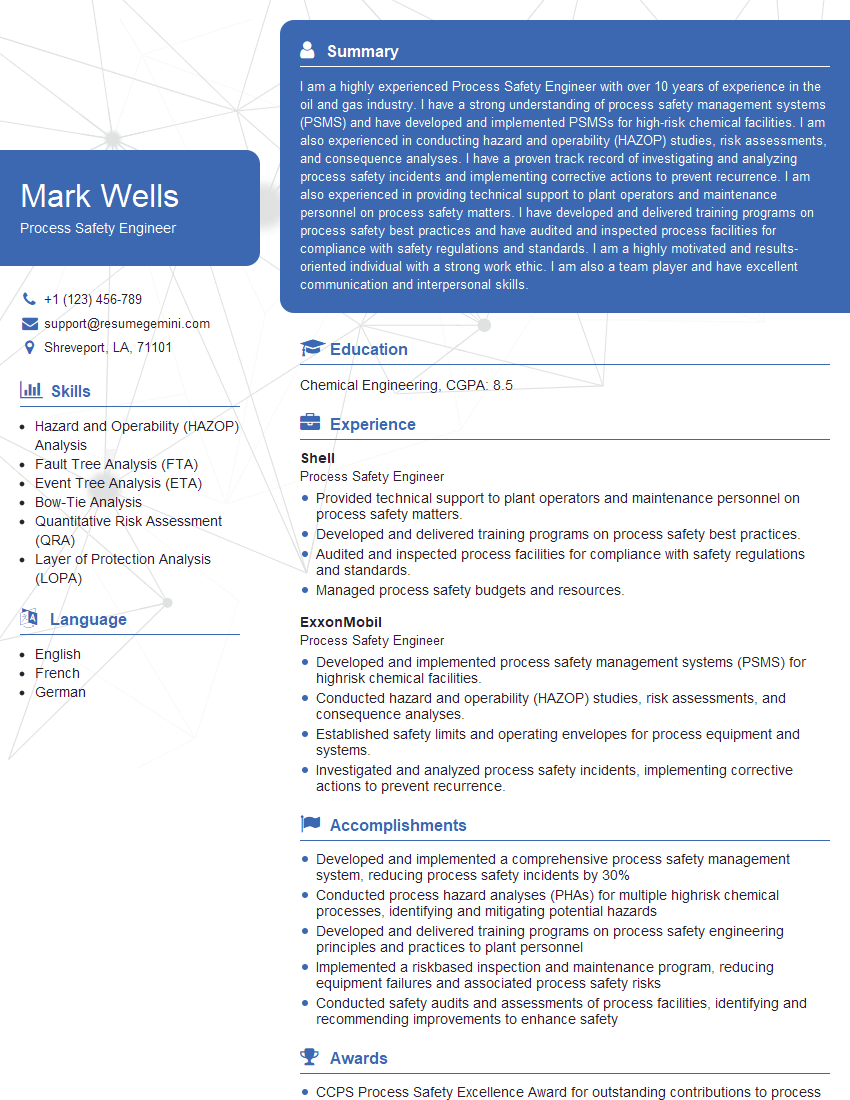
Process Safety Engineer Resume Sample
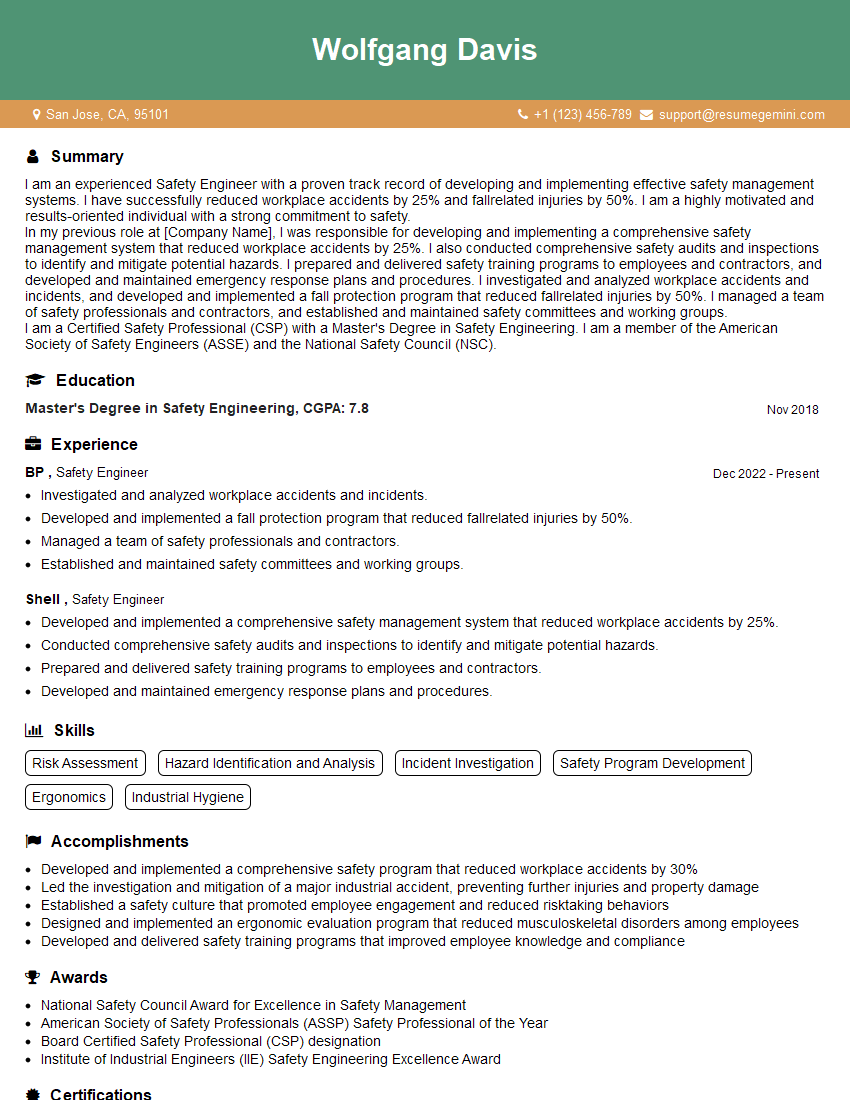
Safety Engineer Resume Sample
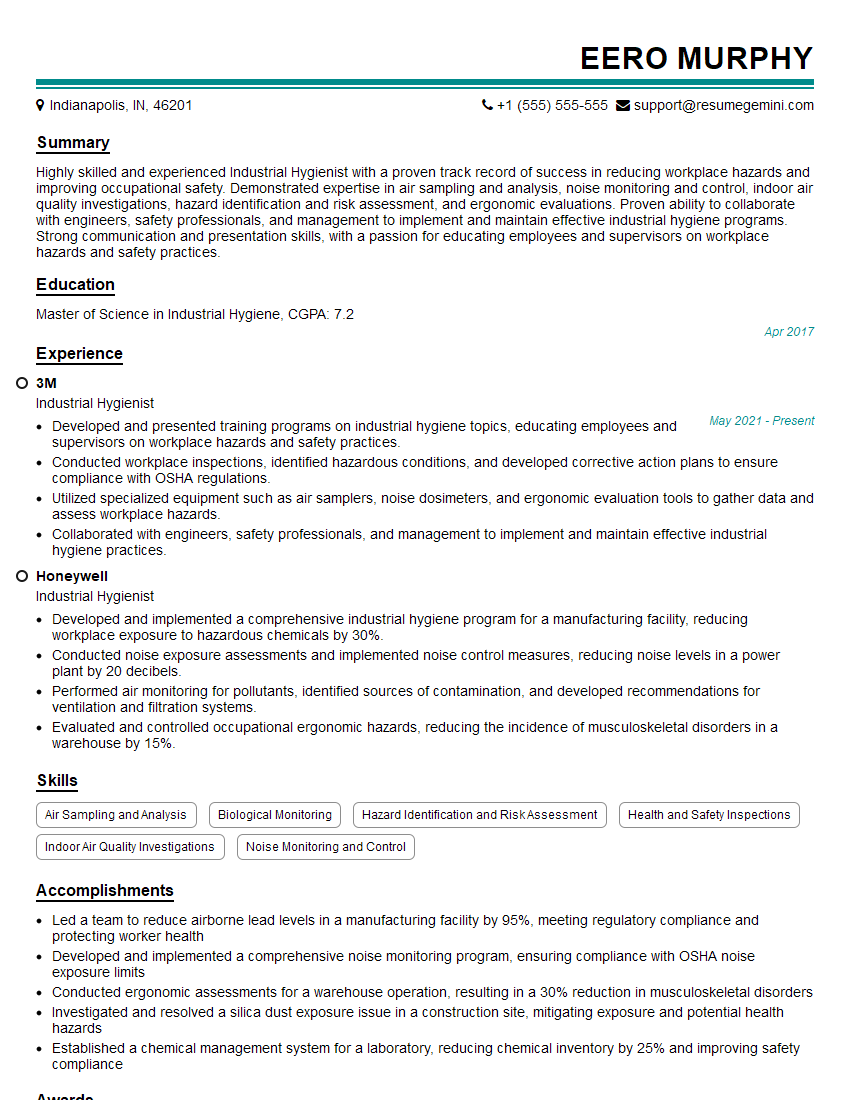
Industrial Hygienist Resume Sample
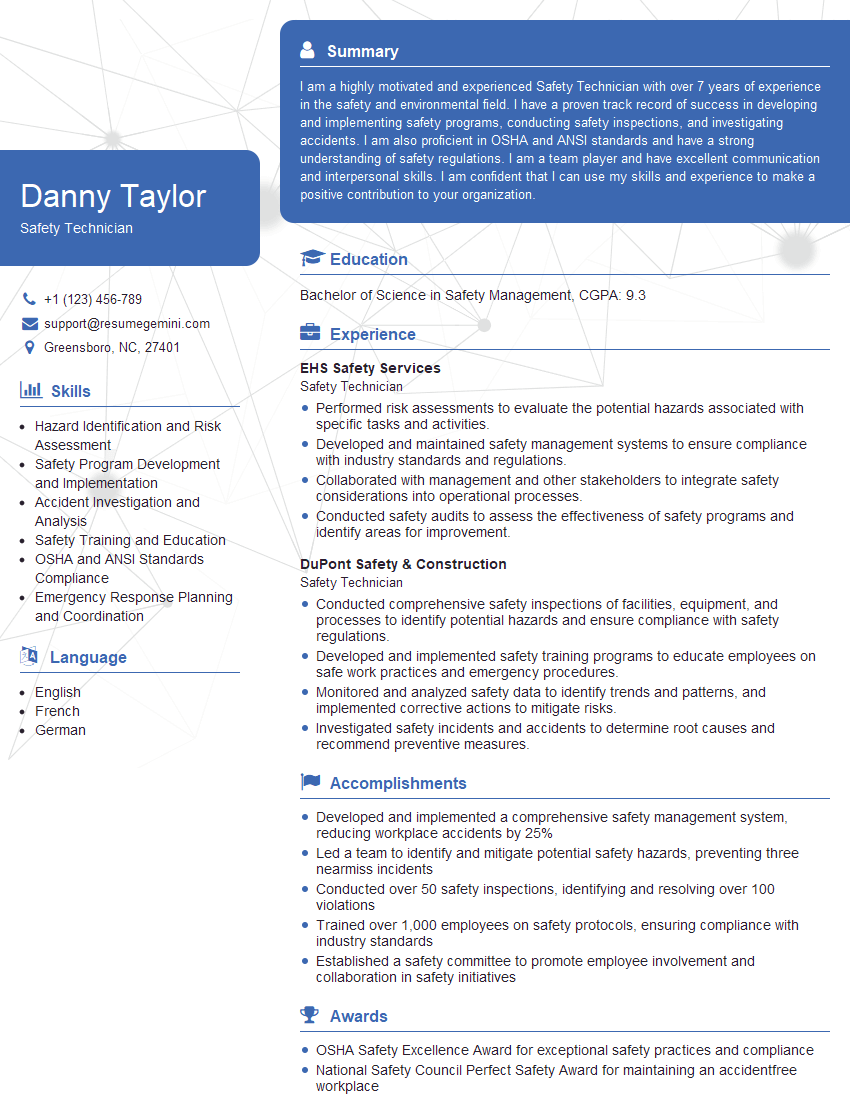
Safety Technician Resume Sample
Explore more articles
Users Rating of Our Blogs
Share Your Experience
We value your feedback! Please rate our content and share your thoughts (optional).
What Readers Say About Our Blog
Very informative content, great job.
good