Every successful interview starts with knowing what to expect. In this blog, we’ll take you through the top Hazard Identification and Analysis interview questions, breaking them down with expert tips to help you deliver impactful answers. Step into your next interview fully prepared and ready to succeed.
Questions Asked in Hazard Identification and Analysis Interview
Q 1. Describe the different methods used for hazard identification.
Hazard identification is the systematic process of finding potential hazards that could cause harm. Several methods exist, each with its strengths and weaknesses. They often work best in combination.
- Checklists: Pre-defined lists of potential hazards specific to an industry or process. Think of a checklist for pre-flight inspection of an airplane – it covers common potential hazards. Simple but might miss unique hazards.
- Hazard and Operability Study (HAZOP): A structured, systematic examination of a process to identify deviations from intended operation and their consequences. This is discussed in more detail in a later question.
- What-If Analysis: A brainstorming technique where team members propose ‘what-if’ scenarios to identify potential hazards. Less structured but useful for exploring less predictable issues. Example: ‘What if the power fails during a critical operation?’
- Failure Modes and Effects Analysis (FMEA): A bottom-up approach analyzing individual components or steps to determine their failure modes and effects, also discussed later.
- Fault Tree Analysis (FTA): A top-down approach starting with an undesired event (e.g., a major accident) and working backward to identify the contributing causes. This creates a visual tree structure showing cause-and-effect relationships.
- Preliminary Hazard Analysis (PHA): A simple, initial screening method used early in the project life cycle to identify major hazards. Think of it as a quick overview before more detailed assessments.
- Job Safety Analysis (JSA): Focuses on the tasks performed by workers, breaking each step down to identify potential hazards and control measures. Perfect for identifying ergonomic hazards or hazards related to specific work methods.
The choice of method depends on the complexity of the process, the resources available, and the regulatory requirements.
Q 2. Explain the difference between a hazard and a risk.
A hazard is the potential source of harm. It’s the inherent danger itself. Think of a loaded gun – the gun is the hazard. A risk, on the other hand, is the probability and severity of harm resulting from exposure to a hazard. It’s the chance of something bad happening. The risk of accidentally firing the loaded gun depends on factors like how it’s stored, who has access, and the training of the person handling it.
In simpler terms: A hazard is the ‘what’ (the danger), while the risk is the ‘how likely’ and ‘how bad’ it could be. You manage risks by controlling hazards.
Q 3. What is a HAZOP study and how is it conducted?
HAZOP (Hazard and Operability Study) is a systematic and comprehensive technique for identifying potential hazards and operability problems in a process. It uses a structured approach involving a multidisciplinary team guided by pre-defined ‘guide words’.
How it’s conducted:
- Define the scope: Clearly specify the process or system to be studied.
- Assemble the team: Include experts from various disciplines (process engineering, safety engineering, operations, maintenance, etc.).
- Develop a process flow diagram (PFD): A visual representation of the process used as a basis for the HAZOP.
- Select nodes for review: The team systematically goes through each node (section) of the PFD.
- Apply guide words: Pre-defined words (e.g., ‘no,’ ‘more,’ ‘less,’ ‘part of,’ ‘reverse’) are used to explore deviations from the intended operation at each node.
- Identify deviations: For each guide word and node, the team brainstorms possible deviations from the intended operation (e.g., ‘no flow’).
- Assess consequences: The team evaluates the consequences of each deviation (e.g., equipment damage, environmental release, personnel injury).
- Recommend safeguards: For each identified hazard, the team recommends suitable safeguards or control measures.
- Document the findings: All identified hazards, consequences, and recommendations are documented in a HAZOP report.
Example: Consider a pump in a chemical process. Applying the guide word ‘no’ to ‘flow’ might reveal the hazard of a pump failure leading to a process shutdown or even a pressure buildup causing a rupture. The team would then propose safeguards like installing a backup pump, pressure relief valves, or alarms.
Q 4. What is a Failure Modes and Effects Analysis (FMEA)?
Failure Modes and Effects Analysis (FMEA) is a systematic method for identifying potential failure modes within a system or process and assessing their effects. It’s a proactive approach used to prevent failures before they occur.
Key aspects:
- Failure Mode: How a component or process might fail (e.g., pump seizure, software bug).
- Failure Effects: The consequences of the failure (e.g., process shutdown, data loss, injury).
- Severity: The seriousness of the failure effect (often rated on a scale).
- Occurrence: How likely the failure mode is to occur (also rated on a scale).
- Detection: How likely the failure will be detected before it causes harm (also rated on a scale).
- Risk Priority Number (RPN): A calculated value representing the overall risk (Severity x Occurrence x Detection).
FMEA involves systematically going through each component or step in a process, identifying potential failure modes, evaluating their effects, and assigning severity, occurrence, and detection ratings. The RPN helps prioritize actions to mitigate the highest-risk items.
Example: In the design of an aircraft, an FMEA might be conducted on the braking system. A failure mode could be brake failure. The effect might be an inability to stop the plane on the runway. Severity would be high, occurrence might be low (with good maintenance), but detection, through regular inspections, might be high. This would allow for appropriate risk mitigation strategies.
Q 5. Describe the steps involved in a risk assessment.
Risk assessment is the process of identifying hazards and evaluating the risks associated with them. It involves a systematic approach to understand the likelihood and potential severity of harm.
- Hazard Identification: Use the methods discussed earlier (checklists, HAZOP, etc.) to identify potential hazards.
- Risk Analysis: For each identified hazard, determine the likelihood (probability) of the hazard occurring and the severity (consequences) of the harm if it does occur. This often involves qualitative (e.g., high, medium, low) or quantitative (e.g., probabilities and frequencies) estimations.
- Risk Evaluation: Compare the identified risks against criteria (risk tolerances) to determine their acceptability. This might involve comparing the risk to regulatory limits or to the organization’s risk appetite.
- Risk Control: Develop and implement control measures to eliminate or reduce the risks to an acceptable level. This could involve engineering controls (e.g., safety guards), administrative controls (e.g., training, procedures), or personal protective equipment (PPE).
- Risk Monitoring and Review: Continuously monitor the effectiveness of the control measures and review the risk assessment regularly to account for changes in the process, technology, or environment.
This process allows for a systematic and data-driven approach to managing risks, leading to safer operations.
Q 6. How do you prioritize risks?
Risk prioritization involves ranking risks based on their potential impact and likelihood. Several methods exist:
- Risk Matrix: A simple approach using a matrix with axes representing likelihood and severity. Risks are plotted on the matrix, and those in the high-severity/high-likelihood quadrant are prioritized.
- Risk Priority Number (RPN): As discussed in FMEA, the product of severity, occurrence, and detection ratings provides a numerical value to prioritize risks.
- ALARP (As Low As Reasonably Practicable): A principle used in many safety regulations. Risks should be reduced to ALARP, balancing the cost and effort of further risk reduction with the level of residual risk.
- Decision Trees and Influence Diagrams: These tools provide a structured approach for modelling complex scenarios with multiple interacting factors to support prioritization decisions.
The choice of method depends on the complexity of the risks and the available data. Often, a combination of methods is used.
For example, a simple risk matrix might be used for quick prioritization in a small project, while a more sophisticated approach like FMEA or decision trees might be necessary for complex systems with numerous interacting hazards.
Q 7. What are the key elements of a safety case?
A safety case is a documented argument that demonstrates that a system or process is acceptably safe. It provides evidence that the risks have been identified, assessed, and controlled to an acceptable level.
Key elements:
- Hazard Identification and Analysis: A comprehensive list of identified hazards and a detailed analysis of their potential consequences.
- Risk Assessment: The results of the risk assessment, including likelihood and severity estimates, and the justification for risk acceptability.
- Safety Requirements: Specifications that must be met to ensure the system is safe (e.g., design requirements, operational procedures, emergency response plans).
- Safety Justification: Evidence demonstrating that the implemented safety measures adequately control the identified risks and meet the safety requirements. This could include test results, simulations, and expert opinions.
- Safety Integrity Level (SIL) Assessment (for safety-critical systems): An assessment of the required safety integrity level for safety-related systems and evidence that this level has been achieved.
- Safety Management System (SMS): Description of the organization’s safety management system and its processes for managing safety throughout the lifecycle of the system or process.
The safety case provides a comprehensive and auditable record demonstrating that all reasonable steps have been taken to ensure safety. It’s essential for regulatory compliance and to maintain a high level of safety.
Q 8. Explain the importance of qualitative and quantitative risk analysis.
Qualitative and quantitative risk analysis are complementary approaches to understanding and managing risk. Qualitative analysis focuses on the nature of the risk, using descriptive terms to assess likelihood and impact. Quantitative analysis, on the other hand, uses numerical data to express likelihood and impact, allowing for more precise risk comparison and prioritization.
Qualitative analysis is useful in the early stages of risk assessment, where data may be limited. It helps to identify potential hazards and categorize them based on their severity and probability, often using a risk matrix. For example, a qualitative assessment of a construction site might identify ‘falling objects’ as a high-likelihood, high-impact hazard. This approach helps prioritize hazards based on intuition and experience before more detailed data collection.
Quantitative analysis requires more data and involves assigning numerical values to likelihood and consequence. This might involve statistical analysis, historical data, or probabilistic modeling. For instance, using historical data, one could quantify the likelihood of a specific type of workplace accident as occurring once every 1000 working hours and then determine the financial impact of such an event. The result gives a more precise and objective measure of risk. Combining both approaches provides a comprehensive understanding of risks, offering both a broad picture and the specifics needed for informed decision-making.
Q 9. How do you communicate risk effectively to different audiences?
Effective risk communication depends on tailoring the message to the audience. Technical experts need detailed data and analyses, while senior management requires concise summaries focused on strategic impact. Workers on the ground need clear instructions and readily understandable safety warnings.
- For technical experts: Detailed reports, including data, methodologies, and supporting documentation are essential. I would use technical language appropriate to the field and present quantitative risk analysis results.
- For senior management: I’d focus on the big picture, highlighting strategic implications and potential financial consequences. Using clear visuals such as charts and summary tables can be very effective.
- For workers: Simple, direct language, clear visuals, and engaging training methods are crucial. Emphasis should be on practical implications and risk reduction strategies. I would ensure the message is culturally sensitive and appropriate for the language skills of the workforce.
Visual aids, such as risk maps, charts and infographics are valuable tools to aid understanding regardless of audience. Active listening and feedback mechanisms are critical to ensuring the message is received and understood accurately.
Q 10. What are some common hazards in [Specific Industry – e.g., construction, manufacturing]?
Common hazards in the construction industry include:
- Falls from height: This is consistently a leading cause of serious injury and fatality. Hazards include working at height without proper safety equipment, unsafe scaffolding, and inadequate edge protection.
- Struck-by hazards: Workers can be struck by falling objects, moving vehicles, or swinging loads. Safety procedures and equipment like hard hats and high-visibility clothing are vital to mitigate this risk.
- Caught-between hazards: This includes being crushed, caught, or compressed between objects. Common examples include being trapped between equipment or machinery.
- Electrocution: Working with electrical equipment presents significant risk. Proper training, lockout/tagout procedures, and insulation are crucial safeguards.
- Excavation hazards: Collapses, cave-ins, and exposure to underground utilities are serious concerns. Proper shoring, trench boxes, and utility locating are essential safety precautions.
These are just some examples, and the specific hazards will vary depending on the construction site and the tasks being undertaken. A thorough hazard identification process, specific to the project, is crucial for effective risk management.
Q 11. How do you handle conflicting priorities in risk management?
Conflicting priorities in risk management are common. The key is to establish a clear framework for prioritization based on a combination of quantitative and qualitative factors. This often involves a structured decision-making process that considers both the cost of mitigation and the potential consequences of not mitigating the risk.
I usually employ a multi-step approach:
- Clearly define all priorities: This includes safety goals, project deadlines, and budgetary constraints.
- Quantify and qualify risks: Assign numerical values (where possible) and descriptive terms to the likelihood and impact of each risk.
- Develop a risk matrix: This helps visualize the relationship between likelihood and consequence, enabling a prioritized list of risks.
- Cost-benefit analysis: For each risk, analyze the cost of mitigation compared to the potential cost of the incident occurring. This informs the decision on which risks to mitigate first.
- Stakeholder engagement: Discuss the risk mitigation strategies with all stakeholders to ensure buy-in and address any concerns.
- Documentation and monitoring: All decisions and risk mitigation plans should be documented. Regular monitoring is essential to ensure the effectiveness of the risk management strategy and to make any necessary adjustments.
Ultimately, finding a balance between competing interests requires strong communication, objective analysis, and a clear understanding of the overall goals.
Q 12. Describe your experience with Bow-Tie analysis.
Bow-Tie analysis is a powerful technique for visualizing and understanding the relationships between hazards, preventative measures, and consequences. It’s a proactive approach that provides a holistic view of the risk management process. My experience involves using it extensively in various industrial settings.
In a typical project, I would:
- Identify the Hazard: Begin by defining the central hazard.
- Identify Preventative Controls (Left-hand side of the bow tie): Detail the safeguards in place to prevent the hazard from occurring. This includes engineering controls, administrative controls, and personal protective equipment.
- Identify Consequences (Right-hand side of the bow tie): Outline the potential consequences if the preventative controls fail. This includes immediate and long-term impacts, considering financial, environmental, and human factors.
- Identify Mitigating Controls (Right-hand side of the bow tie): Describe measures that would reduce the severity of the consequences should the hazard occur. These are reactive measures aimed at reducing the impact of the event.
- Document and Review: The completed bow tie diagram is a critical document. Regular reviews ensure its accuracy and relevance, and are crucial to identifying areas for improvement in risk management.
Bow-Tie analysis offers a structured, visual way to manage risks, promoting collaboration and clear communication throughout the risk management process. It helps to identify gaps in controls, highlighting areas that require further attention.
Q 13. What is your experience with using risk matrices?
Risk matrices are a fundamental tool in my risk management arsenal. They provide a simple yet effective way to visually represent the likelihood and consequence of various hazards. I’ve used them extensively for prioritizing risks, allocating resources, and communicating risks to various stakeholders. The simplest form is a 2×2 matrix, but I often utilize more granular matrices with a wider range of likelihood and consequence levels.
My experience includes:
- Developing customized matrices: The design of the matrix depends on the specific context; the scale of likelihood and consequence is tailored to the project or industry. This might involve using descriptive terms (low, medium, high) or numerical scales.
- Using matrices for risk prioritization: The matrix facilitates prioritization by clearly showing the relative risk levels of different hazards. This guides resource allocation and mitigation efforts toward the most critical risks first.
- Communicating risk effectively: Risk matrices serve as a powerful communication tool, visually conveying risk levels to both technical and non-technical audiences. This helps facilitate discussions and decisions about risk acceptance and mitigation strategies.
- Integrating matrices with other risk management techniques: I often combine risk matrices with other methods, such as Bow-Tie analysis and Fault Tree Analysis, for a more comprehensive risk assessment.
While risk matrices have limitations – subjectivity in assigning levels and potential oversimplification of complex risks – they remain invaluable tools for efficient risk prioritization and communication.
Q 14. Explain the concept of ALARP (As Low As Reasonably Practicable).
ALARP, which stands for ‘As Low As Reasonably Practicable,’ is a principle used to manage residual risks – those that remain after all reasonable precautions have been implemented. It doesn’t mean eliminating all risk, which is often impossible or impractical, but rather reducing the risk to a level where further reduction would be disproportionately expensive, difficult, or time-consuming in relation to the benefit achieved.
Applying ALARP involves a multi-step process:
- Identify residual risks: After implementing primary prevention measures, identify any remaining risks.
- Assess the residual risk: Determine the level of the remaining risk using qualitative and quantitative methods.
- Determine reasonable measures for further reduction: Identify additional measures that could further reduce the risk. Consider the costs, practicality, and feasibility of these measures.
- Evaluate the cost-benefit ratio: Compare the cost of further risk reduction against the potential benefits in terms of reducing the likelihood or consequence of an incident.
- Justify the decision: Document the rationale behind the decision, explaining why the remaining risk is considered ALARP. This includes a clear demonstration that further reduction is not justified based on a cost-benefit assessment.
ALARP provides a flexible framework for managing residual risk, balancing risk reduction efforts with the practicality and cost-effectiveness of implementing mitigation measures. It ensures a balance between safety and practicality.
Q 15. How do you ensure the accuracy and reliability of risk assessment data?
Ensuring the accuracy and reliability of risk assessment data is paramount. It’s like building a house – you need a solid foundation. We achieve this through a multi-pronged approach:
Data Source Verification: We meticulously check the source of all data. Is it from reputable studies, industry standards, internal records, or direct observation? We critically evaluate the methodology used to collect the data and identify any potential biases.
Multiple Data Points: We avoid relying on a single data source. Instead, we triangulate data from various sources to corroborate findings. This reduces the impact of individual data point errors.
Data Validation and Auditing: Regular audits and cross-checks are crucial. This might involve comparing our findings against similar assessments or conducting independent verification of high-risk areas.
Statistical Analysis: Where appropriate, we use statistical methods to analyze data and identify trends. This allows us to identify outliers or unexpected patterns that might indicate errors or hidden risks.
Documentation and Traceability: Maintaining detailed records of data sources, methodologies, and analysis is essential for transparency and accountability. This allows us to trace back to the origins of any data point and verify its accuracy if needed.
For example, in assessing the risk of a chemical spill, we wouldn’t rely solely on a single manufacturer’s safety data sheet. We’d also consult independent toxicity studies, environmental regulations, and historical incident reports to obtain a more comprehensive and reliable picture.
Career Expert Tips:
- Ace those interviews! Prepare effectively by reviewing the Top 50 Most Common Interview Questions on ResumeGemini.
- Navigate your job search with confidence! Explore a wide range of Career Tips on ResumeGemini. Learn about common challenges and recommendations to overcome them.
- Craft the perfect resume! Master the Art of Resume Writing with ResumeGemini’s guide. Showcase your unique qualifications and achievements effectively.
- Don’t miss out on holiday savings! Build your dream resume with ResumeGemini’s ATS optimized templates.
Q 16. What are the legal and regulatory requirements related to hazard identification and risk assessment?
Legal and regulatory requirements concerning hazard identification and risk assessment vary depending on the industry, location, and specific hazards involved. However, some common threads exist.
Occupational Safety and Health Administration (OSHA) (in the US): OSHA mandates hazard communication, emergency action plans, and specific safety protocols depending on the workplace. Non-compliance can lead to significant fines and legal repercussions.
Environmental Protection Agency (EPA) (in the US): The EPA regulates the handling, storage, and disposal of hazardous materials, requiring thorough risk assessments to minimize environmental impact. Violations can result in hefty penalties and legal action.
International Standards Organization (ISO): Many international standards, such as ISO 14001 (environmental management) and ISO 45001 (occupational health and safety), provide frameworks for hazard identification and risk assessment. Adherence to these standards is often a prerequisite for international business operations.
Industry-Specific Regulations: Numerous industries have their own specific regulations and guidelines. For example, the aviation industry has stringent safety regulations that demand rigorous hazard identification and risk assessment procedures.
Ignoring these legal and regulatory requirements not only poses significant safety risks but also exposes organizations to substantial legal and financial liabilities. Proactive compliance is essential.
Q 17. How do you incorporate human factors into risk assessments?
Human factors are crucial in risk assessment, as they are often the leading cause of accidents. We incorporate them through several methods:
Human Error Analysis: We analyze the potential for human error at each stage of a process. This might involve using techniques like Swiss Cheese Model, where we identify the various layers of defense and how human error can cause failure in each.
Job Safety Analysis (JSA): JSAs systematically examine each step of a job to identify potential hazards and human error vulnerabilities. It allows for targeted training and improved procedures.
Human-Machine Interface (HMI) Design Review: For complex systems, we analyze the design of the human-machine interface to ensure it’s intuitive, easy to use, and minimizes human error.
Training and Competency Assessment: We assess the training and competency of personnel involved in high-risk tasks to ensure they are properly equipped to handle hazards.
Cognitive Factors: We take into account cognitive factors like fatigue, stress, and workload, recognizing that these can impact human performance and increase the likelihood of errors.
For instance, if we’re assessing the risk of a chemical spill, we consider the potential for human error in handling the chemicals (e.g., improper labeling, incorrect dispensing), as well as the potential for fatigue or distractions impacting a worker’s ability to respond to a spill effectively.
Q 18. What are some common barriers to effective hazard identification?
Several barriers hinder effective hazard identification. They include:
Complacency: A belief that accidents won’t happen, leading to a lack of vigilance.
Time Constraints: Rushing through assessments, leading to incomplete or superficial analysis.
Lack of Resources: Insufficient funding, personnel, or expertise to conduct thorough assessments.
Poor Communication: Failure to share information effectively between workers and management.
Inadequate Training: A lack of training for workers to identify and report hazards.
Organizational Culture: A culture that doesn’t prioritize safety or discourage reporting of near misses.
Cognitive Biases: Mental shortcuts that lead to overlooking potential hazards (e.g., confirmation bias, availability heuristic).
Overcoming these barriers requires a commitment to a strong safety culture, providing adequate resources, and implementing robust training and communication strategies.
Q 19. How do you stay updated with the latest safety standards and regulations?
Staying updated is crucial in this dynamic field. I employ several strategies:
Professional Organizations: Active membership in professional organizations like the American Society of Safety Professionals (ASSP) provides access to conferences, publications, and networking opportunities that keep me informed.
Industry Publications and Journals: Regularly reading industry-specific journals and publications helps stay abreast of the latest research and developments.
Regulatory Websites: Monitoring the websites of regulatory bodies like OSHA and EPA for updates to standards and regulations.
Training Courses and Workshops: Participating in continuing education programs to refresh my knowledge and learn about new techniques and technologies.
Networking: Connecting with other professionals in the field through conferences and online forums.
This continuous learning ensures that my assessments are based on the most current safety standards and best practices. It’s a continuous process of professional development.
Q 20. Describe a time you identified a critical hazard that was previously overlooked.
During a risk assessment for a food processing plant, the team initially focused on the usual suspects: machinery hazards, sanitation issues, and potential for contamination. However, during a site walkthrough, I noticed the location of the emergency exit doors. They were situated in a poorly lit area near heavy machinery, and the pathway was often cluttered with equipment and supplies. This posed a significant risk during an emergency evacuation, where workers could easily trip or be injured.
This hazard had been overlooked because the focus was primarily on the processes within the plant and not the potential dangers in emergency scenarios. By highlighting this previously unseen risk, the plant implemented immediate changes: improved lighting, regular clearance of the pathway, and additional signage to improve visibility and safety during evacuations.
Q 21. How do you handle situations where risk mitigation is challenging or costly?
When risk mitigation is challenging or costly, a layered approach is necessary. We don’t necessarily aim for complete elimination of risk, but for its reduction to an acceptable level (ALARP – As Low As Reasonably Practicable).
Cost-Benefit Analysis: We conduct a thorough cost-benefit analysis to compare the cost of implementing various mitigation strategies with the potential cost of an incident.
Prioritization: We prioritize mitigation efforts based on the severity and likelihood of the risk, focusing on the most critical hazards first.
Hierarchy of Controls: We apply the hierarchy of controls: elimination, substitution, engineering controls, administrative controls, and personal protective equipment (PPE), selecting the most effective and feasible control measure for each hazard. Sometimes, a combination of controls is necessary.
Phased Implementation: If the cost of implementing all mitigations at once is prohibitive, we may implement them in phases, starting with the most critical hazards.
Insurance and Contingency Planning: We may consider transferring some risk through insurance or developing robust contingency plans to minimize the impact of potential incidents.
This balanced approach ensures that resources are allocated effectively to maximize safety while remaining practical and financially viable. It’s a delicate balance between safety and feasibility.
Q 22. Explain the difference between proactive and reactive hazard control measures.
Proactive and reactive hazard control measures represent two fundamentally different approaches to safety management. Proactive measures focus on preventing hazards before they can cause incidents. This is akin to preventative medicine – addressing potential problems before they manifest. Reactive measures, conversely, are implemented after an incident has occurred to mitigate its consequences and prevent recurrence. This is similar to treating an illness after it develops.
- Proactive Examples: Implementing engineering controls like machine guards, providing personal protective equipment (PPE), conducting regular safety inspections, establishing robust training programs, and performing job hazard analyses (JHAs) before starting a task.
- Reactive Examples: Investigating an accident to determine the root cause, implementing corrective actions based on the investigation findings, modifying work procedures to address identified deficiencies, and conducting a safety stand-down meeting after a near miss to reinforce safety protocols.
Think of it like this: a proactive approach is like building a strong fence to keep intruders out, while a reactive approach is like calling the police after a break-in has already occurred. Ideally, a comprehensive safety program incorporates both, with a strong emphasis on proactive measures to minimize the likelihood of incidents in the first place.
Q 23. Describe your experience with incident investigation and root cause analysis.
Throughout my career, I’ve been extensively involved in incident investigation and root cause analysis. My approach typically follows a structured methodology, often employing techniques like the ‘5 Whys’ to drill down to the underlying causes. I’m experienced in collecting data from various sources, including witness statements, incident reports, physical evidence, and equipment logs. I use this information to build a timeline of events and identify contributing factors.
For example, during an investigation of a fall from height incident at a construction site, I systematically examined the site, interviewed witnesses, reviewed safety documentation, and assessed the equipment involved. Through this process, we discovered that inadequate fall protection measures, combined with a lack of proper supervision and employee training, were the root causes. This led to the implementation of improved fall protection procedures, mandatory refresher training, and enhanced supervisory oversight.
I’m also proficient in using various root cause analysis tools, including fault tree analysis (FTA) and fishbone diagrams, to visually represent the contributing factors and identify the most significant causes. My experience highlights the importance of objectivity, thoroughness, and collaborative engagement with all stakeholders throughout the investigative process to ensure accurate findings and effective corrective actions.
Q 24. What are your strengths and weaknesses in hazard identification and analysis?
My strengths lie in my methodical and analytical approach to hazard identification and analysis. I’m adept at using various techniques, including HAZOP (Hazard and Operability Study), what-if analysis, and checklists, and I have a knack for anticipating potential hazards even in complex systems. I’m also skilled at communicating technical information clearly and effectively to diverse audiences, ensuring that everyone understands the risks and the proposed mitigation strategies.
However, like any professional, I have areas for continuous improvement. One area I’m actively working on is enhancing my skills in using advanced quantitative risk assessment techniques. While I’m familiar with the fundamental principles, I aim to deepen my understanding and proficiency in applying more sophisticated methods, such as bow-tie analysis, to better quantify and prioritize risks. This will allow for a more data-driven approach to risk mitigation.
Q 25. How do you contribute to a positive safety culture?
Contributing to a positive safety culture requires a multi-faceted approach that involves leadership, communication, and empowerment. I believe in leading by example, consistently demonstrating a commitment to safety in my own actions and decisions. I actively encourage open communication, fostering an environment where employees feel comfortable reporting hazards or near misses without fear of reprisal. This includes regularly engaging with workers to understand their concerns and perspectives on safety.
Furthermore, I believe in empowering employees by providing them with the necessary training, resources, and authority to identify and control hazards in their work areas. This involves participatory safety programs, where employees are involved in identifying and solving safety issues. Regular safety meetings, training sessions, and toolbox talks are vital in reinforcing safety principles and fostering a shared commitment to a safe working environment. Recognizing and rewarding safe behaviors is another crucial element in reinforcing a positive safety culture.
Q 26. Describe your experience with using safety software or tools.
I have extensive experience with various safety software and tools. I am proficient in using software for conducting Job Hazard Analyses (JHAs), managing incident reports, tracking corrective actions, and performing quantitative risk assessments. For example, I’ve utilized software like [mention specific software if comfortable, otherwise generalize] to create and manage JHA forms, allowing for efficient risk assessments, and tracking of corrective actions to ensure completion. Furthermore, I’ve used database systems to record and analyze incident data, identifying trends and patterns to develop more effective risk control measures. My familiarity with such tools enables me to enhance efficiency, accuracy, and data-driven decision-making in safety management.
Q 27. How do you manage and document your findings from a hazard identification exercise?
After a hazard identification exercise, I ensure that my findings are meticulously documented and managed using a systematic approach. This typically involves creating a comprehensive hazard register that includes details such as the identified hazard, its potential consequences, the likelihood of occurrence, existing controls, and recommended control measures. Each hazard is assigned a risk rating based on a predetermined risk matrix. This matrix considers both the likelihood and severity of potential harm.
The hazard register is then reviewed and prioritized, focusing on the hazards posing the highest risk. I ensure this information is clearly communicated to relevant stakeholders, including management, supervisors, and affected employees. Furthermore, the register is updated regularly, reflecting any changes in operations or control measures. I use a combination of spreadsheets, dedicated safety management software, or a combination thereof, to ensure data accessibility, version control and easy sharing of information. This documentation serves as a living record of the identified risks and the steps taken to mitigate them.
Q 28. Describe your experience with developing safety procedures and training programs.
I have significant experience in developing safety procedures and training programs. My approach is always to tailor the content to the specific needs and tasks involved, considering the skills and experience levels of the employees. I find that using a combination of theoretical knowledge and practical, hands-on training yields the best results.
For instance, when developing a safety procedure for operating heavy machinery, I’d incorporate a detailed step-by-step guide, visual aids, checklists, and interactive exercises. This would be supplemented by practical training sessions where employees can operate the machinery under supervision, ensuring that they can safely apply the knowledge gained. Similarly, in training programs, I make sure the material is engaging, easily understandable, and relevant to the learners’ day-to-day tasks. I use various training methodologies including interactive workshops, simulations, and online modules. Finally, I always evaluate the effectiveness of training programs through post-training assessments and feedback mechanisms to refine future training sessions.
Key Topics to Learn for Hazard Identification and Analysis Interview
- Hazard Identification Techniques: Understanding various methods like checklists, brainstorming, HAZOP, What-If analysis, and fault tree analysis. Knowing their strengths and weaknesses and when to apply each.
- Risk Assessment Methodologies: Familiarity with qualitative and quantitative risk assessment techniques, including risk matrices and FMEA (Failure Mode and Effects Analysis). Be prepared to discuss their practical application in different scenarios.
- Legal and Regulatory Frameworks: Understanding relevant safety regulations and standards (e.g., OSHA, ISO) and how they influence hazard identification and risk mitigation strategies. This shows awareness of the real-world implications of your work.
- Data Analysis and Interpretation: Demonstrate proficiency in analyzing data related to incidents, near misses, and accident investigations to identify trends and potential hazards. Practice presenting your findings clearly and concisely.
- Communication and Collaboration: Highlight your ability to effectively communicate risk assessments to diverse audiences (technical and non-technical) and collaborate with teams to implement control measures. This is crucial for effective hazard management.
- Control Measures and Mitigation Strategies: Discuss the different types of control measures (elimination, substitution, engineering controls, administrative controls, PPE) and how to select the most appropriate ones based on risk assessment results.
- Case Studies and Practical Examples: Prepare to discuss real-world examples of hazard identification and analysis projects you’ve worked on, emphasizing your problem-solving skills and decision-making process. Use the STAR method to structure your responses (Situation, Task, Action, Result).
Next Steps
Mastering Hazard Identification and Analysis is crucial for advancing your career in safety-critical industries. It demonstrates your commitment to safety and your ability to proactively mitigate risks. To maximize your job prospects, it’s essential to have an ATS-friendly resume that highlights your relevant skills and experience. ResumeGemini is a trusted resource that can help you build a professional and effective resume tailored to the specific requirements of your target roles. Examples of resumes tailored to Hazard Identification and Analysis are available to help you get started. Take this opportunity to present yourself in the best possible light and showcase your expertise.
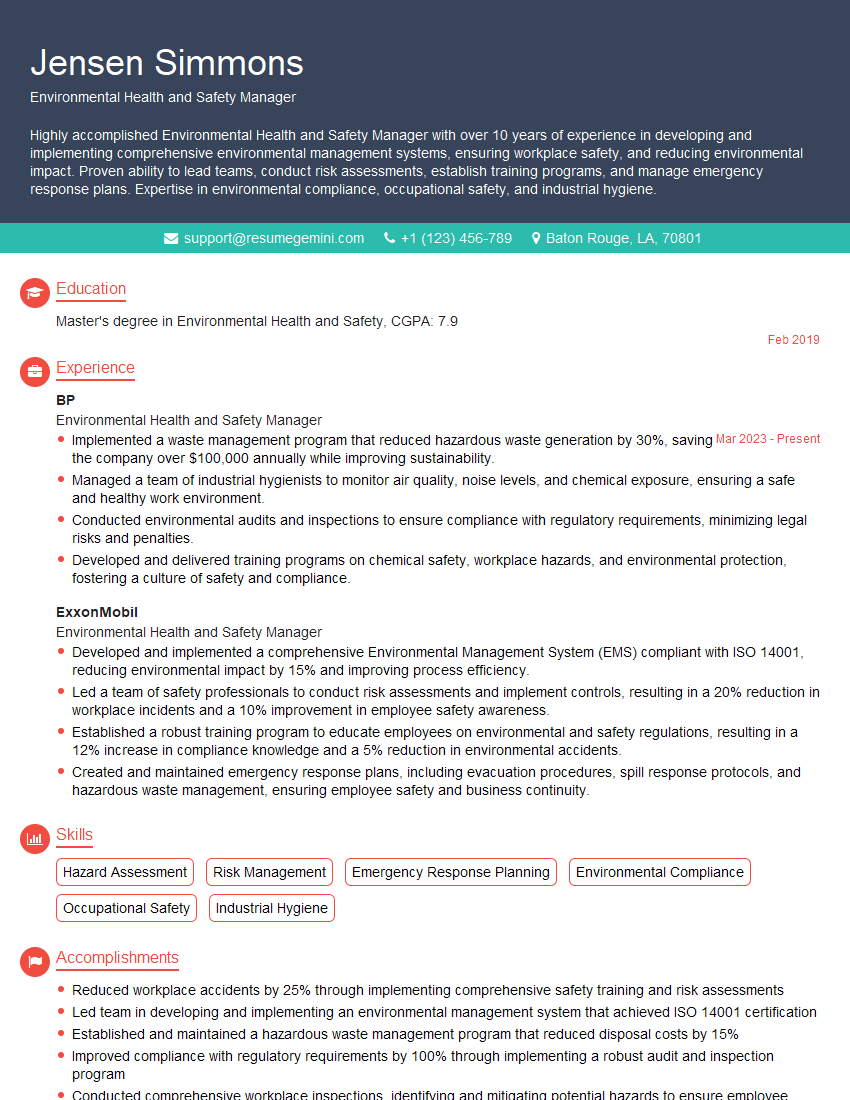
Environmental Health and Safety Manager Resume Sample
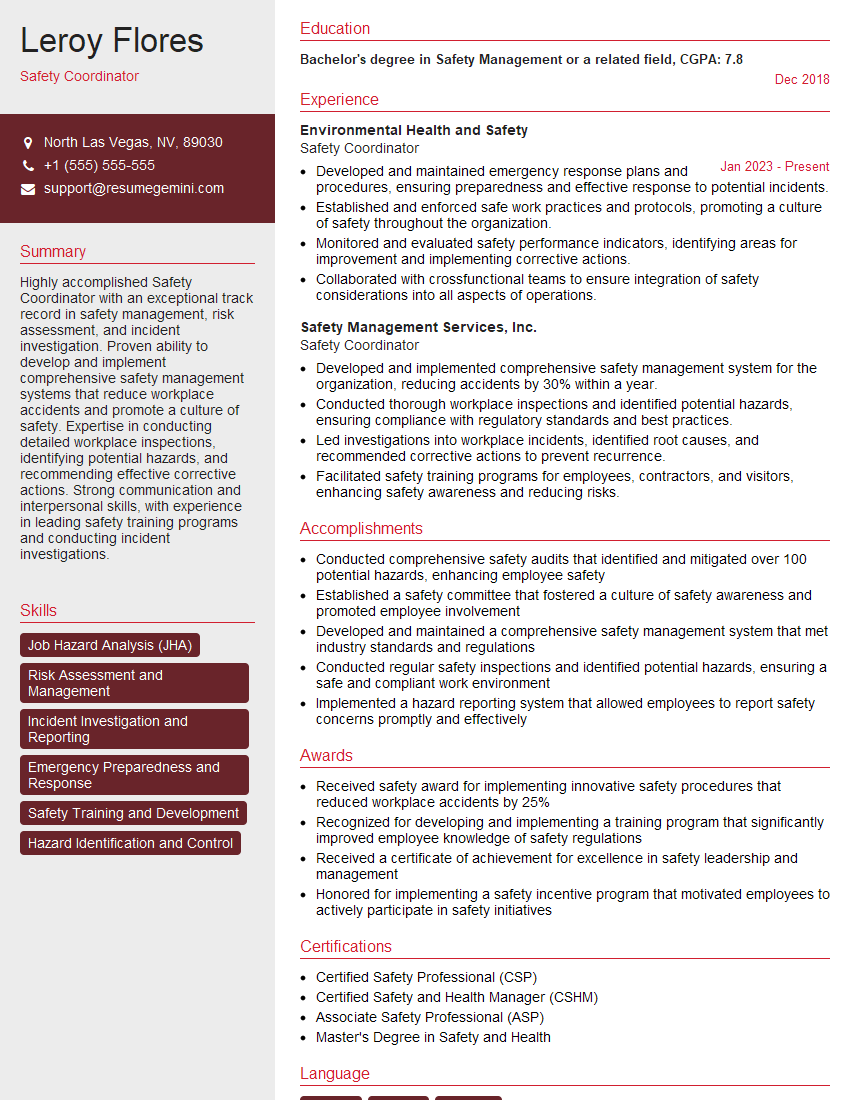
Safety Coordinator Resume Sample

Compliance Officer Resume Sample
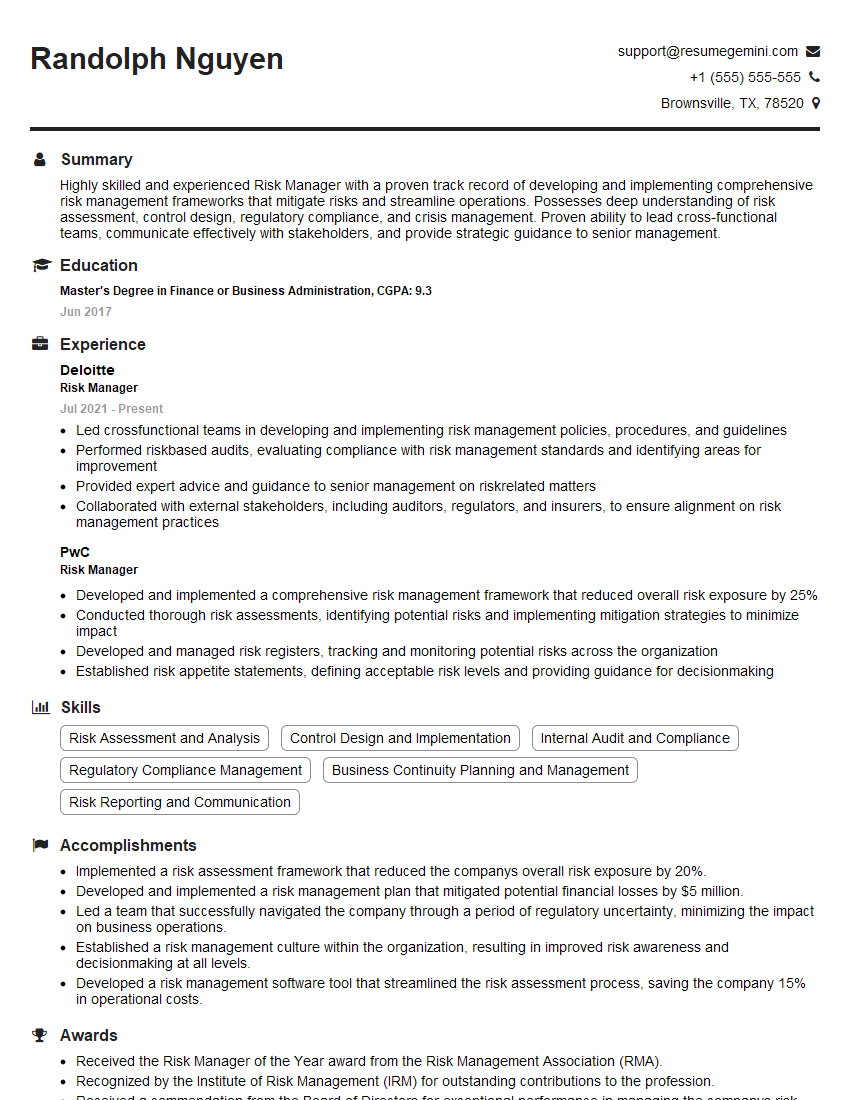
Risk Manager Resume Sample
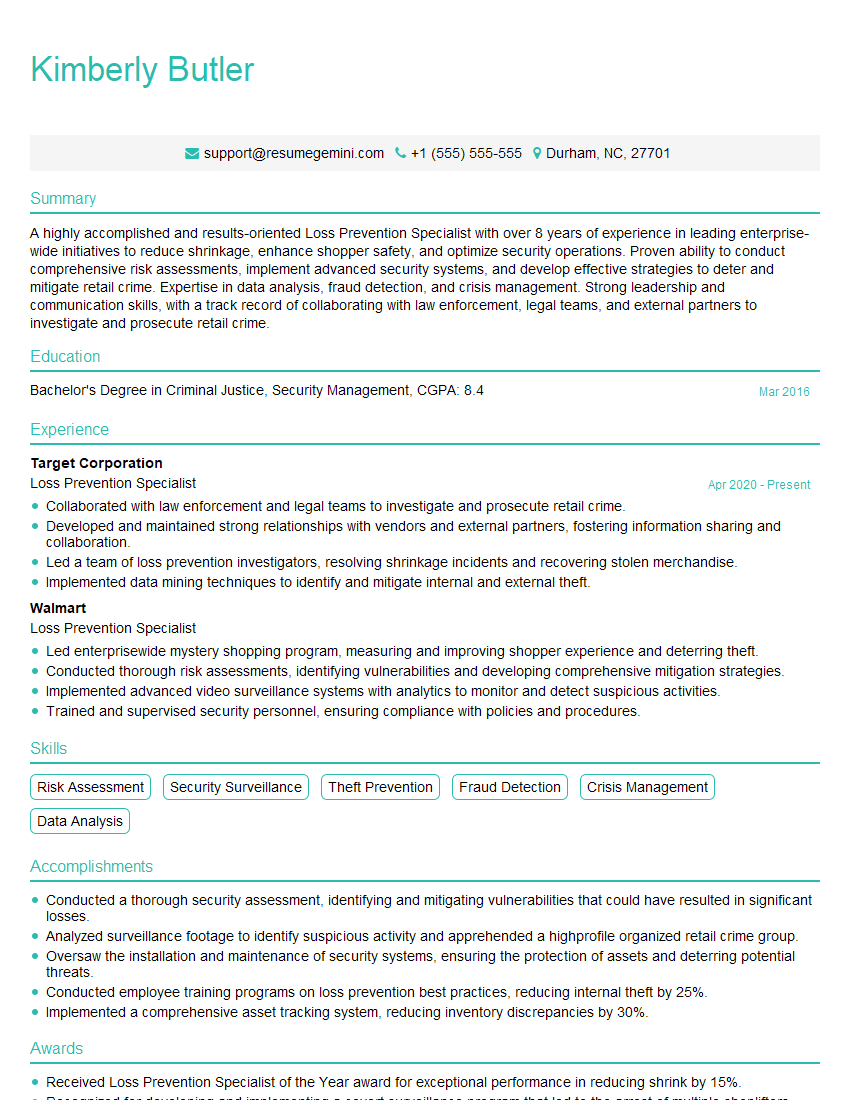
Loss Prevention Specialist Resume Sample

Reliability Engineer Resume Sample
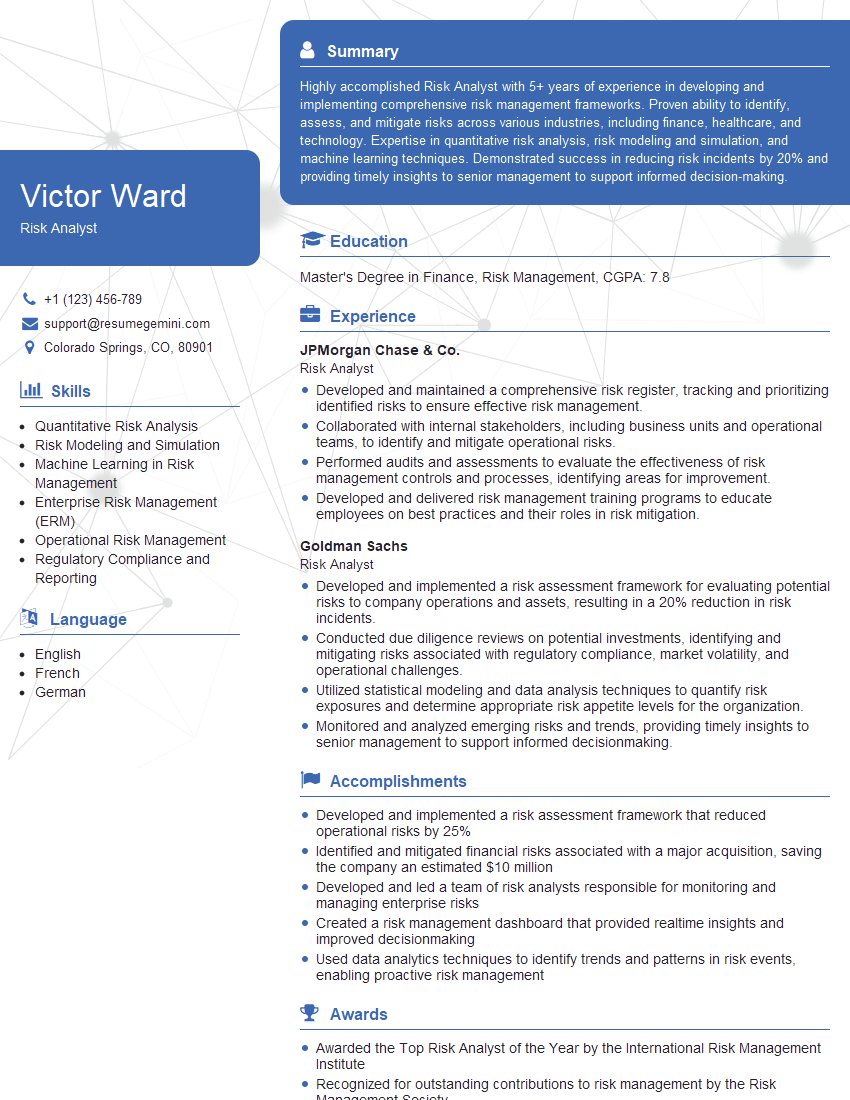
Risk Analyst Resume Sample
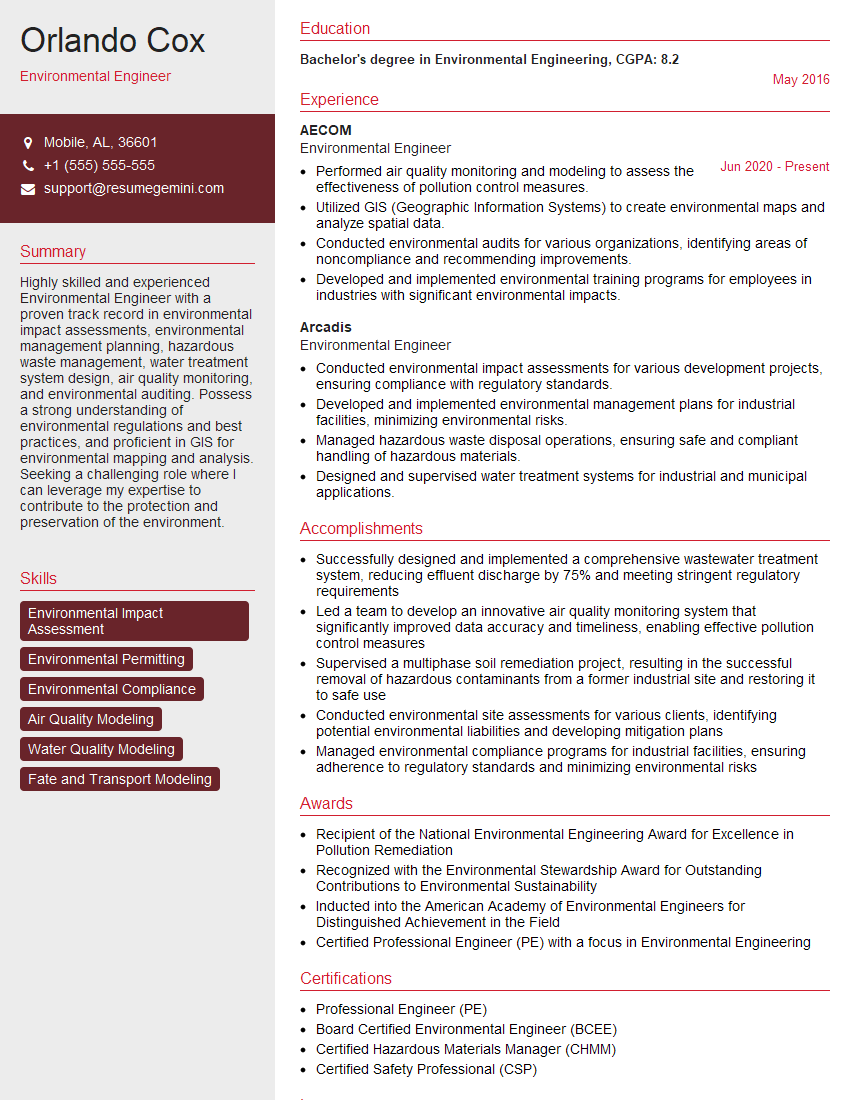
Environmental Engineer Resume Sample
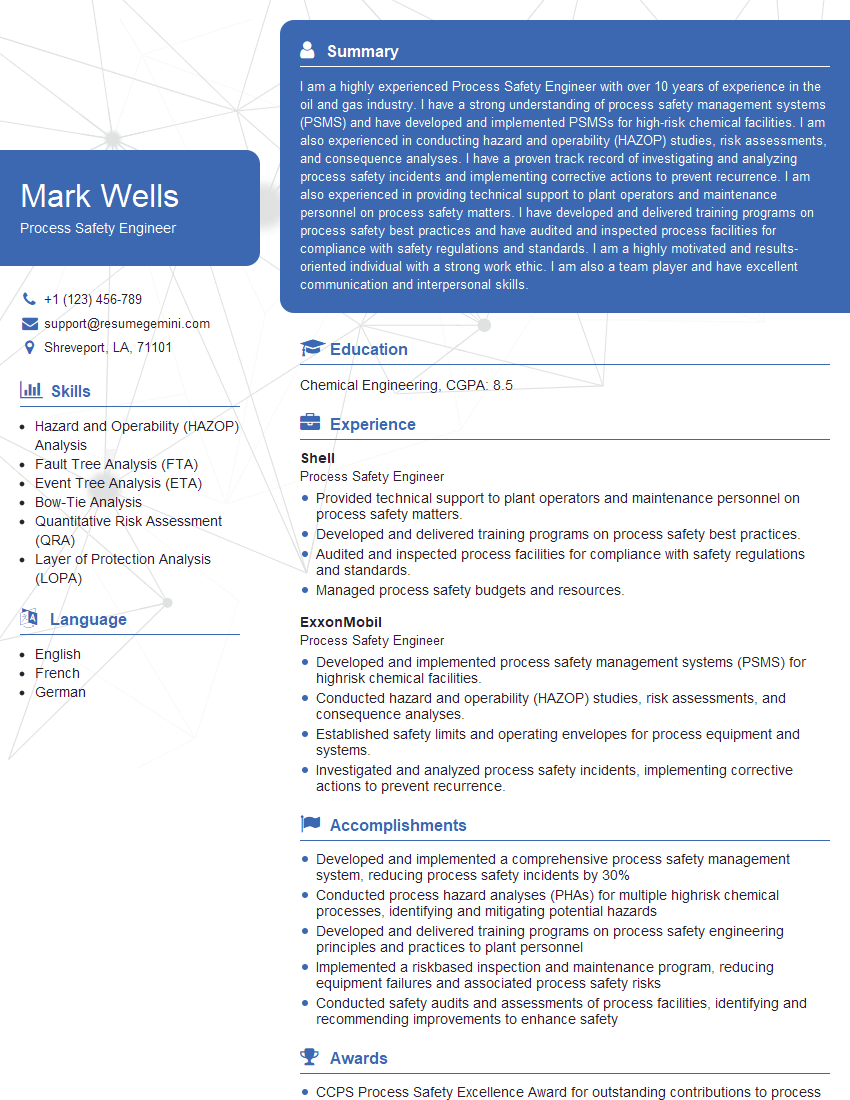
Process Safety Engineer Resume Sample
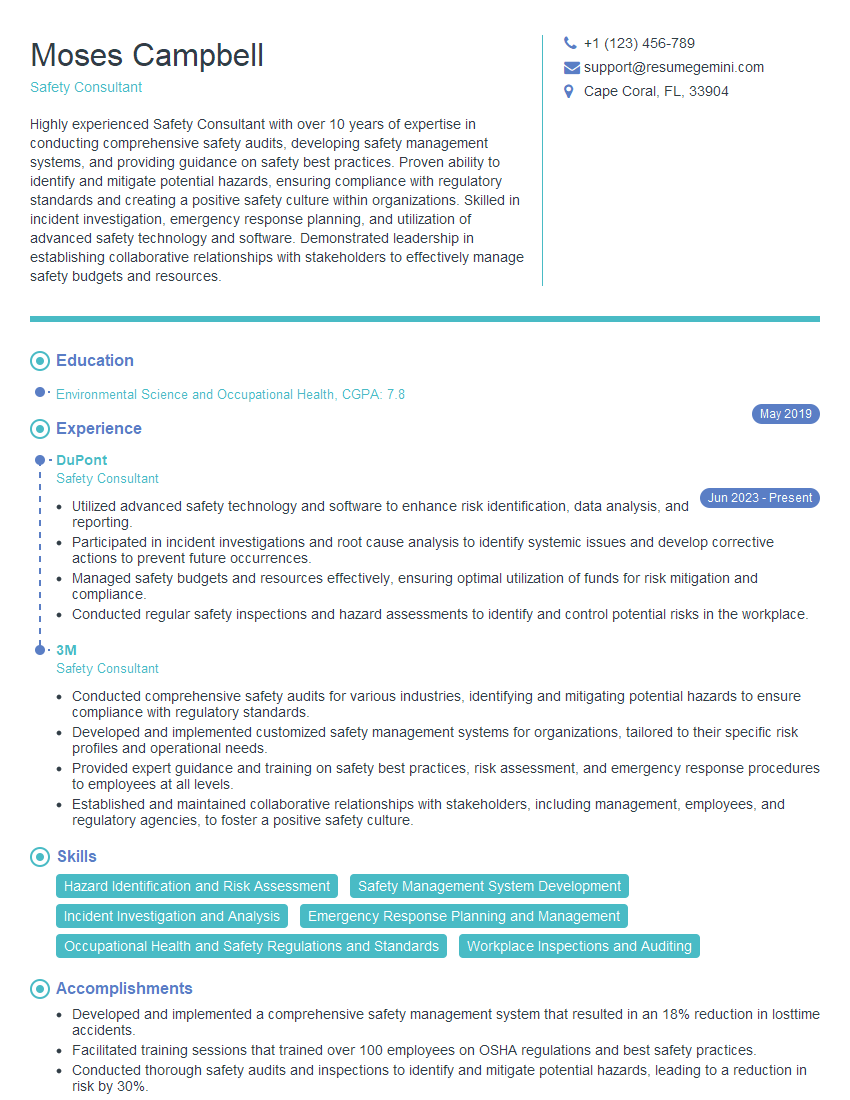
Safety Consultant Resume Sample
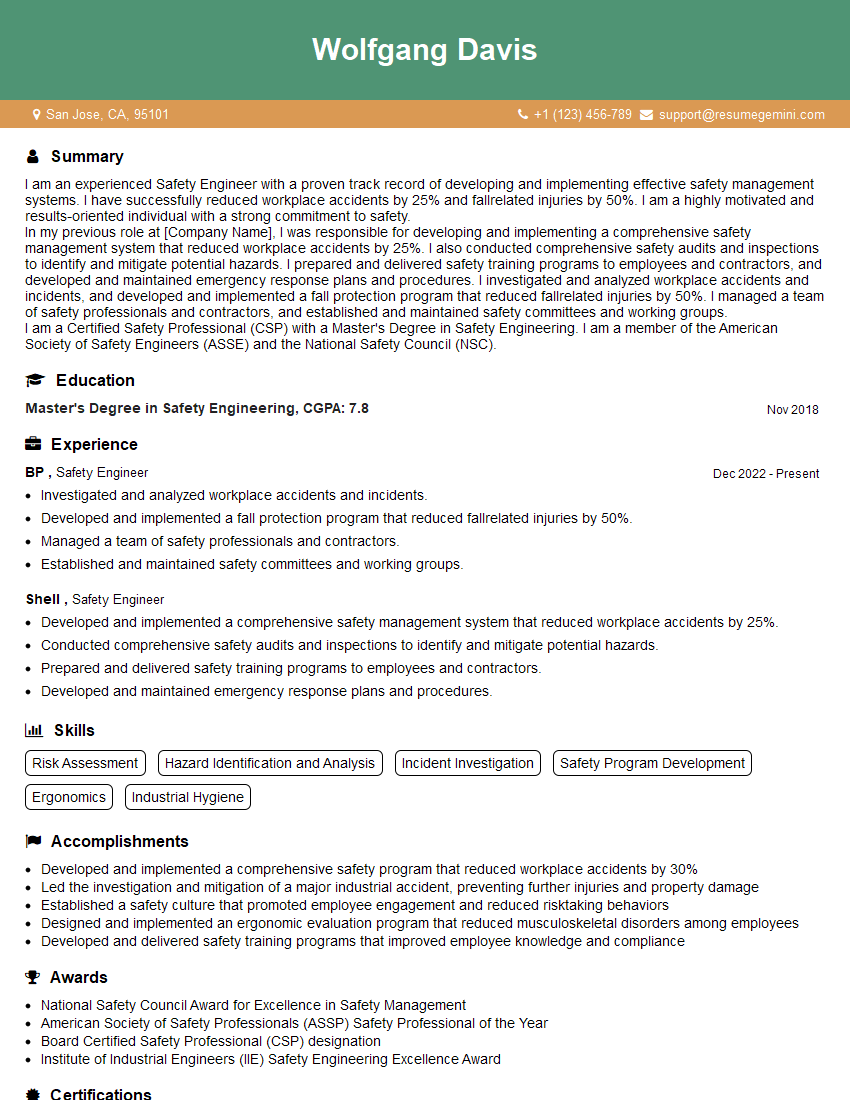
Safety Engineer Resume Sample

Safety Inspector Resume Sample
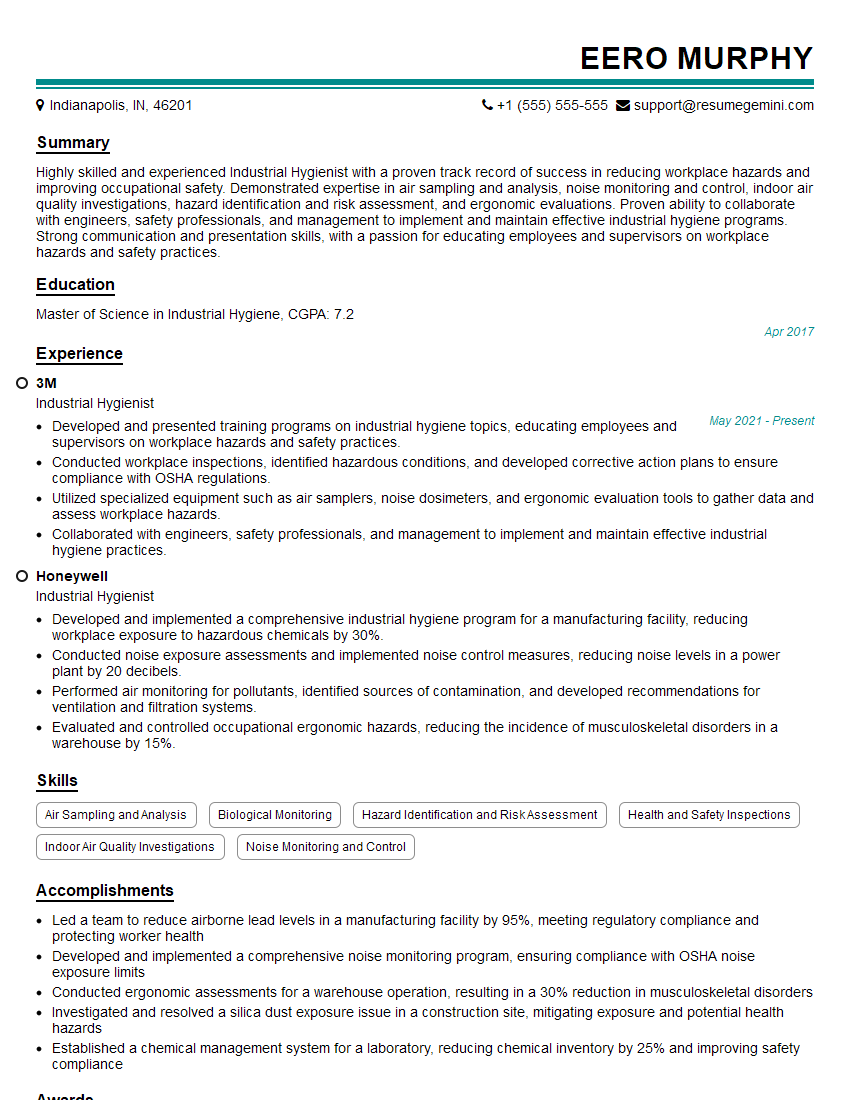
Industrial Hygienist Resume Sample
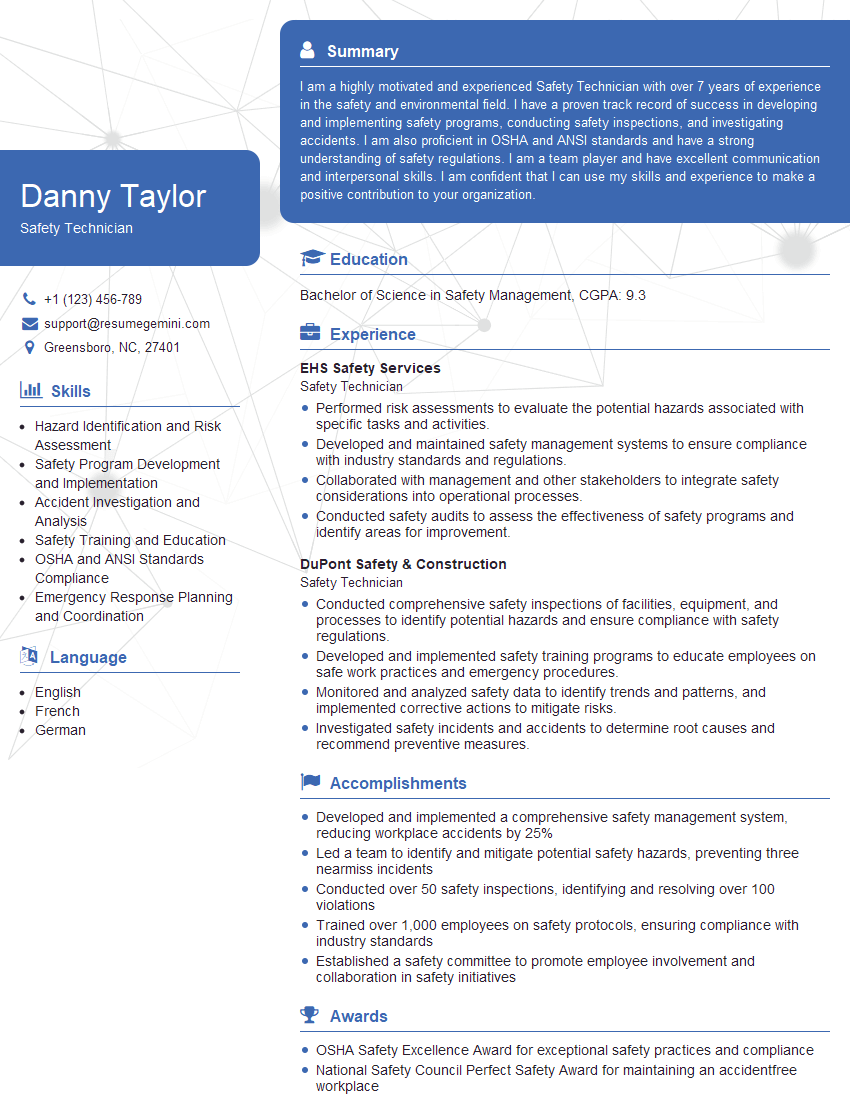
Safety Technician Resume Sample
Explore more articles
Users Rating of Our Blogs
Share Your Experience
We value your feedback! Please rate our content and share your thoughts (optional).
What Readers Say About Our Blog
Very informative content, great job.
good