Cracking a skill-specific interview, like one for Hazard Recognition and Assessment, requires understanding the nuances of the role. In this blog, we present the questions you’re most likely to encounter, along with insights into how to answer them effectively. Let’s ensure you’re ready to make a strong impression.
Questions Asked in Hazard Recognition and Assessment Interview
Q 1. Describe your experience in conducting hazard identification using various methods (e.g., checklists, walkthroughs, job safety analysis).
Hazard identification is the crucial first step in any safety management system. My experience encompasses a wide range of methods, each suited to different contexts. Checklists provide a structured approach, ensuring consistent coverage of common hazards within a specific industry or task. For example, a pre-flight checklist for pilots ensures all critical systems are checked before takeoff. Walkthroughs, on the other hand, involve physically inspecting a workplace to identify potential hazards. This method is particularly useful for identifying less obvious hazards that might be missed by a checklist. I’ve used walkthroughs extensively in construction sites, identifying potential trip hazards or inadequately secured materials. Finally, Job Safety Analysis (JSA) breaks down a job into individual steps, analyzing each step for potential hazards. This is extremely effective in identifying hazards related to specific tasks or processes, especially those involving complex equipment or multiple steps. For instance, a JSA for a chemical mixing process might highlight the risks of incorrect chemical proportions or improper ventilation. I’ve successfully employed JSAs in manufacturing environments to pinpoint and mitigate process-specific risks.
Q 2. Explain the hierarchy of hazard controls and provide examples of each level.
The hierarchy of hazard controls prioritizes control methods based on their effectiveness in eliminating or reducing risks. It’s a fundamental principle of safety management, aiming for the most effective control measure possible. The hierarchy generally follows this order:
- Elimination: Completely removing the hazard. Example: Replacing a dangerous chemical with a safer alternative.
- Substitution: Replacing the hazard with a less hazardous alternative. Example: Substituting a manual lifting task with a mechanical lifting device.
- Engineering Controls: Implementing physical changes to the work environment to reduce or eliminate the hazard. Example: Installing guarding on machinery to prevent contact injuries or implementing ventilation systems to control airborne contaminants.
- Administrative Controls: Changes to work practices or procedures. Example: Implementing safe work permits for high-risk tasks or providing regular safety training.
- Personal Protective Equipment (PPE): Providing workers with equipment to protect them from hazards. Example: Providing safety glasses, gloves, or respirators. This is always the last line of defense and should not replace higher-level controls.
It’s crucial to remember that this hierarchy is not a rigid sequence; sometimes, a combination of controls is necessary. For example, eliminating a hazard might not always be feasible, so substitution and engineering controls may be prioritized. It’s about selecting the most effective and practical control measures to minimize risk.
Q 3. How do you prioritize hazards based on risk assessment results?
Prioritizing hazards after a risk assessment is vital for efficient resource allocation. I use a risk matrix, typically combining the likelihood of a hazard occurring with the severity of the consequences. This results in a clear ranking of hazards. For example, a hazard with a high likelihood and high severity (e.g., working at heights without fall protection) would be prioritized over a hazard with low likelihood and low severity (e.g., minor cuts from handling paper). Other factors that might influence prioritization include regulatory requirements, the number of people exposed, and the potential for significant environmental damage. In practice, I often use a weighted scoring system to quantify the likelihood and severity, leading to a more objective ranking. This allows for a transparent and justifiable prioritization of hazards and ensures that resources are focused on the most critical risks.
Q 4. What are the key elements of a comprehensive risk assessment?
A comprehensive risk assessment involves a systematic process to identify hazards, analyze risks, and implement controls. Key elements include:
- Hazard Identification: Identifying all potential hazards through methods like checklists, walkthroughs, and JSAs.
- Risk Analysis: Evaluating the likelihood and severity of each hazard. This often involves determining the probability of the hazard occurring and the potential consequences if it does.
- Risk Evaluation: Assessing the overall level of risk based on the likelihood and severity analysis. This frequently involves using a risk matrix to categorize risks as low, medium, high, or critical.
- Risk Control: Implementing appropriate control measures according to the hierarchy of controls to mitigate or eliminate the identified risks.
- Monitoring and Review: Regularly reviewing the effectiveness of implemented controls and updating the risk assessment as needed. This is an iterative process.
- Documentation: Thoroughly documenting all aspects of the assessment, including identified hazards, risk analysis, control measures, and review dates. This is crucial for accountability and demonstrating compliance.
A well-documented risk assessment ensures accountability and facilitates continuous improvement in safety management. It provides a clear picture of the risks involved, the controls in place, and the ongoing monitoring process.
Q 5. Describe your experience in developing and implementing safety procedures and training programs.
Developing and implementing safety procedures and training programs is a significant part of my role. I begin by analyzing the identified hazards and risks, then tailor procedures to address those specific risks. These procedures should be clear, concise, and easy to understand, often using visual aids or diagrams. For example, I’ve developed lockout/tagout procedures for machinery maintenance, ensuring all energy sources are isolated before work commences. The training programs are designed to equip employees with the knowledge and skills necessary to perform their tasks safely. They should include both theoretical knowledge and hands-on practical exercises. For example, I’ve developed training programs on forklift operation, including classroom instruction and practical training on operating the equipment safely. Crucially, I always incorporate feedback mechanisms into the training process and regularly review the effectiveness of both the safety procedures and training programs to ensure continued relevance and efficiency.
Q 6. How do you identify and assess ergonomic hazards in the workplace?
Ergonomic hazards arise from physical factors in the workplace that can cause musculoskeletal disorders (MSDs). Identifying these hazards involves a multi-pronged approach. Observation is crucial: directly observing workers performing their tasks, noting postures, movements, and any signs of strain. Interviews and questionnaires gather information directly from workers about their experiences and any discomfort they might be experiencing. Measurements such as workstation dimensions and tool weights provide objective data. I also utilize ergonomic assessment tools, like Rapid Upper Limb Assessment (RULA) or Rapid Entire Body Assessment (REBA) to quantify the risk levels associated with specific tasks. For example, a poorly designed workstation with insufficient adjustability can force workers into awkward postures, increasing the risk of neck and back pain. Similarly, repetitive movements, such as assembly line work, can lead to carpal tunnel syndrome or tendonitis. Addressing these involves redesigning workstations, modifying tasks, or providing appropriate training and equipment, such as adjustable chairs or anti-fatigue mats.
Q 7. Explain the importance of documenting hazard identification and risk assessment findings.
Documentation of hazard identification and risk assessment findings is paramount for several reasons. Firstly, it provides a record of the assessment process, demonstrating due diligence and compliance with safety regulations. Secondly, it facilitates communication; the documented findings can be shared with all relevant stakeholders, including employees, management, and regulatory bodies. Thirdly, it allows for tracking and monitoring; the documentation provides a baseline against which the effectiveness of control measures can be evaluated. Fourthly, it supports continuous improvement, enabling the identification of trends and areas for further improvements in safety management. Finally, it offers legal protection. In the event of an incident, thorough documentation can be used to demonstrate that reasonable precautions were taken. I utilize a variety of methods for documentation: spreadsheets, databases, and dedicated safety management software. The key is to ensure that the documentation is clear, concise, accurate, and easily accessible to all relevant parties.
Q 8. How do you communicate hazard information effectively to different audiences (e.g., management, workers)?
Effective hazard communication hinges on tailoring the message to the audience’s understanding and needs. Management needs concise summaries of risks and potential financial impacts, while workers require clear, practical instructions and hazard awareness training.
- For Management: I present risk assessments using executive summaries highlighting key findings, prioritized risks, and recommended control measures with associated costs and benefits. Visual aids like charts and graphs showing risk levels and potential financial losses are highly effective. I also focus on the business continuity implications of uncontrolled hazards.
- For Workers: I use simple language, avoiding jargon, and focus on practical implications. Visual aids such as pictograms, videos, and on-site demonstrations are crucial. Interactive training sessions, toolbox talks, and regular communication updates ensure ongoing awareness. I ensure that safety information is readily available in multiple languages if necessary and accessible to workers with disabilities.
- Example: In a recent construction project, I presented a concise report to management summarizing the top three risks (falls from height, struck-by hazards, and electrocution) and proposed cost-effective mitigation strategies. For workers, I conducted site-specific toolbox talks focusing on the proper use of Personal Protective Equipment (PPE), safe work practices, and emergency procedures, using visual aids and interactive exercises.
Q 9. Describe your experience in investigating workplace incidents and accidents.
My experience in incident investigation follows a structured approach based on best practices. I’ve investigated numerous workplace incidents, ranging from minor injuries to fatalities, across various industries. My process typically includes:
- Immediate Actions: Securing the scene, providing first aid, and notifying relevant authorities.
- Data Collection: Gathering evidence through witness statements, photographic and video documentation, reviewing incident reports, examining equipment, and analyzing existing safety data.
- Analysis: Identifying the root causes of the incident using tools like fault tree analysis or the ‘5 Whys’ technique to delve beyond superficial causes. I focus on both human factors (e.g., training deficiencies, fatigue) and systemic factors (e.g., inadequate safety procedures, equipment failures).
- Reporting: Compiling a detailed incident report that includes findings, root causes, recommendations for corrective and preventive actions, and lessons learned. This report is shared with management, workers, and relevant regulatory bodies.
Example: In one case, a worker suffered a laceration while using a poorly maintained machine. My investigation revealed inadequate machine guarding, insufficient training on safe machine operation, and a lack of regular equipment inspections. This led to the implementation of improved machine guarding, enhanced training programs, and a more robust maintenance schedule.
Q 10. How do you use quantitative and qualitative data in your risk assessments?
Both quantitative and qualitative data are crucial for comprehensive risk assessments. Quantitative data provides measurable information about the likelihood and severity of hazards, while qualitative data offers contextual understanding and insights that numerical data may miss.
- Quantitative Data: This includes statistical data on past incidents, injury rates, equipment failure rates, and environmental monitoring results. It’s often used to calculate risk scores using formulas like risk = likelihood x severity.
- Qualitative Data: This encompasses expert opinions, worker feedback, observations during site inspections, and descriptions of hazards and their potential consequences. It helps to understand the context of hazards, the human factors involved, and the effectiveness of control measures.
Example: In a chemical plant, quantitative data might include historical leak rates for specific pipelines. Qualitative data would involve interviewing workers to understand their perceptions of risks, identifying potential human errors in operating procedures, and assessing the effectiveness of emergency response plans. Integrating both types of data provides a holistic view of the risk profile.
Q 11. What are some common hazards associated with [specific industry/environment]?
Let’s assume the specific industry/environment is construction. Common hazards in construction include:
- Falls from height: Working at heights without proper fall protection systems.
- Struck-by hazards: Being struck by falling objects, vehicles, or equipment.
- Caught-in/between hazards: Getting caught in or between machinery or equipment.
- Electrocution: Contact with live electrical wires or equipment.
- Fire hazards: Welding, cutting, and the use of flammable materials.
- Slips, trips, and falls: Uneven surfaces, cluttered walkways, and inadequate lighting.
- Exposure to hazardous substances: Asbestos, lead, silica dust, and other harmful chemicals.
- Musculoskeletal disorders (MSDs): Repetitive movements, awkward postures, and heavy lifting.
The specific hazards will vary based on the type of construction project, the location, and the specific tasks being performed. A thorough hazard identification process tailored to the project is critical.
Q 12. Explain your understanding of different types of risk assessment methodologies (e.g., qualitative, quantitative, semi-quantitative).
Different risk assessment methodologies offer varying levels of detail and precision. The choice depends on the complexity of the hazard, the available data, and the resources available.
- Qualitative Risk Assessment: Uses descriptive terms (e.g., high, medium, low) to assess the likelihood and severity of hazards. It’s simpler and quicker but less precise than quantitative methods. It relies heavily on expert judgment.
- Quantitative Risk Assessment: Assigns numerical values (e.g., probabilities and consequences) to hazards, allowing for more precise risk calculation. It requires significant data and may be complex and time-consuming.
- Semi-Quantitative Risk Assessment: Combines aspects of both qualitative and quantitative methods. It uses scales or ranking systems to assess likelihood and severity, offering a balance between simplicity and precision.
Example: A simple qualitative assessment might categorize a particular hazard as ‘high likelihood’ and ‘high severity,’ resulting in a ‘high risk’ rating. A quantitative assessment would use statistical data to calculate a precise probability of the hazard occurring and the expected magnitude of its consequences (e.g., probability of 0.1 and a consequence cost of $100,000 resulting in a risk score of $10,000). A semi-quantitative approach might use a scale (e.g., 1-5 for likelihood and severity) to assign scores and then combine those for an overall risk level.
Q 13. How do you ensure compliance with relevant safety regulations and standards?
Ensuring compliance with safety regulations and standards is paramount. My approach involves:
- Staying Updated: Regularly reviewing and staying abreast of relevant legislation, codes of practice, and industry standards (e.g., OSHA, ANSI, ISO).
- Implementing Controls: Developing and implementing control measures to mitigate identified hazards, prioritizing the hierarchy of controls (elimination, substitution, engineering controls, administrative controls, PPE).
- Audits and Inspections: Conducting regular safety audits and inspections to ensure compliance with regulations and the effectiveness of control measures.
- Documentation: Maintaining thorough records of risk assessments, safety inspections, training records, and incident investigations.
- Training: Providing comprehensive safety training to all relevant personnel, ensuring they understand their responsibilities and the relevant regulations.
Example: In a recent project, we ensured compliance with OSHA regulations for fall protection by implementing a comprehensive fall protection plan, providing training to workers on the proper use of fall arrest systems, and conducting regular inspections to ensure the plan’s effectiveness. All documentation was meticulously maintained to demonstrate compliance.
Q 14. Describe your experience in using software or tools for risk assessment and hazard management.
I have extensive experience using various software and tools for risk assessment and hazard management. These include:
- Spreadsheet software (e.g., Microsoft Excel): For creating risk matrices, tracking incident data, and performing basic calculations.
- Dedicated risk assessment software: Packages offering more advanced features such as Bow-Tie analysis, fault tree analysis, and risk register management.
- Environmental monitoring equipment: For measuring noise levels, air quality, and other environmental factors contributing to workplace hazards.
- Project management software: To integrate safety information into project planning and scheduling.
Example: I’ve used specialized risk assessment software to build Bow-Tie diagrams for complex processes, enabling a comprehensive visualization of the potential consequences of hazards and the effectiveness of control measures. This software also assists in tracking risk levels throughout the project lifecycle. I am also proficient in using environmental monitoring equipment to identify potential health risks and ensuring compliance with relevant regulations.
Q 15. How do you handle disagreements or conflicting opinions during a risk assessment process?
Disagreements during risk assessments are inevitable, given the subjective nature of hazard identification and risk evaluation. My approach focuses on constructive collaboration and evidence-based decision-making. Instead of viewing differing opinions as confrontational, I see them as opportunities to enrich the assessment.
Open Dialogue: I foster an environment where everyone feels comfortable expressing their concerns and perspectives. We discuss the underlying reasons for differing viewpoints, focusing on the data and evidence supporting each opinion.
Data-Driven Approach: We revisit the data collected during the hazard identification phase. If the disagreement stems from differing interpretations of the data, we analyze it together, ensuring everyone understands the methodology and findings.
Expert Consultation: If the disagreement persists or involves complex technical issues, I bring in an expert to provide an independent assessment and clarify any uncertainties.
Documentation: All discussions, disagreements, and resolutions are meticulously documented. This ensures transparency and accountability, and provides a valuable record for future reference and continuous improvement.
Consensus Building: The goal is to reach a consensus. Sometimes, this means compromising or adopting a more conservative approach to risk. The aim is not necessarily to find the single ‘right’ answer but to reach an agreement that reflects the best available understanding of the risks involved.
For instance, during a risk assessment for a construction project, one team member might perceive scaffolding instability as a low risk while another sees it as high. We’d meticulously review the scaffolding design plans, safety protocols, inspection reports, and the experience level of workers. This collaborative review can reveal the basis of the disagreement and facilitate consensus on a risk mitigation strategy.
Career Expert Tips:
- Ace those interviews! Prepare effectively by reviewing the Top 50 Most Common Interview Questions on ResumeGemini.
- Navigate your job search with confidence! Explore a wide range of Career Tips on ResumeGemini. Learn about common challenges and recommendations to overcome them.
- Craft the perfect resume! Master the Art of Resume Writing with ResumeGemini’s guide. Showcase your unique qualifications and achievements effectively.
- Don’t miss out on holiday savings! Build your dream resume with ResumeGemini’s ATS optimized templates.
Q 16. Explain your approach to risk communication and stakeholder engagement.
Effective risk communication and stakeholder engagement are paramount for successful hazard management. My approach is built upon transparency, clarity, and active listening. I adapt my communication style to suit the audience, using plain language to avoid technical jargon whenever possible.
Tailored Communication: I tailor the information to the specific needs and understanding of each stakeholder group. A highly technical report may be appropriate for engineers, but a simple summary with key recommendations may be more effective for management or non-technical staff.
Interactive Sessions: I frequently use interactive workshops or meetings to present findings, solicit feedback, and build consensus. This collaborative process ensures stakeholders feel heard and valued.
Visual Aids: Visual aids, like charts, diagrams, and videos, can significantly enhance understanding and engagement, especially when communicating complex information.
Feedback Mechanisms: I establish clear channels for stakeholders to provide feedback throughout the process, including questionnaires, surveys, or dedicated feedback sessions.
Regular Updates: I provide regular updates on progress and any significant changes to the risk profile, keeping all stakeholders informed. Transparency builds trust and confidence.
For example, when communicating the risk of a chemical spill to the public, I would avoid technical terms and instead focus on the potential consequences in plain language, using visuals to illustrate potential impact areas and evacuation routes.
Q 17. What are your strategies for mitigating identified hazards?
Mitigating identified hazards involves implementing a hierarchy of controls, prioritizing elimination, substitution, engineering controls, administrative controls, and lastly, personal protective equipment (PPE). This approach aims to reduce risk as much as possible.
Elimination: Removing the hazard entirely is the most effective control. For example, replacing a hazardous chemical with a safer alternative.
Substitution: Replacing a hazardous process or material with a less hazardous one. Instead of using a solvent that’s harmful to skin, using a water-based alternative.
Engineering Controls: Modifying the workplace to reduce or eliminate exposure to hazards. Installing guarding on machinery, installing exhaust ventilation to remove fumes.
Administrative Controls: Implementing work practices or procedures that reduce risk. Job rotation to limit exposure to repetitive tasks, providing specialized training, establishing work permits.
Personal Protective Equipment (PPE): Providing workers with protective equipment such as gloves, safety glasses, and respirators as a last resort when other controls are insufficient.
For example, if a workplace has a high risk of slips and falls, mitigation might include eliminating tripping hazards by improving floor maintenance, installing anti-slip flooring (engineering control), and implementing a housekeeping program (administrative control). PPE like safety shoes would only be a supplementary measure.
Q 18. How do you monitor the effectiveness of implemented hazard controls?
Monitoring the effectiveness of implemented hazard controls is crucial to ensure ongoing safety. This involves a combination of regular inspections, audits, and performance data review.
Regular Inspections: Conducting routine inspections to check if controls are in place, functioning correctly, and being used as intended. This can involve checklists and visual inspections.
Audits: More comprehensive reviews of the hazard control program, assessing its effectiveness, identifying gaps, and recommending improvements. These audits can involve internal or external experts.
Performance Data Review: Analyzing data such as accident rates, near-miss reports, and environmental monitoring results to assess the impact of controls on risk levels. A decrease in accident rates related to a specific hazard would indicate effective control measures.
Feedback Mechanisms: Establishing feedback mechanisms for workers to report any issues or concerns with hazard controls. This allows for proactive identification and correction of problems.
For example, after installing new machinery guards, we would monitor accident rates, conduct regular inspections of the guards to ensure they’re not damaged, and gather worker feedback about their usability and effectiveness. Any increase in accidents or negative feedback would trigger a review of the controls.
Q 19. Describe a time you identified a significant hazard that others missed. What did you do?
During a site assessment for a chemical processing plant, I noticed a significant lack of emergency eyewash stations in areas where corrosive chemicals were handled. Others on the team had focused on more readily apparent hazards like machinery guarding. I recognised that the absence of eyewash stations represented a critical gap in emergency response capability, potentially leading to severe eye injuries.
I immediately documented my findings, including photographic evidence of the missing stations and the location of corrosive chemical handling areas. I then presented my concerns to the project manager and safety officer, emphasizing the potential severity of consequences – permanent eye damage or blindness – and citing relevant safety regulations and best practices. This led to a prompt and comprehensive action plan that included immediate installation of the eyewash stations and revisions to the site’s safety procedures.
The incident underscored the importance of thorough and meticulous hazard identification, going beyond the obvious and considering less visible yet potentially devastating hazards.
Q 20. How do you stay up-to-date with current safety regulations and best practices?
Staying current with safety regulations and best practices is essential in this field. I employ a multi-faceted approach:
Professional Organizations: Active membership in professional organizations such as the American Society of Safety Professionals (ASSP) or the Institution of Occupational Safety and Health (IOSH) provides access to updated standards, publications, and networking opportunities with other professionals.
Regulatory Updates: I regularly monitor relevant government websites and publications for updates to safety regulations and legal requirements.
Industry Publications and Journals: I subscribe to industry publications and journals that provide insights into emerging hazards, best practices, and new technologies in hazard control.
Conferences and Training: Regular attendance at industry conferences and workshops provides opportunities for professional development and learning about new approaches to hazard recognition and assessment.
Online Resources: Utilizing reputable online resources and databases for accessing safety information, standards, and case studies.
This ongoing learning ensures my knowledge remains current and allows me to adapt my risk assessment methods to reflect the latest advancements in the field.
Q 21. Describe your experience in using different risk assessment matrices.
My experience encompasses a wide range of risk assessment matrices, each suited to different contexts and purposes. I choose the matrix based on the complexity of the hazard and the information available.
Qualitative Matrices: These matrices use descriptive terms (e.g., low, medium, high) to represent the likelihood and severity of hazards. They’re simpler to use and understand but lack the precision of quantitative matrices. A simple example uses a 3×3 grid, assessing likelihood and consequence as low, medium, or high, leading to a risk level classification.
Quantitative Matrices: These matrices use numerical values to express the likelihood and severity of hazards, allowing for more precise risk evaluation and comparison. These often require statistical data and probabilistic modeling. A Fault Tree Analysis or Event Tree Analysis would fall into this category, providing numerical probabilities for various events.
Specific Matrices for Particular Industries or Hazards: Some industries have developed specialized risk assessment matrices tailored to their unique hazards. For instance, in the construction industry, specific matrices might exist to assess the risk of falls from height, while in healthcare, matrices might be used for evaluating infection control risks.
Selecting the appropriate matrix depends on several factors, including the type of hazard, data availability, stakeholders’ understanding, and the regulatory requirements. My expertise allows me to select the most appropriate and effective matrix for each specific risk assessment.
Q 22. What are the limitations of different risk assessment methods?
Different risk assessment methods, while valuable, each possess inherent limitations. For instance, qualitative methods like HAZOP (Hazard and Operability Study) or FMEA (Failure Mode and Effects Analysis) rely heavily on expert judgment, which can be subjective and prone to bias. The accuracy depends entirely on the expertise and experience of the assessors. A team with limited experience in a specific process might overlook critical hazards. Furthermore, these methods often struggle to quantify risk accurately, making it challenging to compare risks across different processes or prioritize mitigation efforts.
Quantitative methods, like Fault Tree Analysis (FTA) or Event Tree Analysis (ETA), while providing numerical risk estimates, require substantial data and assumptions. Incomplete or inaccurate data can lead to misleading risk assessments. Moreover, these methods can be complex and time-consuming, potentially making them impractical for smaller-scale assessments or time-constrained projects. Finally, all methods assume a static environment; they struggle to account for dynamic changes in operating conditions, human factors, or technology, which could significantly alter risk levels over time.
For example, a HAZOP analysis conducted for a chemical plant might overlook a rare but catastrophic interaction between two chemicals if the assessors are not thoroughly familiar with the specific chemical properties and reaction kinetics. Similarly, a quantitative risk assessment might underestimate the risk of a human error if the data used to model human behavior is incomplete or outdated. Therefore, a combined approach, utilizing both qualitative and quantitative methods where appropriate, along with regular review and updating, is typically recommended for a more comprehensive and robust risk assessment.
Q 23. How do you involve workers in the hazard identification and risk assessment process?
Involving workers in hazard identification and risk assessment is crucial for a successful and effective safety program. Workers often have the most direct and intimate knowledge of the hazards they face daily. They possess invaluable insights into the practical realities of their work, including potential shortcuts, undocumented practices, and subtle risks that might be missed by external assessors.
Several techniques promote worker involvement. Toolbox talks are informal discussions where workers can raise concerns. Job safety analyses (JSAs) actively involve workers in systematically examining each task for potential hazards and implementing control measures. Workshops and focus groups provide structured forums for collective brainstorming and sharing knowledge. Suggestion schemes encourage workers to continuously report potential hazards and recommend improvements. Finally, using visual tools such as checklists or flowcharts during the process can make it easier for everyone to understand and contribute.
For example, involving maintenance technicians in the risk assessment of a complex machinery system can reveal previously unrecognized hazards associated with specific maintenance tasks. The insights provided by these technicians can lead to the identification of critical hazards and enhance control measures. Open communication, ensuring worker feedback is valued and acted upon, is crucial for building trust and fostering a culture of safety.
Q 24. Explain your understanding of the concept of ‘tolerable risk’.
Tolerable risk refers to the level of risk that an organization or society is willing to accept, given the inherent uncertainties and limitations of risk management. It’s not a level of ‘zero risk,’ which is practically unattainable, but rather a risk level deemed acceptable in the context of the benefits gained from the activity. This determination balances the likelihood and severity of potential harm with the value and necessity of the undertaking. A higher level of risk might be tolerated for vital activities or societal benefits, while lower levels are accepted for routine tasks with fewer potential consequences.
The concept involves a careful consideration of societal values, cost-benefit analysis, and the feasibility of risk reduction. Decisions about tolerable risk are often informed by regulations, industry standards, and organizational risk appetites. It is not a fixed value but a judgment based on a range of factors, including public perception, technological capabilities, and economic constraints. The determination of tolerable risk often requires consultation with stakeholders and ethical considerations.
For instance, a certain level of risk associated with air travel is considered tolerable due to the societal benefit of air travel. While accidents do occur, the advancements in technology, safety regulations, and training have brought the risk level down to an acceptable level for the majority of people. However, this acceptable level could change due to technological advancements or public perception.
Q 25. How do you balance the cost of implementing safety controls with the level of risk reduction?
Balancing the cost of implementing safety controls with the level of risk reduction requires a cost-benefit analysis. This process involves evaluating the potential costs associated with implementing various safety measures (e.g., equipment, training, process changes) against the potential costs associated with an accident or incident (e.g., medical expenses, lost productivity, legal liabilities, reputational damage).
The goal is to find the optimal balance – the point where the investment in safety controls delivers a worthwhile reduction in risk without incurring excessive expenses. This is often represented graphically with risk reduction plotted against cost, looking for the point of diminishing returns. Prioritization is key; focus on control measures that provide the greatest risk reduction for the investment. ALARP (As Low As Reasonably Practicable) is a guiding principle in many jurisdictions, suggesting that risk should be reduced as far as reasonably practicable, taking into account the cost and effort involved.
For example, if a risk assessment reveals a high probability of minor injuries from a specific task, inexpensive controls, like providing better gloves, may be sufficient. However, a low-probability but high-severity risk (e.g., a potential explosion) may necessitate a more substantial investment in engineered safeguards, even if the cost is significantly higher, due to the potential for catastrophic consequences.
Q 26. Describe your experience with incident reporting and investigation systems.
Effective incident reporting and investigation systems are the cornerstones of continuous improvement in safety. My experience involves implementing and managing systems that encourage prompt reporting, thorough investigation, and the development of corrective actions to prevent recurrence. This typically involves establishing clear procedures for reporting incidents, using user-friendly forms and reporting systems (possibly digital platforms), and ensuring confidentiality and non-punitive reporting cultures.
Investigations must be unbiased, fact-based, and utilize root cause analysis techniques (e.g., 5 Whys, Fishbone diagrams) to identify the underlying causes of the incident, not just the symptoms. The investigation process should not just focus on ‘blame’, but rather on understanding the systemic factors that contributed to the event. This includes considering human factors, equipment failures, procedural deficiencies, and environmental conditions. The findings are documented in detailed reports that inform corrective actions, preventative measures, and updates to safety procedures.
For instance, I’ve implemented a system where near misses are reported just as seriously as actual incidents. Near misses provide valuable opportunities to identify potential hazards before they lead to an accident. Data analysis from the reporting system was also crucial to identify recurring patterns and trends, leading to proactive safety interventions.
Q 27. How do you measure the effectiveness of safety training programs?
Measuring the effectiveness of safety training programs requires a multi-faceted approach that goes beyond simply tracking attendance. Effective measurement includes pre- and post-training assessments to gauge knowledge improvement, observation of on-the-job behavior to assess practical application of learned skills, and tracking changes in key safety performance indicators (KPIs) such as accident rates, near-miss reports, and violations of safety procedures. Surveys and feedback from trainees can also provide insights into the training’s effectiveness.
Key performance indicators (KPIs) such as reduction in accident frequency, improvement in safety observation scores, and positive feedback from employees demonstrate the effectiveness of a safety training program. These KPIs are useful for identifying the shortcomings of the training and areas for improvement. These should be tracked both immediately after the training and over time to measure long-term impact. Changes in behavior, as observed by supervisors and peer workers, are another useful measure of effectiveness.
For example, a pre- and post-training competency test on the safe use of machinery would measure knowledge retention. Observing employees’ practices after the training to check whether they are applying newly learned skills would assess practical application. A reduction in the number of near misses or incidents related to that specific machinery after training would indicate the program’s impact on safety performance.
Q 28. How would you handle a situation where a worker refuses to follow safety procedures?
A worker’s refusal to follow safety procedures necessitates a prompt and measured response. The initial step involves understanding the reasons behind the refusal. This might involve a private conversation to explore potential concerns, misunderstandings about the procedure, or underlying issues like inadequate training, discomfort with the equipment, or even personal factors affecting their judgment.
Open communication, active listening, and empathy are crucial. If the refusal stems from a genuine safety concern, addressing that concern through investigation and potential modification of the procedure is essential. However, if the refusal is due to deliberate disregard for safety rules, progressive disciplinary measures, as outlined in the organization’s policies, might be necessary. This could involve warnings, temporary suspension, or more serious consequences depending on the severity of the violation and the company’s established disciplinary framework. Employee support and retraining may be necessary. It’s crucial to document all interactions and actions taken to maintain transparency and accountability.
For instance, if a worker refuses to wear safety glasses because they claim they impair their vision, investigating the situation might reveal a need for different types of safety eyewear or even a process adjustment to reduce the risk. If however, the refusal is persistent and without justifiable cause after proper training and communication, disciplinary action according to company policies is necessary to uphold safety standards and ensure a safe working environment for all employees.
Key Topics to Learn for Hazard Recognition and Assessment Interview
- Hazard Identification: Learn to identify potential hazards using various methods, including observation, checklists, and historical data analysis. Understand the difference between hazards and risks.
- Risk Assessment Techniques: Master different risk assessment methodologies such as qualitative (e.g., likelihood and consequence matrices) and quantitative (e.g., Fault Tree Analysis, Event Tree Analysis) approaches. Practice applying these methods to real-world scenarios.
- Legal and Regulatory Compliance: Familiarize yourself with relevant health and safety regulations and standards applicable to your industry. Understand how these regulations influence hazard recognition and assessment procedures.
- Control Measures and Hierarchy of Controls: Learn to develop and implement effective control measures, understanding the hierarchy of controls (elimination, substitution, engineering controls, administrative controls, PPE). Be prepared to discuss the effectiveness of different control measures.
- Communication and Documentation: Practice clearly communicating your assessment findings to various stakeholders. Understand the importance of thorough and accurate documentation of the hazard recognition and assessment process.
- Incident Investigation and Root Cause Analysis: Develop your ability to investigate incidents and identify root causes to prevent future occurrences. Understand various root cause analysis techniques (e.g., 5 Whys, Fishbone Diagram).
- Human Factors in Hazard Recognition: Explore the role of human factors (e.g., fatigue, complacency) in contributing to accidents and near misses. Understand how to mitigate these factors in your assessments.
- Practical Application & Case Studies: Prepare examples from your experience (or hypothetical scenarios) demonstrating your ability to apply hazard recognition and assessment principles in different work environments.
Next Steps
Mastering Hazard Recognition and Assessment is crucial for career advancement in many safety-critical industries. It demonstrates a commitment to safety and a proactive approach to risk management, making you a highly valuable asset to any organization. To further enhance your job prospects, creating an ATS-friendly resume is vital. ResumeGemini can help you build a professional and effective resume that highlights your skills and experience. We offer examples of resumes tailored specifically to Hazard Recognition and Assessment roles to help you get started. Take the next step towards your ideal career today!
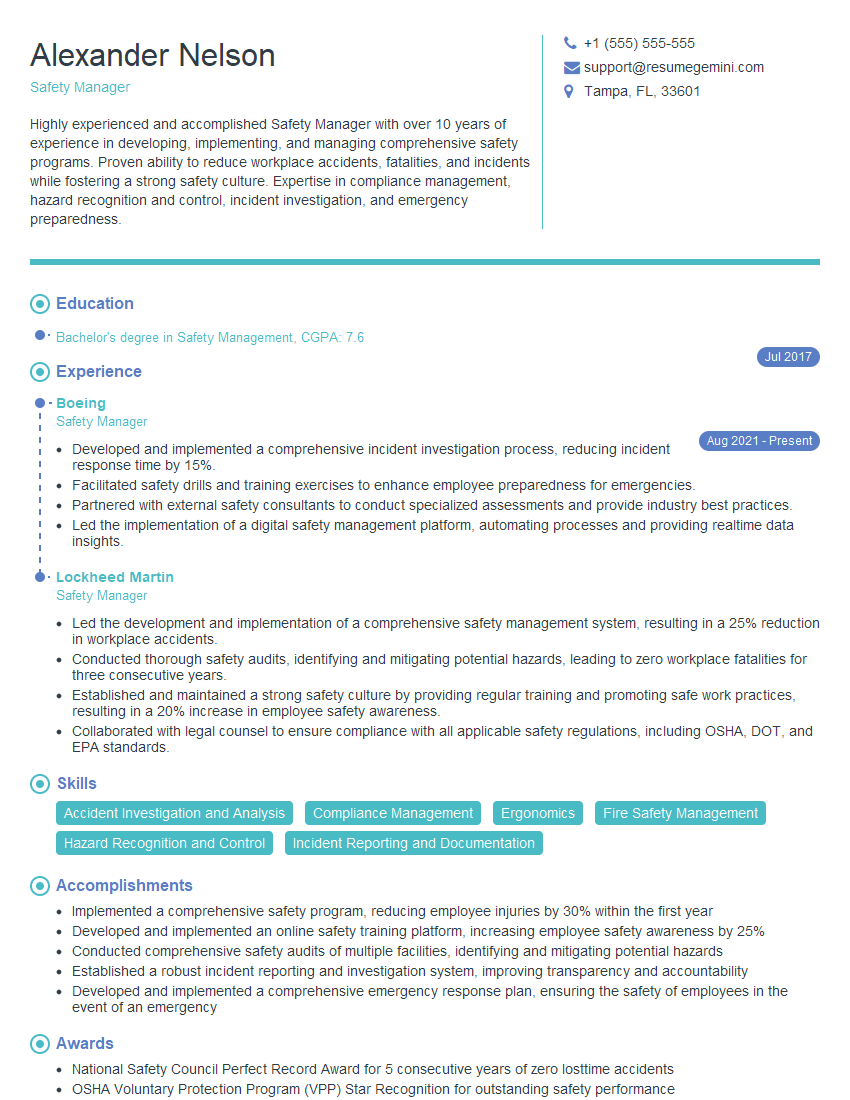
Safety Manager Resume Sample
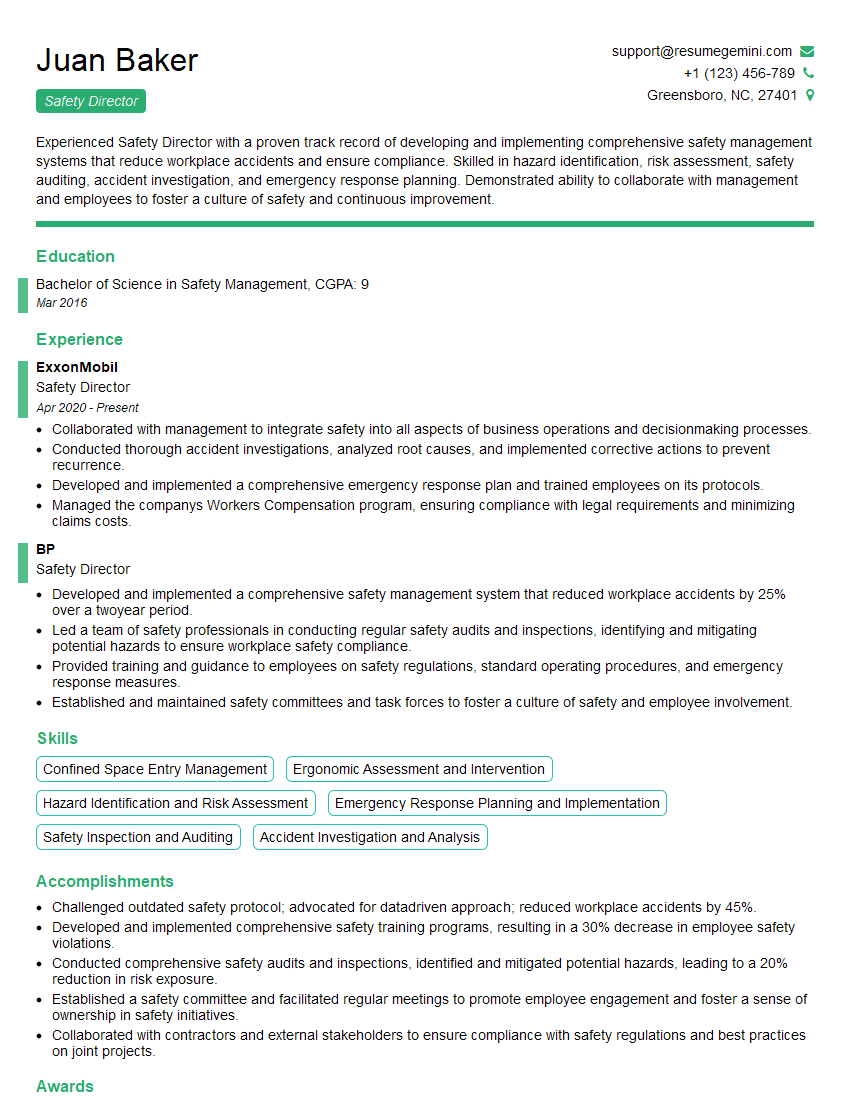
Safety Director Resume Sample
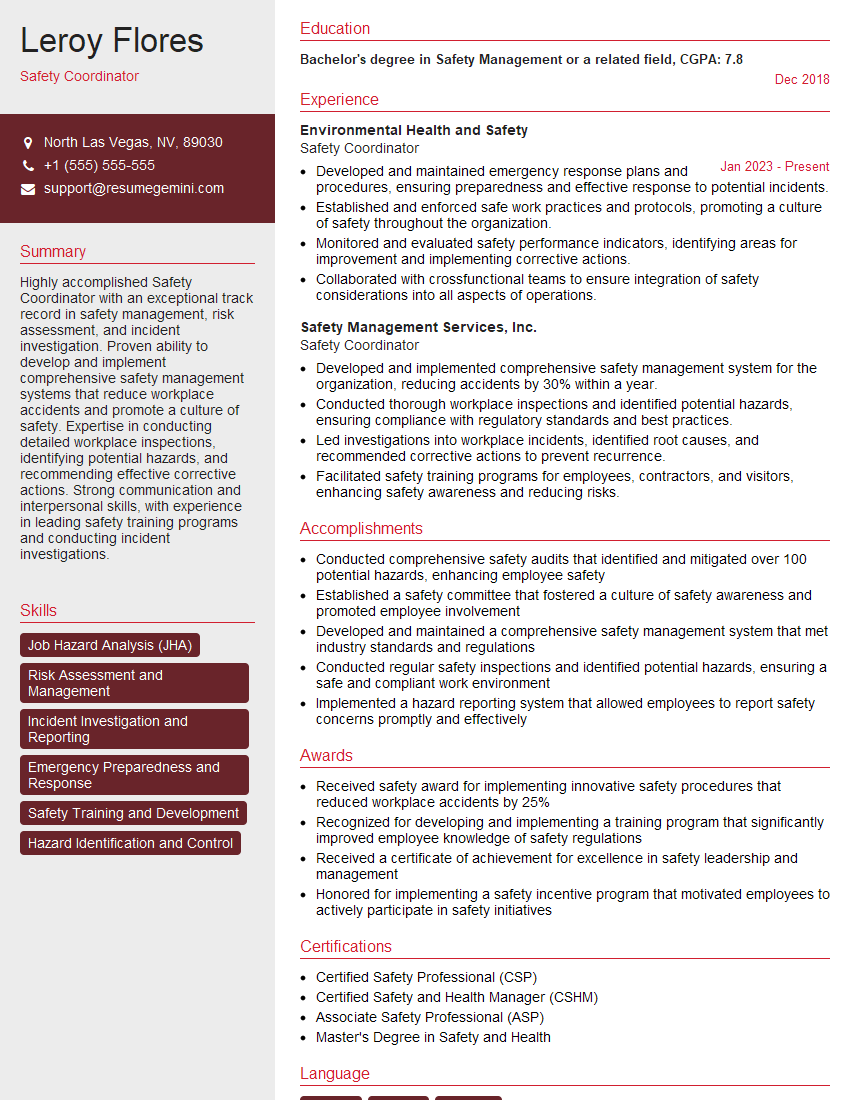
Safety Coordinator Resume Sample
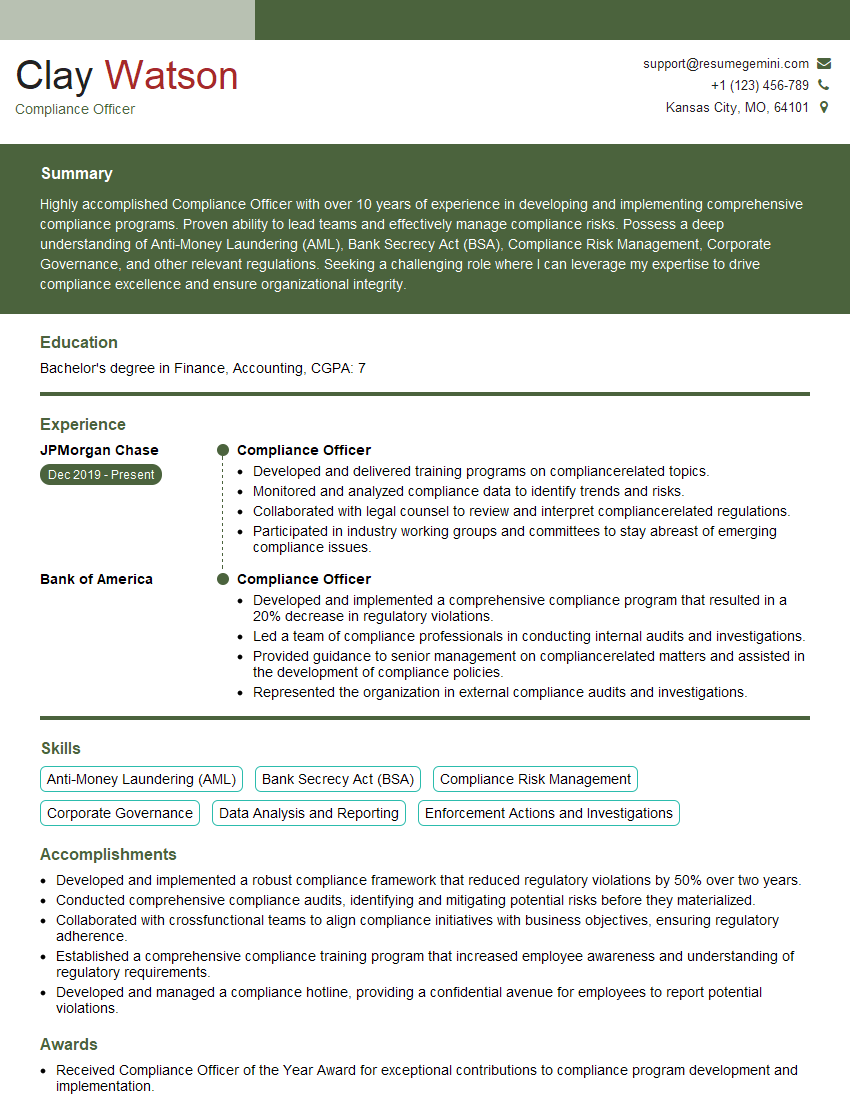
Compliance Officer Resume Sample
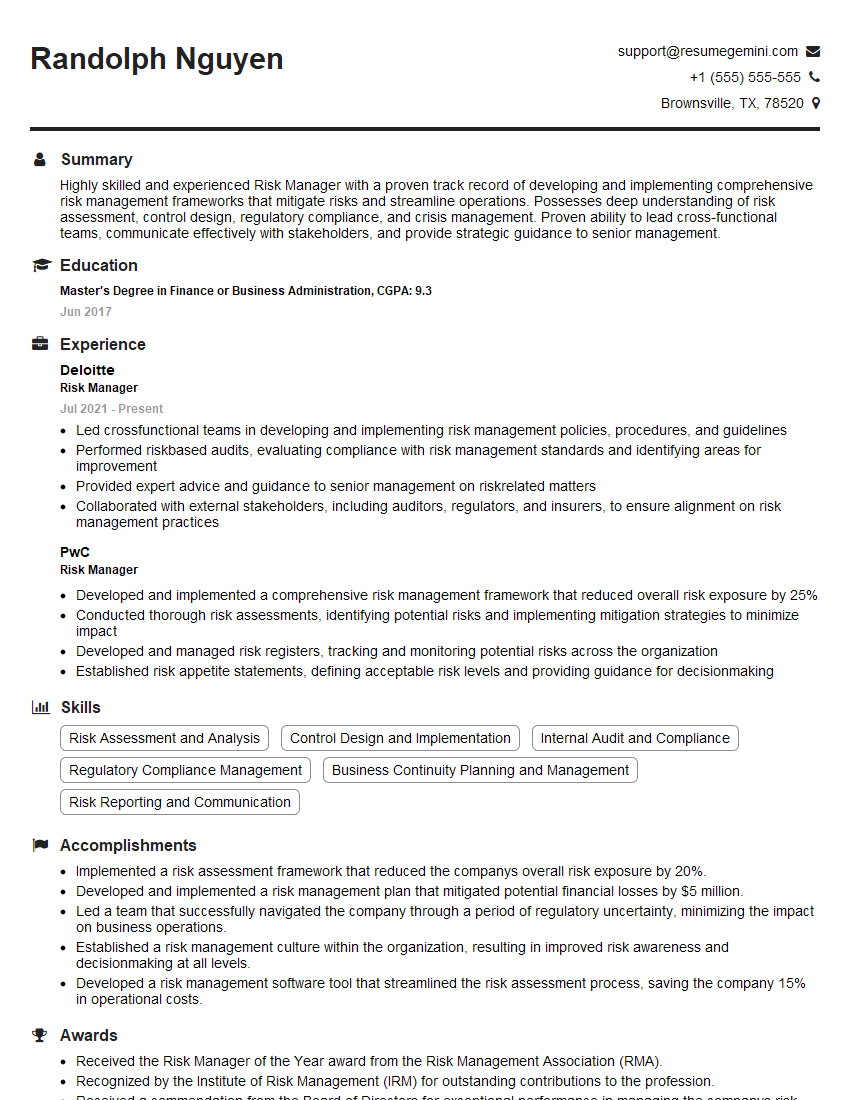
Risk Manager Resume Sample
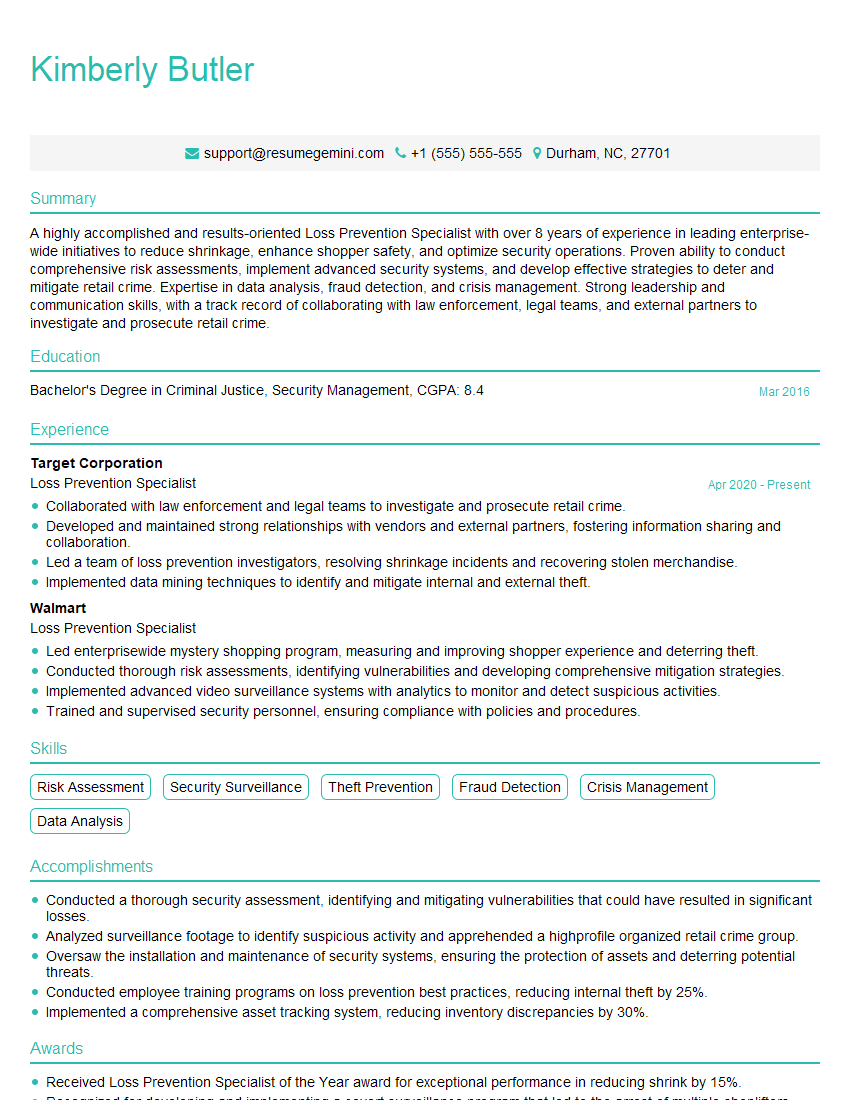
Loss Prevention Specialist Resume Sample
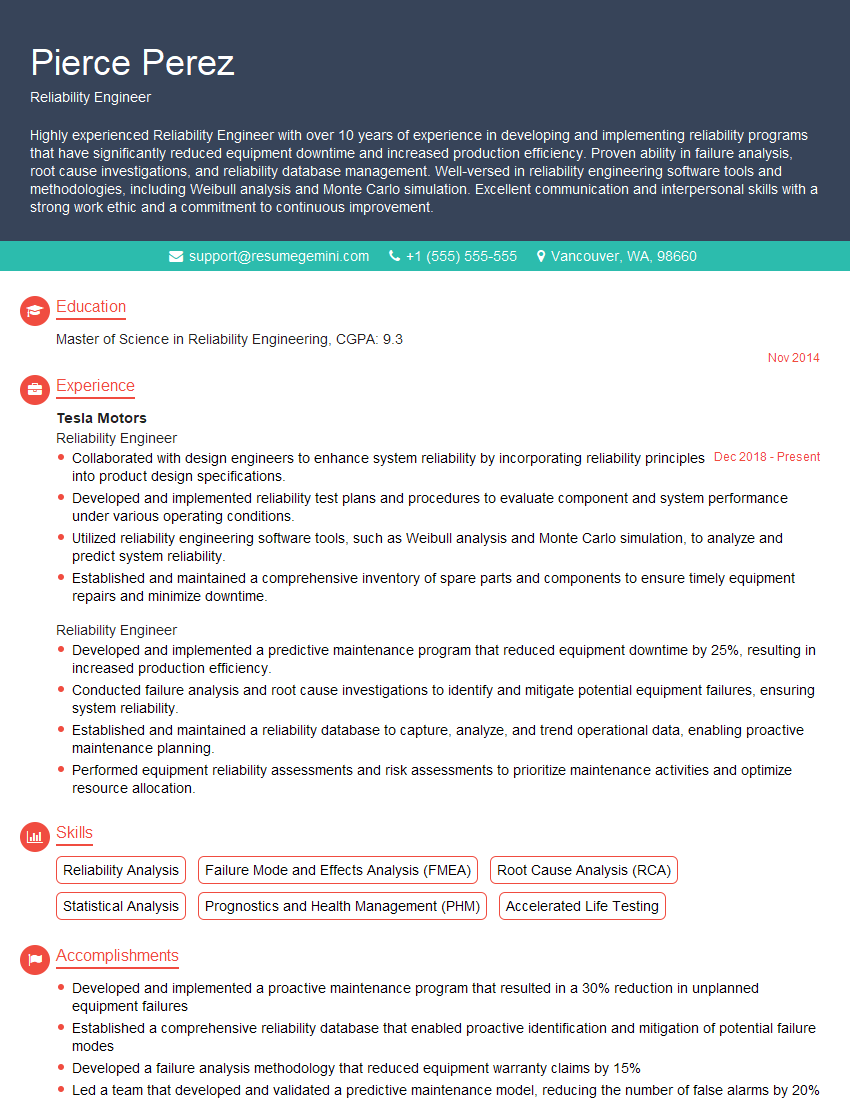
Reliability Engineer Resume Sample
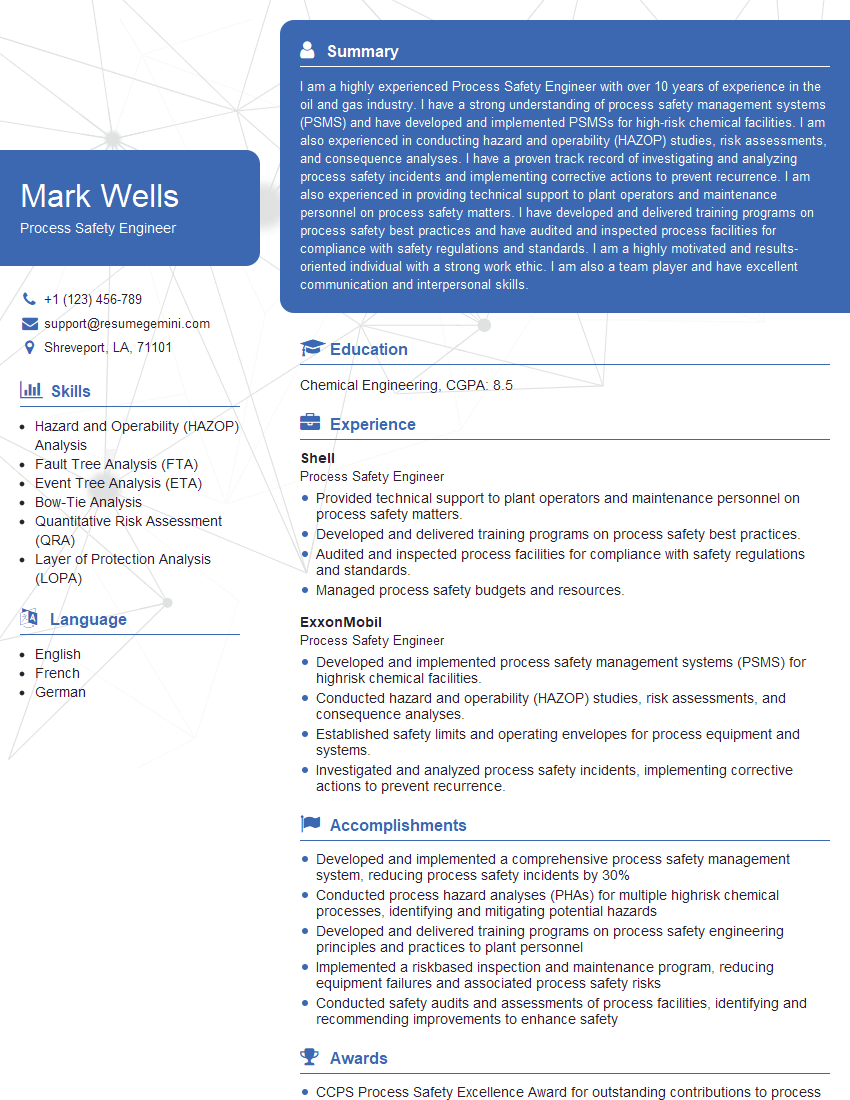
Process Safety Engineer Resume Sample
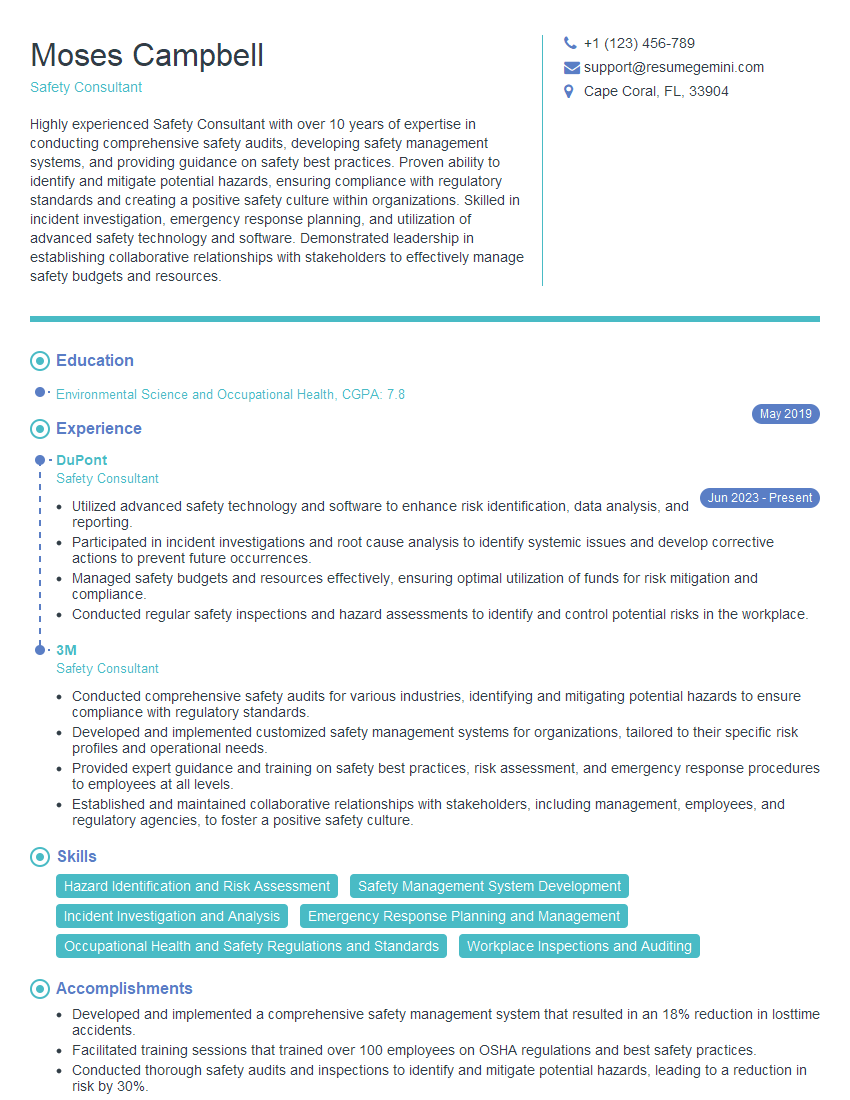
Safety Consultant Resume Sample

Safety Engineer Resume Sample
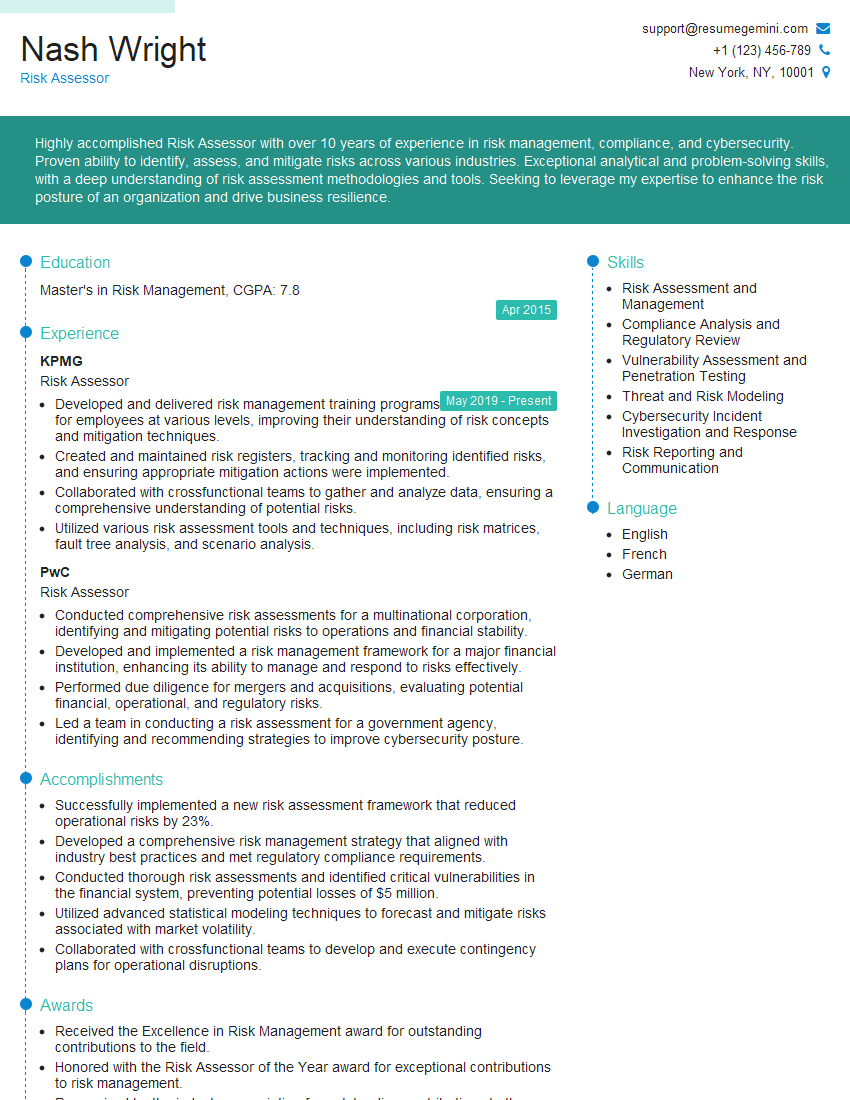
Risk Assessor Resume Sample
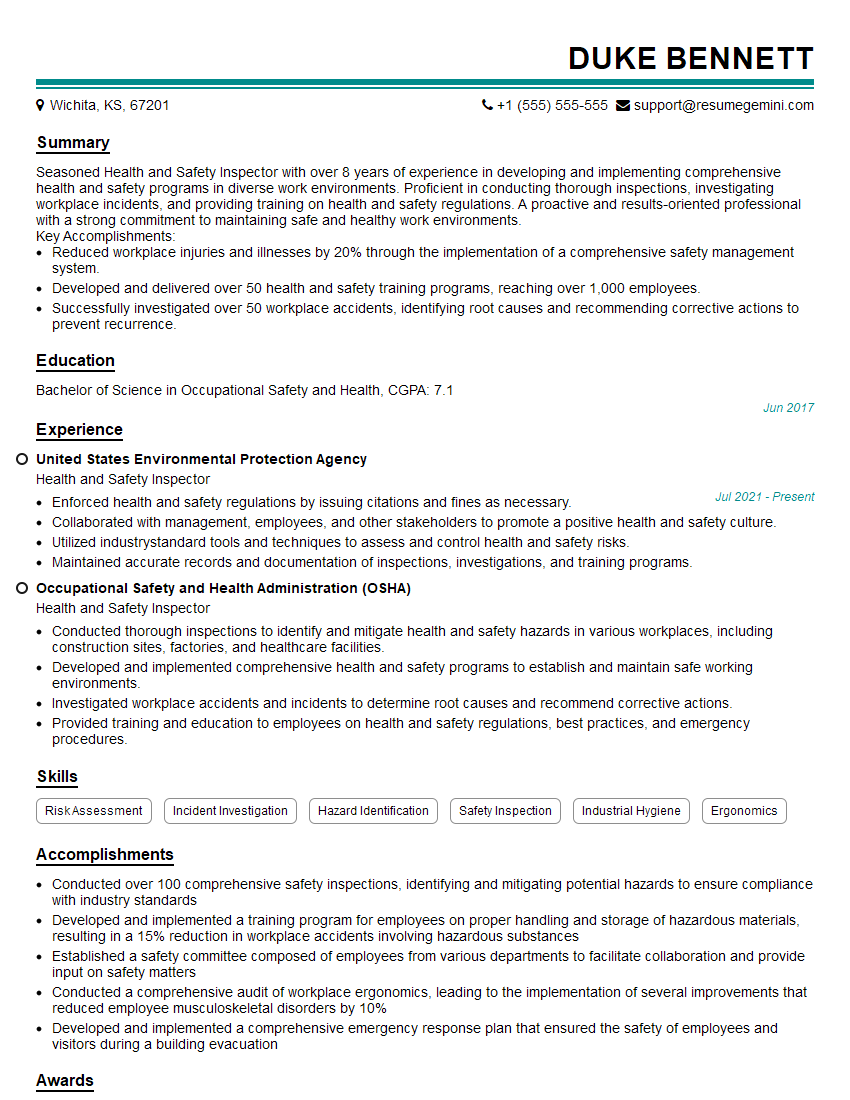
Health and Safety Inspector Resume Sample

Industrial Hygienist Resume Sample
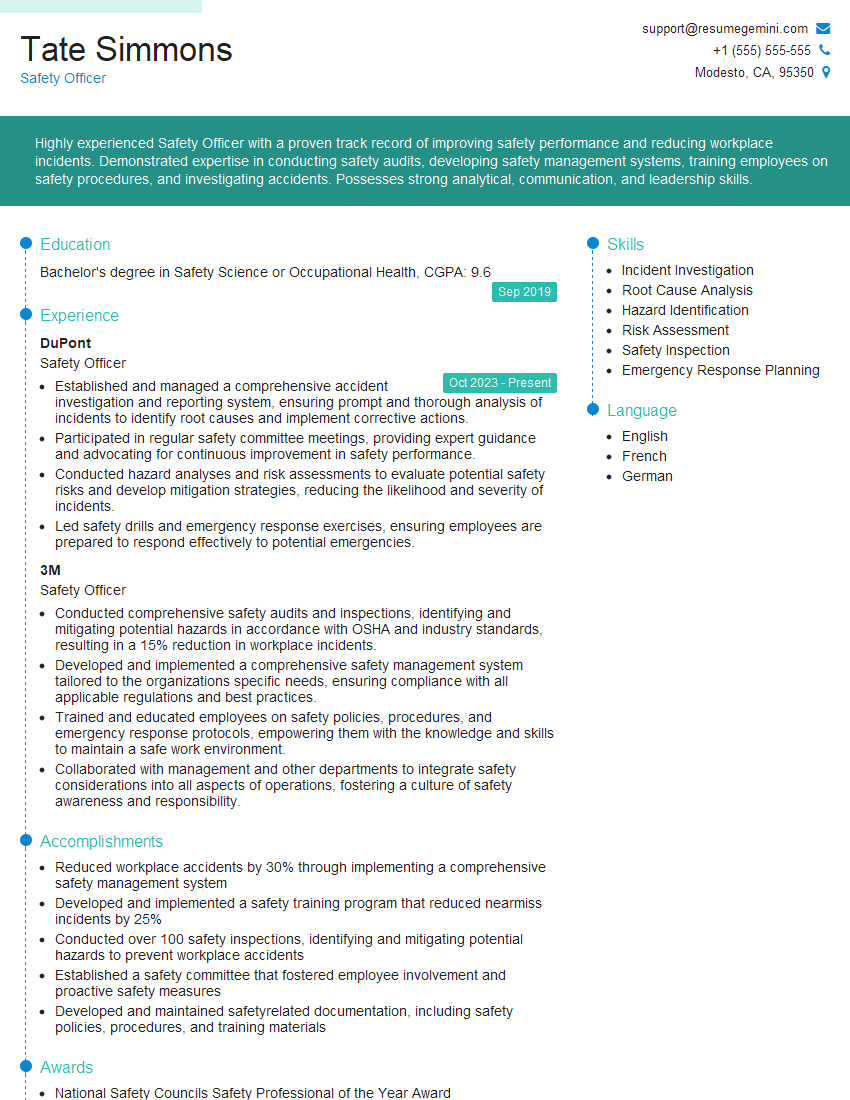
Safety Officer Resume Sample
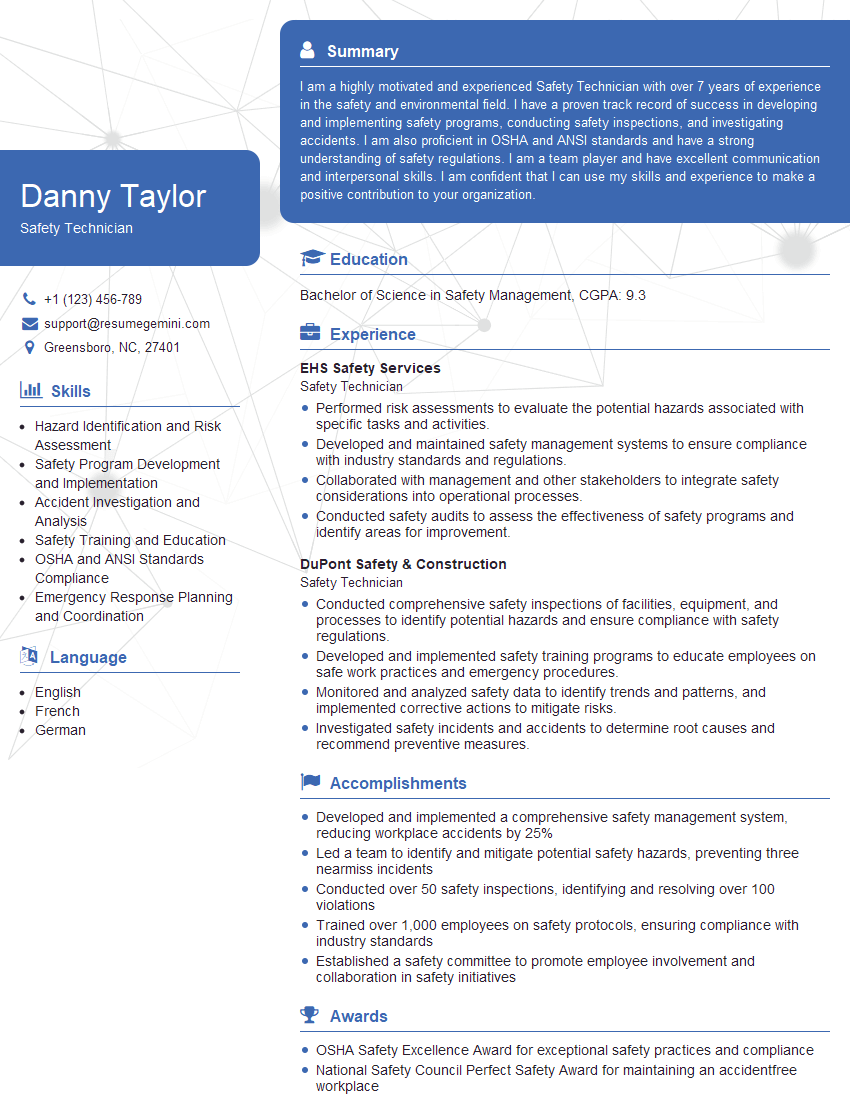
Safety Technician Resume Sample
Explore more articles
Users Rating of Our Blogs
Share Your Experience
We value your feedback! Please rate our content and share your thoughts (optional).
What Readers Say About Our Blog
Very informative content, great job.
good