Preparation is the key to success in any interview. In this post, we’ll explore crucial Hazardous Materials (HAZMAT) Handling interview questions and equip you with strategies to craft impactful answers. Whether you’re a beginner or a pro, these tips will elevate your preparation.
Questions Asked in Hazardous Materials (HAZMAT) Handling Interview
Q 1. Describe your experience with the identification and classification of hazardous materials.
Identifying and classifying hazardous materials is the cornerstone of safe handling. It involves understanding various hazard classes defined by organizations like OSHA and DOT. This process typically starts with visual inspection, looking for labels, placards, and markings on containers. Then, I use reference materials like the Globally Harmonized System of Classification and Labelling of Chemicals (GHS) and the Emergency Response Guidebook (ERG) to confirm the material’s identity and hazard class. For example, a container marked with a flammable liquid diamond would be classified according to its flammability characteristics and would require specific handling procedures. I’ve personally used these methods extensively while working on various projects, from spill response to warehouse inventory management, always prioritizing accurate identification to ensure worker safety and environmental protection.
Beyond visual identification, sophisticated analytical instruments like gas chromatography-mass spectrometry (GC-MS) can be employed for complex or unknown substances to accurately determine composition and subsequently classify the material according to its inherent hazards.
Q 2. Explain the different levels of HAZMAT incidents and the appropriate response strategies for each.
HAZMAT incidents are categorized into levels based on their severity and the resources required for response. Level 1 incidents are minor, involving small releases with limited potential for harm, and often managed by the on-site emergency response team using existing resources. Imagine a small chemical spill contained within a secondary containment area. Level 2 incidents involve larger releases, requiring a more substantial response, potentially involving local emergency services and specialized equipment. Think a larger spill exceeding containment measures, requiring specialized cleanup. Finally, Level 3 incidents are major catastrophes with widespread consequences, requiring significant resources from multiple agencies, including state and federal assistance. A train derailment with the release of large quantities of hazardous materials would fall under this category. Response strategies differ drastically across levels, ranging from basic cleanup and containment at Level 1 to evacuation, large-scale decontamination, and extensive environmental remediation at Level 3.
Q 3. What are the key components of a HAZMAT emergency response plan?
A comprehensive HAZMAT emergency response plan is crucial for any facility handling hazardous materials. Key components include:
- Pre-emergency planning: Identifying potential hazards, evaluating risks, and establishing communication protocols.
- Emergency response procedures: Detailed steps for handling different types of incidents, including containment, evacuation, and decontamination.
- Training and drills: Regularly scheduled training sessions and drills to ensure personnel are prepared and competent in responding to emergencies.
- Emergency equipment and supplies: Maintaining adequate supplies of personal protective equipment (PPE), spill control materials, and other necessary equipment.
- Communication plan: Clearly defining communication channels and procedures for notifying emergency responders, employees, and the public.
- Post-incident procedures: Guidelines for cleanup, investigation, and reporting after an incident.
- External resources: Identifying and establishing contact with local emergency services, HAZMAT teams, and other relevant agencies.
A well-structured plan, regularly reviewed and updated, ensures a coordinated and effective response, minimizing risks to personnel and the environment. I’ve been directly involved in creating and implementing such plans in various industrial settings.
Q 4. How do you ensure compliance with relevant HAZMAT regulations (e.g., OSHA, DOT)?
Ensuring compliance with HAZMAT regulations like OSHA and DOT involves a multi-pronged approach. This starts with thorough understanding of all applicable regulations and standards. We implement robust training programs for employees on proper handling, storage, and disposal of hazardous materials. Regular inspections are conducted to ensure compliance with safety procedures and equipment maintenance. Detailed record-keeping meticulously documents all activities related to HAZMAT handling, including training records, inspections, and incident reports. We employ a third-party auditor periodically to ensure unbiased evaluation and identify potential areas for improvement. Maintaining up-to-date safety data sheets (SDS) for all materials and ensuring proper labeling and placarding of containers are also critical aspects of compliance. Failure to comply can lead to significant fines, legal repercussions, and most importantly, harm to workers and the environment.
Q 5. Describe your experience with HAZMAT transportation regulations.
My experience with HAZMAT transportation regulations is extensive, encompassing both domestic and international regulations. I’m familiar with the Department of Transportation (DOT) regulations in the United States, including the Hazardous Materials Regulations (HMR). These regulations cover various aspects, from proper packaging and labeling to driver training and emergency response procedures. I understand the importance of shipping papers, ensuring accurate documentation of the transported materials. For example, I’ve been involved in the development of shipping plans for numerous projects, ensuring that all materials are properly classified, packaged, and labeled according to DOT regulations, reducing the risk of accidents during transit. This includes understanding specific requirements for different modes of transportation – road, rail, air, and sea – and the appropriate selection of containers and protective measures based on the materials and transportation mode. Further, I’m also familiar with international regulations, such as those published by the International Maritime Organization (IMO), to ensure safe and compliant transportation globally.
Q 6. Explain your understanding of Material Safety Data Sheets (MSDS) and their importance.
Material Safety Data Sheets (MSDS), now often called Safety Data Sheets (SDS), are crucial documents providing comprehensive information about a hazardous material’s properties, hazards, safe handling procedures, and emergency response measures. They’re essentially the instruction manual for any hazardous material. Each SDS contains detailed information on physical and chemical properties, health hazards, flammability, reactivity, and protective measures. They also include emergency response procedures, including first aid measures and spill response strategies. The importance of SDS lies in providing critical information to workers, emergency responders, and other stakeholders. Without readily accessible and up-to-date SDS, handling hazardous materials becomes significantly more dangerous and potentially illegal. I ensure that SDSs are readily available and accessible to all personnel who handle hazardous materials in any facility or operation I oversee. We regularly review and update them to reflect the most current information and best practices.
Q 7. How do you assess risks associated with handling hazardous materials?
Assessing risks associated with handling hazardous materials involves a systematic approach. I typically start by identifying all potential hazards associated with the material, considering its physical and chemical properties. Then, I assess the likelihood of an incident occurring. This involves considering factors such as the quantity of material handled, the frequency of handling, and the effectiveness of existing safety procedures. Finally, I determine the severity of the potential consequences should an incident occur, taking into account the potential for injury, environmental damage, or property loss. Using this information, I can calculate a risk score and prioritize risk mitigation strategies. For example, a small quantity of a highly toxic material might present a higher risk than a large quantity of a less toxic material. A simple risk matrix can be used to help categorize the risks, allowing for appropriate control measures. This could range from enhanced PPE to completely different operational procedures or even alternative materials.
Q 8. What are the personal protective equipment (PPE) requirements for handling different types of hazardous materials?
Personal Protective Equipment (PPE) selection for hazardous materials handling is crucial and depends entirely on the specific hazard. There’s no one-size-fits-all solution. The selection process involves a thorough hazard assessment, identifying the potential risks posed by the material’s physical and chemical properties.
- Chemical Hazards (e.g., acids, corrosives, solvents): This often requires the use of chemical-resistant suits, gloves (Neoprene, Viton, or other specialized materials depending on the chemical), eye protection (goggles or face shields offering complete protection), and respiratory protection (air-purifying respirators or self-contained breathing apparatus (SCBA) depending on the concentration and toxicity of the airborne substances).
- Biological Hazards (e.g., infectious agents): Requires levels of protection determined by the risk level of the agent. This could include disposable gloves, gowns, eye protection, and possibly N95 or higher level respirators, or even full-body positive-pressure suits in higher-risk scenarios.
- Physical Hazards (e.g., radioactive materials): Requires specialized PPE such as lead aprons, gloves, and dosimeters to monitor radiation exposure. Respirators might also be necessary, depending on the form of the radioactive material.
- Other Hazards (e.g., compressed gases): Handling compressed gases requires robust eye protection, gloves, and potentially a hard hat to protect against potential container rupture. Depending on the gas, respiratory protection may also be required.
Remember, proper training on the selection, donning, doffing, and limitations of PPE is essential for effective hazard mitigation.
Q 9. Describe your experience with spill response procedures.
My spill response experience encompasses a wide range of scenarios, from small laboratory spills to larger industrial incidents involving various hazardous materials. I’ve been involved in incidents involving corrosive chemicals, flammable liquids, and even minor radioactive material spills. My approach always follows a standardized protocol focusing on safety first. This includes:
- Immediate Isolation and Containment: Establishing a perimeter to prevent further spread and protect personnel. This involves using absorbent materials, spill containment berms, or other appropriate methods.
- Personal Protection: Ensuring all responders are appropriately equipped with the correct PPE based on the material spilled.
- Notification and Communication: Promptly notifying emergency services and relevant authorities, communicating the situation clearly and concisely.
- Decontamination Procedures: Implementing appropriate decontamination procedures for personnel and equipment following cleanup.
- Waste Disposal: Properly disposing of all contaminated materials according to regulations.
In one instance, I managed the cleanup of a significant chemical spill in a manufacturing facility. My quick response in isolating the area, contacting emergency services, and coordinating the cleanup efforts prevented further damage and ensured the safety of all personnel involved. This involved using specialized absorbent materials and neutralizing agents to safely mitigate the hazard.
Q 10. How do you handle a HAZMAT incident?
Handling a HAZMAT incident requires a systematic approach following established protocols. It’s crucial to remember that safety is paramount.
- Recognition and Assessment: Identify the hazardous material involved, assess the potential risks, and determine the severity of the incident.
- Scene Security and Control: Establish a perimeter to prevent unauthorized access and protect responders and the public.
- Personnel Protection: Ensure all personnel involved have appropriate PPE based on the identified hazard.
- Containment and Control: Implement strategies to contain the spread of the hazardous material, preventing further contamination.
- Cleanup and Remediation: Safely clean up the spill using appropriate methods and materials, ensuring proper waste disposal.
- Post-Incident Monitoring: Monitor the area for any lingering hazards and ensure the environment is safe.
- Documentation: Thoroughly document all actions taken, including materials involved, personnel involved, and procedures used. This is essential for reporting, investigation, and future reference.
Remember, a structured response prevents panic and promotes efficient, safe resolution of the incident.
Q 11. What is your experience with containment and cleanup procedures for hazardous material spills?
My experience with containment and cleanup procedures spans diverse scenarios involving various hazardous materials. It’s crucial to understand that each material has unique properties, demanding specific handling procedures.
For example, a spill of flammable liquids requires immediate isolation from ignition sources, followed by absorption using absorbent pads and booms, while a corrosive spill necessitates neutralization using specific chemicals before cleanup, always prioritizing the safety of responders. This necessitates careful planning and execution.
In one instance, I oversaw the cleanup of a mercury spill in a laboratory setting. This involved careful containment using specialized mercury spill kits and subsequent disposal according to stringent regulatory requirements.
Q 12. Explain your understanding of different containment methods for hazardous materials.
Containment methods for hazardous materials vary significantly depending on the nature of the material and the environment. The goal is always to prevent the spread and exposure to the hazardous material.
- Absorption: Using absorbent materials like spill pads, booms, and pillows to soak up liquids or solids. This is particularly effective for smaller spills.
- Diking and Damming: Constructing barriers (dikes or dams) using sandbags, earth, or other materials to prevent the spread of liquids or slurries. This is more suited for larger spills or where the material is likely to flow.
- Vacuuming: Using industrial vacuum systems to remove loose solids or powders. This requires appropriate filtration to prevent airborne dispersal of the hazardous material.
- Overpacking: Placing a damaged container within a larger, more secure container to prevent leakage. This is essential for preventing further release from damaged packaging.
- Specialized Containment Systems: For highly hazardous materials, specialized containment systems such as portable tanks, spill containment pallets, or other engineered solutions may be necessary.
The selection of an appropriate containment method requires a thorough understanding of the properties of the material and the surrounding environment. It is usually guided by established safety protocols and risk assessments.
Q 13. Describe your experience with waste disposal procedures for hazardous materials.
My experience with hazardous waste disposal includes proper segregation, packaging, labeling, and manifest preparation in accordance with all relevant regulations. Disposal methods depend on the waste’s properties and local regulations.
I have handled the disposal of various materials including solvents, acids, batteries, and contaminated equipment. This always involved thorough documentation, ensuring chain of custody for regulatory compliance. In some cases, this required specialized transportation and disposal companies that are certified to handle such hazardous waste materials.
Q 14. What are the legal requirements for the proper disposal of hazardous materials?
Legal requirements for hazardous materials disposal vary by jurisdiction but generally involve adherence to regulations such as the Resource Conservation and Recovery Act (RCRA) in the United States, or equivalent legislation in other countries. Key aspects include:
- Proper Labeling and Packaging: Hazardous materials must be properly labeled and packaged to prevent accidents during transportation and handling.
- Manifest System: A manifest system must be used to track the movement of hazardous waste from its generation to its final disposal. This ensures accountability and prevents illegal dumping.
- Treatment, Storage, and Disposal Facilities (TSDFs): Hazardous waste must be transported to and disposed of at permitted TSDFs.
- Compliance Reporting: Regular reporting and record-keeping are required to demonstrate compliance with environmental regulations.
- Emergency Response Plans: Facilities handling hazardous materials must have comprehensive emergency response plans in place to address accidental spills or releases.
Failure to comply with these regulations can result in significant penalties including fines and legal action. It’s critical to stay updated with the latest regulations and best practices to maintain compliance.
Q 15. Explain your experience with conducting HAZMAT training programs.
Throughout my career, I’ve designed and delivered numerous HAZMAT training programs, catering to various audiences, from entry-level technicians to senior management. My approach prioritizes hands-on learning and realistic scenarios. For example, I developed a program for a chemical plant that included simulated spill response exercises, using inert materials to mimic hazardous substances. This allowed trainees to practice containment, decontamination, and emergency response procedures in a safe environment. Another program I designed for transportation workers focused on proper placarding, shipping documentation, and emergency response procedures specific to their role. I always tailor the training to the specific hazards and regulatory requirements faced by the participants.
My training programs typically incorporate a blend of classroom instruction, practical demonstrations, and interactive simulations. I emphasize the importance of understanding Safety Data Sheets (SDS), emergency response plans, and relevant regulations. I also regularly incorporate feedback mechanisms to refine the effectiveness of the training, ensuring its relevance and practicality. Post-training assessments are crucial in evaluating comprehension and skills acquired.
Career Expert Tips:
- Ace those interviews! Prepare effectively by reviewing the Top 50 Most Common Interview Questions on ResumeGemini.
- Navigate your job search with confidence! Explore a wide range of Career Tips on ResumeGemini. Learn about common challenges and recommendations to overcome them.
- Craft the perfect resume! Master the Art of Resume Writing with ResumeGemini’s guide. Showcase your unique qualifications and achievements effectively.
- Don’t miss out on holiday savings! Build your dream resume with ResumeGemini’s ATS optimized templates.
Q 16. Describe your experience with the use of various monitoring and detection equipment.
My experience encompasses a wide range of monitoring and detection equipment used in HAZMAT scenarios. This includes fixed gas detectors for continuous monitoring of atmospheric conditions in industrial settings, portable gas detectors for immediate hazard assessment in spill situations, and radiation detection instruments for nuclear and radiological emergencies. I’m proficient in using photoionization detectors (PIDs), flame ionization detectors (FIDs), and electrochemical sensors for the detection of various volatile organic compounds (VOCs) and toxic gases.
For example, during a recent incident involving a suspected chlorine leak, I utilized a PID to quickly identify and quantify the concentration of chlorine in the affected area, enabling prompt evacuation and mitigation efforts. Understanding the limitations and calibration procedures for each piece of equipment is critical to ensure accurate and reliable readings. I’m familiar with the importance of regular calibration and maintenance to guarantee the accuracy of these instruments.
Q 17. How do you ensure the safety of personnel and the environment during HAZMAT operations?
Ensuring the safety of personnel and the environment during HAZMAT operations is paramount. It begins with a comprehensive risk assessment, identifying potential hazards and developing a detailed safety plan. This plan includes pre-planning, protective measures, emergency response procedures, and post-incident cleanup. The plan is tailored to the specific hazard and the environment. For instance, dealing with a flammable liquid spill necessitates different procedures than handling a corrosive substance.
Personal Protective Equipment (PPE) selection is critical, and I always ensure that personnel are appropriately equipped and trained in its use. This might include respirators, chemical-resistant suits, gloves, and eye protection. Effective communication is vital, especially during emergencies. We utilize established communication protocols and designated safety officers to coordinate activities and ensure everyone remains informed and safe. Environmental protection involves careful containment and cleanup procedures to minimize the impact of the hazardous material on the surrounding environment.
Q 18. What is your experience with incident investigation and reporting procedures?
I have extensive experience in conducting thorough incident investigations and preparing detailed reports. My approach follows a systematic process: gathering evidence, interviewing witnesses, reviewing documentation, and analyzing the root causes of the incident. This includes analyzing the chain of events leading to the incident and identifying areas for improvement in future procedures. For example, I investigated an incident involving the improper handling of a reactive chemical that led to a minor explosion. Through a detailed investigation, we found lapses in safety protocols and inadequate employee training, resulting in recommendations for improved safety procedures and enhanced training programs.
The incident reports I prepare adhere to regulatory requirements and internal standards, ensuring clarity, accuracy, and completeness. They are crucial for identifying areas for improvement in safety procedures, preventing future incidents, and for meeting regulatory compliance obligations.
Q 19. How do you maintain accurate records and documentation related to HAZMAT handling?
Maintaining accurate records and documentation is crucial for accountability, regulatory compliance, and continuous improvement in HAZMAT handling. We utilize a combination of electronic and physical records to maintain a comprehensive archive. All activities are meticulously documented, including training records, equipment calibrations, incident reports, and waste disposal manifests.
A robust electronic database provides easy access to information and simplifies reporting. We utilize a system of barcodes and unique identifiers to track materials from receipt to disposal, enhancing traceability and accountability. Regular audits ensure the accuracy and integrity of all records. We adhere to strict data security protocols to protect sensitive information. This detailed record-keeping is essential for demonstrating compliance with regulations and for facilitating efficient investigation in case of future incidents.
Q 20. Describe your experience with HAZMAT communication protocols.
Effective communication is vital during HAZMAT operations. We utilize established communication protocols, including emergency response plans, radio communication, and dedicated reporting systems. Clear and concise communication is essential, particularly during stressful situations. We utilize standardized terminology and procedures to avoid confusion and ensure everyone understands their role and responsibilities.
For example, I’ve implemented a system where all personnel involved in a HAZMAT response are provided with designated radio frequencies and clear communication protocols to ensure seamless coordination. Regular training and drills reinforce these protocols. Maintaining a clear chain of command and utilizing communication strategies tailored to the specific emergency ensures quick and efficient responses to incidents.
Q 21. What are your familiarity with various types of hazardous materials (e.g., corrosives, flammables, toxins)?
My familiarity with various types of hazardous materials is extensive, encompassing corrosives (acids, bases), flammables (liquids, gases, solids), toxins (poisons), oxidizers (materials that readily release oxygen), and others. I understand the unique hazards posed by each class and the specific precautions required for safe handling, storage, and transportation. This includes understanding their chemical properties, reactivity, and potential health effects. For instance, I’m deeply familiar with the dangers of handling concentrated sulfuric acid, understanding its corrosive nature and the need for specific PPE and handling procedures. Similarly, I understand the flammability hazards of propane and the importance of proper ventilation and storage conditions.
My knowledge extends to the regulatory frameworks governing these materials, including OSHA, EPA, and DOT regulations. I’m proficient in interpreting Safety Data Sheets (SDS) and understanding the hazard classifications of materials. This comprehensive knowledge forms the basis of my ability to effectively manage and mitigate risks associated with hazardous materials.
Q 22. How do you stay up-to-date with changes in HAZMAT regulations and best practices?
Staying current in the dynamic field of HAZMAT handling requires a multi-pronged approach. I regularly subscribe to and actively read publications from organizations like the Occupational Safety and Health Administration (OSHA) and the Environmental Protection Agency (EPA). These agencies frequently update their regulations and guidelines. I also participate in professional development workshops and conferences, which offer invaluable networking opportunities and insights into the latest best practices. Furthermore, I actively engage with online professional communities and forums dedicated to HAZMAT management, enabling me to learn from the experiences of others and stay informed about emerging trends and challenges. Finally, I maintain a close relationship with industry experts and regulatory professionals, regularly seeking their counsel on any updates or emerging issues.
Q 23. Explain your understanding of the Globally Harmonized System of Classification and Labelling of Chemicals (GHS).
The Globally Harmonized System of Classification and Labelling of Chemicals (GHS) is a globally consistent system for classifying chemicals according to their health, environmental, and physical hazards. Its core aim is to improve safety by providing clear, standardized hazard communication across international borders. This system uses hazard statements and pictograms to communicate hazard information clearly. For example, a pictogram of a flame indicates flammability, while a skull and crossbones signifies acute toxicity. The GHS also mandates the use of Safety Data Sheets (SDS), which provide comprehensive information on a chemical’s properties, hazards, and safe handling procedures. My understanding of GHS extends to its practical application, including proper labeling of chemicals, SDS interpretation, and training employees on its use. Understanding GHS is critical for ensuring consistent and effective hazard communication both domestically and internationally, minimizing the risk of accidents and environmental damage.
Q 24. Describe your experience with emergency preparedness and response planning for HAZMAT incidents.
My experience in HAZMAT emergency preparedness and response planning is extensive. I’ve been involved in developing and implementing comprehensive emergency response plans for various facilities, encompassing everything from spill response protocols to evacuation strategies. This includes conducting regular drills and simulations to test the effectiveness of these plans, ensuring all personnel are adequately trained and equipped to respond to various scenarios. I am proficient in using different types of protective equipment, familiar with various containment and cleanup methods, and understand the critical role of communication and coordination with emergency services during incidents. For instance, in a previous role, I spearheaded the development of an emergency plan for a chemical manufacturing plant. This plan included detailed procedures for handling spills, leakages, and potential fires, leading to a significant reduction in the potential for injury and environmental damage. The plan also incorporated robust training programs for employees, ensuring they were capable of responding effectively in emergency situations.
Q 25. What is your experience with working with different regulatory bodies regarding HAZMAT?
Throughout my career, I’ve worked extensively with various regulatory bodies, including OSHA, EPA, and the Department of Transportation (DOT). This involves ensuring compliance with all relevant regulations, submitting required reports, and responding to inspections. I understand the nuances of different regulations and how they apply to various scenarios. For example, I have successfully navigated the complexities of DOT regulations concerning the transportation of hazardous materials, ensuring safe and compliant shipments. This included training personnel on proper documentation and handling procedures to prevent accidents and fines. My experience in navigating regulatory requirements has ensured consistent adherence to safety standards and compliance with all legal obligations, minimizing potential risks and liabilities.
Q 26. How familiar are you with different types of decontamination procedures?
My familiarity with decontamination procedures is comprehensive and encompasses various methods depending on the specific hazardous material involved. This includes understanding the different types of decontamination, such as physical decontamination (washing, brushing), chemical decontamination (neutralization, oxidation), and biological decontamination (disinfection, sterilization). I am proficient in selecting appropriate decontamination techniques based on the specific hazard and environmental conditions. For example, I know that using water to decontaminate a corrosive chemical would be inappropriate and potentially dangerous. In such a case, a neutralizing agent would be necessary. My understanding extends to the proper use of Personal Protective Equipment (PPE) during decontamination procedures, ensuring the safety of personnel involved. Proper documentation and waste disposal procedures after decontamination are also crucial aspects of my expertise.
Q 27. Describe a time you had to handle a challenging HAZMAT situation. What was the outcome?
In one instance, we experienced a significant chemical spill involving a highly reactive substance. The initial response was challenging due to the rapid spread and potential for a chain reaction. Following established protocols, I immediately activated the emergency response plan, coordinating with local emergency services and securing the area. We employed specialized containment procedures using absorbent materials and neutralizing agents to prevent further spread. Team members, properly equipped with PPE, carefully neutralized the spilled chemical, and the contaminated area was thoroughly decontaminated. The swift and organized response minimized the environmental impact and ensured the safety of personnel. Post-incident analysis helped identify areas for improvement in our emergency response plan, leading to enhanced preparedness for future incidents.
Q 28. How would you handle a situation where a worker refuses to use proper safety equipment?
Addressing a worker’s refusal to use proper safety equipment requires a measured and professional approach. I would first engage the worker in a calm and respectful conversation, understanding their reasons for non-compliance. This might involve addressing any concerns they have about the equipment’s comfort, functionality, or impact on their work. If the refusal stems from a lack of understanding, I would provide additional training and demonstrate the correct use of the equipment. However, if the refusal persists despite training and reasonable accommodation, it is necessary to enforce company policies and possibly apply disciplinary actions. Safety is paramount, and compromising on it is unacceptable. The safety of the individual and others depends on adhering to safety regulations, and enforcement is a necessary step in such situations. Documentation of all interactions and decisions is crucial.
Key Topics to Learn for Hazardous Materials (HAZMAT) Handling Interview
- HAZMAT Classification and Identification: Understanding the different classes of hazardous materials, their properties, and the use of placards and labels. This includes practical application in real-world scenarios like identifying unknown substances.
- Emergency Response Procedures: Knowing the steps to take in case of a HAZMAT incident, including spill containment, evacuation procedures, and proper use of personal protective equipment (PPE). This also involves problem-solving scenarios – how to react to unexpected challenges during an emergency.
- Regulations and Compliance: Familiarity with relevant federal, state, and local regulations governing the transportation, storage, and handling of hazardous materials. This includes understanding the consequences of non-compliance and how to ensure safe and legal operations.
- Safe Handling Practices: Mastering techniques for the safe handling, storage, and transportation of HAZMAT, including proper lifting techniques, equipment use, and waste disposal methods. Consider practical application – how to safely handle a specific material based on its properties.
- Risk Assessment and Mitigation: Developing and implementing risk assessments to identify potential hazards and implement control measures to minimize risk. This involves evaluating potential scenarios and developing effective mitigation strategies.
- Documentation and Record Keeping: Understanding the importance of accurate and thorough documentation related to HAZMAT handling, including shipping papers, training records, and incident reports. This includes practical application in maintaining accurate and compliant documentation.
Next Steps
Mastering Hazardous Materials (HAZMAT) Handling opens doors to exciting and rewarding career opportunities in diverse sectors. A strong understanding of these principles is highly sought after, significantly increasing your job prospects. To maximize your chances, a well-crafted, ATS-friendly resume is crucial. ResumeGemini can help you build a professional and impactful resume that highlights your HAZMAT expertise effectively. We provide examples of resumes tailored to Hazardous Materials (HAZMAT) Handling to guide you through the process. Invest time in crafting a strong resume – it’s your first impression with potential employers.
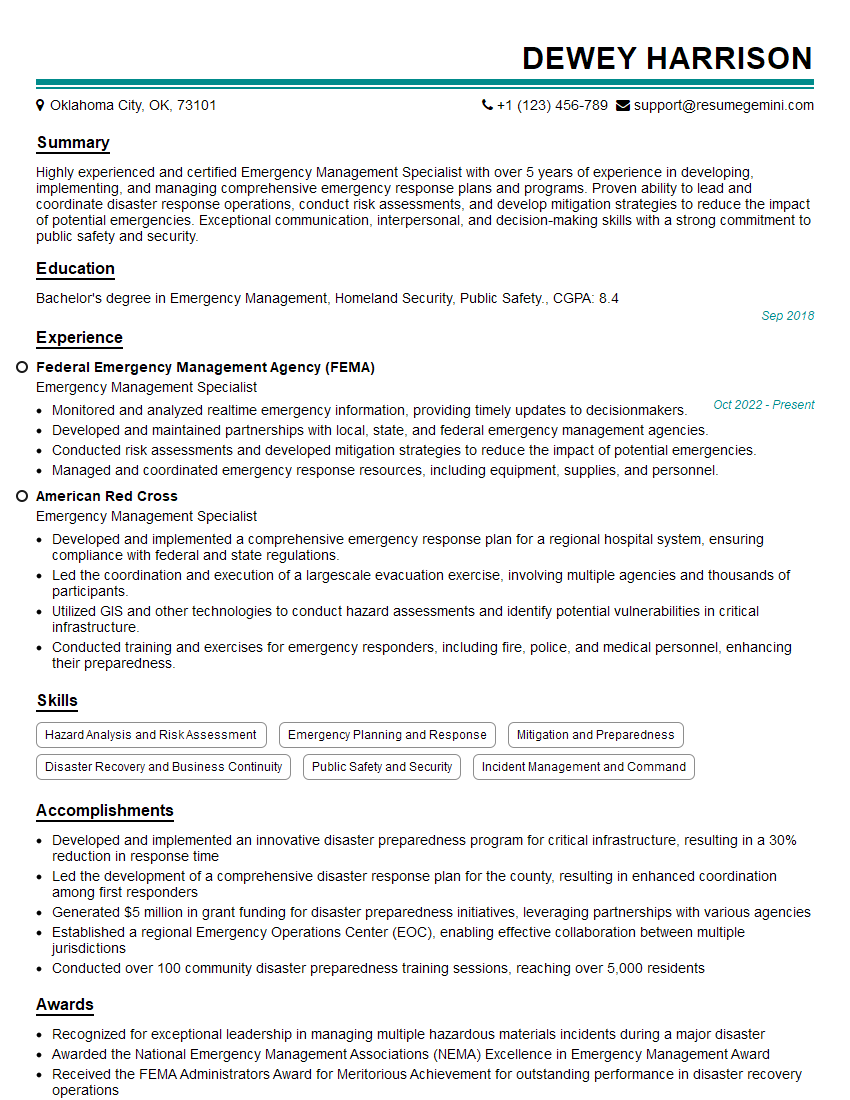
Emergency Management Specialist Resume Sample

Compliance Officer Resume Sample
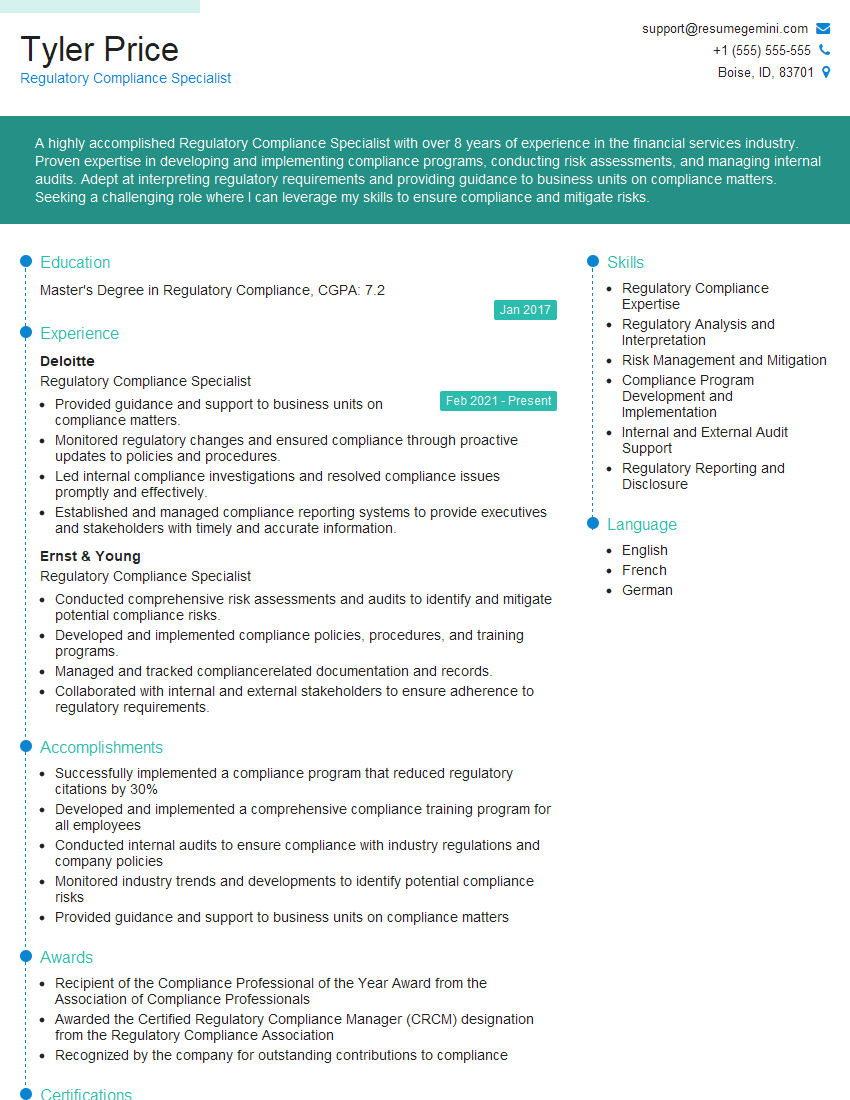
Regulatory Compliance Specialist Resume Sample
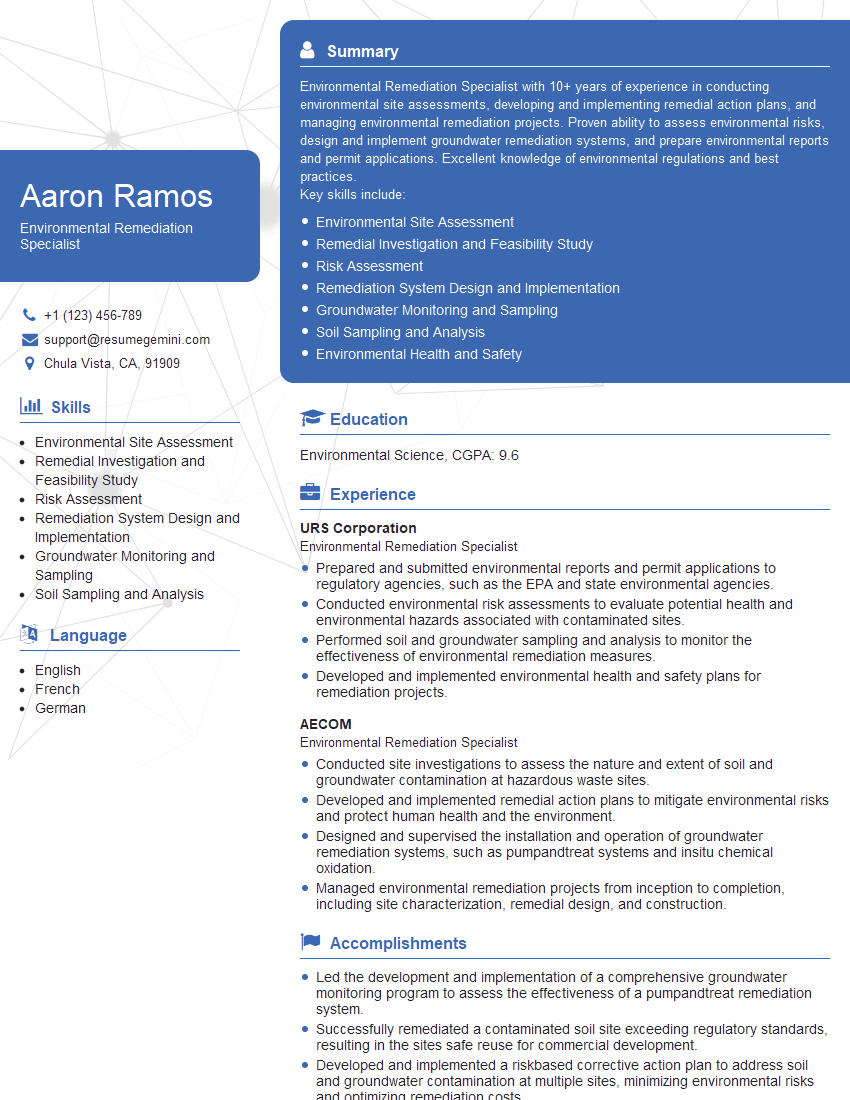
Environmental Remediation Specialist Resume Sample
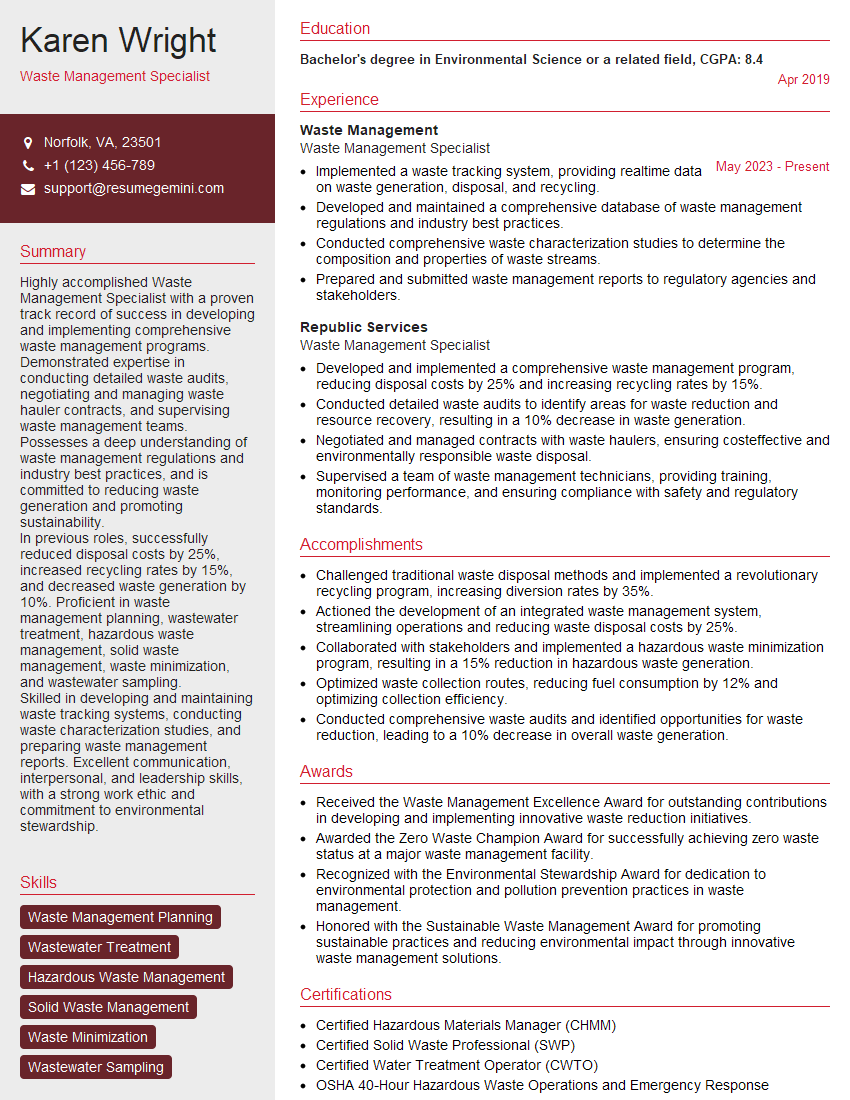
Waste Management Specialist Resume Sample
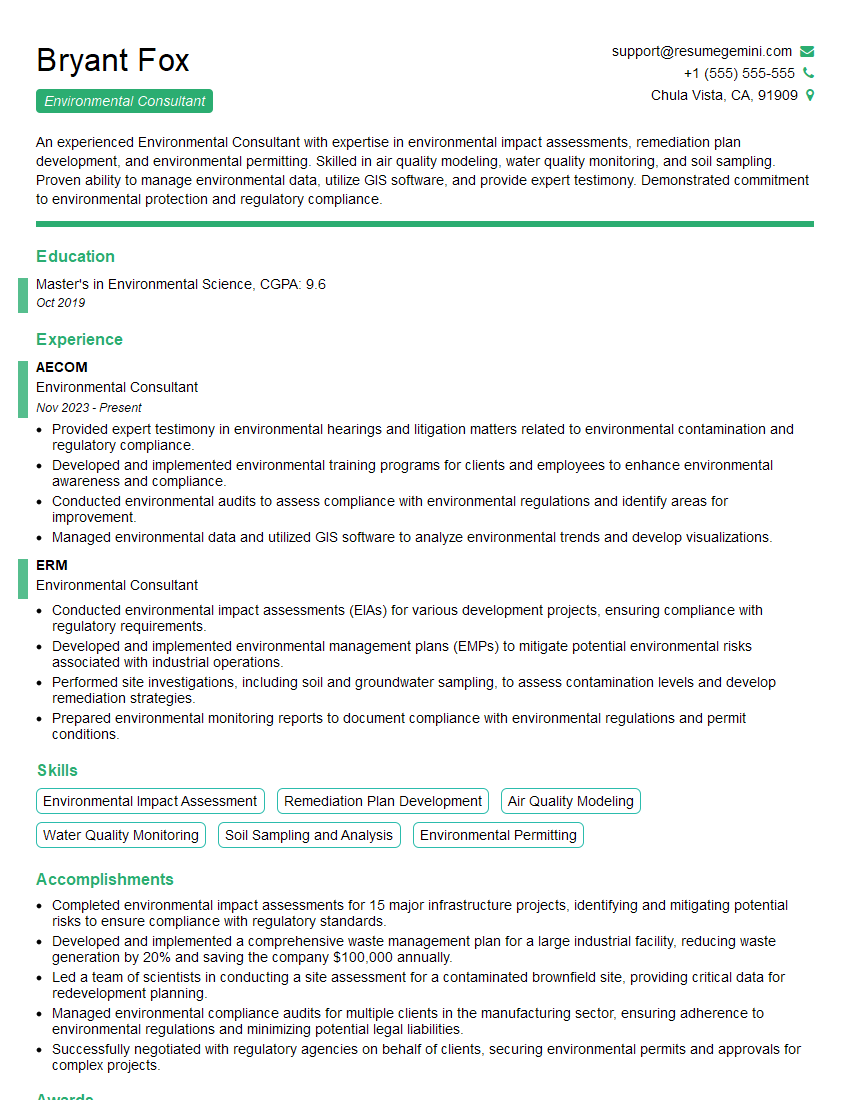
Environmental Consultant Resume Sample

Safety Engineer Resume Sample

Radiation Safety Officer Resume Sample
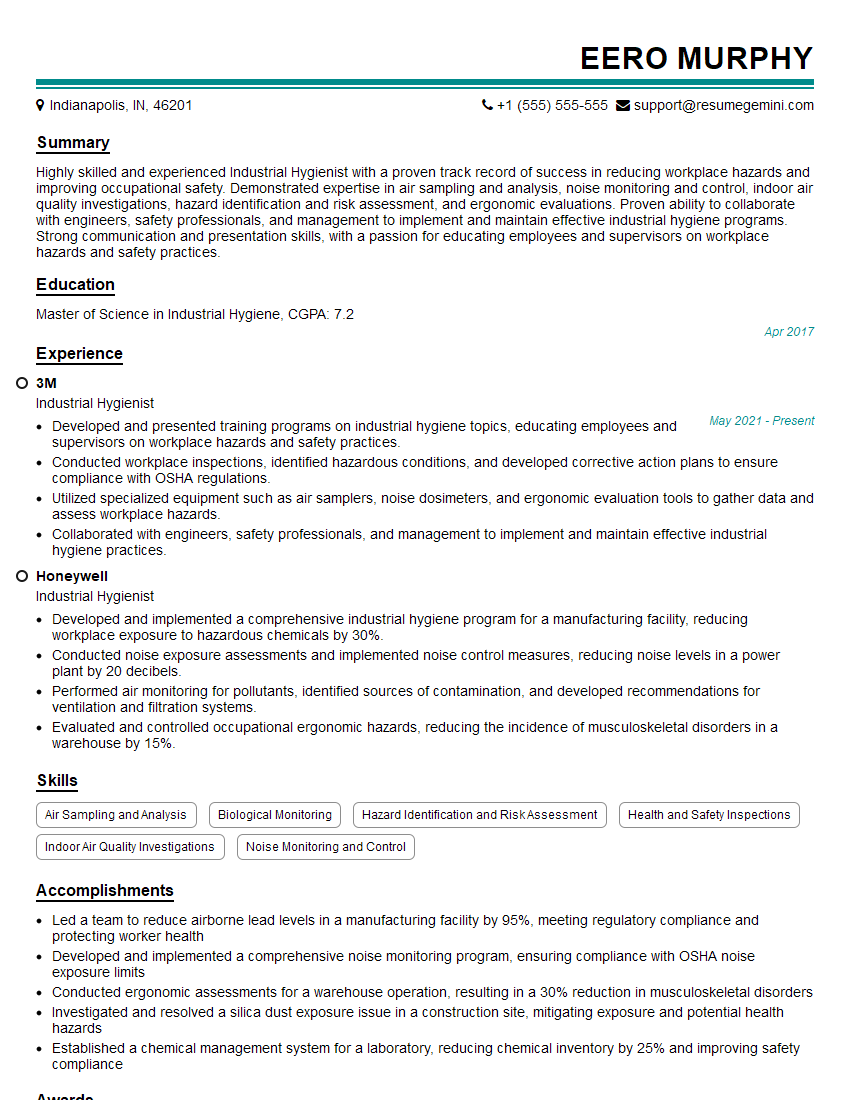
Industrial Hygienist Resume Sample

Safety Officer Resume Sample
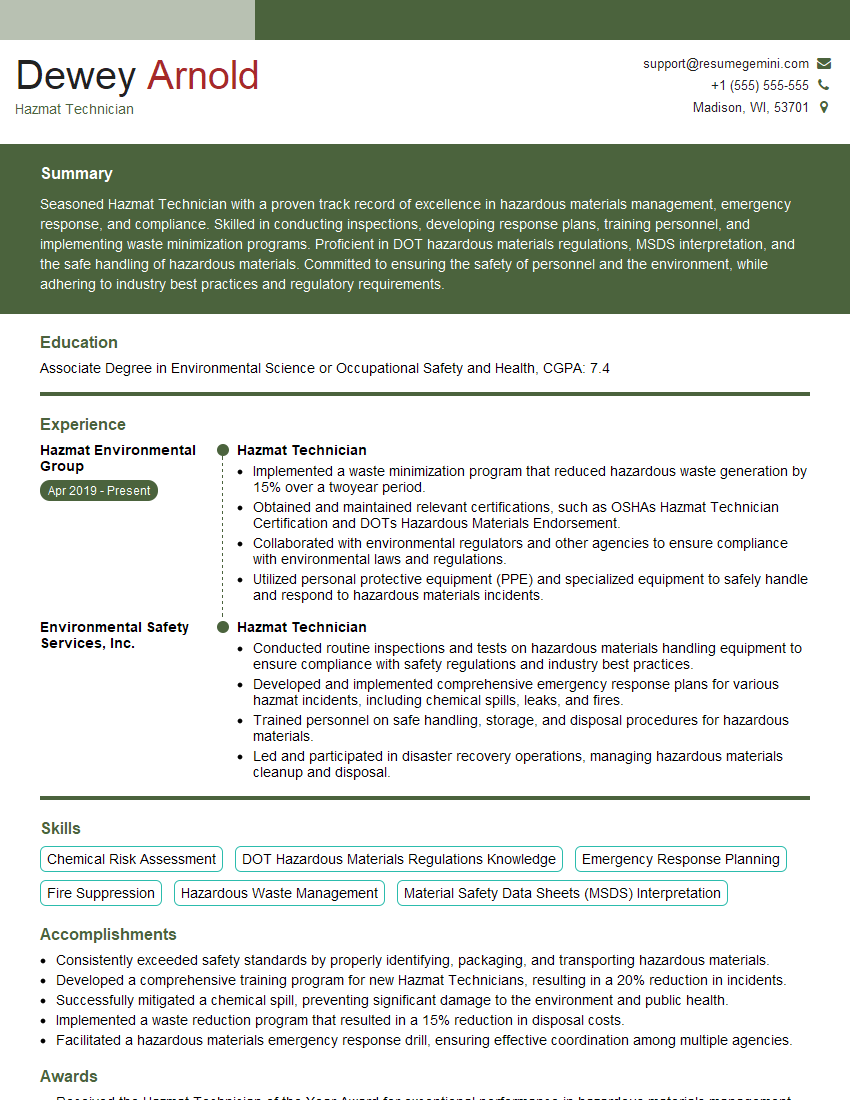
Hazmat Technician Resume Sample
Explore more articles
Users Rating of Our Blogs
Share Your Experience
We value your feedback! Please rate our content and share your thoughts (optional).
What Readers Say About Our Blog
Very informative content, great job.
good