Unlock your full potential by mastering the most common HAZOP (Hazard and Operability Study) interview questions. This blog offers a deep dive into the critical topics, ensuring you’re not only prepared to answer but to excel. With these insights, you’ll approach your interview with clarity and confidence.
Questions Asked in HAZOP (Hazard and Operability Study) Interview
Q 1. Explain the HAZOP methodology.
HAZOP, or Hazard and Operability Study, is a systematic and proactive technique used to identify potential hazards and operability problems in process plants and other complex systems. It’s a brainstorming methodology that involves a multidisciplinary team examining a process step-by-step, considering deviations from the intended design or operation. The team uses ‘guide words’ to explore potential deviations and their consequences. Think of it like a rigorous ‘what-if’ analysis on steroids, aiming to prevent incidents before they occur.
Imagine building a house. A HAZOP would be like systematically checking each step – from foundation laying to electrical wiring – to foresee potential problems like cracks in the foundation due to poor soil analysis, or fire hazards from faulty wiring. It’s about proactive identification and mitigation, rather than reactive fixing.
Q 2. Describe the roles and responsibilities of a HAZOP team leader.
The HAZOP team leader is crucial for the study’s success. Their responsibilities include:
- Planning and preparation: Defining the scope, selecting the team members, preparing the necessary documentation (P&IDs, process descriptions, etc.), and scheduling the sessions.
- Facilitating the HAZOP sessions: Guiding the discussion, ensuring all team members participate, managing the time effectively, and documenting the findings.
- Ensuring rigorous application of the methodology: Maintaining the focus on the defined parameters, using guide words systematically, and preventing the discussion from drifting off-topic.
- Managing conflicts and disagreements: The team leader ensures all views are heard and decisions are made objectively, based on sound engineering principles.
- Ensuring proper documentation and reporting: The leader is responsible for the HAZOP report’s accuracy, completeness, and clarity.
- Follow-up and action item tracking: After the HAZOP, the leader ensures that recommended actions are implemented and that their effectiveness is verified.
Essentially, the team leader is the conductor of an orchestra, ensuring all instruments (team members and their expertise) play in harmony to achieve the study’s objective.
Q 3. What are the key steps involved in conducting a HAZOP study?
Conducting a HAZOP study typically involves these key steps:
- Define the scope: Clearly identify the system or process to be studied, its boundaries, and the objectives of the HAZOP.
- Assemble the HAZOP team: Select a multidisciplinary team with expertise in process engineering, safety, operations, maintenance, and other relevant fields.
- Gather necessary information: Collect all relevant documentation, including process and instrumentation diagrams (P&IDs), process descriptions, operating procedures, and safety data sheets.
- Break down the process: Divide the process into smaller, manageable segments (nodes) for analysis.
- Conduct HAZOP sessions: Systematically review each node using guide words to identify potential deviations from the intended design or operation.
- Identify hazards and operability problems: Document all potential deviations and their consequences, including the likelihood and severity of the hazards.
- Evaluate risks and recommend actions: Assess the risks associated with each identified hazard and recommend appropriate mitigating actions.
- Document and report findings: Prepare a detailed HAZOP report summarizing the findings, recommendations, and action items.
- Implement recommendations: Put the recommended actions into place.
- Verify and review: Verify the effectiveness of the implemented actions and periodically review the HAZOP study to account for any process modifications.
Q 4. Define ‘Guide Words’ in HAZOP and provide five examples.
Guide words are predefined terms used in HAZOP to stimulate thinking about potential deviations from the intended design or operation. They help to systematically explore all possible scenarios. They act as prompts to explore every aspect of a node’s functioning.
Here are five examples:
- No/None: Absence of something expected (e.g., no flow, no power).
- More: An increase in a parameter (e.g., more flow, more pressure, more temperature).
- Less: A decrease in a parameter (e.g., less flow, less pressure, less temperature).
- Part of: Only a portion of the intended system/process functioning (e.g., partial blockage, partial failure).
- Reverse: The opposite of the intended function or direction (e.g., reverse flow, reverse pressure).
Imagine a pump in a pipeline. Applying ‘No’ might reveal the risk of a pump failure leading to no flow. ‘More’ might indicate that excessive pressure might cause a pipe rupture.
Q 5. How do you identify and assess hazards during a HAZOP study?
Hazards are identified during HAZOP by systematically applying guide words to each node in the process. For each potential deviation, the team considers the following:
- What could go wrong? (Deviation from the norm)
- What are the consequences? (Impact on safety, environment, production)
- What is the likelihood of occurrence? (Probability of the deviation happening)
- What are the existing safeguards? (Existing controls to prevent or mitigate the hazard)
- Are these safeguards adequate? (Effectiveness of the existing controls)
The team then brainstorms potential hazards based on these considerations. Let’s say we analyze a valve in a chemical process. Applying ‘No’ (no closure) might reveal the hazard of uncontrolled chemical release. Applying ‘More’ (more flow than designed) could reveal overpressure in the system, leading to equipment failure.
Q 6. Explain the difference between a hazard and a risk.
A hazard is a potential source of harm or damage. It’s a condition or event that *could* lead to an undesirable outcome. Think of it as a ‘potential danger’.
A risk is the likelihood (probability) that a hazard will occur and the severity of the consequences should it occur. Risk combines both the likelihood and impact of a hazard.
Example: A faulty electrical wire (hazard) has a high probability (likelihood) of causing a fire (severity), resulting in a high-risk situation.
Q 7. How do you prioritize hazards identified during a HAZOP study?
Hazard prioritization is crucial for focusing resources effectively. A common approach is using a risk matrix, which combines the likelihood and severity of each hazard. Likelihood is often categorized (e.g., frequent, occasional, rare), and severity is usually based on the potential consequences (e.g., catastrophic, major, minor).
A simple risk matrix can be constructed as follows:
| Likelihood | Minor | Major | Catastrophic |
|---|---|---|---|
| Frequent | Low | Medium | High |
| Occasional | Low | Medium | High |
| Rare | Low | Medium | High |
Hazards are ranked based on their position within the matrix. High-risk hazards (high likelihood, high severity) are given top priority for mitigation, while low-risk hazards can be addressed later.
Other prioritization methods include ALARP (As Low As Reasonably Practicable) which considers the cost and effort involved in mitigation.
Q 8. What are the common causes of deviations identified in HAZOP studies?
Deviations in HAZOP studies stem from variations in process parameters, equipment malfunctions, or human error. Think of it like a recipe – if any ingredient (parameter) is off, or a step (process) is missed, the outcome (product or safety) can be compromised.
- Equipment Failure: A pump failing, a valve sticking open or closed, a sensor malfunctioning. For example, a level sensor failing to detect low liquid level in a tank could lead to a pump running dry and overheating.
- Human Error: Incorrect operation of equipment, inadequate training, missed safety procedures. Imagine a worker accidentally bypassing a safety interlock system.
- Process Parameter Deviations: Changes in temperature, pressure, flow rate, or composition outside the designed operating range. A sudden surge in pressure could rupture a vessel.
- External Factors: Environmental conditions (extreme temperature, storms), power outages, or supply disruptions. A lightning strike could damage control systems.
- Control System Failures: Malfunctions in instrumentation, control loops, or safety systems. A failure in the emergency shutdown system could lead to uncontrolled escalation of a hazardous event.
Q 9. How do you document the findings of a HAZOP study?
HAZOP findings are meticulously documented in a HAZOP report. This report is a crucial safety document that serves as a record of the study and forms the basis for implementing risk mitigation measures. A typical report includes:
- Project Description: A concise overview of the process being studied.
- Team Composition: List of participants and their expertise.
- Methodology: Description of the HAZOP methodology used (e.g., guide words).
- Node Breakdown: A systematic breakdown of the process into smaller, manageable sections (nodes).
- Deviation Register: This is the heart of the report. Each identified deviation is documented, along with its cause, consequences, safeguards, and recommended actions. Each entry typically includes:
- Node
- Parameter
- Guideword
- Deviation
- Causes
- Consequences
- Safeguards
- Recommendations/Actions
- Risk ranking/Severity
- Risk Assessment Matrix: Summarizes the identified risks based on severity and likelihood.
- Action Plan: Details actions to mitigate risks, including responsibilities, deadlines, and assigned personnel.
- Appendices: Supporting documentation, such as P&IDs (Piping and Instrumentation Diagrams) or process descriptions.
Q 10. How do you ensure effective communication and collaboration within a HAZOP team?
Effective communication and collaboration are paramount for a successful HAZOP. Consider it a brainstorming session with a specific focus on safety. It requires a facilitator to keep things on track, clear communication channels, and a culture of open discussion.
- Experienced Facilitator: The facilitator guides the discussion, ensures all viewpoints are considered, and manages the team dynamics.
- Diverse Team Composition: A multidisciplinary team (process engineers, operators, safety specialists, maintenance personnel) brings varied perspectives.
- Structured Approach: Using a well-defined methodology and guide words ensures systematic hazard identification.
- Open Communication: Encourage open and honest dialogue; even seemingly insignificant deviations warrant investigation.
- Clear Documentation: Accurate record-keeping prevents misunderstandings and allows for easy tracking of action items.
- Regular Meetings and Follow-up: Consistent meetings ensure progress and address roadblocks. Post-HAZOP meetings to review implementation of action items are critical.
- Use of Visual Aids: P&IDs and other visual representations are crucial for effective communication during the study.
Q 11. Explain the concept of ‘safety integrity level’ (SIL).
Safety Integrity Level (SIL) is a quantitative measure of the risk reduction provided by a safety instrumented system (SIS). It’s a way to classify the safety performance required for a given application. Think of it like rating the ‘safety net’ for a particular task; higher SIL means a more robust safety system.
SILs are typically ranked from 1 to 4, with SIL 4 representing the highest level of safety and SIL 1 the lowest. The assignment of a SIL depends on the severity of potential consequences and the probability of failure. A higher SIL demands more stringent requirements for hardware and software, more testing, and stricter maintenance procedures.
For example, a safety system protecting against a major accident with significant loss of life would likely require a SIL 3 or SIL 4 rating, whereas a system addressing minor hazards might only need SIL 1 or SIL 2.
Q 12. Describe the relationship between HAZOP and other risk assessment techniques (e.g., LOPA).
HAZOP and Layer of Protection Analysis (LOPA) are both risk assessment techniques, but they serve different purposes and operate at different levels of detail. HAZOP is a qualitative, systematic technique that identifies potential hazards and operability problems, while LOPA is a quantitative technique used to estimate the risk reduction provided by existing and proposed safety layers.
HAZOP is a broad, detailed study generating a long list of potential hazards, while LOPA takes a subset of the significant hazards from the HAZOP and quantitatively assesses their risk.
Think of HAZOP as a wide net, catching all potential problems, and LOPA as a more focused analysis of the most serious catches. Often, LOPA is used to refine and prioritize the findings of a HAZOP study.
Q 13. How do you manage and mitigate identified risks from a HAZOP study?
Risk mitigation involves reducing the likelihood or severity of identified hazards. Following a HAZOP study, a comprehensive action plan is developed to address each identified risk. This plan outlines specific measures, assigns responsibilities, sets deadlines, and establishes methods for monitoring effectiveness.
- Engineering Controls: These are the most effective controls, addressing the hazard at its source. Examples include installing safety instrumented systems (SIS), incorporating interlocks, modifying equipment design, or improving process controls.
- Administrative Controls: These involve changes to procedures, training, or management systems. Examples include developing new operating procedures, providing additional operator training, implementing stricter maintenance schedules, or enhancing emergency response plans.
- Personal Protective Equipment (PPE): PPE is the last line of defense, mitigating the risk to individuals. This may include providing respirators, safety glasses, or protective clothing.
Following implementation, the effectiveness of the mitigation measures should be regularly monitored and reviewed to ensure continued effectiveness. The success of mitigation is measured through reduced frequency or severity of incidents.
Q 14. What are some common challenges encountered during HAZOP studies?
HAZOP studies, while powerful, can present several challenges:
- Time and Resource Intensive: HAZOPs can be time-consuming, requiring dedicated team effort and considerable expertise.
- Costly: The involvement of multiple specialists and extensive preparation can lead to significant costs.
- Scope Definition: Defining the precise scope of the study is crucial to ensure effectiveness without becoming unnecessarily broad.
- Team Dynamics: Managing diverse team members with varied perspectives and experience levels requires skilled facilitation.
- Data Availability: The study requires detailed process information, which may not always be readily available or accurate.
- Maintaining Focus and Avoiding Analysis Paralysis: The risk of spending too much time on minor issues or getting lost in excessive detail must be managed.
- Balancing Detail with Practicality: There is a need to strike a balance between thorough analysis and practicality of implementation. Overly complex solutions may not be feasible.
Q 15. How do you handle disagreements among HAZOP team members?
Disagreements in a HAZOP team are inevitable, given the diverse expertise involved. The key is a structured approach to resolving them constructively. We start by ensuring everyone fully understands the issue at hand. Open communication is paramount. We encourage each team member to clearly articulate their concerns and the reasoning behind them, using data and evidence to support their points.
If a consensus isn’t immediately reached, we employ a facilitated discussion, often involving a neutral party (if available). This helps navigate the debate objectively and explore various perspectives. We may use voting methods to reach a decision, but the rationale behind every vote is documented and understood. The final decision is always documented and explained in the HAZOP report.
For instance, in one study, a disagreement arose about the severity of a potential overpressure scenario. One engineer argued for a higher severity level based on historical incidents, while another disagreed based on a new safety system recently installed. Through facilitated discussion and review of both the system’s design specifications and historical data, we reached a consensus based on the potential failure modes of the new system and a revised severity rating.
Career Expert Tips:
- Ace those interviews! Prepare effectively by reviewing the Top 50 Most Common Interview Questions on ResumeGemini.
- Navigate your job search with confidence! Explore a wide range of Career Tips on ResumeGemini. Learn about common challenges and recommendations to overcome them.
- Craft the perfect resume! Master the Art of Resume Writing with ResumeGemini’s guide. Showcase your unique qualifications and achievements effectively.
- Don’t miss out on holiday savings! Build your dream resume with ResumeGemini’s ATS optimized templates.
Q 16. Describe your experience with different types of HAZOP software.
My experience spans several HAZOP software packages. I’ve worked extensively with both standalone applications and integrated process safety management systems. Standalone software like PHAST (Process Hazard Analysis Software Tools) offers robust functionalities for managing hazards, defining nodes, and documenting findings, often including automated report generation. This is great for smaller, independent studies.
However, for larger, more complex projects, integrated systems like AspenTech’s or AVEVA’s process simulation and safety management platforms provide superior functionality. These systems often integrate with plant process data, allowing for direct linking of HAZOP findings to P&IDs (Piping and Instrumentation Diagrams) and other process data, resulting in improved analysis and a more seamless workflow. This integration makes traceability and communication much smoother across multiple teams. My proficiency extends to using these systems to generate reports, track action items, and manage the overall HAZOP process electronically.
Q 17. How do you ensure the quality and completeness of a HAZOP study?
Ensuring the quality and completeness of a HAZOP study requires a multi-pronged approach. First, a meticulously planned and structured approach is critical. This includes defining a clear scope, identifying the appropriate team members, and developing a detailed study plan. A well-defined study plan outlines the process flow, timelines, and responsibilities.
Thorough preparation is essential; this involves a comprehensive understanding of the process being studied. A thorough process description, including P&IDs, operating procedures, and safety instrumented systems documentation (SIS), is key. During the study itself, we use a structured approach, systematically reviewing each node and considering deviations from normal operating conditions (using the guide words). We ensure all team members actively participate and that all identified hazards are thoroughly evaluated for their potential consequences, likelihood, and recommended mitigations.
Post-HAZOP, a rigorous review process is crucial. This involves independent verification of the findings and recommendations. Action items are tracked to ensure timely closure. Finally, a comprehensive report documenting the entire process and its findings is prepared and distributed. This report serves as a permanent record of the HAZOP study.
Q 18. How do you present the findings of a HAZOP study to management?
Presenting HAZOP findings to management requires clear, concise, and impactful communication. I typically start with a high-level summary of the study’s scope and objectives. This sets the context for the findings. Then, I focus on presenting the key identified hazards and their associated risks, using a prioritization matrix (e.g., risk matrix based on likelihood and consequence). Visual aids, such as charts and graphs, are very helpful here.
The recommendations are presented with clear explanations and justifications. A strong emphasis is placed on the potential consequences of inaction, using quantifiable metrics where possible. Finally, a prioritized action plan, with assigned owners and deadlines, is presented to facilitate effective implementation. We emphasize the cost-effectiveness and benefits of implementing the recommendations. To make it relatable, I always use real-world examples of similar incidents and emphasize the potential financial, operational and safety impacts of neglecting the recommendations. The presentation is always interactive, allowing for questions and discussion. The goal is to build a consensus on the necessary steps forward.
Q 19. What are the legal and regulatory requirements related to HAZOP studies?
Legal and regulatory requirements related to HAZOP studies vary depending on the industry, geographical location, and the specific process being assessed. However, many jurisdictions mandate or strongly encourage the use of HAZOP and similar techniques for high-risk processes. Regulations often stipulate minimum requirements for the competence of the HAZOP team, the documentation process, and the follow-up actions.
For example, in the chemical industry, regulations such as OSHA’s Process Safety Management (PSM) standard in the US, or the equivalent regulations in the EU (e.g., the Seveso III Directive), often mandate HAZOP studies as a key element of process safety management systems. Non-compliance can lead to significant penalties and legal action. These regulations generally require a well-defined process, documented procedures, trained personnel, and the use of qualified specialists. Staying abreast of these regulations and ensuring that the HAZOP study meets the specified requirements is crucial to mitigating legal and regulatory risks.
Q 20. Describe a situation where a HAZOP study prevented an accident.
During a HAZOP study on a new chemical reactor, we identified a potential scenario where a runaway reaction could lead to overpressure and vessel rupture. This was due to an insufficient emergency venting system. While the design initially incorporated a pressure relief valve, the HAZOP team identified a potential failure mode of this valve which was not accounted for in the original design. The valve could potentially fail to open in the event of a pressure surge from the runaway reaction.
Our recommendation was to add a secondary, redundant relief system. This secondary system consisted of a rupture disc, ensuring vessel integrity. This was immediately acted on by the project team, preventing a potentially catastrophic accident. The addition of the secondary system added a small amount of cost but significantly reduced the risk. It’s a clear example of how a proactive HAZOP study can prevent costly incidents and protect lives.
Q 21. How do you incorporate lessons learned from previous HAZOP studies?
Incorporating lessons learned is crucial for continuous improvement. We maintain a centralized database of past HAZOP studies. This database includes all identified hazards, implemented recommendations, and the effectiveness of those recommendations. This information is analyzed to identify recurring issues and trends. These trends can be very valuable in highlighting potential weaknesses in design, operating procedures, or safety systems. This feedback is invaluable for:
- Improving future HAZOP studies by identifying potential blind spots and refining the process.
- Developing standardized operating procedures and safety systems to mitigate recurring hazards.
- Training personnel on potential hazards and best practices.
For example, if a similar hazard (e.g., loss of containment) was identified in multiple HAZOP studies across different facilities, it signals a systemic issue that needs to be addressed through changes in company-wide design standards or training programs. This proactive approach to learning from past experiences enhances the overall safety culture and reduces the risk of future incidents.
Q 22. How do you handle changes in process design or operation during a HAZOP study?
Handling changes in process design or operation during a HAZOP study is crucial for maintaining its relevance and effectiveness. We treat any significant changes as a trigger for a reassessment, or even a complete HAZOP re-run, depending on the nature and extent of the modification. Think of it like renovating a house – a new coat of paint is a minor change that doesn’t require a full structural review, but adding a new wing absolutely does!
The process typically involves:
- Identifying the change: This involves clearly documenting the proposed alteration to the process, including all related modifications to equipment, procedures, or control systems.
- Assessing the impact: We meticulously evaluate how the change might affect existing hazards or introduce new ones. This often includes using HAZOP guide words to systematically explore potential deviations from the intended operation.
- Prioritizing the changes: We prioritize the changes based on the potential risk they pose. High-risk changes demand a more comprehensive reassessment, potentially even requiring a full HAZOP re-run, while low-risk changes might only need a minor modification to the existing HAZOP documentation.
- Updating the HAZOP documentation: Any conclusions, recommendations, or actions from the reassessment are formally documented and integrated into the existing HAZOP study. This ensures that the HAZOP remains a live and accurate reflection of the current process.
- Implementing and verifying: Following the reassessment, any necessary changes are implemented, and verification steps are taken to ensure the implemented changes are effective in mitigating the identified risks.
For example, in a chemical plant, a change to the reactor’s pressure relief system would require a careful HAZOP reassessment to ensure that the new system is adequately sized and performs as intended under various scenarios, including potential equipment malfunctions or operator errors.
Q 23. What are some best practices for conducting effective HAZOP workshops?
Effective HAZOP workshops are built on careful planning and facilitation. It’s not just about ticking boxes; it’s about fostering a collaborative and engaging environment where diverse perspectives can be shared openly and constructively.
Some best practices include:
- Clear Objectives and Scope: Define the process boundaries, the specific objectives of the HAZOP, and the desired outcomes clearly upfront.
- Experienced Leader: A skilled facilitator is essential. They guide the discussions, ensure all voices are heard, and keep the team focused on the objectives.
- Diverse Team Composition: The team needs a blend of expertise – process engineers, instrumentation specialists, operators, safety professionals – to provide a comprehensive view of the process.
- Structured Approach: Follow a systematic approach using a pre-defined methodology and guide words (e.g., NO, MORE, LESS, AS WELL AS, PART OF, REVERSE, OTHER THAN). This ensures thorough coverage of potential hazards.
- Effective Communication and Documentation: Maintain detailed records of the HAZOP session, including identified hazards, proposed safeguards, and recommendations. This is essential for future reference and follow-up.
- Time Management: Allocate sufficient time for the HAZOP sessions to avoid rushing the process and compromising the quality of the output.
- Post-HAZOP Actions: Clearly assign responsibilities for implementing the recommendations from the HAZOP study and establish a timeline for completion and follow-up.
Think of it like a well-orchestrated symphony – every instrument (team member) plays its part, guided by a conductor (facilitator), resulting in a harmonious outcome (effective hazard identification and risk mitigation).
Q 24. How do you ensure that the HAZOP team has the necessary expertise?
Ensuring the HAZOP team possesses the necessary expertise is paramount for the study’s success. A team lacking the right skills is like a ship without a rudder – directionless and prone to errors. We employ a multifaceted approach to address this:
- Team Member Selection: We carefully select team members based on their knowledge and experience relevant to the specific process being studied. This includes process engineers, instrumentation specialists, operators, safety professionals, and even representatives from maintenance and management.
- Expertise Matrix: A matrix detailing the required expertise and the team members’ relevant skills can be a valuable tool to ensure complete coverage of the process aspects.
- Pre-HAZOP Briefing: A pre-HAZOP briefing session is conducted to provide all team members with background information on the process, relevant documentation (P&IDs, operating procedures), and the HAZOP methodology.
- External Experts: If there are specialized areas where internal expertise is lacking, we might engage external consultants with the required knowledge.
- Knowledge Sharing: During the HAZOP sessions, knowledge sharing among team members is strongly encouraged. This collaborative approach enriches the discussions and leads to a more comprehensive hazard identification process.
For instance, in a nuclear power plant HAZOP, we would ensure the team includes individuals with expertise in nuclear physics, reactor operations, radiation protection, and emergency response procedures, in addition to the usual process engineering expertise.
Q 25. Explain your understanding of the Bow-Tie analysis and its role in HAZOP.
The Bow-Tie analysis is a powerful visual tool used to represent the sequence of events leading to a hazard (the left side of the bow tie), and the preventative and mitigating measures (the right side of the bow tie). It complements HAZOP by providing a holistic view of risk management beyond just hazard identification.
In a HAZOP study, the Bow-Tie analysis is typically used after identifying hazards to:
- Visualize the risk: It provides a clear visual representation of the hazard’s consequences and the effectiveness of the preventative and mitigating measures in place.
- Identify gaps in risk controls: It can highlight areas where additional preventative or mitigating measures are needed to reduce the likelihood or severity of the hazard.
- Prioritize risk controls: It assists in prioritizing risk reduction efforts by focusing on the most critical controls.
- Communicate risk: It provides a simple yet effective way to communicate risk information to stakeholders with varying technical backgrounds.
The HAZOP identifies the potential hazards and the Bow-Tie analysis then helps determine the probability of the hazard occurring (threats) and the severity of the consequences (consequences) providing a framework for selecting the most appropriate risk controls and mitigation strategies. Essentially, HAZOP helps to find the hazards forming the core of the Bow-Tie, then the Bow-Tie helps prioritize responses and actions.
Q 26. Describe your experience with HAZOP studies in different industries.
I’ve had the opportunity to conduct HAZOP studies across a variety of industries, each presenting unique challenges and insights.
- Chemical Processing: I’ve worked on numerous HAZOP studies in chemical plants, focusing on reactor systems, distillation columns, and storage tanks. The criticality of these processes necessitates meticulous analysis and rigorous risk mitigation strategies.
- Oil and Gas: I’ve participated in HAZOPs for offshore platforms and pipelines, where the remote locations and potential for environmental damage demand robust safety procedures.
- Pharmaceuticals: In the pharmaceutical sector, I’ve conducted HAZOPs for manufacturing processes, focusing on aspects such as contamination control, process safety, and the handling of hazardous materials.
- Food Processing: I’ve also been involved in HAZOP studies for food processing plants, emphasizing food safety and hygiene regulations.
Each industry has its own specific safety regulations, standards, and operational contexts, requiring a tailored approach to the HAZOP process. For instance, the emphasis on hygiene in food processing is far different than the emphasis on explosion prevention in a chemical plant, but the underlying methodology remains similar.
Q 27. What are some limitations of HAZOP studies?
While HAZOP is a powerful technique, it does have limitations:
- Subjectivity: The process relies to some extent on the expertise and judgment of the HAZOP team, introducing a degree of subjectivity into the results. Different teams might identify different hazards depending on their experience and perspective.
- Time and Resource Intensive: Conducting a thorough HAZOP study can be time-consuming and require significant resources, particularly for complex processes.
- Focus on Known Hazards: HAZOP primarily focuses on identifying known hazards and potential deviations from normal operation. It might not be as effective at identifying novel or unexpected hazards.
- Limited Scope: A HAZOP study focuses primarily on process safety and operability aspects. It might not adequately address other safety areas, such as human factors or security risks.
- Implementation Dependence: The effectiveness of a HAZOP study depends heavily on the successful implementation of its recommendations. A well-conducted HAZOP can be rendered ineffective if the recommended actions aren’t put into place.
It’s important to acknowledge these limitations and supplement HAZOP with other safety assessment methods like LOPA (Layer of Protection Analysis) or FTA (Fault Tree Analysis) to gain a more holistic understanding of the risks.
Q 28. How do you measure the effectiveness of a HAZOP study?
Measuring the effectiveness of a HAZOP study is a multi-faceted process. It’s not just about the number of hazards identified; it’s about the impact of the study on reducing actual risks.
We typically evaluate effectiveness through:
- Implementation of Recommendations: Tracking the implementation rate of the HAZOP recommendations is crucial. A high implementation rate indicates the study’s recommendations were considered valuable and actionable.
- Reduction in Incidents: Ideally, a successful HAZOP will lead to a reduction in process safety incidents. Monitoring the incident rate before and after the HAZOP implementation can provide insights into its effectiveness.
- Improved Safety Performance Indicators: We may review other safety performance indicators such as near-miss reports, safety audits, and risk assessments to see if the HAZOP recommendations led to improvements in overall safety performance.
- Team Feedback: Gathering feedback from the HAZOP team members on the study’s process and outcomes can provide valuable insights.
- Follow-up Audits: Conducting follow-up audits at regular intervals to assess the continued effectiveness of the implemented safeguards is crucial for maintaining safety standards.
A combination of these metrics provides a more comprehensive evaluation of the HAZOP study’s success in minimizing risks and improving the safety and operability of the process.
Key Topics to Learn for HAZOP (Hazard and Operability Study) Interview
- HAZOP Methodology: Understand the systematic process, including the roles of the HAZOP team, the selection of process nodes, and the use of guide words.
- Guide Words and Deviation Identification: Master the application of guide words (e.g., no, more, less, as well as, part of, reverse, other than) to identify potential deviations from the intended design and operation.
- Hazard Identification and Risk Assessment: Learn how to identify potential hazards associated with deviations, assess their likelihood and severity, and determine the necessary risk reduction measures.
- Consequence Analysis: Develop skills in analyzing the potential consequences of identified hazards, including their impact on personnel, the environment, and equipment.
- Recommendation Development and Implementation: Understand how to develop practical and effective recommendations to mitigate identified risks and ensure the safe and operable design of processes.
- Software and Tools for HAZOP: Familiarize yourself with common software used in HAZOP studies, including their functionality and capabilities.
- Documentation and Reporting: Understand the importance of clear and concise documentation, including HAZOP meeting minutes, hazard register, and final report.
- Practical Application: Be prepared to discuss real-world examples or case studies of HAZOP studies, illustrating your understanding of the process.
- Safety and Environmental Regulations: Demonstrate familiarity with relevant industry standards and regulations related to process safety and environmental protection.
Next Steps
Mastering HAZOP is crucial for career advancement in process safety engineering and related fields. A strong understanding of HAZOP methodologies demonstrates your commitment to safety and your ability to contribute significantly to process improvement and risk mitigation. To enhance your job prospects, crafting an ATS-friendly resume is essential. ResumeGemini is a trusted resource that can help you build a professional and impactful resume, highlighting your HAZOP expertise. Examples of resumes tailored to HAZOP (Hazard and Operability Study) roles are available, providing valuable templates and guidance to help you present your skills and experience effectively.
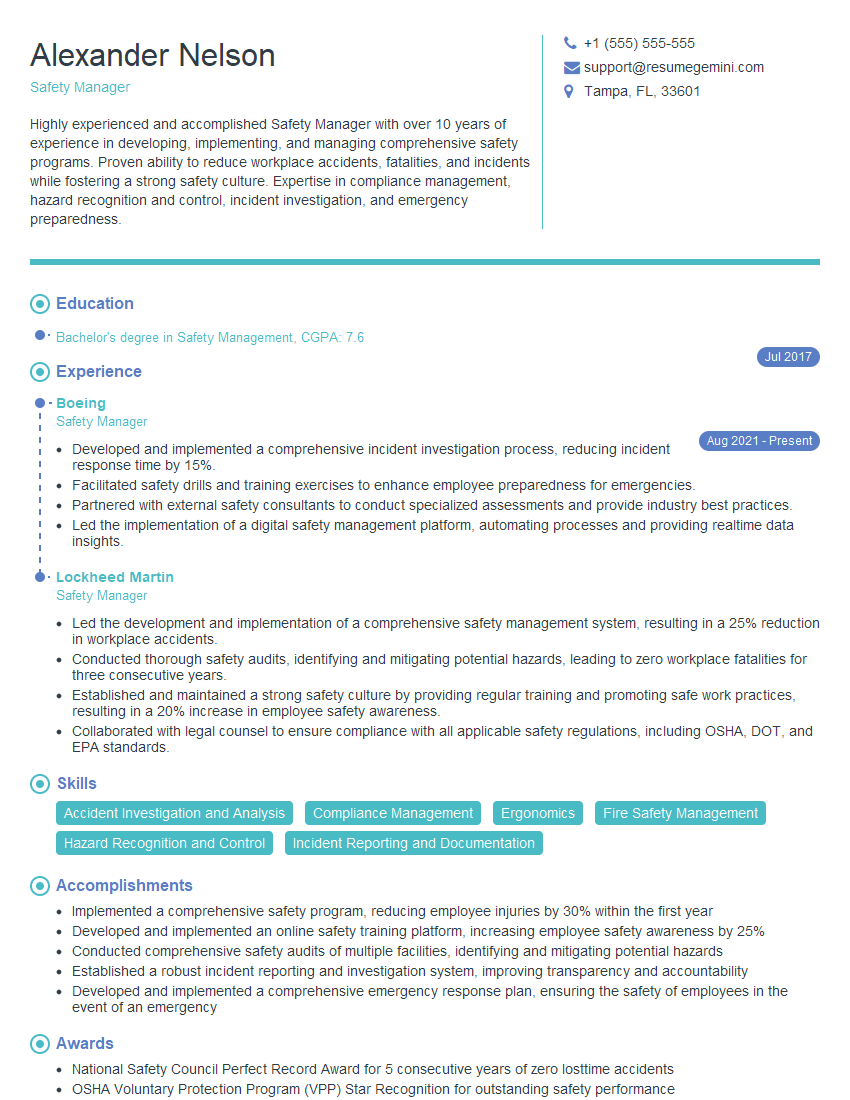
Safety Manager Resume Sample

Operations Manager Resume Sample
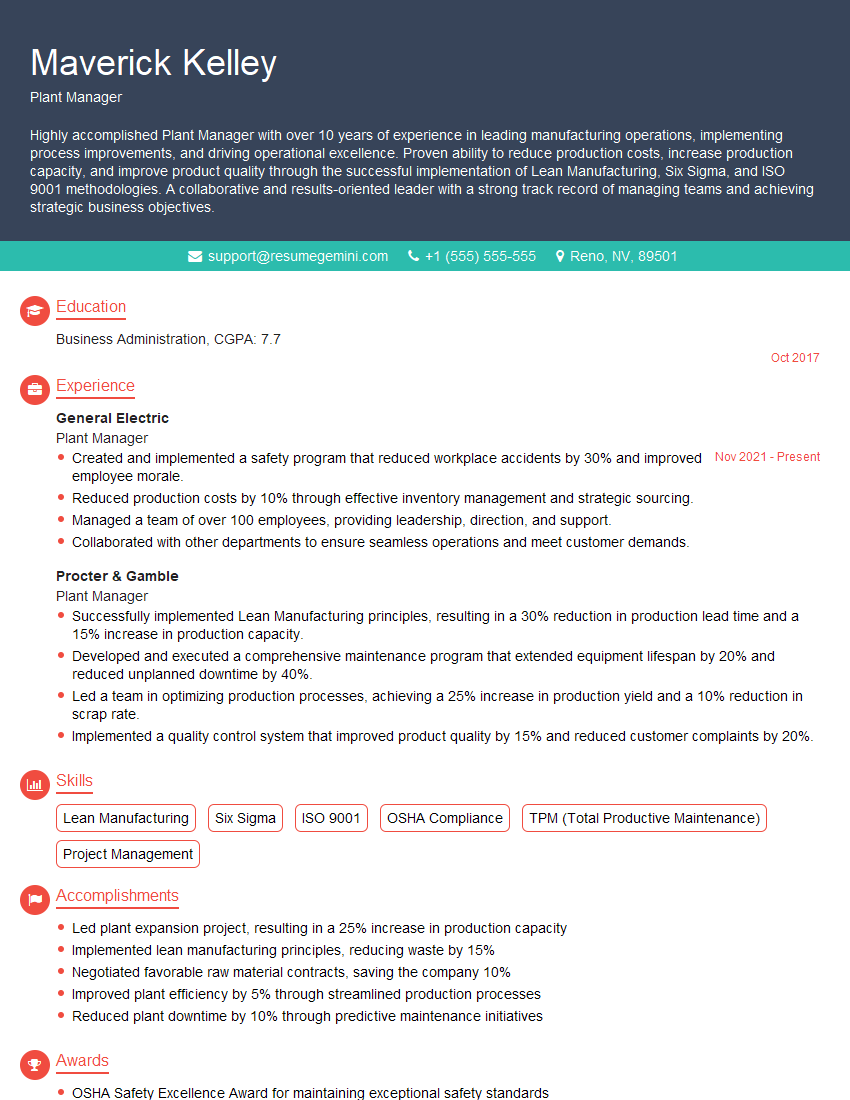
Plant Manager Resume Sample
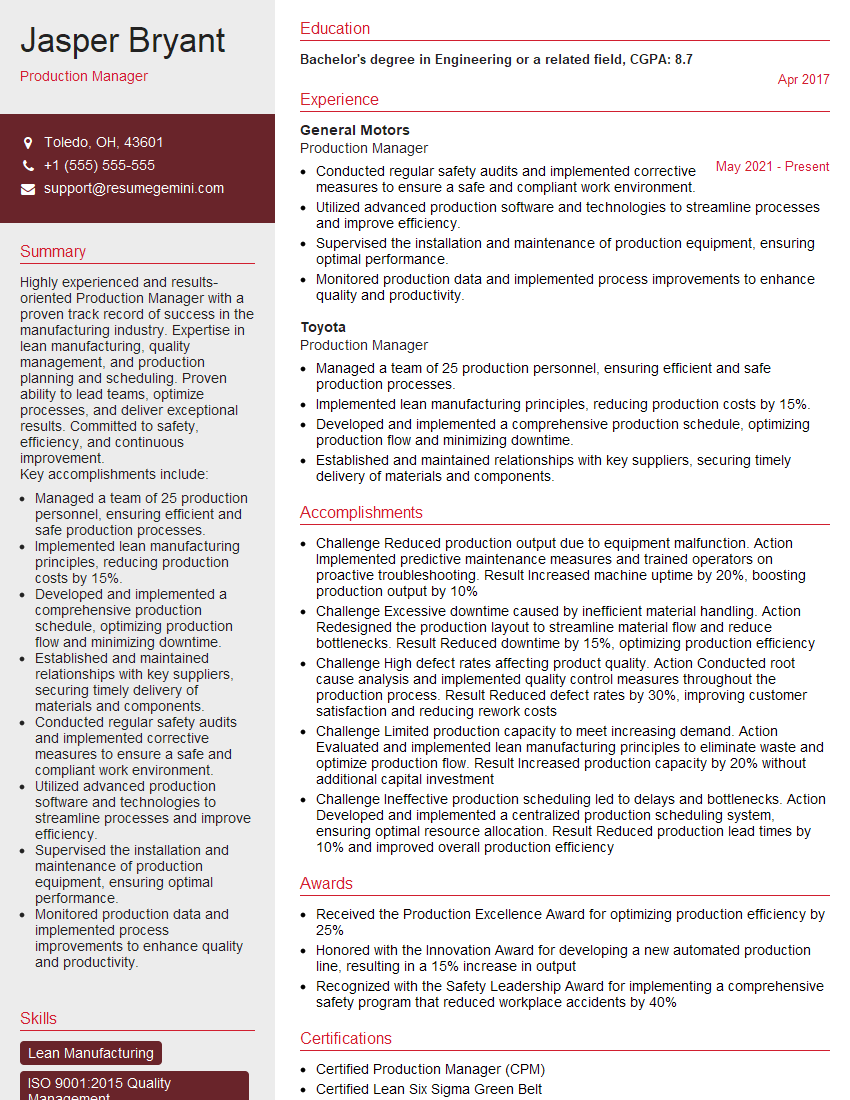
Production Manager Resume Sample
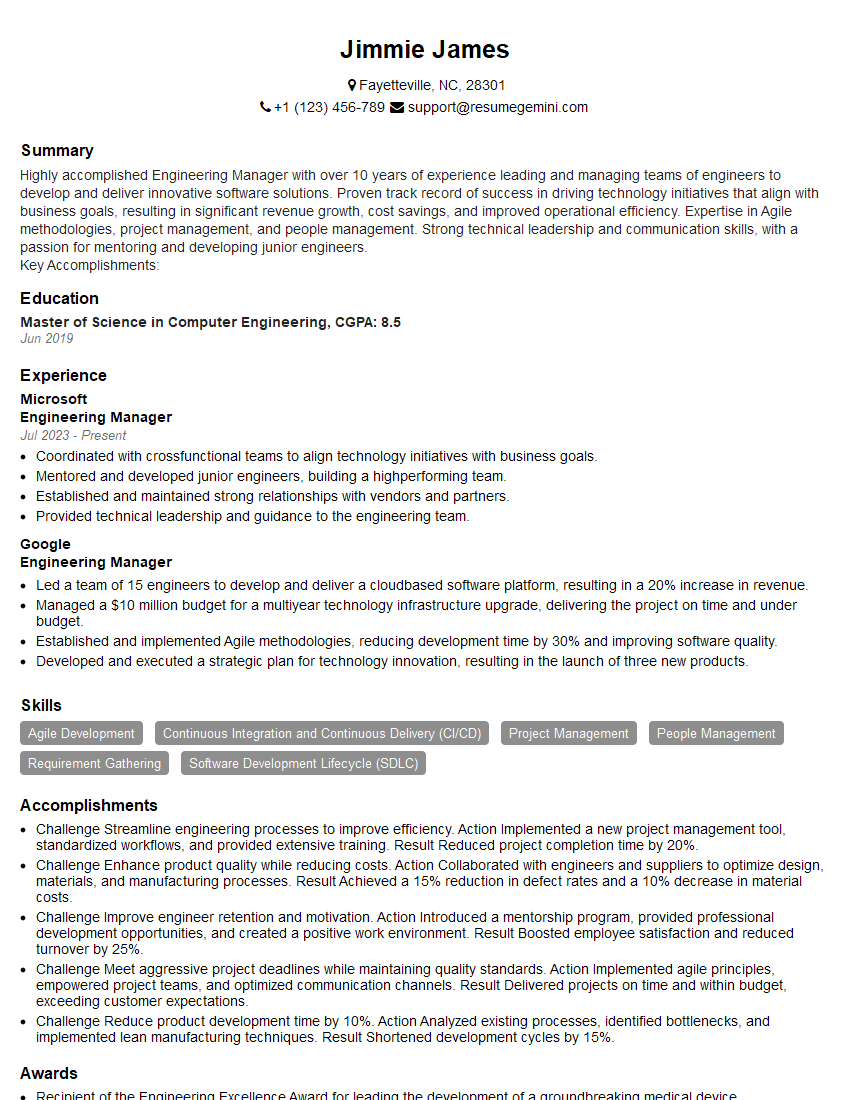
Engineering Manager Resume Sample

Project Engineer Resume Sample
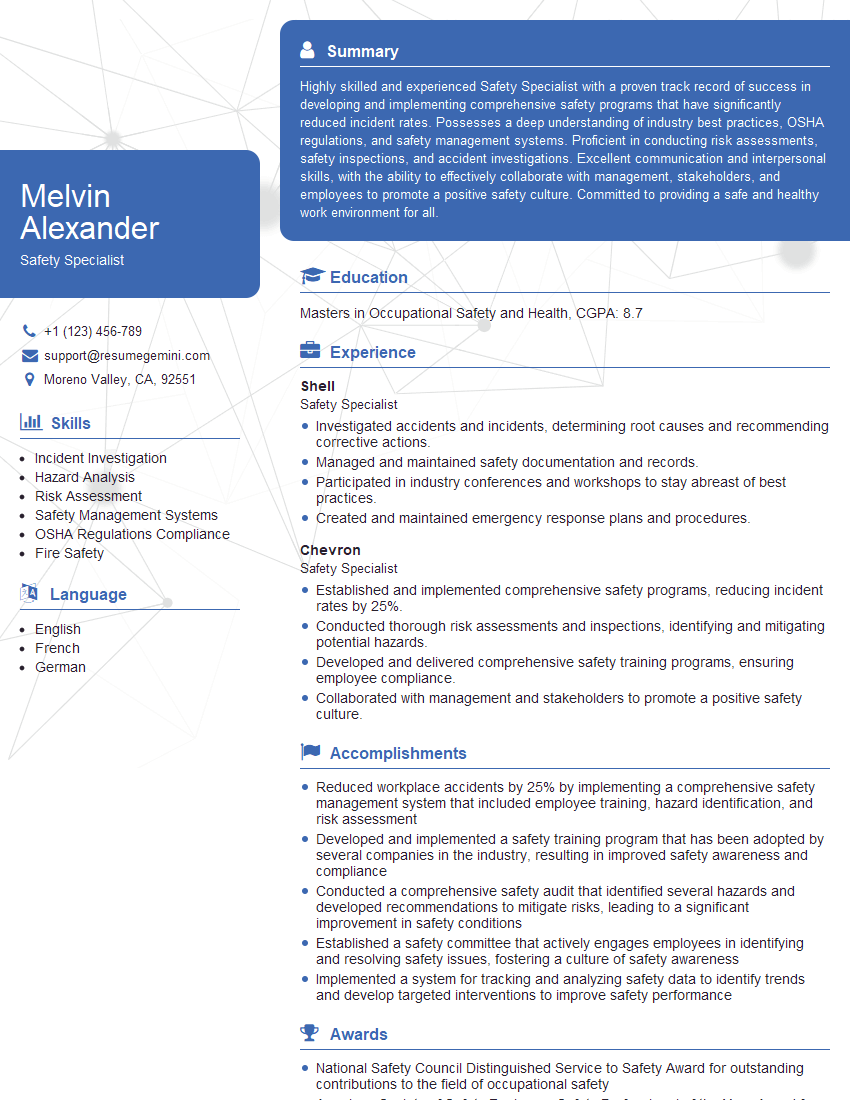
Safety Specialist Resume Sample
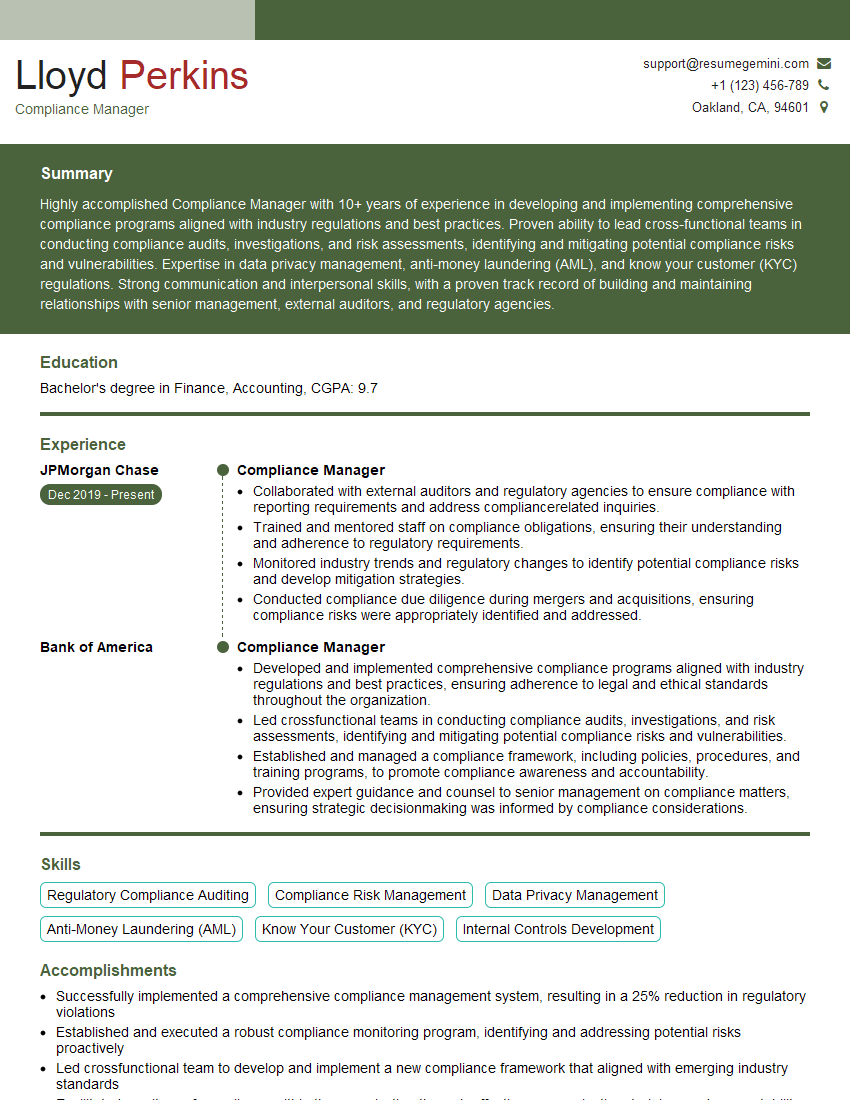
Compliance Manager Resume Sample
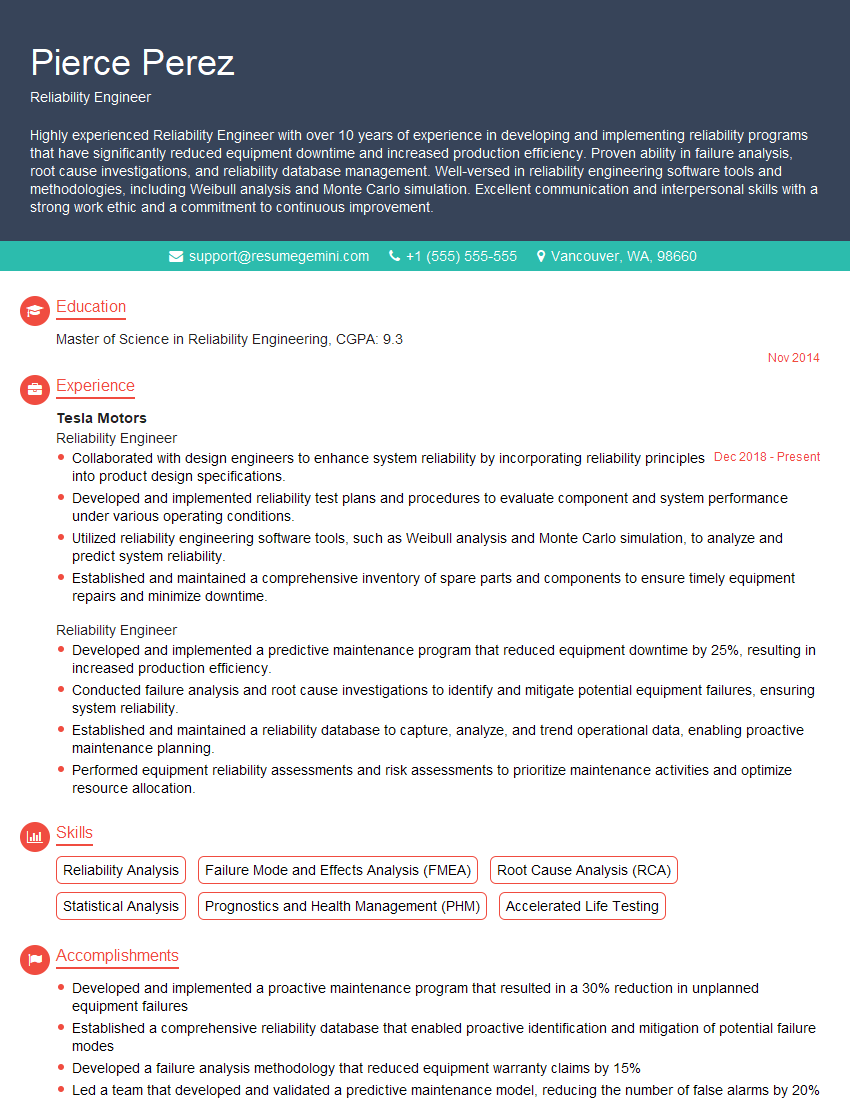
Reliability Engineer Resume Sample
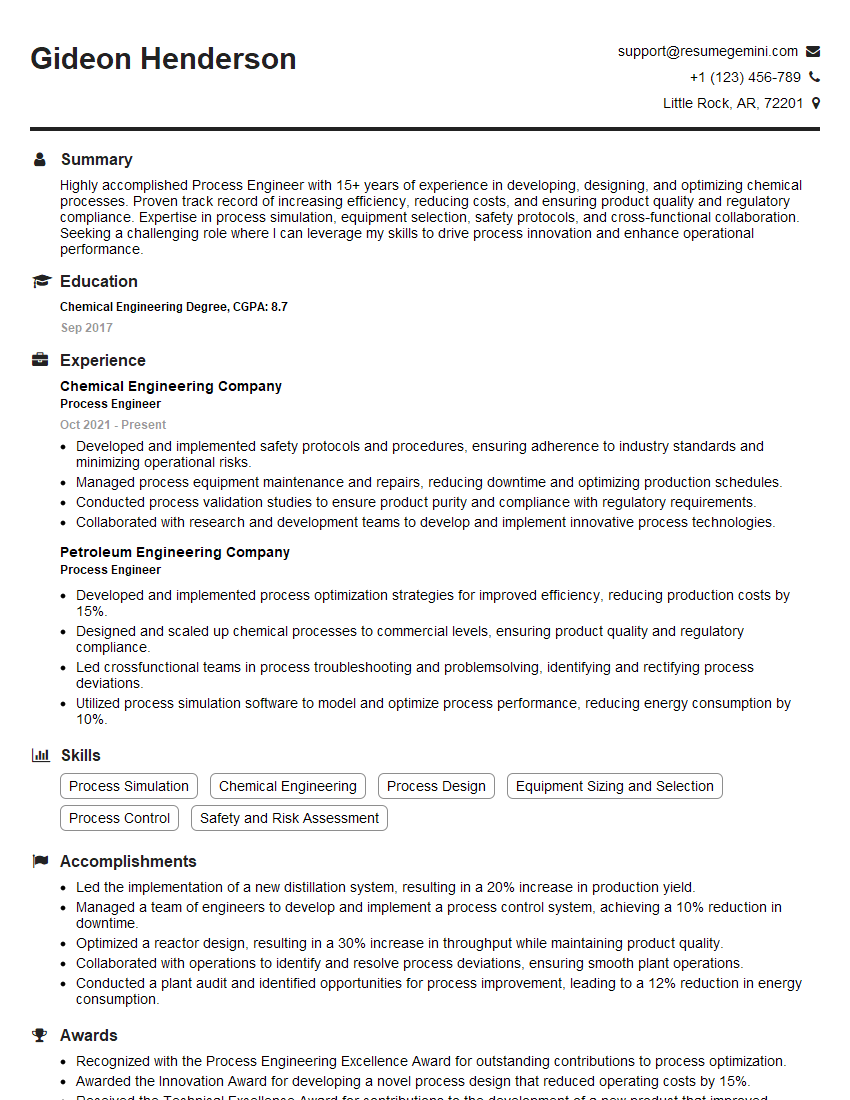
Process Engineer Resume Sample
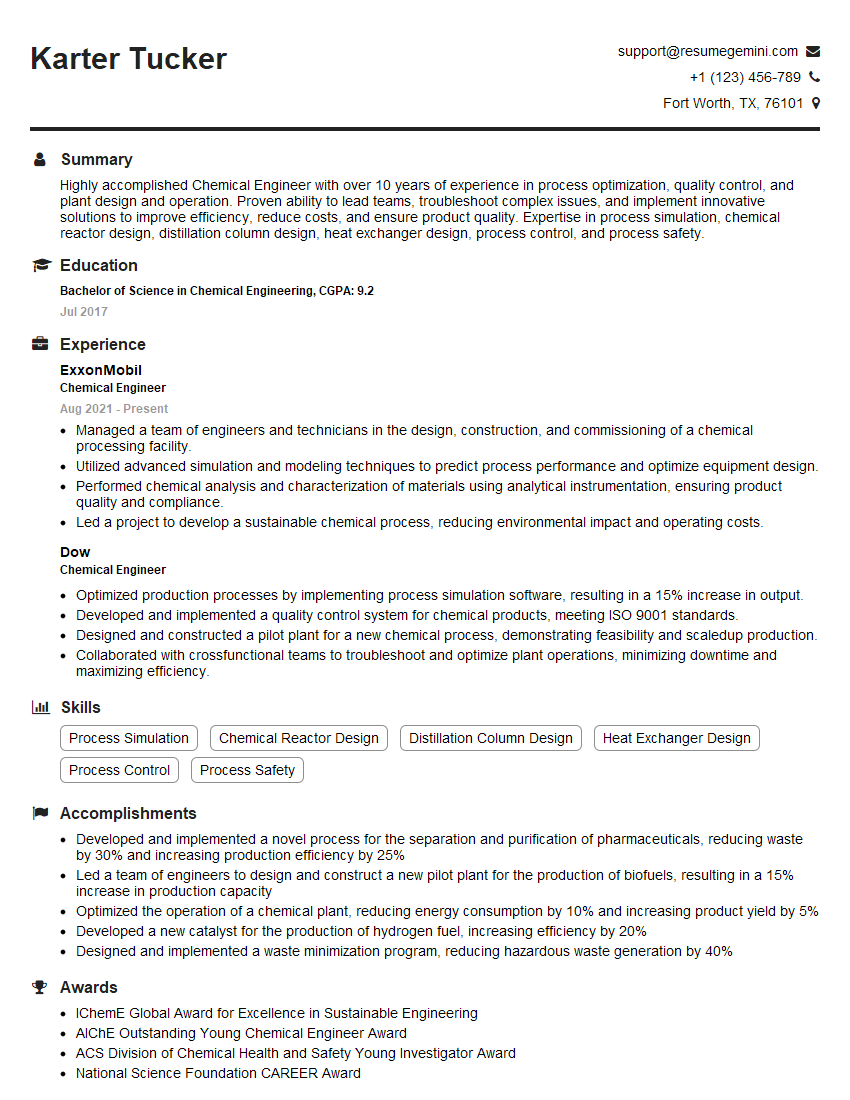
Chemical Engineer Resume Sample
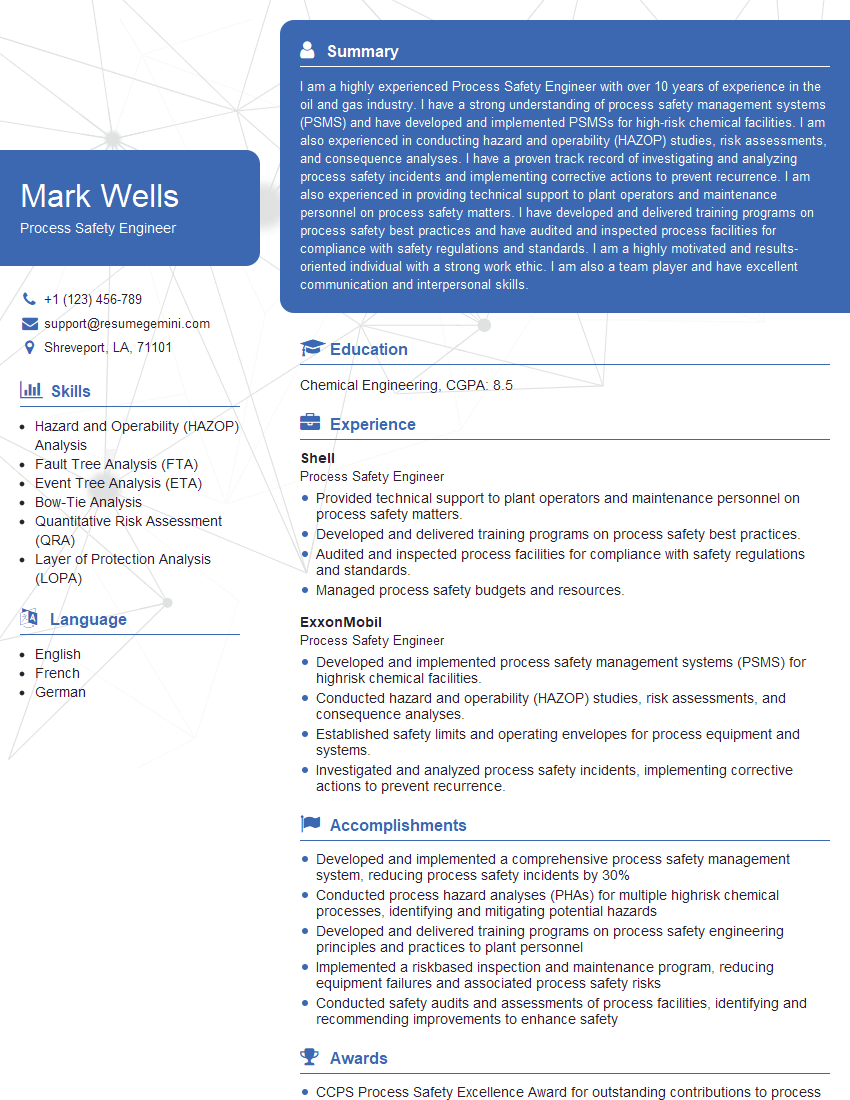
Process Safety Engineer Resume Sample
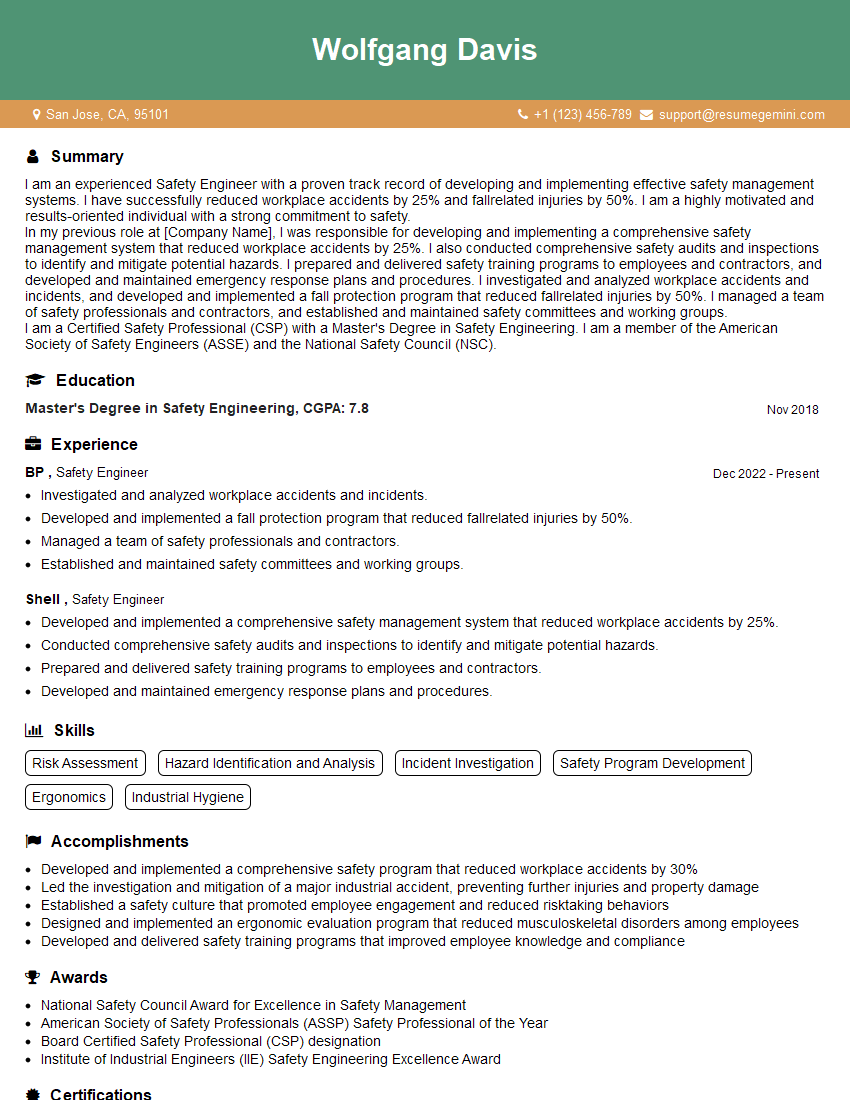
Safety Engineer Resume Sample
Explore more articles
Users Rating of Our Blogs
Share Your Experience
We value your feedback! Please rate our content and share your thoughts (optional).
What Readers Say About Our Blog
Very informative content, great job.
good