Preparation is the key to success in any interview. In this post, we’ll explore crucial HCS and HCM interview questions and equip you with strategies to craft impactful answers. Whether you’re a beginner or a pro, these tips will elevate your preparation.
Questions Asked in HCS and HCM Interview
Q 1. Explain the difference between HCS and HCM.
While both HCS (Human Capital Strategy) and HCM (Human Capital Management) are concerned with optimizing the human resources within an organization, they operate at different levels. HCS is the strategic aspect – the overarching plan for how people contribute to the organization’s goals. Think of it as the ‘big picture’ vision. HCM, on the other hand, is the tactical execution of that strategy. It’s the day-to-day management of people, processes, and systems needed to achieve the HCS objectives.
HCS focuses on aligning people strategies with business goals, including talent acquisition, development, retention, and succession planning. It’s about asking questions like: ‘What skills do we need in the future?’, ‘How will we attract and retain top talent?’, and ‘How will we ensure we have the right people in the right roles at the right time?’.
HCM involves the practical application of the HCS. This includes activities like payroll, benefits administration, performance management, and employee relations. It’s focused on the systems and processes that make the HCS a reality. For instance, while HCS might outline a plan to upskill the workforce, HCM would handle the implementation – selecting training programs, managing enrollment, and tracking progress.
Analogy: Imagine building a house. HCS is the architectural blueprint – the overall design and plan. HCM is the construction process – the actual building, involving all the necessary tradespeople and materials.
Q 2. Describe your experience with HRIS systems.
I have extensive experience with various HRIS (Human Resource Information Systems) throughout my career, including Workday, Oracle HCM Cloud, and BambooHR. My experience spans from system implementation and configuration to data analysis and report generation. I’ve been involved in projects ranging from upgrading existing systems to implementing completely new platforms. In one particular project, we migrated a company of 500 employees from a legacy system to Workday, a process that required careful planning and execution to ensure data integrity and minimal disruption to HR operations. This involved close collaboration with various stakeholders, including IT, HR, and department managers. We implemented a phased rollout to mitigate risk and ensure a smooth transition, closely tracking key metrics throughout the process.
I’m proficient in using HRIS data to generate reports on key HR metrics such as employee turnover, time-to-hire, and employee satisfaction. This data-driven approach allows for informed decision-making in areas such as talent acquisition and retention strategies. For example, analyzing turnover data helped us identify specific departments with high attrition rates, prompting targeted interventions to address underlying issues like workload or management style.
Q 3. How would you handle a conflict between two employees?
My approach to resolving employee conflicts is to promote a fair and impartial process focused on finding a mutually acceptable solution. I would begin by privately meeting with each employee individually to understand their perspectives and gather all the facts. It’s crucial to create a safe space where both individuals feel heard and respected, emphasizing active listening and empathy. I would then facilitate a joint meeting, where the employees can discuss the issue directly, guided by me to ensure productive communication and avoid escalating the situation. The goal isn’t to assign blame but to identify the root cause of the conflict and find a way to prevent future occurrences.
Depending on the severity and nature of the conflict, I might use different conflict resolution techniques, such as mediation or negotiation. If the conflict is serious or involves harassment or discrimination, I would follow established company policies and procedures, which may include involving legal counsel.
Example: In a previous role, I mediated a conflict between two team members stemming from a misunderstanding about project responsibilities. By facilitating open communication and clarifying expectations, I helped them reach a compromise that addressed their concerns and restored their working relationship.
Q 4. What are your strategies for improving employee engagement?
Improving employee engagement requires a multifaceted approach focusing on creating a positive and supportive work environment. My strategies include:
- Regular feedback and recognition: Implementing systems for both formal and informal feedback, coupled with regular recognition of employee contributions, fosters a sense of appreciation and value.
- Opportunities for growth and development: Providing training, mentorship programs, and career advancement opportunities demonstrates investment in employee futures, enhancing job satisfaction and commitment.
- Promoting work-life balance: Offering flexible work arrangements, generous leave policies, and wellness programs demonstrates care for employees’ well-being, reducing stress and burnout.
- Open communication and transparency: Fostering open dialogue, keeping employees informed about company performance and future plans, promotes trust and a sense of belonging.
- Empowerment and autonomy: Providing employees with ownership over their work and decision-making authority increases their motivation and engagement.
- Team-building activities: Encouraging social interaction and teamwork through activities and events builds camaraderie and strengthens relationships.
Measurement: The effectiveness of these strategies would be measured through regular employee surveys, pulse checks, and performance reviews, allowing for data-driven adjustments to maximize impact.
Q 5. Explain your understanding of performance management processes.
Performance management is a continuous process focused on setting clear expectations, providing regular feedback, and evaluating employee performance against established goals. It’s not just an annual review but a cycle of ongoing communication and development. A well-structured process typically includes:
- Goal setting: Collaboratively defining SMART (Specific, Measurable, Achievable, Relevant, Time-bound) goals at the beginning of a performance period.
- Regular check-ins: Providing ongoing feedback and coaching throughout the period, addressing performance issues promptly and celebrating successes.
- Performance reviews: Conducting formal reviews to assess performance against goals, identifying strengths and areas for improvement, and setting new goals for the next period.
- Performance improvement plans (PIPs): If performance issues arise, developing a structured plan to address the shortcomings and support the employee in improving their performance.
- Compensation and recognition: Linking performance to rewards and recognition to incentivize high achievement.
Fairness and consistency: It’s crucial to ensure fairness and consistency in the application of performance management processes across all employees. Clear criteria and objective measures should be used to avoid bias and ensure accurate assessments.
Q 6. How do you ensure compliance with labor laws?
Ensuring compliance with labor laws is paramount. My approach involves staying updated on all relevant legislation, including federal, state, and local regulations. This requires continuous learning and attention to changes in employment law. I’d utilize resources like the Department of Labor’s website and relevant legal publications to stay informed. Key areas of focus include:
- Wage and hour compliance: Ensuring accurate payment of wages, overtime, and adherence to minimum wage laws.
- Equal employment opportunity (EEO): Implementing policies and practices to ensure fair and unbiased treatment of all employees, preventing discrimination and harassment.
- Employee classification: Correctly classifying employees as either exempt or non-exempt to ensure compliance with overtime regulations.
- Leave management: Adhering to all applicable leave laws, including FMLA (Family and Medical Leave Act) and state-specific leave laws.
- Recordkeeping: Maintaining accurate and complete employment records to comply with auditing and reporting requirements.
Training: I’d also ensure that all HR staff receive regular training on labor laws and best practices to maintain compliance. Proactive compliance minimizes legal risks and maintains a positive and ethical work environment.
Q 7. Describe your experience with talent acquisition strategies.
My experience with talent acquisition spans various strategies, from traditional recruiting methods to innovative approaches leveraging technology and data analytics. I’ve implemented and managed recruitment campaigns across different industries, consistently improving time-to-hire and quality of hire. My strategies include:
- Employer branding: Creating a strong employer brand to attract top talent by showcasing company culture, values, and employee experiences.
- Strategic sourcing: Utilizing various channels, including job boards, social media, employee referrals, and networking events, to reach a diverse pool of candidates.
- Candidate relationship management (CRM): Implementing CRM systems to track candidates, streamline communication, and enhance the overall candidate experience.
- Data-driven recruitment: Using data analytics to identify key performance indicators (KPIs), measure the effectiveness of recruitment strategies, and make data-informed decisions.
- Diversity and inclusion: Implementing strategies to attract a diverse talent pool and ensure inclusive hiring practices.
Example: In a previous role, I redesigned our recruitment process, implementing a new applicant tracking system (ATS) and refining our sourcing strategy. This resulted in a 25% reduction in time-to-hire and a significant improvement in the quality of hires.
Q 8. How do you develop and implement training programs?
Developing and implementing effective training programs requires a systematic approach. It starts with a thorough needs assessment to identify skill gaps and learning objectives. This might involve analyzing job descriptions, conducting performance reviews, or surveying employees to pinpoint areas needing improvement.
Once the needs are identified, I design the training program itself. This includes selecting appropriate training methods (e.g., online modules, workshops, mentoring, on-the-job training), choosing relevant content, and developing engaging learning materials. For example, I once developed a series of interactive online modules for a client’s customer service team, which resulted in a 15% increase in customer satisfaction scores within three months.
Implementation involves scheduling the training, providing necessary resources, and tracking participant progress. Post-training evaluation is crucial to measure effectiveness. This could involve assessing knowledge retention through quizzes, observing on-the-job performance, or measuring changes in key performance indicators (KPIs).
- Needs Assessment: Identify skill gaps and learning objectives.
- Program Design: Choose training methods and develop engaging materials.
- Implementation: Schedule training, provide resources, and track progress.
- Evaluation: Measure knowledge retention and impact on KPIs.
Q 9. Explain your experience with compensation and benefits administration.
My experience in compensation and benefits administration encompasses the entire lifecycle, from designing competitive compensation structures to administering benefits programs. I’ve worked with various compensation models, including merit-based pay, performance-based bonuses, and profit sharing.
For example, I helped a company transition from a traditional salary-based system to a performance-based compensation model, which resulted in a noticeable increase in employee productivity and engagement. This involved conducting market research to determine competitive salary ranges, designing a clear performance appraisal system, and developing a robust bonus structure aligned with company goals.
Regarding benefits administration, I’m proficient in managing employee enrollment, communicating benefits information effectively, and ensuring compliance with all relevant laws and regulations. I’ve successfully managed benefits programs for companies of varying sizes, negotiating with vendors to secure cost-effective solutions while maintaining a comprehensive benefits package.
Q 10. How do you measure the success of HR initiatives?
Measuring the success of HR initiatives requires a multifaceted approach that goes beyond simply tracking participation rates. I utilize a combination of quantitative and qualitative methods to gain a comprehensive understanding of impact.
Quantitative methods include tracking key performance indicators (KPIs) relevant to each initiative. For example, for a leadership development program, I might track participant promotion rates, performance reviews, or employee feedback scores. For a diversity and inclusion initiative, I might track diversity metrics within different organizational levels.
Qualitative methods involve gathering feedback through employee surveys, focus groups, and one-on-one interviews. This provides valuable insights into employee perceptions and experiences, revealing areas for improvement or unexpected positive outcomes. For instance, after implementing a new employee wellness program, I conducted employee surveys to understand how the program was impacting employee well-being and satisfaction levels.
By combining quantitative and qualitative data, I can create a holistic picture of the initiative’s effectiveness and identify areas for improvement or future development.
Q 11. What are your strategies for workforce planning?
My workforce planning strategies focus on aligning the organization’s workforce with its strategic goals. This involves forecasting future workforce needs based on business growth projections, technological advancements, and anticipated retirements.
I utilize a variety of tools and techniques, including workforce modeling, skills gap analysis, and scenario planning. For example, in my previous role, I developed a workforce model that predicted a significant shortage of data scientists within the next five years. This allowed the company to proactively invest in training programs and recruitment strategies to address this potential shortfall.
Once future needs are identified, the strategy includes developing action plans to address any gaps. This may involve recruiting, training, reskilling, or succession planning. It’s vital to regularly monitor and adjust the plan as business needs evolve and market conditions change.
Q 12. Describe your experience with succession planning.
Succession planning is crucial for ensuring organizational stability and continuity. My approach involves identifying high-potential employees, developing their skills, and preparing them for future leadership roles.
I start by identifying key roles within the organization and assessing the current talent pool. I then identify high-potential employees through performance reviews, 360-degree feedback, and assessments. These individuals are then placed on a development plan tailored to their individual needs and career aspirations. This might include mentoring, coaching, job shadowing, or formal leadership training programs.
Regular monitoring and review are essential to track the progress of individuals in the succession plan. This ensures the plan remains aligned with the organization’s changing needs and that high-potential employees are progressing towards their desired roles. For example, I once implemented a succession plan for a mid-sized company resulting in smooth transitions and minimal disruption during key leadership changes.
Q 13. How do you handle employee grievances?
Handling employee grievances requires a fair, consistent, and timely approach. My process begins with active listening and understanding the employee’s perspective. It’s important to create a safe and non-judgmental space where the employee feels comfortable expressing their concerns.
Next, I thoroughly investigate the grievance, gathering all relevant information and perspectives. This might involve interviewing witnesses or reviewing documents. I ensure fairness and impartiality throughout the investigation.
Based on my findings, I work to resolve the issue through mediation or other appropriate means. This could involve implementing corrective actions, policy adjustments, or providing additional training. If the issue remains unresolved, I escalate the matter according to company policy, ensuring the employee is kept informed throughout the process. Documentation at every stage is crucial for maintaining transparency and accountability.
Q 14. What is your experience with employee surveys and feedback mechanisms?
Employee surveys and feedback mechanisms are vital for gathering insights into employee morale, engagement, and satisfaction. I have extensive experience designing and implementing various types of surveys, from pulse surveys to annual engagement surveys.
The design of the survey is crucial. Questions need to be clear, concise, and unbiased. I ensure anonymity to encourage honest responses. After administering the survey, I analyze the data carefully to identify trends and key issues. For example, I once used survey data to identify a significant drop in employee morale linked to a recent organizational restructuring, which allowed us to address the issue proactively.
Beyond surveys, I leverage other feedback mechanisms, such as suggestion boxes, focus groups, and regular one-on-one meetings with employees. These provide additional opportunities for gathering qualitative feedback and building a culture of open communication and continuous improvement.
Q 15. How do you manage employee performance improvement plans?
Managing employee performance improvement plans (PIPs) requires a careful and empathetic approach. It’s not about punishment, but about guiding employees toward improvement and success. A well-structured PIP starts with clear identification of performance gaps, using specific examples and quantifiable metrics. For example, instead of saying ‘needs to improve communication,’ a better phrasing would be ‘needs to improve email response time to under 24 hours for all client inquiries.’
Next, we collaboratively set SMART goals (Specific, Measurable, Achievable, Relevant, Time-bound). These goals provide a clear roadmap for improvement. Regular check-ins, ideally weekly, are crucial to monitor progress, provide support, and address any roadblocks. During these meetings, I focus on providing constructive feedback, offering resources like training or mentorship, and celebrating small wins. Finally, the PIP concludes with a formal review, assessing whether the goals were met. If not, further action may be necessary, but the process should always be documented meticulously and fairly.
For instance, in my previous role, I helped an employee struggling with meeting sales targets. We identified specific areas of weakness—lack of effective lead generation strategies. The PIP included setting specific weekly lead generation targets, providing access to sales training, and regular mentoring sessions. Through consistent effort and support, this employee exceeded expectations within three months.
Career Expert Tips:
- Ace those interviews! Prepare effectively by reviewing the Top 50 Most Common Interview Questions on ResumeGemini.
- Navigate your job search with confidence! Explore a wide range of Career Tips on ResumeGemini. Learn about common challenges and recommendations to overcome them.
- Craft the perfect resume! Master the Art of Resume Writing with ResumeGemini’s guide. Showcase your unique qualifications and achievements effectively.
- Don’t miss out on holiday savings! Build your dream resume with ResumeGemini’s ATS optimized templates.
Q 16. Explain your knowledge of different employee compensation models.
Employee compensation models are diverse, each with its strengths and weaknesses. They broadly fall into several categories:
- Salary-based compensation: A fixed annual salary, offering stability but potentially less incentive for exceeding expectations.
- Hourly-based compensation: Pay based on hours worked, common for part-time or entry-level positions.
- Commission-based compensation: Pay directly tied to sales or performance, providing strong incentives but can lead to inconsistent income.
- Bonus-based compensation: Additional payments for meeting specific goals, offering incentives without entirely relying on commission.
- Profit-sharing: A portion of company profits is shared with employees, fostering a sense of ownership and shared success.
- Stock options: Employees receive the right to purchase company stock at a specific price, aligning their interests with company growth.
- Gainsharing: Rewards employees based on improvements in productivity or efficiency, encouraging teamwork and innovation.
The optimal model depends heavily on the industry, company culture, and the specific role. A tech startup might favor stock options to attract and retain talent, while a retail company might rely more on commissions. In my experience, a blended approach often works best, combining a base salary with performance-based incentives to provide both stability and motivation.
Q 17. Describe your experience with employee retention strategies.
Employee retention hinges on creating a positive and supportive work environment where employees feel valued and engaged. My strategies focus on several key areas:
- Competitive compensation and benefits: Offering competitive salaries, comprehensive health insurance, paid time off, and other benefits is crucial for attracting and retaining top talent.
- Career development opportunities: Providing opportunities for professional growth, through training, mentorship programs, and internal promotions, demonstrates investment in employees’ futures.
- Work-life balance: Encouraging a healthy work-life balance, through flexible work arrangements, generous PTO, and a culture that values employee well-being, is increasingly important.
- Recognition and appreciation: Regularly recognizing and appreciating employee contributions, through formal awards, informal praise, or simply expressing gratitude, fosters a sense of belonging and value.
- Open and honest communication: Maintaining transparent communication, ensuring employees feel heard and informed, strengthens trust and reduces uncertainty.
- Employee feedback mechanisms: Regularly soliciting feedback through surveys, focus groups, or one-on-one meetings helps identify areas for improvement and address concerns promptly.
For example, in a previous role, we implemented an employee mentorship program that significantly reduced turnover rates. Mentoring provided junior employees with guidance and support, enhancing their job satisfaction and fostering a sense of community.
Q 18. How do you use data analytics to inform HR decisions?
Data analytics plays a pivotal role in evidence-based HR decision-making. I leverage data to gain insights into various aspects of the employee lifecycle, including recruitment, performance, compensation, and retention. For instance, analyzing applicant tracking system (ATS) data can help identify bottlenecks in the recruitment process and improve efficiency. Analyzing employee performance data can help identify high-performing employees, identify training needs, and tailor performance improvement plans.
Specific examples include using workforce analytics dashboards to monitor employee turnover rates, identifying potential flight risks, and proactively addressing concerns. Similarly, I use data to analyze the effectiveness of different training programs, helping to optimize learning and development initiatives. Analyzing compensation data allows me to ensure fair pay practices and identify potential pay gaps. All this data is invaluable in making informed decisions about budgeting, resource allocation, and overall strategic planning. For example, by analyzing the correlation between employee engagement scores and retention rates, I can prioritize initiatives aimed at enhancing employee engagement.
Q 19. What are your strategies for building a positive work environment?
Building a positive work environment requires a multifaceted approach focusing on fostering a culture of respect, collaboration, and psychological safety. This involves:
- Promoting open communication: Encouraging transparent communication through regular town halls, team meetings, and open-door policies.
- Fostering teamwork and collaboration: Designing projects and initiatives that encourage collaboration and shared success.
- Recognizing and rewarding contributions: Regularly acknowledging and celebrating employees’ achievements, both big and small.
- Providing opportunities for social interaction: Organizing team-building activities, social events, and informal gatherings to promote camaraderie.
- Promoting work-life balance: Encouraging employees to maintain a healthy balance between work and personal life.
- Creating a culture of psychological safety: Ensuring employees feel comfortable speaking up, sharing ideas, and expressing concerns without fear of retribution.
In one organization, we implemented a peer recognition program where employees could nominate and recognize colleagues for outstanding work. This simple initiative significantly boosted morale and fostered a stronger sense of community.
Q 20. How do you ensure diversity and inclusion in the workplace?
Ensuring diversity and inclusion is not merely a matter of compliance but a strategic imperative that enriches the workplace and strengthens the organization. My approach involves a multi-pronged strategy:
- Diverse recruitment practices: Actively seeking out candidates from diverse backgrounds through targeted recruitment campaigns, partnerships with diversity organizations, and blind resume screening.
- Inclusive hiring processes: Implementing unbiased interview processes, using structured interviews and standardized evaluation criteria to minimize unconscious bias.
- Employee resource groups (ERGs): Supporting and empowering ERGs, which provide a platform for employees from diverse backgrounds to connect, network, and advocate for their needs.
- Diversity and inclusion training: Providing regular training to raise awareness about unconscious bias, microaggressions, and inclusive behaviors.
- Inclusive policies and practices: Developing and implementing inclusive policies, such as flexible work arrangements, parental leave, and LGBTQ+ inclusive benefits.
- Data-driven monitoring and evaluation: Regularly tracking diversity metrics, such as representation at different levels of the organization, and using data to identify areas for improvement.
For example, we implemented a mentorship program pairing senior leaders with employees from underrepresented groups to provide guidance and support, fostering career advancement and creating a more inclusive leadership pipeline.
Q 21. Explain your understanding of organizational development principles.
Organizational development (OD) principles focus on improving organizational effectiveness and employee well-being through planned change and continuous improvement. It’s a holistic approach that considers the interplay of people, processes, and structures. Key principles include:
- Systems thinking: Recognizing the interconnectedness of different parts of the organization and how changes in one area can impact others.
- Data-driven decision making: Using data and analytics to inform interventions and measure their impact.
- Collaboration and participation: Involving employees at all levels in the change process to increase buy-in and commitment.
- Continuous improvement: Employing iterative approaches to organizational development, using feedback to refine strategies and make ongoing improvements.
- Ethical considerations: Ensuring that all OD interventions are ethically sound and promote fairness and equity.
- Focus on learning and development: Prioritizing employee learning and growth to enhance organizational capabilities.
For instance, in a previous role, we used a process improvement methodology like Lean or Six Sigma to streamline workflows, enhance efficiency, and reduce redundancies. This involved a collaborative effort with employees at all levels, fostering a sense of ownership and shared success.
Q 22. Describe your experience with change management in an HR context.
Change management in HR is crucial for successfully implementing new systems, policies, or organizational structures. It’s about minimizing disruption and maximizing employee buy-in. My approach involves a structured process. First, I conduct a thorough needs assessment to understand the impact of the change on employees. This includes surveys, focus groups, and one-on-one conversations. Then, I develop a communication plan – this is vital to ensure transparency and address concerns proactively. This might involve town hall meetings, emails, and intranet updates. Next, I establish clear goals and timelines, providing regular updates and feedback to keep employees informed. Finally, I implement a robust training program to equip employees with the necessary skills and knowledge. For instance, during a recent HRIS implementation, we used a phased rollout, starting with pilot groups, to identify and address potential issues before full-scale implementation. We also offered extensive training sessions and created a dedicated support team to answer employee queries. This resulted in a smoother transition and higher user adoption.
Q 23. How do you manage employee absences and leaves?
Managing employee absences and leaves requires a systematic and compliant approach. We utilize an integrated absence management system that allows employees to submit requests electronically, providing clear visibility into leave balances and approval workflows. The system tracks various leave types – vacation, sick leave, bereavement, parental leave – ensuring adherence to company policies and legal regulations. We also actively promote a culture of wellbeing, encouraging employees to take necessary time off. Regular monitoring of absence patterns helps identify potential issues, such as stress or burnout, enabling us to provide support or intervene proactively. For instance, if an employee consistently takes short-term sick leave, we might offer confidential support from Employee Assistance Programs (EAPs). This proactive approach promotes a healthy work-life balance and helps improve employee retention.
Q 24. What is your experience with recruitment metrics and KPIs?
Recruitment metrics and KPIs are essential for measuring the effectiveness of our recruitment strategies. Key metrics I track include time-to-hire, cost-per-hire, source of hire, candidate quality, and offer acceptance rate. We use a combination of quantitative and qualitative data to provide a comprehensive view. For example, we analyze the source of hire to understand which channels are most effective in attracting high-quality candidates. Similarly, analyzing the time-to-hire allows us to identify bottlenecks in the recruitment process. We also track candidate feedback to enhance the candidate experience and improve our recruitment strategies. The data is used to identify areas for improvement and to make data-driven decisions, such as optimizing job descriptions or improving the interview process. For instance, if our cost-per-hire is high, we might explore cost-effective recruitment strategies like leveraging social media or improving our employer branding.
Q 25. Describe your understanding of various HR technology solutions.
My experience encompasses a wide range of HR technology solutions, including Applicant Tracking Systems (ATS), Human Capital Management (HCM) systems, Performance Management systems, Learning Management Systems (LMS), and payroll systems. I’m proficient in using Workday, SAP SuccessFactors, and Taleo. My experience isn’t limited to just using these systems; it also involves the implementation, configuration, and integration of these systems. This includes data migration, user training, and ongoing system maintenance. I also understand the importance of data security and compliance, ensuring all systems meet relevant regulations. For example, during the implementation of a new HCM system, I led a project team to ensure seamless data migration, avoiding any data loss or corruption. This involved careful planning, extensive testing, and close collaboration with IT.
Q 26. How would you address low employee morale?
Addressing low employee morale requires a multi-pronged approach. I start by identifying the root causes, which might include factors like poor communication, lack of recognition, insufficient training, or perceived unfairness. This often involves conducting employee surveys, focus groups, or one-on-one interviews to gather qualitative data. Once the causes are identified, I develop a tailored action plan, focusing on solutions that address the specific issues. This might involve enhancing communication channels, implementing employee recognition programs, providing additional training opportunities, or addressing any perceived inequities. For instance, if feedback points to a lack of work-life balance, we might implement flexible work arrangements or offer wellness programs. It’s crucial to measure the impact of these interventions to ensure they are effective. This iterative approach, based on ongoing feedback and data analysis, ensures a sustained improvement in employee morale.
Q 27. Explain your experience with designing and implementing HR policies.
Designing and implementing HR policies is a critical aspect of my role. This involves understanding legal requirements, company culture, and best practices. I follow a structured process, starting with identifying the need for a new policy or reviewing existing policies for effectiveness and compliance. This involves stakeholder engagement to gather input and ensure buy-in. The draft policy is then reviewed legally and internally before finalization. Finally, the policy is communicated effectively to employees, often through training sessions or online resources. For example, recently, I led the development of a new parental leave policy, aligning with the latest legal requirements and ensuring it supports our commitment to diversity and inclusion. We carefully considered various factors, like eligibility criteria, leave duration, and pay benefits, to ensure it met both legal obligations and our commitment to employees. Post-implementation, we monitor adherence and gather employee feedback for continuous improvement.
Q 28. What are your strategies for managing employee benefits costs?
Managing employee benefits costs requires a strategic approach that balances employee satisfaction with fiscal responsibility. We regularly analyze utilization patterns to identify areas for cost optimization. This includes negotiating with insurance providers to secure favorable rates and exploring alternative benefit options. We also encourage employees to make informed choices about their benefits through education and communication. For instance, we introduced a wellness program, offering incentives for healthy lifestyle choices. This program not only improved employee health but also reduced healthcare costs in the long run. Regular benchmarking against industry standards helps us ensure our benefits package remains competitive while managing costs effectively. By combining data analysis, proactive engagement, and strategic negotiations, we can control costs without compromising employee wellbeing and satisfaction.
Key Topics to Learn for HCS and HCM Interview
- Healthcare Systems (HCS): Understanding the complexities of healthcare delivery systems, including various models (e.g., fee-for-service, capitation), key players (providers, payers, patients), and the regulatory landscape (HIPAA, etc.).
- Practical Application (HCS): Analyze case studies of healthcare system improvements, cost reduction strategies, or quality enhancement initiatives. Discuss how technological advancements (e.g., EHRs, telehealth) impact system efficiency and patient outcomes.
- Human Capital Management (HCM) in Healthcare: Focus on talent acquisition, retention, and development strategies specific to the healthcare industry. This includes understanding the unique challenges of managing a diverse workforce in a demanding environment.
- Practical Application (HCM): Develop strategies for improving employee engagement, addressing burnout, and fostering a positive work environment within a healthcare organization. Explore the impact of HR technology on workforce management.
- Data Analysis and Interpretation: Demonstrate proficiency in analyzing healthcare data (e.g., patient demographics, cost trends, employee performance metrics) to support decision-making and strategic planning within both HCS and HCM contexts.
- Problem-Solving & Critical Thinking: Prepare to address hypothetical scenarios requiring creative solutions to common challenges in HCS and HCM, such as improving patient satisfaction, optimizing staffing levels, or managing budget constraints.
- Compliance and Regulations: Familiarize yourself with relevant legal and ethical considerations impacting HCS and HCM, demonstrating an understanding of compliance requirements and best practices.
Next Steps
Mastering HCS and HCM is crucial for career advancement in the dynamic healthcare sector. A strong understanding of these areas opens doors to leadership roles and impactful contributions to improving healthcare delivery and workforce management. To maximize your job prospects, crafting an ATS-friendly resume is essential. ResumeGemini is a trusted resource to help you build a professional and impactful resume that highlights your skills and experience effectively. Examples of resumes tailored to HCS and HCM are available to guide you. Invest the time in building a compelling resume – it’s your first impression with potential employers.
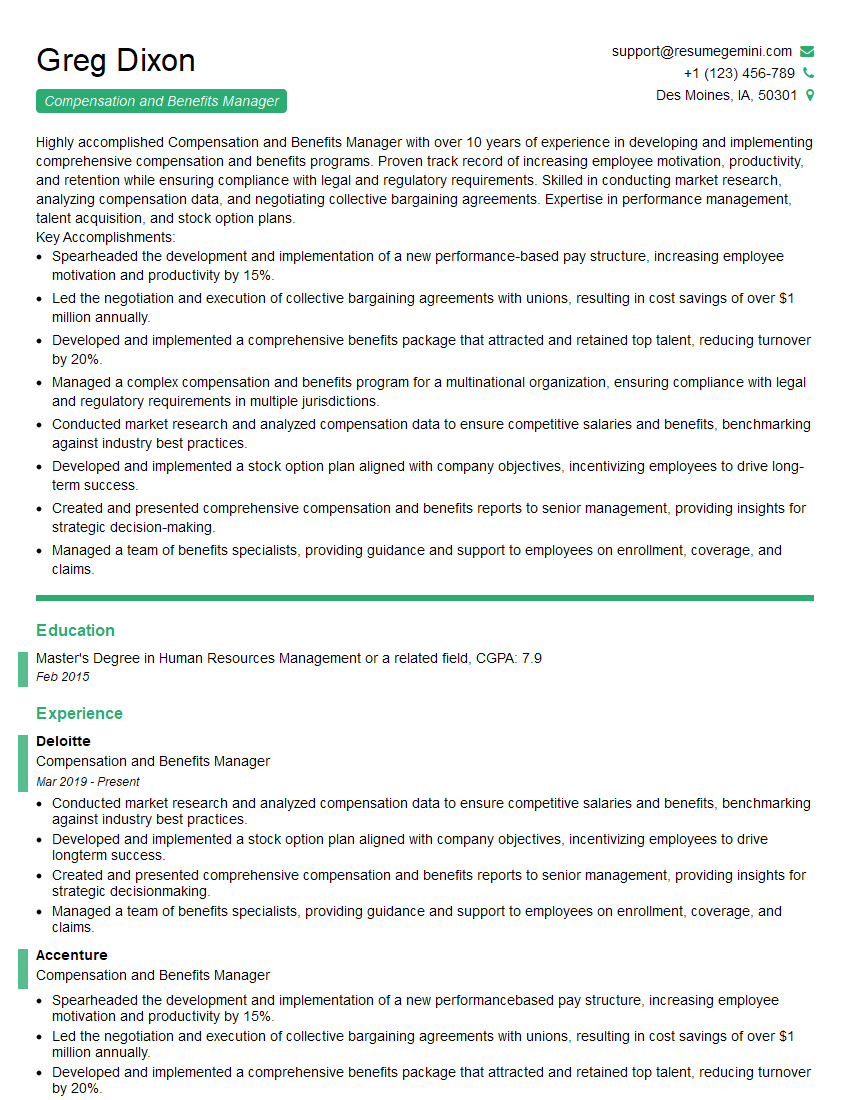
Compensation and Benefits Manager Resume Sample
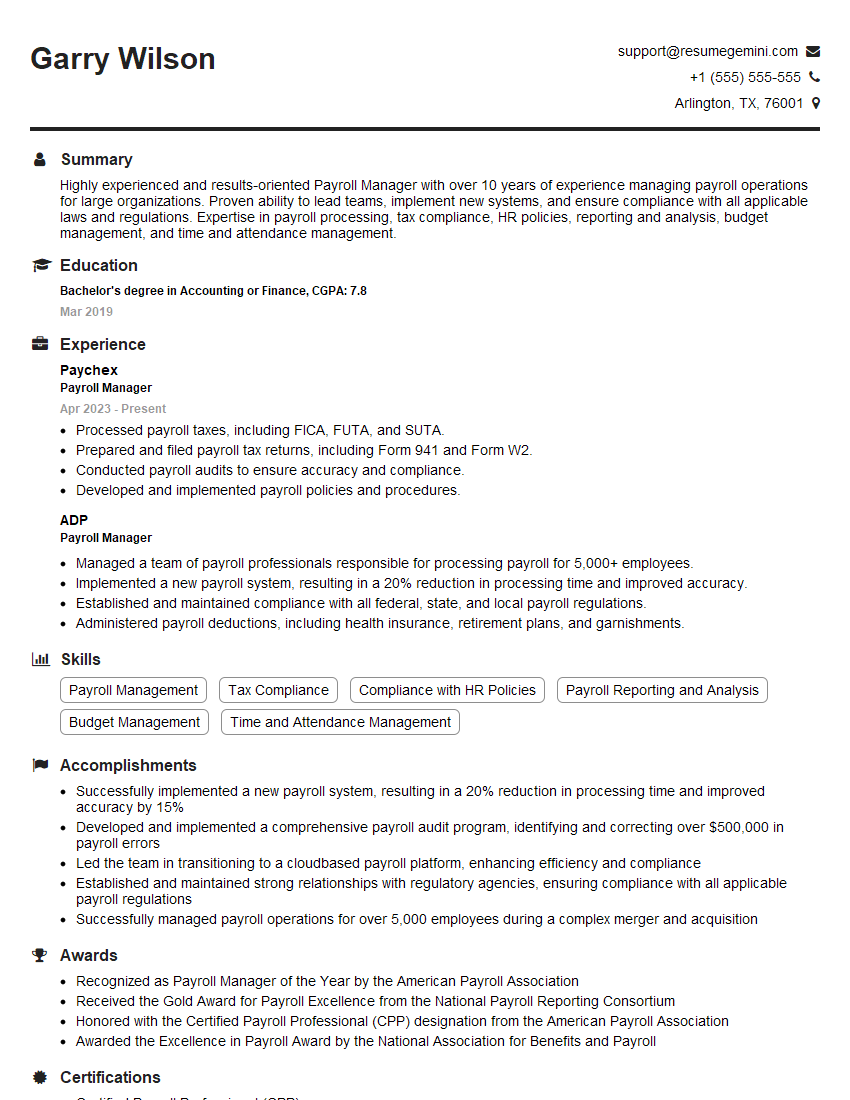
Payroll Manager Resume Sample
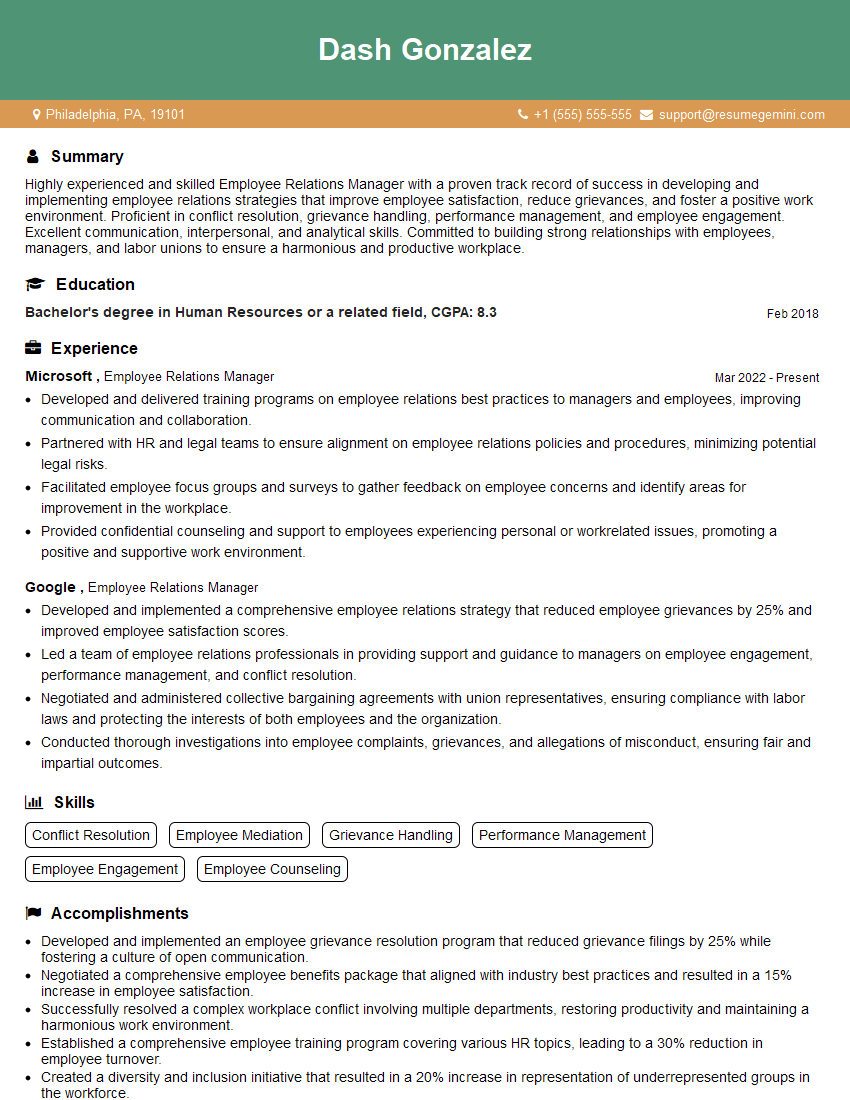
Employee Relations Manager Resume Sample
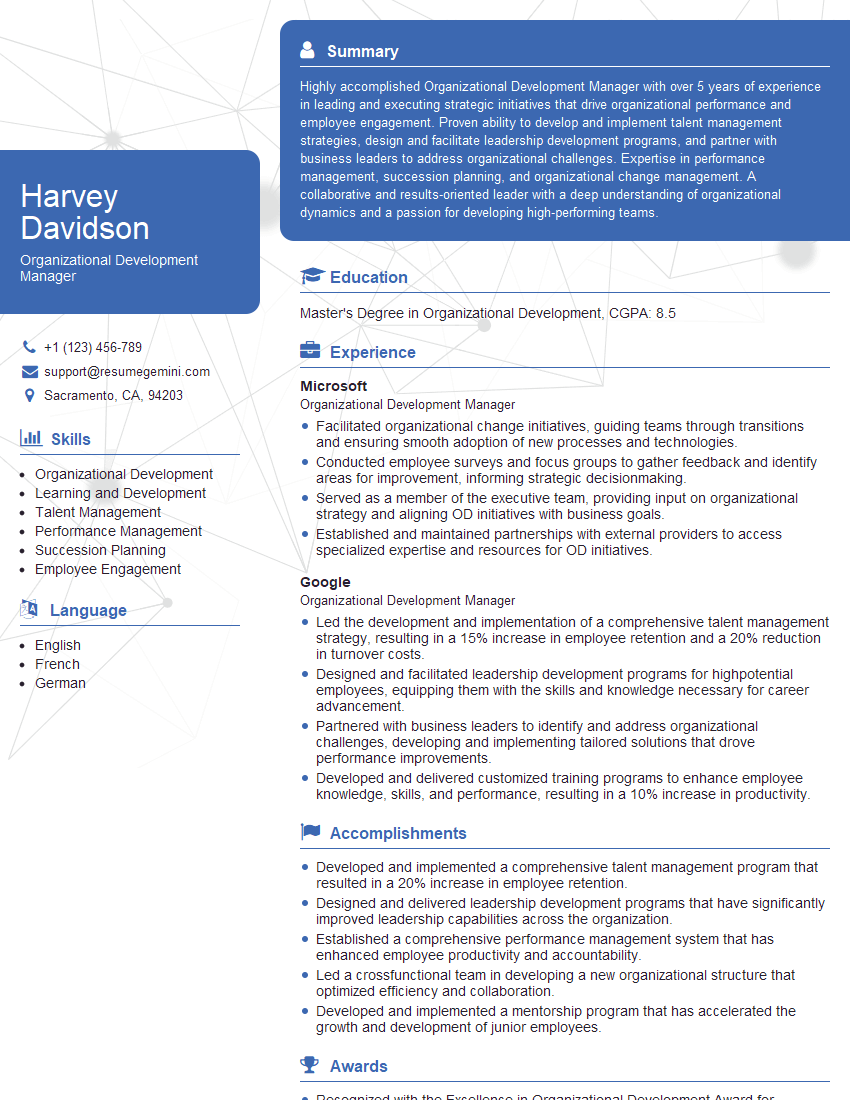
Organizational Development Manager Resume Sample
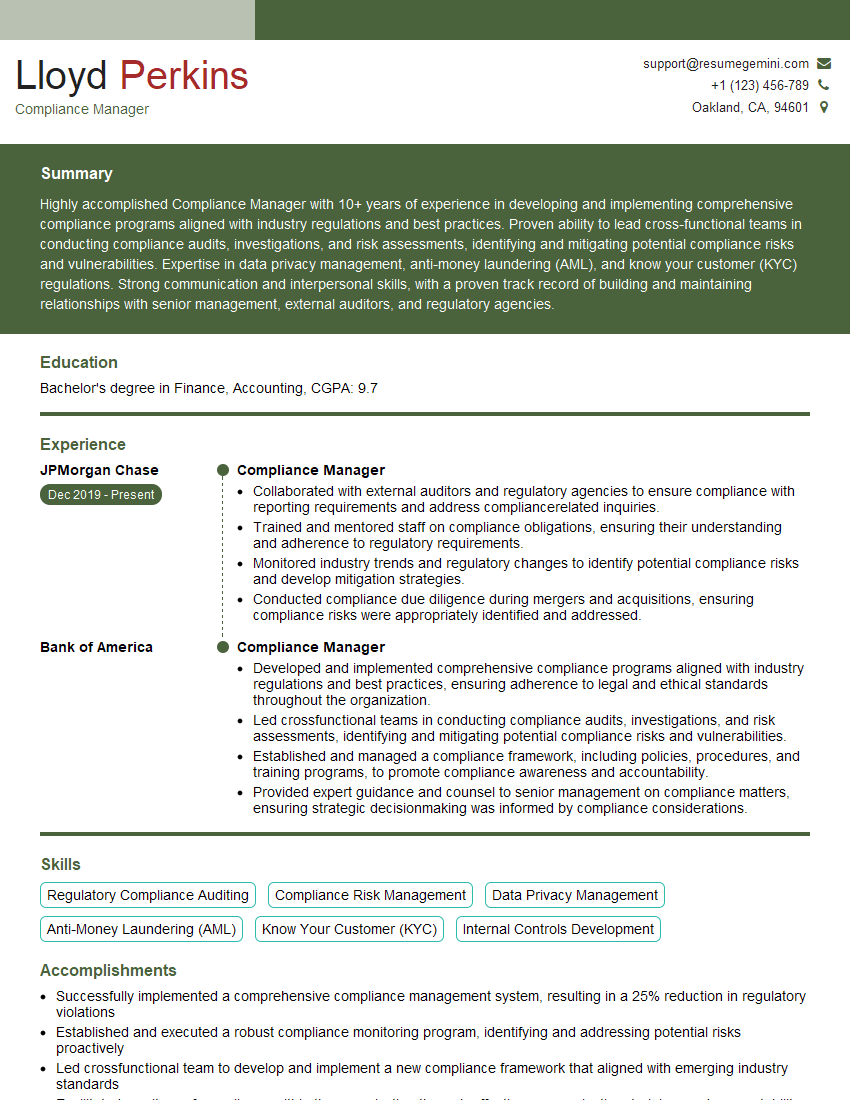
Compliance Manager Resume Sample
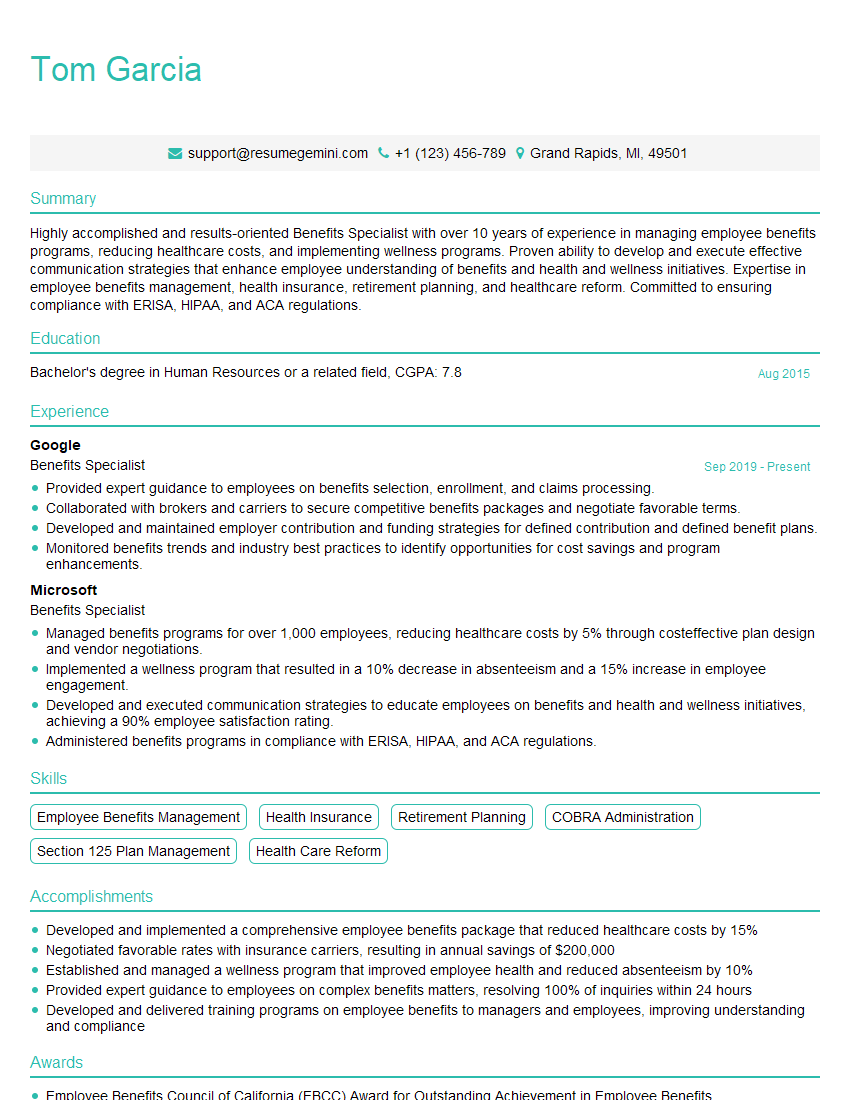
Benefits Specialist Resume Sample
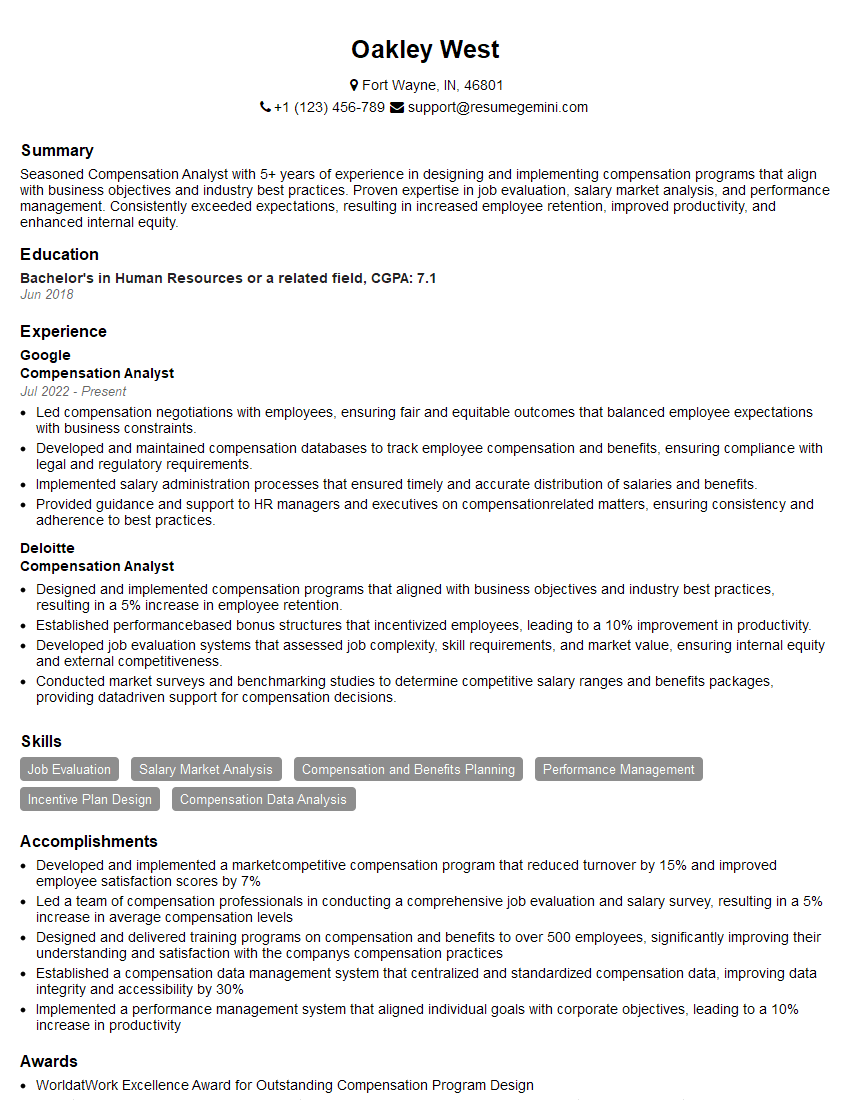
Compensation Analyst Resume Sample
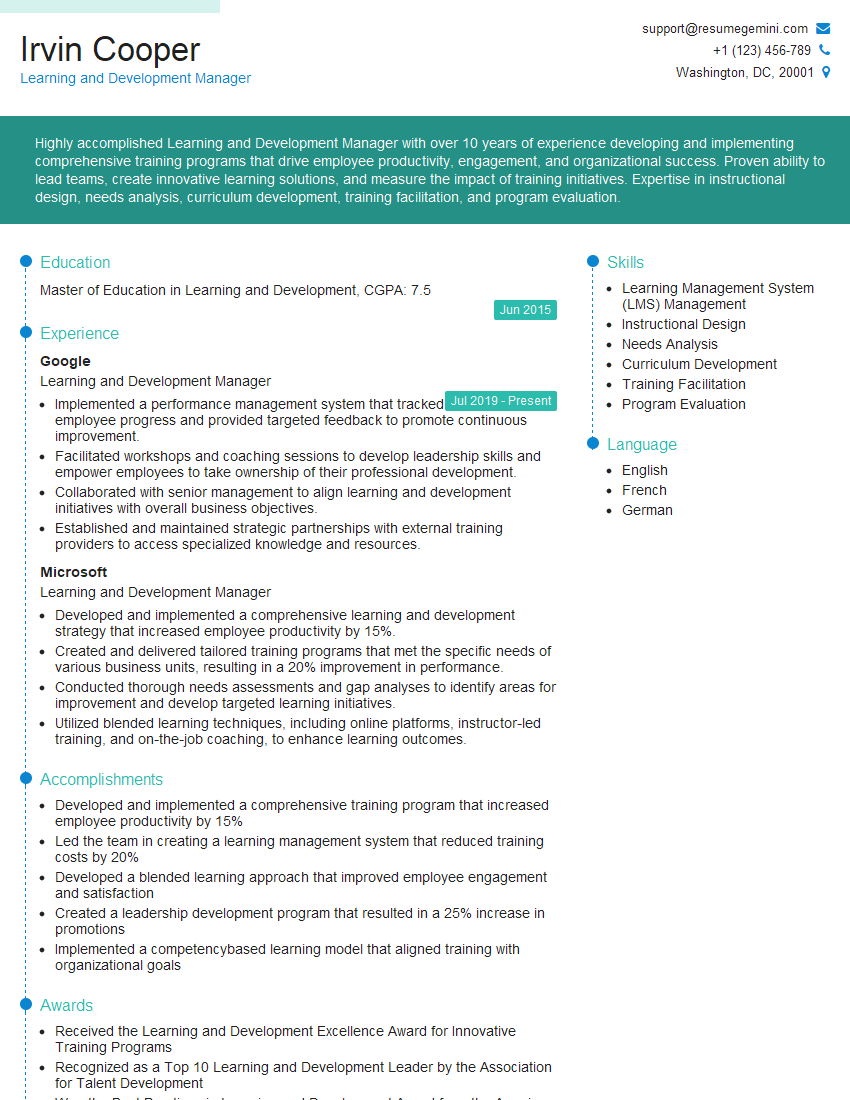
Learning and Development Manager Resume Sample
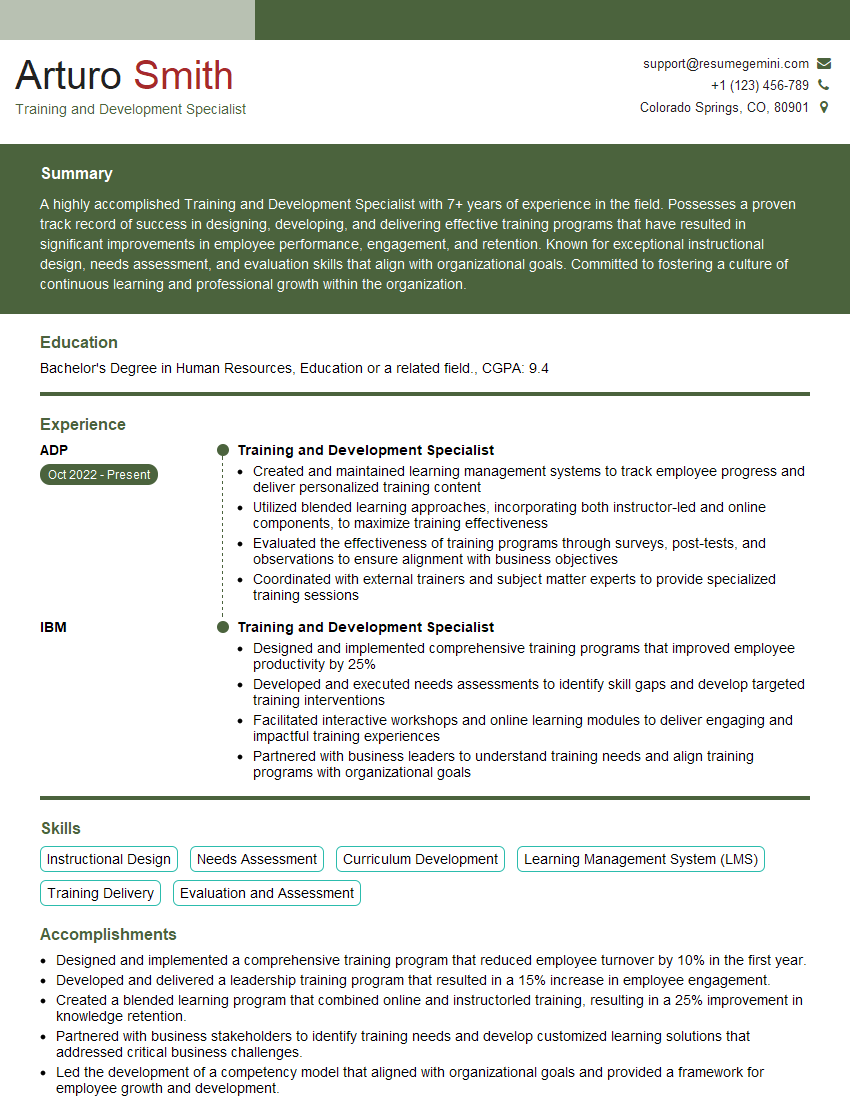
Training and Development Specialist Resume Sample
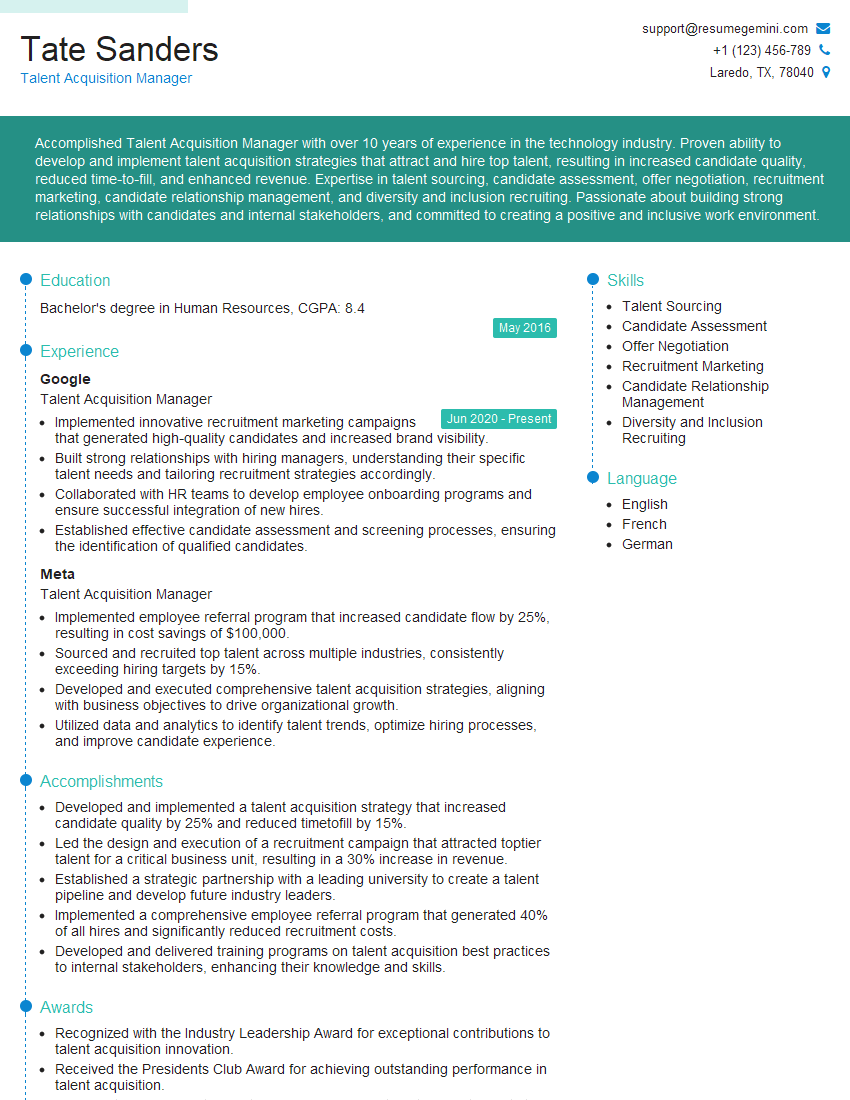
Talent Acquisition Manager Resume Sample
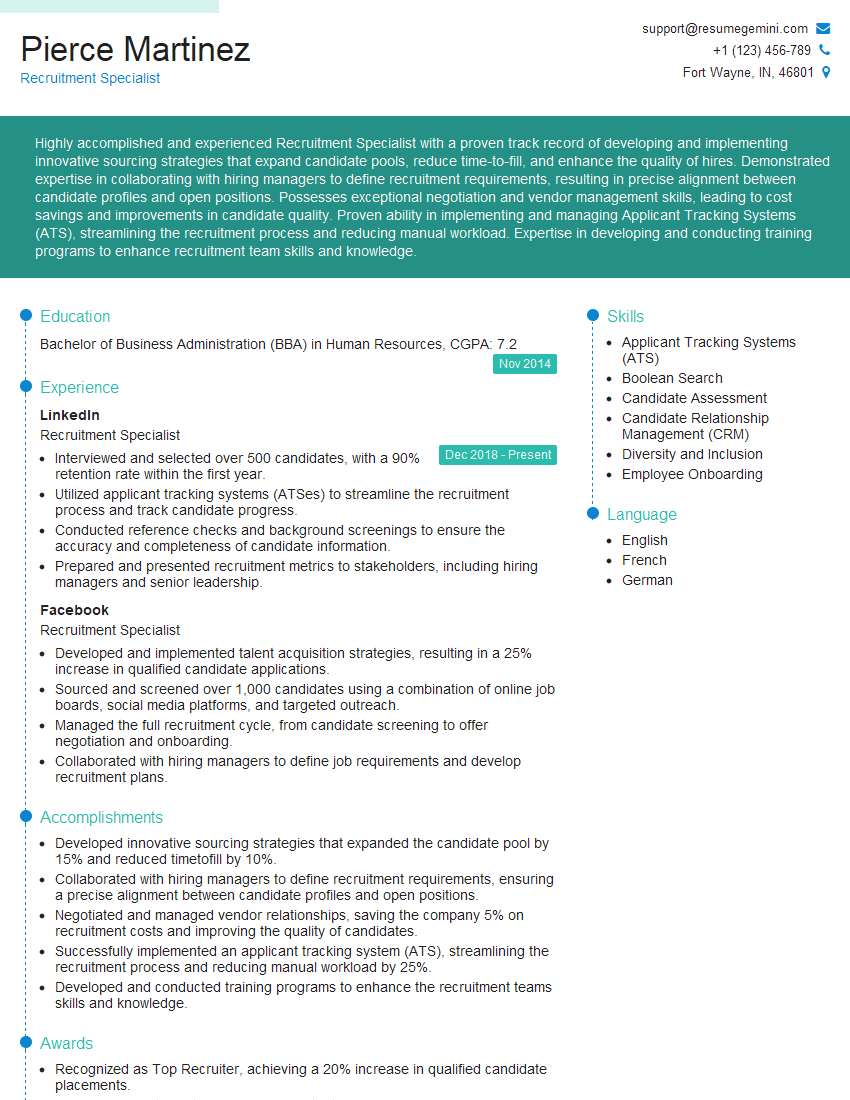
Recruitment Specialist Resume Sample
Explore more articles
Users Rating of Our Blogs
Share Your Experience
We value your feedback! Please rate our content and share your thoughts (optional).
What Readers Say About Our Blog
Very informative content, great job.
good