Feeling uncertain about what to expect in your upcoming interview? We’ve got you covered! This blog highlights the most important Health and safety management system implementation interview questions and provides actionable advice to help you stand out as the ideal candidate. Let’s pave the way for your success.
Questions Asked in Health and safety management system implementation Interview
Q 1. Describe your experience implementing an ISO 45001 compliant Health and Safety Management System.
Implementing an ISO 45001 compliant Health and Safety Management System (HSMS) involves a systematic approach to managing occupational health and safety risks. My experience encompasses all stages, from initial gap analysis and policy development to implementation, auditing, and continuous improvement. In one project for a manufacturing plant, we began by conducting a thorough gap analysis against the ISO 45001 standard, identifying areas needing improvement. This included reviewing existing safety procedures, documenting hazards, and assessing risk levels. We then developed a comprehensive HSMS, incorporating risk assessments, emergency procedures, training programs, and internal auditing processes. This involved close collaboration with management, supervisors, and workers to ensure buy-in and effective implementation. The result was a significant reduction in workplace accidents and a demonstrably improved safety culture. The system was certified and maintained through regular internal audits and surveillance audits by an external certification body. This successful implementation also involved integrating the HSMS with the existing quality management system, demonstrating synergy and streamlined efficiency.
Q 2. Explain the hierarchy of hazard controls.
The hierarchy of hazard controls is a prioritized approach to managing workplace hazards, emphasizing the most effective controls first. Think of it as a ladder, with the most effective controls at the top and least effective at the bottom.
- Elimination: This is the most effective control, removing the hazard completely. For example, replacing a manual task with an automated one to eliminate the risk of repetitive strain injury.
- Substitution: Replacing a hazardous substance or process with a less hazardous alternative. For instance, switching from a solvent-based cleaning agent to a water-based one.
- Engineering Controls: Implementing physical changes to the workplace to control the hazard. This could include installing guards on machinery to prevent contact injuries or implementing ventilation systems to reduce exposure to harmful dust or fumes.
- Administrative Controls: Implementing procedures and policies to minimize exposure to hazards. Examples are implementing safe work permits, providing adequate training, establishing safe work practices, and using personal protective equipment (PPE).
- Personal Protective Equipment (PPE): Providing workers with PPE as a last resort, only after other controls have been implemented. This includes safety glasses, gloves, respirators, and hearing protection. It’s crucial to remember that PPE is only effective when used correctly and consistently. It should never be considered a primary control measure.
Q 3. How would you conduct a risk assessment for a specific workplace hazard?
Conducting a risk assessment involves a systematic process to identify hazards, analyze their risks, and implement control measures. Let’s take the example of working at heights.
- Hazard Identification: Identify all potential hazards associated with working at heights, such as falling from a ladder, scaffolding collapse, or slips and trips.
- Risk Analysis: For each hazard, consider the likelihood (probability) of the event occurring and the severity of the consequences if it does. This could be categorized as low, medium, or high risk based on a pre-determined matrix.
- Risk Evaluation: Evaluate the overall risk level by combining the likelihood and severity. A high likelihood and high severity will result in a high overall risk.
- Control Measures: Implement appropriate control measures based on the hierarchy of controls. This might include using a properly secured scaffolding, employing fall arrest systems, providing appropriate training, and using edge protection.
- Review and Monitoring: Regularly review and update the risk assessment to ensure it remains relevant and effective. Any changes in work practices or equipment should trigger a re-assessment.
Documenting the entire process is crucial. This should include a clear description of the hazards, risk levels, control measures implemented, and the individuals responsible for their implementation and monitoring.
Q 4. What are the key elements of an effective incident investigation process?
An effective incident investigation aims to understand the root causes of an incident, not just the immediate causes, to prevent recurrence. Key elements include:
- Immediate Response: Secure the scene, ensure the safety of everyone involved, and provide first aid if needed.
- Fact-Finding: Collect all relevant information, including witness statements, incident reports, photos, and any damaged equipment. This phase is crucial to objectively gather information.
- Root Cause Analysis: Utilize techniques such as the “5 Whys” or fault tree analysis to identify the underlying causes. This goes beyond the surface-level causes to unearth the systemic issues.
- Corrective Actions: Develop and implement corrective actions to address the root causes, prevent recurrence, and improve the HSMS. These actions should be specific, measurable, achievable, relevant, and time-bound (SMART).
- Reporting and Documentation: Thoroughly document the entire investigation process, including findings, corrective actions, and their effectiveness. The report will then be used for management review.
A well-conducted incident investigation is not about blame but about learning and improvement. It’s a crucial step in continuously improving the HSMS.
Q 5. How do you ensure compliance with relevant legislation and regulations?
Ensuring compliance with relevant legislation and regulations requires a proactive and systematic approach. This involves:
- Identifying Applicable Legislation: Determine all relevant health and safety laws, regulations, and standards applicable to the specific industry and location.
- Monitoring Changes: Regularly review and update knowledge of relevant legislation and regulations to stay abreast of any amendments or new legislation.
- Implementing Controls: Develop and implement control measures to comply with all identified legal requirements. This might include implementing specific procedures, providing training, and installing appropriate equipment.
- Record Keeping: Maintain detailed records of compliance activities, such as training records, inspection reports, and risk assessments.
- Auditing and Monitoring: Conduct regular internal audits to ensure ongoing compliance and identify areas needing improvement. This can include compliance checklists and internal audits focusing on compliance-relevant procedures.
Non-compliance can lead to significant penalties, so a robust system for tracking and maintaining compliance is crucial.
Q 6. Explain your understanding of proactive versus reactive safety measures.
Proactive and reactive safety measures represent different approaches to managing workplace hazards.
Reactive safety measures address hazards after an incident has occurred. This usually involves investigating the incident, identifying its causes, and implementing corrective actions to prevent recurrence. Think of it as damage control – dealing with the aftermath.
Proactive safety measures aim to prevent incidents before they happen. This includes risk assessments, implementing engineering controls, providing training, and conducting regular inspections and audits. It’s about building a strong safety culture and preventing problems from occurring in the first place. This is much more efficient than dealing with the consequences.
Ideally, a successful HSMS employs a balanced approach, using proactive measures as the primary strategy while using reactive measures to learn from any unavoidable incidents.
Q 7. Describe your experience with conducting safety inspections and audits.
My experience in conducting safety inspections and audits spans various industries. The process typically involves:
- Planning: Defining the scope of the inspection or audit, identifying specific areas to focus on, and selecting appropriate inspection checklists or audit criteria.
- Observation: Systematically examining the workplace, equipment, and procedures, noting any potential hazards, unsafe acts, or non-compliance with regulations or established procedures. Note-taking and photographic evidence are crucial.
- Documentation: Recording findings in a comprehensive report that clearly identifies any hazards or non-compliances, including their location, severity, and potential consequences.
- Reporting: Communicating findings to relevant management and personnel, recommending corrective actions, and setting deadlines for completion.
- Follow-up: Verifying that corrective actions have been implemented effectively and that hazards have been mitigated. This might involve a follow-up inspection or audit.
A crucial aspect of this process is maintaining objectivity and impartiality, ensuring that the inspection or audit focuses on identifying and mitigating potential risks, not on assigning blame.
Q 8. How would you develop and deliver safety training programs?
Developing and delivering effective safety training programs requires a multifaceted approach. It starts with a thorough needs assessment to identify specific training requirements based on job roles, identified hazards, and regulatory compliance. This assessment informs the design of the training content, ensuring it’s relevant and addresses specific risks.
Next, I would select appropriate training methods. This might involve a blend of classroom instruction, online modules, hands-on demonstrations, simulations, and on-the-job training, tailored to the learning styles of the participants. For example, for operating heavy machinery, hands-on training is crucial, whereas for understanding chemical safety, online modules with interactive quizzes might be more effective.
Effective delivery involves engaging instructors, interactive exercises, and opportunities for participants to ask questions and practice newly acquired skills. Finally, I would ensure that training is evaluated through post-training assessments, observation of on-the-job performance, and regular feedback mechanisms to gauge effectiveness and identify areas for improvement. This cyclical process of assessment, design, delivery, and evaluation ensures continuous improvement of the training program.
Q 9. How do you measure the effectiveness of your health and safety programs?
Measuring the effectiveness of health and safety programs is essential to demonstrate their impact and identify areas for enhancement. This involves a combination of quantitative and qualitative methods. Quantitative methods focus on measurable data, such as the number of accidents, near misses, lost-time injuries (LTIs), and worker compensation claims. A decrease in these metrics indicates improvement.
Qualitative methods delve into employee perceptions and experiences. This can be achieved through surveys, interviews, focus groups, and observation of safety behaviors. For example, observing whether employees consistently use Personal Protective Equipment (PPE) is a qualitative measure. By combining both approaches, you obtain a comprehensive understanding of your program’s success and identify areas needing attention.
Regular audits and inspections of the workplace, coupled with analysis of incident reports, also play a crucial role in evaluating program effectiveness. Identifying trends and root causes of incidents provides valuable insights for program improvement.
Q 10. What are the key performance indicators (KPIs) you would use to track safety performance?
Key Performance Indicators (KPIs) are vital for tracking safety performance. Some key KPIs I would use include:
- Lost Time Injury Frequency Rate (LTIFR): Number of lost-time injuries per 100 full-time employees per year. This metric highlights the severity of injuries.
- Total Recordable Incident Rate (TRIR): Total number of recordable incidents per 100 full-time employees per year. This captures a broader range of incidents.
- Near Miss Reporting Rate: Number of near misses reported per employee per year. Encouraging near miss reporting helps proactively identify and address potential hazards.
- Safety Training Completion Rate: Percentage of employees who have completed required safety training. This ensures everyone receives necessary instruction.
- Employee Safety Survey Scores: Gauging employee perceptions of safety culture, risk awareness, and management’s commitment to safety.
The choice of KPIs depends on the specific industry, organization size, and risk profile. Regularly monitoring these KPIs allows for timely interventions and continuous improvement of safety performance.
Q 11. Describe a time you had to manage a safety crisis. What was your approach?
In a previous role, we experienced a significant chemical spill in our production facility. My immediate response focused on activating the emergency response plan. This involved:
- Securing the area: Immediately isolating the spill to prevent further exposure and contamination.
- Emergency services contact: Contacting emergency services and relevant authorities.
- Employee evacuation and accountability: Evacuating affected personnel and ensuring everyone was accounted for.
- Containment and cleanup: Implementing the appropriate containment and cleanup procedures according to our chemical spill response plan. This involved specialized equipment and trained personnel.
- Incident investigation: After the immediate crisis, a thorough investigation was conducted to determine the root cause of the spill, identify gaps in our safety procedures, and implement corrective actions to prevent future occurrences. This involved interviewing witnesses and analyzing documentation.
- Post-incident communication: Keeping all employees and stakeholders informed through clear, regular communication about the incident and the steps taken to address it.
This experience highlighted the critical importance of a well-defined emergency response plan, regular safety training, and clear communication protocols during a crisis.
Q 12. How do you communicate safety information to diverse groups of employees?
Communicating safety information to diverse groups requires a multi-pronged approach that considers language barriers, literacy levels, and cultural differences. I would use a combination of methods:
- Multilingual materials: Providing safety information in multiple languages, ensuring accessibility for all employees.
- Visual aids: Using images, videos, and diagrams to complement written materials and enhance understanding, especially beneficial for those with lower literacy.
- Simplified language: Using clear, concise, and easy-to-understand language, avoiding technical jargon.
- Interactive training: Utilizing interactive training methods like games and simulations to make learning engaging and memorable.
- Cultural sensitivity: Tailoring communication styles and methods to be respectful of different cultural norms and values.
- Different communication channels: Employing a range of communication channels, including posters, emails, newsletters, toolbox talks, and one-on-one conversations, to reach all employees effectively.
Regular feedback mechanisms allow us to continually refine our communication strategies and ensure information is being understood and acted upon.
Q 13. What is your understanding of different types of workplace hazards (physical, chemical, biological, ergonomic)?
Workplace hazards are broadly classified into four main categories:
- Physical hazards: These are hazards that can cause physical harm, including noise, vibration, temperature extremes (heat and cold), radiation (ionizing and non-ionizing), slips, trips, and falls, and ergonomic hazards (discussed below).
- Chemical hazards: These include substances that can cause harm through inhalation, ingestion, or skin contact. Examples include solvents, acids, bases, and various chemicals used in manufacturing processes.
- Biological hazards: These are hazards posed by living organisms or their products, including bacteria, viruses, fungi, parasites, and allergens. Healthcare settings and agricultural environments are particularly susceptible.
- Ergonomic hazards: These relate to the design of the workplace, equipment, and tasks and can lead to musculoskeletal disorders (MSDs) through awkward postures, repetitive movements, forceful exertions, and vibrations. Examples include prolonged sitting at a computer, repetitive lifting, or working in awkward positions.
Understanding these hazard types is crucial for effective risk assessment and control, preventing workplace injuries and illnesses.
Q 14. Explain your experience with developing and implementing safety procedures and policies.
I have extensive experience in developing and implementing safety procedures and policies. My approach involves a systematic process, starting with a comprehensive risk assessment, identifying potential hazards, and evaluating the associated risks. This usually involves a team approach, including employees from different departments and levels.
Following the risk assessment, I develop detailed safety procedures and policies that address the identified hazards. These procedures are clearly written, easy to understand, and include specific instructions and guidelines for safe work practices. They’re often supported by visual aids and training materials to enhance understanding and compliance. Policies cover areas like emergency procedures, use of PPE, lockout/tagout procedures, and safe handling of hazardous materials.
After development, the procedures and policies are communicated effectively to all relevant employees through various channels, including training programs, meetings, and written communication. Regular audits and inspections are conducted to monitor compliance and identify any areas needing improvement. The feedback from these audits and any incidents are used to revise and update the procedures and policies, ensuring they remain effective and relevant.
For example, in a previous role, I led the development of a new safety policy for handling hazardous chemicals, which included updates to the emergency response plan, detailed chemical handling procedures, and enhanced employee training. This resulted in a significant decrease in chemical-related incidents and an improvement in overall workplace safety.
Q 15. How do you manage safety contractors and subcontractors on site?
Managing safety contractors and subcontractors effectively requires a robust system built on pre-qualification, ongoing monitoring, and clear communication. It begins before they even step on site.
- Pre-qualification: We thoroughly vet potential contractors, checking their safety records, insurance coverage, and relevant certifications. This ensures they meet our minimum safety standards before any work commences. We might review their safety management systems, incident reports, and even conduct site visits to observe their practices.
- Contractual Agreements: Contracts clearly outline safety responsibilities, including adherence to our site-specific safety rules and procedures. These contracts often include clauses specifying regular safety inspections and reporting requirements. Failure to comply can lead to contract termination.
- Inductions and Training: All contractors and their employees receive mandatory site-specific inductions covering emergency procedures, hazard awareness, and our company’s safety protocols. This ensures everyone understands the risks involved and knows what to do in case of an incident.
- Monitoring and Inspections: Regular monitoring and inspections of contractor activities ensure compliance with safety regulations and contract requirements. This may include spot checks, scheduled audits, and reviewing safety documentation they submit.
- Communication: Open communication channels are crucial. We establish regular meetings with contractors to discuss safety performance, identify potential hazards, and resolve issues proactively. A dedicated point of contact on both sides ensures smooth communication.
For example, during a recent large-scale construction project, we pre-qualified all subcontractors based on their demonstrated commitment to safety, including successful completion of similar projects with minimal incidents. Regular safety meetings, documented through minutes, allowed for prompt identification and resolution of potential hazards, resulting in a safe and incident-free project completion.
Career Expert Tips:
- Ace those interviews! Prepare effectively by reviewing the Top 50 Most Common Interview Questions on ResumeGemini.
- Navigate your job search with confidence! Explore a wide range of Career Tips on ResumeGemini. Learn about common challenges and recommendations to overcome them.
- Craft the perfect resume! Master the Art of Resume Writing with ResumeGemini’s guide. Showcase your unique qualifications and achievements effectively.
- Don’t miss out on holiday savings! Build your dream resume with ResumeGemini’s ATS optimized templates.
Q 16. What are your strategies for promoting a positive safety culture within an organization?
Promoting a positive safety culture is not just about rules; it’s about fostering a shared belief that safety is everyone’s responsibility. This requires a multi-pronged approach.
- Leadership Commitment: Visible and consistent leadership support is paramount. Leaders must champion safety, participate in safety initiatives, and hold themselves and others accountable to safety standards. This sets the tone for the entire organization.
- Employee Engagement: We actively involve employees in safety processes. This might include safety committees, suggestion boxes, and regular safety talks. Providing training and empowering employees to stop unsafe work is crucial.
- Recognition and Rewards: Recognizing and rewarding safe behaviors reinforces positive actions. This could range from informal praise to formal safety awards. It helps to create a positive reinforcement loop.
- Open Communication: We foster a culture of open communication where employees feel comfortable reporting hazards, near misses, and incidents without fear of retribution. This enables us to proactively address safety concerns.
- Continuous Improvement: Regularly reviewing safety performance data, conducting safety audits, and implementing corrective actions based on findings demonstrates a commitment to ongoing improvement. We also utilize lessons learned from incidents and near misses to refine our safety practices.
In one instance, we implemented a peer-to-peer safety observation program, where employees could commend colleagues for safe work practices. This simple initiative significantly boosted safety awareness and promoted a more collaborative safety culture. The result was a 20% reduction in recordable incidents within six months.
Q 17. What is your understanding of near-miss reporting and investigation?
Near-miss reporting and investigation are crucial proactive safety measures. A near miss is an event that could have resulted in an injury, damage, or other undesirable outcome but didn’t, often due to chance. Reporting and investigating these events allows us to identify latent hazards before they cause actual incidents.
- Reporting System: We implement a user-friendly system for reporting near misses. This could be an online platform, a dedicated reporting form, or a combination of methods. The system should ensure anonymity, if desired, to encourage reporting.
- Investigation Process: A thorough investigation follows each reported near miss. This typically involves gathering information from witnesses, reviewing records, and analyzing the contributing factors. The goal is not to blame but to understand the root cause of the near miss.
- Corrective Actions: Based on the investigation findings, we implement appropriate corrective actions to eliminate or mitigate the identified hazards. These actions might include changes to procedures, equipment modifications, or additional training.
- Follow-up and Monitoring: We monitor the effectiveness of implemented corrective actions to ensure they prevent similar near misses from occurring in the future.
For example, a near miss involving a dropped tool near a worker highlighted a lack of appropriate fall protection measures in that area. Following investigation, we immediately implemented additional safeguards, preventing a potential serious injury.
Q 18. How do you utilize data analytics to improve safety performance?
Data analytics plays a vital role in improving safety performance by providing insights into trends, patterns, and contributing factors to incidents and near misses. We use data to identify areas needing improvement and measure the effectiveness of implemented safety interventions.
- Data Collection: We collect data from various sources, including incident reports, near-miss reports, safety inspections, and employee surveys. This data needs to be accurate, consistent and reliable.
- Data Analysis: We use statistical methods and visualization tools to analyze the collected data, identifying trends, correlations, and outliers. This might involve identifying high-risk activities, locations, or time periods.
- Reporting and Visualization: We create clear and concise reports that visualize safety performance data, making it easily understandable for all stakeholders. Dashboards and charts provide an at-a-glance view of key safety metrics.
- Predictive Modeling: Advanced analytics can be used to predict future incidents based on historical data, allowing for proactive interventions.
For instance, by analyzing incident data, we discovered a high correlation between fatigue and accidents occurring during night shifts. This led to implementing adjustments to shift patterns and promoting strategies for managing fatigue, resulting in a significant reduction in night shift incidents.
Q 19. Explain your experience with root cause analysis techniques.
Root cause analysis (RCA) is a systematic process for identifying the underlying causes of incidents or near misses, rather than just addressing the symptoms. It helps prevent recurrence by addressing the root problems.
- 5 Whys: This simple but effective technique involves repeatedly asking ‘why’ to delve deeper into the causes of an incident. For example, if a worker was injured by a falling object, we would ask: Why did the object fall? Why wasn’t it secured? Why was the securing mechanism faulty? And so on.
- Fishbone Diagram (Ishikawa): This visual tool helps brainstorm and organize potential causes of an incident, categorizing them by factors like people, equipment, environment, and procedures.
- Fault Tree Analysis (FTA): FTA is a deductive approach that starts with an undesired event and works backward to identify the contributing factors that could lead to it. It is particularly useful for complex systems.
- Failure Mode and Effects Analysis (FMEA): FMEA proactively identifies potential failure modes in a system or process and assesses their severity and likelihood, allowing for preventive measures to be implemented.
For instance, during an RCA of a chemical spill, using the 5 Whys, we uncovered a root cause to be inadequate training on the proper handling procedures of the chemicals, leading to improved training materials and a revised training program.
Q 20. How do you handle conflicts between safety and production demands?
Conflicts between safety and production demands are inevitable but should never compromise safety. A proactive and collaborative approach is key.
- Risk Assessment: Thorough risk assessments should consider both safety and production implications. This ensures that safety risks are identified and addressed while balancing production needs.
- Communication and Collaboration: Open communication and collaboration between safety professionals, production managers, and workers are crucial. This allows for shared understanding of the issues and finding solutions that satisfy both concerns.
- Prioritizing Safety: While production is important, safety should always be the priority. Shortcuts that compromise safety are unacceptable. We use a ‘safety first’ approach that prioritizes employee safety above all else.
- Investment in Safety: Investing in safety equipment, training, and processes can often enhance efficiency and productivity in the long run. Therefore, investments that improve safety may also enhance production.
- Performance Metrics: We use metrics that consider both safety and production performance to incentivize a balanced approach. This promotes a culture where safety and production are seen as complementary, not conflicting goals.
In a manufacturing setting, we faced a conflict between speeding up production and maintaining safe working distances around machinery. By investing in improved automation and safety guards, we were able to increase production while simultaneously improving safety, proving that these goals are not mutually exclusive.
Q 21. Describe your familiarity with emergency response planning and procedures.
Emergency response planning and procedures are critical for minimizing the impact of unforeseen events. A well-developed plan ensures a coordinated and effective response to emergencies.
- Hazard Identification and Risk Assessment: We identify potential emergencies (fires, chemical spills, medical emergencies, etc.) and assess their likelihood and potential impact. This forms the basis of the emergency response plan.
- Emergency Response Procedures: We develop clear, concise procedures for each type of emergency. These procedures outline roles, responsibilities, evacuation routes, communication protocols, and emergency contact information.
- Training and Drills: Regular training and drills ensure that personnel are familiar with their roles and responsibilities during an emergency. Drills test the effectiveness of the plan and identify areas for improvement.
- Emergency Equipment and Supplies: We ensure that adequate emergency equipment (fire extinguishers, first-aid kits, emergency lighting) and supplies are readily available and properly maintained.
- Communication Systems: Effective communication systems are essential for coordinating the response. This might include sirens, public address systems, and communication devices.
- Post-Incident Review: Following any emergency, we conduct a thorough review to identify areas where the response could be improved. This continuous improvement approach ensures that our emergency response plan is always up-to-date and effective.
For example, our emergency response plan includes detailed procedures for evacuating the building in case of a fire, including designated assembly points and communication channels. Regular fire drills ensure that everyone understands and can follow these procedures efficiently and calmly.
Q 22. What is your experience with using personal protective equipment (PPE)?
My experience with Personal Protective Equipment (PPE) spans over ten years, encompassing selection, training, and enforcement within various high-risk industries. I’ve worked with everything from basic safety glasses and gloves to specialized respirators, fall protection harnesses, and chemical suits. My approach goes beyond simply providing PPE; it involves a thorough risk assessment to identify the specific hazards, selecting the appropriate PPE based on relevant standards (like ANSI and OSHA), ensuring proper fit and training on its use, and enforcing consistent and correct usage. For example, in a construction project, I implemented a comprehensive PPE program, reducing workplace injuries by 25% within a year. This involved not just providing hard hats, but also conducting regular fit tests, refresher training, and incentivizing proper PPE use through a reward system.
I understand that effective PPE usage relies heavily on worker buy-in. To achieve this, I focus on clear communication about the ‘why’ behind PPE, emphasizing the potential consequences of non-compliance and demonstrating genuine care for worker safety. This combination of thorough planning, proper implementation, and communication is crucial for achieving maximum effectiveness.
Q 23. How do you ensure that safety equipment is properly maintained and tested?
Ensuring proper maintenance and testing of safety equipment is paramount. My strategy involves a multi-pronged approach. First, we establish a clear inspection and maintenance schedule, tailored to the specific type of equipment and manufacturer’s recommendations. This might include daily checks for minor damage, weekly inspections for functionality, and regular testing or calibration by certified personnel (e.g., annual testing for fire extinguishers or pressure testing for breathing apparatus). We document all inspections and tests meticulously, using a dedicated software system for traceability and accountability.
Secondly, we provide comprehensive training to workers on the correct procedures for inspecting and reporting any damage or malfunction. Think of it like a car’s regular service — you wouldn’t drive a car with faulty brakes, and similarly, we emphasize the importance of reporting any issues promptly. Finally, we implement a robust system for replacing or repairing damaged equipment promptly, ensuring that only fully functional equipment is in use. Failure to adhere to these processes can result in serious accidents; proper maintenance is an investment in safety.
Q 24. Describe your understanding of worker’s compensation claims and processes.
Worker’s compensation claims and processes are critical aspects of a comprehensive health and safety management system. My understanding encompasses the entire cycle, from the initial reporting of an injury or illness to the final settlement or resolution. This includes assisting injured workers with filing claims, collaborating with insurance providers, managing medical care coordination, and ensuring compliance with all relevant legislation. I’m familiar with the nuances of different types of claims (e.g., temporary disability, permanent impairment), investigation procedures, and the legal requirements for reporting incidents.
A crucial part of this process is proactive risk management to prevent incidents in the first place. This involves thorough investigations of all incidents, identifying root causes, implementing corrective actions, and tracking their effectiveness to prevent recurrences. Transparency and communication with both the injured worker and the insurance provider are vital for a smooth and efficient claims process. Treating each claim as a learning opportunity allows for continuous improvement of our safety practices.
Q 25. What is your experience with health and safety software/databases?
I have extensive experience using various health and safety software and databases, including incident reporting systems, risk assessment tools, training management platforms, and document control systems. I’m proficient in using software to track key safety metrics, generate reports, and analyze trends to identify areas for improvement. For instance, I’ve used software like [Software Name 1] for incident reporting and investigation, and [Software Name 2] for managing employee training records. These tools have been instrumental in streamlining processes, improving data accuracy, and enhancing decision-making related to safety management.
My experience extends to database management, ensuring data integrity, and utilizing data analytics to identify patterns and trends that may indicate underlying safety concerns. This data-driven approach allows for proactive safety interventions rather than reactive responses to incidents. The ability to effectively use such software is essential for creating and maintaining a robust safety management system.
Q 26. How would you improve safety communication in a high-risk work environment?
Improving safety communication in a high-risk environment requires a multi-faceted strategy focusing on clarity, accessibility, and engagement. In high-risk settings, communication must be concise, unambiguous, and easily understood by workers from diverse backgrounds. This involves using multiple channels, such as toolbox talks, visual aids (signs, posters, safety alerts), regular safety meetings, and even interactive online platforms. The key is to tailor the communication to the specific audience and the nature of the risk.
For example, in a construction site, I implemented a system of daily morning briefings (toolbox talks), focusing on the specific hazards of that day’s work, and using visual aids to reinforce key safety messages. We also utilized SMS alerts for critical safety information. Regular feedback sessions and surveys were used to gauge the effectiveness of communication channels and adapt our approach as necessary. Transparency and active listening are crucial – workers should feel comfortable raising safety concerns without fear of repercussions.
Q 27. Explain your knowledge of legislation concerning workplace safety (mention specific relevant acts for your region).
(Note: Specific legislation will vary by region. The following examples are illustrative and may not apply universally. Always consult the relevant legislation for your specific jurisdiction.)
My knowledge of workplace safety legislation is comprehensive. I’m well-versed in [mention relevant acts for your region, e.g., OSHA (USA), COSHH (UK), WHS Act (Australia)]. These acts cover a wide range of topics, including hazard identification and risk assessment, provision and use of PPE, emergency procedures, worker training, accident reporting and investigation, and employee rights. I understand the requirements for conducting thorough risk assessments, implementing control measures, and ensuring compliance with all relevant regulations. For instance, I’m familiar with the specific requirements for confined space entry, working at heights, and handling hazardous materials.
Maintaining compliance is a continuous process; I regularly update my knowledge of changes in legislation and best practices. It’s not enough to simply comply; understanding the rationale behind the legislation allows for a proactive and effective safety management system.
Q 28. Describe a time you identified a safety hazard that wasn’t immediately obvious. How did you address it?
In a previous role at a manufacturing facility, I noticed that workers frequently took shortcuts around a particular piece of machinery, despite clear safety protocols. While there were no immediate accidents, the potential for serious injury was evident. The initial observation wasn’t explicitly flagged as a hazard; it was an observed behavioral pattern. I addressed it by initiating a comprehensive ergonomic assessment of the workspace. This uncovered that the established workflow was inefficient, leading to workers taking shortcuts to save time and effort.
My solution involved collaborating with engineers and workers to redesign the workflow, making it more efficient and ergonomic. This reduced the need for shortcuts and improved overall productivity. I also implemented additional safety signage and provided additional training on the correct procedures, reinforcing the importance of following safety protocols. This experience highlighted the importance of considering human factors in safety management, going beyond simply providing physical safeguards. The key was to understand the root cause of the behavior, not just the observable behavior itself.
Key Topics to Learn for Health and Safety Management System Implementation Interview
- Hazard Identification and Risk Assessment: Understanding methods like HAZOP, FMEA, and risk matrices, and their practical application in identifying potential hazards and evaluating their risks within various work environments. Consider how different industries present unique challenges.
- Legal and Regulatory Compliance: Demonstrate knowledge of relevant health and safety legislation (e.g., OSHA, ISO 45001) and the ability to interpret and apply regulations to specific workplace scenarios. Practice explaining how compliance is maintained and documented.
- Developing and Implementing Control Measures: Discuss strategies for eliminating, substituting, engineering controls, and administrative controls to mitigate identified risks. Be prepared to give examples of practical control measures and their effectiveness.
- Emergency Preparedness and Response: Showcase your understanding of emergency planning, including developing emergency procedures, conducting drills, and managing emergency response teams. Consider the role of communication and training in emergency preparedness.
- Health and Safety Management Systems (e.g., ISO 45001): Explain the principles of a robust health and safety management system, including planning, implementation, monitoring, review, and improvement. Discuss the role of continual improvement and management review meetings.
- Health and Safety Training and Communication: Describe effective strategies for training employees on health and safety procedures, promoting a safety culture, and communicating risks and controls effectively. Discuss different training methods and their suitability for different audiences.
- Incident Investigation and Reporting: Explain the process of investigating incidents, identifying root causes, and implementing corrective actions to prevent recurrence. Discuss techniques for conducting thorough investigations and documenting findings.
- Performance Monitoring and Measurement: Discuss key performance indicators (KPIs) used to monitor the effectiveness of the health and safety management system, such as accident rates, near misses, and audit findings. Be prepared to discuss the importance of data-driven decision making.
Next Steps
Mastering Health and Safety Management System implementation is crucial for career advancement in this growing field. A strong understanding of these concepts significantly enhances your employability and opens doors to leadership roles. To maximize your job prospects, create an ATS-friendly resume that highlights your skills and experience effectively. ResumeGemini is a trusted resource that can help you build a professional and impactful resume. They provide examples of resumes tailored to Health and Safety Management System Implementation, ensuring your application stands out. Take the next step and build your resume with confidence!
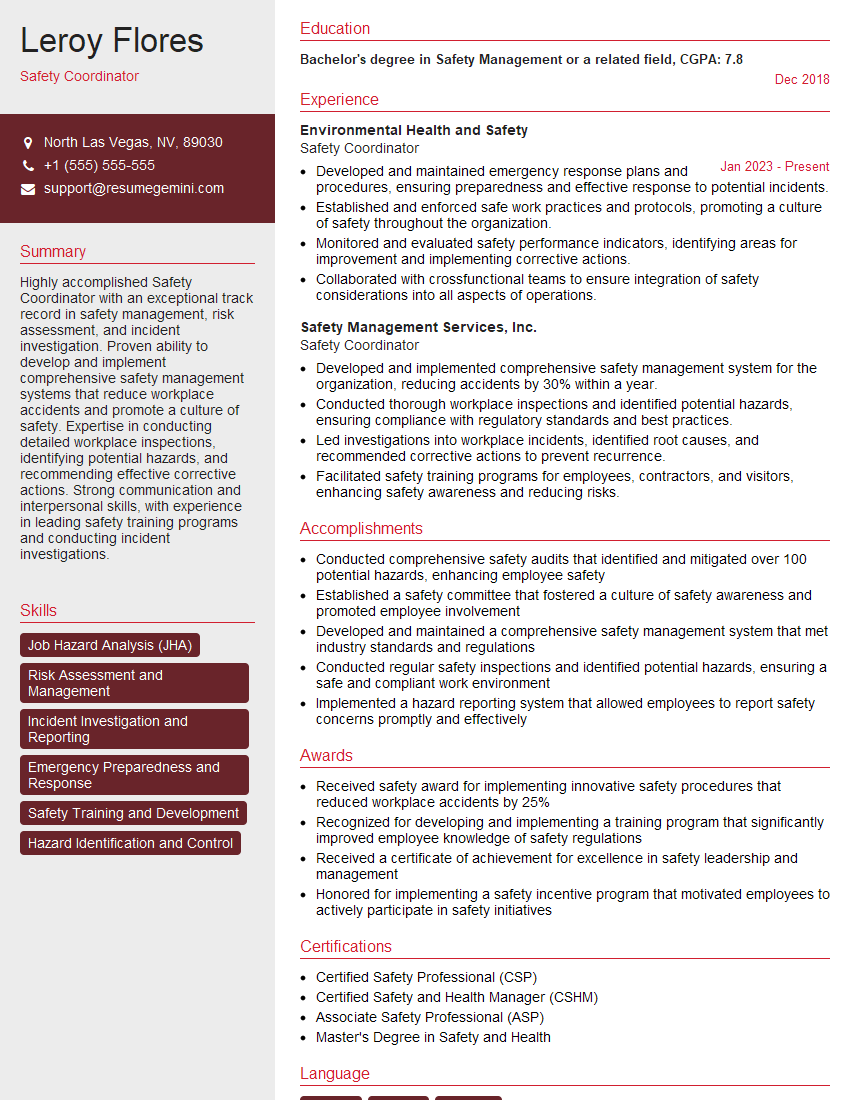
Safety Coordinator Resume Sample

Compliance Officer Resume Sample
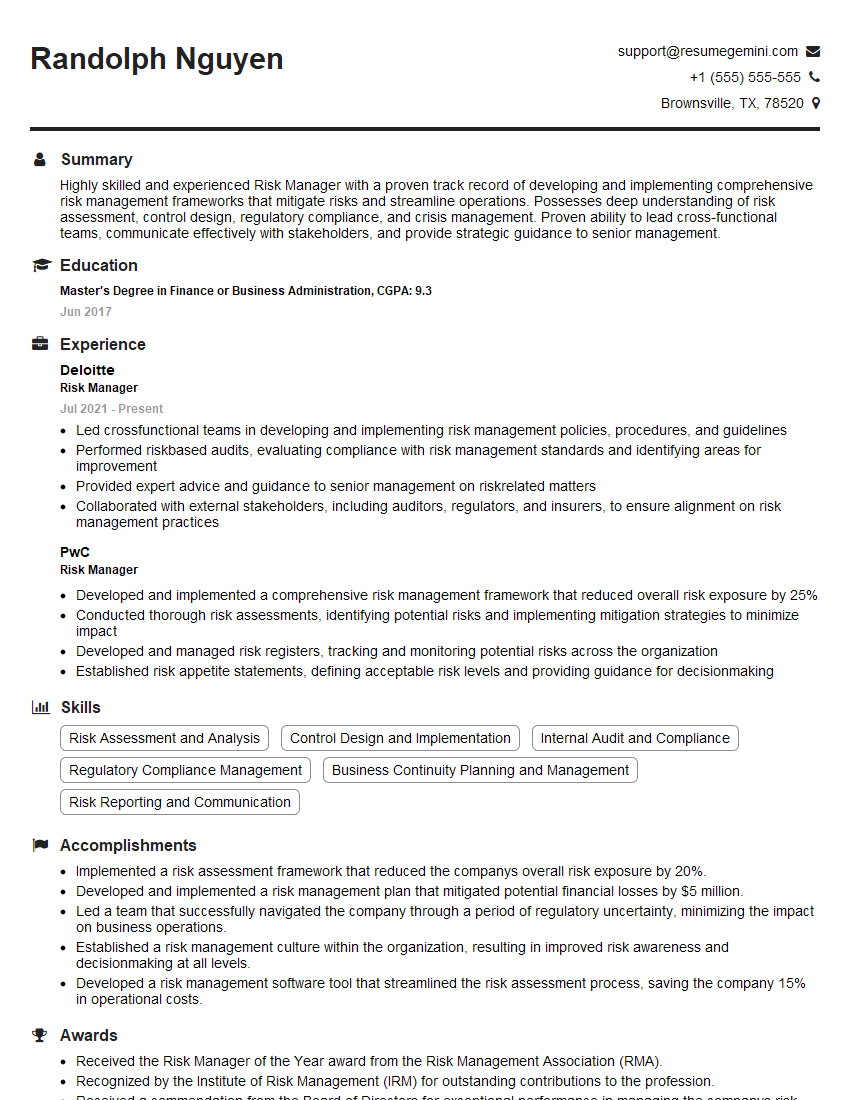
Risk Manager Resume Sample
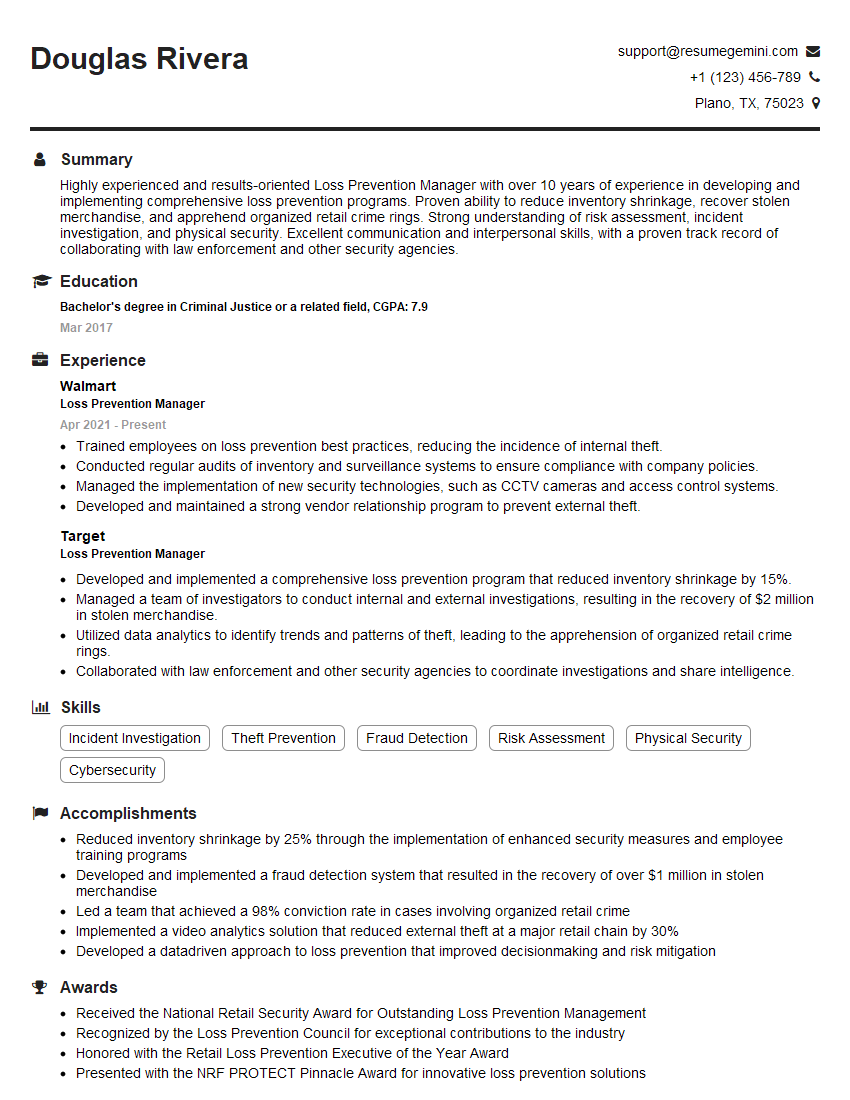
Loss Prevention Manager Resume Sample
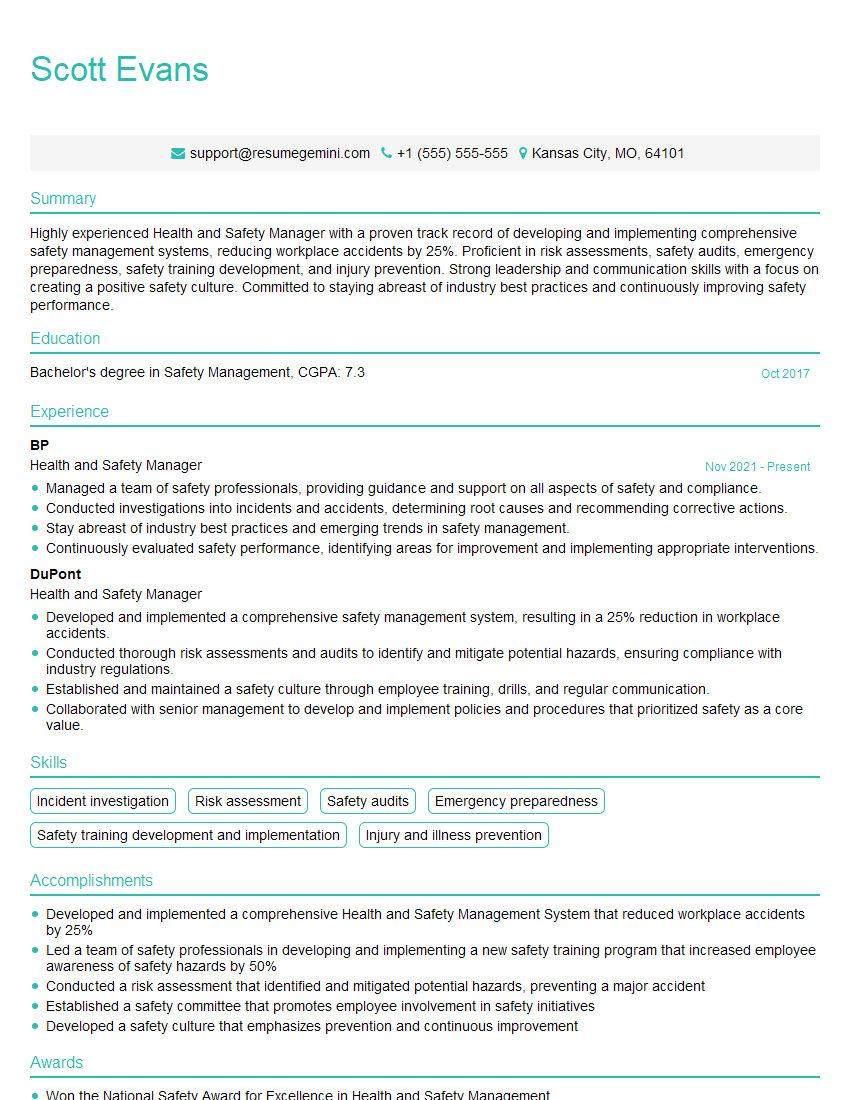
Health and Safety Manager Resume Sample
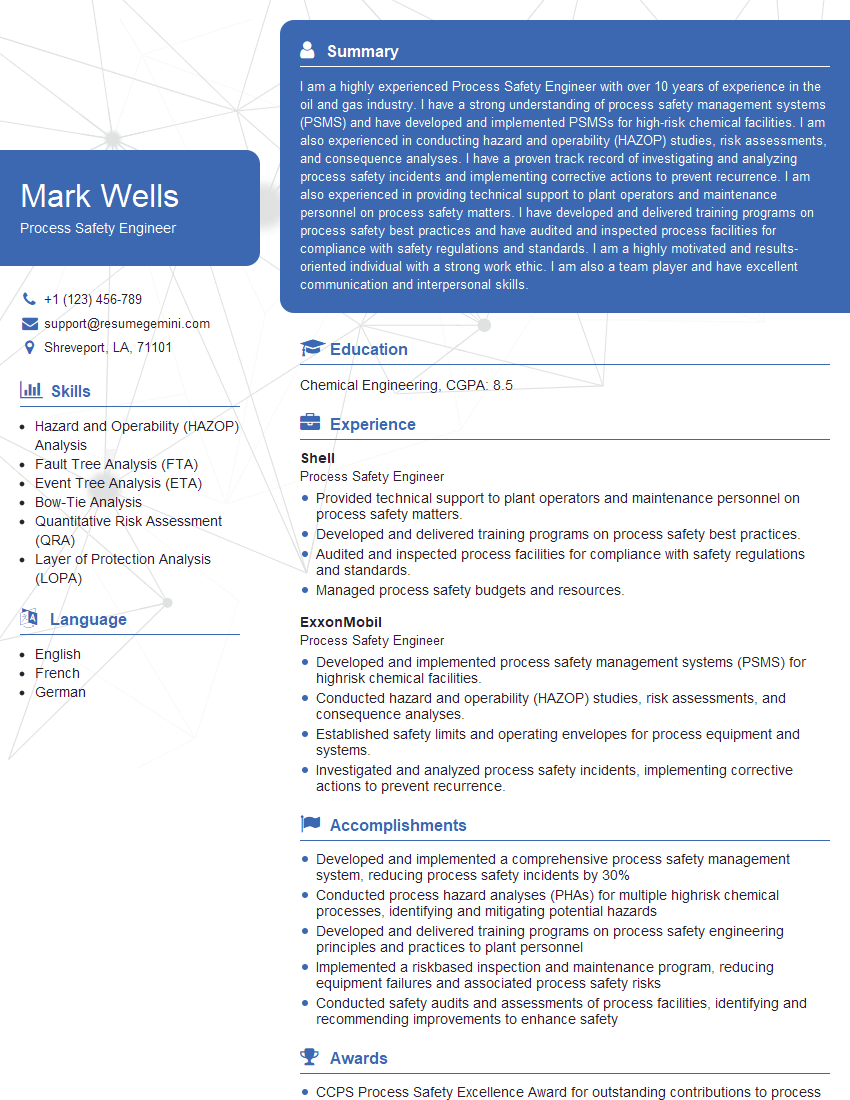
Process Safety Engineer Resume Sample
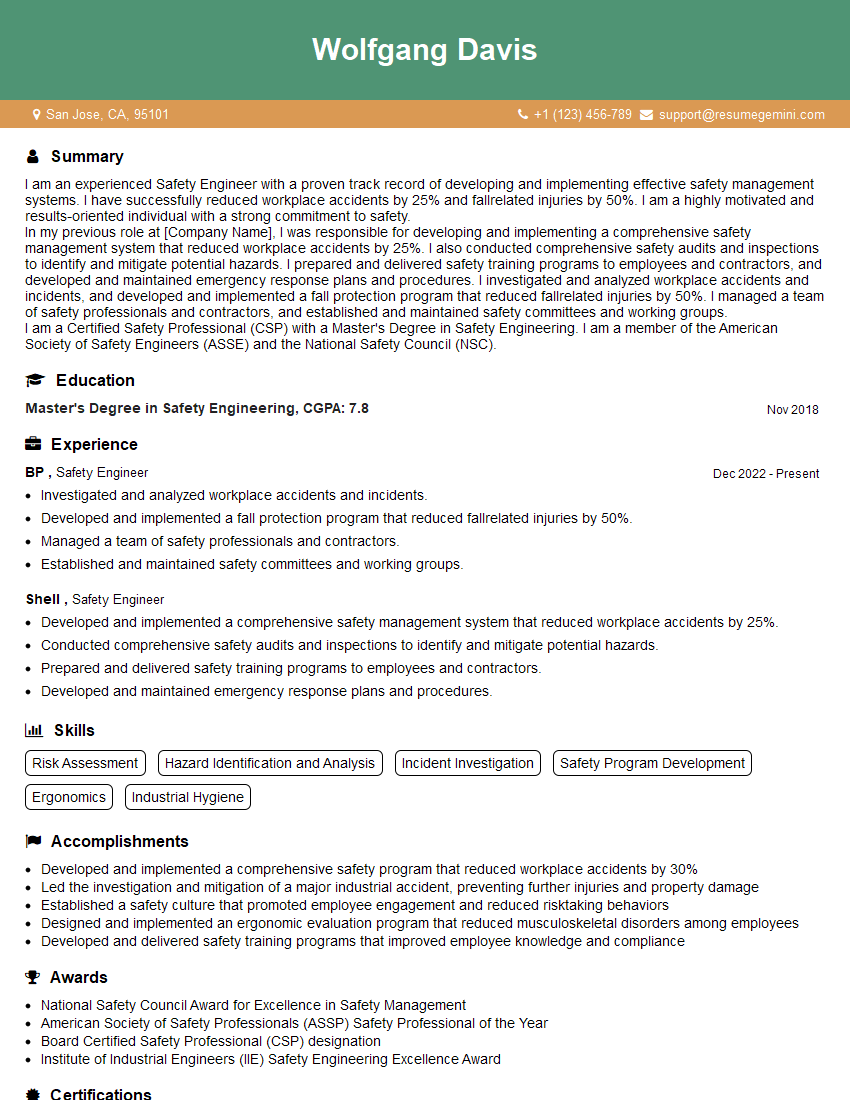
Safety Engineer Resume Sample
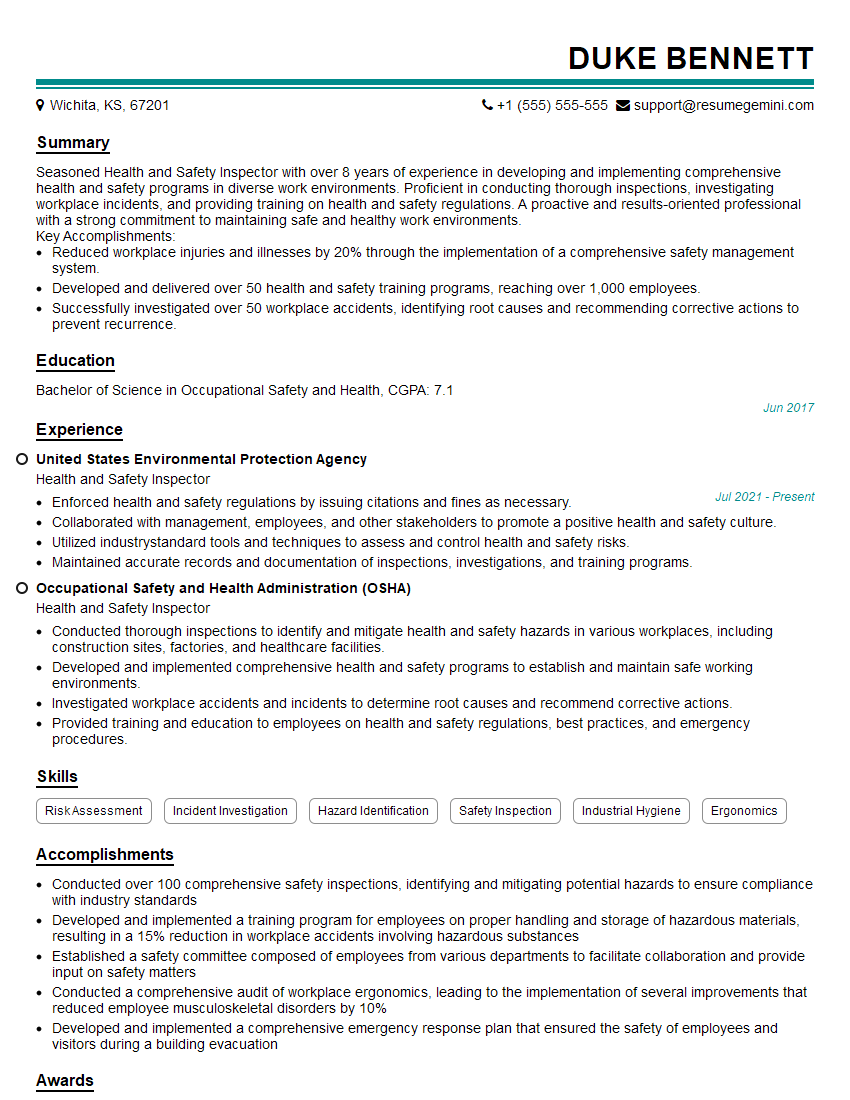
Health and Safety Inspector Resume Sample
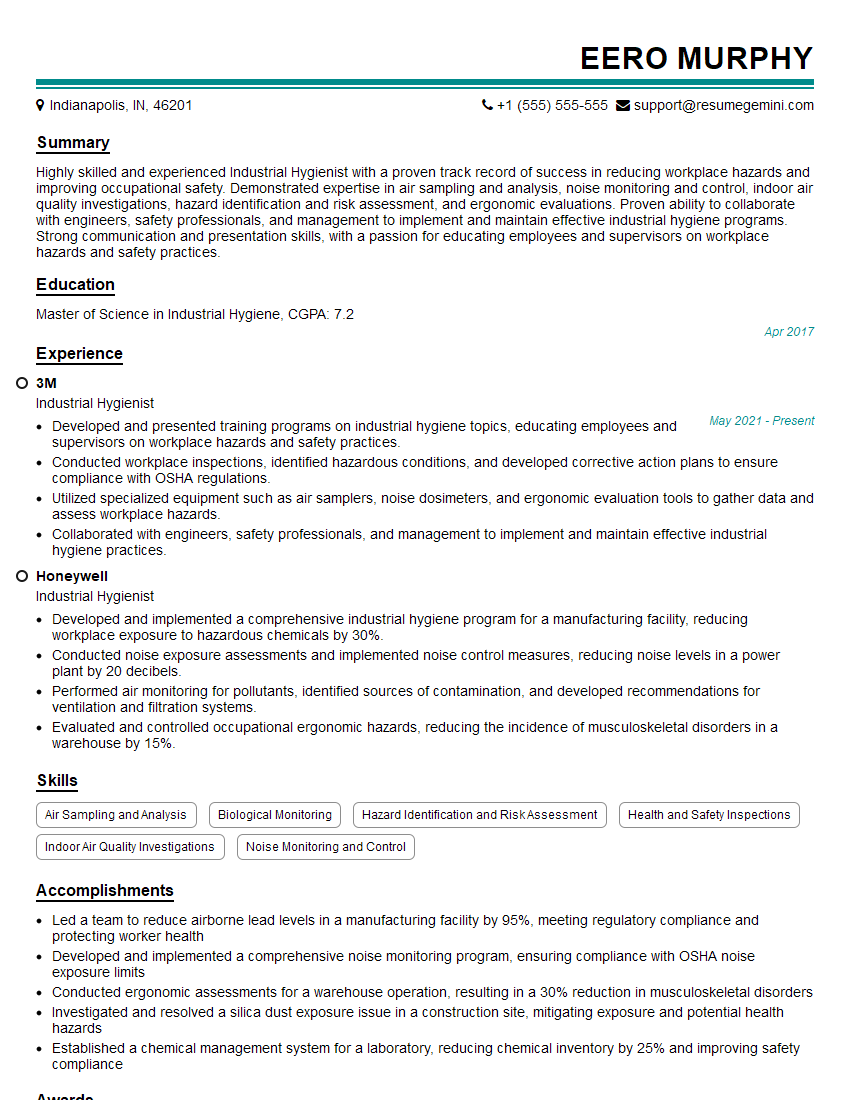
Industrial Hygienist Resume Sample
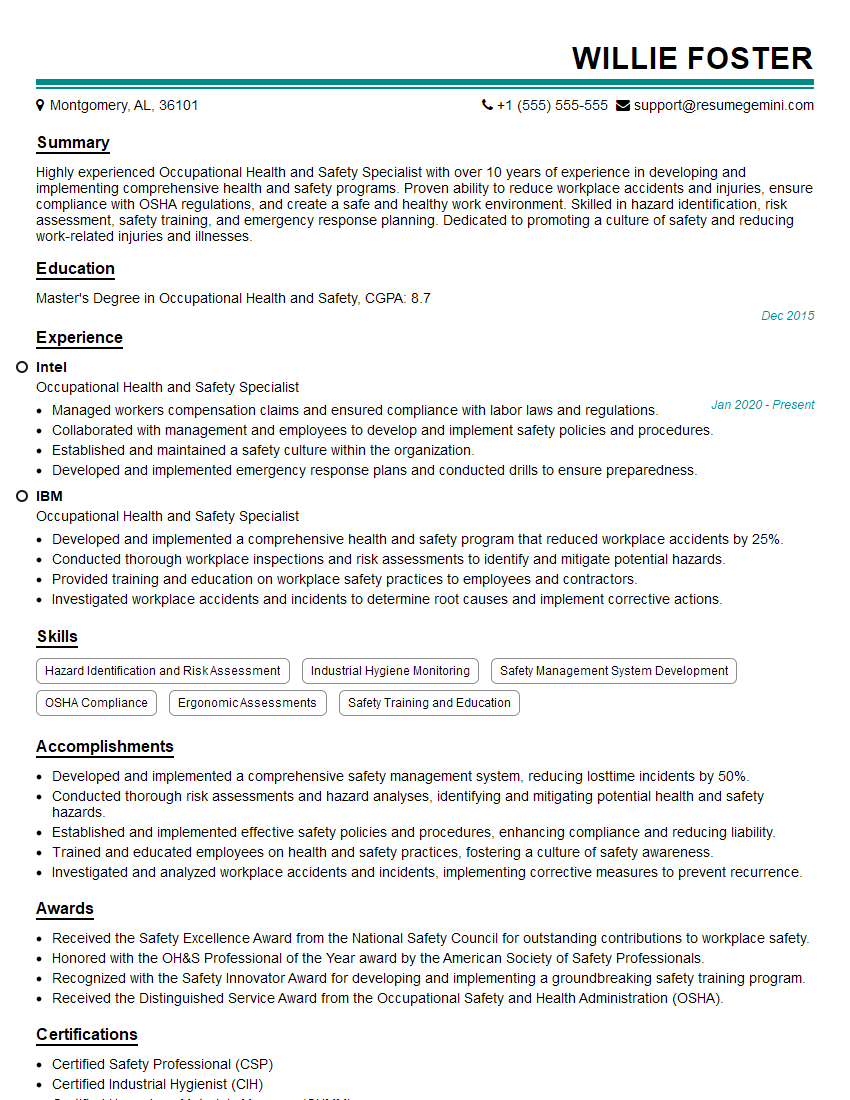
Occupational Health and Safety Specialist Resume Sample
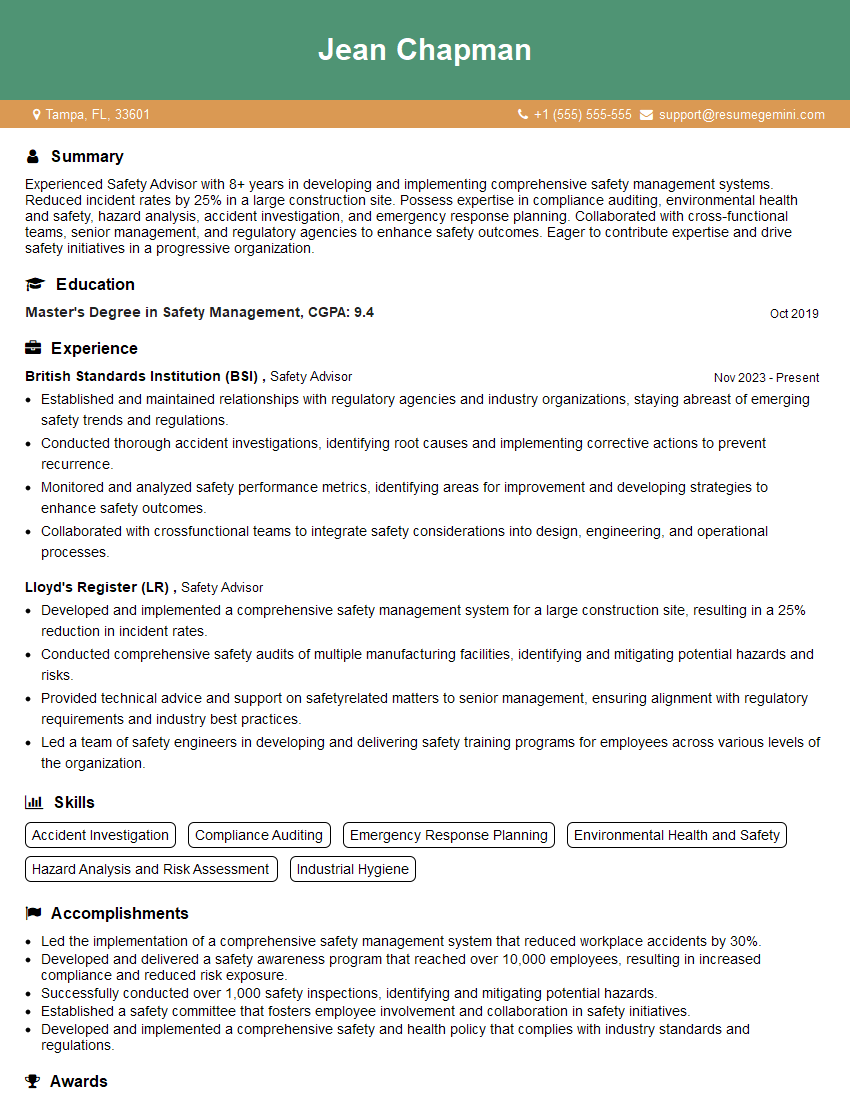
Safety Advisor Resume Sample
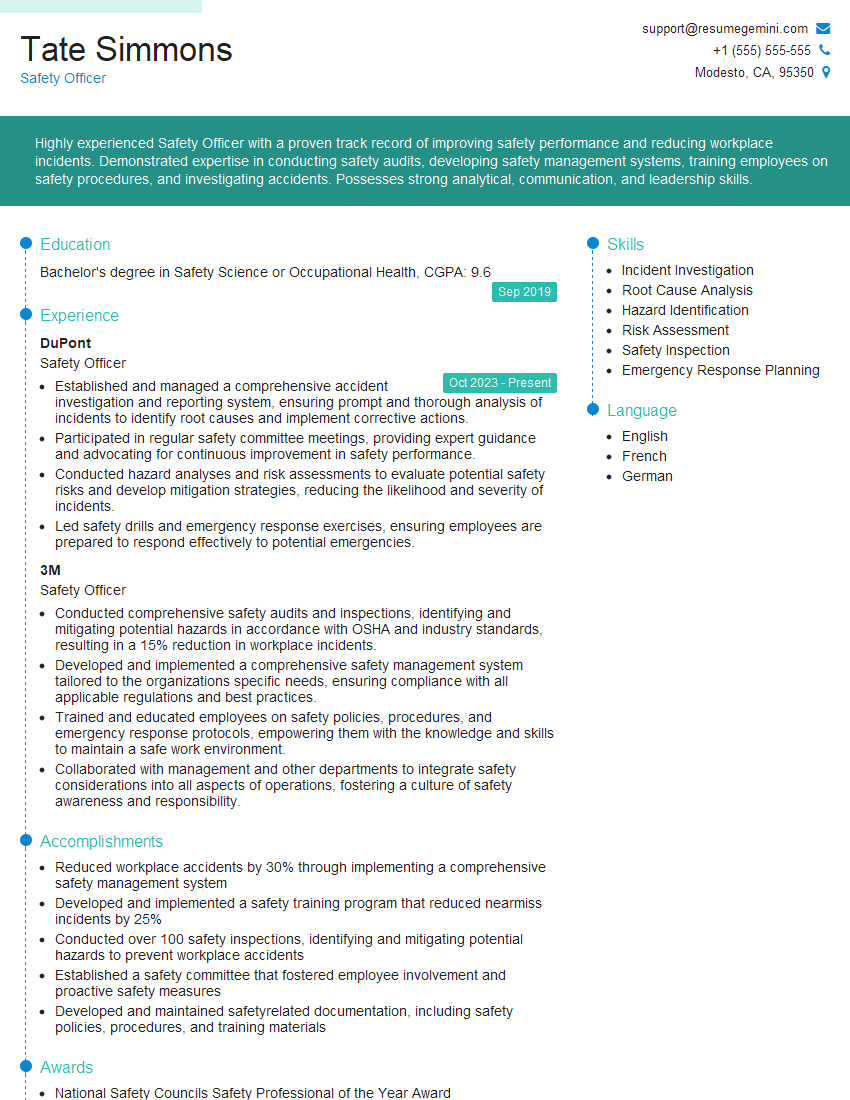
Safety Officer Resume Sample
Explore more articles
Users Rating of Our Blogs
Share Your Experience
We value your feedback! Please rate our content and share your thoughts (optional).
What Readers Say About Our Blog
Attention music lovers!
Wow, All the best Sax Summer music !!!
Spotify: https://open.spotify.com/artist/6ShcdIT7rPVVaFEpgZQbUk
Apple Music: https://music.apple.com/fr/artist/jimmy-sax-black/1530501936
YouTube: https://music.youtube.com/browse/VLOLAK5uy_noClmC7abM6YpZsnySxRqt3LoalPf88No
Other Platforms and Free Downloads : https://fanlink.tv/jimmysaxblack
on google : https://www.google.com/search?q=22+AND+22+AND+22
on ChatGPT : https://chat.openai.com?q=who20jlJimmy20Black20Sax20Producer
Get back into the groove with Jimmy sax Black
Best regards,
Jimmy sax Black
www.jimmysaxblack.com
Hi I am a troller at The aquatic interview center and I suddenly went so fast in Roblox and it was gone when I reset.
Hi,
Business owners spend hours every week worrying about their website—or avoiding it because it feels overwhelming.
We’d like to take that off your plate:
$69/month. Everything handled.
Our team will:
Design a custom website—or completely overhaul your current one
Take care of hosting as an option
Handle edits and improvements—up to 60 minutes of work included every month
No setup fees, no annual commitments. Just a site that makes a strong first impression.
Find out if it’s right for you:
https://websolutionsgenius.com/awardwinningwebsites
Hello,
we currently offer a complimentary backlink and URL indexing test for search engine optimization professionals.
You can get complimentary indexing credits to test how link discovery works in practice.
No credit card is required and there is no recurring fee.
You can find details here:
https://wikipedia-backlinks.com/indexing/
Regards
NICE RESPONSE TO Q & A
hi
The aim of this message is regarding an unclaimed deposit of a deceased nationale that bears the same name as you. You are not relate to him as there are millions of people answering the names across around the world. But i will use my position to influence the release of the deposit to you for our mutual benefit.
Respond for full details and how to claim the deposit. This is 100% risk free. Send hello to my email id: lukachachibaialuka@gmail.com
Luka Chachibaialuka
Hey interviewgemini.com, just wanted to follow up on my last email.
We just launched Call the Monster, an parenting app that lets you summon friendly ‘monsters’ kids actually listen to.
We’re also running a giveaway for everyone who downloads the app. Since it’s brand new, there aren’t many users yet, which means you’ve got a much better chance of winning some great prizes.
You can check it out here: https://bit.ly/callamonsterapp
Or follow us on Instagram: https://www.instagram.com/callamonsterapp
Thanks,
Ryan
CEO – Call the Monster App
Hey interviewgemini.com, I saw your website and love your approach.
I just want this to look like spam email, but want to share something important to you. We just launched Call the Monster, a parenting app that lets you summon friendly ‘monsters’ kids actually listen to.
Parents are loving it for calming chaos before bedtime. Thought you might want to try it: https://bit.ly/callamonsterapp or just follow our fun monster lore on Instagram: https://www.instagram.com/callamonsterapp
Thanks,
Ryan
CEO – Call A Monster APP
To the interviewgemini.com Owner.
Dear interviewgemini.com Webmaster!
Hi interviewgemini.com Webmaster!
Dear interviewgemini.com Webmaster!
excellent
Hello,
We found issues with your domain’s email setup that may be sending your messages to spam or blocking them completely. InboxShield Mini shows you how to fix it in minutes — no tech skills required.
Scan your domain now for details: https://inboxshield-mini.com/
— Adam @ InboxShield Mini
support@inboxshield-mini.com
Reply STOP to unsubscribe
Hi, are you owner of interviewgemini.com? What if I told you I could help you find extra time in your schedule, reconnect with leads you didn’t even realize you missed, and bring in more “I want to work with you” conversations, without increasing your ad spend or hiring a full-time employee?
All with a flexible, budget-friendly service that could easily pay for itself. Sounds good?
Would it be nice to jump on a quick 10-minute call so I can show you exactly how we make this work?
Best,
Hapei
Marketing Director
Hey, I know you’re the owner of interviewgemini.com. I’ll be quick.
Fundraising for your business is tough and time-consuming. We make it easier by guaranteeing two private investor meetings each month, for six months. No demos, no pitch events – just direct introductions to active investors matched to your startup.
If youR17;re raising, this could help you build real momentum. Want me to send more info?
Hi, I represent an SEO company that specialises in getting you AI citations and higher rankings on Google. I’d like to offer you a 100% free SEO audit for your website. Would you be interested?
Hi, I represent an SEO company that specialises in getting you AI citations and higher rankings on Google. I’d like to offer you a 100% free SEO audit for your website. Would you be interested?