Unlock your full potential by mastering the most common invasive Plant Management interview questions. This blog offers a deep dive into the critical topics, ensuring you’re not only prepared to answer but to excel. With these insights, you’ll approach your interview with clarity and confidence.
Questions Asked in invasive Plant Management Interview
Q 1. Describe your experience with different invasive plant control methods (mechanical, chemical, biological).
Invasive plant control requires a multifaceted approach, and my experience encompasses three primary methods: mechanical, chemical, and biological. Mechanical control involves physically removing plants, which can range from hand-pulling small infestations to using heavy machinery for large-scale projects. For instance, I’ve led teams in manually removing Japanese knotweed rhizomes from riparian areas, ensuring careful disposal to prevent further spread. Larger infestations often necessitate the use of excavators or bulldozers, followed by meticulous site restoration. Chemical control utilizes herbicides to target invasive species. This requires careful herbicide selection based on the target plant, surrounding vegetation, and environmental conditions. For example, I’ve successfully used glyphosate to control leafy spurge in pastures, while employing more targeted herbicides like triclopyr for invasive woody shrubs in sensitive wetland habitats. Precise application is key to minimize off-target effects. Finally, biological control involves using natural enemies like insects or pathogens to suppress invasive populations. I’ve participated in projects introducing specific insects to control invasive weeds, requiring rigorous assessment of non-target effects and thorough monitoring of the introduced agent’s impact. Each method has its strengths and limitations; successful management often integrates these approaches.
Q 2. Explain the concept of Integrated Pest Management (IPM) in the context of invasive plant control.
Integrated Pest Management (IPM) is a holistic strategy that prioritizes long-term, sustainable solutions to invasive plant problems. It’s not about eliminating every last plant, but rather managing populations to acceptable levels while minimizing environmental impacts and economic costs. IPM emphasizes monitoring and identification of invasive plants to understand their distribution and abundance. This information then guides the selection of control methods, prioritizing the least harmful and most effective options. For example, if a small infestation of an invasive weed is discovered, manual removal might be sufficient. Larger infestations might require a combination of mechanical removal followed by targeted herbicide application to prevent regrowth. Biological controls are incorporated when feasible and safe, offering long-term suppression. Regular monitoring is crucial to assess the effectiveness of the chosen control methods and adapt the strategy as needed. This adaptive management approach is essential for successful, sustainable IPM programs. Think of it like managing a garden – you wouldn’t immediately resort to harsh chemicals; you’d start with hand-weeding, then perhaps introduce beneficial insects before considering stronger interventions.
Q 3. What are the key ecological impacts of invasive plants on native ecosystems?
Invasive plants wreak havoc on native ecosystems through various mechanisms. They can outcompete native species for resources like sunlight, water, and nutrients, leading to a decline in native plant populations and biodiversity. For example, the rampant growth of kudzu can completely smother native trees and shrubs, disrupting forest ecosystems. Invasive plants can alter soil properties, impacting soil fertility and water infiltration. Some invasive species release allelopathic chemicals that inhibit the growth of neighboring plants, further suppressing native vegetation. They can also modify fire regimes, making ecosystems more susceptible to wildfires or less resilient to natural fire cycles. Furthermore, invasive plants can negatively impact wildlife by reducing habitat quality and food availability for native herbivores and the animals that depend on them. For instance, the invasion of non-native grasses can alter the habitat structure crucial for ground-nesting birds. The overall effect is a simplification of the ecosystem, a reduction in biodiversity, and a decline in ecosystem services.
Q 4. How do you identify and classify different invasive plant species?
Identifying and classifying invasive plant species requires a combination of skills and resources. It begins with careful observation of the plant’s morphology – its physical characteristics like leaf shape, flower structure, stem type, and growth habit. Field guides, plant identification apps, and online databases are valuable tools. However, relying solely on visual identification can be misleading, as some invasive species closely resemble native plants. Therefore, I always supplement visual identification with geographic information – knowing the location where the plant was found is crucial. This helps narrow down the possibilities and identify species that are known to occur in that region. Finally, confirmation often requires collecting specimens and comparing them to herbarium specimens or consulting with taxonomic experts. Invasive plant species are classified using the standard botanical classification system, which utilizes hierarchical categories such as kingdom, phylum, class, order, family, genus, and species. This classification provides a standardized framework for understanding the relationships between different plants and allows for effective communication among scientists and land managers.
Q 5. Describe your experience with invasive plant surveys and mapping techniques.
My experience with invasive plant surveys and mapping involves employing various techniques to effectively assess the extent and distribution of invasive species. This begins with a thorough literature review to identify known invasive species present in the area and understand their typical habitat preferences. Next, I conduct ground surveys, using systematic sampling methods to ensure comprehensive coverage of the study area. I employ GPS technology to accurately record the location of invasive plants and use digital mapping software to create detailed maps. In some cases, aerial surveys using drones or airplanes equipped with high-resolution cameras can provide a broader perspective, particularly for large-scale mapping projects. Remote sensing techniques, such as satellite imagery analysis, can also be incorporated for larger areas, allowing us to monitor changes in the distribution of invasive plants over time. The data collected from these surveys is analyzed to create detailed maps illustrating the spatial distribution and abundance of invasive species, providing crucial information for prioritizing management efforts and monitoring control effectiveness. Data analysis may involve the use of GIS (Geographic Information Systems) software for visualizing and analyzing spatial patterns.
Q 6. What are the legal and regulatory aspects of invasive plant management in your region?
(Note: Legal and regulatory aspects vary significantly by region. The following is a general overview and should not be considered legal advice.) In my region, managing invasive plants involves navigating a complex web of legal and regulatory frameworks. Many jurisdictions have specific regulations concerning the sale, transportation, and planting of prohibited invasive species. These regulations often list specific plant species that are deemed invasive and restrict their use. Landowners may have legal obligations to manage invasive plants on their properties, particularly if those plants pose a threat to adjacent lands or public resources. Government agencies often have programs and policies that support invasive plant management, including funding for control projects and technical assistance to landowners. Permitting may be required for certain control methods, particularly those involving herbicides or biological control agents. Furthermore, violations of these regulations can lead to fines or other legal repercussions. Staying abreast of these evolving regulations and collaborating with relevant agencies is crucial for responsible invasive plant management.
Q 7. Explain the principles of herbicide selection and application for invasive plant control.
Herbicide selection and application for invasive plant control is a critical aspect of management that demands careful consideration. The choice of herbicide hinges on several factors: the target species (different species have varying sensitivities to different herbicides), the surrounding vegetation (minimizing harm to non-target plants), the site conditions (soil type, moisture levels, temperature), and environmental concerns (potential impacts on water bodies, wildlife, and human health). For example, glyphosate is a broad-spectrum herbicide effective on many species but has potential non-target effects. More selective herbicides, such as triclopyr, target specific plant families, reducing off-target impacts. Application methods vary depending on the target plant and site. Foliar application involves spraying the herbicide directly onto the leaves, effective for herbaceous weeds. Basal bark application is used for woody plants, applying herbicide to the base of the stem. Cut-stump application involves applying herbicide to the cut surface of a woody plant to prevent regrowth. Precise application techniques, such as using appropriate spray equipment and protective gear, are crucial to minimize human exposure and environmental risks. Careful timing of herbicide applications is important to maximize effectiveness and minimize environmental impacts. Regular monitoring following treatment is essential to assess the efficacy of the herbicide and make adjustments as needed.
Q 8. How do you assess the effectiveness of invasive plant control strategies?
Assessing the effectiveness of invasive plant control strategies requires a multi-faceted approach, combining quantitative data with qualitative observations. We need to establish clear, measurable objectives before implementing any strategy. For example, if the goal is to reduce the density of Japanese Knotweed by 50% in a specific area, we would use this target as a benchmark for success.
Methods for Assessment:
- Monitoring: Regular monitoring using established protocols, including repeated surveys (e.g., quadrat sampling, line transects) to quantify plant density, cover, and distribution. This allows for tracking changes over time and comparing data before, during, and after implementation of control methods. For example, we might use photo points to document changes visually over time.
- Data Analysis: Statistical analysis of monitoring data to determine the significance of any changes observed. Are changes statistically significant, or are they just random fluctuations? We’ll need to use appropriate statistical tests for our analysis.
- Qualitative Assessment: Observations on the health and vigor of the target invasive species. For instance, we might look at the height and leaf development for annual plants. This gives a holistic picture, supplementing the quantitative data.
- Cost-Benefit Analysis: Comparing the costs of control efforts with the benefits achieved (e.g., reduced economic losses from invasive plant impacts).
Example: In a project to control leafy spurge, we used repeated quadrat sampling to track changes in spurge cover following treatment with herbicide. We found a statistically significant (p<0.05) decrease in spurge cover by 65% after three years, exceeding our initial target of 50% reduction. This success was also evident in qualitative observations of plant vigor.
Q 9. What are some common challenges faced in invasive plant management?
Invasive plant management faces many challenges, often intertwined and complex. Some common obstacles include:
- Limited Resources: Funding, personnel, and equipment are often insufficient to tackle widespread infestations. This can lead to delays in implementation and less comprehensive control.
- Difficult Terrain: Accessing remote or difficult-to-reach areas can pose significant logistical problems, making control measures more expensive and time-consuming. For example, controlling invasives on steep slopes requires specialized equipment and techniques.
- Environmental Constraints: Methods that are effective in one area might be ecologically damaging or impractical in another due to the presence of sensitive species or unique environmental conditions. For example, using herbicides near a water source needs careful consideration of potential water contamination.
- Lack of Public Awareness and Cooperation: Public understanding and compliance are crucial for success. Without awareness and buy-in from landowners and the community, even the best management plans can fail.
- Regulatory Challenges: Permitting requirements and regulations related to herbicide use, land management, and other control measures can create bureaucratic hurdles. Dealing with differing regulations across states and regions adds to the complexity.
- Invasive Species Resilience: Invasive species are often highly adaptable and resilient, capable of quickly re-establishing after control efforts. They may possess traits like rapid reproduction or seed dispersal that contribute to their persistent spread.
Managing these challenges requires creative solutions, collaborative efforts, and adaptive management strategies. For example, leveraging community volunteer groups and utilizing cost-effective, environmentally friendly approaches can overcome resource limitations.
Q 10. Describe your experience with data analysis and reporting related to invasive plant management.
My experience with data analysis and reporting in invasive plant management is extensive. I’m proficient in using statistical software packages like R and SPSS to analyze vegetation survey data, assess treatment effectiveness, and model invasive species spread.
Data Analysis Tasks:
- Statistical Analysis: I’ve conducted various statistical tests (t-tests, ANOVAs, regression analysis) to evaluate the impact of control measures on invasive species populations. For example, I have analyzed data from multiple sites to determine if the effectiveness of herbicide application differed between different sites and plant densities.
- Spatial Analysis: I regularly use GIS software (as detailed in a later response) to perform spatial analysis tasks, such as creating maps of invasive species distributions and analyzing spatial patterns of spread.
- Data Visualization: I’m skilled at creating informative graphs, charts, and maps to effectively communicate findings to diverse stakeholders. I often use programs like R and ArcGIS to create publication-quality figures.
Reporting: I’ve prepared numerous reports for government agencies, private landowners, and other stakeholders, summarizing the results of invasive plant management projects, and providing recommendations for future actions. Reports have included detailed descriptions of methodologies, results of analyses, conclusions, and recommendations for future management. All reports include clear and concise data visualizations to enhance stakeholder understanding.
Q 11. How do you prioritize invasive plant control efforts in a given area?
Prioritizing invasive plant control efforts requires a systematic approach that considers multiple factors. A common framework involves a risk assessment process to rank invasive species and areas according to their impact and potential for spread.
Prioritization Factors:
- Invasive Species Impact: The level of harm the invasive species causes to native ecosystems, human health, or economic activity. This can be assessed using metrics that describe the species’ impact on biodiversity, water quality, or agricultural production, for instance.
- Rate of Spread: The speed at which the invasive species is expanding its range. Species with rapid reproductive rates or effective dispersal mechanisms should be prioritized.
- Ease of Control: The feasibility and cost of controlling the invasive species using various methods. Some invasives might be more effectively managed with low-cost methods than others.
- Ecological Sensitivity: The presence of sensitive ecosystems or endangered species within the area where invasive species exist will strongly influence the choice of control method and the prioritization of the project. This includes careful consideration of potential impacts of control methods (e.g., herbicide use) on non-target species.
- Economic and Social Impacts: Consider the economic costs to agriculture, forestry, or infrastructure, or the social value of a particular area that needs protection from invasive species.
Prioritization Methods:
- Ranking Systems: Assign numerical scores or rankings to invasive species based on these factors, helping prioritize the most problematic ones. Weighting different factors according to their importance in a specific context is crucial.
- Risk Maps: Integrate spatial data (using GIS) to create risk maps visualizing the distribution and potential threat of invasive species, allowing for targeted control efforts.
Example: In a region with multiple invasive plants, we might prioritize controlling kudzu first due to its rapid spread and significant impact on forest ecosystems. However, if a smaller infestation of hydrilla poses a high risk to a critical water source, it may take precedence over a more widespread but less impactful invasive species.
Q 12. What is your experience with using GIS software for invasive plant management?
My experience with GIS software in invasive plant management is extensive. I’m proficient in ArcGIS, QGIS, and other spatial analysis platforms and routinely utilize them for mapping, spatial analysis, and data management.
GIS Applications in Invasive Plant Management:
- Mapping Invasive Species Distributions: Creating maps of invasive species occurrences using georeferenced data collected through field surveys, aerial imagery analysis, or other sources. This allows for the visualization of the spatial extent of infestations.
- Predictive Modeling: Using GIS and statistical models to predict future spread patterns of invasive species based on environmental variables and other factors. This helps identify areas at high risk of future invasion and allows for more proactive management strategies.
- Spatial Analysis: Analyzing spatial patterns of invasive species to identify potential spread pathways or to assess the effectiveness of control methods in different areas. For example, we can visualize changes in the distribution and density of an invasive species over time using GIS to evaluate the effectiveness of different management practices.
- Integrating Data: Combining various types of spatial data (e.g., elevation, soil type, land cover) to identify environmental factors that influence the spread and abundance of invasive species.
- Data Management: Using GIS to manage and store geospatial data relating to invasive species, making it readily accessible for analysis and reporting. GIS creates a central database that makes it easier to track different infestations over time.
Example: I used ArcGIS to create a map visualizing the spread of an invasive vine species over 10 years. We overlaid this with data on soil type and land use, and our analysis identified a strong relationship between the vine’s spread and certain soil conditions and land use patterns. This information is then used to refine management strategies and predict potential areas of future invasion.
Q 13. How do you communicate effectively with stakeholders about invasive plant management issues?
Effective communication is crucial for successful invasive plant management. It requires tailoring the message to different audiences and utilizing various communication channels.
Stakeholder Engagement Strategies:
- Understanding Audiences: Identify key stakeholders, including landowners, land managers, government agencies, community groups, and the general public, and tailor the message to their needs and interests.
- Clear and Concise Messaging: Use plain language, avoiding jargon. Visual aids (maps, charts, photos) are very effective in conveying information.
- Multiple Communication Channels: Employ a variety of channels, such as workshops, field demonstrations, brochures, website, social media, and public meetings.
- Active Listening and Feedback: Create opportunities for stakeholders to provide feedback, address their concerns, and build consensus.
- Collaboration and Partnership: Develop collaborative partnerships with stakeholders to ensure participation and ownership of invasive plant management efforts. This fosters support and promotes long-term success.
Example: When working with farmers on invasive weed control, I found that demonstrations of effective control methods combined with one-on-one discussions were far more effective than simply providing written materials. Building relationships and addressing their specific concerns—such as minimizing impacts on their crops—helped gain their trust and cooperation.
Q 14. Describe your experience with developing and implementing invasive plant management plans.
I have extensive experience in developing and implementing invasive plant management plans. This typically involves a multi-step process, starting with a thorough assessment of the situation and culminating in ongoing monitoring and adaptation.
Developing an Invasive Plant Management Plan:
- Assessment and Inventory: Conduct a thorough inventory of invasive species present, documenting their distribution, abundance, and impacts. This might involve extensive field surveys, use of aerial imagery, and review of historical data.
- Goal Setting: Establish clear, measurable, achievable, relevant, and time-bound (SMART) goals for the management program. Examples include reducing the density of a target species by a certain percentage, eradicating it from a specific area, or preventing its further spread.
- Strategy Development: Select appropriate control methods (mechanical, chemical, biological, cultural) considering factors such as species biology, environmental conditions, and resource availability. A key element is selecting integrated pest management (IPM) strategies.
- Implementation and Monitoring: Implement the chosen control methods and establish a robust monitoring program to track the effectiveness of the interventions. This includes regular surveys to assess changes in species abundance and distribution.
- Adaptive Management: Regularly evaluate the effectiveness of the plan and adapt strategies based on monitoring data and new information. What is working? What is not? Modify the plan as needed.
- Communication and Reporting: Regular communication with stakeholders is essential to maintain support and ensure that management efforts are aligned with their expectations. Reports on project progress and outcomes should be prepared and distributed on a regular basis.
Example: I led a team in developing a comprehensive plan to manage the spread of an invasive aquatic plant in a major river system. The plan combined mechanical removal of plants, use of biological control agents, and public education campaigns. We implemented a rigorous monitoring program that resulted in successful adaptive management over time, significantly reducing the infestation.
Q 15. What are some examples of biological control agents used against invasive plants?
Biological control, a cornerstone of invasive plant management, utilizes natural enemies—predators, parasites, or pathogens—from the invasive plant’s native range to suppress its populations. It’s like introducing a natural ‘pest control’ system. This approach is highly specific, targeting only the invasive species and minimizing harm to native flora and fauna.
- Example 1: The use of the weevil Rhinocyllus conicus to control the invasive thistle Carduus nutans. This weevil specifically feeds on thistle seeds, reducing its reproductive capacity.
- Example 2: The introduction of the rust fungus Puccinia carduorum to control various thistle species. This fungus infects and weakens the plant, limiting its spread.
- Example 3: Using specific insects to control leafy spurge in the Great Plains.
It’s crucial to note that rigorous testing and risk assessment are vital before implementing biological control to prevent unintended consequences.
Career Expert Tips:
- Ace those interviews! Prepare effectively by reviewing the Top 50 Most Common Interview Questions on ResumeGemini.
- Navigate your job search with confidence! Explore a wide range of Career Tips on ResumeGemini. Learn about common challenges and recommendations to overcome them.
- Craft the perfect resume! Master the Art of Resume Writing with ResumeGemini’s guide. Showcase your unique qualifications and achievements effectively.
- Don’t miss out on holiday savings! Build your dream resume with ResumeGemini’s ATS optimized templates.
Q 16. How do you monitor the spread of invasive plants and evaluate the success of control measures?
Monitoring and evaluation are critical for effective invasive plant management. We use a multi-pronged approach.
- Mapping and Surveys: Regular surveys, often using Geographic Information Systems (GIS), are conducted to map the distribution and density of invasive plants. This allows us to track changes in the spread over time. We might use methods like quadrat sampling or line transects for detailed data collection.
- Quantitative Assessments: We measure key parameters like plant cover, density, biomass, and reproductive output (seed production). These provide quantitative data to track the success of our management actions.
- Indicator Species Monitoring: We monitor the abundance of native plant species to assess the impact of control measures on the restoration of native plant communities.
- Statistical Analysis: Statistical methods are crucial for analyzing the data gathered from surveys and assessments. This allows us to determine the effectiveness of control methods and to adapt management strategies accordingly.
For instance, if we’re using herbicide treatment, we would monitor the treated area for regrowth, compare it to untreated areas, and use statistical methods to confirm that the treatment was significantly effective in reducing the invasive plant population.
Q 17. Describe your experience with working in diverse ecosystems and habitats.
My experience spans various ecosystems, from arid grasslands to riparian zones and coastal wetlands. I’ve worked in diverse habitats, managing infestations in national parks, private lands, and urban areas. This has exposed me to the unique challenges posed by invasive plants in each environment. For example, controlling invasive species in a delicate wetland requires different strategies than managing an infestation in a more resilient grassland.
Adaptability is key. In grasslands, we might use prescribed burns or grazing management. In sensitive wetland areas, we would choose more targeted, less disruptive methods like hand-pulling or biological control.
Q 18. Explain the importance of early detection and rapid response in invasive plant management.
Early detection and rapid response (EDRR) is paramount in invasive plant management. Think of it like fighting a wildfire – it’s much easier to extinguish a small fire than a large, raging inferno.
Early detection involves establishing robust surveillance programs to identify new infestations quickly. Rapid response means implementing control measures immediately after detection to prevent the establishment and spread of invasive species. This prevents the significant financial and ecological costs associated with large-scale invasions. The sooner you intervene, the more effective and less costly the intervention will be.
For example, a single Japanese knotweed plant, detected early, can be removed relatively easily. However, if it’s allowed to spread and establish a large rhizome network, eradication becomes far more challenging and expensive.
Q 19. What are the key factors that influence the spread of invasive plants?
Several factors influence the spread of invasive plants. These can be broadly categorized as:
- Biological Factors: High reproductive rate, efficient seed dispersal mechanisms, ability to tolerate a wide range of environmental conditions, allelopathy (production of chemicals that inhibit the growth of other plants), lack of natural enemies in the new environment.
- Environmental Factors: Disturbed habitats (e.g., areas cleared by fire or human activity), favorable climate conditions, absence of native competitors, and availability of resources such as water and nutrients.
- Human Activities: Unintentional introduction (e.g., through contaminated soil or seeds), intentional planting (e.g., ornamental plants escaping cultivation), transportation of plant material, and habitat modification that favors invasive species.
Understanding these factors is essential for designing effective management strategies. For instance, controlling human activities like improper waste disposal can prevent the introduction of new invasive species.
Q 20. How do you address invasive plant infestations in sensitive areas?
Invasive plant management in sensitive areas requires a cautious and targeted approach. We prioritize methods that minimize disruption to the native ecosystem.
- Mechanical Control: Techniques like hand-pulling, mowing, or cutting are often used, especially for small infestations. This is labor-intensive but minimizes non-target impacts.
- Biological Control: This is preferred as it often provides long-term control with minimal environmental impact, as discussed earlier. However, thorough risk assessments are critical before implementation.
- Targeted Herbicide Application: If chemical control is necessary, we would use highly specific herbicides with minimal drift and carefully select application methods to avoid impacting non-target species. Spot treatment or careful foliar applications are preferred over broadcast spraying.
- Integrated Pest Management (IPM): Combining multiple methods is frequently most effective and environmentally sound.
Careful monitoring and adaptive management are essential in sensitive areas to ensure that control measures are successful and do not harm native species or habitats.
Q 21. Explain your understanding of plant physiology and its role in invasive species success.
Plant physiology plays a critical role in the success of invasive species. Understanding their physiological traits helps explain why they are so successful in new environments.
- Rapid Growth and Reproduction: Invasive plants often exhibit faster growth rates and higher reproductive outputs compared to native species. This allows them to quickly outcompete natives for resources.
- Stress Tolerance: Many invasive species are highly tolerant to various environmental stresses such as drought, salinity, or nutrient deficiencies. This enables them to survive in a broader range of habitats.
- Resource Acquisition: Invasive plants may have superior abilities to acquire resources like water and nutrients from the soil. This gives them a competitive advantage over native plants.
- Allelopathy: The production and release of chemicals that inhibit the growth of other plants can give invasive species a competitive edge.
By understanding these physiological traits, we can develop more targeted and effective management strategies. For example, knowing a species’ specific nutrient requirements can help us develop strategies to limit their access to those resources.
Q 22. What are the potential risks associated with the use of herbicides in invasive plant control?
Herbicide use in invasive plant management is a powerful tool, but it comes with inherent risks. These risks can be broadly categorized into environmental, human health, and economic concerns.
- Environmental Risks: Herbicides can negatively impact non-target species, including beneficial insects, pollinators, and other plants. Runoff can contaminate water sources, harming aquatic life. Soil health can also be affected, reducing biodiversity and impacting soil microbes crucial for nutrient cycling. For example, the indiscriminate use of broad-spectrum herbicides can decimate native plant communities alongside the target invasive species.
- Human Health Risks: Exposure to herbicides can cause various health problems, ranging from skin irritation and respiratory issues to more serious long-term effects depending on the specific herbicide and exposure level. Workers applying herbicides need proper training and protective equipment. Additionally, residue on food crops or water sources poses a risk to consumers.
- Economic Risks: Improper herbicide application can damage desirable plants, leading to crop losses or the need for costly remediation efforts. Furthermore, negative environmental impacts can lead to reputational damage and potential legal repercussions. The cost of purchasing and applying herbicides, combined with potential damage control, can significantly affect project budgets.
Therefore, careful planning, site-specific assessments, and the use of integrated pest management (IPM) strategies are essential to minimize these risks. This includes selecting the least toxic herbicides, applying them accurately at the appropriate dosage, and employing other control methods whenever possible.
Q 23. Describe your experience with risk assessment and mitigation in invasive plant management.
Risk assessment and mitigation are integral to my approach to invasive plant management. I begin with a thorough site assessment, identifying the invasive species, its extent, the surrounding environment (including sensitive ecosystems and human activities), and potential weather impacts. I then evaluate the potential risks associated with different control methods, including herbicide use, mechanical removal, biological control, and fire (when appropriate and permitted).
For example, in a project involving Japanese Knotweed near a stream, the risk of herbicide runoff into the waterbody was high. Mitigation involved using targeted application methods, employing a herbicide with low water solubility, installing buffer strips, and scheduling application to minimize rainfall chances. Documentation of the entire risk assessment process, including mitigation measures, is crucial for transparency and accountability.
I use a structured framework for risk assessment, considering factors like likelihood and severity of potential impacts. This allows me to prioritize the most critical risks and allocate resources accordingly. Post-treatment monitoring is also vital to assess the effectiveness of mitigation strategies and adapt the management plan as needed.
Q 24. How do you determine the appropriate scale of an invasive plant control project?
Determining the appropriate scale of an invasive plant control project is a complex process requiring careful consideration of multiple factors. A phased approach, starting with smaller, manageable areas, is often best.
- Invasive Species Distribution: The size and density of the infestation directly influence project scale. Small, isolated patches might be manageable with a focused, localized approach, while widespread infestations may require a larger-scale strategy.
- Environmental Sensitivity: Areas containing sensitive habitats (e.g., wetlands, endangered species habitats) or infrastructure (e.g., near water sources, roads) necessitate more cautious, smaller-scale interventions to minimize potential harm.
- Resource Availability: Budget, personnel, equipment, and time limitations constrain project scale. A realistic assessment of available resources is crucial for setting achievable goals.
- Land Ownership and Access: Control efforts may be limited by land ownership and access rights. Collaboration with multiple landowners or obtaining necessary permissions can significantly impact project scalability.
Prioritizing high-impact areas, such as those posing a significant threat to native biodiversity or infrastructure, is vital for resource allocation. A cost-benefit analysis is a crucial tool to guide decisions on appropriate scale, balancing the cost of control with the potential damages incurred by inaction.
Q 25. What are some innovative approaches to invasive plant management?
Innovative approaches to invasive plant management are constantly evolving, moving beyond traditional methods towards more sustainable and integrated strategies.
- Biocontrol: Introducing natural enemies (e.g., insects, fungi) of invasive plants, while carefully managed to avoid unintended consequences, is a promising bio-control strategy. It’s a long-term solution needing thorough testing and regulation.
- Precision Agriculture Techniques: Utilizing GPS, drones, and remote sensing technologies to precisely map and target invasive plant infestations enhances the effectiveness and minimizes environmental impact of treatments, such as herbicide application or mechanical removal.
- Restoration Ecology: Planting native species to compete with and outcompete invasive plants can restore native plant communities and reduce the spread of invasive species. This approach requires knowledge about plant community dynamics and species interactions.
- Community-Based Approaches: Engaging local communities in monitoring and control efforts can increase awareness, participation, and long-term sustainability of management programs. Successful examples include citizen science initiatives, volunteer workdays, and educational outreach.
These innovative approaches offer more environmentally friendly and cost-effective solutions while fostering collaboration and community engagement. It’s vital to conduct thorough research and testing to ensure the safety and efficacy of novel techniques.
Q 26. Describe your experience with collaborating with other professionals in invasive plant management.
Collaboration is paramount in invasive plant management. I have extensive experience working with various professionals, including landowners, government agencies, researchers, and community groups.
For instance, in a large-scale project to control giant hogweed along a river, I collaborated with the local municipality to secure funding, the state environmental agency for permitting and regulatory compliance, and a team of botanists for species identification and monitoring. Effective communication, shared goals, and mutual respect are crucial for successful collaboration. I utilize platforms like GIS mapping to share information and progress, allowing all stakeholders to contribute and understand the project’s status.
Clear roles and responsibilities, transparent communication, and regular meetings helped us overcome challenges and achieve a successful outcome. Each stakeholder brought unique expertise and resources, creating a synergistic effect that exceeded individual capabilities.
Q 27. How do you stay current with the latest research and advancements in invasive plant management?
Staying current in invasive plant management requires a multi-pronged approach. I actively participate in professional organizations like the Weed Science Society of America, attend conferences and workshops, and subscribe to relevant journals.
I also regularly search scientific databases (e.g., Web of Science, Scopus) for the latest research papers on invasive species management and novel control techniques. Online resources, government agency websites (e.g., USDA, EPA), and collaboration with research institutions contribute significantly to maintaining up-to-date knowledge. Ongoing professional development, including workshops on new technologies and management techniques, is crucial for adapting to the field’s evolving dynamics.
Q 28. Describe a time when you had to adapt your invasive plant management strategies due to unexpected challenges.
During a project targeting water hyacinth in a lake, we encountered unexpected challenges with high water levels due to heavy rainfall. This significantly hindered access to the infested areas and impacted the effectiveness of planned mechanical removal efforts.
We had to adapt our strategy. First, we postponed the mechanical removal until the water levels receded. Second, we incorporated aerial application of a targeted herbicide, ensuring careful monitoring of water quality to minimize environmental risks. Third, we engaged with local volunteers for targeted manual removal in accessible shallow areas. Regular monitoring and data analysis were crucial for adjusting our plan as needed. The flexibility and willingness to adapt, in conjunction with data-driven decisions, were critical to the project’s success, despite the initial setbacks.
Key Topics to Learn for Invasive Plant Management Interview
- Invasive Species Identification & Biology: Understanding the characteristics, life cycles, and ecological impacts of common invasive plants in your region. This includes knowing how to differentiate between invasive and native species.
- Control Methods & Techniques: Familiarity with various control methods, including mechanical, chemical, biological, and integrated pest management (IPM) approaches. Be prepared to discuss the pros and cons of each, and when they are most appropriate.
- Environmental Impact Assessment: Understanding the ecological consequences of invasive plant infestations and the importance of assessing potential impacts before implementing control measures.
- Legal & Regulatory Frameworks: Knowledge of relevant regulations, permits, and best practices related to invasive plant management at local, state, and/or federal levels.
- Monitoring & Evaluation: Methods for tracking the effectiveness of control programs and adapting strategies based on monitoring data. This includes understanding the importance of long-term monitoring.
- Restoration Ecology: Understanding how to restore native plant communities after invasive species removal, including site preparation, seeding, and planting techniques.
- Risk Assessment & Prevention: Strategies for preventing the introduction and spread of new invasive plants, including early detection and rapid response protocols.
- Communication & Outreach: Experience in communicating effectively with landowners, stakeholders, and the public about invasive plant issues and control strategies.
- Budgeting & Project Management: Ability to develop and manage budgets for invasive plant management projects, and to effectively allocate resources.
- Data Analysis & Reporting: Experience with collecting, analyzing, and reporting data related to invasive plant management projects. This might include using GIS software or other data analysis tools.
Next Steps
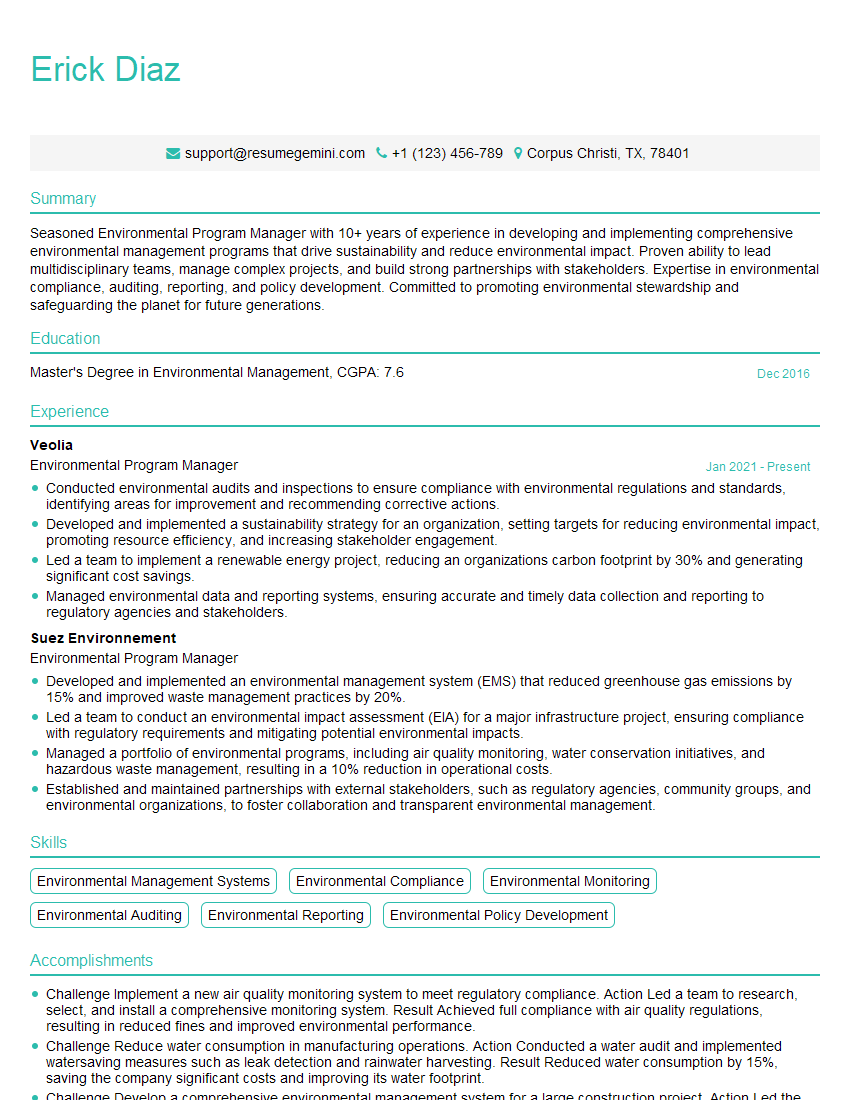
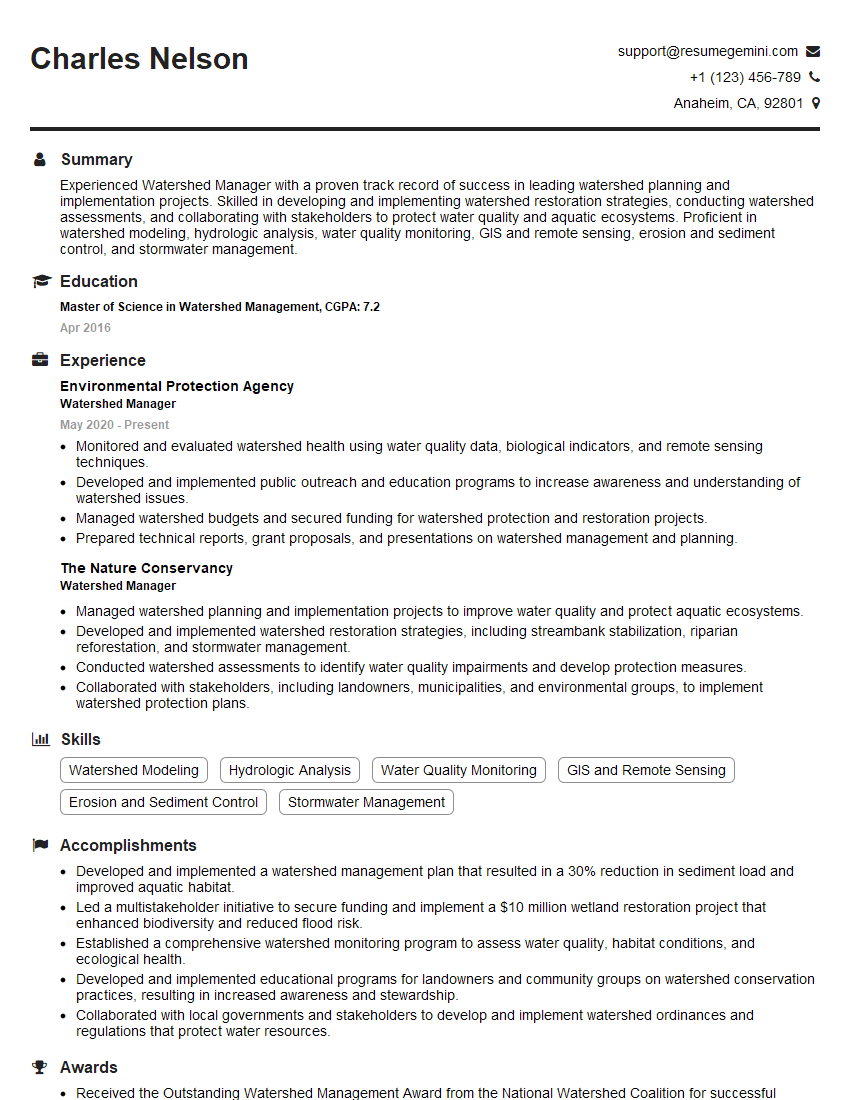
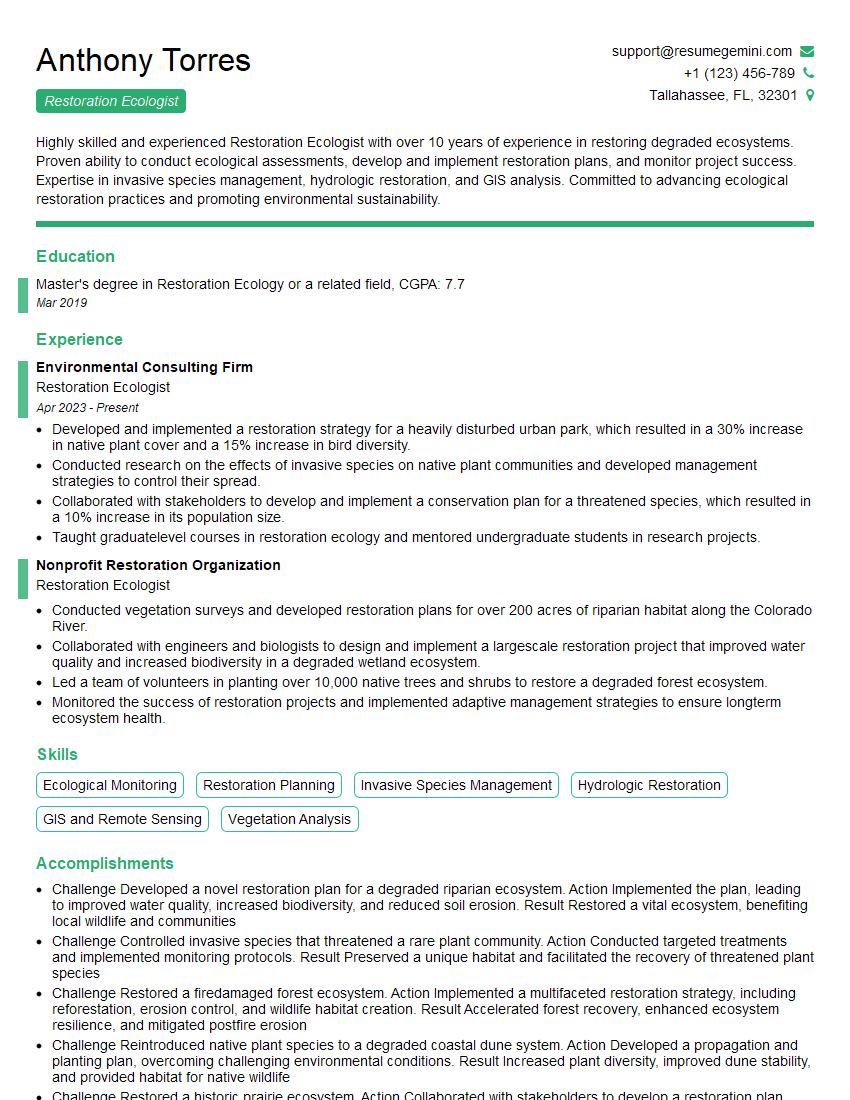
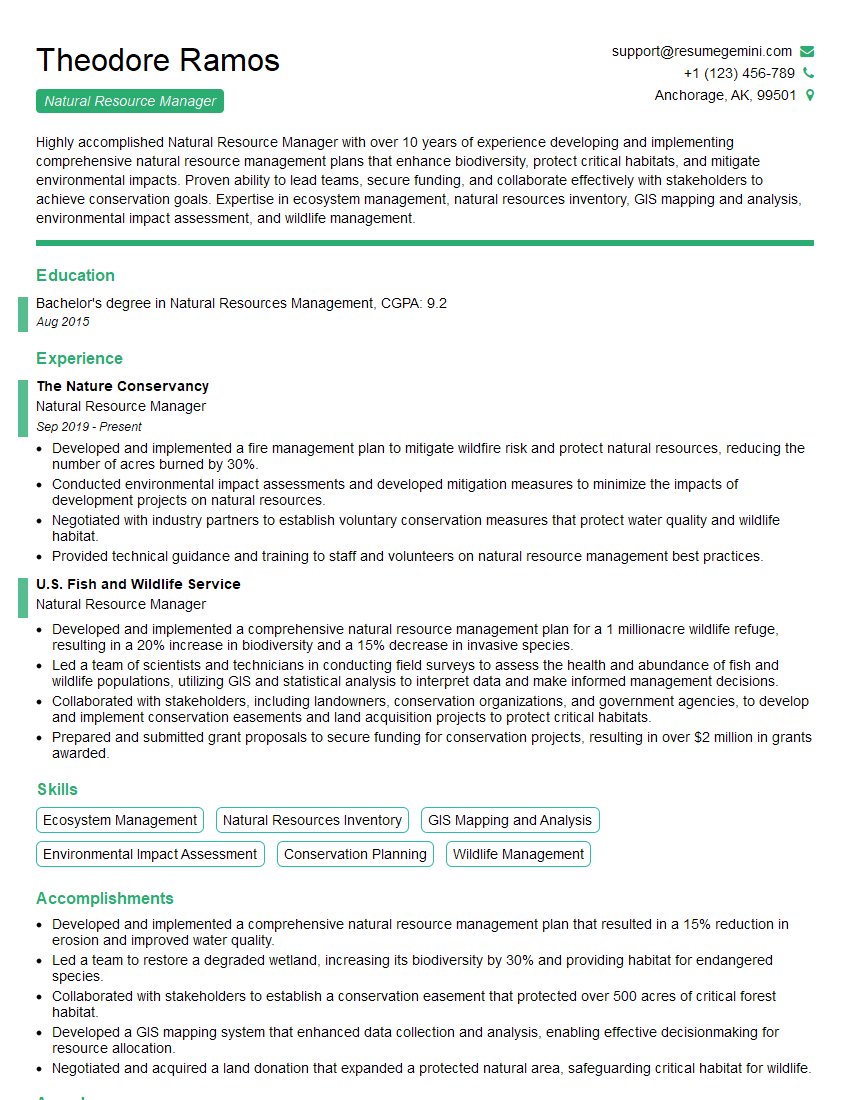
Mastering invasive plant management opens doors to a rewarding career with opportunities for growth in conservation, environmental science, and land management. To maximize your job prospects, it’s crucial to have an ATS-friendly resume that highlights your skills and experience effectively. ResumeGemini is a trusted resource to help you create a professional and impactful resume. They provide examples of resumes tailored to invasive plant management, ensuring your application stands out. Take the next step towards your dream career by leveraging ResumeGemini’s expertise.
Explore more articles
Users Rating of Our Blogs
Share Your Experience
We value your feedback! Please rate our content and share your thoughts (optional).
What Readers Say About Our Blog
Very informative content, great job.
good