Feeling uncertain about what to expect in your upcoming interview? We’ve got you covered! This blog highlights the most important Health and Safety Training interview questions and provides actionable advice to help you stand out as the ideal candidate. Let’s pave the way for your success.
Questions Asked in Health and Safety Training Interview
Q 1. Describe your experience in developing and delivering health and safety training programs.
Throughout my career, I’ve been deeply involved in the entire lifecycle of health and safety training program development and delivery. This encompasses needs assessment, curriculum design, instructional material creation, training facilitation, and post-training evaluation. For example, at my previous role at [Previous Company Name], I led the development of a comprehensive safety training program for our manufacturing facility. This involved identifying specific hazards, tailoring training content to different job roles, and utilizing a blended learning approach that combined online modules with hands-on workshops. We saw a significant reduction in workplace incidents after the implementation of this program, demonstrating its effectiveness. Another instance involved designing a tailored program for new hires, focusing on company-specific safety protocols and emergency procedures, resulting in faster onboarding and improved safety awareness amongst new team members.
- Needs Assessment: Analyzing the organization’s safety performance data, conducting interviews with employees, and reviewing existing safety procedures to identify training gaps.
- Curriculum Design: Structuring the training to cover key topics, such as hazard identification, risk assessment, and emergency procedures, while ensuring alignment with relevant regulations.
- Instructional Material Creation: Developing engaging and easy-to-understand training materials, including presentations, videos, and workbooks.
- Training Facilitation: Delivering training sessions using interactive methods to encourage active participation and knowledge retention.
- Post-Training Evaluation: Assessing the effectiveness of the training using methods such as quizzes, practical assessments, and observation of behavior on the job.
Q 2. Explain your understanding of hazard identification and risk assessment methodologies.
Hazard identification and risk assessment are fundamental to any effective health and safety program. Hazard identification involves systematically identifying potential sources of harm in the workplace. This can be done through various methods, such as workplace inspections, job safety analysis, and reviewing incident reports. Risk assessment, on the other hand, involves evaluating the likelihood and severity of harm resulting from identified hazards. This helps prioritize control measures. A common methodology is using a risk matrix, which plots the likelihood and severity to determine the level of risk. For example, a risk matrix might classify risks as negligible, low, moderate, high, or critical, guiding decision-making on appropriate control measures.
A simple example: Identifying a slippery floor (hazard) and assessing the likelihood of someone slipping and the potential severity of the injury (risk). This might lead to implementing control measures like placing warning signs, providing non-slip mats, or improving cleaning procedures.
Methodologies I utilize include:
- HAZOP (Hazard and Operability Study): A systematic technique for identifying potential hazards in a process or system.
- Job Safety Analysis (JSA): Breaking down a job into steps to identify potential hazards at each step.
- SWOT Analysis: Identifying Strengths, Weaknesses, Opportunities, and Threats related to workplace safety.
Q 3. How do you ensure the effectiveness of your health and safety training programs?
Ensuring training effectiveness is crucial. I employ a multi-faceted approach, incorporating several key strategies:
- Pre-training Needs Assessment: Identifying specific training needs before developing the program ensures relevance and impact.
- Engaging Training Methods: I use a variety of methods like interactive workshops, case studies, simulations, and games to keep learners engaged and promote active learning.
- Regular Knowledge Checks: Quizzes and tests throughout and at the end of the training reinforce learning and identify areas needing further attention.
- Practical Application Exercises: Hands-on exercises and simulations allow trainees to apply their knowledge in a safe environment, promoting skill development.
- Post-Training Evaluation: This includes feedback surveys, observation of behavior changes in the workplace, and tracking of workplace incidents to assess the impact of the training.
- Ongoing Reinforcement: Regular refreshers, safety alerts, and toolbox talks maintain awareness and update employees on new information or changes to procedures.
For instance, after delivering a training program on lockout/tagout procedures, I would observe employees performing the procedure to ensure they apply what they’ve learned correctly. Any gaps identified would prompt further training or coaching.
Q 4. What are your preferred methods for training adult learners in a health and safety context?
Training adults requires understanding their unique learning styles and preferences. I employ several methods suitable for adult learners in a health and safety context:
- Andragogy Principles: I adhere to the principles of andragogy, focusing on self-directed learning, experience-based learning, and relevance to their work. Adults learn best when they see the value and relevance of the information to their job.
- Interactive Workshops: Encouraging discussions, group activities, and problem-solving scenarios fosters active participation and peer learning.
- Case Studies and Real-World Examples: Using relatable scenarios helps learners connect with the material and apply their knowledge to practical situations.
- Blended Learning Approach: Combining online modules with in-person workshops caters to different learning preferences and offers flexibility.
- Microlearning: Delivering short, focused training modules allows for bite-sized learning and improved knowledge retention.
- Mentorship and Coaching: Providing ongoing support and feedback to reinforce learning and address individual needs.
For example, instead of a lengthy lecture on hazard communication, I might use a interactive game to reinforce understanding of GHS pictograms, followed by a real-world case study discussing a scenario involving a chemical spill.
Q 5. Describe a time you had to deal with a workplace safety incident. What was your role?
In a previous role, we had a near-miss incident where a worker almost suffered a serious injury due to improper use of machinery. My role was multifaceted:
- Immediate Response: I ensured the scene was secured and the injured worker (thankfully unharmed) received first aid and appropriate support.
- Incident Investigation: I led the investigation, interviewing witnesses, examining the machinery, and reviewing safety procedures. We determined that inadequate training on the machinery’s safety features was the root cause.
- Corrective Action: Based on the investigation findings, I recommended and implemented improvements, including additional training for all employees using that machinery, revised safety procedures, and implementation of machine guarding improvements.
- Reporting and Documentation: I documented the entire incident, including the investigation findings, corrective actions, and preventative measures to ensure similar incidents didn’t happen again.
This experience highlighted the importance of proactive training, thorough risk assessments, and robust incident reporting systems in maintaining a safe workplace.
Q 6. How familiar are you with OSHA/WHMIS regulations?
I am very familiar with OSHA (Occupational Safety and Health Administration) and WHMIS (Workplace Hazardous Materials Information System) regulations. My understanding extends beyond simply knowing the regulations; I understand their practical application in the workplace. I can interpret the standards, identify compliance gaps, and recommend corrective actions. I am also familiar with the specific requirements for different industries and job roles. I regularly stay updated on changes and revisions to these regulations through professional development courses and industry publications.
For example, I am proficient in identifying and classifying hazardous materials according to WHMIS standards, and in developing safety data sheets (SDS) compliant with OSHA requirements. My experience ensures that training programs are tailored to meet all legal obligations and best practices.
Q 7. Explain your knowledge of different types of personal protective equipment (PPE).
Personal Protective Equipment (PPE) is crucial for protecting workers from workplace hazards. My knowledge encompasses various types of PPE, including their applications, limitations, and proper usage. I understand the importance of selecting the appropriate PPE for specific hazards and ensuring that employees are trained on how to use it correctly and when to use it.
- Respiratory Protection: This includes respirators for various applications, from dust masks to self-contained breathing apparatus (SCBA).
- Eye and Face Protection: Safety glasses, goggles, face shields, and welding helmets protect against flying particles, chemicals, and radiation.
- Hearing Protection: Earplugs and earmuffs reduce exposure to excessive noise.
- Head Protection: Hard hats protect against falling objects and impact.
- Hand Protection: Gloves protect against cuts, abrasions, chemicals, and temperature extremes. Different glove materials offer different levels of protection.
- Foot Protection: Safety shoes and boots protect against punctures, compression, and electrical hazards.
- Body Protection: This includes coveralls, aprons, and other garments to protect against chemicals, heat, and other hazards.
It’s vital to remember that PPE is a last line of defense; engineering controls and administrative controls should be prioritized wherever possible. Effective training ensures that employees understand when and how to use PPE correctly to maximize its effectiveness and minimize risks.
Q 8. How would you handle resistance from employees to follow safety protocols?
Resistance to safety protocols stems from various factors, including lack of understanding, perceived inconvenience, or even mistrust. Addressing this requires a multi-pronged approach.
- Open Communication: I begin by actively listening to employees’ concerns. Understanding their perspective is crucial. For example, if workers feel a new procedure is overly time-consuming, we can explore ways to streamline it while maintaining safety.
- Education and Training: Reinforced, engaging training is essential. I would ensure that the training is interactive and relevant to their specific tasks, emphasizing the ‘why’ behind the protocols, not just the ‘how’. Visual aids, simulations, and hands-on exercises can make the learning process more effective.
- Leadership Buy-in: Management must actively demonstrate commitment to safety. If leaders consistently prioritize safety, it sets the tone for the entire workplace. This includes visibly following protocols themselves.
- Incentivization and Recognition: Positive reinforcement works wonders. Rewarding safe behaviors and recognizing employees who consistently adhere to protocols fosters a culture of safety.
- Addressing Underlying Issues: Sometimes, resistance is rooted in deeper issues like poor working conditions, inadequate equipment, or even fear of reporting near misses. Addressing these fundamental problems is vital.
For instance, in a previous role, I encountered resistance to wearing safety glasses. Through open discussions, I discovered discomfort was the main issue. We then implemented a trial period with different styles of safety glasses, ultimately finding comfortable options that everyone was happy to wear.
Q 9. How do you create engaging and effective training materials for diverse learners?
Creating engaging training for diverse learners requires careful consideration of learning styles, cultural backgrounds, and language proficiency. My approach involves:
- Multimodal Learning: Incorporating various methods like videos, interactive simulations, presentations, and hands-on activities caters to different learning preferences. Some learners grasp concepts visually, others through auditory means, and still others through kinesthetic engagement.
- Accessibility: Designing materials to be accessible to individuals with disabilities is crucial. This includes providing alternative formats such as audio descriptions, large print versions, and closed captioning.
- Cultural Sensitivity: The content and language must be culturally appropriate and avoid stereotypes or biases. I would use inclusive language and ensure visuals reflect diversity.
- Language Considerations: If training needs to be delivered in multiple languages, translation and interpretation services must be provided.
- Gamification: Adding game-like elements, such as quizzes, challenges, and leaderboards, can increase engagement and motivation.
- Personalized Learning: Technology can facilitate personalized learning paths, allowing employees to focus on areas where they need more support.
For example, when training warehouse workers on forklift safety, I used a virtual reality simulation to allow them to experience operating a forklift in various scenarios, which proved much more effective than a purely theoretical presentation.
Q 10. What are some common workplace hazards and their control measures?
Common workplace hazards are numerous and vary widely depending on the industry. Here are a few examples and control measures:
- Slips, Trips, and Falls: Control Measures: Good housekeeping, proper lighting, anti-slip flooring, and appropriate footwear.
- Manual Handling Injuries: Control Measures: Proper lifting techniques training, use of mechanical aids (e.g., forklifts, pallet jacks), ergonomic workstations.
- Electrical Hazards: Control Measures: Regular electrical inspections, lockout/tagout procedures, proper grounding, use of insulated tools.
- Fire Hazards: Control Measures: Fire drills, fire extinguishers, smoke detectors, fire-resistant materials, clear evacuation routes.
- Chemical Hazards: Control Measures: Proper storage and handling procedures, use of personal protective equipment (PPE) such as gloves and respirators, adequate ventilation, safety data sheets (SDS) readily available.
- Machine-related Hazards: Control Measures: Machine guarding, regular maintenance, lockouts, training on safe operating procedures.
It’s important to conduct a thorough risk assessment to identify specific hazards present in a given workplace and then implement appropriate control measures based on a hierarchy of controls: elimination, substitution, engineering controls, administrative controls, and lastly, PPE.
Q 11. How do you stay updated on changes in health and safety legislation?
Staying current with health and safety legislation is paramount. My strategy includes:
- Subscription to Regulatory Updates: I subscribe to relevant newsletters, journals, and online resources from organizations like OSHA (Occupational Safety and Health Administration) or equivalent national bodies.
- Professional Development: Attending conferences, workshops, and training courses keeps me abreast of the latest changes and best practices.
- Networking: Maintaining connections with other health and safety professionals allows for the exchange of information and insights.
- Regular Audits of Policies and Procedures: I regularly review our company’s health and safety policies and procedures to ensure compliance with the current legislation.
- Monitoring Legal Updates: Actively checking government websites for any new legislation or changes in existing regulations.
For example, I recently attended a workshop on the updated regulations concerning hazardous materials handling, which directly impacted our company’s procedures for handling chemicals.
Q 12. What is your experience with conducting safety audits and inspections?
I have extensive experience conducting safety audits and inspections. My approach is systematic and thorough, following a pre-determined checklist based on relevant regulations and industry best practices.
- Planning and Preparation: Before the audit, I review relevant documentation (e.g., safety policies, risk assessments, training records) and plan the inspection route.
- On-site Inspection: During the inspection, I meticulously examine the workplace, checking for compliance with regulations, identifying hazards, and observing employee practices.
- Documentation: I meticulously document all findings, including photos and observations, using a standardized reporting system.
- Reporting and Recommendations: After the inspection, I prepare a comprehensive report detailing findings, highlighting areas of compliance and non-compliance, and providing specific recommendations for improvement.
- Follow-up: Following the audit, I would follow up to ensure that corrective actions are implemented and verified.
In a previous role, I conducted regular audits of a manufacturing facility, identifying and addressing several potential hazards, leading to a significant reduction in workplace accidents.
Q 13. Explain your understanding of emergency preparedness and response plans.
Emergency preparedness and response plans are critical for ensuring employee safety and minimizing the impact of unforeseen events. A well-structured plan should include:
- Hazard Identification and Risk Assessment: Identifying potential emergencies (fires, floods, earthquakes, chemical spills, etc.) and assessing their likelihood and potential impact.
- Emergency Procedures: Developing clear, concise procedures for each type of emergency, including evacuation plans, communication protocols, and first aid procedures.
- Emergency Response Team: Establishing a trained emergency response team responsible for coordinating the response to emergencies.
- Communication Systems: Having reliable communication systems in place to alert employees, emergency services, and relevant stakeholders.
- Training and Drills: Regular training and drills are crucial to ensure that employees are familiar with the emergency procedures and can respond effectively.
- Post-Incident Review: After an emergency, conducting a thorough review to identify areas for improvement and update the emergency response plan.
A good emergency plan is like a well-rehearsed play—everyone knows their role and how to react effectively under pressure. Regular drills ensure that the plan remains effective and that employees are prepared to act swiftly and safely.
Q 14. How do you measure the success of your health and safety training programs?
Measuring the success of health and safety training programs requires a multi-faceted approach, focusing on both leading and lagging indicators.
- Leading Indicators: These measure the effectiveness of the training program itself. Examples include the number of employees trained, the level of engagement during training sessions (measured through surveys or feedback), and the completion rates of training modules.
- Lagging Indicators: These measure the impact of training on workplace safety. Key metrics include the number and severity of workplace accidents, near misses reported, the number of safety violations, and employee satisfaction with safety programs (measured via surveys).
- Data Analysis: Regularly analyzing the data from both leading and lagging indicators allows you to identify areas for improvement and measure the return on investment (ROI) of the training program.
- Behavioral Observations: Direct observation of employees in the workplace can provide valuable insights into the application of the training.
For example, if we observe a significant reduction in accidents after implementing a new training program, it’s a strong indicator that the training was effective. Conversely, if the accident rate remains high, it suggests we need to revise the program.
Q 15. Describe your experience with incident investigation and reporting.
Incident investigation and reporting are critical for preventing future incidents. My approach follows a systematic process. First, I secure the scene (if necessary) to prevent further harm and preserve evidence. Then, I gather information from multiple sources – witness statements, documentation, physical evidence – to reconstruct the event. I use root cause analysis techniques, such as the ‘5 Whys’ method, to delve beyond the immediate cause and identify underlying systemic issues. Finally, I prepare a comprehensive report detailing the incident, contributing factors, root causes, and recommended corrective actions. For instance, in one case involving a near-miss forklift accident, my investigation revealed inadequate training on safe operating procedures and led to the implementation of a mandatory refresher course, improving safety protocols significantly. My reports are always objective, factual, and focused on improving safety, not assigning blame.
Career Expert Tips:
- Ace those interviews! Prepare effectively by reviewing the Top 50 Most Common Interview Questions on ResumeGemini.
- Navigate your job search with confidence! Explore a wide range of Career Tips on ResumeGemini. Learn about common challenges and recommendations to overcome them.
- Craft the perfect resume! Master the Art of Resume Writing with ResumeGemini’s guide. Showcase your unique qualifications and achievements effectively.
- Don’t miss out on holiday savings! Build your dream resume with ResumeGemini’s ATS optimized templates.
Q 16. What is your understanding of the hierarchy of controls in risk management?
The hierarchy of controls is a fundamental principle in risk management, prioritizing control measures from the most effective to the least. Think of it as a ladder – you always aim for the highest rung possible. The hierarchy typically proceeds as follows:
- Elimination: Removing the hazard entirely. Example: Replacing a hazardous chemical with a safer alternative.
- Substitution: Replacing the hazard with a less hazardous alternative. Example: Using a less toxic cleaning solution.
- Engineering Controls: Implementing physical changes to the workplace to reduce exposure. Example: Installing guards on machinery.
- Administrative Controls: Changing work practices or procedures. Example: Implementing a permit-to-work system for hazardous tasks.
- Personal Protective Equipment (PPE): Providing workers with equipment to protect them from hazards. Example: Providing safety glasses, gloves, and respirators. This is the least preferred option, as it protects the individual, not the hazard itself.
It’s crucial to remember that the hierarchy isn’t always linear; multiple control measures might be needed simultaneously. For example, when working with hazardous chemicals, you might eliminate the use of certain chemicals where possible, substitute others with less hazardous options, and utilize engineering controls like ventilation systems in conjunction with administrative controls like strict handling procedures and PPE.
Q 17. How do you communicate health and safety information effectively to various audiences?
Effective communication is paramount in health and safety. My approach involves tailoring my message to the audience. I use plain language, avoiding jargon whenever possible. For management, I present data-driven reports and recommendations. For workers, I use interactive training, visual aids, and real-life examples. I consider various learning styles – some people prefer visual information, others learn best through hands-on activities. For multilingual workplaces, I ensure materials are translated accurately. I also use different channels – presentations, posters, toolbox talks, online modules – to reach everyone. Finally, feedback mechanisms – surveys, questionnaires – help me refine my communication and ensure everyone understands the information.
Q 18. How do you ensure that your training programs are accessible to people with disabilities?
Accessibility for people with disabilities is crucial. I ensure my training programs comply with accessibility guidelines (e.g., WCAG). This involves using alternative text for images, providing transcripts for videos, ensuring compatibility with assistive technologies (screen readers), offering different formats (audio, large print), and being mindful of diverse learning needs. For example, I’ve incorporated sign language interpretation into training sessions for deaf employees and provided Braille materials when necessary. A needs assessment is vital before developing or adapting training, focusing on individual requirements.
Q 19. What are your strategies for promoting a positive safety culture in the workplace?
Promoting a positive safety culture is a continuous process. It requires leadership commitment, worker involvement, and open communication. My strategies involve:
- Leading by example: Demonstrating safe behaviours and adhering to safety rules myself.
- Empowering employees: Encouraging workers to report hazards and participate in safety initiatives.
- Recognizing and rewarding safe behaviours: Implementing positive reinforcement programs.
- Openly addressing safety concerns: Creating a safe space for workers to express their concerns without fear of retribution.
- Regular safety communication: Using various channels to keep everyone informed about safety matters.
- Continuous improvement: Regularly reviewing safety procedures and implementing improvements based on feedback and incident analysis.
A strong safety culture is not just about rules and regulations; it’s about fostering a shared commitment to safety where everyone feels responsible for their own safety and the safety of others.
Q 20. How familiar are you with different types of safety management systems (e.g., ISO 45001)?
I am familiar with various safety management systems, including ISO 45001. ISO 45001 is an internationally recognized standard that provides a framework for establishing, implementing, and maintaining an occupational health and safety management system (OHSMS). My understanding encompasses the key requirements, including risk assessment, hazard identification, control measures, emergency preparedness, internal audits, management review, and continuous improvement. I have experience in assisting organizations in implementing and maintaining ISO 45001, conducting internal audits and helping them achieve certification. I also have working knowledge of other systems and standards, such as OSHA guidelines (US) and other regional/national standards, adapting my approach based on specific regulatory requirements.
Q 21. Describe your experience with conducting safety training needs assessments.
Conducting a thorough safety training needs assessment is the foundation of any effective training program. My process involves:
- Identifying the workforce: Understanding the roles, responsibilities, and skill levels of all employees.
- Analyzing hazards and risks: Identifying potential hazards and assessing the risks associated with each job role.
- Reviewing existing training: Evaluating the effectiveness of current training programs.
- Gap analysis: Identifying the gaps between current employee skills and the required skills for safe work practices.
- Legal and regulatory requirements: Ensuring the training program aligns with all relevant legislation and standards.
- Employee feedback: Collecting feedback from employees to understand their training needs and preferences.
The outcome is a detailed report outlining specific training needs, recommending appropriate training methods, and establishing measurable objectives. This ensures that the training program is targeted, effective, and addresses actual workplace needs.
Q 22. How do you incorporate feedback to improve your health and safety training programs?
Feedback is crucial for refining health and safety training. I employ a multi-pronged approach. Firstly, I incorporate post-training surveys, using a mix of quantitative (e.g., rating scales for understanding, engagement, and relevance) and qualitative (e.g., open-ended questions for suggestions and areas needing improvement) questions. This provides direct feedback on the training’s effectiveness. Secondly, I actively observe trainees during the sessions, noting their engagement levels, any confusion they express, and their ability to apply the learned concepts. Thirdly, I conduct follow-up conversations with supervisors to gauge the trainees’ on-the-job application of the training and identify any gaps or areas needing reinforcement. Finally, I analyze accident and incident reports post-training to assess the impact of the training on workplace safety. All this feedback is compiled and used to revise training materials, improve delivery methods, and tailor future sessions to address specific weaknesses.
For example, if post-training surveys reveal confusion about a specific procedure, I’ll revamp that section of the training, perhaps using clearer visuals, more practical demonstrations, or interactive exercises. Similarly, if supervisor feedback indicates that a certain skill isn’t being applied effectively, I might adjust the training to include more real-world case studies or hands-on practice scenarios.
Q 23. Explain your understanding of the legal responsibilities of employers regarding workplace safety.
Employers bear significant legal responsibilities for workplace safety. These are largely dictated by national and local legislation, such as OSHA in the US or similar health and safety acts in other countries. These responsibilities generally include providing a safe working environment, which encompasses:
- Risk assessment and control: Identifying hazards, assessing risks, and implementing control measures to mitigate those risks.
- Provision of personal protective equipment (PPE): Supplying and ensuring the proper use of appropriate PPE.
- Training and supervision: Providing adequate health and safety training to all employees and ensuring proper supervision to enforce safe practices.
- Emergency procedures: Establishing and maintaining emergency procedures and ensuring all employees are trained in these procedures.
- Record-keeping: Maintaining accurate records of accidents, incidents, and training provided.
- Compliance with regulations: Adhering to all relevant health and safety regulations and legislation.
Failure to fulfill these responsibilities can lead to severe consequences, including hefty fines, legal action, and damage to reputation. The ultimate aim is to prevent workplace accidents and illnesses, protecting the well-being of employees.
Q 24. What is your experience with developing and delivering training on specific safety topics (e.g., fire safety, lockout/tagout)?
I possess extensive experience in developing and delivering training on various safety topics. For instance, my fire safety training programs cover fire prevention strategies, evacuation procedures, use of fire extinguishers (with hands-on practice), and emergency response plans. These programs are tailored to the specific workplace environment, considering factors like building layout and the types of fire hazards present. Similarly, my lockout/tagout training programs emphasize safe machine shutdown procedures, verification techniques, and hazard communication. I use a combination of theoretical instruction, demonstration, and practical exercises to ensure effective learning and competency assessment. For example, I’ve developed a detailed simulation for lockout/tagout procedures, requiring trainees to follow steps on a mock machine to solidify their understanding and ensure competency.
Beyond these, I’ve also developed training on topics like hazard communication, working at heights, confined space entry, and chemical safety, always ensuring the training is aligned with the current regulatory requirements and best practices.
Q 25. How do you ensure that your training materials are up-to-date and relevant?
Keeping training materials current and relevant is paramount. I achieve this through several methods:
- Regular review and updates: I review all training materials at least annually, or more frequently if there are changes in legislation, industry best practices, or technology. This includes updating content, revising exercises, and ensuring all references are accurate.
- Subscription to relevant publications and updates: I maintain subscriptions to professional journals, regulatory bodies’ updates (like OSHA), and industry news sources to stay informed about changes in health and safety standards and best practices.
- Networking with other professionals: I actively participate in professional networks and conferences to learn about new trends, challenges, and innovative approaches in health and safety training.
- Feedback incorporation (as discussed previously): Feedback from trainees, supervisors, and incident reports informs the necessary updates and improvements.
For example, when new regulations are issued regarding hazardous materials handling, I immediately revise the relevant training modules to reflect these changes, ensuring compliance and the safety of employees.
Q 26. Describe your experience working with different stakeholders to improve workplace safety.
Collaborating with stakeholders is crucial for effective workplace safety improvement. My experience includes working closely with:
- Management: I work with management to identify key safety concerns, prioritize training needs, and secure resources for implementing safety programs. This involves presenting data, proposing solutions, and gaining buy-in for new initiatives.
- Employees: I engage employees in identifying hazards, suggesting improvements, and participating in training programs. Their input is crucial for ensuring the training is practical and relevant to their daily tasks.
- Safety committees: I collaborate with safety committees to develop and review safety policies, procedures, and training programs, ensuring representation from all levels of the organization.
- External consultants: Where needed, I work with external safety consultants to gain expert advice on complex safety issues or specialized training requirements.
In a recent project, I worked closely with a manufacturing plant’s safety committee and management to develop a comprehensive hazard communication program. This involved not only creating training materials but also working with the team to implement new labeling systems and develop improved communication channels for reporting safety concerns.
Q 27. How do you handle difficult questions or challenges during a health and safety training session?
Handling difficult questions or challenges during training requires a calm, professional, and informative approach. My strategy includes:
- Active listening: I carefully listen to the question or challenge, ensuring I understand the concern before responding.
- Acknowledging the question’s validity: Even if the question reveals a misunderstanding, I acknowledge its importance and validate the trainee’s concern.
- Providing a clear and concise answer: I respond using clear, simple language, avoiding jargon and technical terms unless necessary, and defining any terms I do use.
- Using visual aids and examples: Visual aids like diagrams, videos, or real-world examples can greatly aid understanding and address concerns more effectively.
- Referring to relevant sources: If necessary, I refer to official documents, regulations, or guidelines to support my answer.
- Seeking assistance if needed: If I’m unable to answer a specific question, I acknowledge it and commit to finding the answer and providing it to the trainee later.
For instance, if a trainee expresses skepticism about a particular safety procedure, I’d explain the rationale behind it, highlighting relevant regulations or case studies demonstrating the importance of the procedure in preventing accidents. If a question is beyond my expertise, I’d consult with a relevant specialist and provide the correct answer later.
Q 28. Describe a situation where you had to adapt your training approach to meet the specific needs of a particular group of learners.
I once had to adapt my training approach for a group of maintenance technicians who were largely unfamiliar with computers and digital training materials. My initial training plan heavily relied on interactive e-learning modules. Recognizing their needs, I revised the plan to incorporate:
- More hands-on activities: I shifted the focus to more hands-on activities, demonstrations, and practical exercises.
- Simplified language and visuals: I simplified the language in my presentation and incorporated many more clear visuals and diagrams.
- Smaller group sizes: I divided the group into smaller groups for easier interaction and individualized support.
- Increased instructor interaction: I increased my interaction with the trainees, answering questions and providing personalized guidance.
- Printed materials: I incorporated printed materials summarizing key points and steps for those who might have difficulty navigating digital resources.
This adapted approach significantly improved their engagement and understanding, resulting in a much more effective training outcome. By acknowledging their specific learning preferences and adapting the delivery method, I successfully ensured they gained the necessary knowledge and skills.
Key Topics to Learn for Your Health and Safety Training Interview
Ace your interview by mastering these key areas of Health and Safety Training. Remember, demonstrating practical application is key!
- Hazard Identification and Risk Assessment: Understand different methods for identifying hazards (e.g., walkthroughs, checklists, near-miss reporting) and performing thorough risk assessments, including evaluating likelihood and severity. Be prepared to discuss specific risk assessment methodologies.
- Emergency Response Planning and Procedures: Know the components of a comprehensive emergency plan (e.g., evacuation procedures, emergency contact lists, first aid response). Practice explaining your role in emergency situations and how you would handle various scenarios.
- Occupational Health and Safety Legislation: Familiarize yourself with relevant legislation and regulations in your region. Be able to discuss compliance measures and the implications of non-compliance. Focus on practical application of these regulations.
- Personal Protective Equipment (PPE): Demonstrate knowledge of different types of PPE, their appropriate use, limitations, and selection criteria. Be ready to discuss selecting PPE for various workplace hazards.
- Accident Investigation and Reporting: Understand the process of investigating accidents, identifying root causes, and implementing corrective actions to prevent recurrence. Be prepared to discuss different investigation methodologies.
- Training and Communication: Discuss effective methods for delivering health and safety training to employees at different levels. Understand the importance of clear communication and engagement in promoting a safe work environment.
- Health and Safety Management Systems (e.g., ISO 45001): Understand the principles and implementation of health and safety management systems. Be prepared to discuss the benefits and challenges of implementing such systems.
Next Steps: Unlock Your Career Potential
Mastering Health and Safety Training opens doors to exciting career opportunities. To maximize your chances of landing your dream job, a strong resume is essential. Crafting an ATS-friendly resume is crucial for getting your application noticed. ResumeGemini is a trusted resource that can help you build a compelling and effective resume that highlights your skills and experience. We offer examples of resumes tailored specifically to Health and Safety Training to guide you.
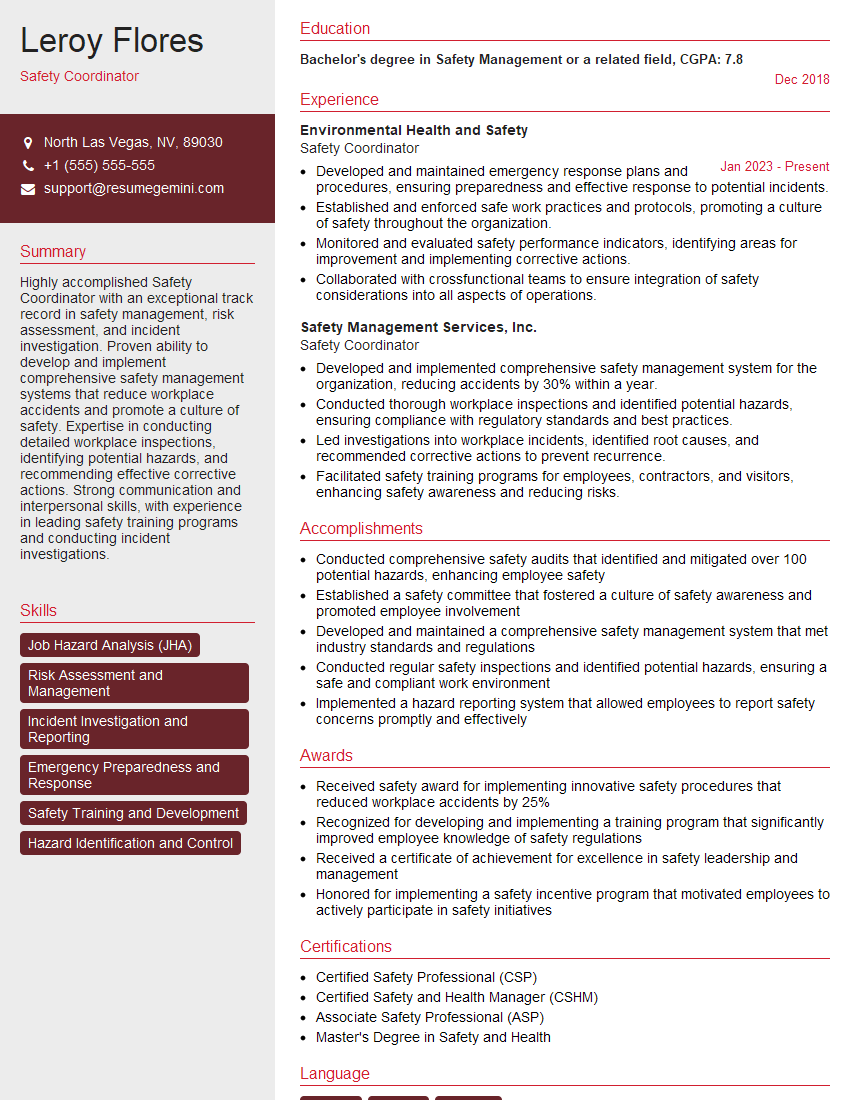
Safety Coordinator Resume Sample
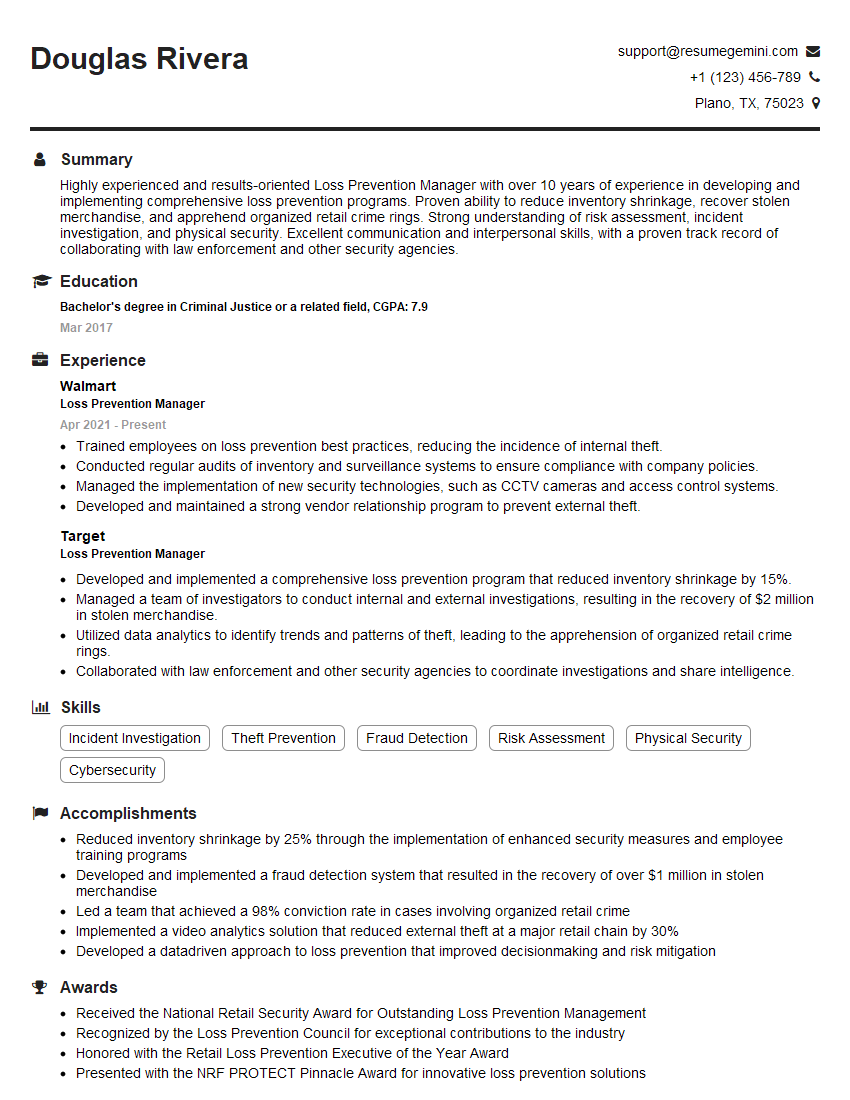
Loss Prevention Manager Resume Sample
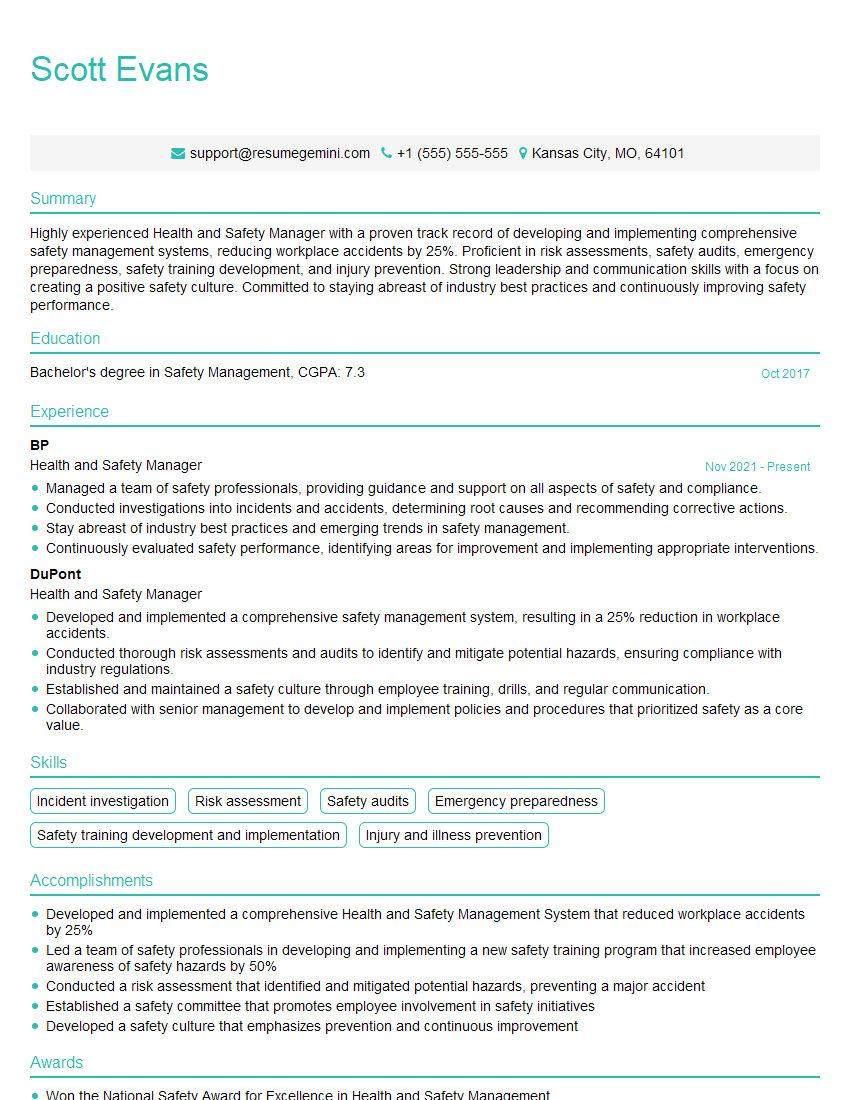
Health and Safety Manager Resume Sample
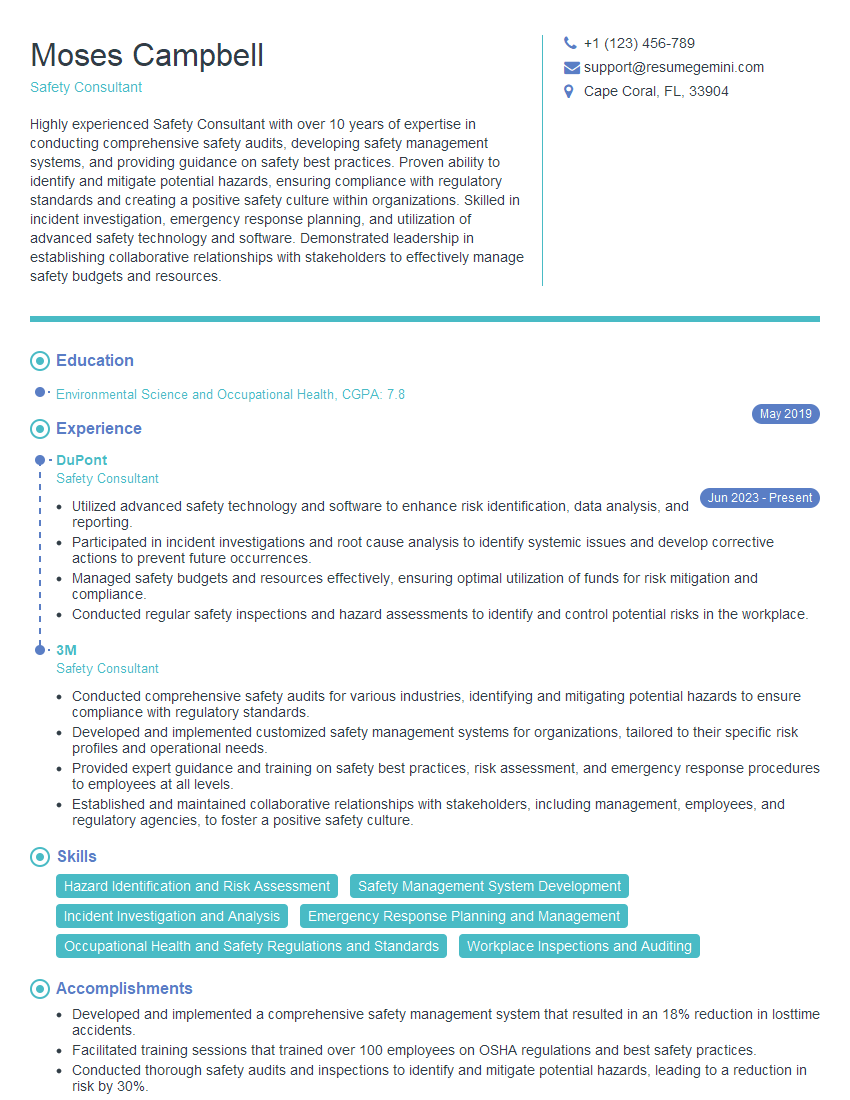
Safety Consultant Resume Sample
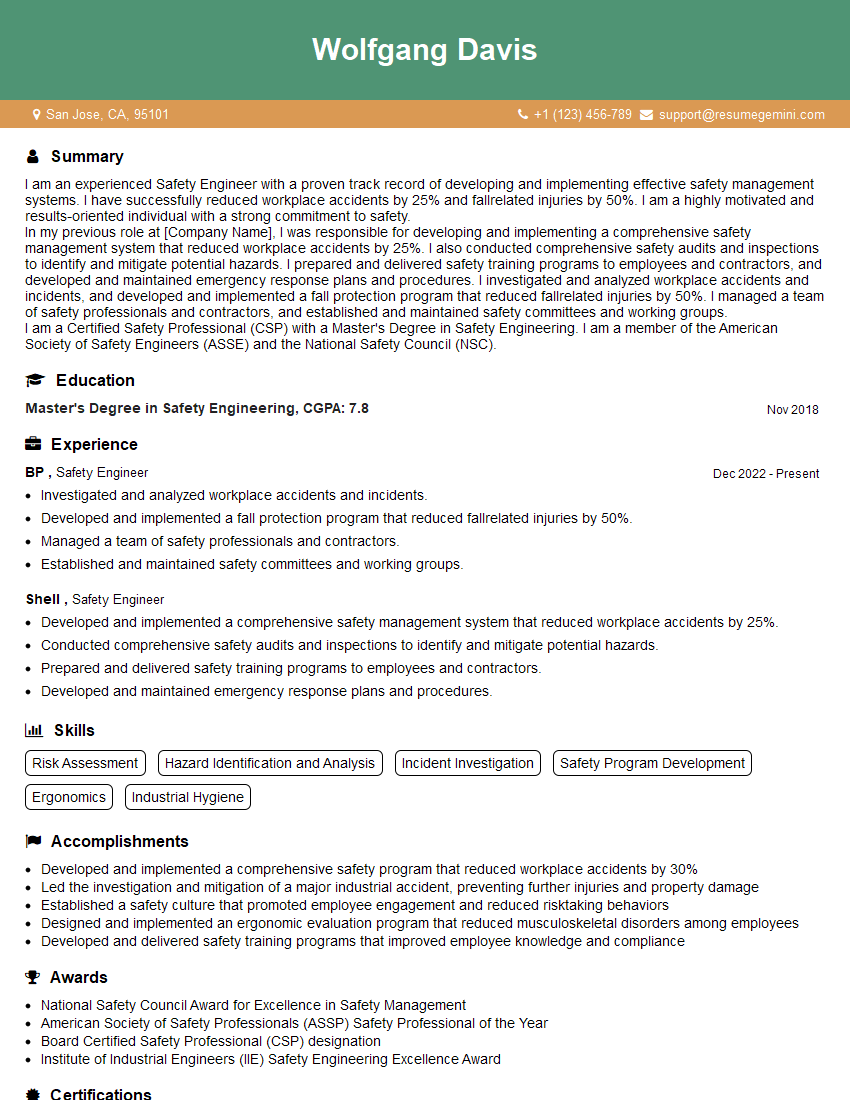
Safety Engineer Resume Sample
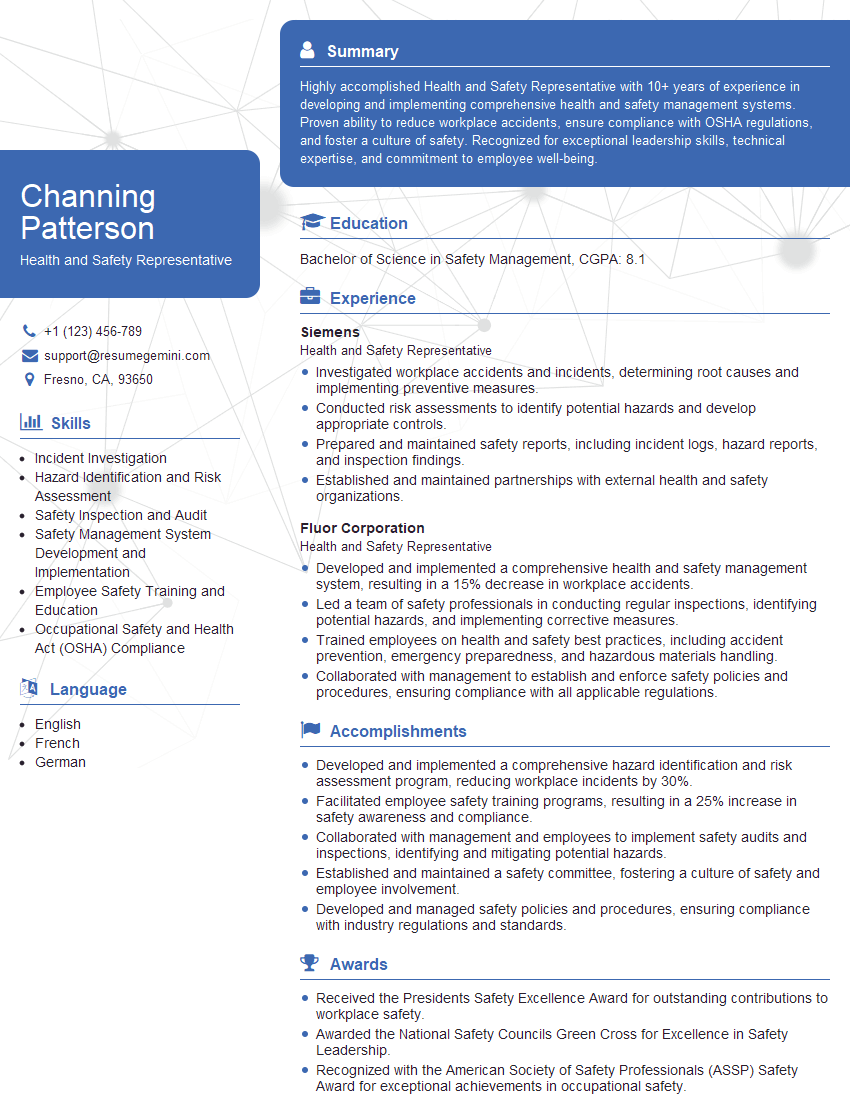
Health and Safety Representative Resume Sample
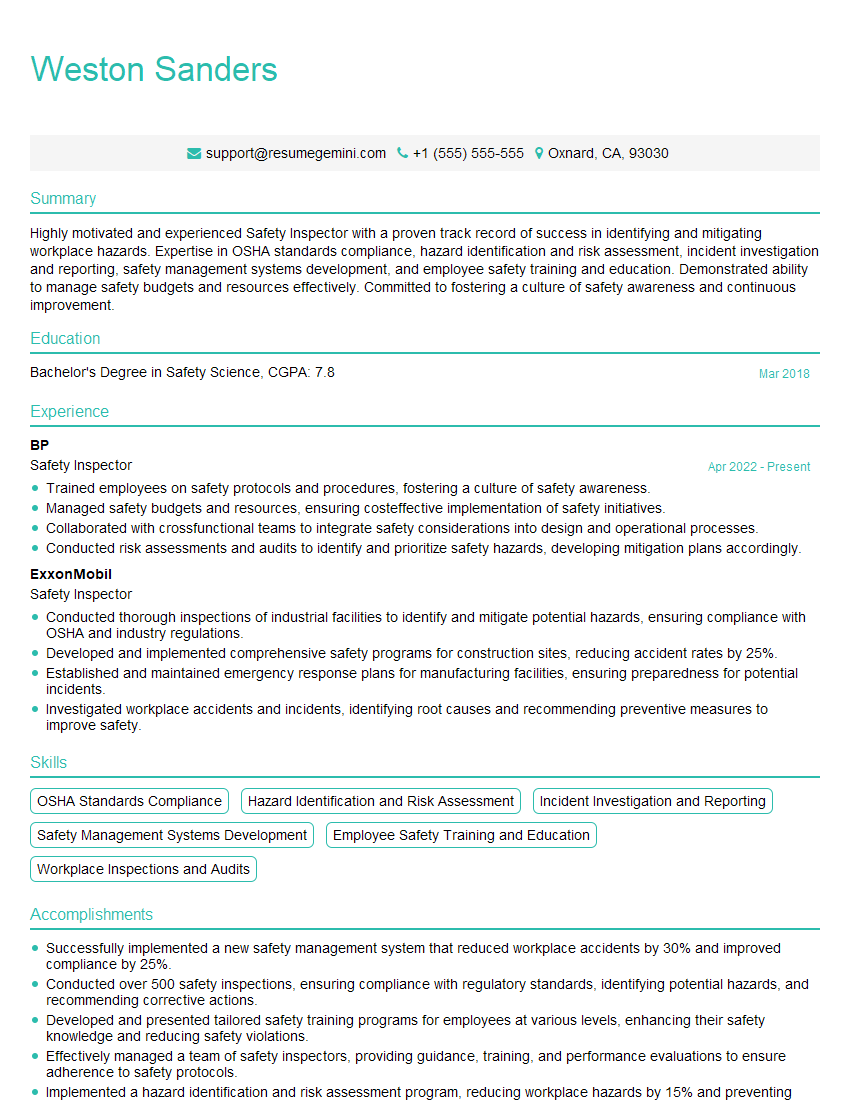
Safety Inspector Resume Sample
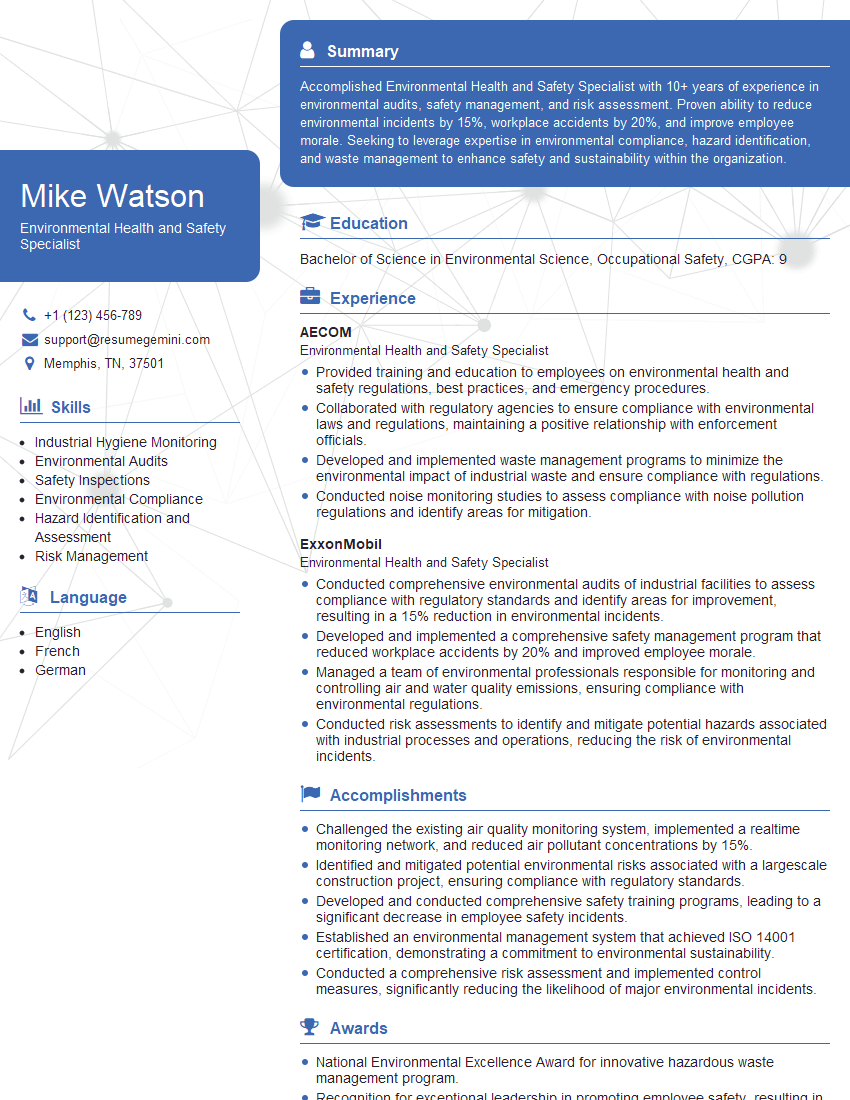
Environmental Health and Safety Specialist Resume Sample
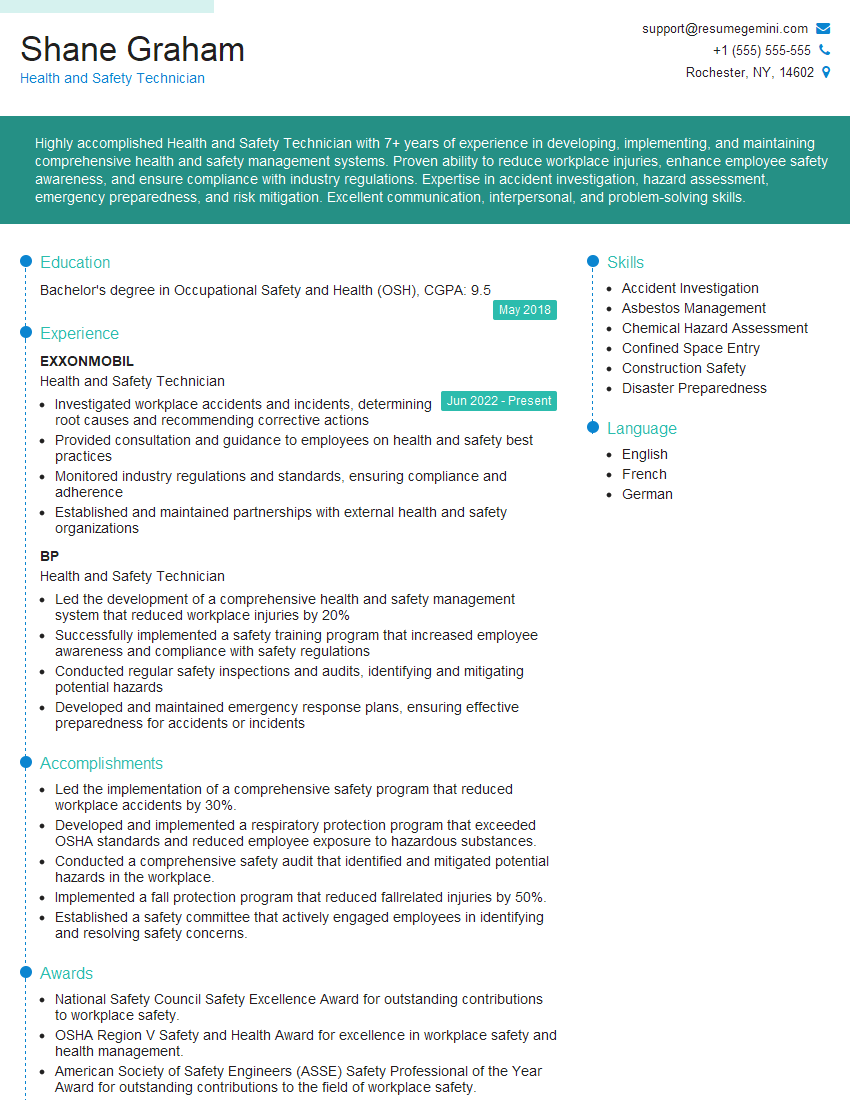
Health and Safety Technician Resume Sample
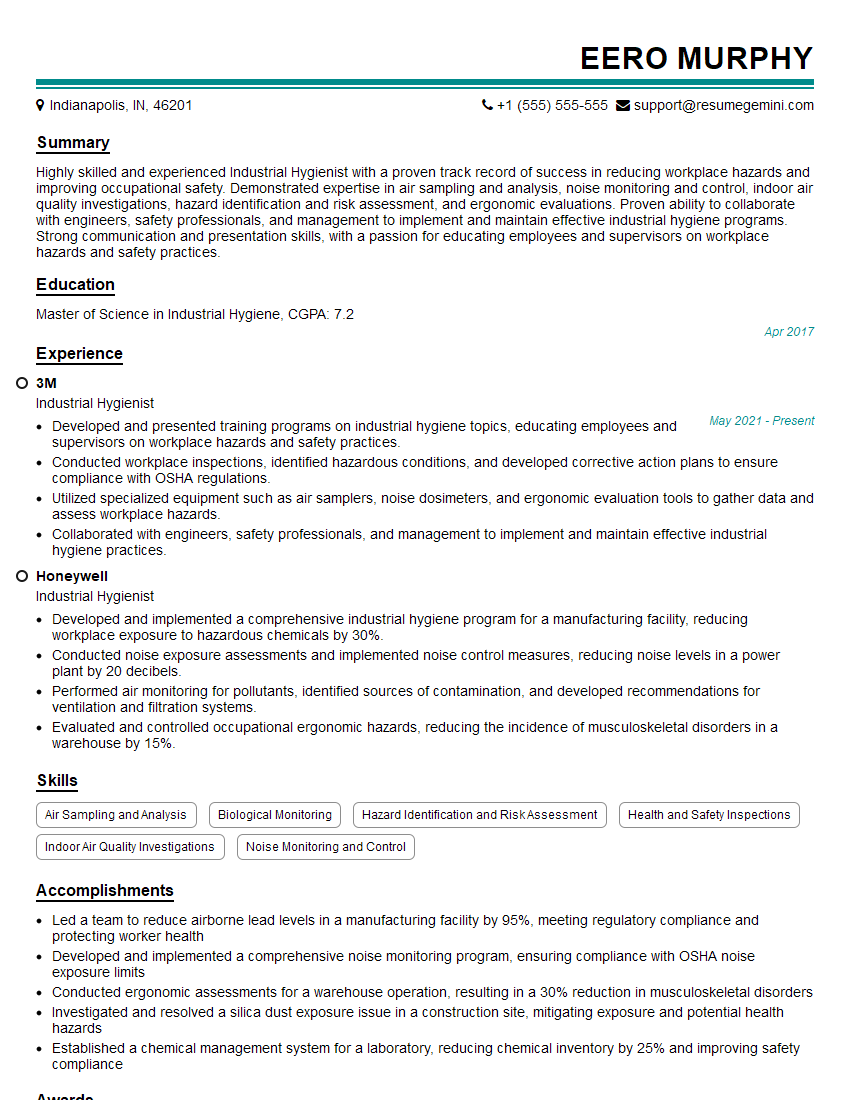
Industrial Hygienist Resume Sample
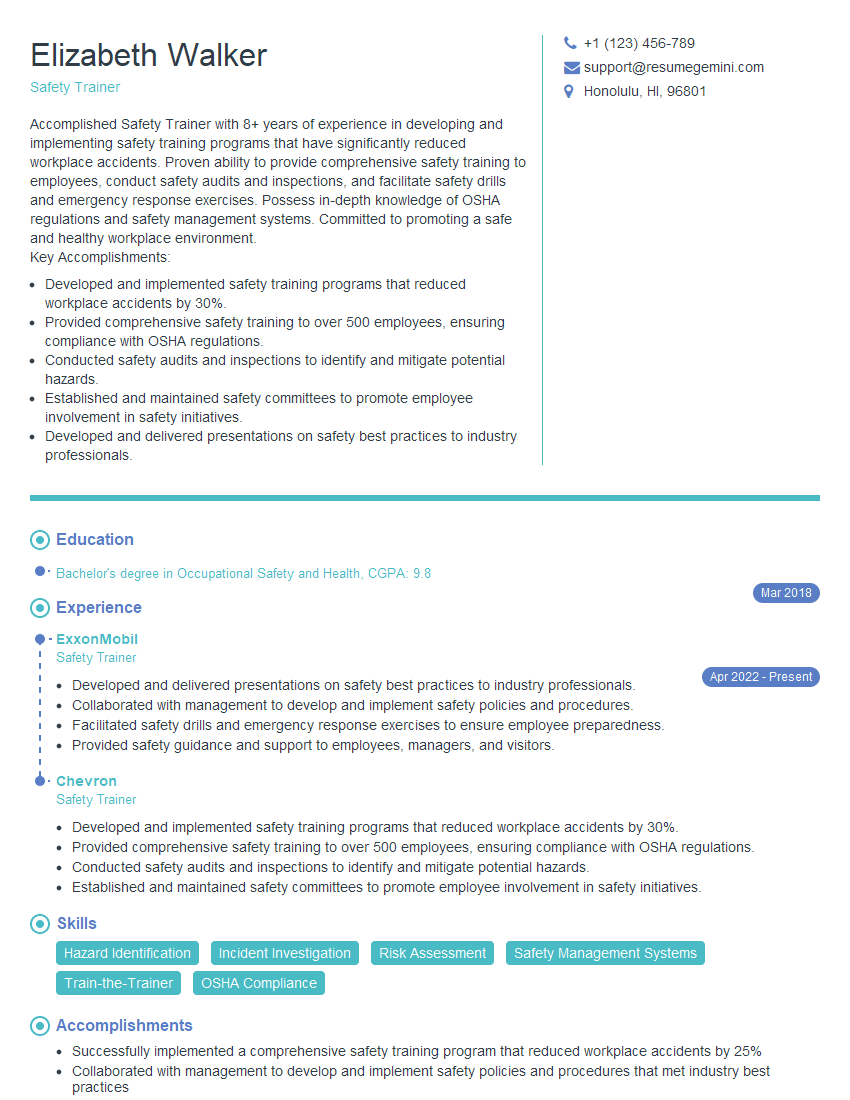
Safety Trainer Resume Sample
Explore more articles
Users Rating of Our Blogs
Share Your Experience
We value your feedback! Please rate our content and share your thoughts (optional).
What Readers Say About Our Blog
Attention music lovers!
Wow, All the best Sax Summer music !!!
Spotify: https://open.spotify.com/artist/6ShcdIT7rPVVaFEpgZQbUk
Apple Music: https://music.apple.com/fr/artist/jimmy-sax-black/1530501936
YouTube: https://music.youtube.com/browse/VLOLAK5uy_noClmC7abM6YpZsnySxRqt3LoalPf88No
Other Platforms and Free Downloads : https://fanlink.tv/jimmysaxblack
on google : https://www.google.com/search?q=22+AND+22+AND+22
on ChatGPT : https://chat.openai.com?q=who20jlJimmy20Black20Sax20Producer
Get back into the groove with Jimmy sax Black
Best regards,
Jimmy sax Black
www.jimmysaxblack.com
Hi I am a troller at The aquatic interview center and I suddenly went so fast in Roblox and it was gone when I reset.
Hi,
Business owners spend hours every week worrying about their website—or avoiding it because it feels overwhelming.
We’d like to take that off your plate:
$69/month. Everything handled.
Our team will:
Design a custom website—or completely overhaul your current one
Take care of hosting as an option
Handle edits and improvements—up to 60 minutes of work included every month
No setup fees, no annual commitments. Just a site that makes a strong first impression.
Find out if it’s right for you:
https://websolutionsgenius.com/awardwinningwebsites
Hello,
we currently offer a complimentary backlink and URL indexing test for search engine optimization professionals.
You can get complimentary indexing credits to test how link discovery works in practice.
No credit card is required and there is no recurring fee.
You can find details here:
https://wikipedia-backlinks.com/indexing/
Regards
NICE RESPONSE TO Q & A
hi
The aim of this message is regarding an unclaimed deposit of a deceased nationale that bears the same name as you. You are not relate to him as there are millions of people answering the names across around the world. But i will use my position to influence the release of the deposit to you for our mutual benefit.
Respond for full details and how to claim the deposit. This is 100% risk free. Send hello to my email id: lukachachibaialuka@gmail.com
Luka Chachibaialuka
Hey interviewgemini.com, just wanted to follow up on my last email.
We just launched Call the Monster, an parenting app that lets you summon friendly ‘monsters’ kids actually listen to.
We’re also running a giveaway for everyone who downloads the app. Since it’s brand new, there aren’t many users yet, which means you’ve got a much better chance of winning some great prizes.
You can check it out here: https://bit.ly/callamonsterapp
Or follow us on Instagram: https://www.instagram.com/callamonsterapp
Thanks,
Ryan
CEO – Call the Monster App
Hey interviewgemini.com, I saw your website and love your approach.
I just want this to look like spam email, but want to share something important to you. We just launched Call the Monster, a parenting app that lets you summon friendly ‘monsters’ kids actually listen to.
Parents are loving it for calming chaos before bedtime. Thought you might want to try it: https://bit.ly/callamonsterapp or just follow our fun monster lore on Instagram: https://www.instagram.com/callamonsterapp
Thanks,
Ryan
CEO – Call A Monster APP
To the interviewgemini.com Owner.
Dear interviewgemini.com Webmaster!
Hi interviewgemini.com Webmaster!
Dear interviewgemini.com Webmaster!
excellent
Hello,
We found issues with your domain’s email setup that may be sending your messages to spam or blocking them completely. InboxShield Mini shows you how to fix it in minutes — no tech skills required.
Scan your domain now for details: https://inboxshield-mini.com/
— Adam @ InboxShield Mini
support@inboxshield-mini.com
Reply STOP to unsubscribe
Hi, are you owner of interviewgemini.com? What if I told you I could help you find extra time in your schedule, reconnect with leads you didn’t even realize you missed, and bring in more “I want to work with you” conversations, without increasing your ad spend or hiring a full-time employee?
All with a flexible, budget-friendly service that could easily pay for itself. Sounds good?
Would it be nice to jump on a quick 10-minute call so I can show you exactly how we make this work?
Best,
Hapei
Marketing Director
Hey, I know you’re the owner of interviewgemini.com. I’ll be quick.
Fundraising for your business is tough and time-consuming. We make it easier by guaranteeing two private investor meetings each month, for six months. No demos, no pitch events – just direct introductions to active investors matched to your startup.
If youR17;re raising, this could help you build real momentum. Want me to send more info?
Hi, I represent an SEO company that specialises in getting you AI citations and higher rankings on Google. I’d like to offer you a 100% free SEO audit for your website. Would you be interested?
Hi, I represent an SEO company that specialises in getting you AI citations and higher rankings on Google. I’d like to offer you a 100% free SEO audit for your website. Would you be interested?