Cracking a skill-specific interview, like one for Heat Stress Monitoring, requires understanding the nuances of the role. In this blog, we present the questions you’re most likely to encounter, along with insights into how to answer them effectively. Let’s ensure you’re ready to make a strong impression.
Questions Asked in Heat Stress Monitoring Interview
Q 1. Define heat stress and its various types.
Heat stress occurs when the body’s cooling system can’t cope with the external heat load, leading to a rise in core body temperature. It’s not just about high temperatures; humidity, radiant heat (from the sun or hot surfaces), and air movement all play crucial roles. Different types of heat stress exist along a spectrum of severity, ranging from mild discomfort to life-threatening emergencies. These include:
- Heat rash: A skin irritation caused by blocked sweat glands.
- Heat cramps: Muscle spasms due to excessive sweating and electrolyte loss.
- Heat exhaustion: A more serious condition characterized by heavy sweating, weakness, dizziness, headache, and nausea.
- Heat stroke: A medical emergency where the body’s temperature control system fails, leading to dangerously high body temperature, confusion, seizures, and potentially death.
Understanding the different types allows for appropriate interventions and prevents minor issues from escalating into life-threatening emergencies.
Q 2. Explain the physiological effects of heat stress on the human body.
Physiologically, heat stress disrupts the body’s delicate balance. The primary mechanism for cooling is sweating – evaporative cooling from the skin surface. However, in high humidity, evaporation is reduced, hindering effective cooling. This leads to several effects:
- Increased heart rate and cardiac output: The cardiovascular system works harder to pump blood to the skin for cooling.
- Electrolyte imbalance: Excessive sweating depletes essential electrolytes like sodium and potassium, causing muscle cramps and fatigue.
- Dehydration: Fluid loss through sweating can lead to dehydration, impacting circulatory function and organ performance.
- Reduced cognitive function: Heat stress can impair cognitive abilities, leading to reduced alertness and decision-making capabilities. Think of trying to concentrate on a hot summer day – it’s harder!
- Cellular damage: Prolonged exposure can cause cellular damage, potentially leading to organ dysfunction.
These effects are cumulative and synergistic; one effect exacerbates others, leading to a rapid decline in physical and cognitive performance.
Q 3. Describe common methods for measuring heat stress (e.g., WBGT).
Measuring heat stress requires considering multiple factors. The most widely used index is the Wet-Bulb Globe Temperature (WBGT). WBGT incorporates air temperature, humidity, and radiant heat. Other methods include:
- WBGT: This accounts for air temperature, wet-bulb temperature (humidity), and globe temperature (radiant heat). It’s considered the gold standard for heat stress assessment, especially in outdoor settings. Different WBGT values correspond to different risk levels, guiding preventive measures.
- Heat Index: This index combines air temperature and relative humidity, providing a perceived temperature. While easier to obtain, it lacks the radiant heat component that WBGT includes.
- Physiological measures: These include core body temperature (measured rectally or using ingestible sensors), heart rate, and sweat rate. These provide direct indications of the body’s response but are more invasive and require specialized equipment.
Choosing the appropriate method depends on the context: WBGT is ideal for outdoor work, while heat index might suffice for indoor situations with less radiant heat. Physiological measurements offer the most precise data but can be less practical for large-scale monitoring.
Q 4. What are the limitations of different heat stress indices?
Heat stress indices, while useful, have limitations:
- Individual variability: Indices are based on averages, failing to account for individual differences in acclimatization, fitness level, and health conditions. A person with pre-existing heart conditions will be more vulnerable to the same WBGT than a fit, acclimatized individual.
- Microclimatic variations: Indices may not accurately reflect the microclimate experienced by workers. A worker in direct sunlight will experience higher radiant heat than someone in the shade, even with the same WBGT reading.
- Clothing and activity level: Most indices don’t explicitly consider the effect of clothing or work intensity, both of which significantly influence heat stress.
- Data limitations: Accurate measurements require properly calibrated instruments and appropriate data collection methods. Inaccurate measurements can lead to misinterpretations of risk.
Therefore, using heat indices should be coupled with observation of workers, knowledge of their tasks, and consideration of individual factors to obtain a more complete picture of the risk.
Q 5. How do you assess worker risk for heat stress?
Worker risk assessment for heat stress involves a multi-faceted approach:
- Identify hazardous jobs: Determine which jobs expose workers to high temperatures, humidity, radiant heat, and heavy physical exertion.
- Measure the heat stress level: Use appropriate instruments (e.g., WBGT meter) to quantify the heat stress level at various work locations and times.
- Assess worker characteristics: Consider age, health status, acclimatization level, and physical fitness. Older workers and those with pre-existing conditions are particularly vulnerable.
- Evaluate work practices: Observe the pace of work, frequency of rest breaks, hydration practices, and use of personal protective equipment (PPE).
- Review existing control measures: Determine the effectiveness of current heat stress prevention strategies.
- Document findings: Record all assessment data, including measurements, observations, and risk factors.
A comprehensive risk assessment allows for targeted interventions and personalized protective measures.
Q 6. Explain the hierarchy of controls for heat stress prevention.
The hierarchy of controls for heat stress prevention follows a well-established principle: Eliminate, Substitute, Engineer, Administer, and finally, use Personal Protective Equipment (PPE). This is a prioritized order, aiming to reduce risk at its source whenever possible.
- Elimination: If possible, eliminate the heat source entirely or redesign the work process to remove exposure.
- Substitution: Replace tasks or materials generating heat with less hazardous alternatives.
- Engineering controls: Implement engineering solutions such as ventilation, shading, and insulation.
- Administrative controls: Adjust work schedules, provide frequent rest breaks, encourage hydration, and implement acclimatization programs.
- Personal Protective Equipment (PPE): Use PPE such as lightweight, light-colored clothing, hats, and cooling vests as a LAST RESORT, when other controls are insufficient.
This hierarchical approach ensures that the most effective and feasible measures are prioritized. Relying solely on PPE is often insufficient and puts workers at unnecessary risk.
Q 7. Describe engineering controls for mitigating heat stress.
Engineering controls offer effective and sustainable solutions for mitigating heat stress. These aim to modify the work environment to reduce the heat load on workers:
- Ventilation: Improving air circulation using fans, exhaust systems, and natural ventilation can significantly reduce the air temperature and humidity.
- Shading: Providing shade structures or using reflective materials to reduce radiant heat exposure is crucial, particularly in outdoor environments. Think of awnings or strategically placed trees.
- Insulation: Insulating buildings and equipment can help prevent heat transfer from outside sources.
- Cooling systems: Installing air conditioning or using evaporative coolers can lower ambient temperature effectively. These should be well-maintained to ensure optimal efficiency.
- Thermal protective clothing: For specific scenarios, specialized cooling vests or clothing with built-in cooling systems can be considered, although this falls somewhat outside traditional engineering controls and may overlap with PPE considerations.
These engineering interventions aim to create a safer working environment by tackling the heat stress at its source, offering long-term and sustainable solutions.
Q 8. What administrative controls can be implemented to reduce heat stress?
Administrative controls are crucial for reducing heat stress by modifying the work environment and work practices. They focus on changing how the work is done, rather than relying solely on individual protective measures. Think of them as proactive steps to minimize heat exposure before it even becomes a problem.
Work-rest cycles: Implementing frequent and adequately long breaks in shaded or air-conditioned areas. For instance, a construction crew might work for 30 minutes, then rest for 15 minutes in a shaded break area with access to water.
Scheduling: Avoiding the hottest parts of the day for strenuous outdoor work. Instead of scheduling the most physically demanding tasks between 12 pm and 4 pm, reschedule them for the cooler morning or evening hours.
Engineering controls: Modifying the work environment to reduce heat. This might include installing fans, misting systems, or improving ventilation in a factory setting. For outdoor work, providing shade structures like umbrellas or temporary shelters is key.
Training and education: Providing comprehensive training programs to all employees on heat stress recognition, prevention, and response. This ensures that everyone understands the risks and their responsibilities in mitigating them. Regular refresher courses are also important.
Hydration programs: Making readily available cool, clean drinking water, and potentially providing electrolyte drinks, especially during prolonged periods of heat exposure. Consider adding flavor to water to encourage consumption.
Q 9. What are the personal protective equipment (PPE) options for heat stress?
Personal Protective Equipment (PPE) for heat stress aims to reduce the body’s heat absorption and promote evaporative cooling. While PPE can’t eliminate heat stress entirely, it significantly reduces the risk, especially when combined with administrative controls.
Lightweight, light-colored clothing: Opt for loose-fitting, breathable fabrics that reflect sunlight. Dark colors absorb more heat. Consider clothing with moisture-wicking properties to pull sweat away from the skin.
Protective headgear: Wide-brimmed hats provide shade for the face, neck, and shoulders. Light-colored helmets are also preferable to dark ones.
Sunscreen: High SPF sunscreen is vital to protect the skin from sunburn, which impairs the body’s ability to cool itself. Reapplication is crucial, especially after sweating.
Eye protection: Sunglasses protect the eyes from UV radiation and reduce glare. Consider specialized eye protection for particular job tasks.
Cooling vests/clothing: Special garments that incorporate cooling technology, either through evaporative cooling or use of ice packs, can provide additional protection in extremely hot environments. These options are particularly useful for workers engaged in intense physical labor.
Q 10. How do you develop and implement a heat stress prevention program?
Developing a comprehensive heat stress prevention program is a multi-step process that requires commitment and proactive planning. It needs to be tailored to the specific work environment and the types of tasks being performed.
Hazard identification and risk assessment: Identify jobs and environments with high heat stress risk. This involves considering factors such as temperature, humidity, workload, and personal factors.
Develop a heat stress prevention policy: This policy should clearly outline the employer’s commitment to heat stress prevention, the measures they will implement, and the responsibilities of both employees and supervisors.
Implementation of controls: Implement both administrative controls (as described in Question 1) and engineering controls to minimize heat exposure.
Worker training and education: Educate employees on heat stress risks, symptoms, prevention strategies, and emergency procedures. Training should include practical demonstrations and be regularly updated.
Monitoring and evaluation: Regularly monitor the effectiveness of the program. This includes tracking heat indices, employee health, and feedback from workers. Regular reviews should allow for adaptation and improvement.
Emergency response plan: Develop a clear plan for responding to heat stress emergencies, including procedures for first aid, evacuation, and communication.
The success of the program depends on regular communication, monitoring, and a commitment from both management and employees.
Q 11. Explain the importance of acclimatization in heat stress prevention.
Acclimatization is the process by which the body adapts to working in hot environments over time. It’s crucial for heat stress prevention because it enhances the body’s ability to regulate its temperature, minimizing the risk of heat-related illnesses.
During acclimatization, the body makes several physiological changes, including:
Increased sweat rate: The body produces more sweat, allowing for more efficient evaporative cooling.
Reduced heart rate: The heart becomes more efficient at delivering blood to the skin for cooling.
Lower core body temperature: The body’s internal temperature is maintained at a more stable level.
Proper acclimatization typically takes 7-14 days of gradual exposure to heat, with increasing work intensity each day. Workers should start slowly and gradually increase their time spent in hot environments. Ignoring this gradual process can drastically increase the risk of heat stroke.
An effective heat stress program will incorporate a structured acclimatization plan for new employees or those transferring to hot work environments.
Q 12. What are the signs and symptoms of heat stress?
Heat stress encompasses a spectrum of illnesses, ranging from mild to life-threatening. Recognizing the signs and symptoms early is vital for prompt intervention. These can vary in severity:
Heat rash (prickly heat): A red, itchy rash.
Heat cramps: Muscle cramps, often in the legs and abdomen.
Heat exhaustion: Heavy sweating, weakness, dizziness, headache, nausea, and rapid pulse. The individual may feel clammy.
Heat stroke: A medical emergency characterized by a high body temperature (above 103°F or 39.4°C), altered mental state (confusion, disorientation), seizures, and loss of consciousness. This is a life-threatening condition requiring immediate medical attention.
It’s important to note that symptoms can overlap, and the progression from mild heat stress to heat stroke can be rapid, particularly in extreme conditions. Any suspicion of heat exhaustion or heat stroke warrants immediate action.
Q 13. How do you respond to a heat stress emergency?
Responding to a heat stress emergency requires swift and decisive action. The priority is to cool the person down and seek medical help immediately for heat stroke cases.
Move the person to a cool place: Get the individual out of the sun and into a shaded or air-conditioned area.
Remove excess clothing: Loosen or remove restrictive clothing to promote cooling.
Cool the body: Apply cool, wet cloths or towels to the skin, particularly the neck, armpits, and groin. Consider using a fan to aid evaporative cooling. For heat stroke, a cool bath or shower may be necessary.
Give fluids: Offer cool water or sports drinks to help rehydrate, unless the person is unconscious or vomiting.
Monitor vital signs: Check the person’s temperature, pulse, and breathing.
Seek medical attention: Call emergency services immediately if the person shows signs of heat stroke (high temperature, altered mental state, seizures).
Remember, early intervention is critical in preventing serious complications. If unsure about the severity, always err on the side of caution and seek medical advice.
Q 14. What are the legal and regulatory requirements for heat stress management?
Legal and regulatory requirements for heat stress management vary by location but generally aim to protect workers from heat-related illnesses. These often involve regulations from Occupational Safety and Health Administration (OSHA) or similar national or regional agencies.
Common requirements include:
Providing a safe and healthy work environment: Employers have a legal obligation to protect workers from workplace hazards, including heat stress.
Implementing heat stress prevention programs: This might include requirements for specific training programs, work-rest schedules, and access to water and shade.
Monitoring heat indices and providing safety alerts: Employers may be required to monitor the heat index and inform workers of potential heat-related risks.
Record-keeping and reporting: Keeping accurate records of heat stress incidents and related medical treatments. Reporting procedures may be required for certain types of incidents.
Compliance with specific standards: Specific industries may have industry-specific regulations concerning heat stress prevention.
It is crucial for employers to stay up-to-date on the relevant legislation in their jurisdiction and to implement and maintain compliance to prevent legal repercussions and protect their workforce.
Q 15. How do you monitor and evaluate the effectiveness of your heat stress program?
Monitoring and evaluating the effectiveness of a heat stress program is crucial for ensuring worker safety and program efficacy. We employ a multi-pronged approach. First, we track key performance indicators (KPIs) such as the number of heat-related illnesses reported, lost workdays due to heat stress, and the number of workers completing heat stress training. Secondly, we conduct regular worksite assessments, measuring environmental conditions (temperature, humidity, radiant heat) using instruments like WBGT meters (Wet-Bulb Globe Temperature). These measurements are compared to established thresholds to identify high-risk areas and times. Thirdly, we conduct employee surveys and feedback sessions to gauge worker perceptions of the program’s effectiveness and identify any areas needing improvement. Finally, we regularly review our program’s protocols and procedures, adjusting them based on the data collected and any changes in workplace conditions or worker feedback. For instance, if we see a spike in heat-related illnesses in a particular work crew, we might review their hydration practices, rest breaks, or training effectiveness.
Career Expert Tips:
- Ace those interviews! Prepare effectively by reviewing the Top 50 Most Common Interview Questions on ResumeGemini.
- Navigate your job search with confidence! Explore a wide range of Career Tips on ResumeGemini. Learn about common challenges and recommendations to overcome them.
- Craft the perfect resume! Master the Art of Resume Writing with ResumeGemini’s guide. Showcase your unique qualifications and achievements effectively.
- Don’t miss out on holiday savings! Build your dream resume with ResumeGemini’s ATS optimized templates.
Q 16. What are the key performance indicators (KPIs) for heat stress prevention?
Key performance indicators (KPIs) for heat stress prevention are essential for measuring the success of your program. These KPIs should be both quantitative and qualitative, providing a holistic picture. Some crucial KPIs include:
- Number of heat-related illnesses or injuries: This is a direct measure of the program’s effectiveness in preventing harm. A decrease indicates success.
- Lost time due to heat stress: This reflects the impact of heat stress on productivity and employee health. A reduction signifies improved management.
- Compliance with heat stress protocols: This KPI tracks adherence to safety guidelines regarding hydration, rest breaks, and work restrictions. High compliance signifies a well-understood and followed program.
- Employee satisfaction with heat stress prevention measures: Employee feedback through surveys indicates program acceptance and effectiveness.
- Number of heat stress training sessions conducted and completion rates: High participation rates demonstrate worker commitment to safety.
- WBGT readings and adherence to thresholds: This objectively measures the heat stress risk in the workplace, showing where improvements are needed.
Regular monitoring of these KPIs allows for timely adjustments to the program to maintain optimal worker safety and productivity.
Q 17. Explain the difference between heat exhaustion and heat stroke.
Heat exhaustion and heat stroke are both serious heat-related illnesses, but they differ significantly in severity. Heat exhaustion is a milder form, characterized by symptoms like heavy sweating, weakness, dizziness, headache, nausea, and muscle cramps. It’s the body’s response to overheating and dehydration. Individuals experiencing heat exhaustion can usually recover with rest, fluids, and cooling measures. Heat stroke, on the other hand, is a life-threatening emergency. It occurs when the body’s temperature regulation system fails, leading to a dangerously high body temperature (above 103°F or 39.4°C). Symptoms include high body temperature, altered mental state (confusion, delirium, seizures), rapid pulse, lack of sweating (often), and loss of consciousness. Heat stroke requires immediate medical attention, as it can lead to organ damage or death. The key difference lies in the severity and the potential for life-threatening complications.
Q 18. Describe the role of hydration in preventing heat stress.
Hydration plays a pivotal role in preventing heat stress. Our bodies use sweat to cool down, and sweating leads to fluid loss. Dehydration reduces the body’s ability to regulate temperature, increasing susceptibility to heat exhaustion and heat stroke. Adequate hydration replenishes lost fluids and electrolytes, ensuring the body can effectively cool itself. Think of it like this: your body’s cooling system needs water to function properly – just like a car’s radiator needs coolant. Dehydration is like running your car’s engine without enough coolant; it will eventually overheat and cause significant damage. Providing workers with easy access to water throughout the workday is essential to prevent heat-related illnesses.
Q 19. What are the best practices for providing hydration and rest breaks?
Best practices for hydration and rest breaks involve a combination of planning, provision, and encouragement. Hydration strategies include providing readily accessible, cool drinking water at multiple locations across the worksite. Consider offering electrolyte-enhanced drinks, especially during periods of intense physical activity. Encourage workers to drink proactively, not just when they feel thirsty. Rest breaks should be scheduled regularly, especially during peak heat periods. Breaks should be in cool, shaded areas and should allow workers to rest and rehydrate. The frequency and duration of breaks will vary depending on the intensity of work and environmental conditions. Communicate clearly the importance of both hydration and breaks to all workers. Providing shaded areas, cooling stations, and misting fans can significantly enhance both rest and hydration effectiveness. For example, a construction site might provide water coolers at each end of the jobsite and have designated shaded rest areas.
Q 20. How do you educate workers about heat stress prevention?
Educating workers is paramount to a successful heat stress prevention program. We use a multi-faceted approach. This includes mandatory heat stress training for all employees, covering topics such as recognizing early symptoms, the importance of hydration and rest, and proper use of personal protective equipment (PPE). We use interactive training methods, including videos, presentations, and real-life scenarios to make the training engaging and memorable. We also use visual aids and posters strategically placed at the worksite to reinforce key messages. Regular communication is crucial, such as toolbox talks highlighting current heat conditions and providing tips for staying safe. We encourage employees to report any heat-related concerns without fear of reprisal. A well-trained and informed workforce is more likely to follow safety protocols and reduce the risk of heat-related illnesses.
Q 21. What are the challenges in managing heat stress in various work environments?
Managing heat stress across various work environments presents unique challenges. Outdoor work faces the most direct heat exposure, requiring diligent monitoring of environmental conditions and implementation of appropriate control measures, like scheduling work during cooler periods or providing cooling vests. Indoor environments, particularly those with poor ventilation or high levels of radiant heat from machinery, also require careful attention to temperature control and appropriate ventilation systems. Specific industries pose unique risks. For example, workers in personal protective equipment (PPE) face higher heat stress risks due to reduced evaporative cooling. Workers involved in physically demanding tasks have a higher risk. Geographic location and seasonal variations also influence heat stress levels. Successfully managing heat stress requires a flexible approach that adapts to the particular circumstances of each work environment, encompassing risk assessment, worker training, and effective preventative strategies.
Q 22. How do microclimates affect heat stress levels?
Microclimates significantly influence heat stress levels because they represent localized variations in environmental conditions within a larger area. Imagine a construction site: while the overall ambient temperature might be 30°C, a worker in direct sunlight on a dark asphalt surface could experience a microclimate 10°C hotter due to solar radiation and radiant heat. Conversely, a worker under a shaded area might experience a microclimate significantly cooler. These variations are crucial because they directly impact the amount of heat the body absorbs.
- Radiation: Sunlight, radiant heat from surfaces (e.g., asphalt, metal).
- Convection: Air movement (breeze, wind speed).
- Conduction: Heat transfer through direct contact (e.g., hot surfaces).
- Evaporation: Sweat evaporation depends on humidity and air movement; less effective in high humidity.
Understanding these microclimate factors is paramount in accurate heat stress assessment and risk mitigation. For instance, using thermal imaging cameras can identify ‘hot spots’ on a workplace, highlighting areas where microclimates pose the greatest risk. This allows for targeted interventions such as providing shade, improving ventilation, or modifying work schedules.
Q 23. Discuss the use of technology in heat stress monitoring (e.g., wearable sensors).
Technology plays a vital role in improving heat stress monitoring and management. Wearable sensors, for example, offer real-time physiological data directly from workers. These sensors often measure core body temperature, skin temperature, heart rate, and even sweat rate. This data provides a much more accurate and personalized assessment than relying solely on environmental monitoring.
For instance, a construction worker wearing a sensor that integrates with a central monitoring system can provide alerts to supervisors if their core body temperature reaches a critical level. This allows for immediate interventions such as moving the worker to a cooler area or providing them with hydration breaks. Other technological advancements include:
- Environmental monitoring stations: These provide real-time data on temperature, humidity, wind speed, and solar radiation, contributing to a comprehensive heat stress risk assessment.
- Heat stress prediction models: Sophisticated algorithms that combine weather forecasts with workplace conditions to predict heat stress risk in advance, allowing for proactive measures.
- Mobile apps: Apps provide heat index calculations, personalized risk assessments based on worker characteristics, and communication tools for reporting heat-related incidents.
The integration of these technologies offers a comprehensive, proactive approach to heat stress management, shifting from reactive measures to proactive risk mitigation.
Q 24. How do you integrate heat stress monitoring with other occupational health and safety programs?
Integrating heat stress monitoring with other occupational health and safety programs is essential for a holistic approach to worker well-being. Heat stress is not an isolated issue; it interacts with other risk factors. For example, dehydration exacerbates heat stress, while strenuous physical work increases susceptibility. Therefore, integrating heat stress monitoring with hydration programs, fatigue management strategies, and regular health check-ups is vital.
A robust health and safety management system should:
- Include heat stress as a key risk factor: Identify jobs and tasks with high heat stress potential during risk assessments.
- Develop a heat stress prevention plan: Outline procedures for monitoring, intervention, and employee education.
- Implement control measures: Engineering controls (e.g., shade, ventilation), administrative controls (e.g., work-rest schedules), and personal protective equipment (e.g., cooling vests).
- Provide training and education: Equip workers with knowledge about heat stress symptoms, risks, and prevention strategies.
- Monitor and evaluate effectiveness: Track heat-related incidents, review the effectiveness of prevention strategies, and make adjustments as needed.
By embedding heat stress management within the broader framework of occupational health and safety, we can create a safer and healthier work environment.
Q 25. Explain the importance of data analysis in heat stress management.
Data analysis is the cornerstone of effective heat stress management. Raw data from sensors, environmental monitors, and incident reports are meaningless without proper analysis. By analyzing this data, we can identify trends, patterns, and areas for improvement.
For example, analyzing temperature and humidity data alongside worker physiological data can reveal thresholds where heat stress risk significantly increases. Analyzing incident reports can pinpoint specific tasks, locations, or times of day with the highest heat-related illness rates. This information enables data-driven decision making, leading to:
- Improved risk assessment: Identifying high-risk jobs, tasks, and times.
- Optimized control measures: Tailoring prevention strategies to specific needs and conditions.
- Targeted interventions: Prioritizing resources to address the most significant risks.
- Performance evaluation: Assessing the effectiveness of implemented interventions.
- Predictive modeling: Forecasting future heat stress risks and implementing preventative actions.
Statistical methods, data visualization, and predictive modeling techniques are valuable tools for deriving meaningful insights from heat stress data.
Q 26. How do you communicate heat stress risks and prevention strategies to workers?
Effective communication is crucial for successful heat stress prevention. Workers need to understand the risks, symptoms, and prevention strategies. Communication should be clear, concise, and accessible to all employees, regardless of their literacy level or language background.
Strategies for effective communication include:
- Training programs: Interactive sessions that cover heat stress physiology, symptoms, risk factors, and prevention strategies.
- Visual aids: Posters, infographics, and videos illustrating key concepts and information.
- Hands-on demonstrations: Showing workers how to use cooling vests, hydration strategies, or recognizing heat stress symptoms.
- Regular communication updates: Providing timely information on heat alerts, work schedule adjustments, and other relevant updates.
- Open communication channels: Encouraging workers to report heat-related concerns without fear of reprisal.
- Multilingual materials: Ensuring information is accessible to all workers, irrespective of their primary language.
By incorporating diverse communication strategies and actively involving workers in the process, organizations can create a culture of heat stress awareness and proactive risk management.
Q 27. Describe your experience with developing and implementing heat stress policies.
In my experience, developing and implementing heat stress policies requires a multi-faceted approach. It starts with a thorough risk assessment, identifying jobs and tasks with high heat stress potential. This assessment should consider both environmental factors (temperature, humidity, radiation) and individual worker characteristics (age, health status, acclimatization).
Based on the risk assessment, we develop a comprehensive policy that includes:
- Work-rest schedules: Implementing regular rest breaks in shaded areas, especially during peak heat periods.
- Hydration strategies: Providing access to clean drinking water, encouraging frequent hydration, and potentially providing electrolyte drinks.
- Engineering controls: Implementing measures such as shade structures, improved ventilation, and modifications to work processes to reduce heat exposure.
- Personal protective equipment (PPE): Providing and training workers on the use of appropriate PPE such as cooling vests, hats, and light-colored clothing.
- Monitoring and surveillance: Utilizing technologies like wearable sensors and environmental monitoring stations to track heat stress levels and worker physiological data.
- Emergency procedures: Establishing clear protocols for recognizing, responding to, and managing heat-related illnesses.
Successful implementation involves worker training, regular monitoring, and continuous improvement based on data analysis and feedback. The key is fostering a culture of proactive risk management where heat stress prevention is a shared responsibility between management and workers. I have successfully implemented such policies in diverse settings like construction, agriculture, and manufacturing, resulting in a significant reduction in heat-related illnesses and improved worker productivity.
Q 28. What are some emerging trends in heat stress monitoring and prevention?
Several emerging trends are shaping the future of heat stress monitoring and prevention. One key trend is the increased use of artificial intelligence (AI) and machine learning (ML) in heat stress prediction and risk management. AI-powered systems can analyze vast amounts of data to provide more accurate predictions of heat stress risk and personalize interventions for individual workers.
Other emerging trends include:
- Improved wearable sensor technology: More comfortable, durable, and accurate sensors with longer battery life.
- Integration of IoT devices: Connecting environmental sensors, wearable devices, and other data sources to create a comprehensive monitoring system.
- Advanced predictive modeling: Using sophisticated algorithms to predict heat stress risks days or even weeks in advance, allowing for proactive planning and mitigation.
- Focus on worker acclimatization: Developing programs that gradually introduce workers to hotter conditions to improve their tolerance and reduce heat stress risks.
- Development of novel cooling technologies: Research and development of new materials and technologies for improved personal cooling devices.
These advancements promise to transform heat stress management, shifting from reactive responses to proactive, data-driven prevention strategies that improve worker safety and productivity in the face of increasing global temperatures.
Key Topics to Learn for Heat Stress Monitoring Interview
- Physiological Effects of Heat Stress: Understanding the impact of heat on the human body, including heat exhaustion, heat stroke, and other related illnesses. This includes knowing the relevant physiological mechanisms and indicators.
- Heat Stress Indices and Calculation Methods: Familiarize yourself with various indices like WBGT (Wet Bulb Globe Temperature), and how to interpret and apply them in different work environments. Practice calculating these indices using different data inputs.
- Monitoring Techniques and Technologies: Explore various methods for monitoring heat stress, including personal monitoring devices, environmental monitoring systems, and data logging techniques. Understand the strengths and weaknesses of each approach.
- Risk Assessment and Mitigation Strategies: Learn how to conduct thorough risk assessments for heat stress in various workplaces. This includes identifying high-risk groups and implementing effective control measures such as engineering controls, administrative controls, and personal protective equipment (PPE).
- Regulatory Compliance and Standards: Understand relevant OSHA (or equivalent international) regulations and standards related to heat stress prevention and worker protection. Know how these standards translate into practical workplace implementation.
- Data Analysis and Interpretation: Practice analyzing heat stress data to identify trends, assess the effectiveness of mitigation strategies, and make informed recommendations for improvements. This often involves statistical analysis and data visualization.
- Communication and Training: Understand the importance of clear communication with workers regarding heat stress risks and preventative measures. Be prepared to discuss effective training programs and strategies for promoting a safety-conscious work environment.
Next Steps
Mastering Heat Stress Monitoring opens doors to exciting and impactful careers in occupational health and safety, environmental health, and related fields. Demonstrating your expertise through a strong resume is crucial. Creating an ATS-friendly resume that highlights your skills and experience is key to securing interviews. We highly recommend using ResumeGemini to build a professional and impactful resume that stands out. ResumeGemini provides examples of resumes tailored to Heat Stress Monitoring to help you showcase your qualifications effectively. Invest time in crafting a compelling resume; it’s your first impression and a vital step in advancing your career.
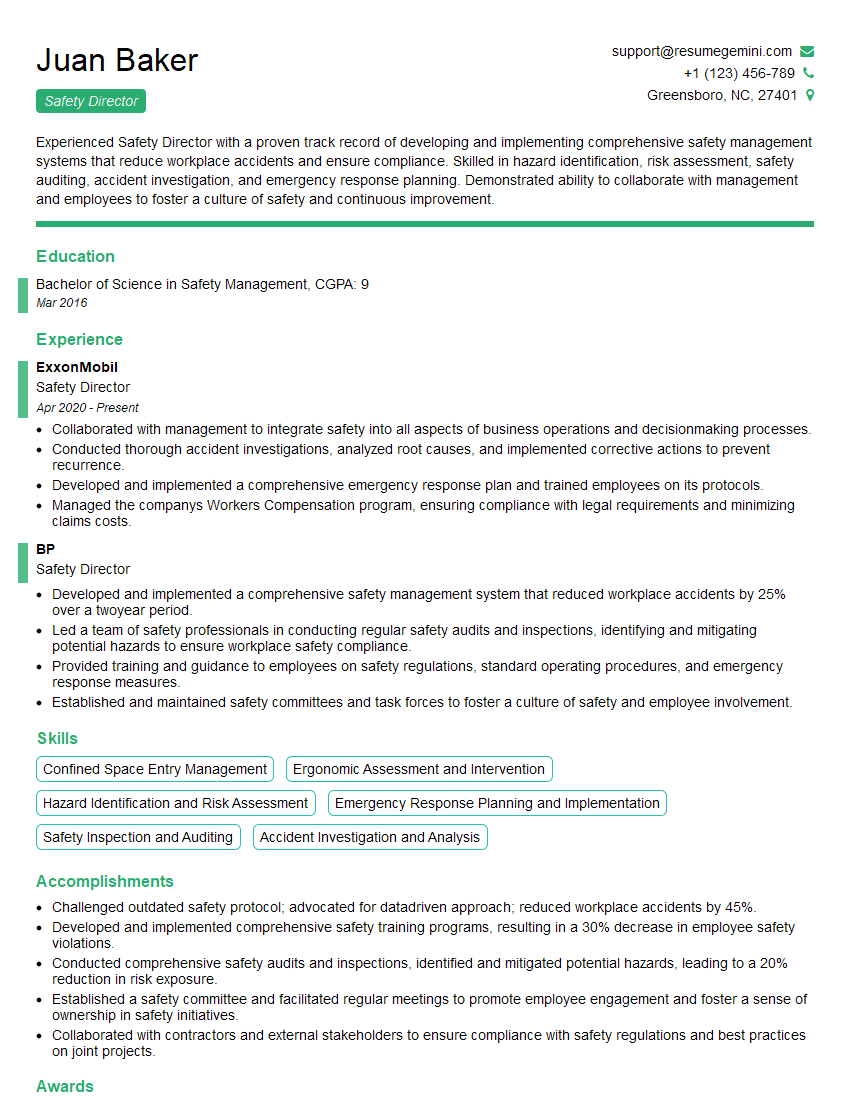
Safety Director Resume Sample

Compliance Officer Resume Sample
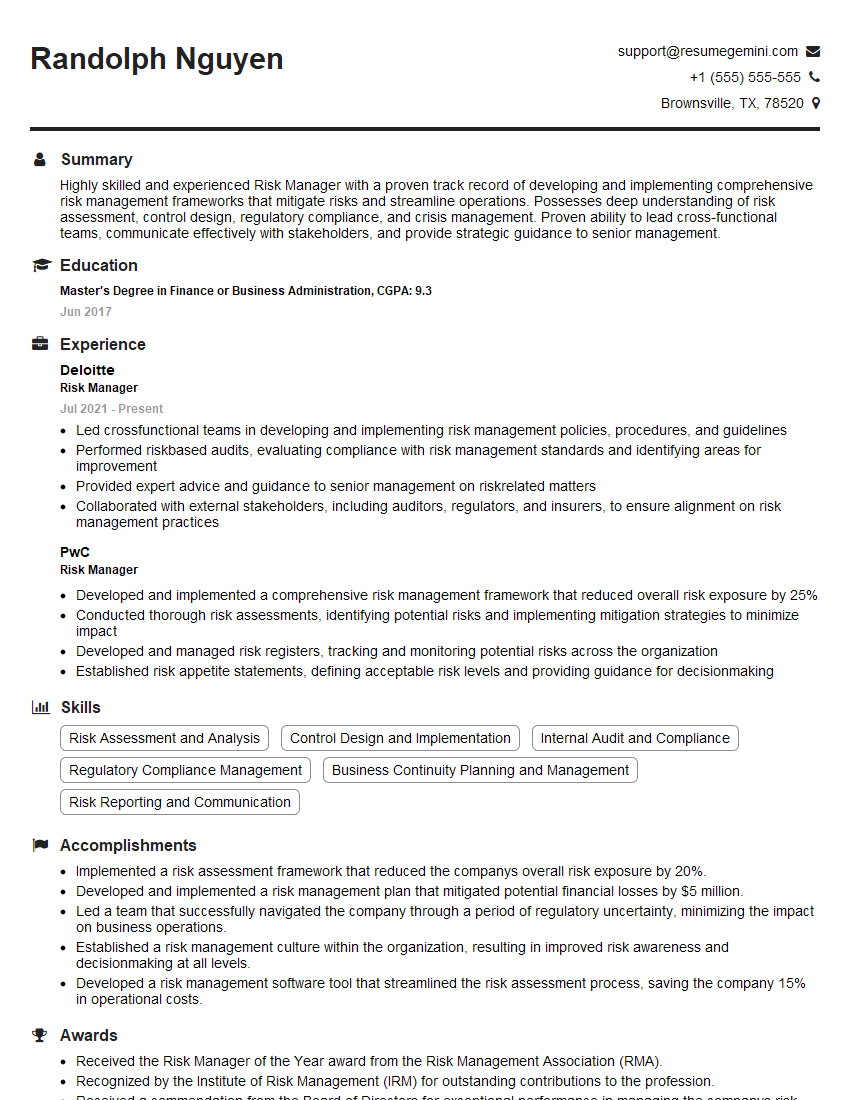
Risk Manager Resume Sample
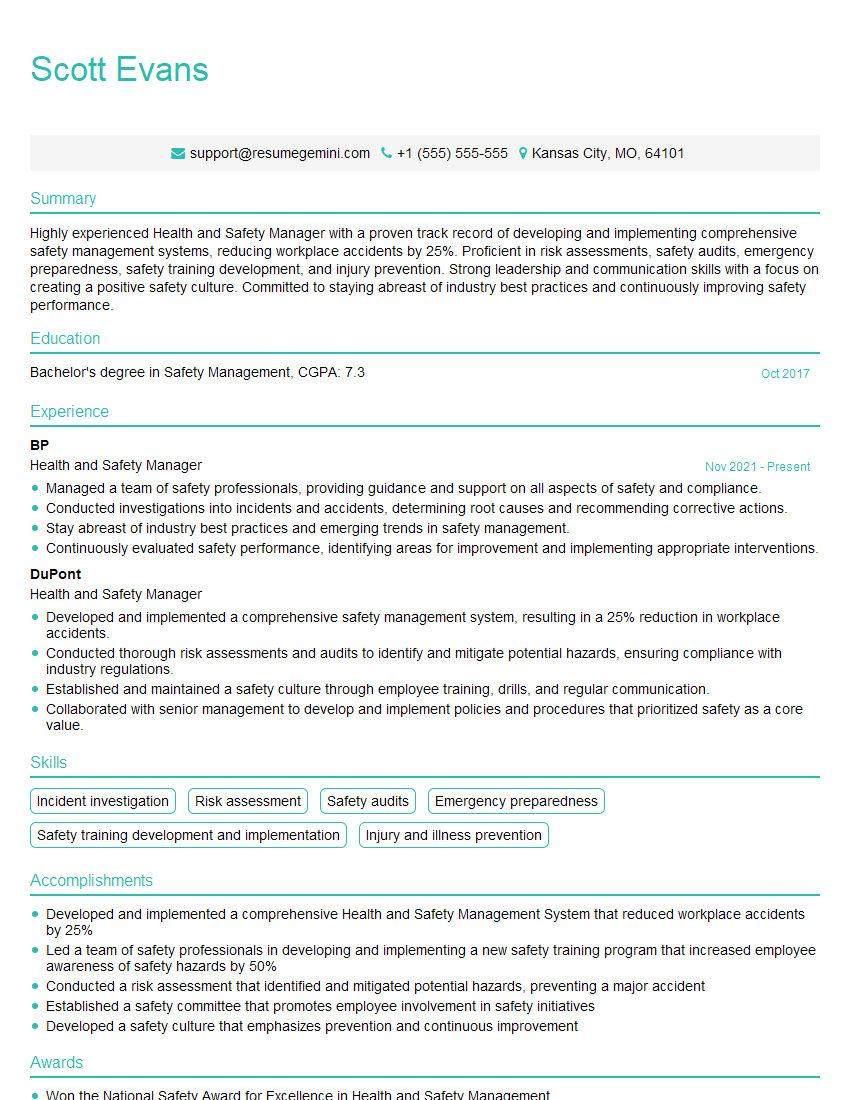
Health and Safety Manager Resume Sample
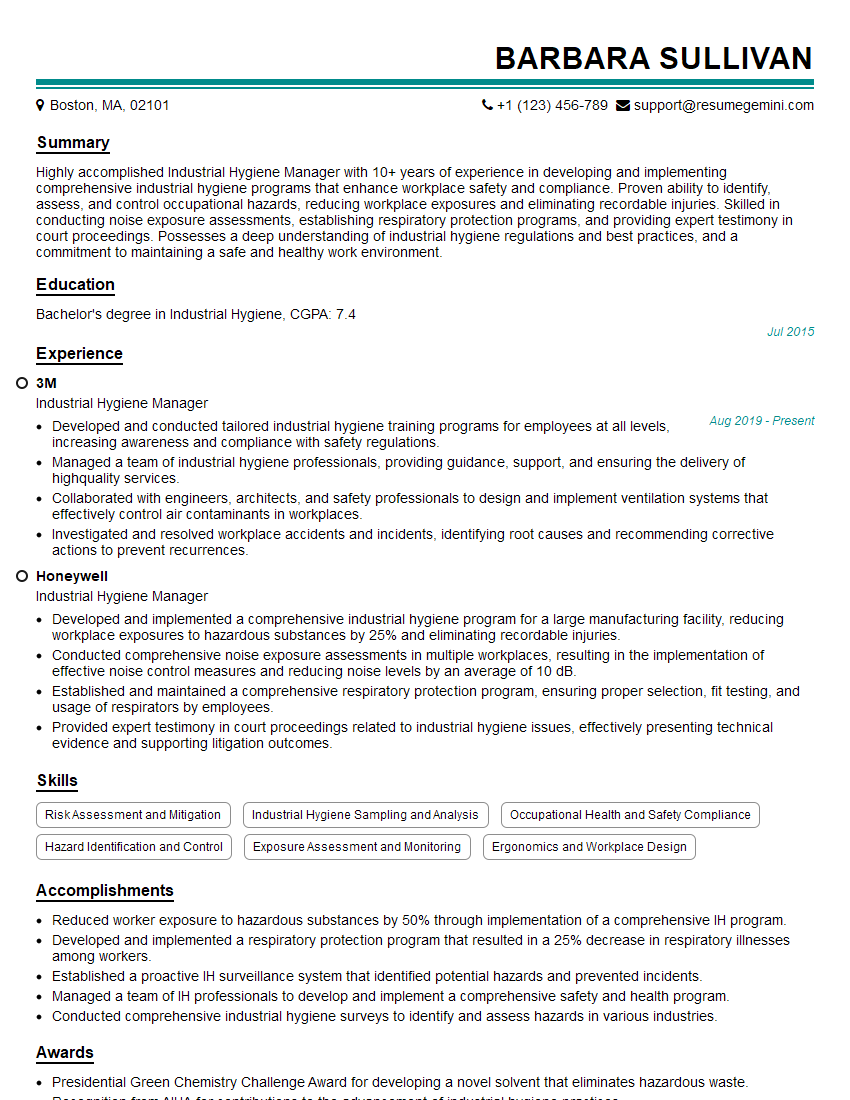
Industrial Hygiene Manager Resume Sample
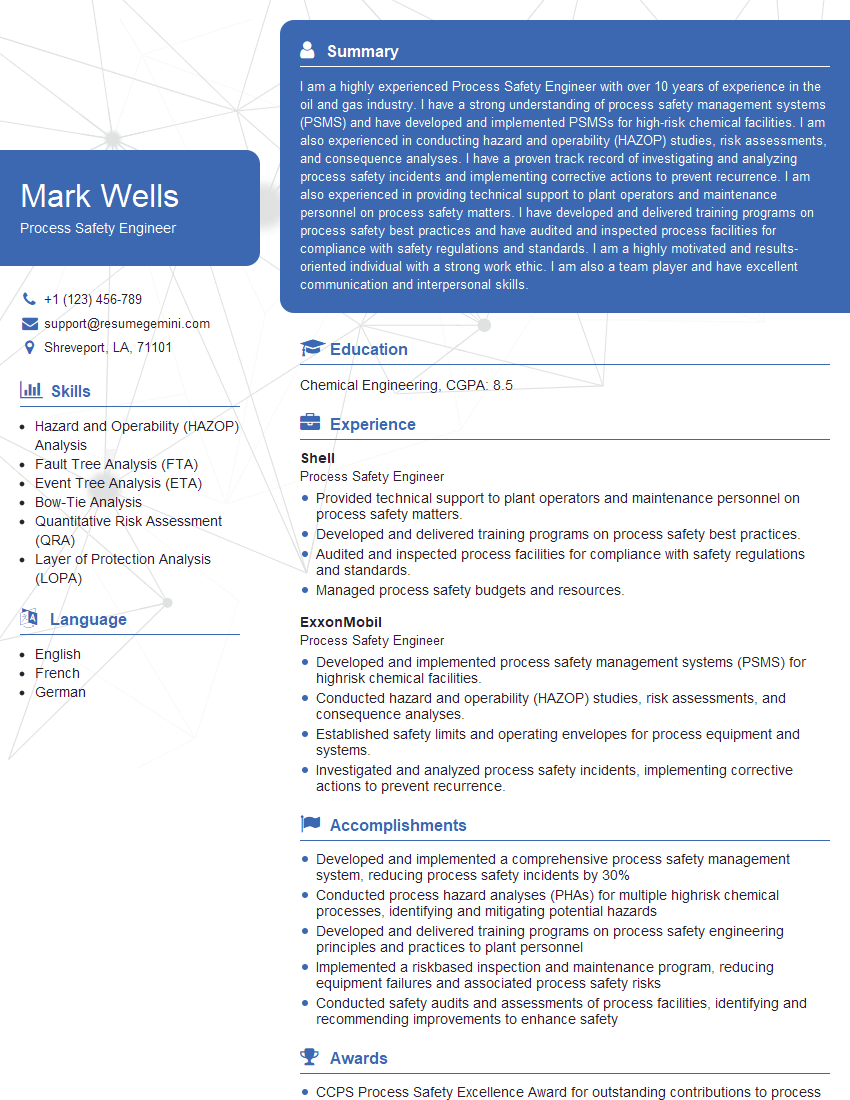
Process Safety Engineer Resume Sample
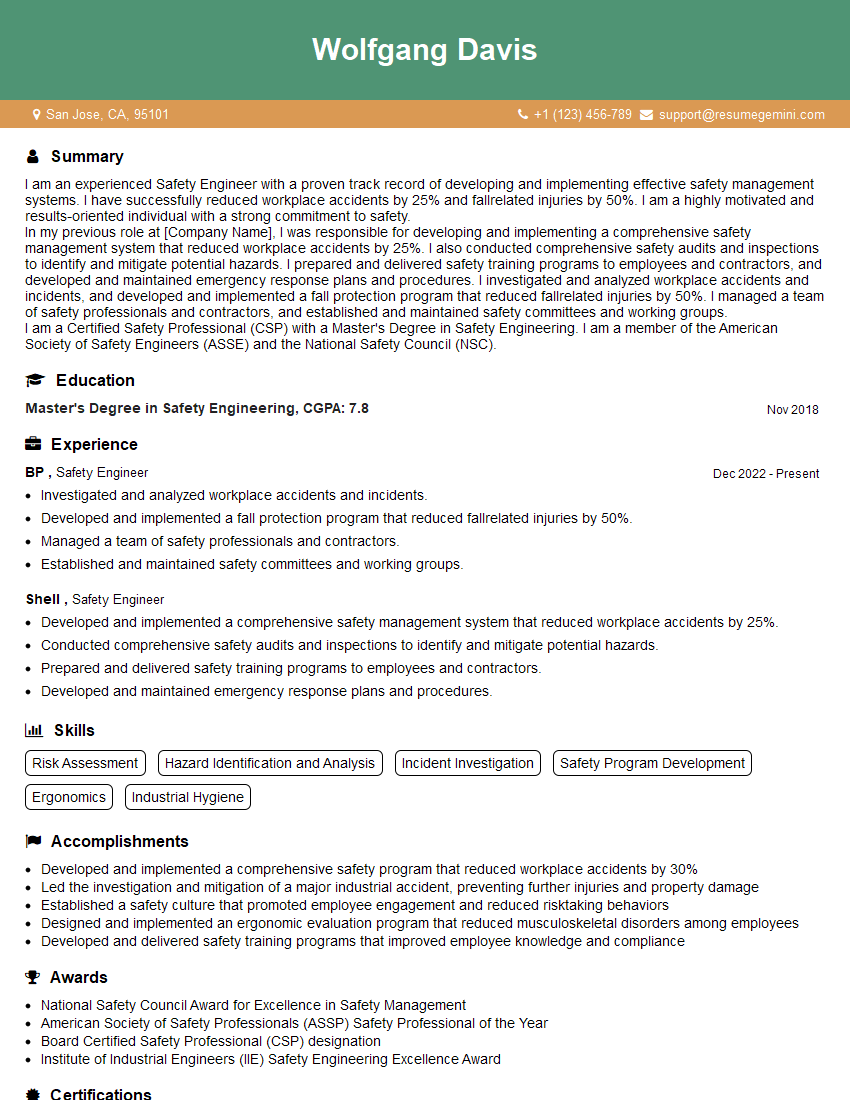
Safety Engineer Resume Sample
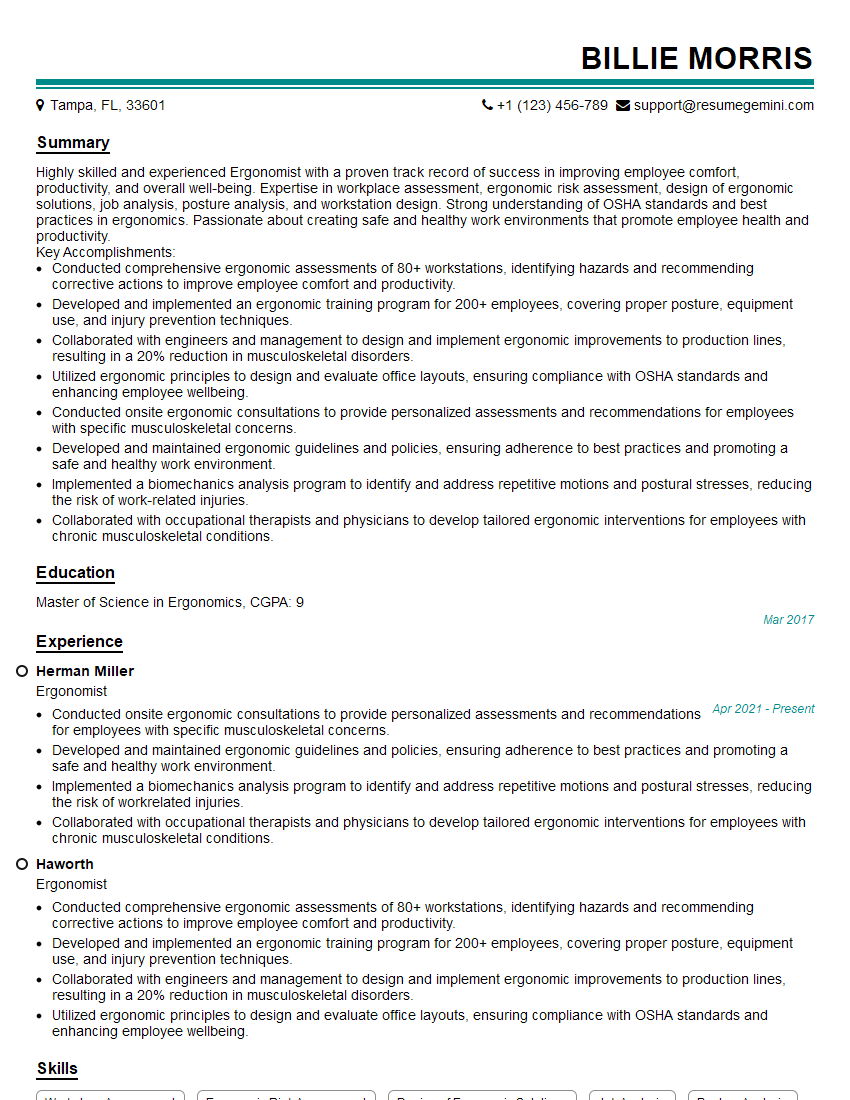
Ergonomist Resume Sample
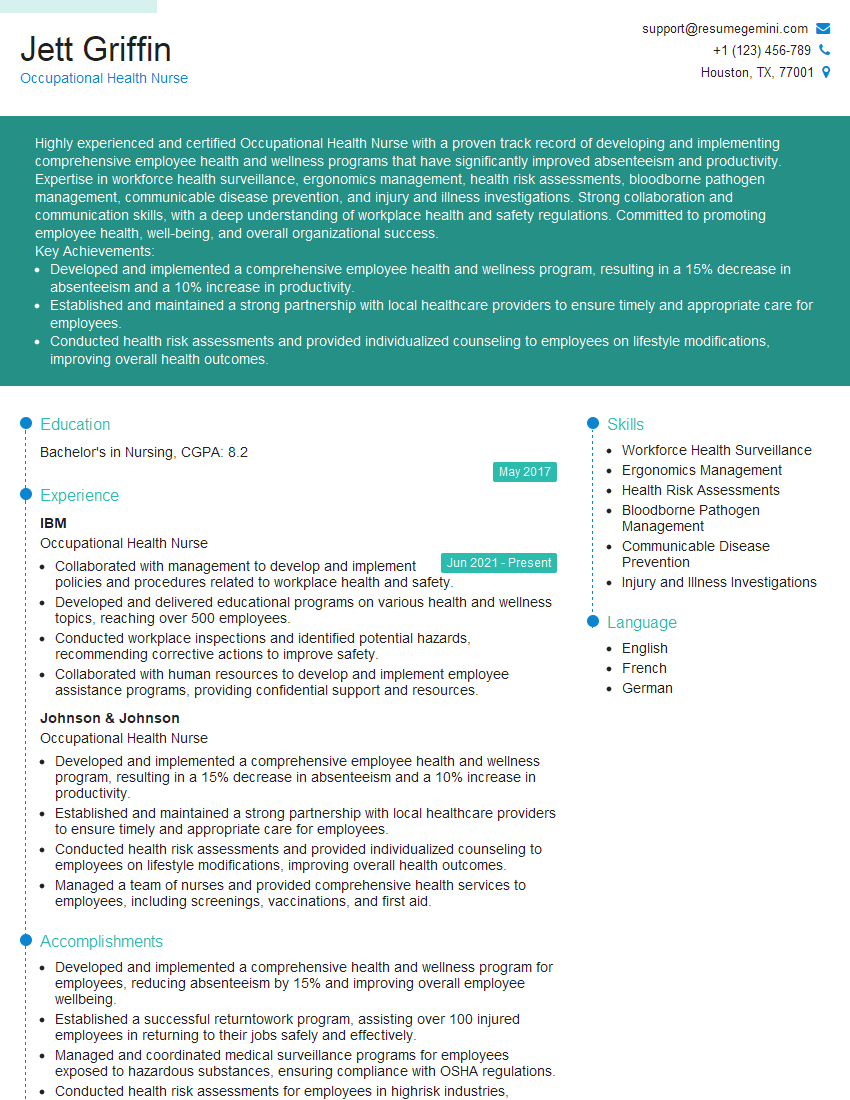
Occupational Health Nurse Resume Sample
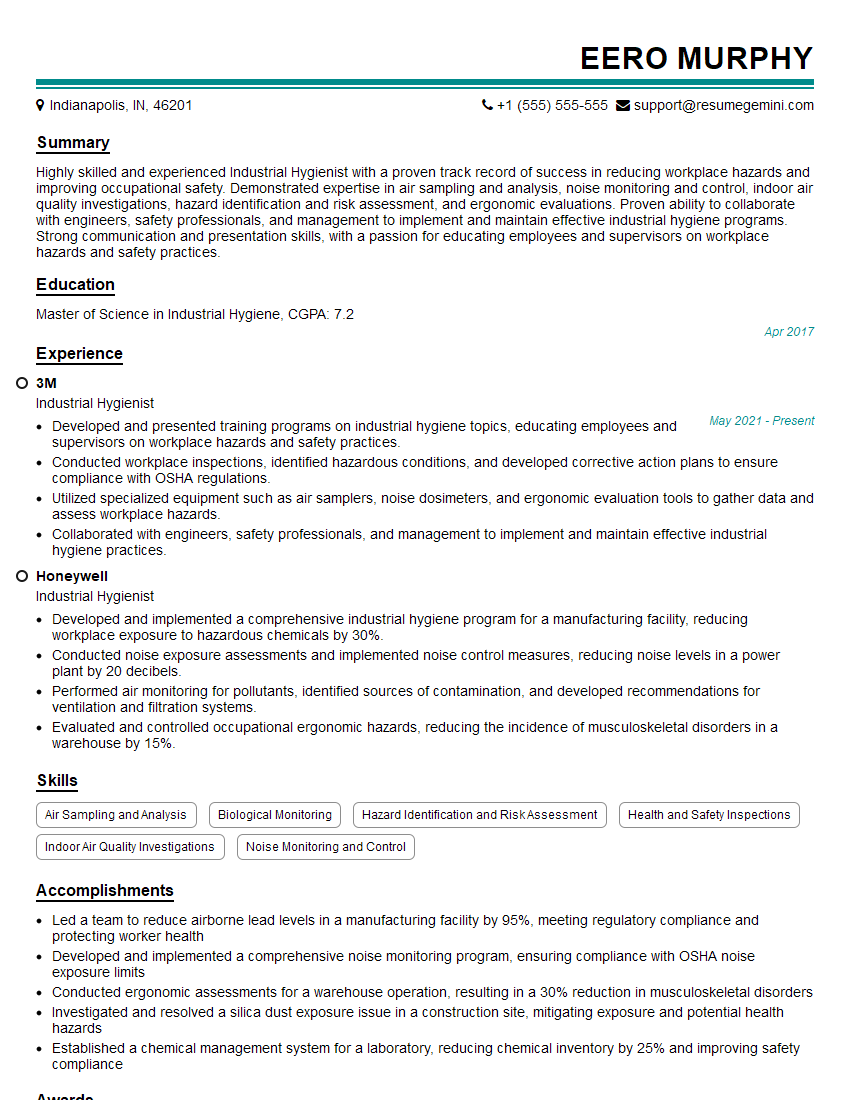
Industrial Hygienist Resume Sample

Safety Advisor Resume Sample
Explore more articles
Users Rating of Our Blogs
Share Your Experience
We value your feedback! Please rate our content and share your thoughts (optional).
What Readers Say About Our Blog
good