Every successful interview starts with knowing what to expect. In this blog, we’ll take you through the top Hedge Trimming interview questions, breaking them down with expert tips to help you deliver impactful answers. Step into your next interview fully prepared and ready to succeed.
Questions Asked in Hedge Trimming Interview
Q 1. What types of hedge trimmers are you familiar with (gasoline, electric, cordless)?
I’m proficient with all three main types of hedge trimmers: gasoline, electric, and cordless. Each has its strengths and weaknesses. Gasoline trimmers offer the most power and are ideal for large, dense hedges or extensive trimming projects where cord length isn’t a limitation. However, they require more maintenance, produce emissions, and can be quite noisy. Electric trimmers are lighter, quieter, and cleaner, making them suitable for smaller hedges and precise work. The downside is their reliance on a power cord, limiting reach. Cordless trimmers combine the convenience of electric models with the freedom of gasoline trimmers, but their power and run-time are often less than their corded counterparts, especially for larger hedges. The choice of trimmer depends entirely on the scope and specifics of the job.
Q 2. Describe your experience with different hedge trimming techniques (topiary, formal, informal).
My experience encompasses all three major hedge trimming styles: topiary, formal, and informal. Topiary involves creating intricate, often sculpted shapes, requiring precision and artistic skill. I’ve worked on projects shaping hedges into animals, geometric patterns, and other creative designs, often using specialized tools and templates for accurate shaping. Formal hedges, characterized by their neat, geometric shapes (like rectangles or cubes), demand careful trimming to maintain symmetry and precise lines. I utilize a combination of techniques, including regular trimming and the use of string lines for accurate measurements. Informal hedges focus on a natural, flowing appearance. Here, the goal is to maintain a healthy, balanced shape, often using thinning cuts to promote air circulation and sunlight penetration while still retaining a pleasing, natural outline. I tailor my approach to the specific needs and preferences of each client and the inherent characteristics of the hedge.
Q 3. How do you determine the appropriate trimming height and shape for a hedge?
Determining the appropriate height and shape involves several considerations. First, I assess the existing hedge’s growth habit and species. Evergreens generally grow more slowly than deciduous hedges, which influence the frequency of trimming. Next, I consider the surrounding landscape. The hedge should complement its environment without overwhelming it. For example, a very tall hedge might overshadow smaller plants or obstruct views. Property lines and neighboring properties also come into play, ensuring the hedge remains within its designated space. Finally, I collaborate closely with clients, understanding their vision and expectations for the hedge’s appearance. This collaborative approach ensures the final result aligns perfectly with their preferences and maintains the health and beauty of the plant.
Q 4. Explain your process for identifying and addressing diseased or damaged hedge sections.
Identifying diseased or damaged sections starts with a thorough visual inspection. I look for signs such as discoloration, wilting, unusual growths, insect infestations, or physical damage. Once a problem is identified, I carefully remove the affected parts, making sure to sterilize my tools between cuts to prevent the spread of disease. In some cases, I might take samples for further analysis or consult with arborists for specialized treatment options. For example, if a section shows signs of fungal infection, I’d remove it, and depending on the severity, treat the surrounding area with a fungicide. Prevention is key. This includes regularly inspecting hedges, maintaining proper watering and fertilization practices, and ensuring good air circulation within the hedge to discourage the onset of disease and pest infestations.
Q 5. What safety precautions do you take while operating hedge trimmers?
Safety is paramount. Before operating any hedge trimmer, I always wear appropriate safety gear, including eye protection (goggles or safety glasses), hearing protection (earplugs or earmuffs), sturdy work gloves, and long-sleeved clothing to protect my skin from flying debris. I ensure the trimmer blades are sharp and well-maintained to minimize the risk of kickback, and I always keep a clear workspace, removing any obstructions before beginning. I never operate the trimmer when tired or under the influence of substances. I also am mindful of others in the vicinity and warn them to stay away from the operating area. When working near power lines or other hazards, I take extra precautions or seek expert help.
Q 6. How do you maintain your hedge trimming equipment?
Regular maintenance extends the life of my equipment and ensures its optimal performance. After each use, I clean the blades thoroughly, removing any clippings or debris that could dull them. For gasoline trimmers, I ensure the fuel system is properly cleaned and the air filter is changed regularly. Electric and cordless trimmers require checking the cords for damage and keeping the battery charged. I regularly sharpen the blades myself, or I take them to a professional sharpening service for optimal cutting efficiency. This prevents damage to the hedge and ensures a clean, precise cut. Storing the equipment in a dry, secure place is equally crucial to prevent corrosion and damage.
Q 7. Describe your experience with different types of hedges (evergreen, deciduous).
I have extensive experience with both evergreen and deciduous hedges. Evergreens, such as Leyland Cypress or Arborvitae, require more frequent, lighter trimming to maintain their shape and prevent them from becoming too dense. These hedges tolerate shaping well and are ideal for formal hedges. Deciduous hedges, such as Hawthorn or Privet, grow rapidly and require more aggressive pruning, especially after their leaves have fallen. They often have a more open structure, lending themselves well to informal styles. I adjust my trimming techniques based on the species, growth rate, and the desired aesthetic. Understanding the specific needs of each type – for example, knowing that some evergreens are more susceptible to fungal disease – allows for better care and a healthier, more beautiful hedge.
Q 8. How do you handle difficult-to-reach areas when trimming hedges?
Reaching those tricky spots in a hedge requires a multi-pronged approach. For slightly elevated areas, a good quality extending pole saw is invaluable. Think of it as a long arm extension for your pruning shears. I always prefer models with a rotating head for maximum maneuverability around branches. For truly difficult-to-reach areas, like the very top of a tall hedge, I might use a combination of techniques: a long-handled lopper for larger branches, followed by a smaller handheld hedge trimmer for finer shaping after the bulk has been removed. Safety is paramount; I always use appropriate safety gear including eye protection and sturdy footwear.
Sometimes, the best approach is a two-person operation. One person operates the equipment from the ground, while the other directs and provides support, particularly important when working on steep slopes or near walls.
Q 9. What are the signs of a healthy hedge, and what are the signs of an unhealthy hedge?
A healthy hedge is a vibrant picture of growth and resilience. You’ll see lush, deep green foliage, evenly distributed along the branches. New growth should be plentiful and consistent. The branches should be strong and flexible, not brittle or easily snapped. The hedge will maintain its shape well without excessive dieback.
Conversely, an unhealthy hedge shows clear signs of distress. Think yellowing or browning leaves, sparse growth, and perhaps evidence of pests or diseases like holes in the leaves or unusual markings. Dead or dying branches are a significant indicator, as is a generally thin and spindly appearance. If you notice a significant change in the hedge’s appearance, especially unexplained dieback, it’s crucial to investigate the cause—poor soil drainage, lack of nutrients, disease, or even incorrect pruning techniques.
Q 10. What are the best practices for trimming hedges in different seasons?
Seasonal hedge trimming is key to maintaining a healthy and aesthetically pleasing hedge. Spring and summer are ideal for most species, allowing the hedge to recover from the pruning before winter sets in. However, avoid trimming during periods of extreme heat or drought. Early summer is usually the sweet spot; that said, some quick, light trimming may be necessary throughout the growing season to maintain shape. Late summer/early autumn is usually ideal for a final tidy up before winter. Avoid any major pruning in the late autumn or winter months as this could expose the hedge to cold and frost damage.
Different species have different needs, some (like conifers) benefit from only light shaping and pruning. Always research the specific needs of your hedge type before embarking on any trimming.
Q 11. How do you deal with overgrown or neglected hedges?
Tackling an overgrown hedge is a phased approach; it’s about strategic reduction rather than a single dramatic haircut. First, I’d assess the overall health and density. Heavily overgrown hedges might require several trimming sessions over a period of time. Start by removing the largest, most unruly branches; you can use a hand saw or loppers for larger branches. Gradually work your way toward a more uniform shape. It’s important to avoid removing more than 20-30% of the hedge’s volume in any one session to prevent shock and damage.
This approach reduces stress on the plant and avoids potential diseases or pest infestations. Regular, less aggressive trimming is always better than a radical one-off haircut. Think of it like giving your hedge a ‘gentle’ weight loss program!
Q 12. What is your experience with using various types of pruning shears and saws?
My experience with various pruning tools is extensive. For smaller hedges and detailed shaping, bypass hand shears are my go-to; they create clean, precise cuts minimizing damage. For larger hedges or thicker branches, I’d utilize long-handled loppers for greater leverage and reach. For really substantial branches, a pole saw is crucial for height and safety. I’ve worked with numerous brands and models and appreciate the differences in blade sharpness, cutting action, and overall ergonomics.
The choice of tool really depends on the hedge’s size, density, and the desired outcome. Keeping tools sharp and well-maintained is critical for clean cuts, promoting healthy growth, and making the entire process smoother and less strenuous.
Q 13. How do you plan and organize your hedge trimming tasks for efficiency?
Planning is key to efficient hedge trimming. I always begin with a thorough assessment of the hedge(s): size, shape, density, species. Then I develop a plan outlining the tools needed, the approach for different sections (e.g., tackling the top first for better access), and any potential challenges (difficult-to-reach areas, obstacles). I prioritize safety, ensuring I have the right PPE. I might sketch a basic outline on paper or even use a photo to visualize the desired shape. For larger jobs, I may break down the tasks into manageable sections, assigning specific tasks based on their complexity. This ensures that even large projects are completed effectively and safely.
Q 14. Describe your experience with working in various weather conditions while trimming hedges.
Working in various weather conditions is part and parcel of this job. I avoid trimming during heavy rain, high winds, or extreme temperatures (both hot and cold). These conditions can make the task dangerous, and can damage the hedge. If I’m forced to work in light rain, I make sure to use appropriate safety measures and shorten the work session. Sunshine is ideal, but I also work on overcast days to avoid the stress on the hedge during peak heat. Using appropriate clothing and staying hydrated is key in all conditions.
Safety always takes precedence. If the weather turns unexpectedly bad I always stop working immediately and find safer ground.
Q 15. How do you handle customer requests or concerns regarding hedge trimming?
Handling customer requests and concerns regarding hedge trimming begins with active listening and clear communication. I always start by thoroughly understanding the client’s vision for their hedge – do they want a formal, sculpted look, or a more natural, informal shape? What are their specific concerns? Are they worried about overgrown branches obscuring views, or perhaps about the overall health of the hedge?
Once I understand their needs, I provide a detailed explanation of my approach, including the tools I’ll use, the trimming techniques I’ll employ, and the expected timeline. I always offer different options if necessary, considering their budget and preferences. For example, if a client is concerned about the cost, I might suggest a less intensive trimming schedule or focus on specific problem areas. I also emphasize the importance of regular maintenance to prevent future issues and maintain the hedge’s health. If any unexpected problems arise during the process, I immediately communicate those to the client, explaining the situation clearly and offering possible solutions.
For example, I once had a client who was concerned about the height of their hedges obstructing their view. After assessing the situation, I proposed a graduated trimming approach, gradually reducing the height over several sessions to avoid any drastic changes. This allowed the hedge to retain its natural form while achieving the client’s desired outcome.
Career Expert Tips:
- Ace those interviews! Prepare effectively by reviewing the Top 50 Most Common Interview Questions on ResumeGemini.
- Navigate your job search with confidence! Explore a wide range of Career Tips on ResumeGemini. Learn about common challenges and recommendations to overcome them.
- Craft the perfect resume! Master the Art of Resume Writing with ResumeGemini’s guide. Showcase your unique qualifications and achievements effectively.
- Don’t miss out on holiday savings! Build your dream resume with ResumeGemini’s ATS optimized templates.
Q 16. What is your experience with using fertilizers and other plant treatments for hedges?
My experience with fertilizers and plant treatments for hedges is extensive. I understand that proper fertilization is crucial for maintaining healthy, vigorous growth and increasing the hedge’s resilience against diseases and pests. I usually recommend slow-release granular fertilizers, as they provide a sustained supply of nutrients to the plant’s root system. The type of fertilizer I choose depends on soil testing results and the specific needs of the hedge species. For instance, nitrogen is crucial for foliage growth, while phosphorus strengthens root development and potassium improves overall health.
In addition to fertilizers, I’m familiar with various plant treatments, including fungicides and insecticides. However, I only apply these as a last resort, after careful assessment and diagnosis of the problem. I prefer using organic and environmentally-friendly options whenever possible, to minimize harm to beneficial insects and the environment. For instance, neem oil is a natural insecticide effective against many common hedge pests.
Before using any chemicals, I make sure to follow all safety instructions, wear appropriate protective gear (gloves, masks, eye protection), and ensure proper disposal of any leftover products. I also inform the client about any treatments applied, providing them with details about the product used and any potential after-effects.
Q 17. How do you ensure the safety of yourself and others while operating equipment near power lines or other hazards?
Safety is my paramount concern when operating equipment near power lines or other hazards. Before beginning any work, I always thoroughly assess the area, identifying potential risks and developing a safe work plan. If power lines are nearby, I will not proceed unless the power is turned off by the utility company – safety is not negotiable.
I use appropriate safety equipment, including safety glasses, gloves, and hearing protection. When using power tools, I always ensure that the equipment is well-maintained and in good working order. I follow all manufacturer’s instructions for safe operation, including wearing appropriate protective gear. I’m also trained in safe handling procedures and emergency response protocols.
For instance, I always maintain a safe distance from power lines, usually no less than 10 feet, and I avoid working near them during windy conditions, or when the ground is wet, to reduce the risk of accidental contact. I also ensure that all team members are aware of the safety procedures and have been properly briefed before commencing work. Clear communication and meticulous planning are crucial in mitigating any potential risks.
Q 18. How do you deal with thorny or prickly hedges?
Thorny or prickly hedges require extra caution and specific equipment. I always wear heavy-duty gloves made from protective materials like thick leather or high-strength synthetics to protect my hands from punctures and scratches. Long sleeves and sturdy pants are also essential to protect my arms and legs.
For trimming, I use tools with long handles, such as long-reach loppers or hedge trimmers, to maintain a safe distance from the thorns. I will often use hand shears for detailed work or for areas that require more precision and control. I prefer using electric or cordless hedge trimmers over gas-powered models, because of their reduced noise and vibration levels. For really thick or impenetrable hedges, sometimes the best approach is careful sectioning, cutting back a section and then carefully working on the next.
I always assess the hedge carefully before beginning work, considering the density of the thorns and the overall shape of the hedge. This helps me to plan my approach and choose the most appropriate tools and techniques. Safety first always!
Q 19. What is your experience with hedge trimming in tight spaces or confined areas?
Trimming hedges in tight spaces or confined areas demands precision and careful planning. I use smaller, more maneuverable tools such as hand shears, and smaller electric hedge trimmers. I work methodically, concentrating on small sections at a time, ensuring precise cuts and avoiding any accidental damage to surrounding structures or plants.
Before I begin, I will carefully assess the space, measuring distances and identifying any obstacles. I plan my approach in detail, ensuring that I have sufficient access and maneuverability at all times. I might also use extension poles for certain tools, allowing me to work from outside the confined area. Safety and a good understanding of the space are essential to achieving clean and efficient cuts.
For instance, I once trimmed a hedge along a narrow alleyway, carefully working from one end to the other, taking extra precautions to avoid accidentally damaging the walls or overhanging branches from neighboring properties. I took my time to be precise and efficient, ensuring minimal disturbance to my surrounding environment.
Q 20. How do you identify and address pest infestations or diseases in hedges?
Identifying and addressing pest infestations or diseases in hedges requires a keen eye and a good understanding of plant pathology. I start by carefully inspecting the hedge for any signs of damage, such as discoloration, wilting, leaf drop, or the presence of insects or other pests. I often use a magnifying glass to inspect more closely for signs of disease or insects.
Once I’ve identified the problem, I’ll research the best way to address it. Sometimes, simple adjustments to the hedge’s environment may suffice. This can include improved drainage, adjusting watering practices, or addressing nutrient deficiencies. For more serious issues, I might recommend specific treatments, such as the use of organic or chemical pest control products or appropriate fungicides.
It’s crucial to correctly identify the problem before any action is taken, as incorrect treatment can exacerbate the situation. If I am uncertain about the diagnosis, I will consult with a plant pathology expert. I always inform the client of my findings and recommendations, explaining the treatments chosen and their potential effects on the environment and human health.
Q 21. What is your understanding of hedge growth patterns and how they influence trimming?
Understanding hedge growth patterns is fundamental to effective trimming. Different species grow at different rates and have unique growth habits. For example, some hedges have a tendency to grow outward, while others grow more vertically. Knowing these patterns helps me tailor my trimming technique.
Understanding growth patterns helps me determine the frequency of trimming required for optimal hedge health and appearance. For example, fast-growing hedges will require more frequent trimming compared to slow-growing ones. I also consider the season; trimming should avoid damaging new growth, so generally, spring or early summer are the best times for many hedges. Pruning at the wrong time can disrupt flowering cycles or lead to unsightly growth habits.
I always account for the hedge’s natural shape and growth habit when trimming. A formal hedge might require more frequent and precise trimming to maintain its structured appearance, while a more natural hedge might simply need light shaping to remove dead or overgrown branches. By considering these factors, I help the client obtain the hedge they envision.
Q 22. What are the common problems encountered while hedge trimming and how do you resolve them?
Common hedge trimming problems often stem from improper technique or neglecting the hedge’s health. For instance, uneven growth can result from trimming only one side, creating a lopsided look. Disease or pest infestations can weaken the hedge, impacting its shape and health. Over-trimming can stress the plant, making it vulnerable. Finally, using dull blades can lead to ragged cuts and damage the hedge.
- Uneven Growth: Solution: Employ a systematic approach. Use string lines as guides to ensure even cuts. Trim a little at a time, frequently stepping back to assess progress.
- Disease/Pests: Solution: Identify the issue (often requiring consultation with a plant specialist), treat appropriately (e.g., applying fungicides or insecticides), and adjust trimming practices to promote air circulation, reducing vulnerability.
- Over-Trimming: Solution: Know your plant’s tolerance. Research the specific species to determine the appropriate amount to trim. Aim for smaller, more frequent trims instead of drastic cuts.
- Dull Blades: Solution: Sharpen or replace blades regularly (as outlined in question 2).
Q 23. How do you maintain the sharpness of your hedge trimming blades?
Maintaining sharp hedge trimmer blades is crucial for clean cuts and the health of the hedge. Dull blades cause ragged edges, which can be entry points for disease. I regularly sharpen my blades using a high-quality sharpening steel or file, following the manufacturer’s instructions. For severely damaged blades, replacement is necessary. Many electric trimmers feature replaceable blades which is a cost effective approach. I always ensure that the blades are clean before and after each use to prevent rust and corrosion. For gas-powered trimmers, a regular cleaning to prevent clogging and blade jamming is vital.
Q 24. What is your knowledge of different hedge species and their specific trimming needs?
My knowledge of different hedge species and their trimming needs is extensive. For example, formal hedges like boxwood (Buxus spp.) require frequent, precise shaping to maintain their structured appearance. Informal hedges, such as Ligustrum or Privet (Ligustrum spp.) are more tolerant of less frequent, less precise trimming, allowing for a more natural look. Evergreen hedges like Leyland Cypress (x Cupressocyparis leylandii) generally need two trims a year, while deciduous hedges such as Hawthorn (Crataegus spp.) can tolerate more drastic cuts after leaf drop. Understanding the growth habit and flowering times is critical; for example, you should avoid trimming flowering hedges immediately after they bloom. Knowing these variations allows me to adjust my approach and tools for each species to achieve optimal results and plant health.
Q 25. Describe your experience working with a team to complete large hedge trimming projects.
On large-scale projects, teamwork is essential. My experience involves leading and working within teams of 3-5 people. We implement a clearly defined plan, dividing the hedge into manageable sections with assigned teams. We use walkie-talkies for communication to ensure everyone is coordinated. Safety is paramount, and safety protocols such as wearing protective gear (eye protection, gloves, hearing protection) are strictly enforced. Before starting, we inspect equipment to ensure its functionality and that safety features are working correctly. This process ensures efficiency, reduces risk, and leads to consistently high-quality results. Effective communication, clear roles, and safety consciousness are key to a successful large-scale project.
Q 26. How do you dispose of hedge trimmings and other yard waste responsibly?
Responsible disposal of hedge trimmings and yard waste is vital for environmental protection. I typically follow a multi-pronged approach. Smaller trimmings are composted on-site, enriching the soil. Larger branches and debris are often chipped and used as mulch, or sometimes collected by municipal services for composting facilities. In some cases, especially for large projects or specific types of waste, I work with waste management companies specializing in green waste disposal. By employing these strategies, I ensure minimal environmental impact and adhere to all local regulations. This reduces landfill waste and promotes sustainable practices.
Q 27. Describe a time you had to troubleshoot a problem with your hedge trimming equipment.
During a recent project, my gas-powered hedge trimmer began sputtering and losing power. I first checked the fuel lines for any blockages, as this is a frequent cause of this issue. After finding no visible issues, I checked the air filter. It was heavily clogged with debris. Once I cleaned and replaced the filter, the trimmer ran smoothly again. This experience highlighted the importance of regular equipment maintenance. A seemingly minor issue like a clogged air filter can significantly impact performance. I made it a point to include regular air filter checks in my routine maintenance schedule.
Q 28. What is your experience with using specialized hedge trimming attachments?
I have extensive experience with specialized hedge trimming attachments, including various blade types (e.g., long-reach blades for tall hedges, double-sided blades for increased efficiency, and narrow blades for precise shaping), as well as attachments such as pole saws for trimming higher branches or shears for detailed shaping of smaller plants. The choice of attachment is dictated by the specific job requirements. For instance, long-reach blades are invaluable when working with tall hedges to avoid dangerous ladder work. The versatility offered by these attachments increases my efficiency and allows for a higher-quality, safer outcome. Knowing when and how to use each one is a crucial aspect of my expertise.
Key Topics to Learn for Hedge Trimming Interview
- Hedge Selection & Assessment: Understanding different hedge types, their growth habits, and assessing their health and condition before trimming.
- Trimming Techniques: Mastering various trimming techniques like shaping, topiary, and hedging, understanding the use of different tools for varying hedge types and sizes.
- Safety Procedures: Prioritizing safety through proper use of equipment, understanding potential hazards (electrical lines, obstructions), and adhering to safety regulations.
- Tool Maintenance & Selection: Knowing how to maintain and select appropriate tools (hedgetrimmers, shears, saws) for different tasks and hedge types, including sharpening and cleaning.
- Plant Health & Disease Identification: Recognizing common hedge diseases and pest infestations, understanding preventative measures and appropriate treatments.
- Growth Patterns & Shaping Principles: Understanding how hedges grow and applying this knowledge to create aesthetically pleasing and healthy shapes, considering the natural growth patterns of the species.
- Environmental Considerations: Understanding the impact of trimming on the environment, including responsible disposal of trimmings and sustainable practices.
- Problem-Solving & Troubleshooting: Identifying and resolving common issues encountered during hedge trimming, such as uneven growth, disease, or tool malfunctions.
Next Steps
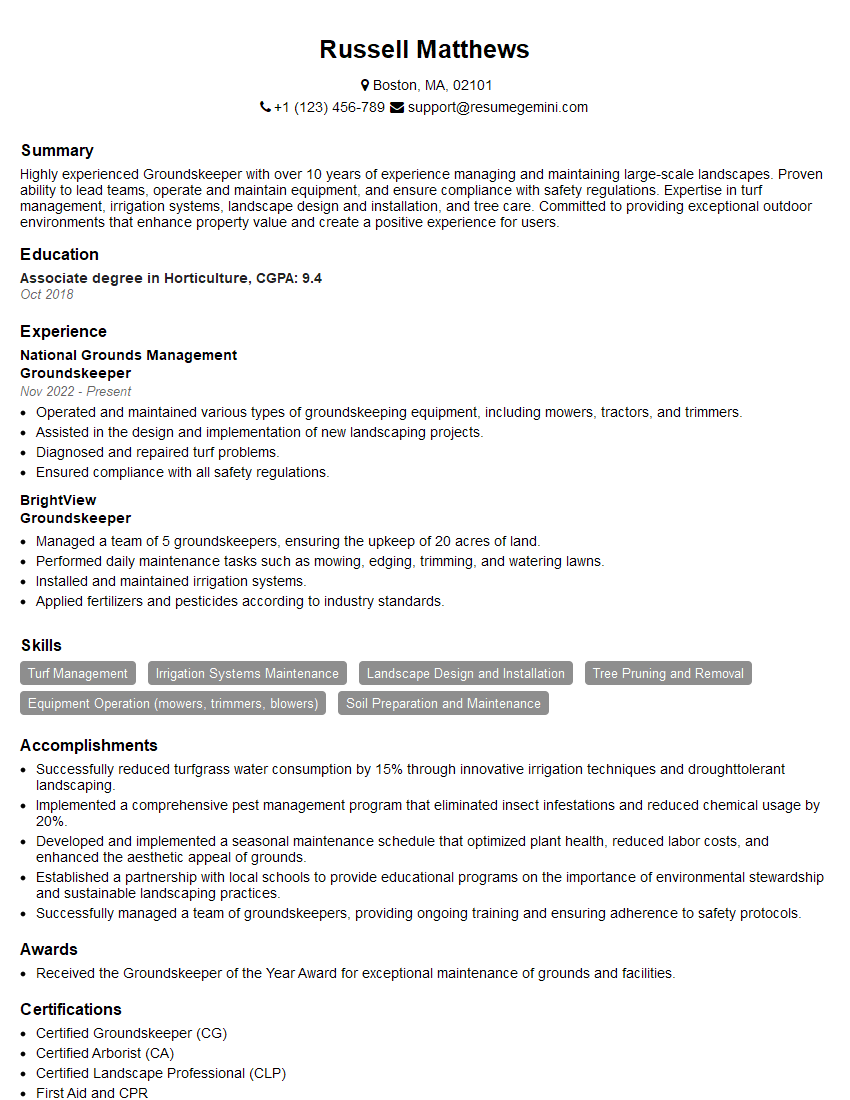
Mastering hedge trimming opens doors to rewarding career opportunities in landscaping, horticulture, and grounds maintenance. A strong skillset in this area demonstrates dedication, precision, and an understanding of plant health—highly valued attributes in many industries. To maximize your job prospects, create an ATS-friendly resume that effectively highlights your abilities. ResumeGemini is a trusted resource to help you build a professional and impactful resume. We provide examples of resumes tailored to the Hedge Trimming field to help you showcase your expertise effectively.
Explore more articles
Users Rating of Our Blogs
Share Your Experience
We value your feedback! Please rate our content and share your thoughts (optional).
What Readers Say About Our Blog
Very informative content, great job.
good