The right preparation can turn an interview into an opportunity to showcase your expertise. This guide to Heel Decision Making interview questions is your ultimate resource, providing key insights and tips to help you ace your responses and stand out as a top candidate.
Questions Asked in Heel Decision Making Interview
Q 1. Describe a situation where you had to make a difficult decision with limited information. What was your process?
Making critical decisions with limited information is a common challenge. My approach involves a structured process to maximize the effectiveness of the available data. Firstly, I clearly define the problem and the desired outcome. This helps focus the information gathering. Then, I actively seek out all available information, no matter how seemingly insignificant. This might involve consulting colleagues, reviewing existing reports, or conducting preliminary research. I then prioritize the most credible and relevant information. This often involves assessing the source’s reliability and the information’s consistency with other data. Next, I explore different potential solutions, weighing their pros and cons based on the available information. I also consider the potential consequences of each option, even with the uncertainty. Finally, I make a decision, acknowledging the inherent risk associated with incomplete information, and document my reasoning. For example, during a product launch, we faced uncertainty about market demand. Instead of delaying, we launched a smaller-scale campaign to gather real-time customer feedback before committing to a full-scale launch. This allowed us to adjust our strategy based on the actual market response, mitigating the risk of a major loss.
Q 2. Explain your approach to identifying and mitigating risks associated with critical decisions.
Risk mitigation in critical decision-making is paramount. My approach begins with comprehensive risk identification. This involves brainstorming potential challenges, using techniques like SWOT analysis (Strengths, Weaknesses, Opportunities, Threats) and scenario planning. I consider both internal and external factors that could impact the decision’s success. For example, a new technology implementation might face risks like technical glitches, employee resistance, and budgetary constraints. Once risks are identified, I assess their likelihood and potential impact. This helps prioritize which risks need immediate attention. Then, I develop mitigation strategies for each significant risk. These strategies might involve contingency planning (having backup solutions), investing in additional resources (training, technology), or implementing risk transfer mechanisms (insurance). Throughout the process, I continually monitor the identified risks and adjust mitigation strategies as needed. Regular reviews and progress updates are key to proactive risk management.
Q 3. How do you evaluate the potential impact of a decision on various stakeholders?
Evaluating a decision’s impact on stakeholders is crucial for its success and acceptance. I begin by identifying all relevant stakeholders, which might include employees, customers, investors, partners, and the wider community. Then, I consider how the decision might affect each stakeholder group, both positively and negatively. This often involves anticipating their reactions and concerns. For example, a restructuring decision might benefit the company’s profitability but lead to job losses, impacting employees negatively. I use tools like stakeholder mapping to visualize these relationships and their potential impacts. Finally, I develop strategies to mitigate negative impacts and communicate the decision’s rationale and potential benefits to each group transparently. This proactive communication helps foster understanding and build trust, crucial for successful implementation.
Q 4. Describe a time you had to make a decision under significant time pressure. What was the outcome?
Time pressure is a frequent factor in decision-making. In one instance, we faced a critical server outage affecting our online platform. Under immense pressure to restore service quickly, I prioritized the most likely causes of the outage and implemented a tiered approach to resolving the problem. First, I directed the team to implement immediate, short-term solutions to minimize the impact. Simultaneously, a separate team began investigating the root cause of the failure. We used clear communication channels and regular updates to keep everyone informed. While there was pressure to find a quick fix, we prioritized finding a permanent solution to prevent recurrence. The outcome was that service was restored quickly minimizing customer disruption, and the root cause was later identified and corrected. Although stressful, this demonstrated the value of a calm, organized approach even in high-pressure situations. The incident also led to improved disaster recovery plans.
Q 5. How do you prioritize competing priorities when making a crucial decision?
Prioritizing competing priorities requires a structured approach. I typically use a prioritization matrix, weighing each priority’s importance and urgency. This can be represented visually, often using a simple grid with quadrants for ‘high importance/high urgency,’ ‘high importance/low urgency,’ and so on. This visualization clarifies which tasks demand immediate attention and which can be delegated or scheduled for later. I also consider the potential impact of delaying each priority. For example, addressing a critical security vulnerability takes precedence over a less urgent marketing campaign, even if both are high-priority items. The key is to make informed decisions based on a clear understanding of the consequences of each choice. Effective communication with the team involved is also crucial to ensure buy-in and successful execution.
Q 6. How do you incorporate data and analytics into your decision-making process?
Data and analytics are integral to my decision-making. I leverage data to gain insights into past performance, current trends, and future predictions. This involves collecting relevant data from various sources, cleaning and preparing the data for analysis, and then using statistical methods or data visualization techniques to identify patterns and trends. For example, using sales data, we identified a significant drop in sales for a particular product line. Further analysis revealed a correlation with a competitor’s new product launch. This information allowed us to adjust our marketing strategy and develop a competitive response. I also use predictive modeling to forecast potential outcomes based on different decision scenarios. This helps make more informed and data-driven choices with lower uncertainty.
Q 7. Describe your experience with using decision-making frameworks (e.g., decision trees, cost-benefit analysis).
I have extensive experience using decision-making frameworks, including decision trees and cost-benefit analysis. Decision trees are useful for visualizing complex scenarios with multiple branching possibilities and probabilities. They allow me to systematically analyze potential outcomes and associated risks. For example, when evaluating a new product launch, a decision tree can help evaluate various market entry strategies, considering factors like pricing, marketing investment, and competitor reactions. Cost-benefit analysis is effective for comparing the financial implications of different options. This involves calculating the total costs and benefits associated with each choice and identifying the option with the highest net benefit. While financial factors are crucial, I also consider qualitative factors like employee morale and customer satisfaction when using these frameworks. Combining quantitative and qualitative analysis provides a more complete picture for robust decision-making.
Q 8. How do you handle disagreements with colleagues regarding a decision?
Disagreements are inevitable in collaborative decision-making. My approach prioritizes respectful dialogue and finding common ground. I begin by actively listening to each colleague’s perspective, ensuring everyone feels heard. This involves asking clarifying questions and summarizing their viewpoints to confirm understanding. Then, I facilitate a structured discussion, focusing on the underlying issues and potential solutions rather than personalities. We might brainstorm alternative options, weigh their pros and cons, and potentially use tools like a decision matrix to objectively assess them. If consensus remains elusive, I’ll leverage my experience to suggest a compromise or a path forward that addresses the key concerns. Ultimately, the goal is a solution that everyone can support, even if it isn’t their ideal outcome. If the disagreement persists despite these efforts, I will escalate it to a higher authority for resolution, but only after thoroughly documenting the process and the reasons for the impasse.
Q 9. How do you ensure accountability after making a major decision?
Accountability after a major decision is crucial. My strategy involves establishing clear roles and responsibilities from the outset. Before implementing the decision, I clearly define who is responsible for each task, setting realistic timelines and measurable milestones. This is often documented in a formal action plan shared with all stakeholders. Regular progress reports and follow-up meetings are scheduled to monitor progress and address any roadblocks. Transparent communication is key; I keep everyone informed about the decision’s impact and any adjustments required. Furthermore, I establish a system for tracking key performance indicators (KPIs) directly related to the decision’s success, allowing us to objectively measure progress and make data-driven adjustments. If performance falls short of expectations, I initiate a process to understand the reasons for underperformance and develop corrective actions, ensuring that lessons are learned and integrated into future decision-making processes. This entire process emphasizes proactive monitoring and open communication to maintain accountability and foster a sense of shared ownership.
Q 10. How do you define success when measuring the outcome of a significant decision?
Defining success in the aftermath of a significant decision requires a multifaceted approach. It’s not solely about achieving a pre-defined target, but also about assessing the broader impact. I start by setting clear, measurable, achievable, relevant, and time-bound (SMART) goals before making the decision. Then, after implementation, I use a range of metrics to gauge success. This could include quantitative data, such as sales figures or cost reductions, but also qualitative feedback gathered through surveys, focus groups, or performance reviews. For example, if the decision involved a product launch, success might be measured by sales figures, customer satisfaction ratings, and market share gains. In contrast, if the decision involved a restructuring initiative, success might be measured by improved efficiency, employee morale, and reduced operational costs. Ultimately, successful decisions are those that not only achieve initial goals but also contribute positively to the long-term strategic objectives of the organization, while considering any unintended consequences or ethical implications.
Q 11. How do you adapt your decision-making approach depending on the context (e.g., crisis vs. strategic planning)?
My decision-making approach adapts considerably depending on the context. In a crisis situation, speed and decisiveness are paramount. I rely on gut instinct and experience, often making decisions based on limited information. This necessitates a quick assessment of the situation, identification of immediate priorities, and selection of the most viable option to mitigate immediate harm. The process is often less formal, focusing on swift action rather than extensive analysis. However, after the immediate crisis is resolved, a post-mortem analysis is crucial to learn from the experience and improve future crisis response. In strategic planning, the process is far more deliberate. It involves extensive data analysis, stakeholder consultations, and scenario planning. This demands a systematic approach, weighing long-term implications, assessing risks, and considering multiple perspectives. Decision-making tools like SWOT analysis, cost-benefit analysis, and decision trees are commonly employed. The aim is to choose a course of action that aligns with the organization’s strategic goals and maximizes long-term value.
Q 12. Describe a time you had to make a decision that involved ethical considerations. How did you navigate this?
In a previous role, I faced an ethical dilemma involving resource allocation. My team was under immense pressure to meet aggressive project deadlines, and we were exploring options to expedite the process. One option involved compromising on safety standards, which would significantly reduce the project timeline, but risked employee well-being. After careful consideration of the legal, ethical, and practical implications, I opted to advocate for maintaining the highest safety standards even if it meant delaying the project timeline. I explained my rationale clearly to stakeholders, highlighting the potential long-term reputational and financial risks associated with compromising safety. While there was initial resistance, I was able to build consensus by emphasizing the importance of ethical conduct and employee safety as core organizational values. The project was eventually completed slightly behind schedule, but without any safety incidents. This experience underscored the importance of prioritizing ethical considerations even under pressure and communicating transparently about the choices made.
Q 13. How do you identify and manage biases in your own decision-making process?
Recognizing and mitigating biases in my decision-making is an ongoing process. I use several techniques to improve objectivity. First, I actively seek diverse perspectives. This includes consulting with individuals from various backgrounds, departments, and levels of seniority. Second, I employ structured decision-making frameworks. These frameworks help to systematically evaluate options, reducing the influence of emotions or personal preferences. Tools like decision matrices and cost-benefit analysis can be invaluable here. Third, I engage in self-reflection. I regularly assess my own decision-making processes, looking for patterns or biases that might be affecting my judgment. This involves honestly reviewing past decisions, identifying any flaws, and understanding the underlying reasons. Fourth, I’m mindful of common cognitive biases like confirmation bias (seeking information that confirms pre-existing beliefs) and anchoring bias (over-reliance on the first piece of information received). By being aware of these biases and actively working to counteract them, I strive to make more informed and impartial decisions.
Q 14. Describe a decision where you had to change course midway. What led to the change, and what was the impact?
During a product launch, we initially focused on a marketing campaign targeting a specific demographic. Early sales data revealed that the campaign wasn’t resonating as expected, despite promising initial projections. The analysis showed that our assumptions about the target audience’s preferences were inaccurate. We had to adapt our approach. The change involved a complete overhaul of the marketing strategy. We broadened our target audience, revised our messaging, and explored different channels. We also incorporated feedback from early adopters to improve the product itself. This mid-course correction was difficult, involving re-allocation of resources and a significant shift in our marketing plan. However, the impact was highly positive. The revised strategy resulted in a significant boost in sales and significantly improved brand awareness. This experience reinforced the importance of closely monitoring performance data and being flexible enough to adjust strategies when faced with unexpected challenges or new information.
Q 15. What strategies do you use to ensure effective communication of decisions to stakeholders?
Effective communication is paramount in decision-making. I ensure clarity by tailoring my communication style to the audience. For executive stakeholders, I focus on high-level impacts and strategic alignment. For operational teams, I emphasize the practical implications and their specific roles.
- Pre-decision Communication: I proactively brief stakeholders on the decision-making process, outlining the factors being considered and timelines for updates. This fosters transparency and reduces anxiety around uncertainty.
- Post-decision Communication: I provide clear, concise summaries of the decision, explaining the rationale behind it, outlining next steps, and clearly identifying individuals responsible for implementation. I always make myself available for follow-up questions to address concerns and enhance understanding.
- Multiple Channels: I leverage various communication channels—meetings, emails, presentations, project management software—to ensure information reaches stakeholders in their preferred format and keeps them updated in a timely manner.
- Feedback Mechanisms: I incorporate opportunities for feedback throughout the communication process. This might involve surveys, Q&A sessions, or informal feedback channels to capture concerns and refine communication strategies.
For example, when implementing a new software system, I communicated the decision to the executive team via a concise presentation highlighting ROI and strategic alignment. Then, I communicated the process and training schedules to operational teams through detailed email communications and training sessions, making sure to address their concerns and questions.
Career Expert Tips:
- Ace those interviews! Prepare effectively by reviewing the Top 50 Most Common Interview Questions on ResumeGemini.
- Navigate your job search with confidence! Explore a wide range of Career Tips on ResumeGemini. Learn about common challenges and recommendations to overcome them.
- Craft the perfect resume! Master the Art of Resume Writing with ResumeGemini’s guide. Showcase your unique qualifications and achievements effectively.
- Don’t miss out on holiday savings! Build your dream resume with ResumeGemini’s ATS optimized templates.
Q 16. How do you approach evaluating different options when making a complex decision?
Evaluating options in complex decisions requires a structured approach. I typically employ a multi-criteria decision analysis (MCDA) framework. This involves:
- Identifying Criteria: First, I clearly define the key criteria for evaluating options. These criteria might include cost, risk, impact on stakeholders, feasibility, and alignment with strategic goals.
- Weighting Criteria: Next, I assign weights to each criterion based on their relative importance. This ensures that the most crucial factors are given appropriate consideration.
- Scoring Options: I then score each option against each criterion using a consistent scale (e.g., 1-5, or a weighted scale). This allows for a quantitative comparison.
- Analyzing Results: Finally, I aggregate the weighted scores for each option to obtain a final ranking. This ranking provides a clear picture of the preferred option based on the chosen criteria and weights.
For instance, when choosing a new marketing strategy, I might consider criteria such as reach, cost-effectiveness, brand alignment, and potential ROI, assigning weights based on the strategic importance of each factor. Then, I would rate each potential strategy based on these criteria, allowing a clear, data-driven comparison of alternatives. This ensures that subjective biases are minimized and the most optimal decision can be selected.
Q 17. How do you deal with uncertainty when making strategic decisions?
Uncertainty is inherent in strategic decision-making. My approach involves:
- Scenario Planning: I develop multiple scenarios that reflect different potential outcomes, ranging from best-case to worst-case scenarios. This helps in anticipating a range of possibilities and preparing for contingencies.
- Sensitivity Analysis: I explore how changes in key variables might affect the decision’s outcome. This allows me to understand which factors are most critical and identify potential risks.
- Risk Assessment: I conduct thorough risk assessments to identify and evaluate potential risks associated with each option. This helps determine which risks are acceptable and which need mitigation strategies.
- Decision Trees: Using decision trees can visually map out various scenarios and choices, making it easier to analyze the potential consequences of each decision path under uncertainty.
- Contingency Planning: I develop contingency plans to address unforeseen events or changes in circumstances. This ensures that the organization is prepared to adapt and respond effectively to unforeseen challenges.
For example, when launching a new product, I would consider scenarios ranging from high demand to low demand, taking into account potential competitor responses and macroeconomic factors. This allows us to develop marketing strategies tailored to different demand levels and adjust the launch plan as needed.
Q 18. How do you use feedback to improve your decision-making skills?
Feedback is crucial for continuous improvement in decision-making. I actively seek feedback through various channels, including:
- 360-degree feedback: Collecting feedback from peers, superiors, and subordinates provides a holistic perspective on my decision-making process.
- Post-decision reviews: Conducting post-mortem analyses of past decisions helps to identify areas for improvement and learn from both successes and failures.
- Data analysis: Tracking key performance indicators (KPIs) associated with my decisions allows me to assess the effectiveness of my choices and make adjustments as needed.
- Mentorship and coaching: Seeking guidance from experienced professionals helps me identify blind spots and develop more effective strategies.
For instance, after a project faced unexpected delays, I reviewed the decision-making process, analyzing what factors contributed to the delays and identifying areas where better planning or communication could have prevented the issues. This feedback loop allows continuous improvement over time.
Q 19. Explain your understanding of the concept of ‘opportunity cost’ in decision-making.
Opportunity cost refers to the potential benefits an individual, investor, or business misses out on when choosing one alternative over another. It’s essentially the value of the next best alternative forgone. It’s crucial to consider opportunity costs when making decisions, as it highlights what is being sacrificed to pursue a particular choice.
For example, if a company invests in developing a new product, the opportunity cost is the potential return they could have earned by investing that same capital in another project, such as marketing or research and development for an existing product. A good decision weighs the potential gains of the chosen option against the potential gains of the forgone alternatives.
Q 20. How do you differentiate between making a decision and taking action?
Making a decision is the process of choosing among several alternatives, based on available information and analysis. It’s a cognitive process involving evaluation, prioritization and selection of a course of action. Taking action, however, is the execution phase – putting the chosen decision into practice. It involves implementation, resource allocation and monitoring of the chosen alternative’s impact.
For example, deciding to launch a new marketing campaign is the decision-making phase. Taking action involves creating the campaign materials, allocating budget, scheduling advertising placements, and monitoring the results. A sound decision doesn’t guarantee success if the action phase is poorly managed. Both stages require careful planning and execution for achieving desired outcomes.
Q 21. Describe a decision where the consequences were unexpected. What did you learn?
In a past project, we launched a new product with a significant marketing campaign emphasizing a particular feature. While the initial sales were promising, we hadn’t anticipated that a competitor would release a similar product with a superior version of that key feature shortly after our launch. This significantly reduced our market share.
The unexpected consequence was a steep decline in sales. I learned a crucial lesson about the importance of thorough market analysis and anticipating competitor reactions. We should have considered alternative launch strategies, such as a phased rollout or a focus on multiple features rather than solely emphasizing one that was easily replicated. This experience underscored the need for more agile response mechanisms and continuous market monitoring to mitigate future surprises and adjust strategies as needed.
Q 22. How do you balance short-term gains with long-term strategic goals when making decisions?
Balancing short-term gains with long-term strategic goals is a crucial aspect of effective decision-making. It’s like navigating a ship – you need to adjust the sails (short-term actions) to reach your destination (long-term goals). Ignoring either aspect can lead to disaster. A purely short-term focus might yield immediate profits but jeopardize future growth; conversely, an overly long-term perspective might miss valuable opportunities in the present.
My approach involves a structured framework: First, I clearly define the long-term strategic goals. Then, I identify potential short-term actions and assess their impact on both immediate results and the long-term plan. I use tools like cost-benefit analysis, discounted cash flow models, and scenario planning to quantify the trade-offs. For example, investing in employee training might seem like a short-term expense, but it’s a long-term investment in improved productivity and reduced turnover. The key is to find the sweet spot – actions that deliver satisfactory short-term results while consistently moving you closer to your ultimate objectives. This often involves prioritizing initiatives that provide both immediate returns and contribute to a larger, future vision.
Q 23. Describe your experience with using decision support tools or software.
I’ve extensive experience with various decision support tools, including data visualization software like Tableau and Power BI for analyzing trends and identifying patterns, and predictive modeling tools to forecast outcomes based on historical data and various scenarios. For instance, in a previous role, we used a Monte Carlo simulation to assess the risk associated with launching a new product, enabling us to make a more informed decision about resource allocation. Furthermore, I’m proficient in using project management software like Asana and Jira to track progress, manage resources and ensure decisions are implemented effectively. These tools are crucial for optimizing resources, mitigating risks, and increasing the likelihood of successful outcomes. I also have experience utilizing collaborative platforms for decision-making that foster transparent communication and collective input, ultimately improving decision quality.
Q 24. How do you measure the effectiveness of your decision-making process?
Measuring the effectiveness of my decision-making process is crucial and I employ a multi-faceted approach. Firstly, I define key performance indicators (KPIs) that directly relate to the decision’s objectives. For example, if the decision was to launch a new marketing campaign, KPIs could include website traffic, conversion rates, and customer acquisition costs. Secondly, I establish a baseline before implementing the decision to benchmark the results. Thirdly, I track these KPIs diligently to monitor progress against the established targets, performing regular reviews and analysis to identify if corrective actions are needed. Finally, I conduct post-decision evaluations to identify lessons learned and areas for improvement in future decision-making processes. This might involve qualitative feedback from stakeholders alongside quantitative data. This iterative process allows for continuous improvement in my decision-making capabilities.
Q 25. How do you ensure buy-in from stakeholders for a major decision?
Securing buy-in from stakeholders is vital for successful decision implementation. My approach focuses on transparency, communication, and collaboration. I start by clearly articulating the problem and the rationale behind the proposed solution. This includes explaining the potential benefits and addressing potential concerns early on. I actively involve stakeholders in the decision-making process by seeking their input and feedback throughout. This could involve workshops, surveys, or one-on-one meetings. I utilize data and evidence to support the decision, addressing any concerns based on facts rather than assumptions. Furthermore, I clearly outline roles and responsibilities to ensure everyone understands their contribution to successful implementation. Open communication channels and regular updates are essential to maintaining transparency and addressing concerns proactively. Addressing potential resistance and managing stakeholder expectations before making the final decision improves the chance of everyone getting on board and working towards the same goals.
Q 26. What steps do you take to prevent making the same mistake twice?
Preventing repeated mistakes involves a deliberate process of reflection, analysis, and learning. After every significant decision, I conduct a thorough post-mortem analysis. This involves identifying what worked well, what didn’t, and what could have been improved. I document these findings meticulously, using frameworks like the ‘5 Whys’ to delve into the root causes of any failures. This information is crucial for identifying patterns and preventing future errors. This learning process isn’t just about pinpointing mistakes; it also identifies the strengths of processes and decisions that contributed to successes. I incorporate this learning into my decision-making framework, adjusting processes and strategies to prevent similar errors. This might involve developing new checklists, updating decision-making procedures, or incorporating additional feedback mechanisms. Sharing lessons learned with the team is equally important to fostering collective learning and preventing team-wide repetition of mistakes.
Q 27. Describe a situation where you had to make a unpopular decision. How did you handle it?
In a previous role, I had to make the unpopular decision to restructure a department, leading to some role reductions. While this decision was financially necessary for the long-term health of the company, it was emotionally challenging for those affected. My approach focused on empathy, transparency, and fairness. First, I clearly communicated the reasons behind the restructuring, emphasizing the difficult but necessary nature of the decision. I provided as much advance notice as possible and offered support to those affected, including outplacement services and career counseling. I also involved employees in the process where possible and explained how any changes were going to benefit the greater good. This involved open forums where staff could voice their opinions and discuss alternatives. While some resistance remained, I was transparent in my decision-making process, actively listening to their concerns and acknowledging the impact of the changes. This approach, although difficult, helped mitigate the negative effects of an unpopular decision by focusing on fairness, transparency and respect for those affected.
Key Topics to Learn for Heel Decision Making Interview
- Understanding the Decision-Making Process: Explore frameworks like the rational decision-making model and understand the stages involved, from problem identification to solution implementation. Consider the impact of biases and heuristics.
- Analyzing Data and Information: Practice critically evaluating data sources, identifying relevant information, and discerning between fact and opinion. Develop skills in data interpretation and visualization to support decision making.
- Evaluating Risks and Opportunities: Learn to assess potential risks and rewards associated with different courses of action. Develop strategies for mitigating risks and maximizing opportunities. Consider cost-benefit analysis and scenario planning.
- Communication and Collaboration: Master effective communication strategies for presenting decision-making processes and outcomes to different audiences. Understand the importance of collaboration and teamwork in reaching informed decisions.
- Ethical Considerations in Decision Making: Explore ethical frameworks and their application to real-world decision-making scenarios. Understand the implications of choices on stakeholders and organizational values.
- Strategic Thinking and Long-Term Vision: Develop the ability to think strategically, anticipating future trends and their impact on decision-making. Practice aligning short-term actions with long-term goals.
- Problem-Solving Methodologies: Familiarize yourself with various problem-solving approaches, such as root cause analysis, brainstorming, and design thinking. Practice applying these methodologies to complex scenarios.
Next Steps
Mastering Heel Decision Making is crucial for career advancement. It demonstrates critical thinking, problem-solving, and strategic planning skills – highly valued attributes in any professional environment. To significantly improve your job prospects, create an ATS-friendly resume that highlights these abilities. ResumeGemini is a trusted resource to help you build a professional and impactful resume that showcases your skills effectively. Examples of resumes tailored to demonstrate Heel Decision Making expertise are available within the ResumeGemini platform. Invest time in crafting a compelling resume – it’s your first impression and a key to unlocking your career potential.
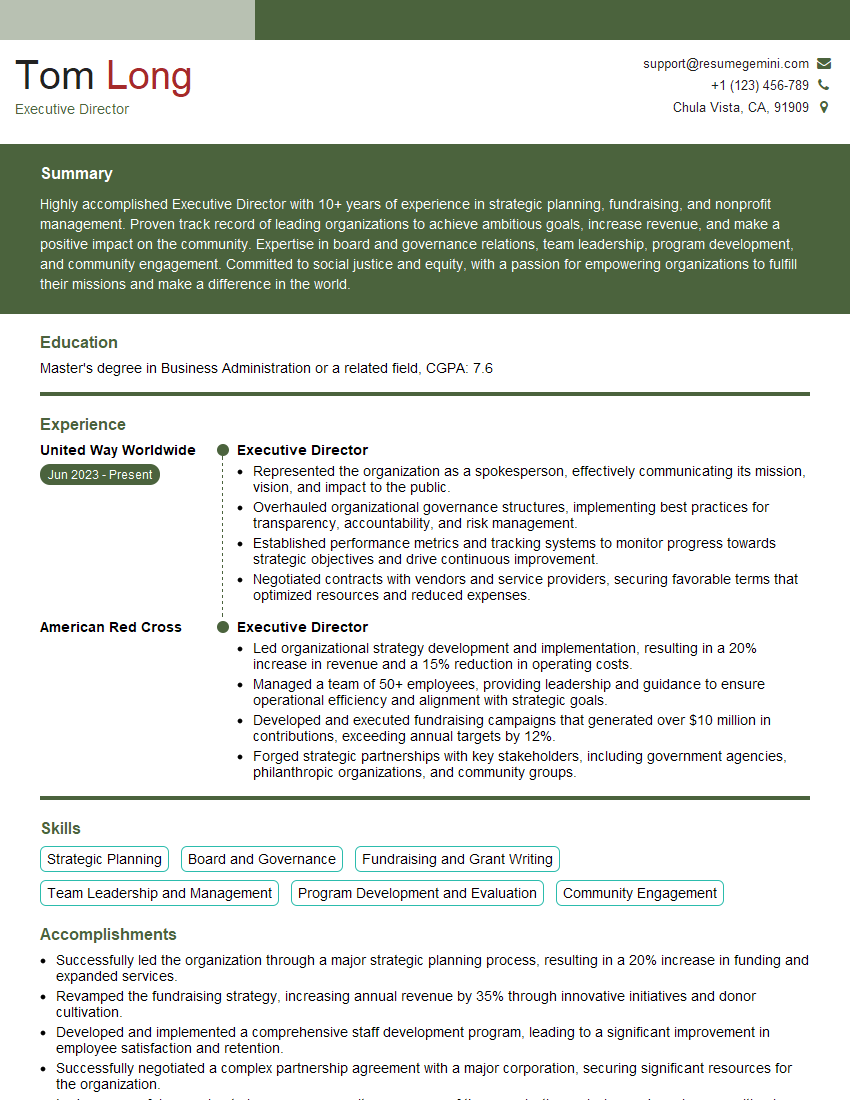
Executive Director Resume Sample
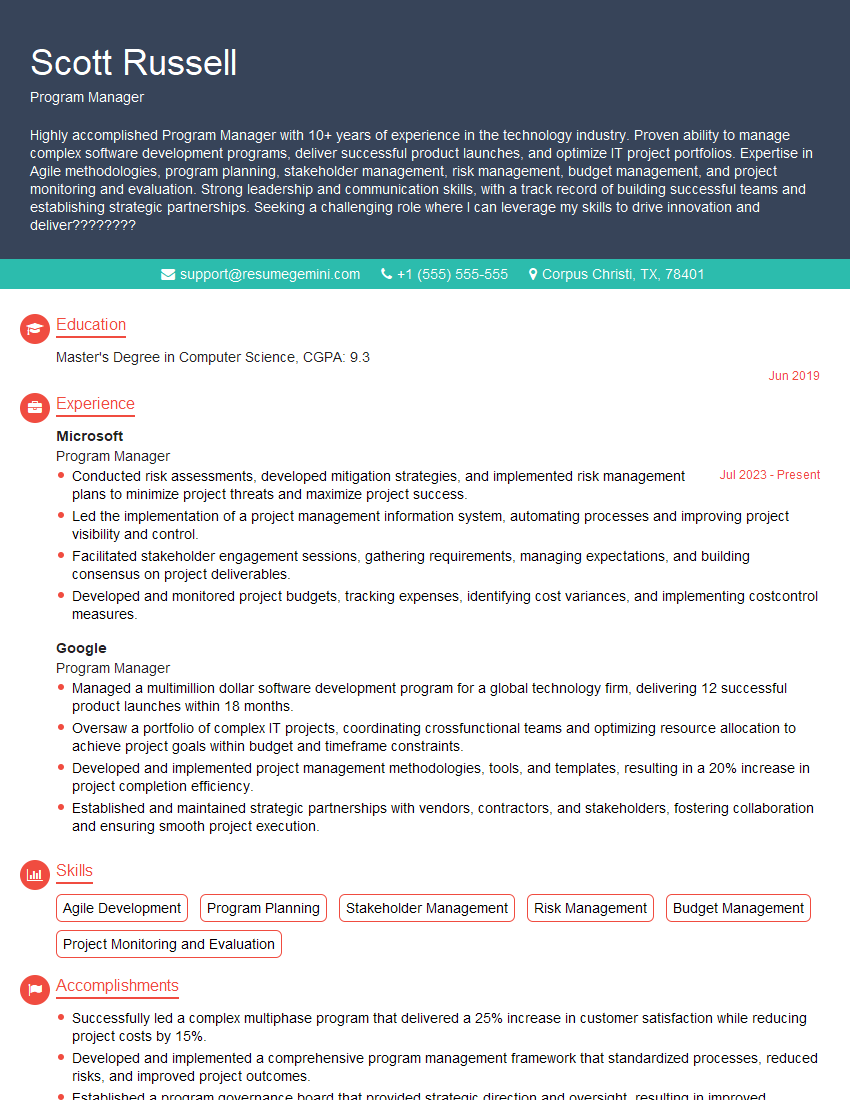
Program Manager Resume Sample
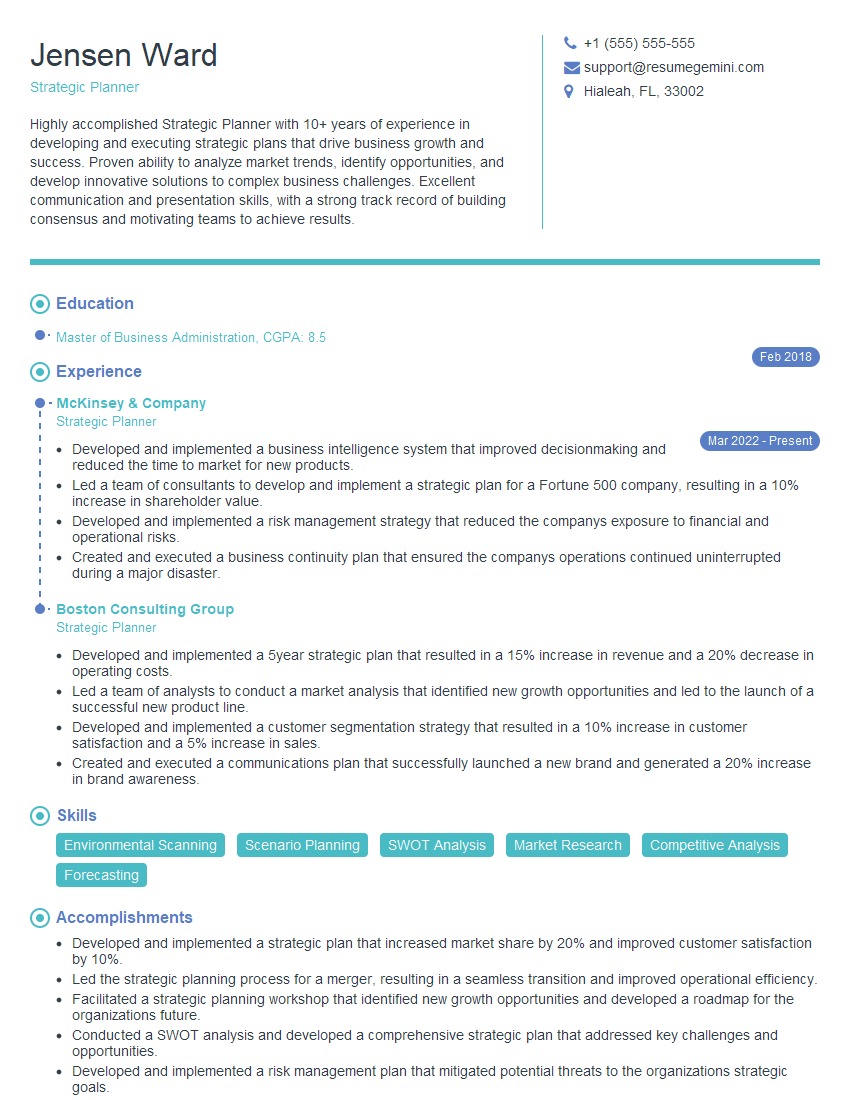
Strategic Planner Resume Sample
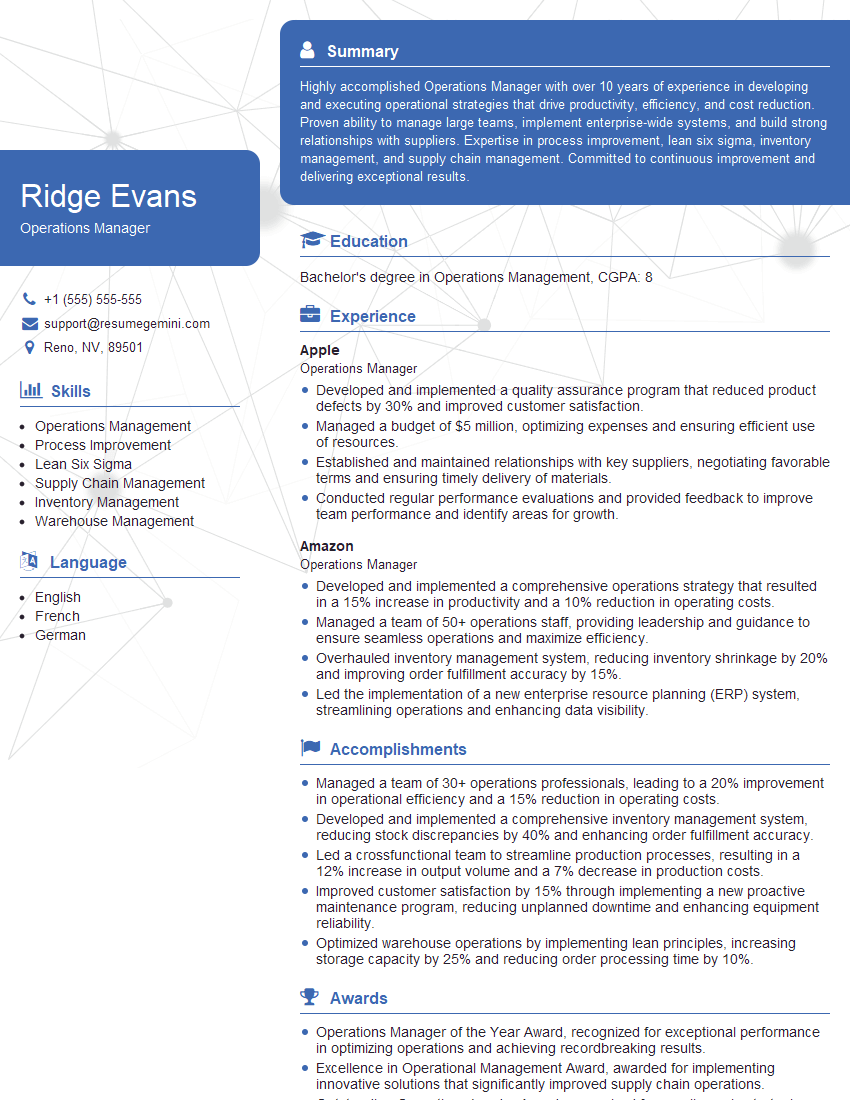
Operations Manager Resume Sample
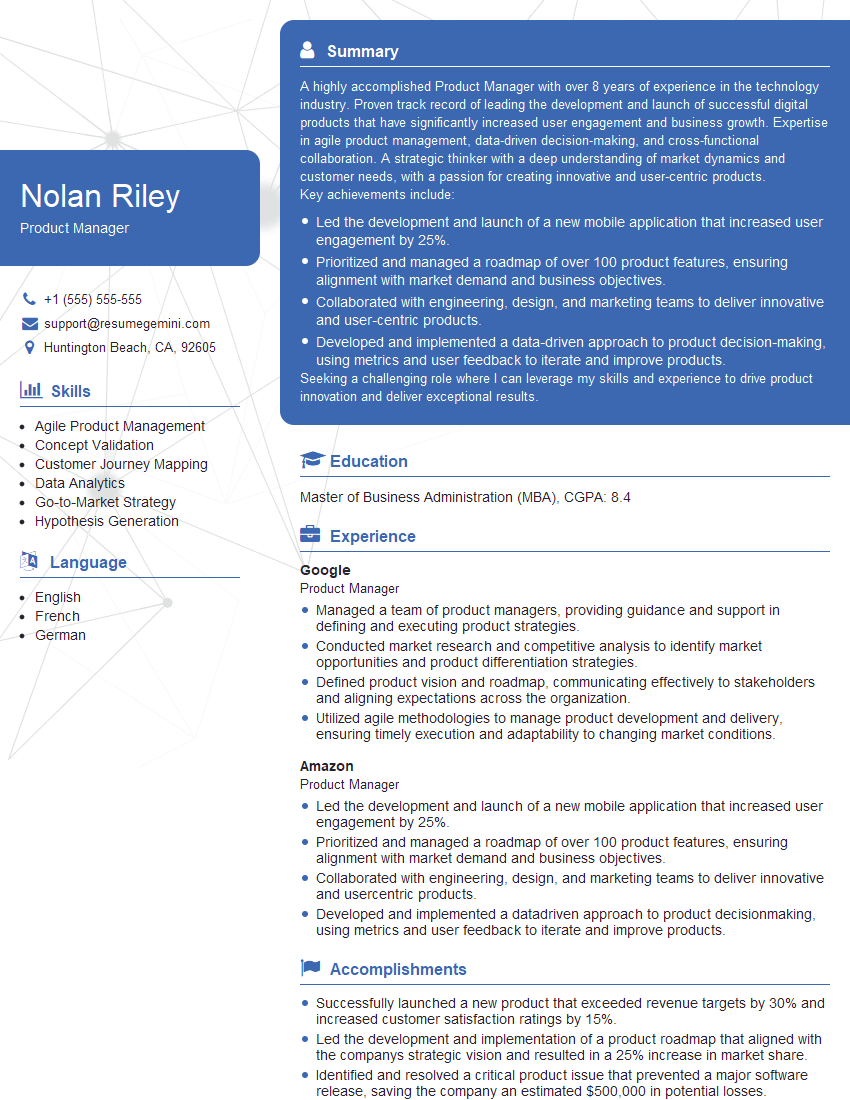
Product Manager Resume Sample

Project Manager Resume Sample

Compliance Officer Resume Sample
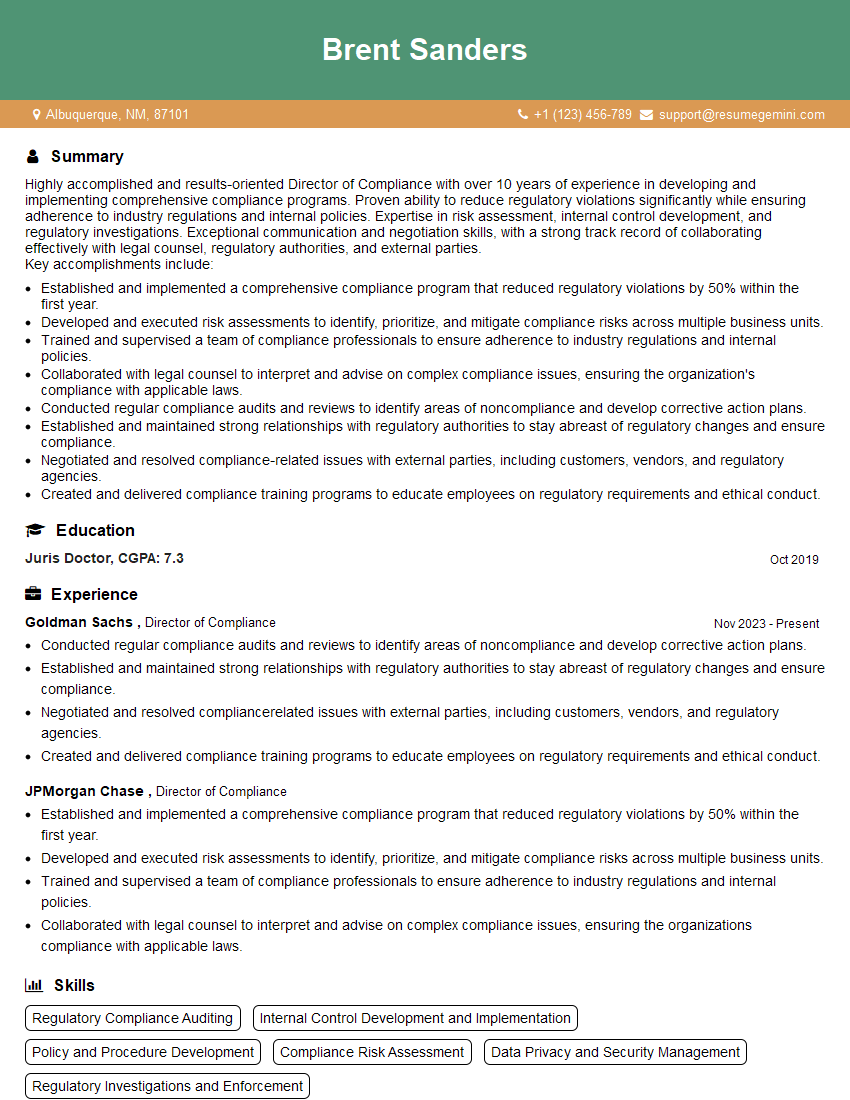
Director of Compliance Resume Sample
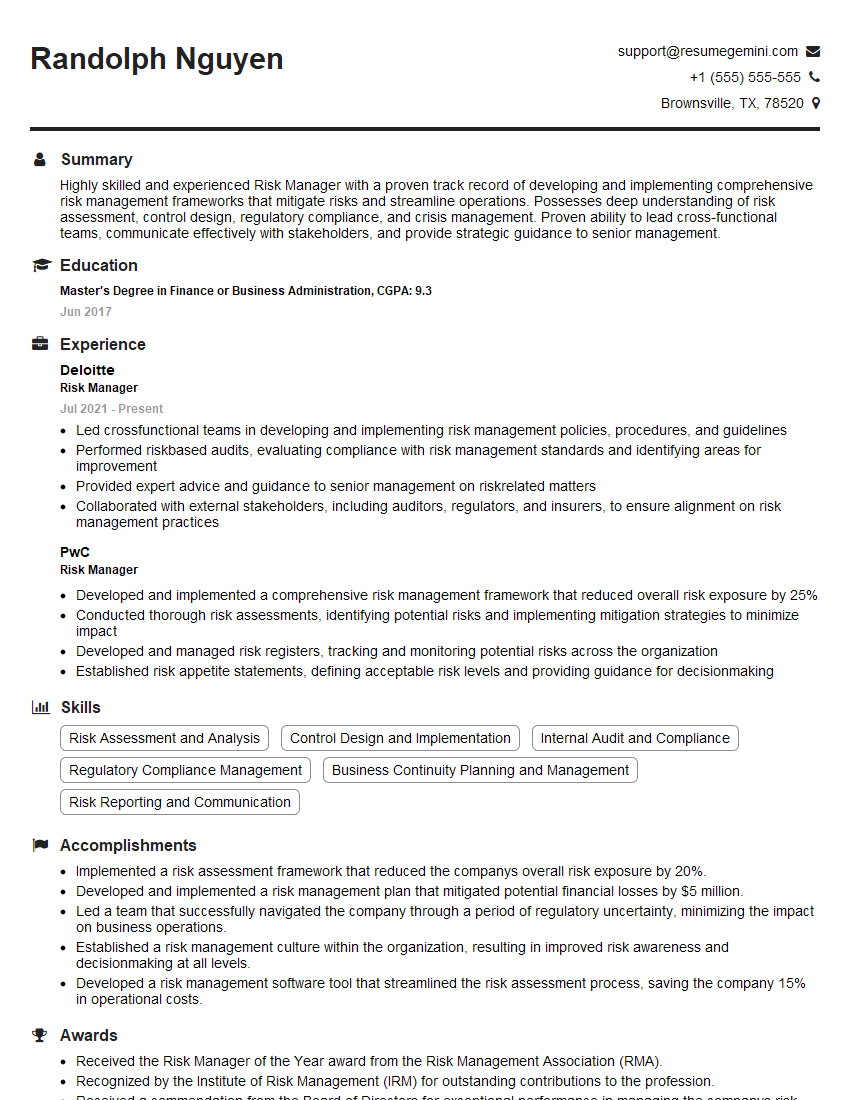
Risk Manager Resume Sample
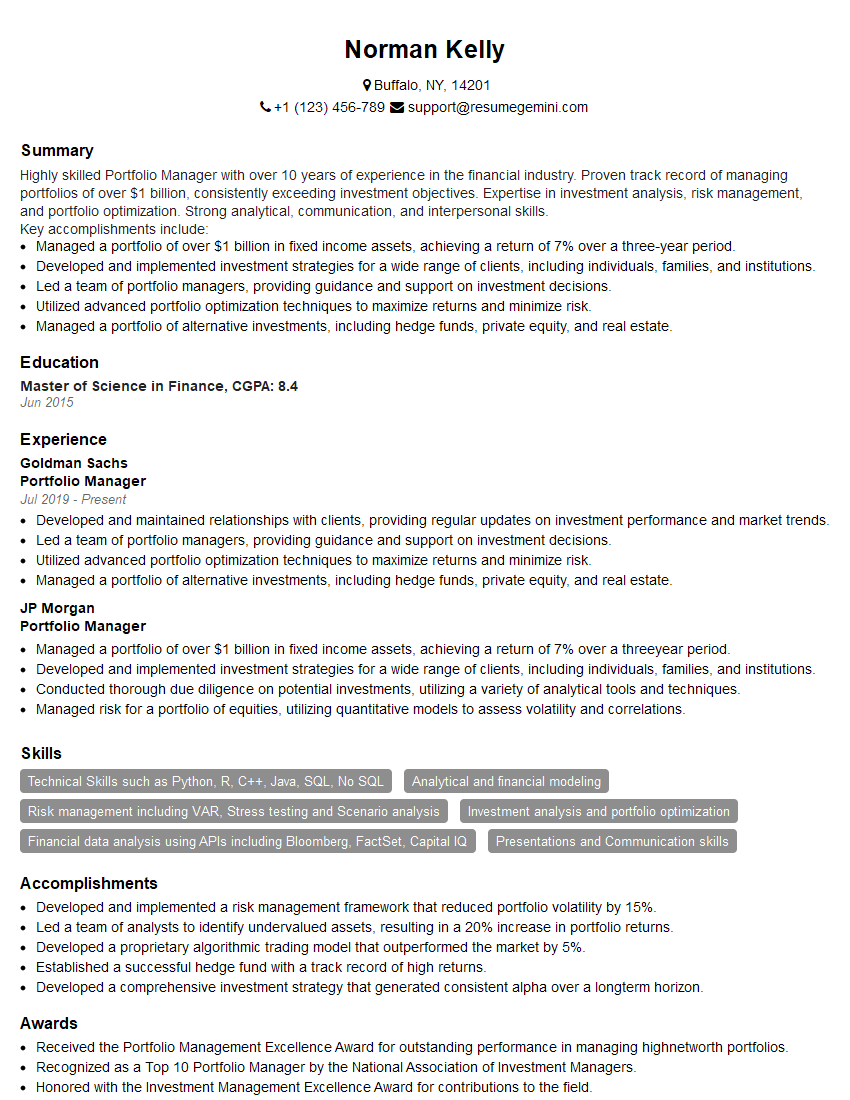
Portfolio Manager Resume Sample
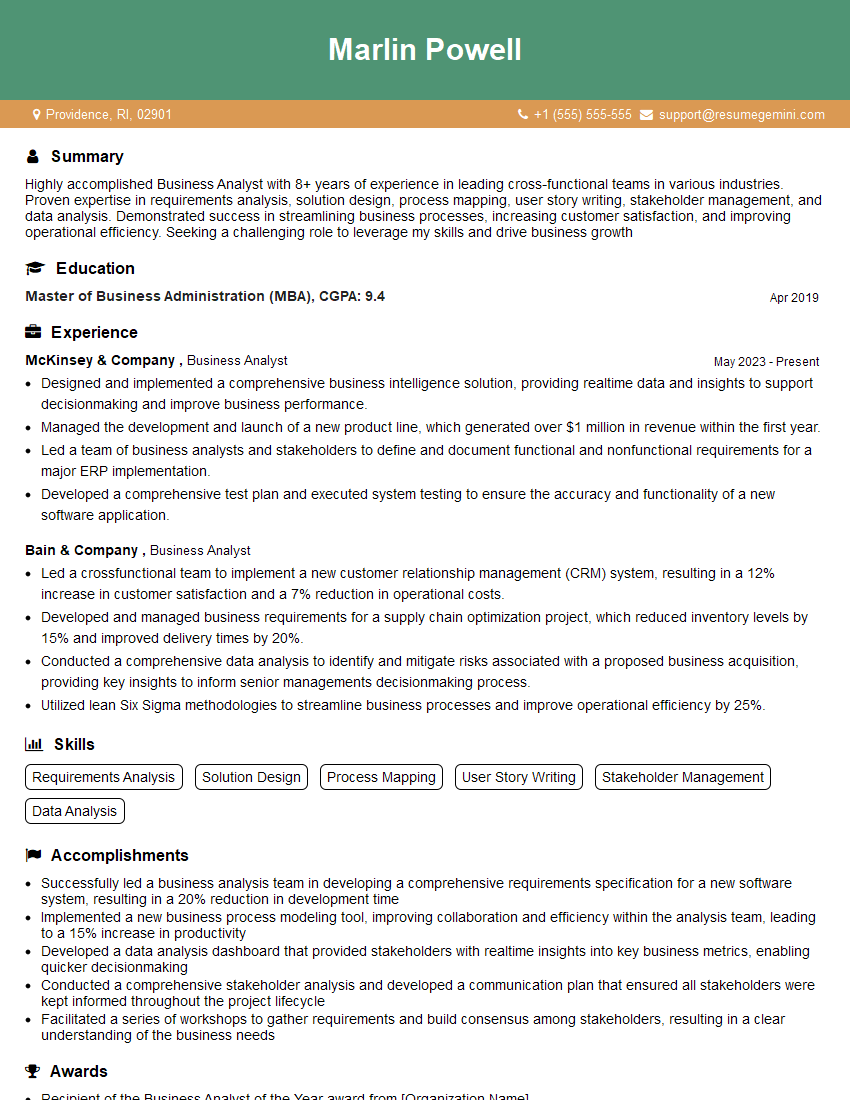
Business Analyst Resume Sample
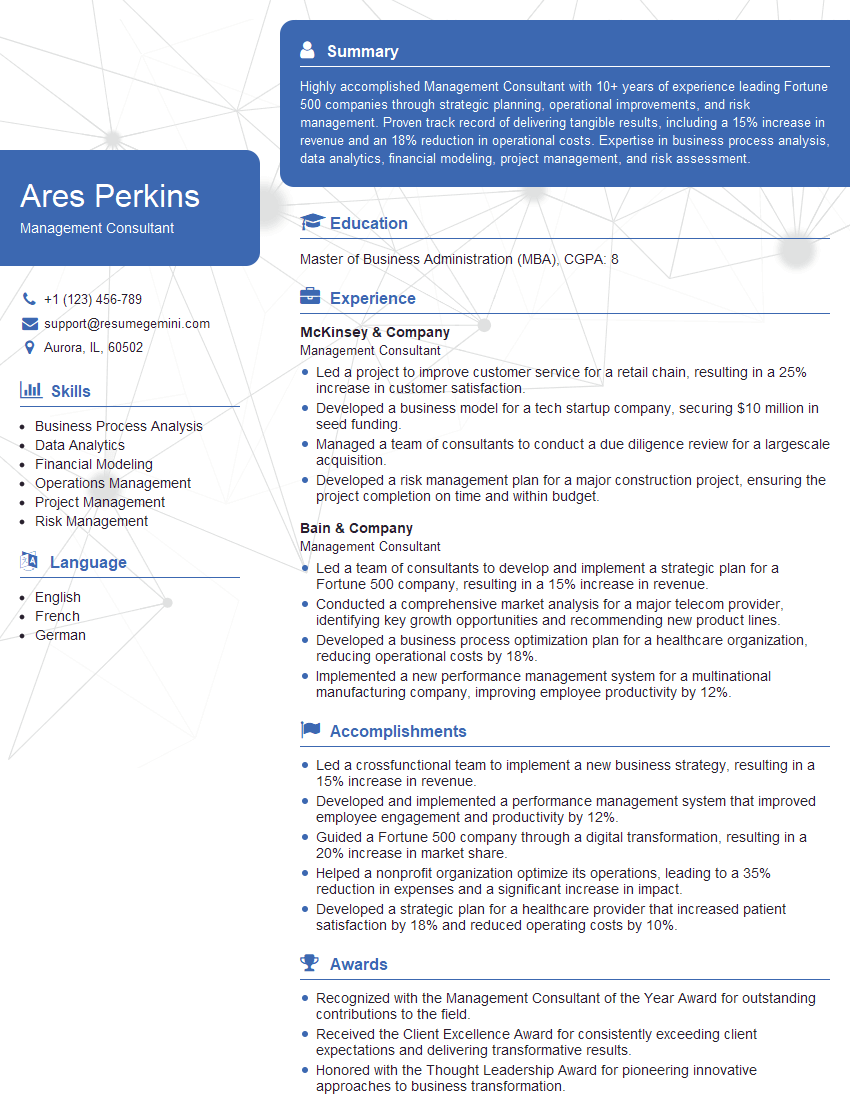
Management Consultant Resume Sample
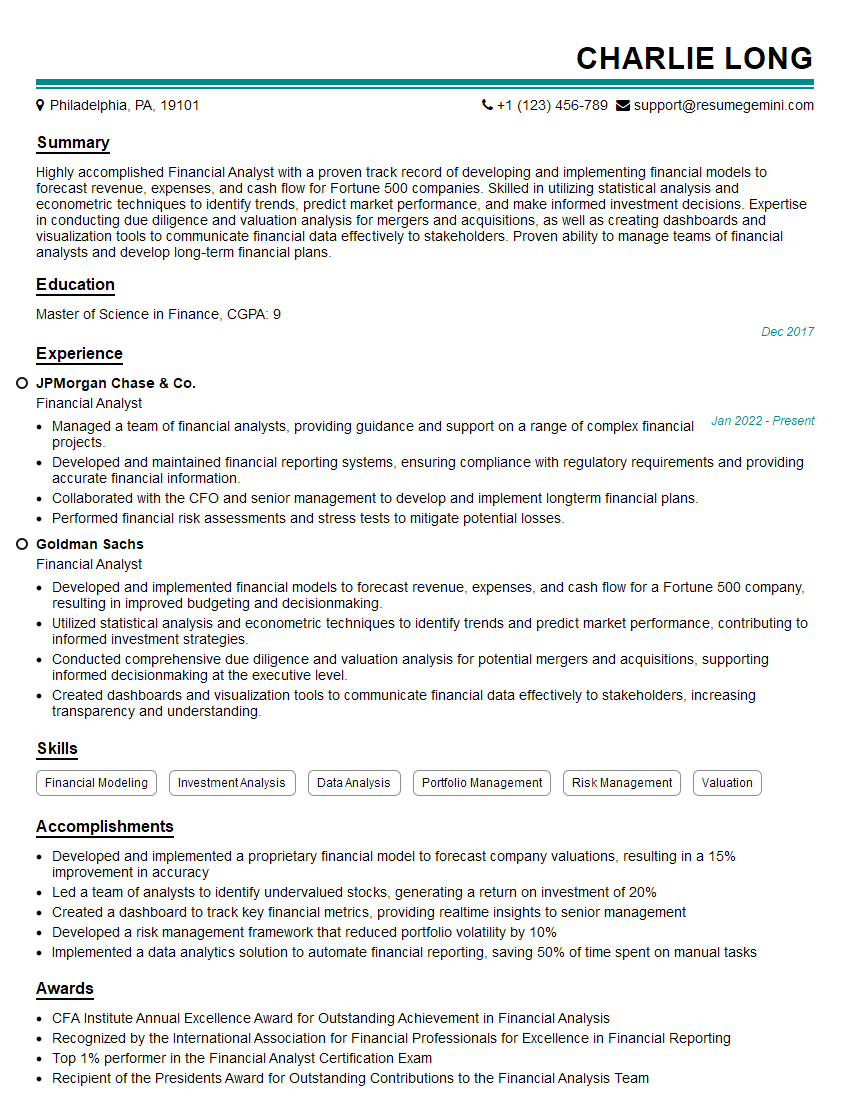
Financial Analyst Resume Sample
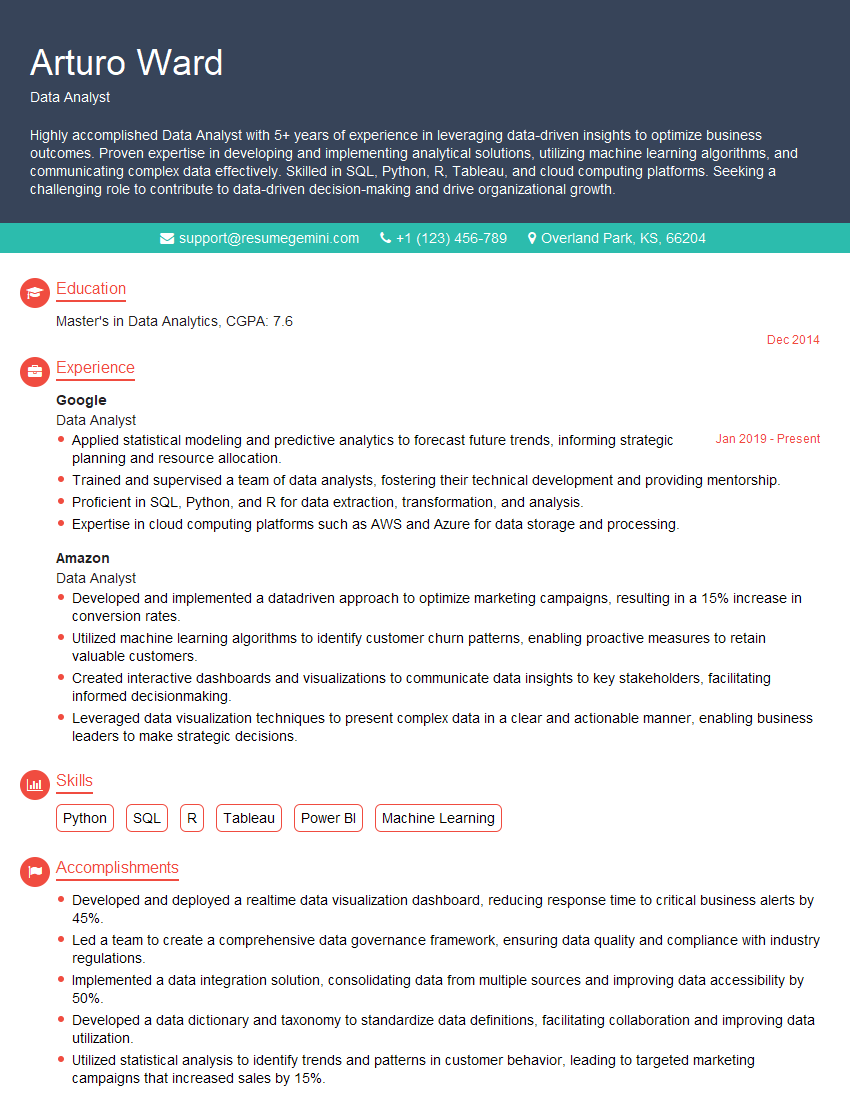
Data Analyst Resume Sample
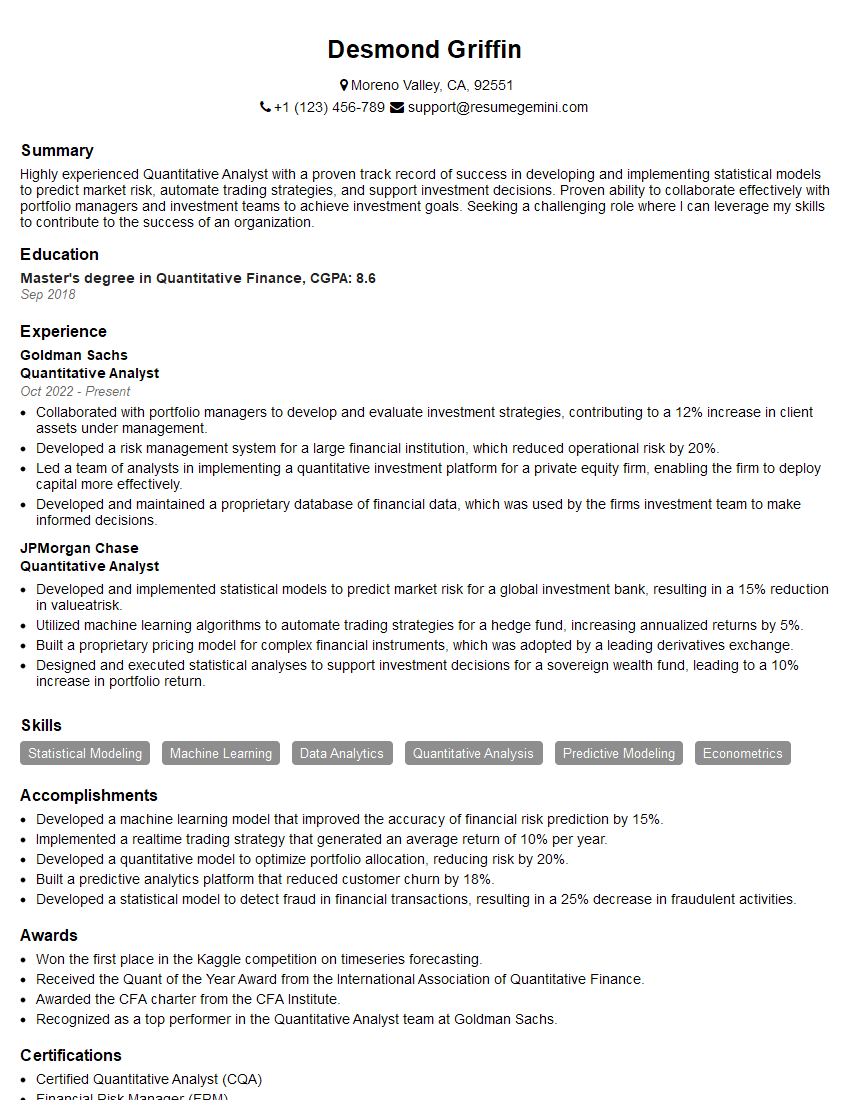
Quantitative Analyst Resume Sample
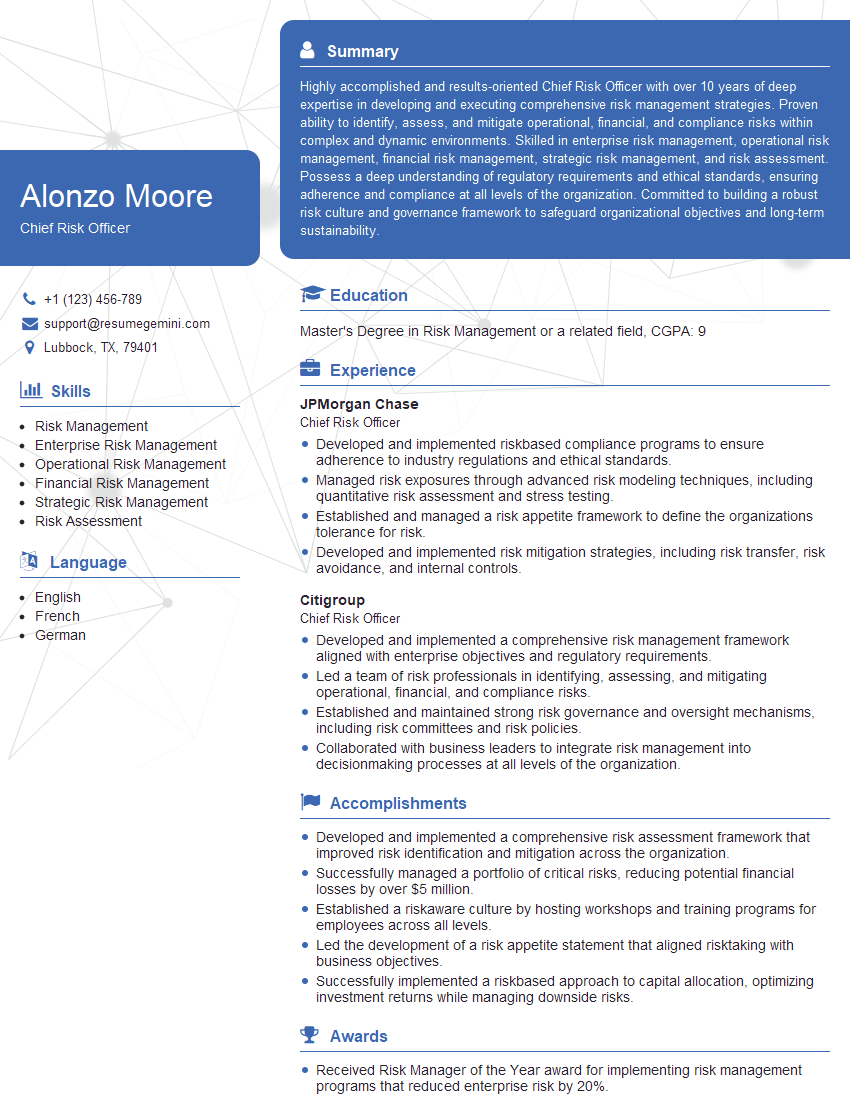
Chief Risk Officer Resume Sample
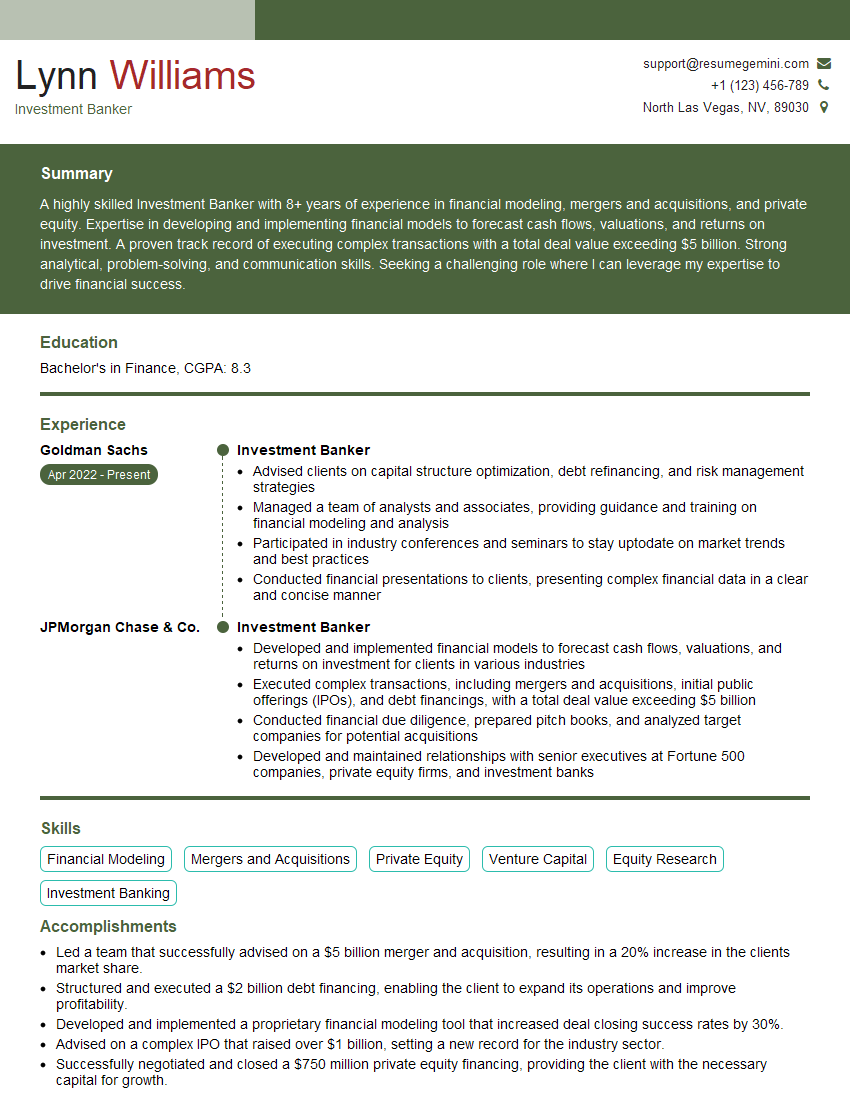
Investment Banker Resume Sample
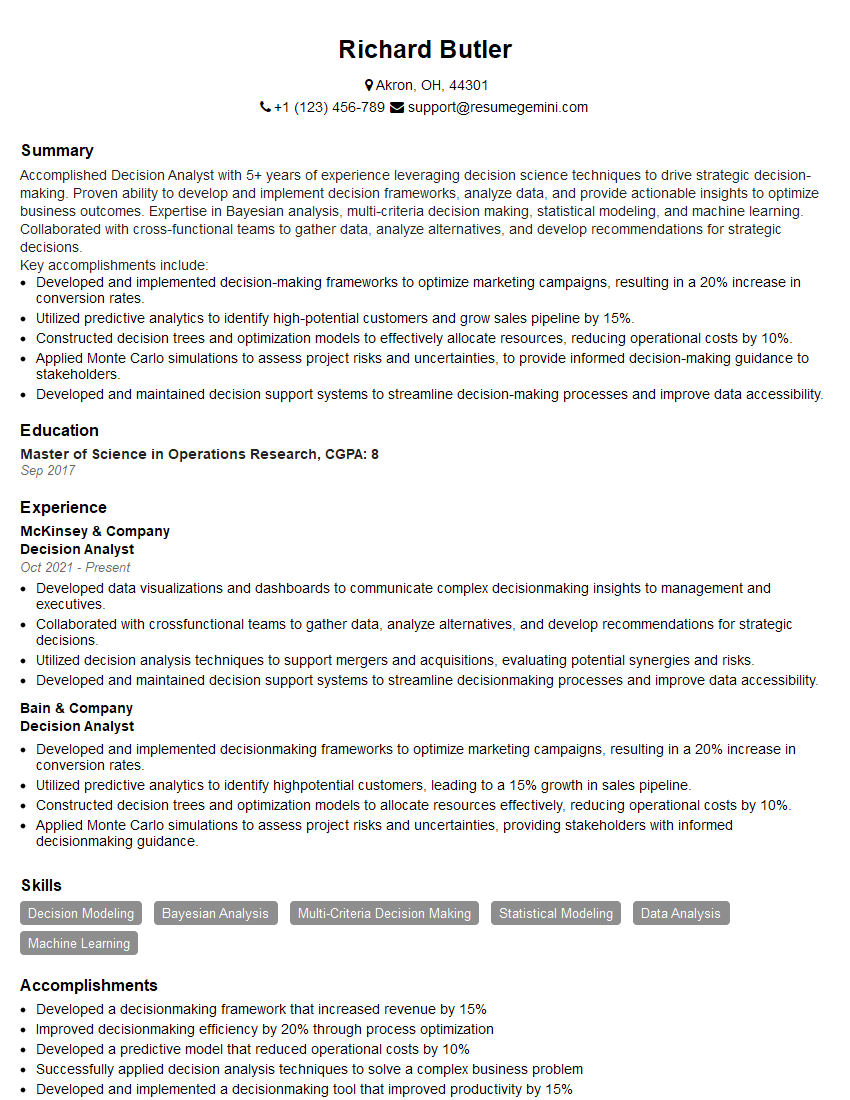
Decision Analyst Resume Sample
- Executive Director
- Program Manager
- Strategic Planner
- Operations Manager
- Product Manager
- Project Manager
- Compliance Officer
- Director of Compliance
- Risk Manager
- Portfolio Manager
- Business Analyst
- Management Consultant
- Financial Analyst
- Data Analyst
- Quantitative Analyst
- Chief Risk Officer
- Investment Banker
- Decision Analyst
Explore more articles
Users Rating of Our Blogs
Share Your Experience
We value your feedback! Please rate our content and share your thoughts (optional).
What Readers Say About Our Blog
Very informative content, great job.
good