Feeling uncertain about what to expect in your upcoming interview? We’ve got you covered! This blog highlights the most important Highly Developed Gross and Fine Motor Skills interview questions and provides actionable advice to help you stand out as the ideal candidate. Let’s pave the way for your success.
Questions Asked in Highly Developed Gross and Fine Motor Skills Interview
Q 1. Describe your experience demonstrating precise hand-eye coordination.
Precise hand-eye coordination is the ability to seamlessly integrate visual input with fine motor movements. It’s crucial for tasks requiring delicate manipulation and accuracy. My experience demonstrates this through years of intricate work, including microsurgery, where millimetre precision is paramount. For instance, during a complex reconstructive surgery, I needed to meticulously suture tiny blood vessels, requiring unwavering hand-eye coordination to avoid damage. The success of the procedure directly depended on my ability to accurately guide the needle and thread based on real-time visual feedback from the surgical microscope.
Another example involves intricate tasks like assembling miniature electronic components. The precision required to manipulate components under a magnifying glass, ensuring proper placement and connection without causing damage, highlights the importance of well-developed hand-eye coordination. This skill is honed through practice and deliberate effort, and I continually challenge myself to enhance my precision through various exercises.
Q 2. Explain a time you had to adapt your gross motor skills to an unfamiliar environment.
Adapting gross motor skills to an unfamiliar environment requires flexibility and adaptability. During a medical mission trip to a rural area, I had to adapt to performing procedures in a makeshift operating room with limited equipment and space. The challenges included navigating around obstacles, maintaining balance on uneven surfaces, and adjusting to a different surgical table height and configuration than usual. To compensate, I consciously adjusted my posture and movements, focusing on stability and controlled movements. For example, I modified my surgical approach to avoid unnecessary reaches and to minimize the chance of knocking things over.
This experience reinforced the importance of being mindful of body mechanics and adjusting my movement patterns to suit the environment. I developed an even greater appreciation for the interplay between spatial awareness, proprioception (sense of body position), and effective motor planning, all essential for adapting gross motor skills in unfamiliar settings.
Q 3. How would you assess a patient’s fine motor skills?
Assessing a patient’s fine motor skills involves a multifaceted approach combining observation, standardized tests, and functional assessment. I begin by observing their daily activities, such as writing, buttoning clothes, or manipulating small objects. This provides a baseline understanding of their functional abilities. Then I use standardized tests like the Purdue Pegboard Test or the Nine-Hole Peg Test, which quantitatively assess dexterity and speed. These tests provide objective data on their performance compared to established norms.
A comprehensive assessment also considers aspects like hand strength, finger dexterity, coordination, and precision. I might ask the patient to perform tasks like drawing shapes, copying patterns, or assembling small objects. These assessments help to identify specific areas of weakness and guide the development of targeted intervention strategies. The overall goal is to understand the impact of any motor skill deficits on their daily functioning and quality of life.
Q 4. What techniques do you use to improve dexterity and precision?
Improving dexterity and precision involves a combination of targeted exercises and therapeutic activities. I utilize techniques such as:
- Finger exercises: These exercises focus on strengthening individual fingers and improving their range of motion, such as making pincer grasps with small beads or playing dexterity games.
- Hand and wrist stretches: Regular stretching helps maintain flexibility and range of motion, preventing stiffness and promoting efficient movement.
- Fine motor tasks: Activities like threading beads, playing musical instruments, or working with clay promote coordination and precision.
- Computerized exercises: Some software programs provide interactive exercises designed to improve dexterity and fine motor skills, offering adaptive challenges and feedback.
Additionally, incorporating mindfulness and focus into exercises enhances their effectiveness. Encouraging patients to concentrate on their movements and actively engage in proprioceptive feedback significantly improves motor skill acquisition.
Q 5. Describe your experience with surgical instruments requiring fine motor control.
My experience with surgical instruments requiring fine motor control is extensive. Microsurgery demands the highest level of precision and dexterity. I’ve used instruments such as micro-scissors, micro-forceps, and microsurgical needles, all requiring exceptional hand-eye coordination and a steady hand. During intricate procedures like nerve repair or vascular anastomosis, even the slightest tremor can have significant consequences. Therefore, maintaining a stable surgical field, using appropriate magnification, and employing ergonomic techniques are crucial to success.
Training in microsurgery involves years of practice and refinement. It’s not just about the technical skills; it also involves developing an intuitive understanding of instrument handling, tissue manipulation, and the delicate balance between precision and speed. Regular practice, and continuous evaluation of one’s technique are critical in maintaining and enhancing these vital skills.
Q 6. How do you maintain stamina during tasks requiring prolonged gross motor activity?
Maintaining stamina during prolonged gross motor activity involves a holistic approach. Proper physical conditioning is fundamental, including cardiovascular exercises to increase endurance. Strength training is crucial to support the muscles involved in the activity, reducing fatigue and injury risk. Correct posture and body mechanics are critical to prevent strain and maintain efficiency.
During prolonged tasks, strategic breaks are essential. Short rest periods allow for muscle recovery and reduce the risk of exhaustion. Hydration is key to sustaining performance and preventing muscle cramps. Furthermore, adequate nutrition provides the energy necessary for prolonged activity, preventing fatigue and maintaining focus. It’s also crucial to listen to the body and rest when needed to prevent overexertion and injury.
Q 7. Explain your understanding of the neurological basis of motor control.
Motor control is a complex process involving multiple brain regions working in concert. The primary motor cortex initiates voluntary movements, while the cerebellum plays a crucial role in coordinating movement and maintaining balance. The basal ganglia are involved in regulating movement initiation, sequencing, and smoothness. The brainstem controls posture and reflexes, contributing to overall motor control.
Sensory feedback from muscles, joints, and skin also plays a critical role. Proprioception informs the brain about body position and movement, allowing for precise control. Furthermore, the visual and vestibular systems provide essential information for spatial awareness and balance. Damage to any part of this intricate system can impair motor control, leading to conditions ranging from tremors to paralysis. Understanding this neurological basis is fundamental to diagnosing and treating motor disorders.
Q 8. How would you rehabilitate a patient with impaired fine motor skills?
Rehabilitating a patient with impaired fine motor skills requires a comprehensive, individualized approach. We begin with a thorough assessment to identify the specific deficits and their underlying causes. This might involve neurological examinations, occupational therapy assessments, and even psychological evaluations to understand the patient’s emotional and cognitive state, as these factors significantly impact recovery.
The rehabilitation plan itself typically incorporates several strategies. Therapeutic exercises target specific hand and finger movements, often using tools like putty, theraputty, or specialized utensils to improve dexterity, strength, and coordination. Adaptive equipment, such as weighted utensils or ergonomic writing tools, can make everyday tasks more manageable. Sensory integration techniques may be employed to improve the brain’s ability to process sensory information, leading to better motor control. For instance, we might incorporate activities involving different textures or temperature variations to improve tactile awareness. Occupational therapy plays a crucial role, focusing on adapting activities of daily living (ADLs) to the patient’s capabilities and teaching compensatory strategies. Finally, consistent practice and goal-setting are vital; we often use a combination of repetitive exercises and engaging activities to encourage progress and maintain motivation.
For example, a patient struggling with buttoning shirts might start with large buttons and gradually progress to smaller ones. We’d also work on strengthening their finger pinch grip through exercises like picking up small objects or playing with therapeutic putty. The overall goal is to improve independence and quality of life.
Q 9. What are the key differences between gross and fine motor skills?
Gross motor skills involve the large muscles of the body to control large movements, like walking, jumping, and throwing. Think of them as the movements that get you around. Fine motor skills, on the other hand, involve the smaller muscles of the hands, fingers, and wrists for precise movements such as writing, drawing, buttoning a shirt, or using utensils. Imagine the intricate coordination required to delicately paint a picture versus the broader coordination to ride a bike.
The key difference lies in the muscle groups involved and the level of precision required. Gross motor skills are typically developed earlier in life and involve larger, more powerful movements. Fine motor skills require more control, coordination, and precision and develop gradually throughout childhood and adolescence. Difficulties in one area can often impact the other, for instance, poor postural control (a gross motor skill) can negatively impact fine motor dexterity.
Q 10. Describe your experience with assessing and treating motor skill deficits.
My experience spans over 15 years in assessing and treating motor skill deficits across diverse patient populations, including children with developmental delays, stroke survivors, and individuals with cerebral palsy. Assessment begins with a thorough history taking, observing the patient’s movement patterns during activities, and using standardized tests. For example, the Bruininks-Oseretsky Test of Motor Proficiency (BOT-2) is a widely used tool for assessing gross and fine motor skills in children. For adults, we might use tests specific to the suspected cause of the deficit, such as the Fugl-Meyer Assessment for stroke patients.
Treatment involves tailoring interventions to each individual’s specific needs and limitations. This includes designing exercise programs, recommending adaptive equipment, and educating patients and their families about managing their condition. I’ve seen remarkable progress in patients who were initially significantly limited, regaining functional independence through focused interventions and consistent practice. For instance, I worked with a stroke survivor who initially had significant weakness in his right arm. Through a structured rehabilitation program focusing on range of motion exercises, strength training, and functional activities, he regained the ability to feed himself independently and even returned to his hobbies, like gardening. This highlights the potential for significant improvement with dedicated intervention.
Q 11. How do you adapt your approach to patients with varying levels of motor skill development?
Adapting my approach to patients with varying levels of motor skill development is crucial. I use a tiered approach, starting with a thorough assessment to determine the patient’s current abilities and limitations. This informs the creation of a personalized treatment plan that is both challenging and achievable.
For patients with mild deficits, I may focus on refining existing skills and enhancing performance. This could involve progressively increasing the difficulty of exercises or introducing new challenges. For patients with more significant impairments, the initial focus will be on establishing basic motor skills and building foundational strength. For instance, we might begin with simple range of motion exercises before progressing to more complex activities. I frequently utilize task-specific training, which involves practicing movements directly relevant to the patient’s daily life. It allows for meaningful progress and maintains motivation. Regular progress reviews allow for necessary adjustments to the treatment plan, ensuring it remains effective and relevant. Throughout this process, effective communication and clear goal setting with the patient and their families are vital for long-term success.
Q 12. What are the common causes of impaired gross motor skills in adults?
Impaired gross motor skills in adults can stem from a variety of causes, often related to neurological conditions or injuries.
- Stroke: Damage to the brain can affect muscle control and coordination, leading to weakness, paralysis, and difficulties with balance and movement.
- Traumatic Brain Injury (TBI): Similar to stroke, TBI can disrupt motor pathways, resulting in various degrees of motor impairment.
- Neurodegenerative Diseases: Conditions like Parkinson’s disease and multiple sclerosis progressively damage the nervous system, impacting muscle control and mobility.
- Musculoskeletal Injuries: Severe injuries to bones, joints, or muscles can limit range of motion and affect gross motor skills. Examples include fractures, arthritis, or severe muscle strains.
- Age-Related Decline: As we age, muscle strength and balance naturally decrease, increasing the risk of falls and impaired mobility.
It’s important to note that the specific cause significantly influences the rehabilitation approach. A stroke patient’s recovery plan will differ substantially from that of someone with Parkinson’s disease.
Q 13. What are some common assessment tools used to evaluate fine motor skills?
Several assessment tools are commonly used to evaluate fine motor skills, each with its own strengths and limitations. The choice of tool depends on the patient’s age, suspected condition, and the specific aspects of fine motor skills we’re aiming to assess.
- Peabody Developmental Motor Scales (PDMS-2): A standardized assessment frequently used for children, evaluating both gross and fine motor skills.
- Minnesota Manual Dexterity Test (MMDT): A timed test evaluating the speed and accuracy of hand movements, commonly used in vocational settings.
- Purdue Pegboard Test: Measures finger dexterity and hand-eye coordination, often used in assessing occupational capabilities.
- Jebsen-Taylor Hand Function Test (JTHFT): A practical assessment measuring functional hand abilities like writing, turning pages, and picking up small objects.
- Box and Blocks Test: Assesses gross and fine motor skills through the simple task of transferring blocks from one compartment to another.
It’s important to note that these tests provide quantitative data, but qualitative observations from the therapist are also vital in understanding the patient’s overall performance and limitations.
Q 14. Explain the importance of proprioception in both gross and fine motor skill development.
Proprioception, often described as the ‘sixth sense,’ refers to our body’s awareness of its position and movement in space. It’s crucial for both gross and fine motor skill development because it provides essential feedback to the brain about our body’s position and limb movements. Without accurate proprioceptive input, we’d struggle to perform coordinated movements, whether large-scale or precise.
In gross motor skills, proprioception allows us to maintain balance, control posture, and coordinate movements like walking, running, and jumping. For example, when walking, proprioceptive feedback from our feet and ankles informs our brain about the ground’s surface and the position of our feet, allowing for adjustments in balance and gait. Impaired proprioception can lead to instability, clumsy movements, and an increased risk of falls.
In fine motor skills, accurate proprioception is essential for precise hand movements. It allows us to know where our fingers and hands are in relation to each other and to objects we’re manipulating. Imagine trying to thread a needle without a sense of where your fingers are—it would be nearly impossible. Impaired proprioception can manifest in difficulties with tasks like writing, buttoning clothes, or using utensils. Activities designed to improve proprioception, such as weight-bearing exercises and activities involving tactile feedback, can improve both gross and fine motor control.
Q 15. How do you incorporate therapeutic exercises to improve gross motor function?
Improving gross motor function involves therapeutic exercises targeting large muscle groups, enhancing balance, coordination, and overall body movement. We tailor exercises to the individual’s specific needs and abilities, progressively increasing the challenge as they improve.
Balance Exercises: These might include standing on one leg, walking heel-to-toe, or using a wobble board. The goal is to improve postural stability and reduce the risk of falls.
Strength Training: Activities like squats, lunges, and carrying light weights build strength in the legs and core, essential for activities like walking, climbing stairs, and lifting objects.
Cardiovascular Exercise: Activities such as walking, swimming, or cycling improve cardiovascular health and endurance, contributing to improved stamina during everyday tasks.
Flexibility and Range of Motion Exercises: Stretching and range-of-motion exercises, such as yoga or Pilates, improve flexibility and reduce stiffness, enhancing mobility and preventing injury.
For example, a patient recovering from a stroke might begin with simple exercises like transferring from bed to chair, gradually progressing to walking with assistance and eventually independent ambulation. The exercises are meticulously documented and adjusted based on their progress and any limitations.
Career Expert Tips:
- Ace those interviews! Prepare effectively by reviewing the Top 50 Most Common Interview Questions on ResumeGemini.
- Navigate your job search with confidence! Explore a wide range of Career Tips on ResumeGemini. Learn about common challenges and recommendations to overcome them.
- Craft the perfect resume! Master the Art of Resume Writing with ResumeGemini’s guide. Showcase your unique qualifications and achievements effectively.
- Don’t miss out on holiday savings! Build your dream resume with ResumeGemini’s ATS optimized templates.
Q 16. Describe a time you had to improvise due to limitations in equipment or workspace impacting your motor skills.
During a home visit, I was working with a child who needed to improve their fine motor skills, specifically hand-eye coordination. However, the family lacked specialized equipment like therapy putty or small manipulative toys. I improvised using everyday household items. We used dried beans to practice grasping and transferring, and bottle caps for sorting and stacking exercises. We even used playdough made from flour and water. The key was adapting the exercises to utilize readily available resources, maintaining safety, and focusing on the functional goal of improving hand-eye coordination. The child responded positively to this creative approach, showing improved dexterity and concentration.
Q 17. How do you prioritize tasks requiring different levels of precision and strength?
Prioritizing tasks requiring different levels of precision and strength involves careful assessment and planning. We consider the patient’s current capabilities and the demands of each task. Tasks requiring high precision (like buttoning a shirt) might be prioritized earlier in the day when energy levels are higher, while tasks demanding greater strength (like lifting groceries) might be scheduled later after warm-up exercises.
For instance, a patient recovering from an injury might need to practice writing (fine motor skill requiring precision) before attempting to lift heavier objects (gross motor skill requiring strength). This approach balances the need for rehabilitation with the avoidance of fatigue or injury.
Q 18. What are the safety precautions you take when performing tasks requiring precise movements?
Safety is paramount when performing tasks requiring precise movements. We always start with a thorough assessment of the patient’s physical capabilities and potential risks. We then implement the following precautions:
Proper posture and body mechanics: Maintaining correct posture and using proper body mechanics minimizes strain and reduces the risk of injury.
Controlled movements: Encouraging slow, controlled movements helps improve accuracy and reduces the chance of accidental slips or falls.
Appropriate tools and equipment: Using ergonomically designed tools and equipment reduces strain and enhances control. This could include adaptive eating utensils, specialized writing tools, or assistive devices.
Safe environment: Ensuring a clear and clutter-free workspace minimizes distractions and reduces the risk of accidents.
For example, when teaching a patient to use adaptive eating utensils, we’ll ensure the environment is safe, free from distractions, and the patient’s posture is supported, preventing falls or accidental spills.
Q 19. How do you handle stressful situations that demand high levels of motor skill performance?
Stress can significantly impact motor skill performance, often leading to tremors, increased muscle tension, and decreased coordination. Managing stress is crucial for optimal motor skill execution. I utilize several techniques:
Deep breathing exercises: These help calm the nervous system and reduce muscle tension.
Progressive muscle relaxation: This technique involves systematically tensing and relaxing different muscle groups to relieve tension.
Positive self-talk: Encouraging positive self-talk helps build confidence and reduces anxiety.
Breaking down tasks: Dividing complex tasks into smaller, manageable steps reduces feelings of being overwhelmed.
Mindfulness and meditation: Practicing mindfulness helps improve focus and concentration.
For example, before a crucial task requiring high precision, I might guide the patient through deep breathing exercises and positive self-talk to help calm their nerves and improve focus.
Q 20. Describe your experience with using assistive devices to improve motor function.
Assistive devices play a vital role in improving motor function. I have extensive experience using a variety of devices, tailoring their use to the individual’s needs and capabilities.
Adaptive eating utensils: These help individuals with limited hand function to eat independently.
Orthotics and splints: These provide support and improve hand and wrist function, aiding in fine motor activities.
Wheelchairs and walkers: These enhance mobility for individuals with impaired gross motor skills.
Adaptive writing tools: These provide support and stability for individuals with difficulty writing.
Prosthetics: Artificial limbs help individuals regain lost limb function.
For example, a patient with Parkinson’s disease might benefit from weighted utensils to counter tremors, while a patient with a spinal cord injury might need a wheelchair for mobility. The selection and training in the use of these devices are crucial for successful rehabilitation.
Q 21. What are some common challenges in rehabilitation of gross and fine motor skills?
Rehabilitation of gross and fine motor skills presents several challenges:
Severity and nature of the impairment: The extent and type of motor impairment significantly impact the rehabilitation process. Some conditions may cause irreversible damage.
Patient motivation and adherence: Patient compliance with the prescribed exercises and therapy regimen is crucial for successful outcomes. Lack of motivation or adherence can hinder progress.
Pain and discomfort: Pain can limit range of motion and hinder the ability to perform exercises.
Cognitive impairments: Cognitive deficits can affect a patient’s ability to understand and follow instructions, impacting the effectiveness of therapy.
Limited access to resources: Lack of access to specialized equipment, therapists, or facilities can hamper the rehabilitation process.
Addressing these challenges requires a multidisciplinary approach involving therapists, physicians, and other healthcare professionals. A strong patient-therapist relationship built on mutual trust and understanding is essential for success.
Q 22. How do you communicate effectively with patients regarding their motor skill limitations?
Effective communication with patients about motor skill limitations requires empathy, clear language, and a collaborative approach. I begin by actively listening to their concerns and understanding their perspectives. Then, I explain their limitations in simple, non-medical terms, using analogies whenever possible. For example, if a patient struggles with fine motor skills affecting their handwriting, I might compare the hand muscles to a team of tiny athletes that need retraining. We then collaboratively set realistic, achievable goals, ensuring they understand the process and are actively involved in their rehabilitation.
Furthermore, I utilize visual aids like diagrams and videos to illustrate the affected areas and the exercises involved. I also provide written instructions to reinforce the information, ensuring the patient can review the details at their convenience. Regular check-ins allow for open communication and adjustment of the plan as needed.
Q 23. How do you adapt your teaching methods to address the varying learning styles of patients regarding motor skills?
Recognizing that patients learn in different ways is crucial. I employ a multi-sensory approach, incorporating visual, auditory, and kinesthetic learning styles. For visual learners, I use diagrams and videos. For auditory learners, clear verbal instructions and explanations are key. For kinesthetic learners, hands-on practice and demonstrations are essential.
I adapt my teaching style based on individual needs. For instance, a patient who struggles with attention might benefit from shorter, more frequent sessions with plenty of positive reinforcement. Another patient may thrive with a more challenging, problem-solving approach. I regularly assess their progress and adjust my methods accordingly, using feedback to refine the learning experience.
For example, if a patient is struggling with a specific exercise, I’ll break it down into smaller, more manageable steps, focusing on one aspect at a time. I might also incorporate gamification techniques, using reward systems to encourage engagement and motivate continued practice.
Q 24. What methods do you use to document and track the progress of motor skill rehabilitation?
Accurate documentation and progress tracking are critical for effective rehabilitation. I utilize a combination of methods, including standardized assessment tools and subjective patient reporting. Standardized tools such as the Fugl-Meyer Assessment or the Box and Block Test provide objective measures of motor function. These numerical scores allow for quantitative tracking of improvement over time.
In addition to objective measures, I carefully document the patient’s subjective experiences, including pain levels, perceived improvement, and any challenges encountered. This qualitative data offers valuable insights into their progress that numbers alone cannot capture. Progress notes include details of therapy sessions, including specific exercises performed, repetitions, and any modifications made. I also use visual aids like photos or videos to document the patient’s performance over time. All documentation is securely stored within the patient’s electronic health record, ensuring accessibility and continuity of care.
Q 25. How do you collaborate with other healthcare professionals to optimize motor skill recovery?
Collaboration is essential for optimal motor skill recovery. I work closely with a multidisciplinary team, including physicians, nurses, occupational therapists, physical therapists, and speech therapists (if applicable). Regular team meetings facilitate information sharing, ensuring a unified and cohesive treatment plan. For example, we might discuss a patient’s medication regimen to ensure it doesn’t interfere with their rehabilitation progress. We also regularly review the patient’s progress and adjust the plan as needed based on input from the entire team.
Effective communication and a shared understanding of the patient’s goals are vital for this collaboration. Regular communication ensures we’re all on the same page and can adjust our interventions appropriately. I use electronic communication tools for quick updates and efficient scheduling.
Q 26. Describe your understanding of the impact of cognitive function on motor skill performance.
Cognitive function significantly impacts motor skill performance. Higher-level cognitive skills like planning, sequencing, and attention are crucial for executing complex motor tasks. For instance, a patient who struggles with attention might find it difficult to follow a multi-step exercise. Similarly, problems with spatial reasoning can impede tasks requiring precise hand-eye coordination.
Therefore, a comprehensive assessment of cognitive abilities is often necessary before designing an effective motor skill rehabilitation plan. If cognitive deficits are present, I may work in conjunction with a neuropsychologist or cognitive therapist to address these issues, improving their overall motor performance. The interaction between cognitive and motor functions is complex and often intertwined. Addressing cognitive limitations can greatly enhance the effectiveness of motor skill training.
Q 27. What strategies do you employ to prevent repetitive strain injuries related to your work?
Preventing repetitive strain injuries (RSIs) is paramount. I prioritize ergonomic work practices, ensuring my workstation is set up correctly, including proper chair height and keyboard placement. I take frequent breaks, changing positions and stretching regularly to prevent muscle fatigue. I also employ proper body mechanics when assisting patients, using assistive devices whenever possible to avoid strain on my back and joints. This may involve utilizing transfer belts or other equipment to aid in patient transfers. Maintaining a strong core through regular exercise is also crucial in supporting proper posture and preventing injuries.
Q 28. How do you maintain your own physical fitness to support the demands of your profession?
Maintaining my own physical fitness is essential to handle the physical demands of my profession. I engage in regular exercise, focusing on activities that build strength, endurance, and flexibility. This includes strength training to support my back and core, cardiovascular exercise for overall health, and stretching to enhance my flexibility. A healthy lifestyle also includes proper nutrition and adequate sleep. By maintaining my own physical well-being, I’m better equipped to provide effective and safe care for my patients.
Key Topics to Learn for Highly Developed Gross and Fine Motor Skills Interview
- Neurological Foundations: Understanding the brain’s role in motor control, including pathways and cortical areas involved in gross and fine motor skills development.
- Developmental Milestones: Knowledge of typical and atypical developmental trajectories for gross and fine motor skills across different age groups.
- Assessment Techniques: Familiarity with various assessment methods used to evaluate gross and fine motor skills, including standardized tests and observational tools.
- Therapeutic Interventions: Understanding different therapeutic approaches used to improve gross and fine motor skills, such as occupational therapy and physical therapy techniques.
- Adaptive Equipment and Assistive Technology: Knowledge of various adaptive equipment and assistive technologies that can support individuals with challenges in gross and fine motor skills.
- Practical Application in Diverse Settings: Analyzing how highly developed gross and fine motor skills translate to success in various professional contexts (e.g., surgery, sports, manufacturing, art).
- Case Study Analysis: Ability to critically analyze case studies involving individuals with varying levels of gross and fine motor skill development and propose appropriate interventions.
- Research and Evidence-Based Practice: Understanding the importance of evidence-based practice and staying updated on current research in the field.
- Interprofessional Collaboration: Recognizing the importance of teamwork and collaboration with other healthcare professionals in assessing and managing motor skill challenges.
- Ethical Considerations: Understanding ethical considerations related to assessment and intervention, such as confidentiality and informed consent.
Next Steps
Mastering highly developed gross and fine motor skills is crucial for career success in many fields, demanding precision, dexterity, and coordination. A strong understanding of these skills will significantly enhance your professional prospects and allow you to confidently tackle complex challenges. To maximize your job search effectiveness, focus on creating an ATS-friendly resume that showcases your abilities effectively. ResumeGemini is a trusted resource to help you build a professional resume that stands out. Take advantage of our examples of resumes tailored to highlight expertise in Highly Developed Gross and Fine Motor Skills – they are available to help you craft a compelling application.
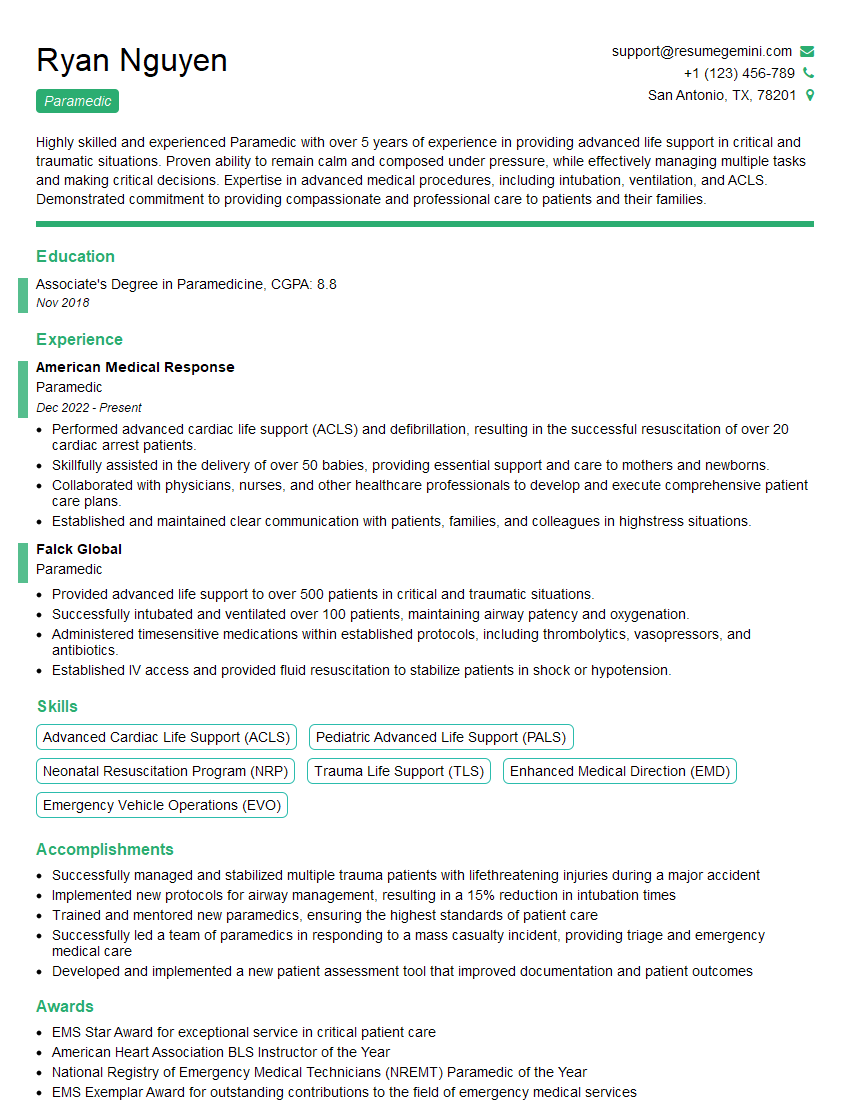
Paramedic Resume Sample
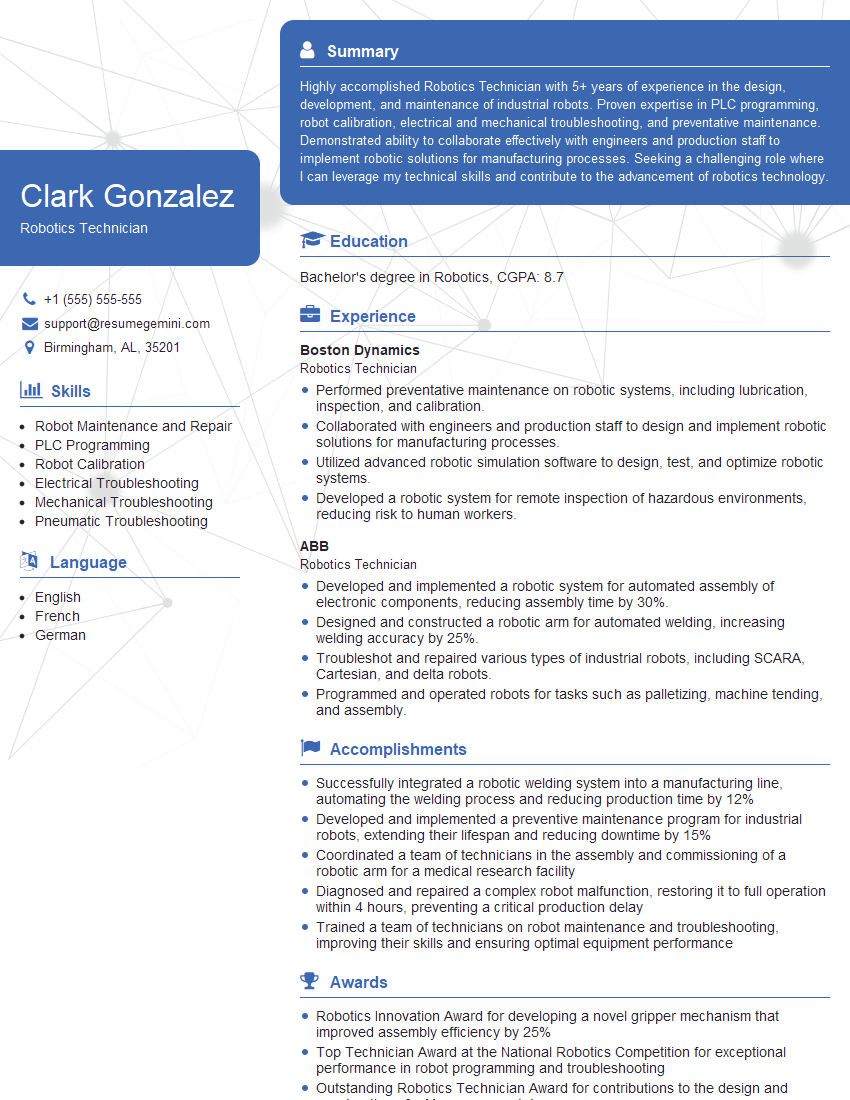
Robotics Technician Resume Sample
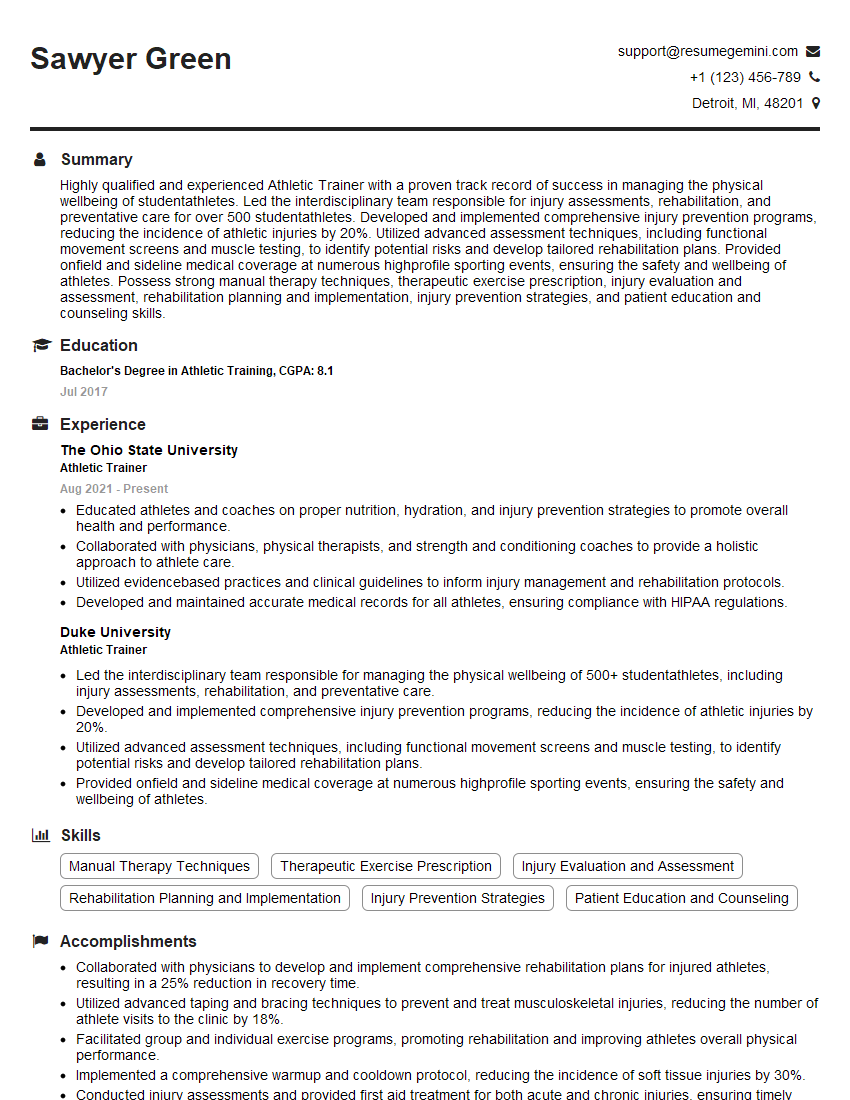
Athletic Trainer Resume Sample
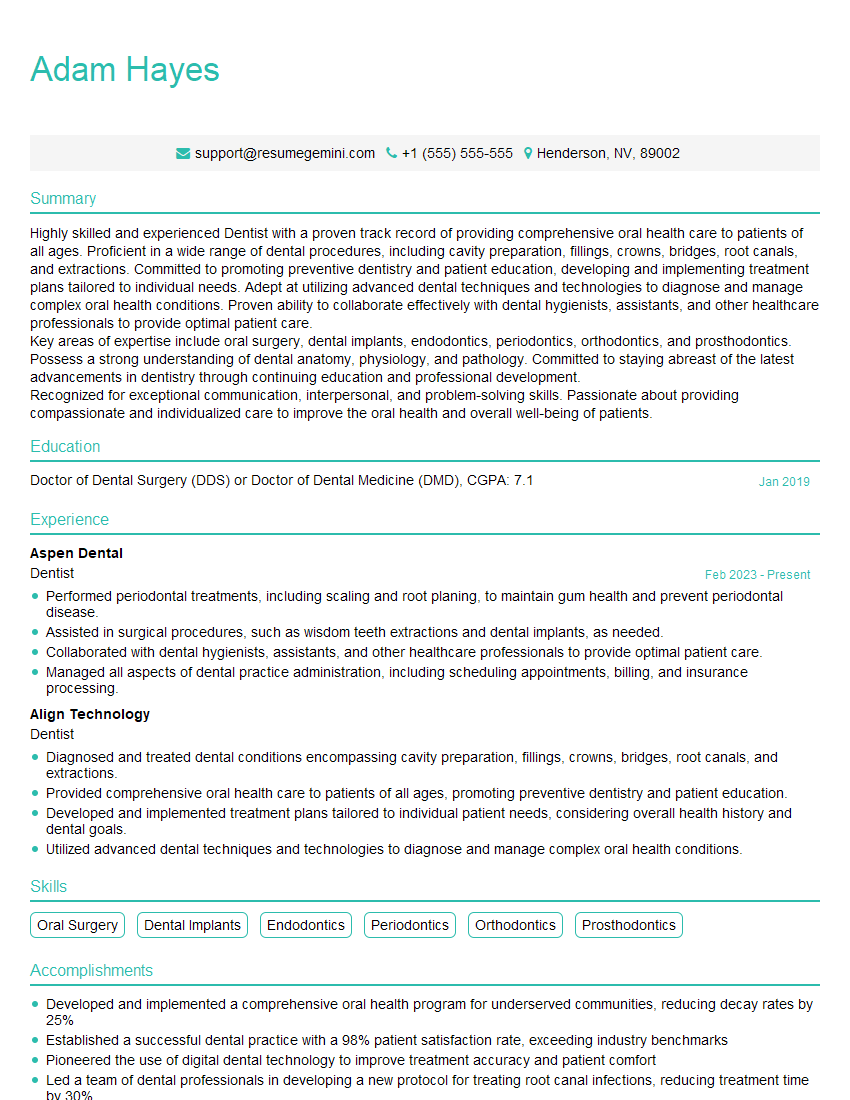
Dentist Resume Sample
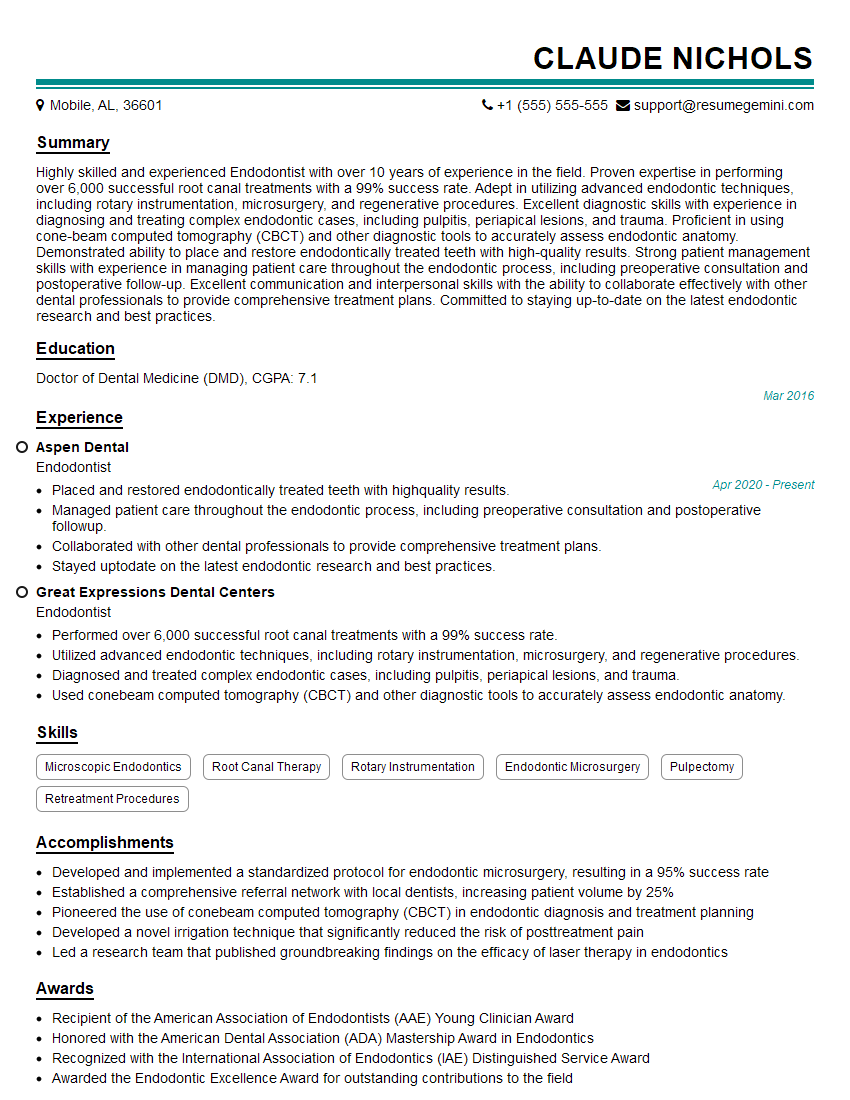
Endodontist Resume Sample
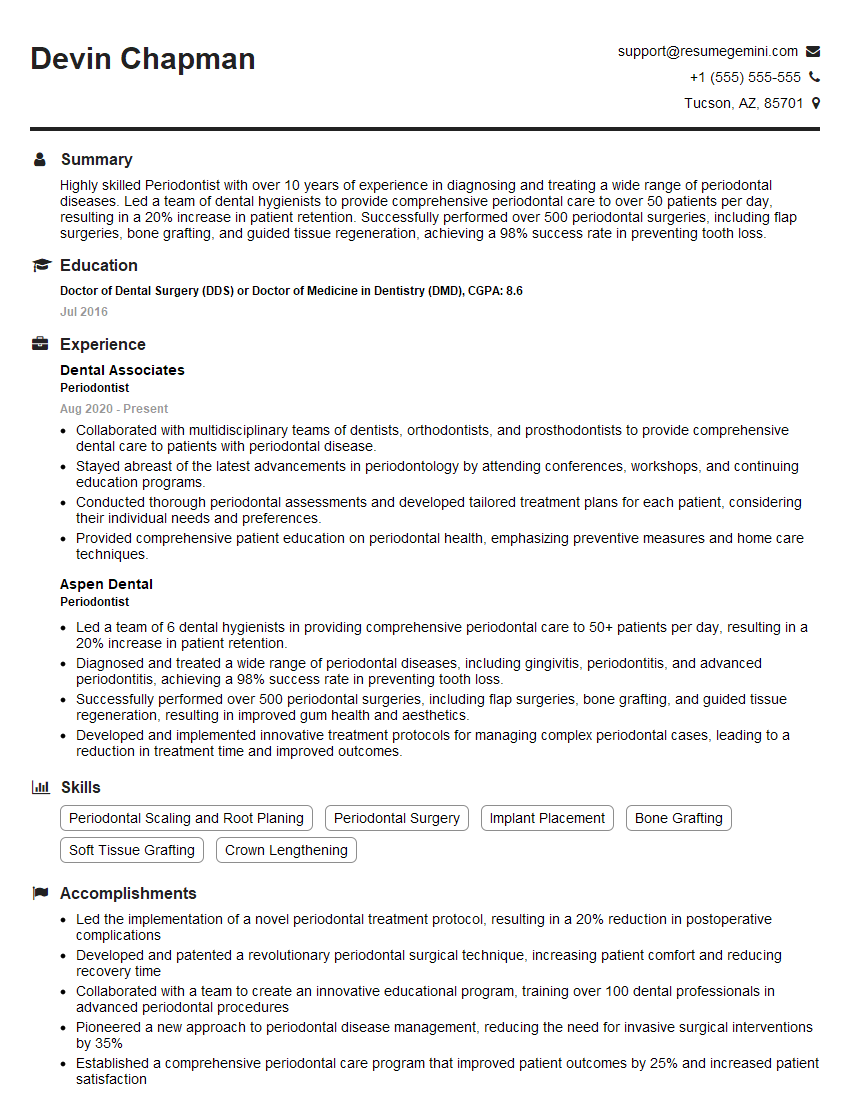
Periodontist Resume Sample
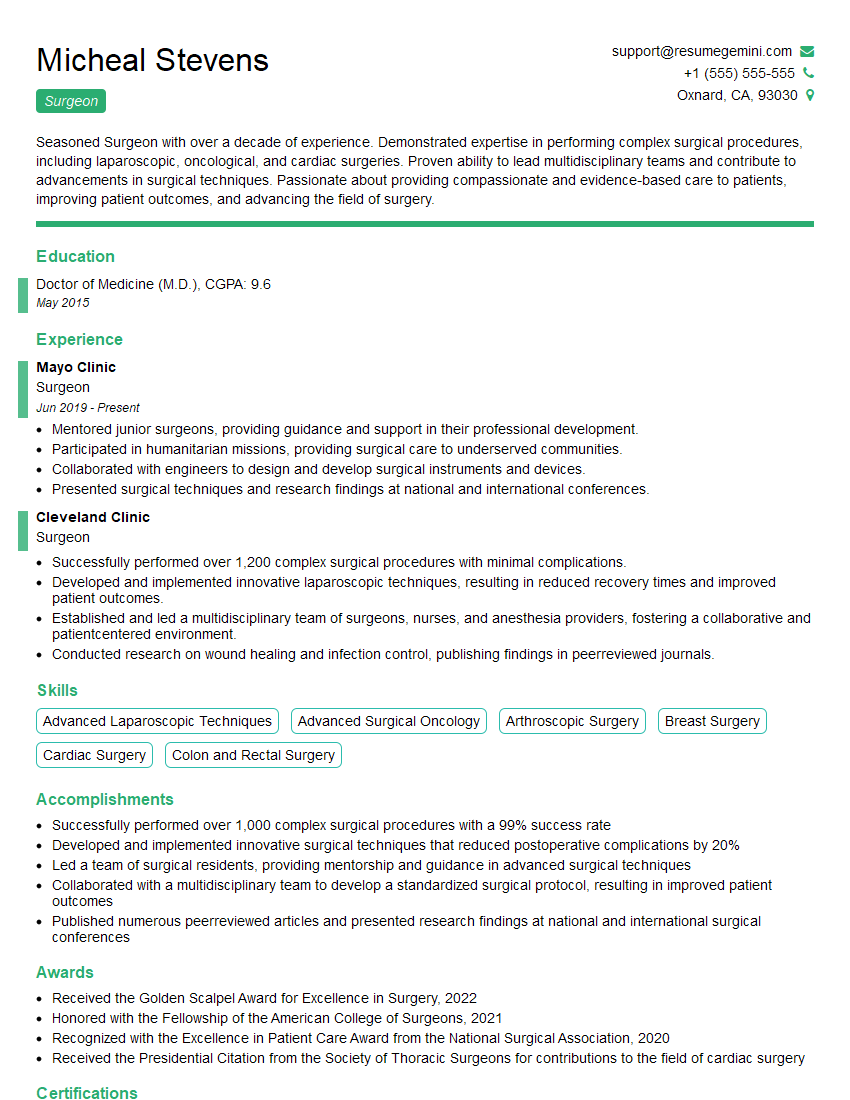
Surgeon Resume Sample
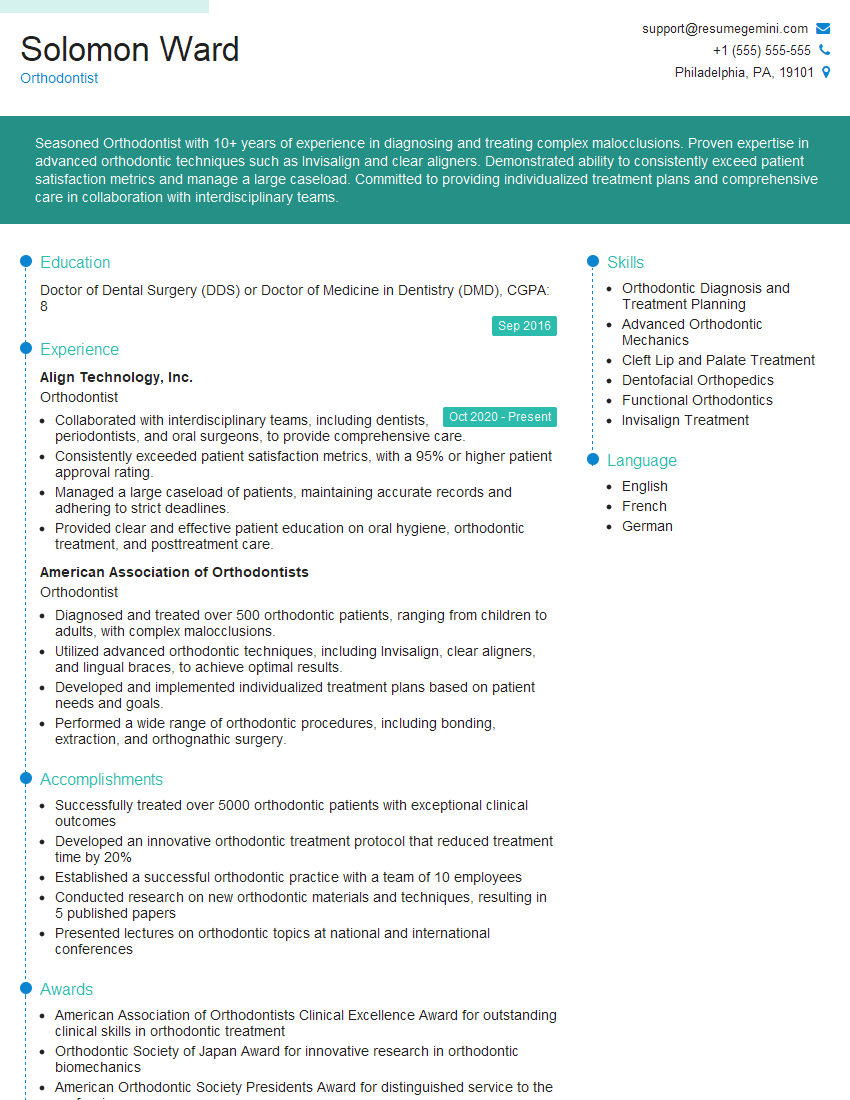
Orthodontist Resume Sample
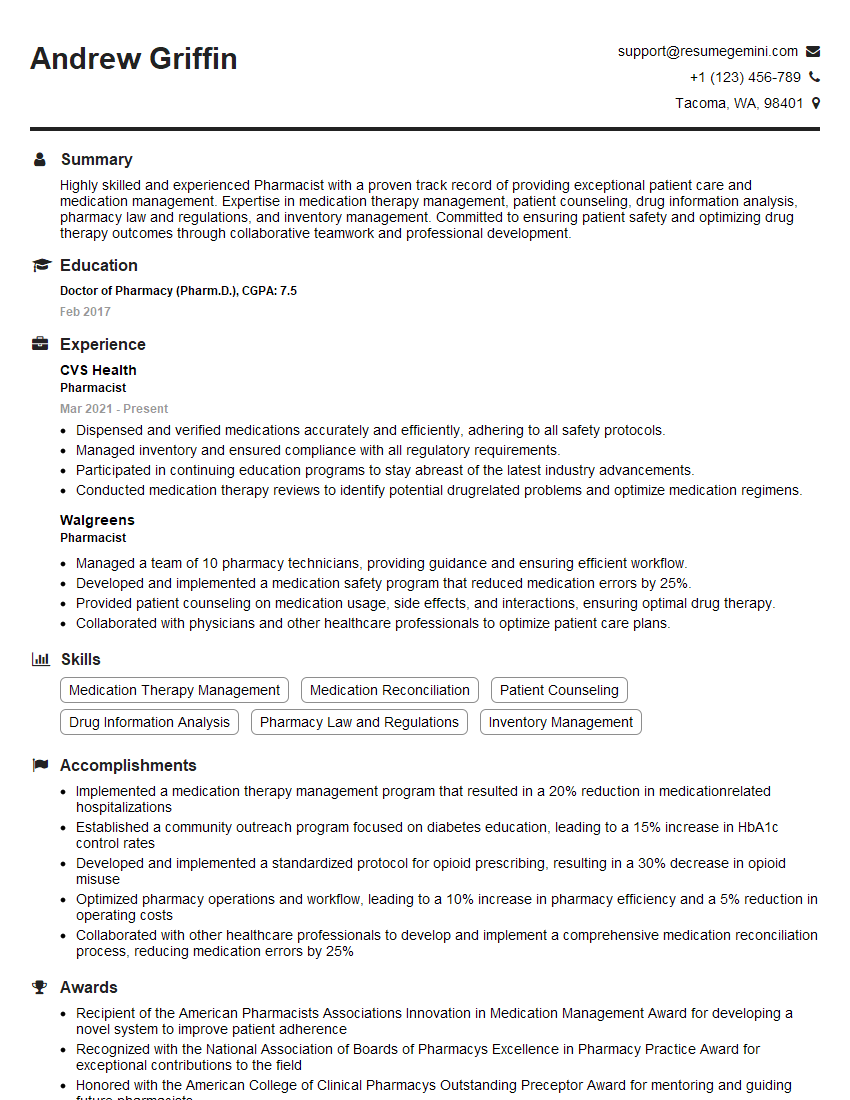
Pharmacist Resume Sample
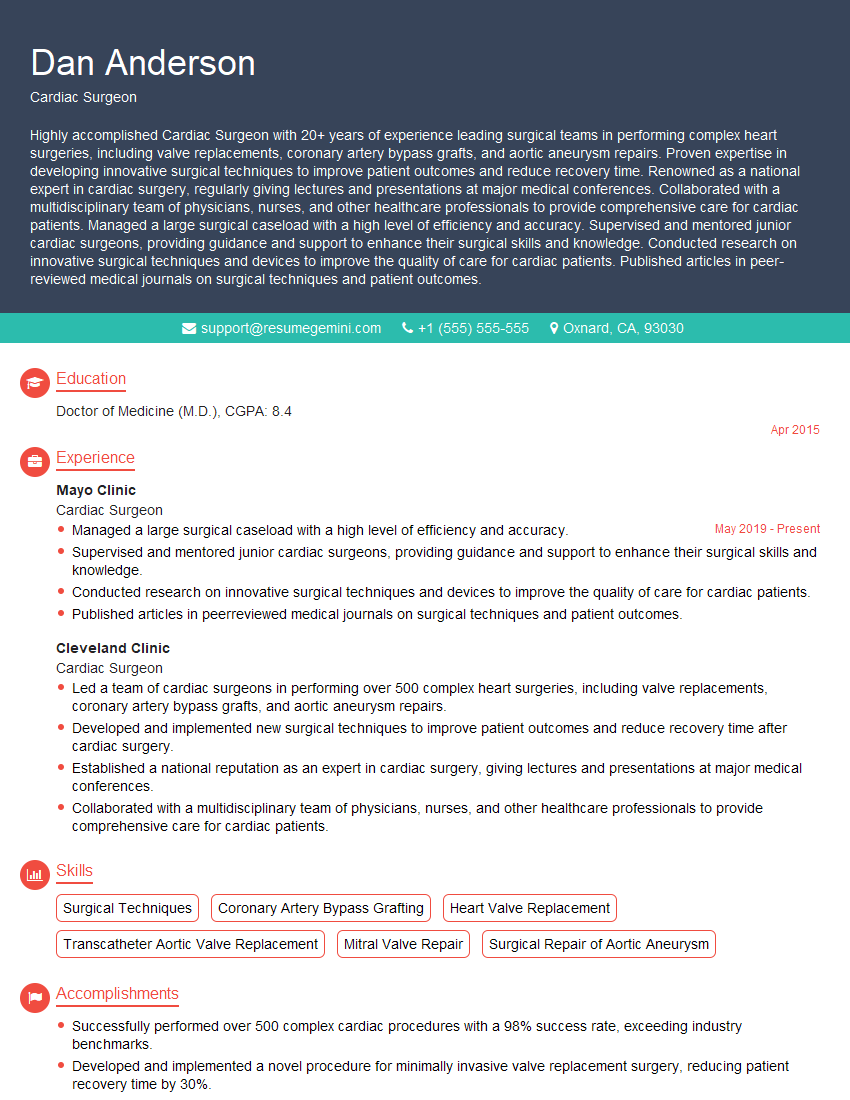
Cardiac Surgeon Resume Sample
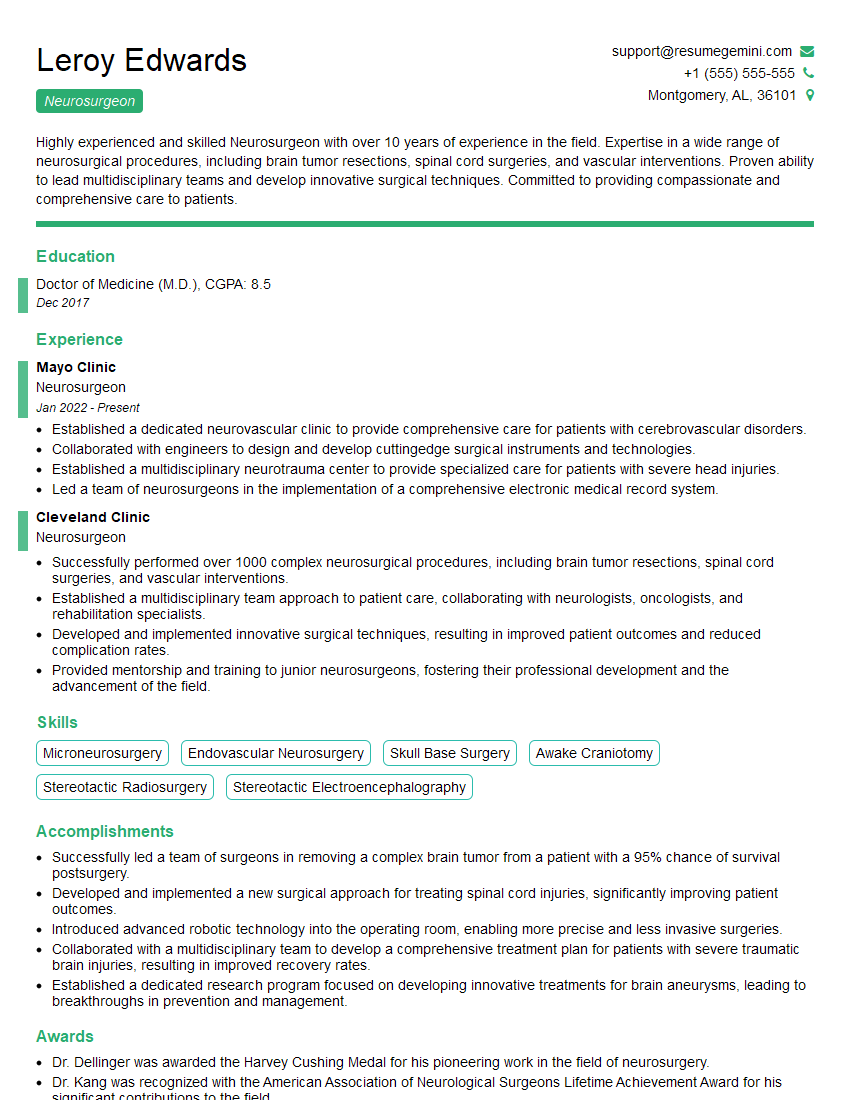
Neurosurgeon Resume Sample
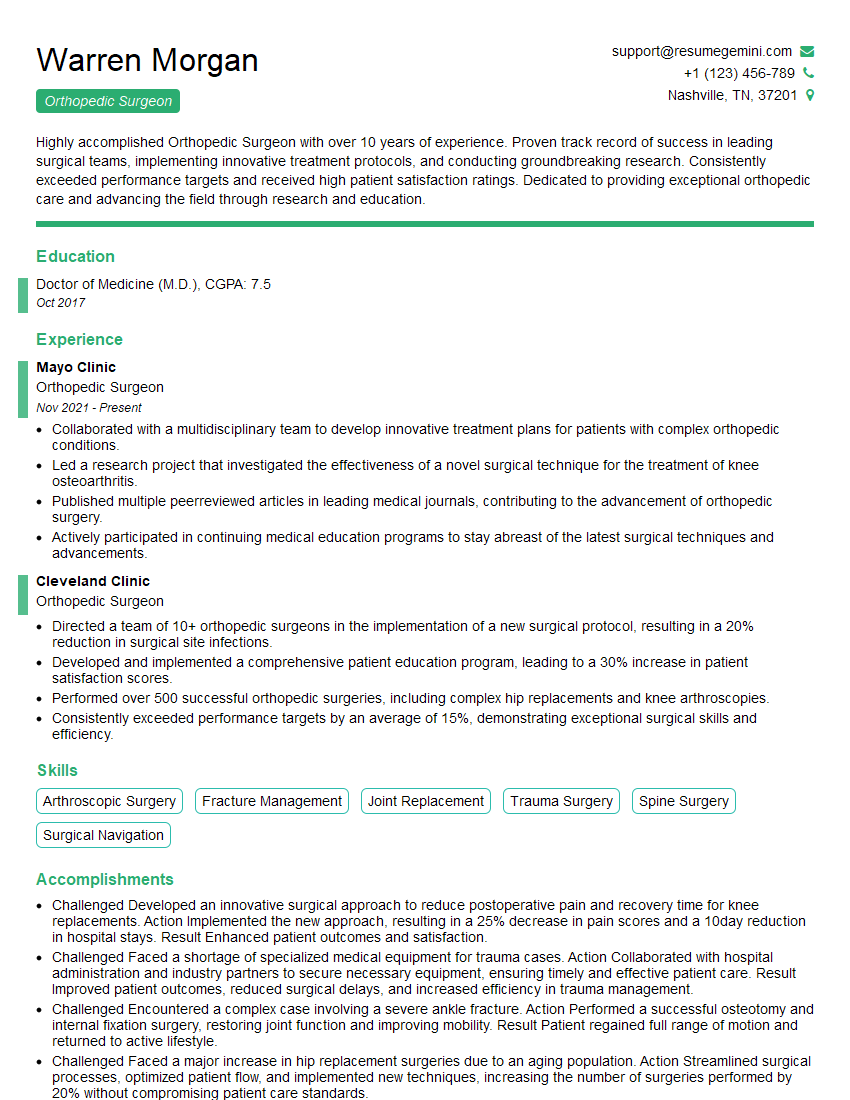
Orthopedic Surgeon Resume Sample
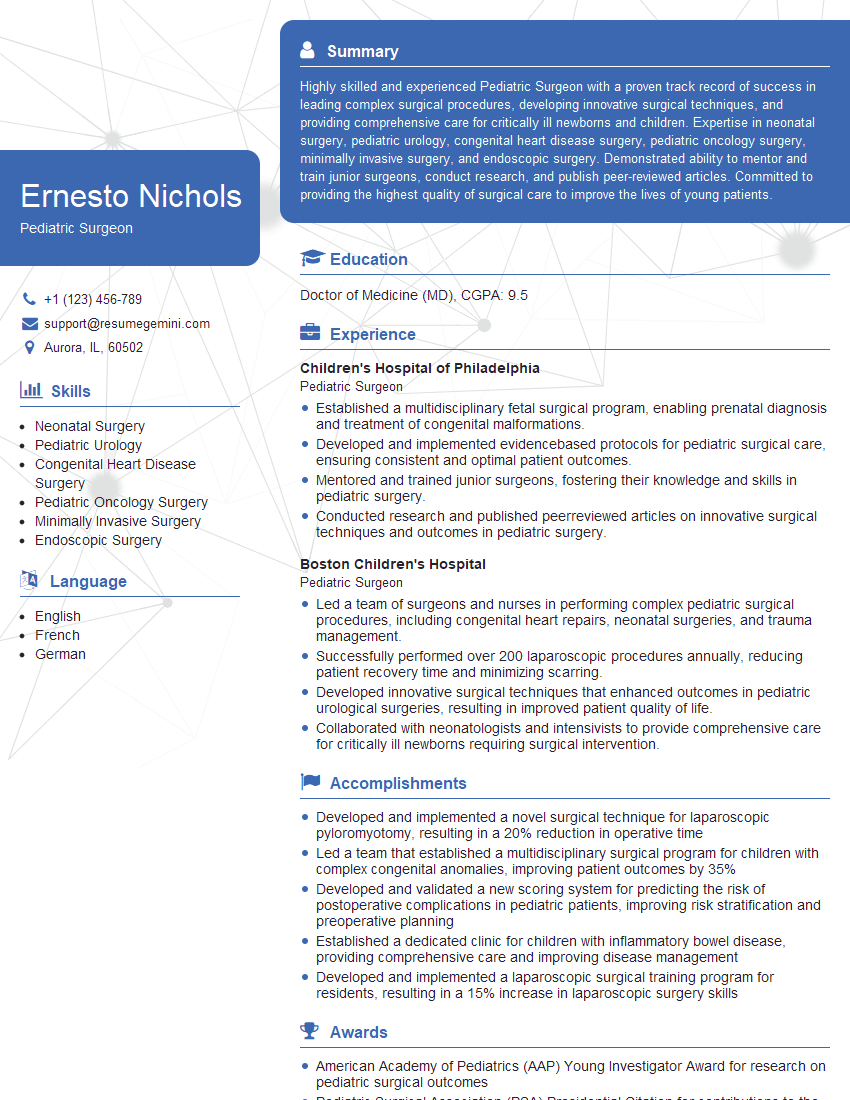
Pediatric Surgeon Resume Sample
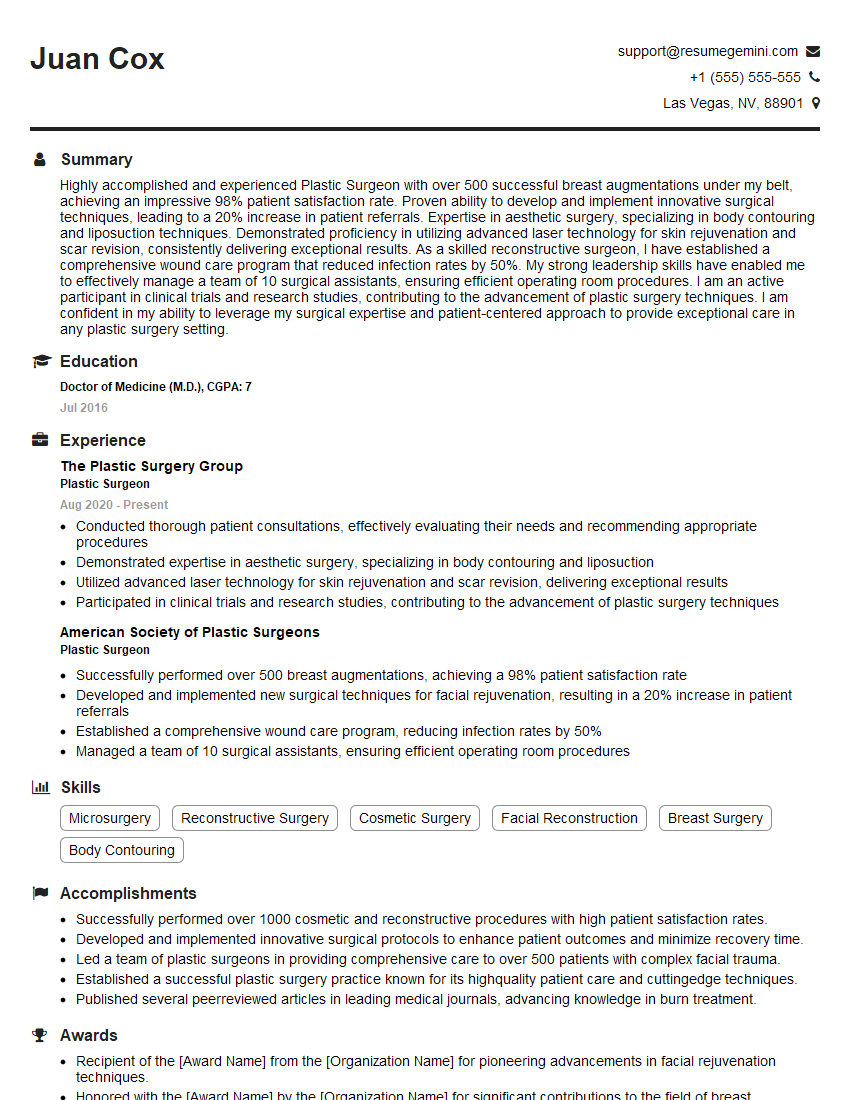
Plastic Surgeon Resume Sample
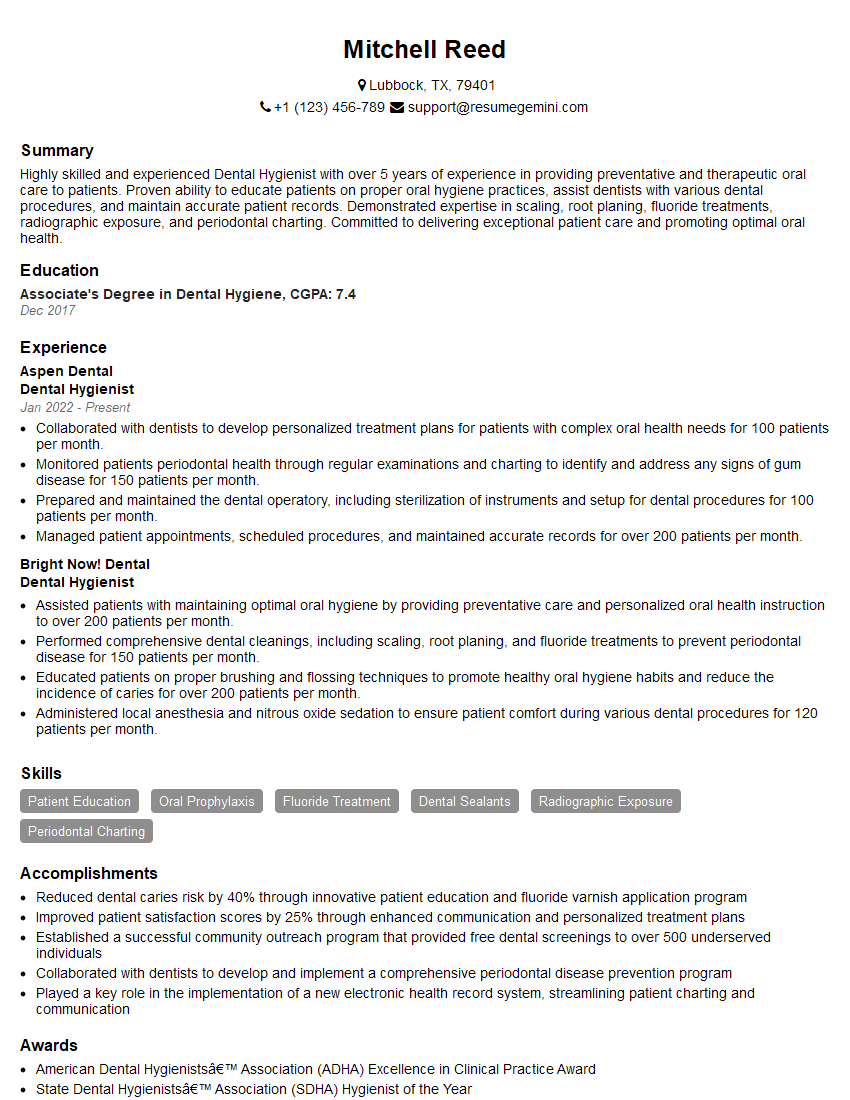
Dental Hygienist Resume Sample
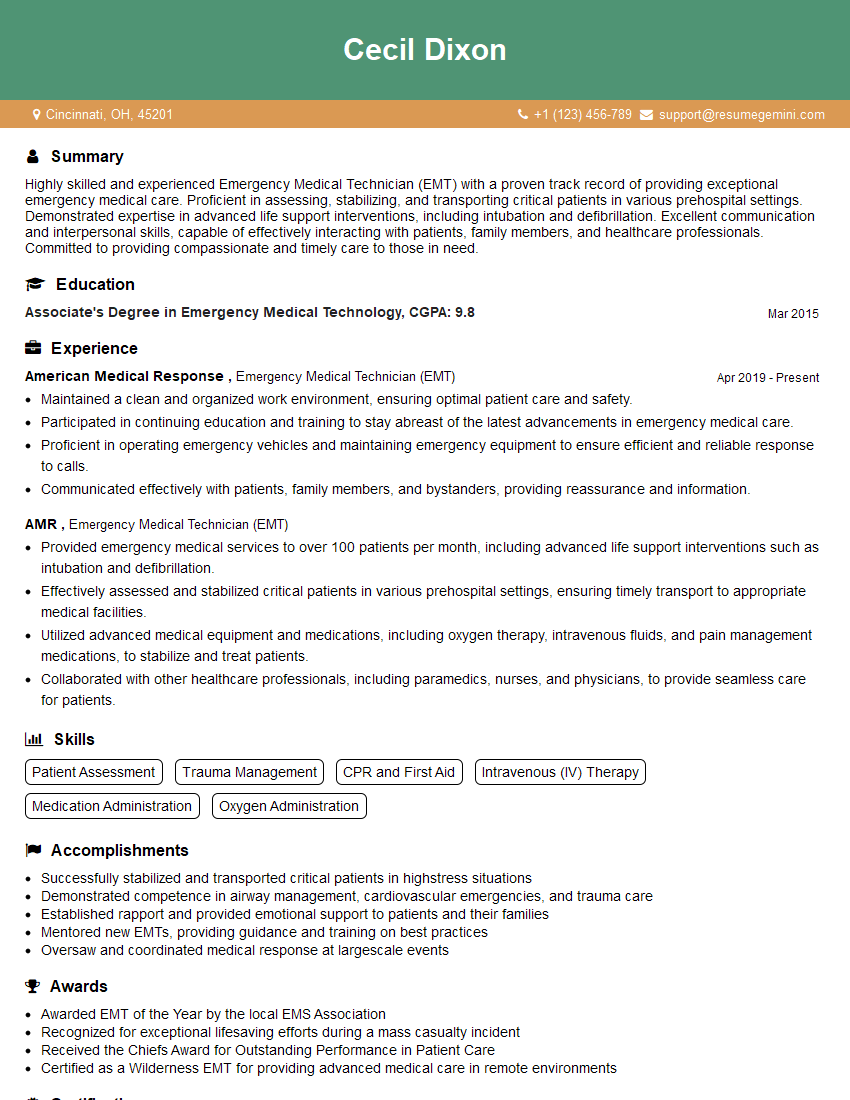
Emergency Medical Technician (EMT) Resume Sample
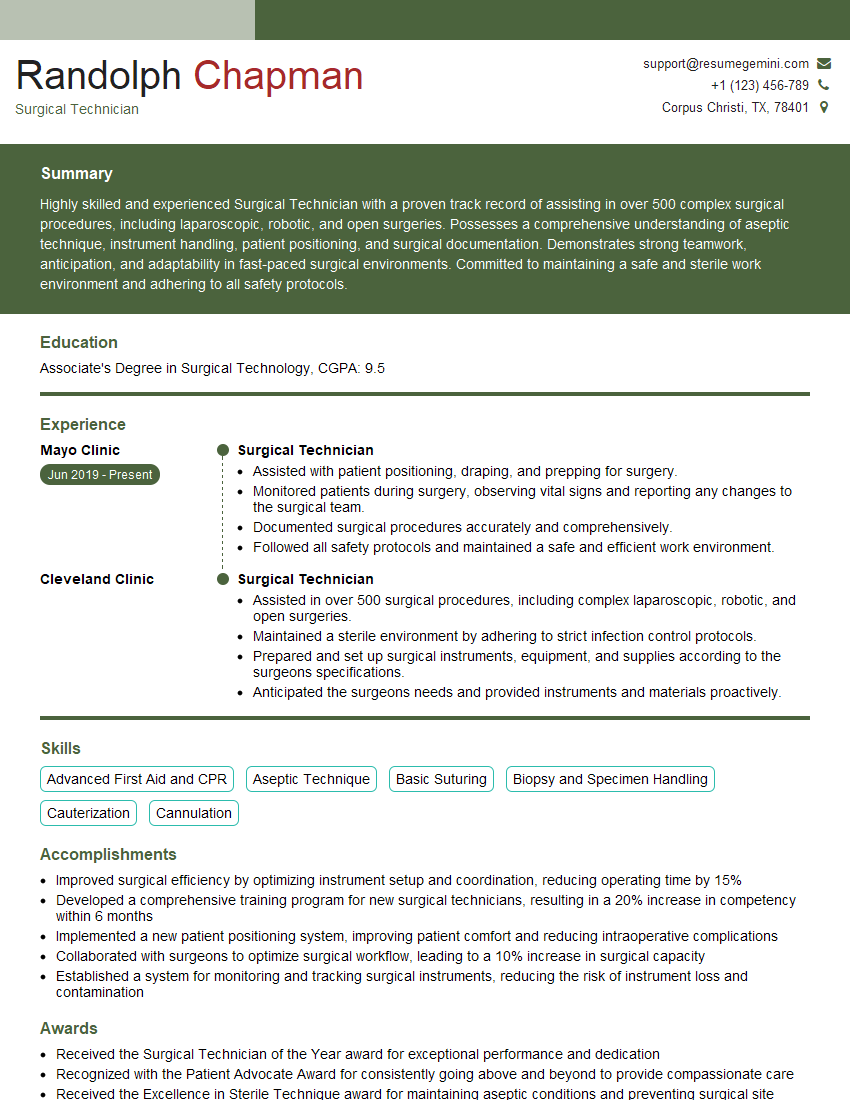
Surgical Technician Resume Sample
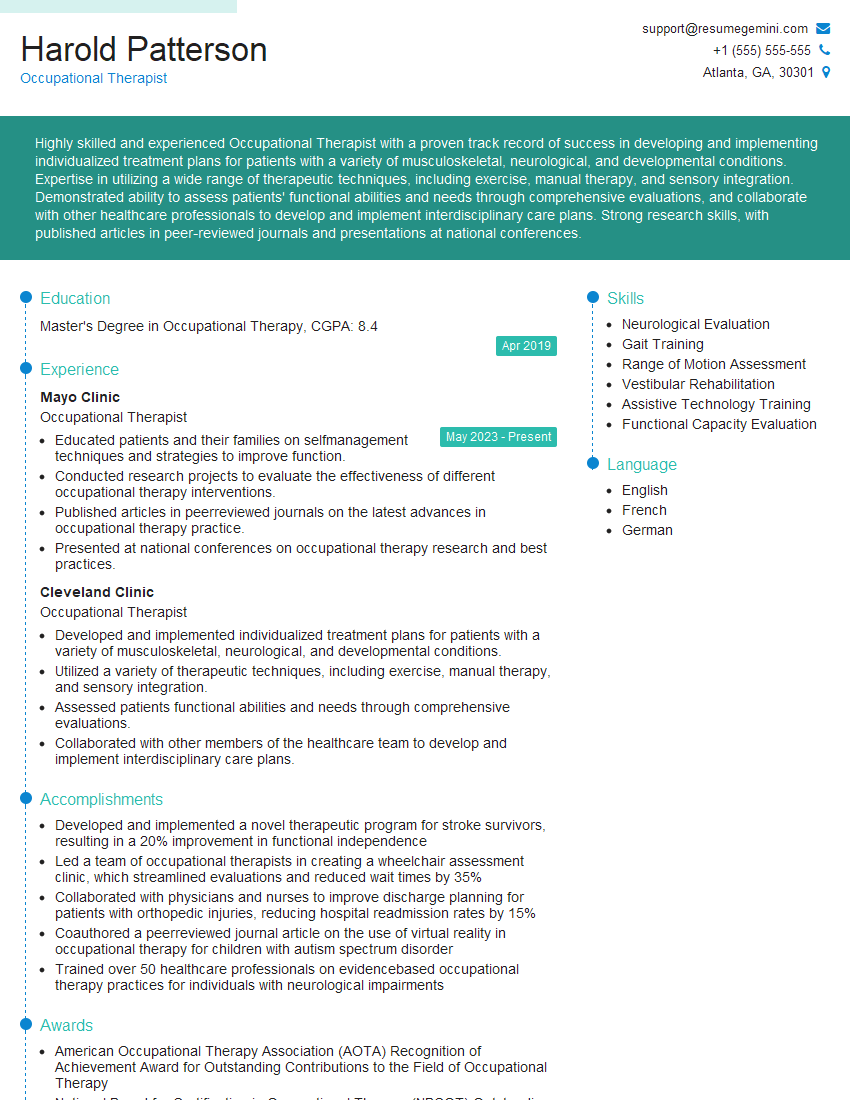
Occupational Therapist Resume Sample
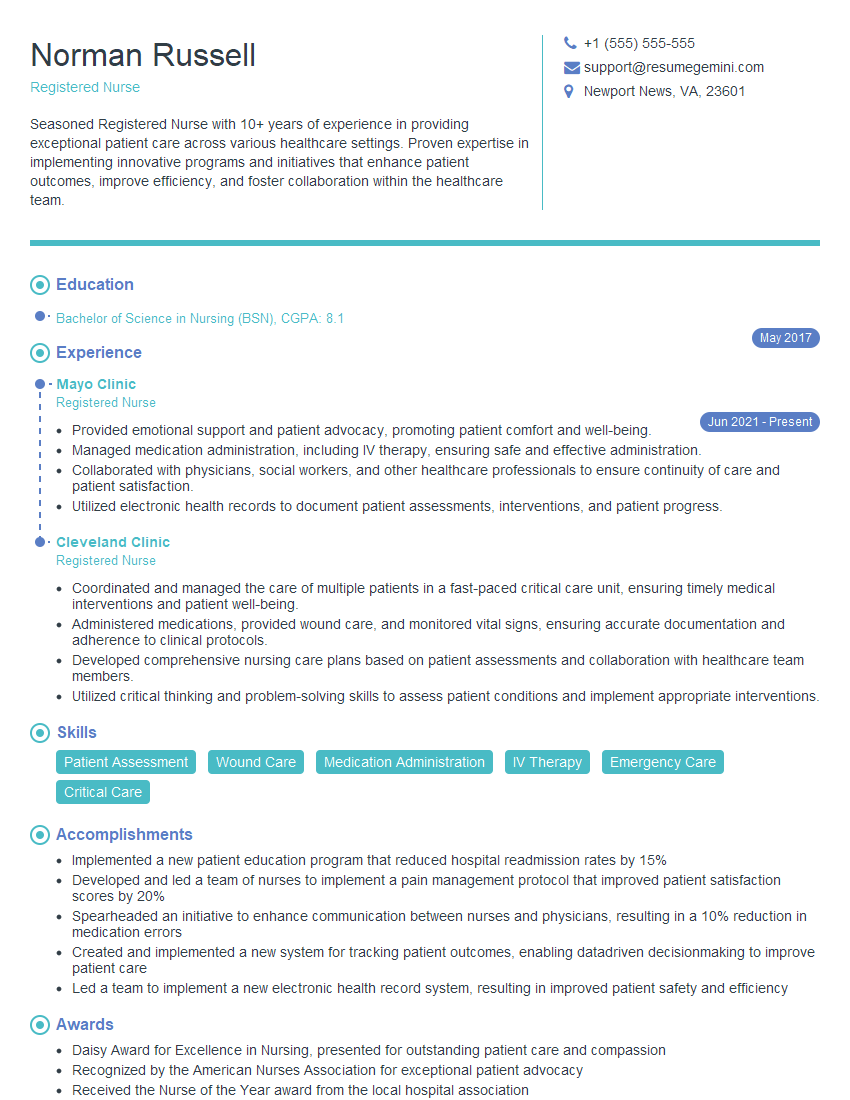
Registered Nurse Resume Sample
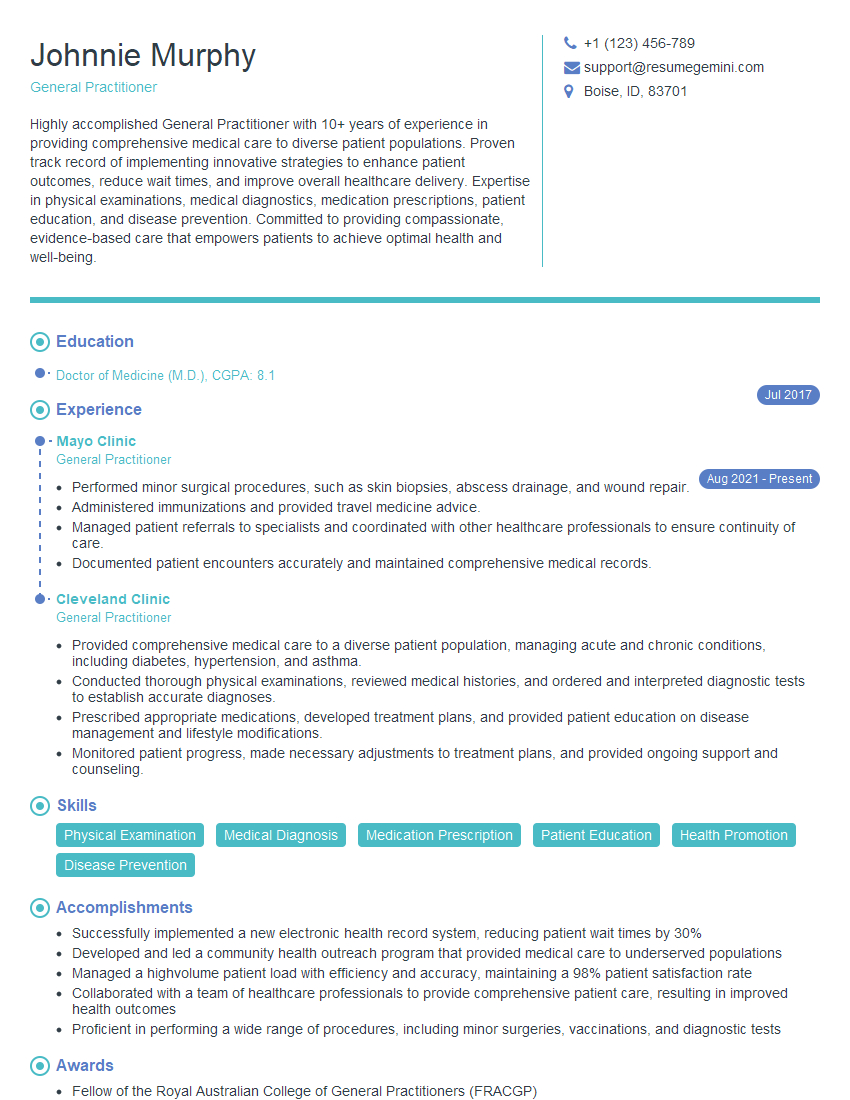
General Practitioner Resume Sample
- Paramedic
- Robotics Technician
- Athletic Trainer
- Dentist
- Endodontist
- Periodontist
- Surgeon
- Orthodontist
- Pharmacist
- Cardiac Surgeon
- Neurosurgeon
- Orthopedic Surgeon
- Pediatric Surgeon
- Plastic Surgeon
- Dental Hygienist
- Emergency Medical Technician (EMT)
- Surgical Technician
- Occupational Therapist
- Registered Nurse
- General Practitioner
Explore more articles
Users Rating of Our Blogs
Share Your Experience
We value your feedback! Please rate our content and share your thoughts (optional).
What Readers Say About Our Blog
Very informative content, great job.
good