Interviews are opportunities to demonstrate your expertise, and this guide is here to help you shine. Explore the essential Hog Production Management interview questions that employers frequently ask, paired with strategies for crafting responses that set you apart from the competition.
Questions Asked in Hog Production Management Interview
Q 1. Describe your experience with different swine breeding systems (e.g., AI, natural mating).
My experience encompasses both artificial insemination (AI) and natural mating in swine breeding, each with its own advantages and disadvantages. AI offers greater genetic selection potential, allowing for the widespread use of superior sires and minimizing the risk of injury to breeding sows. It’s highly efficient, enabling faster genetic progress across the herd. For example, a single superior boar can inseminate hundreds of sows annually, something impossible with natural mating. However, AI requires specialized training, meticulous technique, and sophisticated semen handling and storage. Natural mating, while simpler and less technically demanding, limits genetic progress as it relies on the availability and fertility of individual boars. It can also lead to injuries during mating and introduces the possibility of boar-borne diseases spreading more easily.
In practice, I’ve successfully implemented both systems, choosing the most appropriate based on the specific farm goals, herd size, available resources, and disease-control strategies. For smaller, less intensive operations, natural mating might be more cost-effective. Larger commercial operations often leverage AI’s advantages to maximize genetic improvement and herd productivity. I also carefully monitor reproductive performance metrics under both systems to ensure efficiency and optimize breeding strategies.
Q 2. Explain your approach to managing biosecurity on a swine farm.
Biosecurity is paramount in hog production, forming the first line of defense against disease outbreaks. My approach is multifaceted and starts with strict all-in/all-out management. This means that all animals in a given unit are brought in and raised at the same time, then removed at the same time before a thorough cleaning and disinfection process. This significantly limits disease transmission across groups.
- Vehicle and Personnel Control: Mandatory showering and changing into clean clothing upon entering the farm are essential. Vehicles are thoroughly cleaned and disinfected at designated checkpoints. I enforce a strict ‘no visitors’ policy unless absolutely necessary, with all visitors following strict biosecurity protocols.
- Rodent and Pest Control: Regular inspections and pest control measures prevent wildlife from acting as disease vectors.
- Waste Management: Proper manure management minimizes environmental contamination and reduces the risk of disease spread. This includes appropriate storage, treatment, and disposal methods.
- Quarantine: Newly introduced animals are always quarantined for a minimum period, allowing for observation and testing before integration into the main herd.
- Monitoring: Continuous observation of animal health and hygiene helps to identify any unusual signs quickly. Regularly scheduled health checks are carried out by a veterinarian.
A well-documented biosecurity plan with clearly defined protocols is crucial. Regular training for all staff ensures the effective implementation and maintenance of these procedures.
Q 3. How do you monitor and control disease outbreaks in a hog production facility?
Disease monitoring and control are proactive processes. A comprehensive health surveillance program is essential, involving regular observation of animal behavior, clinical signs, and mortality rates. Routine blood sampling and serological testing help detect the presence of specific pathogens, even before clinical signs appear. Prompt veterinary consultation is crucial in suspecting any disease outbreak.
Once a disease is suspected, immediate action is critical. This usually involves isolating affected animals, strengthening biosecurity measures, and implementing appropriate treatment protocols prescribed by a veterinarian. Detailed record-keeping and disease surveillance data analysis help us identify patterns and trends, informing preventative measures and improving overall herd health. Vaccination programs, tailored to specific local disease challenges, are essential in protecting the herd’s immunity. This also include regular environmental sampling (e.g., water, feed) to identify potential contamination sources.
For example, if we observe increased mortality rates among piglets coupled with diarrhea, we would immediately suspect something like E. coli or rotavirus. We would then initiate a rapid response protocol involving isolation, diagnostic testing, treatment, and potential adjustments to the sow’s feeding regime or environmental conditions to mitigate any contributing factors.
Q 4. What are your strategies for optimizing feed efficiency in swine?
Optimizing feed efficiency involves a holistic approach focusing on several key areas:
- Feed Formulation: Precise feed formulation tailored to the specific nutritional needs of each growth stage (weaning, growing, finishing) is essential. This includes optimizing the ratios of protein, energy, vitamins, and minerals to minimize waste and maximize nutrient utilization.
- Feed Quality: Ensuring high-quality feed ingredients is paramount. Spoilage, mold, or mycotoxins can significantly reduce feed efficiency and negatively impact animal health.
- Feeding Management: Implementing consistent feeding schedules, appropriate feed delivery systems, and monitoring feed intake are essential. Regular adjustment of feed rations based on animal growth and performance is key.
- Environment: Maintaining optimal environmental conditions – temperature, humidity, ventilation – reduces stress, improves feed intake, and ultimately enhances feed efficiency.
- Genetics: Selecting genetically superior animals with better feed conversion ratios contributes to improving overall feed efficiency.
Regular monitoring of feed conversion ratios (FCR), which is the ratio of feed consumed to weight gain, helps us track performance and identify areas for improvement. Data analysis helps to fine-tune feeding strategies and optimize resource utilization.
Q 5. Describe your experience with various feeding systems (e.g., dry, wet, electronic).
My experience includes managing various feeding systems, each with its pros and cons. Dry feeding, using pelleted or mash feed, is common and cost-effective for large-scale operations, providing ease of handling and storage. However, it may not be suitable for very young piglets. Wet feeding, involving mixing dry feed with water, can improve feed intake, particularly in young animals, but poses challenges regarding spoilage and hygiene. Electronic feeding systems, increasingly prevalent in modern farms, offer precise feed delivery based on individual animal needs, promoting efficiency and reducing feed waste. This allows for better management of feed costs and reduces the likelihood of uneven weight gain within a batch.
I adapt the feeding system to the specific needs of the animals and the farm’s resources. For example, electronic feeders are ideal for optimizing feed efficiency in growing-finishing pigs by automatically adjusting feed intake according to an individual’s needs, but may not be economically viable for smaller operations. I always consider the cost-effectiveness, ease of management, and the impact on animal health and welfare when choosing a feeding system.
Q 6. How do you manage manure and waste in a sustainable and environmentally responsible manner?
Sustainable manure management is crucial for environmental protection and responsible hog production. My approach focuses on minimizing environmental impact and maximizing resource recovery. This usually involves a combination of strategies.
- Manure Storage: Utilizing appropriate storage facilities, such as lagoons or covered storage, minimizes odor emissions, runoff, and nutrient leaching into the environment.
- Manure Treatment: Implementing manure treatment processes, such as anaerobic digestion, can generate biogas (renewable energy source) and reduce the volume and environmental impact of manure.
- Land Application: Careful and regulated land application of treated manure as fertilizer provides a valuable nutrient source for crops, reducing reliance on synthetic fertilizers, but ensuring careful compliance with environmental regulations and nutrient management plans to prevent water pollution.
- Solid-Liquid Separation: Separating solid and liquid components allows for more efficient processing and management of each fraction. Solid components can be used as bedding or composted, reducing waste and improving soil structure.
Regular monitoring of manure storage, treatment, and land application processes, along with compliance with environmental regulations, ensures sustainable and responsible waste management. Investing in technologies that reduce environmental impacts is key to creating a more environmentally friendly operation.
Q 7. What are your methods for monitoring and improving reproductive performance in sows?
Monitoring and improving sow reproductive performance are critical to maximizing farm profitability. I use a combination of management practices and data-driven analysis to achieve this goal.
- Reproductive Records: Maintaining detailed reproductive records, including breeding dates, gestation length, farrowing dates, litter size, and piglet mortality, provides critical information for evaluating performance and identifying areas for improvement.
- Breeding Management: Optimizing breeding management practices, including estrus detection, timing of insemination, and boar management, maximizes conception rates.
- Sow Health: Ensuring good sow health is vital for optimal reproductive performance. This involves appropriate vaccination programs, proper nutrition, and monitoring for any health issues that might impact reproduction.
- Ultrasound Monitoring: Regular ultrasound scans allow for the early detection of pregnancy problems, such as fetal death or mummification, enabling timely intervention.
- Data Analysis: Using software to analyze reproductive data helps identify trends, pinpoint potential problems, and guide strategic decision-making. This analysis often points to specific areas for improvement, such as improving boar semen quality, better managing environmental factors in the farrowing barn or refining nutrition strategies.
By consistently monitoring key performance indicators, such as farrowing rate, litter size, and piglet survival rate, and acting promptly to address any issues, we can continuously improve sow reproductive performance and maximize the farm’s overall productivity.
Q 8. Explain your understanding of swine genetics and their impact on production.
Swine genetics are fundamental to efficient and profitable hog production. Understanding genetics allows us to select and breed animals with desirable traits, leading to improved productivity and profitability. These traits include things like growth rate, feed efficiency, carcass quality, disease resistance, and reproductive performance. For example, selecting boars with superior genetic merit for average daily gain (ADG) will result in offspring that grow faster, requiring less feed to reach market weight.
- Growth Rate and Feed Efficiency: Genetic selection can significantly improve the rate at which pigs gain weight and their ability to convert feed into weight gain. This directly impacts profitability by reducing feed costs and shortening the time to market.
- Carcass Quality: Genetics play a crucial role in determining the quality of the meat produced, including factors like lean meat percentage, fat content, and intramuscular fat (marbling). Consumers prefer certain carcass characteristics, and genetic selection helps meet these demands.
- Disease Resistance: Breeding programs incorporate resistance to specific diseases prevalent in the region. This minimizes the need for antibiotics and enhances overall herd health, which leads to better animal welfare and reduced economic losses.
- Reproductive Performance: Genetics influence litter size, number of piglets weaned, and the overall reproductive efficiency of sows. Improved reproductive performance translates directly into more pigs reaching market weight.
Modern genomic technologies allow for more precise selection based on DNA markers associated with desirable traits. This accelerates genetic progress compared to traditional selection methods relying solely on phenotypic observations.
Q 9. How do you utilize technology (e.g., data analysis, sensor monitoring) in hog production?
Technology is revolutionizing hog production, allowing for more precise management and improved efficiency. We utilize various technological tools for data collection, analysis, and decision-making. This enables us to optimize resources, improve animal welfare, and enhance profitability.
- Sensor Monitoring: Sensors placed in barns monitor environmental parameters like temperature, humidity, and air quality. This data provides real-time insights into the barn environment, allowing for proactive adjustments to maintain optimal conditions for pig health and growth. For instance, if the temperature rises above the optimal range, an automated system can activate cooling fans.
- Data Analysis: We use sophisticated software to analyze production data such as growth rates, feed intake, mortality rates, and reproductive performance. Identifying trends and patterns allows for the early detection of potential problems and adjustments to management practices. For example, if we observe a consistent decrease in daily weight gain across a particular pen, we can investigate for underlying causes like disease or nutritional deficiencies.
- Automated Feeding Systems: Automated feeders allow for precise control over feed delivery, ensuring each pig receives the appropriate amount of feed based on its age and weight. This optimizes feed efficiency and reduces feed waste.
- Predictive Modeling: Using historical data and advanced algorithms, we can predict potential issues and optimize resource allocation. This proactive approach allows us to address potential problems before they escalate, mitigating losses.
The integration of these technologies ensures data-driven decision-making, improving efficiency, and leading to a more sustainable and profitable operation. For example, predictive modeling based on historical disease data can help us predict outbreaks and proactively implement preventative measures.
Q 10. Describe your experience with different housing systems for swine (e.g., gestation stalls, group housing).
I have extensive experience with various swine housing systems, understanding the advantages and disadvantages of each system in relation to animal welfare, productivity, and cost-effectiveness. The choice of housing system often depends on factors such as farm size, available resources, and ethical considerations.
- Gestation Stalls: These individual stalls provide a controlled environment for pregnant sows. While they offer advantages like reduced competition and injury, concerns about limiting sow movement and natural behaviors have led to a shift towards alternative systems in many regions.
- Group Housing: This system allows sows to interact socially, engaging in natural behaviors like rooting and exploring. Careful consideration of pen design and stocking density is critical to minimize aggression and competition. Group housing usually requires more management attention to ensure proper social dynamics and prevent injuries.
- Outdoor Systems: In suitable climates, pigs can be housed outdoors, providing access to natural light, fresh air, and more space. This system requires careful planning to manage environmental challenges such as extreme temperatures and parasites.
Currently, the industry trend is towards group housing systems that offer improved animal welfare while maintaining productivity. However, the optimal system must consider the specific circumstances of the farm and prioritize the well-being of the animals.
Q 11. How do you manage labor and personnel on a swine farm?
Effective labor management is crucial for a successful swine operation. It involves careful planning, training, and motivation of personnel to ensure efficient and safe work practices.
- Proper Training: All employees receive comprehensive training on animal handling, biosecurity protocols, record-keeping, and safety procedures. This ensures consistency in operations and minimizes risks.
- Clear Roles and Responsibilities: Defined roles and responsibilities for each employee reduce confusion and improve efficiency. Clear communication channels facilitate quick problem-solving and prevent misunderstandings.
- Employee Motivation: Creating a positive work environment, offering opportunities for professional development, and providing competitive compensation packages help retain skilled employees and improve morale.
- Technology Integration: Utilizing technology, such as automated feeding systems and data management software, reduces labor requirements while improving accuracy and consistency.
- Safety Protocols: Implementing stringent safety protocols, including proper personal protective equipment (PPE) and regular safety training, protects employees from potential hazards.
Regular performance evaluations and feedback sessions help identify areas for improvement and ensure employees feel valued and supported. Creating a team-oriented environment fosters collaboration and efficiency.
Q 12. What are your strategies for ensuring animal welfare on a swine farm?
Ensuring animal welfare is paramount in modern hog production. It’s not just an ethical imperative; it also impacts productivity and profitability. A healthy and comfortable pig is a productive pig.
- Environmental Enrichment: Providing appropriate environmental enrichment, such as toys or substrates for rooting, promotes natural behaviors and reduces stress. This can improve sow productivity and reduce the risk of injuries.
- Proper Handling Techniques: Training employees in safe and humane animal handling techniques minimizes stress and reduces the risk of injuries to both animals and handlers.
- Disease Prevention: Implementing robust biosecurity measures, vaccination programs, and early disease detection systems helps prevent and control disease outbreaks, protecting animal health and welfare.
- Monitoring Health and Behavior: Regular observation of pigs to detect any signs of illness or abnormal behavior allows for prompt intervention and treatment. This can significantly reduce morbidity and mortality rates.
- Compliance with Regulations: Strict adherence to all relevant animal welfare regulations and industry best practices is critical to ensure high standards of animal care.
Regular audits and third-party assessments can help verify compliance and continuously improve animal welfare practices. We actively participate in industry initiatives that promote and enhance animal welfare standards.
Q 13. How do you troubleshoot and resolve common health issues in pigs?
Troubleshooting and resolving health issues is a critical aspect of hog production. A quick and accurate diagnosis is crucial to minimize losses and prevent the spread of disease.
- Early Detection: Regular monitoring of pig health, including daily observation for clinical signs, allows for early detection of potential problems. This is crucial for timely intervention.
- Accurate Diagnosis: Employing diagnostic tools, such as laboratory testing, necropsy, and consultation with veterinarians, helps determine the cause of health problems.
- Treatment and Prevention: Once a diagnosis is made, implementing appropriate treatment strategies and implementing preventative measures are crucial. This can involve medication, nutritional adjustments, or biosecurity improvements.
- Record-Keeping: Maintaining detailed records of health events, including treatments and outcomes, enables us to identify trends and patterns, making future decisions more informed.
- Veterinary Consultation: Regular consultation with veterinarians is essential for developing and implementing effective health management strategies.
For example, if we observe a sudden increase in respiratory symptoms among piglets, we would immediately investigate potential causes, such as viral infections, pneumonia, or environmental factors. We would then implement appropriate treatment and implement preventative measures such as improving ventilation or vaccination programs.
Q 14. Explain your experience with record-keeping and data analysis in hog production.
Meticulous record-keeping and data analysis are essential for optimizing performance and making informed decisions in hog production. We utilize a comprehensive record-keeping system to track all aspects of the operation.
- Production Data: We track key metrics such as daily weight gain, feed intake, mortality rates, and reproductive performance for each group of pigs.
- Health Records: Detailed records of health events, including disease outbreaks, treatments administered, and medication usage, are meticulously maintained.
- Financial Data: We track all financial aspects of the operation, including feed costs, labor costs, medication expenses, and income generated from sales. This allows for cost analysis and profitability evaluation.
- Data Analysis Techniques: We employ various statistical methods to analyze the collected data, identifying trends, patterns, and areas for improvement. This could involve the use of spreadsheets, statistical software, or specialized farm management software.
- Performance Indicators: Key performance indicators (KPIs) are used to track progress, benchmark against industry standards, and identify areas requiring attention. This allows for more informed decision-making and continuous improvement.
For example, analyzing feed conversion ratios over time can help identify periods of suboptimal feed efficiency, enabling us to investigate and correct underlying issues. Similarly, analyzing mortality data can highlight areas where improvements in disease prevention or management are needed.
Q 15. Describe your understanding of different swine nutrition requirements at various life stages.
Swine nutrition is a critical aspect of hog production, varying significantly across the animal’s life stages. Meeting these specific nutritional needs directly impacts growth rates, health, and ultimately, profitability.
- Gestation (pregnancy): The sow’s nutritional requirements shift dramatically during pregnancy. She needs increased energy intake to support fetal development. We carefully balance her diet with sufficient protein, minerals like calcium and phosphorus (essential for bone development in the piglets), and vitamins. A deficiency in any of these can lead to smaller litters or health problems in the piglets.
- Lactation (milk production): This is the most demanding phase nutritionally. The sow needs a high-energy diet to produce sufficient milk for her litter. Protein levels are also crucial to support milk production and the piglets’ rapid growth. We often see an increase in feed intake during this period to meet the high energy demands.
- Nursery (weaning to approximately 8 weeks): This is a transition period, where piglets are weaned and adapt to solid feed. Highly digestible diets with increased protein and energy are essential for rapid growth and immune system development. We often introduce prebiotics and probiotics to improve gut health and minimize the stress associated with weaning. High-quality protein sources are vital here, as they aid in tissue building.
- Grower (8 to 16 weeks): During the grower phase, the focus shifts to efficient weight gain while maintaining feed conversion ratios. We carefully monitor the protein and energy levels in the diet to maximize muscle development. Adequate amounts of essential amino acids are paramount.
- Finisher (16 weeks to market): The final stage emphasizes efficient weight gain and carcass quality. The diet is carefully adjusted to achieve the desired market weight while maintaining lean muscle mass and minimizing fat deposition. This often involves strategic adjustments to the protein and energy levels. We might also introduce dietary additives to improve meat quality and reduce feed cost.
For example, a deficiency in iron during the nursery phase can lead to anemia, impacting growth and potentially leading to increased mortality. Conversely, providing a balanced diet tailored to each stage can result in significantly improved growth rates, reduced mortality, and increased profitability.
Career Expert Tips:
- Ace those interviews! Prepare effectively by reviewing the Top 50 Most Common Interview Questions on ResumeGemini.
- Navigate your job search with confidence! Explore a wide range of Career Tips on ResumeGemini. Learn about common challenges and recommendations to overcome them.
- Craft the perfect resume! Master the Art of Resume Writing with ResumeGemini’s guide. Showcase your unique qualifications and achievements effectively.
- Don’t miss out on holiday savings! Build your dream resume with ResumeGemini’s ATS optimized templates.
Q 16. How do you comply with government regulations and industry standards for swine production?
Compliance with government regulations and industry standards is paramount in swine production. It’s not just about legal requirements; it’s about ensuring animal welfare, food safety, and environmental protection. We adhere to regulations at the federal, state, and often local levels.
- Biosecurity: We maintain strict biosecurity protocols to prevent the introduction and spread of diseases. This includes controlled access to the farm, proper disinfection procedures, and employee training on biosecurity measures.
- Animal Welfare: We follow strict guidelines on animal husbandry practices ensuring proper housing, access to feed and water, and humane handling throughout all production stages. This includes regular health checks, prompt veterinary care, and monitoring for any signs of stress or illness.
- Environmental Regulations: We implement environmental management plans to reduce our environmental footprint. This includes responsible manure management, minimizing water usage, and managing waste properly to comply with all applicable environmental regulations.
- Food Safety: We adhere to strict food safety standards to ensure the safety of the pork products. This involves implementing measures throughout the production process, from feed handling to slaughter. Traceability is crucial, and we maintain rigorous record-keeping to ensure complete product traceability.
- Record Keeping: Meticulous record-keeping is critical not only for regulatory compliance but also for farm management and continuous improvement. This includes tracking feed intake, animal health records, medication usage, and production metrics. This is essential for regulatory audits and our internal quality assurance.
For instance, failing to maintain proper manure management could result in significant fines and legal repercussions. Regular audits and internal reviews help maintain compliance.
Q 17. What is your experience with implementing and managing farm budgets?
Farm budgeting is an essential skill in hog production. Effective budget management ensures the financial health and sustainability of the operation. My experience includes developing, implementing, and monitoring budgets for both small and large-scale operations.
- Developing the Budget: This involves forecasting income based on market prices and production targets, estimating operating expenses (feed, labor, veterinary care, utilities), and calculating capital expenditures (equipment upgrades, facility improvements).
- Implementing the Budget: This involves tracking actual expenses against the budget, regularly monitoring key performance indicators (KPIs) such as feed conversion ratios, mortality rates, and production costs per animal.
- Monitoring and Adjustments: Regular monitoring allows for timely identification of variances between the planned budget and actual results. This allows for proactive adjustments to the budget to maintain profitability. For example, if feed prices unexpectedly increase, we can adjust the budget or explore alternative feed sources.
- Financial Analysis: Performing a financial analysis of the budget allows us to assess the profitability of the operation and identify areas for improvement. This might involve evaluating the cost-effectiveness of different feed formulations or exploring strategies for improving production efficiency.
- Software Usage: I’m proficient in using farm management software to streamline budget management, tracking expenses, and generating reports.
For example, in one operation, by analyzing the budget, we identified inefficiencies in feed utilization. Implementing a new feed formulation resulted in significant cost savings and improved overall profitability.
Q 18. How do you prioritize tasks and manage multiple responsibilities in a fast-paced environment?
Hog production is a fast-paced environment demanding efficient task prioritization and multi-tasking. My approach involves a combination of planning, delegation, and proactive problem-solving.
- Prioritization Matrix: I utilize a prioritization matrix, often a combination of urgency and importance, to rank tasks. Urgent and important tasks take precedence, while less urgent tasks are scheduled accordingly.
- Time Management Techniques: I employ time management techniques such as time blocking and the Pomodoro Technique to optimize productivity and minimize distractions.
- Delegation: Effectively delegating tasks to competent team members is crucial. I empower my team, providing clear instructions and support, ensuring efficient workflow.
- Proactive Planning: Proactive planning is vital; anticipating potential issues and proactively addressing them reduces the likelihood of crises. This involves reviewing forecasts, monitoring animal health, and anticipating market fluctuations.
- Flexibility: Flexibility is key in this dynamic environment. Adapting to unforeseen circumstances, re-prioritizing tasks as needed, and effectively handling emergencies are critical skills.
For example, if a disease outbreak occurs, I immediately prioritize biosecurity measures, disease control strategies, and veterinary care, adjusting my schedule accordingly to contain the situation effectively.
Q 19. Describe your problem-solving approach when faced with unexpected challenges in hog production.
Unexpected challenges are inherent in hog production. My problem-solving approach follows a structured method.
- Identify the Problem: The first step is to clearly define the issue. What exactly is going wrong? Is it a drop in production, an increase in mortality rates, a disease outbreak, or a technical malfunction?
- Gather Information: Collect data relevant to the problem. This might involve reviewing production records, conducting animal health assessments, examining equipment, or consulting with experts.
- Analyze the Data: Analyze the collected data to identify potential causes. Is there a pattern? Are there any correlations between different factors?
- Develop Solutions: Brainstorm potential solutions based on the analysis. Consider different approaches and evaluate their potential effectiveness.
- Implement and Evaluate: Implement the chosen solution and monitor its effectiveness. Track the results to determine if the problem has been resolved. If not, re-evaluate the situation and explore alternative solutions.
For instance, if we experienced a sudden increase in piglet mortality, we’d analyze data on factors such as nutrition, environmental conditions, and health status to determine the root cause. We might adjust the diet, improve ventilation, or implement a stricter biosecurity protocol. Continuous monitoring would allow us to measure the effectiveness of our interventions.
Q 20. How do you ensure the safety of your employees and the protection of the environment?
Employee safety and environmental protection are integral to our operation. A safe and healthy work environment and a responsible approach to environmental stewardship are not just ethical obligations, but vital for operational efficiency and sustainability.
- Employee Safety: This includes providing adequate training on safe work practices, providing personal protective equipment (PPE), ensuring a clean and organized working environment, and implementing emergency response plans. Regular safety meetings and training emphasize safe handling of animals and equipment.
- Environmental Protection: We implement environmentally sustainable practices throughout our operations. This includes responsible manure management, minimizing water consumption, and reducing greenhouse gas emissions. We use best management practices for manure storage and application, minimizing nutrient runoff and protecting water quality. This also involves responsible disposal of waste and recycling wherever possible.
- Compliance and Audits: We perform regular safety audits and environmental impact assessments to identify potential risks and ensure continued compliance with all regulations.
- Continuous Improvement: We actively pursue continuous improvement in both safety and environmental stewardship. This might involve implementing new technologies, adopting best practices, or seeking external expertise to further enhance our performance.
For example, we might install automated cleaning systems to reduce employee exposure to harsh chemicals, or we might invest in anaerobic digesters to reduce methane emissions from manure. Regular inspections and employee feedback mechanisms are crucial for ongoing improvement.
Q 21. What are your strategies for managing piglet mortality?
Managing piglet mortality is a crucial aspect of profitable hog production. High mortality rates significantly impact profitability, so a multi-faceted approach is essential.
- Pre-Farrowing Management: This includes providing proper nutrition to sows during gestation and lactation to ensure healthy piglets at birth. This also involves monitoring sow health closely and addressing any health issues promptly.
- Farrowing Management: Careful management during farrowing is crucial to minimize stress and prevent injury to piglets. This includes providing adequate warmth, ensuring the sow is comfortable, and minimizing disturbances.
- Post-Farrowing Management: Post-farrowing management focuses on ensuring piglets receive adequate colostrum (first milk), which provides essential antibodies for immunity. We implement strategies such as ensuring all piglets receive colostrum within the first few hours and providing supplemental iron injections to prevent anemia.
- Disease Prevention: Maintaining a high level of biosecurity to prevent the introduction and spread of infectious diseases is paramount. Vaccination programs and hygiene protocols are essential for disease control.
- Monitoring and Record Keeping: Meticulous record-keeping helps identify patterns and trends related to mortality. This might reveal specific causes, such as certain infections or nutritional deficiencies, allowing for targeted interventions.
For example, if we notice a recurring pattern of high mortality related to scours (diarrhea), we might investigate the cause, such as bacterial infection or nutritional imbalance. We can then adjust management practices, such as implementing improved hygiene protocols or modifying the diet to address the underlying cause.
Q 22. Explain your understanding of different swine breeds and their characteristics.
Understanding swine breeds is crucial for optimizing production based on specific needs. Different breeds excel in various aspects like growth rate, meat quality, and disease resistance. For example:
- Yorkshire (Large White): Known for their prolificacy (large litter sizes) and excellent mothering abilities, making them popular as sows (female pigs).
- Landrace: Another prolific breed, often chosen for their long bodies and high lean meat percentage. They’re excellent for bacon production.
- Duroc: Renowned for their rapid growth rate, muscular build, and excellent feed conversion, contributing to high-quality pork.
- Hampshire: Characterized by their distinctive black body with a white belt, they are known for leanness and good carcass quality.
- Pietrain: Known for exceptional muscle development leading to high lean meat yield, but they can have some challenges related to meat quality and stress susceptibility.
Breed selection is a strategic decision influenced by factors such as market demands, climate conditions, and production system (e.g., intensive vs. extensive farming). A careful consideration of these factors allows producers to select breeds that best suit their goals and resources.
Q 23. How do you assess the overall health and well-being of a swine herd?
Assessing swine herd health involves a multi-faceted approach. It’s not just about the absence of disease, but also the overall well-being of the animals. My strategy involves:
- Regular Monitoring: Daily observation of pig behavior, appetite, and fecal consistency. Changes in these indicators can signal potential problems.
- Mortality Records: Careful tracking of death rates and causes can identify disease outbreaks or underlying issues like poor nutrition or environmental stress.
- Physical Examinations: Routine checks for signs of illness like respiratory issues (coughing, sneezing), skin lesions, lameness, and reproductive problems.
- Laboratory Diagnostics: Using blood tests, fecal analysis, and other laboratory methods to diagnose specific diseases and monitor parasite levels. This helps in early disease detection and appropriate treatment strategies.
- Performance Data Analysis: Analyzing growth rates, feed conversion ratios (FCR), and other production parameters provides insights into the overall health and efficiency of the herd. For example, consistently poor FCR could point towards digestive issues or nutritional deficiencies.
A holistic approach, combining observation, record-keeping, and laboratory diagnostics, allows for proactive health management and ensures a healthy and productive herd. Early detection of problems is key to minimizing economic losses and improving animal welfare.
Q 24. What are your strategies for controlling parasite infestations in pigs?
Parasite control is crucial for maintaining pig health and productivity. My strategy involves an integrated approach focusing on prevention and treatment:
- Hygiene and Sanitation: Maintaining clean and dry housing, regular manure removal, and disinfection of facilities to reduce parasite transmission.
- Strategic Deworming: Implementing a targeted deworming program based on fecal egg counts and lifecycle of the parasites, rather than blanket treatment. This minimizes the development of parasite resistance.
- Pasture Management (if applicable): Rotating pastures, allowing for sufficient rest periods between use, and avoiding overgrazing to reduce parasitic load in the environment.
- Anthelmintic Rotation: Alternating different classes of anthelmintic drugs to prevent the development of resistance.
- Monitoring and Evaluation: Regular fecal egg counts to assess parasite burden and the effectiveness of treatment strategies.
Using an integrated approach that prioritizes prevention alongside responsible anthelmintic use ensures the long-term effectiveness of parasite control programs and promotes sustainable pig production.
Q 25. How do you evaluate the efficiency and profitability of a hog production operation?
Evaluating the efficiency and profitability of a hog operation requires a thorough analysis of several key performance indicators (KPIs). The most crucial metrics are:
- Feed Conversion Ratio (FCR): The amount of feed required to produce one kilogram of weight gain. A lower FCR indicates better feed efficiency and profitability.
- Mortality Rate: The percentage of pigs that die during the production cycle. High mortality rates directly impact profitability and indicate potential problems.
- Daily Weight Gain (ADG): The average daily weight increase of pigs. This reflects the overall growth performance and efficiency of the operation.
- Return on Investment (ROI): This indicates the profitability of the entire operation, taking into account all expenses and revenue.
- Cost of Production: A detailed analysis of all production costs, including feed, labor, veterinary expenses, etc., helps pinpoint areas for improvement and cost optimization.
Regularly monitoring and analyzing these KPIs, along with detailed financial statements, helps assess the overall economic performance of a hog operation and make data-driven management decisions for improvement. For instance, consistently high mortality rates might signal a need for better biosecurity measures or improvements in animal health management.
Q 26. Describe your experience with marketing and selling pork products.
My experience in marketing and selling pork products involves understanding market trends and consumer preferences. This includes:
- Developing Value-Added Products: Exploring opportunities to create premium pork products through specialized cuts, innovative processing, and packaging to enhance market value.
- Direct Marketing: Establishing direct relationships with consumers through farmers’ markets, community-supported agriculture (CSA) programs, and online sales platforms.
- Building Strong Relationships with Buyers: Working closely with wholesalers, retailers, and food service providers to ensure consistent supply and meet their specific needs.
- Branding and Marketing Strategies: Developing a strong brand identity that emphasizes product quality, animal welfare, and sustainability to appeal to a specific target market.
- Market Research and Analysis: Staying abreast of current market trends, consumer preferences, and pricing strategies to optimize sales and profitability.
Effective marketing requires understanding consumer demands and adapting strategies accordingly. For example, a focus on ‘humanely-raised’ pork might appeal to a niche market willing to pay a premium price.
Q 27. What is your experience with implementing and monitoring biosecurity protocols?
Implementing and monitoring biosecurity protocols is paramount in preventing disease outbreaks and protecting the herd’s health. My experience involves:
- Perimeter Security: Establishing clear boundaries and restricting access to the farm to prevent the introduction of pathogens.
- Hygiene Protocols: Implementing strict hygiene measures such as foot dips, hand washing stations, and protective clothing for all personnel entering the facility.
- Vehicle and Equipment Sanitation: Disinfecting all vehicles and equipment before entering the premises to avoid cross-contamination.
- Waste Management: Safe and hygienic disposal of manure and other waste materials to prevent the spread of diseases.
- Quarantine Procedures: Implementing strict quarantine protocols for newly introduced animals to prevent the introduction of diseases.
- Record Keeping: Maintaining detailed records of all biosecurity measures taken, including dates, personnel, and procedures.
Regular audits and reviews of the biosecurity plan are essential to identify weaknesses and make improvements, safeguarding the long-term health and productivity of the swine herd. One practical example is regularly reviewing and updating the farm’s biosecurity plan to adapt to emerging disease threats.
Q 28. Explain your understanding of current trends and future challenges in the swine industry.
The swine industry is experiencing significant changes and faces numerous challenges. Some current trends include:
- Increased Demand for Sustainable and Ethically Produced Pork: Consumers are increasingly demanding pork from farms that prioritize animal welfare, environmental sustainability, and responsible production practices.
- Technological Advancements: Precision farming technologies, data analytics, and automation are transforming how hog farms operate, improving efficiency and reducing labor costs.
- Disease Management: The ongoing threat of emerging and re-emerging diseases remains a significant challenge, necessitating proactive biosecurity measures and advanced disease surveillance techniques.
- Global Trade and Market Fluctuations: International trade dynamics and global market volatility significantly affect pork prices and production decisions.
- Climate Change: The impact of climate change on livestock production, including heat stress and water scarcity, poses a serious concern that requires adaptation strategies.
Future challenges include balancing consumer demands for sustainable production with the need for efficient and profitable farming practices, while addressing the challenges posed by disease outbreaks, climate change, and global market volatility. Continuous innovation, adoption of best practices, and proactive adaptation to changing market dynamics will be crucial for the long-term success of the swine industry.
Key Topics to Learn for Hog Production Management Interview
- Swine Genetics and Breeding: Understanding selection criteria, breeding programs, and genetic improvement strategies for optimizing herd performance.
- Nutrition and Feed Management: Developing and implementing effective feeding programs, considering nutrient requirements at different growth stages, and optimizing feed conversion ratios.
- Health Management and Biosecurity: Implementing preventative health measures, disease recognition and control, and maintaining optimal biosecurity protocols to minimize disease outbreaks and mortality.
- Housing and Environment: Designing and managing appropriate housing systems, optimizing environmental control (temperature, ventilation, humidity), and ensuring animal welfare.
- Reproductive Management: Understanding estrus detection, artificial insemination techniques, gestation management, and farrowing processes to maximize reproductive efficiency.
- Record Keeping and Data Analysis: Implementing and utilizing effective record-keeping systems to monitor key performance indicators (KPIs) and applying data analysis to identify areas for improvement.
- Waste Management and Environmental Sustainability: Understanding waste management practices, minimizing environmental impact, and complying with relevant regulations.
- Financial Management and Budgeting: Developing and managing budgets, understanding cost-benefit analysis, and optimizing profitability in hog production.
- Workforce Management and Team Leadership: Effective communication, delegation, training, and motivation of the workforce to achieve production goals.
- Problem-solving and Decision-making: Applying critical thinking skills to diagnose and solve problems related to animal health, production, and management.
Next Steps
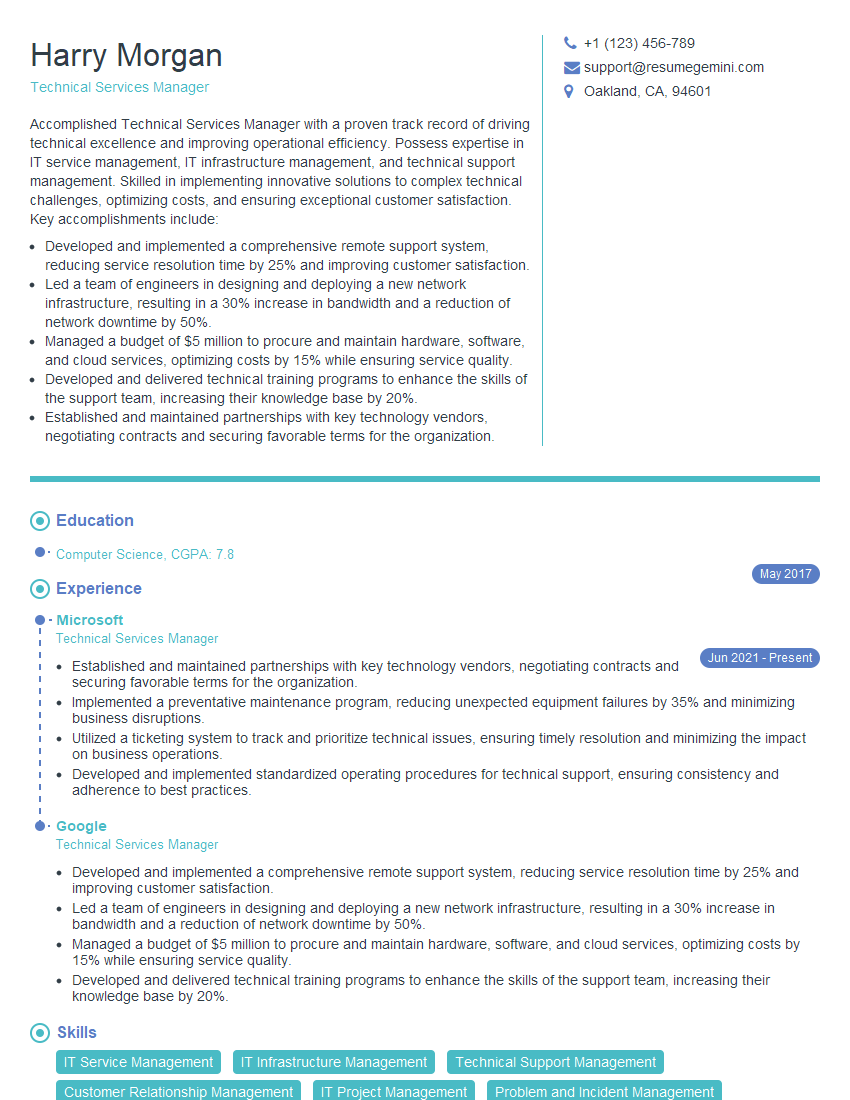
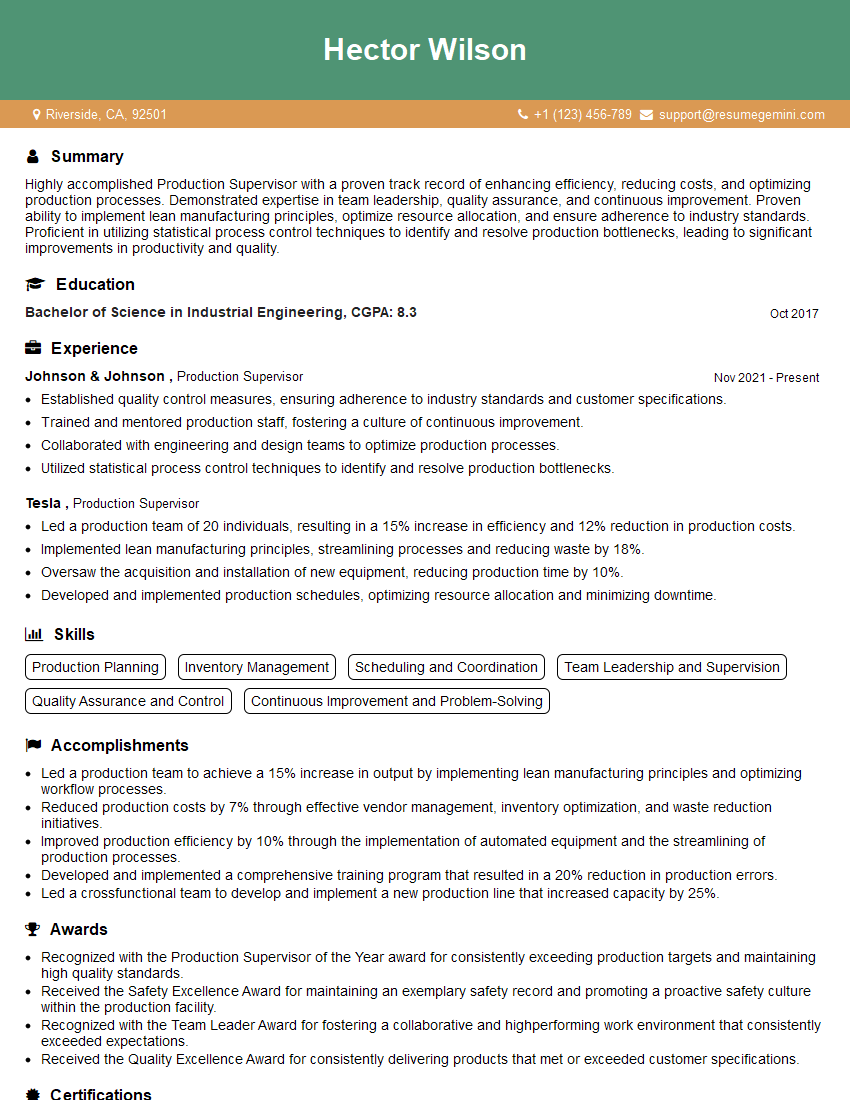
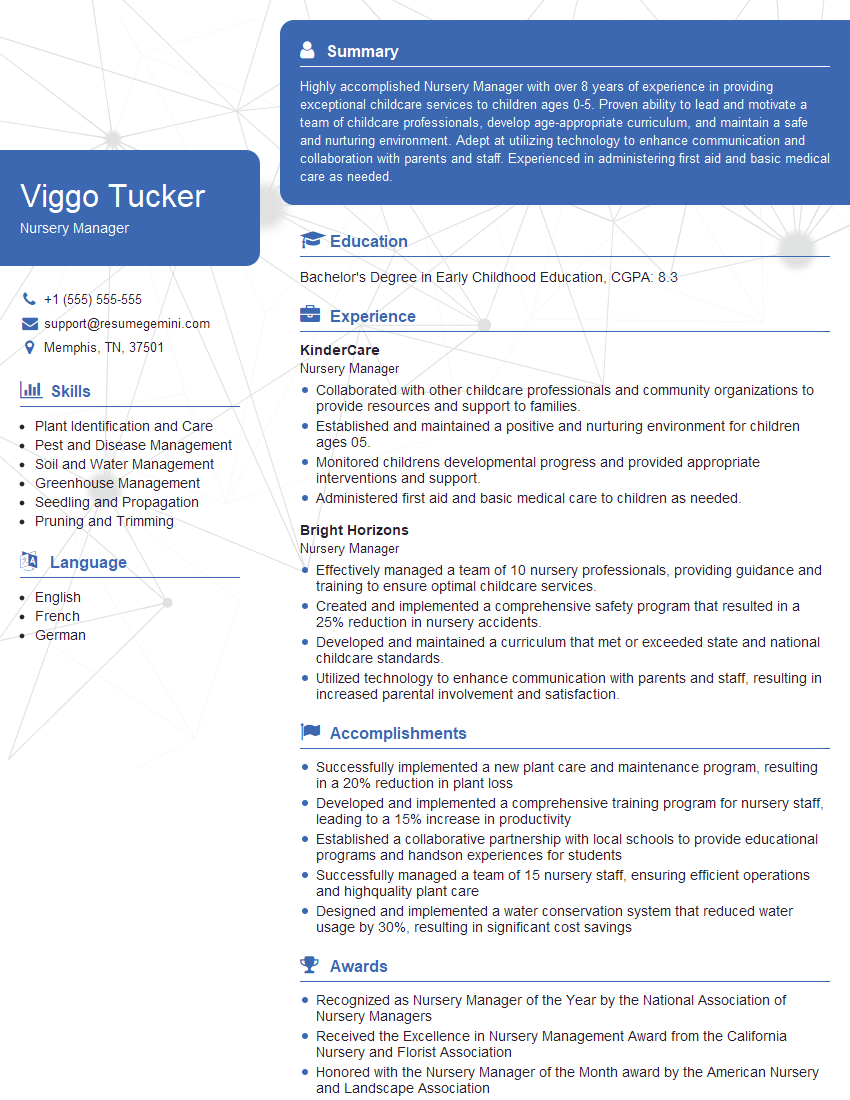
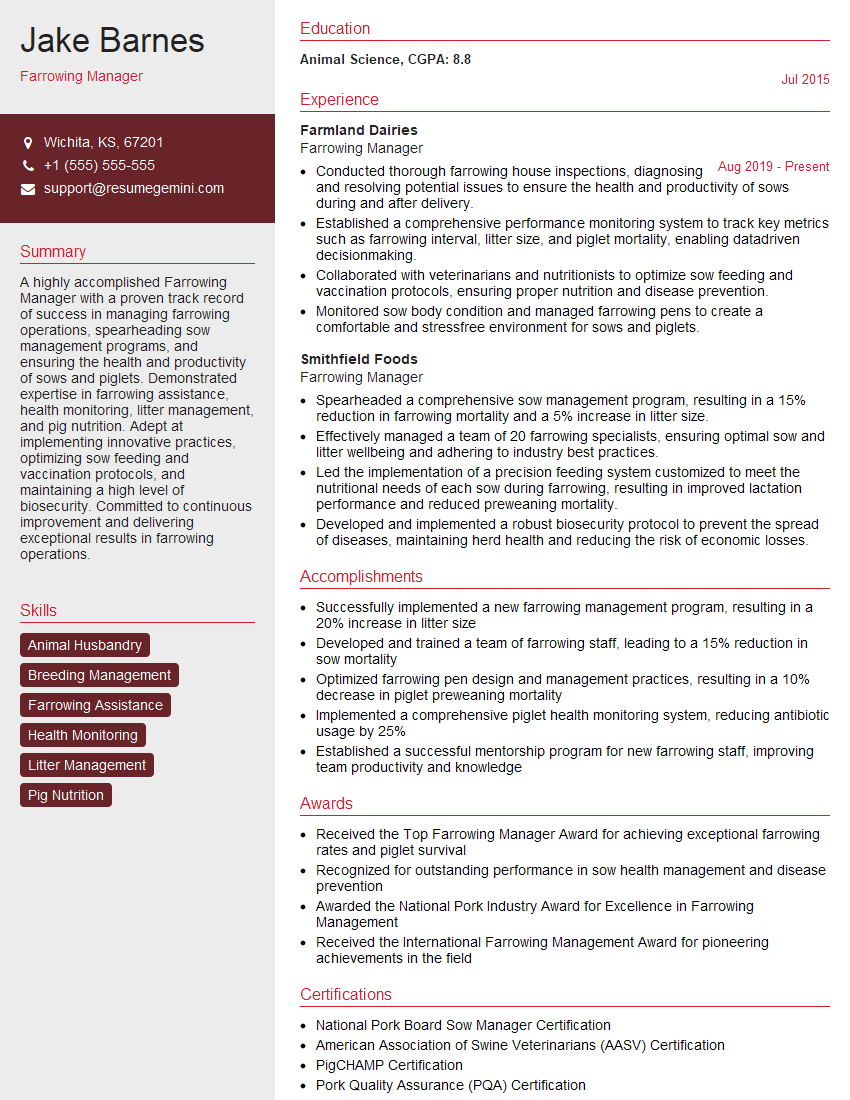
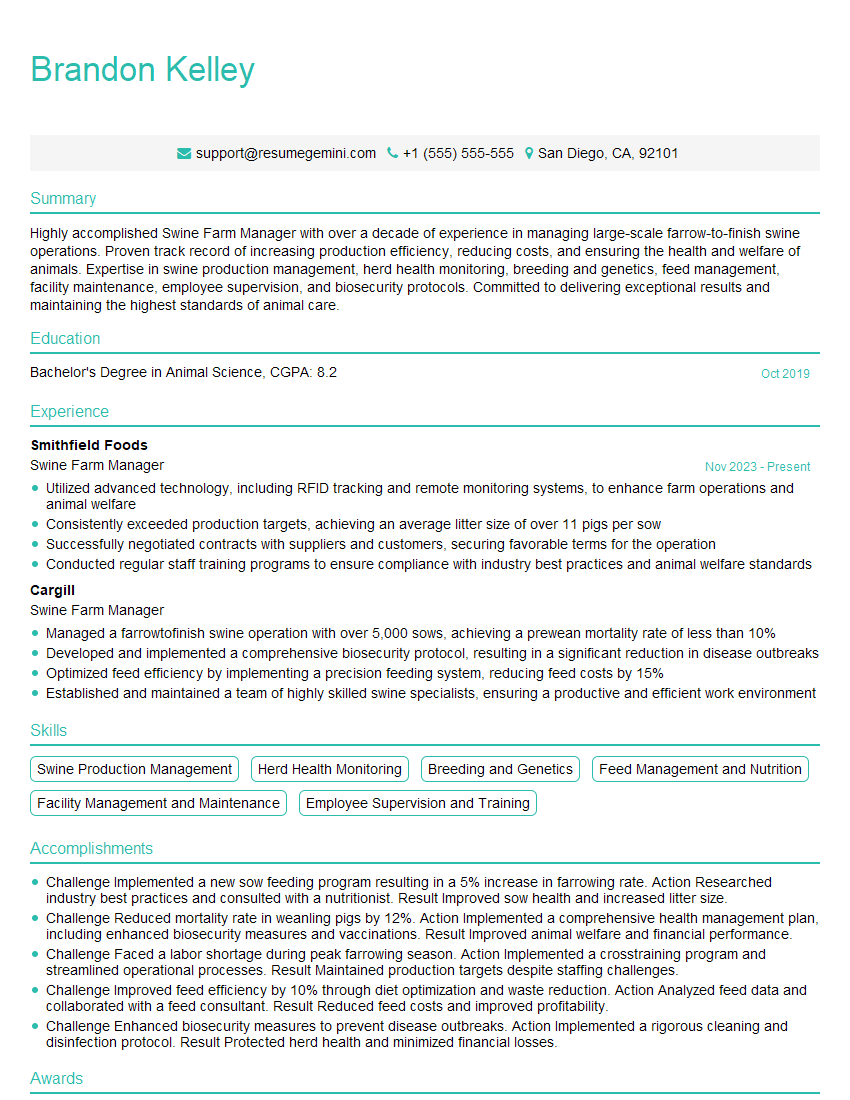
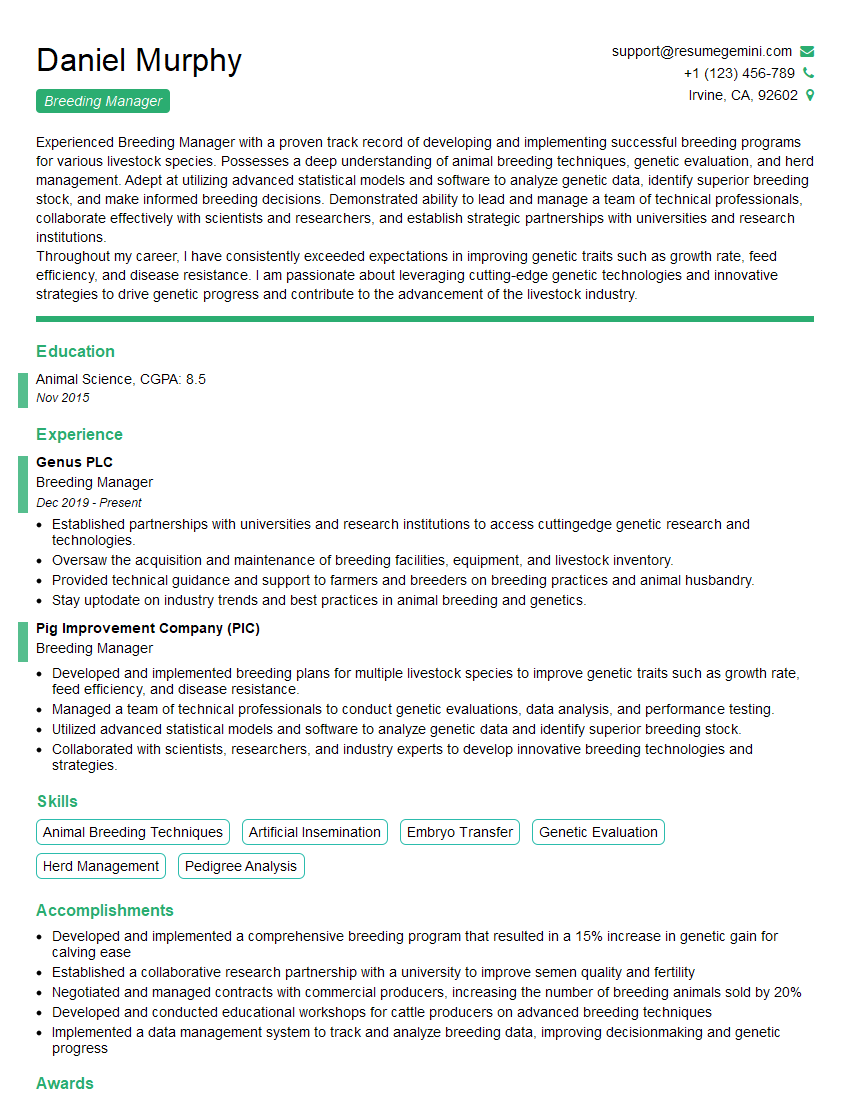
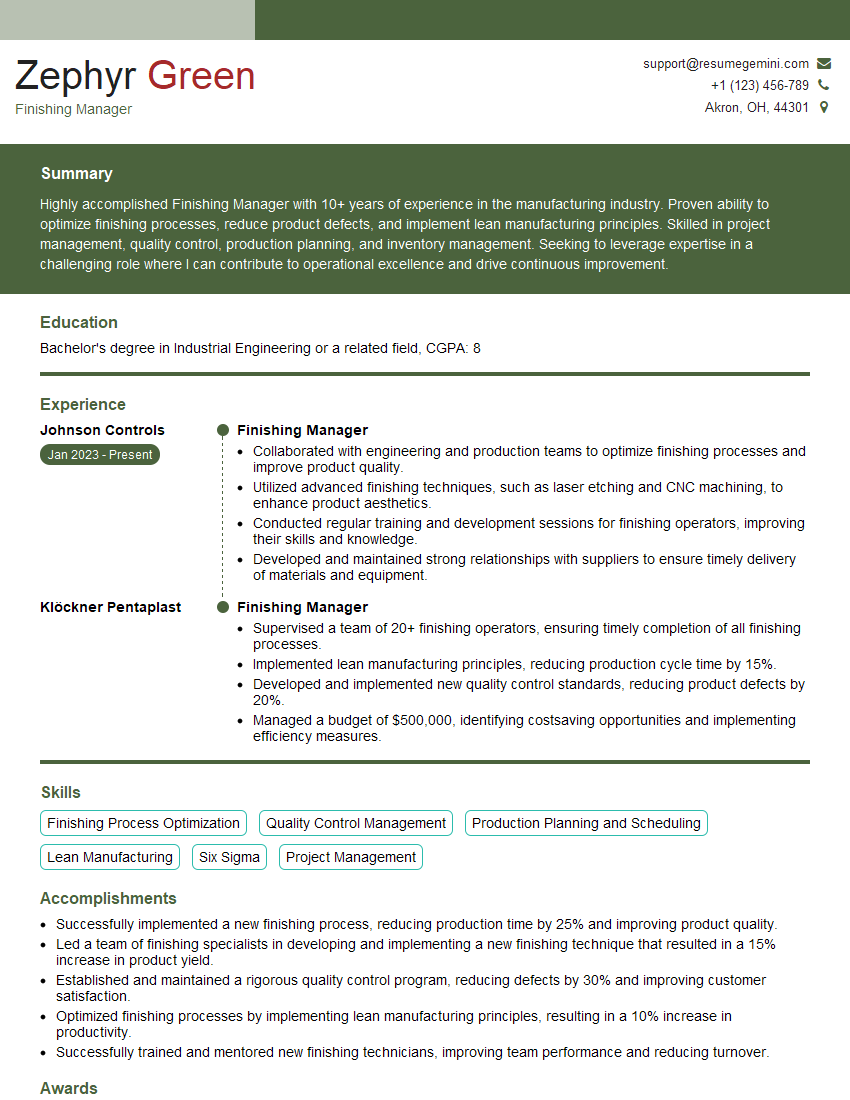
Mastering Hog Production Management is crucial for a successful and rewarding career in the agricultural industry. It opens doors to leadership roles, higher earning potential, and the opportunity to make a significant contribution to food security. To maximize your job prospects, create a compelling and ATS-friendly resume that highlights your skills and experience. ResumeGemini is a trusted resource to help you build a professional resume that showcases your qualifications effectively. Examples of resumes tailored to Hog Production Management are available to guide you through the process.

Explore more articles
Users Rating of Our Blogs
Share Your Experience
We value your feedback! Please rate our content and share your thoughts (optional).
What Readers Say About Our Blog
Very informative content, great job.
good