The right preparation can turn an interview into an opportunity to showcase your expertise. This guide to Horticulture and Vegetable Production Knowledge interview questions is your ultimate resource, providing key insights and tips to help you ace your responses and stand out as a top candidate.
Questions Asked in Horticulture and Vegetable Production Knowledge Interview
Q 1. Explain the process of seed germination and factors affecting it.
Seed germination is the process by which a seed embryo develops into a seedling. It’s a critical stage in the plant life cycle, and its success hinges on several factors. Think of it like a tiny plant waking up from a long sleep!
The process begins with imbibition, where the seed absorbs water, causing it to swell and activate enzymes. These enzymes break down stored food reserves within the seed (like starch and proteins), providing energy for the growing embryo. The radicle, or embryonic root, emerges first, anchoring the seedling and absorbing water and nutrients. Then, the plumule, or embryonic shoot, emerges, developing into the stem and leaves.
- Water: Essential for imbibition and all metabolic processes. Insufficient water leads to dormancy or death.
- Oxygen: Needed for respiration, providing energy for germination. Waterlogged soil lacks oxygen, hindering germination.
- Temperature: Each species has an optimal temperature range; too hot or too cold can inhibit germination.
- Light: Some seeds require light for germination, while others are inhibited by it. This is often species-specific.
- Seed viability: The seed must be healthy and alive to germinate. Old, damaged, or improperly stored seeds may have low viability.
- Soil conditions: The soil should be well-drained and aerated to allow for root growth and oxygen availability. High salinity or compacted soil can hinder germination.
For example, lettuce seeds germinate best in cool, moist conditions, while tomato seeds need warmer temperatures. Understanding these factors is crucial for successful vegetable production – imagine trying to grow tomatoes in freezing temperatures! They simply won’t germinate.
Q 2. Describe different methods of irrigation and their suitability for various crops.
Irrigation is the artificial application of water to the soil to supplement rainfall. Different methods are suited to various crops and conditions.
- Drip irrigation: Water is delivered slowly and directly to the plant roots through a network of tubes and emitters. This is highly efficient, minimizing water waste and reducing weed growth. It’s excellent for high-value crops like tomatoes and peppers.
- Sprinkler irrigation: Water is sprayed over the field, simulating rainfall. It’s suitable for larger areas and crops that tolerate overhead watering. However, it can be less efficient than drip irrigation due to evaporation and runoff.
- Furrow irrigation: Water flows along furrows or channels between crop rows. Simple and inexpensive, but it can be less efficient and lead to waterlogging. Suitable for crops that tolerate some waterlogging, like certain grains.
- Flood irrigation: The entire field is flooded with water. This method is generally less efficient due to high water loss through evaporation and runoff. It’s only appropriate for very specific crops and situations where water is plentiful.
The choice of irrigation method depends on several factors, including the crop type, soil type, water availability, topography, and budget. For instance, drip irrigation is ideal for water-sensitive crops grown in areas with water scarcity, while sprinkler irrigation might be preferred for large-scale production of drought-tolerant crops.
Q 3. What are the common pests and diseases affecting vegetable crops and how are they managed?
Vegetable crops are susceptible to a wide range of pests and diseases. Early detection and appropriate management are essential for minimizing yield losses.
- Pests: Aphids, whiteflies, caterpillars, beetles, and nematodes are common pests. They can damage plants by feeding on leaves, stems, roots, or fruits.
- Diseases: Fungal, bacterial, and viral diseases can cause various symptoms, from leaf spots and wilting to fruit rot and plant death. Examples include late blight in tomatoes and downy mildew in cucurbits.
Integrated Pest Management (IPM) is a holistic approach that combines various strategies to manage pests and diseases. This includes:
- Cultural practices: Crop rotation, proper sanitation, and appropriate planting density can reduce pest and disease pressure.
- Biological control: Using beneficial insects, such as ladybugs or parasitic wasps, to control pests.
- Chemical control: Applying pesticides only when necessary and following label instructions carefully. This should be a last resort, prioritizing environmentally friendly options.
- Resistant varieties: Selecting vegetable cultivars that are resistant to common pests and diseases.
For instance, planting marigolds near tomatoes can deter nematodes, while using Bacillus thuringiensis (Bt) can control specific caterpillar species. Careful monitoring and early intervention are key to successful pest and disease management – a single infected plant can quickly spread disease through the entire crop.
Q 4. Discuss the importance of soil fertility and methods for soil testing and amendment.
Soil fertility is crucial for healthy plant growth and high yields. It refers to the soil’s capacity to supply essential nutrients to plants in forms they can readily absorb.
Soil testing is a vital first step to assess nutrient levels, pH, and other soil properties. A soil sample is collected, sent to a laboratory, and analyzed. The results provide information on nutrient deficiencies or excesses, allowing for targeted amendment.
Soil amendment involves adding materials to improve soil fertility and structure. This can include:
- Organic matter: Compost, manure, and other organic materials improve soil structure, water retention, and nutrient availability.
- Fertilizers: Provide essential nutrients, such as nitrogen (N), phosphorus (P), and potassium (K), in various forms. The type and amount of fertilizer depend on the soil test results and crop needs.
- Lime: Raises soil pH, which can be beneficial for crops that prefer alkaline conditions.
- Gypsum: Improves soil structure and drainage in heavy clay soils.
For example, if a soil test reveals a low phosphorus level, a phosphorus-rich fertilizer can be applied. Similarly, adding compost improves soil structure and provides a slow-release source of nutrients. Regular soil testing and amendment are vital for maintaining optimal soil fertility and ensuring high yields year after year.
Q 5. Explain the principles of crop rotation and its benefits.
Crop rotation is the practice of planting different crops in a sequence on the same piece of land. It’s a fundamental principle of sustainable agriculture that brings about numerous benefits.
The basic principle is to break pest and disease cycles and improve soil health. Think of it like giving your soil a break and diversifying your menu!
- Pest and disease management: Rotating crops disrupts the life cycle of many soilborne pests and diseases, reducing their populations and preventing build-up.
- Improved soil health: Different crops have different nutrient requirements and root systems. Rotating crops helps maintain a balanced nutrient supply and improves soil structure.
- Weed control: Some crops can help suppress weeds, reducing the need for herbicides.
- Increased nutrient cycling: Leguminous crops (like beans and peas) fix nitrogen in the soil, enriching it for subsequent crops.
For example, planting a legume crop after a heavy feeder like corn replenishes nitrogen in the soil. Similarly, rotating between crops with different rooting depths improves soil aeration and drainage. A well-planned crop rotation system is crucial for long-term soil health and sustainable vegetable production.
Q 6. Describe different methods of pest control, including biological and chemical methods.
Pest control involves strategies to manage or eliminate pests that damage crops. A range of methods are available, ideally integrated for optimal effectiveness.
- Biological control: This involves using natural enemies of pests, such as predators, parasites, or pathogens. For example, introducing ladybugs to control aphids or using Bacillus thuringiensis (Bt) to control caterpillars. This is environmentally friendly and sustainable.
- Chemical control: Involves using pesticides to kill or repel pests. This should be used judiciously and only as a last resort, choosing the least toxic option and following label instructions strictly. Consider the environmental impact and potential harm to beneficial insects and pollinators.
- Cultural control: These are preventative methods that modify the environment to make it less suitable for pests. Examples include crop rotation, proper sanitation, and maintaining appropriate planting density.
- Mechanical control: Physically removing pests or creating barriers to prevent their access to the crops. Examples include hand-picking pests, using row covers, or installing sticky traps.
An integrated pest management (IPM) approach combines these methods. It prioritizes prevention and less harmful methods, resorting to chemical control only when absolutely necessary. It aims to minimize environmental impact while effectively managing pests and protecting crops.
Q 7. What are the key factors to consider when selecting vegetable varieties for a specific region?
Selecting appropriate vegetable varieties is crucial for successful vegetable production in a specific region. Several key factors must be considered:
- Climate: The length of the growing season, average temperatures, rainfall, and frost dates significantly influence which varieties will thrive. For instance, selecting heat-tolerant varieties for hot climates and frost-hardy varieties for regions with short growing seasons.
- Soil type: Different vegetable varieties have varying soil requirements. Knowing your soil’s texture, pH, and drainage will guide your choice. For example, well-drained soil is needed for most vegetables.
- Pest and disease resistance: Selecting varieties resistant to common pests and diseases in your region can minimize the need for pesticides and improve yields.
- Maturity time: Choose varieties with maturity times that fit your growing season. Early, mid-season, and late-season varieties allow for staggered harvests and extended production.
- Market demand: Consider local market preferences and consumer demand when selecting varieties. What are local consumers looking for? What are the preferred sizes and colors?
For example, in a short-season region, one might choose early-maturing varieties of beans and lettuce, while in a hot, dry climate, heat-tolerant tomatoes and peppers are essential. Careful consideration of these factors ensures successful vegetable production and maximizes yield.
Q 8. Explain the importance of proper fertilization and nutrient management for vegetable production.
Proper fertilization and nutrient management are absolutely critical for successful vegetable production. Think of it like providing a balanced diet for your plants. Just as humans need a variety of nutrients to thrive, vegetables require a specific blend of macronutrients (nitrogen, phosphorus, and potassium) and micronutrients (iron, zinc, manganese, etc.) for optimal growth, yield, and quality.
Macronutrients: Nitrogen promotes leafy growth, phosphorus is essential for root development and flowering, and potassium contributes to overall plant health and disease resistance. Deficiencies in any of these can lead to stunted growth, reduced yields, and poor fruit quality. For example, a nitrogen deficiency will result in pale, yellowing leaves, while phosphorus deficiency may cause stunted root growth and delayed flowering.
Micronutrients: These are needed in smaller quantities but are equally vital. For instance, iron deficiency causes chlorosis (yellowing) between leaf veins. A soil test is crucial to determine the existing nutrient levels and guide fertilizer application. This allows for precision fertilization, preventing over-fertilization which can harm the environment and plants.
Nutrient Management Strategies: These include soil testing, using organic amendments like compost, applying fertilizers based on plant needs and soil conditions (e.g., slow-release fertilizers for sustained nutrient availability), and employing irrigation strategies to optimize nutrient uptake. We also need to consider the specific requirements of each vegetable; tomatoes, for instance, are heavier feeders than lettuce and require different nutrient profiles.
Q 9. Describe the different stages of vegetable crop growth and development.
Vegetable crop growth and development can be broadly divided into distinct stages, each with unique needs and characteristics. Understanding these stages is vital for effective management.
- Germination: The seed imbibes water, the embryo activates, and the radicle (first root) emerges. This stage is highly sensitive to environmental factors like temperature and moisture.
- Seedling Stage: The seedling develops its first true leaves, establishing its root system. Proper watering and protection from pests and diseases are key during this vulnerable phase.
- Vegetative Growth: Rapid leaf and stem growth occurs, focusing on biomass accumulation. Nutrient availability and light intensity are critical determinants of growth during this period.
- Reproductive Growth: Flowering and fruiting begin. Nutrient requirements shift towards phosphorus and potassium for optimal fruit set and development. Pollination becomes crucial for successful fruit production.
- Maturity: Fruits or vegetables reach their peak size, quality, and flavor. Harvesting is timed according to the specific crop and desired market quality.
- Senescence: The plant begins to age, and its physiological functions decline. This stage is marked by yellowing leaves and reduced productivity.
For instance, understanding the reproductive stage in tomatoes is crucial. You’ll know to provide supplemental potassium to enhance fruit development and prevent blossom-end rot.
Q 10. How do you manage weed control in vegetable production?
Weed control is essential in vegetable production as weeds compete with crops for resources like water, nutrients, and sunlight, resulting in reduced yields and quality. An integrated approach, combining various methods, is most effective.
- Cultural Practices: These include proper soil preparation (tilling to bury weed seeds), crop rotation, using appropriate plant spacing to shade out weeds, and mulching to suppress weed growth. Mulching with organic matter also improves soil health.
- Mechanical Control: This involves physically removing weeds through hoeing, hand weeding, or using cultivators. While labor-intensive, it’s environmentally friendly and avoids chemical residues.
- Biological Control: Introducing natural enemies of weeds, like specific insects or microorganisms, can help suppress weed populations. This method is particularly useful in organic production.
- Chemical Control: Herbicides can effectively control weeds, but their use requires careful consideration of environmental impact and potential risks to human health. Pre-emergent herbicides prevent weed germination, while post-emergent herbicides control existing weeds. Always follow label instructions meticulously.
A combination of these methods, tailored to the specific situation, is generally recommended for sustainable and effective weed management. For example, I might use pre-emergent herbicides in early spring followed by hand weeding during the growing season to minimize herbicide use.
Q 11. Explain the principles of hydroponic or vertical farming systems.
Hydroponic and vertical farming systems offer innovative approaches to vegetable production, maximizing space and resource efficiency. Both involve growing plants without soil, using nutrient-rich water solutions.
Hydroponics: This involves growing plants in a nutrient solution, without soil. Different hydroponic techniques exist, including deep water culture (DWC), nutrient film technique (NFT), and drip systems. Plants’ roots are submerged in or exposed to a continuously flowing nutrient solution containing all essential nutrients. This allows for precise nutrient management and reduced water use compared to traditional soil-based agriculture.
Vertical Farming: This involves stacking layers of crops vertically, often in controlled environments like greenhouses or indoor facilities. This approach optimizes space utilization, significantly increasing yields per unit area. It also often incorporates hydroponics or other soilless growing systems, offering environmental control and allowing year-round production regardless of climate.
Both methods offer advantages including higher yields per unit area, reduced water consumption, minimized land use, and the potential to reduce pesticide use. However, they also require significant upfront investment in infrastructure and technology, and expertise in managing nutrient solutions and environmental controls.
Q 12. Describe your experience with harvesting and post-harvest handling of vegetables.
Harvesting and post-harvest handling are crucial steps that significantly impact the quality and shelf life of vegetables. My experience encompasses a range of techniques tailored to different crops.
Harvesting: The timing of harvest depends on the vegetable and intended use (e.g., fresh market vs. processing). Careful harvesting techniques, such as using sharp knives to avoid bruising, and employing proper handling to minimize damage, are essential. For example, harvesting tomatoes at their mature green stage for processing requires different techniques than harvesting ripe tomatoes for the fresh market.
Post-harvest Handling: This includes cleaning, sorting, grading, and packing the harvested vegetables. Rapid cooling after harvest is crucial to slow down respiration and enzymatic activity, extending shelf life. Proper storage conditions, maintaining appropriate temperature and humidity, are also critical. For instance, leafy greens are highly perishable and require rapid cooling and refrigeration to maintain quality.
I’ve been involved in projects where we implemented optimized post-harvest techniques, leading to significant reductions in waste and improved market value. We’ve experimented with different packaging materials and storage techniques to prolong the shelf life of various vegetables. This experience has emphasized the vital link between careful harvesting practices and maintaining high-quality produce.
Q 13. How do you ensure the quality and safety of vegetable produce?
Ensuring the quality and safety of vegetable produce requires a holistic approach that begins in the field and continues throughout the post-harvest process.
- Good Agricultural Practices (GAPs): Adhering to GAPs ensures safe and high-quality produce. These practices encompass various aspects, including soil health management, pest and disease control, fertilizer application, irrigation, and worker hygiene. Regular inspections and record-keeping are integral parts of GAPs.
- Food Safety Standards: Meeting relevant food safety standards, such as Hazard Analysis and Critical Control Points (HACCP), is essential for preventing contamination and ensuring product safety. This includes maintaining hygiene during harvesting, processing, and packaging.
- Traceability: Implementing a traceability system allows tracking produce from the field to the consumer, enabling rapid identification of the source in case of contamination. This builds trust and accountability.
- Quality Control: Regular quality checks during production and post-harvest handling are essential to detect and address any issues that might affect the quality of the produce. This might include visual inspection, measuring parameters like pH or firmness, and microbial testing.
For example, using certified organic fertilizers minimizes the risk of chemical residues, while maintaining strict hygiene practices during harvesting prevents bacterial contamination. A robust traceability system, combined with regular quality control measures, assures consumers of the safety and quality of the produce.
Q 14. What are the common challenges faced in vegetable production and how do you address them?
Vegetable production faces numerous challenges, including weather variability, pest and disease outbreaks, soil limitations, and market fluctuations. Addressing these requires proactive strategies and adaptability.
- Climate Change: Extreme weather events, such as droughts, floods, and heat waves, pose significant threats. Addressing this involves implementing drought-resistant cultivars, employing efficient irrigation systems, and utilizing climate-smart agricultural practices.
- Pest and Disease Management: Pest and disease outbreaks can devastate crops. Integrated pest management (IPM) strategies, which combine cultural, biological, and chemical control methods, are crucial. This minimizes reliance on chemical pesticides, reduces environmental impact and promotes sustainability.
- Soil Health: Poor soil quality reduces yields and crop health. Addressing this includes soil testing, adding organic matter (like compost), employing cover cropping to improve soil structure and fertility, and using no-till farming techniques to reduce soil erosion.
- Market Fluctuations: Price volatility in the agricultural market can significantly impact farmers’ income. Addressing this involves diversifying crops, developing strong market linkages, and exploring alternative marketing channels (farmers’ markets, CSA programs).
For example, in dealing with a pest outbreak, I might start with scouting the field to identify the pest, consider biological control methods (like introducing beneficial insects), and only then consider using minimal amounts of targeted pesticides as a last resort.
Q 15. Discuss your experience with using precision agriculture techniques.
My experience with precision agriculture techniques is extensive. I’ve implemented various technologies to optimize resource use and improve crop yields. This includes using GPS-guided machinery for precise planting, fertilization, and irrigation. For example, I’ve utilized variable rate technology (VRT) to apply fertilizer only where needed, reducing waste and environmental impact. I’ve also integrated sensor networks into my operations, monitoring soil moisture, temperature, and nutrient levels in real-time. This data feeds into decision-support systems that optimize irrigation schedules and fertilizer applications, resulting in significant water and nutrient savings. Furthermore, I’ve utilized remote sensing technologies like drones equipped with multispectral cameras to assess crop health and identify areas of stress before they become visible to the naked eye. This allows for timely interventions, preventing yield losses.
In one specific project, we implemented a precision irrigation system using soil moisture sensors and a central control unit. This reduced water usage by 30% while maintaining optimal crop yields. Another successful implementation involved using GPS-guided sprayers for targeted pesticide application. This reduced pesticide use by 25% and minimized environmental impact, resulting in a more sustainable and profitable operation.
Career Expert Tips:
- Ace those interviews! Prepare effectively by reviewing the Top 50 Most Common Interview Questions on ResumeGemini.
- Navigate your job search with confidence! Explore a wide range of Career Tips on ResumeGemini. Learn about common challenges and recommendations to overcome them.
- Craft the perfect resume! Master the Art of Resume Writing with ResumeGemini’s guide. Showcase your unique qualifications and achievements effectively.
- Don’t miss out on holiday savings! Build your dream resume with ResumeGemini’s ATS optimized templates.
Q 16. Explain your knowledge of organic vegetable production practices.
Organic vegetable production relies on principles that enhance soil health and minimize environmental impact. It excludes the use of synthetic pesticides, herbicides, and fertilizers. Instead, we rely on practices such as crop rotation, cover cropping, and composting to build soil fertility and suppress pests and diseases. Crop rotation helps to break pest and disease cycles by planting different crops in succession. Cover cropping improves soil structure, suppresses weeds, and fixes nitrogen. Composting recycles organic matter, returning essential nutrients to the soil.
We also employ biological pest and disease control methods. This can include using beneficial insects like ladybugs to control aphids or introducing natural predators to manage pest populations. Weed management involves techniques such as mulching and hand weeding, minimizing the need for herbicides. We use organic fertilizers such as manure and compost to provide nutrients to plants. Careful monitoring and attention to detail are crucial for successful organic vegetable production.
For example, in a recent project, we successfully implemented a no-till system for organic tomato production. This practice increased soil health, reduced erosion and water runoff, and promoted biodiversity within the soil ecosystem.
Q 17. How do you monitor and assess crop health and growth?
Monitoring and assessing crop health and growth involves a multi-faceted approach. Visual inspection is the first step, looking for signs of stress, disease, or pest infestations. Regularly checking plant height, leaf color, and overall vigor provides valuable insights. Beyond visual inspection, I utilize various tools and techniques. Soil testing provides information about nutrient levels, pH, and organic matter content. Tissue analysis helps determine if plants are adequately nourished. We also employ remote sensing technologies, like drones and satellite imagery, to obtain a broader perspective on crop health. This allows us to identify subtle variations in plant vigor that might not be visible during ground-level observations. Furthermore, I keep detailed records of weather conditions, irrigation schedules, and fertilizer applications, correlating these factors with crop growth and yield.
For instance, if leaf chlorosis (yellowing) is observed, this could indicate a nutrient deficiency such as iron. Soil testing and tissue analysis could confirm this diagnosis, leading to targeted fertilizer application to rectify the problem.
Q 18. What is your experience with using agricultural machinery and equipment?
My experience with agricultural machinery and equipment is comprehensive. I am proficient in operating and maintaining a wide range of equipment, including tractors, planters, cultivators, harvesters, irrigation systems, and sprayers. I understand the importance of proper maintenance to ensure equipment longevity and efficiency. This includes regular servicing, timely repairs, and preventative maintenance. I’m familiar with various types of tractors and their attachments, such as different types of plows, harrows, and tillers. I also have experience with precision agriculture technologies like GPS-guided machinery and automated irrigation systems.
For example, I’ve successfully used GPS-guided tractors to plant seeds with high precision, minimizing seed waste and maximizing planting density. I’m also adept at operating harvesters efficiently, optimizing yield and minimizing crop damage during harvest.
Q 19. Describe your experience with record-keeping and data analysis in vegetable production.
Record-keeping and data analysis are essential aspects of successful vegetable production. I utilize various methods for tracking key data points including planting dates, fertilizer applications, irrigation schedules, pest and disease control measures, harvest yields, and costs. I use spreadsheets and dedicated farm management software to organize and analyze this data. This data provides insights into production efficiency and helps identify areas for improvement. For example, by tracking yield data over several seasons, I can identify which varieties perform best in a particular environment and optimize planting strategies. By analyzing cost data, I can pinpoint areas where expenses can be reduced without compromising yield or quality. Statistical analysis techniques are used to identify correlations between various factors and crop performance.
For example, I once used data analysis to determine that a specific fertilizer application timing correlated with a 15% increase in yield. This allowed me to refine our fertilizer management strategy for improved efficiency and profitability.
Q 20. How do you manage labor and resources in vegetable production?
Managing labor and resources efficiently is critical for vegetable production. This involves careful planning and coordination. I develop detailed work schedules based on the seasonal demands of various crops. This often includes optimizing labor allocation across different tasks and managing seasonal worker needs. Resource management involves the efficient use of water, fertilizer, pesticides, and other inputs. This includes implementing water-saving irrigation techniques, employing precision fertilizer application, and utilizing integrated pest management strategies to minimize pesticide use. Careful budgeting and cost control are key aspects of resource management, ensuring optimal allocation of funds and maximizing profitability.
I utilize strategies such as cross-training workers to increase flexibility and efficiency. I also leverage technology, such as automated irrigation systems, to reduce labor requirements for repetitive tasks.
Q 21. What are your strategies for ensuring sustainable vegetable production practices?
Sustainable vegetable production practices focus on minimizing environmental impact while ensuring long-term productivity. This involves several key strategies. Soil health management is paramount, employing practices such as crop rotation, cover cropping, and composting to improve soil structure, fertility, and water retention. Water conservation is crucial, using efficient irrigation methods like drip irrigation or micro-sprinklers to minimize water waste. Integrated pest management (IPM) reduces reliance on synthetic pesticides, using a combination of biological controls, cultural practices, and targeted pesticide applications only when necessary. Reduced tillage minimizes soil disturbance, reducing erosion and conserving soil moisture. Renewable energy sources, like solar power, can be integrated into farm operations to reduce reliance on fossil fuels.
For example, in a recent project, we implemented a rainwater harvesting system to reduce our reliance on municipal water for irrigation, significantly lowering water costs and environmental impact. Our commitment to sustainable practices ensures the long-term viability of our operation while protecting natural resources.
Q 22. Explain your understanding of plant physiology and its relevance to vegetable production.
Plant physiology is the study of how plants function, encompassing all the internal processes that enable them to grow, reproduce, and respond to their environment. Understanding plant physiology is absolutely crucial for successful vegetable production because it allows us to optimize growing conditions for maximum yield and quality.
For example, knowing about photosynthesis – the process by which plants convert light energy into chemical energy – helps us determine the best light intensity and duration for optimal growth. Similarly, understanding transpiration (water movement through the plant) guides irrigation strategies. We can also manipulate nutrient uptake by understanding the plant’s root system and its interaction with the soil. A thorough grasp of plant hormones like auxins and gibberellins allows for targeted manipulation of growth and development, leading to improved fruit set and yield.
In practical terms, a deep understanding of plant physiology enables me to diagnose problems like nutrient deficiencies by recognizing visual symptoms (chlorosis, necrosis) or to adjust irrigation based on stomatal conductance and soil moisture levels. This results in healthier plants, higher yields, and improved product quality.
Q 23. Describe the different types of greenhouse structures and their applications.
Greenhouse structures vary greatly, each with specific applications based on climate, budget, and crop type.
- Even-span greenhouses: These are the most common type, featuring a symmetrical, gable-roof design. They’re relatively inexpensive and easy to construct, making them suitable for many vegetable crops.
- Gothic-arch greenhouses: With their pointed roofs, these offer excellent snow shedding in colder climates and maximize light penetration. They’re often used for larger-scale operations.
- Quonset greenhouses: These curved-roof designs are durable and withstand heavy winds and snow loads, making them particularly useful in harsh weather conditions.
- Ridge and furrow greenhouses: Consisting of multiple rows with a continuous ridge, these maximize sunlight penetration and are effective in areas with high solar radiation.
- High-tech greenhouses: These advanced structures incorporate sophisticated climate control systems, including automated ventilation, heating, and cooling, often used for specialized crops or year-round production. They may also incorporate hydroponic or aeroponic growing systems.
Choosing the appropriate greenhouse depends on factors like the local climate, the type of vegetables being grown, available budget, and the desired level of climate control.
Q 24. How do you adapt vegetable production practices to different climatic conditions?
Adapting vegetable production to different climatic conditions is essential for success. This involves careful consideration of several key factors:
- Temperature: Selecting heat-tolerant or cold-hardy varieties is crucial. For example, in hot climates, choosing heat-tolerant tomatoes and peppers is essential, while in cooler regions, selecting cold-hardy varieties like kale and spinach is necessary. We can also use shade cloth in hot areas and protective coverings like row covers in cooler areas to modify temperature.
- Water Availability: Drought-resistant varieties should be chosen in arid climates, while strategies like mulching and drip irrigation help conserve moisture. In areas with excessive rainfall, well-drained soil and raised beds are beneficial.
- Sunlight: Sunlight requirements vary by crop. In low-light conditions, supplementing with artificial lighting might be needed. In regions with intense sunlight, shade cloth is used to prevent sunscald.
- Soil Type: Soil testing helps determine nutrient levels and pH, allowing for appropriate amendments. Different soil types demand different cultivation techniques; for example, sandy soils require more frequent watering, whereas clay soils need better drainage.
For instance, growing tomatoes successfully in a Mediterranean climate requires different strategies than in a temperate climate. This might involve using drip irrigation in the Mediterranean to conserve water, while in a temperate climate, overhead irrigation may be sufficient. The choice of tomato variety will also differ; Mediterranean climates demand heat-tolerant varieties, while temperate climates offer more choices.
Q 25. What are your experience with greenhouse climate control?
My experience with greenhouse climate control encompasses the design, installation, and management of various systems. I’ve worked with both simple and sophisticated systems.
Simple systems often involve manual ventilation and heating using fans and propane heaters. More advanced systems utilize sensors to monitor temperature, humidity, and CO2 levels, triggering automated adjustments. These systems can include computer-controlled environmental control units (ECUs) that regulate heating, cooling, ventilation, and even supplemental lighting.
I’m proficient in using various technologies to ensure optimal growing conditions. For example, I’ve used data loggers to track environmental parameters over time, identifying trends and making adjustments as needed. I’m skilled in troubleshooting common issues, such as malfunctioning sensors or faulty equipment, and have experience working with different types of heating and cooling systems, such as geothermal systems or heat exchangers. My understanding extends to energy-efficient practices for greenhouse climate control, reducing operational costs and promoting sustainable production.
Q 26. Describe your knowledge of different vegetable growing systems (e.g., raised beds, in-ground).
Vegetable growing systems vary significantly in their design and management.
- In-ground cultivation: This traditional method involves planting directly into the soil. It’s cost-effective but requires more soil preparation and is susceptible to soilborne diseases and weed pressure.
- Raised beds: These elevated beds improve drainage, soil warming, and ease of access for cultivation and harvesting. They are particularly useful in areas with poor soil drainage or heavy clay.
- Hydroponics: This soilless system involves growing plants in nutrient-rich water solutions. It offers precise nutrient control, reduced water usage, and higher yields but requires specialized equipment and more technical knowledge.
- Aeroponics: This advanced soilless method suspends plant roots in the air and periodically sprays them with nutrient solution. It allows for maximum oxygenation of roots, leading to rapid growth but demands highly specialized equipment and careful management.
The choice of growing system depends on factors such as available resources, climate, crop type, scale of operation, and available labor. For instance, raised beds are ideal for small-scale home gardens or for growers with poor soil conditions, while hydroponics is better suited for larger commercial operations looking for high yields and year-round production.
Q 27. Explain your understanding of integrated pest management (IPM).
Integrated Pest Management (IPM) is a holistic approach to pest control that emphasizes prevention and uses a combination of strategies to minimize pest damage while reducing reliance on synthetic pesticides.
The core of IPM involves monitoring pest populations, identifying the pests and their life cycles, and implementing control measures only when necessary and economically justified. Strategies include:
- Cultural controls: These involve manipulating the growing environment to make it less favorable to pests. Examples include crop rotation, sanitation, proper irrigation, and using resistant varieties.
- Biological controls: This involves using natural enemies of pests, such as predatory insects or beneficial nematodes, to control populations.
- Mechanical controls: These are physical methods like handpicking, trapping, or using barriers to prevent pest access.
- Chemical controls: Only used as a last resort and only with the least toxic pesticides possible, carefully following label instructions.
IPM prioritizes environmental protection and human health. It’s a sustainable approach that reduces the environmental impact of pest control and promotes healthier ecosystems. For example, using sticky traps to monitor whitefly populations before resorting to insecticides is a key IPM strategy.
Q 28. How would you troubleshoot a decline in crop yield?
Troubleshooting a decline in crop yield requires a systematic approach. I would follow these steps:
- Identify the extent of the problem: Assess the severity of the yield reduction – is it affecting the whole field or just a portion? Are all plants affected equally or are there patterns?
- Gather data: Collect information on environmental factors (temperature, rainfall, sunlight), cultural practices (planting date, fertilization, irrigation), and pest and disease presence. Compare current data with previous years’ data to identify any significant deviations.
- Visual inspection: Examine plants closely for signs of disease, pest damage, nutrient deficiencies, or other stress factors. Take samples for laboratory testing if necessary.
- Soil testing: Analyze soil samples to determine nutrient levels, pH, and the presence of any toxic substances.
- Analyze irrigation and fertilization: Review irrigation scheduling and fertilizer application rates to ensure they are appropriate for the crop and growth stage.
- Assess pest and disease pressure: Identify pests and diseases affecting the plants and implement appropriate control measures using IPM principles.
- Review historical data: Compare current practices with previous successful harvests. Identify any deviations in growing conditions or practices.
By systematically investigating all potential causes, I can pinpoint the contributing factor(s) to the yield decline and develop effective strategies to improve yields in future seasons. This could involve changing irrigation practices, adjusting fertilization programs, implementing pest management strategies or even selecting more suitable varieties for the site and climatic conditions. It’s essential to document all findings and solutions for future reference and continuous improvement.
Key Topics to Learn for Horticulture and Vegetable Production Knowledge Interview
- Soil Science and Fertility Management: Understanding soil composition, nutrient requirements of various vegetables, and sustainable fertilization techniques. Practical application: Designing a fertilization plan for optimal yield and minimizing environmental impact.
- Crop Production Techniques: Mastering various planting methods (direct seeding, transplanting), irrigation strategies (drip, sprinkler, flood), and pest & disease management techniques (integrated pest management, biological control). Practical application: Troubleshooting crop issues in the field and optimizing yields through efficient water and nutrient use.
- Vegetable Physiology and Growth Stages: Understanding the growth cycle of different vegetables, their specific environmental needs (light, temperature, humidity), and the impact of these factors on yield and quality. Practical application: Selecting appropriate cultivars for specific growing conditions and predicting harvest times.
- Pest and Disease Management: Identifying common pests and diseases affecting vegetable crops, understanding their life cycles, and implementing effective control measures, including biological and integrated pest management strategies. Practical application: Developing a pest and disease management plan for a specific vegetable crop.
- Harvesting and Post-Harvest Handling: Understanding the optimal timing for harvesting different vegetables, proper handling techniques to minimize damage and spoilage, and storage methods to extend shelf life. Practical application: Implementing efficient harvesting and post-harvest procedures to maximize product quality and minimize losses.
- Sustainable and Organic Vegetable Production: Knowledge of environmentally friendly practices, organic farming techniques, and their impact on the environment and consumer health. Practical application: Designing a sustainable vegetable production system that minimizes environmental impact.
- Greenhouse Production Techniques: Understanding the principles of controlled environment agriculture, including climate control, nutrient management, and pest control within greenhouse settings. Practical application: Designing and managing a greenhouse production system for optimal yield.
Next Steps
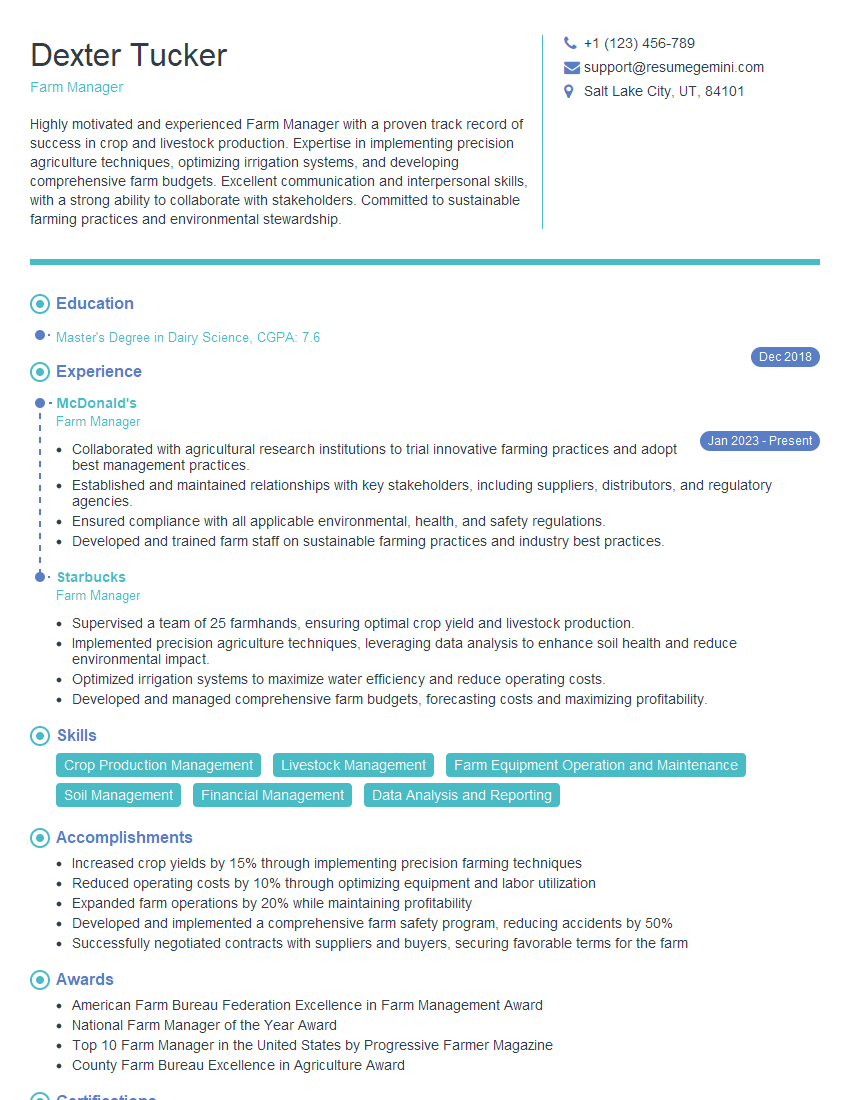
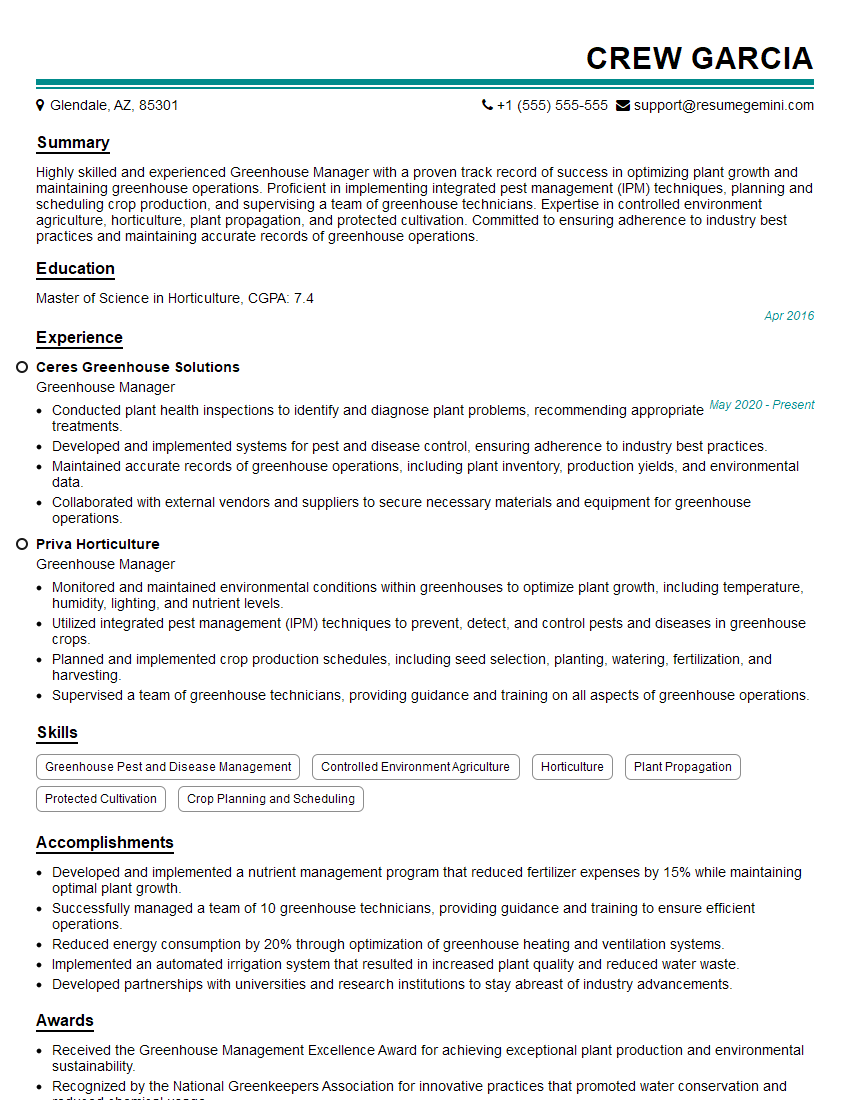
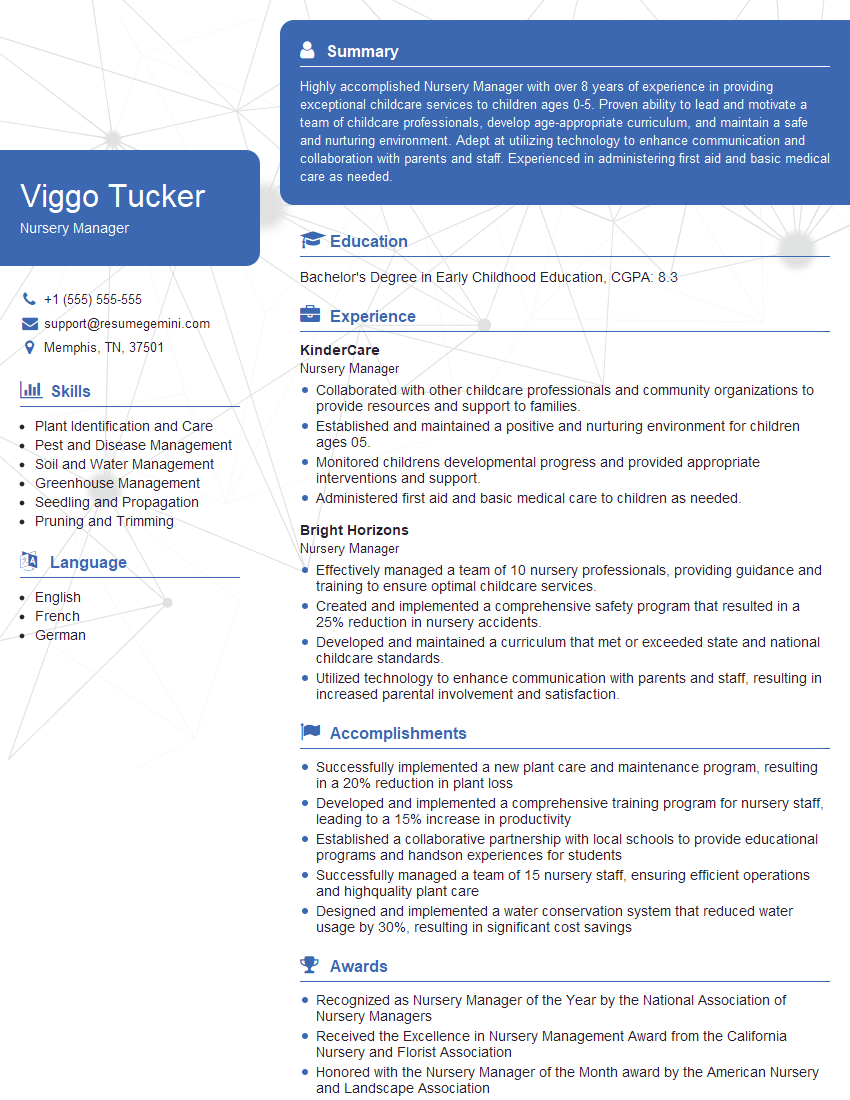
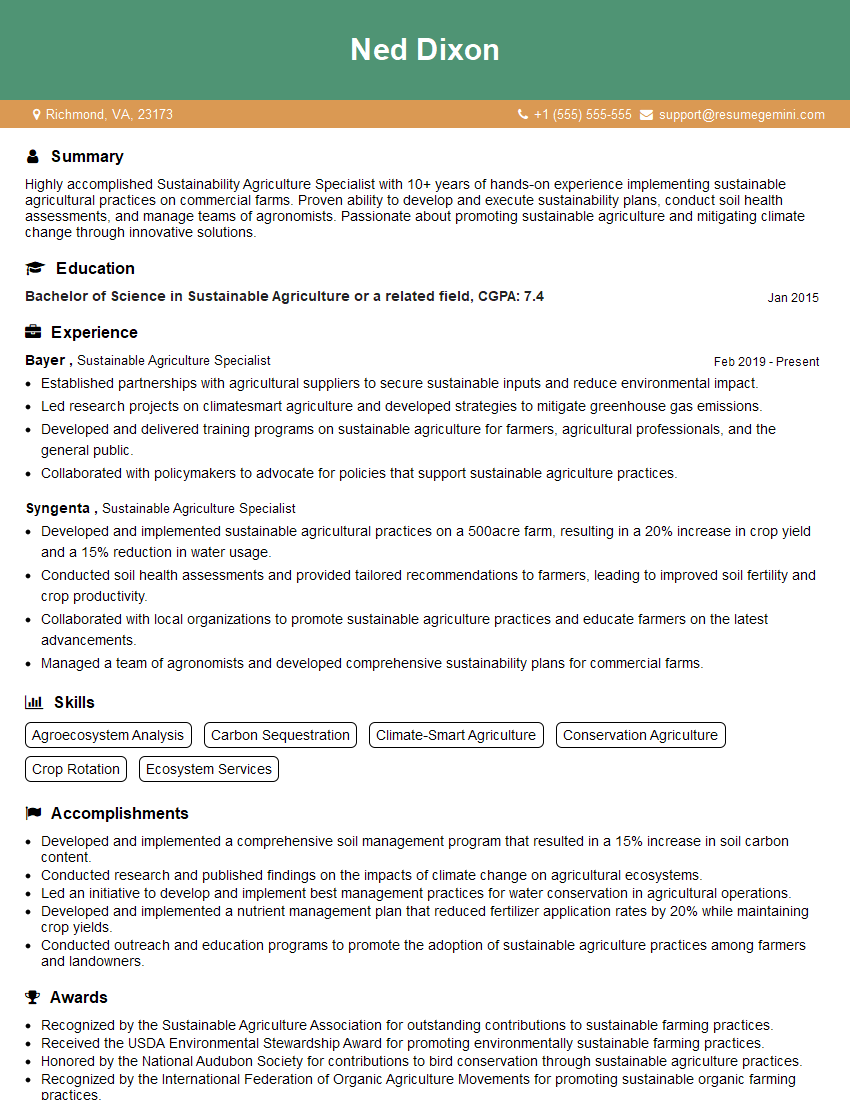
Mastering Horticulture and Vegetable Production Knowledge is crucial for a successful and rewarding career. It allows you to contribute significantly to food security and sustainable agriculture. To stand out, it’s essential to present your expertise effectively. Creating an ATS-friendly resume is key to getting your application noticed by recruiters. ResumeGemini is a trusted resource that can help you build a professional and impactful resume, highlighting your skills and experience. Examples of resumes tailored to Horticulture and Vegetable Production Knowledge are available to guide you through the process.

Explore more articles
Users Rating of Our Blogs
Share Your Experience
We value your feedback! Please rate our content and share your thoughts (optional).
What Readers Say About Our Blog
Very informative content, great job.
good