Are you ready to stand out in your next interview? Understanding and preparing for Human Error Analysis interview questions is a game-changer. In this blog, we’ve compiled key questions and expert advice to help you showcase your skills with confidence and precision. Let’s get started on your journey to acing the interview.
Questions Asked in Human Error Analysis Interview
Q 1. Explain the Swiss Cheese model of accident causation.
The Swiss Cheese model illustrates how accidents occur not from single failures, but from the alignment of multiple weaknesses. Imagine slices of Swiss cheese, each representing a layer of defense (e.g., procedures, equipment, human vigilance). Each slice has holes, representing potential failures. An accident occurs when the holes in all the slices align, allowing an accident trajectory to progress unimpeded.
For example, a hospital might have a procedure for medication dosage (slice 1), a double-checking system by a nurse (slice 2), and an electronic system to flag potential overdoses (slice 3). If a doctor prescribes an incorrect dose (hole in slice 1), the nurse fails to notice (hole in slice 2), and the electronic system is malfunctioning (hole in slice 3), then a serious medication error can occur. The model highlights that even robust systems can fail when multiple weaknesses coincide.
This model emphasizes the importance of layered safety defenses and the need to understand the systemic nature of accidents, rather than solely focusing on individual human errors.
Q 2. Describe the difference between active and latent failures.
Active failures are immediate, unsafe acts committed by individuals directly involved in an operation. These are typically the ‘sharp end’ actions that directly cause or contribute to an accident. Examples include a pilot misjudging an altitude or a surgeon making an incorrect incision. These failures are often visible and immediate.
Latent failures, on the other hand, are ‘blunt end’ failures, underlying weaknesses in the system that exist for a considerable time before contributing to an accident. They are often invisible and dormant until a specific event triggers their activation. Examples include inadequate training, poor design of equipment, or insufficient safety procedures. A latent failure could be a poorly designed control panel that makes it difficult for an operator to understand critical information, which only becomes relevant and problematic during a crisis situation.
The crucial difference is the proximity to the accident. Active failures are immediate causes, while latent failures are underlying vulnerabilities that create the conditions for active failures to have a significant impact.
Q 3. What are the limitations of using human error as the sole explanation for accidents?
Attributing accidents solely to human error is a significant oversimplification and a dangerous practice. It ignores the critical role of system failures and latent conditions. Focusing only on blaming individuals fails to address underlying issues within the organizational systems and design which contribute to accidents.
Consider the example of a train derailment. A human operator may have made a mistake, but the underlying cause might be faulty track maintenance, inadequate signaling systems, or insufficient operator training. Blaming the operator alone ignores the bigger picture of system inadequacies.
Furthermore, a human-centric approach can lead to punitive measures rather than proactive improvements. It’s vital to investigate accidents as a system failure, identifying both active and latent failures to implement effective preventative measures.
Q 4. How do you conduct a thorough root cause analysis?
A thorough root cause analysis (RCA) requires a systematic approach. I typically use the ‘5 Whys’ technique, combined with other methods like fault tree analysis (FTA) and fishbone diagrams.
- Define the problem: Clearly state the accident or incident.
- Gather data: Collect information from multiple sources (witnesses, records, equipment data).
- Use the ‘5 Whys’: Repeatedly ask ‘why’ to progressively uncover underlying causes. For example: ‘Why did the equipment fail?’ ‘Why was it not properly maintained?’ ‘Why was the maintenance schedule not followed?’ and so on.
- Develop a causal model: This might involve a fault tree analysis to show how different failures can interact or a fishbone diagram to identify contributing factors (people, processes, equipment, environment).
- Identify root causes: Determine the underlying, systemic issues that contributed to the accident.
- Develop recommendations: Propose specific, actionable solutions to prevent recurrence.
- Implement and monitor: Follow up to ensure recommendations are implemented and effectiveness is monitored.
It’s important to remember that RCA is an iterative process; new information may surface requiring further investigation and refinement of the causal model.
Q 5. What are some common human factors contributing to errors in your field of expertise?
Many human factors contribute to errors. In my field, some of the most common are:
- Workload: Excessive or insufficient workload can lead to errors. Overloading the operator leads to mistakes due to fatigue or stress while underloading leads to boredom and decreased attention.
- Stress: High levels of stress, whether from time pressure, fear of failure, or interpersonal conflicts can negatively impact performance and judgment.
- Fatigue: Physical and mental fatigue greatly increase the likelihood of errors.
- Lack of training or experience: Inadequate training or insufficient experience increase the risk of errors.
- Poor communication: Misunderstandings or ineffective communication can lead to errors. This includes language barriers, and poorly written procedures.
- Cognitive biases: These are systematic patterns of deviation from norm or rationality in judgment. Confirmation bias is a prime example where people tend to favor information that confirms their pre-existing beliefs.
- Situational awareness: A lack of awareness of the current state of the system increases the probability of errors.
These factors often interact, creating complex scenarios where multiple factors contribute to a single event. For example, a fatigued operator under high workload might miss a critical warning due to poor situational awareness.
Q 6. Explain the concept of human-machine interaction and its relevance to error prevention.
Human-machine interaction (HMI) explores the relationship between humans and the systems they operate. Effective HMI design is crucial for error prevention. It involves creating systems that are intuitive, easy to use, and provide clear and concise information to the operator.
Poor HMI design can lead to errors. For example, an unclear display, poorly positioned controls, or complex interfaces can cause confusion, frustration, and potentially catastrophic consequences. A good example would be an aircraft cockpit. An intuitive, well-designed cockpit makes it easier for pilots to understand their aircraft’s status and respond appropriately, thus reducing the risk of errors.
HMI design principles focus on factors such as ergonomics, visibility, feedback, and error tolerance. Well-designed systems provide clear feedback to the user, making it easier to detect and correct errors. They also incorporate features to reduce the severity of errors, such as warnings or alarms to prevent critical failures.
Q 7. What are some effective methods for mitigating human error in complex systems?
Mitigating human error in complex systems requires a multi-faceted approach:
- Improved design: Designing systems that are user-friendly, intuitive, and error-tolerant significantly reduces error rates. Examples include simplified interfaces, better controls, and automatic checks.
- Enhanced training: Comprehensive and realistic training programs that address both technical skills and human factors are essential. Simulators and other training tools can provide valuable experience in handling complex situations.
- Procedures and checklists: Well-designed procedures and checklists provide step-by-step guidance, reducing the likelihood of omissions or errors.
- Automation: Strategic automation can offload tasks that are prone to human error or require high levels of concentration.
- Teamwork and communication: Promoting teamwork and establishing clear communication protocols can help catch errors and resolve problems efficiently.
- Redundancy and safety systems: Incorporating redundant systems and safety features creates backup measures in case of a primary system failure or human error.
- Regular audits and inspections: Regular audits and inspections help to identify potential weaknesses in systems and processes, allowing for timely improvements.
- Just culture: A just culture focuses on learning from errors without unnecessary blame or punishment, encouraging reporting of errors and near misses.
The most effective approach combines several of these methods, creating a layered safety system to minimise the impact of human errors.
Q 8. How do you identify and prioritize potential hazards using Human Error Analysis techniques?
Identifying and prioritizing potential hazards using Human Error Analysis (HEA) involves a systematic approach. We begin by understanding the system’s functions and the tasks humans perform within it. This involves a thorough analysis of workflows, procedures, and the overall work environment. Then, we identify potential hazards – anything that could lead to an error – using techniques like Hazard and Operability Studies (HAZOP) and Failure Modes and Effects Analysis (FMEA). These methods help us brainstorm potential failure scenarios, considering both human and equipment factors.
Prioritization is crucial. We use techniques like risk matrices, considering both the likelihood of an error occurring and the severity of its consequences. A risk matrix typically plots likelihood against severity, allowing us to visually identify high-risk areas that need immediate attention. For instance, a scenario with a high likelihood of human error and potentially catastrophic consequences would be prioritized over one with a low likelihood and minor consequences. We might also use techniques like fault tree analysis (FTA) to model the failure pathways leading to hazardous events.
For example, in a hospital setting, a hazard might be a poorly designed medication dispensing system. Using HEA, we would identify the potential for errors in selecting, administering, or documenting medication. A risk matrix would then help prioritize improving the system’s design, perhaps through better labeling or automated checks, based on the severity of potential medication errors and their frequency.
Q 9. Describe different types of human error (e.g., slips, lapses, mistakes).
Human errors are broadly classified into three main categories: slips, lapses, and mistakes. These categories help us understand the underlying cognitive processes involved.
- Slips: These are errors in the execution of a planned action. They occur when an intended action is performed incorrectly. Imagine typing ‘teh’ instead of ‘the’ – you intended to type ‘the,’ but your execution was faulty. Slips often occur due to attention lapses or distractions.
- Lapses: These are errors of omission – forgetting to perform an intended action altogether. For instance, forgetting to turn off a gas stove after cooking is a lapse. They often arise from memory failures or inadequate work organization.
- Mistakes: These are errors in the planning phase of an action. They occur when the wrong goal is selected, or the wrong plan is made to achieve a goal. Imagine navigating to the wrong address using your GPS because you entered an incorrect address. Mistakes result from poor understanding, inadequate training, or faulty decision-making.
Understanding these distinctions is crucial because they dictate different remediation strategies. For instance, slips might be addressed through improved interface design or environmental changes to minimize distractions, whereas mistakes require training and improved procedures.
Q 10. What is the difference between error detection and error recovery?
Error detection and error recovery are distinct but interconnected stages in the error management process.
- Error Detection: This is the process of identifying that an error has occurred. It can be proactive (checking your work as you go) or reactive (noticing an unexpected outcome). Effective detection mechanisms are essential for preventing errors from escalating and causing harm. Think of a pilot noticing unusual readings on their instruments – that’s error detection.
- Error Recovery: This is the process of correcting the error once it’s been detected. It involves taking corrective actions to mitigate the effects of the error and return to the intended state. The pilot might adjust controls based on the unusual readings or request assistance – that’s error recovery.
The effectiveness of error recovery often depends on the quality of error detection. Early and accurate error detection allows for timely and effective recovery. Poor detection can lead to significant consequences before the error is even recognized. For example, a software engineer might detect a bug during testing (error detection) and then fix the code (error recovery). However, if the bug made it into production unnoticed, recovery could become much more complex and costly.
Q 11. Discuss the importance of using data-driven approaches in Human Error Analysis.
Data-driven approaches are paramount in HEA because they move us beyond subjective opinions and assumptions to objective evidence. By systematically collecting and analyzing data on errors, we can identify patterns, root causes, and effective countermeasures.
This data might include incident reports, near-miss reports, performance data, observation data, and human factors data. We utilize statistical methods and data visualization techniques to understand trends, frequency of errors, and contributing factors. For example, we might analyze incident reports to determine the most common types of errors occurring in a particular process. We can visualize this data using charts and graphs which illustrate trends. Data might show a strong correlation between operator fatigue and errors, leading to changes in shift scheduling or work breaks. Using data helps us focus our efforts, resource allocation, and safety interventions on the issues that truly matter.
Imagine a manufacturing plant experiencing a high rate of assembly errors. A data-driven approach might involve collecting detailed information about each error: type of error, time of occurrence, worker involved, machine used, etc. This data can then be statistically analyzed to identify patterns and correlations, potentially revealing a root cause such as poor lighting or inadequate training.
Q 12. How do organizational factors contribute to human error?
Organizational factors significantly contribute to human error. These factors create the context in which humans work and can either increase or decrease the likelihood of errors. A poorly designed organizational system can inadvertently set workers up for failure.
- Poor communication: Lack of clear communication or insufficient information can lead to misunderstandings and errors.
- Inadequate training: Insufficient training or inadequate training materials can leave workers unprepared to perform their tasks safely and effectively.
- Time pressure: Working under excessive time pressure can lead to rushed decisions and shortcuts, increasing the chance of errors.
- Poor work design: Poorly designed workstations, tools, or procedures can increase the physical or cognitive demands on workers, leading to fatigue and errors.
- Lack of resources: Insufficient equipment, tools, or support staff can compromise workers’ ability to perform their tasks safely and accurately.
- Inadequate safety culture: A weak safety culture where reporting of errors is discouraged can prevent problems from being identified and corrected.
For example, a lack of clear communication in a surgical team can lead to errors during procedures. Similarly, insufficient training on new equipment can result in operating errors. A strong safety culture that encourages error reporting and learning from near misses is crucial for mitigating organizational contributions to error.
Q 13. Explain the concept of human reliability analysis (HRA).
Human Reliability Analysis (HRA) is a systematic process used to estimate the probability of human error in a specific task or system. It’s a crucial part of safety assessments, particularly in high-risk industries like nuclear power, aviation, and healthcare. The goal is not to blame individuals but to identify areas of weakness in the system that lead to human error.
HRA methods allow us to quantify the likelihood of human errors contributing to accidents. This quantification is vital for designing safety systems, choosing appropriate safety margins, and determining training needs. It provides a structured approach to understanding and mitigating the risk posed by human fallibility in complex systems.
A simple analogy would be to consider the reliability of a car engine versus the reliability of the driver. HRA focuses on the driver’s reliability – their ability to operate the vehicle safely and avoid accidents. It assesses factors like fatigue, stress, distractions, and training to determine the probability of the driver making errors.
Q 14. What are some common HRA methods?
Several HRA methods exist, each with its strengths and limitations. The choice of method depends on the context of the application, the available data, and the level of detail required.
- Simplified Accident Expectation (SAE): This is a relatively simple method that focuses on the likelihood of human error during specific tasks. It uses a structured checklist to identify potential errors and assign probabilities based on experience and expert judgment. It’s suitable for quick assessments but lacks the rigor of more complex methods.
- Technique for Human Error Rate Prediction (THERP): THERP is a more sophisticated technique that uses a hierarchical breakdown of tasks and considers various factors influencing human performance, such as workload, time pressure, and environmental conditions. It provides a more detailed and quantitative assessment of human error probabilities.
- Human Error Assessment and Reduction Technique (HEART): HEART is another powerful technique that focuses on identifying the root causes of human errors rather than simply assigning probabilities. It emphasizes the system context and provides guidance on developing effective countermeasures. It’s particularly useful for complex systems where understanding the underlying causes is paramount.
- Cognitive Reliability and Error Analysis Method (CREAM): CREAM focuses on the cognitive aspects of human error. It uses a detailed task analysis to model human decision-making processes and identify potential points of failure. This method is very useful when the task requires complex decision-making.
Each of these methods involves a systematic approach to analyzing human performance, identifying potential errors, and assessing their probability or likelihood. The best method is often determined through a thorough analysis of the specific situation and needs of the risk assessment.
Q 15. How can you use human factors principles to design safer workplaces?
Designing safer workplaces hinges on understanding how humans interact with their environment. Human factors principles, focusing on human capabilities and limitations, guide this process. We use them to create a system where human error is less likely to cause harm. This involves considering factors like ergonomics, cognitive load, and human-machine interaction.
- Ergonomics: Designing workstations and tools to fit the human body reduces physical strain and fatigue, minimizing errors caused by discomfort or physical limitations. For example, adjusting chair height and keyboard placement to prevent repetitive strain injuries.
- Cognitive Load: Reducing mental workload through clear instructions, intuitive interfaces, and simplified procedures prevents errors due to information overload or distraction. Think of a clear, concise checklist for a complex medical procedure.
- Human-Machine Interaction: Designing controls and displays that are easy to understand and use, avoiding ambiguity or unexpected behavior, can dramatically reduce human errors. Consider a clear and simple dashboard design in a vehicle.
- Safety Culture: A strong safety culture, where reporting errors is encouraged without blame, helps prevent future accidents. Open communication and feedback are vital here.
By proactively addressing these aspects, we create workplaces where people are less likely to make mistakes and more likely to perform their tasks safely and efficiently.
Career Expert Tips:
- Ace those interviews! Prepare effectively by reviewing the Top 50 Most Common Interview Questions on ResumeGemini.
- Navigate your job search with confidence! Explore a wide range of Career Tips on ResumeGemini. Learn about common challenges and recommendations to overcome them.
- Craft the perfect resume! Master the Art of Resume Writing with ResumeGemini’s guide. Showcase your unique qualifications and achievements effectively.
- Don’t miss out on holiday savings! Build your dream resume with ResumeGemini’s ATS optimized templates.
Q 16. Describe the role of human error analysis in incident investigation.
Human error analysis plays a crucial role in incident investigation by systematically identifying the human actions or inactions that contributed to an event. It’s not about blaming individuals but understanding the underlying causes. The goal is to learn from mistakes and prevent recurrence.
The process typically involves:
- Data Collection: Gathering information from various sources, such as witness statements, equipment logs, and physical evidence.
- Timeline Reconstruction: Establishing a clear sequence of events leading to the incident.
- Human Performance Analysis: Identifying human actions (or lack thereof) relevant to the incident and assessing their contribution using models like the Reason’s Swiss Cheese Model.
- System Analysis: Examining the organizational and environmental factors that influenced human performance.
- Root Cause Analysis: Determining the underlying causes that led to the human errors and to suggest preventative measures.
A recent project involved investigating a near-miss incident in a manufacturing plant. Through detailed analysis, we identified inadequate training, poor lighting contributing to a misreading of a gauge, and a lack of safety protocols as contributing factors. This allowed us to recommend better training, improved lighting, and the implementation of a new safety procedure.
Q 17. What are the ethical considerations related to human error analysis?
Ethical considerations in human error analysis are paramount. The focus must always be on improving safety, not on assigning blame. This requires:
- Confidentiality and Privacy: Protecting the identity and personal information of individuals involved in the incident.
- Transparency and Fairness: Ensuring all stakeholders are treated fairly and that the analysis process is transparent and objective.
- Informed Consent: Obtaining informed consent from individuals before involving them in the analysis process.
- No Blame Culture: Creating a safe environment where people can report errors without fear of retribution. This is essential for effective learning.
- Use of Data: Restricting the use of findings to safety improvement and avoid any misuse for disciplinary actions against individuals involved.
For example, during an analysis, we must ensure that individual details are anonymized in any reports and the focus stays on the systemic issues that contributed to the event rather than individual performance issues.
Q 18. How do you communicate findings from a human error analysis effectively?
Effective communication of human error analysis findings is critical for implementing changes and preventing future incidents. This involves tailoring the communication to the audience and using clear, concise language.
- Visual Aids: Using charts, graphs, and diagrams to present complex data in an easily understandable format. For example, a flowchart showing the sequence of events leading to an incident.
- Plain Language: Avoiding technical jargon and using simple, everyday language so that all stakeholders can understand the findings.
- Recommendations: Clearly outlining practical recommendations for improvement that are specific, measurable, achievable, relevant, and time-bound (SMART).
- Storytelling: Presenting the findings in a narrative format to make them more engaging and memorable. A compelling narrative can bring the human impact of the error into focus.
- Multiple Formats: Providing findings in various formats (reports, presentations, infographics) to cater to different learning styles and preferences.
In a recent case, we used a combination of a concise written report, a presentation with visuals for management, and a short training video for employees to ensure all parties were fully informed and understood the necessary safety improvements.
Q 19. How do you use Human Error Analysis to inform safety training?
Human error analysis findings directly inform safety training by highlighting specific areas where improvements are needed. The analysis identifies the weaknesses in human performance and system design that contributed to errors, providing valuable insights for training development.
- Identify Training Gaps: The analysis reveals the skills and knowledge gaps leading to errors. This directs the creation of specific training modules addressing those gaps.
- Develop Realistic Scenarios: Based on the analysis, realistic scenarios can be developed for training exercises, allowing trainees to practice appropriate responses in simulated situations.
- Improve Training Methods: The analysis might highlight the ineffectiveness of current training methods, leading to changes such as improved instructional design or more hands-on practice.
- Reinforce Safe Practices: Training can reinforce the safe practices or procedures that could have prevented errors revealed in the analysis.
For instance, if an analysis showed errors due to inadequate understanding of a specific machine, the training would include detailed instruction and hands-on practice with that machine. Similarly, if procedural errors were identified, the training would focus on reinforcing the correct procedures.
Q 20. Describe your experience with any human error analysis software or tools.
I have extensive experience with various human error analysis software and tools, including both qualitative and quantitative methods. I’m proficient in using software for data visualization, statistical analysis, and creating reports. Some examples include:
- Statistical Software (SPSS, R): Used for quantitative data analysis, including statistical modeling of human error rates and identifying contributing factors.
- Human Factors Analysis and Classification System (HFACS): A widely used framework for systematically classifying human error and assessing contributing factors.
- Root Cause Analysis Software: Tools to guide the identification of root causes, such as fishbone diagrams or fault tree analysis.
- Incident Reporting and Tracking Systems: Software to facilitate efficient collection and management of incident data, enabling systematic human error analysis.
My experience spans using these tools across various industries, including aviation, healthcare, and manufacturing. The selection of appropriate software and techniques is crucial, depending on the nature and complexity of the incident.
Q 21. How do you address the challenges of incomplete or unreliable data in Human Error Analysis?
Dealing with incomplete or unreliable data is a common challenge in human error analysis. It can severely limit the accuracy and reliability of the findings. To address this, I employ several strategies:
- Data Triangulation: Using multiple data sources to verify information and cross-check findings. This involves integrating information from interviews, observations, records, and other sources.
- Qualitative Methods: When quantitative data is limited or unreliable, incorporating qualitative methods such as interviews and focus groups can provide valuable insights.
- Sensitivity Analysis: Assessing how the analysis results change with variations in the data. This helps understand the robustness of the findings to data uncertainty.
- Explicitly Acknowledge Limitations: It’s crucial to transparently acknowledge any limitations or uncertainties in the data and their potential impact on the conclusions.
- Gap Analysis: Identifying data gaps and planning for further data collection or research if feasible.
For example, if witness statements are conflicting, I would use additional evidence such as security footage or equipment logs to corroborate the information. By acknowledging data limitations and employing these methods, I strive to produce reliable and credible conclusions, while maintaining transparency in the limitations of the data.
Q 22. Explain the concept of cognitive ergonomics and its role in error prevention.
Cognitive ergonomics focuses on understanding the mental processes involved in human-system interaction and designing systems to better match those processes. It’s about making systems ‘thinkable’ and intuitive. Error prevention comes into play because by understanding the cognitive limitations and strengths of humans, we can design interfaces and workflows that minimize the likelihood of errors.
For instance, imagine a complex control panel in a nuclear power plant. Poorly designed displays could overload the operator’s cognitive resources, leading to missed alarms or incorrect actions. Cognitive ergonomics principles would guide the design of simpler, more intuitive displays with clear visual cues and efficient information presentation. This reduces cognitive load and the risk of errors due to confusion or information overload.
In essence, cognitive ergonomics aims to create a seamless match between the human cognitive system and the technical system, reducing mental strain and the probability of errors.
Q 23. How does workload affect human performance and error rates?
Workload, essentially the mental and physical demands placed on a person, significantly impacts performance and error rates. Think of it like a car engine – too little load, and it idles inefficiently; too much, and it overheats and breaks down.
Underload can lead to boredom and inattention, increasing the chance of errors due to lapses in concentration. Imagine a security guard on a long, uneventful night shift. Their performance might degrade, resulting in a missed intrusion.
Conversely, high workload overwhelms cognitive resources, resulting in errors due to time pressure, stress, and cognitive overload. A surgeon performing a complex operation under time constraints might make a crucial mistake due to the intense workload.
Optimal performance lies within a ‘Goldilocks zone’ of workload – neither too high nor too low. Careful task analysis and workload management techniques are crucial for optimizing human performance and minimizing errors.
Q 24. What are some strategies for improving situation awareness?
Situation awareness (SA) is the understanding of one’s environment and the ability to predict future states. Improving SA is paramount to preventing errors. Strategies include:
- Providing clear and concise information displays: Design dashboards that prioritize critical information, using visual cues and alarms effectively.
- Training and practice: Regular training in procedures and emergency response enhances the ability to recognize and respond to developing situations.
- Use of checklists and procedures: Standardized procedures help to ensure consistent actions and reduce the chance of missing crucial steps.
- Team communication and coordination: Effective communication ensures that everyone shares the same understanding of the situation.
- Feedback mechanisms: Providing timely feedback on performance allows for adjustments and learning from mistakes.
For example, pilots use sophisticated displays and checklists to maintain SA during flight. By constantly monitoring instruments and communicating with air traffic control, they proactively avoid potential hazards.
Q 25. Explain the concept of usability testing and its application in error reduction.
Usability testing involves observing users interacting with a system to identify areas of difficulty or confusion. This is a proactive approach to error reduction. By watching how real users perform tasks, we can identify design flaws that might lead to errors.
The process typically includes observing user behaviors, collecting feedback through interviews or questionnaires, and analyzing the data to identify usability problems. For example, if many users struggle to complete a particular task in a software application, it might indicate a design flaw. The data from usability testing can inform redesign efforts to make the system more intuitive and error-resistant.
In essence, usability testing translates user experience into actionable insights to improve design and prevent future errors. It’s an iterative process – design, test, redesign, retest – that aims for optimal ease of use and minimal error rates.
Q 26. Describe your experience with using fault tree analysis (FTA) or event tree analysis (ETA).
I have extensive experience with both Fault Tree Analysis (FTA) and Event Tree Analysis (ETA). FTA is a deductive technique used to identify the root causes of a system failure. It starts with an undesired event (the ‘top event’) and works backward to identify the contributing factors. ETA, on the other hand, is an inductive technique that starts with an initiating event and explores the possible consequences through a branching diagram.
For example, in an aviation incident analysis, FTA might be used to analyze a plane crash, working backward from the crash to identify factors such as pilot error, mechanical failure, or weather conditions that contributed. ETA might model the sequence of events following an engine failure, exploring different outcomes based on pilot response and available resources. I have used these techniques in numerous investigations, including incidents in aviation, healthcare, and industrial settings. The selection between FTA and ETA depends on the specific objectives of the analysis and the type of information available.
Q 27. How do you handle conflicting data or interpretations during a human error analysis?
Conflicting data is a common challenge in human error analysis. My approach involves a systematic process to resolve inconsistencies:
- Data triangulation: I seek multiple sources of information to corroborate findings. This might include witness statements, technical data, and physical evidence.
- Critical evaluation of evidence: I carefully examine each piece of evidence for bias, limitations, and potential errors.
- Qualitative analysis: In addition to quantitative data, I consider qualitative factors such as context, organizational culture, and individual characteristics.
- Use of expert judgment: When faced with unresolved conflicts, I consult with other experts to gain different perspectives and arrive at a consensus.
- Transparency and documentation: I meticulously document the conflicting data and the process used to resolve the discrepancies. This ensures transparency and allows for scrutiny by others.
The goal is not to eliminate all uncertainty but to arrive at a credible and well-supported understanding of the incident, acknowledging any remaining ambiguities.
Q 28. What are some emerging trends in Human Error Analysis?
Several emerging trends are shaping Human Error Analysis:
- Increased use of data analytics and AI: Large datasets from various sources are being used to identify patterns and predict potential errors. Machine learning algorithms are being explored to assist in the analysis of complex systems.
- Focus on human factors integration in system design: There’s a growing emphasis on incorporating human factors principles throughout the design process, rather than addressing them as an afterthought.
- Growing consideration of organizational factors: The influence of organizational culture, safety climate, and management practices on human error is being increasingly recognized.
- Development of more sophisticated modeling techniques: New models are emerging to account for more complex interactions between human factors and system design.
- Emphasis on proactive safety: There is a greater emphasis on proactive safety measures, focusing on preventing errors before they occur, rather than simply reacting to accidents.
These trends reflect a shift towards a more holistic and proactive approach to safety, leveraging technology and organizational learning to improve system design and human performance.
Key Topics to Learn for Human Error Analysis Interview
- Human Factors and Ergonomics: Understanding the interplay between human capabilities and the work environment. Explore how design and task characteristics influence error rates.
- Error Classification Systems: Learn to categorize errors using frameworks like Reason’s Swiss Cheese Model or Rasmussen’s Skill-Rule-Knowledge framework. Practice applying these models to real-world scenarios.
- Cognitive Processes and Decision-Making: Explore how cognitive biases, attention limitations, and workload affect human performance and contribute to errors. Understand the role of situation awareness.
- Investigative Techniques: Familiarize yourself with methods for conducting thorough error investigations, including data collection, interviews, and analysis of incident reports. Practice root cause analysis.
- Human Reliability Analysis (HRA): Learn about quantitative methods for predicting human error probabilities and incorporating these predictions into risk assessments.
- Error Prevention and Mitigation Strategies: Understand the principles of designing safer systems, including the use of safety checklists, automation, and training programs to reduce errors. Be prepared to discuss specific strategies and their limitations.
- Human-Computer Interaction (HCI) Principles: If relevant to the specific role, demonstrate your understanding of how interface design and usability impact human performance and error rates.
- Safety Culture and Organizational Factors: Understand how organizational factors, such as communication, leadership, and safety culture, can influence the likelihood of errors. Discuss approaches to foster a positive safety culture.
Next Steps
Mastering Human Error Analysis is crucial for a successful career in safety-critical industries, offering opportunities for impactful contributions and professional growth. A well-crafted resume is your first impression; ensure yours is ATS-friendly to maximize your chances of landing an interview. ResumeGemini offers a trusted platform to build professional, impactful resumes tailored to your specific field. We provide examples of resumes specifically crafted for Human Error Analysis professionals to guide you.
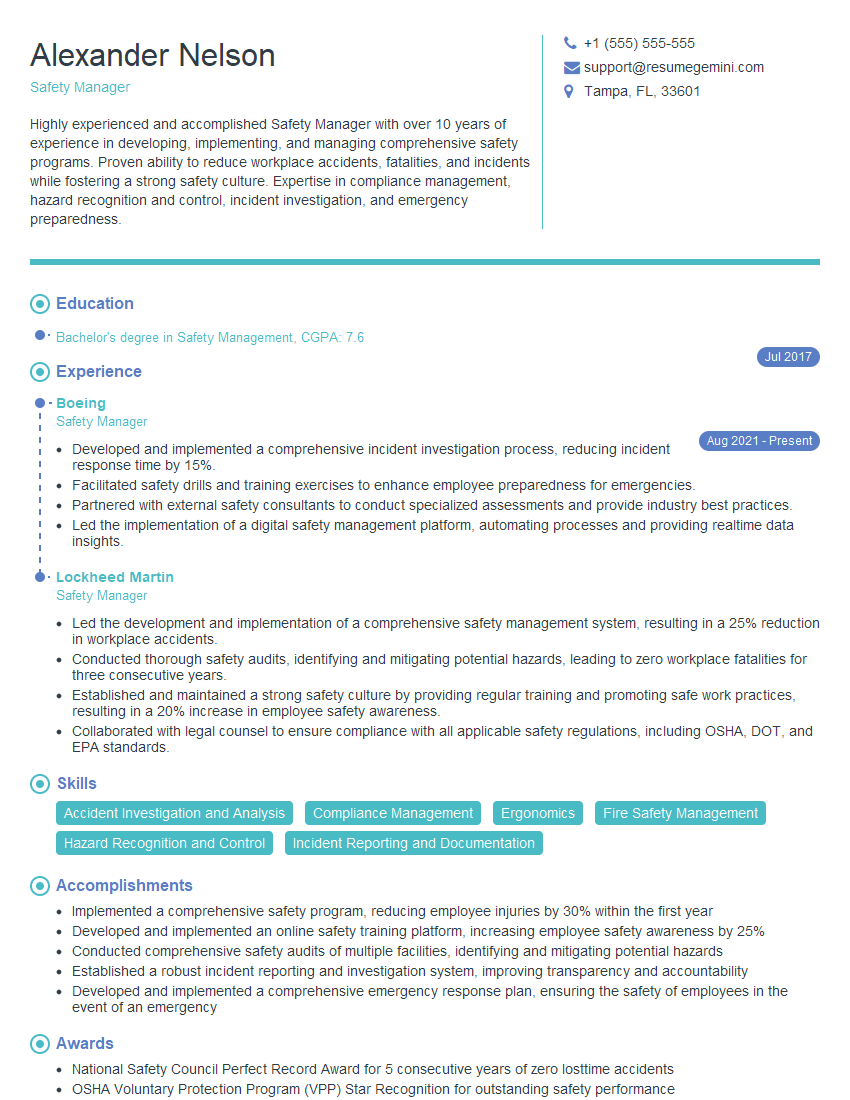
Safety Manager Resume Sample

Accident Investigator Resume Sample
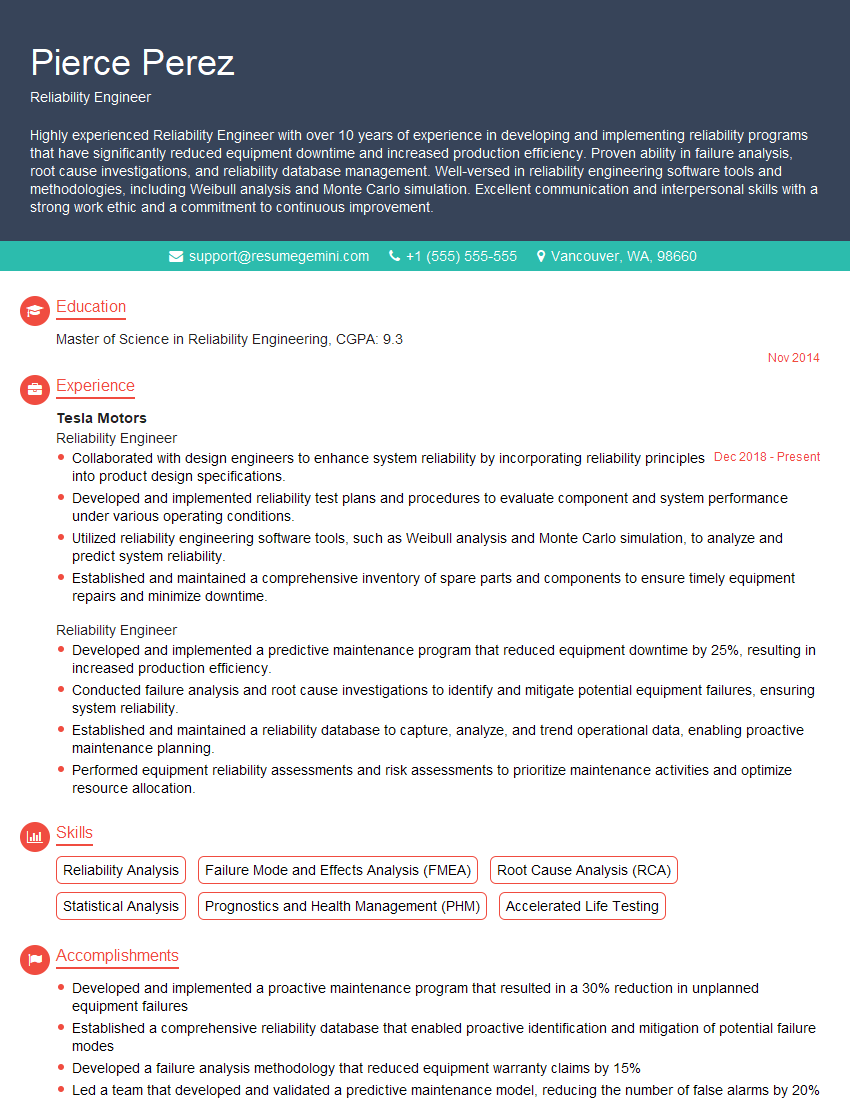
Reliability Engineer Resume Sample
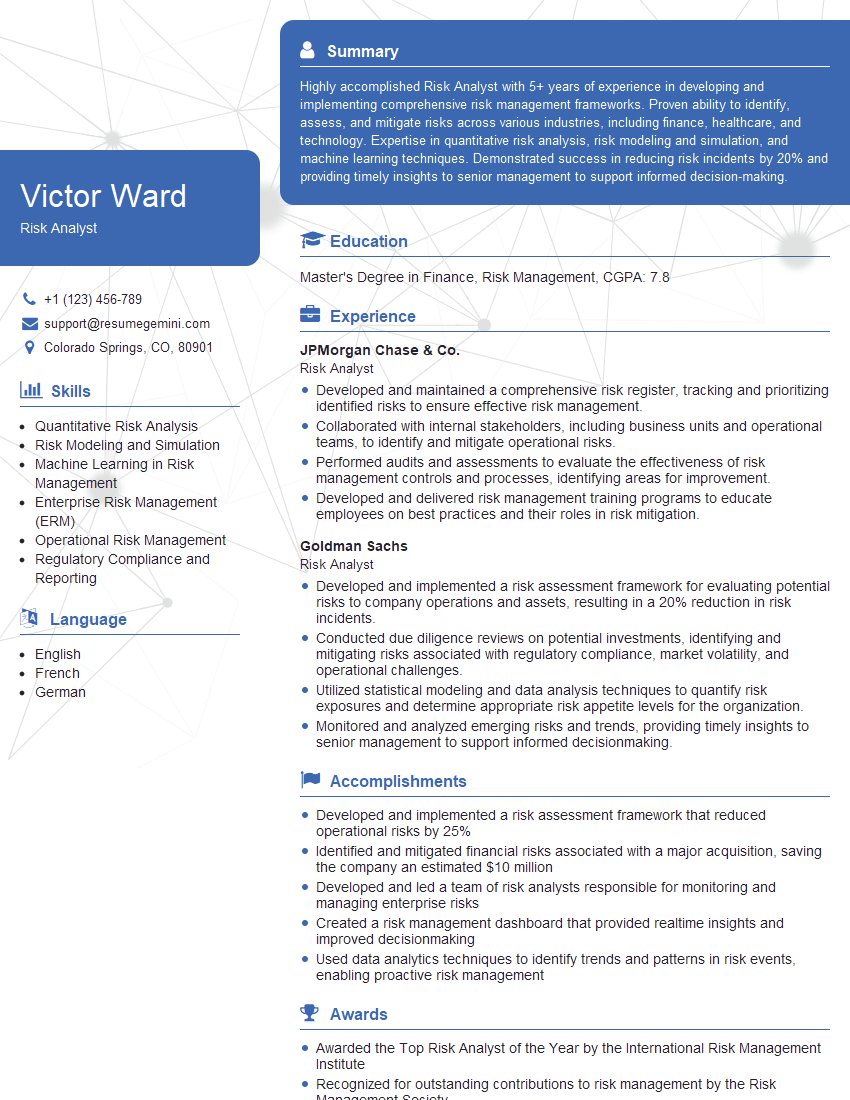
Risk Analyst Resume Sample

Operations Research Analyst Resume Sample
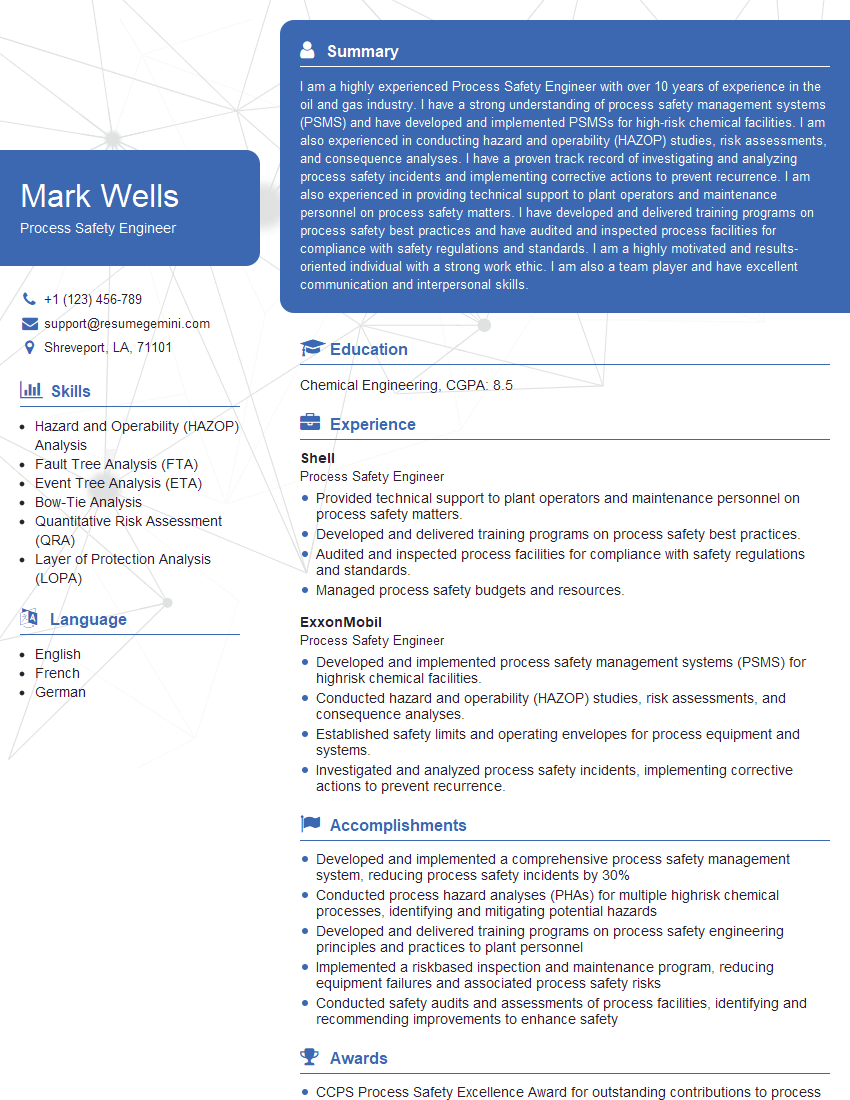
Process Safety Engineer Resume Sample
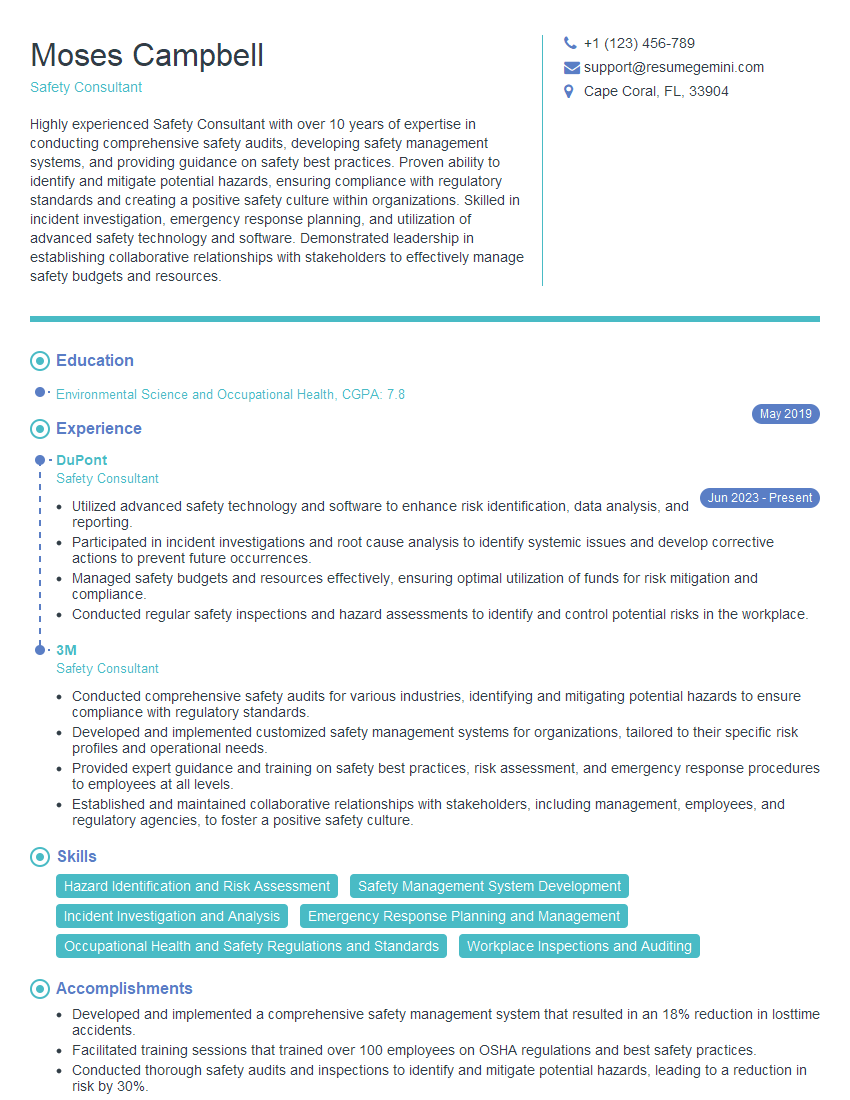
Safety Consultant Resume Sample

Safety Engineer Resume Sample
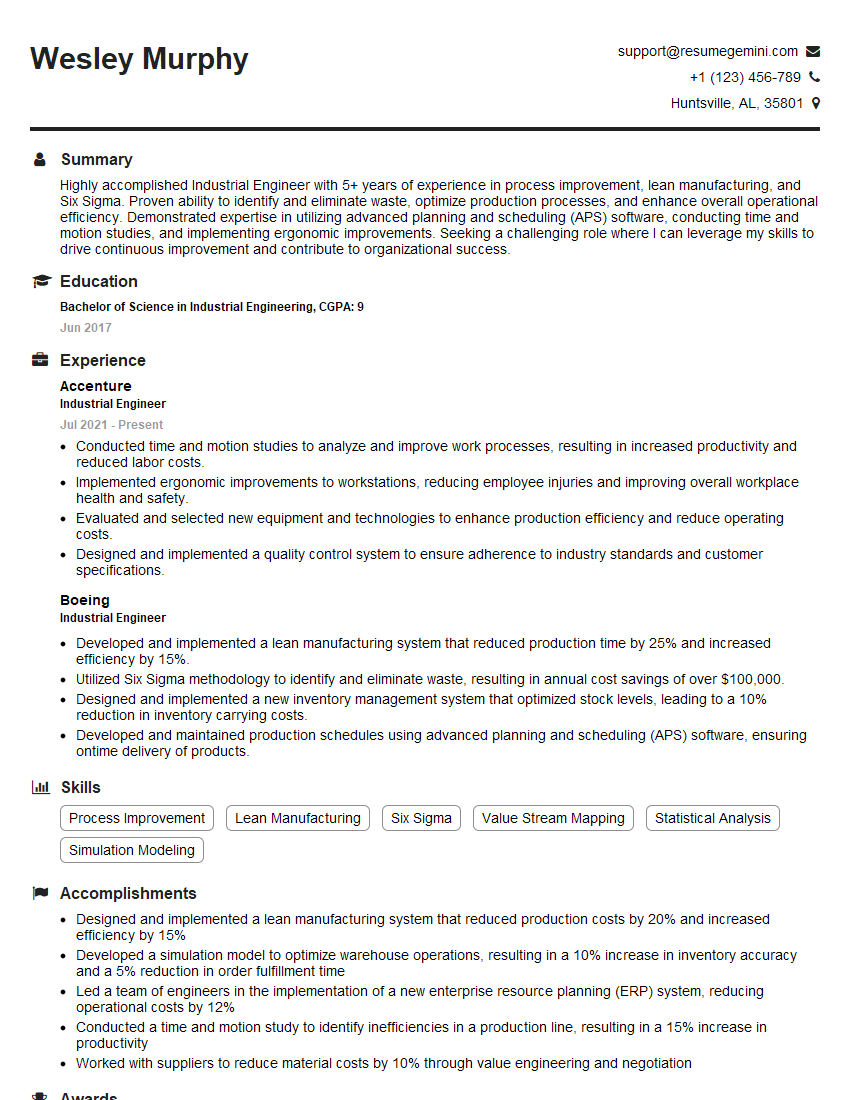
Industrial Engineer Resume Sample
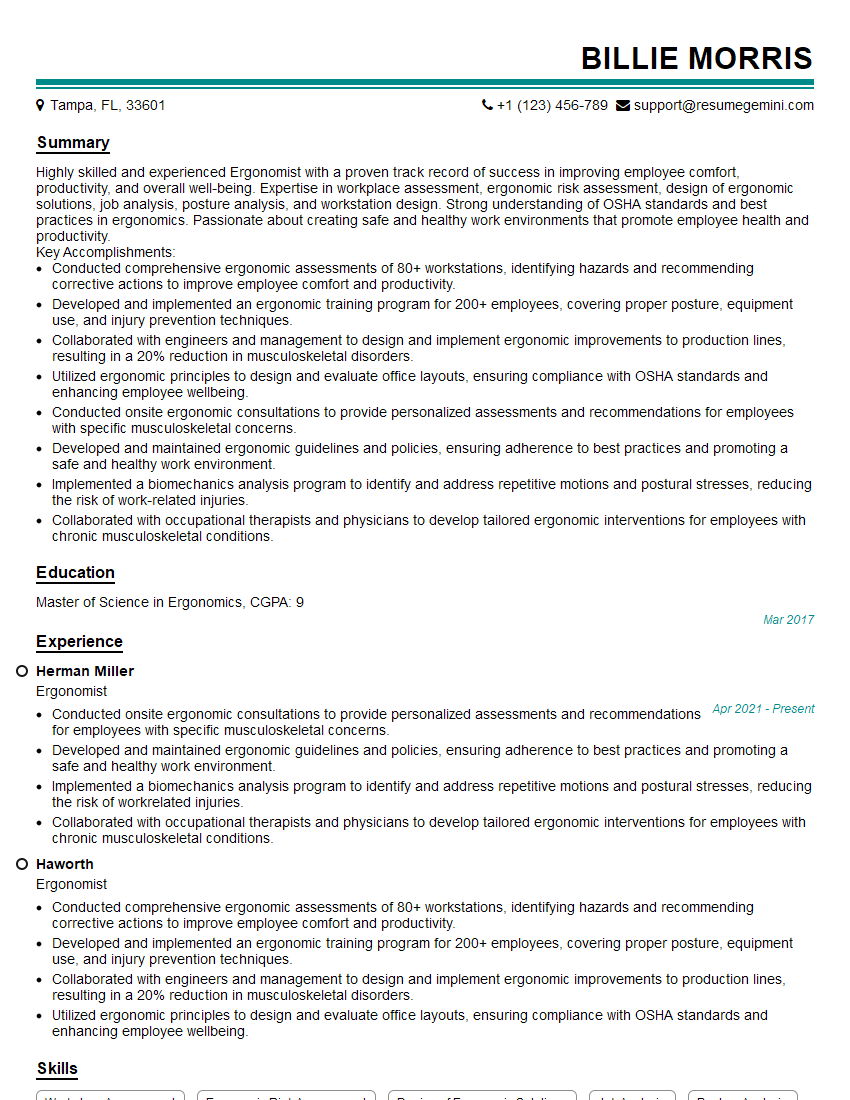
Ergonomist Resume Sample
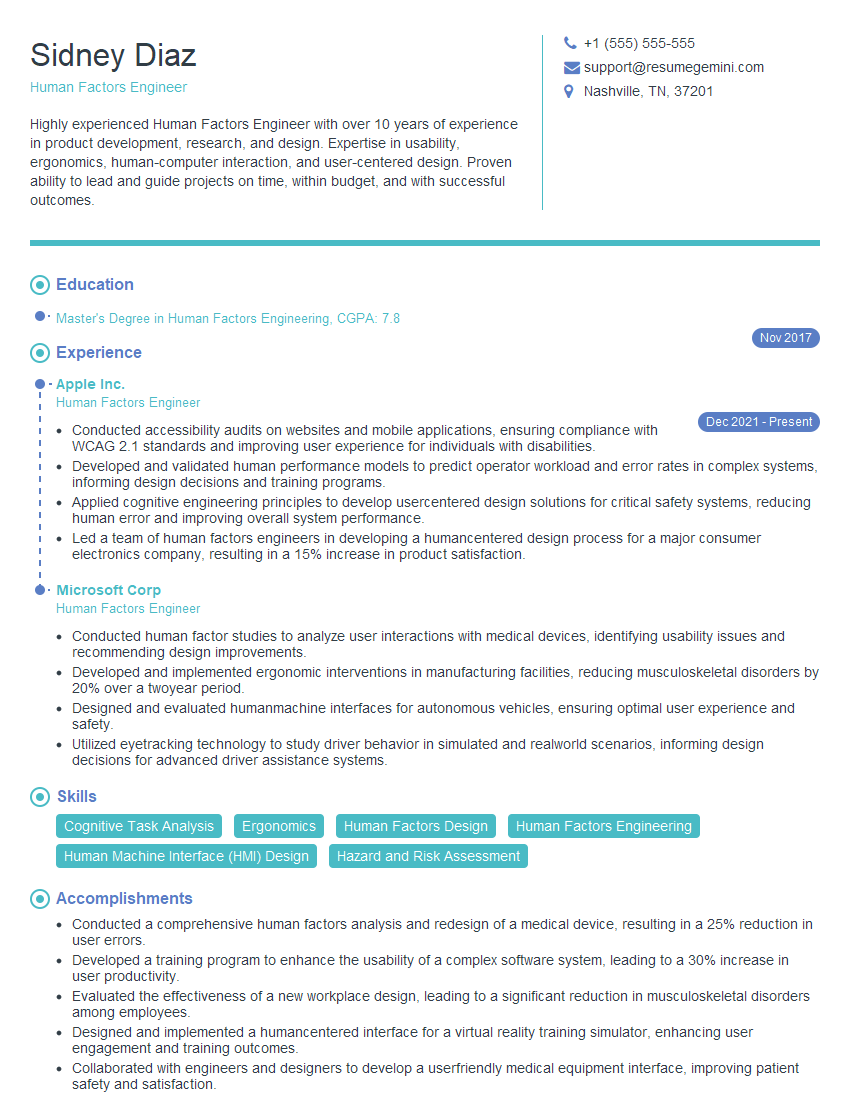
Human Factors Engineer Resume Sample

Human Factors Specialist Resume Sample

Quality Assurance Engineer Resume Sample
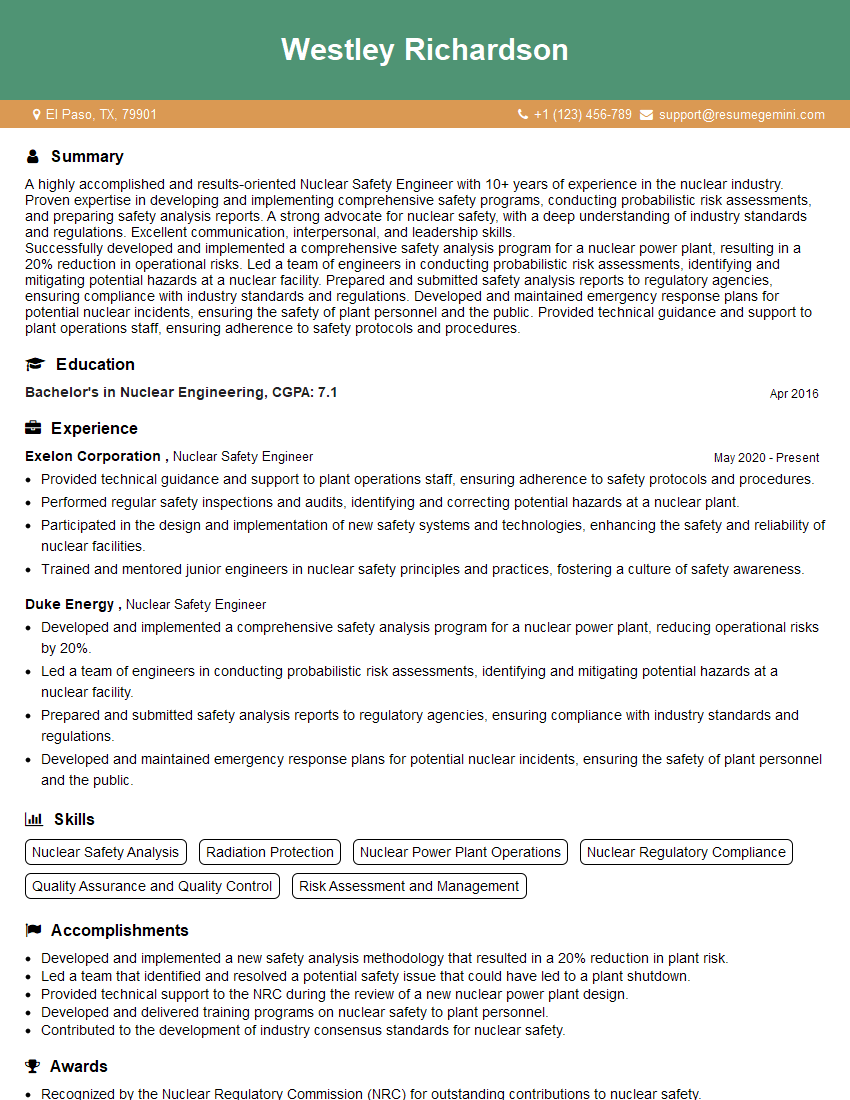
Nuclear Safety Engineer Resume Sample
Explore more articles
Users Rating of Our Blogs
Share Your Experience
We value your feedback! Please rate our content and share your thoughts (optional).
What Readers Say About Our Blog
Very informative content, great job.
good