The right preparation can turn an interview into an opportunity to showcase your expertise. This guide to Human intelligence source handling interview questions is your ultimate resource, providing key insights and tips to help you ace your responses and stand out as a top candidate.
Questions Asked in Human intelligence source handling Interview
Q 1. Describe your experience in recruiting and managing human intelligence sources.
My experience in recruiting and managing human intelligence sources (HUMINT) spans over a decade, encompassing diverse operational environments. I’ve been involved in everything from identifying potential sources through cultivating relationships, to managing ongoing communication and ensuring their safety and well-being. This includes recruiting sources from various backgrounds and levels of access, often requiring tailored approaches based on individual motivations and risk assessments. For instance, I once recruited a seemingly unassuming administrative assistant who, through careful cultivation, provided invaluable insights into a complex financial fraud scheme. My management approach emphasizes clear communication, establishing trust, and providing consistent support. I use a structured approach with regular check-ins, ensuring the source feels valued and their needs are addressed. This includes rigorous operational security protocols to protect both the source and the integrity of the information gathered.
I’ve successfully managed a portfolio of diverse sources, leveraging their unique skills and knowledge to deliver timely and actionable intelligence. This requires balancing operational needs with ethical considerations and a deep understanding of human psychology. The key is understanding that each source is an individual with their own motivations, fears, and vulnerabilities.
Q 2. Explain the process of assessing the reliability and validity of information from human sources.
Assessing the reliability and validity of information from human sources is a crucial aspect of HUMINT. It’s a multi-faceted process that involves several steps. First, we carefully consider the source’s background, motivations, and potential biases. This involves verifying their identity and assessing their access to information. Secondly, we analyze the information provided using various techniques, such as corroborating it with other sources and looking for inconsistencies or contradictions. This often involves triangulation, where we compare the information against other data from open sources, signals intelligence, or other HUMINT.
We also consider the source’s track record. Has this individual provided accurate information in the past? We assign a confidence level to the information based on this assessment. For example, information corroborated by multiple independent sources and consistent with other intelligence is deemed high-confidence. Conversely, information from a source with a history of providing inaccurate information, or lacking corroboration, is low-confidence. We constantly reassess the reliability of our sources as the situation evolves. Think of it like a detective investigating a crime scene – each piece of information needs to be carefully examined and cross-referenced to build a complete and accurate picture.
Q 3. How do you handle conflicting information from multiple human intelligence sources?
Conflicting information from multiple sources is common in HUMINT. Handling it requires a systematic approach. First, we analyze each piece of information separately, evaluating its source, context, and reliability. We look for patterns, inconsistencies, and potential biases within each account. Then we attempt to reconcile the differences. This may involve further questioning of the sources, seeking additional corroboration, or analyzing the potential motivations behind the discrepancies. Perhaps one source is deliberately misleading, or perhaps their access to information is limited, resulting in an incomplete picture.
Sometimes, it’s not about choosing one source over another, but rather integrating the information from all sources to build a more complete and nuanced understanding. For instance, one source might highlight a specific detail that another missed, thereby enriching the overall picture. In cases where conflicting information remains unresolved, we carefully document the discrepancies and present them alongside our analysis, recognizing the limitations of our knowledge. Transparency is key; it’s crucial to understand the limitations of HUMINT.
Q 4. What techniques do you employ to build rapport and trust with human intelligence sources?
Building rapport and trust is paramount in HUMINT. It’s a slow and deliberate process, built on mutual respect and understanding. Active listening is crucial; understanding the source’s motivations, concerns, and perspectives is fundamental. This involves creating a safe and confidential space where they feel comfortable sharing sensitive information without fear of retribution.
Techniques I employ include demonstrating empathy and understanding, being honest and transparent about the risks involved, and consistently following through on commitments. This might involve providing assistance, protection, or even financial compensation, depending on the circumstances. Building relationships requires patience and persistence; it is not a quick fix. I often find that establishing common ground – perhaps a shared interest or experience – can help to build a stronger connection and foster trust. Think of it as building any strong relationship; it takes time, effort, and genuine respect.
Q 5. Describe your experience in debriefing human intelligence sources.
Debriefing human intelligence sources is a structured process aimed at extracting and documenting valuable information while protecting the source. It involves creating a relaxed yet controlled environment, ensuring the source feels comfortable and secure. I typically begin with general, non-threatening questions to ease the source into the debriefing. As trust is established, I transition to more specific questions, tailoring my approach to the source’s personality and communication style. Active listening and open-ended questions are key tools. It’s crucial to avoid leading questions that might bias the information provided.
The debriefing process is carefully documented, with detailed notes on the information shared, including dates, times, and specific details. This documentation forms the basis of future intelligence analysis and reports. After the debriefing, there’s often a period of follow-up, involving additional questioning and fact-checking to ensure the accuracy and completeness of the information received. The security and well-being of the source remain paramount throughout this process. A well-executed debriefing not only gathers vital information but also strengthens the relationship with the source, ensuring continued collaboration and support.
Q 6. How do you ensure the security and confidentiality of information obtained from human intelligence sources?
Ensuring the security and confidentiality of information obtained from human intelligence sources is paramount. This requires a multi-layered approach that starts with employing rigorous security protocols during the recruitment and management of sources. This includes secure communication channels, strict access controls to sensitive information, and the use of encryption where appropriate. All interactions are documented securely and stored in accordance with established guidelines and regulations.
Physical security is also critical. Meetings with sources should be conducted in secure locations, and all materials are handled according to strict security protocols. The identities of our sources are meticulously protected; all communications and documents are handled with extreme care to avoid compromising their identities. Regular security reviews and audits are conducted to identify and mitigate potential vulnerabilities. We take security very seriously because a breach not only compromises the intelligence operation but also puts the source’s life at risk. The safety of our sources is our top priority.
Q 7. What are the ethical considerations involved in handling human intelligence sources?
Ethical considerations are central to HUMINT operations. The well-being and safety of the source are paramount. We must adhere to strict ethical guidelines, ensuring that sources are not coerced, manipulated, or put at undue risk. This means respecting their rights, providing necessary support, and ensuring that their cooperation is voluntary and informed. Transparency and honesty are essential. Sources must be fully aware of the risks involved in cooperating, and they must understand the terms of any agreement or arrangement.
We must also ensure that the information we gather is used responsibly and ethically, respecting legal and privacy considerations. This involves careful consideration of potential collateral damage and ensuring that the information is used in a way that does not harm innocent individuals or compromise national security inappropriately. The ethical implications of HUMINT are constantly evaluated and debated to ensure we maintain the highest standards of conduct and professionalism. Ethical HUMINT is not just about gathering information; it’s about doing so responsibly and with respect for human dignity.
Q 8. How do you manage risks associated with human intelligence operations?
Managing risks in human intelligence (HUMINT) operations is paramount. It involves a proactive, multi-layered approach encompassing the entire lifecycle of the operation, from source recruitment to information dissemination. This includes:
- Identifying potential threats: This involves assessing the risks associated with the source, their environment, and the operation itself. For example, a source operating in a high-risk area requires a different level of security than one operating in a low-risk environment. We consider threats ranging from compromise by hostile intelligence services, to inadvertent exposure, to blackmail or coercion.
- Mitigating risks: Implementing security measures, such as secure communication channels, compartmentalization of information, and robust vetting processes are critical. This also means having robust procedures for handling compromised sources (as detailed later).
- Continuously monitoring and evaluating: The threat landscape is ever-evolving. Regular risk assessments are vital to identify emerging threats and adapt security protocols accordingly. This is an iterative process, requiring constant reassessment based on new information.
- Developing contingency plans: Having well-defined plans for handling various scenarios, such as source compromise, exposure, or unexpected events is crucial. The plan should detail procedures for minimizing damage and safeguarding assets.
Think of it like a layered security system – multiple checks and balances are in place to protect the source and the operation. A single point of failure should not bring down the entire operation.
Q 9. Describe your experience in using technology to support human intelligence operations.
Technology plays an increasingly vital role in supporting HUMINT operations. My experience includes utilizing:
- Secure communication platforms: Encrypted messaging apps and secure voice-over-internet protocol (VoIP) systems ensure confidentiality in communication with sources. I’ve used several proprietary systems designed for secure communication in high-risk environments.
- Data analysis tools: Software designed for analyzing large datasets helps identify patterns, trends, and connections within collected information. This allows for more efficient handling of intelligence and potentially allows for predictive analysis.
- Geospatial intelligence (GEOINT) integration: Combining HUMINT with GEOINT allows for a better understanding of the source’s location, surroundings, and potential risks. For instance, satellite imagery can be used to confirm a source’s location before a meeting.
- Database management systems: Structured databases help to organize and securely store sensitive information about sources, contacts, and operations. This ensures information is easily accessible when required, but also strictly controlled and protected from unauthorized access.
However, technology is only a tool; human judgment and expertise remain essential. It’s crucial to use technology responsibly and ethically, always considering its limitations and potential vulnerabilities. Technological advancements require continuous training and adaptation of methodologies.
Q 10. Explain the different types of human intelligence sources and their strengths and weaknesses.
HUMINT sources are categorized in various ways, but some common types include:
- Walk-ins: Individuals who voluntarily approach intelligence agencies with information. Strengths: Often provide valuable information, sometimes unexpected. Weaknesses: Motivation may be suspect; information may be incomplete or biased.
- Agents: Individuals recruited and managed by intelligence agencies. Strengths: Controlled access to information; ongoing intelligence collection possible. Weaknesses: Expensive and time-consuming to recruit and manage; risk of compromise.
- Informants: Individuals who provide information on an infrequent or irregular basis. Strengths: Can provide valuable insights from unique perspectives. Weaknesses: Reliability and consistency can be unpredictable.
- Open Sources: Publicly available information gathered from the media, the internet, or other open sources. Strengths: Cost-effective, easily accessible. Weaknesses: Information may be unreliable, incomplete, or subject to manipulation.
Each source type requires tailored handling based on its strengths and weaknesses. A thorough assessment of the source’s reliability, motivation, and risk profile is always necessary before relying on their information.
Q 11. How do you identify and assess potential human intelligence sources?
Identifying and assessing potential HUMINT sources is a multifaceted process involving:
- Developing a network of contacts: This includes cultivating relationships with individuals who may have access to relevant information. This is often done through networking and building rapport.
- Analyzing potential sources’ background and motivations: Vetting the source’s reliability and trustworthiness through background checks, interviews, and polygraph tests (where appropriate and legally permissible) is crucial. Understanding their motivations is equally important: are they seeking money, asylum, revenge, or something else?
- Assessing the value of information: Determining the relevance, accuracy, and timeliness of the information a source can provide. This includes checking for corroboration from other sources.
- Managing the risk associated with the source: This involves assessing potential threats to the source and the operation, and developing mitigation strategies.
The process is iterative and requires continuous monitoring and evaluation of the source’s performance and trustworthiness. A thorough assessment minimizes the risk of relying on unreliable information or compromised sources.
Q 12. What are the legal and regulatory requirements for handling human intelligence sources?
Handling HUMINT sources involves strict adherence to legal and regulatory requirements, which vary by jurisdiction. Generally, these include:
- Privacy laws: Protecting the privacy and identity of sources is crucial, particularly concerning data collection, storage, and use. Strict protocols and procedures are essential.
- Due process rights: If a source is involved in any legal proceedings, their due process rights must be respected.
- National security laws: The handling of classified information and intelligence operations is governed by specific national security laws, with strict regulations for handling and dissemination.
- Ethical guidelines: Intelligence agencies must adhere to ethical standards that ensure operations are conducted legally and morally. This often includes guidelines on deception and the treatment of sources.
Compliance with these legal and regulatory requirements is not merely a matter of avoiding legal repercussions; it’s crucial for maintaining public trust and the integrity of intelligence operations. Ignorance of these regulations is not a defense.
Q 13. How do you maintain operational security during human intelligence operations?
Maintaining operational security (OPSEC) in HUMINT is critical to protecting sources, operations, and national security. Key aspects include:
- Compartmentalization: Limiting access to sensitive information on a need-to-know basis, preventing widespread knowledge that could increase vulnerability.
- Secure communications: Using encrypted channels and secure communication protocols, as mentioned earlier.
- Source handling procedures: Developing and adhering to strict procedures for recruitment, management, and communication with sources.
- Background checks and vetting: Rigorously vetting all individuals involved in the operation to ensure trustworthiness and minimize risks.
- Counterintelligence measures: Implementing procedures to detect and counter attempts by hostile intelligence agencies to penetrate the operation.
OPSEC is a continuous process, requiring constant vigilance and adaptation. Think of it like a fortress; multiple layers of protection are better than just one. A breach in one area shouldn’t compromise the entire system.
Q 14. Describe a situation where you had to handle a compromised human intelligence source.
In one operation, a long-term asset (a HUMINT source providing valuable information) was identified as being potentially compromised by a foreign intelligence service. Our initial assessment suggested the source had been approached and possibly offered incentives for collaboration. This was indicated by subtle changes in communication patterns and behavior. Our response involved:
- Immediate suspension of contact: We immediately ceased all communication with the source to prevent further compromise.
- Assessment and investigation: A thorough investigation was conducted to determine the extent of the compromise, including reviewing past communications and gathering information from other sources.
- Damage control: Steps were taken to limit the damage caused by any information that might have been compromised.
- Contingency plan activation: A pre-established contingency plan was activated, focusing on the safety and well-being of the source while minimizing further risk to our operations.
- Debriefing and reassessment: The source was debriefed in a secure environment to gather information about the compromise and to assess whether they were still usable as an asset. This process also had to weigh the source’s safety and the value of potentially extracting more information.
This situation highlighted the importance of proactive risk management, robust contingency planning, and the ethical considerations of handling compromised assets. The well-being of the source was paramount while mitigating the damage to our operation.
Q 15. How do you adapt your approach to handling human intelligence sources based on cultural differences?
Adapting my approach to handling human intelligence (HUMINT) sources across cultures requires a deep understanding of cultural nuances and sensitivities. It’s not just about translating languages; it’s about understanding unspoken communication cues, social hierarchies, and ingrained trust mechanisms. For example, what constitutes a respectful greeting in one culture might be considered overly familiar or even insulting in another. My approach involves:
- Cultural Awareness Training: I regularly participate in training programs focused on cross-cultural communication and understanding. This includes learning about non-verbal communication styles, social etiquette, and potential cultural biases.
- Building Rapport: Establishing trust is paramount. This requires patience, active listening, and demonstrating genuine respect for the source’s cultural background. I might adjust my communication style to match the source’s preferred approach, being more formal in some cases and more informal in others.
- Employing Cultural Brokers: When dealing with significant cultural differences, I leverage the expertise of cultural brokers – individuals with deep understanding of both the source’s culture and the operational environment. They act as intermediaries, helping to bridge communication gaps and ensure accurate information exchange.
- Tailoring Recruitment Strategies: Recruitment strategies must be adapted to the specific cultural context. Methods that work well in one culture may be ineffective, even counterproductive, in another. This includes considering appropriate channels, communication methods, and incentives.
For instance, in one operation involving sources in a collectivist culture, prioritizing the collective well-being of the source’s family proved crucial in gaining their cooperation. In contrast, an operation involving a source from an individualistic culture focused on direct personal benefits.
Career Expert Tips:
- Ace those interviews! Prepare effectively by reviewing the Top 50 Most Common Interview Questions on ResumeGemini.
- Navigate your job search with confidence! Explore a wide range of Career Tips on ResumeGemini. Learn about common challenges and recommendations to overcome them.
- Craft the perfect resume! Master the Art of Resume Writing with ResumeGemini’s guide. Showcase your unique qualifications and achievements effectively.
- Don’t miss out on holiday savings! Build your dream resume with ResumeGemini’s ATS optimized templates.
Q 16. What are the key elements of a successful human intelligence operation?
A successful HUMINT operation hinges on several key elements:
- Identifying and Assessing Potential Sources: This involves meticulous research, background checks, and careful evaluation of a potential source’s trustworthiness, access to information, and willingness to cooperate. We use various methods like open-source intelligence (OSINT) to build a profile and assess risks.
- Developing and Maintaining Relationships: Building trust and rapport are critical. This requires careful cultivation of the relationship through regular communication, demonstrating consistent support, and addressing any concerns the source may have.
- Secure Communication Channels: Utilizing secure communication methods is paramount to protect the source’s identity and the integrity of the information. This often includes employing encrypted messaging and secure meeting locations.
- Effective Debriefing and Handling of Information: Structured debriefings ensure the information obtained is accurate, complete, and properly documented. This includes validating information obtained from multiple sources.
- Source Protection: Protecting the source’s identity and safety is paramount. This involves implementing robust security protocols and providing support to mitigate any potential risks.
- Legal and Ethical Considerations: Adherence to legal and ethical standards is crucial throughout the process. All actions must be within the boundaries of relevant laws and ethical guidelines.
Think of it like building a delicate ecosystem. Every element needs to function correctly for the entire system to thrive.
Q 17. Describe your experience in developing and implementing human intelligence collection plans.
Developing and implementing HUMINT collection plans is a multi-stage process. It starts with a clearly defined intelligence requirement, such as identifying a specific threat actor or acquiring information on an ongoing operation. I’ve been involved in numerous plans, each tailored to the specific context.
The process usually includes:
- Defining the Intelligence Requirement: Clearly outlining what information needs to be collected and the desired level of detail.
- Identifying Potential Sources: Researching potential sources of information, assessing their reliability and access to relevant information. This often requires OSINT analysis and network mapping.
- Developing Recruitment Strategies: Tailoring approaches to recruit potential sources, considering the specific cultural and personal factors involved.
- Establishing Communication Channels: Creating secure and reliable communication channels to facilitate information exchange.
- Implementing a Debriefing Plan: Developing a systematic approach to collect, analyze, and verify information from the source.
- Source Protection Plan: Developing a plan to protect the source’s identity and safety, both physically and digitally.
In one recent case, we developed a detailed plan to identify a network of individuals involved in illicit arms trafficking. This involved cultivating relationships with sources in various locations, utilizing various channels and methods tailored to each specific source.
Q 18. How do you evaluate the effectiveness of your human intelligence operations?
Evaluating the effectiveness of HUMINT operations requires a multifaceted approach that considers several key aspects. It’s not just about the quantity of information collected but also its quality, timeliness, and impact.
- Information Validation: We rigorously validate information received from sources by cross-referencing it with information from other sources and open-source intelligence. This helps to filter out misinformation or disinformation.
- Impact Assessment: We assess the impact of the intelligence collected on the overall intelligence objectives. Did the information lead to successful operations? Did it improve decision-making?
- Source Reliability Assessment: We continuously assess the reliability and trustworthiness of the sources. This involves tracking the accuracy of their past information and their overall behavior.
- Operational Feedback: We collect feedback from the operational teams that utilized the HUMINT to understand its effectiveness and identify any areas for improvement. Did it achieve the objectives? What were the challenges and successes?
- Metrics Analysis: We analyze key metrics such as the timeliness of intelligence, the accuracy of information, and the overall impact on operational outcomes.
For example, we might track the number of successful operations directly attributed to information provided by HUMINT sources. We also review operational reports and feedback to understand the challenges and successes in using HUMINT to determine effectiveness.
Q 19. What metrics do you use to measure the success of human intelligence operations?
Measuring the success of HUMINT operations goes beyond simply counting the number of reports. We employ a range of metrics to provide a more comprehensive assessment. These metrics can be qualitative as well as quantitative.
- Timeliness: How quickly was critical intelligence delivered? Faster delivery often equates to improved response times and increased effectiveness.
- Accuracy: How reliable was the information provided? This is measured through validation against other intelligence sources.
- Completeness: Did the intelligence provide a comprehensive picture of the situation? Incomplete information can be misleading or insufficient.
- Relevance: How useful was the intelligence to the overall intelligence objectives? This is evaluated by the impact the information had on decision-making and operational outcomes.
- Source Reliability: A consistent track record of providing accurate and timely information indicates a reliable source.
- Operational Impact: The most critical metric: Did the intelligence lead to successful operations, disrupted threats, or improved decision-making?
We also use qualitative metrics, such as assessing the quality of relationships with sources and the effectiveness of communication channels. These metrics are often assessed through post-operation reviews and feedback from operational teams.
Q 20. How do you deal with resistance or reluctance from potential human intelligence sources?
Dealing with resistance or reluctance from potential HUMINT sources requires patience, empathy, and a nuanced understanding of their motivations. Simply pressuring someone rarely works. My approach involves:
- Building Trust and Rapport: This is the most important element. I focus on establishing a genuine connection with the potential source, understanding their concerns, and addressing them empathetically.
- Understanding Motivations: What are their reasons for hesitation? Is it fear, mistrust, or personal risk? Addressing these specific concerns is key.
- Offering Incentives: This can include financial compensation, protection from retaliation, or assistance with resettlement (if necessary). Incentives must be ethically sound and legally compliant.
- Demonstrating Value: Highlighting the importance of their contribution and the potential impact of their information on a larger cause can motivate some sources.
- Patience and Persistence: Developing a relationship takes time. Persistence is important, but it should never cross the line into coercion.
I recall a case where a potential source was initially hesitant due to personal safety concerns. By offering assurances of protection and demonstrating our genuine commitment to their safety, we successfully gained their cooperation. Trust is the foundation of any successful HUMINT operation.
Q 21. Describe your experience in handling sensitive or classified information.
Handling sensitive or classified information requires strict adherence to established security protocols and procedures. My experience spans several years, and I’ve consistently maintained the highest standards of security.
- Compartmentalization: I follow the principle of ‘need-to-know’. Information is only shared with individuals who require it for their specific roles.
- Secure Storage: All sensitive information is stored in secure, controlled environments according to established regulations and best practices.
- Secure Communication: I use encrypted communication channels for all sensitive exchanges, and I am proficient in using various encryption tools and techniques.
- Data Handling and Destruction: I adhere to strict protocols for handling and destroying classified information, ensuring complete data sanitization and preventing unauthorized access.
- Security Awareness Training: I regularly participate in ongoing security awareness training to stay abreast of the latest threats and security best practices.
My record includes managing highly sensitive information without compromise. I understand the critical consequences of breaches, and I’m deeply committed to upholding the highest levels of security at all times.
Q 22. How do you protect yourself and your sources from counterintelligence threats?
Protecting myself and my sources from counterintelligence threats requires a multi-layered approach focusing on operational security (OPSEC) and source handling. This begins with rigorous vetting of potential sources to mitigate the risk of infiltration. We employ strict communication protocols, including secure communication channels and encryption, to prevent interception and compromise. Compartmentalization of information, meaning only individuals with a need-to-know access sensitive details, is crucial. Regular security briefings and training refresh our understanding of current threats and best practices. Furthermore, we develop and implement robust deception plans to mislead potential adversaries about our operations and sources. In addition to these technical safeguards, building trust and rapport with sources is paramount. This allows them to identify and report potential threats, contributing directly to our own safety and theirs.
For example, imagine a source providing information on a high-value target. We wouldn’t use easily traceable phones or meet in public places. Secure communication methods, like encrypted messaging, would be prioritized. The meeting location would be carefully selected, considering factors like surveillance potential and escape routes.
Q 23. What are the challenges of working with human intelligence sources in a digital environment?
The digital environment presents unique challenges for handling human intelligence sources. The proliferation of social media, online forums, and readily available surveillance technologies drastically increases the risk of exposure. Sources can be easily tracked and identified through digital footprints, making them vulnerable to coercion or compromise. Maintaining source anonymity in a digital age requires careful planning and consideration. For example, using readily available social media platforms can expose a source’s identity and activities, potentially jeopardizing them. Furthermore, the rapid spread of misinformation and disinformation online can make it significantly harder to verify the authenticity and reliability of intelligence gathered from digital platforms.
To mitigate this, we emphasize digital OPSEC training for our sources, teaching them how to protect their online presence and identities. We rely heavily on encrypted communication platforms and carefully vet any digital platforms for communication. Data collection strategies must be highly tailored to account for the specific risks posed by digital environments.
Q 24. How do you ensure the integrity and accuracy of information obtained from human intelligence sources?
Ensuring the integrity and accuracy of information obtained from human intelligence sources is crucial. This involves a robust verification process that goes beyond simply accepting the source’s account at face value. We employ triangulation, comparing information from multiple sources to identify patterns and inconsistencies. Open-source intelligence (OSINT) and other intelligence disciplines are used to corroborate information received. The source’s credibility and past performance are carefully evaluated, along with their potential biases and motivations. Finally, detailed record-keeping and documentation of all interactions with the source helps maintain a transparent and auditable process.
For instance, if a source claims a particular event occurred, we would cross-reference this with news reports, satellite imagery, and potentially other intelligence sources. We’d also assess the source’s reliability based on their past information and the context of their current claim. Any discrepancies would be investigated thoroughly.
Q 25. Explain the importance of human intelligence in national security.
Human intelligence (HUMINT) plays a vital role in national security by providing unique insights and contextual understanding unavailable through other intelligence disciplines like signals intelligence (SIGINT) or imagery intelligence (IMINT). HUMINT provides crucial access to the human element—thoughts, intentions, motivations, and plans—that are often difficult to discern from technological means. HUMINT sources can provide early warnings of potential threats, detailed assessments of enemy capabilities, and insights into the decision-making processes of foreign governments and organizations. It also enables the cultivation of long-term relationships with key individuals who can provide a continuous stream of intelligence.
Think of HUMINT as providing the ‘why’ behind the ‘what.’ While technology can show us *what* a country is building militarily, HUMINT can reveal *why* they’re building it and their strategic goals.
Q 26. What are the limitations of human intelligence as a source of information?
Despite its importance, HUMINT has limitations. Sources may be unreliable, intentionally misleading, or unintentionally biased. The information they provide is subjective and influenced by their individual perceptions and experiences. HUMINT collection is often slow, laborious, and resource-intensive, requiring significant time and effort to cultivate relationships and build trust. The inherent risks associated with working with human sources—exposure, compromise, and potential legal ramifications—add another layer of complexity. Finally, access to certain individuals or groups may be difficult or impossible, limiting the scope of HUMINT collection.
For example, a source might embellish information to impress their handler or withhold crucial details to protect themselves or their interests. This makes rigorous verification essential.
Q 27. How do you balance the need for secrecy with the need for collaboration in human intelligence operations?
Balancing secrecy with collaboration is a constant challenge in HUMINT operations. Maintaining secrecy protects sources, operations, and national security. However, effective collaboration with other agencies and organizations is essential for sharing intelligence, leveraging resources, and achieving common goals. We manage this tension through compartmentalization of information, sharing only the information necessary with authorized personnel or agencies. Secure communication channels and protocols are essential for controlled information dissemination. Establishing clear guidelines for information sharing and collaboration helps to maintain a delicate balance, ensuring secrecy without hindering necessary collaboration. Trust and well-defined operational protocols are fundamental to this delicate balance.
This often involves using secure data-sharing platforms and adhering to strict protocols for accessing and disseminating sensitive information, ensuring that only authorized personnel with a need-to-know have access to the intelligence.
Q 28. Describe your experience in working with other intelligence agencies or organizations.
My experience working with other intelligence agencies and organizations has been extensive and invaluable. I’ve participated in numerous joint operations and intelligence sharing initiatives, collaborating effectively with both domestic and international partners. This experience has highlighted the importance of developing strong inter-agency relationships, based on trust, mutual respect, and clear communication protocols. Successful collaboration requires a shared understanding of goals, priorities, and capabilities. We employ standardized procedures for information exchange, ensuring compatibility and minimizing the risk of miscommunication or security breaches. Furthermore, we work closely with liaison officers to coordinate our activities and resolve any potential conflicts or issues. These experiences have honed my ability to navigate the complex dynamics of inter-agency cooperation while maintaining operational security and achieving shared intelligence objectives.
For example, working on counter-terrorism efforts often necessitates collaboration with international partners to share information, coordinate operations, and build a collective understanding of threats.
Key Topics to Learn for Human Intelligence Source Handling Interview
- Source Recruitment and Management: Understanding the principles of identifying, recruiting, and managing human intelligence sources. This includes considerations of risk assessment, communication strategies, and ethical implications.
- Handling Classified Information: Practical application of security protocols and procedures for handling sensitive information, including data encryption, secure communication methods, and compartmentalization.
- Relationship Building and Management: Developing and maintaining trust and rapport with human intelligence sources, understanding motivational factors, and addressing potential conflicts of interest.
- Information Assessment and Validation: Techniques for evaluating the credibility and reliability of information received from human intelligence sources, including source analysis and corroboration methods.
- Debriefing and Reporting: Effective methods for conducting debriefings, documenting intelligence gathered, and preparing concise and accurate reports for dissemination.
- Counterintelligence Awareness: Recognizing and mitigating potential threats and vulnerabilities associated with human intelligence operations, including deception, manipulation, and compromise.
- Legal and Ethical Considerations: Understanding the legal framework governing human intelligence activities, including international and domestic laws, regulations, and ethical guidelines.
- Technological Applications: Familiarity with technological tools and systems used in human intelligence source handling, such as secure communication platforms and data management systems.
- Crisis Management and Contingency Planning: Developing plans for handling unexpected events or emergencies related to human intelligence sources, including potential compromise or exposure.
Next Steps
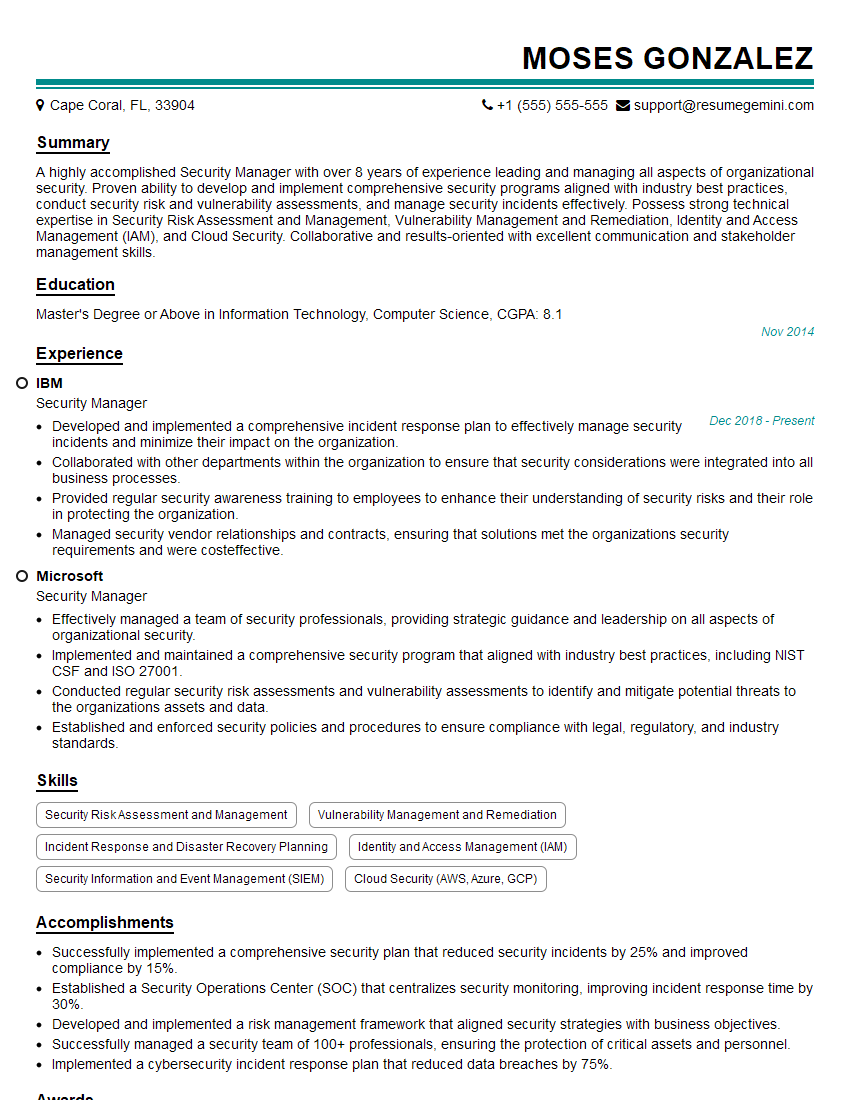
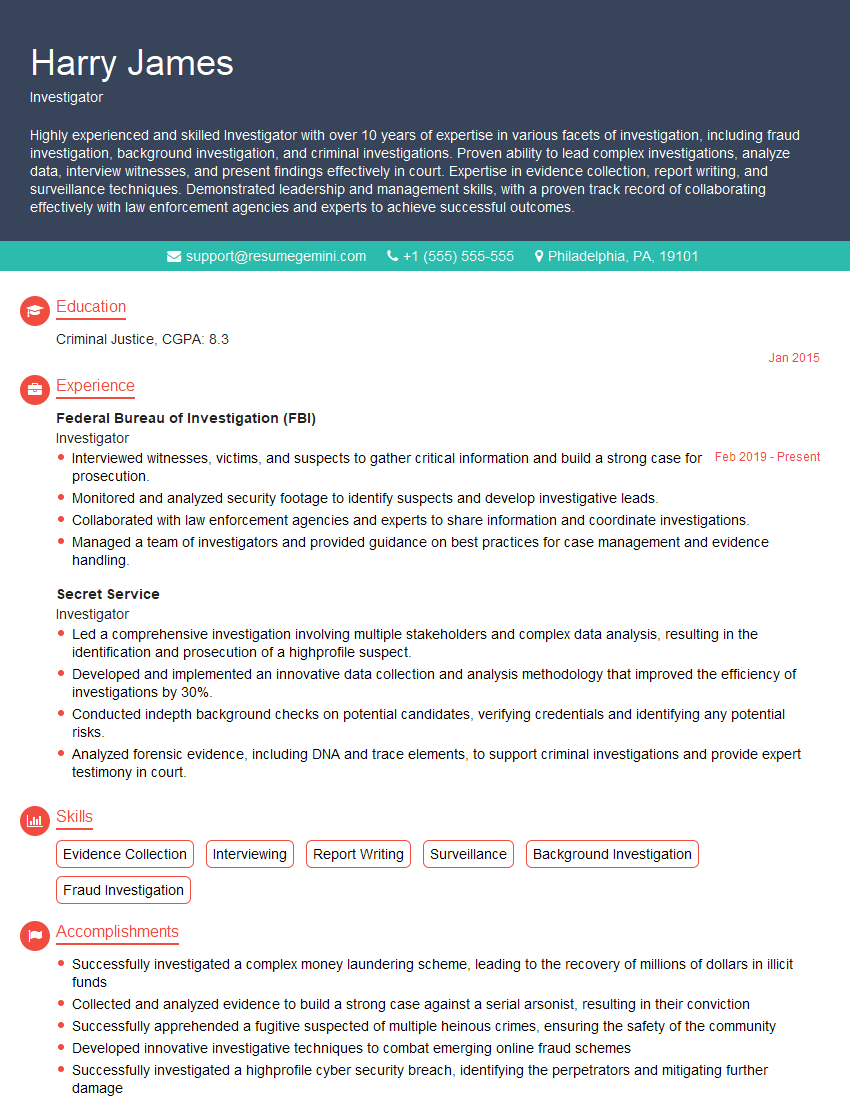
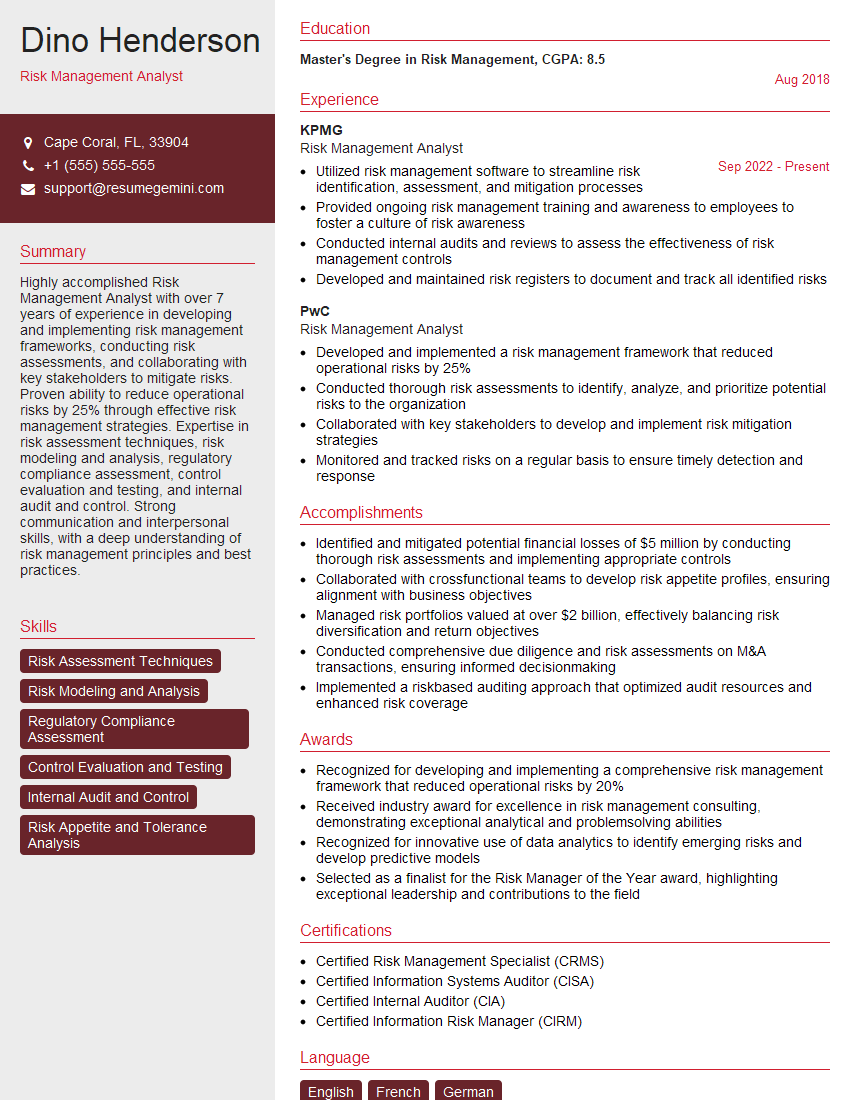
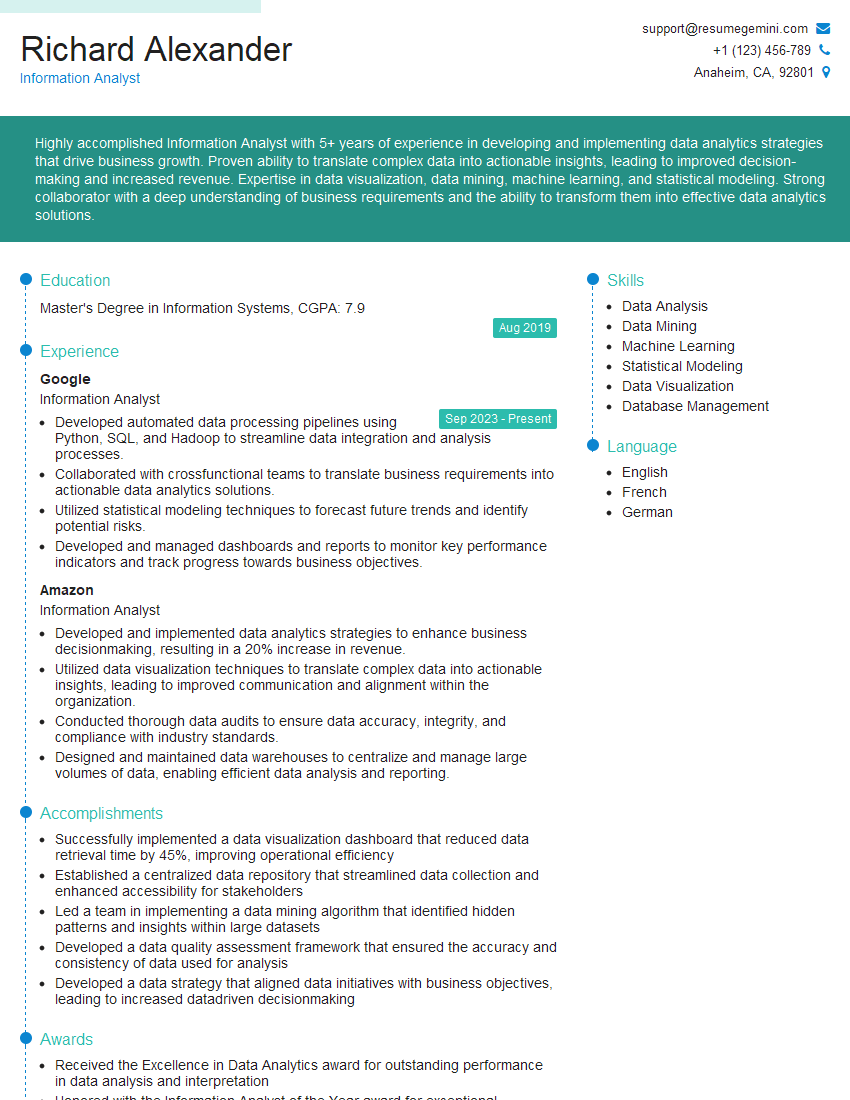
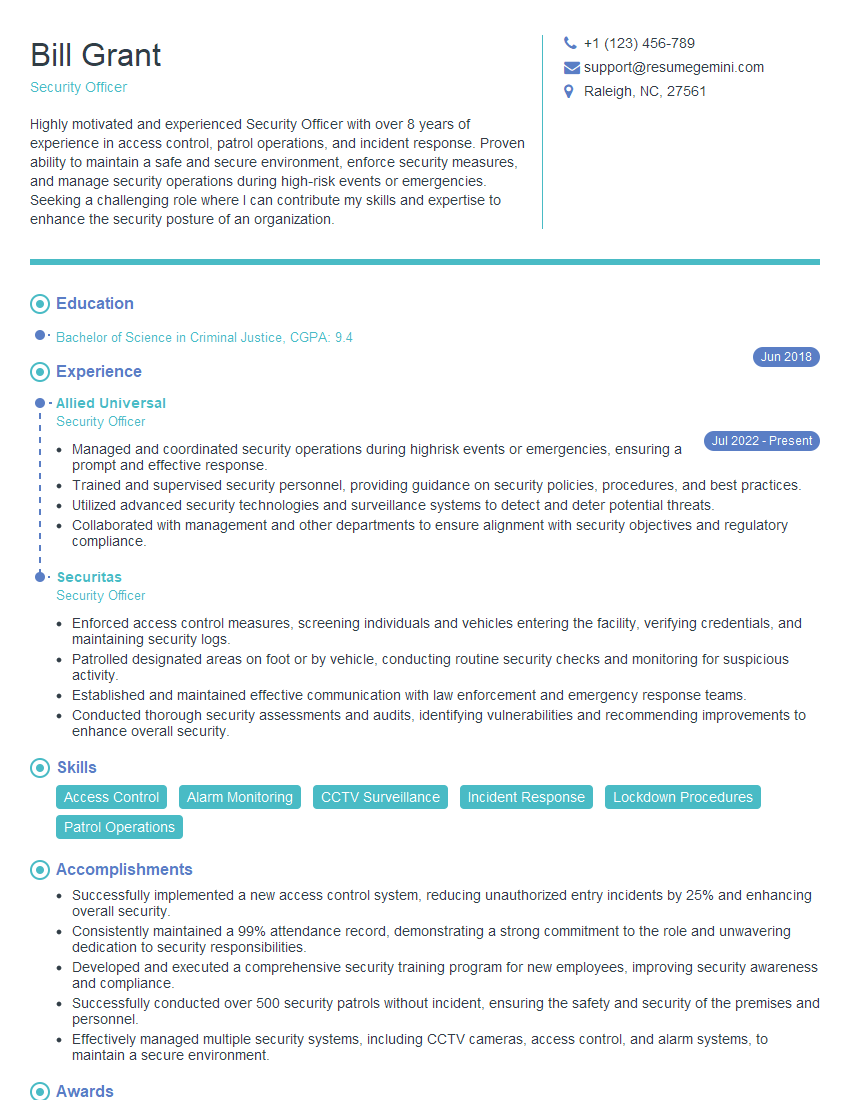
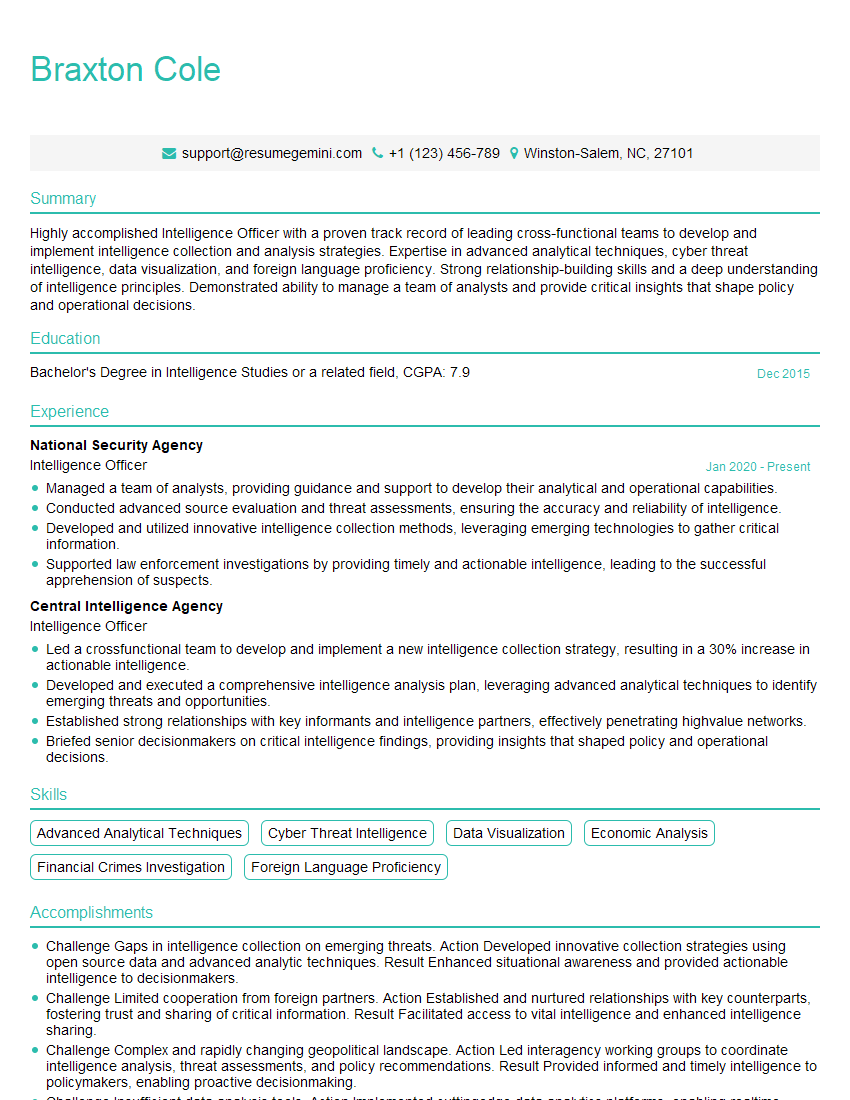
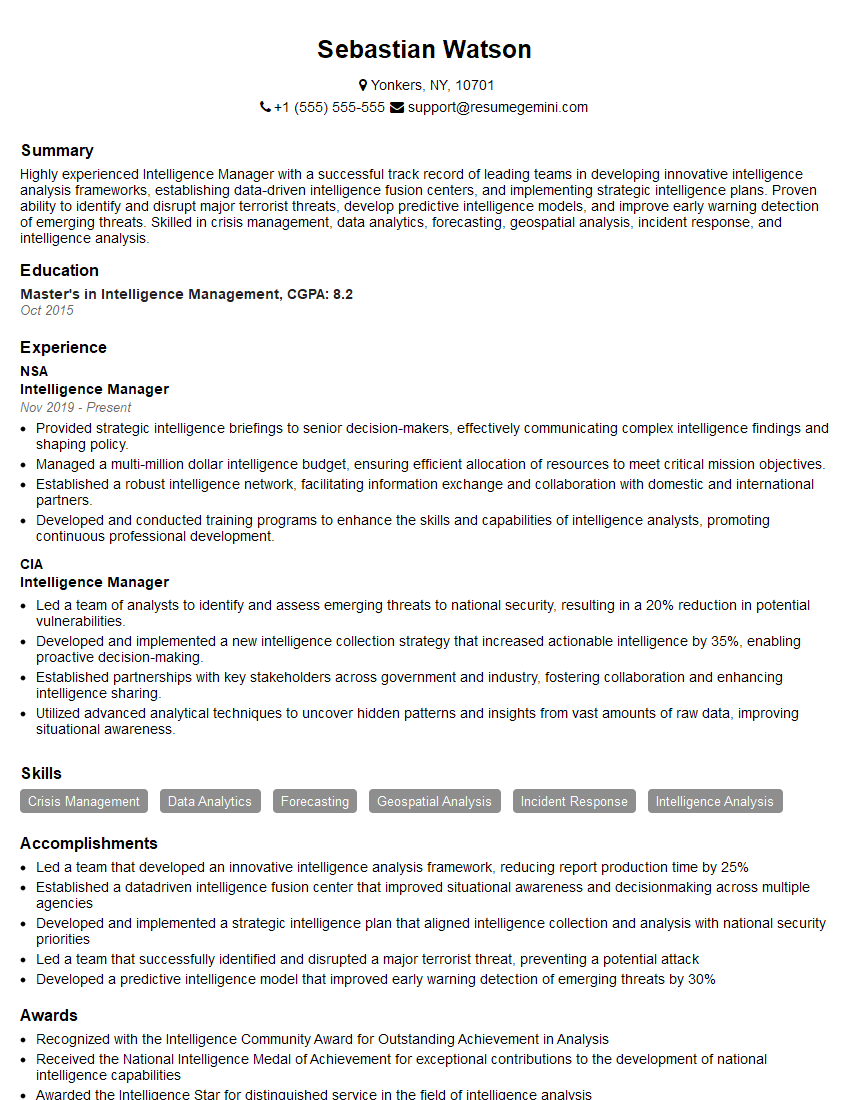
Mastering Human intelligence source handling opens doors to exciting and impactful careers within national security, law enforcement, and private intelligence sectors. To maximize your job prospects, crafting a strong, ATS-friendly resume is crucial. This ensures your application gets noticed by recruiters and hiring managers. ResumeGemini is a trusted resource that can significantly enhance your resume-building experience, helping you present your skills and experience effectively. Examples of resumes tailored to Human intelligence source handling are available within ResumeGemini to help guide your efforts. Take the next step in advancing your career – build a resume that showcases your expertise.

Explore more articles
Users Rating of Our Blogs
Share Your Experience
We value your feedback! Please rate our content and share your thoughts (optional).
What Readers Say About Our Blog
Very informative content, great job.
good