Interviews are more than just a Q&A session—they’re a chance to prove your worth. This blog dives into essential Human Intelligence interview questions and expert tips to help you align your answers with what hiring managers are looking for. Start preparing to shine!
Questions Asked in Human Intelligence Interview
Q 1. Define Human Intelligence (HUMINT) and its core principles.
Human Intelligence (HUMINT) is the intelligence gathering discipline that focuses on collecting information from human sources. It’s about leveraging people – their knowledge, perspectives, and connections – to gain insights. The core principles of HUMINT revolve around building trust, cultivating relationships, and employing effective communication techniques. These principles ensure the reliability and validity of the information gathered. Key elements include:
- Source Selection & Management: Identifying, recruiting, handling, and managing human sources effectively.
- Relationship Building: Cultivating rapport and trust with sources to elicit accurate and timely information.
- Elicitation Techniques: Employing various methods to extract information subtly and effectively, without arousing suspicion.
- Information Assessment & Validation: Critically evaluating the information received to determine accuracy and reliability.
- Security & Compartmentalization: Protecting sensitive information and sources from compromise.
Think of it like being a detective; you need to build rapport, gain trust, ask the right questions, and verify information from multiple sources to solve a case. HUMINT is fundamentally about people, their motivations, and their networks.
Q 2. Explain the difference between HUMINT and other intelligence disciplines (e.g., SIGINT, OSINT).
While all intelligence disciplines aim to provide actionable intelligence, they differ significantly in their methods. HUMINT uses human contacts and sources, directly interacting to gain information. In contrast:
- SIGINT (Signals Intelligence): Intercepts and analyzes electronic signals such as radio transmissions, satellite communications, and radar signals. It’s more technological and less reliant on direct human interaction.
- OSINT (Open-Source Intelligence): Uses publicly available information such as news reports, social media, and academic papers. It’s readily accessible and requires analysis and interpretation but lacks the depth of HUMINT.
Consider a scenario where you need to understand the intentions of a foreign leader. SIGINT might pick up coded communications, providing technical data, but HUMINT could offer insight into the leader’s personality, motivations, and relationships, potentially revealing their true intentions more effectively. OSINT might show public statements, but those could be carefully crafted for public consumption, masking the real picture.
Q 3. Describe the HUMINT collection process, from target identification to reporting.
The HUMINT collection process is iterative and often involves several stages:
- Target Identification: Determining the specific information needed and identifying the individuals or groups who possess that information (the targets).
- Source Development: Identifying and recruiting individuals with access to the target information. This often involves building rapport and trust.
- Elicitation & Collection: Employing various techniques to extract information from the sources. This may include casual conversations, interviews, or more formal debriefings.
- Information Analysis & Validation: Assessing the reliability and accuracy of the information obtained. This often involves corroborating the information from multiple sources and employing various analytical techniques.
- Reporting: Preparing a concise, accurate, and timely report that summarizes the findings and their intelligence value.
For example, if the target is a suspected terrorist group, the process might involve identifying key members, recruiting informants within the group, conducting clandestine interviews, and finally reporting the collected information in a structured intelligence report.
Q 4. What are the ethical considerations involved in HUMINT operations?
HUMINT operations present several ethical challenges. The most critical considerations include:
- Protecting human rights: Ensuring the safety and well-being of sources and avoiding any actions that violate their human rights. This includes avoiding coercion, deception, and illegal activities.
- Maintaining legality: Adhering to all applicable laws and regulations, including those related to surveillance, data protection, and human rights.
- Avoiding undue influence or coercion: Ensuring sources provide information voluntarily and are not subjected to pressure or manipulation.
- Transparency and accountability: Maintaining transparency in the process and establishing accountability mechanisms for any actions taken.
A classic ethical dilemma might involve a source offering information obtained illegally. The HUMINT officer must carefully weigh the value of the intelligence against the ethical implications of using illegally obtained information. This often requires a careful assessment of the situation and a decision that prioritizes ethical considerations while still upholding the mission.
Q 5. How do you assess the reliability and credibility of HUMINT sources?
Assessing source reliability and credibility is paramount in HUMINT. This is done through a multi-faceted approach:
- Past Performance: Assessing the source’s track record of providing accurate information.
- Motivation: Understanding the source’s reasons for providing information (patriotism, money, revenge, etc.). A source’s motivation significantly impacts reliability.
- Consistency: Evaluating the consistency of information provided across multiple interactions.
- Corroboration: Verifying information through other sources and independent evidence.
- Source Handling Procedures: Following established procedures for managing sources, including proper vetting and security protocols.
Imagine a source claiming to have inside knowledge of a company’s financial irregularities. To assess their credibility, you’d check their past accuracy, their motives for revealing this information, and compare their account with information from other sources like financial reports or other informants. Triangulation of information is key.
Q 6. Explain different HUMINT collection methods and their advantages/disadvantages.
Several HUMINT collection methods exist, each with its advantages and disadvantages:
- Open Source Collection: Gathering information from publicly available sources.
Advantages: Easily accessible, cost-effective.
Disadvantages: Information may be unreliable, incomplete, or manipulated. - Surveillance: Observing individuals or groups.
Advantages: Can provide direct evidence of activities.
Disadvantages: Can be time-consuming, requires expertise, and raises ethical concerns. - Interviews: Conducting structured or unstructured interviews with sources.
Advantages: Can elicit detailed and specific information.
Disadvantages: Relies on the willingness and accuracy of the source. - Debriefings: Gathering information from individuals who have firsthand experience with a target.
Advantages: Access to unique and valuable perspectives.
Disadvantages: Dependent on the subject’s knowledge and willingness to cooperate. - Covert Recruitment: Recruiting confidential sources who operate secretly.
Advantages: Access to sensitive information.
Disadvantages: High risk of exposure and serious legal implications if mishandled.
The choice of method depends on the specific intelligence requirement, available resources, and ethical considerations.
Q 7. How do you handle sensitive information obtained through HUMINT?
Handling sensitive HUMINT information requires strict adherence to security protocols. Key aspects include:
- Classification: Properly classifying the information according to its sensitivity level.
- Access Control: Limiting access to the information to only authorized personnel with a need-to-know basis.
- Secure Storage: Storing the information in secure locations, using appropriate physical and electronic safeguards.
- Data Encryption: Encrypting the data to prevent unauthorized access.
- Data Destruction: Establishing procedures for securely destroying sensitive information when it is no longer needed.
- Compartmentalization: Dividing the information into separate compartments to limit the potential damage from a single breach.
Imagine a HUMINT report revealing a potential terrorist attack. This information would be classified at the highest level, access strictly controlled, and stored in highly secure facilities. Failure to protect such information could have catastrophic consequences.
Q 8. Describe your experience in developing and maintaining HUMINT sources.
Developing and maintaining HUMINT sources is a long-term process demanding patience, trust, and meticulous planning. It begins with identifying potential sources – individuals with access to valuable information relevant to the intelligence requirement. This could involve open-source research, network analysis, or leveraging existing relationships. Once potential sources are identified, a comprehensive assessment is crucial, evaluating their reliability, motivations, and potential vulnerabilities. This involves background checks, interviews, and often, building a relationship over time.
Maintaining these sources involves consistent engagement, providing value to them in exchange for information, and ensuring their safety and security. This requires regular contact, addressing their needs and concerns, and adapting recruitment and communication strategies to the evolving circumstances. Think of it like cultivating a garden; you need to tend to each plant (source) individually, providing the right amount of water (resources) and sunlight (attention) to ensure a healthy yield (information). Failure to do so leads to wilting (loss of the source).
For example, during my time working on a counter-terrorism operation, we identified a low-level operative who could provide insight into a high-value target’s activities. Building trust took months, involving regular informal meetings, showing genuine interest in his life, and providing small, non-compromising favors. Over time, his information improved in quality and quantity.
Q 9. How do you build rapport and trust with human sources?
Building rapport and trust with human sources is paramount to successful HUMINT operations. It’s about creating a genuine connection based on mutual respect and understanding. It’s not manipulation, but a carefully crafted relationship based on empathy and shared goals.
This process involves active listening, showing genuine interest in the source’s perspectives, and demonstrating understanding of their motivations, fears, and needs. Establishing clear and consistent communication is vital, ensuring transparency and building confidence. Demonstrating reliability and discretion in handling sensitive information is key to gaining trust. Small acts of kindness, such as providing timely assistance or showing respect for their cultural or personal boundaries, can significantly impact the relationship.
In one case, I worked with a source who was initially hesitant to provide information due to fear of repercussions. I spent several weeks building trust by simply listening to his concerns, offering reassurance, and ensuring that his anxieties were addressed. Gradually, this led to a level of comfort where he felt confident sharing sensitive information.
Q 10. What techniques do you use to elicit information from reluctant sources?
Eliciting information from reluctant sources requires a combination of patience, skillful questioning techniques, and a deep understanding of human psychology. It’s crucial to approach the situation with empathy and avoid any form of coercion or pressure. The goal is to create an environment where the source feels comfortable enough to share information voluntarily.
Techniques include employing open-ended questions, allowing the source to lead the conversation, and mirroring their body language to establish rapport. Storytelling and the use of hypothetical scenarios can also help to encourage disclosure. Active listening and demonstrating empathy can persuade a source to share information.
A crucial element is understanding the source’s motivations. Identifying their underlying needs and concerns can be used to develop strategies for incentivizing cooperation. This might involve offering rewards, protection, or simply providing a safe space for them to share their story. Remember, it’s crucial to maintain ethical standards and prioritize the well-being of the source above all else.
Q 11. How do you manage risks associated with HUMINT operations?
Managing risks in HUMINT operations is critical, as it involves working with individuals in potentially compromising situations. A robust risk management framework is necessary, identifying and mitigating potential threats before, during, and after operations.
This involves conducting thorough background checks on sources, assessing their trustworthiness and potential vulnerabilities. Developing communication protocols and operational security measures to protect sources and operatives is vital. This might include using secure communication channels, establishing dead drops, and implementing counter-surveillance techniques.
Contingency planning is crucial. In case of exposure or compromise, plans must be in place to ensure the safety of sources and operatives. Moreover, regular reviews and updates to risk assessments and operational plans are needed to reflect changing circumstances and new threats.
For example, in one operation, we employed a layered security approach involving multiple communication methods, secure locations for meetings, and strict protocols for handling sensitive information. This minimized the risk of exposure to both the source and the operatives.
Q 12. Explain your experience in debriefing HUMINT sources.
Debriefing HUMINT sources is a critical stage, aiming to systematically extract as much information as possible, while also ensuring the source’s safety and well-being. The process begins with establishing a comfortable and secure environment for the source to share information. It requires patience and active listening, focusing on creating a conducive environment for open communication.
Structured questioning techniques are used to guide the conversation and ensure thoroughness. This might involve using open-ended questions, probing for details, and verifying information through corroborating sources. Effective debriefing also involves recording the information accurately, maintaining detailed notes, and using audio or video recording when possible (with proper authorization and consent).
Post-debriefing, it’s vital to ensure the source’s continued safety and security, providing the necessary support and protection. This includes ensuring follow-up contact and adjusting ongoing support based on their evolving needs and risks.
In one instance, I debriefed a source over a series of sessions, starting with broad questions and gradually moving towards specific details. Each session was carefully documented, and the information was validated against other intelligence sources before being incorporated into the overall intelligence picture.
Q 13. How do you analyze and interpret HUMINT data?
Analyzing and interpreting HUMINT data is a complex process that requires a combination of critical thinking, analytical skills, and contextual awareness. It goes beyond simply compiling the information collected; it involves evaluating its credibility, accuracy, and relevance.
The process begins with verifying the information obtained from the source against other intelligence sources. This helps to validate the information’s accuracy and assess the reliability of the source. Next, the information is contextualized within the broader intelligence picture, considering the political, economic, and social factors that could influence the source’s motivations and information.
Techniques like trend analysis, pattern recognition, and network analysis are often employed to identify patterns, connections, and potential indicators of future events. Data visualization tools can help to identify relationships between seemingly disparate pieces of information. Finally, a comprehensive analysis report is created, summarizing the findings and drawing conclusions based on the information gathered.
For example, we once received information about an upcoming event from multiple sources. Through analysis, we were able to identify inconsistencies and contradictions, leading us to refine our intelligence assessment and ultimately to a more accurate prediction of the event’s nature and timing.
Q 14. How do you integrate HUMINT with other intelligence sources?
Integrating HUMINT with other intelligence sources, such as SIGINT (signals intelligence), IMINT (imagery intelligence), and OSINT (open-source intelligence), is essential for developing a comprehensive understanding of a situation. It’s about creating a holistic picture that incorporates various perspectives and data points.
This involves comparing and contrasting information gathered from different sources to identify corroborating evidence and resolve inconsistencies. Data fusion techniques are used to combine information from different sources into a coherent picture. This process helps to validate information, improve accuracy, and develop a richer understanding of the issue at hand.
For instance, HUMINT might reveal the intent of a foreign government, while SIGINT provides insights into their communications. Integrating these two would provide a clearer picture of their capabilities and intentions. Similarly, IMINT could confirm the presence of certain equipment, validating details obtained through HUMINT.
Successful integration requires strong communication and collaboration between analysts from different disciplines. A common framework and clear protocols for sharing and analyzing information are crucial for effective collaboration.
Q 15. How do you present HUMINT findings in a clear and concise manner?
Presenting HUMINT findings requires clarity, conciseness, and a focus on actionable intelligence. I structure my reports using a clear and consistent format, typically starting with a concise executive summary highlighting the key findings and their implications. This is followed by a detailed analysis, presented logically and supported by evidence. I use visuals like charts and maps whenever appropriate to enhance understanding and highlight patterns. For example, if analyzing a network of individuals involved in illicit activities, a network diagram clearly illustrates relationships and connections, making it far easier to understand than a lengthy narrative. Finally, the report concludes with recommendations for action based on the intelligence gathered. I always maintain a strong focus on the ‘so what?’ – ensuring the audience understands the significance of the intelligence and how it can inform decision-making.
Consider this example: Instead of simply stating ‘Source X met with individual Y,’ I would clarify the context: ‘On [date], Source X, a known associate of [target individual], met with individual Y, a suspected financier of [criminal organization], at [location]. This meeting lasted approximately [duration] and is believed to relate to [activity].’ The added detail provides context and strengthens the analysis.
Career Expert Tips:
- Ace those interviews! Prepare effectively by reviewing the Top 50 Most Common Interview Questions on ResumeGemini.
- Navigate your job search with confidence! Explore a wide range of Career Tips on ResumeGemini. Learn about common challenges and recommendations to overcome them.
- Craft the perfect resume! Master the Art of Resume Writing with ResumeGemini’s guide. Showcase your unique qualifications and achievements effectively.
- Don’t miss out on holiday savings! Build your dream resume with ResumeGemini’s ATS optimized templates.
Q 16. What are some common challenges faced in HUMINT operations?
HUMINT operations face numerous challenges. One major obstacle is the inherent risk involved. Sources can be unreliable, manipulated, or compromised, leading to inaccurate or misleading information. Building trust with sources is crucial but time-consuming and requires strong interpersonal skills and cultural sensitivity. Another challenge is source handling – maintaining the safety and security of sources while maximizing their value. Maintaining operational security (OPSEC) is paramount to prevent exposure and compromise of the operation. Additionally, analyzing and verifying information gathered from multiple sources can be complex and requires careful assessment and corroboration of information to ensure accuracy. Finally, language barriers, cultural differences, and the difficulty of penetrating tightly controlled environments all pose significant hurdles.
Q 17. How do you overcome language barriers in HUMINT collection?
Overcoming language barriers is critical in HUMINT. My approach involves a multi-pronged strategy. First, I leverage professional interpreters and translators for formal settings and critical communications. Second, I actively learn basic phrases and conversational skills in the relevant language(s). Even a rudimentary understanding can significantly improve rapport and trust. Third, I utilize technology, such as real-time translation apps, though I am mindful of their limitations, particularly in nuanced conversations. I also rely heavily on non-verbal communication, understanding that body language and behavior can often reveal more than spoken words. Finally, I collaborate with linguists and cultural experts to gain deeper insights into the linguistic and cultural context of the information being collected.
Q 18. Describe your experience working in a team environment for intelligence gathering.
Teamwork is the cornerstone of successful HUMINT. In my experience, effective teams thrive on clear communication, trust, and a shared understanding of goals and roles. I’ve worked in teams ranging from small, specialized units to larger, multi-agency collaborations. In each instance, success relied on robust communication protocols, regular briefings, and a commitment to collaborative analysis. My role often involves coordinating efforts between different specialists, such as linguists, analysts, and technical experts. I excel at fostering a collaborative environment where diverse perspectives are valued and contribute to the overall understanding. One successful operation involved coordinating with a team of analysts to cross-reference HUMINT gathered from multiple sources. By comparing and contrasting information, we were able to identify and correct discrepancies, leading to a more accurate and reliable assessment of the situation.
Q 19. How do you prioritize competing intelligence requirements?
Prioritizing competing intelligence requirements is a constant challenge. My approach involves a systematic framework. First, I assess the urgency and importance of each requirement, considering factors like the time sensitivity, potential impact, and strategic value. Second, I evaluate the feasibility of gathering the intelligence, considering available resources, risks, and constraints. Third, I analyze potential synergies – can the collection of one piece of intelligence also address other requirements? Finally, I use a matrix to visually represent the priorities, weighting factors such as urgency and importance, allowing for informed decision-making regarding resource allocation. This ensures that the most critical intelligence gaps are addressed efficiently and effectively. For example, imminent threats to national security would naturally receive higher priority than long-term strategic assessments.
Q 20. How do you ensure the accuracy and validity of HUMINT reports?
Ensuring accuracy and validity is paramount. I employ a multi-layered approach. First, I rigorously evaluate the credibility of sources based on their past performance, motivation, and potential biases. Second, I use triangulation – cross-referencing information obtained from multiple independent sources to corroborate findings. Third, I apply rigorous analytical methods, including open-source intelligence (OSINT) and other intelligence disciplines, to verify the information’s accuracy. Fourth, I meticulously document all sources and methods, maintaining a clear audit trail. Finally, the report undergoes internal quality control checks and reviews to catch inconsistencies or inaccuracies before dissemination. A lack of corroboration would trigger deeper investigation; inconsistencies require further clarification with the sources.
Q 21. Describe your experience using intelligence databases and tools.
I have extensive experience using various intelligence databases and tools. These range from secure, government-specific databases containing classified information to commercially available tools for OSINT gathering and analysis. I am proficient in using geospatial intelligence (GEOINT) tools to analyze location data and map out relationships. I am also skilled in using data analysis software to identify patterns and trends in large datasets. My experience extends to using specialized software for communication security and encryption. Each tool’s capabilities and limitations are understood, and I always prioritize secure handling of sensitive data. For example, using a specific database might require specialized training, appropriate security clearances, and understanding the specific data fields and formats.
Q 22. How do you adapt your HUMINT techniques to different cultural contexts?
Adapting HUMINT techniques to different cultural contexts is paramount for success. It’s not simply about translating words; it’s about understanding the nuances of communication, social structures, and power dynamics within a specific culture. Failure to do so can lead to misinterpretations, damaged relationships, and compromised operations.
- Relationship Building: In some cultures, building rapport relies on lengthy, informal interactions, while others prioritize formal introductions and direct communication. My approach involves researching the target culture’s communication styles and adapting my interaction methods accordingly. For example, in a collectivist culture, focusing on group dynamics and shared values will be more effective than targeting an individual directly.
- Nonverbal Communication: Body language, gestures, and even eye contact can carry vastly different meanings across cultures. I invest time in learning the cultural norms of nonverbal communication, ensuring my own behavior doesn’t unintentionally offend or misrepresent my intentions. Understanding how silence, for instance, is perceived – as respect in some cultures, and suspicion in others – is crucial.
- Source Recruitment: Identifying and recruiting reliable sources requires a deep understanding of the social fabric. Who holds power and influence? What motivates individuals to cooperate? I tailor my recruitment strategies to resonate with the local values and social structures. For example, offering financial incentives might be acceptable in one culture but considered highly offensive in another, where familial obligation or community respect hold greater sway.
Essentially, cultural sensitivity and adaptability are not merely supplementary skills but fundamental to effective HUMINT.
Q 23. How do you maintain operational security in HUMINT operations?
Maintaining operational security (OPSEC) in HUMINT is crucial; a single breach can compromise an entire operation and put sources and operatives at risk. It’s a continuous process, requiring meticulous planning and unwavering discipline.
- Compartmentalization: Information is shared only on a need-to-know basis. I strictly adhere to compartmentalization guidelines, ensuring only authorized individuals have access to sensitive data. This reduces the potential for leaks and accidental disclosures.
- Secure Communication: Using encrypted channels for communication is essential. I utilize secure communication methods for all sensitive exchanges, and routinely evaluate the security of these systems for potential vulnerabilities. This also includes careful consideration of meeting locations and methods of contact to avoid surveillance.
- Source Handling: Protecting the identities and locations of sources is of utmost importance. I employ various techniques including using coded names, secure dead drops, and minimizing direct contact whenever possible. Regular security assessments of source vulnerabilities are also conducted.
- Tradecraft: Employing proper tradecraft procedures, such as using cover stories, maintaining plausible deniability, and avoiding patterns of behavior that could raise suspicion are all critical elements of maintaining OPSEC.
OPSEC isn’t a checklist; it’s a mindset. It requires constant vigilance and a commitment to protecting sensitive information at every stage of an operation.
Q 24. Describe a time you had to deal with conflicting information from different sources.
During an investigation into a transnational crime syndicate, I received conflicting information from two key sources. One claimed the syndicate’s leader was based in City A, while the other insisted he operated primarily from City B. Both sources had previously provided credible information, creating a challenging situation.
To resolve this conflict, I employed several strategies:
- Source Validation: I revisited the reliability of each source, examining their past performance, motivations, and potential biases. This involved reviewing their previous reports, cross-referencing information with other intelligence sources, and attempting to understand their individual perspectives and potential agendas.
- Data Triangulation: I looked for corroborating evidence from independent sources such as open-source intelligence (OSINT), financial records, travel logs, and communications intercepts. This provided additional context and helped to identify potential inconsistencies or inaccuracies in the accounts from my initial sources.
- Analytical Reasoning: I used analytical reasoning techniques to weigh the evidence. I considered factors like the feasibility of each location for operating a large-scale criminal organization. Factors such as the presence of infrastructure, transportation links, and local regulatory bodies were examined and compared.
Ultimately, through this rigorous process of validation, triangulation, and analysis, I determined that the leader was strategically shifting his base of operations between City A and City B to evade detection, thereby explaining the differing accounts. This case highlighted the importance of critical thinking and a systematic approach in dealing with contradictory intelligence.
Q 25. Explain your understanding of the legal framework governing HUMINT.
The legal framework governing HUMINT is complex and varies by jurisdiction. It’s governed by a combination of constitutional law, statutory law, and executive orders, all designed to balance national security needs with individual rights and legal protections.
- Constitutional Rights: The Fourth Amendment (protection against unreasonable searches and seizures) and the Fifth Amendment (protection against self-incrimination) are particularly relevant. HUMINT operations must always be conducted in a manner that respects these rights.
- Statutory Law: Laws governing surveillance, wiretaps, and the handling of classified information are crucial aspects of this framework. This varies greatly by country and region. Specific legislation often addresses the permissible use of informants, the collection of intelligence, and the protection of sources and methods.
- Executive Orders and Regulations: Executive orders and regulations set forth guidelines on the conduct of intelligence activities, often providing more detailed procedures and limitations than statutory law. These regulations typically address the authorization and oversight of intelligence collection and the protection of sources and methods.
- International Law: International law also plays a role, particularly regarding cross-border operations. HUMINT officers must be mindful of international treaties and conventions that govern espionage and intelligence gathering in foreign territories.
My understanding of this complex legal landscape is crucial to ensure all operations are conducted legally and ethically, protecting both the integrity of the intelligence gathered and the rights of all involved.
Q 26. How do you stay current with developments in the HUMINT field?
Staying current in the rapidly evolving field of HUMINT requires a proactive and multi-faceted approach.
- Professional Development: I actively participate in professional development courses, conferences, and workshops focused on intelligence analysis, cultural awareness, and emerging technologies relevant to HUMINT. This ensures my skills remain sharp and relevant.
- Academic Research: I engage in regular reading of academic journals, books, and reports on intelligence studies, psychology, sociology, and relevant geopolitical issues. This provides valuable theoretical frameworks and perspectives.
- Networking and Collaboration: I maintain a professional network through interactions with colleagues, academics, and experts in related fields. Exchanging information and perspectives with others contributes significantly to my understanding of current trends and challenges.
- Open Source Intelligence (OSINT): I utilize OSINT resources to monitor global events, trends, and emerging threats, tracking advancements in technology and their potential impact on HUMINT operations.
Continuous learning is not just beneficial; it is essential for remaining a competent and effective HUMINT analyst in today’s dynamic global environment.
Q 27. What are your strengths and weaknesses as a HUMINT analyst?
My strengths lie in my ability to build rapport and trust with sources, my strong analytical skills, and my adaptability to diverse cultural contexts. I excel at discerning patterns and drawing conclusions from complex and sometimes contradictory information. I also pride myself on my ethical approach to intelligence gathering.
However, like everyone, I have areas for improvement. While I’m comfortable working independently, I recognize the value of enhanced collaboration and am actively working on improving my team leadership skills. I also strive to further develop my proficiency in certain advanced analytical techniques.
Q 28. Where do you see yourself in five years in the intelligence field?
In five years, I envision myself in a leadership role within the intelligence community, possibly overseeing a team of analysts or managing a specific HUMINT program. I aim to leverage my expertise to mentor junior analysts and contribute to the development of innovative HUMINT techniques and strategies. I also see myself continuing my education and research to stay at the forefront of the field.
Key Topics to Learn for Human Intelligence Interview
- Cognitive Psychology: Understanding attention, memory, perception, and problem-solving; how these processes influence human performance in various contexts.
- Human Factors and Ergonomics: Applying cognitive psychology principles to design user-friendly interfaces, optimize workflows, and improve human-machine interaction. Consider practical applications in areas like website design or industrial safety.
- Decision Making and Judgment: Exploring biases, heuristics, and models of rational and intuitive decision-making. Understand how to analyze and improve decision-making processes in organizations.
- Learning and Training: Investigating effective learning strategies, knowledge transfer, and the design of training programs to enhance human capabilities. Practical application could include designing effective onboarding processes.
- Individual Differences: Analyzing the impact of personality, abilities, and motivations on human performance. This includes understanding how to build diverse and high-performing teams.
- Data Analysis & Interpretation in Human Intelligence: Utilizing statistical methods and data visualization to analyze human performance data, identify trends, and draw meaningful conclusions. This could involve A/B testing or performance metrics analysis.
- Ethical Considerations in Human Intelligence: Understanding the ethical implications of using human intelligence data and technologies, including privacy, bias, and fairness.
Next Steps
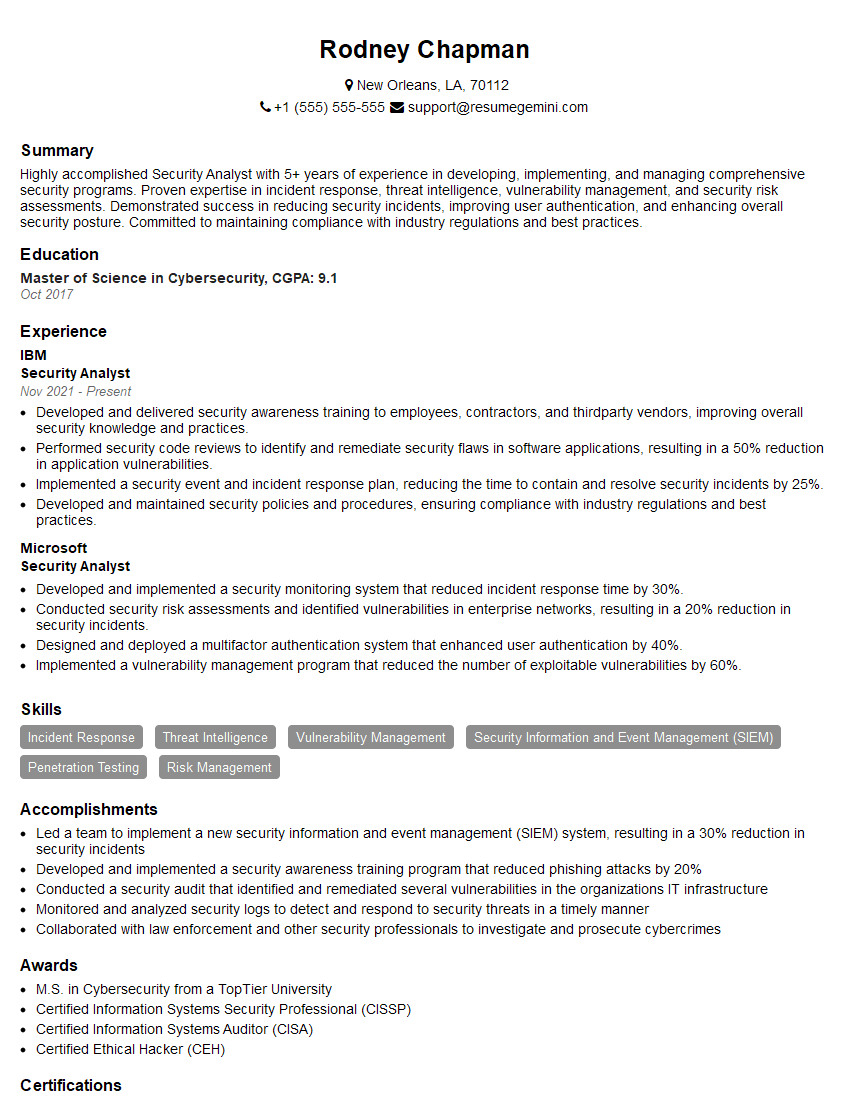
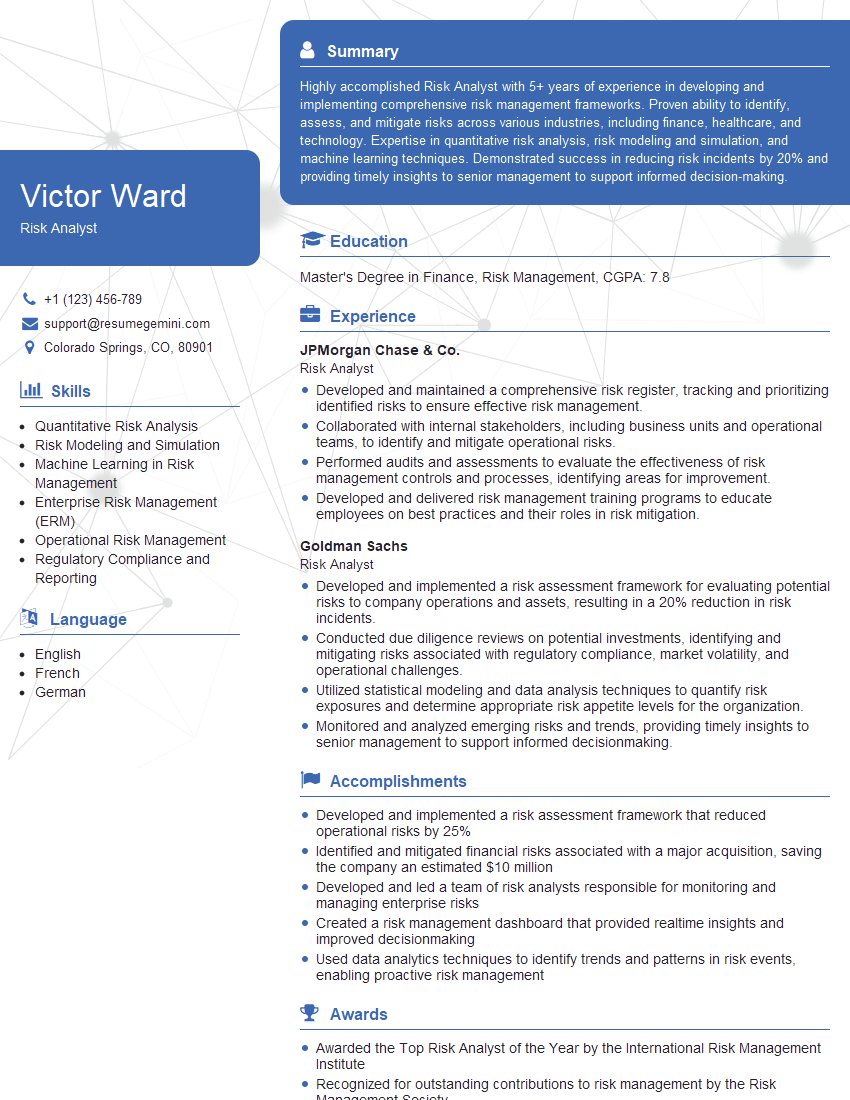
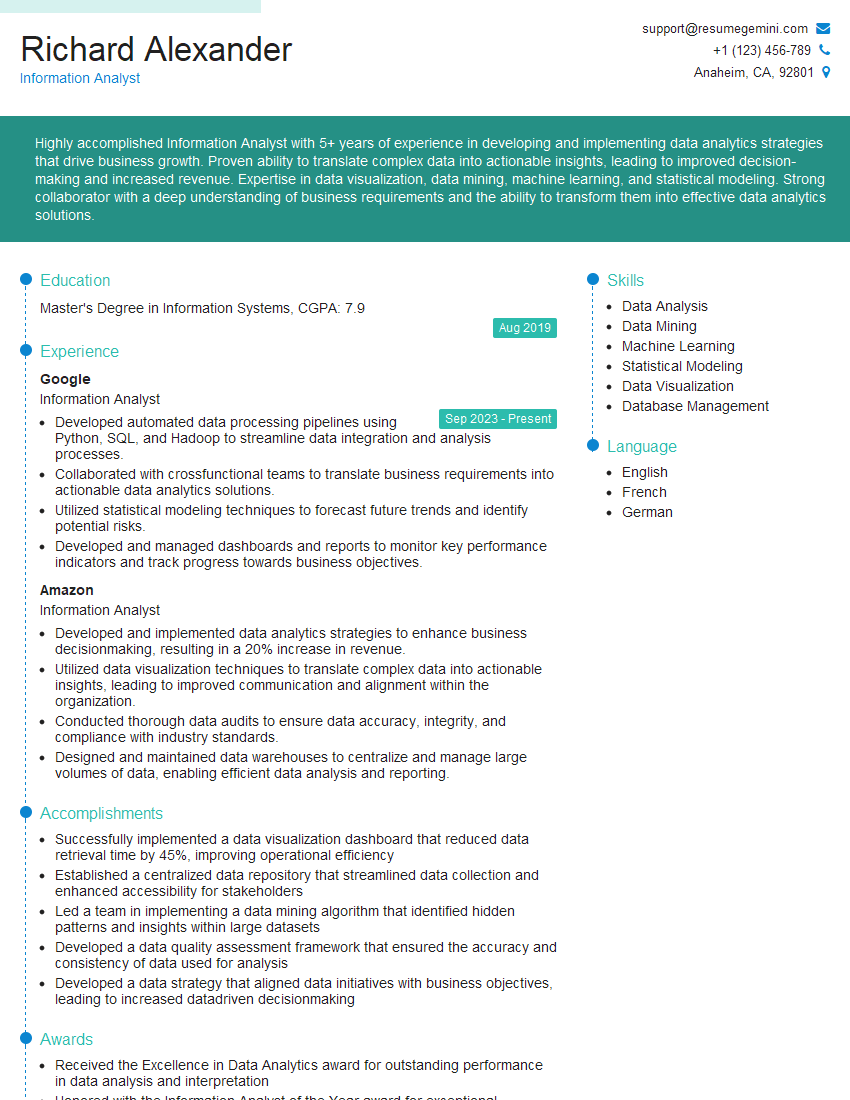
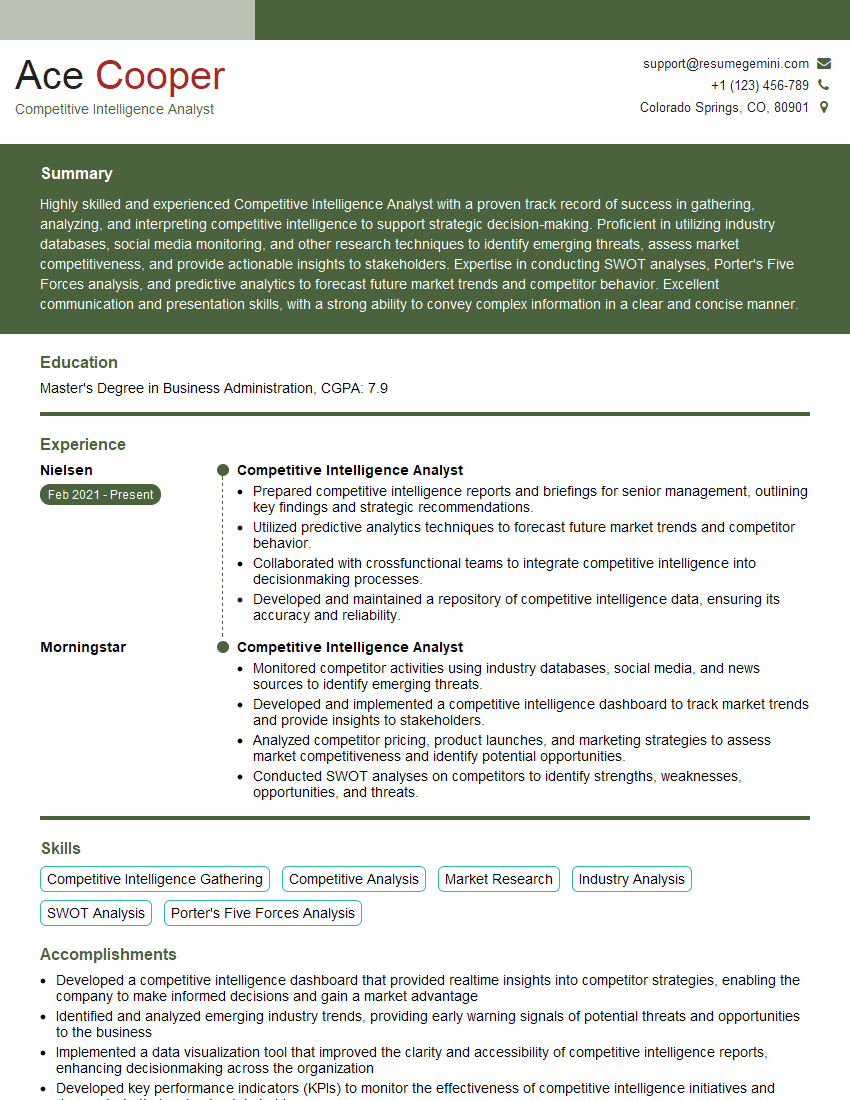
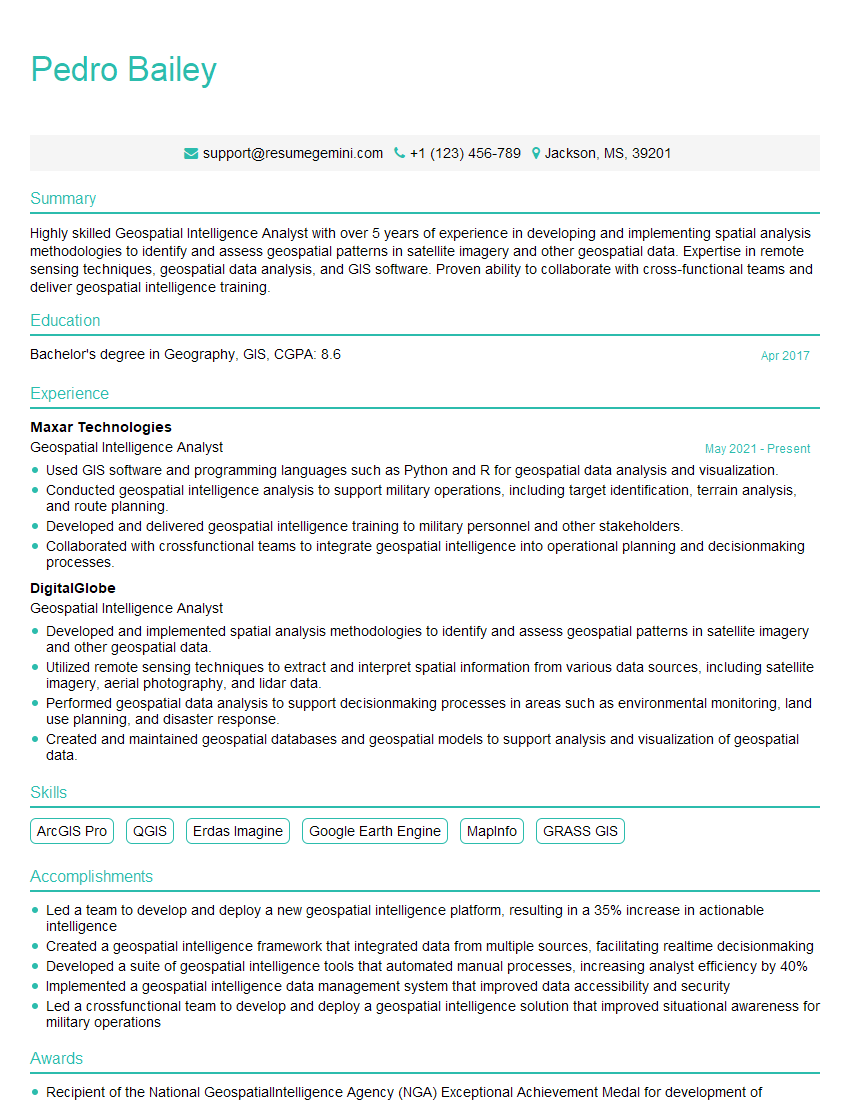
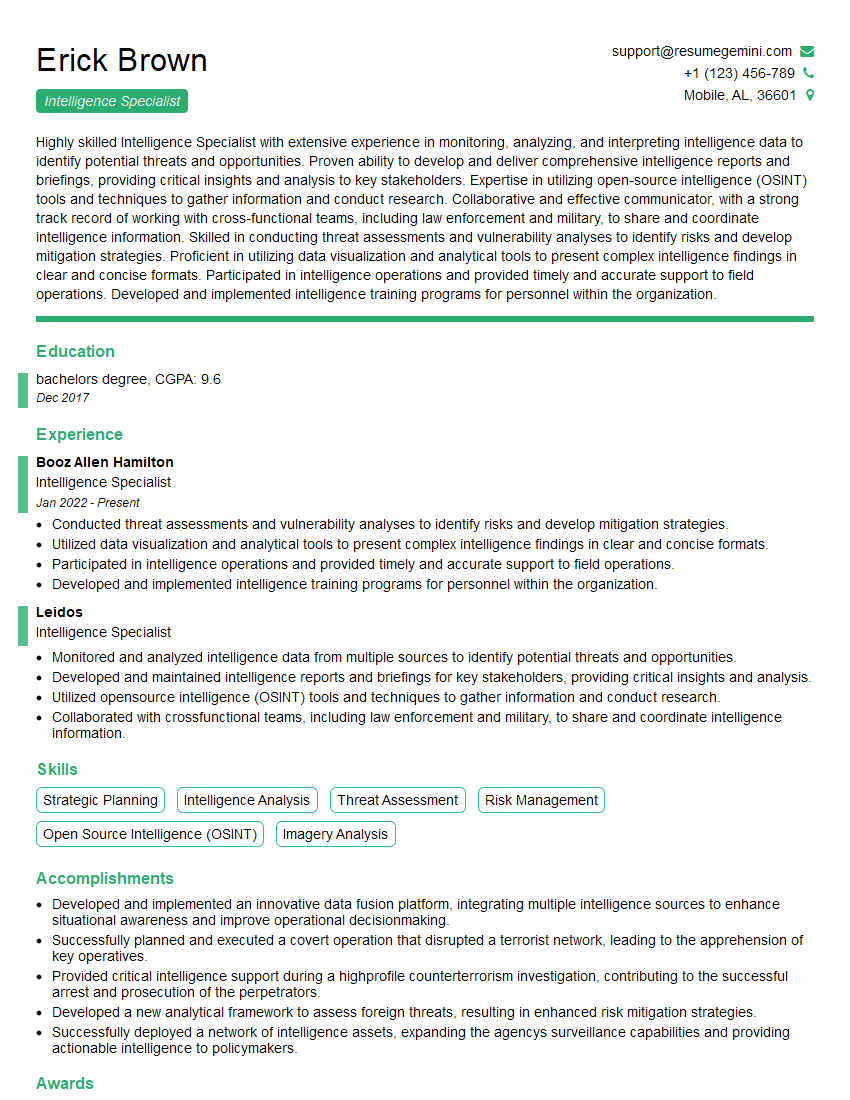
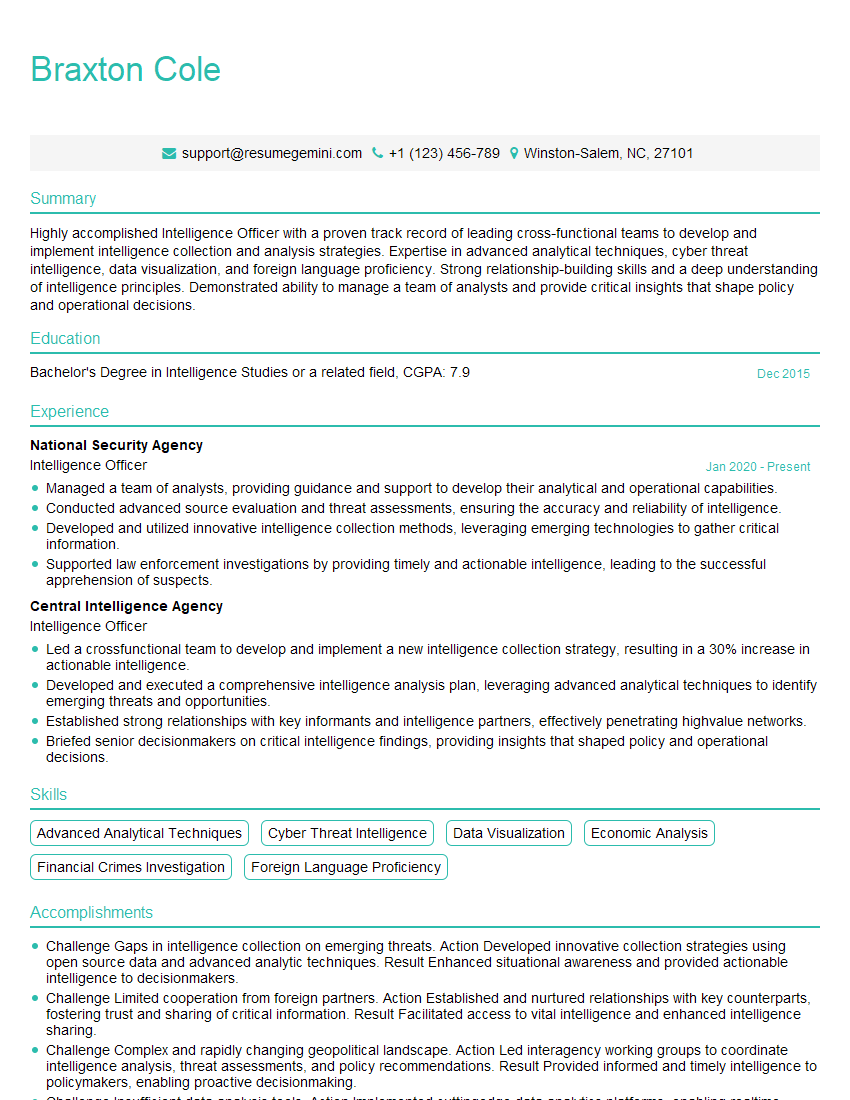
Mastering Human Intelligence principles is crucial for career advancement in a rapidly evolving technological landscape. A strong understanding of human behavior and cognition opens doors to impactful roles across various industries. To maximize your job prospects, it’s vital to create a resume that Applicant Tracking Systems (ATS) can easily parse and understand. ResumeGemini is a trusted resource to help you build a professional and ATS-friendly resume that highlights your skills and experience effectively. Examples of resumes tailored to Human Intelligence roles are available to further guide your preparation. Invest time in crafting a compelling narrative that showcases your unique qualifications and your passion for advancing the field of Human Intelligence.
Explore more articles
Users Rating of Our Blogs
Share Your Experience
We value your feedback! Please rate our content and share your thoughts (optional).
What Readers Say About Our Blog
Very informative content, great job.
good