Feeling uncertain about what to expect in your upcoming interview? We’ve got you covered! This blog highlights the most important Human Resources and Talent Management interview questions and provides actionable advice to help you stand out as the ideal candidate. Let’s pave the way for your success.
Questions Asked in Human Resources and Talent Management Interview
Q 1. Describe your experience with applicant tracking systems (ATS).
Applicant Tracking Systems (ATS) are software applications designed to manage the entire recruitment process, from initial application to offer letter. My experience spans several years using various ATS platforms, including Taleo, Workday, and BambooHR. I’m proficient in all aspects: job posting, candidate sourcing and screening, scheduling interviews, managing candidate communication, and generating reports.
For example, in my previous role at Acme Corp, I implemented a new ATS (Taleo) which streamlined our hiring process, reducing time-to-hire by 20%. This involved not only learning the system’s functionality, but also training the recruiting team and developing standardized workflows to ensure consistent usage. I’m also adept at using the ATS’s reporting features to track key metrics like time-to-fill, cost-per-hire, and source of hire, providing data-driven insights to improve our recruitment strategy.
Beyond simply using the software, I understand the importance of keyword optimization within job descriptions to ensure they’re ATS-friendly, thereby maximizing candidate reach and avoiding applications getting filtered out by automated systems. I’m comfortable working with both the candidate-facing and recruiter-facing aspects of an ATS.
Q 2. Explain your understanding of different compensation structures (e.g., salary, commission, bonuses).
Compensation structures are the different ways organizations pay their employees. The most common are salary, commission, and bonuses, each with its own advantages and disadvantages.
- Salary: A fixed annual income paid regularly, regardless of performance. It offers stability and predictability for employees, but may not incentivize exceptional performance.
- Commission: Payment based on a percentage of sales or performance achieved. This incentivizes high performance and is common in sales roles, but can lead to income instability if sales are low. For example, a salesperson might earn 5% commission on every sale they close.
- Bonuses: Additional payments made based on individual or company performance. They offer a flexible way to reward achievement and can be structured in various ways (e.g., performance-based, target-based, year-end bonuses). A common example is a year-end bonus based on company profitability exceeding a certain target.
Many organizations utilize hybrid models, combining salary with commission or bonuses to balance employee stability with performance-based incentives. Designing an effective compensation structure requires careful consideration of factors like job responsibilities, market rates, company budget, and overall performance goals.
Q 3. How would you handle a conflict between two employees?
Conflict resolution is a crucial HR skill. My approach follows a structured process. First, I’d meet with each employee separately to understand their perspective, focusing on active listening and empathy. It’s important to let them fully express their feelings and concerns without interruption (or at least minimal interruption). This helps gather all the necessary facts objectively.
Next, I’d facilitate a meeting between the two employees to discuss the conflict in a neutral and safe environment. The goal is not to place blame but to help them find a mutually agreeable solution. This often involves identifying the root cause of the conflict and establishing clear expectations for future interactions. For example, if the conflict stems from unclear roles and responsibilities, I might propose a redefinition of roles or implement clear guidelines to prevent future issues.
Finally, I’d follow up with both employees to ensure the situation has been resolved and provide ongoing support if needed. Documentation is critical throughout the process. If the conflict is severe or involves harassment, I’d involve higher management and follow company policy procedures immediately.
Q 4. What metrics do you use to measure the success of a recruitment campaign?
Measuring recruitment campaign success requires a multifaceted approach, using key metrics to assess efficiency and effectiveness.
- Cost per hire (CPH): The total cost of recruiting and hiring a new employee, divided by the number of hires. A lower CPH indicates higher efficiency.
- Time to fill: The time it takes to fill a vacant position, from posting the job to the candidate’s start date. A shorter time-to-fill indicates a more efficient process.
- Source of hire: Identifies the most effective recruitment channels (e.g., job boards, referrals, social media). This informs future recruitment strategies.
- Applicant quality: Assesses the quality of applicants received, including their experience, skills, and qualifications. A higher quality of applicants indicates a more effective campaign.
- Offer acceptance rate: The percentage of candidates who accept job offers. A higher rate demonstrates the attractiveness of the position and employer brand.
- New hire retention rate: Measures the percentage of new hires who remain with the company after a specific period. Higher retention shows successful recruitment selection and onboarding.
By tracking these metrics, we can identify areas for improvement in our recruitment strategies and optimize our efforts for better results. Regular reporting and analysis are key.
Q 5. Describe your experience with performance management systems.
Performance management systems are crucial for employee development and organizational success. My experience encompasses designing, implementing, and overseeing various systems, including goal-setting frameworks, regular check-ins, 360-degree feedback processes, and performance appraisals.
For example, at Beta Co, I helped implement a new performance management system based on Objectives and Key Results (OKRs). This involved working with managers to define clear objectives and measurable key results for each team member. Regular check-ins were implemented, replacing annual performance reviews with continuous feedback and support. This fostered a culture of transparency, accountability, and ongoing development.
I believe the most effective performance management systems are those that are transparent, fair, and aligned with organizational goals. They must also provide regular feedback and development opportunities, supporting employees in reaching their full potential. A well-designed system also ensures consistency in evaluation and provides accurate data for talent management decisions.
Q 6. How do you ensure diversity and inclusion in the hiring process?
Ensuring diversity and inclusion in hiring is not just a matter of compliance; it’s about creating a workplace that reflects the rich tapestry of our communities. My approach involves several key strategies:
- Diverse sourcing: Actively seeking candidates from various backgrounds through targeted recruitment campaigns, partnerships with diversity organizations, and diverse job boards.
- Bias-free job descriptions: Using inclusive language and avoiding gendered or culturally biased terminology in job postings and applications.
- Structured interviews: Implementing standardized interview questions and scoring rubrics to minimize unconscious bias in candidate evaluation. Using behavioral interviewing techniques helps to assess candidates based on past actions and behaviors instead of relying on assumptions.
- Blind resume screening: Removing identifying information (like names and addresses) from resumes during the initial screening process to reduce bias based on demographics.
- Diverse interview panels: Including individuals from diverse backgrounds in interview panels to provide varied perspectives and promote inclusivity.
- Ongoing training: Providing ongoing training to recruiters and hiring managers on unconscious bias, inclusive leadership, and diversity best practices.
Regularly tracking diversity metrics throughout the hiring process is crucial to identify areas for improvement and ensure accountability. Creating an inclusive company culture beyond just hiring practices, and fostering a sense of belonging is paramount.
Q 7. Explain your understanding of employment law (e.g., equal opportunities, discrimination).
Employment law is a critical component of HR. My understanding encompasses various key areas, including equal opportunities legislation and anti-discrimination laws. I’m familiar with the legal frameworks protecting employees from unlawful discrimination based on protected characteristics such as race, religion, gender, age, disability, and sexual orientation.
I understand the importance of fair hiring practices, ensuring equal opportunities for all candidates. This means adhering to legal requirements regarding background checks, pre-employment testing, and reference checks. I also understand the legal implications of employee termination, including the necessity for fair dismissal procedures and avoidance of wrongful termination claims.
Staying updated on employment law changes and adhering to relevant legislation is a constant priority. I regularly review updates and participate in professional development to ensure compliance. When faced with complex legal questions, I consult with legal counsel to ensure we maintain a compliant and ethical HR practice.
Q 8. How would you handle employee grievances?
Handling employee grievances effectively is crucial for maintaining a positive and productive work environment. My approach involves a structured process focusing on active listening, thorough investigation, and fair resolution. It starts with creating a safe and confidential space for employees to voice their concerns. I believe in employing a multi-step process:
- Active Listening and Understanding: I begin by carefully listening to the employee’s grievance without interruption, ensuring they feel heard and understood. This involves asking clarifying questions to fully grasp the situation and the employee’s perspective.
- Investigation and Fact-Finding: Once the grievance is understood, I conduct a thorough investigation, gathering information from all relevant parties involved. This may include reviewing documents, conducting interviews, and analyzing relevant data.
- Mediation and Resolution: Based on the findings of the investigation, I attempt to mediate a resolution between the employee and the involved parties. This often involves facilitating a discussion to identify common ground and find mutually acceptable solutions.
- Documentation and Follow-Up: The entire process is meticulously documented, including the grievance, the investigation findings, the resolution reached, and any follow-up actions. I ensure that the employee is kept informed throughout the process and that follow-up is conducted to ensure the resolution is effective and long-lasting.
- Prevention: Finally, I analyze the root cause of the grievance to identify potential systemic issues or areas for improvement in company policies or procedures to prevent similar grievances in the future. For example, a recurring complaint about unfair workload distribution might indicate a need for improved workflow management systems.
For example, in a previous role, I successfully mediated a grievance between a team lead and a team member regarding perceived unfair performance evaluations. Through careful investigation and facilitated dialogue, we identified a misunderstanding in the evaluation criteria and implemented clearer guidelines for future evaluations, preventing similar issues.
Q 9. Describe your experience with employee onboarding processes.
A robust employee onboarding process is critical for setting new hires up for success and integrating them smoothly into the company culture. My experience involves creating and implementing comprehensive onboarding programs that cover various aspects of the job and the organization. I focus on three key phases:
- Pre-boarding: This phase begins before the employee’s first day and involves sending a welcome package, outlining essential pre-start information such as paperwork, IT setup instructions, and a detailed schedule for their first week. It’s about setting expectations and building excitement.
- Orientation: The first week focuses on company culture, values, mission, and vision. It includes introductions to key personnel, team building activities, and a tour of the facilities. We provide a clear outline of the employee’s roles and responsibilities, along with an overview of company policies and procedures.
- Training and Development: This phase focuses on the specific skills and knowledge required for the role. This might include job-specific training, mentorship programs, or access to online learning platforms. It also involves regular check-ins with the employee’s manager to monitor progress, address any concerns, and provide ongoing support. Regular feedback sessions are crucial during this phase.
In a previous company, I spearheaded a complete overhaul of our onboarding program. By implementing a structured approach, we saw a significant improvement in new hire retention rates within the first year and a marked increase in new hire productivity in their initial months.
Q 10. How do you measure employee engagement?
Measuring employee engagement is an ongoing process that requires a multi-faceted approach. It’s not just about gauging satisfaction; it’s about understanding employees’ emotional commitment and their willingness to contribute discretionary effort. I utilize several methods:
- Employee Surveys: Regular pulse surveys and annual engagement surveys using validated questionnaires (e.g., Gallup Q12) provide quantitative data on various aspects of engagement, including job satisfaction, management support, and opportunities for growth. It’s vital to analyze the data thoroughly and not just look at the overall score, but also at individual questions and trends.
- Focus Groups and Interviews: Qualitative data gathered through focus groups and one-on-one interviews provide deeper insights into employee experiences and perceptions. These allow for more detailed explanations and uncover issues that might not be apparent in quantitative data.
- Observation and Feedback: Direct observation of employee behavior, team dynamics, and participation in meetings can offer valuable qualitative data. Regular feedback from managers and peers also provides a real-time gauge of engagement levels.
- Performance Metrics: While not a direct measure of engagement, performance metrics like productivity, absenteeism, and turnover rates can provide indirect indicators. High performance paired with low absenteeism often indicates high engagement.
For example, in a previous role, we noticed a decline in engagement scores related to career development opportunities. By implementing a mentorship program and creating more internal mobility options, we saw a significant improvement in engagement scores and a reduction in turnover in the subsequent year.
Q 11. What strategies do you use to improve employee retention?
Improving employee retention requires a strategic approach focused on creating a positive and supportive work environment where employees feel valued, appreciated, and challenged. My strategies include:
- Competitive Compensation and Benefits: Offering a competitive salary and benefits package is crucial to attract and retain top talent. This includes health insurance, retirement plans, paid time off, and other perks that align with market standards and employee needs.
- Opportunities for Growth and Development: Providing employees with opportunities for professional development, including training programs, mentoring, and advancement opportunities, helps them feel invested in their careers and the company’s future. This fosters a sense of loyalty and commitment.
- Recognition and Rewards: Regularly recognizing and rewarding employees’ contributions, both big and small, boosts morale and reinforces positive behaviors. This can be through formal awards, bonuses, public acknowledgements, or informal expressions of appreciation.
- Positive Work Environment: Fostering a positive and supportive work culture where employees feel respected, valued, and included is crucial. This involves promoting open communication, teamwork, and a healthy work-life balance.
- Employee Feedback and Input: Regularly seeking employee feedback and incorporating their suggestions into decision-making processes makes employees feel heard and valued, boosting their morale and commitment.
For instance, at my previous company, implementing a robust employee recognition program, along with increased opportunities for professional development, resulted in a noticeable decrease in our employee turnover rate within six months.
Q 12. Explain your experience with talent development programs.
My experience with talent development programs spans across various methodologies, from formal training programs to informal mentorship initiatives. I believe in a holistic approach that combines structured learning with on-the-job experiences to nurture employee growth. This involves:
- Needs Assessment: I begin by identifying the skills gaps and development needs within the organization and individual employees through performance reviews, skill assessments, and employee feedback. This ensures the programs directly address the organization’s requirements.
- Program Design and Implementation: I design and implement programs that leverage various learning methods, such as workshops, online courses, mentoring, coaching, job shadowing, and on-the-job training. The program should be engaging, relevant, and aligned with the organization’s strategic goals.
- Mentorship and Coaching: I facilitate mentorship and coaching programs that pair experienced employees with newer or less experienced colleagues, providing opportunities for knowledge transfer, skill development, and career guidance.
- Performance Monitoring and Evaluation: I regularly monitor the effectiveness of talent development programs through performance evaluations, feedback surveys, and assessment of program outcomes to ensure that the programs are achieving their intended results. Adaptations are made based on the results.
In a previous role, I implemented a leadership development program that included a combination of classroom training, executive coaching, and action learning projects. This resulted in improved leadership skills across the organization and a higher number of employees moving into leadership roles.
Q 13. How would you design a training program for new hires?
Designing a training program for new hires requires a careful blend of practical knowledge, technical skills, and cultural integration. My approach involves:
- Needs Analysis: First, I determine the specific knowledge, skills, and abilities (KSAs) required for each new hire role. This involves reviewing job descriptions, consulting with hiring managers, and analyzing the tasks involved in the position.
- Learning Objectives: Based on the needs analysis, I define clear and measurable learning objectives. These objectives should outline what new hires should be able to do upon completion of the training program.
- Training Content Development: The training content should be engaging, relevant, and tailored to the learning styles of the new hires. I incorporate various training methods, including presentations, hands-on activities, simulations, and role-playing. The use of technology, such as interactive e-learning modules, can enhance engagement and flexibility.
- Delivery Method: The training can be delivered in various formats, such as instructor-led training, online learning modules, or a blended approach combining both. The choice depends on factors like budget, time constraints, and the number of new hires.
- Evaluation and Feedback: Post-training evaluations are essential to assess the effectiveness of the program. This could involve written tests, practical assessments, or feedback surveys. This data is used to improve future training programs.
For example, when designing a training program for a new sales team, I incorporated role-playing scenarios to simulate real-life sales situations, along with online modules covering product knowledge and sales techniques, and concluded with on-the-job coaching by experienced sales representatives.
Q 14. Describe your experience with succession planning.
Succession planning is a proactive strategy to identify and develop high-potential employees to fill critical leadership roles when vacancies arise. My experience involves a multi-stage process:
- Identify Critical Roles: The first step is to identify key roles within the organization that are critical to its success and that might have a high turnover risk. This involves considering the strategic importance of the role, the skills and experience required, and the potential impact of a vacancy.
- Identify High-Potential Employees: Next, I identify high-potential employees who possess the skills, abilities, and leadership qualities necessary to fill these critical roles. This involves using performance reviews, 360-degree feedback, talent assessments, and observations.
- Develop High-Potential Employees: Once identified, these high-potential employees are given opportunities for development and growth, including training programs, mentorship opportunities, stretch assignments, and job rotations. This helps them gain the necessary experience and skills to take on greater responsibility.
- Create Development Plans: Individual development plans are created for each high-potential employee, outlining specific goals, training, and experiences that will prepare them for future leadership roles.
- Regular Review and Monitoring: Finally, the succession plan is regularly reviewed and updated to ensure it remains aligned with the organization’s strategic goals and reflects changes in the workforce. This is an ongoing process.
In a past role, I implemented a succession plan that successfully identified and developed internal candidates to fill several key leadership positions within the company, reducing the reliance on external hires and significantly improving leadership continuity. We used a combination of performance data, leadership potential assessments, and 360-degree feedback to identify our high-potential employees.
Q 15. How do you manage employee performance improvement plans?
Managing employee performance improvement plans (PIPs) requires a structured, supportive, and legally compliant approach. It’s crucial to remember that a PIP isn’t punishment; it’s a chance for improvement. The process begins with a thorough review of the employee’s performance, identifying specific areas needing improvement. This shouldn’t be a surprise; regular feedback and performance reviews are essential building blocks.
A well-structured PIP should clearly outline:
- Specific, Measurable, Achievable, Relevant, and Time-bound (SMART) goals: Instead of vague statements like “improve communication,” the goals should be precise (e.g., “Increase proactive communication with team members by sending weekly updates by Friday afternoon”).
- Action steps: Detailed steps the employee needs to take to achieve the goals.
- Timeline: A clear timeframe for achieving the goals, along with regular check-in points.
- Resources and support: Identifying any training, mentoring, or resources the employee needs to succeed. This could include additional coaching, access to new software, or shadowing a more experienced colleague.
- Consequences of failure to meet goals: While this should be mentioned, it’s crucial to approach it constructively, emphasizing support and the potential for further development opportunities.
Throughout the PIP period, consistent monitoring and supportive feedback are vital. Regular meetings provide opportunities to address challenges, offer encouragement, and track progress. Documentation is critical—keeping meticulous records of meetings, progress updates, and any communication surrounding the PIP. Finally, a formal review is conducted at the end of the PIP period to assess whether the goals have been met and determine the next steps.
For example, in a previous role, I guided a team member whose sales performance was lagging. We collaborated on a PIP focusing on improving sales techniques and client relationship management. We provided targeted training, regular coaching sessions, and adjusted their sales territory to better suit their strengths. This resulted in a significant improvement in their sales figures, demonstrating the effectiveness of a well-executed PIP.
Career Expert Tips:
- Ace those interviews! Prepare effectively by reviewing the Top 50 Most Common Interview Questions on ResumeGemini.
- Navigate your job search with confidence! Explore a wide range of Career Tips on ResumeGemini. Learn about common challenges and recommendations to overcome them.
- Craft the perfect resume! Master the Art of Resume Writing with ResumeGemini’s guide. Showcase your unique qualifications and achievements effectively.
- Don’t miss out on holiday savings! Build your dream resume with ResumeGemini’s ATS optimized templates.
Q 16. What is your experience with HR technology and systems?
I have extensive experience with various HR technology and systems, including Applicant Tracking Systems (ATS), Human Resource Information Systems (HRIS), performance management software, and talent management platforms. I’m proficient in using these systems for tasks such as recruitment, onboarding, performance reviews, compensation management, and employee data analysis. My experience spans several platforms, including Workday, BambooHR, and SuccessFactors.
Beyond basic functionality, I understand the importance of data integrity, system security, and compliance. I’ve been involved in selecting, implementing, and configuring HR systems, ensuring seamless integration with other business systems and optimizing workflows. For instance, in my previous role, I spearheaded the implementation of a new HRIS, streamlining processes that previously relied on manual data entry and reducing administrative overhead significantly. This resulted in increased accuracy and efficiency across all HR functions. I also have experience extracting and analyzing data from these systems to identify trends, such as employee turnover rates or areas for performance improvement. This data-driven approach is critical for strategic HR decision-making.
Q 17. How would you handle a situation where an employee is consistently underperforming?
Addressing consistent underperformance requires a multi-step approach focused on understanding the root cause, providing support, and upholding fair and consistent employment practices. The first step is to conduct a thorough performance review, documenting specific instances of underperformance using concrete examples.
Next, I’d engage the employee in a private, constructive conversation to understand the reasons behind their performance issues. This might involve addressing external factors like personal issues or work-life balance challenges, or internal factors like lack of training, unclear expectations, or lack of resources. It’s important to listen empathetically and collaborate to create a solution.
Depending on the situation, the appropriate response could range from additional training or mentorship to implementing a performance improvement plan (PIP), as discussed earlier. If the underperformance persists despite these efforts, more serious disciplinary measures may be necessary, always adhering to company policies and legal requirements. Documentation at every stage is crucial for transparency and legal protection.
For example, I once worked with an employee whose performance declined due to personal issues affecting their focus and motivation. After a sensitive discussion, we developed an action plan that included adjusted work responsibilities, flexible work arrangements, and access to employee assistance programs. With support and understanding, their performance improved, highlighting the value of a compassionate and proactive approach. However, in cases where underperformance persists and all reasonable measures have been taken, termination might become the last resort, but this should be a carefully considered and documented decision.
Q 18. Describe your experience with negotiating employment contracts.
Negotiating employment contracts requires a thorough understanding of labor laws, market compensation, and the specific needs of both the employer and the employee. My experience includes negotiating a wide range of contracts, from entry-level positions to senior management roles.
Before entering negotiations, I conduct thorough research to understand the prevailing market rates for similar positions, considering factors such as location, experience, and skills. I also carefully review the terms and conditions proposed by the employer, ensuring they align with legal requirements and the employee’s expectations.
During the negotiation process, I adopt a collaborative approach, focusing on finding mutually beneficial solutions. This involves clear and open communication, active listening, and a willingness to compromise. I use effective negotiation strategies, such as identifying and prioritizing key objectives, understanding the other party’s needs, and making counter-offers in a respectful and professional manner.
For example, I once negotiated a contract for a senior software engineer where the employer initially offered a lower salary than the market average. By presenting a well-researched salary comparison and highlighting the candidate’s unique skills and experience, I successfully negotiated a more competitive compensation package, ensuring both the employer and the employee were satisfied with the agreement. Maintaining thorough documentation throughout the process is also critical.
Q 19. Explain your understanding of different employee benefits packages.
Employee benefits packages are a crucial aspect of attracting and retaining top talent. They are more than just compensation; they reflect an organization’s commitment to its employees’ well-being. My understanding encompasses a wide range of benefits, including:
- Health insurance: Medical, dental, vision, and life insurance options.
- Retirement plans: 401(k), pension plans, and other retirement savings programs.
- Paid time off: Vacation, sick leave, and personal days.
- Disability insurance: Short-term and long-term disability coverage.
- Paid parental leave: Maternity, paternity, and adoption leave.
- Wellness programs: Gym memberships, health screenings, and employee assistance programs (EAP).
- Flexible work arrangements: Telecommuting options, flexible hours, and compressed workweeks.
- Tuition reimbursement: Funding for continuing education and professional development.
- Employee stock options: Opportunities for equity ownership in the company.
The design and implementation of a competitive benefits package requires considering factors like budget constraints, industry standards, and the company’s overall HR strategy. A successful benefits package should appeal to a diverse workforce, offering a range of options to accommodate individual needs and preferences. It’s important to regularly review and update the benefits package to remain competitive and relevant.
Q 20. How do you ensure compliance with HR regulations?
Ensuring compliance with HR regulations is paramount. This involves staying updated on federal, state, and local laws and regulations related to employment practices, including those concerning equal employment opportunity, wage and hour regulations, employee safety, and data privacy.
My approach to compliance includes several key strategies:
- Regular training: Conducting regular training programs for HR staff and managers on relevant laws and regulations, ensuring everyone understands their responsibilities.
- Policy review and updates: Regularly reviewing and updating company policies and procedures to reflect current legal requirements and best practices. This ensures that all HR practices align with the latest laws and regulations.
- Record-keeping: Maintaining meticulous records of all HR activities, including hiring, performance reviews, disciplinary actions, and employee benefits. This is vital for demonstrating compliance during audits or legal challenges.
- Self-audits: Conducting regular internal audits to identify potential compliance risks and address them proactively. This helps to prevent problems from escalating and ensures ongoing compliance.
- Consulting legal counsel: Consulting with legal counsel when needed to ensure compliance with complex regulations and to obtain guidance on difficult legal issues.
For example, I have been instrumental in implementing several initiatives to ensure compliance with the California Consumer Privacy Act (CCPA) and other data privacy regulations. This involved reviewing our data collection practices, updating our privacy policies, and providing employees with greater control over their personal information.
Q 21. What is your experience with employee surveys and feedback mechanisms?
Employee surveys and feedback mechanisms are invaluable tools for understanding employee engagement, morale, and overall satisfaction. My experience includes designing, implementing, and analyzing data from various types of surveys, including anonymous employee satisfaction surveys, pulse surveys, and 360-degree feedback assessments.
When designing a survey, it’s essential to use clear, concise language, avoid leading questions, and ensure the questions are relevant to the objectives of the survey. Anonymity and confidentiality are crucial for encouraging honest feedback.
After collecting data, I use statistical analysis to identify trends and patterns, understanding the underlying reasons for employee satisfaction or dissatisfaction. I then work with management to develop action plans based on the survey results, addressing specific concerns and implementing improvements.
For example, in a previous role, we conducted an anonymous employee satisfaction survey that revealed high levels of stress and workload among team members. Using this data, we implemented several initiatives to reduce workload, including restructuring tasks and providing additional training and resources. This led to a measurable increase in employee satisfaction and a decrease in employee turnover.
Q 22. How do you identify and address skill gaps within an organization?
Identifying and addressing skill gaps is crucial for organizational effectiveness. It involves a multi-step process that begins with a thorough assessment of current skills and future needs.
- Skill Gap Analysis: This involves using various methods like surveys, interviews, performance reviews, and skills assessments to determine the existing skills within the workforce. We can also use skills matrices to visually represent current skill levels against required skills. For example, we might find a lack of proficiency in a specific software or a shortage of individuals with leadership experience.
- Future Needs Assessment: This step anticipates future skill requirements based on strategic business goals, new technologies, and market trends. This often involves collaborating with department heads to understand their projected needs.
- Gap Identification: Comparing the current skills inventory to the projected needs reveals skill gaps. We would then prioritize these gaps based on their impact on business objectives – critical gaps get addressed first.
- Addressing the Gaps: Solutions can include targeted training programs, hiring new talent, internal promotions, job shadowing, mentoring, or external consulting. The best approach depends on the nature and severity of the gap, cost considerations, and timeline.
For instance, in a previous role, we identified a significant gap in data analytics skills after a strategic shift towards data-driven decision-making. We implemented a comprehensive training program using online courses, workshops, and mentorship from experienced analysts to upskill existing employees and successfully filled the gap.
Q 23. Describe your experience with workforce planning and forecasting.
Workforce planning and forecasting are essential for aligning the organization’s human capital with its strategic objectives. It’s about predicting future workforce needs and developing strategies to meet them. My experience involves using several methods:
- Analyzing historical data: Reviewing past employee turnover rates, hiring trends, and performance data helps establish baseline projections.
- Strategic workforce planning models: Using models that incorporate business growth projections, technology adoption plans, and anticipated retirements to forecast future workforce demands.
- Scenario planning: Developing multiple scenarios (e.g., best-case, worst-case, most likely) to anticipate a range of potential outcomes and prepare accordingly.
- Collaboration with stakeholders: Regular discussions with managers across different departments to ensure accurate forecasting of their specific needs. This includes understanding their planned projects, team sizes, and potential skill requirements.
In a prior role, I used a combination of quantitative analysis (statistical modeling) and qualitative methods (interviews with managers) to forecast the impact of a new product launch on the company’s workforce. The analysis helped us proactively recruit and train the required personnel, preventing potential bottlenecks and delays.
Q 24. How would you build strong relationships with stakeholders (e.g., managers, employees)?
Building strong relationships with stakeholders is fundamental to effective HR management. It’s about fostering trust, open communication, and mutual respect. My approach involves:
- Active Listening: Understanding the concerns, perspectives, and needs of managers and employees. This involves asking open-ended questions and truly listening to their responses.
- Transparency and Open Communication: Keeping stakeholders informed about HR initiatives, policies, and changes that might impact them. This includes regular updates, meetings, and feedback sessions.
- Collaboration and Partnership: Working collaboratively with managers to address their HR needs and working with employees to resolve their concerns. This creates a sense of shared responsibility and ownership.
- Regular Feedback and Follow-up: Actively soliciting and incorporating feedback from stakeholders to continuously improve HR services and relationships. This ensures that processes are responsive to the needs of the organization.
For example, I’ve established regular check-in meetings with department managers to discuss their staffing needs, employee performance, and any HR-related issues they are facing. This proactive approach helps build trust and ensures that HR is a supportive partner in achieving business goals.
Q 25. Explain your understanding of different employee motivation theories.
Employee motivation theories offer valuable insights into what drives individuals at work. Understanding these theories is essential for designing effective motivation and engagement strategies.
- Maslow’s Hierarchy of Needs: This theory suggests that employees are motivated by fulfilling a hierarchy of needs, starting from basic physiological needs (salary, safety) to self-actualization (growth, achievement). Addressing these needs in the workplace is crucial for motivation.
- Herzberg’s Two-Factor Theory: This differentiates between hygiene factors (salary, working conditions) which prevent dissatisfaction, and motivators (recognition, achievement) which drive satisfaction and motivation. To enhance motivation, focus on motivators.
- Expectancy Theory: This theory states that motivation is a product of expectancy (belief that effort leads to performance), instrumentality (belief that performance leads to rewards), and valence (value placed on the rewards). Ensuring a clear link between effort, performance, and rewards is crucial.
- Goal-Setting Theory: This emphasizes the importance of setting specific, measurable, achievable, relevant, and time-bound (SMART) goals to enhance employee motivation and performance.
In practice, I integrate these theories. For instance, when designing a compensation and benefits package, I consider Maslow’s Hierarchy to ensure basic needs are met, and Herzberg’s theory to incorporate motivators like performance-based bonuses and opportunities for growth. Regular feedback and goal-setting discussions further solidify employee motivation.
Q 26. How do you conduct effective performance appraisals?
Effective performance appraisals are a crucial tool for providing feedback, identifying development areas, and driving employee growth. My approach focuses on a fair and balanced process:
- Goal Setting: Start the year with clear, mutually agreed-upon goals and key performance indicators (KPIs) for each employee.
- Regular Check-ins: Conduct regular performance check-ins throughout the year, providing informal feedback and addressing any issues proactively. This prevents surprises at the formal review.
- 360-degree feedback: Incorporating feedback from peers, subordinates, and clients, to provide a well-rounded view of performance. This is especially valuable for leadership roles.
- Documentation: Maintaining detailed records of performance throughout the year, noting both achievements and areas needing improvement. This includes specific examples to support feedback.
- Constructive Feedback: Providing feedback that is specific, actionable, and focuses on both strengths and weaknesses. This should be balanced, recognizing accomplishments and providing constructive suggestions for improvement.
- Development Planning: Collaborating with employees to develop individual development plans to address identified skill gaps and career aspirations.
I believe in making performance appraisals a two-way conversation, not just a top-down evaluation. This ensures employees feel heard, valued, and engaged in their professional development.
Q 27. What is your experience with change management in an HR context?
Change management in HR requires a strategic and sensitive approach to ensure a smooth transition and minimize disruption. My experience encompasses various aspects:
- Assessment: Understanding the scope of the change, its impact on employees, and potential resistance points.
- Communication: Developing a comprehensive communication plan to keep employees informed throughout the process. Transparency is key to gaining buy-in.
- Training and Development: Providing employees with the necessary training and support to adapt to new processes, systems, or roles.
- Stakeholder Engagement: Engaging with key stakeholders to address their concerns and secure their support. This often involves active listening and addressing concerns proactively.
- Measuring Success: Tracking key metrics to assess the effectiveness of the change initiative and making adjustments as needed. This ensures the change is delivering the intended results.
For example, during a recent organizational restructuring, I played a key role in managing employee communication, conducting training sessions on new processes, and addressing employee concerns. By effectively managing the change, we minimized disruption and ensured a successful transition.
Q 28. Describe your experience with creating and implementing HR policies.
Creating and implementing HR policies is a critical aspect of ensuring legal compliance, promoting fairness, and creating a positive work environment. My experience involves:
- Legal Compliance: Ensuring that all HR policies are compliant with relevant labor laws and regulations. This requires staying up-to-date on legal changes and best practices.
- Policy Development: Developing clear, concise, and easily understandable policies that address key aspects of employment, such as recruitment, performance management, compensation, and employee relations.
- Consultation and Collaboration: Consulting with legal counsel and other stakeholders to ensure that policies are fair, equitable, and aligned with organizational values.
- Communication and Training: Communicating new policies to employees and providing training to ensure they understand their rights and responsibilities.
- Monitoring and Evaluation: Regularly reviewing and updating HR policies to ensure they remain current and effective. This includes gathering feedback from employees and managers.
In a previous role, I led the development and implementation of a new employee handbook, ensuring it addressed all legal requirements and reflected the company’s evolving culture. This resulted in a more consistent and equitable approach to HR practices.
Key Topics to Learn for Human Resources and Talent Management Interview
- Recruitment & Selection: Understanding various recruitment strategies (e.g., sourcing, screening, interviewing), applicant tracking systems (ATS), and legal compliance in hiring practices.
- Onboarding & Training: Developing effective onboarding programs, designing and delivering training initiatives, and measuring the success of training programs.
- Compensation & Benefits: Knowledge of salary structures, benefits packages, and legal requirements related to compensation and benefits administration.
- Performance Management: Designing and implementing performance review systems, providing constructive feedback, and developing performance improvement plans.
- Employee Relations: Handling employee grievances, mediating conflicts, and ensuring a positive work environment. Understanding of employment law and its practical implications.
- Talent Development & Succession Planning: Identifying high-potential employees, creating development plans, and implementing succession planning strategies.
- HR Technology & Data Analytics: Familiarity with HR information systems (HRIS), using data to inform HR decisions, and understanding HR metrics and reporting.
- Diversity, Equity, and Inclusion (DE&I): Implementing and promoting DE&I initiatives, fostering an inclusive workplace culture, and addressing biases in HR practices.
- Change Management: Supporting organizational change initiatives and managing the human impact of change on employees.
- Legal Compliance (Employment Law): A strong understanding of relevant employment laws and regulations, ensuring compliance in all HR activities.
Next Steps
Mastering Human Resources and Talent Management opens doors to exciting and impactful career opportunities. These skills are highly sought after, and demonstrating proficiency in these areas will significantly enhance your job prospects. To maximize your chances of landing your dream role, creating an ATS-friendly resume is crucial. This ensures your application gets noticed and moves through the Applicant Tracking System effectively. We highly recommend using ResumeGemini, a trusted resource, to build a professional and impactful resume that showcases your skills and experience. ResumeGemini provides examples of resumes tailored to Human Resources and Talent Management roles, helping you craft a compelling application that stands out from the competition.
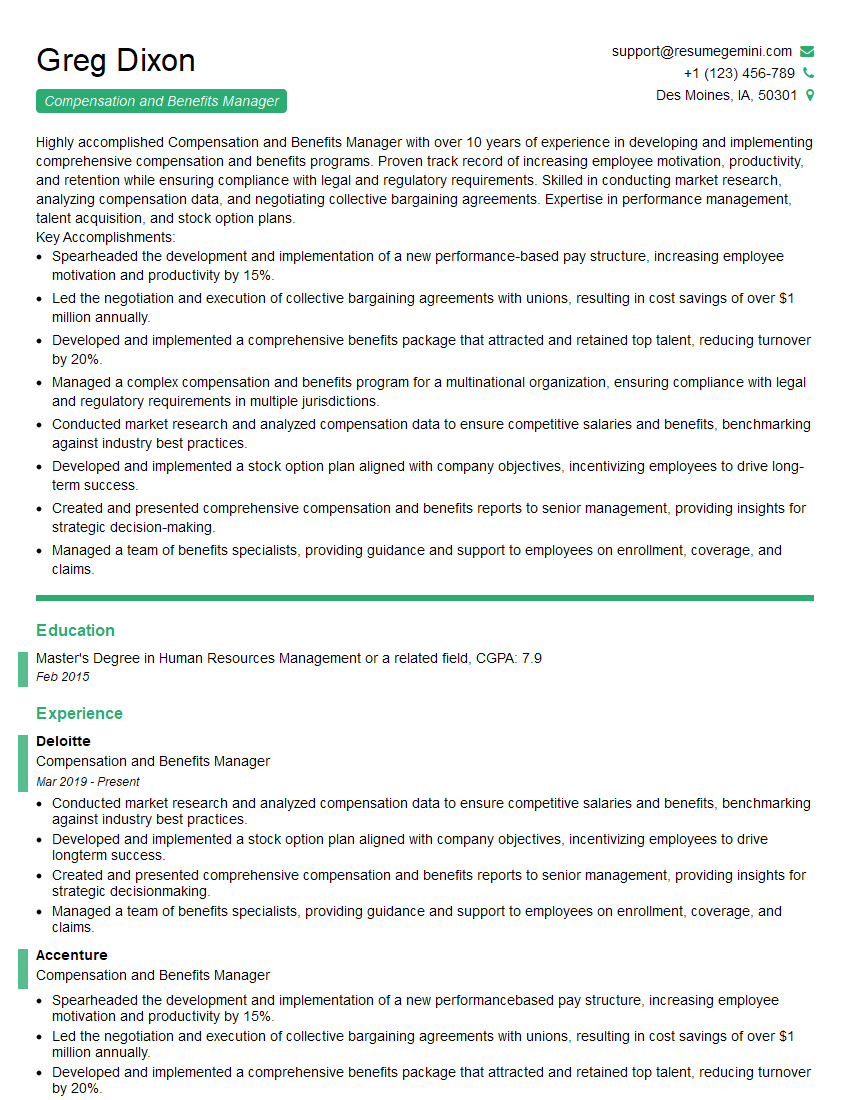
Compensation and Benefits Manager Resume Sample
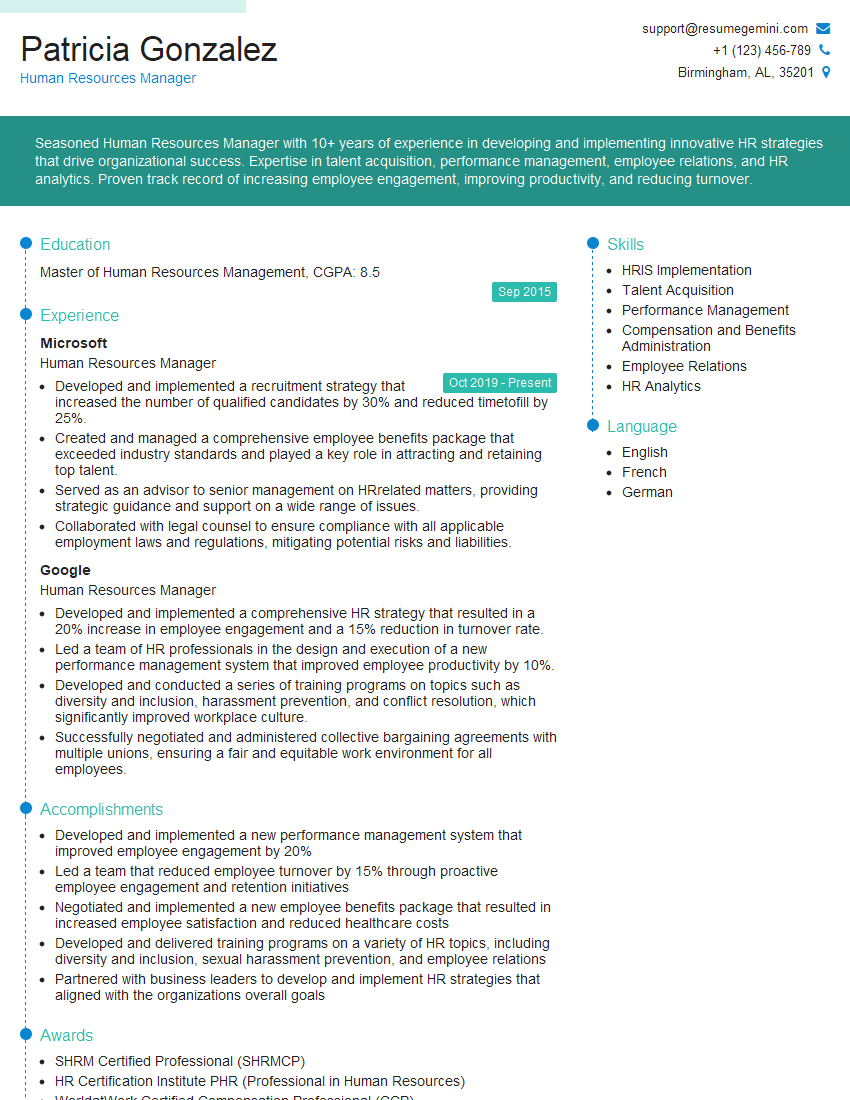
Human Resources Manager Resume Sample
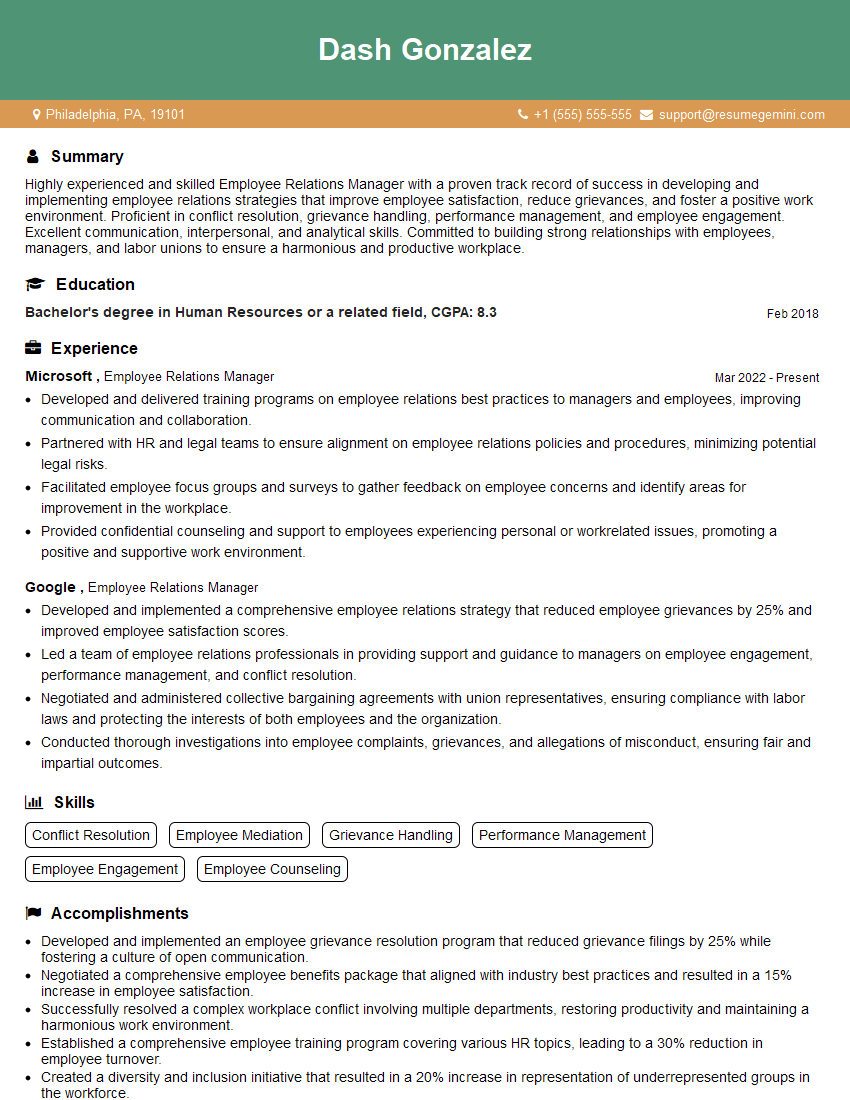
Employee Relations Manager Resume Sample
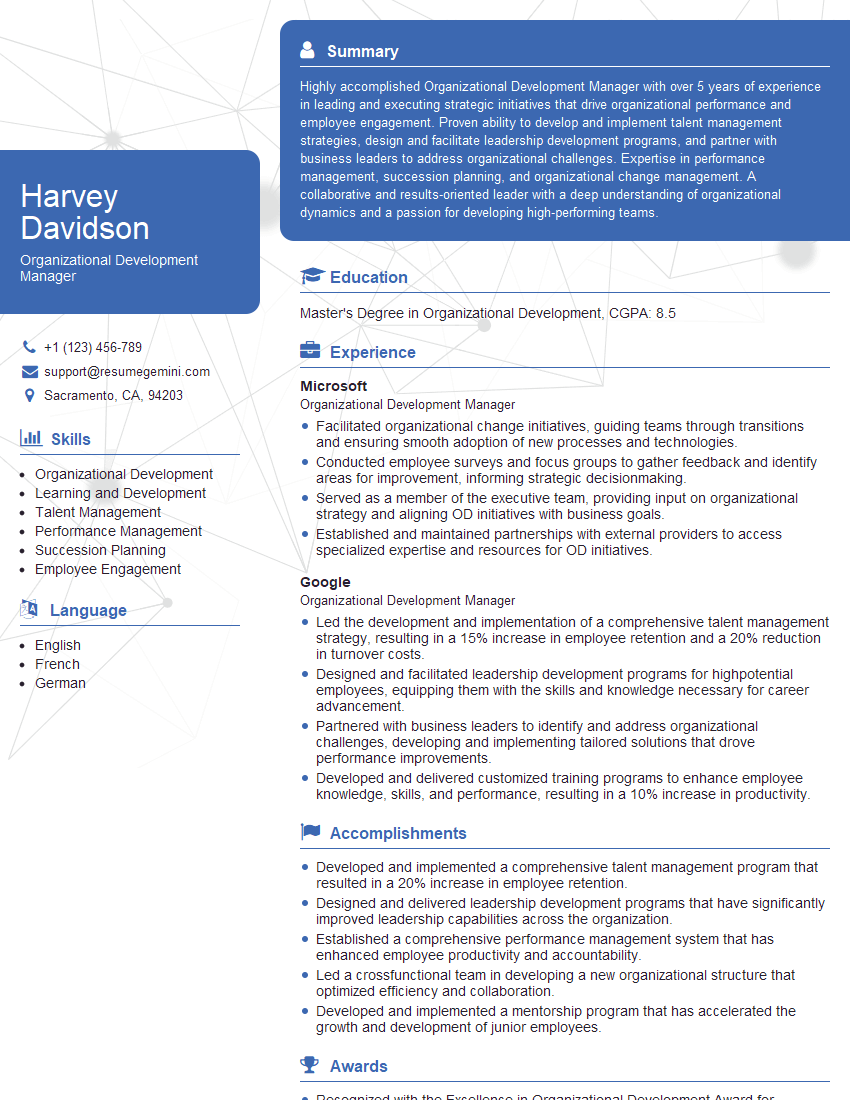
Organizational Development Manager Resume Sample
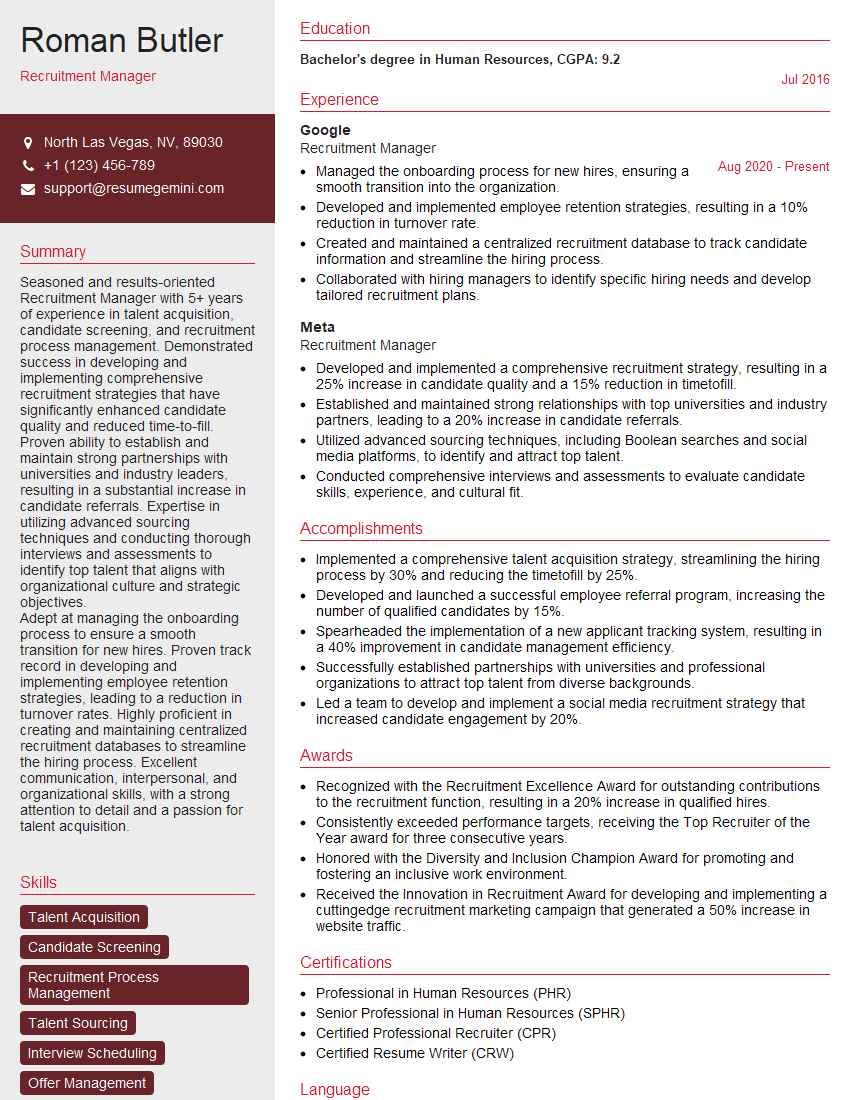
Recruitment Manager Resume Sample
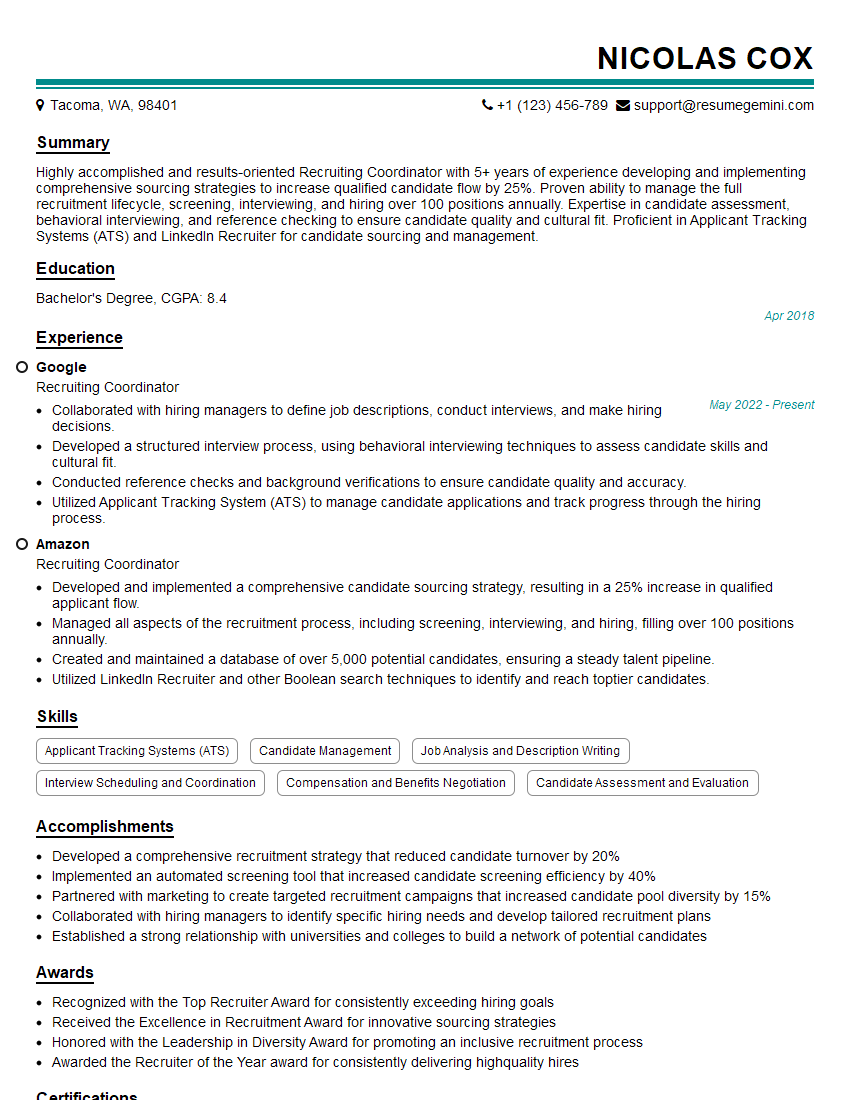
Recruiting Coordinator Resume Sample
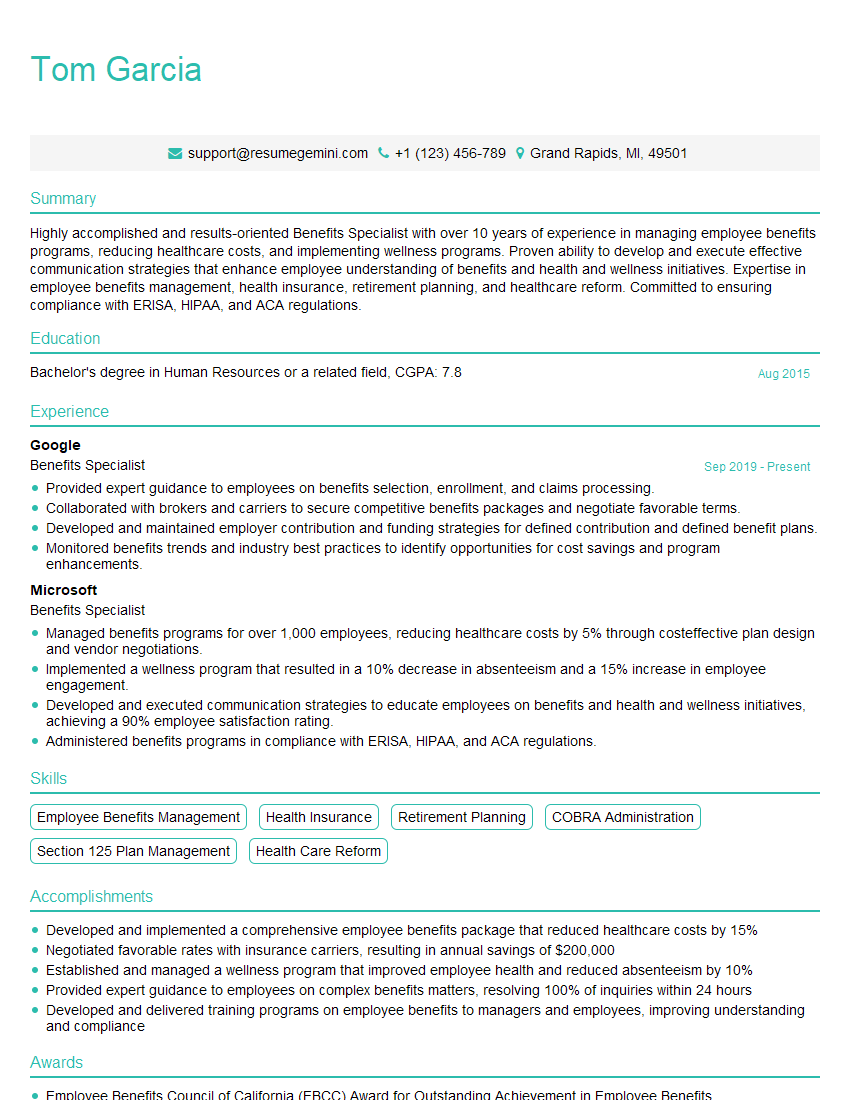
Benefits Specialist Resume Sample
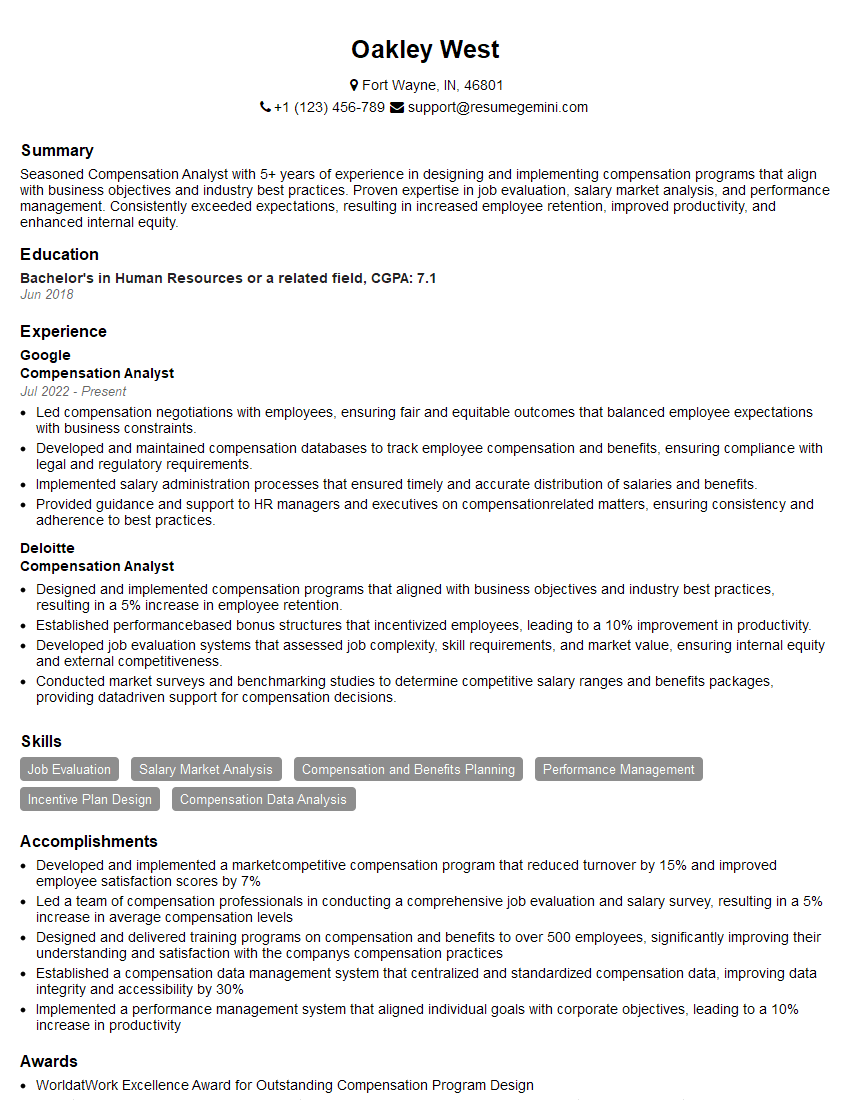
Compensation Analyst Resume Sample
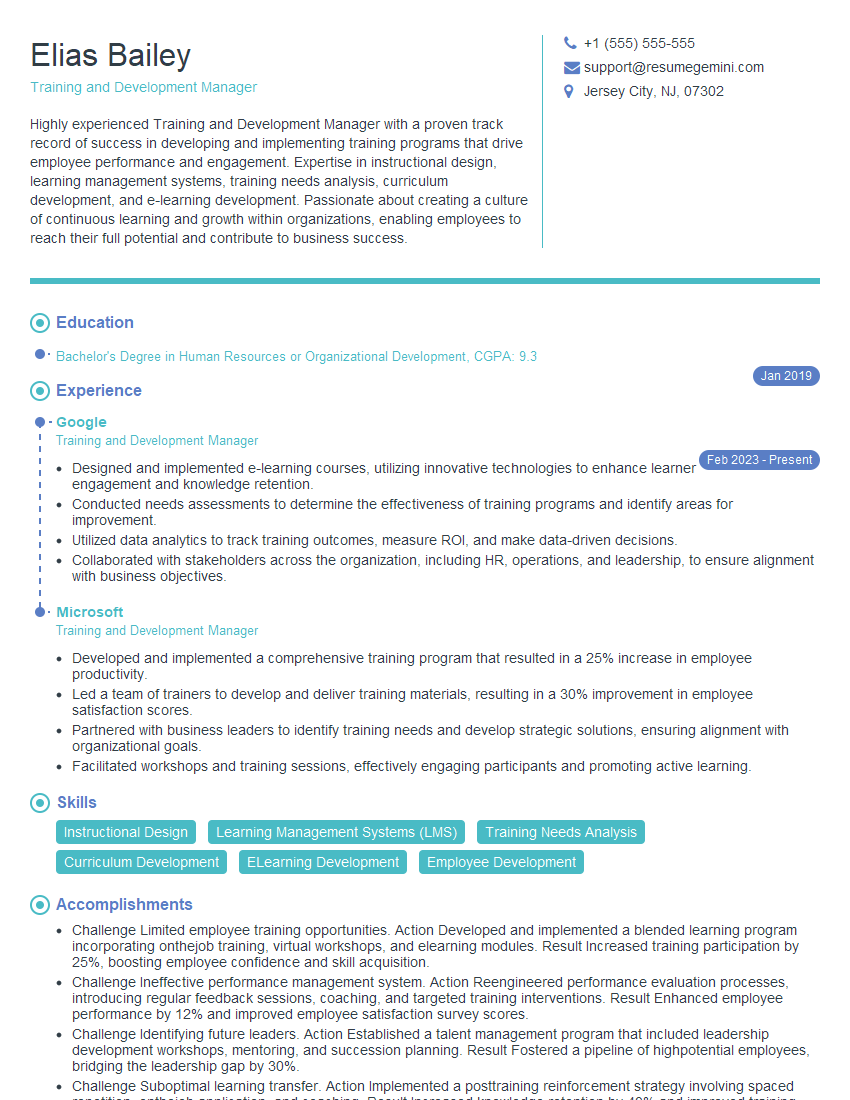
Training and Development Manager Resume Sample
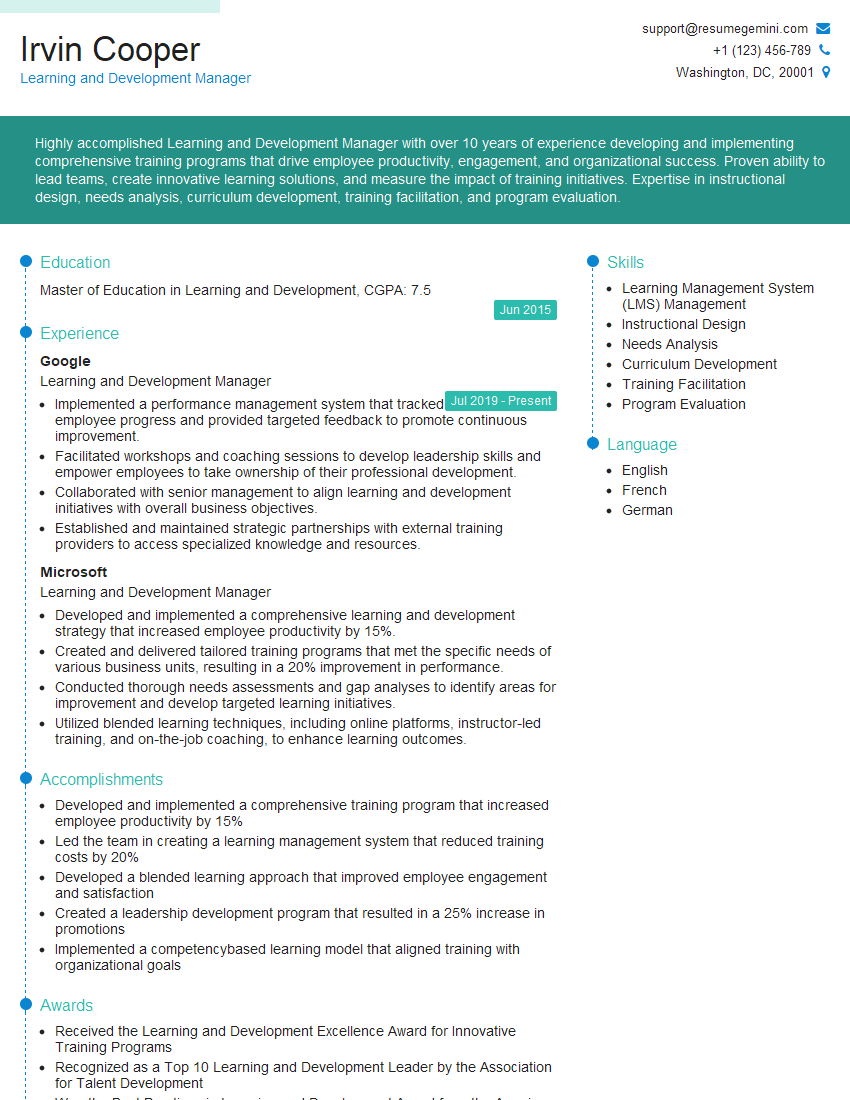
Learning and Development Manager Resume Sample
Explore more articles
Users Rating of Our Blogs
Share Your Experience
We value your feedback! Please rate our content and share your thoughts (optional).
What Readers Say About Our Blog
Very informative content, great job.
good