Are you ready to stand out in your next interview? Understanding and preparing for Human Resources (HR) Management interview questions is a game-changer. In this blog, we’ve compiled key questions and expert advice to help you showcase your skills with confidence and precision. Let’s get started on your journey to acing the interview.
Questions Asked in Human Resources (HR) Management Interview
Q 1. Explain your experience with performance management systems.
Performance management is a systematic process of evaluating employee performance, providing feedback, and planning for future development. My experience encompasses implementing and managing various performance management systems, from traditional annual reviews to more modern, continuous feedback approaches.
For example, in my previous role at Company X, I spearheaded the transition from an outdated, once-a-year appraisal system to a more agile, goal-oriented system using a platform called PerformYard. This involved:
- Defining clear Key Performance Indicators (KPIs) aligned with company objectives.
- Implementing regular check-ins between managers and employees (monthly or quarterly).
- Developing training materials for managers on conducting effective performance discussions.
- Creating a standardized performance review template that ensured consistency and fairness.
- Utilizing the system’s reporting features to track performance trends and identify areas for improvement across the organization.
The results were significant. We saw a marked improvement in employee engagement, clearer goal alignment, and a more data-driven approach to performance development. The new system also facilitated more frequent and constructive feedback, leading to improved employee performance and retention.
Q 2. Describe your approach to employee retention.
Employee retention is crucial for organizational success. My approach is multifaceted and focuses on creating a positive and engaging work environment. It hinges on three core pillars:
- Competitive Compensation and Benefits: Offering salaries and benefits packages that are competitive within the industry is paramount. This includes health insurance, retirement plans, paid time off, and other perks that are valued by employees.
- Career Development and Growth Opportunities: Investing in employee development demonstrates a commitment to their long-term success within the company. This might involve providing training opportunities, mentorship programs, internal promotion opportunities, and clear career paths.
- Positive Work Environment and Culture: Fostering a culture of recognition, respect, and collaboration is key. This means creating a safe and inclusive workplace, encouraging open communication, celebrating successes, and addressing concerns promptly and fairly. In my experience, employee engagement surveys, team-building activities, and regular feedback sessions are instrumental in achieving this.
For instance, at Company Y, I implemented a mentorship program that paired junior employees with senior leaders. This program resulted in improved employee retention rates, increased skill development, and a stronger sense of community within the organization. It also provided valuable career guidance and boosted morale.
Q 3. How do you handle employee conflict resolution?
Conflict resolution is a crucial skill in HR. My approach is proactive and focuses on early intervention and mediation. I believe in fostering a culture where employees feel comfortable expressing concerns without fear of reprisal.
My process typically follows these steps:
- Facilitate a Meeting: I bring together the involved parties in a neutral setting to discuss the issue.
- Active Listening: I ensure each party feels heard and understood by actively listening to their perspectives without judgment.
- Identify the Root Cause: Understanding the underlying cause of the conflict is critical for finding a lasting solution. This often involves asking clarifying questions and exploring different perspectives.
- Collaborative Solution: I work with the employees to find a mutually agreeable solution that addresses the root cause and prevents future occurrences. This may involve compromise, negotiation, or the development of clear guidelines or procedures.
- Follow-Up: I follow up with the involved parties to ensure the agreed-upon solution is working and to address any lingering concerns.
In one instance, a disagreement between two team members escalated to a point where productivity was affected. By facilitating a meeting, actively listening to both sides, and helping them identify the miscommunication at the root of the conflict, I helped them arrive at a solution that restored their working relationship. The key was ensuring both parties felt valued and understood.
Q 4. What is your experience with recruitment and selection processes?
My recruitment and selection experience encompasses all aspects of the process, from job analysis and posting to interviewing and onboarding. I’m adept at leveraging various recruitment channels, including job boards, social media, and networking events, to attract a diverse pool of qualified candidates.
My approach emphasizes:
- Developing detailed job descriptions: Clearly defining responsibilities, required skills, and qualifications is crucial for attracting the right candidates.
- Using structured interviews: This ensures consistent evaluation of candidates based on pre-defined criteria, reducing bias and improving fairness.
- Employing various assessment methods: Using aptitude tests, personality assessments, and skills assessments can help identify the best fit for the role and the organization’s culture.
- Thorough background checks: Conducting background checks is essential to ensure candidate suitability and mitigate risk.
- Effective onboarding: A well-structured onboarding process helps new hires integrate quickly and successfully into their roles and the organization.
In my previous role, I implemented a new applicant tracking system (ATS) that streamlined the recruitment process, reduced time-to-hire, and improved the candidate experience. The ATS also allowed for better tracking of key metrics, such as time-to-fill and cost-per-hire, enabling data-driven decision-making.
Q 5. Explain your understanding of compensation and benefits administration.
Compensation and benefits administration involves designing, implementing, and managing employee compensation and benefits programs. My understanding covers various aspects, including salary structures, bonus plans, incentive programs, and employee benefits packages.
Key elements of my experience include:
- Salary benchmarking: Conducting market research to ensure salaries are competitive and aligned with industry standards.
- Developing compensation structures: Creating salary ranges and grades that are fair and equitable based on job responsibilities and experience.
- Managing benefits programs: Administering health insurance, retirement plans, paid time off, and other employee benefits.
- Compliance with regulations: Ensuring compliance with all relevant laws and regulations related to compensation and benefits.
- Cost-effective solutions: Identifying and implementing cost-effective benefits programs while maintaining employee satisfaction.
For example, at Company Z, I helped design a new incentive program that rewarded employees for exceeding performance goals, resulting in increased productivity and improved employee morale. The program was carefully designed to be fair, transparent, and aligned with the company’s strategic objectives.
Q 6. Describe your experience with HRIS systems.
HRIS (Human Resource Information System) systems are critical for managing HR data efficiently. My experience includes working with various HRIS platforms, including Workday, BambooHR, and SuccessFactors. This involves:
- Data entry and management: Maintaining accurate employee data, including personal information, compensation, performance reviews, and benefits.
- System configuration and customization: Tailoring the system to meet the specific needs of the organization.
- Report generation and analysis: Using the system’s reporting capabilities to generate insights on employee data and trends.
- Integration with other systems: Connecting the HRIS with other systems such as payroll and time and attendance.
- Troubleshooting and problem-solving: Identifying and resolving system issues to ensure smooth operation.
At one organization, I led the implementation of a new HRIS, which involved migrating existing data, training employees on the new system, and ensuring a seamless transition. The new system significantly improved the efficiency of HR processes and provided valuable insights into workforce trends.
Q 7. How do you ensure compliance with employment laws?
Ensuring compliance with employment laws is a paramount responsibility in HR. My approach involves staying abreast of current legislation, developing and implementing policies and procedures that comply with these laws, and regularly auditing HR practices to identify and mitigate potential risks.
Key aspects of compliance include:
- Equal Employment Opportunity (EEO): Adhering to laws that prohibit discrimination based on race, religion, gender, age, or other protected characteristics.
- Wage and Hour Compliance: Ensuring compliance with laws related to minimum wage, overtime pay, and recordkeeping.
- Employee Privacy: Protecting employee personal information in accordance with privacy laws.
- Safety and Health: Adhering to occupational safety and health regulations to provide a safe working environment.
- Leave and Absence Management: Managing employee leave requests in accordance with applicable laws, such as FMLA (Family and Medical Leave Act).
Regular training for managers and employees on compliance issues is crucial. For instance, we conduct annual training on anti-harassment and anti-discrimination policies to reinforce company values and ensure compliance. Regular audits and self-assessments are also conducted to proactively identify and address potential compliance risks.
Q 8. How do you measure the effectiveness of HR programs?
Measuring the effectiveness of HR programs requires a multifaceted approach, going beyond simple satisfaction surveys. We need to tie program outcomes directly to business goals. This involves establishing clear Key Performance Indicators (KPIs) beforehand.
Quantitative Metrics: These offer concrete data. Examples include:
- Reduced employee turnover rate (e.g., a 15% decrease after implementing a new employee retention program).
- Increased employee engagement scores (measured through surveys or pulse checks).
- Improved employee productivity (e.g., a 10% increase in sales per employee after implementing a sales training program).
- Cost savings (e.g., reduced recruitment costs due to a more effective onboarding process).
Qualitative Metrics: These provide context and deeper understanding. Examples include:
- Employee feedback gathered through focus groups or individual interviews.
- Manager observations on changes in employee behavior or performance.
- Analysis of employee comments and reviews.
For instance, if we implemented a leadership development program, we wouldn’t just measure satisfaction; we’d track the promotion rate of participants, their performance ratings, and their team’s overall performance. By combining quantitative and qualitative data, we create a holistic picture of the program’s impact.
Q 9. What is your experience with employee training and development?
My experience in employee training and development spans over [Number] years, encompassing various methodologies and learning styles. I’ve designed and delivered training programs on topics ranging from technical skills to soft skills like communication and leadership. I believe in a blended learning approach.
Needs Assessment: Before designing any program, I conduct a thorough needs assessment to identify skill gaps and training requirements. This involves surveys, interviews, and performance reviews.
Program Development: I create engaging and interactive training materials using a variety of methods including online modules, workshops, mentoring programs, and on-the-job training. I tailor the content to different learning styles and incorporate real-world case studies and simulations to enhance learning.
Delivery and Evaluation: I oversee the delivery of training, ensuring that it’s engaging and effective. Post-training, I evaluate the impact of the program using pre- and post-training assessments, performance evaluations, and feedback from participants. For example, in a previous role, I developed a leadership training program that resulted in a 20% increase in employee promotion rates within the following year.
Q 10. Explain your experience with onboarding new employees.
A strong onboarding program is crucial for employee retention and success. My approach focuses on creating a smooth and welcoming transition for new hires. I believe in a structured, multi-stage process that extends beyond the first day.
Pre-boarding: Before the start date, I ensure that all necessary paperwork is completed and that the new hire receives an introductory welcome package, including information about the company culture, team members, and their immediate responsibilities.
First Day and Week: The first day is about introductions, orientation, and setting expectations. The first week involves in-depth introductions to the team, company policies, and systems.
First Month and Beyond: Ongoing check-ins and mentoring are essential during the first month to answer questions and provide support. Regular performance reviews and goal setting are integrated into the process to help new hires track progress.
Feedback and Iteration: I regularly solicit feedback from new hires to identify areas for improvement in the onboarding process. This ensures it remains relevant and effective.
In a previous role, I redesigned our onboarding program which led to a 10% reduction in early leavers within the first three months.
Q 11. How do you handle employee grievances?
Handling employee grievances requires a fair, consistent, and confidential approach. My process emphasizes timely resolution and focuses on finding mutually agreeable solutions.
Open Communication: I encourage open communication and create a safe space for employees to voice their concerns without fear of retribution.
Active Listening: I actively listen to understand the employee’s perspective and the root cause of the grievance.
Investigation: If necessary, I conduct a thorough investigation to gather all relevant facts. This might involve interviewing witnesses or reviewing documentation.
Mediation: I often act as a mediator, facilitating a discussion between the employee and the relevant parties to find a resolution.
Documentation: I meticulously document the entire grievance process, including the steps taken and the outcome.
My goal is to resolve grievances fairly and efficiently, ensuring that all parties feel heard and respected. I always adhere to company policies and legal requirements during this process.
Q 12. Describe your experience with diversity and inclusion initiatives.
I’m passionate about fostering diverse and inclusive workplaces. My experience includes developing and implementing initiatives to promote equity and belonging.
Recruitment Strategies: I’ve worked on implementing inclusive recruitment strategies to attract a wider range of candidates, including using diverse job boards and partnering with organizations focused on underrepresented groups.
Diversity Training: I’ve designed and delivered diversity and inclusion training programs to raise awareness of unconscious bias, promote cultural sensitivity, and create a more welcoming environment.
Employee Resource Groups (ERGs): I’ve supported the creation and development of ERGs to provide a sense of community and belonging for employees from diverse backgrounds.
Mentorship Programs: I’ve implemented mentorship programs to support the career development of underrepresented employees.
Data Tracking and Analysis: I track diversity metrics regularly to monitor progress and identify areas for improvement.
In a previous role, I implemented a comprehensive diversity and inclusion plan that resulted in a significant increase in the representation of women and minority groups in leadership positions.
Q 13. What is your experience with talent management strategies?
Talent management is critical for organizational success. My approach focuses on attracting, developing, and retaining high-performing employees. This involves a strategic and holistic view of the entire employee lifecycle.
Succession Planning: I’ve developed and implemented succession plans to identify and develop high-potential employees for future leadership roles.
Performance Management: I ensure that performance management systems are fair, transparent, and aligned with business goals, fostering employee growth and development.
Career Development: I support employees in defining their career aspirations and creating development plans to help them achieve their goals. This might include providing access to training opportunities, mentoring programs, or job shadowing experiences.
Compensation and Benefits: I work to ensure that compensation and benefits packages are competitive and attractive to top talent, supporting employee retention.
Talent Acquisition: I collaborate with recruitment teams to develop and implement effective strategies for attracting and selecting qualified candidates.
My approach to talent management is data-driven, using performance data, employee feedback, and market trends to inform decision-making.
Q 14. How do you conduct performance appraisals?
Conducting performance appraisals effectively requires a balanced approach that combines objective data with subjective feedback. I prefer a collaborative, goal-oriented approach.
Goal Setting: The process begins with setting clear, measurable, achievable, relevant, and time-bound (SMART) goals at the start of the review period. This ensures alignment between individual contributions and organizational objectives.
Regular Feedback: Instead of relying solely on an annual review, I conduct regular check-ins throughout the year to provide ongoing feedback and address any performance issues promptly.
Objective Data: I utilize objective data like sales figures, project completion rates, and customer satisfaction scores to assess performance objectively.
Subjective Feedback: I gather subjective feedback from the employee’s peers, supervisors, and subordinates (if applicable) to gain a 360-degree perspective on their performance.
Self-Assessment: I encourage employees to conduct self-assessments to reflect on their achievements and areas for improvement, promoting self-awareness and ownership.
Development Plan: The appraisal concludes with the creation of a development plan outlining specific actions to enhance performance and address any identified weaknesses.
The entire process is designed to be a constructive dialogue focused on improvement and growth, not simply a judgment of past performance.
Q 15. Explain your understanding of workforce planning.
Workforce planning is the strategic process of aligning an organization’s human capital with its business objectives. It’s not just about filling current vacancies; it’s a proactive approach to anticipating future needs and ensuring you have the right people with the right skills at the right time. This involves analyzing current workforce demographics, forecasting future needs based on business growth or changes, identifying skill gaps, and developing strategies to address those gaps through recruitment, training, succession planning, and other initiatives.
For example, imagine a tech company anticipating a surge in demand for AI specialists. Effective workforce planning would involve analyzing current AI expertise within the company, identifying the number of additional specialists needed, and developing a plan to recruit, train, or upskill existing employees to meet that demand. This might involve partnerships with universities, targeted recruitment campaigns, or internal training programs focusing on AI development.
A crucial element is regularly reviewing and updating the workforce plan. Market trends, technological advancements, and shifting business priorities all necessitate continuous monitoring and adaptation. This iterative process ensures the plan remains relevant and effective in supporting the organization’s evolving goals.
Career Expert Tips:
- Ace those interviews! Prepare effectively by reviewing the Top 50 Most Common Interview Questions on ResumeGemini.
- Navigate your job search with confidence! Explore a wide range of Career Tips on ResumeGemini. Learn about common challenges and recommendations to overcome them.
- Craft the perfect resume! Master the Art of Resume Writing with ResumeGemini’s guide. Showcase your unique qualifications and achievements effectively.
- Don’t miss out on holiday savings! Build your dream resume with ResumeGemini’s ATS optimized templates.
Q 16. How do you ensure employee engagement?
Employee engagement is about creating a workplace where employees feel valued, motivated, and committed to the organization’s success. It’s not just about employee satisfaction; it’s about fostering a sense of purpose and ownership. I ensure employee engagement through a multi-pronged approach focusing on several key areas:
- Open Communication: Regularly soliciting feedback through surveys, one-on-one meetings, and suggestion boxes. Transparency in decision-making is crucial.
- Opportunities for Growth: Providing opportunities for professional development, skill enhancement, and career advancement. This could include mentorship programs, training courses, or internal promotion opportunities.
- Recognition and Rewards: Implementing formal and informal recognition programs to acknowledge and appreciate employee contributions. This includes both monetary and non-monetary rewards.
- Work-Life Balance: Promoting a healthy work-life balance through flexible work arrangements, generous leave policies, and promoting wellness initiatives.
- Strong Leadership: Ensuring managers are trained in effective leadership skills, focusing on empowering employees, providing constructive feedback, and fostering a positive team environment.
For instance, in a previous role, we implemented a peer-to-peer recognition program where employees could nominate colleagues for outstanding contributions. This fostered a culture of appreciation and increased collaboration.
Q 17. Describe your experience with change management in HR.
Change management in HR is about effectively guiding employees through organizational transitions, ensuring a smooth and positive experience. My experience includes implementing significant changes such as restructuring, new HR systems, and changes to compensation and benefits programs. I use a structured approach:
- Communication: Keeping employees informed every step of the way, addressing concerns and providing clear explanations of the changes and their impact. Transparency is critical here.
- Training and Support: Providing adequate training and support to help employees adapt to the new processes, systems, or procedures. This might involve workshops, online tutorials, or one-on-one coaching.
- Leadership Engagement: Engaging leadership to champion the change and model the desired behaviors. Visible support from leadership is crucial for buy-in.
- Feedback Mechanisms: Establishing mechanisms for gathering employee feedback and making adjustments as needed throughout the change process. This helps to address potential issues early on and improve the overall experience.
- Celebrating Successes: Acknowledging milestones and celebrating successes along the way to maintain momentum and motivation.
In one instance, we successfully implemented a new HR information system. We held training sessions, created comprehensive FAQs, and provided ongoing support, resulting in minimal disruption and widespread employee acceptance.
Q 18. How do you handle employee disciplinary actions?
Handling employee disciplinary actions requires a fair, consistent, and documented approach. It’s crucial to follow established company policies and procedures. My approach involves:
- Investigation: Conducting a thorough and impartial investigation of the alleged misconduct, gathering evidence and statements from all involved parties.
- Documentation: Meticulously documenting all steps of the process, including dates, times, individuals involved, and any evidence collected.
- Meeting with the Employee: Holding a meeting with the employee to discuss the allegations, allowing them to provide their perspective and respond to the evidence.
- Disciplinary Action: Depending on the severity of the misconduct, implementing appropriate disciplinary action, which could range from a verbal warning to termination of employment.
- Consistency and Fairness: Ensuring consistency and fairness in applying disciplinary actions across all employees, avoiding any perception of bias or favoritism.
It’s essential to maintain a balance between upholding company policies and showing empathy. Disciplinary actions should always focus on correcting behavior and improving performance, while also adhering to legal requirements.
Q 19. What is your experience with salary negotiations?
Salary negotiations require a balanced approach, considering both the candidate’s qualifications and the company’s budget. My experience involves understanding market rates, assessing the candidate’s skills and experience, and aligning expectations. I prepare thoroughly by researching salary ranges for similar positions in the market and reviewing the candidate’s resume and interview performance. During the negotiation, I focus on:
- Building Rapport: Establishing a positive and collaborative relationship with the candidate.
- Presenting a Competitive Offer: Offering a competitive salary package that is within the company’s budget and aligns with the candidate’s qualifications and experience.
- Highlighting Benefits: Emphasizing the value of the overall compensation package, including benefits, bonuses, and opportunities for growth.
- Active Listening: Carefully listening to the candidate’s expectations and concerns.
- Mutual Agreement: Reaching a mutually agreeable salary that satisfies both parties.
It’s important to remember that salary is only one aspect of the overall compensation package. Benefits, work-life balance, and career growth opportunities can often be strong negotiating points.
Q 20. Explain your understanding of employee benefits packages.
Employee benefits packages are a crucial part of a company’s overall compensation strategy, designed to attract and retain top talent. These packages go beyond base salary and often include:
- Health Insurance: Medical, dental, and vision coverage.
- Retirement Plans: 401(k) plans, pension plans, or other retirement savings options.
- Paid Time Off: Vacation, sick leave, and holidays.
- Life Insurance: Coverage for employees and their dependents.
- Disability Insurance: Coverage for short-term and long-term disability.
- Employee Assistance Programs (EAPs): Programs offering confidential counseling and other support services.
- Flexible Spending Accounts (FSAs): Accounts allowing employees to set aside pre-tax dollars for eligible health care and dependent care expenses.
Designing a competitive benefits package requires understanding employee needs and market trends. Regularly reviewing and updating the package is essential to remain competitive and attractive to prospective and current employees. For example, offering flexible work arrangements or parental leave policies can be highly attractive to certain demographics.
Q 21. How do you manage employee data privacy?
Managing employee data privacy is paramount, requiring adherence to all applicable laws and regulations, such as GDPR and CCPA. My approach focuses on:
- Data Minimization: Only collecting and storing the employee data absolutely necessary for legitimate business purposes.
- Data Security: Implementing robust security measures to protect employee data from unauthorized access, use, or disclosure. This includes access controls, encryption, and regular security audits.
- Compliance: Ensuring compliance with all relevant data privacy laws and regulations. This requires staying informed about updates and changes to these laws.
- Transparency: Being transparent with employees about how their data is collected, used, and protected. This often involves providing a clear privacy policy.
- Employee Training: Training employees on data privacy best practices and their responsibilities in protecting sensitive information.
- Data Retention Policies: Establishing clear data retention policies and procedures to ensure data is deleted or archived securely once it is no longer needed.
A data breach can have serious consequences for both the company and its employees. Proactive measures are essential to prevent such events and to safeguard employee privacy.
Q 22. Describe your experience with creating and implementing HR policies.
Creating and implementing HR policies is crucial for establishing a fair, consistent, and legally compliant workplace. It involves a systematic process, starting with needs assessment, drafting, review, communication, and ongoing evaluation.
In my previous role at Acme Corp, we needed to update our social media policy to reflect the evolving landscape of online employee behavior. I began by researching best practices, reviewing legal precedents related to employee free speech and employer expectations, and consulting with the legal department. We then drafted a clear, concise policy that addressed acceptable use, confidentiality, and potential disciplinary actions. The policy was circulated for feedback from various departments before final approval. Following implementation, we conducted training sessions and incorporated the policy into our employee handbook. We also regularly reviewed and updated the policy to stay current with legal changes and best practices.
Another example involved developing a comprehensive anti-harassment policy. This required extensive research into relevant legislation, collaboration with legal counsel, and a focus on creating a supportive environment where employees felt comfortable reporting concerns. The policy incorporated clear definitions of harassment, reporting procedures, and investigative protocols. To enhance understanding and promote a culture of respect, we conducted mandatory training sessions, using scenarios and role-playing to illustrate practical applications.
Q 23. Explain your understanding of HR metrics and analytics.
HR metrics and analytics involve using data to measure and improve HR effectiveness. It’s about moving beyond anecdotal evidence to make data-driven decisions that improve employee engagement, productivity, and the overall health of the organization. This encompasses a broad range of key performance indicators (KPIs).
For instance, we can track metrics like employee turnover rate, time-to-hire, cost-per-hire, employee satisfaction scores (from surveys or pulse checks), and training effectiveness. Analyzing these metrics allows us to identify trends, pinpoint areas needing improvement, and measure the impact of HR initiatives. In one instance, we noticed a high turnover rate among entry-level employees. By analyzing exit interview data, we found that the lack of mentorship and career development opportunities was a key contributing factor. This led us to implement a new mentoring program that significantly reduced turnover within six months. We also used workforce analytics dashboards to visualize key trends and communicate findings effectively to stakeholders.
A common mistake is relying solely on a single metric. A holistic approach, considering multiple KPIs in conjunction with each other, provides a more accurate picture of the organization’s HR health. This comprehensive analysis helps demonstrate the Return on Investment (ROI) of HR programs and strategies.
Q 24. How do you identify and address skills gaps within an organization?
Identifying and addressing skills gaps requires a multi-faceted approach. It begins with understanding the current state of employee skills and aligning them with the organization’s strategic goals and future needs.
I typically use a combination of methods: conducting skills assessments (through surveys, performance reviews, or competency tests), analyzing job descriptions to pinpoint required skills, and conducting gap analysis to compare existing skills to future needs. Once gaps are identified, I develop targeted solutions, such as training programs, mentoring initiatives, or external recruitment strategies. For example, at a previous company, we realized a significant gap in data analytics skills within our marketing team. We addressed this through a combination of internal training sessions, external workshops, and cross-training opportunities with employees from our analytics department. We measured the success of our initiatives by tracking performance metrics related to improved data analysis capabilities.
It’s important to remember that addressing skills gaps is an ongoing process. Regular skills audits and performance reviews help ensure that the organization stays ahead of the curve and adapts to changing business needs.
Q 25. What is your experience with succession planning?
Succession planning is a proactive strategy to ensure the organization has qualified individuals ready to fill critical roles when vacancies arise. It’s not simply about identifying replacements; it’s about developing future leaders and ensuring organizational continuity.
My approach involves identifying high-potential employees through performance reviews, 360-degree feedback, and talent assessments. We then create individual development plans (IDPs) tailored to their specific skills and career aspirations. These plans might include mentorship programs, job rotations, leadership training, or external development opportunities. For instance, at Beta Solutions, I led the development of a succession plan for senior management roles. We identified potential successors for each critical role, assessed their strengths and weaknesses, and created personalized development plans to address any skill gaps. Regularly reviewing and updating the plan is crucial to accommodate changes in business strategy and employee performance.
A robust succession plan mitigates risk associated with unexpected departures, improves employee morale (by providing career advancement opportunities), and enhances the organization’s long-term competitiveness.
Q 26. How do you manage employee absenteeism and turnover?
Managing employee absenteeism and turnover requires a proactive and comprehensive approach that addresses both the symptoms and underlying causes.
First, we need to understand the root causes. Analyzing absenteeism data can reveal patterns or trends (e.g., high absenteeism on Mondays, more absences during certain seasons). Similarly, exit interviews are crucial for understanding why employees leave. Data analysis helps determine if issues like burnout, work-life balance problems, inadequate compensation, or poor management practices are at play. Addressing these issues is key. For example, if burnout is a factor, we might implement wellness programs, flexible work arrangements, or provide additional training to improve time management skills. If compensation is an issue, we might conduct a competitive salary analysis and adjust pay accordingly. Improved communication and employee engagement initiatives can significantly help reduce turnover. Regular pulse checks allow for early detection of potential problems, providing opportunity for intervention before the situation escalates.
A comprehensive approach that includes preventive measures, targeted interventions, and ongoing monitoring is essential for effectively managing absenteeism and turnover.
Q 27. Explain your approach to building a positive work environment.
Building a positive work environment is a cornerstone of effective HR management. It involves fostering a culture of respect, collaboration, and open communication. It is achieved not through a single initiative, but through ongoing efforts across many dimensions.
My approach is multifaceted. It starts with clear communication from leadership, setting expectations and encouraging two-way dialogue. I encourage employee feedback through regular surveys, focus groups, and informal channels. Implementing recognition programs, offering flexible work arrangements where possible, promoting work-life balance, and providing opportunities for professional development are all crucial components. Creating a sense of community through team-building activities and social events also plays a significant role in building morale and fostering positive relationships. For example, at Gamma Industries, we implemented a peer-to-peer recognition program where employees could acknowledge each other’s contributions. This created a culture of appreciation and enhanced teamwork. Regular pulse surveys allowed us to quickly address any emerging issues or concerns affecting employee morale, and fostering a culture of transparency built trust and helped to reduce friction.
Ultimately, building a positive work environment leads to increased productivity, reduced turnover, and improved overall organizational performance. It’s an investment that pays dividends.
Q 28. Describe your experience with strategic HR planning.
Strategic HR planning is a proactive process that aligns HR activities with the organization’s overall business strategy. It ensures that the right people with the right skills are in the right place at the right time. It’s about forecasting future workforce needs and developing strategies to meet those needs.
My approach involves working closely with leadership to understand the organization’s strategic goals and objectives. This involves analyzing workforce demographics, identifying skill gaps, and projecting future workforce requirements. We then develop strategies to address potential shortages or surpluses, such as recruitment plans, training programs, succession plans, and talent management initiatives. For instance, at Delta Corp, we developed a five-year strategic HR plan that aligned with the company’s expansion into new markets. This plan included a detailed recruitment strategy to acquire the necessary talent, a comprehensive training program to upskill existing employees, and a succession plan to ensure leadership continuity. We also factored in workforce demographics to anticipate changes in the workforce composition and planned for addressing future skill requirements.
Regularly reviewing and updating the strategic HR plan is essential to ensure it remains aligned with the organization’s evolving needs and business objectives. This iterative process ensures the HR function remains a strategic partner, not merely a support function, and fosters the organization’s long-term success.
Key Topics to Learn for Human Resources (HR) Management Interview
- Recruitment & Selection: Understanding various recruitment strategies, candidate screening techniques, and conducting effective interviews. Practical application: Developing a robust recruitment plan for a specific role, considering diversity and inclusion.
- Employee Relations: Managing employee performance, conflict resolution, and fostering a positive work environment. Practical application: Developing a strategy to improve employee morale and engagement.
- Compensation & Benefits: Knowledge of salary structures, benefits packages, and legal compliance. Practical application: Analyzing compensation data to ensure fair and competitive pay.
- Training & Development: Designing and implementing training programs to enhance employee skills and performance. Practical application: Creating a training program to address a specific skill gap within the organization.
- HR Technology & Data Analytics: Utilizing HRIS systems and data analysis to inform strategic HR decisions. Practical application: Using HR data to track recruitment effectiveness and identify areas for improvement.
- Legal Compliance & HR Policies: Understanding employment laws, company policies, and ethical considerations. Practical application: Developing or reviewing HR policies to ensure compliance with all relevant legislation.
- Performance Management: Implementing performance appraisal systems, providing constructive feedback, and managing performance improvement plans. Practical application: Designing a performance management system that aligns with organizational goals.
- Diversity, Equity, and Inclusion (DE&I): Strategies for creating a diverse, equitable, and inclusive workplace. Practical application: Developing and implementing initiatives to promote DE&I within the organization.
Next Steps
Mastering Human Resources (HR) Management opens doors to rewarding and impactful careers, offering opportunities for growth and leadership. A strong resume is crucial for showcasing your skills and experience to potential employers. Creating an ATS-friendly resume is vital to maximizing your job prospects. We recommend using ResumeGemini to build a professional and effective resume. ResumeGemini provides valuable tools and resources, including examples of resumes tailored specifically to Human Resources (HR) Management, to help you present your qualifications compellingly.
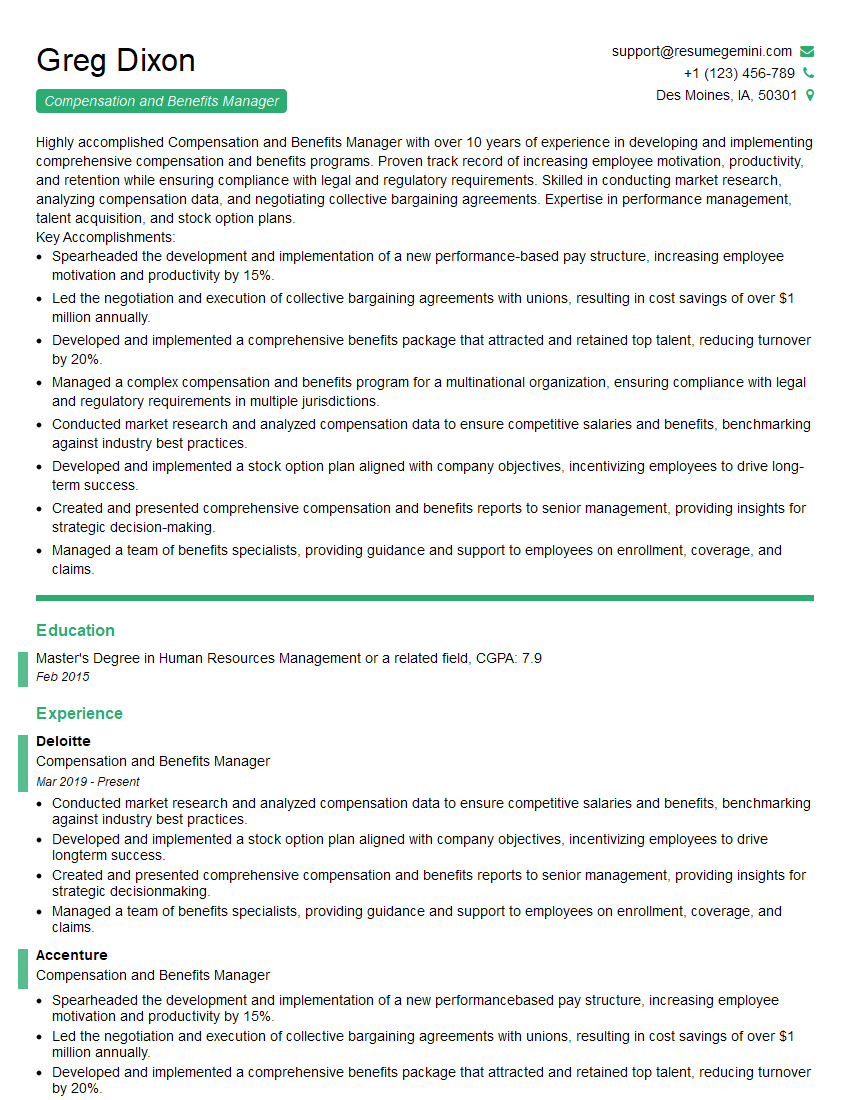
Compensation and Benefits Manager Resume Sample
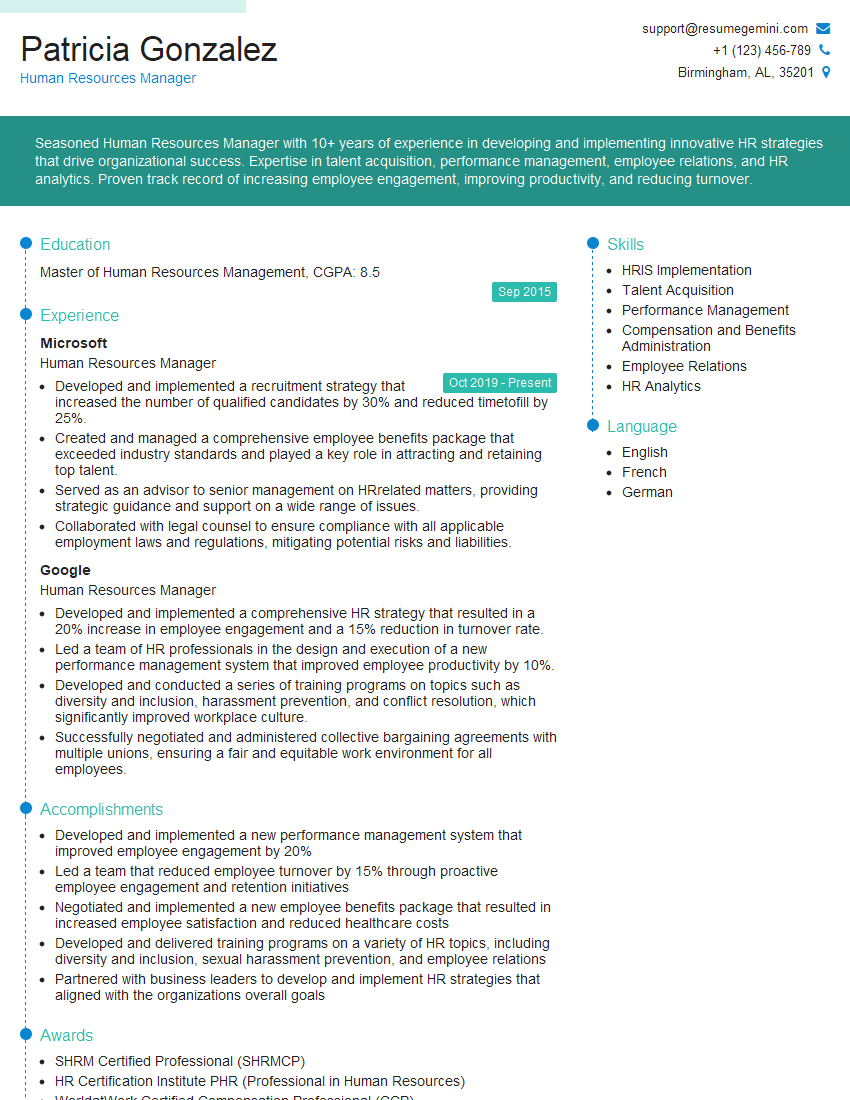
Human Resources Manager Resume Sample
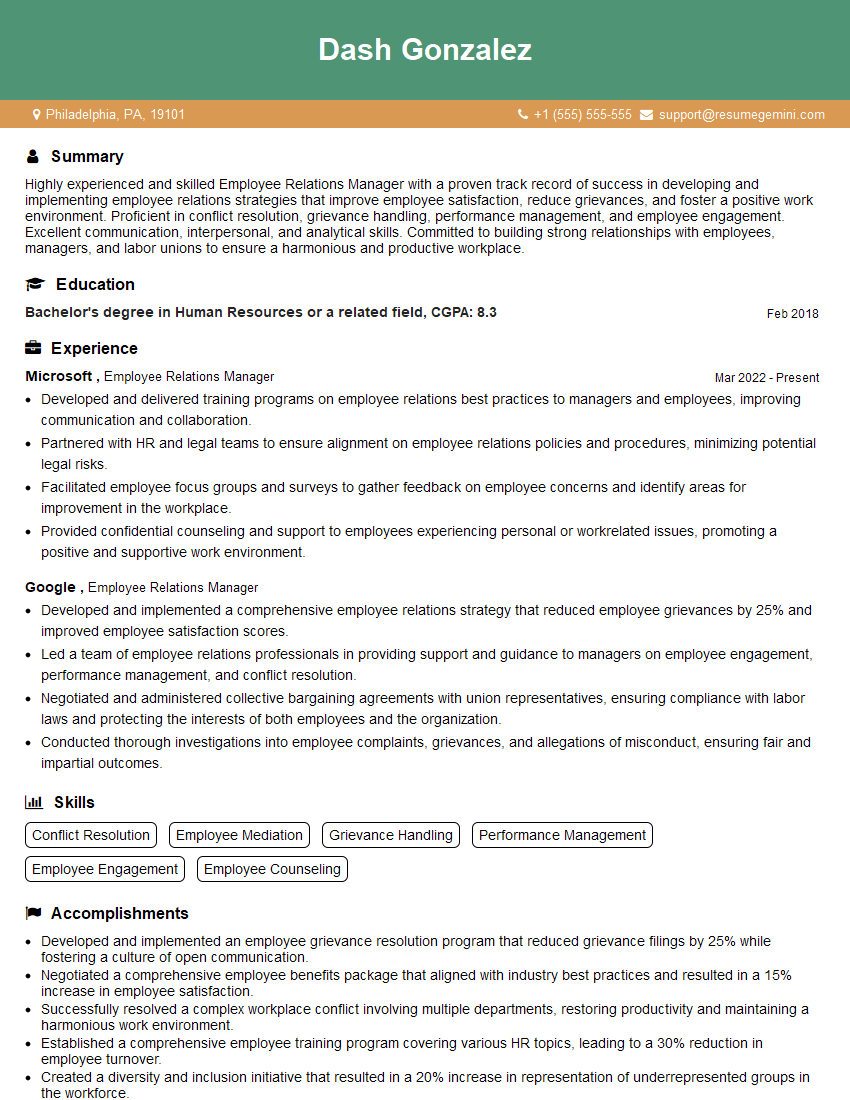
Employee Relations Manager Resume Sample
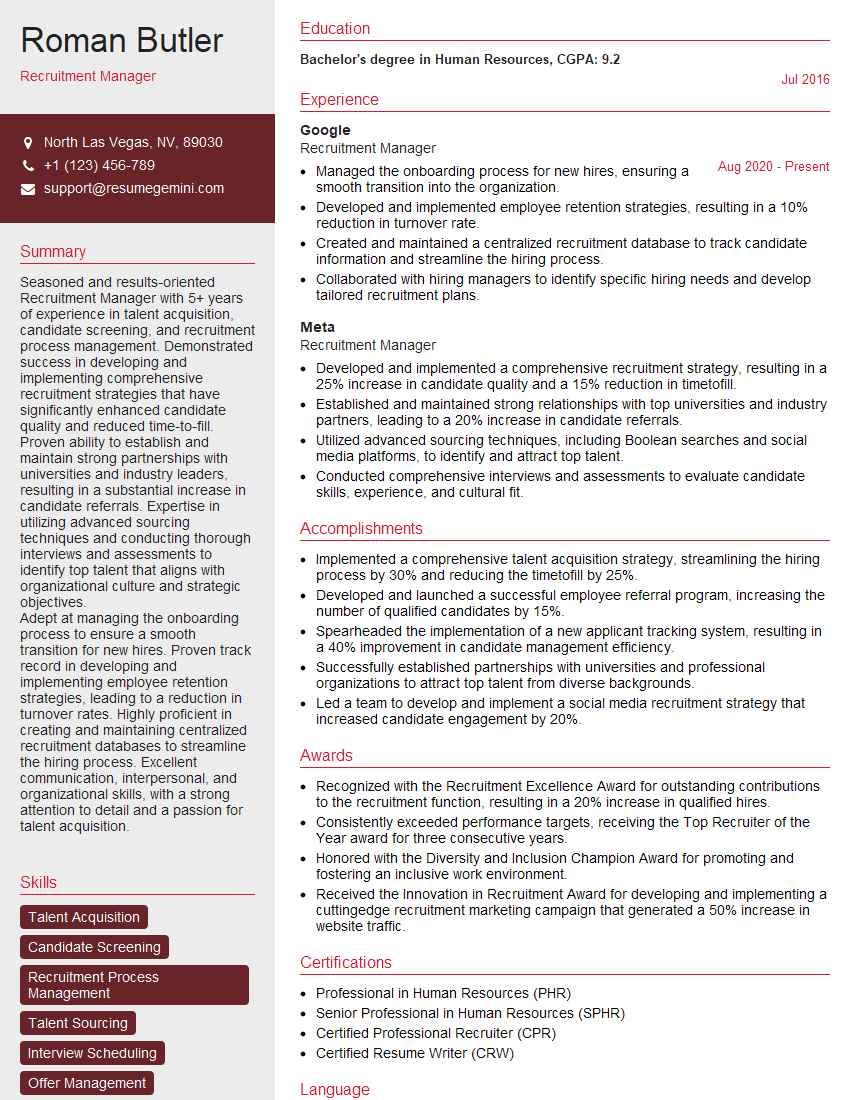
Recruitment Manager Resume Sample
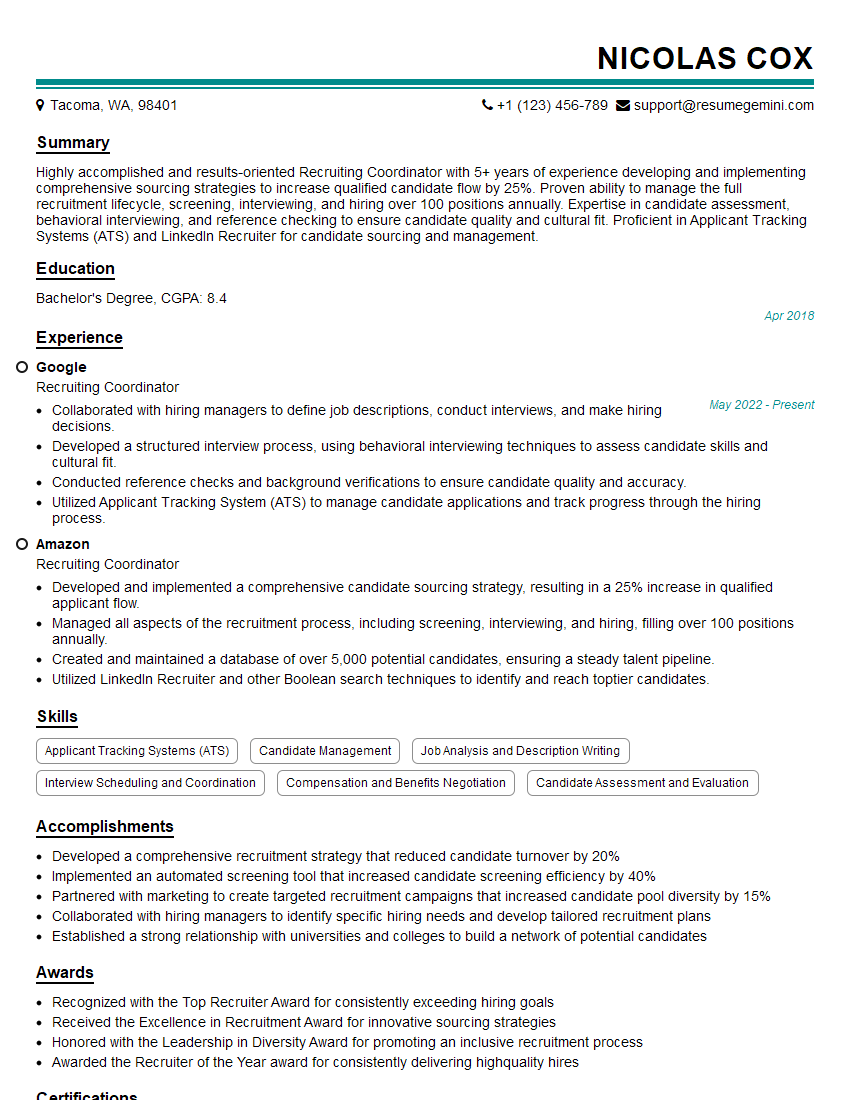
Recruiting Coordinator Resume Sample
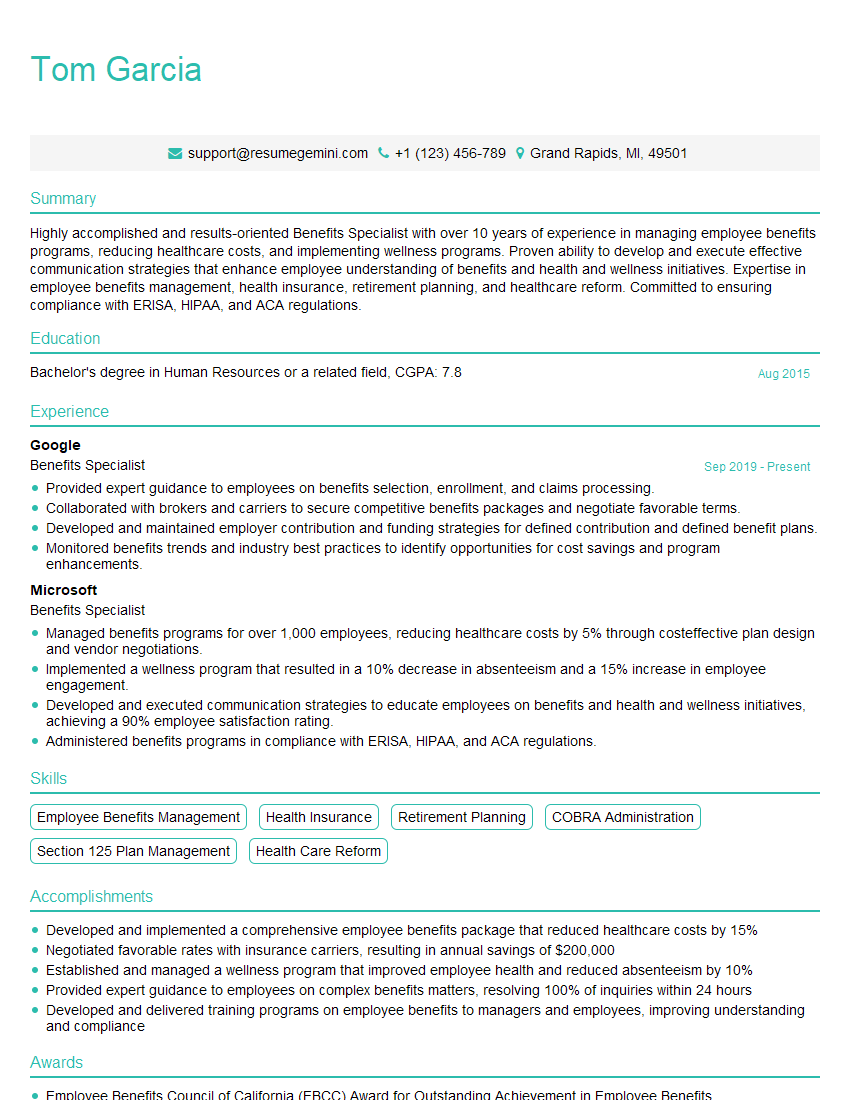
Benefits Specialist Resume Sample
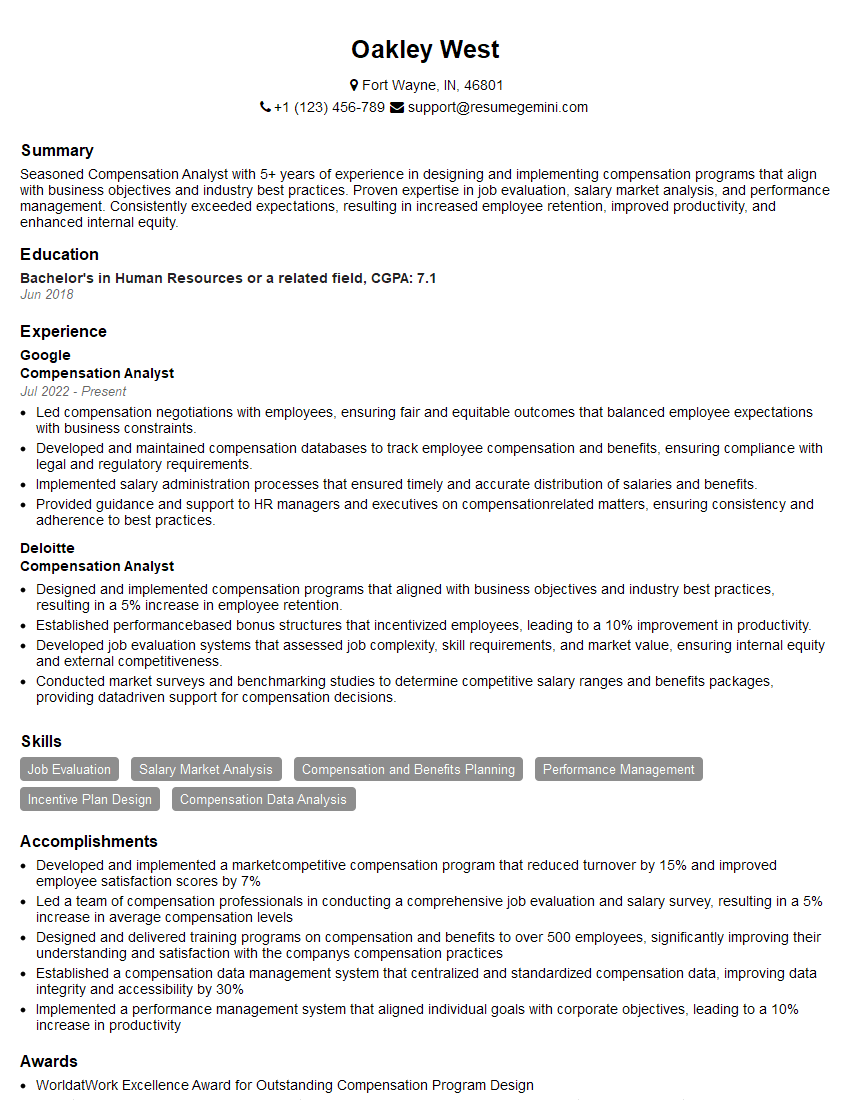
Compensation Analyst Resume Sample
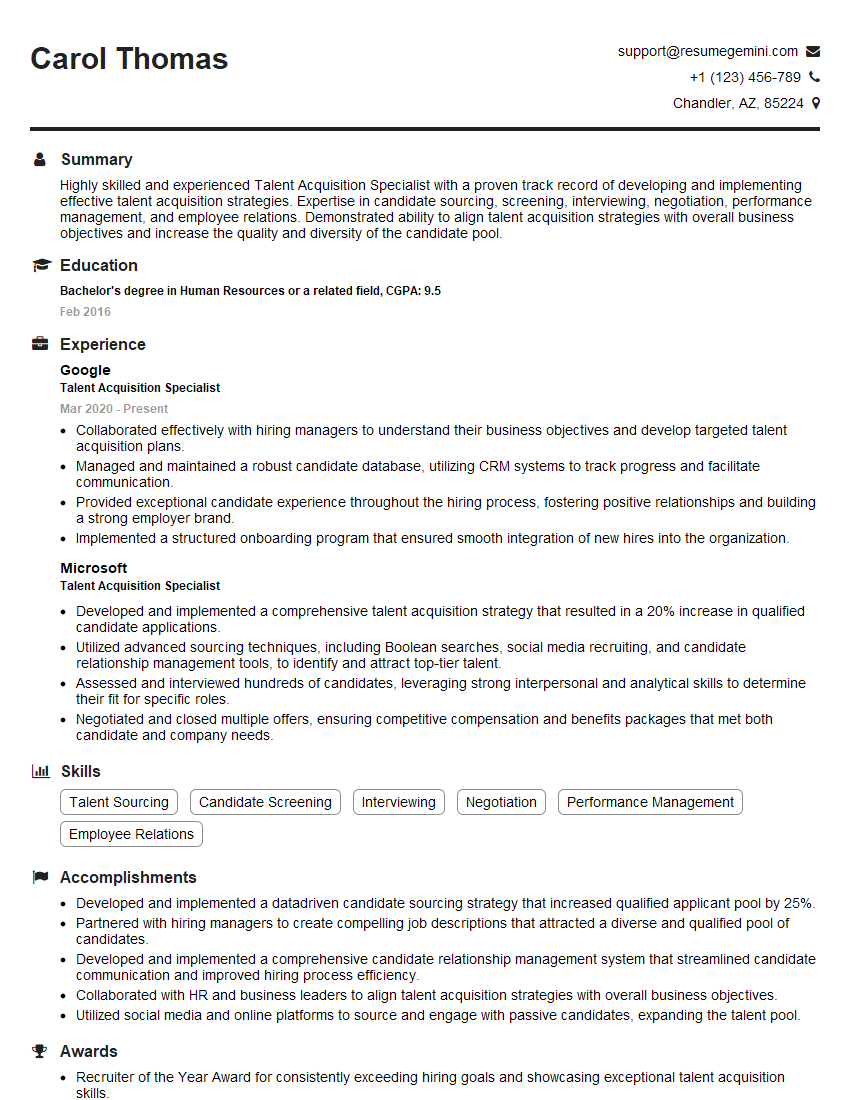
Talent Acquisition Specialist Resume Sample
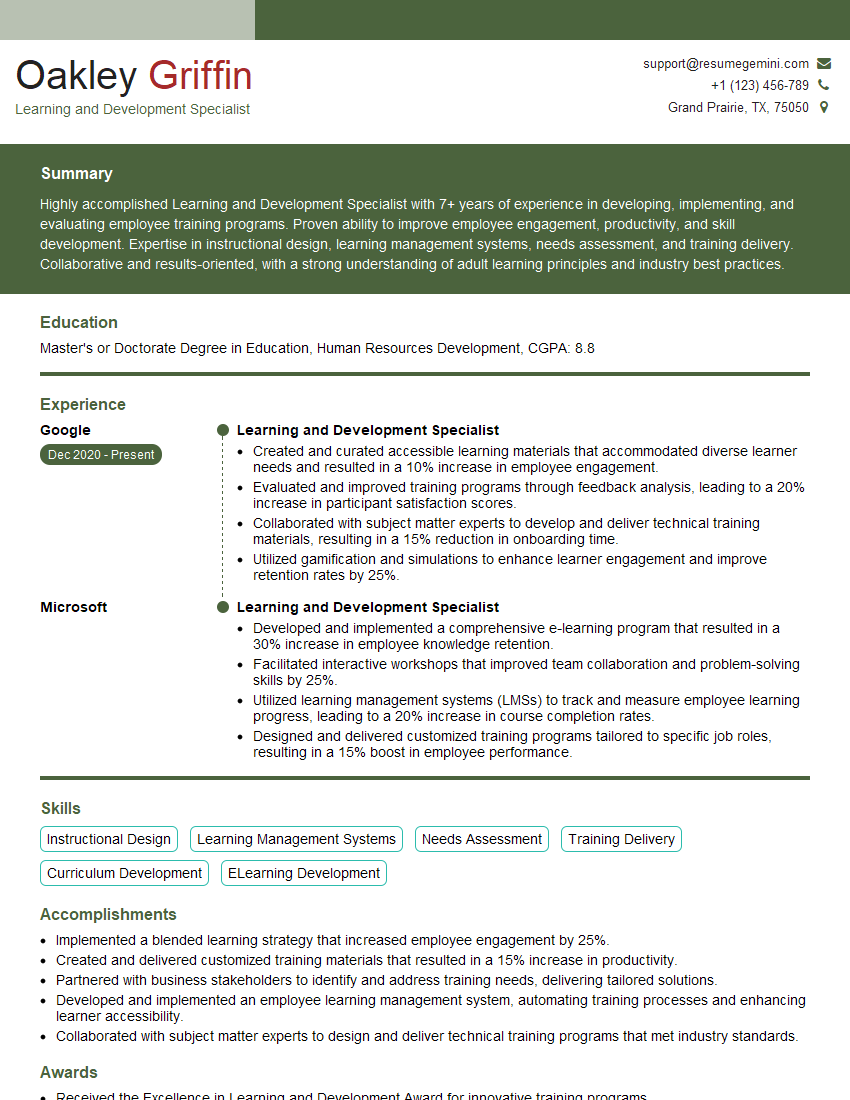
Learning and Development Specialist Resume Sample
Explore more articles
Users Rating of Our Blogs
Share Your Experience
We value your feedback! Please rate our content and share your thoughts (optional).
What Readers Say About Our Blog
Very informative content, great job.
good