Cracking a skill-specific interview, like one for HVAC Basics, requires understanding the nuances of the role. In this blog, we present the questions you’re most likely to encounter, along with insights into how to answer them effectively. Let’s ensure you’re ready to make a strong impression.
Questions Asked in HVAC Basics Interview
Q 1. Explain the difference between a heat pump and a furnace.
The main difference between a heat pump and a furnace lies in how they heat your home. A furnace burns fuel (natural gas, propane, or oil) to generate heat, which is then distributed through ductwork. Think of it as a big, controlled bonfire. It’s a straightforward, effective heating system, but it only heats. A heat pump, on the other hand, acts more like a refrigerator in reverse. It moves heat from one place to another, instead of generating heat directly. In heating mode, it extracts heat from the outside air (even in cold weather, there’s still some heat) and transfers it inside, warming your home. In cooling mode, it works like a typical air conditioner, moving heat from inside to outside. This makes heat pumps energy-efficient, especially in milder climates, because they don’t burn fuel to create heat.
Imagine you have two buckets of water: one hot and one cold. A furnace is like adding more hot water directly to the cold bucket. A heat pump is like having a pump that moves water from the cold bucket to the hot bucket, effectively warming the hot bucket further.
Q 2. Describe the refrigeration cycle.
The refrigeration cycle is the heart of both air conditioning and heat pump systems. It’s a continuous loop involving four key components: the compressor, the condenser, the expansion valve, and the evaporator. Let’s trace the refrigerant’s journey:
- Compressor: The compressor increases the refrigerant’s pressure and temperature, turning it into a hot, high-pressure gas.
- Condenser: This high-pressure gas flows through the condenser coil, releasing heat to the outside air and condensing into a high-pressure liquid.
- Expansion Valve: The expansion valve reduces the pressure of the liquid refrigerant, causing it to dramatically decrease in temperature.
- Evaporator: This low-pressure, cold liquid refrigerant flows through the evaporator coil, absorbing heat from the indoor air. This causes the refrigerant to evaporate, becoming a low-pressure gas. The cycle then repeats, continuously moving heat from one location to another.
Think of it like a pump circulating a special fluid that absorbs and releases heat, allowing for cooling or heating depending on the direction of the flow.
Q 3. What are the different types of refrigerant used in HVAC systems?
Over the years, various refrigerants have been used in HVAC systems, with a focus on finding environmentally friendly options. Some common types include:
- R-410A: A widely used blend of refrigerants, known for its relatively high efficiency.
- R-32: A single component refrigerant with lower global warming potential than R-410A.
- R-134a: Previously common, but being phased out due to environmental concerns.
- Natural Refrigerants: Ammonia (R-717), CO2 (R-744), and propane (R-290) are increasingly being used as environmentally sustainable alternatives.
The selection of refrigerant depends on factors such as efficiency, environmental impact, and safety regulations. Regulations are constantly evolving to minimize the environmental footprint of HVAC systems.
Q 4. How does a thermostat work?
A thermostat acts as the brain of your HVAC system. It monitors the temperature in your space and turns the system on or off to maintain your desired temperature setting. Most modern thermostats use a temperature sensor to measure the air temperature. When the temperature deviates from the setpoint, the thermostat sends a signal to the HVAC system to start heating or cooling. Many modern thermostats offer programmable options, allowing you to schedule different temperatures for various times of the day or week, increasing energy efficiency.
Think of it like a room’s temperature guardian, ensuring your comfort level is always met.
Q 5. Explain the function of a condenser coil.
The condenser coil is part of the outdoor unit (in a split system) or located within the unit itself (in some packaged units). Its primary function is to release heat from the refrigerant to the outside environment. The high-pressure, high-temperature refrigerant gas from the compressor flows through the condenser coil. As the heat dissipates to the outside air, the refrigerant condenses from a gas into a liquid, thus completing part of the refrigeration cycle.
Imagine the condenser coil as a radiator for the refrigerant, releasing the heat it carries to the surrounding air.
Q 6. What is the purpose of an evaporator coil?
The evaporator coil is located inside your home, usually within the air handler or furnace. Its purpose is to absorb heat from the indoor air. Low-pressure, low-temperature liquid refrigerant flows through the evaporator coil. As the refrigerant absorbs heat from the air passing over it, it evaporates, becoming a low-pressure gas. This cooled air is then circulated throughout your home.
Think of the evaporator coil as a heat sponge that soaks up heat from your house, lowering the temperature.
Q 7. What are the different types of HVAC systems?
There are several types of HVAC systems, each with its own characteristics and applications:
- Split Systems: The most common type, with a separate indoor unit (air handler) and outdoor unit (condenser).
- Packaged Systems: All components are housed in a single unit, often found in smaller buildings or apartments.
- Heat Pumps: Can provide both heating and cooling, offering energy efficiency in many climates.
- Geothermal Systems: Use the earth’s relatively constant temperature for heating and cooling, offering exceptional energy efficiency.
- Variable Refrigerant Flow (VRF) Systems: Provide precise temperature control in multiple zones within a building.
The choice of system depends on factors such as building size, climate, energy efficiency requirements, and budget.
Q 8. How do you troubleshoot a system with low refrigerant?
Low refrigerant is a serious issue in an HVAC system, leading to poor cooling or heating performance. Troubleshooting involves a systematic approach, prioritizing safety. Never attempt repairs without proper training and safety equipment.
First, we need to confirm the refrigerant level using a pressure gauge set. We compare the readings to the manufacturer’s specifications for the system’s operating pressures, taking into account the ambient temperature. Low pressure indicates low refrigerant.
Next, we locate any visible leaks using leak detection equipment like electronic leak detectors or dye tracing. Leaks can occur at joints, valves, or even in the tubing itself. A small leak might only be detectable with the specialized equipment. Repairing these leaks is the crucial first step, usually involving brazing or replacing faulty components.
After the leak is repaired (if any), we carefully add refrigerant using a charging station and following the manufacturer’s instructions to the exact specifications for the system’s charge. This is crucial since overcharging can damage the compressor. Finally, we thoroughly test the system to ensure its performance has returned to normal. Regular monitoring can prevent future issues. If leaks are recurring, there might be a bigger issue requiring professional attention.
Q 9. How do you troubleshoot a system with a frozen evaporator coil?
A frozen evaporator coil is a common problem, usually indicating a restriction in airflow or a refrigerant issue. The frozen coil restricts airflow, further compounding the problem and potentially damaging the system.
Firstly, we must turn off the system to prevent further damage. We then carefully check for any obvious obstructions blocking airflow to the evaporator coil. This might include a clogged air filter, blocked return vents, or even frozen condensation draining lines. These are easy fixes and should be addressed immediately.
Next, we check the airflow across the coil itself using a thermometer. Insufficient airflow leads to freezing. This could be due to a failing blower motor, restricted ducts, or a dirty coil. Cleaning or replacing the air filter is a crucial first step, often solving the issue.
If the airflow is adequate, we examine the refrigerant charge. Insufficient refrigerant causes the coil to work harder to absorb heat, leading to freezing. In this case, professional refrigerant level checks and charging are required to address the underlying problem.
Finally, we inspect the defrost cycle (if applicable) ensuring it’s functioning correctly. A malfunctioning defrost cycle prevents the ice from melting, causing a perpetual freeze. Repairing or replacing the defrost components might be necessary.
Q 10. Explain the concept of sensible and latent heat.
Sensible and latent heat are two ways heat energy affects a substance. Think of it like this: sensible heat is the heat you can *feel* and latent heat is the heat you can’t.
Sensible heat is the heat that causes a change in temperature. If you heat a pan of water on the stove, the water’s temperature increases; that’s sensible heat. We can measure this increase using a thermometer. In HVAC, sensible heat is the heat transferred that changes the air’s temperature.
Latent heat, on the other hand, is the heat transferred during a phase change, such as when ice melts to water or water boils to steam. The temperature remains constant during this change, even though energy is still being added or removed. The energy goes into breaking or forming molecular bonds. In HVAC, latent heat is important in dehumidification (removing moisture from the air), as it’s the heat energy involved in changing water vapor into liquid water.
In an air conditioning system, both sensible and latent heat removal are critical for providing comfortable conditions. Sensible heat removal cools the air while latent heat removal reduces humidity.
Q 11. What are the common causes of a malfunctioning blower motor?
A malfunctioning blower motor can significantly impact an HVAC system’s performance. Several factors can contribute to blower motor failure.
First, we check the motor’s capacitor. A bad capacitor can prevent the motor from starting or running correctly. A simple multimeter test can identify a faulty capacitor.
Next, we inspect the motor’s wiring and connections. Loose connections, damaged wires, or blown fuses can all lead to malfunction. Visual inspection and continuity tests help identify issues here.
We also examine the motor itself for signs of wear and tear. Overheating, bearing wear, or internal damage can cause the motor to fail. A noisy motor is a good indication of this.
Finally, the blower motor’s speed control might be malfunctioning. A faulty control board or a problem with the variable speed drive can cause erratic operation or complete failure. Proper diagnostics using a multimeter are key here.
Q 12. How do you check for air leaks in a duct system?
Air leaks in a duct system reduce efficiency and increase energy costs. Detecting these leaks requires a systematic approach.
One common method is a visual inspection. We look for gaps, holes, or poorly sealed joints in the ductwork, particularly around connections and access panels. We also check for cracks or damage in the duct materials themselves.
Next, we use a smoke test. This involves introducing a non-toxic smoke into the duct system. The smoke will escape through any leaks, making them clearly visible. This method allows to pinpoint the leak’s location precisely.
Another technique is a pressure test. We seal the duct system and pressurize it using a specialized fan. We then monitor the pressure drop over time; a significant drop indicates a leak. The size of the leak can be estimated based on the rate of pressure decrease. This approach is accurate and effective for quantifying the leakage.
Q 13. Explain the difference between a single-stage and a two-stage furnace.
The difference lies primarily in how they deliver heat.
A single-stage furnace operates at one speed. It either runs at full capacity or is off. Think of it as a light switch – it’s either on or off. This can lead to temperature fluctuations in the home. It’s simpler and usually less expensive.
A two-stage furnace offers more precise temperature control. It can operate at a lower capacity (approximately 65% of full capacity) for maintaining temperature, then switching to high capacity when a significant temperature drop is detected. It’s like a dimmer switch – allowing for more precise control. This improves comfort, reduces temperature swings, and can often increase energy efficiency.
In short, a two-stage furnace provides better comfort and energy efficiency, but it comes at a higher initial cost.
Q 14. What is the purpose of a condensate drain?
The condensate drain is a crucial component, especially in air conditioning and high-efficiency furnaces. These systems produce condensation (water) as a byproduct of the cooling or heating process.
Its purpose is to safely remove this condensate from the unit. If this water is not removed, it can lead to water damage, corrosion, or even the freezing of the drain line in cold climates. The condensate drain usually consists of a pipe that carries the water away from the unit to a suitable drainage point (such as a floor drain or the outside).
Regular cleaning and maintenance of the condensate drain are essential to prevent clogs and ensure proper system operation. A clogged drain can cause significant problems, ranging from water leaks to system malfunctions.
Q 15. How do you interpret a psychrometric chart?
A psychrometric chart is a graphical representation of the thermodynamic properties of moist air. It’s essentially a map showing the relationship between temperature, humidity, and other crucial parameters like enthalpy and specific volume. Think of it as a weather map, but instead of showing rain and wind, it shows the air’s ‘comfort level’ and its capacity to hold moisture.
Interpreting the chart involves understanding its axes: Typically, the horizontal axis represents dry-bulb temperature (the temperature you measure with a regular thermometer), and the vertical axis represents humidity, often expressed as either relative humidity (%) or specific humidity (mass of water vapor per mass of dry air). Lines of constant enthalpy, specific volume, and wet-bulb temperature are also plotted.
Practical Application: Let’s say you have a reading of 75°F dry-bulb temperature and 60% relative humidity. By locating this point on the chart, you can immediately determine the corresponding wet-bulb temperature, enthalpy, and specific volume. This information is vital for calculating cooling loads, sizing HVAC equipment, and determining the effectiveness of dehumidification strategies. For example, a higher enthalpy value indicates more energy needs to be removed to cool and dehumidify the air.
Example: Imagine designing an air conditioning system. Using the chart, you can find the state point of the outside air and the desired state point inside. The difference between these points helps calculate the required cooling capacity (in BTU/hr) and the dehumidification needed.
Career Expert Tips:
- Ace those interviews! Prepare effectively by reviewing the Top 50 Most Common Interview Questions on ResumeGemini.
- Navigate your job search with confidence! Explore a wide range of Career Tips on ResumeGemini. Learn about common challenges and recommendations to overcome them.
- Craft the perfect resume! Master the Art of Resume Writing with ResumeGemini’s guide. Showcase your unique qualifications and achievements effectively.
- Don’t miss out on holiday savings! Build your dream resume with ResumeGemini’s ATS optimized templates.
Q 16. What are the safety precautions when working with refrigerants?
Working with refrigerants demands strict adherence to safety protocols due to their potential health and environmental hazards. Many refrigerants are flammable, toxic, or contribute to ozone depletion or global warming. Never underestimate the risks!
- Proper Personal Protective Equipment (PPE): Always wear safety glasses, gloves, and appropriate respiratory protection, especially when handling refrigerants under pressure.
- Ventilation: Ensure adequate ventilation in the work area to prevent the build-up of refrigerant vapor. This is crucial to avoid both flammability hazards and health issues from inhalation.
- Leak Detection and Repair: Use appropriate leak detection equipment, such as electronic leak detectors, to identify leaks promptly. Repair all leaks immediately following established safety procedures.
- Refrigerant Recovery and Recycling: Never vent refrigerants into the atmosphere. Always recover and recycle refrigerants using certified equipment and techniques. This is crucial for environmental protection and compliance with regulations.
- Training and Certification: Proper training and certification are essential before handling refrigerants. This training should cover safety procedures, leak detection, recovery techniques, and handling emergency situations.
- Emergency Procedures: Understand and be prepared for emergency scenarios, such as refrigerant releases. Have readily available emergency contact information and know the proper response procedures.
Real-world Example: Improper handling of refrigerants can lead to serious consequences, including explosions, fires, or exposure to toxic substances leading to health problems.
Q 17. Explain the importance of proper airflow in an HVAC system.
Proper airflow is the lifeblood of any HVAC system. It ensures effective heat transfer, prevents equipment damage, and maintains indoor air quality. Think of it as the circulatory system of your building.
Importance:
- Efficient Heat Transfer: Adequate airflow facilitates the transfer of heat from the space to the evaporator coil in cooling mode and from the heater to the space in heating mode. Insufficient airflow leads to reduced efficiency and increased energy consumption.
- Prevent Equipment Overheating: Restricted airflow can cause overheating of components like compressors, blowers, and coils, leading to premature failure and costly repairs.
- Maintain Air Quality: Proper airflow distribution ensures even temperature throughout the space and prevents the stagnation of air, reducing the build-up of pollutants and improving overall indoor air quality.
- Prevent Ice Buildup: In cooling systems, insufficient airflow can lead to ice formation on the evaporator coil, severely impacting performance and potentially damaging the equipment.
Example: A poorly designed ductwork system with leaks or undersized ducts can result in uneven temperatures, high energy bills, and reduced equipment lifespan. Regular maintenance, including cleaning and balancing the airflow, is essential for optimal performance and longevity.
Q 18. What are the common types of HVAC controls?
HVAC controls are the brain of the system, regulating and optimizing its operation based on the desired conditions. They range from simple thermostats to sophisticated building management systems.
- Thermostats: These are the most common type, allowing users to set the desired temperature. They can be mechanical, electronic, or smart (networked and programmable).
- Humidistats: These control humidity levels by regulating dehumidification or humidification processes.
- Pressure Switches: These monitor pressure within the system, protecting against abnormal pressures and ensuring safe operation.
- Safety Controls: These include high-pressure cut-offs, low-pressure cut-offs, over-temperature protection, and other safety features that prevent equipment damage or unsafe operation.
- Variable Frequency Drives (VFDs): These control the speed of motors, optimizing energy efficiency and allowing for more precise control over airflow and cooling/heating capacity.
- Building Management Systems (BMS): These advanced systems integrate and control multiple HVAC systems and other building functions, allowing for centralized monitoring and optimization.
Example: A smart thermostat learns user preferences and automatically adjusts the system based on occupancy patterns and weather forecasts, optimizing energy consumption.
Q 19. How do you calculate the cooling load for a building?
Calculating the cooling load for a building involves determining the total amount of heat that needs to be removed to maintain the desired indoor temperature. It’s a complex calculation considering various factors.
Factors influencing cooling load:
- Sensible heat gain: Heat entering the building through walls, windows, roofs, and infiltration.
- Latent heat gain: Heat entering the building due to moisture (humidity).
- Internal heat gain: Heat generated by occupants, lighting, appliances, and equipment.
- Solar heat gain: Heat entering the building through windows and walls due to solar radiation.
Calculation Methods: Several methods exist, including manual calculations, using specialized software, and employing industry-standard calculation programs. These methods often involve detailed heat transfer calculations and consideration of thermal properties of building materials. Factors such as orientation, shading, insulation levels, and window types all play crucial roles.
Example: Manual J is a widely used method for calculating cooling loads. It’s a detailed procedure that involves calculating the heat transfer through each building component and summing them up to determine the total cooling load.
Q 20. How do you calculate the heating load for a building?
Calculating the heating load for a building determines the amount of heat needed to maintain a desired indoor temperature during colder periods. Similar to cooling load calculations, it’s a multi-faceted process.
Factors influencing heating load:
- Heat loss through building envelope: This includes heat loss through walls, windows, roofs, and floors due to conduction, convection, and radiation.
- Infiltration heat loss: Heat loss due to air leakage.
- Ventilation heat loss: Heat loss from bringing in outside air for ventilation.
- Internal heat generation: Heat generated by occupants, appliances, and equipment – though this is usually a smaller factor compared to heat loss.
Calculation Methods: Similar to cooling load calculations, heating load calculations can be done manually using heat transfer equations, employing specialized software, or using industry-standard procedures (Manual J, for instance, covers both heating and cooling). These methods take into account the building’s construction, climate conditions, and desired indoor temperature.
Example: Consider a house in a cold climate. Proper insulation and air sealing are vital to minimize heat loss through the walls and roof, thereby reducing the heating load and energy consumption.
Q 21. Explain the concept of BTU (British Thermal Unit).
The British Thermal Unit (BTU) is a unit of energy. It represents the amount of heat required to raise the temperature of one pound of water by one degree Fahrenheit. Think of it as a tiny unit of heat energy.
Practical Application: In HVAC, BTU/hr (British Thermal Units per hour) is commonly used to measure the heating or cooling capacity of equipment. A higher BTU/hr rating indicates a greater capacity to heat or cool a space.
Example: A 36,000 BTU/hr air conditioner has the capacity to remove 36,000 BTUs of heat from a space every hour. This information is essential for sizing HVAC systems correctly to ensure sufficient heating or cooling capacity for a specific area.
Q 22. What are the different types of ductwork materials?
Ductwork materials are crucial for efficient and safe HVAC system operation. The choice depends on factors like application, budget, and building codes. Common materials include:
- Galvanized Steel: The industry standard, offering durability, strength, and resistance to corrosion. It’s ideal for most residential and commercial applications but can be more expensive.
- Aluminum: Lighter and less expensive than steel, making it suitable for longer runs and applications where weight is a concern. However, it’s more susceptible to damage and may not be as durable in harsh environments.
- Fiberglass: Flexible and lightweight, often used for residential applications and renovations where space is limited. Its lower cost is appealing, but it’s less durable and prone to damage from pests or moisture.
- Flexible Duct (sometimes called ‘duct board’): Typically made of foil-faced fiberglass or poly-foam, it’s highly flexible and easily installed in tight spaces. It’s often used for short runs or additions to existing systems but can be prone to leaks if not properly sealed.
- High-Density Polyethylene (HDPE): Offers excellent resistance to chemicals and corrosion, making it suitable for industrial settings or environments with harsh chemicals. It’s durable and long-lasting, but also relatively expensive.
For example, in a new commercial building, galvanized steel would likely be the preferred choice for its durability and ability to withstand the higher air pressures typical in larger systems. In a residential retrofit, flexible duct might be chosen for ease of installation in existing spaces.
Q 23. What are the common tools used in HVAC work?
HVAC work requires a variety of specialized tools. Here are some of the most common:
- Measuring Tools: Tape measures, level, protractor, calipers
- Cutting Tools: Sheet metal shears, tin snips, hacksaw, hole saw
- Fasteners and Installation Tools: Pop rivets, sheet metal screws, screw gun, rivet gun
- Joining and Sealing Tools: Crimping tools (for flexible duct), sealant guns, duct tape
- Refrigeration Tools: Manifold gauge set, vacuum pump, brazing torch, refrigerant recovery equipment
- Electrical Tools: Multimeter, voltage tester, wire strippers, crimpers
- Other Tools: Drill, pliers, wrenches, screwdrivers, safety glasses, gloves.
One specific example is the use of a manifold gauge set, a crucial tool for refrigeration technicians. It helps precisely measure the pressure and temperature of refrigerant in the system, enabling diagnosis of potential leaks or malfunctions.
Q 24. What is the importance of maintaining proper indoor air quality?
Maintaining proper indoor air quality (IAQ) is paramount for health and well-being. Poor IAQ can lead to various respiratory issues, allergies, and other health problems. The importance stems from these key factors:
- Respiratory Health: Poor IAQ can exacerbate asthma, allergies, and other respiratory illnesses due to pollutants like dust mites, pet dander, mold, and volatile organic compounds (VOCs).
- Productivity and Comfort: Fresh, clean air improves concentration and overall comfort, leading to increased productivity in homes and workplaces.
- Safety: Proper ventilation helps remove harmful gases and pollutants, preventing the buildup of dangerous concentrations, especially in areas with potential sources like gas appliances.
- Property Value: Well-maintained HVAC systems that contribute to good IAQ can significantly increase the value of a property.
Think of it like this: your home’s HVAC system is its respiratory system. Just as a healthy body needs clean air, so does a healthy home.
Q 25. Explain the function of a pressure relief valve.
A pressure relief valve (PRV), also known as a pressure-relieving valve, is a safety device that protects HVAC systems and other pressurized equipment from excessive pressure buildup. It automatically opens when pressure exceeds a predetermined limit, releasing pressure to prevent damage or explosions.
In an HVAC system, this is particularly important in refrigeration circuits. A refrigerant system’s pressure can increase dangerously during overheating or malfunctions. The PRV prevents this dangerous pressure from damaging components like compressors or causing leaks. When the pressure drops back to safe levels, the PRV automatically closes.
Imagine a pressure cooker: the PRV acts like the small weight on the lid, releasing steam and preventing a dangerous pressure buildup that could cause an explosion. The PRV in an HVAC system plays a similar crucial role in safety and preventing catastrophic failures.
Q 26. How do you identify and resolve common electrical issues in HVAC systems?
Identifying and resolving electrical issues in HVAC systems requires a methodical approach and safety precautions. Always disconnect power before working on any electrical components.
Identification:
- Visual Inspection: Look for loose connections, frayed wires, burnt components, or signs of overheating (discoloration, melting).
- Multimeter Testing: A multimeter is essential for checking voltage, current, and resistance. Test continuity of wiring, check for shorts and open circuits, and verify voltage at different points in the system.
- Monitoring System Behavior: Observe the system’s operation to identify unusual behavior, such as intermittent operation, complete failure, or unusual noises, all of which can point to electrical problems.
Resolution:
- Tighten Connections: Secure all loose connections.
- Replace Damaged Components: If you find frayed wires, burnt components, or faulty capacitors, they must be replaced with the correct specifications.
- Troubleshooting Circuits: Use the multimeter to trace the circuit and pinpoint the location of the fault. This might involve checking wiring, relays, capacitors, contactors, or other components.
- Seek Professional Help: If the issue is complex or if you’re unsure how to proceed, call a qualified HVAC technician.
For example, if a blower motor fails to operate, you might use a multimeter to check the power supply to the motor, then check the motor’s windings for continuity and resistance. A lack of power indicates a problem in the wiring or control circuit, whereas high resistance or a lack of continuity might indicate a faulty motor.
Q 27. Describe your experience with different types of HVAC equipment.
Throughout my career, I’ve worked extensively with various types of HVAC equipment, from residential split systems to large commercial chillers.
- Residential Systems: I have experience installing, maintaining, and repairing split-system air conditioners and heat pumps, including both single-stage and variable-speed units. I’m proficient in troubleshooting common issues like refrigerant leaks, capacitor failures, and blower motor problems.
- Commercial Systems: My experience extends to commercial applications, including package units, rooftop units (RTUs), and chilled water systems. I’ve worked on projects involving large-scale HVAC installations, including the commissioning and startup of complex systems. This involved managing schedules and ensuring optimal performance across the whole system.
- Specific Equipment Types: I’m familiar with various brands and models of equipment, including air handlers, evaporative coolers, and direct-expansion (DX) systems. My expertise includes understanding the nuances of different control systems and their integration with building automation systems (BAS).
For instance, I recently completed a project involving the retrofit of an older commercial building’s HVAC system. This required careful planning to minimize disruption, selecting energy-efficient equipment that met the building’s specific needs, and coordinating with other contractors to ensure a smooth and successful integration into the overall renovation. This experience highlighted my ability to manage complex projects and deliver results within strict timelines and budgetary constraints.
Key Topics to Learn for Your HVAC Basics Interview
- Thermodynamics and Heat Transfer: Understanding concepts like heat transfer methods (conduction, convection, radiation), enthalpy, and the refrigeration cycle is fundamental. Consider practical applications like calculating heat loads for building design.
- Refrigerant Systems: Familiarize yourself with different types of refrigerants, their properties (e.g., ozone depletion potential, global warming potential), and the operation of various refrigeration cycles (e.g., vapor-compression cycle). Think about troubleshooting common refrigerant leaks or identifying system inefficiencies.
- HVAC Equipment and Components: Gain a strong grasp of the function and operation of key components such as compressors, condensers, evaporators, expansion valves, and air handlers. Be prepared to discuss maintenance procedures and potential malfunctions.
- Air Distribution Systems: Understand duct design, airflow calculations, and the importance of proper air balancing for efficient and comfortable indoor environments. Practical application might involve troubleshooting airflow issues or identifying ductwork leaks.
- Control Systems: Learn about various control systems (e.g., thermostats, programmable logic controllers) and their role in regulating HVAC systems. Troubleshooting a malfunctioning thermostat or understanding digital control systems would be valuable.
- Safety Procedures and Regulations: Understanding safety protocols related to refrigerant handling, electrical safety, and working at heights is crucial. Be prepared to discuss relevant codes and regulations.
- Troubleshooting and Diagnostics: Develop your ability to diagnose common HVAC problems based on symptoms and use appropriate testing equipment. Consider case studies or scenarios where you have to solve a practical problem.
Next Steps: Ace Your Interview and Launch Your Career
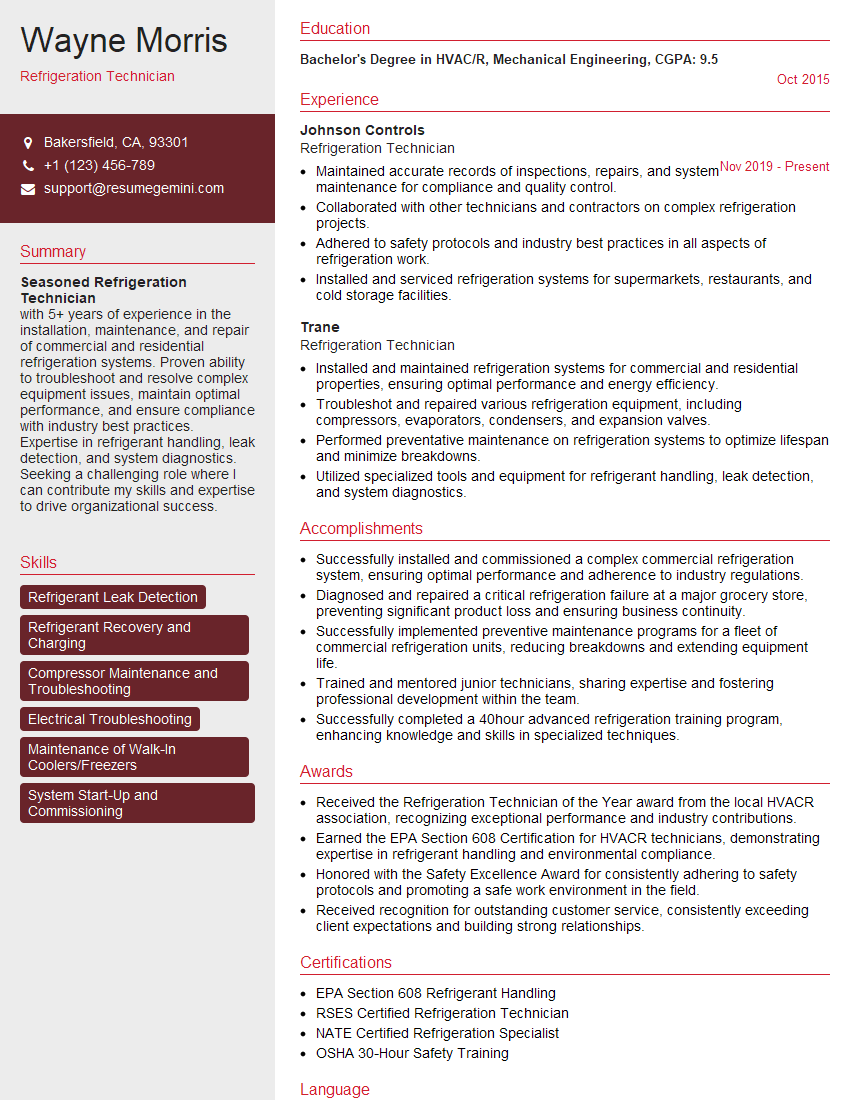
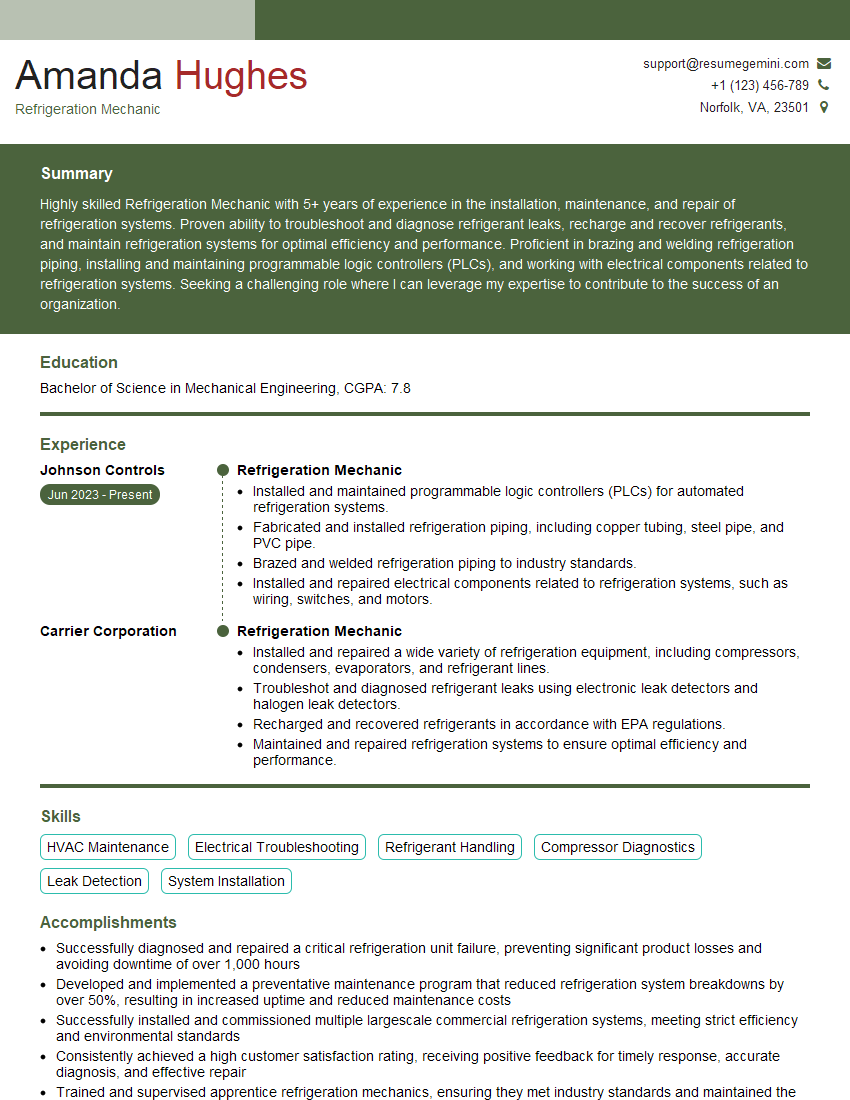
Mastering HVAC basics is key to unlocking exciting career opportunities and building a successful future in this essential field. To maximize your chances, create a compelling resume that highlights your skills and experience effectively. An ATS-friendly resume is crucial for getting noticed by recruiters and landing those coveted interviews. To help you build a standout resume, we recommend using ResumeGemini, a trusted resource designed to create professional and impactful resumes. Examples of resumes tailored to HVAC Basics are available to guide you. Don’t wait, start building your career today!

Explore more articles
Users Rating of Our Blogs
Share Your Experience
We value your feedback! Please rate our content and share your thoughts (optional).
What Readers Say About Our Blog
Very informative content, great job.
good