The right preparation can turn an interview into an opportunity to showcase your expertise. This guide to Hygiene and Sanitation Procedures interview questions is your ultimate resource, providing key insights and tips to help you ace your responses and stand out as a top candidate.
Questions Asked in Hygiene and Sanitation Procedures Interview
Q 1. Explain the importance of hand hygiene in preventing the spread of infection.
Hand hygiene is paramount in preventing the spread of infection. Our hands are constantly in contact with surfaces and people, acting as vectors for countless pathogens. Failing to practice proper handwashing allows these germs to easily transfer from contaminated surfaces to our mouths, noses, eyes, and ultimately, to others. This can lead to a variety of infections, ranging from the common cold to more serious illnesses like influenza or even antibiotic-resistant bacteria.
Effective handwashing involves using soap and water for at least 20 seconds, scrubbing all surfaces including the backs of hands, between fingers, and under nails. Alcohol-based hand rubs are a suitable alternative when soap and water are unavailable, but they are not effective against all types of germs. For example, they may not remove norovirus as effectively as soap and water.
Think of it like this: your hands are like tiny delivery trucks for germs. Proper hand hygiene is like regularly sanitizing the truck, ensuring it doesn’t carry any unwanted cargo to its next destination.
Q 2. Describe your experience with implementing and maintaining a sanitation schedule.
In my previous role at a large-scale food processing plant, I was responsible for developing and implementing a comprehensive sanitation schedule. This involved a detailed risk assessment to identify high-risk areas requiring more frequent cleaning and sanitization. The schedule covered everything from daily cleaning of equipment and work surfaces to weekly deep cleaning of floors and drains, and monthly sanitation of storage areas. This schedule utilized a color-coded system to track the cleaning status of each area, preventing cross-contamination.
We used a combination of cleaning agents and disinfectants chosen based on their effectiveness against specific pathogens and the surface material. Regular training sessions were conducted for all staff on proper sanitation procedures, ensuring consistent application and compliance. The effectiveness of the schedule was monitored through regular inspections and microbiological testing, allowing for adjustments and improvements based on the data. For instance, we noticed a spike in a particular bacteria in one area after a specific production run, leading us to modify the sanitation procedures in that zone to include a specific pre-treatment before the standard cleaning protocol. This resulted in a significant reduction of that bacteria.
Q 3. What are the key principles of HACCP (Hazard Analysis and Critical Control Points)?
HACCP, or Hazard Analysis and Critical Control Points, is a systematic, preventative approach to food safety. It focuses on identifying and controlling potential hazards throughout the food production process, rather than just relying on end-product testing. The key principles are:
- Conduct a hazard analysis: Identify potential biological, chemical, and physical hazards in the production process.
- Determine critical control points (CCPs): Points in the process where control can be applied and is essential to prevent or eliminate a food safety hazard or reduce it to an acceptable level.
- Establish critical limits: Set measurable limits for each CCP to ensure that hazards are controlled effectively.
- Establish monitoring procedures: Regularly monitor CCPs to ensure that critical limits are being met.
- Establish corrective actions: Define actions to be taken when monitoring indicates that a critical limit has not been met.
- Establish verification procedures: Verify that the HACCP system is working effectively.
- Establish record-keeping and documentation procedures: Maintain detailed records of all aspects of the HACCP plan.
For example, in a bakery, a CCP might be the baking temperature. Critical limits would be the minimum and maximum temperatures required to eliminate pathogens. Monitoring would involve regularly checking the oven temperature using a thermometer.
Q 4. How would you address a sanitation deficiency discovered during a routine inspection?
Discovering a sanitation deficiency during a routine inspection requires a prompt and systematic response. First, I would thoroughly document the deficiency, including location, nature of the problem, and any potential contributing factors. Next, I’d immediately implement corrective actions to address the issue. This might include a thorough cleaning and sanitization of the affected area using appropriate chemicals and procedures. The area would be re-inspected to verify the effectiveness of the corrective actions.
Simultaneously, I’d investigate the root cause of the deficiency. Was it due to inadequate training, insufficient resources, equipment malfunction, or a flaw in the existing sanitation schedule? Identifying the root cause is critical to preventing future occurrences. Based on the findings, I would update training materials, modify the sanitation schedule, procure necessary equipment, or implement other preventative measures. Finally, I would document all actions taken, including corrective actions and preventative measures, as part of a continuous improvement process.
Q 5. What are the different types of disinfectants and their appropriate uses?
Disinfectants are crucial for eliminating harmful microorganisms on surfaces. Different disinfectants have varying effectiveness against different types of microorganisms. The choice of disinfectant depends on several factors including the type of surface being treated and the specific microorganisms that need to be eliminated. Some common types include:
- Quaternary Ammonium Compounds (Quats): Effective against a broad range of bacteria, but less effective against spores and viruses. Commonly used for general surface disinfection.
- Chlorine-based disinfectants: Powerful broad-spectrum disinfectants, effective against bacteria, viruses, and fungi. Used for food contact surfaces and water treatment. However, they are corrosive and can damage certain materials.
- Alcohols (Ethanol and Isopropanol): Effective against many bacteria and viruses, but not against spores. Commonly used as hand sanitizers and for disinfecting small equipment.
- Hydrogen Peroxide: Broad-spectrum disinfectant, effective against bacteria, viruses, and spores. Leaves no residue, making it suitable for use in sensitive environments.
It’s crucial to always follow the manufacturer’s instructions for dilution and application to ensure effectiveness and safety. Incorrect use can reduce efficacy or even cause damage to surfaces or harm to personnel.
Q 6. Explain the process of cleaning and sanitizing food preparation surfaces.
Cleaning and sanitizing food preparation surfaces is a two-step process crucial for preventing foodborne illnesses. First, the surface must be thoroughly cleaned to remove all visible food debris and soil. This typically involves pre-rinsing with warm water to remove loose particles, followed by washing with a detergent solution using a clean cloth or brush. Scrubbing helps remove embedded soil. Finally, the surface is rinsed thoroughly with clean water to remove any remaining detergent residue. It’s important to prevent cross-contamination by using clean cloths and separate cleaning solutions for different areas.
After cleaning, sanitization is critical to eliminate any remaining microorganisms. A sanitizing solution is applied according to the manufacturer’s instructions. Common methods include spraying, immersion, or wiping, ensuring complete surface coverage. The surface is then allowed to air dry, preventing the re-introduction of contaminants. The entire process should be documented to demonstrate compliance with hygiene regulations.
For example, when cleaning a cutting board, the first step is to scrape off any food waste, then thoroughly wash it with soapy water, rinsing it completely. Then, a food-safe sanitizer would be applied, and the board would be allowed to air dry before reusing it. Regular cleaning and sanitization are essential to maintain food safety standards.
Q 7. What is your experience with GMP (Good Manufacturing Practices)?
GMP, or Good Manufacturing Practices, encompasses a broad set of guidelines designed to ensure the quality and safety of manufactured products. My experience with GMP comes from my work in the food industry where strict adherence to GMP is essential for preventing contamination and ensuring product quality. This involved implementing procedures to control all aspects of production, from receiving raw materials to packaging the finished product.
My responsibilities included developing and maintaining Standard Operating Procedures (SOPs) for all aspects of the production process, ensuring compliance with GMP guidelines. This encompassed procedures for cleaning and sanitizing equipment and facilities, handling and storing raw materials, controlling personnel hygiene, and documenting all relevant aspects of production. I also conducted regular internal audits to identify any deviations from GMP, ensuring prompt corrective actions were implemented. Moreover, I collaborated with regulatory agencies to ensure ongoing compliance. For example, we implemented a rigorous allergen management program to minimize cross-contamination and ensure the safety of products for consumers with allergies, a critical aspect of maintaining GMP compliance.
Q 8. Describe your experience with personal protective equipment (PPE) in sanitation.
Personal Protective Equipment (PPE) is crucial in sanitation to protect workers from potential hazards like biological contaminants, chemical exposure, and physical injuries. My experience encompasses a wide range of PPE, including gloves (nitrile, latex, etc., chosen based on the specific task and hazard), eye protection (safety glasses, goggles, face shields), respiratory protection (masks, respirators – N95s or higher for airborne pathogens), and protective clothing (aprons, coveralls, boots). I’m adept at selecting the appropriate PPE based on a thorough risk assessment of the task at hand. For instance, when cleaning a biohazard spill, I would always use nitrile gloves, eye protection, and a waterproof apron. If dealing with a potential airborne pathogen, a respirator would be added to the PPE. Proper donning and doffing (putting on and taking off) procedures are critical to prevent cross-contamination and ensure personal safety; I’ve always rigorously trained my teams on these protocols.
Q 9. How do you ensure proper waste disposal to maintain sanitation?
Proper waste disposal is paramount for maintaining sanitation and preventing the spread of disease. My approach involves a multi-step process, starting with the segregation of waste into different categories – infectious waste (e.g., soiled dressings, contaminated sharps), general waste, and recyclable materials. Each category requires different handling and disposal methods, often guided by local regulations and best practices. Infectious waste, for instance, needs to be placed in designated, leak-proof containers, properly labelled, and handled by licensed waste management companies. General waste goes into regular bins, while recyclables are sorted appropriately. Regular monitoring of waste collection points ensures timely removal and prevents overflowing or spillage. We also conduct regular training to ensure all personnel understand and adhere to the established waste disposal procedures. A clear labeling system and color-coded bins are implemented for ease of understanding and compliance.
Q 10. How would you handle a situation where a sanitation employee fails to follow procedures?
Addressing a sanitation employee’s failure to follow procedures requires a measured and professional approach. My first step would be a private conversation to understand the reason for the non-compliance – was it due to a lack of training, unclear instructions, or fatigue? A supportive and non-judgmental environment is critical during this discussion. Depending on the severity of the infraction and the employee’s history, the response could range from retraining and reinforcement of procedures to disciplinary action. Documentation is crucial; I would maintain a record of the incident, the corrective actions taken, and any follow-up training. For recurring issues, a more formal performance improvement plan might be implemented. The goal is to rectify the situation, ensure adherence to safety and sanitation standards, and ultimately prevent future incidents. Open communication and continuous feedback are key to fostering a safe and compliant workplace.
Q 11. What is the difference between cleaning, sanitizing, and disinfecting?
Cleaning, sanitizing, and disinfecting are distinct yet interconnected steps in the sanitation process. Cleaning involves the physical removal of visible dirt, grime, and organic matter from a surface using soap and water or a detergent. Think of it as the initial step – making the surface visibly clean. Sanitizing reduces the number of microorganisms to a safe level, typically using heat or a chemical sanitizer. It doesn’t necessarily kill all microorganisms, but it significantly lowers their count. Disinfecting aims to eliminate or kill most microorganisms, including bacteria, viruses, and fungi, using chemical disinfectants. Disinfectants are often used after cleaning and sanitizing, providing a higher level of microbial control. Imagine cleaning a countertop, then sanitizing it with a solution to reduce bacteria, and finally disinfecting with a bleach solution to kill remaining pathogens. Each step builds on the previous one to achieve thorough sanitation.
Q 12. Explain your knowledge of OSHA (Occupational Safety and Health Administration) regulations related to sanitation.
My understanding of OSHA regulations concerning sanitation is extensive. OSHA’s Bloodborne Pathogens Standard (29 CFR 1910.1030) is particularly relevant, outlining requirements for handling infectious materials and protecting employees from exposure. This includes guidelines on PPE, engineering controls (e.g., sharps disposal containers), work practices (e.g., proper hand hygiene), and post-exposure follow-up procedures. Additionally, OSHA’s Hazard Communication Standard (29 CFR 1910.1200) mandates proper labeling and training on hazardous chemicals used in sanitation processes. I ensure that all our sanitation protocols strictly adhere to these regulations. Regular training sessions cover these standards, and we conduct periodic inspections to confirm compliance. We maintain detailed records of chemical usage, employee training, and incident reports, ensuring complete transparency and accountability concerning OSHA regulations.
Q 13. Describe your experience with pest control in a sanitation context.
Pest control is an integral part of a comprehensive sanitation program. My experience involves implementing both preventative and reactive measures. Preventative measures include maintaining cleanliness, eliminating food sources, sealing cracks and crevices to prevent entry, and using proper storage techniques for food and waste. Reactive measures involve employing licensed pest control professionals when necessary. I ensure the chosen methods are environmentally safe and effective. Regular inspections help identify potential pest infestations early on. We use a combination of traps, baits, and when absolutely necessary, pesticides, always following strict safety protocols and adhering to environmental regulations. Effective pest control minimizes health risks, protects the integrity of the sanitation process, and maintains a safe and hygienic environment.
Q 14. How do you monitor and evaluate the effectiveness of your sanitation program?
Monitoring and evaluating the effectiveness of our sanitation program is ongoing. We use a multi-faceted approach. This involves regular environmental monitoring, such as ATP bioluminescence testing to detect microbial contamination levels on surfaces. We also conduct microbiological testing of water samples to ensure purity. We track key performance indicators (KPIs) like the number of reported infections, pest sightings, and non-compliance incidents. Employee feedback, both formal and informal, provides valuable insights. Regular audits of our procedures ensure adherence to protocols and identify areas for improvement. Data analysis helps us identify trends and potential weaknesses in the system. This data-driven approach allows us to make adjustments, enhance our procedures, and continuously improve the overall effectiveness and efficiency of our sanitation program. Regular reporting and review of these metrics keep us informed and proactive in our approach to hygiene and sanitation.
Q 15. What is your experience with microbial testing and analysis?
My experience with microbial testing and analysis spans over ten years, encompassing various methodologies and applications within food safety and healthcare settings. I’m proficient in a range of techniques, including the use of plate count methods to determine total viable counts of bacteria, as well as more specific tests like identifying E. coli, Salmonella, and Listeria using selective and differential media. I’ve also worked extensively with rapid detection systems like ATP bioluminescence, which provides quick assessments of surface cleanliness. Furthermore, my experience includes interpreting results, generating reports, and recommending corrective actions based on the findings. For example, in a recent project at a food processing plant, we identified a significant increase in Salmonella levels. Through microbial analysis, we traced the contamination source to a specific piece of equipment and implemented sanitation protocols leading to a substantial reduction in contamination levels. My work has always emphasized quality control and adherence to standardized laboratory procedures, ensuring the reliability and accuracy of results.
Career Expert Tips:
- Ace those interviews! Prepare effectively by reviewing the Top 50 Most Common Interview Questions on ResumeGemini.
- Navigate your job search with confidence! Explore a wide range of Career Tips on ResumeGemini. Learn about common challenges and recommendations to overcome them.
- Craft the perfect resume! Master the Art of Resume Writing with ResumeGemini’s guide. Showcase your unique qualifications and achievements effectively.
- Don’t miss out on holiday savings! Build your dream resume with ResumeGemini’s ATS optimized templates.
Q 16. What are the common causes of foodborne illnesses, and how can they be prevented?
Common causes of foodborne illnesses are primarily linked to improper food handling practices, inadequate cooking temperatures, and cross-contamination. Think of the classic scenario: raw chicken juices dripping onto a salad. That’s cross-contamination! The most prevalent culprits include bacteria such as Salmonella (often found in poultry and eggs), E. coli (associated with undercooked beef and contaminated produce), and Listeria (which can survive in refrigerated temperatures). Viruses like Norovirus, a common cause of foodborne outbreaks, are also major players. Preventing these illnesses hinges on following critical control points throughout the food handling process. This includes maintaining proper temperatures – ensuring hot foods stay hot and cold foods stay cold – thoroughly cooking food to kill pathogens, washing hands frequently, and practicing proper cross-contamination prevention techniques, such as using separate cutting boards for raw and cooked meats. Furthermore, practicing good personal hygiene, like avoiding handling food while sick, is essential.
Q 17. How do you ensure the proper storage and handling of cleaning chemicals?
Proper storage and handling of cleaning chemicals are paramount to safety and efficacy. We must always adhere to the manufacturer’s instructions printed on the product labels. This involves storing chemicals in their original containers, clearly labeled with their names and hazard warnings. They should be stored separately from food and food-contact surfaces in a designated, secure area, preferably locked and inaccessible to unauthorized personnel. Incompatible chemicals should never be stored together, to avoid potential reactions. For instance, acids and bases should be kept far apart. Appropriate Personal Protective Equipment (PPE), such as gloves, eye protection, and aprons, should always be used when handling these chemicals. Spills should be addressed immediately, using the appropriate neutralizing agents, if required, and following established spill response protocols. Regular inspections of the storage area are necessary to identify potential issues, like leaks or damaged containers.
Q 18. How would you develop a sanitation training program for new employees?
A comprehensive sanitation training program for new employees should be multifaceted and incorporate both theoretical knowledge and hands-on practice. The program would start with an introduction to fundamental hygiene principles and relevant regulations. This would be followed by modules on specific sanitation procedures, including proper handwashing techniques, cleaning and disinfection protocols for different surfaces (e.g., food contact surfaces vs. floors), and the safe handling and disposal of cleaning chemicals. Interactive sessions, such as demonstrations and quizzes, would enhance understanding and retention. Hands-on training in a simulated work environment is crucial. We would equip them with the knowledge to properly use cleaning equipment and understand the importance of personal protective equipment. The program would conclude with an assessment to ensure competency and continued education to reinforce best practices and address any emerging issues or regulatory updates.
Q 19. Describe your experience with documenting sanitation procedures and compliance.
My experience in documenting sanitation procedures and compliance is extensive. I’ve developed and implemented Standard Operating Procedures (SOPs) for various settings, ensuring they are easily understood and followed. This involves creating detailed, step-by-step instructions for each sanitation task, including cleaning schedules, chemical usage guidelines, and verification methods. I’ve utilized various documentation methods, including paper-based logs and digital systems, integrating them with quality management systems. Data collection and analysis play a key role; I’ve tracked key performance indicators (KPIs) such as cleaning frequency, chemical usage, and microbial testing results to demonstrate compliance and identify areas for improvement. Regular audits and inspections are critical for ensuring ongoing compliance. This may include documenting all training sessions, equipment maintenance logs, and corrective actions taken to address any sanitation-related non-conformances. Detailed record keeping is essential for traceability, accountability, and regulatory compliance.
Q 20. What is your experience with different types of cleaning equipment?
My experience encompasses a wide range of cleaning equipment, including high-pressure washers, floor scrubbers, industrial dishwashers, and ultrasonic cleaners. I understand the operational procedures and safety protocols for each. For example, I know the importance of proper training before operating high-pressure washers to prevent injury, and the significance of using the appropriate detergents and maintaining the equipment for optimal effectiveness. The selection of equipment is always based on the specific application and surface type. Ultrasonic cleaners, for instance, are ideal for delicate instruments, while high-pressure washers are better suited for heavy-duty cleaning tasks. I’m familiar with routine maintenance and troubleshooting techniques to ensure the equipment functions correctly and remains safe to use. Proper maintenance, including regular inspection and servicing, ensures the equipment’s longevity and effectiveness in maintaining hygienic standards.
Q 21. How do you stay updated on the latest hygiene and sanitation regulations and best practices?
Staying updated on the latest hygiene and sanitation regulations and best practices is an ongoing process. I regularly monitor updates from authoritative bodies like the FDA (Food and Drug Administration), the CDC (Centers for Disease Control and Prevention), and relevant professional organizations. This involves reviewing scientific publications, attending industry conferences and webinars, and participating in professional development programs. I also actively participate in online forums and networks to stay abreast of emerging trends and best practices in hygiene and sanitation. Staying informed is critical, not just for regulatory compliance but also to ensure the adoption of the most effective and innovative methods for maintaining optimal hygiene standards within any given environment. Regularly reviewing and updating our standard operating procedures ensures that we are consistently using the most up-to-date and effective techniques.
Q 22. Describe a time you identified and resolved a sanitation issue.
During my time as a sanitation supervisor at a large-scale food processing plant, I noticed a consistent increase in bacterial counts on a specific production line. Initially, the issue was attributed to fluctuating temperatures. However, I suspected a deeper problem. I initiated a thorough investigation, focusing on all aspects of the sanitation process on that line. This involved reviewing cleaning logs, observing cleaning procedures firsthand, and conducting swab tests at various points. The investigation revealed that the cleaning solution wasn’t reaching all the crevices of the equipment due to a faulty spray nozzle. This simple, overlooked malfunction was the root cause of the consistently elevated bacterial counts. Replacing the nozzle, coupled with retraining the cleaning staff on proper application techniques and implementing more frequent visual inspections, swiftly resolved the issue. Bacterial counts returned to acceptable levels within a week, demonstrating the importance of meticulous attention to detail in sanitation.
Q 23. How would you manage a sanitation emergency, such as a chemical spill?
Managing a sanitation emergency, like a chemical spill, requires a swift and methodical response. The first priority is always safety. This involves immediately evacuating the affected area and ensuring all personnel are clear of any immediate danger. Then, we must contain the spill using absorbent materials like spill pads or kitty litter, preventing further spread. Next, we need to identify the spilled chemical to understand its properties and appropriate cleanup methods. This often involves consulting the Safety Data Sheet (SDS) for the specific chemical. Following the SDS guidelines, we proceed with the appropriate neutralization or cleanup procedure, always wearing the correct Personal Protective Equipment (PPE), including gloves, eye protection, and respiratory protection. After cleanup, the area must be thoroughly disinfected and inspected to ensure the safety of returning personnel. Finally, a detailed incident report must be filed, documenting the event, the response, and any corrective actions taken to prevent future incidents.
Q 24. What are your preferred methods for ensuring the effectiveness of your sanitation efforts?
Ensuring the effectiveness of sanitation efforts relies on a multi-pronged approach. First, standardized operating procedures (SOPs) are crucial. These detailed, step-by-step guides ensure consistency in cleaning and disinfection techniques. Second, regular monitoring and auditing of these procedures are essential. This might involve visual inspections, ATP (adenosine triphosphate) bioluminescence testing to quickly measure cleanliness, and microbial testing to identify specific pathogens. Third, effective training of sanitation personnel is key. This includes educating them on proper techniques, using the right chemicals and equipment, and understanding the importance of following safety protocols. Finally, investing in the right equipment is critical; high-quality cleaning equipment and effective disinfectants can significantly enhance sanitation outcomes. For example, using a calibrated thermometer for proper chemical solution temperature control and properly maintaining equipment contributes to effectiveness.
Q 25. How do you prioritize sanitation tasks in a high-volume environment?
Prioritizing sanitation tasks in a high-volume environment requires a systematic approach. I utilize a risk-based prioritization system. High-risk areas, like food preparation areas or areas with frequent spills, are given top priority. Tasks are then scheduled based on the level of risk and frequency of use. This might involve a color-coded system where high-risk areas are cleaned more frequently with more thorough procedures. Critical control points (CCPs), as identified in HACCP (Hazard Analysis and Critical Control Points) plans, receive extra attention. Real-time monitoring tools, like checklists and digital tracking systems, help maintain the schedule and ensure adherence. Furthermore, regular inspections and staff feedback are used to adjust priorities and address any emerging sanitation issues promptly.
Q 26. Describe your experience with auditing sanitation procedures.
I have extensive experience in auditing sanitation procedures, having conducted numerous audits across various settings. My approach includes reviewing written SOPs, observing cleaning and disinfection practices in action, checking chemical concentration levels, examining equipment maintenance logs, and reviewing microbial testing results. I look for gaps in procedures, inconsistencies in application, and areas that may increase risk. I use a structured checklist and scoring system to document findings and identify areas for improvement. This objective evaluation allows me to provide constructive feedback, identifying strengths and weaknesses to enhance overall sanitation effectiveness. A crucial aspect is reporting on findings, creating actionable recommendations that help organizations improve their sanitation protocols and prevent potential health hazards.
Q 27. What is your understanding of the relationship between hygiene and overall workplace safety?
Hygiene and overall workplace safety are inextricably linked. Poor hygiene practices directly contribute to increased risks of accidents and illnesses. For example, spills or unclean surfaces can cause slips, trips, and falls. Inadequate hand hygiene can spread pathogens, leading to illness among employees and affecting productivity. Conversely, a safe work environment promotes good hygiene practices. Adequate lighting, proper ventilation, and availability of handwashing facilities encourage employees to prioritize hygiene. A culture of safety and cleanliness, supported by appropriate training and resources, promotes a healthy and efficient workplace for everyone. In essence, a strong emphasis on hygiene is a fundamental cornerstone of a robust workplace safety program.
Key Topics to Learn for Hygiene and Sanitation Procedures Interview
- Hand Hygiene: Understanding the different handwashing techniques (e.g., surgical scrub, routine handwashing), appropriate hand sanitizers, and the importance of glove usage and disposal.
- Surface Disinfection: Knowing various disinfection methods (chemical, physical), selecting appropriate disinfectants based on the surface and contaminant, and understanding the importance of contact time and proper dilution.
- Waste Management: Familiarize yourself with proper waste segregation (hazardous vs. non-hazardous), disposal protocols, and relevant regulations for different types of waste generated in your field.
- Personal Protective Equipment (PPE): Understanding the types of PPE (gloves, gowns, masks, eye protection), when to use them, and proper donning and doffing procedures to prevent cross-contamination.
- Food Safety and Handling: Knowing the principles of safe food handling, temperature control, preventing cross-contamination, and understanding foodborne illness prevention.
- Cleaning and Sanitizing Equipment: Understanding the proper cleaning and sanitizing procedures for various equipment, including tools, machinery, and surfaces, to maintain hygiene and prevent contamination.
- Infection Prevention and Control: Familiarize yourself with standard precautions, transmission-based precautions, and infection control practices to minimize the spread of infectious diseases.
- Regulatory Compliance: Understanding relevant health and safety regulations and guidelines related to hygiene and sanitation procedures in your specific industry or setting.
- Problem-Solving and Troubleshooting: Be prepared to discuss how you would handle situations involving contamination, equipment malfunctions, or unexpected hygiene challenges.
- Documentation and Record Keeping: Understanding the importance of accurate and detailed record-keeping related to cleaning, disinfection, and other hygiene procedures.
Next Steps
Mastering Hygiene and Sanitation Procedures is crucial for career advancement in various sectors. A strong understanding of these procedures demonstrates your commitment to safety, health, and quality. To maximize your job prospects, focus on building an ATS-friendly resume that effectively highlights your skills and experience. ResumeGemini is a trusted resource that can help you create a professional and impactful resume. They offer examples of resumes tailored to Hygiene and Sanitation Procedures to guide you through the process.
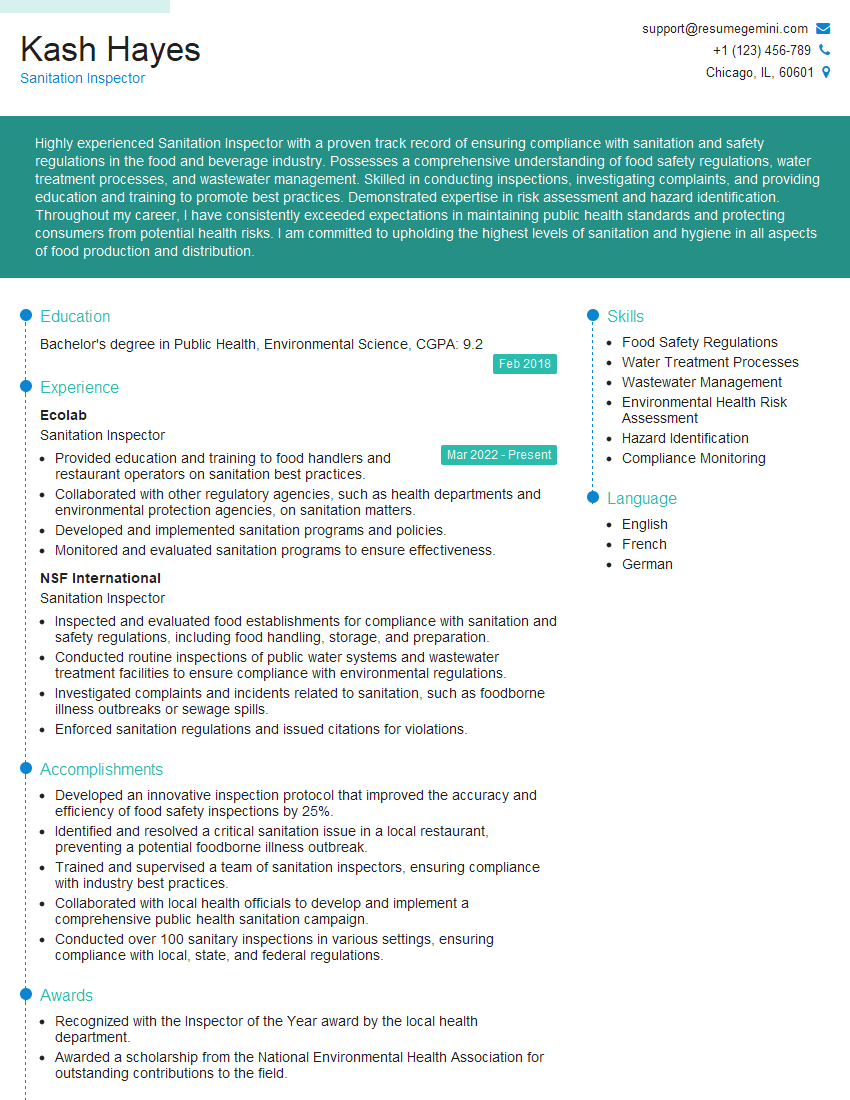
Sanitation Inspector Resume Sample
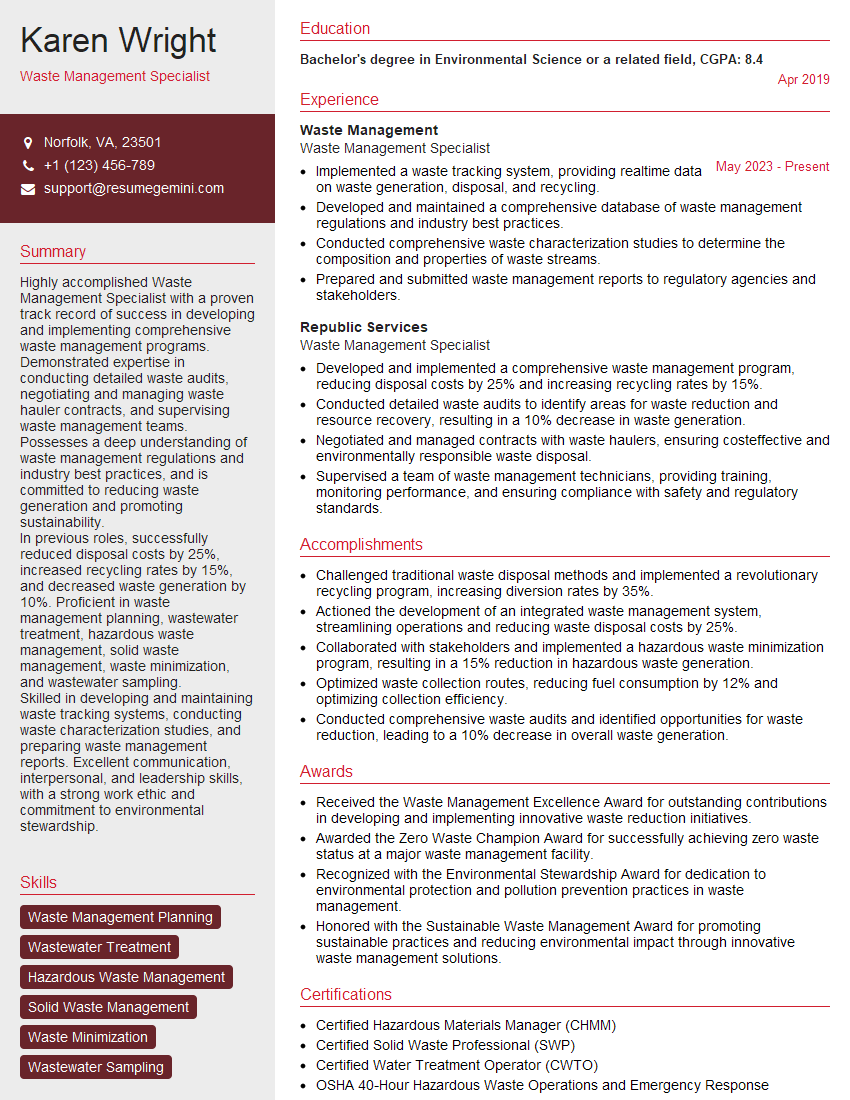
Waste Management Specialist Resume Sample
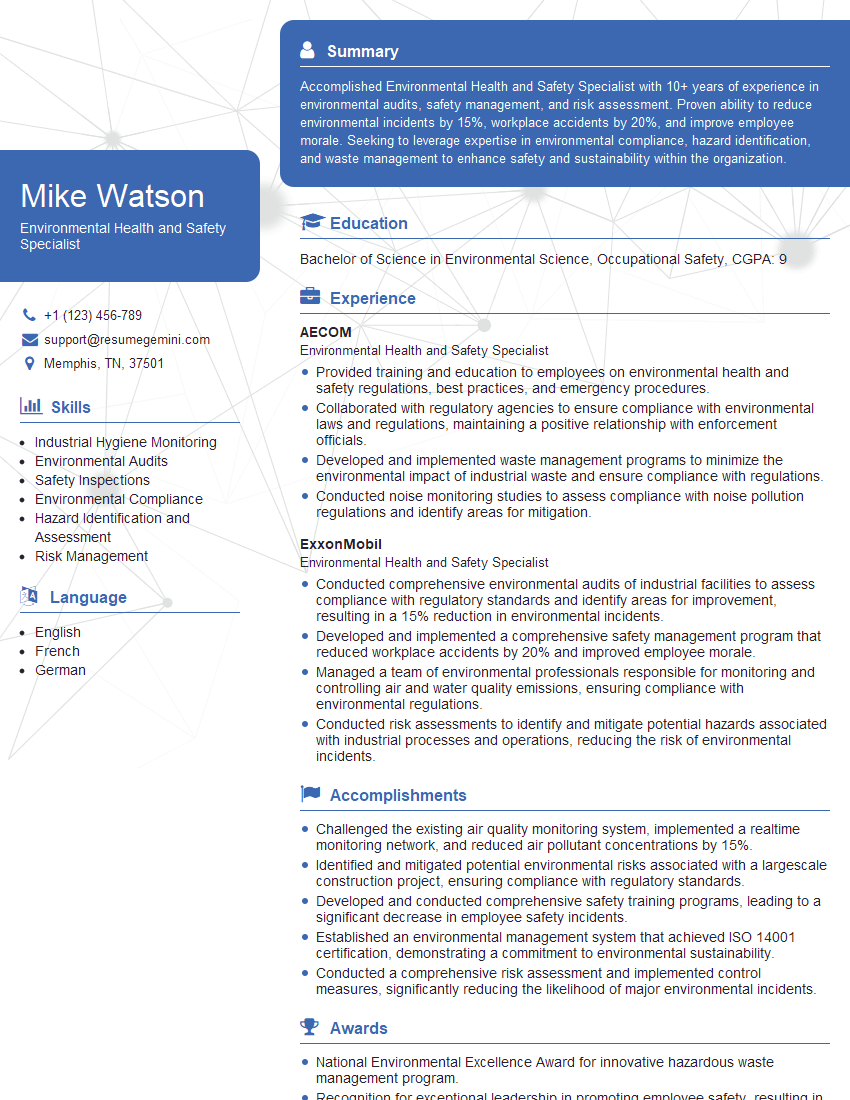
Environmental Health and Safety Specialist Resume Sample
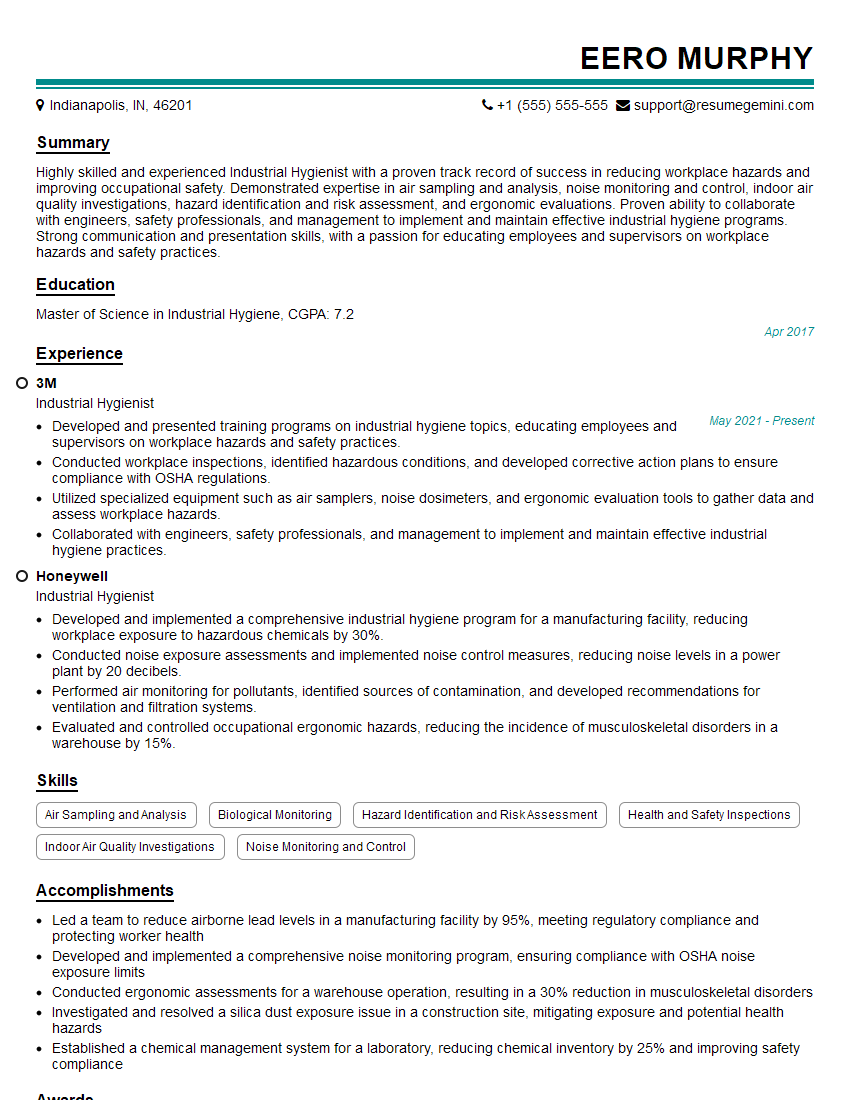
Industrial Hygienist Resume Sample
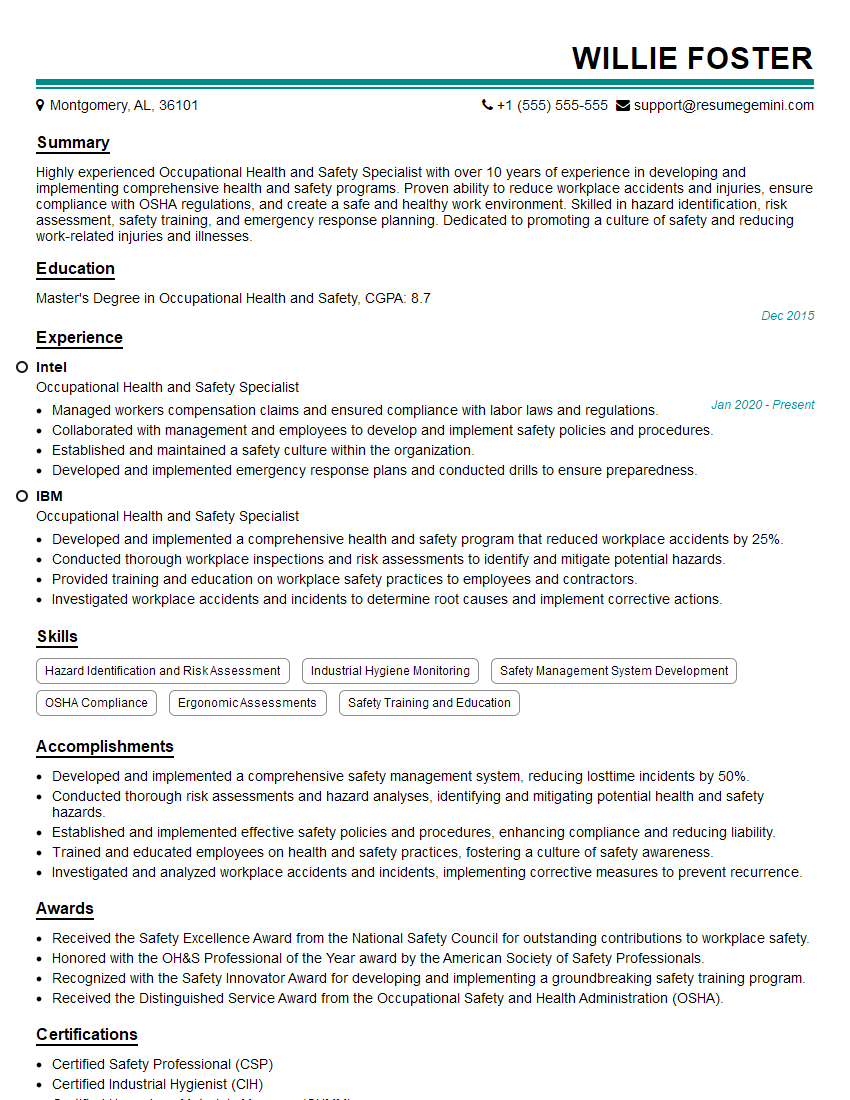
Occupational Health and Safety Specialist Resume Sample
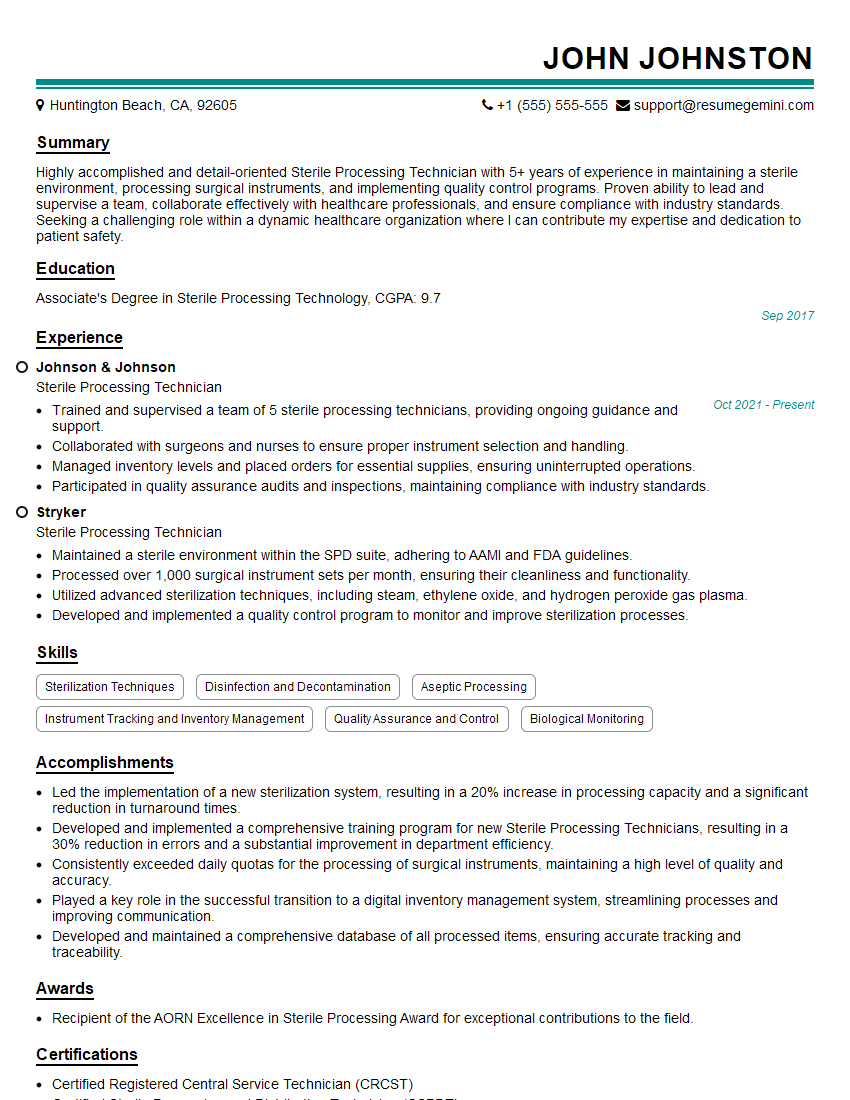
Sterile Processing Technician Resume Sample
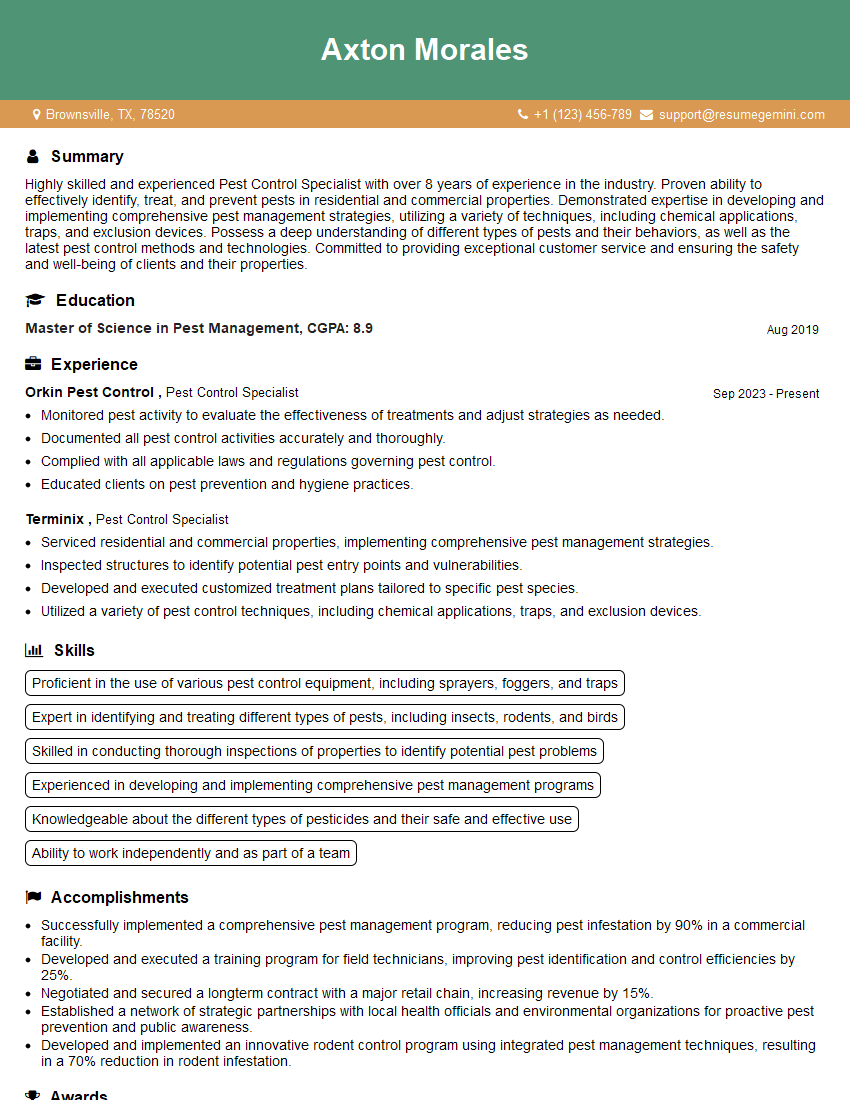
Pest Control Specialist Resume Sample
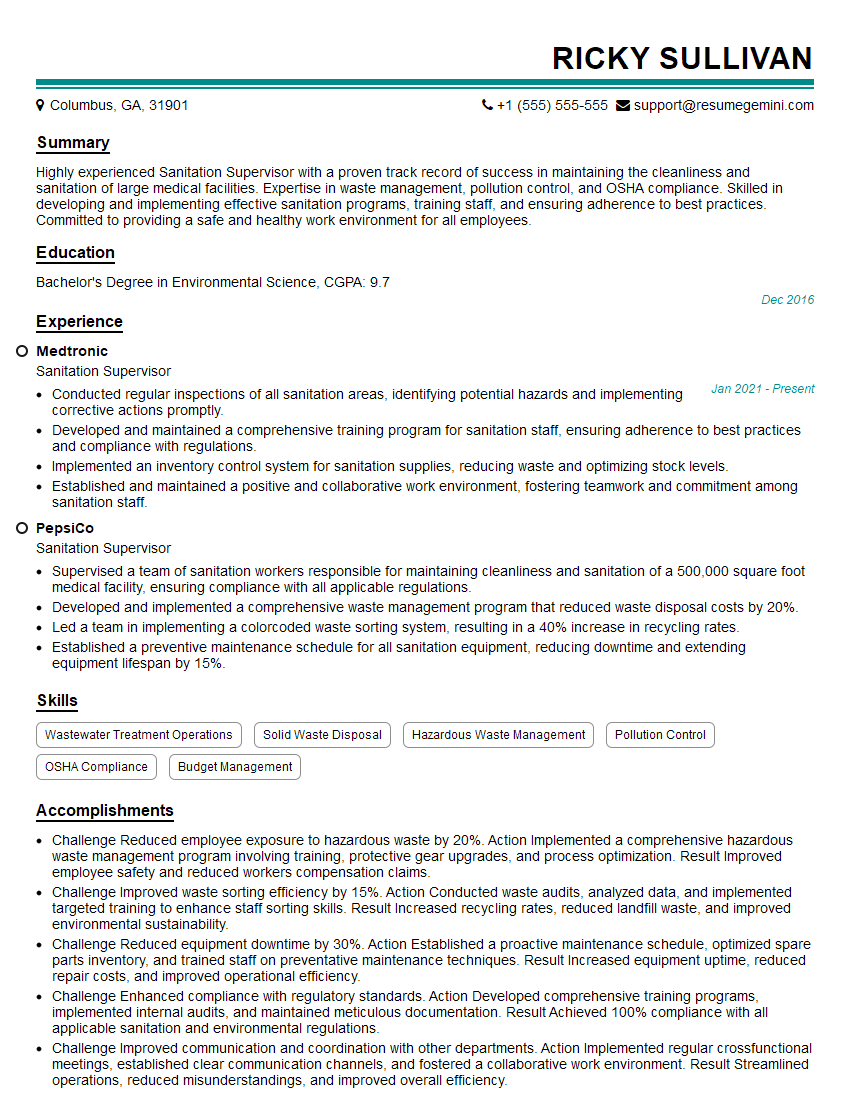
Sanitation Supervisor Resume Sample
Explore more articles
Users Rating of Our Blogs
Share Your Experience
We value your feedback! Please rate our content and share your thoughts (optional).
What Readers Say About Our Blog
Very informative content, great job.
good